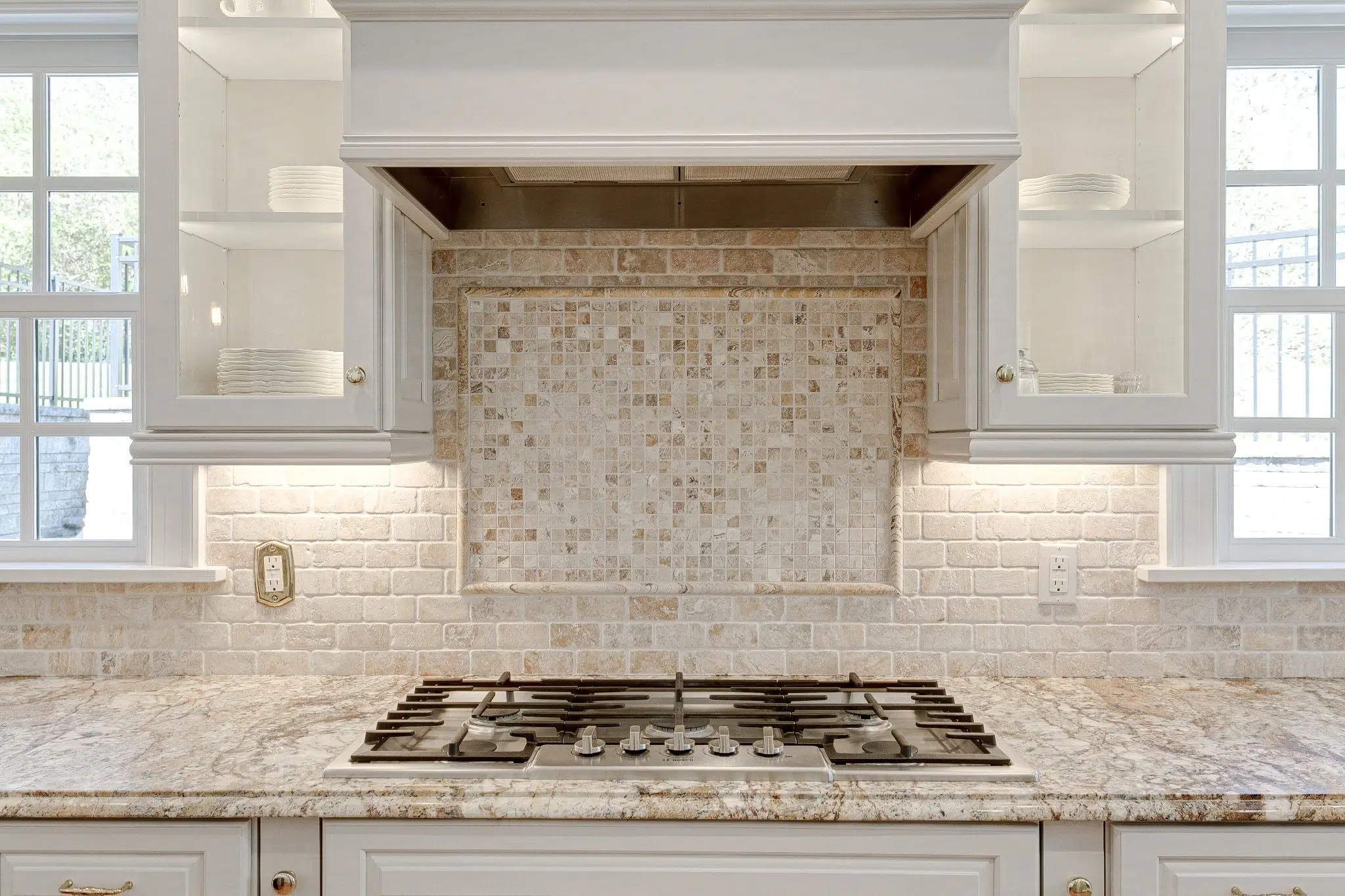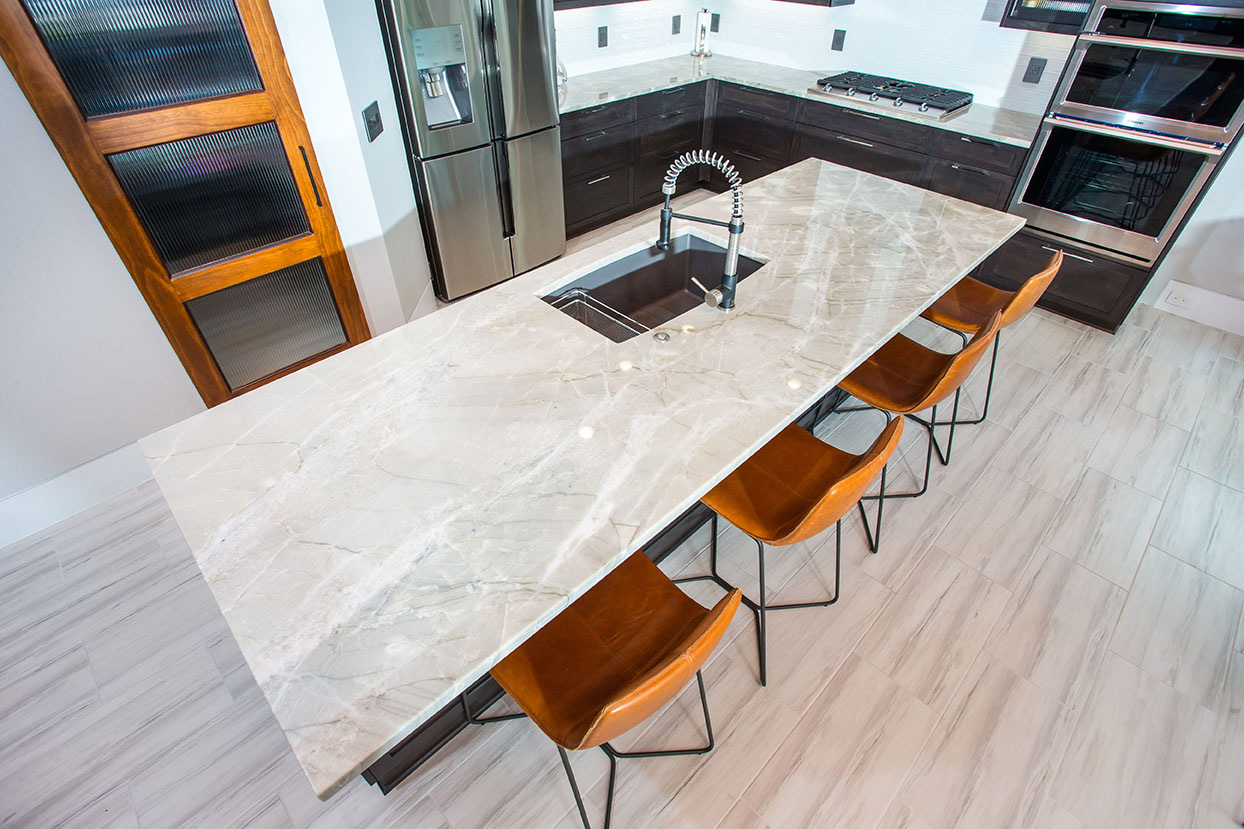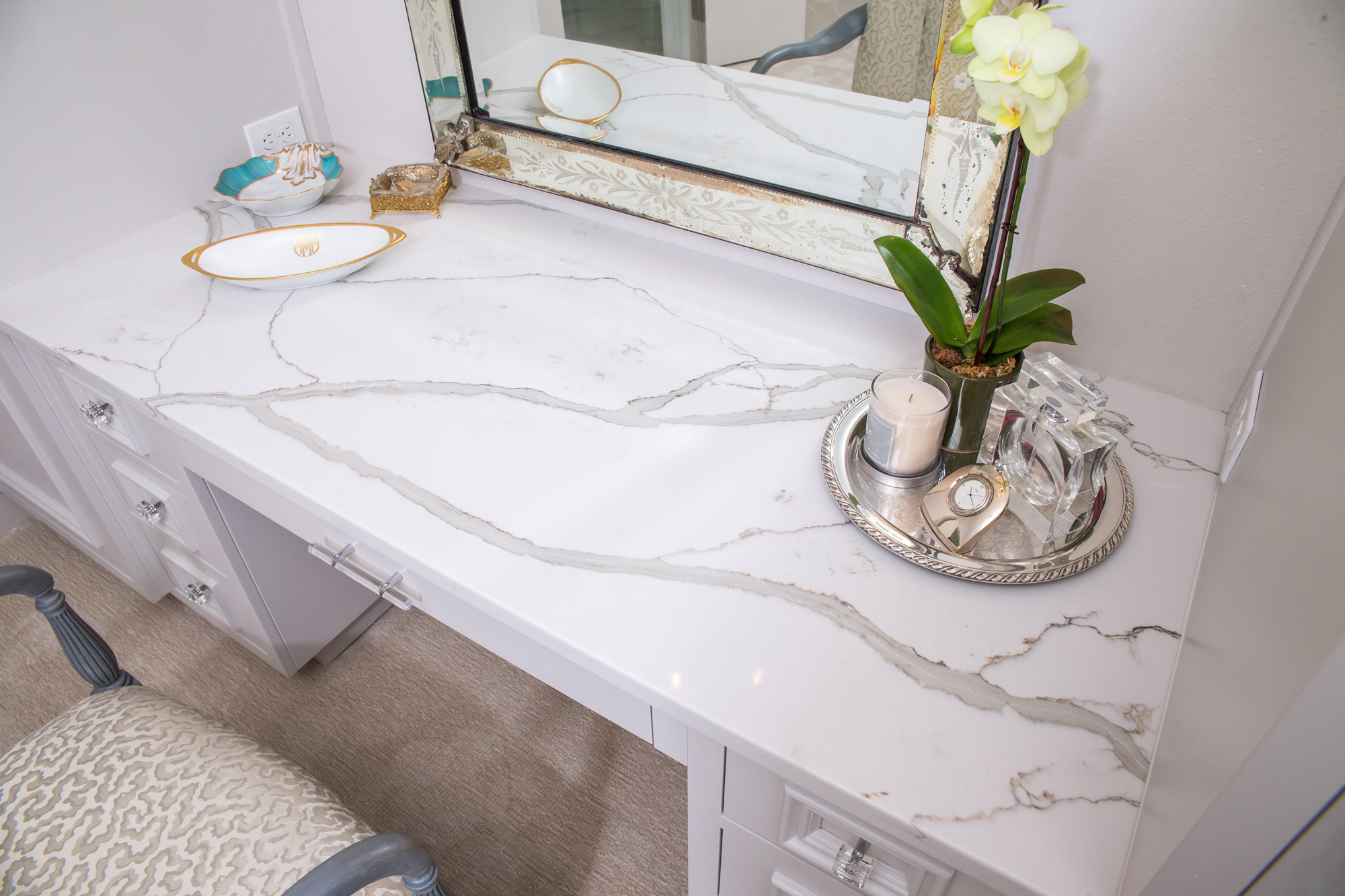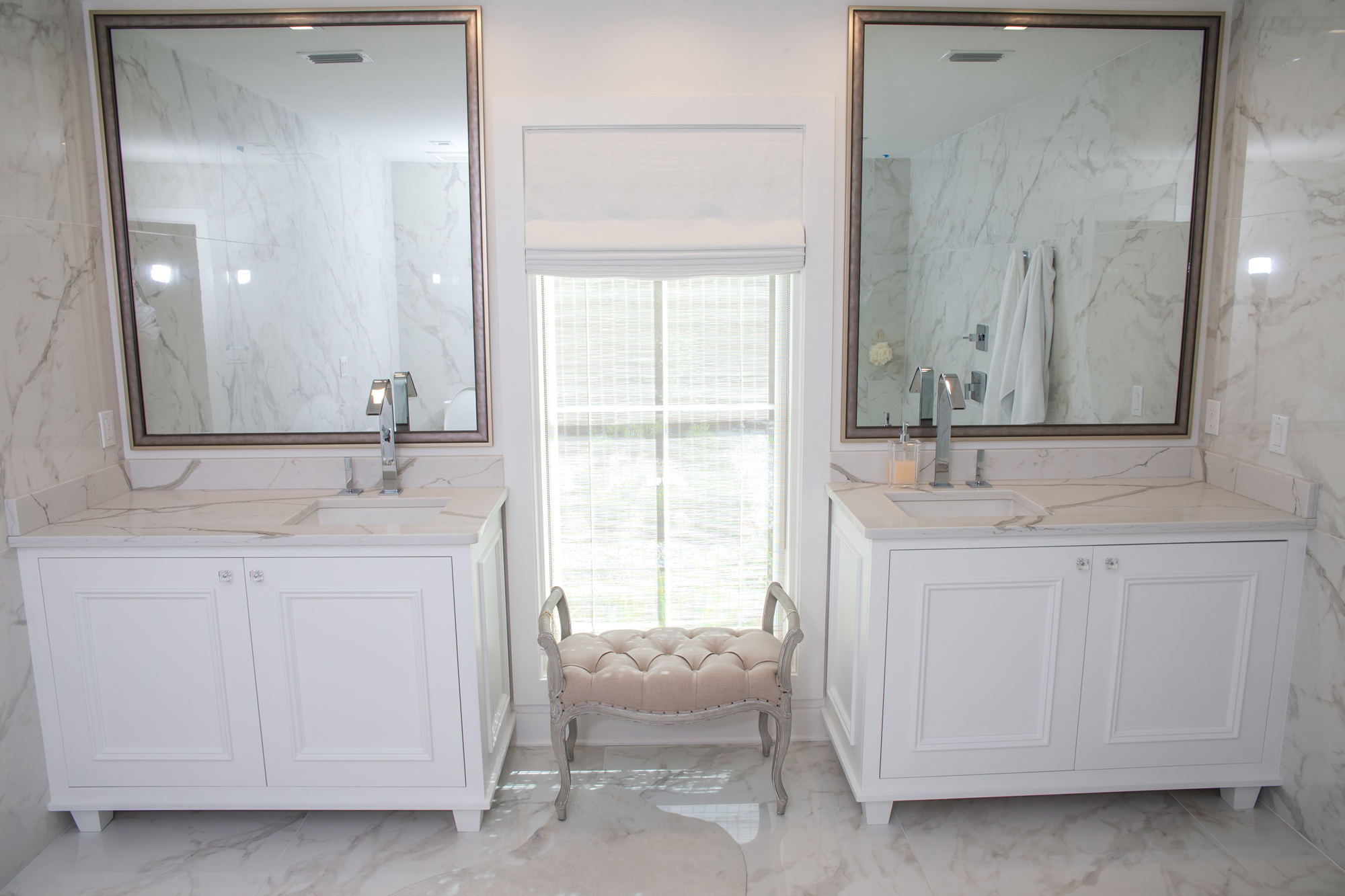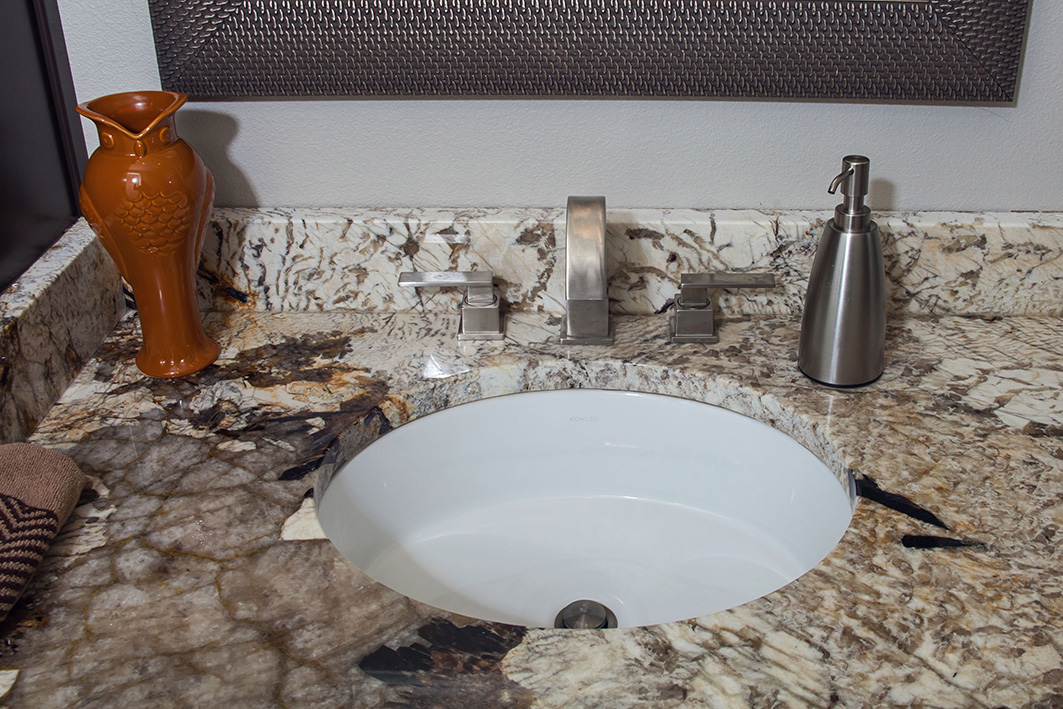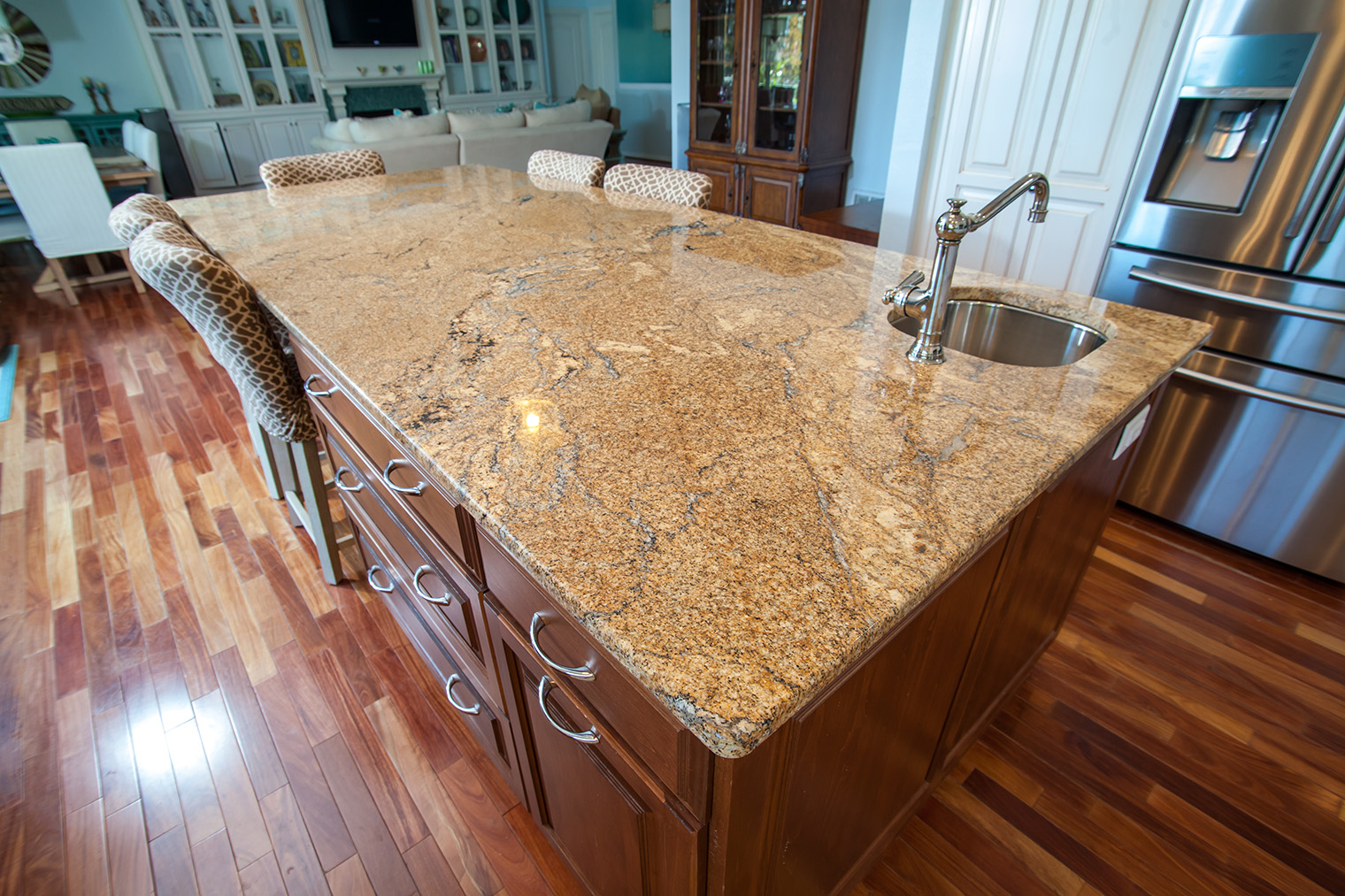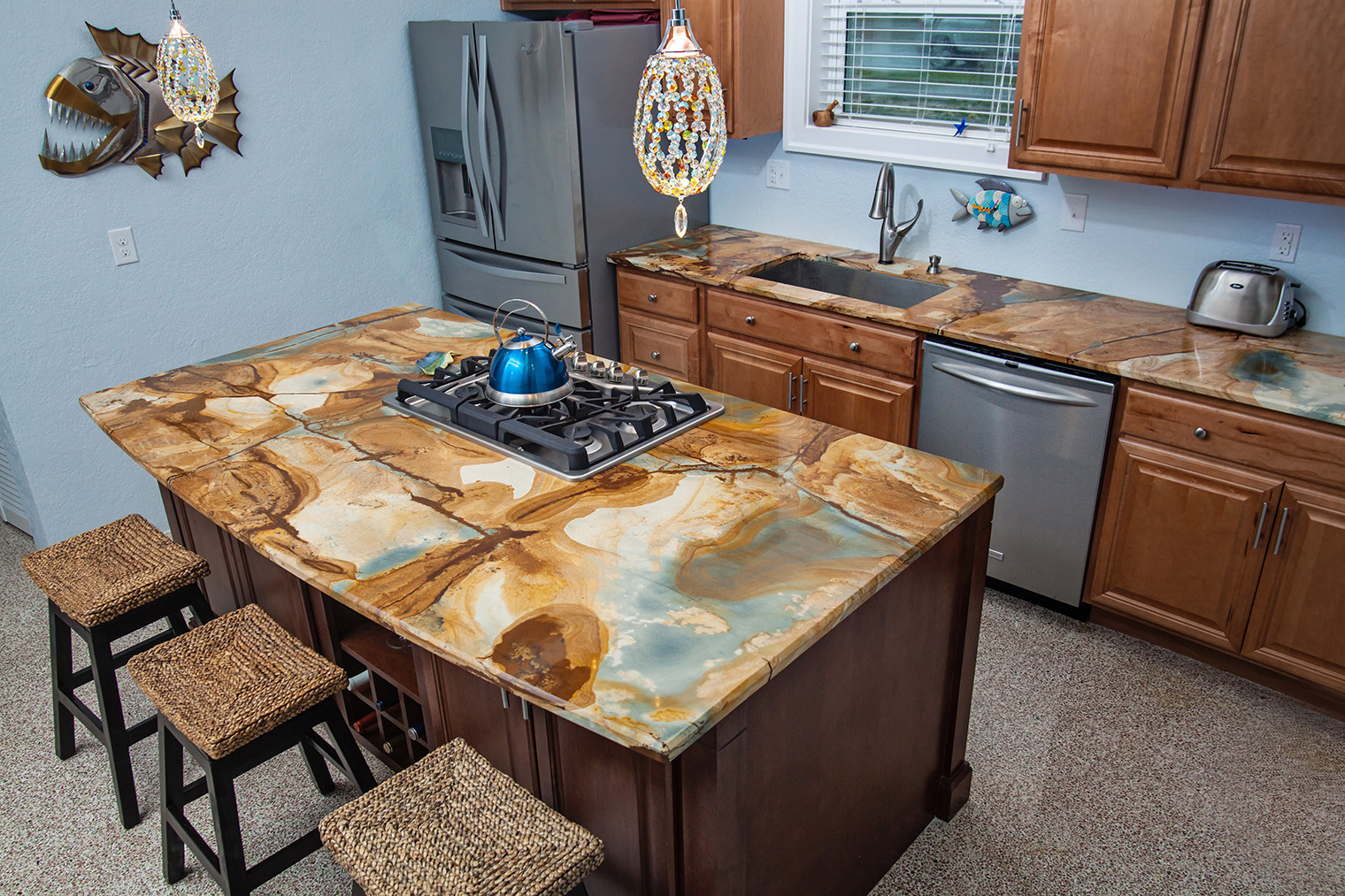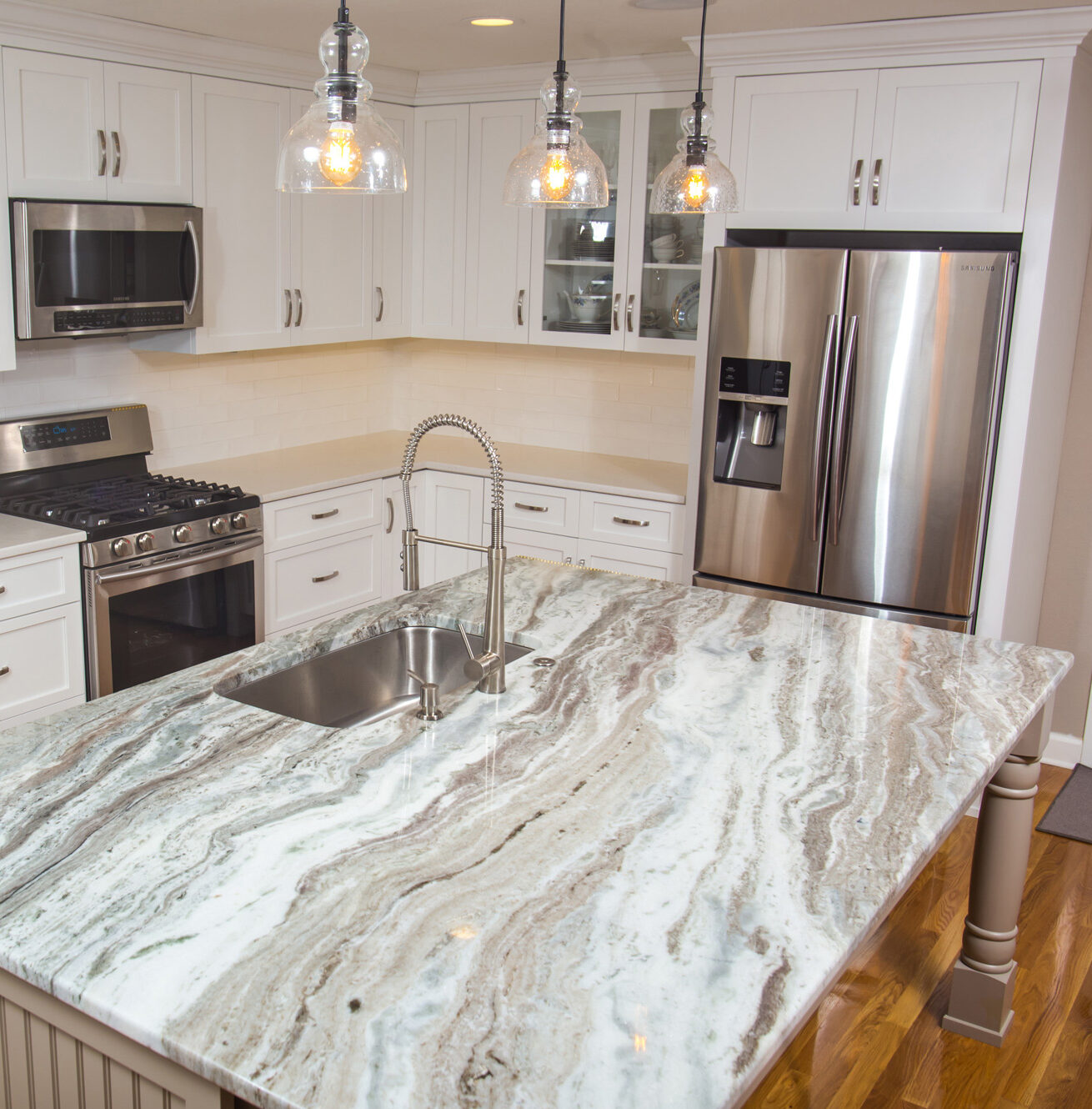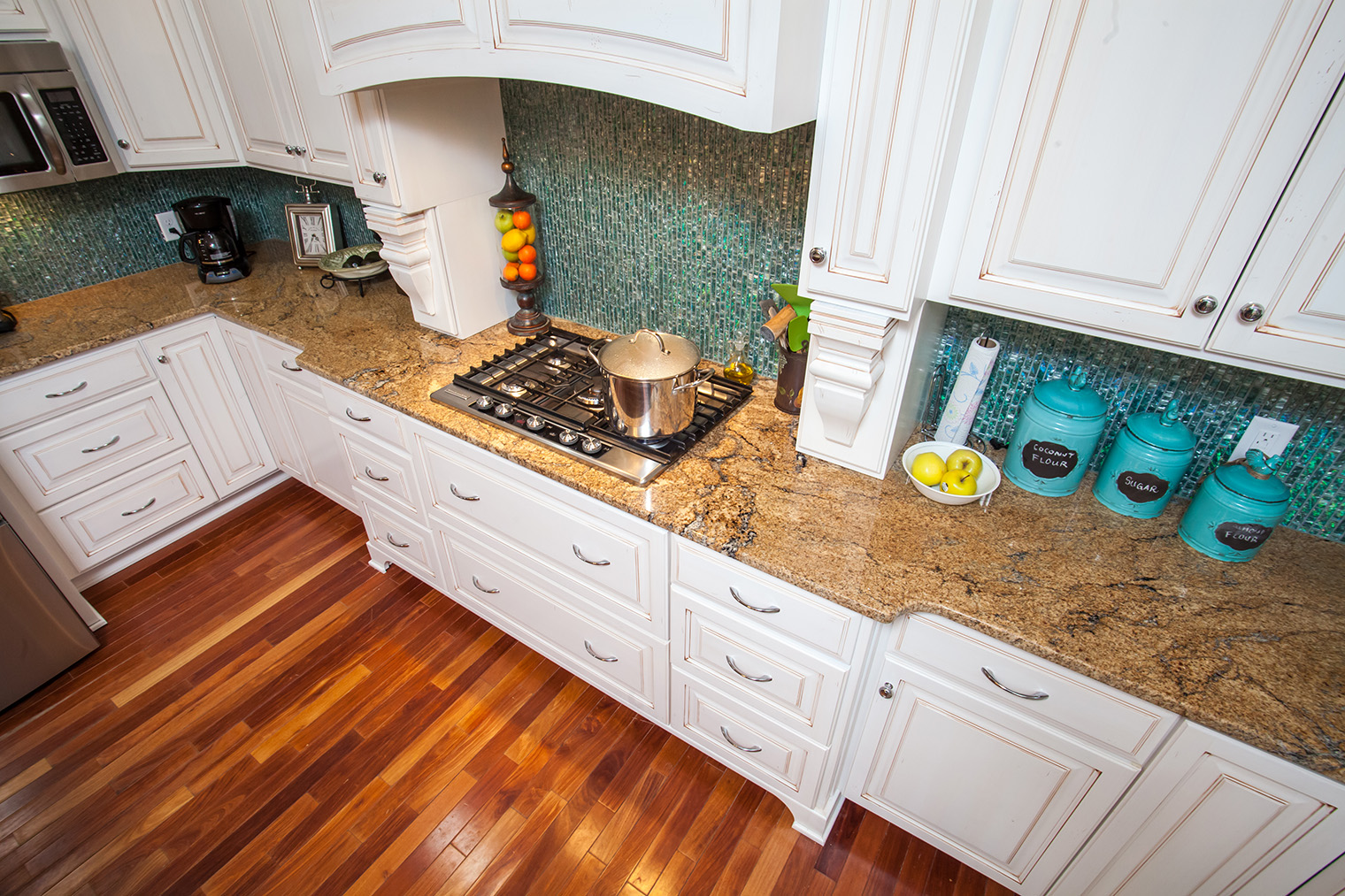
If you want to keep your honed granite countertops looking beautiful and lasting for years, you need the right cleaner. The best choice is a pH-neutral stone cleaner or a small amount of mild dish soap mixed with warm water.
Avoid harsh chemicals, vinegar, bleach, or rough scrubbers; these can damage the surface and make it easier for stains to form. For daily cleaning, wipe with a soft cloth, warm water, and a gentle granite cleaner. For stubborn stains, use a special granite stain remover or contact a professional granite cleaning service.
What are Honed Granite Countertops?
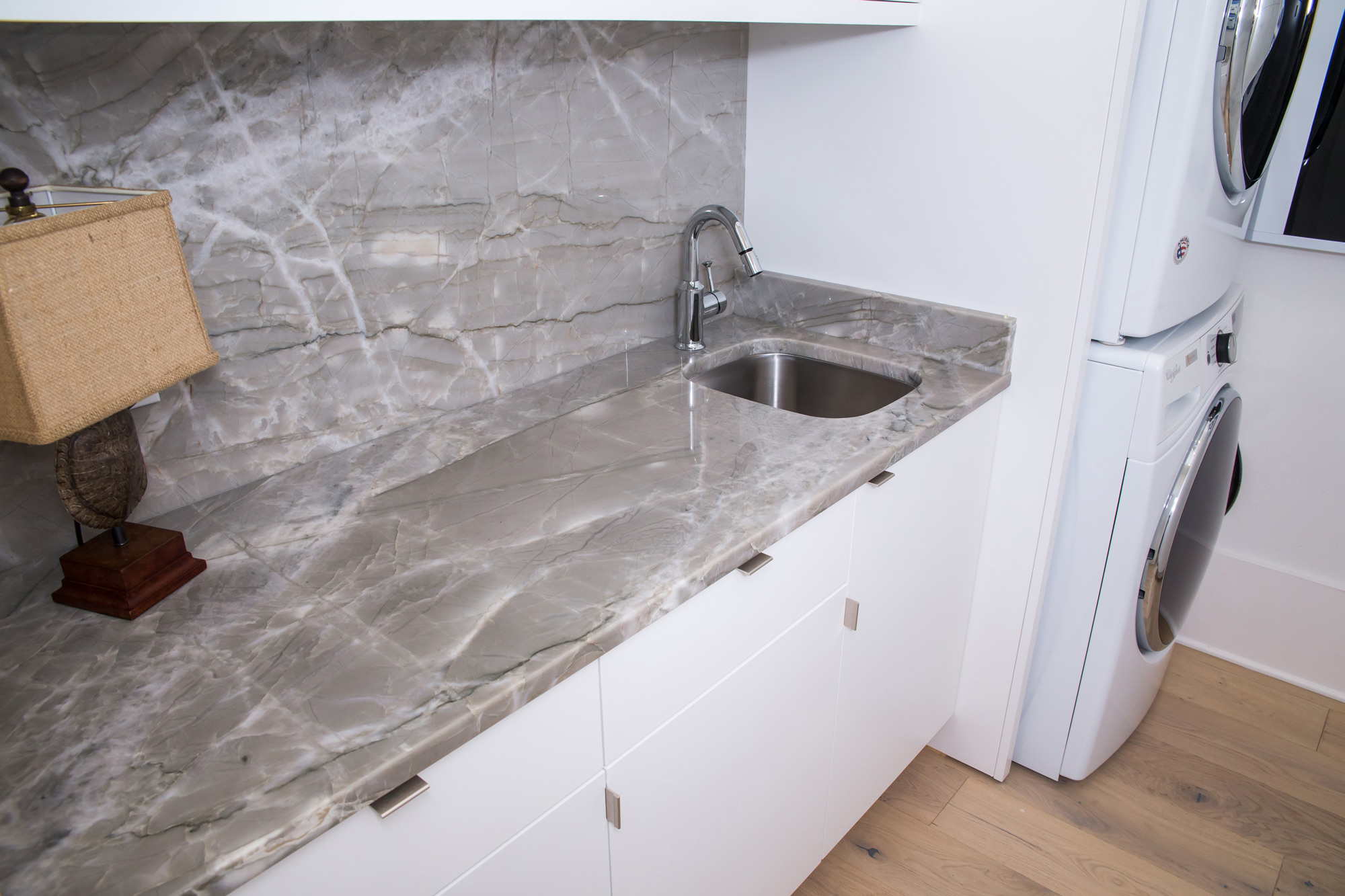
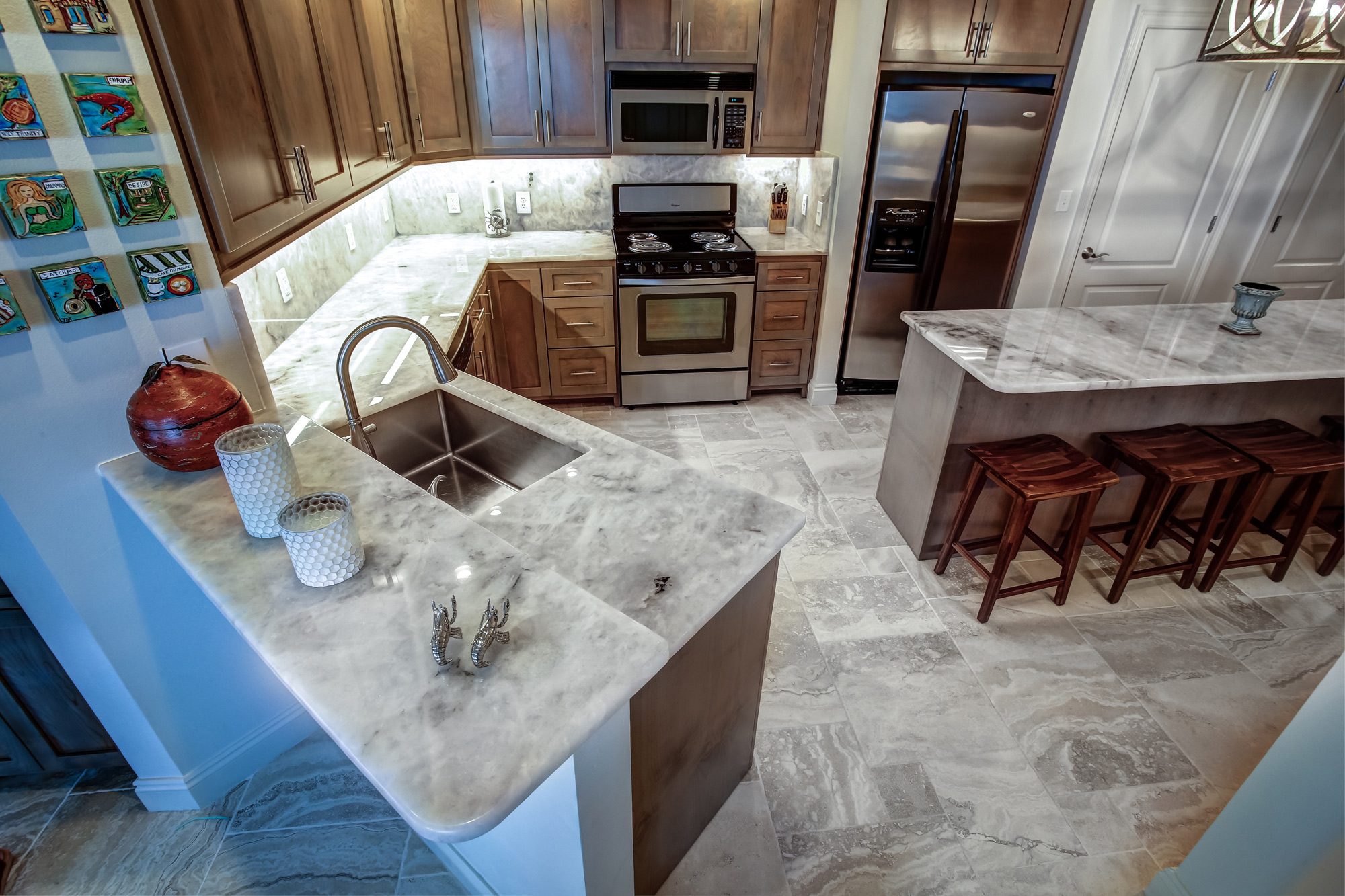
Honed granite countertops are made from natural stone, but instead of having a shiny, polished finish, they have a soft, matte look. This style feels warm, modern, and elegant. However, the smooth, non-reflective surface can show stains, fingerprints, and water spots more easily than polished granite. That’s why gentle cleaning is essential.
Key points about honed granite:
- Soft, matte surface instead of a glossy shine.
- Natural and elegant appearance.
- More likely to absorb spills and stains if not cleaned properly.
- Needs frequent sealing and gentle maintenance.
The Benefits of Granite Vanity Tops
Why the Right Cleaner is Important
Honed granite has tiny pores in the surface that can absorb liquids. If you use the wrong cleaner, it can:
- Etch the surface and cause dull spots.
- Remove the protective filler.
- Leave scratches or uneven marks.
Using the correct cleaner keeps the stone smooth, strong, and beautiful. Think of it like giving your countertop a gentle bath instead of a harsh scrub.
The Best Cleaner for Honed Granite Countertops
The safest choice is a pH-neutral cleaner. This type of cleaner is gentle and won’t react with the stone. You can find ready-made granite cleaners in most home improvement stores, or you can make a simple one at home:
DIY Granite Cleaner
- Mix warm water with a few drops of mild dish soap.
- Stir gently (avoid making too many suds).
Once you have your cleaner, dip a soft microfiber cloth or sponge in the solution and wipe the countertop gently. Do not scrub hard. If a spill happens, clean it right away before it soaks in.
Step-by-Step Guide to Cleaning Honed Granite
- Remove Dust and Crumbs: Wipe the surface with a dry, soft cloth.
- Apply Cleaner: Use a store-bought pH-neutral granite cleaner or your homemade mild soap solution.
- Wipe Gently: Move the cloth in circles to lift dirt.
- Rinse: Wipe again with clean water to remove soap.
- Dry completely: Use a dry cloth to prevent water spots.
How to Keep Your Countertop Safe from Stains
- Wipe spills immediately, especially coffee, juice, wine, and oil.
- Use coasters, placemats, and trivets for drinks and hot pans.
- Avoid letting water sit for long periods.
- Reseal the surface every 6–12 months to keep it protected.
Removing Stains the Right Way
If you get a stain, act fast. Here’s how to handle common stains on honed granite:
- Oil-based stains: Mix baking soda with water to make a paste.
- Organic stains (like coffee or wine): Mix baking soda with hydrogen peroxide to make a paste.
Spread the paste on the stain, cover with plastic wrap, and let it sit for 24–48 hours. Then wipe away gently.
If the stain doesn’t go away, call a granite cleaning and restoration professional for deep cleaning without damage.
Common Mistakes to Avoid
- Never use acidic cleaners like vinegar, lemon juice, or bathroom cleaners.
- Avoid bleach or ammonia-based cleaners.
- Don’t use steel wool or rough scrub pads.
- Never leave spills to sit; clean them right away.
Conclusion
The best cleaner for honed granite countertops is always gentle, a pH-neutral granite cleaner or mild dish soap with warm water. Avoid acidic or harsh cleaners, and wipe spills as soon as they happen. Reseal regularly to protect the surface. With the right cleaning routine, your honed granite will stay beautiful and strong for many years.
Call to Action:
Want your granite to look its best? Use the right cleaner and care tips. For deep cleaning or stain removal, trust professional granite cleaning services that know how to handle honed stone with care.
FAQs
1. Can I use vinegar to clean honed granite?
No. Vinegar is acidic and can etch the surface.
2. How often should I seal honed granite?
Every 6–12 months, depending on how much you use it.
3. What is the safest daily cleaner?
A pH-neutral granite cleaner or mild dish soap mixed with warm water.
4. Does honed granite stain easily?
Yes. That’s why quick cleaning and sealing are important.5. Can I use bleach?
No. Bleach can damage the stone and the sealant.