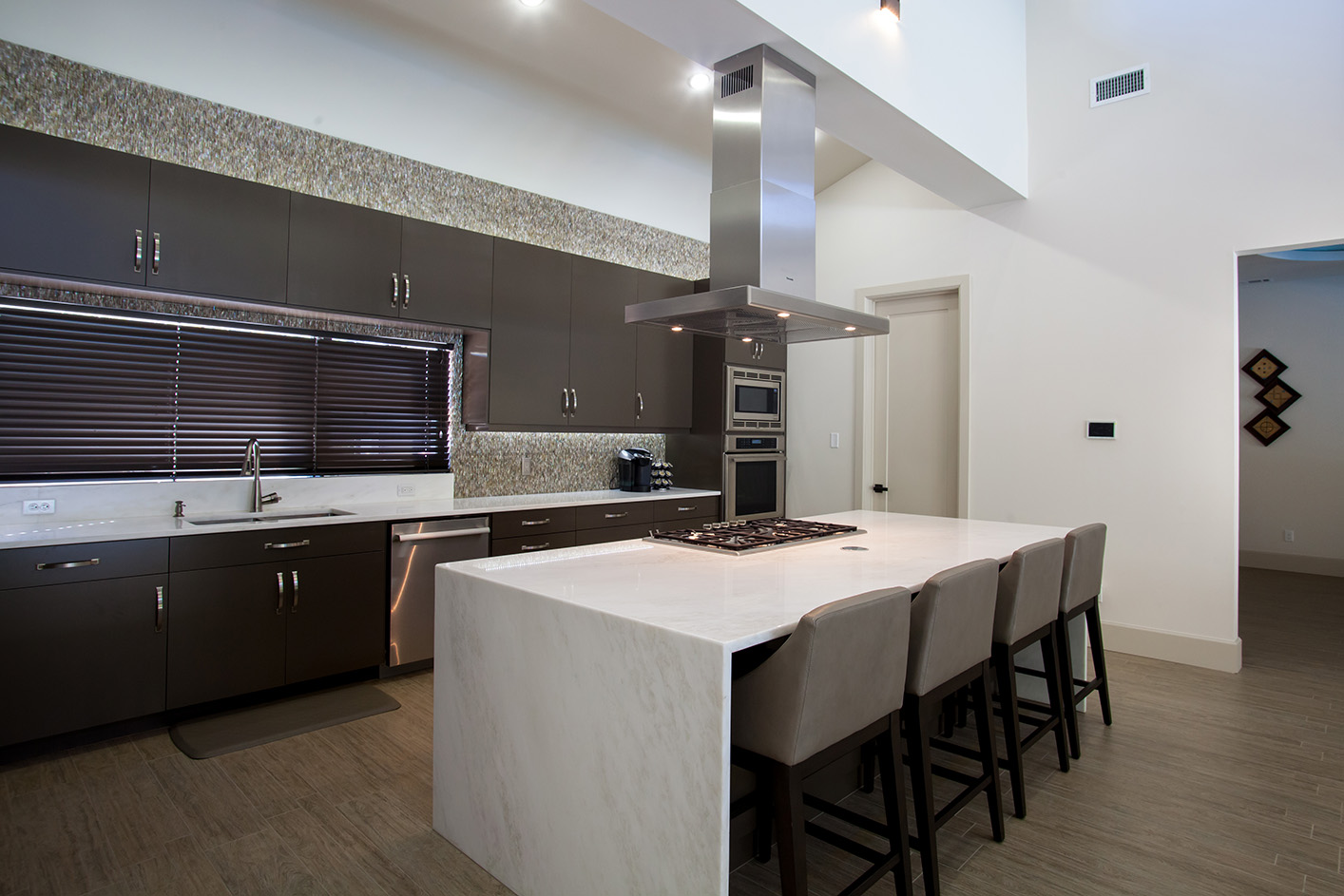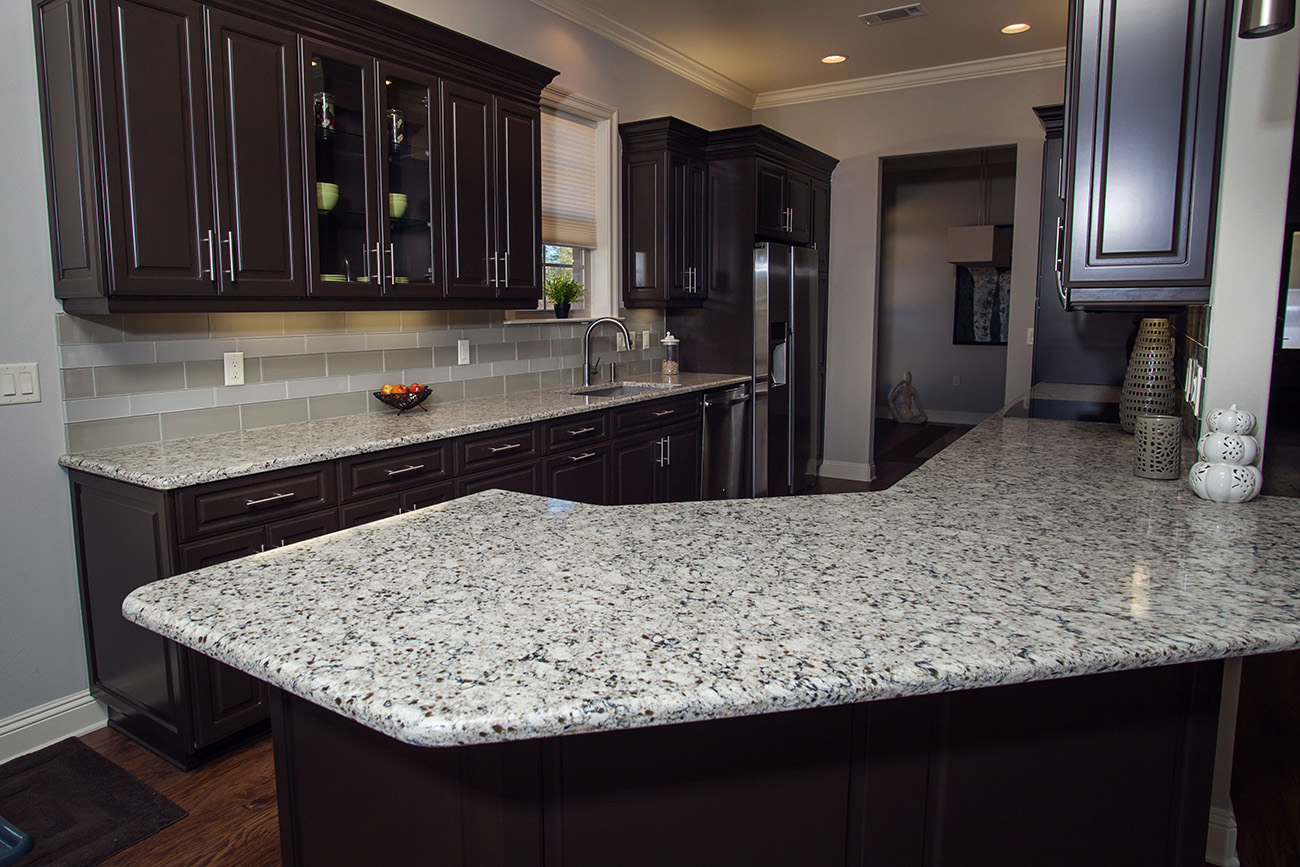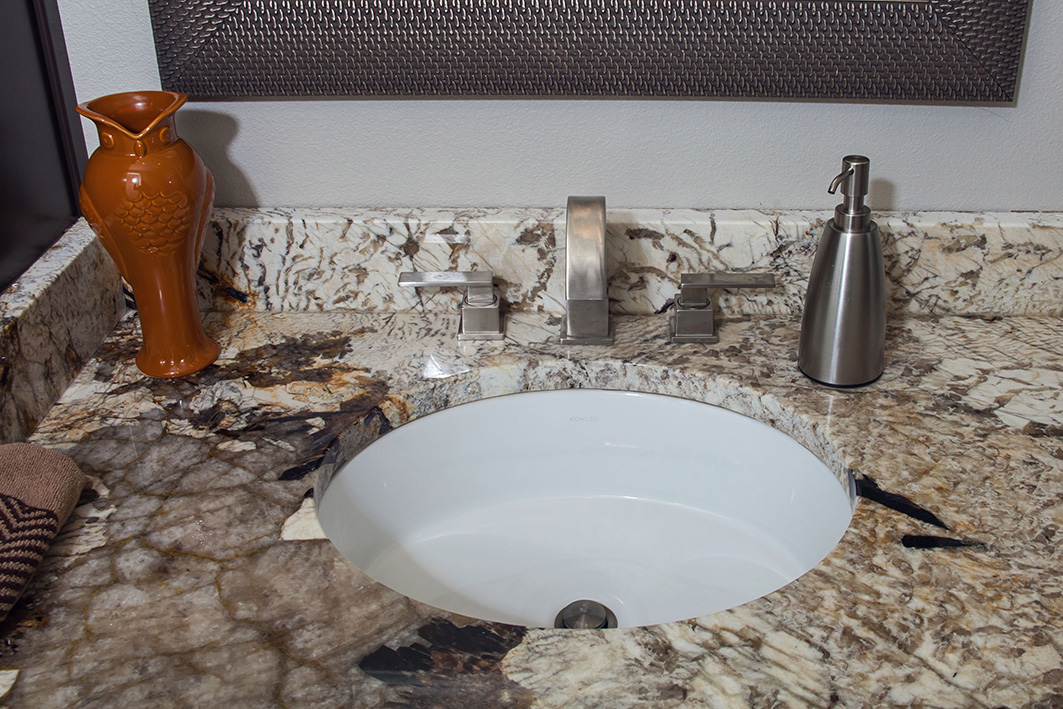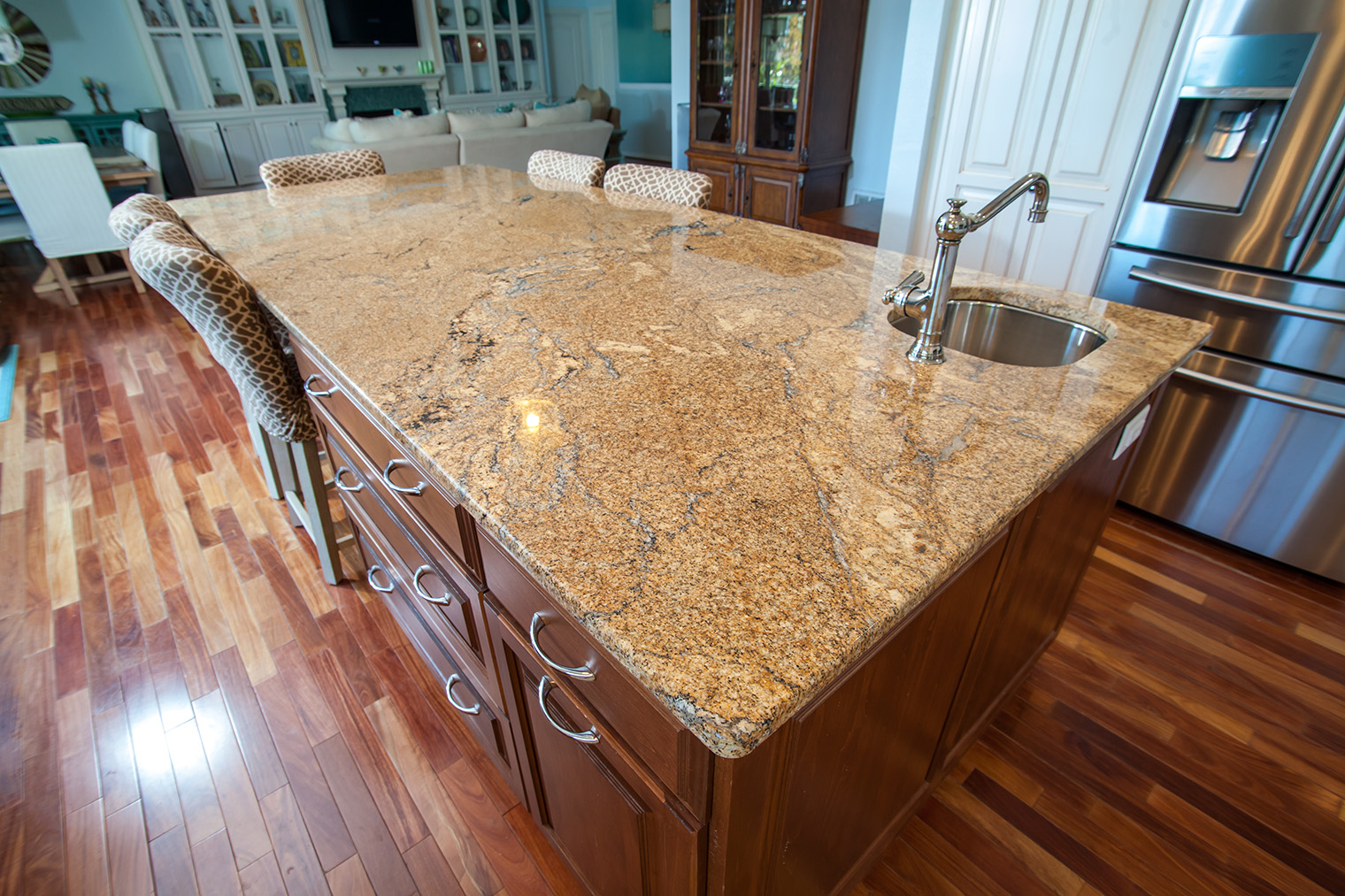
Florida homes are beautiful, modern, and full of style. But when it comes to kitchens and bathrooms, choosing the wrong countertop can lead to serious problems. If you do not select or install countertop materials correctly, Florida’s hot weather, high humidity, and moisture can damage them.
Countertops are an important part of every kitchen and bathroom. In Florida homes, they face extra pressure because of heat, humidity, and constant moisture in the air. Because of this, even a small mistake in choosing or installing countertops can lead to serious damage over time.
Many homeowners end up dealing with stains, cracks, mold, or costly replacements just because they didn’t choose the right material or installation method. This guide on avoiding these countertop mistakes in Florida homes will help you understand the most common errors and how to prevent them in simple terms.
Why Do Countertops Matter in Florida Homes?
Florida has a hot and humid climate almost all year. This environment can affect building materials more than many people realize. Florida’s year-round hot and humid climate damages building materials more than many people realize. Because countertops endure daily exposure to water, heat, and cleaning products, you must choose strong materials suitable for this environment. Selecting the wrong countertop quickly causes problems like moisture damage, warping, and staining.
That is why learning about it is important before any renovation or installation.
Common Countertop Mistakes Homeowners Make
Choosing and maintaining countertops in Florida requires careful planning because the climate is very different from many other places. Heat, humidity, and moisture can easily affect the performance of surfaces if the right choices are not made. Below are the most common mistakes homeowners make and how they impact durability over time.
1. Ignoring Florida Climate Conditions
One of the biggest Countertop mistakes in Florida homes is ignoring the weather conditions. Florida has high humidity and moisture, which can damage many surfaces.
If you choose the wrong material, it may:
- Warp over time
- Develop mold or mildew
- Lose shine and strength
That is why countertop removal and disposal should always consider the climate first. Materials like non-porous engineered quartz, porcelain, and properly sealed 3cm natural stones (like granite and quartzite) perform exceptionally well in humid environments.
2. Choosing the Wrong Material
Another common mistake is selecting materials based only on appearance.
Some materials are not suitable for high-humidity Florida homes:
- Cheap laminates (warp and swell quickly from moisture)
- Unsealed stone surfaces. Premium choices offered in our showrooms include:
- Quartz & Porcelain: Excellent, completely non-porous options that handle humidity flawlessly.
- Granite & Quartzite: Ultra-durable, premium 3cm natural stones that naturally resist scratches and environmental wear.
- Dolomite, Calcite, & Marble: Beautiful options best suited for lower-traffic spaces like bathrooms due to their porous properties.
3. Skipping Proper Sealing
Natural stones are naturally porous and require routine sealing schedules to prevent fluid absorption and staining. Failing to seal them leads to permanent water marks, oil stains, and serious structural damage.
Sealing requirements vary depending on your choice of stone:
- Granite: You must seal granite countertops annually (once every year).
- Quartzite, Dolomite, Calcite, and Marble: You must seal these highly porous stones semi-annually (every 6 months) to protect them against acid etching and liquid damage.
- Quartzite Special Care: We highly recommend that you seal quartzite with a water-based sealer once a month for the first three months and apply a silicone-based sealer semi-annually after that.
Regular sealing protects your premium investment and extends its lifespan, ensuring your countertops handle Florida’s humid conditions seamlessly.
4. Heat Damage in Kitchens
Florida kitchens are active, and heat is used daily. Placing hot items directly on certain countertops can cause irreversible damage. High temperatures will scorch, discolor, or crack the resin binders in quartz surfaces, so you should always protect them with hot pads or trivets.
Similarly, you must use a trivet or hot pad on calcite, dolomite, and marble to avoid structural damage or thermal shock. Conversely, you can safely place hot items directly onto granite or porcelain surfaces without a pad, though hot glass or Pyrex dishes may experience thermal shock on cool granite.
5. Poor Edge Selection
Sharp edges look modern but are risky. They can chip easily, especially in busy kitchens.
Better options include:
- Rounded edges
- Eased edges
- Mitered edges
Choosing the wrong edge design is also one of the hidden countertop mistakes in Florida homes.
6. DIY Installation Errors
Many homeowners try to install countertops themselves to save money. But this often leads to problems.
Common issues:
- Wrong measurements
- Uneven fitting
- Visible seams
- Weak structure
Professional countertop installation services ensure accuracy and durability.
7. Poor Cleaning Habits
Using harsh chemical products can permanently damage your investment. Avoid bleach, ammonia, vinegar, citrus extracts, and essential oil-based cleaners, as well as abrasive scouring pads (like green 3M Scotch Brite, Brillo, or S.O.S. pads), which create dull spots on the surface. For routine care across both quartz and natural stones, clean using a soft microfiber cloth with warm, soapy water (such as non-citrus Dawn dish soap), or use verified commercial cleaners like Simple Green, Formula 409, or Windex.
8. Overly Busy Designs
Too many patterns or bold colors can make your kitchen look outdated quickly.
Simple designs:
- Stay modern longer
- Match more interiors
- Are easier to maintain
Best vs Worst Countertop Choices in Florida
| Material Type | Best for Florida | Maintenance Level | Durability (Mohs Scale) | Risk Level (Unsealed/Misused) | Indoor / Outdoor Use |
|---|---|---|---|---|---|
| Quartz | Yes | Low (No Sealing Required) | High (Mohs 7) | Low (Resists Stains; Avoid Direct Heat) | Indoors Only (UV Fades Resin) |
| Sealed Granite | Yes | Low to Medium (Seal Annually) | Ultra-High (Mohs 6–6.5) | Low (Nearly Heat & Scratch Impervious) | Indoor & Outdoor (Covered) |
| Quartzite | Yes | Medium (Seal Every 6 Mos) | Ultra-High (Mohs 7) | Low (Harder than Granite) | Indoor & Outdoor (Covered) |
| Porcelain | Yes | Low (No Sealing Required) | High (Heat/UV Resistant) | Medium (Mitered Edges Can Chip) | Indoor & Outdoor (Freeze/Thaw Proof) |
| Dolomite | Yes (Bathrooms Preferred) | Medium (Seal Every 6 Mos) | Medium-High (Mohs 3.5–4) | Medium (Acid Etching Risk) | Indoors Only |
| Marble & Calcite | Yes (Low-Traffic / Bath Only) | High (Seal Every 6 Mos) | Soft / Porous (Mohs 3) | High (Etches easily with acids in <20 mins) | Indoors Only |
| Laminate | No | Low | Low | High (Moisture/Warping Risk) | Indoors Only |
9. Incorrect Maintenance Routine
Some people forget regular maintenance. Even strong materials need care.
Proper maintenance includes:
- Regular cleaning
- Sealing (if needed)
- Avoiding heavy impact
10. Not Hiring Professionals
One of the biggest mistakes is not hiring experts for installation or removal.
Professional services ensure:
- Proper measurement
- Safe removal
- Perfect installation
- Long-term durability
If you want safe results, always rely on experts.
Conclusion
Avoiding countertop mistakes is very important if you want long-lasting beauty and durability in your kitchen or bathroom. The right material, proper sealing, and expert installation can save you from costly repairs in the future.
Always remember that Florida’s climate is unique, and not every countertop is suitable for it.
If you are planning installation, repair, or countertop removal and disposal, choosing professionals is the safest option.
Contact us today for expert guidance and professional countertop services in Florida. We are here to help you choose the best solution for your home.
Pensacola, FL
Visit Us: 7011 Pine Forest Road, Pensacola, FL 32526
Call Us: (850) 941-0270
Hours: Monday – Friday: 8 a.m. – 5 p.m., Saturday: 9 a.m. – 2 p.m.
Pace, FL
Visit Us: 4590 Jernigan Road, Pace, Florida 32571
Call Us: (850) 994-1872
Hours: Tuesday – Friday: 9 a.m. – 5 p.m., Saturday: 9 a.m. – 2 p.m.
Fort Walton Beach, FL
Visit Us: 35 Miracle Strip Pkwy SW, Fort Walton Beach, Florida 32548
Call Us: (850) 301-0716
Hours: Tuesday – Friday: 8 a.m. – 5 p.m., Saturday: 9 a.m. – 2 p.m.
Get quotes now and start your project!
FAQs
1. What are the most common countertop mistakes in Florida homes?
The most common mistakes include ignoring Florida’s humid climate, choosing the wrong countertop material, and poor installation practices. Many homeowners select materials based only on appearance without considering durability. Skipping proper sealing or maintenance often leads to moisture damage, stains, mold growth, and early replacement needs.
2. Which countertop is best for Florida weather?
Engineered quartz, porcelain, and sealed natural stones like granite or quartzite are ideal for humid environments. Quartz and porcelain are non-porous and will not absorb atmospheric moisture. For outdoor applications exposed to direct sunlight or climate shifts, we highly recommend porcelain because it completely resists UV rays and withstands freeze/thaw cycles, whereas you must keep quartz indoors to prevent the resin from fading over time.
3. How often do natural stone countertops need to be sealed?
Natural stone countertops must be sealed on a strict, routine schedule to maintain their defense against moisture and household spills. Granite should be sealed annually (once a year). Higher-maintenance, porous stones like quartzite, dolomite, calcite, and marble require sealing semi-annually (every 6 months). Quartzite surfaces require extra attention initially, needing a water-based sealer once a month for the first three months.
4. Can heat damage countertops?
Yes, depending on the material chosen. Quartz countertops contain resin binders that will permanently scorch or discolor if subjected to direct heat. Naturally soft stones like marble, calcite, and dolomite are also susceptible to heat damage and thermal shock. Always use a trivet or hot pad on these surfaces. On the other hand, porcelain is entirely heat-resistant, and granite is virtually impervious to high temperatures, allowing you to comfortably place hot pots directly on them.
5. Why is professional installation important?
Professional installation is important because it ensures accurate measurement, proper fitting, and strong structural support. Even a small mistake during installation can lead to uneven surfaces, gaps, or weak seams. Experts use proper tools and techniques for long-lasting performance.
6. How often should countertops be cleaned?
Countertops should be lightly cleaned every day using mild soap and water to remove dust, food particles, and spills. A deeper cleaning should be done once or twice a week, depending on usage. This helps maintain hygiene and keeps the surface looking fresh.
7. What happens if natural stone countertops are not sealed properly?
Unsealed or poorly sealed natural stones remain highly porous and will easily absorb liquids, leading to deep, permanent staining. Furthermore, acidic substances like tomato sauce, lemon juice, wine, alcoholic drinks, and essential oils can chemically etch the surface of unsealed marble, dolomite, calcite, and limestone in less than 20 minutes. Proper sealing prevents stains, though it cannot block chemical etching from acidic substances, making immediate spill cleanup crucial.
8. Can I install countertops myself?
DIY installation is not recommended because it often leads to incorrect measurements, poor alignment, and weak joints. These issues can affect durability and safety. Professional installation ensures precision and long-term reliability.
9. What is the best way to avoid countertop mistakes in Florida homes?
The best way to avoid countertop mistakes is to choose materials that suit Florida’s humid climate, such as quartz or sealed granite. Hiring professional installers ensures accurate fitting and finishing. Regular maintenance, proper cleaning, and timely sealing also help prevent long-term damage and costly repairs.
Can I slice or cut food directly on my stone countertops?
You should never cut directly on quartz, porcelain, marble, calcite, limestone, or dolomite countertops, as sharp knives can scratch the surfaces or chip mitered edges. While you can cut directly on granite and quartzite countertops without scratching the stone, doing so will quickly dull your kitchen knives. Using a cutting board is always recommended for all materials to maintain their long-lasting beauty.