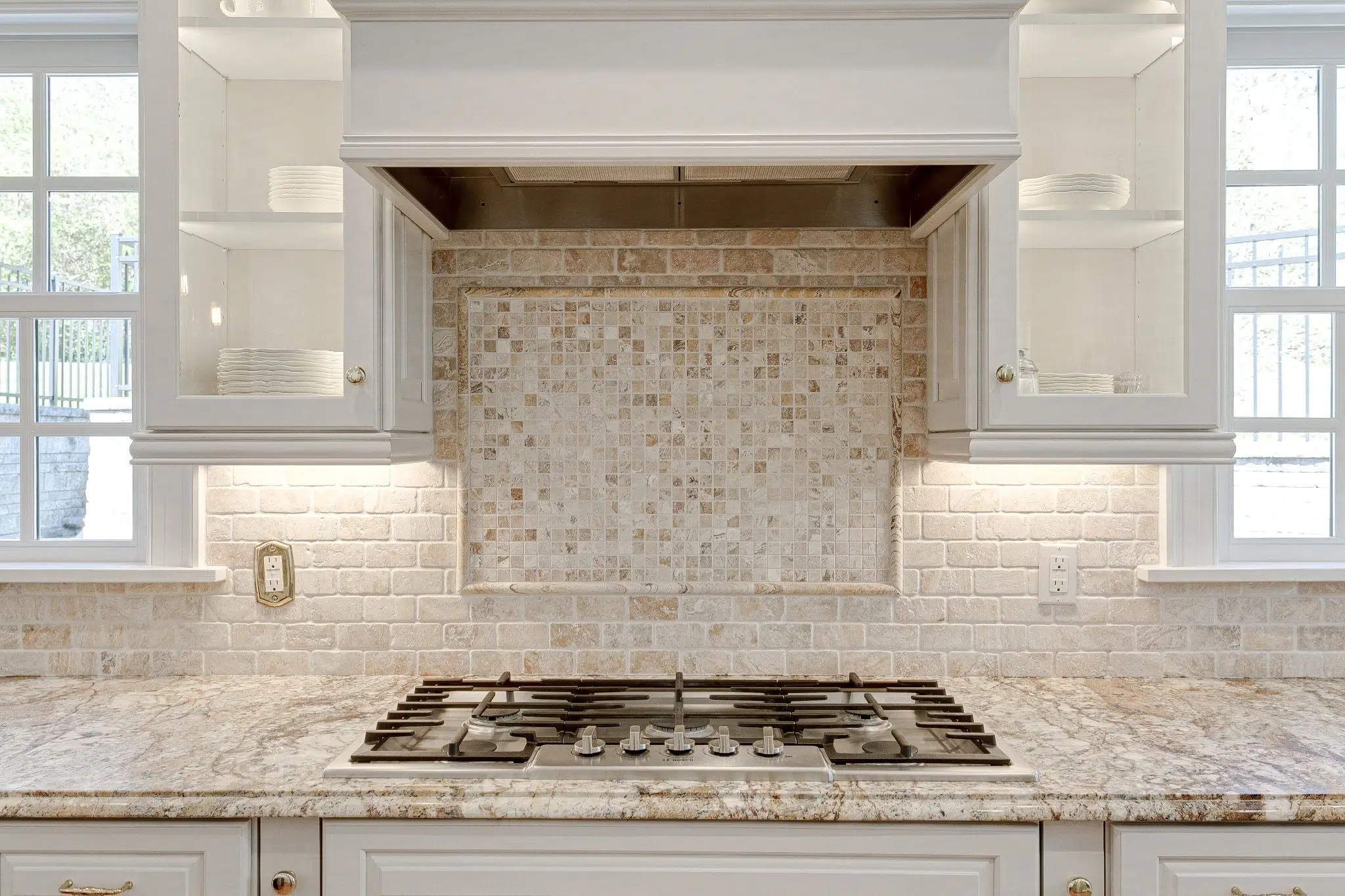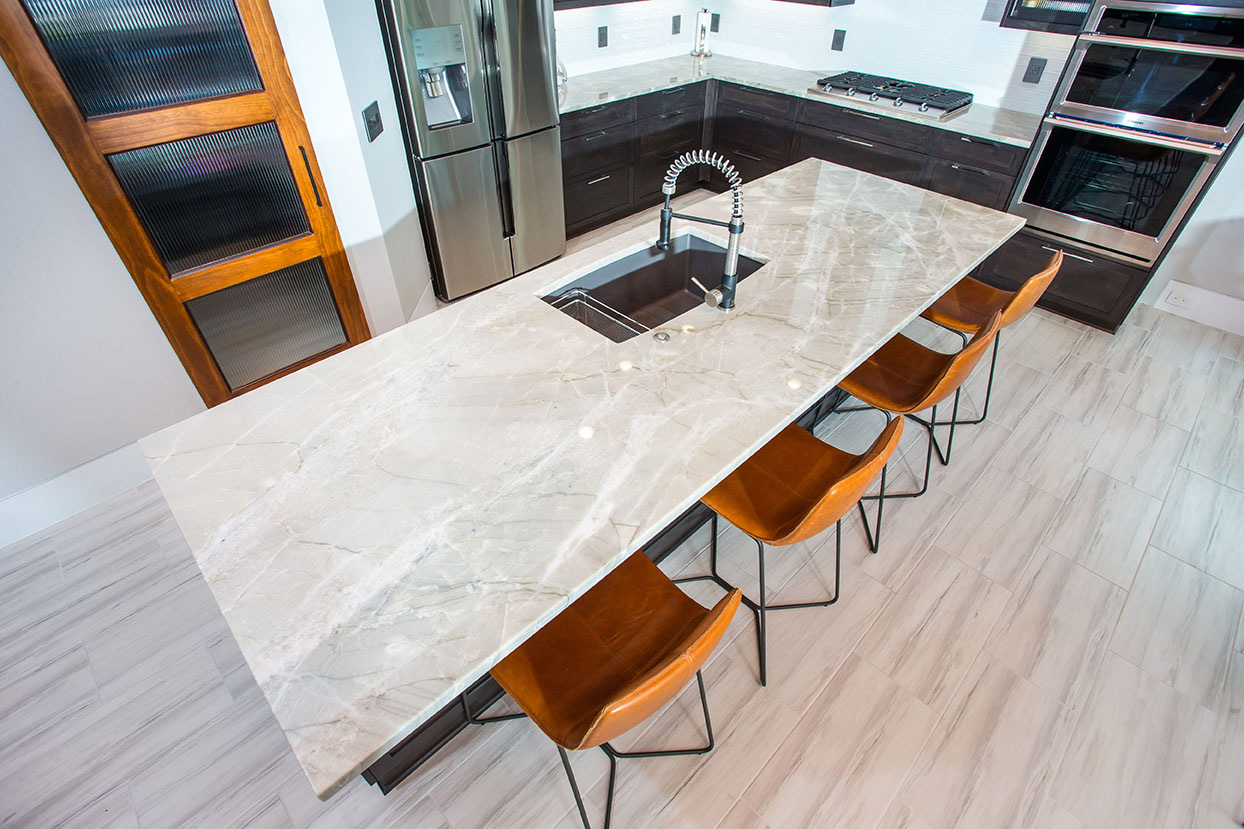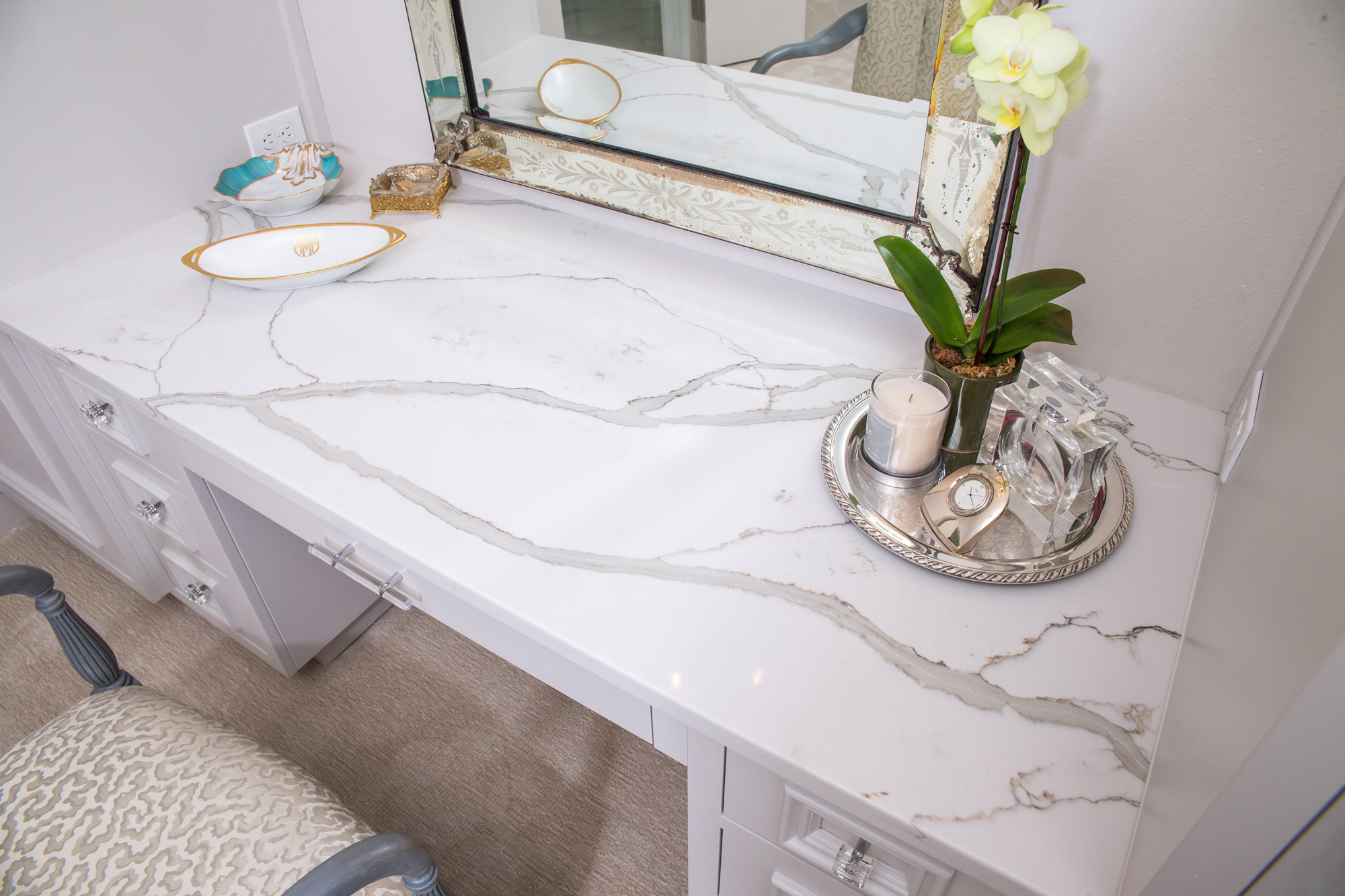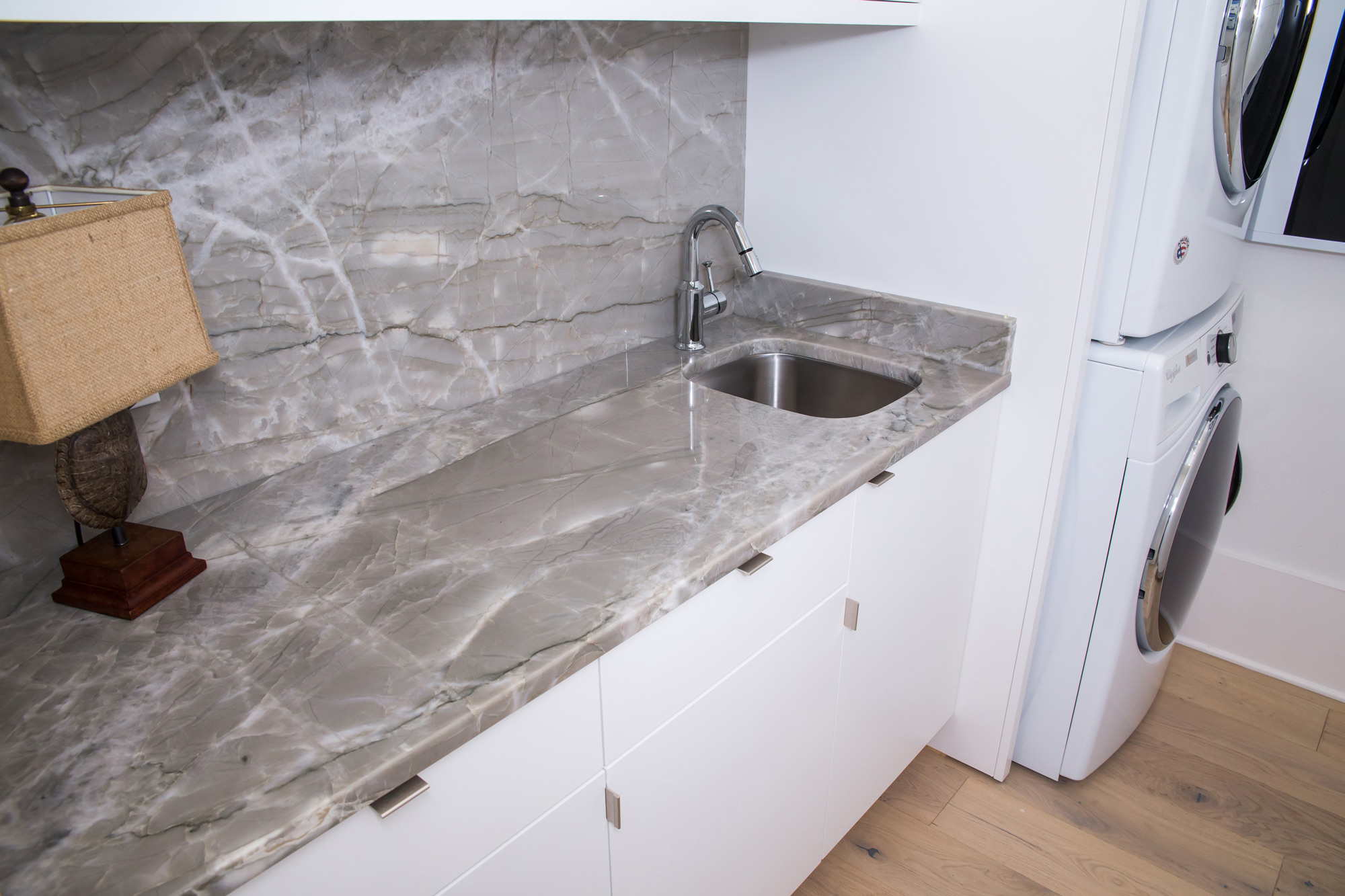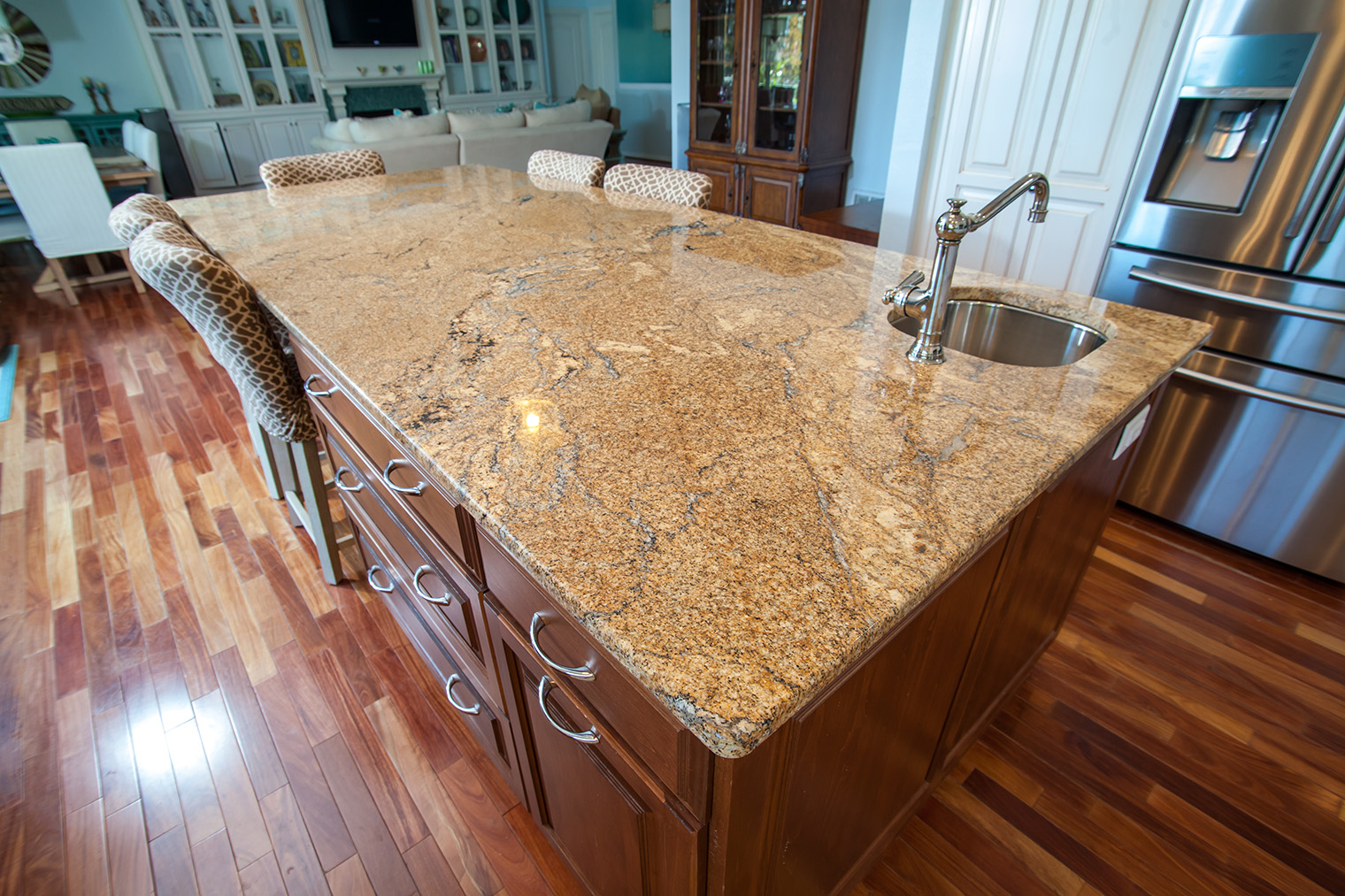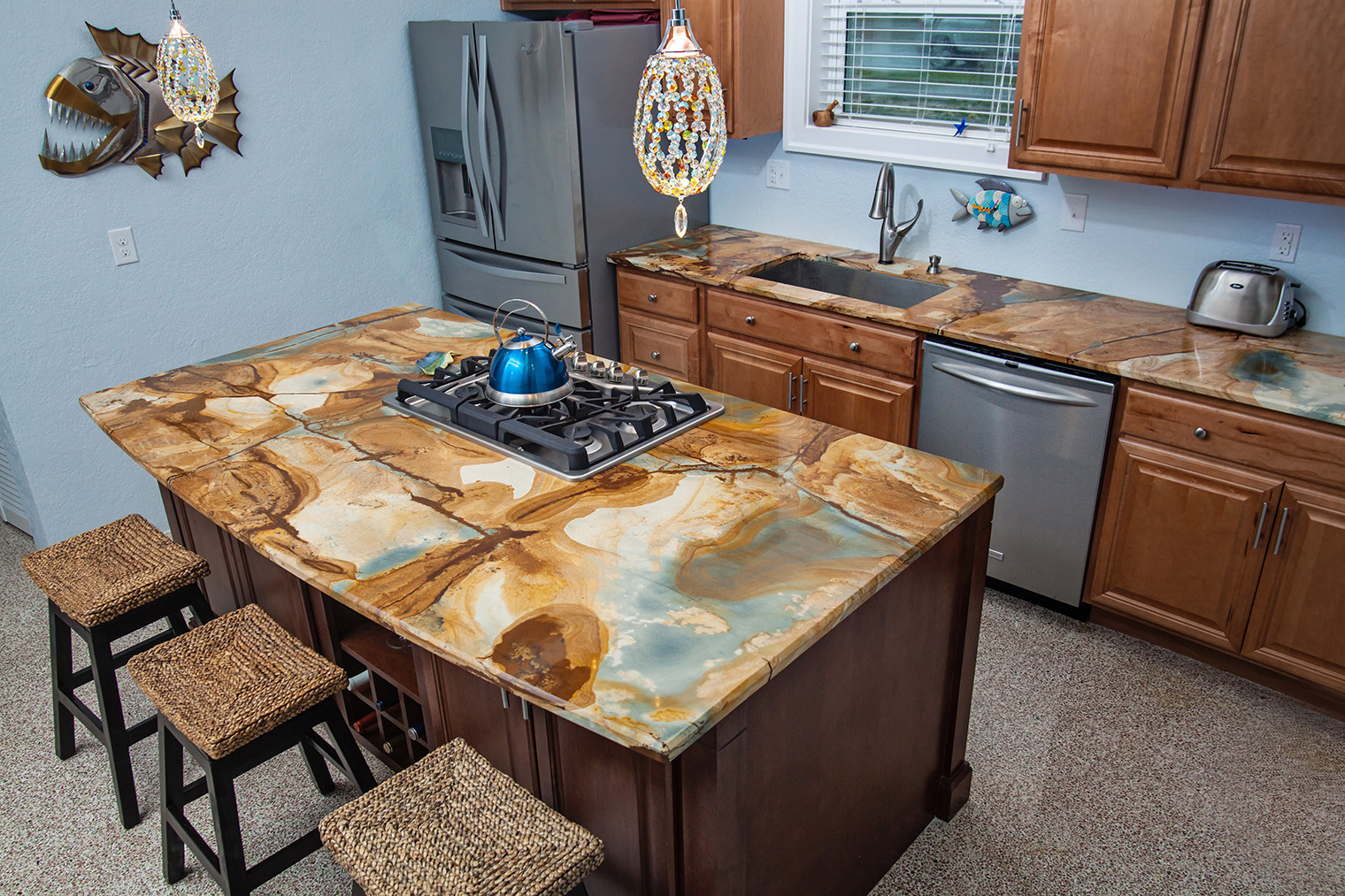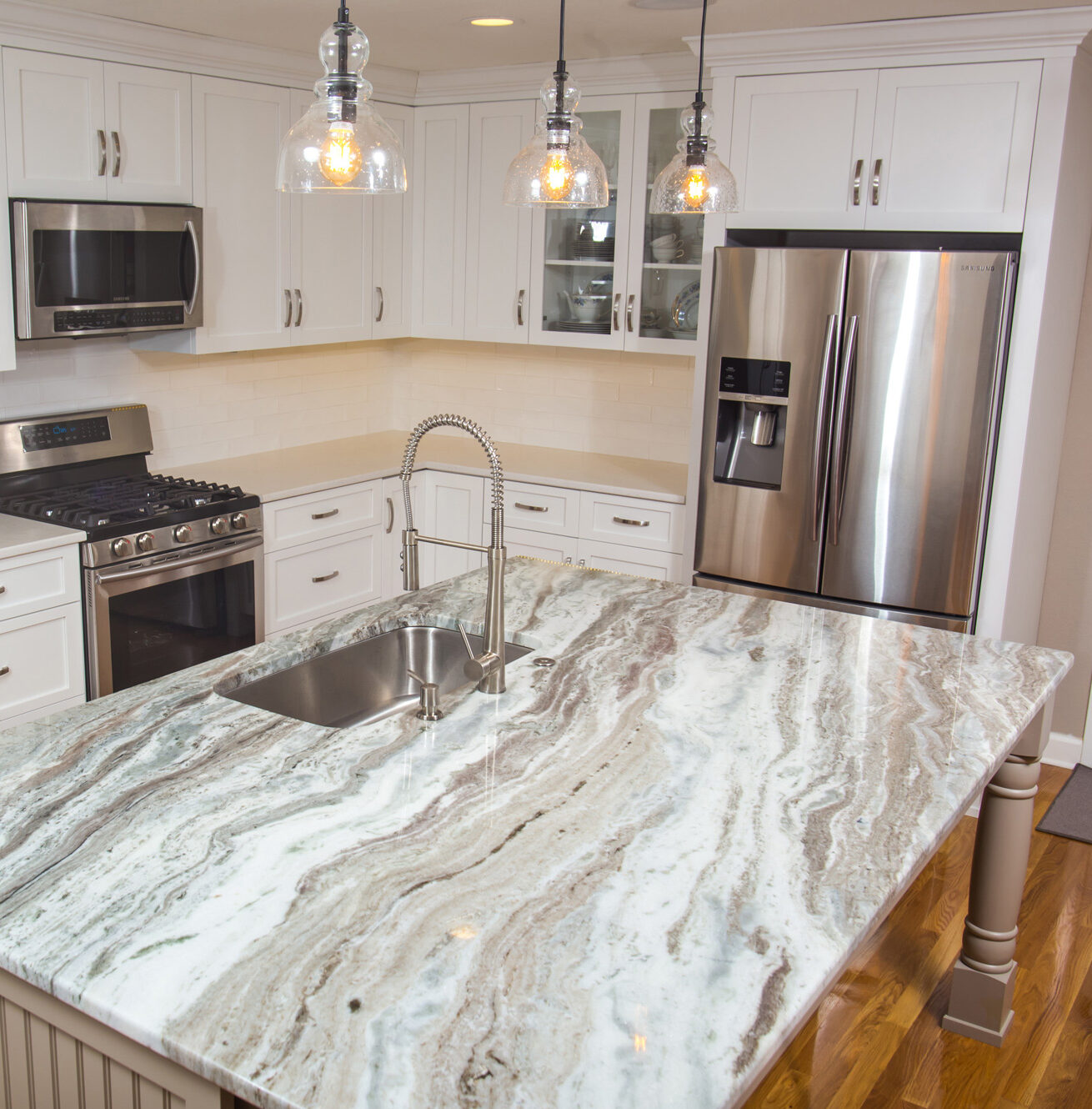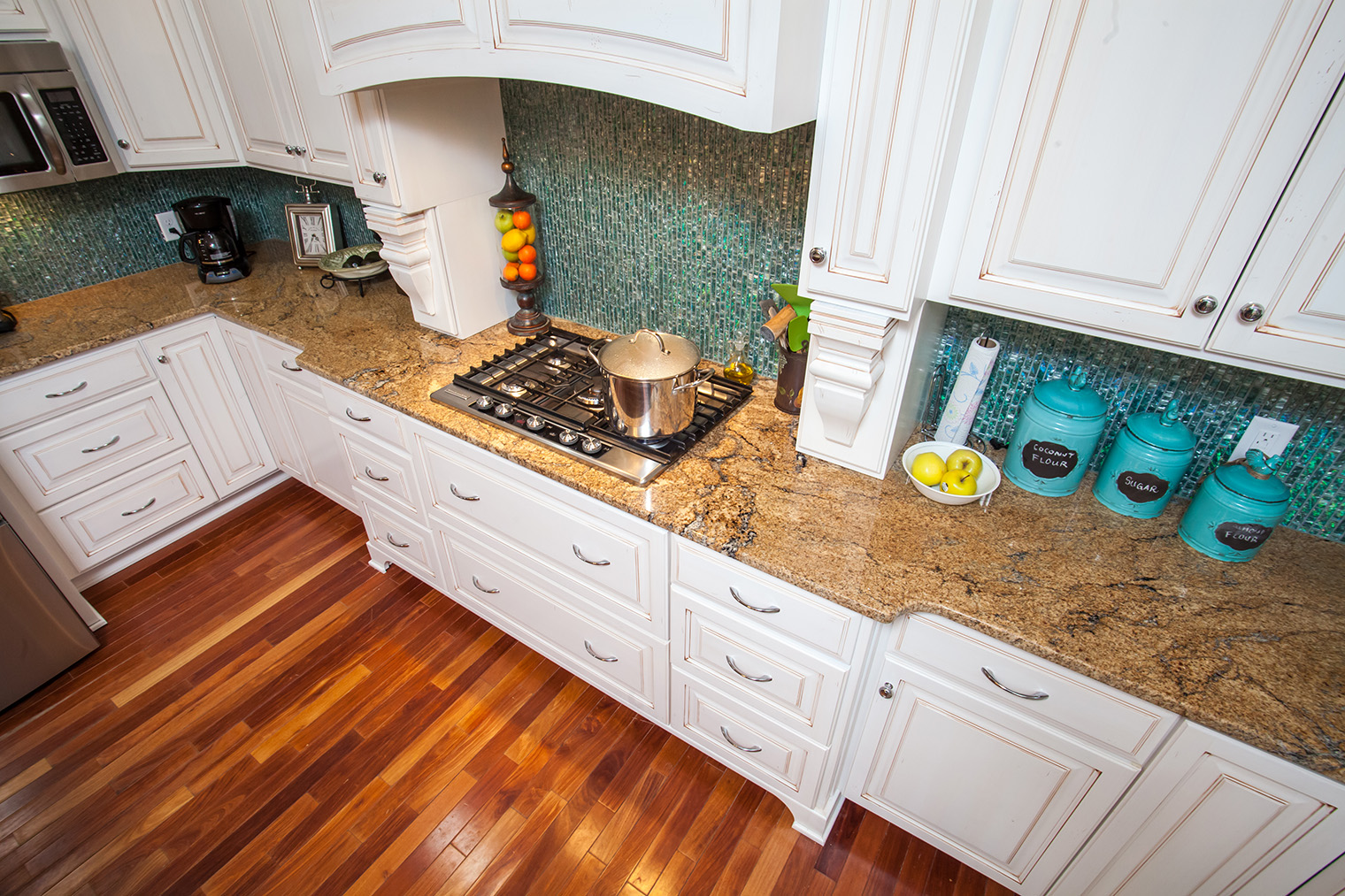
Yes, in most cases, your countertops will have seams, especially in larger kitchens or complex layouts. Even though fabricators work hard to create a smooth and continuous look, seams are often necessary due to slab size limits, transportation needs, and installation requirements.
In modern countertop fabrication, seams are not a sign of poor quality. Instead, they are a normal part of creating a safe, precise, and professional installation that fits your space perfectly.
Why Do Countertops Have Seams?
Countertops are made from large slabs of natural stone, like granite, or engineered materials like quartz. However, these slabs are not unlimited in size. Most slabs come in standard dimensions of around 120–130 inches. When a kitchen layout exceeds this size, seams become necessary.
Seams are also required when the design includes L-shaped kitchens, U-shaped kitchens, islands, or long straight runs. These shapes naturally require multiple pieces to connect.
Another important reason is installation safety. Large stone pieces are extremely heavy and difficult to transport through homes, doors, and tight hallways. Breaking them into sections ensures safe handling and precise installation.
How Do Fabricators Make Seams Less Visible?
Professional fabricators use advanced techniques to make seams as invisible as possible. One of the most important methods is book matching, where slabs are cut from mirrored sections of the same stone. This helps patterns align more naturally across the seam.
Teams also use color-matched adhesives to blend the joint with the stone surface. Specialized tools are used to pull the slabs tightly together so the seam gap becomes extremely small.
Experienced installers focus on placing seams in less noticeable areas, such as along straight lines or functional zones in the kitchen. The goal is always to create a clean and natural look that does not distract from the countertop design.
Experts in seam matching carefully inspect every piece before installation to ensure pattern flow and visual alignment.
Do Countertops Have Seams in Every Kitchen?
Not every countertop requires seams, but many do, depending on the size and layout. Smaller kitchens may have a single solid piece, while larger kitchens almost always require multiple sections.
Common situations where seams are needed:
- Long kitchen runs exceeding slab size
- L-shaped or U-shaped countertops
- Kitchen islands connected to the main counters
- Complex layouts with corners or cutouts
In all these cases, seams help ensure a proper fit without compromising safety or durability.
How Seams Are Minimized During Installation?
Installers carefully align the stone pieces during the dry-fit stage before final installation. Once aligned, they use high-strength adhesives and leveling tools to ensure a tight bond.
They also check the surface from multiple angles under lighting conditions to make sure the seam blends naturally. Small adjustments are made on-site if needed.
The final result is usually a very fine seam that is difficult to notice in normal daily use.
Key Factors That Affect Seam Visibility
Seams may appear more or less visible depending on the material and design.
Material Type
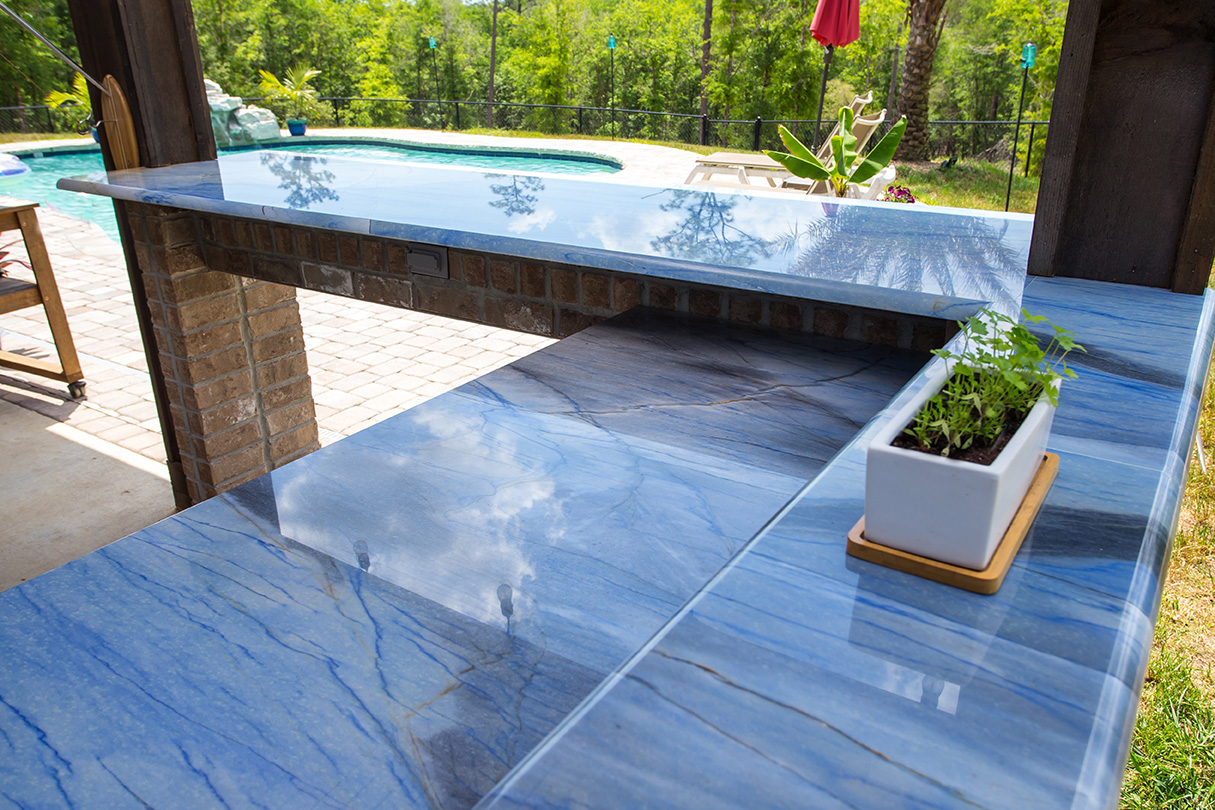
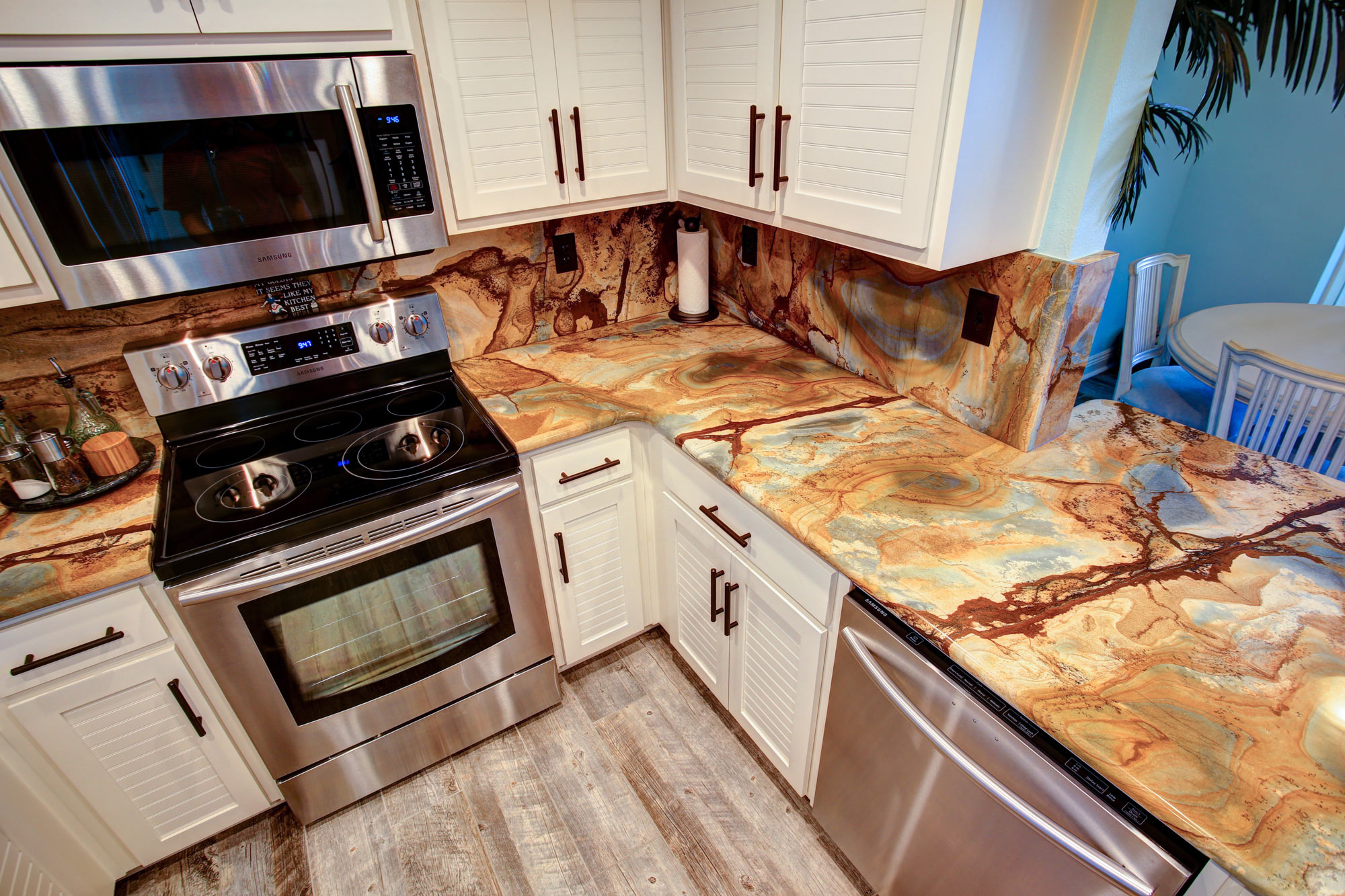
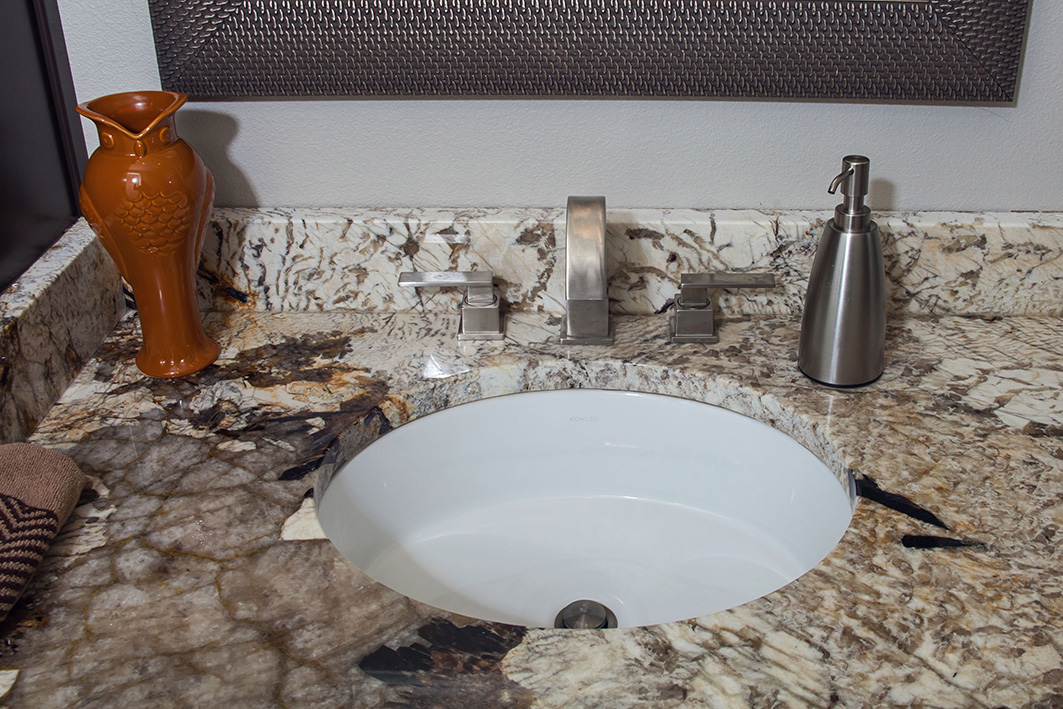
- Busy or patterned granite countertops tends to hide seams better.
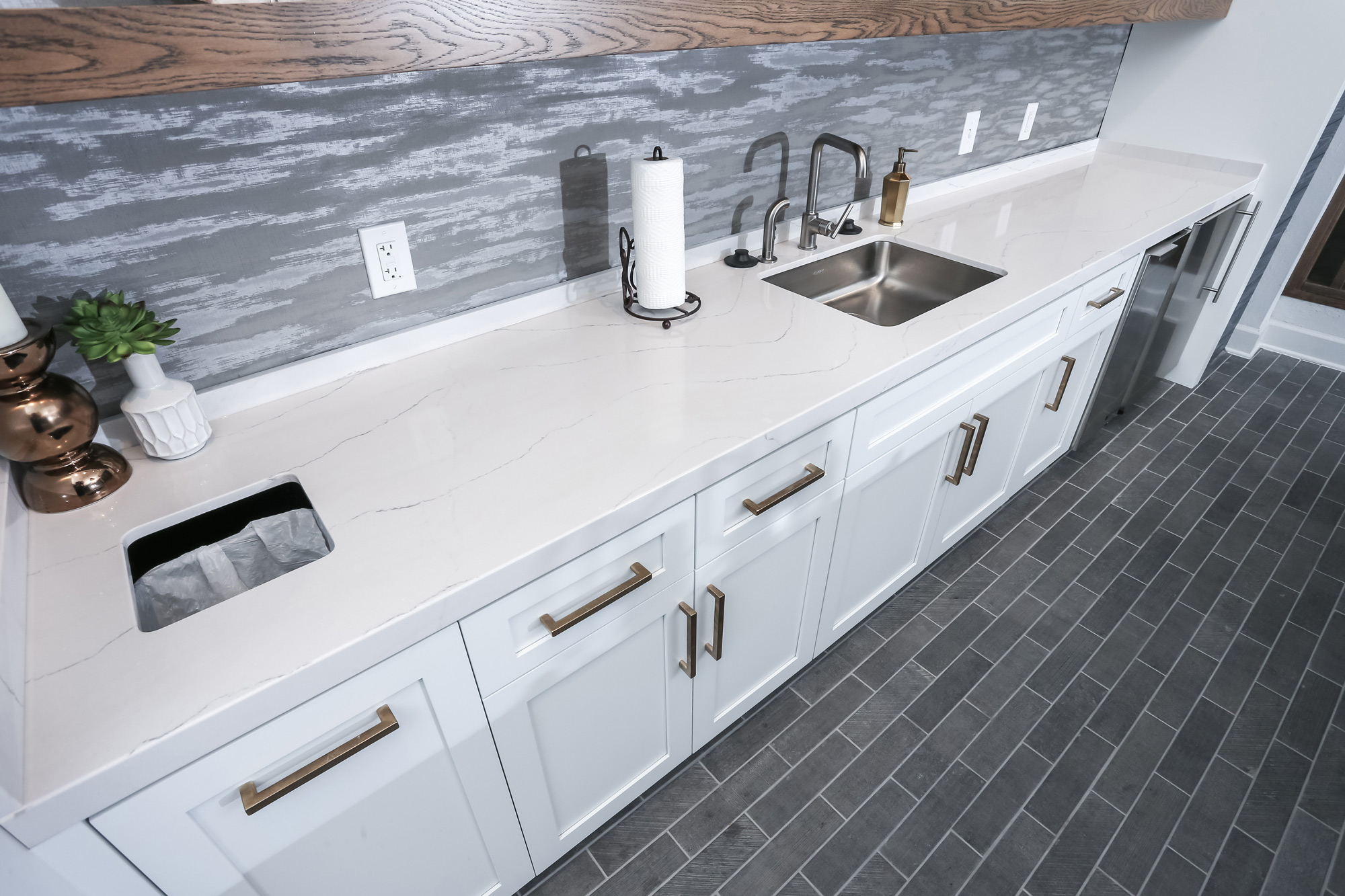
- Solid color quartz may show seams more clearly.
Pattern Matching
If the stone has strong veins or movement, aligning patterns becomes important for a natural flow.
Lighting Conditions
Bright kitchen lighting can sometimes make seams slightly more visible.
Installation Quality
Skilled installation is the biggest factor in reducing seam visibility.
What Should Homeowners Expect During Installation?
Before installation begins, homeowners are advised to prepare their space. This includes clearing countertops, ensuring access pathways are open, and disconnecting appliances if required.
During installation, each slab is carefully carried into the home and placed in position. Installers check leveling, alignment, and fit before securing the pieces.
If adjustments are needed, cutting, sanding, or polishing may be performed on-site to ensure a perfect fit.
After installation, countertops must not be used immediately. Stone surfaces typically require sealing, and adhesives need time to fully cure.
Seam Visibility and Long-Term Durability
A properly installed seam is strong and durable. It does not weaken the countertop or reduce its lifespan. In fact, seams are engineered to handle everyday use, including cooking, cleaning, and weight pressure.
When maintained properly, seams remain stable and do not separate over time. Regular cleaning and proper care help preserve the appearance of the surface.
Countertop Seam Comparison
| Factor | Granite | Quartz |
| Seam Visibility | Low to Medium | Medium |
| Pattern Matching | Natural variation helps hide seams | Uniform design may show seams more |
| Durability at Seam | Very strong | Very strong |
| Maintenance | Requires sealing | Low maintenance |
Stone Selection and Seam Planning
Choosing the right stone plays a big role in how seams will appear. Some stones naturally blend better than others due to their pattern movement.
During the selection process, professionals evaluate slab layout and recommend the best placement strategy for seams. This ensures a balanced design and smooth visual flow across the entire countertop.
Understanding the Role of Experts
Seam quality depends heavily on the skill of the installation team. Experts are trained specifically in seam alignment, pattern matching, and precision cutting.
They use professional-grade tools to ensure edges are tightly joined. Their experience allows them to adjust for uneven cabinets, material thickness variations, and layout challenges.
The goal is always to deliver a clean, durable, and visually appealing surface.
Why Seam Planning Matters
Seam planning is an important part of countertop design. It affects not only appearance but also functionality. Poor seam placement can disrupt workflow or make maintenance harder.
Good planning ensures seams are placed in low-traffic or less noticeable areas, improving both design and usability.
Common Misunderstandings About Countertop Seams
Many homeowners believe seams mean poor quality, but this is not true. Seams are a standard industry practice and are often necessary for safe and accurate installation.
Another misconception is that seams weaken countertops. In reality, properly installed seams are strong and long-lasting.
Will My Countertops Have Seams?
At this point, it is important to clearly understand if your counter will have seams, because the answer depends on size, layout, and material choice. Larger kitchens almost always require seams, while smaller spaces may not.
Seams are carefully planned to ensure they blend into the natural design of the stone. With expert fabrication and installation, they remain subtle and durable.
Maintenance Tips for Seams
To keep seams in good condition:
- Clean regularly with mild soap and water
- Avoid harsh chemicals
- Do not apply excessive force on seam areas
- Wipe spills quickly to protect adhesive areas
Proper care ensures seams remain stable and visually consistent for years. Countertop seams are a normal and necessary part of modern kitchen design. With professional installation techniques, they are made as discreet as possible while maintaining strength and durability.
Conclusion
Understanding countertop seams helps homeowners make better decisions when planning their kitchen renovation. Seams are not flaws—they are functional solutions that allow large, beautiful stone surfaces to fit perfectly into your space.
When installed correctly, seams blend naturally into the design and remain strong for many years. Careful planning, expert craftsmanship, and quality materials all work together to create a seamless visual experience.
If you are planning a kitchen upgrade, consult with a professional countertop installer to explore your stone options, seam placement strategies, and design possibilities. A well-planned installation ensures beauty, durability, and long-term satisfaction.
Pensacola, FL
Visit Us: 7011 Pine Forest Road, Pensacola, FL 32526
Call Us: (850) 941-0270
Hours: Monday – Friday: 8 a.m. – 5 p.m., Saturday: 9 a.m. – 2 p.m.
Pace, FL
Visit Us: 4590 Jernigan Road, Pace, Florida 32571
Call Us: (850) 994-1872
Hours: Tuesday – Friday: 9 a.m. – 5 p.m., Saturday: 9 a.m. – 2 p.m.
Fort Walton Beach, FL
Visit Us: 35 Miracle Strip Pkwy SW, Fort Walton Beach, Florida 32548
Call Us: (850) 301-0716
Hours: Tuesday – Friday: 8 a.m. – 5 p.m., Saturday: 9 a.m. – 2 p.m
Get quotes now and start your project!
FAQs
1. Do all countertops have seams?
No, not all countertops have seams. Smaller or simple straight layouts may be installed in one piece, but most large kitchens require seams due to slab size limits and design layout.
2. Are seams noticeable?
Seams are usually very subtle when professionally installed. They may only be slightly visible depending on the stone type, pattern, and lighting conditions in the kitchen.
3. What causes countertop seams?
Seams are mainly caused by slab size limitations, kitchen layout design, and the need for safe and practical installation of heavy stone materials.
4. Can seams be completely invisible?
No, seams cannot be completely invisible, but expert fabrication and installation make them extremely hard to notice in everyday use.
5. Do seams weaken countertops?
No, properly installed seams are strong and do not affect the durability, strength, or performance of the countertop at all.
6. Where are seams usually placed?
Seams are carefully placed in less visible areas, such as straight runs or low-focus sections, to maintain a clean and natural look.
7. Which material hides seams better?
Granite usually hides seams better because of its natural patterns and movement, while quartz may show a slightly more visible line in solid colors.
8. How long do seams last?
Seams last as long as the countertop itself when they are properly installed and maintained with normal care.
9. Can seams be repaired?
Yes, seams can be repaired or re-bonded by professionals if needed, although properly installed seams rarely require repair.
10. Should I worry about seams?
No, seams are a normal part of countertop installation and are carefully planned to ensure both strength and a smooth, professional finish.