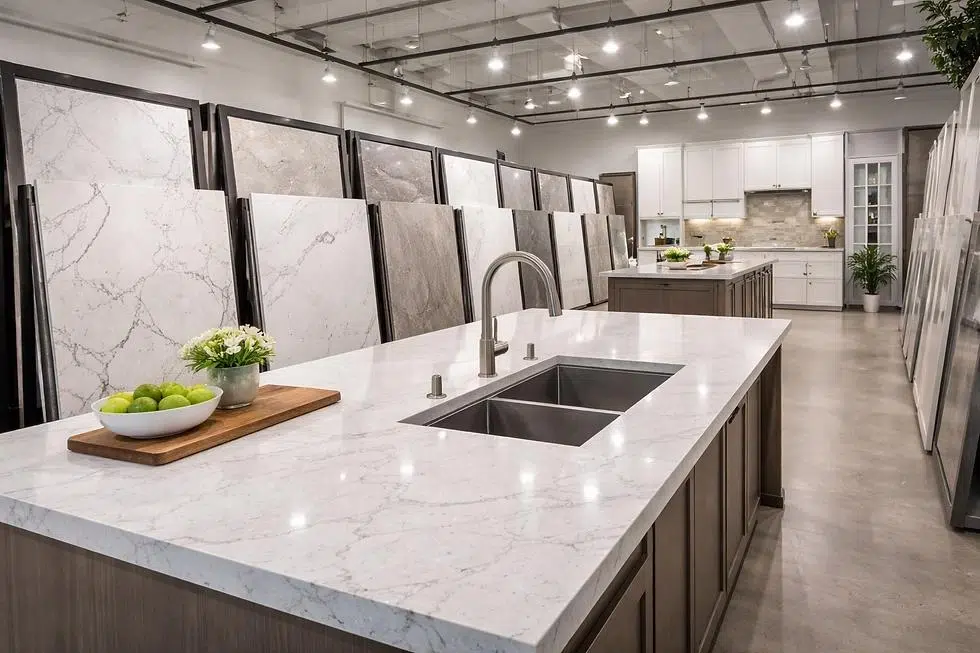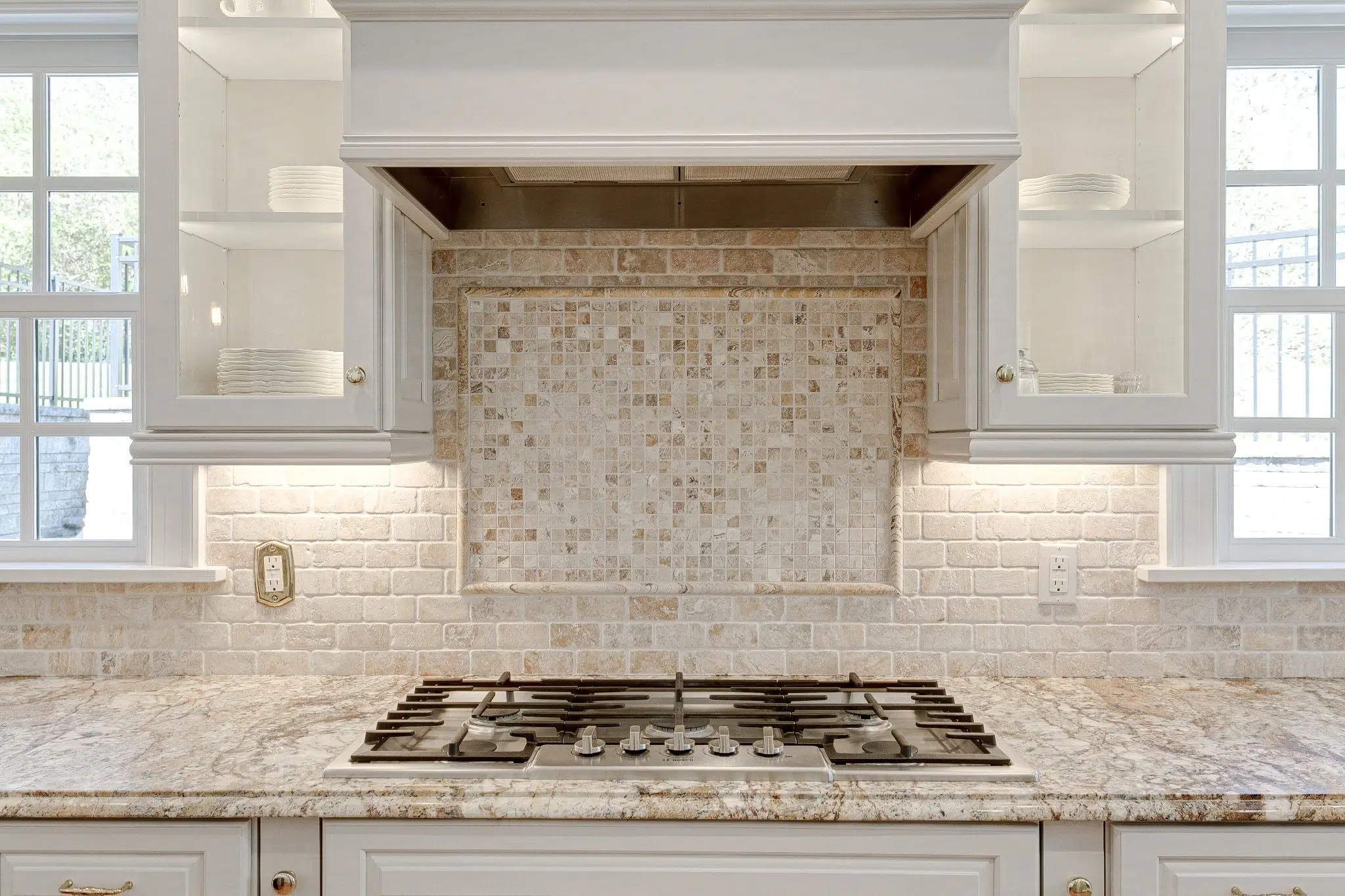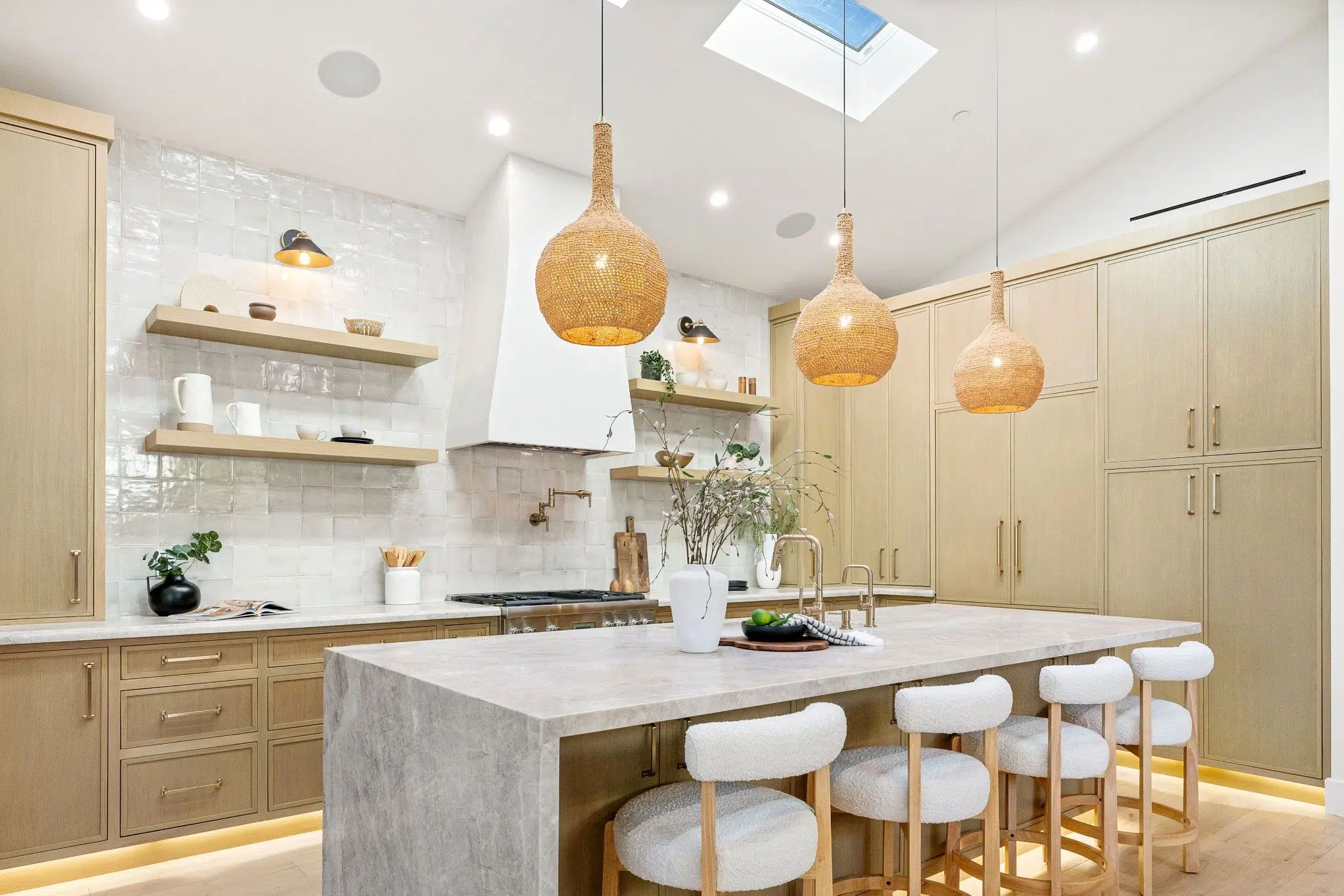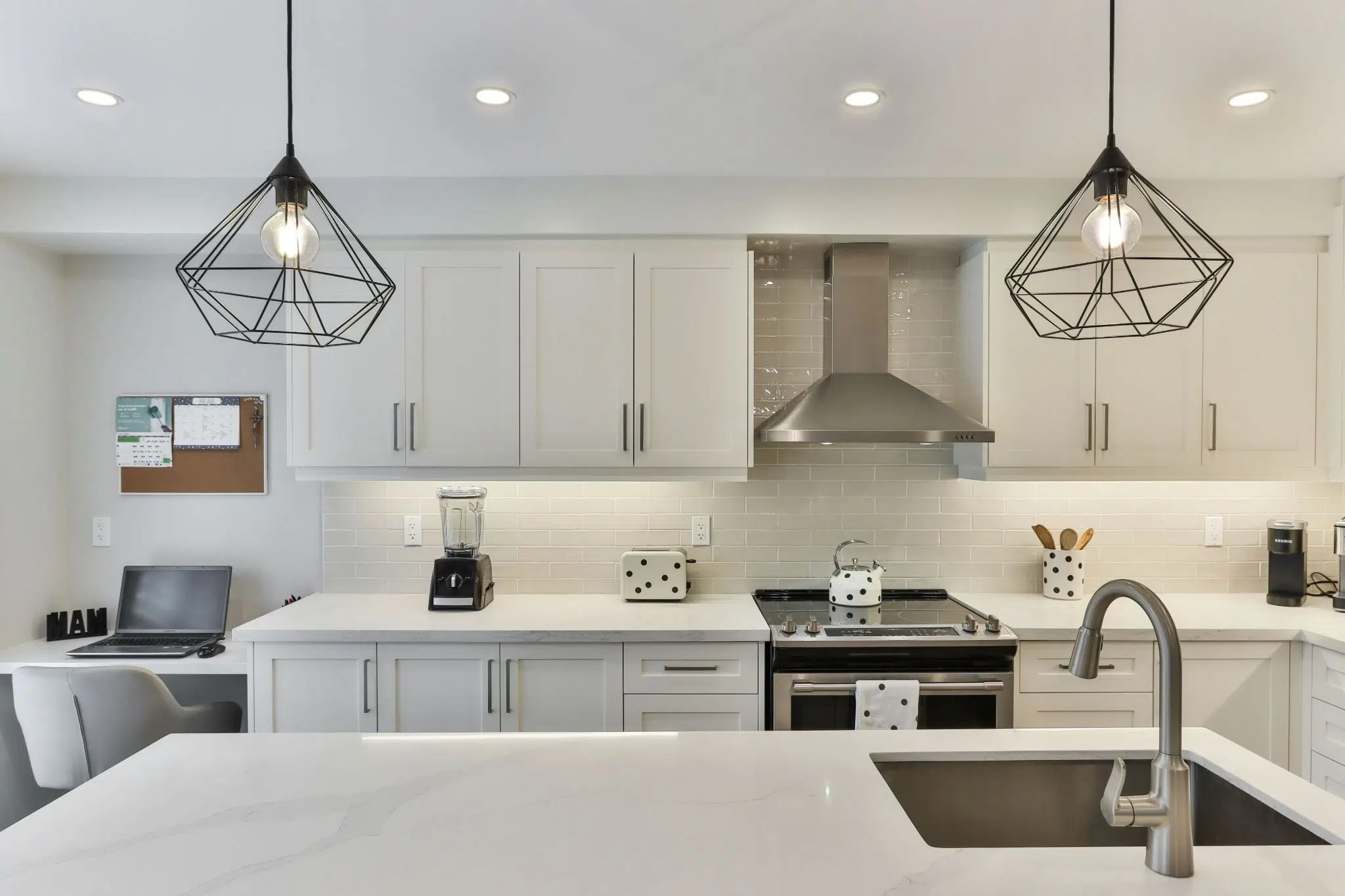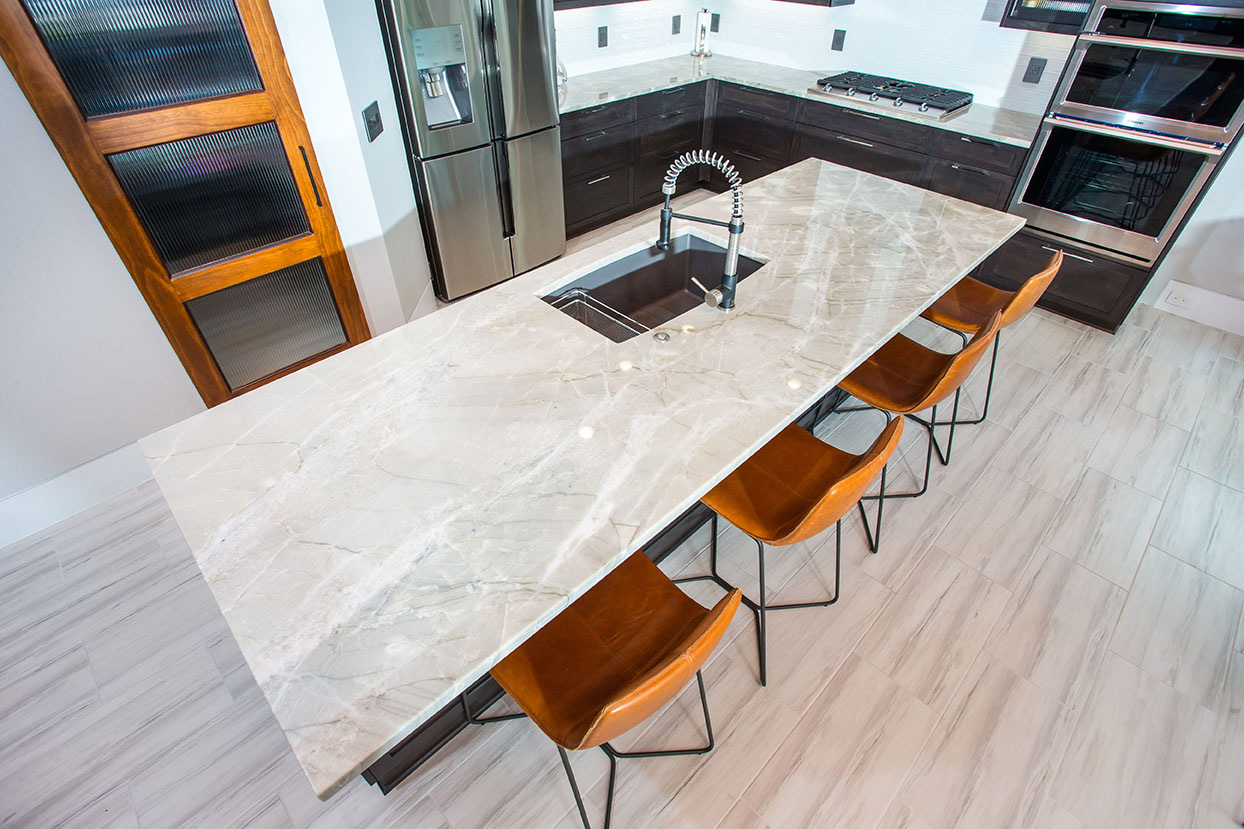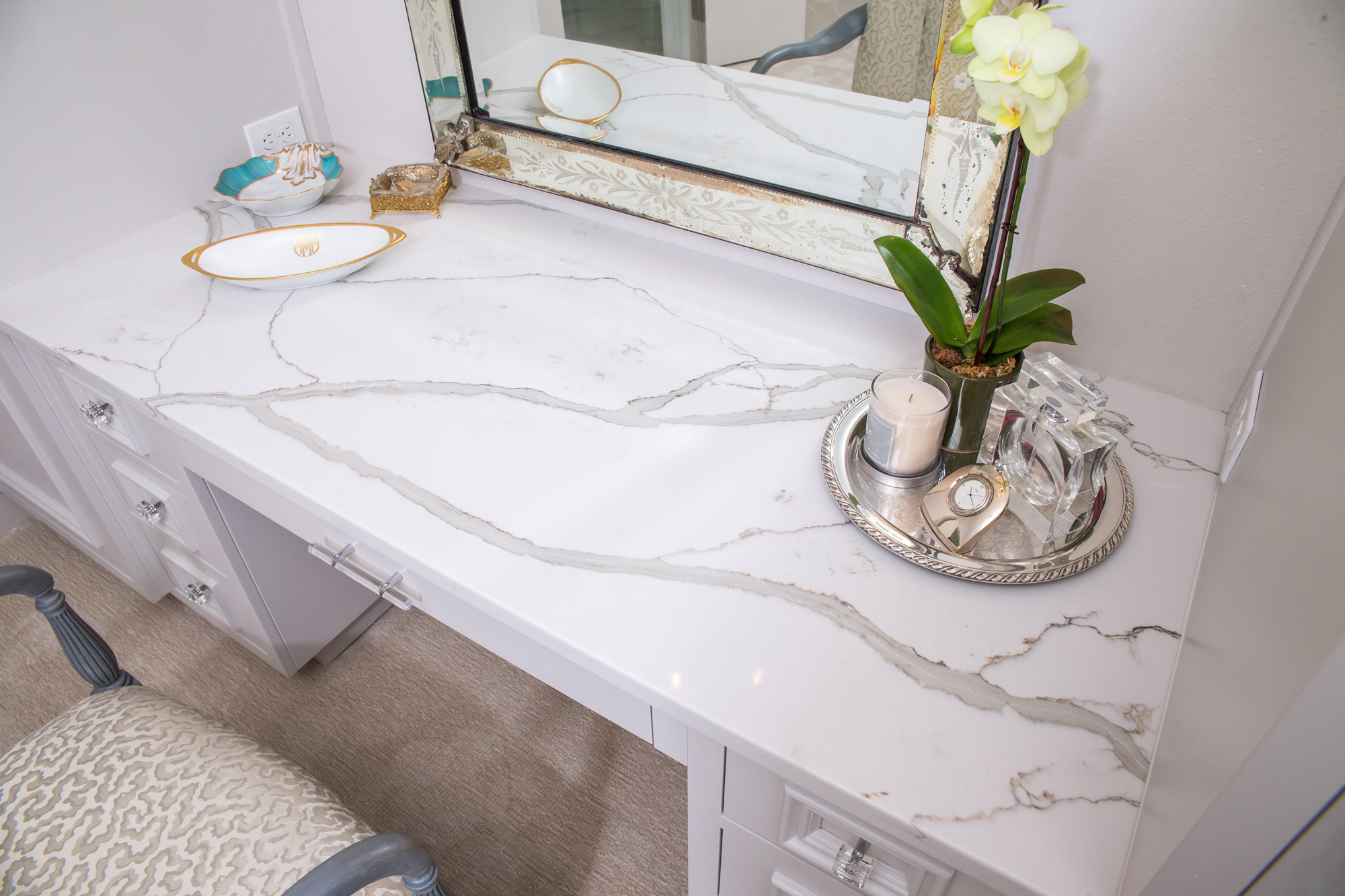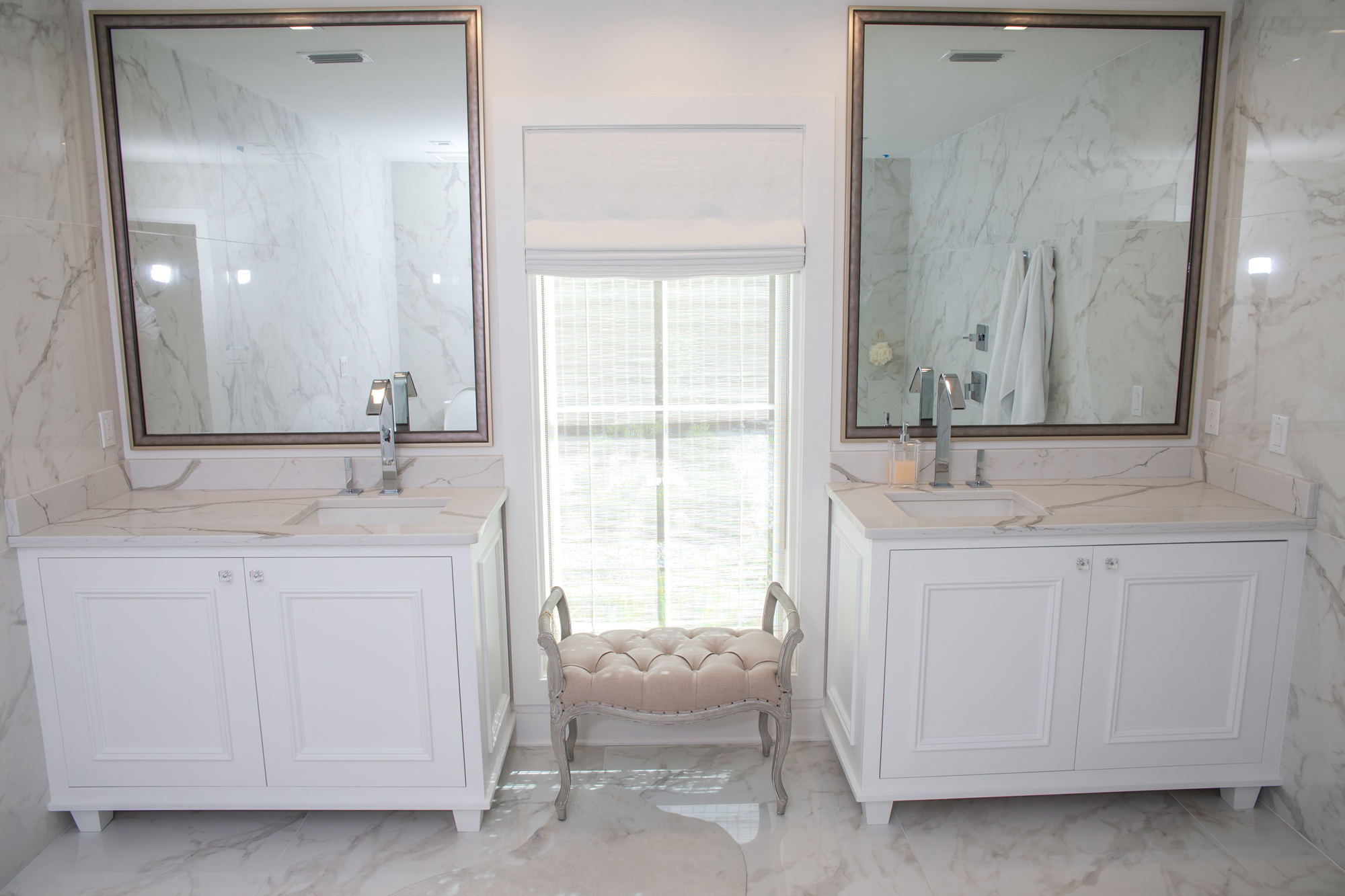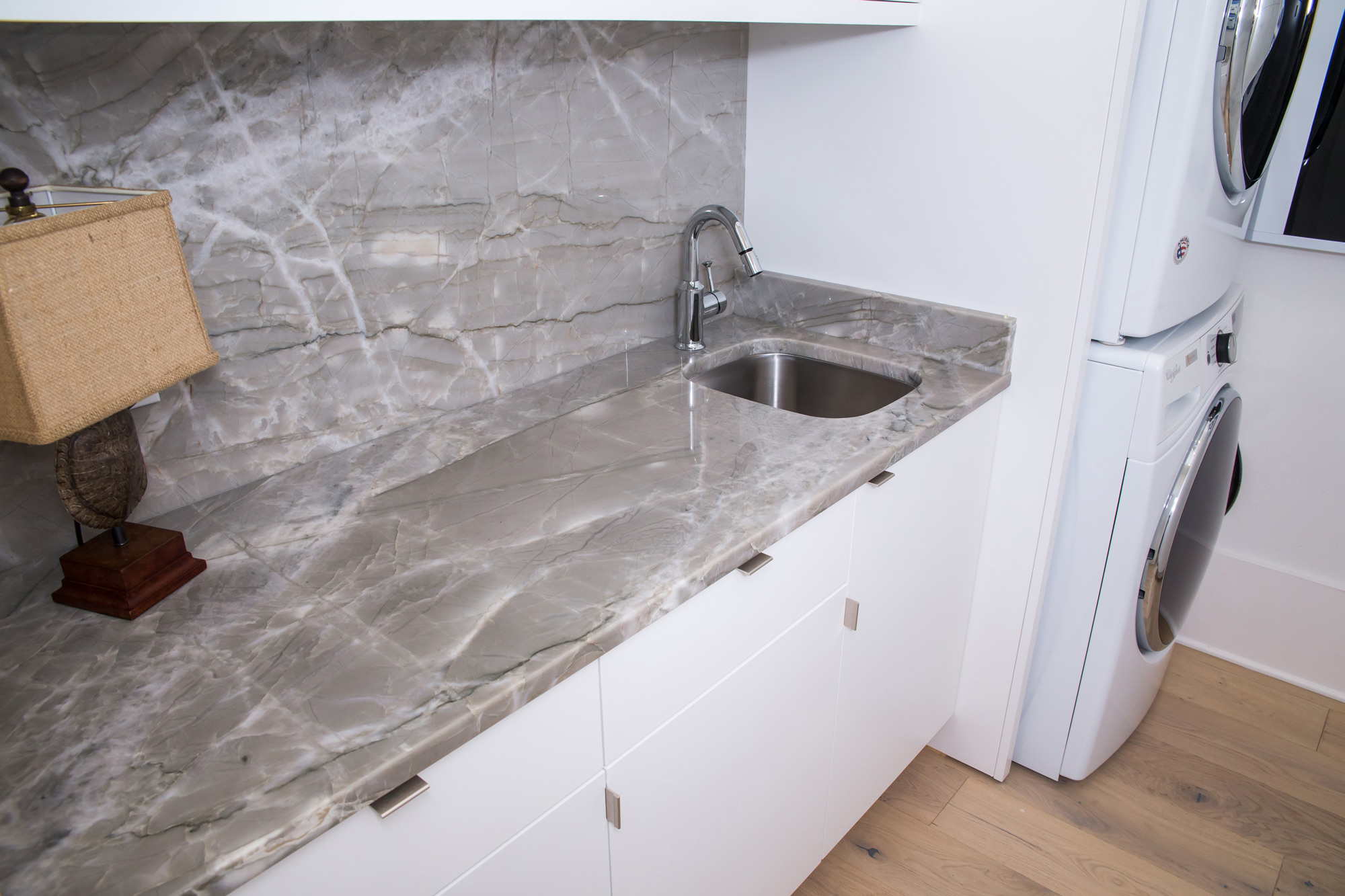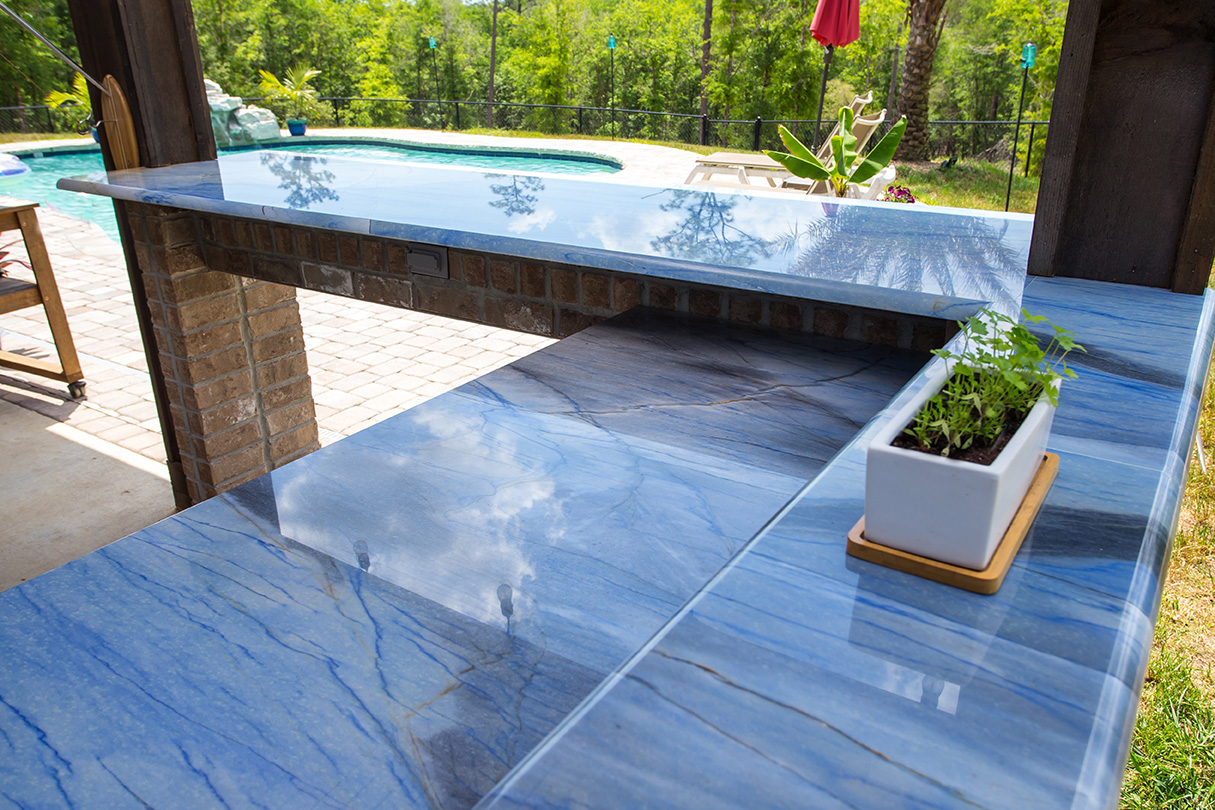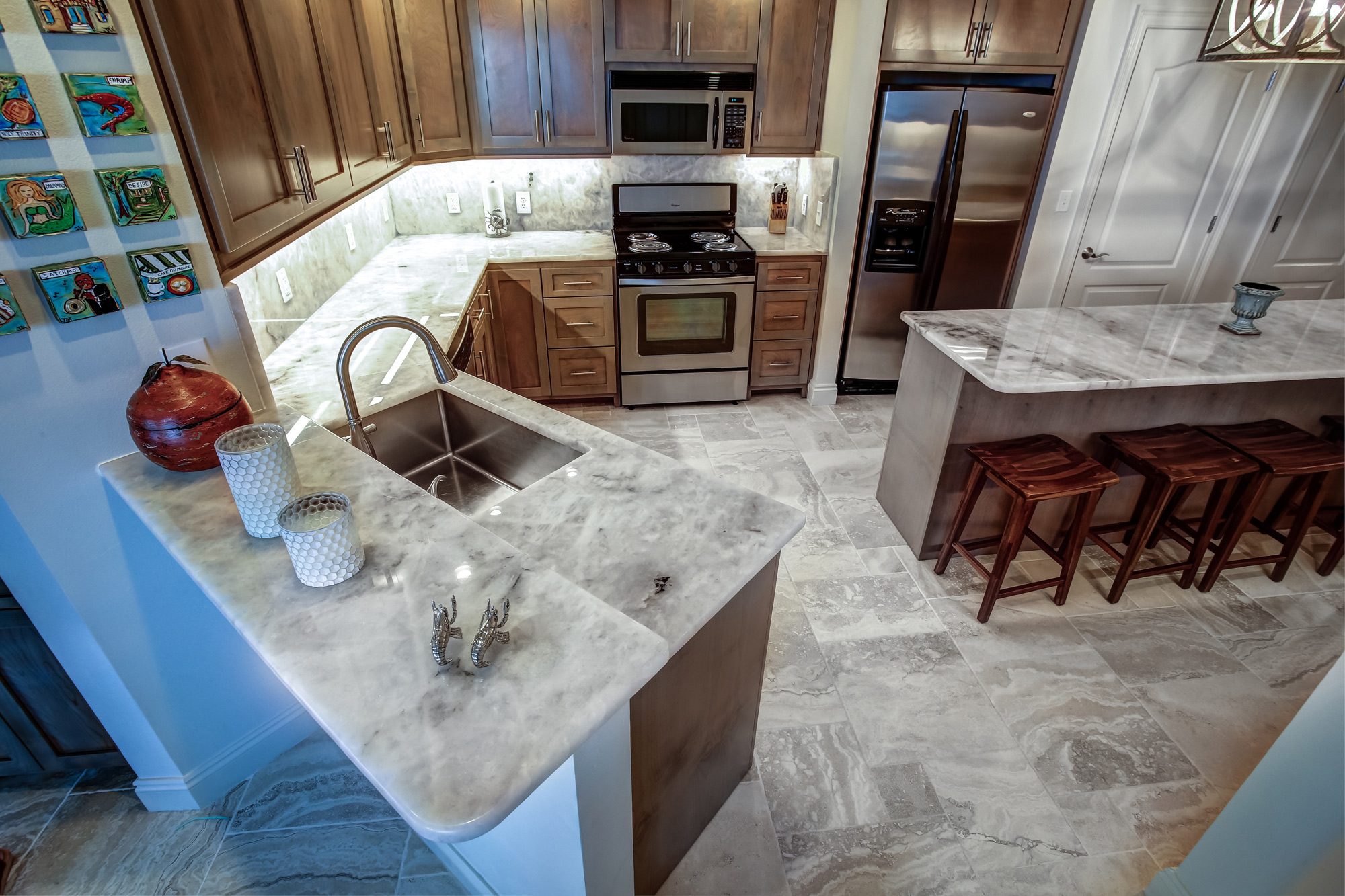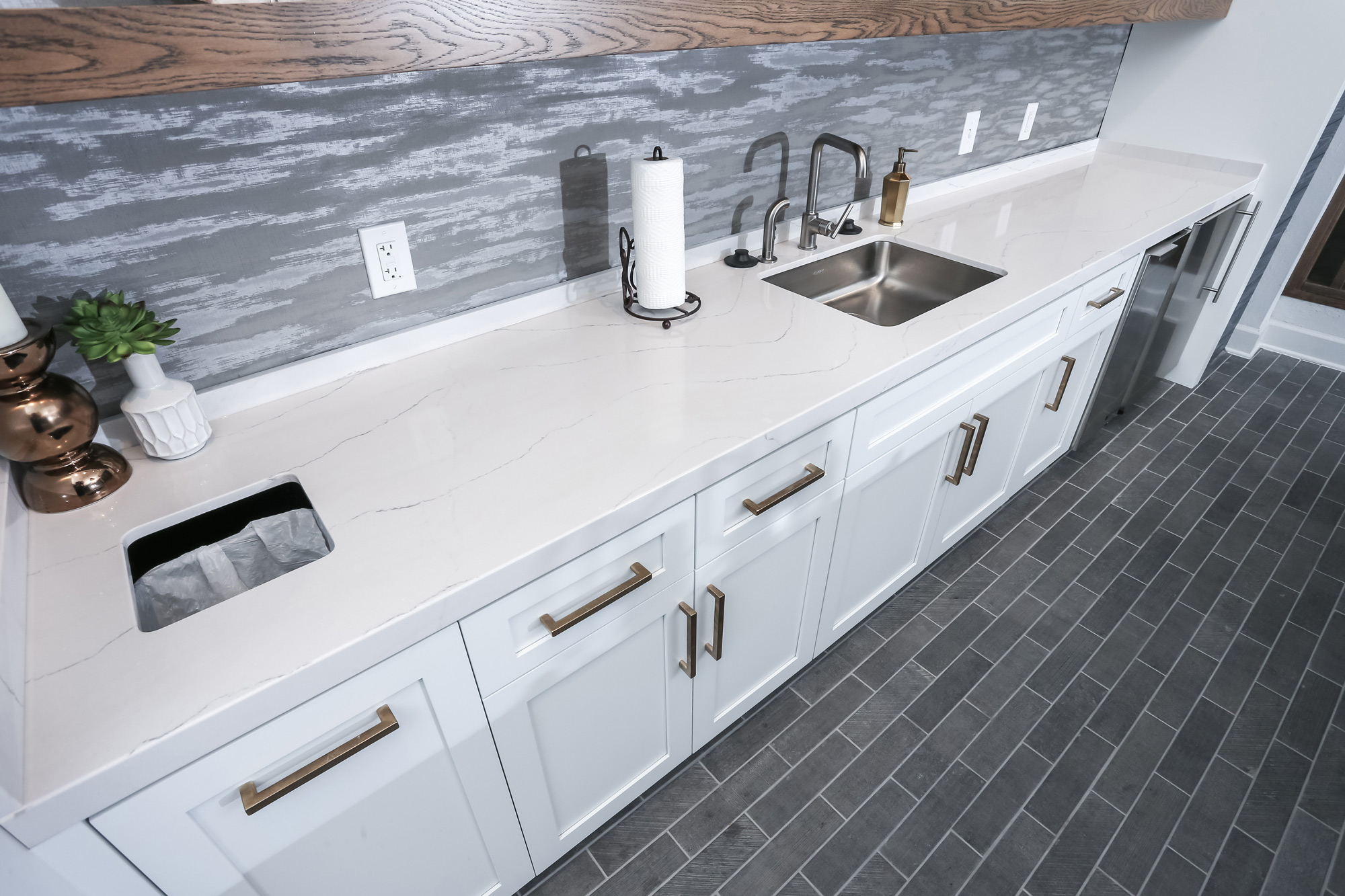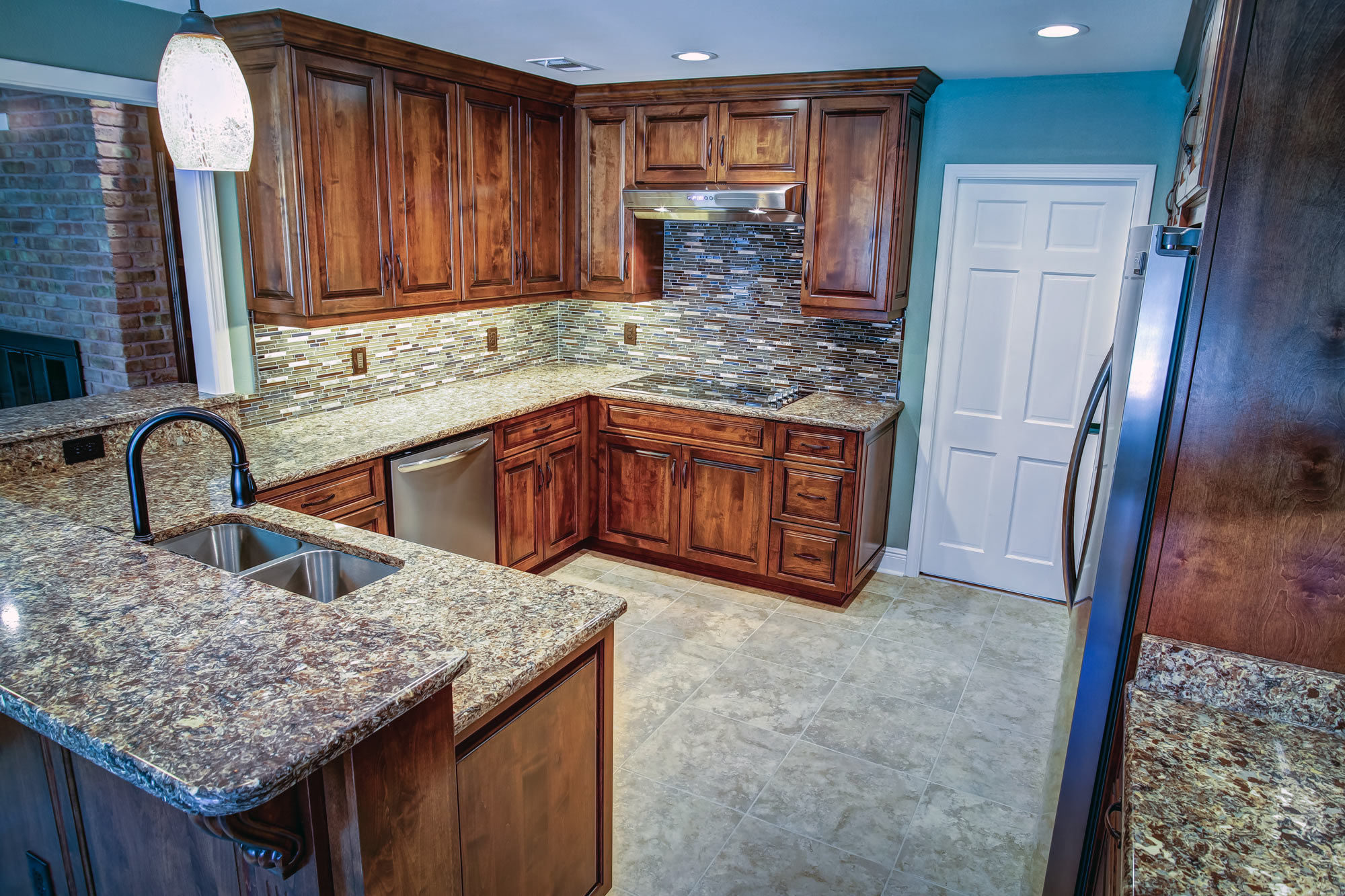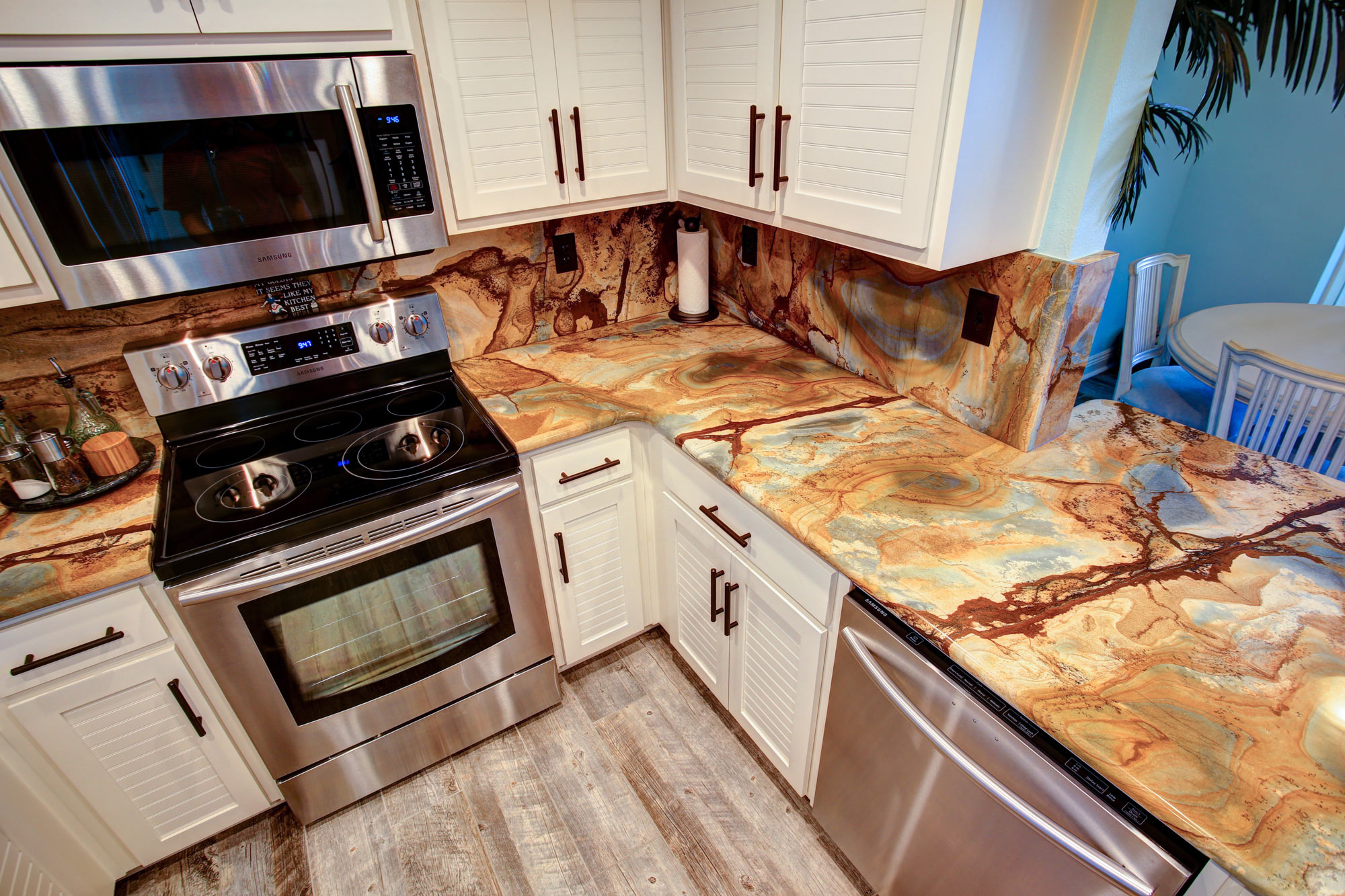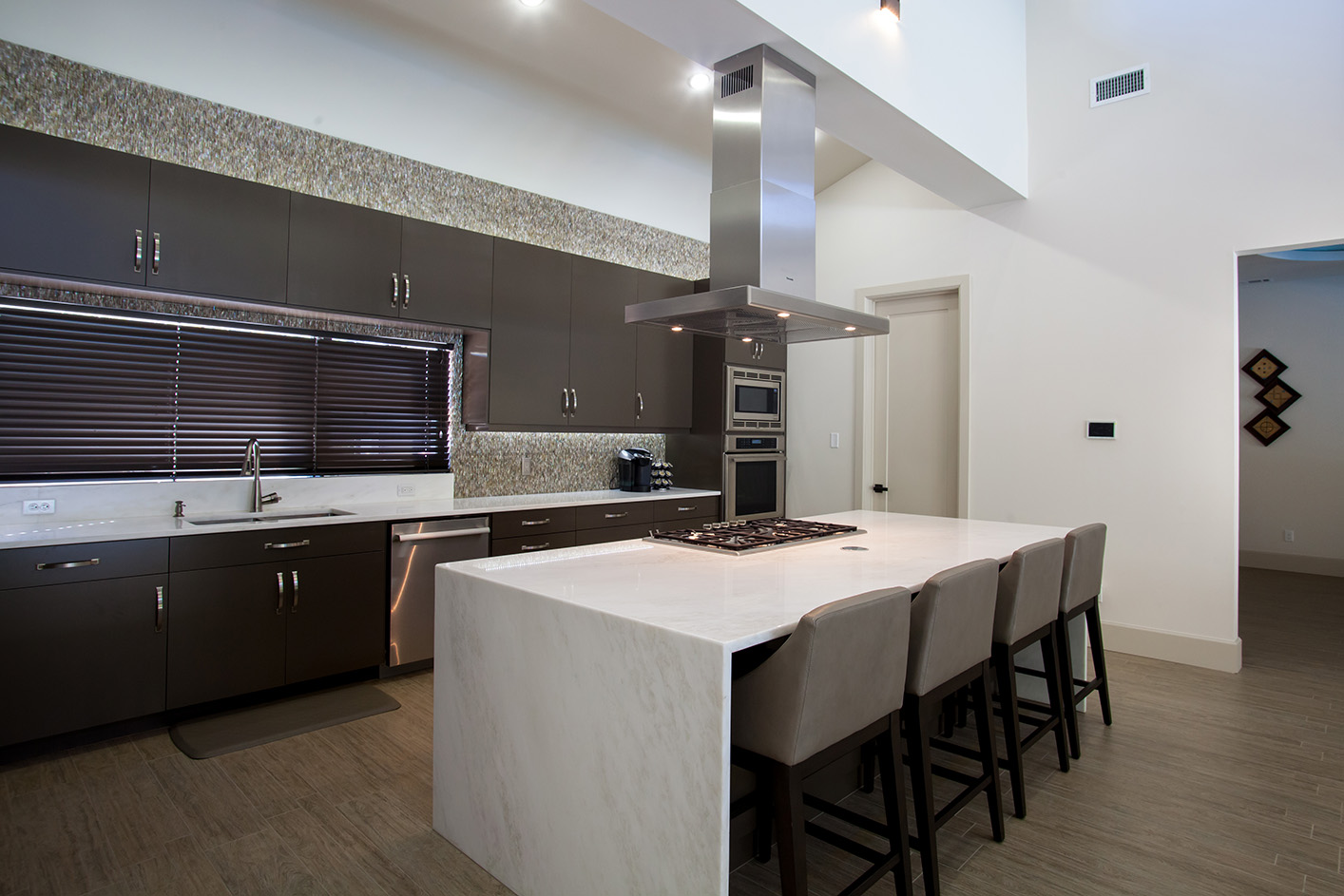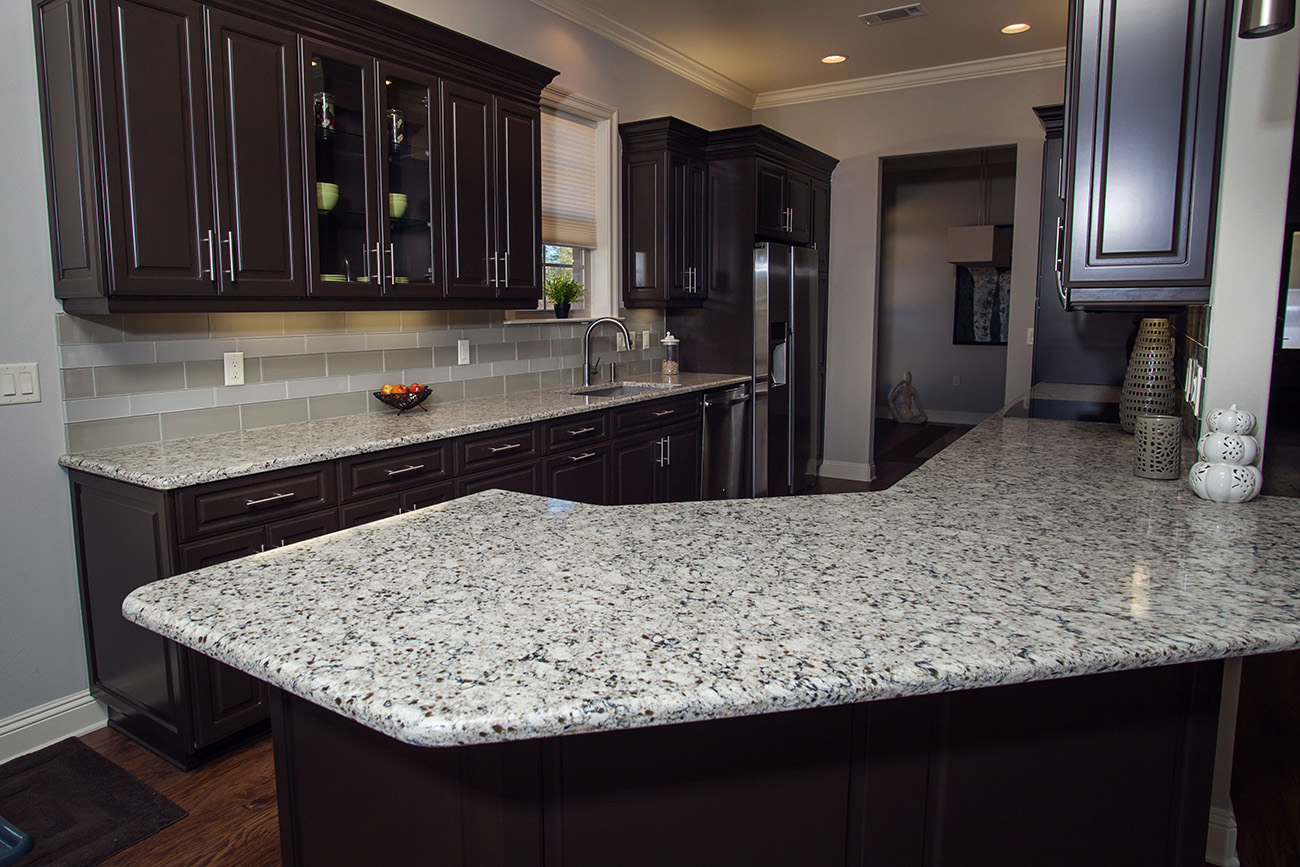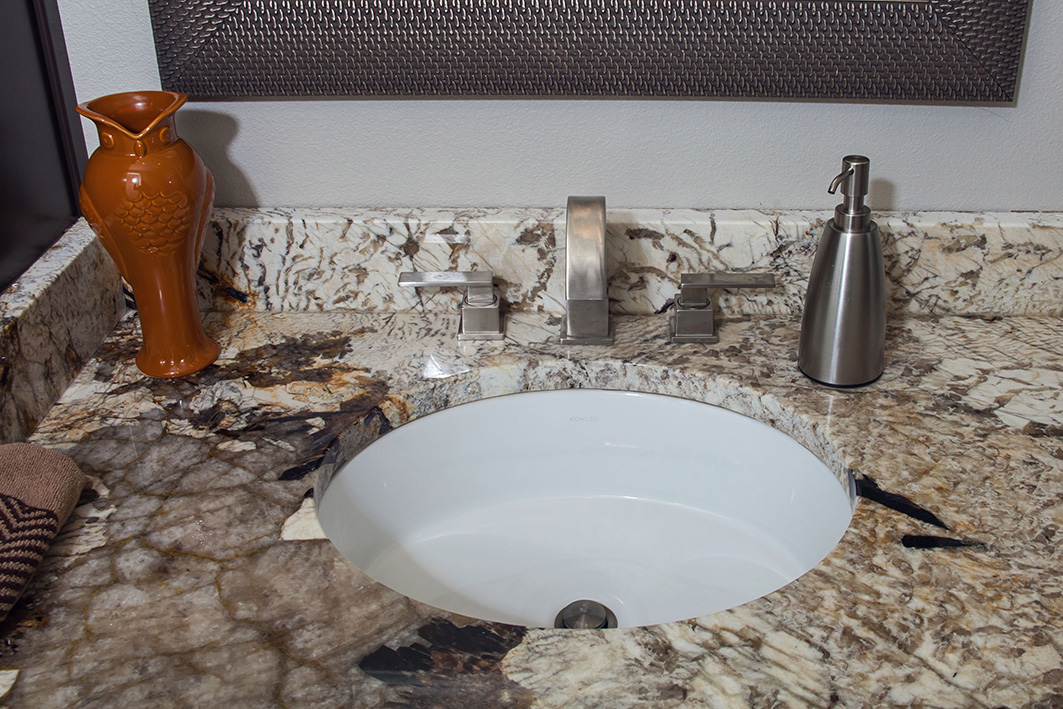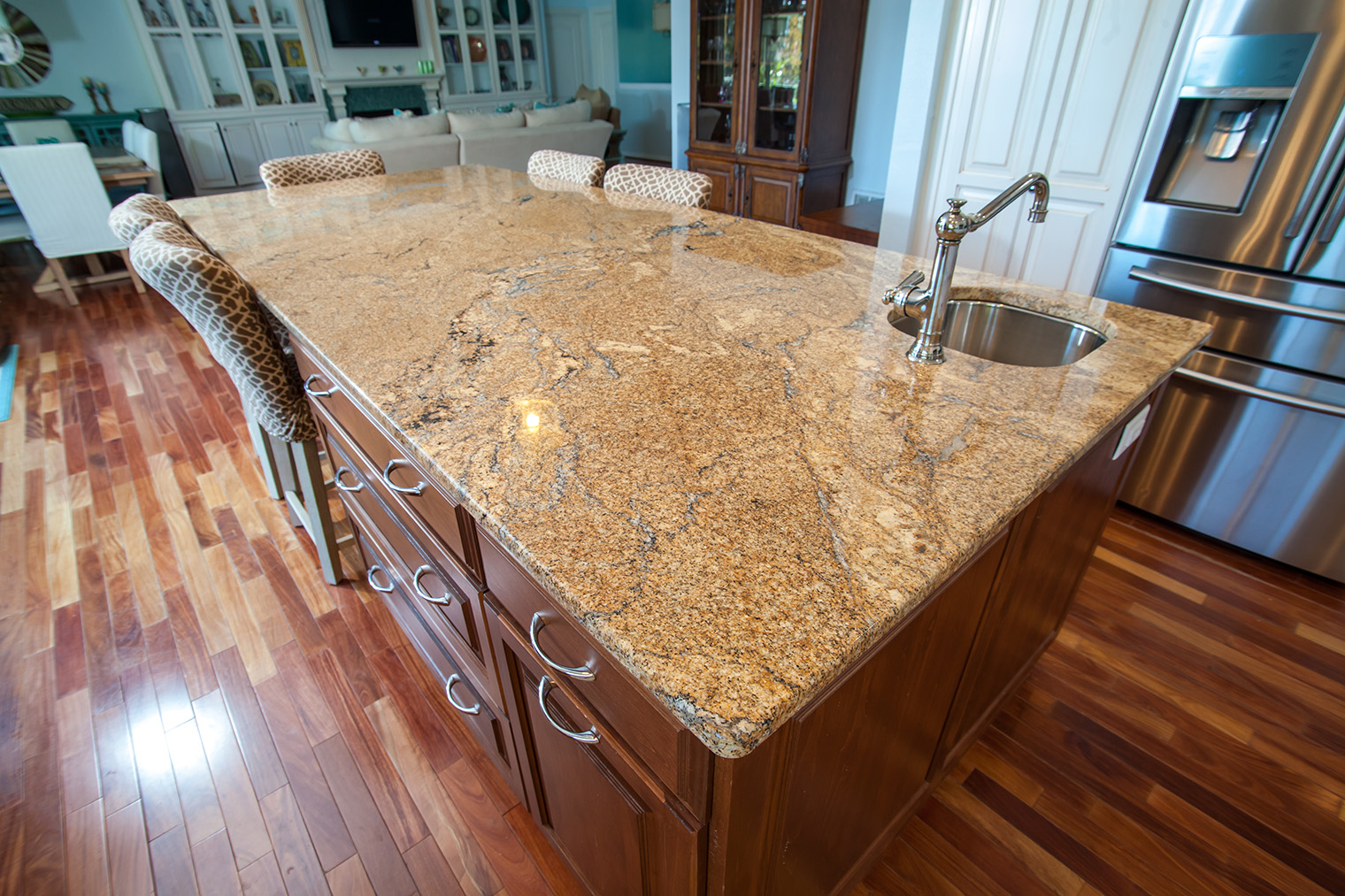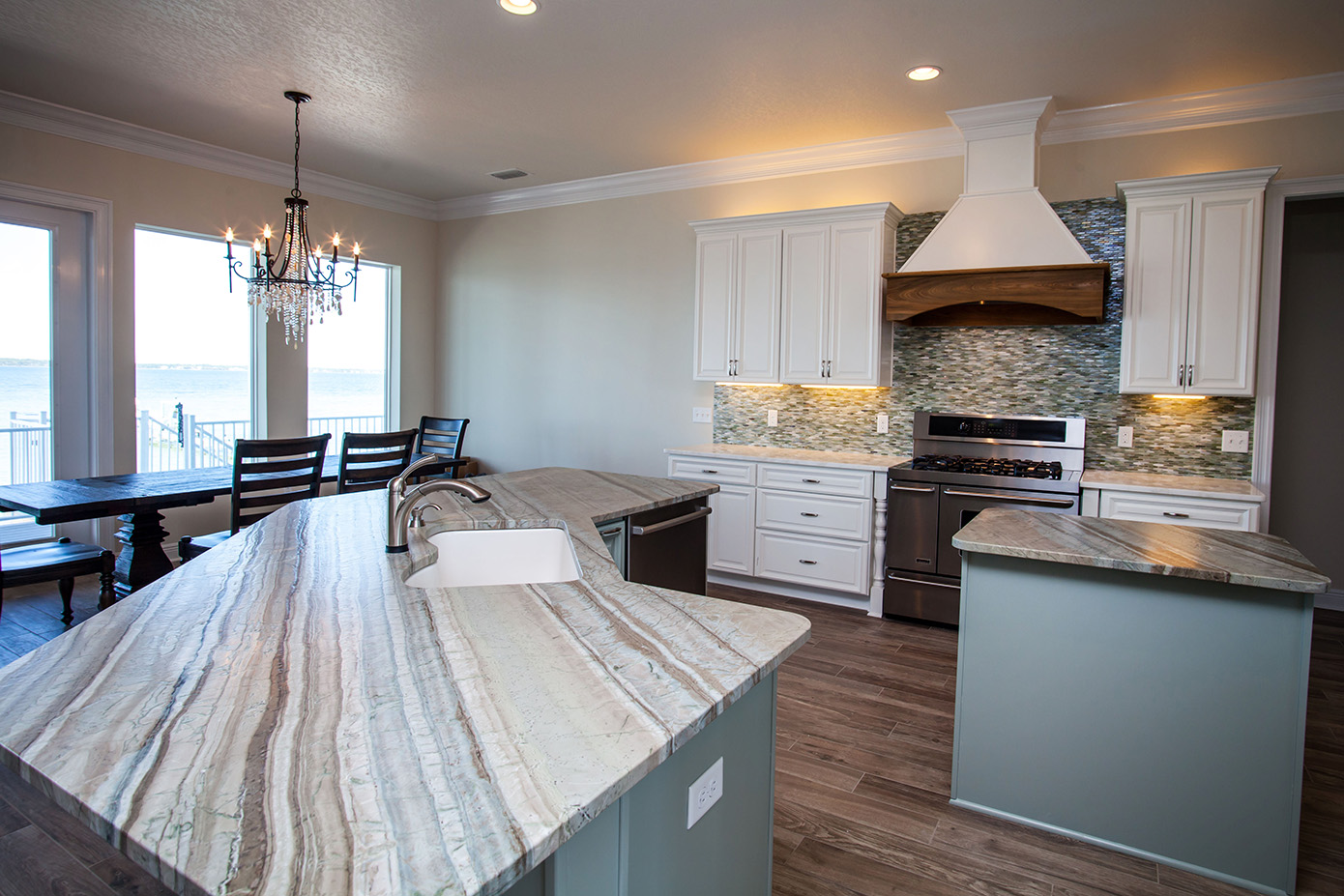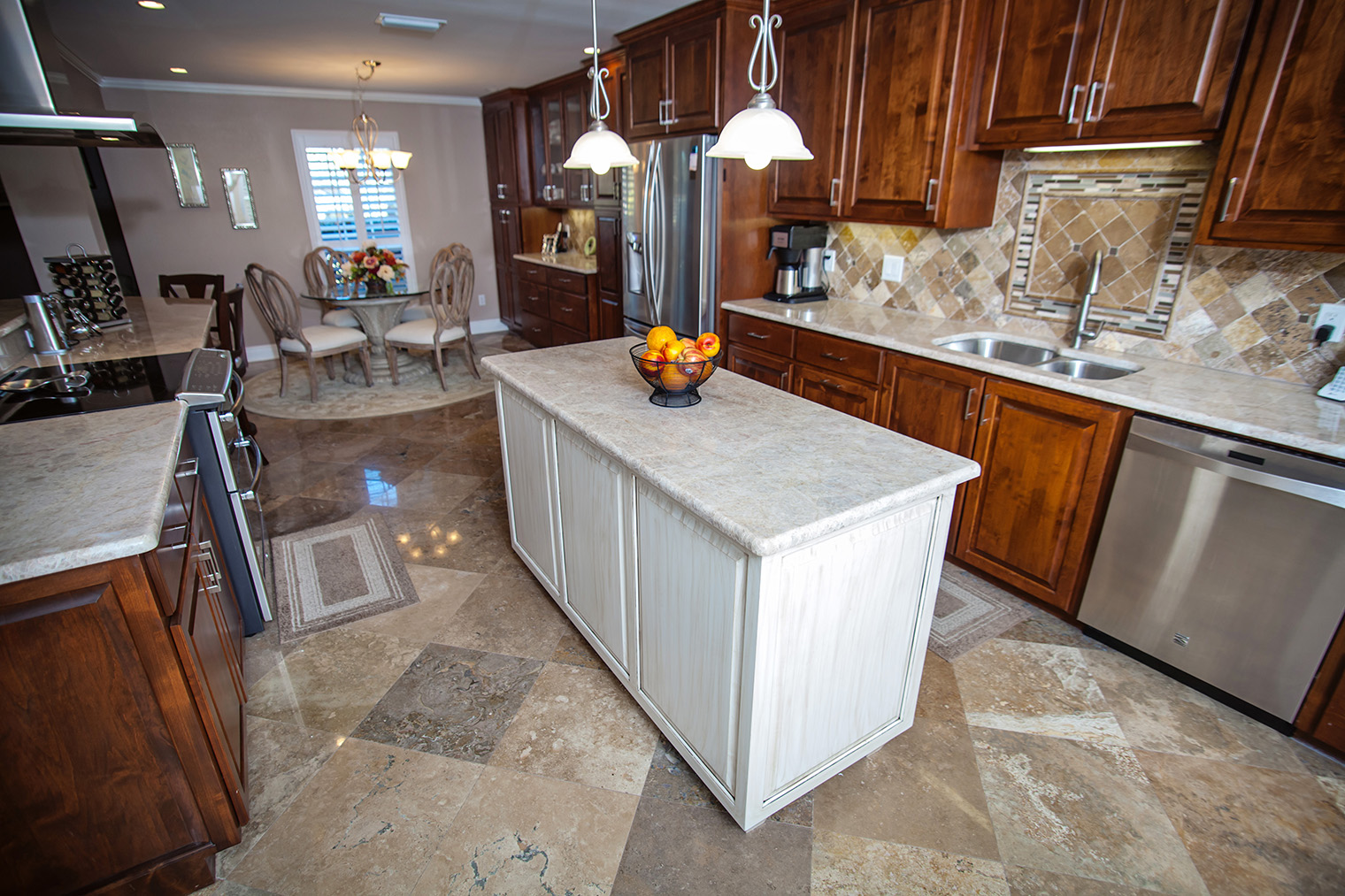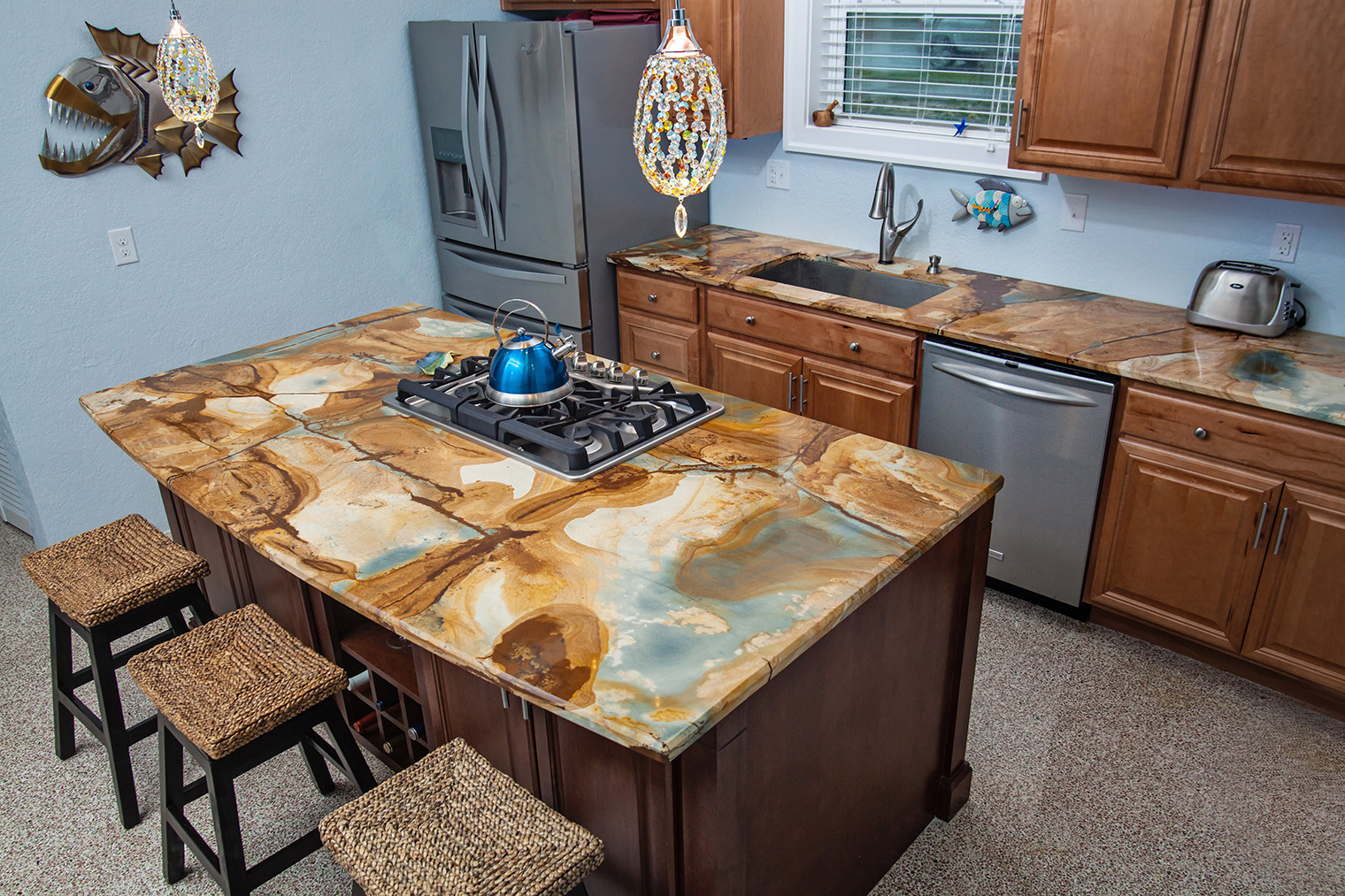
When comparing Granite vs Quartz in Coastal Florida: Salt Air Impact, the exact answer is that quartz performs better for indoor coastal kitchens because it is non-porous and highly resistant to salt air, moisture, and humidity, while granite is strong and heat-resistant but requires regular sealing to protect it from coastal conditions. Your choice depends on where the stone will be used and how much maintenance you are willing to do.
Overview: Coastal Florida Stone Performance
Quartz is superior for indoor kitchens in coastal Florida due to its non-porous nature, which resists moisture, humidity, and salt-air corrosion without requiring sealers. Granite, while durable and heat-resistant, requires annual sealing to prevent damage from salt intrusion and humidity. For outdoor kitchens, granite is better because it resists UV damage.
Quartz Countertops performs best indoors where air conditioning and humidity changes are common. Granite performs better outdoors where sunlight exposure is high.
This balance makes both materials useful, but in different environments.
Understanding the Coastal Florida Environment
Coastal Florida homes face constant exposure to humidity, salt particles in the air, and warm temperatures. These conditions slowly affect many building materials over time.
Salt in the air can settle on surfaces and mix with moisture, which may cause dullness or slow surface wear. Because of this, choosing the right countertop material becomes very important for long-term durability.
What is Quartz?
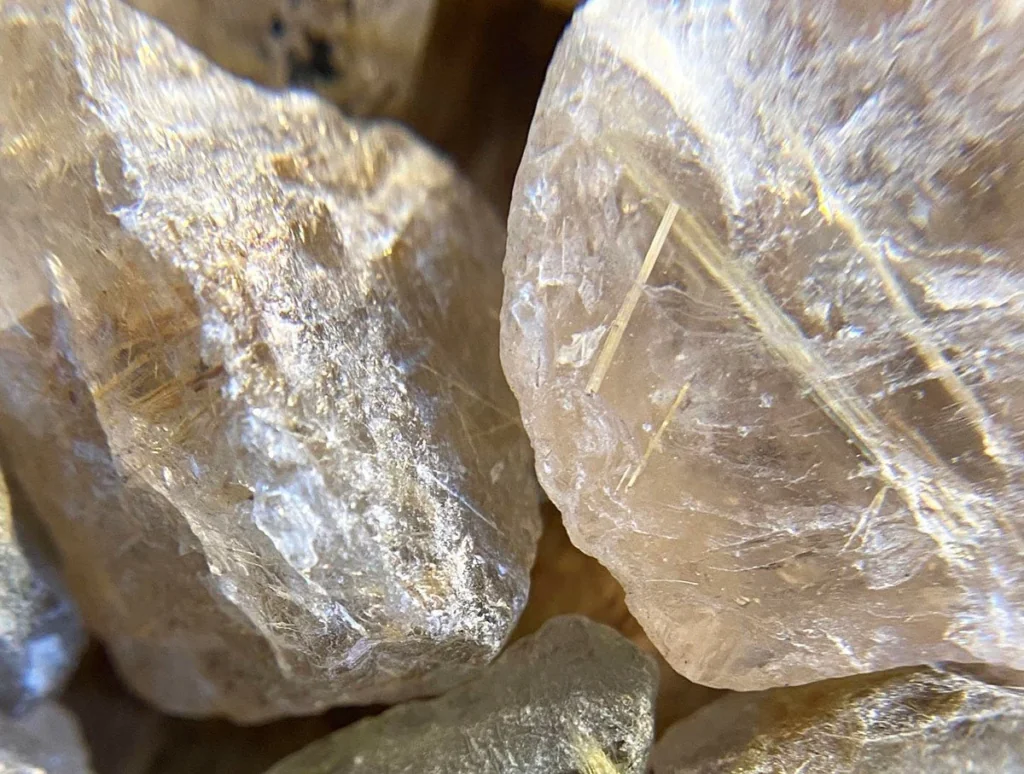
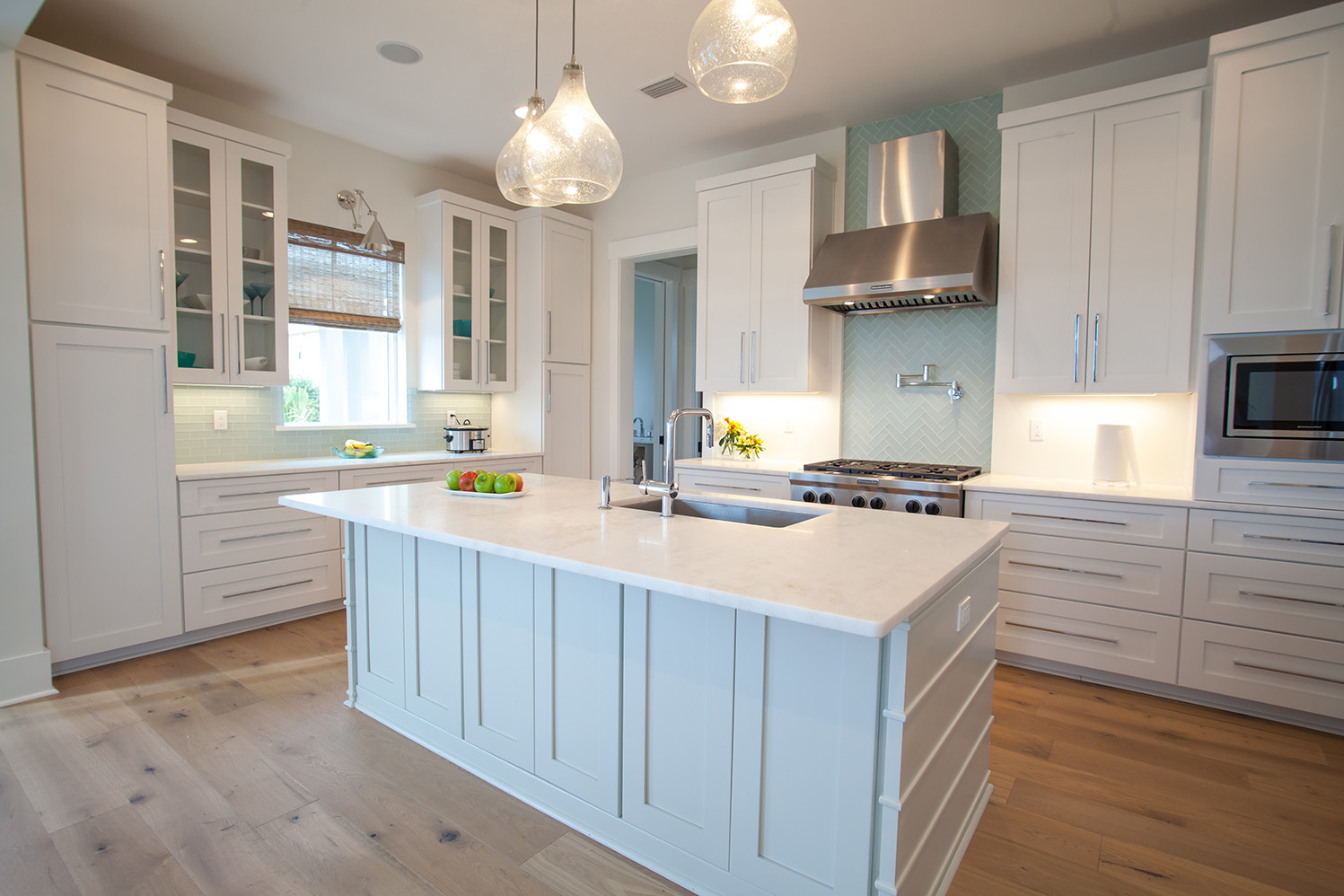
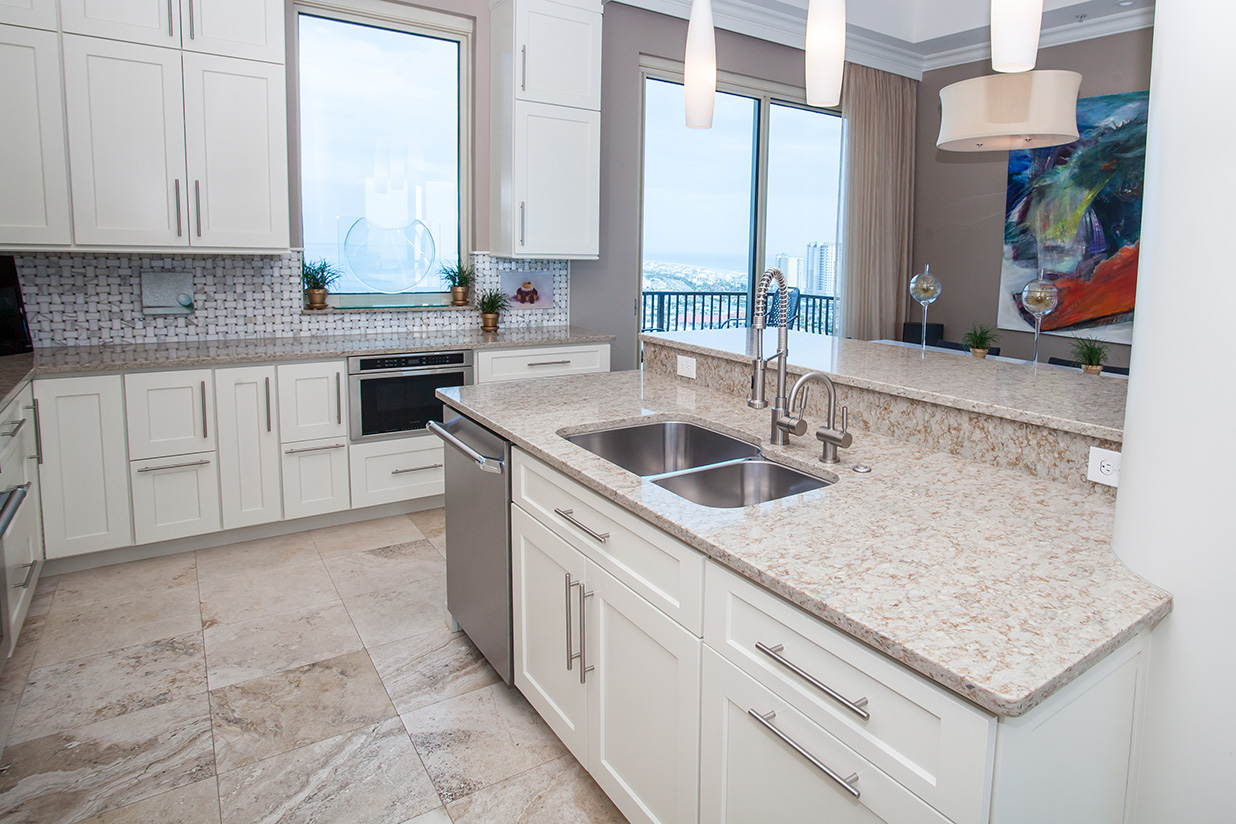
Quartz is an engineered stone made from crushed natural quartz mixed with resins and pigments. This process creates a strong, non-porous surface that is highly resistant to stains and moisture.
It is widely used in modern kitchens because it requires very little maintenance and keeps its appearance for many years.
Quartz and natural stone countertops are both popular, but quartz is often preferred for indoor use because it is more stable in humid climates.
What is Granite?
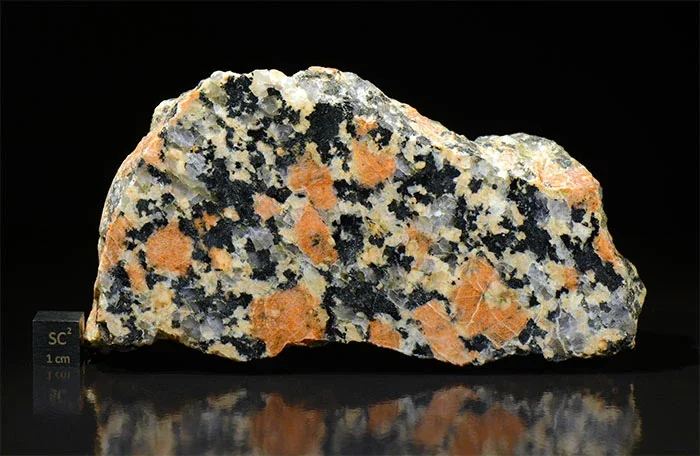
Granite is a natural stone formed deep inside the earth under extreme heat and pressure. It is cut into slabs and polished for use in kitchens and bathrooms.
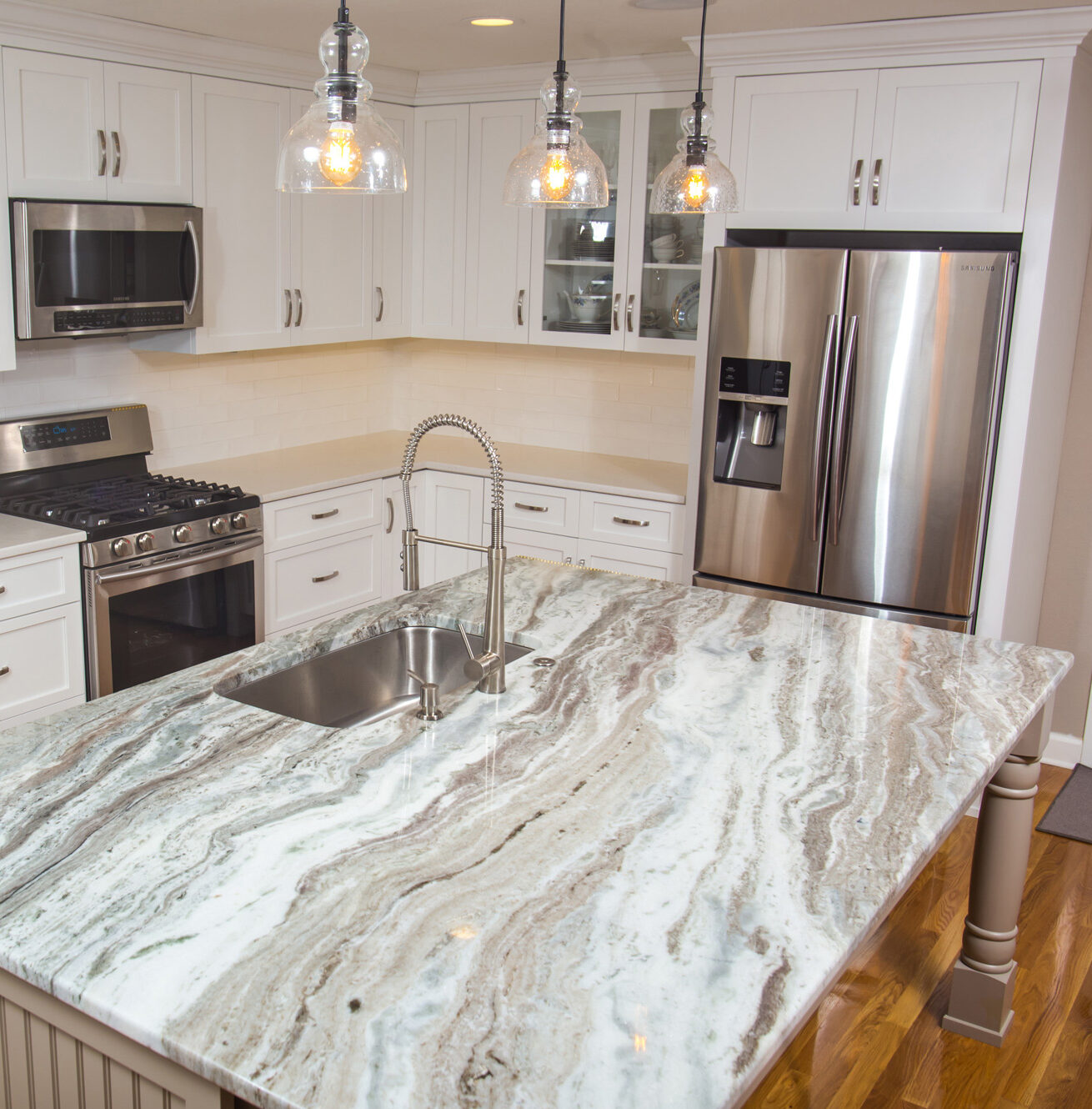
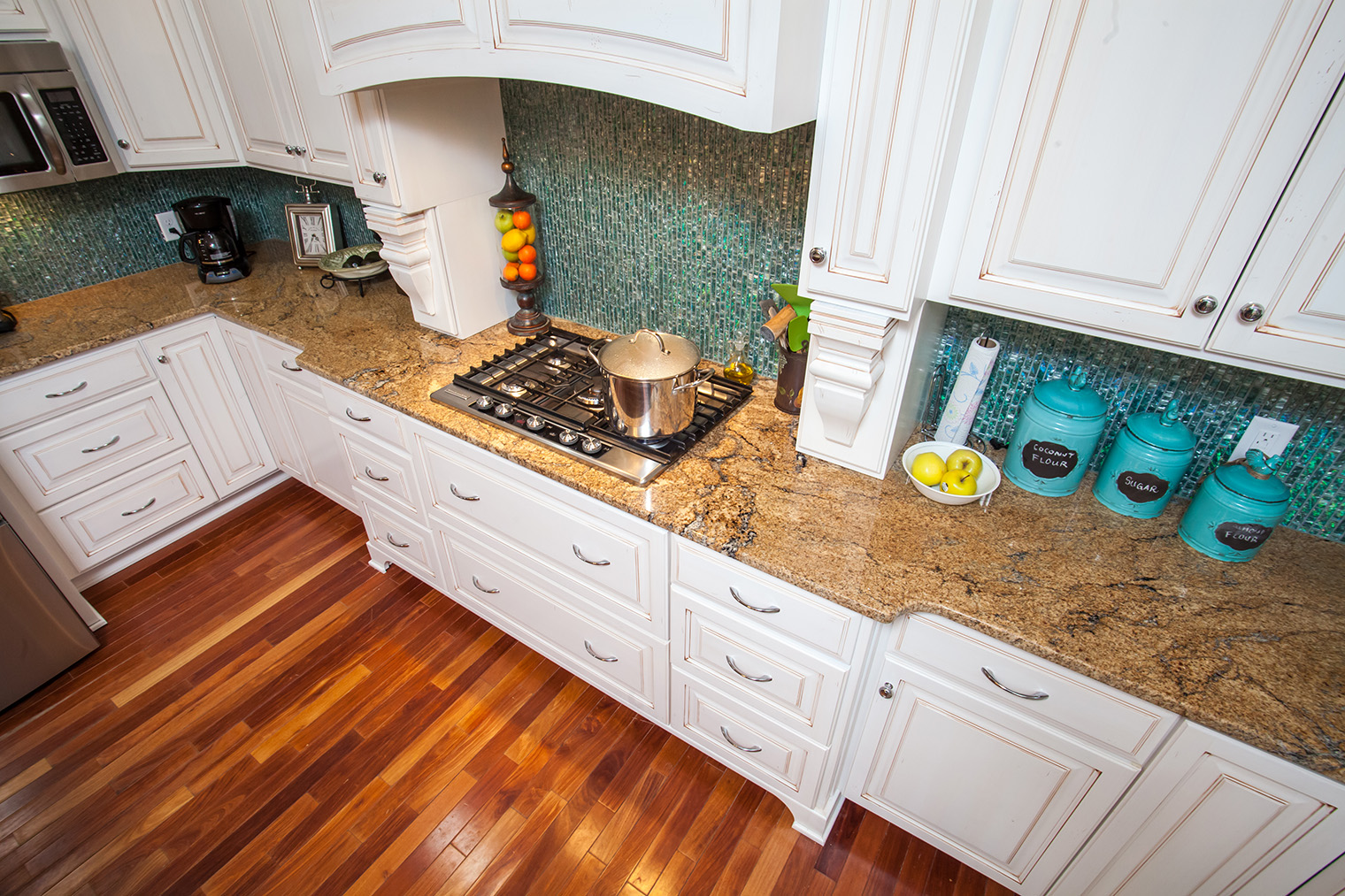
Each slab of granite has a unique natural pattern, which makes it visually attractive. However, granite is slightly porous, meaning it can absorb moisture if not sealed properly.
Because of this, it needs regular care, especially in coastal environments.
Salt Air Impact on Countertops
Salt air is one of the biggest environmental challenges in coastal Florida. It carries tiny salt particles that can slowly settle on surfaces and react with moisture.
Granite countertops in Florida can be affected by this because granite is natural and slightly porous. Over time, salt and moisture may enter the surface if sealing is not maintained.
Quartz countertops in Florida perform much better because they are non-porous and do not absorb moisture or salt particles.
Detailed Comparison Table
| Feature | Quartz | Granite | Maintenance Level | Coastal Performance | Best Use |
|---|---|---|---|---|---|
| Material Type | Engineered stone | Natural stone | Low vs Medium | Quartz performs better indoors | Indoor kitchens |
| Moisture Resistance | High | Moderate | Quartz needs no sealing | Granite needs sealing | Humid areas |
| Heat Resistance | Low heat tolerance | High | Granite handles heat better | Granite ideal near cooking heat | Outdoor kitchens |
| Appearance | Consistent design | Natural unique patterns | Both attractive | Depends on preference | Luxury kitchens |
| Durability | Very high indoors | High outdoors | Quartz is easier to maintain | Cannot be used outdoors | Coastal homes |
Indoor vs Outdoor Performance
Quartz is ideal for indoor kitchens in coastal homes because it handles humidity, salt air, and temperature changes very well. It stays stable even in air-conditioned environments. However, it features a low heat tolerance and cannot be used outdoors.
Granite is more suitable for outdoor kitchens because it can withstand sunlight and heat without fading or breaking down.
This makes both materials useful, but their performance depends on location.
Maintenance Requirements
Maintenance plays a big role in long-term durability.
Granite countertops require:
- Regular sealing once a year
- Careful cleaning to prevent stains
- Extra protection in humid environments
Quartz requires:
- Simple cleaning with soap and water
- No sealing needed
- Very low maintenance effort
Because of this, quartz is often preferred in busy households.
Durability in Coastal Homes
Durability depends on how well the material handles moisture, salt, and heat.
Granite vs quartz durability shows that granite is strong but needs maintenance to stay protected, while quartz is more stable in indoor environments and resists moisture naturally.
Both materials are durable, but quartz requires less effort to maintain its strength.
Stone Fabrication and Custom Options
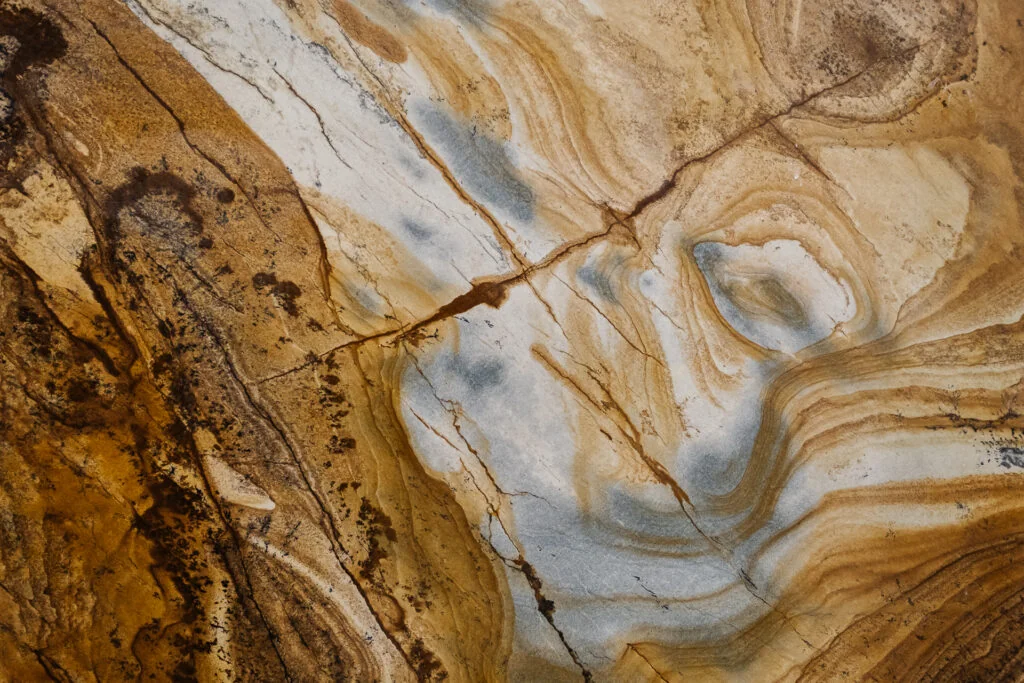
Modern homeowners often prefer customized solutions.
Stone fabrication services allow precise cutting, shaping, and finishing of countertops to fit specific kitchen designs.
Many homeowners also choose Countertop installation services to ensure proper fitting and long-term durability.
For unique designs, custom countertop Florida options are available to match personal style and home layout.
Best Choice for Coastal Homes
In coastal environments, choosing the right material depends on usage.
The best countertops for coastal homes are usually quartz for indoor spaces and granite for outdoor areas. This combination provides a balance between durability and style.
Durable countertops in humid climate conditions must resist moisture, salt, and temperature changes, which is why material selection is so important.
Moisture-resistant countertops like quartz perform best indoors where humidity is high.
Heat and salt-resistant stone, like granite, performs better outdoors where sunlight exposure is stronger.
Granite vs Quartz in Coastal Florida: Salt Air Impact
At this point, Granite vs Quartz in Coastal Florida: Salt Air Impact becomes very clear: quartz is the better indoor option because it resists salt air naturally, while granite is better outdoors because it handles heat and sunlight effectively.
Maintenance Summary
- Quartz = low maintenance, no sealing, low heat tolerance, cannot be used outdoors.
- Granite = higher maintenance, sealing required, best for outdoor kitchens
- Both = durable, but the environment decides performance
Conclusion
Quartz is ideal for indoor use because it handles humidity and salt air with ease, but it has a low heat tolerance and cannot be used outdoors, while granite is better for outdoor kitchens where heat and sunlight are stronger.
Granite vs Quartz in Coastal Florida: Salt Air Impact shows that both materials are strong, but quartz provides more convenience and lower maintenance in indoor coastal environments.
If you are planning a kitchen upgrade in coastal Florida, choosing the right countertop material is very important for long-term durability and style. Contact a professional stone expert today to explore quartz and granite options that best match your home, budget, and lifestyle.
FAQs
1. Which is better for coastal Florida kitchens, granite or quartz?
Quartz is generally better for indoor coastal Florida kitchens because it is non-porous and does not absorb moisture or salt from the air. This makes it highly resistant to humidity-related damage. Note that quartz has a low heat tolerance and cannot be used outdoors. Granite can also be used, but it needs regular sealing to prevent moisture and salt penetration, especially in coastal environments.
2. How does salt air affect granite countertops?
Salt air can slowly affect granite because it is a natural and slightly porous stone. Over time, salt particles combined with moisture may enter the surface if the stone is not properly sealed. This can lead to dullness or staining, which is why regular sealing is very important for granite in coastal areas.
3. Why is quartz more suitable for indoor coastal homes?
Quartz is engineered to be non-porous, which means it does not absorb water, salt, or stains. In coastal homes where humidity levels are high, quartz performs better because it stays stable and does not react to environmental changes. It also requires very little maintenance compared to natural stone.
4. Can granite be used in outdoor kitchens in coastal Florida?
Yes, granite is often a better choice for outdoor kitchens in coastal Florida because it handles sunlight and UV exposure better than quartz. Quartz cannot be used outdoors due to its low heat tolerance. While salt air can still affect it over time, proper sealing helps protect it, making it suitable for outdoor cooking and entertaining spaces.
5. Do quartz countertops need sealing like granite?
No, quartz countertops do not require sealing. Since quartz is non-porous, liquids and salt cannot penetrate the surface. This makes it very low maintenance compared to granite, which must be sealed regularly to maintain protection in humid and coastal environments.
6. Which material is easier to maintain in coastal climates?
Quartz is easier to maintain because it only needs simple cleaning with mild soap and water. Granite requires more effort, including periodic sealing and careful cleaning, to prevent damage from moisture and salt exposure, especially in coastal Florida conditions.
7. Is granite more heat-resistant than quartz?
Yes, granite has better heat resistance because it is a natural stone formed under extreme heat. It can handle hot pans better than quartz. Quartz has a low heat tolerance and cannot be used outdoors because its engineered resins can scorch or be permanently damaged under heat conditions.
8. Which countertop lasts longer in humid environments?
Both granite and quartz can last for many years, but quartz tends to perform more consistently in humid environments because it does not absorb moisture. Granite can also last long, but only if it is properly sealed and maintained regularly in coastal climates.
9. What is the best overall choice for coastal Florida homes?
For indoor kitchens, quartz is usually the best choice due to its moisture resistance and low maintenance. For outdoor kitchens, granite is often preferred because it handles heat and sunlight better. The final decision depends on where the countertop will be installed and how much maintenance you prefer.