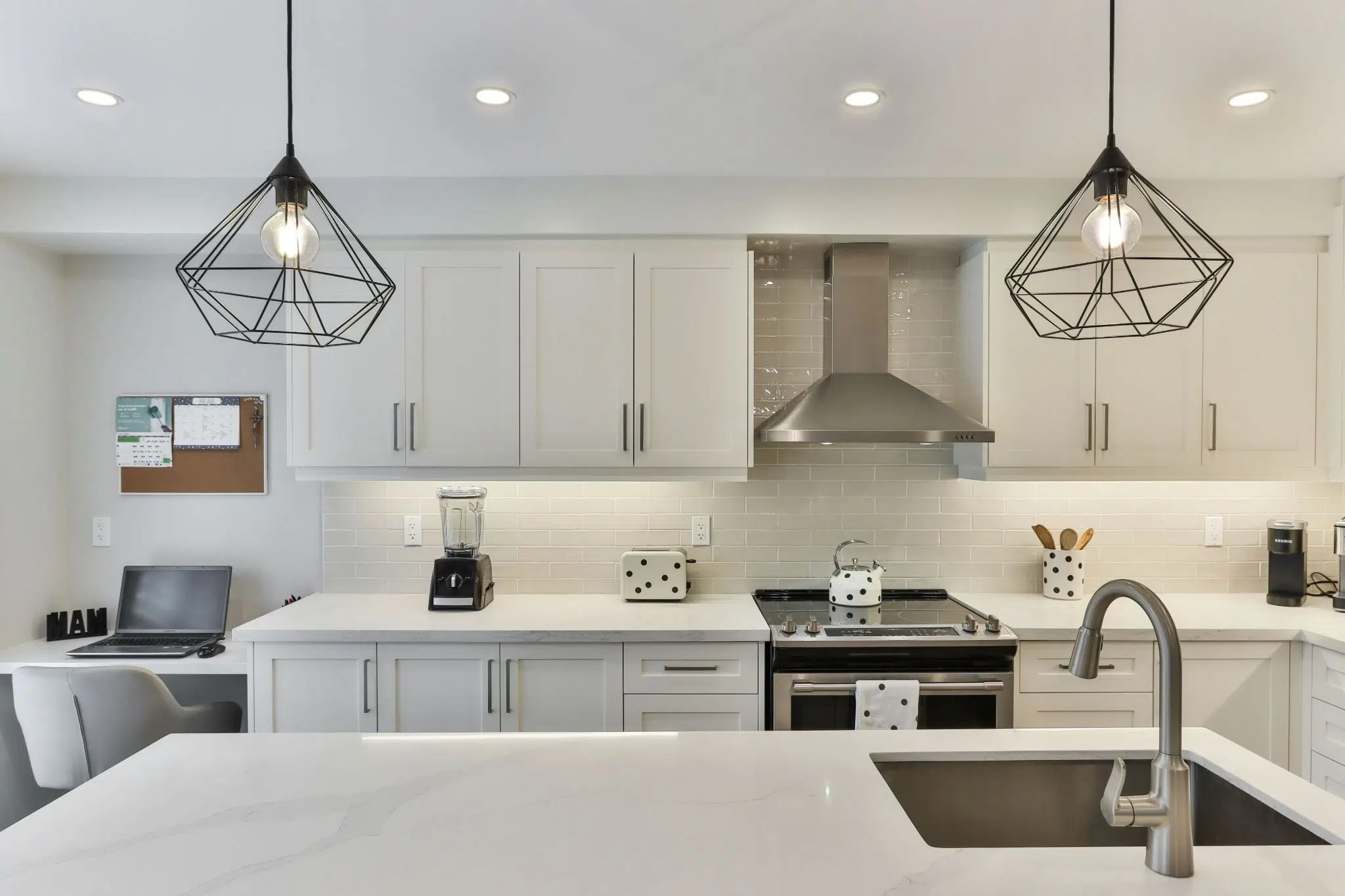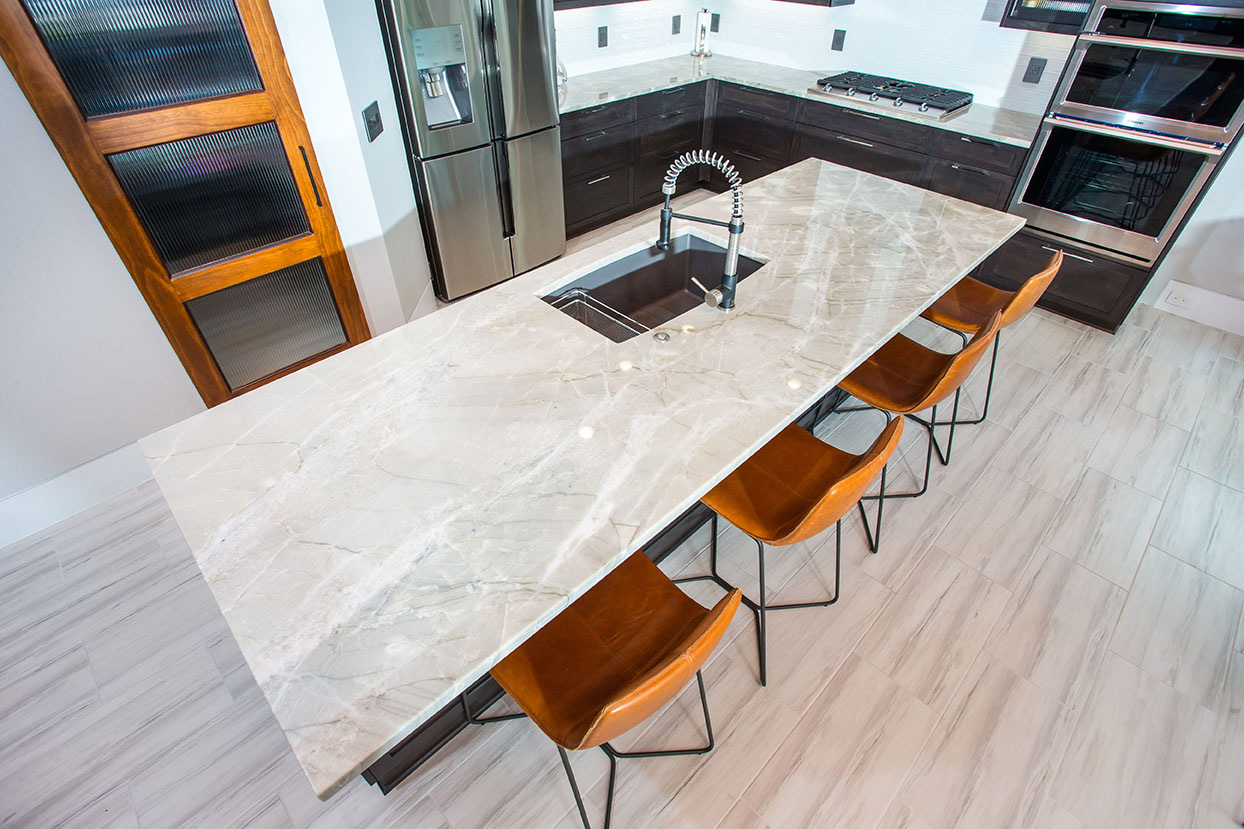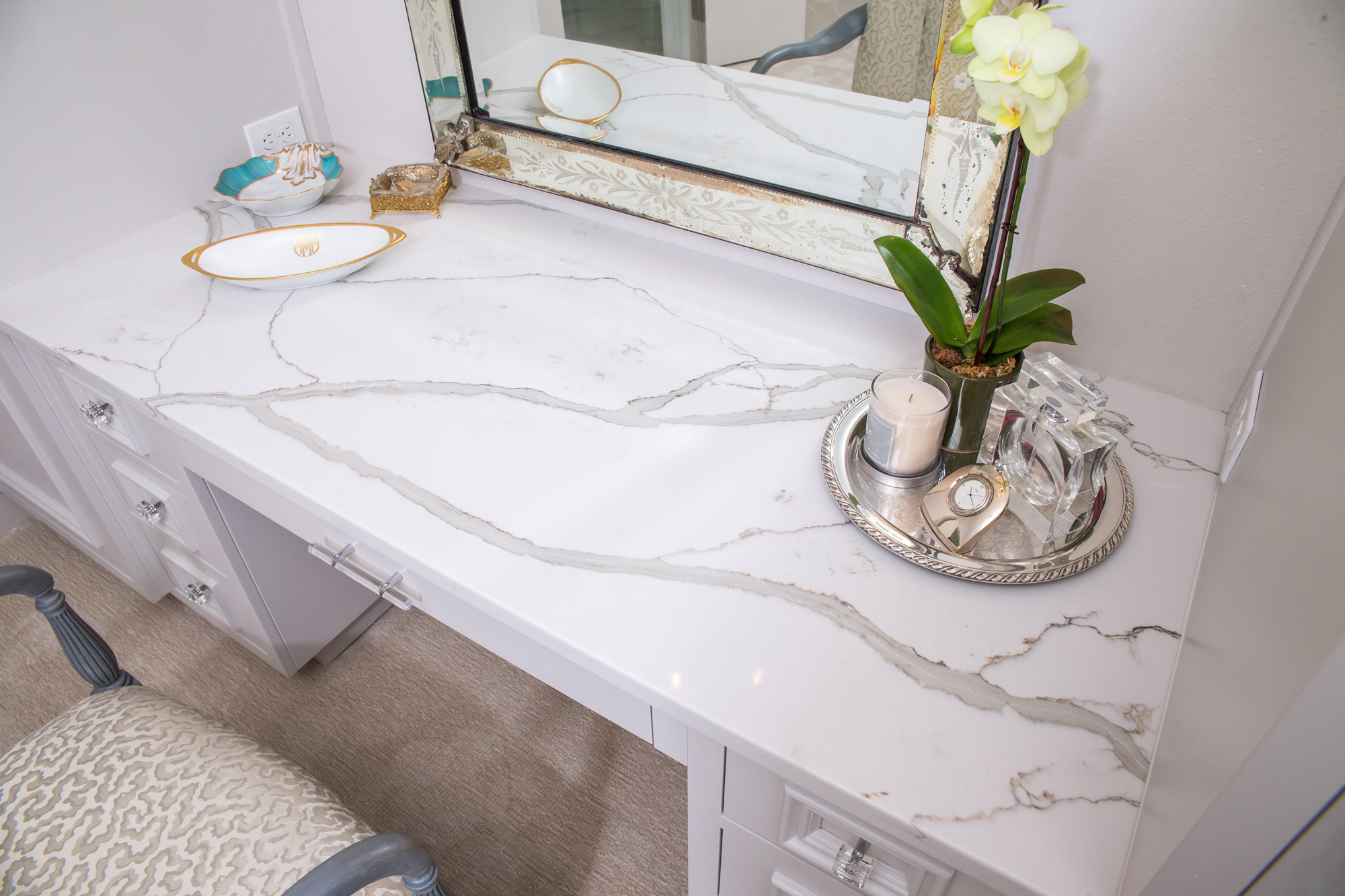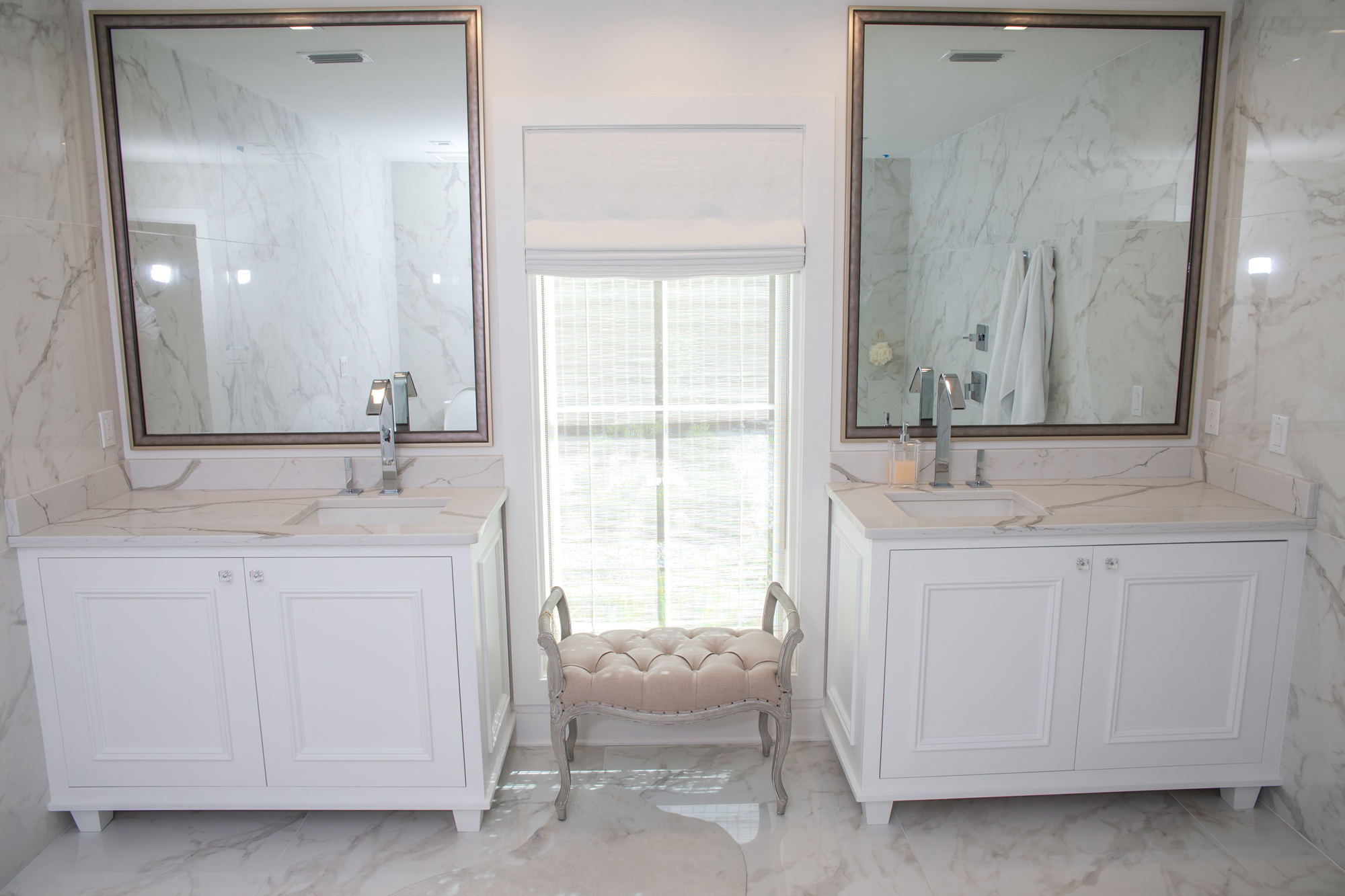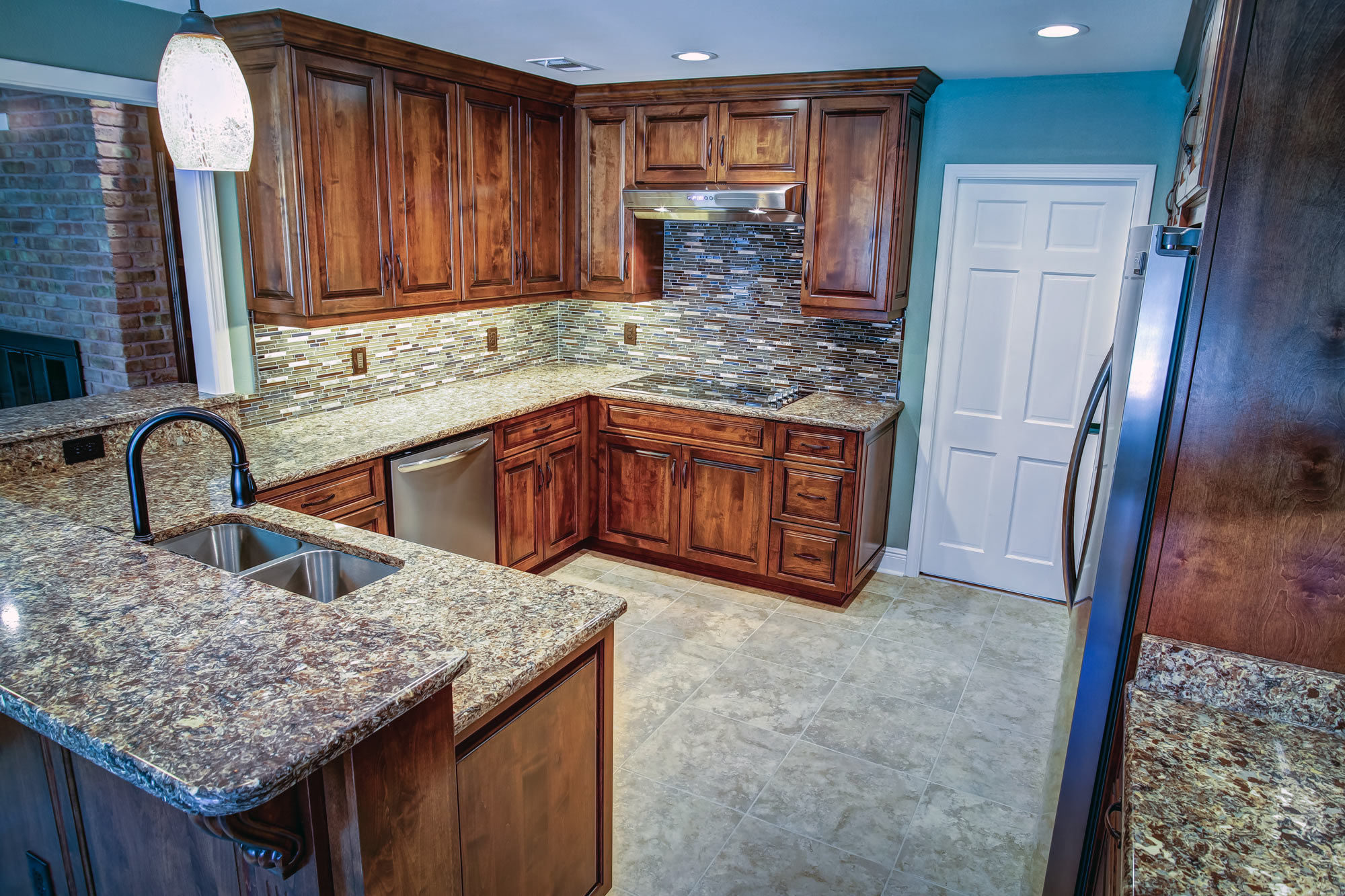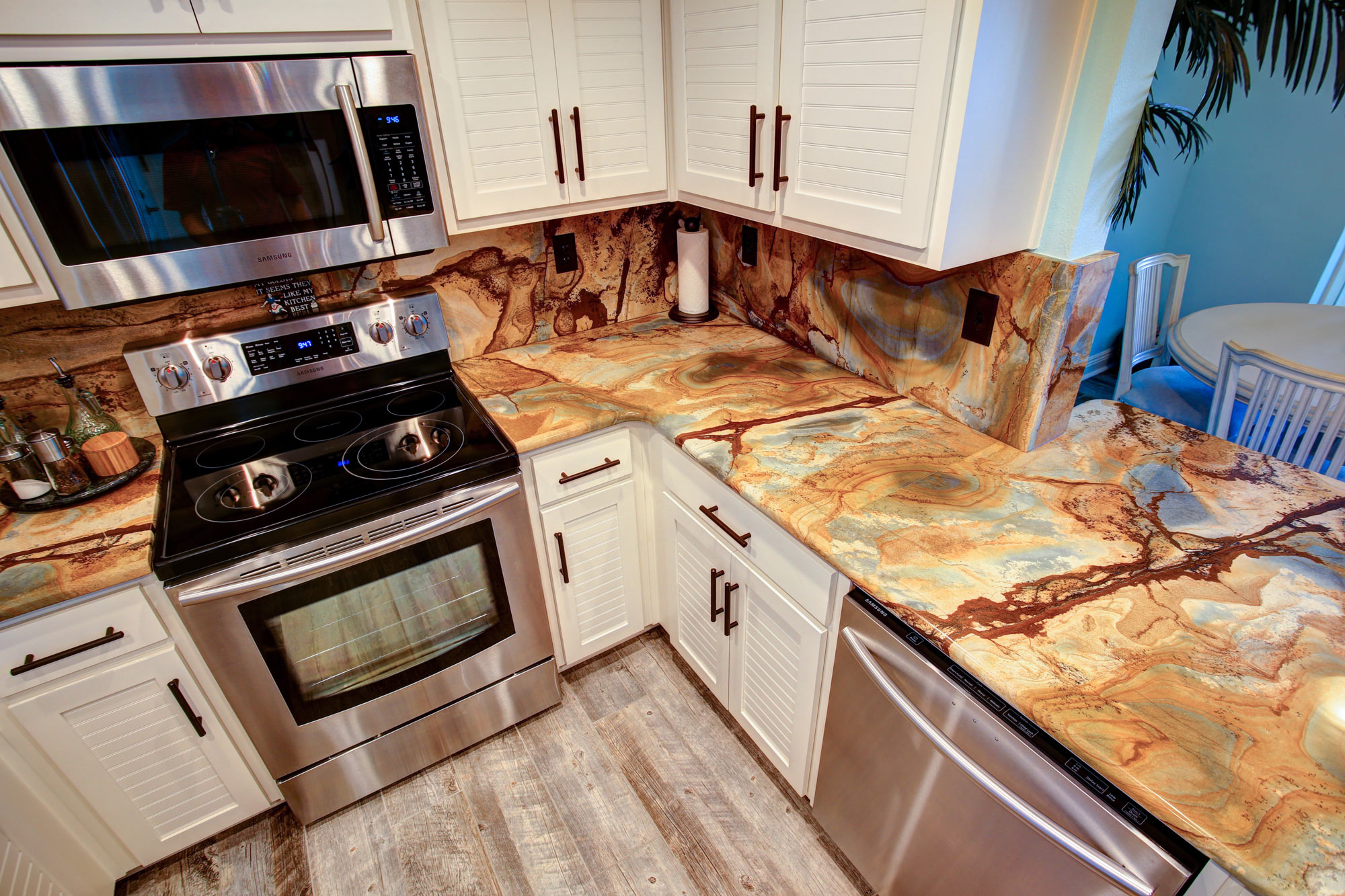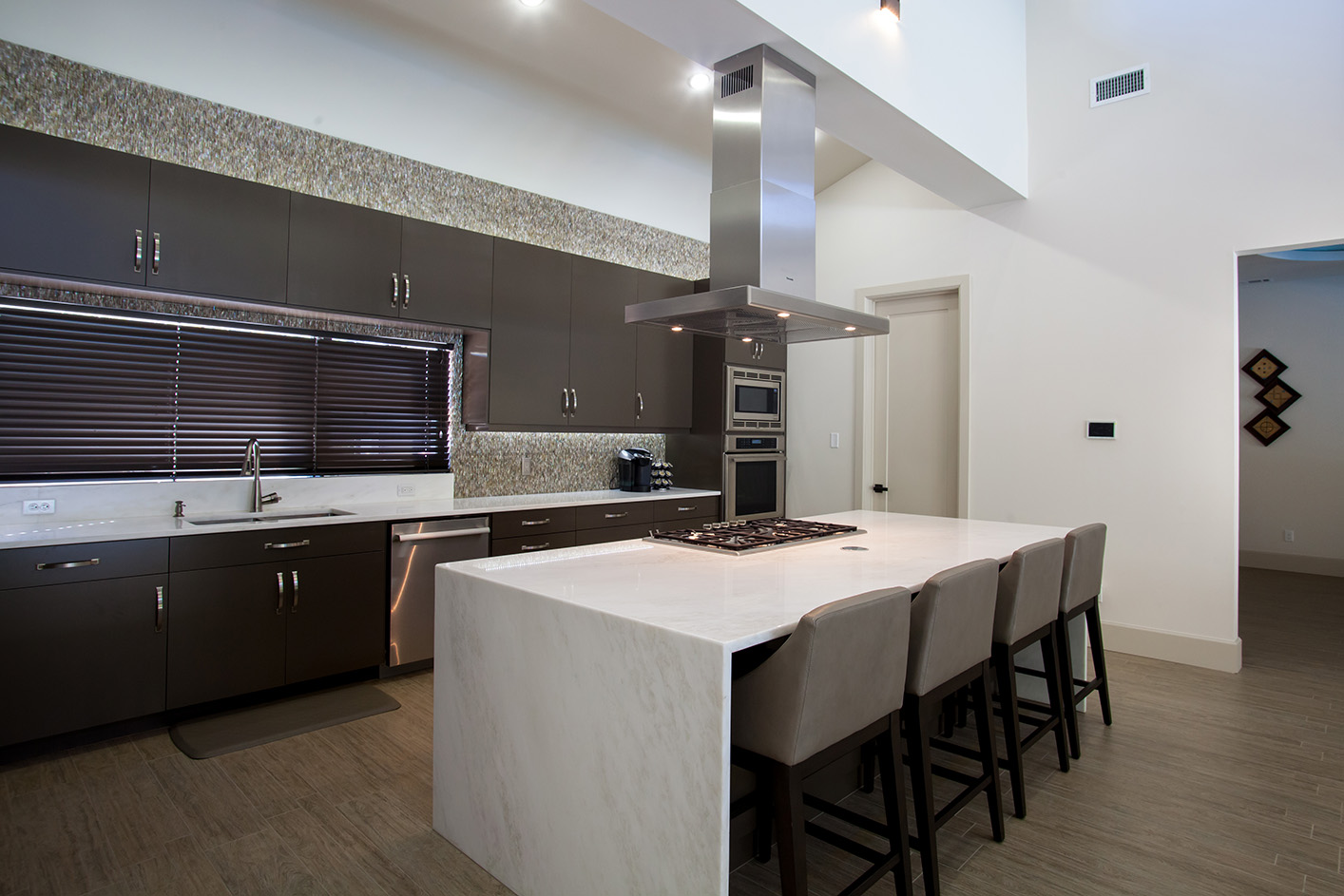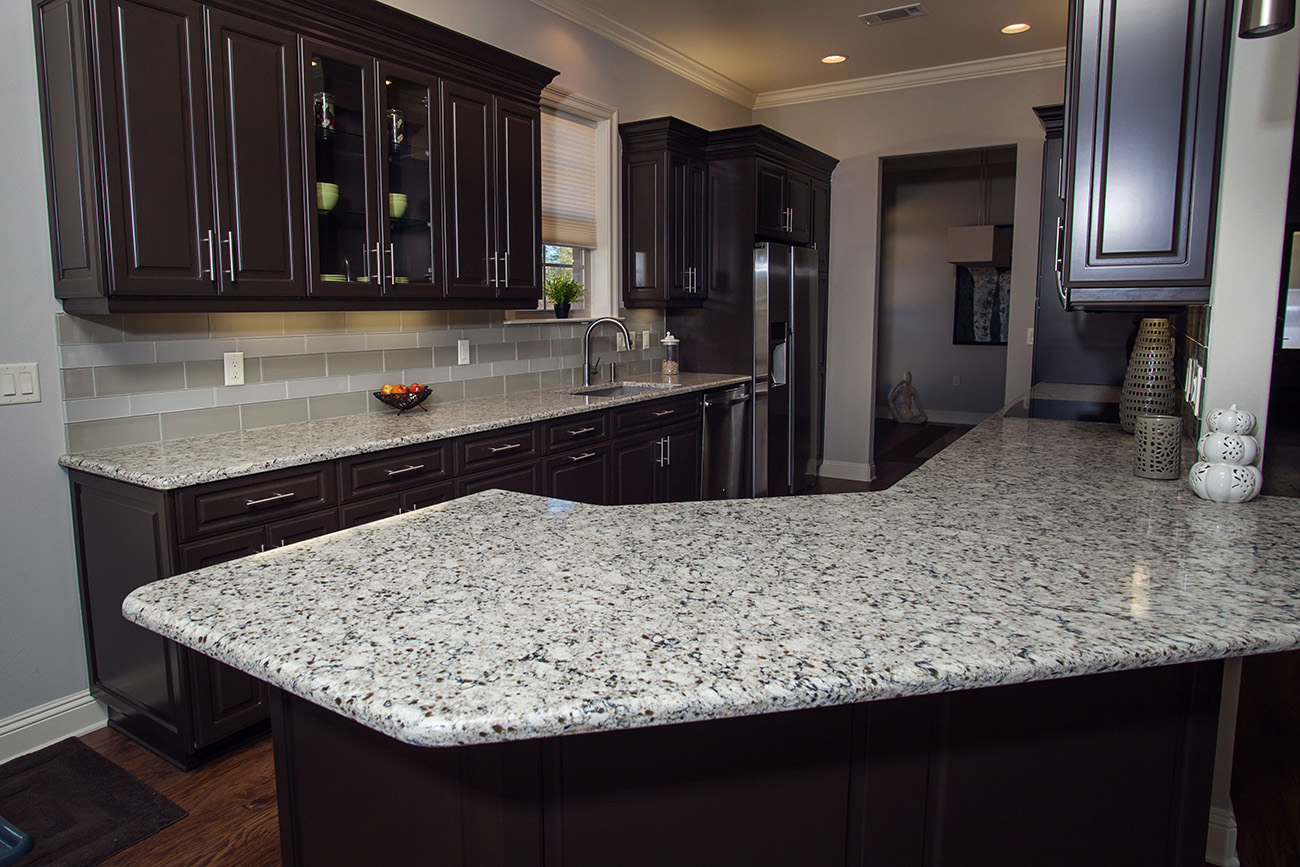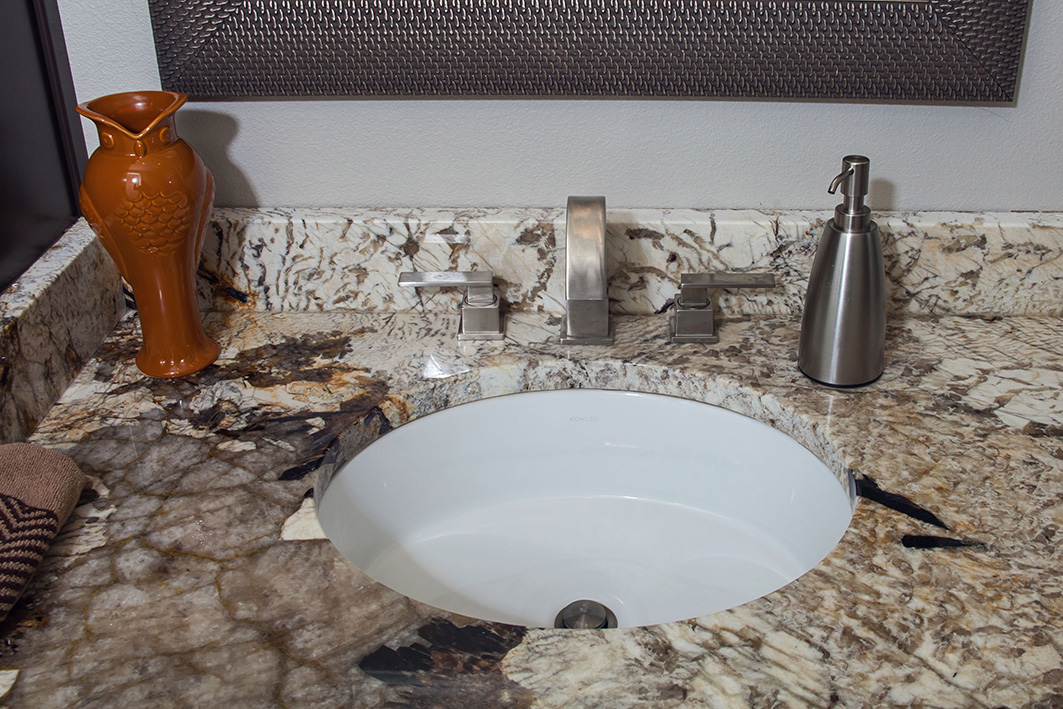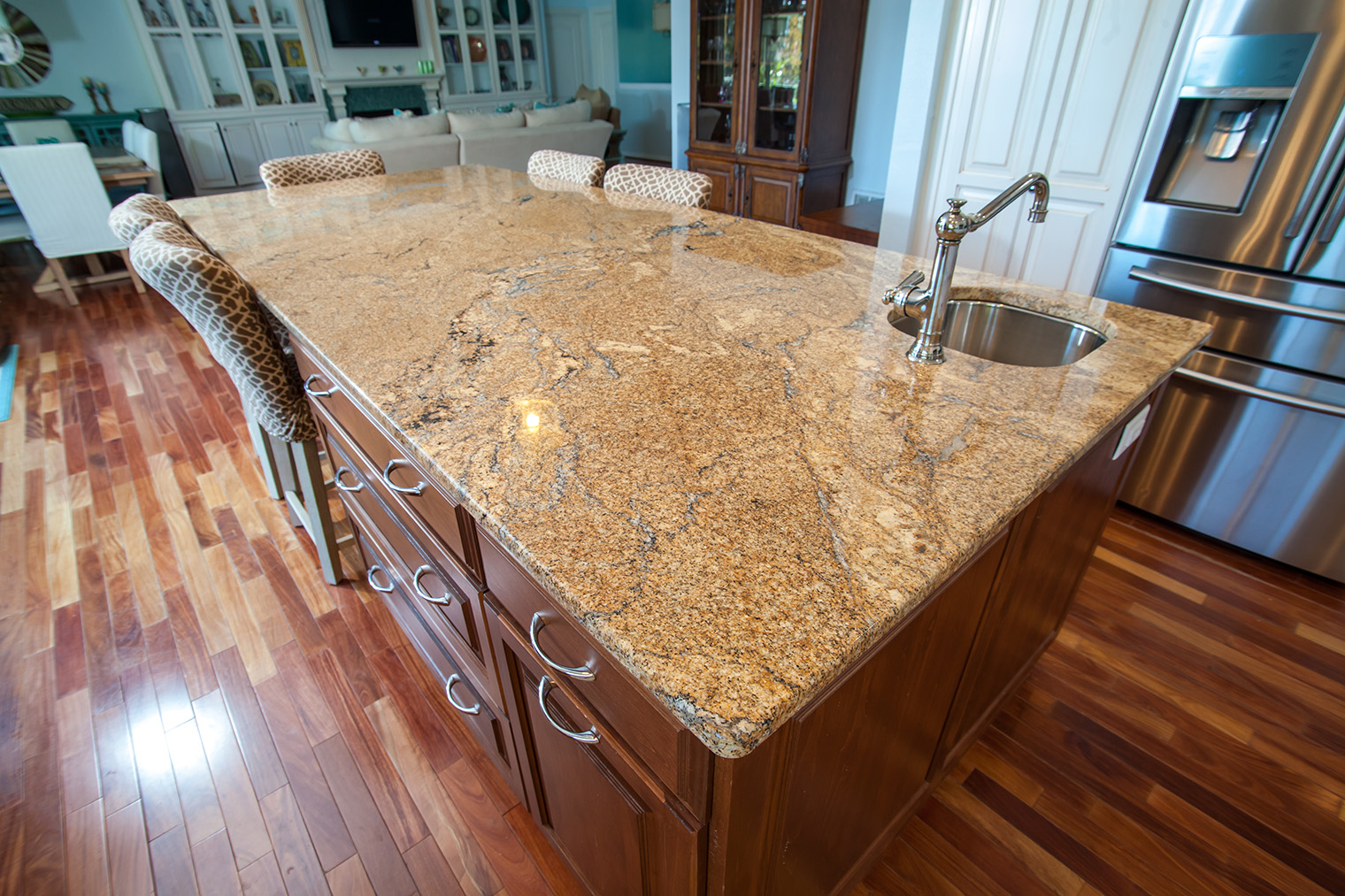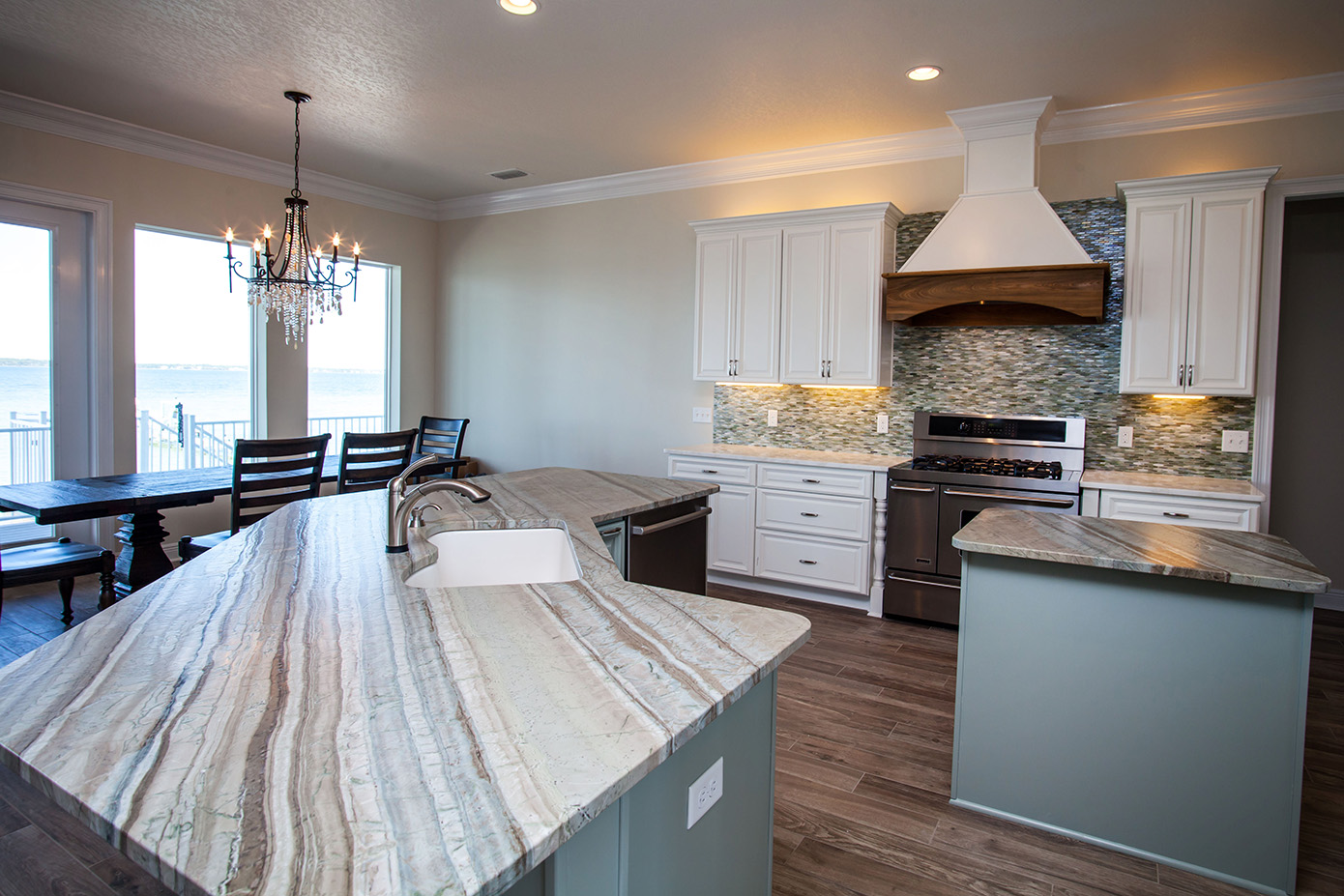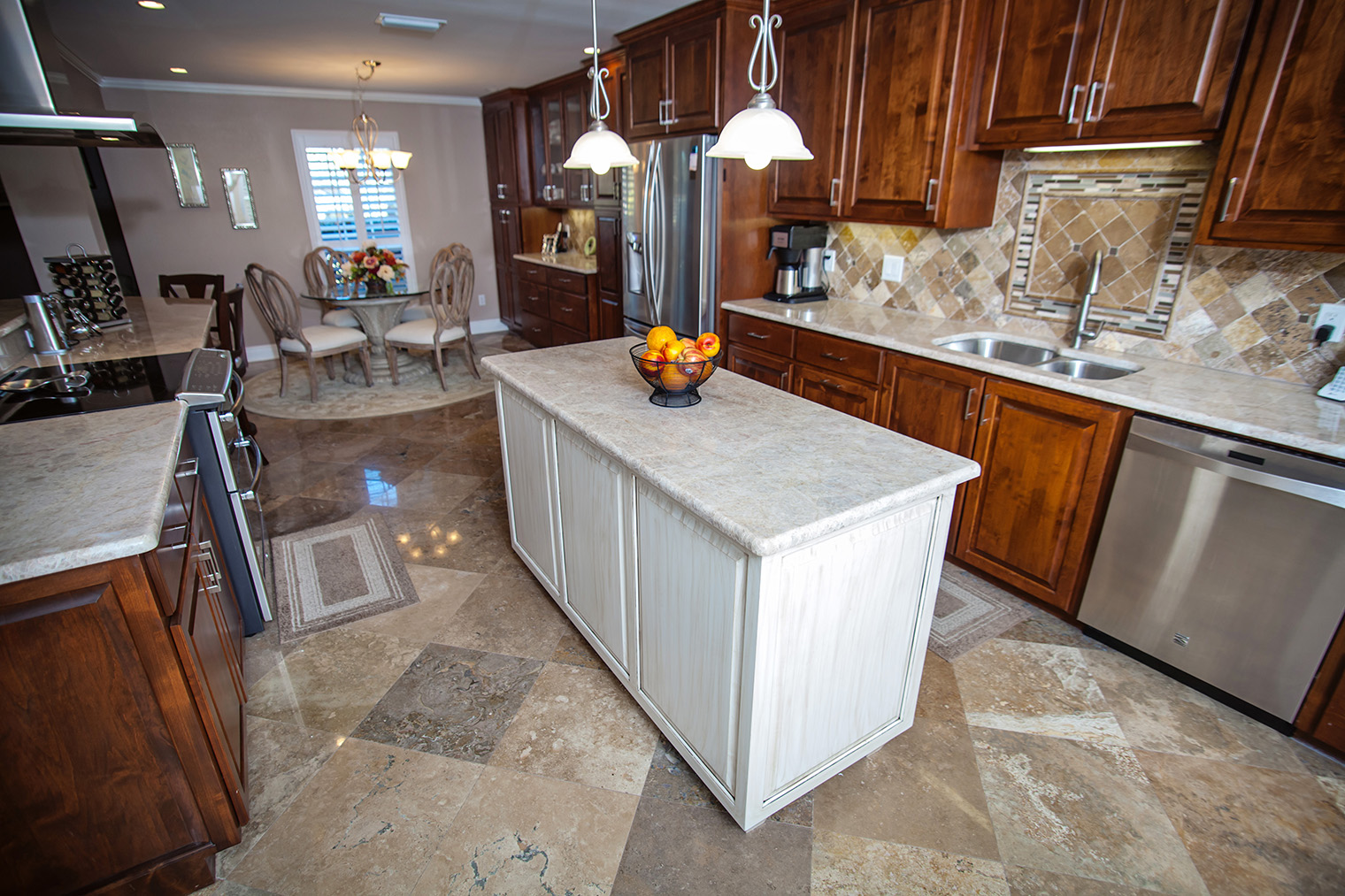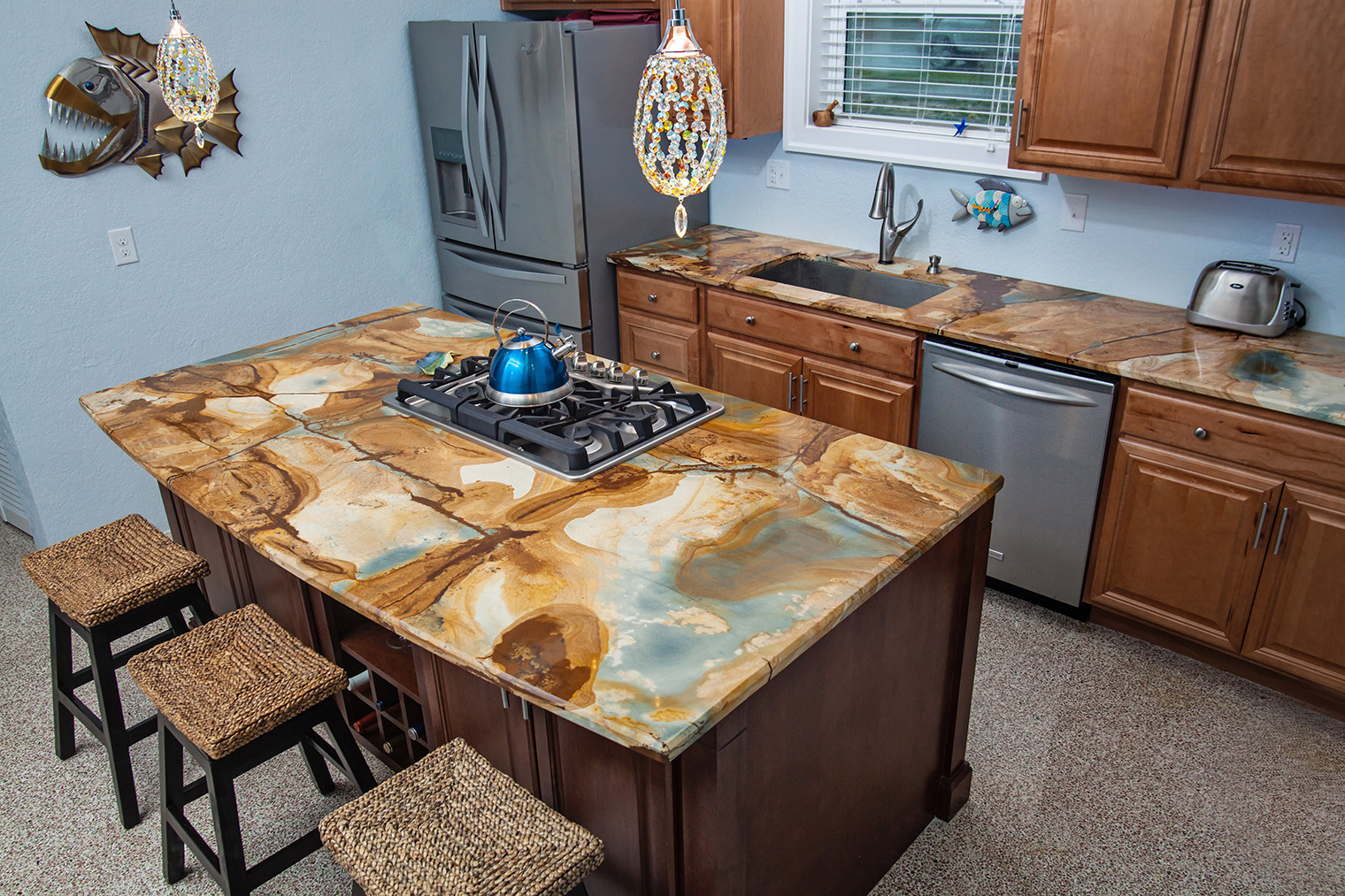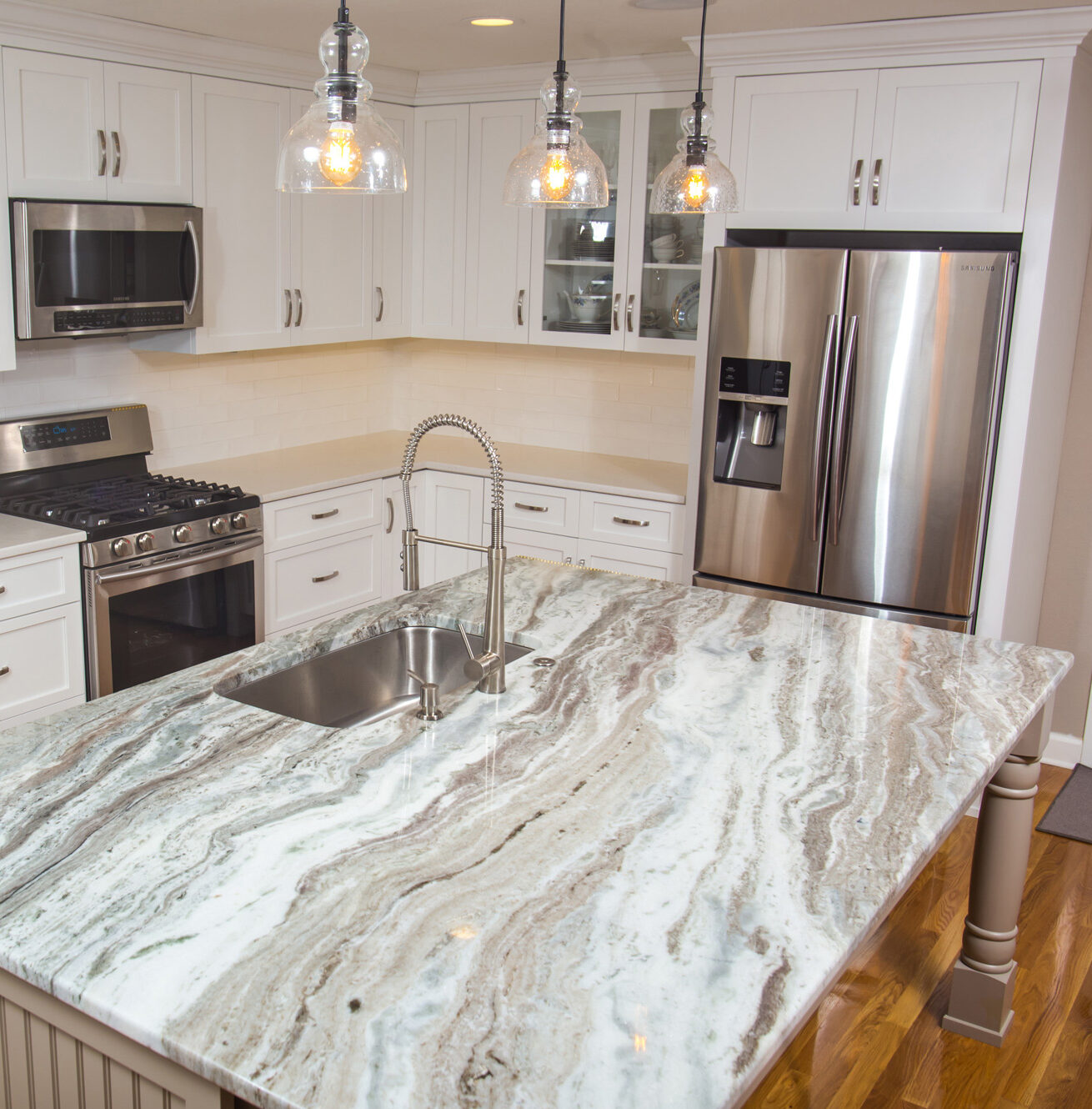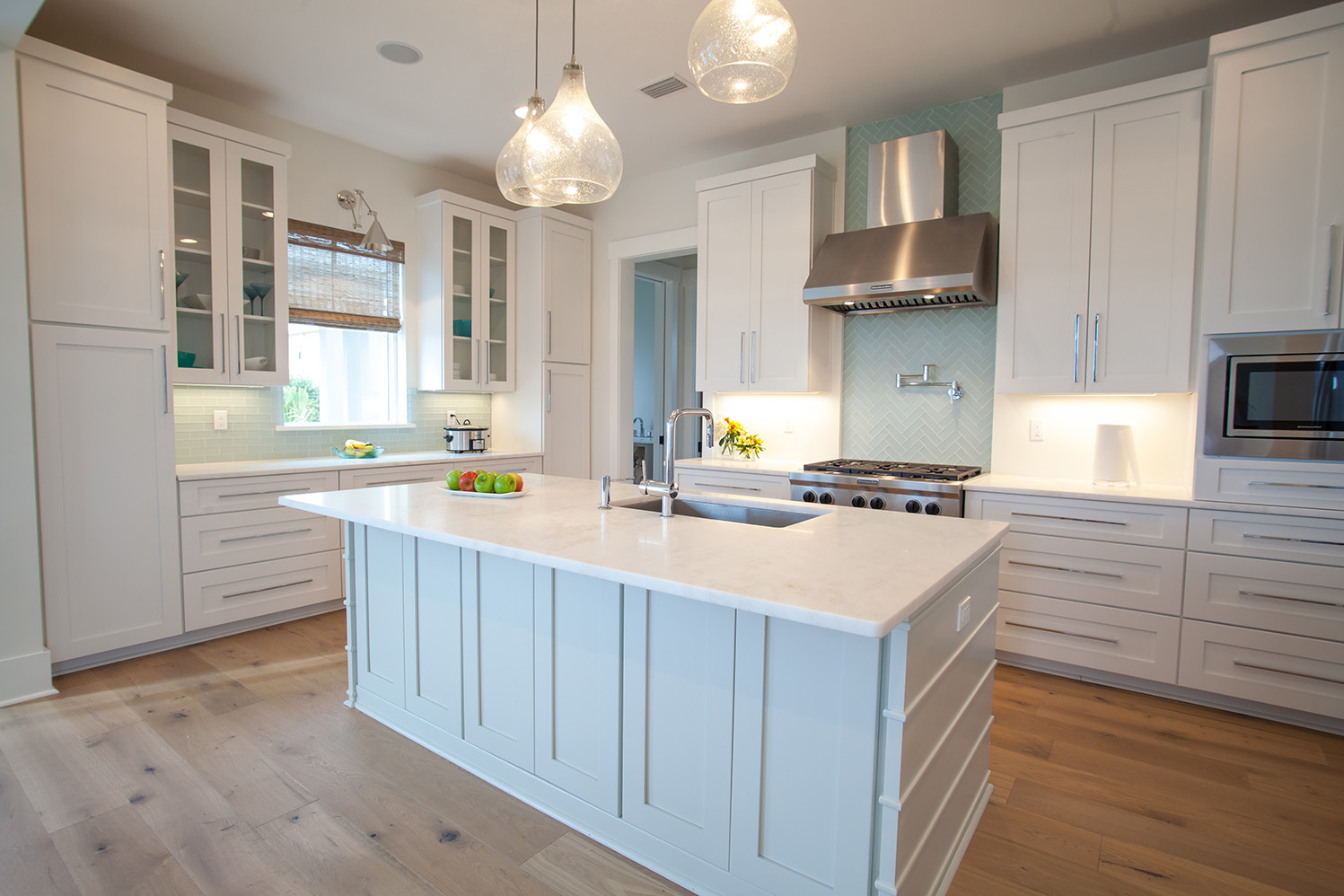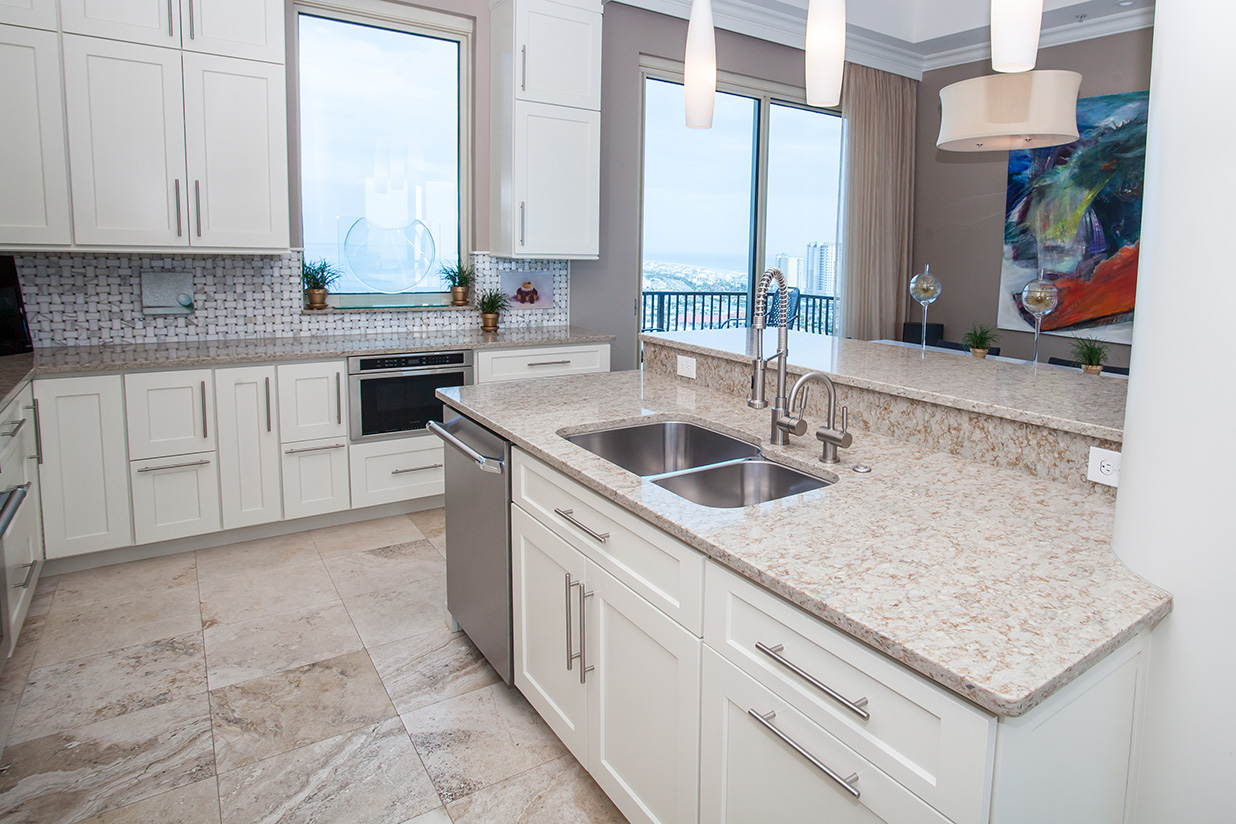
Picking a countertop color is the fun part. Picking the right kitchen countertop material is where most people go wrong. Here’s what actually happens. You walk into a showroom, fall in love with a color, and never stop to ask what the stone actually is. A few months later, a cracked surface, stubborn stains, or an etched countertop that looks ten years old. That’s not bad luck. That’s the wrong material for the wrong lifestyle.
There are 9 different stones to choose from, and each one behaves, lasts, and needs care differently. At Superior Granite Kitchen Countertops Importer in Pensacola, our guide breaks them all down honestly without the fluff so you can walk into any showroom knowing exactly what you’re looking for.
Why Your Countertop Material Matters More Than the Color
Color is the first thing you notice. But it’s not what determines whether your countertop survives the next 20 years. The material is what decides everything else. Can it handle heat from your cooktop? Will it stain if you leave coffee on it? Does it need sealing twice a year, or never? Two kitchens with the same color stone can have completely different experiences depending on which stone it actually is.
Choose the wrong kitchen countertop material, and you’re looking at cracking, staining, etching, and regret. Choose the right one, and you’ve got decades of beauty with minimal effort. The decision is worth getting right.
Natural Stone vs Engineered Stone: Know the Difference First
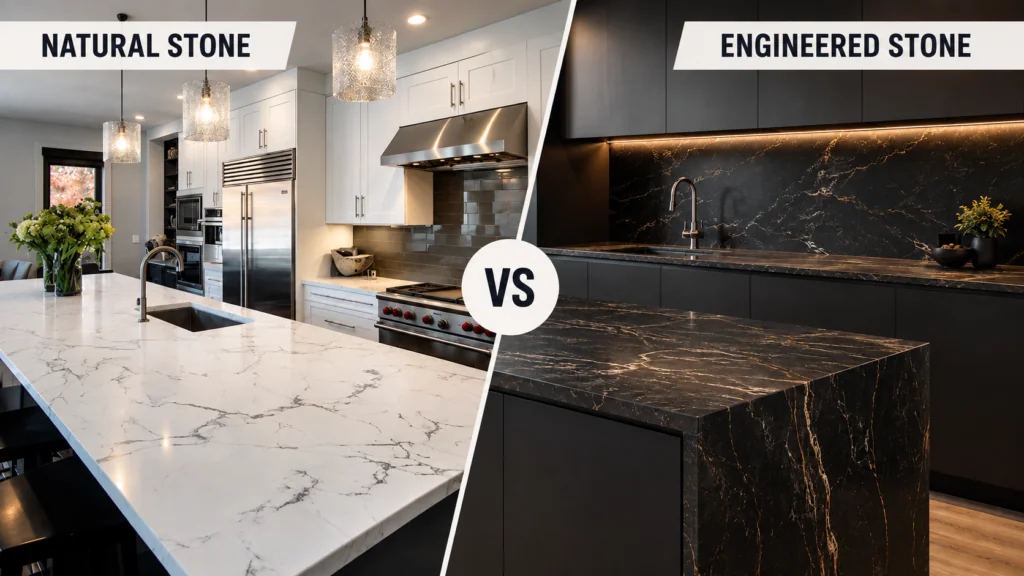
When comparing engineered vs. natural stone countertops, understanding this one distinction before looking at individual options changes everything.
Natural Stone
Natural stone materials like granite, quartzite, marble, dolomite, calcite, soapstone, and limestone are quarried directly from the earth. Every slab is completely unique; no two ever look exactly the same. It’s porous, which means it needs sealing on a schedule to stay protected. But that one-of-a-kind character is something no manufactured product can ever replicate.
Engineered Stone
Engineered stone is man-made; quartz and porcelain fall into this category. You get consistent patterns and colors, so what you see in the sample is exactly what you get. It’s non-porous, meaning no sealing is ever required, and overall more predictable and lower maintenance than natural stone.
Neither is better than the other. One fits your lifestyle better than the other. That’s exactly what this guide helps you figure out.
The 9 Kitchen Countertop Materials We Carry
No sales talk. Just what you actually need to know about each kitchen countertop material before you commit.
Granite: Everyone Loves It for a Reason
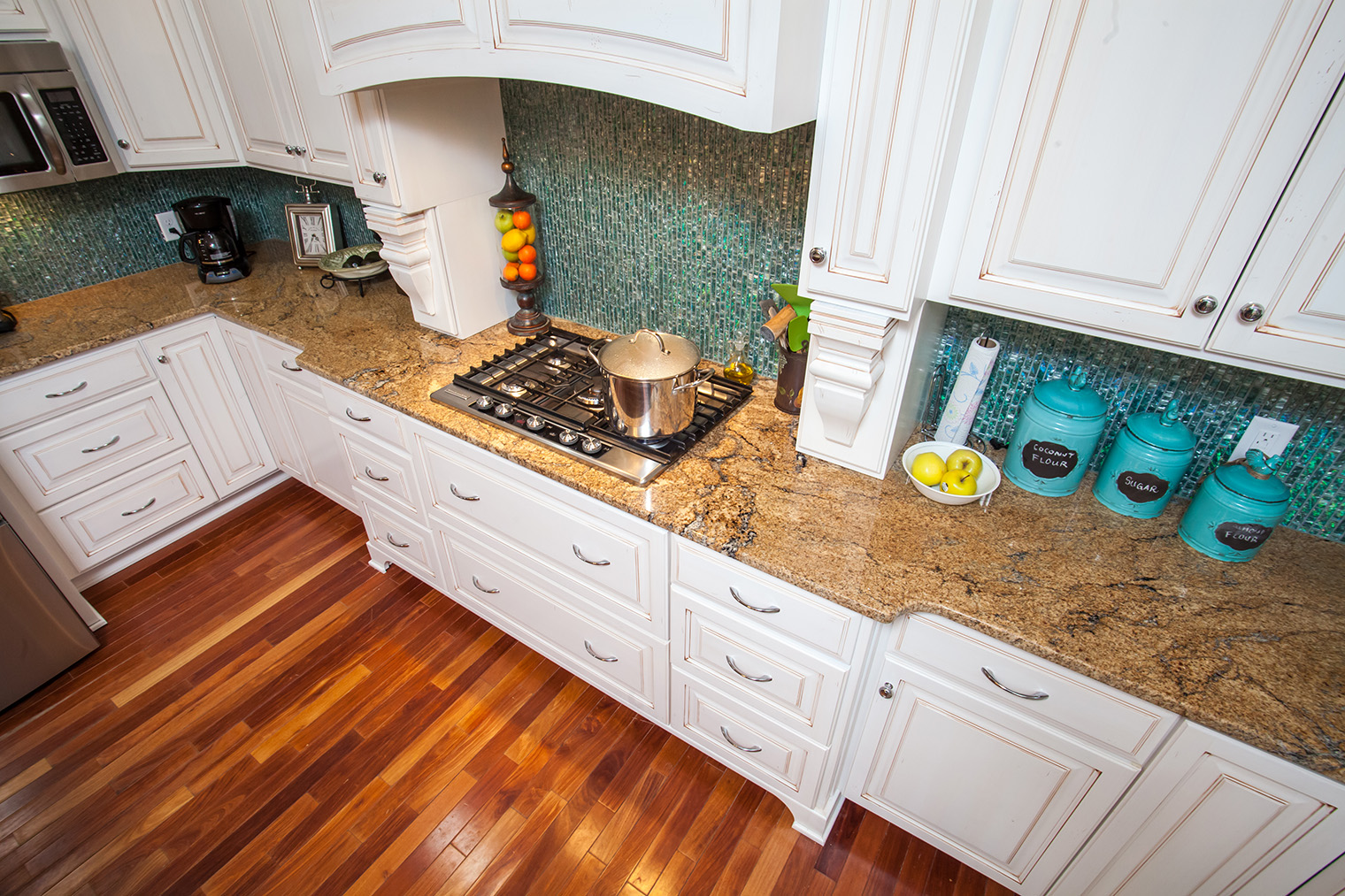
Granite sits between 6 and 6.5 on the Mohs hardness scale. It’s almost impervious to heat; you can place hot items directly on it without damage. You can even cut on it, though it’ll dull your knives. It needs sealing just once a year and is nearly maintenance-free after that. Hundreds of colors, incredible durability, and a natural look that’s genuinely hard to beat. For a busy family kitchen that takes real daily use, granite is the hardest stone to go wrong with.
Quartz: Best Engineered Stone, But Know Its Limits
Quartz is made from roughly 90-93% crushed natural quartz crystals bound together with polymer resins. That’s what makes it non-porous, no sealing, ever. It comes in consistent patterns and colours, which is great if you want a specific uniform look. But those resin binders are also its weakness. High heat scorches them. Never put hot pans directly on quartz; always use a trivet. For tough stains, a Magic Eraser works well. For stubborn dried spills, the powder version of Bar Keepers Friend does the job. Stick to gentle, bleach-free cleaners like Simple Green, Formula 409, or Lysol for everyday care.
Quartzite: The Most Confused Stone in Any Showroom
People mix this up with quartz constantly; they’re completely different. Quartzite is a natural metamorphic stone, not an engineered product. It sits at a 7 on the Mohs scale, making it harder than granite. It has a marble-like appearance but the durability to back it up. Lighter varieties are absolutely stunning. Seal once a month for the first three months, then every six months after that. Pay close attention to edges, faucet holes, and sink openings; these areas are more porous than the polished surface.
Marble: Beautiful, But It Will Test Your Patience
Nothing matches marble for sheer elegance. The veining, the cool, smooth surface, the timeless luxury feel- it’s genuinely in a different category aesthetically. But marble is a softer, more porous stone. Acidic things, tomato sauce, lemon juice, wine, and vinegar will etch the surface if not wiped up immediately. It needs sealing twice a year and careful daily maintenance. Put marble in the right place, and it’s stunning. Put it in a busy kitchen, and it’ll age fast. Best for bathrooms or low-traffic countertop areas.
Dolomite: The Sensible Middle Ground
Want the look of marble without committing fully to marble’s demands? Dolomite is the answer. It’s a natural sedimentary stone with white and grey tones that look remarkably similar to marble, but it’s more resistant to scratching and etching. That said, it’s still porous. Common kitchen acids like tomato sauce, lemon, and wine can etch the surface if left sitting. Seal it twice a year and wipe spills immediately. It’s a smarter pick for anyone who loves the marble aesthetic but actually cooks.
Calcite: Gorgeous, But Handle With Care
Calcite is made of calcium carbonate and offers a soft, creamy white appearance with delicate veining that looks genuinely luxurious. It has the highest natural translucency of any stone, stunning when backlit. But it’s also one of the most demanding stones to live with. It etches in under 20 minutes when it comes into contact with acids. Any kitchen use is high-risk. Calcite is best reserved for bathroom vanities or very low-traffic applications. Seal twice a year, minimum.
Soapstone: Nobody Talks About It Enough
Soapstone is composed primarily of talc, which makes it naturally non-porous. No sealing, ever. It’s also genuinely heat resistant, so hot pans directly on the surface aren’t a problem. Over time, it develops a rich patina that matures from soft light grey to deep charcoal, giving it a character that only improves with age. It has a soft, milky feel that’s unlike anything else. Most underrated stone in any showroom, and one of the best choices for a kitchen that sees real use.
Porcelain: The New Kid Earning Its Place
Porcelain is fired in a kiln at over 2,000°F during manufacturing. By the time it reaches your kitchen, it’s already survived temperatures far beyond anything a home cooktop will ever produce. Non-porous, scratch-resistant, UV-resistant, and zero maintenance. It also works indoors and outdoors, making it the best choice for outdoor kitchens. A few things to know: chips can occur during fabrication and will be filled; they’ll be visible. The colors and patterns are surface-deep only, so you won’t see veining on a cross-cut edge. Mitered edges are standard since porcelain slabs Pensacola are 12mm thick rather than the typical 3cm of natural stone.
Limestone: The Gulf Coast Choice
Limestone is a natural sedimentary stone made from compressed marine fossils and shells. Its warm, matte, earthy tones give any space a relaxed, organic feel, and it captures that Gulf Coast beachy aesthetic better than any other stone. It’s best for low-traffic areas and gas or electric applications. It’s porous and needs regular sealing. Wipe spills immediately and keep acids away. For homeowners in Pensacola and across the Florida Gulf Coast who want that coastal feel, limestone is a natural match.
Full Stone Comparison Table
Not sure which stone fits your kitchen? Here’s a quick breakdown.
| Stone | Sealing | Maintenance | Best Room |
| Granite | 1x year | Low | Kitchen |
| Quartz | Never | Very Low | Kitchen & bath |
| Quartzite | Monthly x3, 2x/year | Medium | Any room |
| Marble | 2x year | High | Bathroom |
| Dolomite | 2x year | Medium | Bathroom |
| Calcite | 2x year | High | Bathroom only |
| Soapstone | Never | Very Low | Kitchen & bath |
| Porcelain | Never | Very Low | Indoor/outdoor |
| Limestone | 2x year | Medium | Low traffic |
Which Kitchen Countertop Material Is Right for Your Lifestyle?
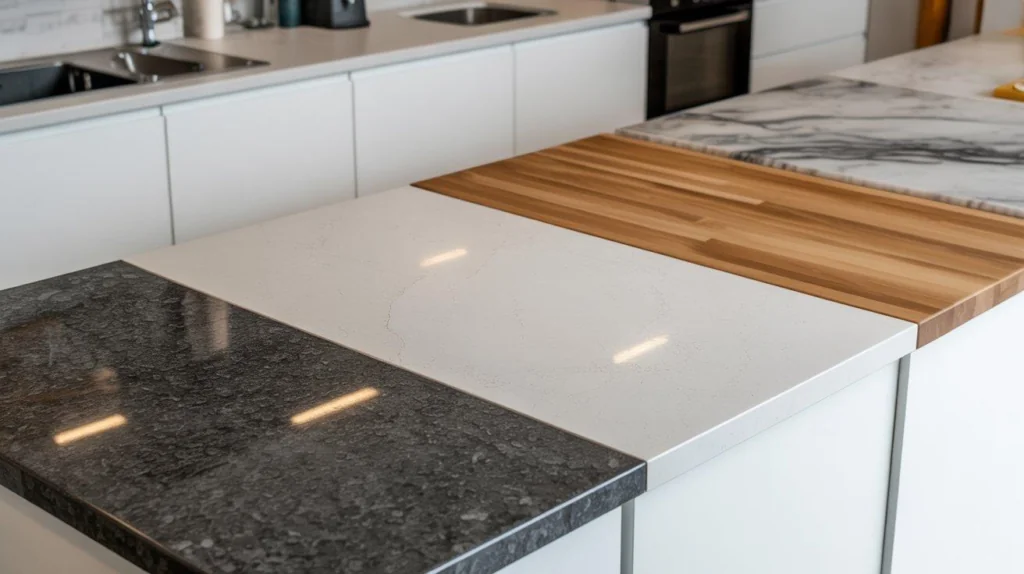
Most people pick a stone for their dream kitchen, not their actual kitchen. Be honest about how you live, and the right stone becomes obvious.
- Busy family kitchen with kids: granite or quartz. Both handle daily punishment without drama.
- Love to cook with high heat: granite or soapstone. Hot pans, no problem.
- Want luxury aesthetics: quartzite or marble. Nothing else comes close visually.
- Hate maintenance and sealing: quartz, soapstone, or porcelain. Zero sealing required.
- Coastal Florida style: limestone or soapstone. Warm, organic, and perfectly Gulf Coast.
- Outdoor kitchen: granite, quartzite, or porcelain. These handle weather and UV exposure.
- Low-traffic bathroom: marble or calcite. Beautiful, and the lower traffic means less risk.
- Budget-conscious: granite or limestone. Both give serious value without compromise.
Homeowners across Pace and Fort Walton Beach consistently come back to granite for family kitchens, and it’s easy to see why. It handles everything without asking much in return.
Common Mistakes Homeowners Make Picking Countertop Stone
These are the ones we see most often, and every single one is avoidable.
1. Confusing quartz with quartzite. They sound similar, look similar in photos, and behave completely differently. One is engineered, one is natural. Always ask which one you’re actually looking at.
2. Choosing marble for a busy kitchen. It’s one of the most common and expensive mistakes. Marble is stunning in the right room. A high-traffic kitchen with acidic food is not that room.
3. Picking based on color alone. Color is the last thing to decide. Material, durability, and maintenance schedule come first.
4. Ignoring the sealing schedule. Natural stone that isn’t sealed properly will stain, and some stains are permanent. Be realistic about whether you’ll actually keep up with it.
5. Forgetting about heat resistance. Especially near cooktops. Quartz scorches. Calcite cracks. Granite handles it without flinching.
6. Not seeing the slab in person. No photo, sample, or screen does natural stone justice. The slab you get will be unique. Go see it before you commit.
7. Putting calcite in a kitchen. It will etch within minutes of contact with anything acidic. Save it for the bathroom.
Expert Tips Before You Decide
A few things that make a real difference, and most people only find out after the fact.
- Always see the actual slab. Not just a sample tile. Samples show the pattern; the full slab shows the real movement, variation, and character.
- Ask about book-matched slabs. When two slabs are cut from the same block and mirrored, the veining flows seamlessly from one piece to the next. It’s one of the details that separates a good installation from a great one.
- Be honest about your sealing commitment. Some stones need sealing twice a year. If that’s not realistic for your lifestyle, choose a stone that doesn’t need it.
- Match stone to room traffic. Not just aesthetics. A stone that looks incredible in a bathroom can be a disaster in a kitchen. The room matters as much as the stone.
- Think through the full process. Professional templating, fabrication, and installation all affect the final result. Precision at every stage is what makes the difference.
At Superior Granite, we carry one of the largest selections of natural and engineered stone on the Gulf Coast. Our team is here to help you find the right stone for your actual life, not just the one that photographs well.
Natural Stone Awareness: What Every Homeowner Should Know
Natural stone is one of the most beautiful kitchen countertop materials available, but it comes with a few truths worth knowing before installation. Softer stones like marble, calcite, dolomite, and limestone are naturally porous. They may have slight natural pitting; the surface can stain or etch if spills aren’t handled immediately, and thickness may vary slightly up to 0.635 cm. All are completely normal characteristics of natural material.
Alcoholic drinks, essential oils, and citrus extracts can permanently etch naturally porous stone even from a small or brief spill. Wipe everything up immediately, no exceptions. We are not responsible for surface etching after installation, but our team at Superior Granite is always happy to walk you through exactly what your specific stone needs to stay protected. Explore all 9 premium 3cm stone options at Superior Granite in Pensacola, Pace, and Fort Walton Beach. Visit us today to find your perfect match.
Conclusion
There’s no single best kitchen countertop material; there’s the best one for your kitchen, your habits, and your life. Get that match right, and your countertop will look incredible for decades. Get it wrong, and you’ll spend years wishing you’d asked a few more questions before deciding.
Granite for durability. Quartz for low maintenance. Quartzite for luxury that lasts. Marble for timeless beauty in the right room. Soapstone for something genuinely unique. The right answer is already in how you actually use your kitchen.
At Superior Granite, we carry all 9 stones in first-quality 3cm material across our showrooms in Pensacola, Pace, and Fort Walton Beach. Come in, see the slabs in person, and let our team help you find the one that actually fits your life. Stop by any of our showrooms today.
Pensacola, FL
Visit Us: 7011 Pine Forest Road, Pensacola, FL 32526
Call Us: (850) 941-0270
Hours: Monday – Friday: 8 a.m. – 5 p.m., Saturday: 9 a.m. – 2 p.m.
Pace, FL
Visit Us: 4590 Jernigan Road, Pace, Florida 32571
Call Us: (850) 994-1872
Hours: Tuesday – Friday: 9 a.m. – 5 p.m., Saturday: 9 a.m. – 2 p.m.
Fort Walton Beach, FL
Visit Us: 35 Miracle Strip Pkwy SW, Fort Walton Beach, Florida 32548
Call Us: (850) 301-0716
Hours: Tuesday – Friday: 8 a.m. – 5 p.m., Saturday: 9 a.m. – 2 p.m.
Contact us today to schedule a free consultation!
FAQs
1. What is the most durable kitchen countertop material?
Granite, quartzite, and porcelain are the most durable options available. All three handle heat, resist scratching, and are built to last decades with minimal effort.
2. What is the difference between quartz and quartzite?
Quartz is engineered, man-made, non-porous, and never needs sealing. Quartzite is natural, quarried from the earth, porous, and harder than granite. They look similar but behave completely differently.
3. Which countertop stone needs the least maintenance?
Quartz, soapstone, and porcelain never need sealing. Porcelain is the most hands-off of the three, resistant to heat, stains, scratches, and UV light, with essentially zero upkeep.
4. Is granite or quartz better for a kitchen?
Granite wins if you cook with high heat in hot pans directly on the surface, no problem. Quartz wins if you want zero sealing and consistent color. Both are excellent; it comes down to how you actually use your kitchen.
5. Which stone is best for a bathroom countertop?
Marble, calcite, and dolomite are the top bathroom choices. Lower traffic means less risk of etching and staining, and all three bring a level of luxury that’s hard to match anywhere else.