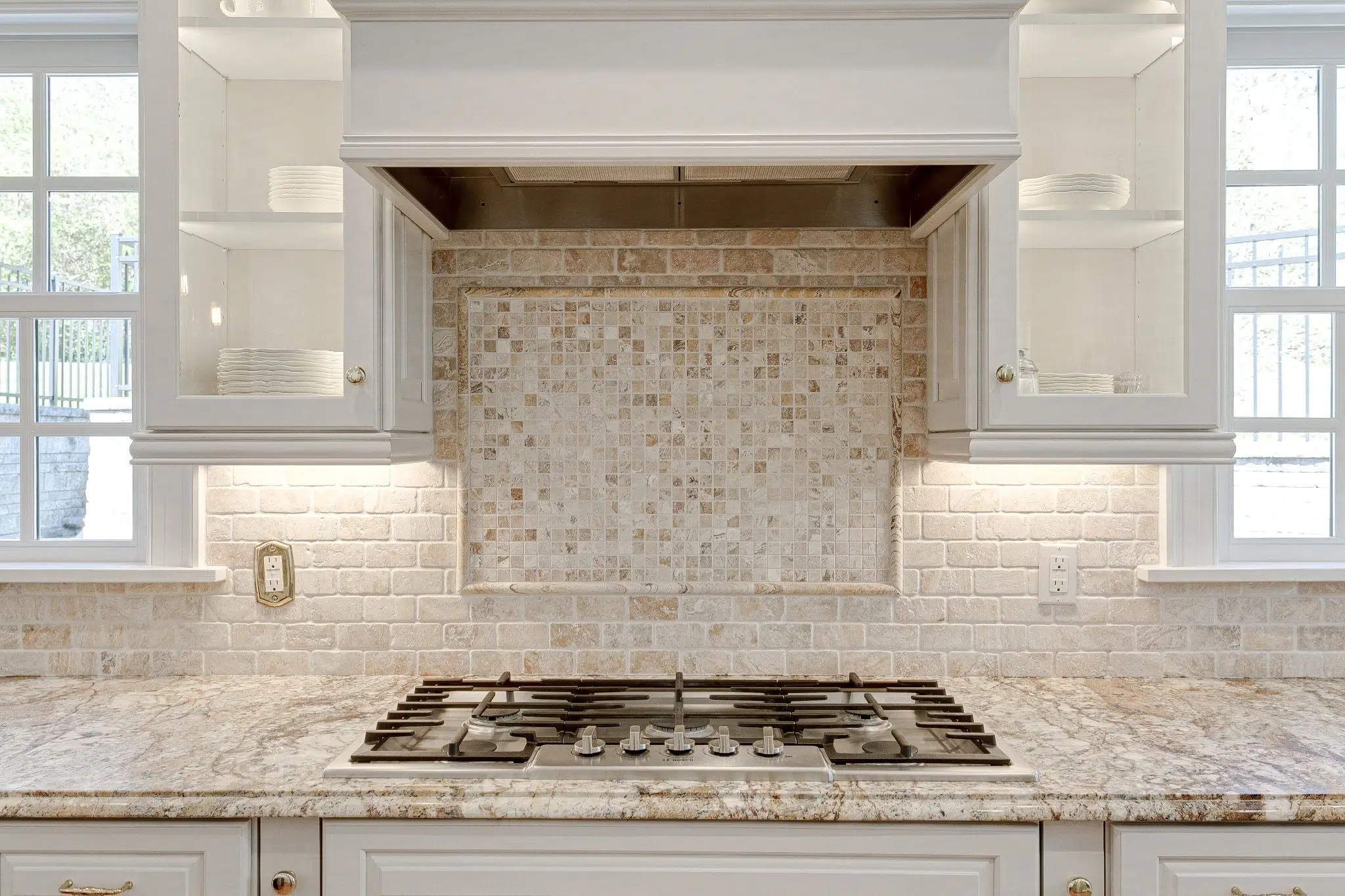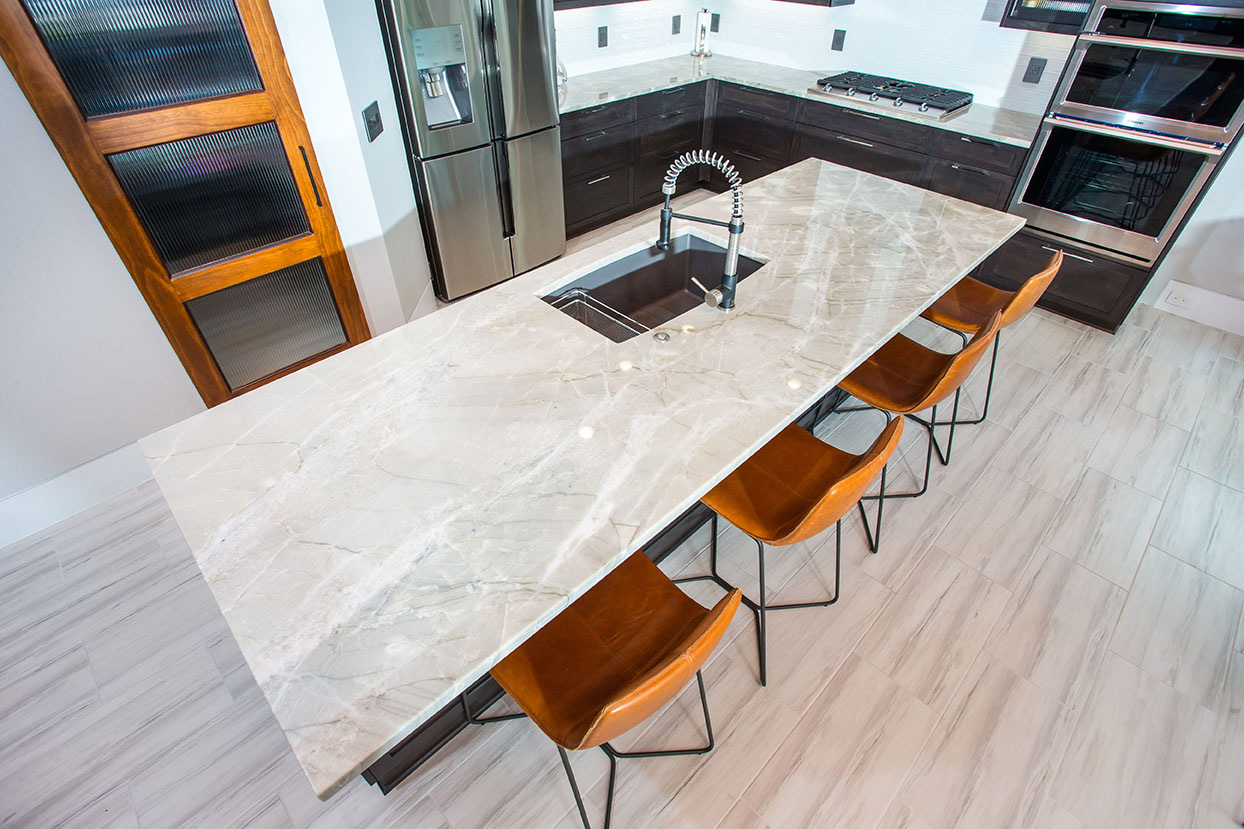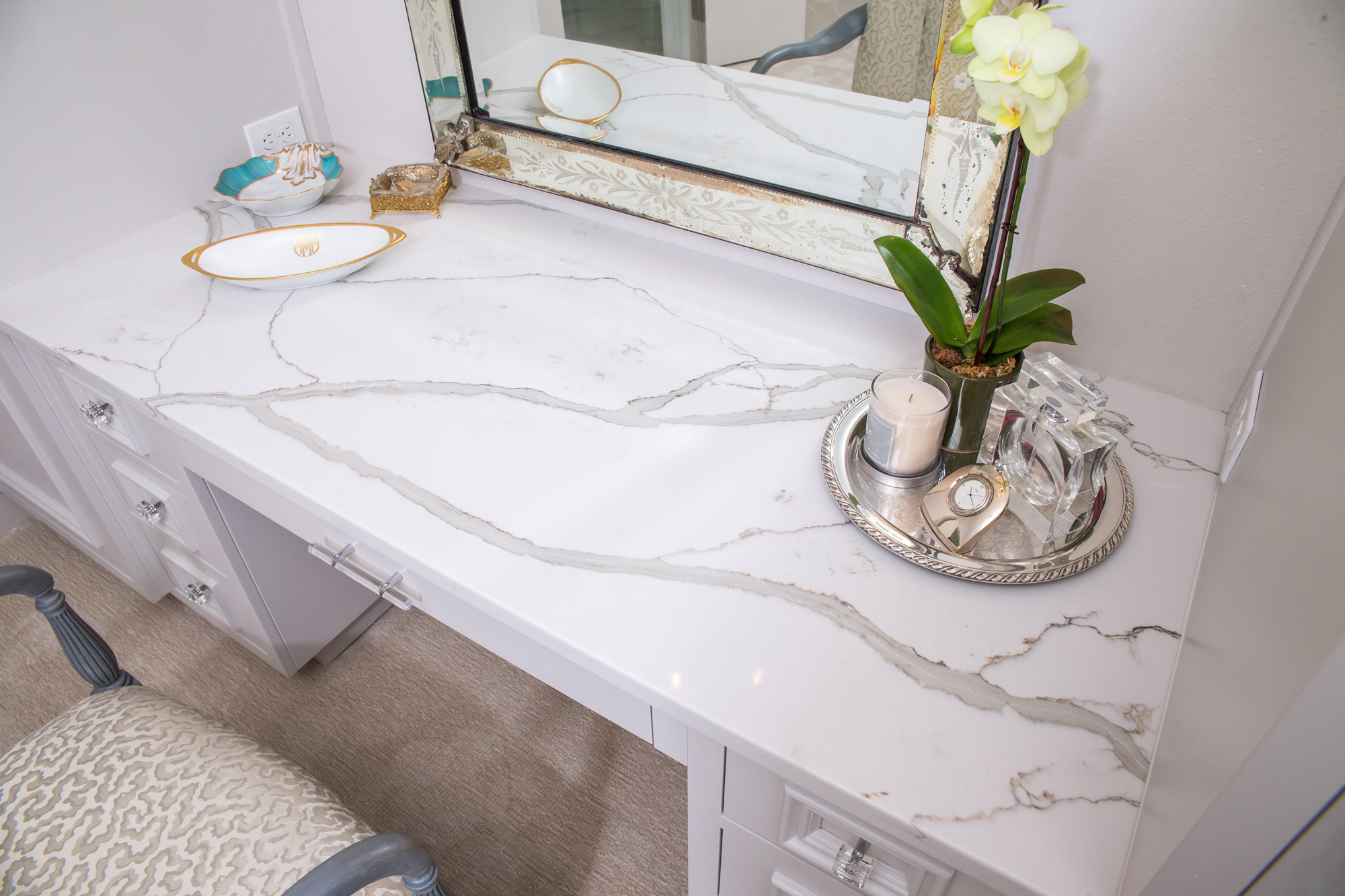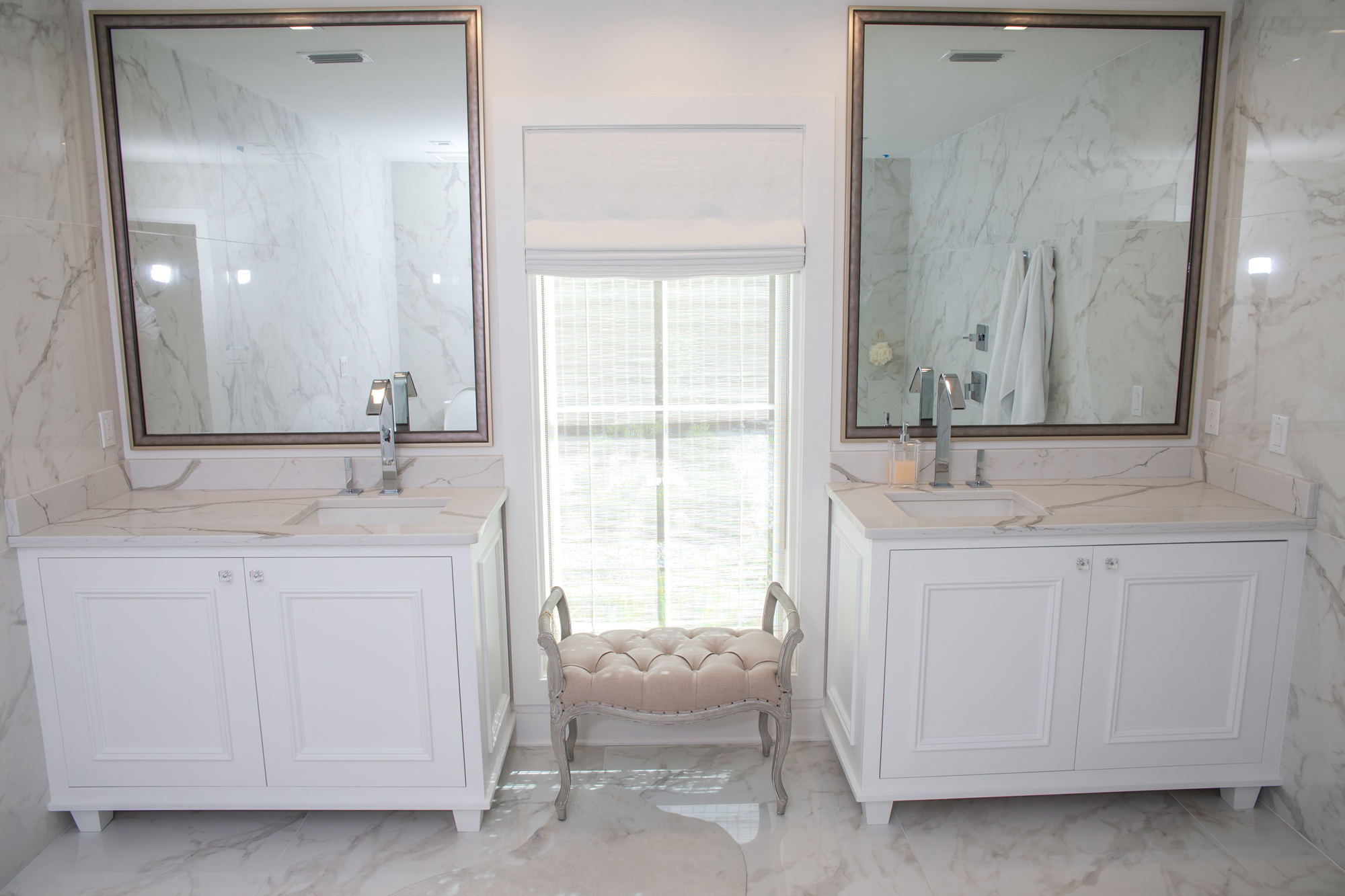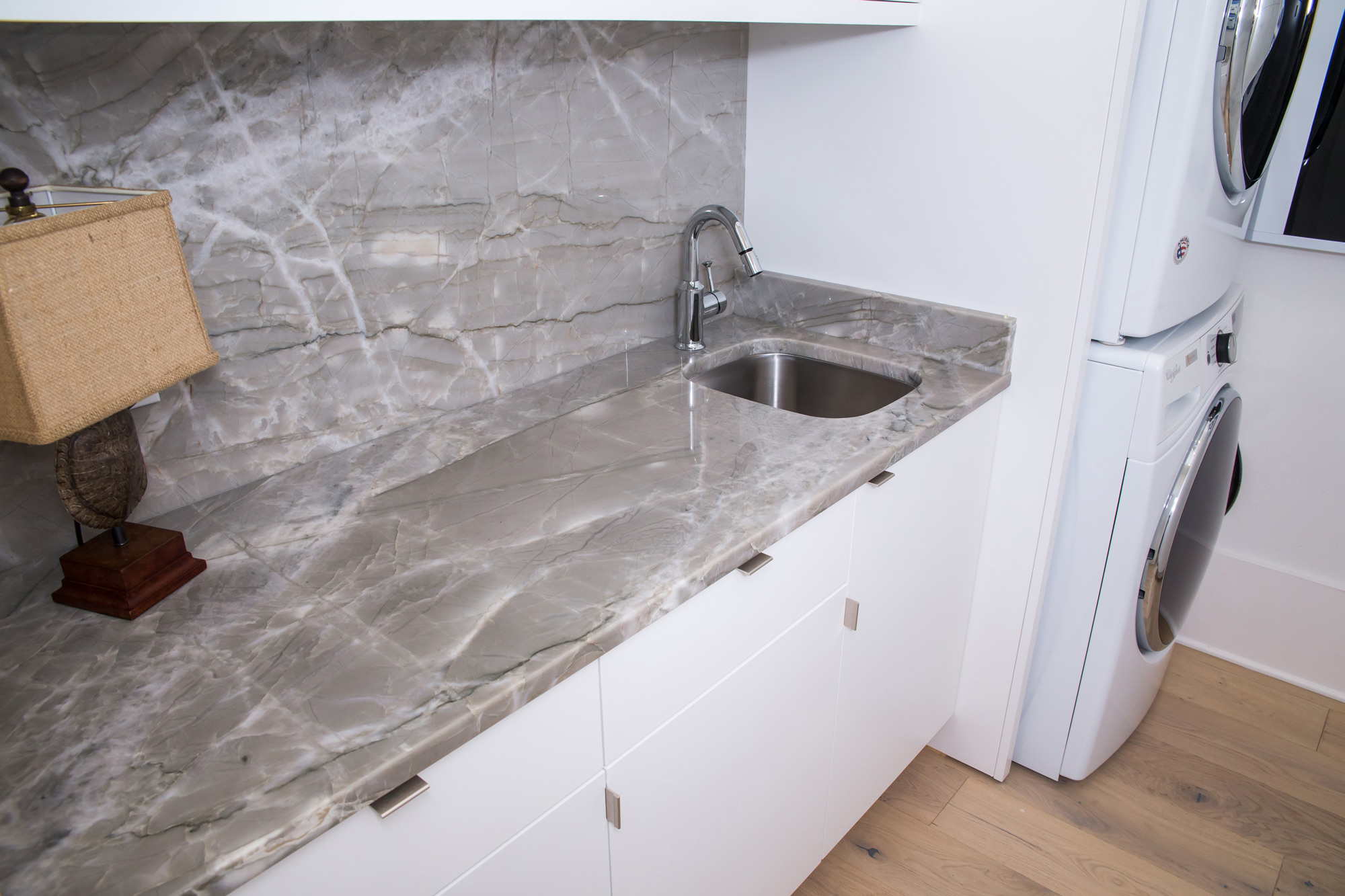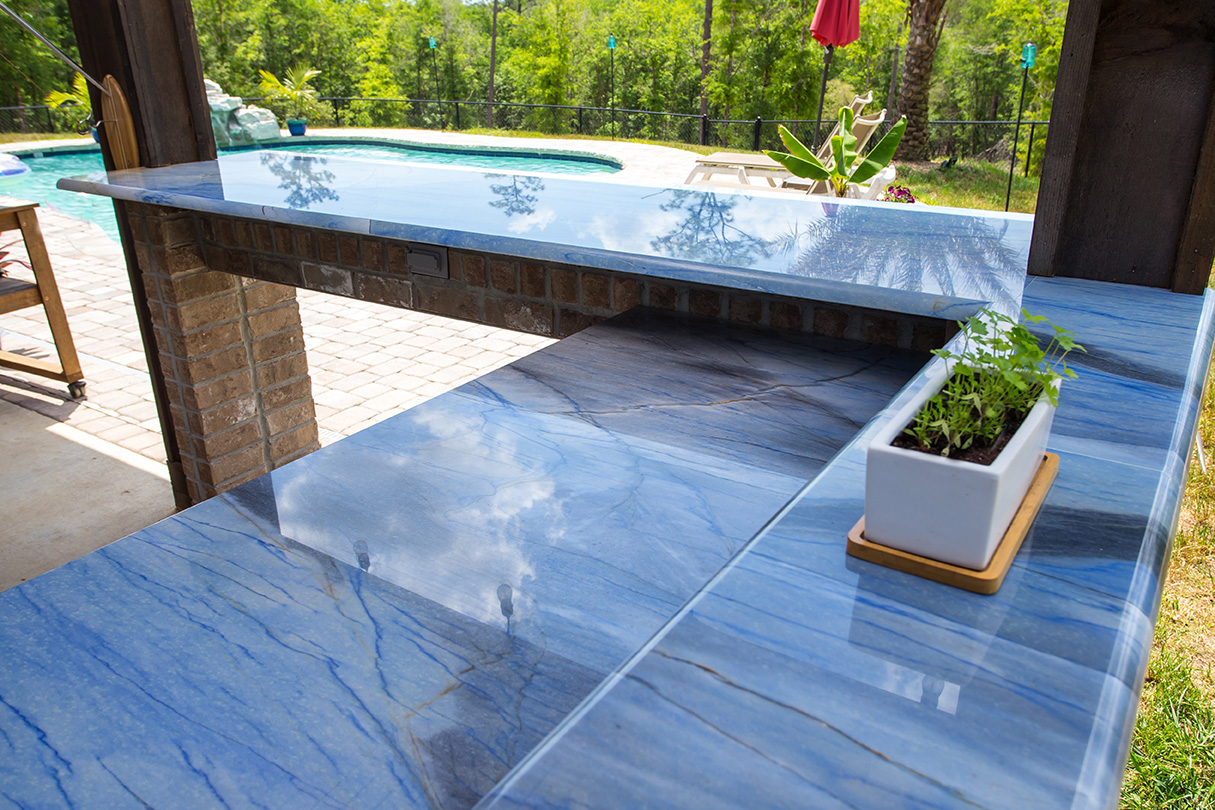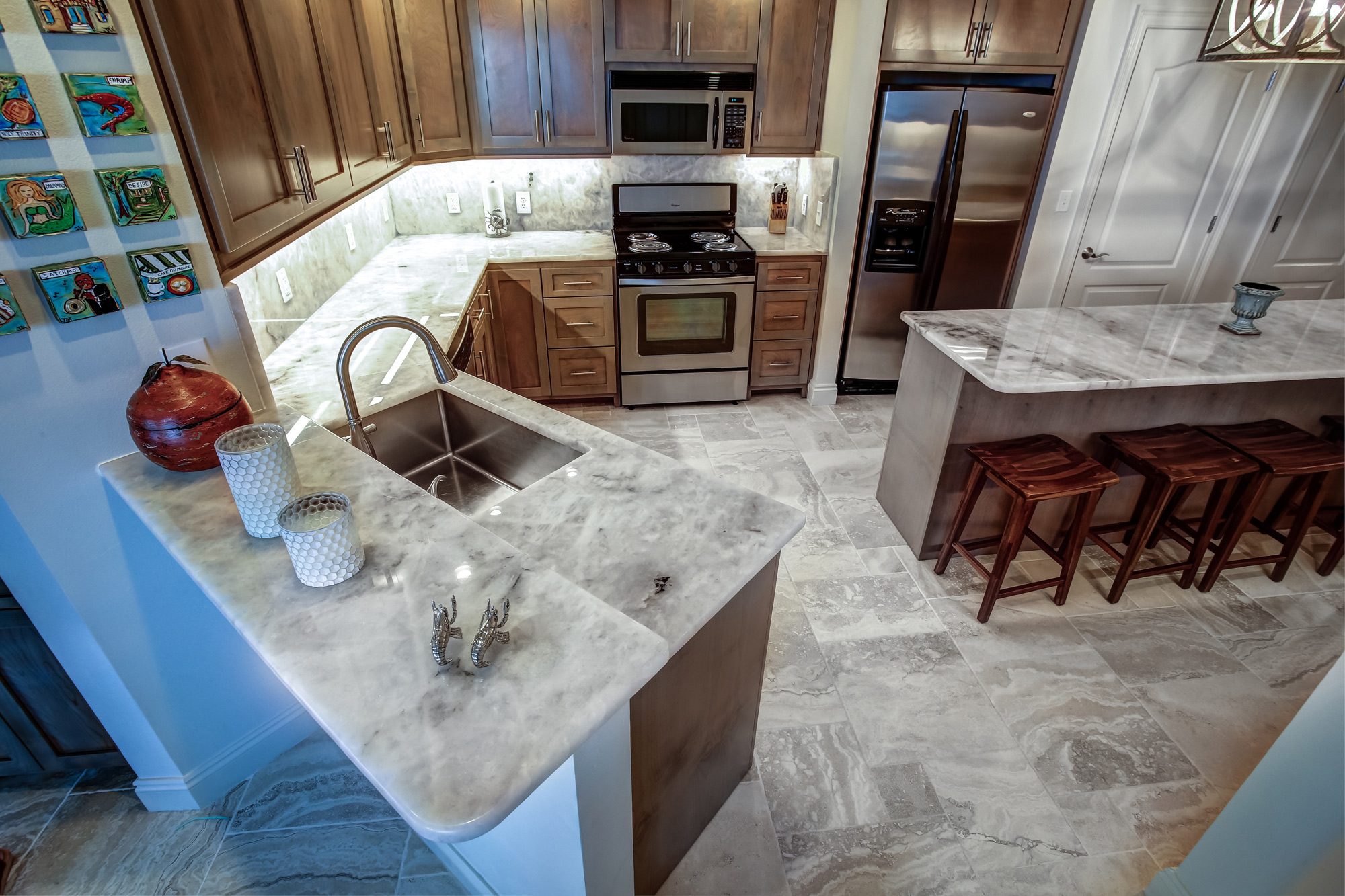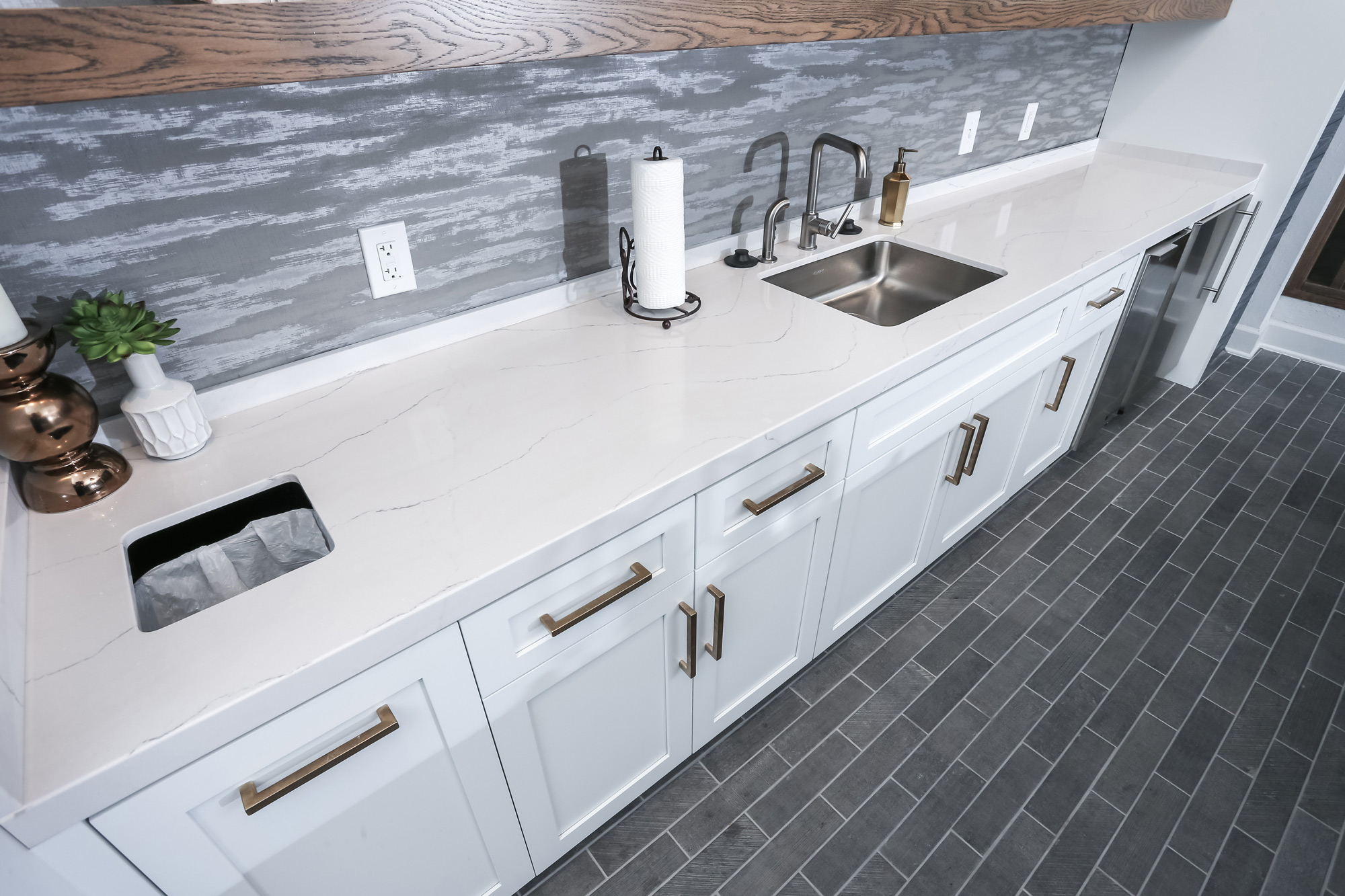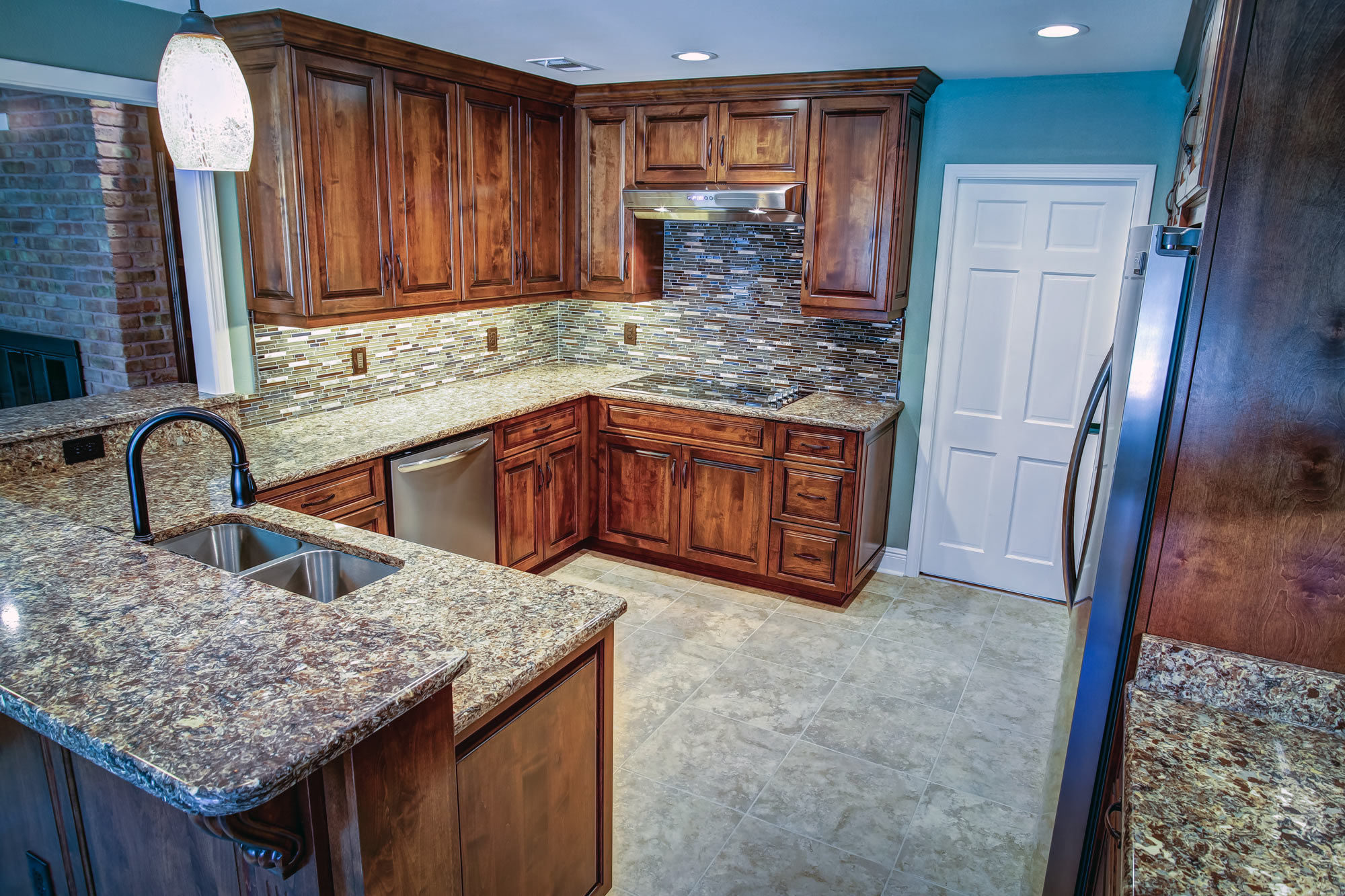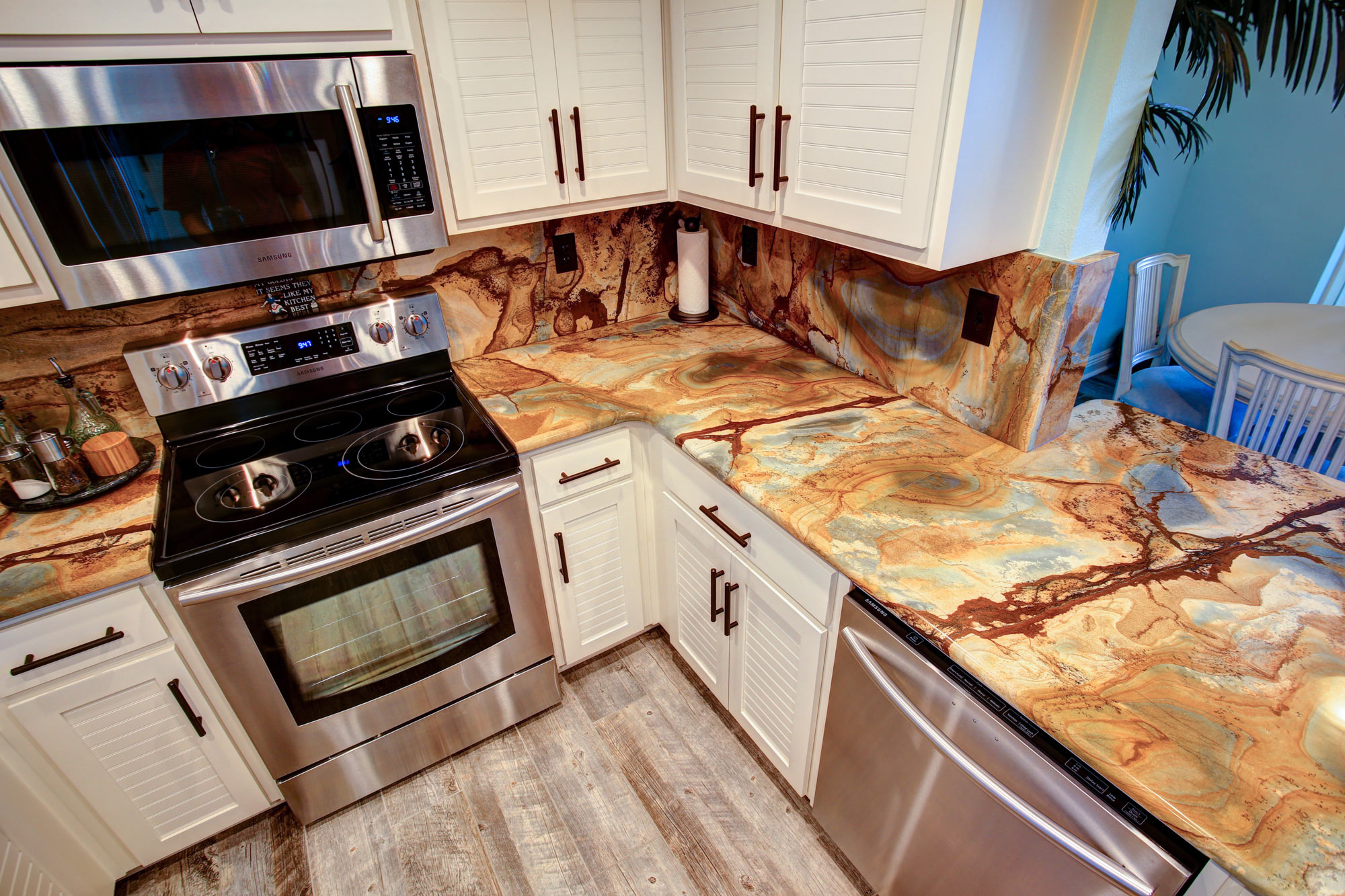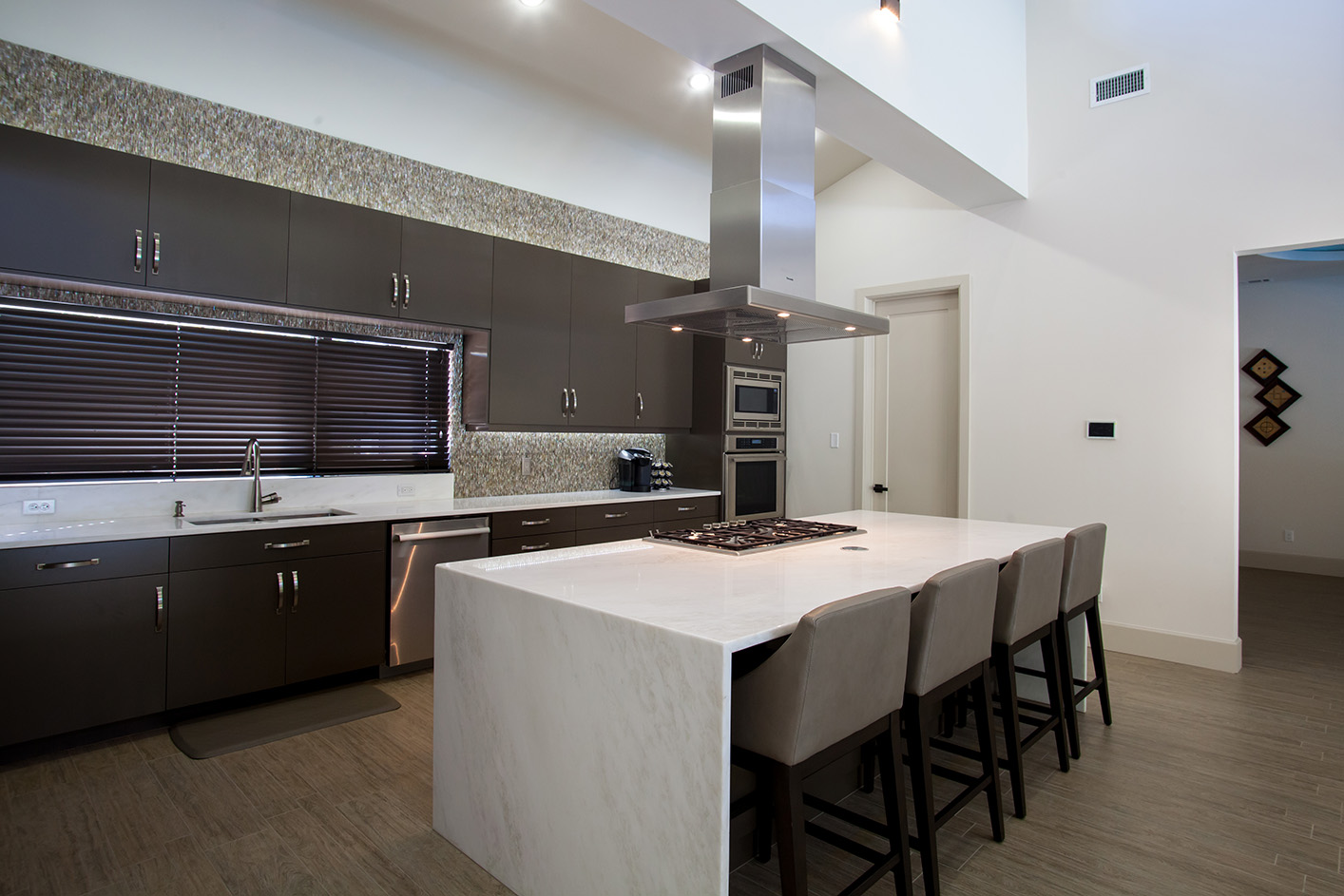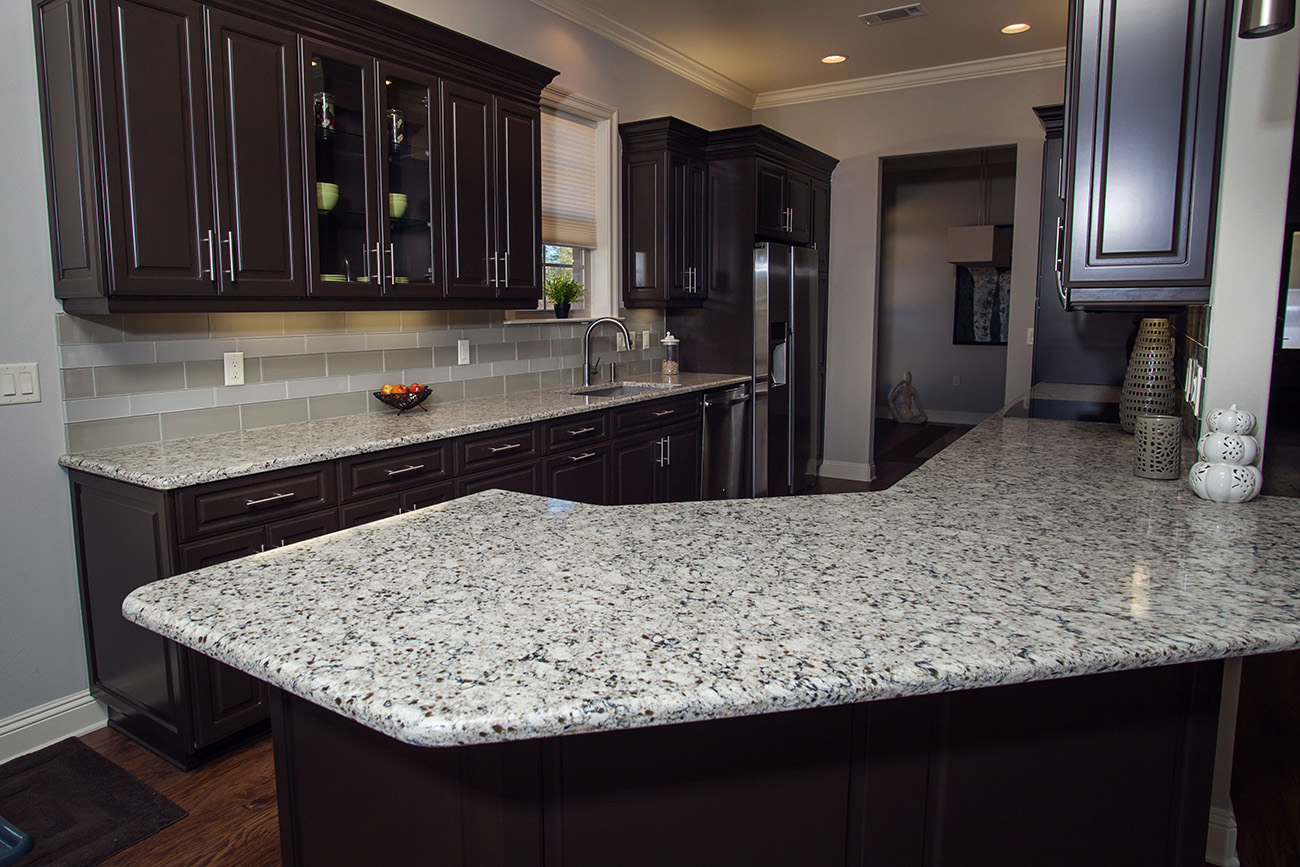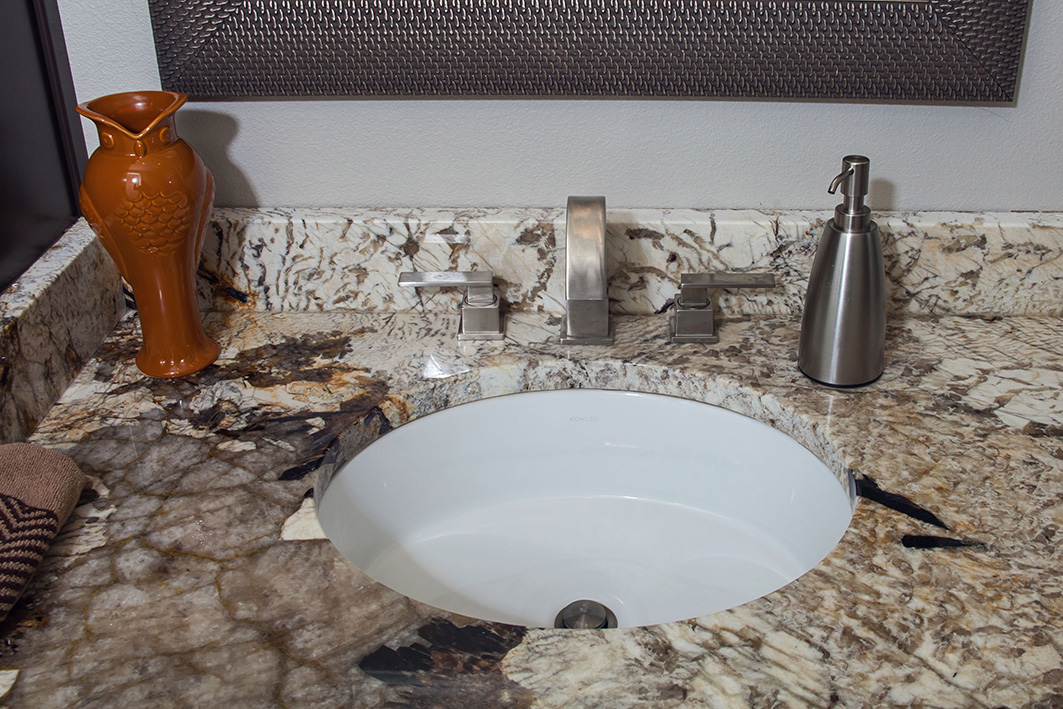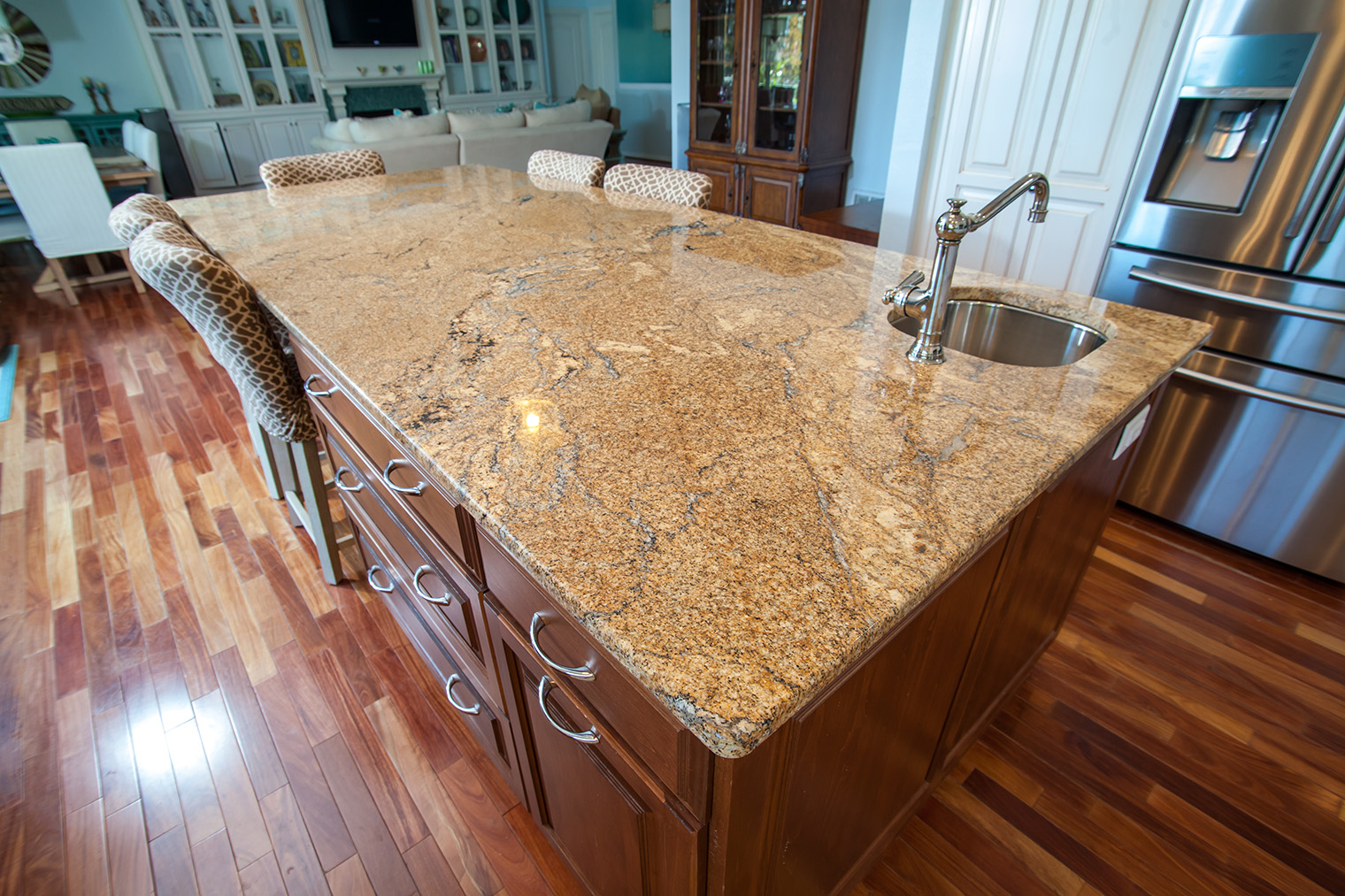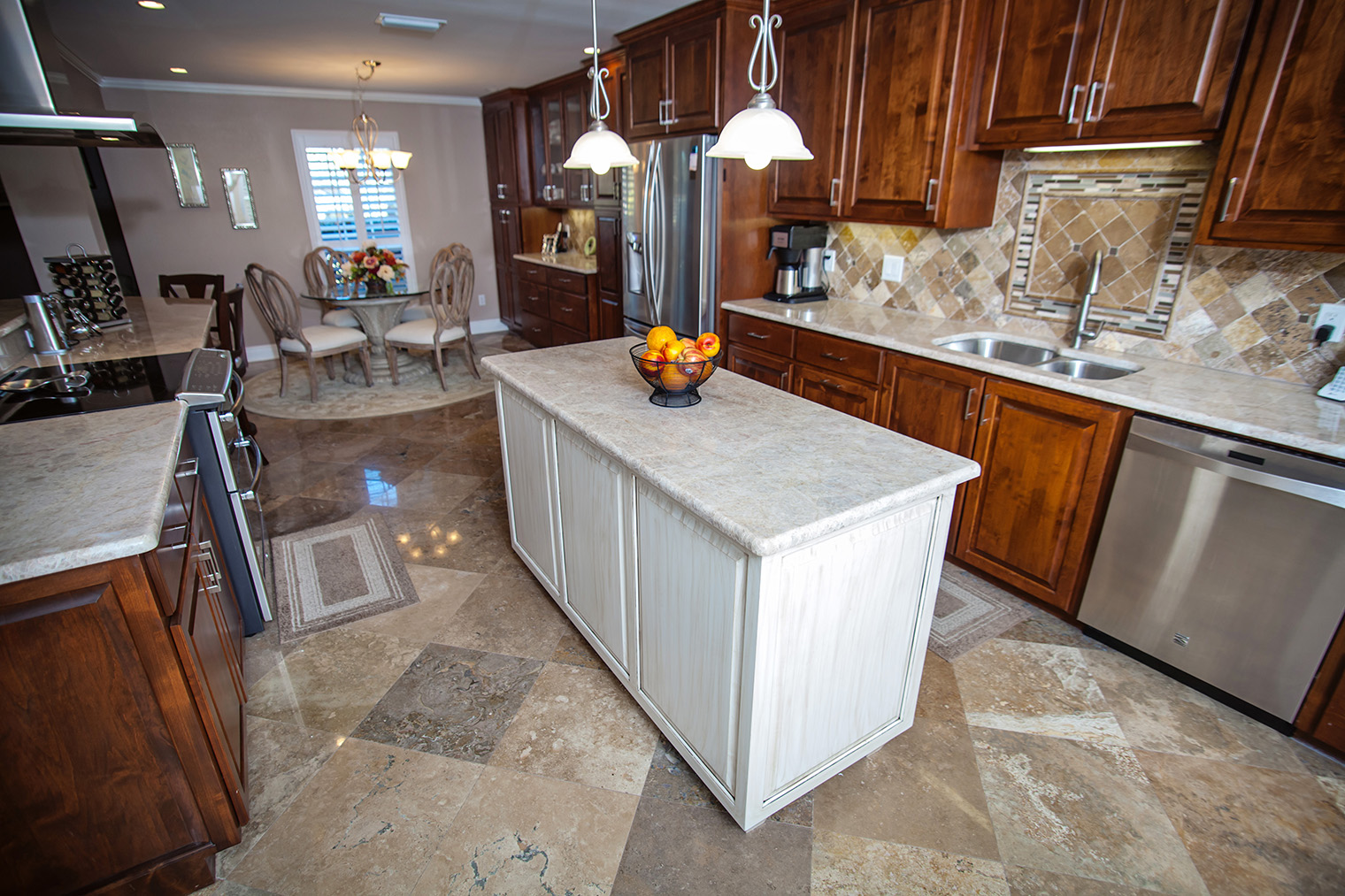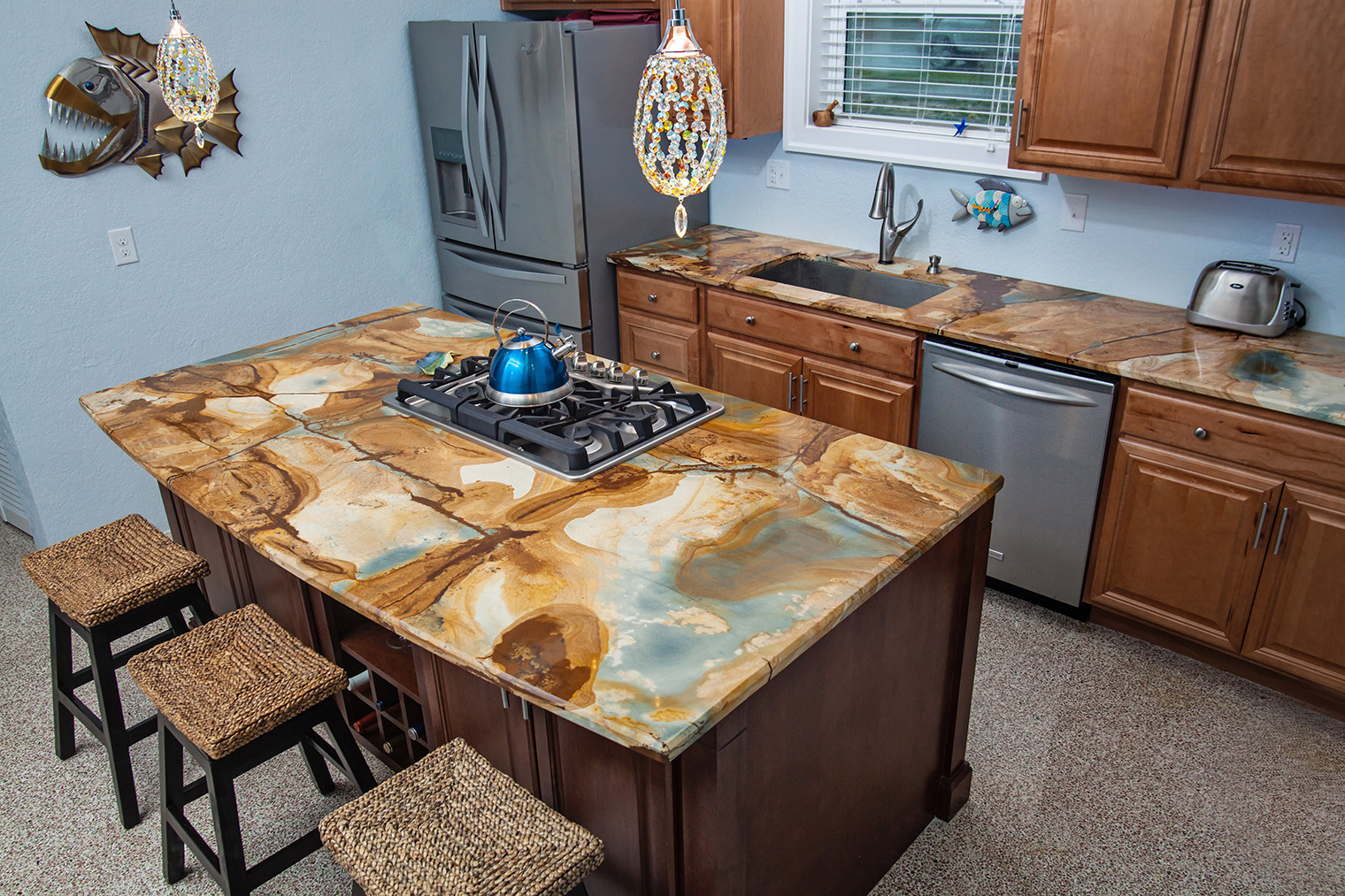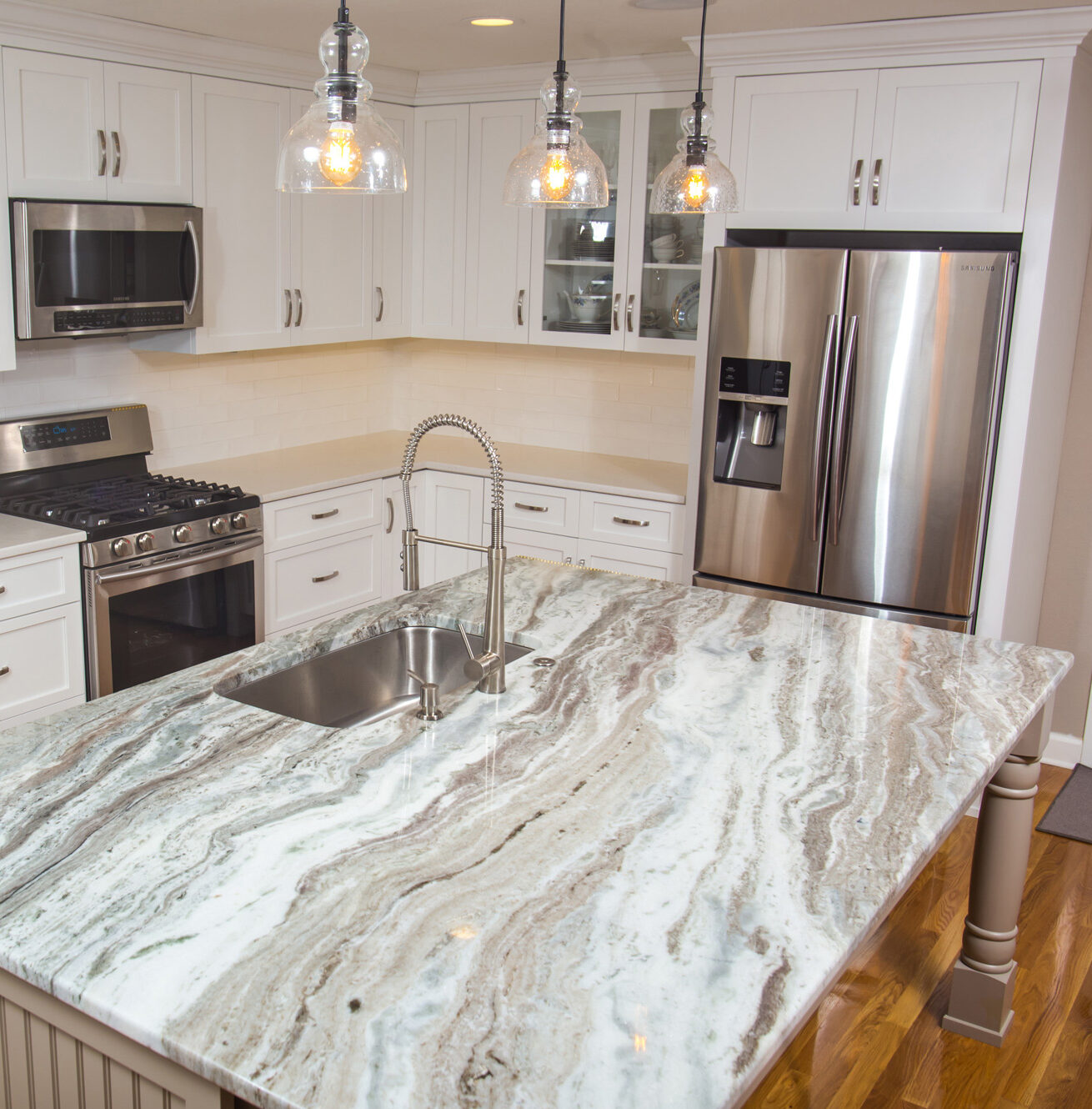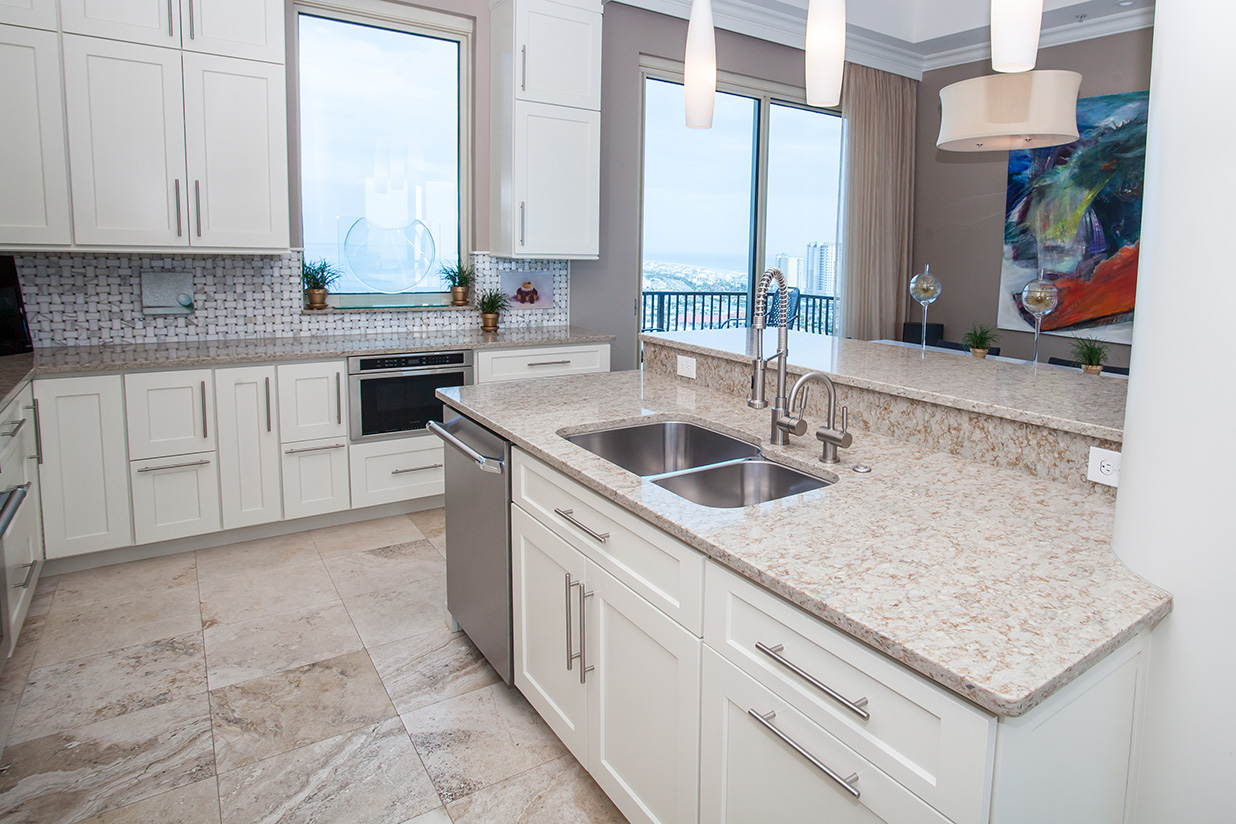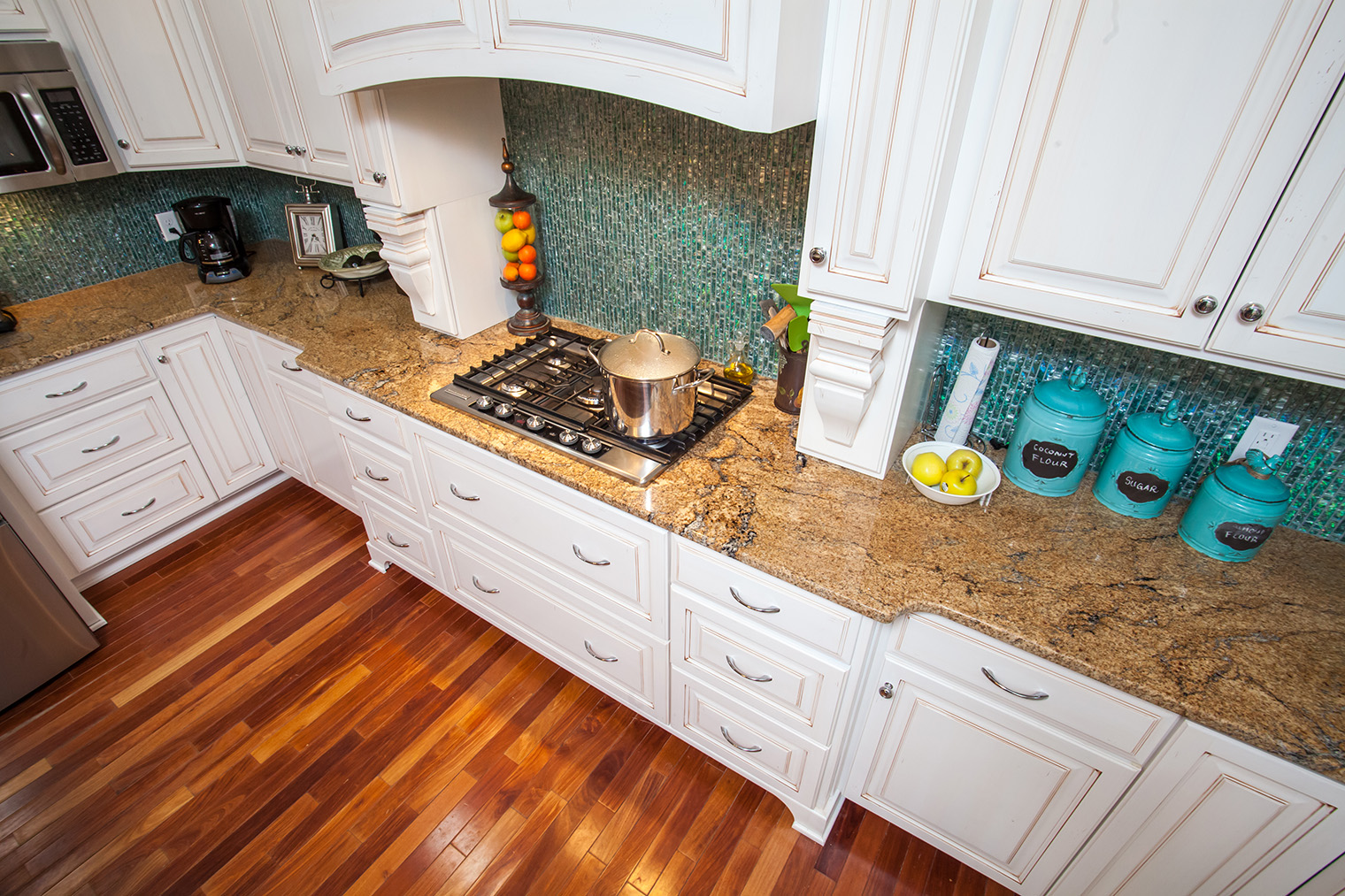
The best disinfectant for kitchen countertops is a safe, non-toxic cleaner that kills germs, removes bacteria, and protects the surface without damaging it. The best disinfectant for kitchen countertops is a safe, non-toxic cleaner that kills germs and protects the surface without damaging it. According to the Superior Granite Handbook, the safest and most highly recommended method is using mild, non-citrus soap and warm water combined with safe stain removers like hydrogen peroxide. Harsh chemical cleaners should be strictly avoided to protect your stone investment.t
Why is kitchen countertop disinfection important?
Kitchen countertops are one of the most used surfaces in any home. You place food, raw meat, vegetables, utensils, and even bags on them daily. Because of this constant contact, bacteria like E. coli and Salmonella can easily grow if the surface is not cleaned properly.
Regular cleaning is not enough. Cleaning removes dirt, but deep sanitization kills hidden germs. That is why choosing the right handbook-approved cleaner matters for your family’s health and kitchen safety.
Types of disinfectants used for kitchen countertops
Different materials react differently to cleaning agents. Below is a simple table explaining common disinfectants and their usage:
| Disinfectant Type | Best Use | Advantages | Disadvantages | Safe for Most Countertops |
|---|---|---|---|---|
| Mild Soap & Warm Water | Everyday cleaning & hygiene | 100% safe, non-toxic, handbook approved (e.g., non-citrus Dawn dish soap) | Doesn’t deep-sanitize heavy bio-contaminants | Yes (Highly Recommended) |
| Hydrogen Peroxide | Stain removal & deep cleaning | Safe, handbook approved, lifts tough spots, no harsh smell | Slower action | Yes (Safe for Stone & Quartz) |
| Handbook-Approved Sprays | Routine care and stone cleaning | Safe for specific materials; includes Method Granite & Marble, Pledge Multi-Surface (non-citrus), and ammonia-free Glass Cleaner | Must use specifically as directed by stone type | Only if specified by the handbook |
How to choose the right disinfectant for your kitchen?
When selecting a disinfectant, you should always consider your countertop material. Granite, marble, quartz, and laminate all react differently.
- Granite, quartzite, and marble countertops need gentle cleaners because harsh chemicals can strip their seal and damage the stone.
- Quartz is highly durable but must never be exposed to harsh chemicals or solvents containing trichloroethane, methylene chloride, or ammonia, which cause permanent discoloration and surface damage.
- Porcelain surfaces are completely non-porous and highly resistant to acids, but heavy blunt forces should be avoided to prevent chipping.
The goal is to balance cleanliness and surface protection.
Best disinfectant options for daily kitchen use
For daily routine care of Quartz surfaces, stick to handbook-approved, non-abrasive commercial cleaners like Simple Green, Bar Keeper’s Friend (powder version with a Magic Eraser for stubborn stains), Formula 409 Glass and Surface Cleaner, Lysol, Greased Lightning, Windex, or mild soap and water.
For Natural Stones (such as Granite, Quartzite, Marble, Dolomite, Calcite, and Limestone), the handbook recommends using warm water with a non-citrus, non-essential oil-based dish soap (like Dawn). If you prefer a spray, use Method Granite & Marble Cleaner, Pledge Multi-Surface (non-citrus), or an ammonia-free Glass Cleaner. Always wipe up spills immediately to prevent naturally porous stones from staining or etching.
The best safe cleaner for kitchen countertops in daily use is a gentle, ammonia-free, and harsh-chemical-free solution that cleans thoroughly while preserving the beauty and longevity of your stone investment.
Natural vs chemical disinfectants
Many homeowners prefer natural cleaners because they are safer for children and pets. While baking soda is an excellent, safe method for stain removal, acidic items like vinegar and citrus extracts must be avoided.
According to the Superior Granite Handbook, products containing vinegar, lemon juice, or essential oils are highly discouraged because they will dull, scratch, and etch naturally porous stone surfaces.
A balanced, stone-safe approach is best:
Use mild, non-citrus dish soap and warm water with a microfiber cloth for daily wiping.
Use handbook-approved countertop cleaners or a safe hydrogen peroxide and baking soda mixture for deep cleaning and stain removal.
Step-by-step guide to disinfect kitchen countertops
- Remove all items from the countertop
- Clean the surface with warm water and mild soap
- Apply your chosen disinfectant evenly
- Let it sit for a few minutes to kill germs
- Wipe with a clean damp cloth
- Dry the surface completely
This simple routine helps maintain hygiene and protects your kitchen surface from long-term damage.
Common mistakes people make while disinfecting countertops
Many people unknowingly damage their countertops by using the wrong methods.
- Using harsh cleaners like bleach or ammonia
- Using cleaning products containing trichloroethane or methylene chloride
- Mixing cleaning products (very dangerous)
- Skipping rinsing after disinfection
- Using rough scrubbing pads on stone surfaces
Avoiding these mistakes helps your countertops last longer and stay safe.
Deep cleaning vs regular cleaning
Regular cleaning removes dust, food particles, and light stains. Deep cleaning focuses on killing hidden bacteria and restoring hygiene.
Deep cleaning should be done weekly or after cooking raw meat or fish. Regular cleaning should be done daily after cooking or meal preparation.
Both are important for a healthy kitchen environment.
Safety tips while using disinfectants
When using strong cleaning products, safety should always come first.
Always ensure good ventilation in your kitchen. Wear gloves if needed and never mix chemicals together.
For sensitive surfaces like marble or granite, always test a small area before full application.
The best disinfectant for kitchen countertops should always be used with care to avoid damage and health risks.
Conclusion
A clean kitchen is the foundation of a healthy home. Germs and bacteria can easily spread through countertops if they are not cleaned and disinfected properly. Choosing the right cleaning method helps protect both your family and your kitchen surfaces.
In simple terms, the best safe cleaner for kitchen countertops balances effective cleaning power with surface safety. Warm soapy water, handbook-approved stone sprays, and a hydrogen peroxide mixture for stains are the safest choices for daily and weekly upkeep.
Regular cleaning habits, proper disinfectant use, and avoiding harsh mistakes will keep your kitchen fresh, safe, and long-lasting.
If you want a cleaner, safer kitchen, get in touch today. Choose the right disinfectant based on your countertop material and follow a consistent cleaning schedule. A small daily effort can protect your home from harmful bacteria and keep your kitchen looking brand new for years.
Pensacola, FL
Visit Us: 7011 Pine Forest Road, Pensacola, FL 32526
Call Us: (850) 941-0270
Hours: Monday – Friday: 8 a.m. – 5 p.m., Saturday: 9 a.m. – 2 p.m.
Pace, FL
Visit Us: 4590 Jernigan Road, Pace, Florida 32571
Call Us: (850) 994-1872
Hours: Tuesday – Friday: 9 a.m. – 5 p.m., Saturday: 9 a.m. – 2 p.m.
Fort Walton Beach, FL
Visit Us: 35 Miracle Strip Pkwy SW, Fort Walton Beach, Florida 32548
Call Us: (850) 301-0716
Hours: Tuesday – Friday: 8 a.m. – 5 p.m., Saturday: 9 a.m. – 2 p.m.
Get quotes now and start your project!
FAQs
1. What is the safest disinfectant for kitchen countertops?
The safest methods are mild, non-citrus soap and warm water, or handbook-approved options like Method Granite & Marble cleaner. For stain removal, a safe mixture of hydrogen peroxide and baking soda is highly recommended.
2. Can I use vinegar to disinfect kitchen counters?
Yes, vinegar can help clean light dirt and reduce bacteria, but it is not strong enough to kill all germs, especially on heavily contaminated surfaces.
3. How often should I disinfect kitchen countertops?
You should disinfect at least once daily or more often if you handle raw meat, fish, or heavy cooking activities.
4. Is bleach safe for kitchen countertops?
No. You should never use harsh cleaners, especially bleach or ammonia, on your countertops. These harsh chemicals can cause permanent discoloration, strip protective seals, and cause severe surface damage.
5. What is the difference between cleaning and disinfecting?
Cleaning removes dirt and food particles, while disinfecting kills germs and bacteria that are not visible.
6. Can disinfectants damage countertops?
Yes, strong chemicals can damage sensitive surfaces like marble or granite if used too often or without proper dilution.
7. What commercial cleaners are recommended for daily quartz maintenance?
The handbook recommends bleach-free, non-abrasive commercial cleaners for quartz, including Simple Green, Bar Keeper’s Friend, Formula 409 Glass and Surface Cleaner, Lysol, Greased Lightning, and Windex.
8. Should I rinse countertops after disinfecting?
Yes, especially if you use strong chemical disinfectants. Rinsing helps remove residue and keeps the surface safe for food contact.
9. Are natural disinfectants effective?
Natural disinfectants like vinegar and lemon are good for light cleaning but may not kill all harmful bacteria.
10. What is the best daily cleaning routine for countertops?
A simple routine includes wiping with soap and water daily, followed by a safe disinfectant spray, and drying the surface completely to prevent moisture buildup.