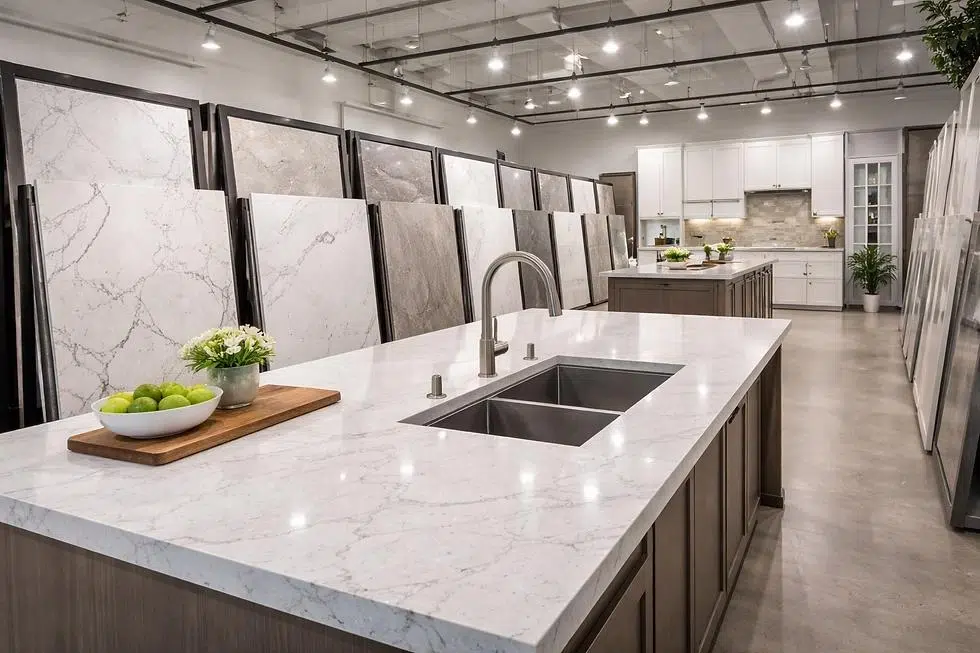

Last week I was walking the slab yard with a lovely couple and perusing our inventory in the hot, Florida sun. It was their first visit to Superior Granite and they had many questions that I was happy to answer. Potential customers typically ask many of the same questions when doing research on which material would work best in their home and why. We strolled through the pavilion and I explained the myriad of natural stone varieties we stock and the price per square foot for each option. While we tried to create an artificial breeze by waving our notebooks, the gentleman asked the most common question I get as a natural stone sales rep: “What makes one option more or less expensive than another?”
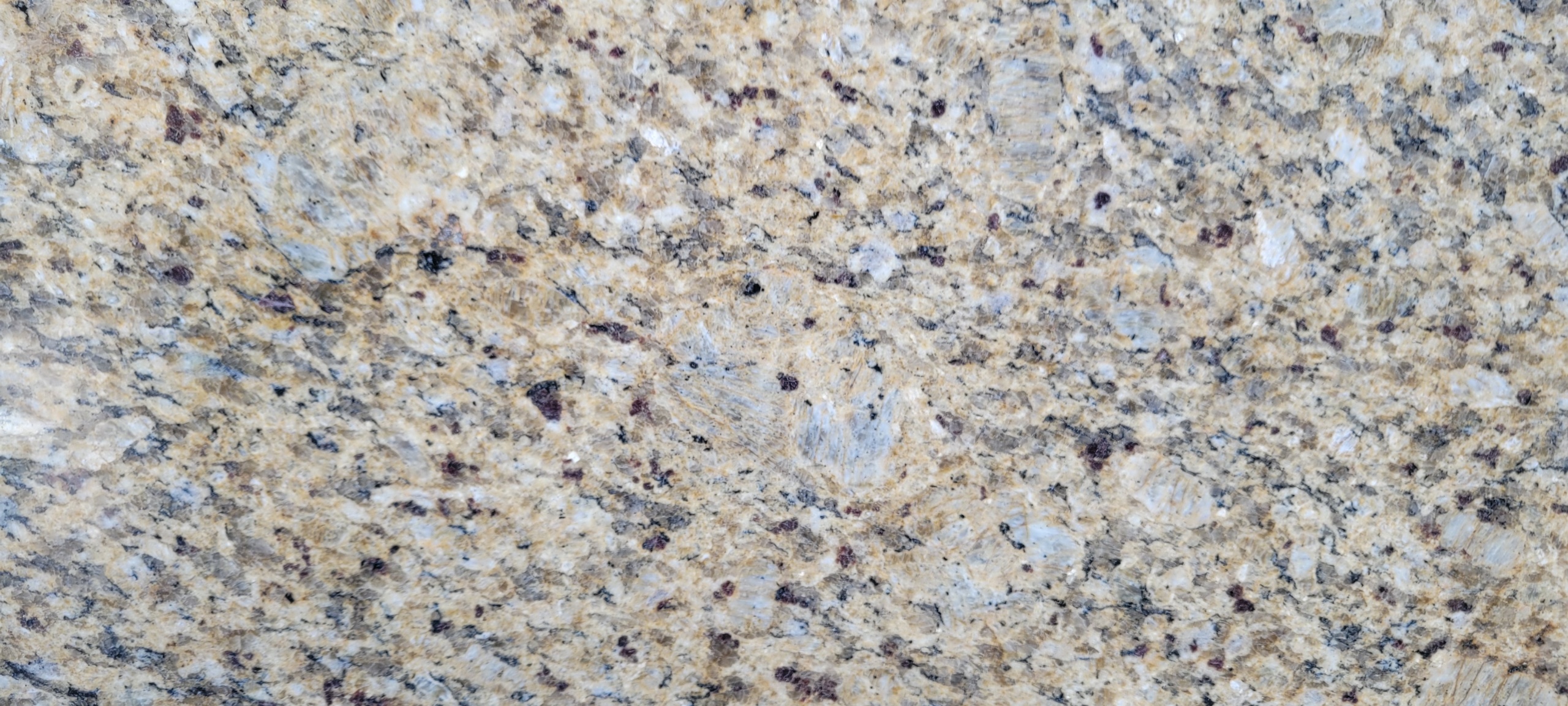
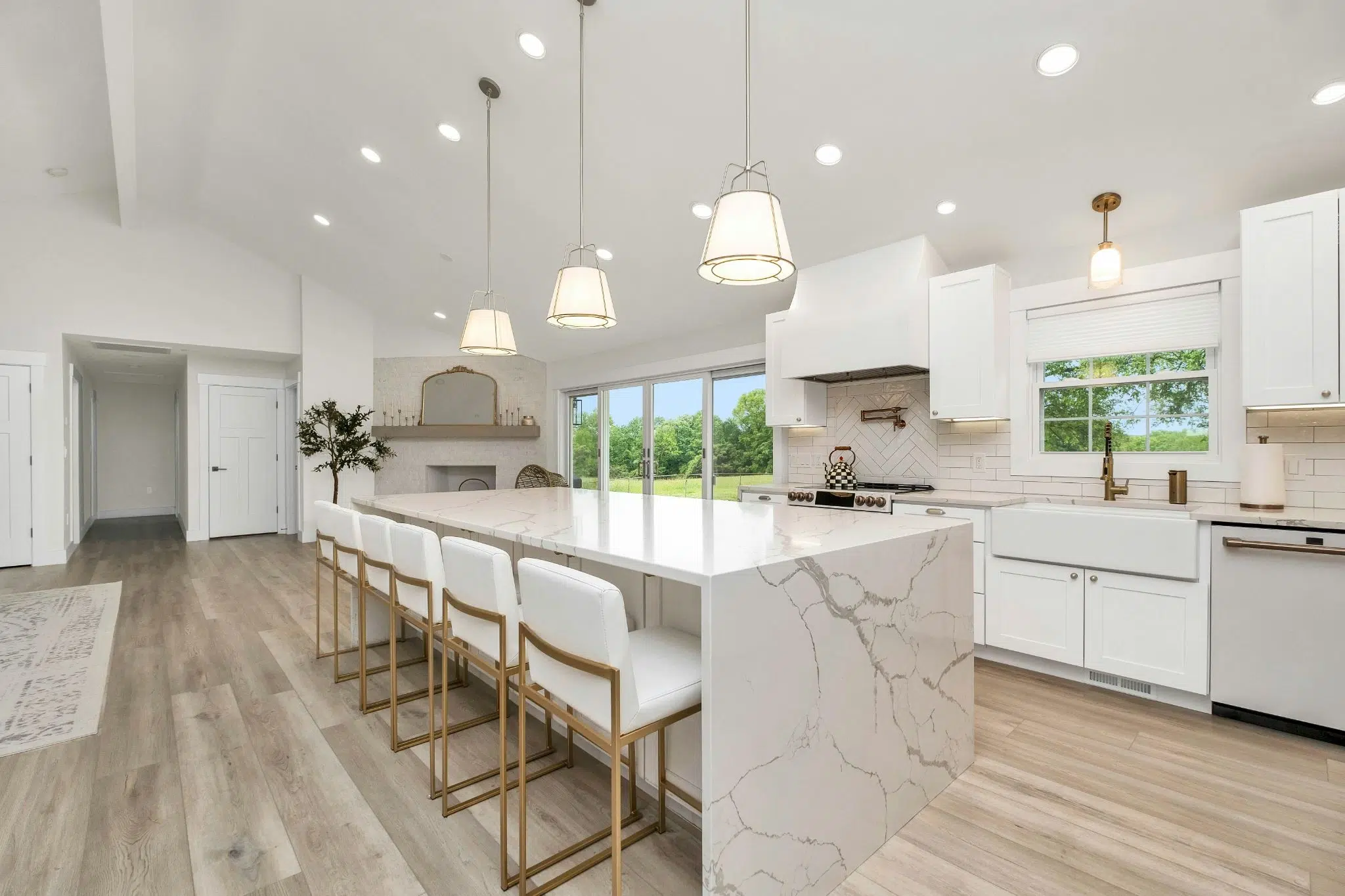
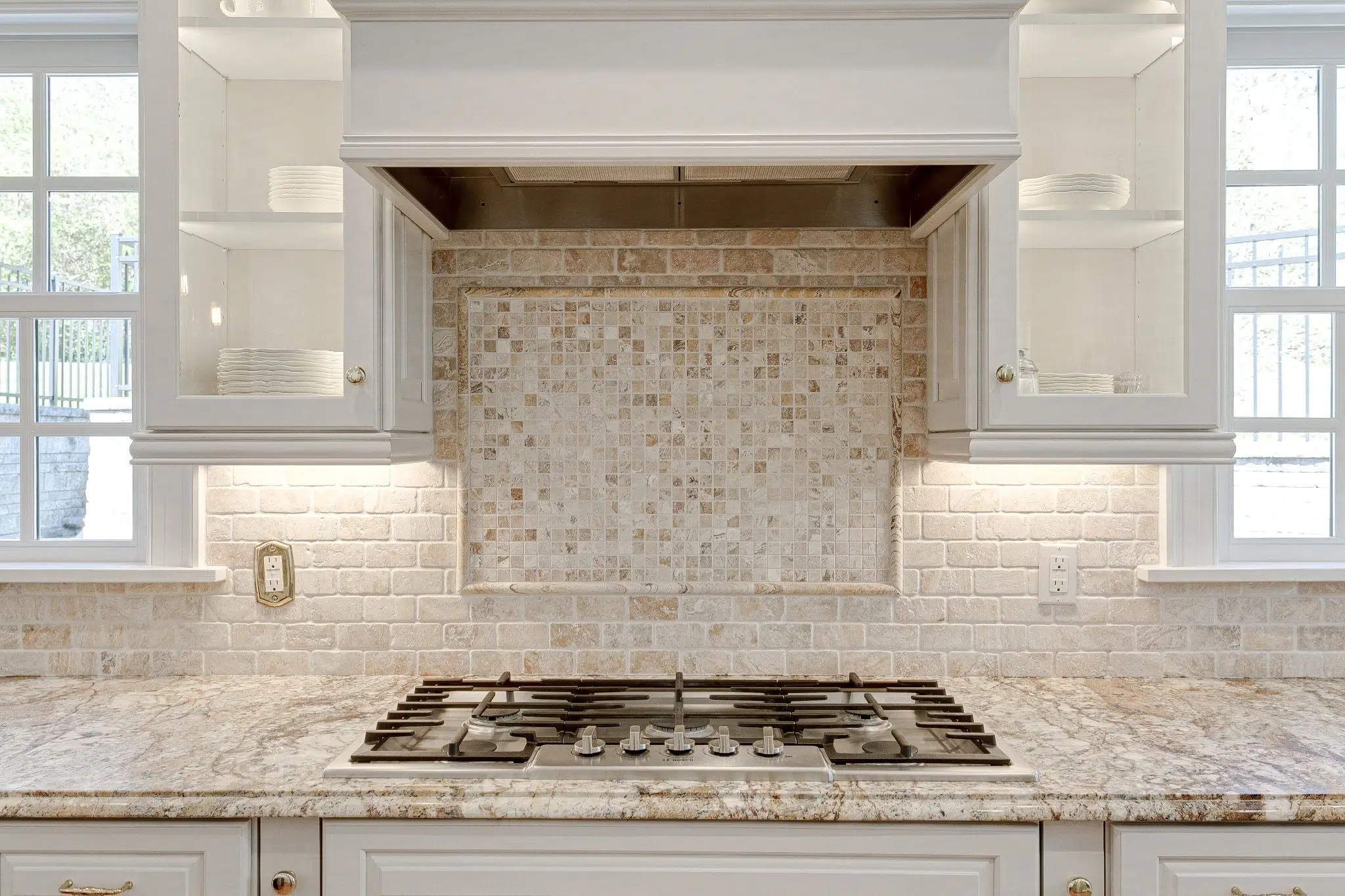
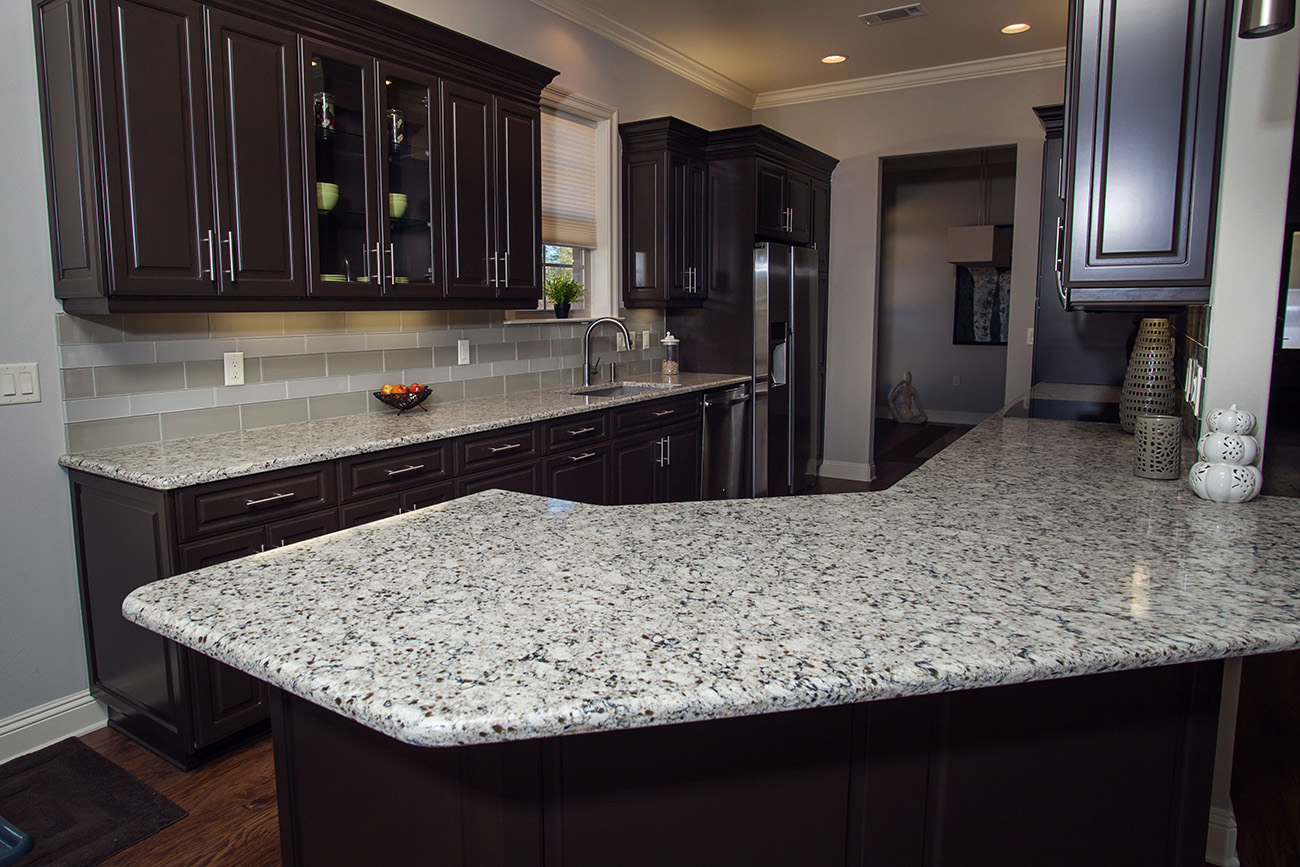
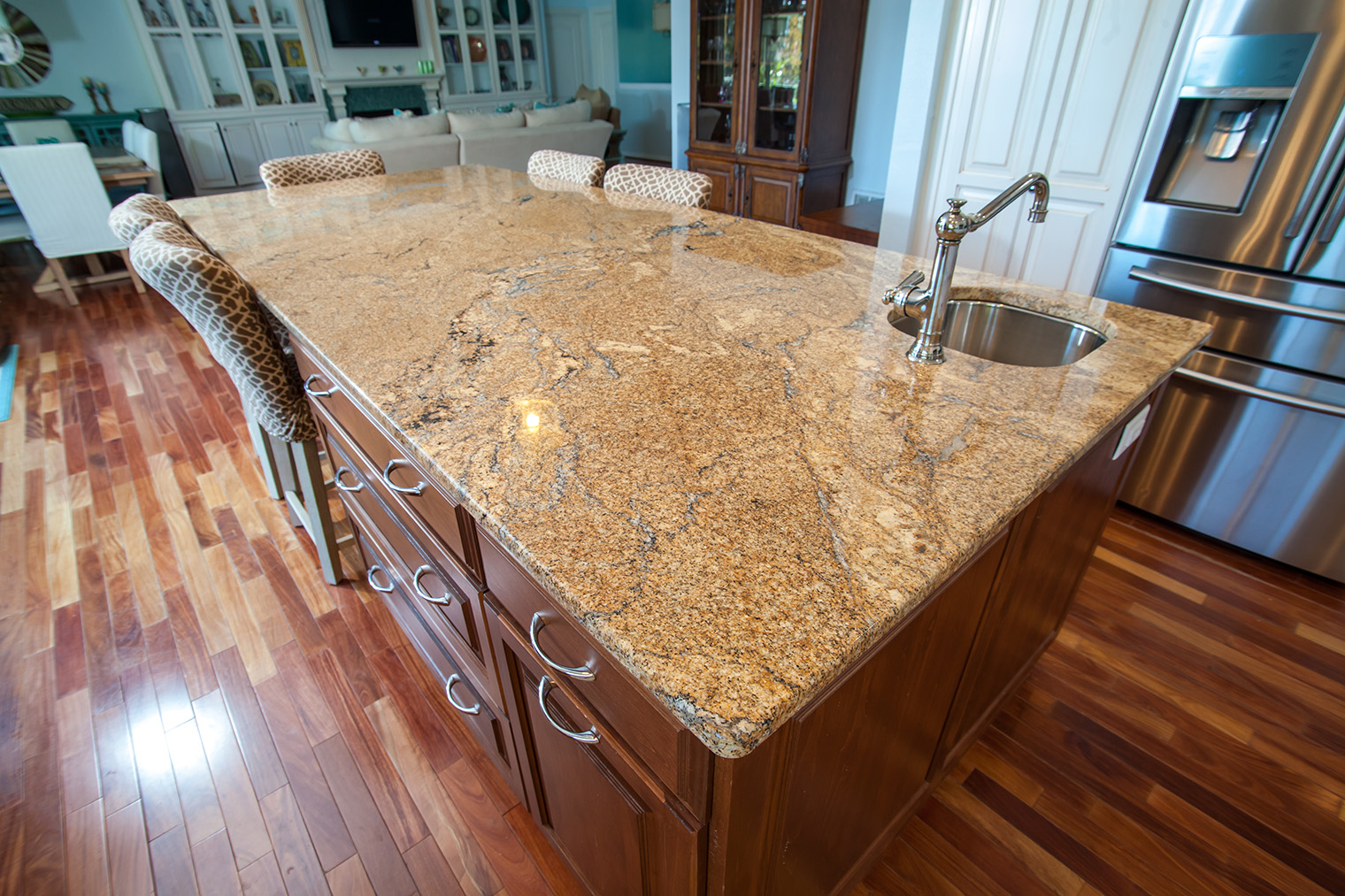
It’s certainly easy to understand why, unless you work in the construction industry, you may not know what factors into the pricing of each slab. However, any sales rep worth their salt will explain where the material is quarried and why it is high or low on the price scale. Often it is as simple as supply and demand. Many of the less expensive granite options are commonly used in hotels, banks, and spec homes. Granites like St. Cecilia, Uba Tuba, Gallo Ornamental, or Ivory White are beautiful slabs, but are often priced lower because they have a very consistent pattern and are easy to obtain in bulk. There are many natural stone companies that sell lower grade granite that is mixed with resin or fill and sold at a cheaper price. These types of slabs are going to be far less likely to withstand heat, spills, or scratches. Superior Granite is proud to directly import our inventory from all over the world. The quality of our natural stone is first-rate regardless of the price or color. Always ask your sales rep where the slabs you are inquiring about were quarried and if they are a composite or have resin/fill. There are some instances where it is necessary to use an epoxy to fill fissures in certain slabs, but this should be kept at a minimum and should not affect the durability of the stone.
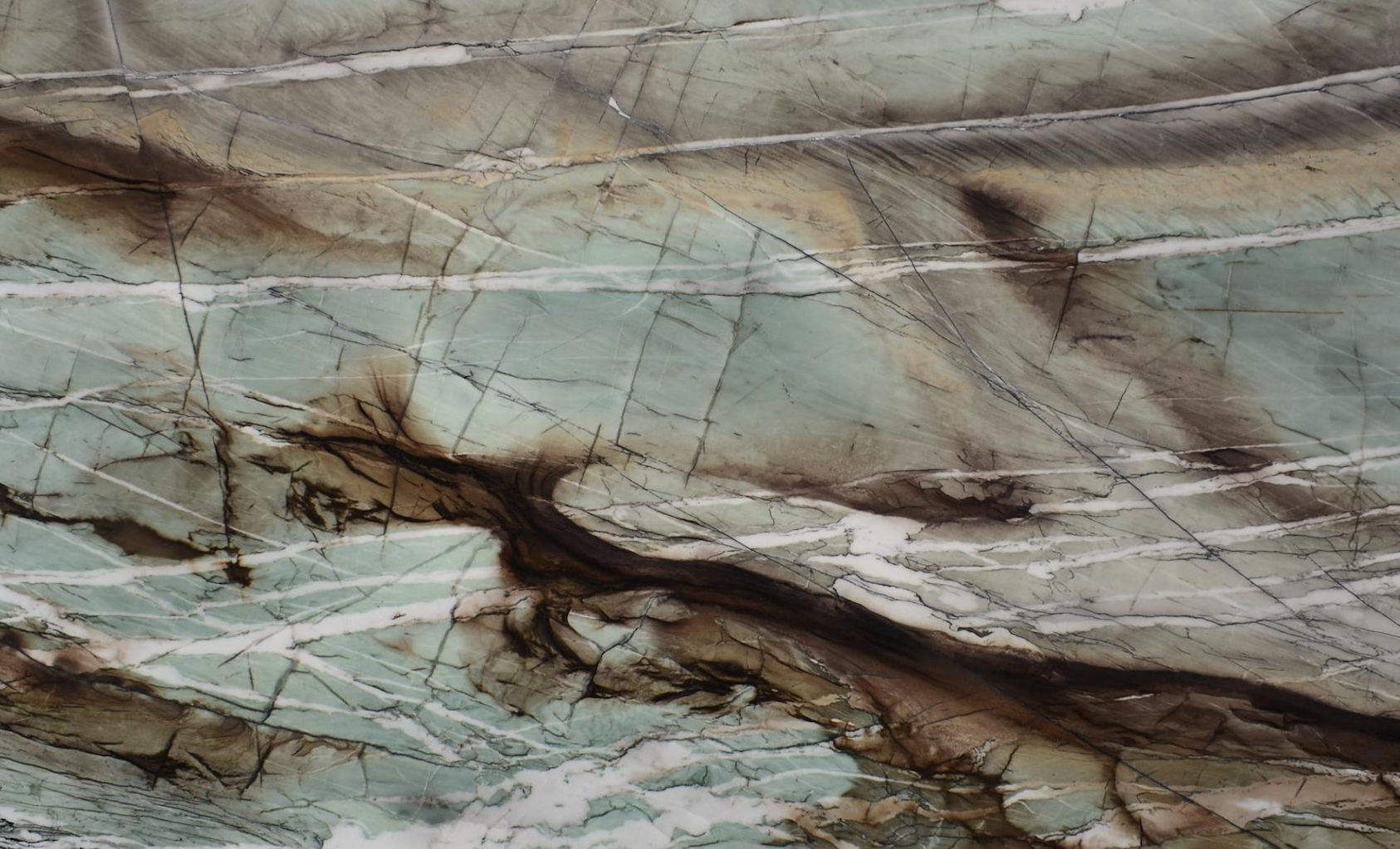
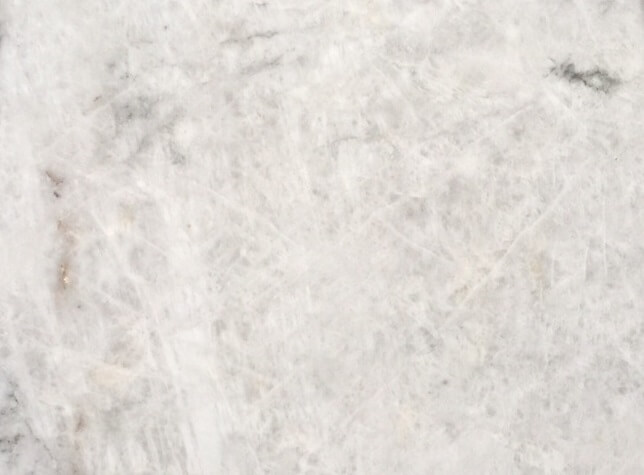
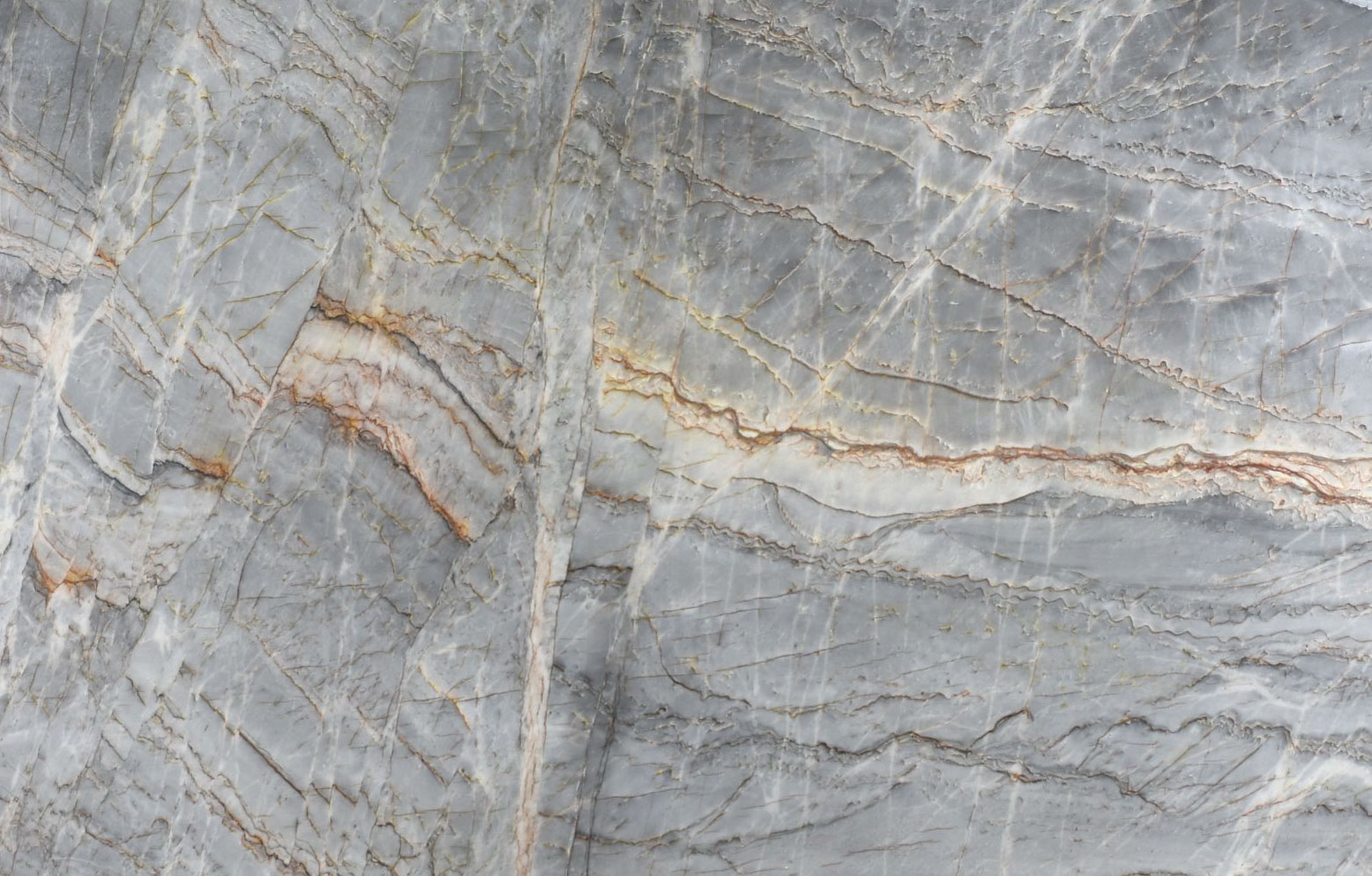
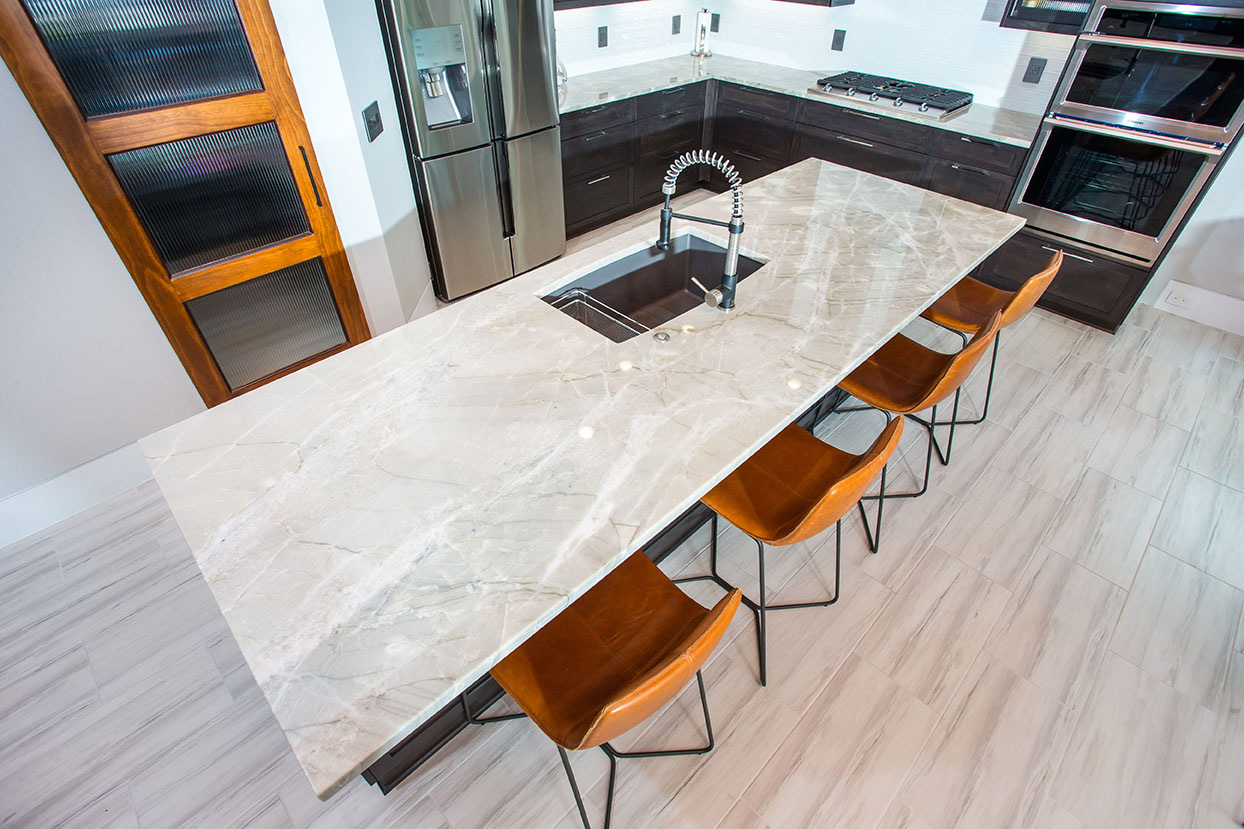
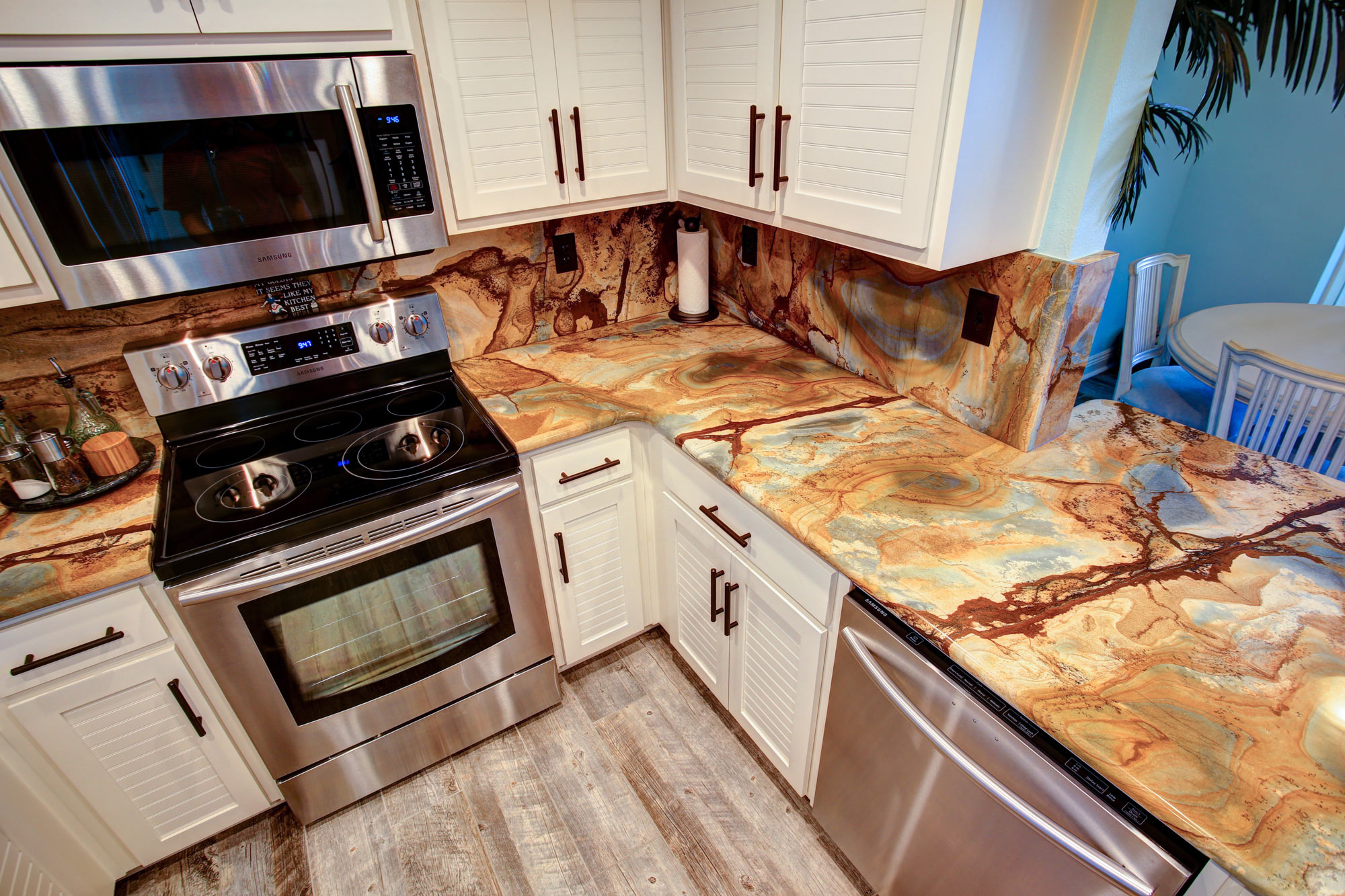
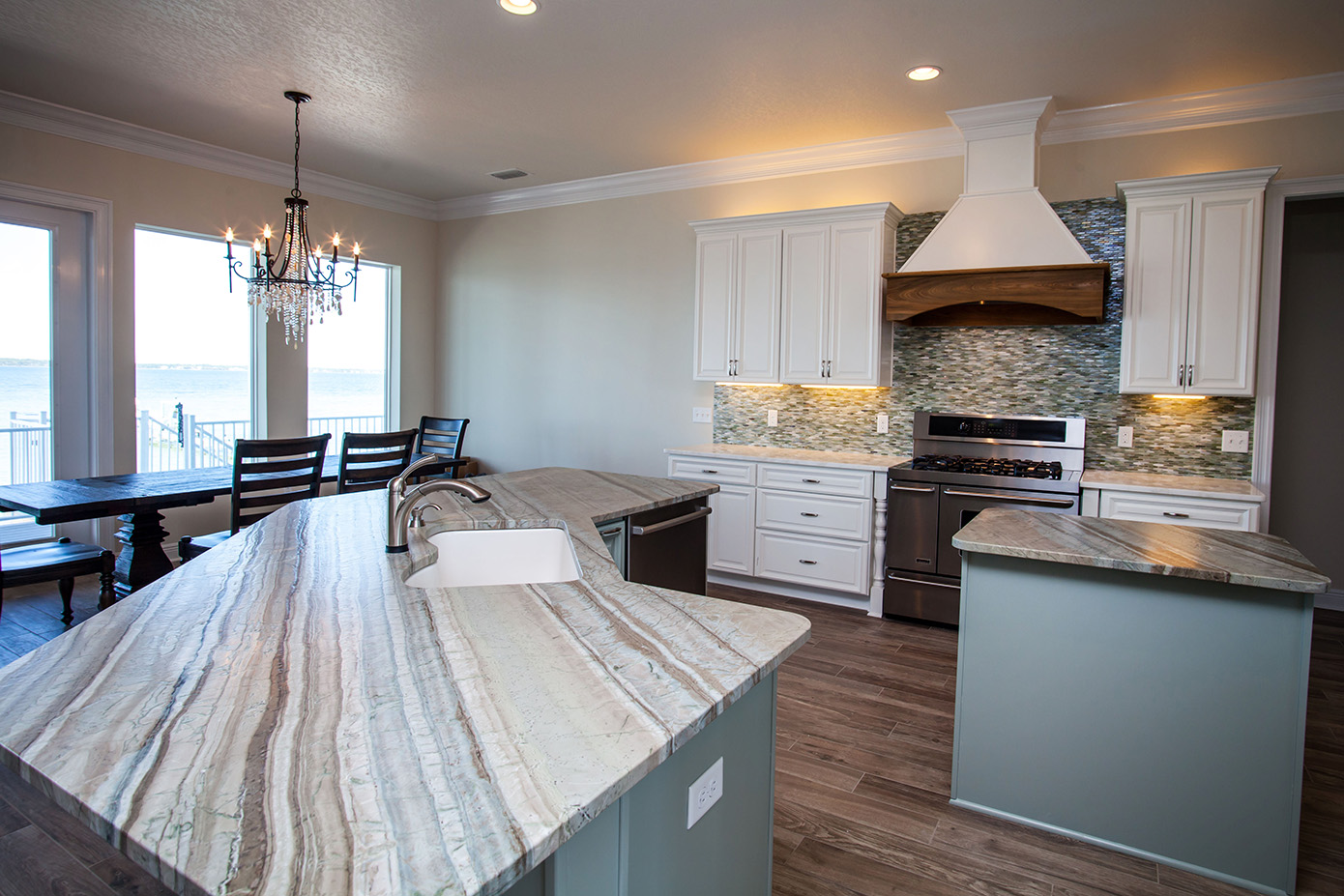
A word you will likely hear to describe higher priced natural stones is “exotic”. Describing slabs as exotic can mean many things. A slab can be exotic because it is rare and an incredibly durable type of natural stone. Quartzite is very often described in such a manner. Because it is extremely dense and unlikely to stain, scratch, or be damaged by heat, quartzite is a highly sought-after natural stone and is almost always priced on the higher end. Along with the wide range of color, movement, and versatility, quartzite is more expensive because it is harder to quarry. All of these characteristics contribute to a higher price for the material.
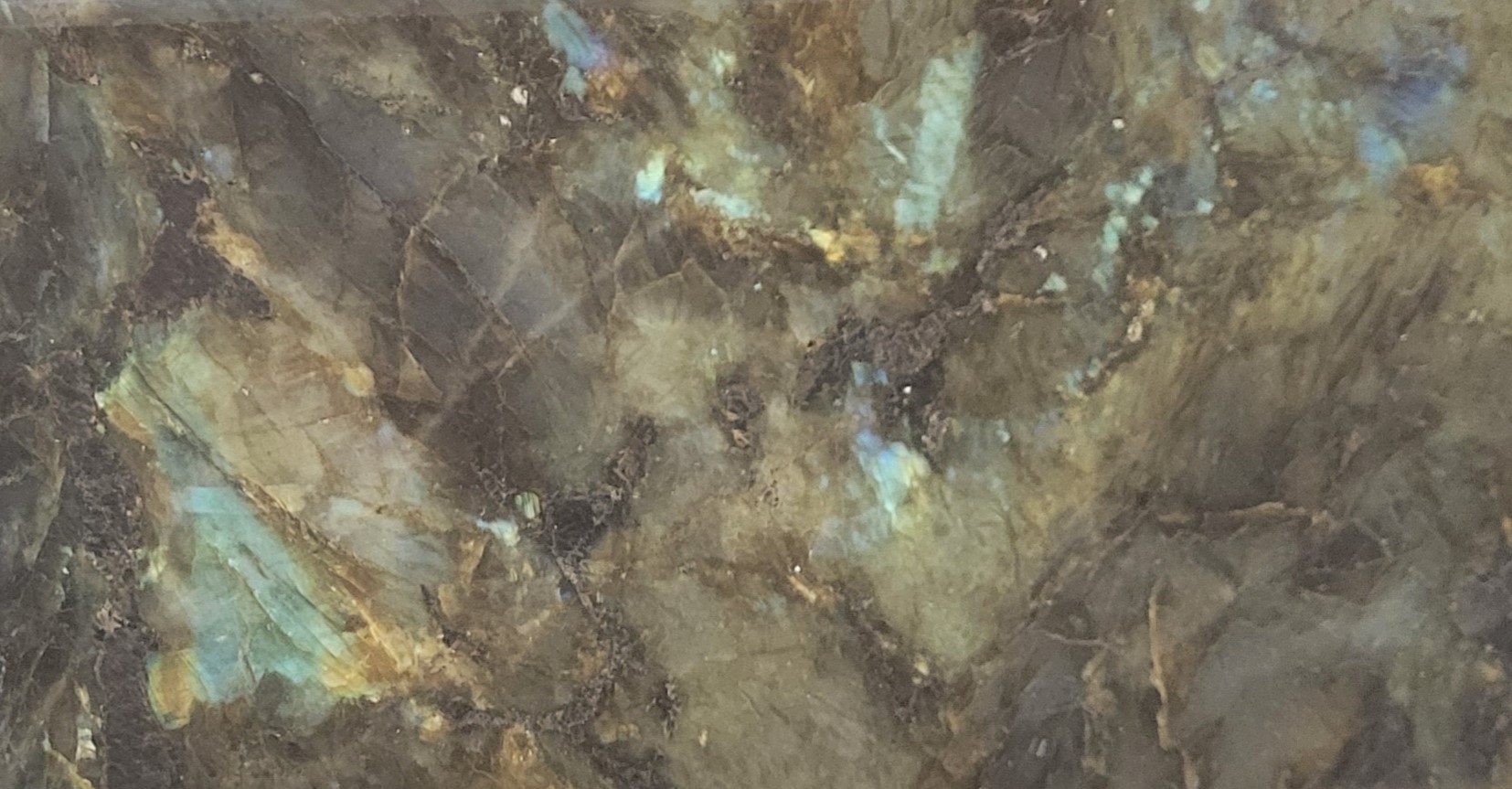
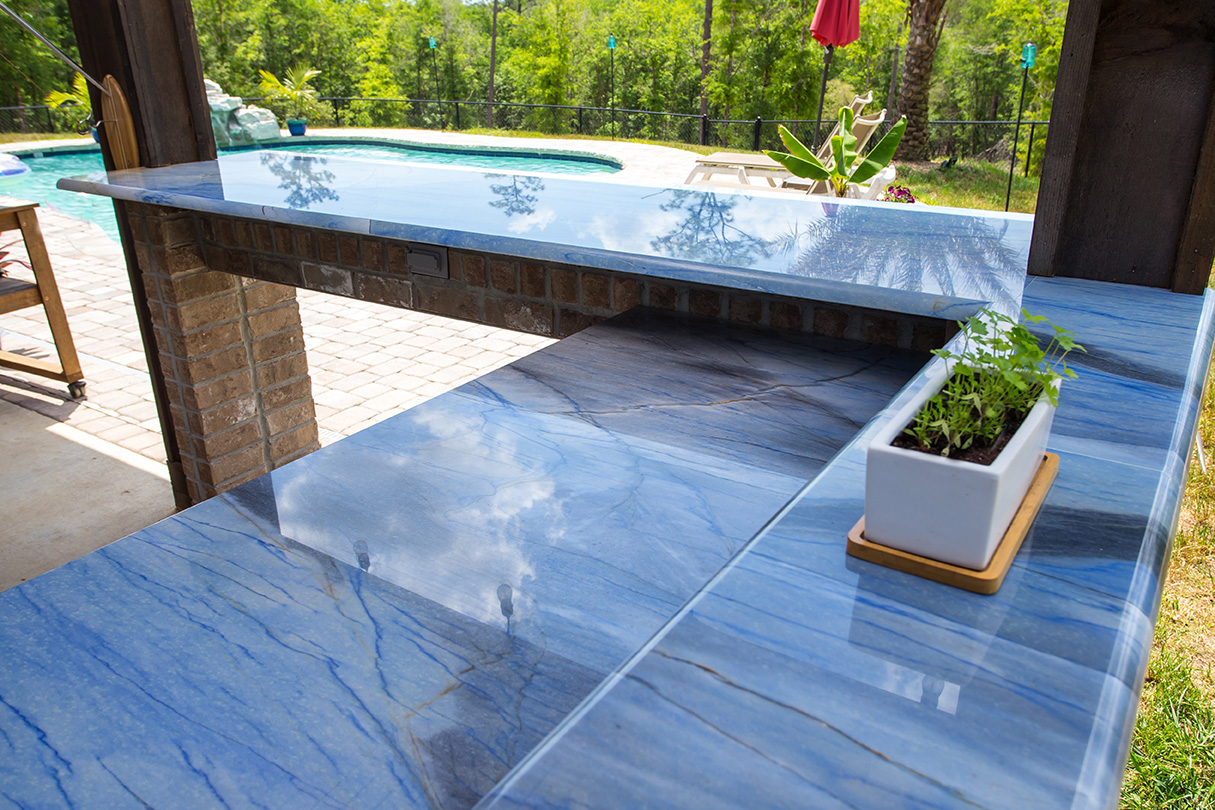
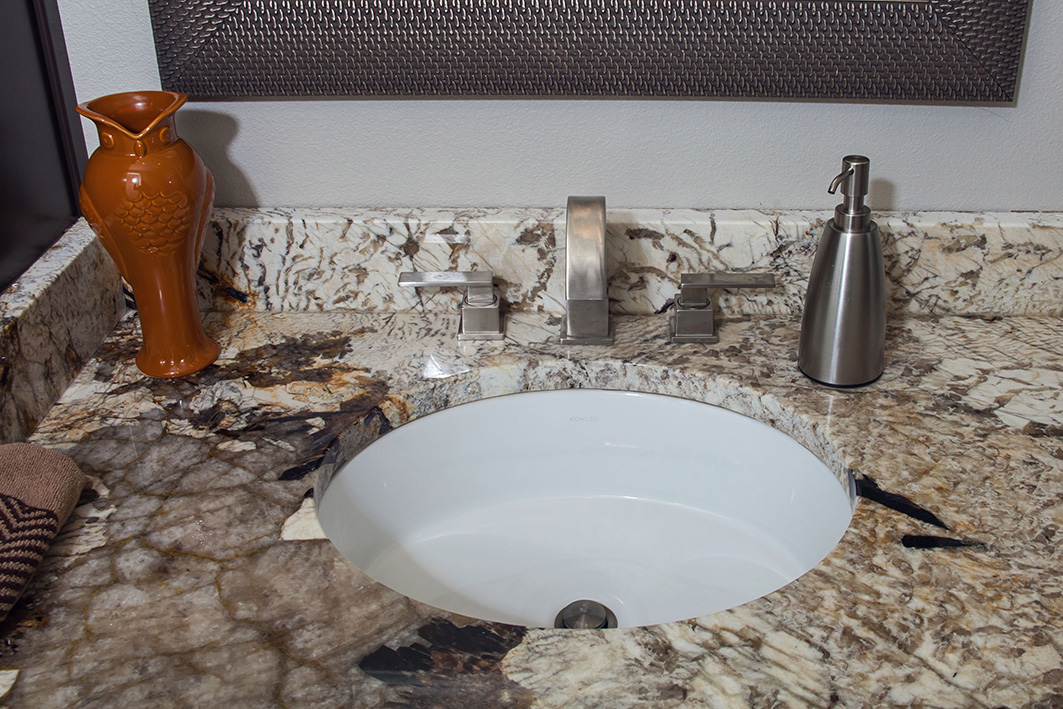
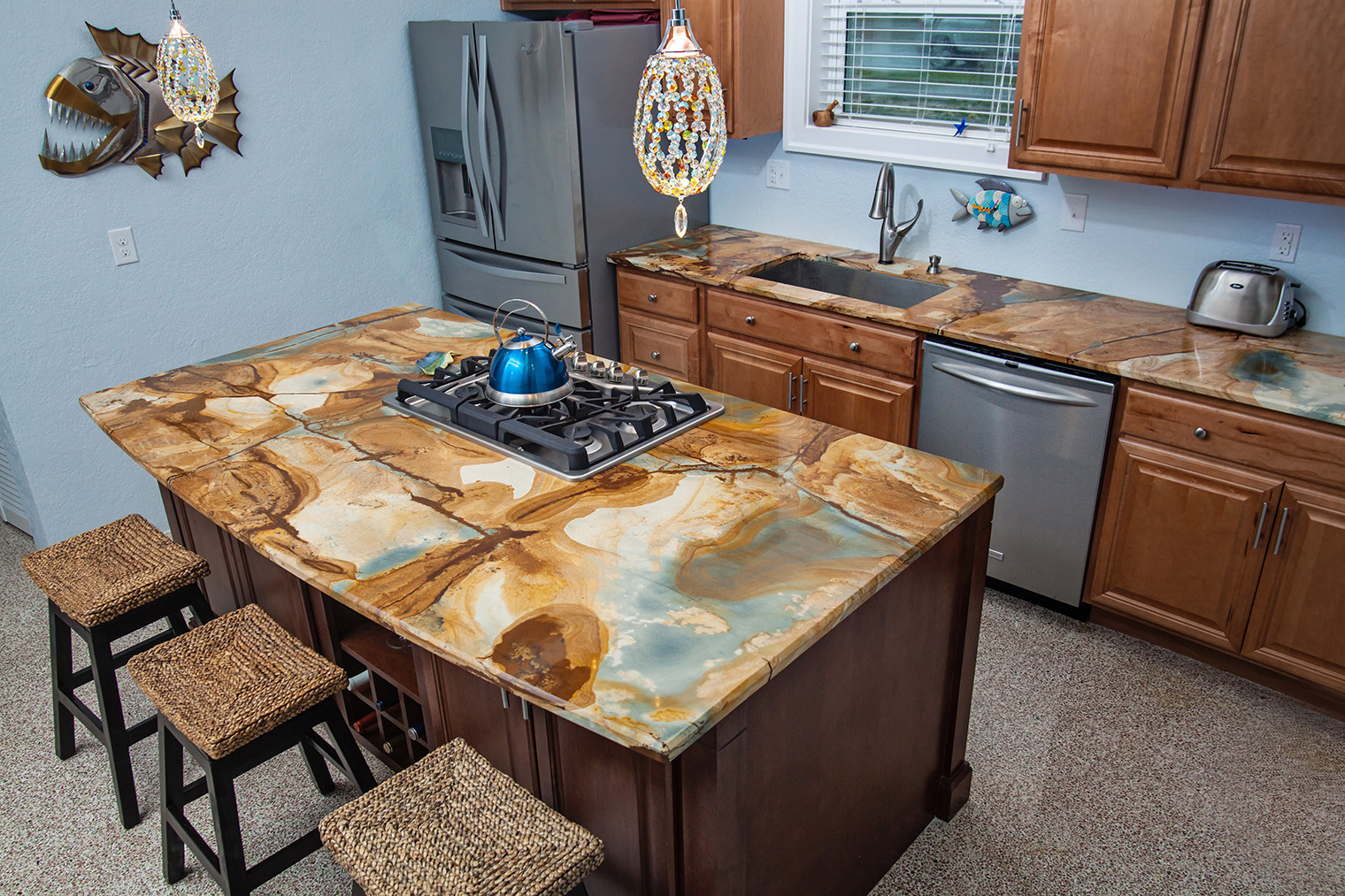
Additionally, certain minerals and colors can ensure a higher price tag as well. Labradorite is a stunning mineral found in rare granite that has a crystal-like structure. Cobalt and/or iridescent blue is an unusual find in most natural stone slabs making it the very definition of exotic and high end. Lemurian Blue granite is chock full of labradorite and shades of blue.
At the end of my appointment where the “oh so frequent” question about differences in pricing was asked, a thought occurred to me. When shopping for most items (cars, designer luggage, even most foods) you can typically spot with ease what will be expensive and what is more affordable. Both myself and my colleagues are proud to be sales representatives for Superior Granite and the effort our owners go to by importing the best natural stone from all over the world. Our customers are rarely able to see the differences of affordable or high end. So much so that they often ask, “What makes one option more or less expensive than another?”