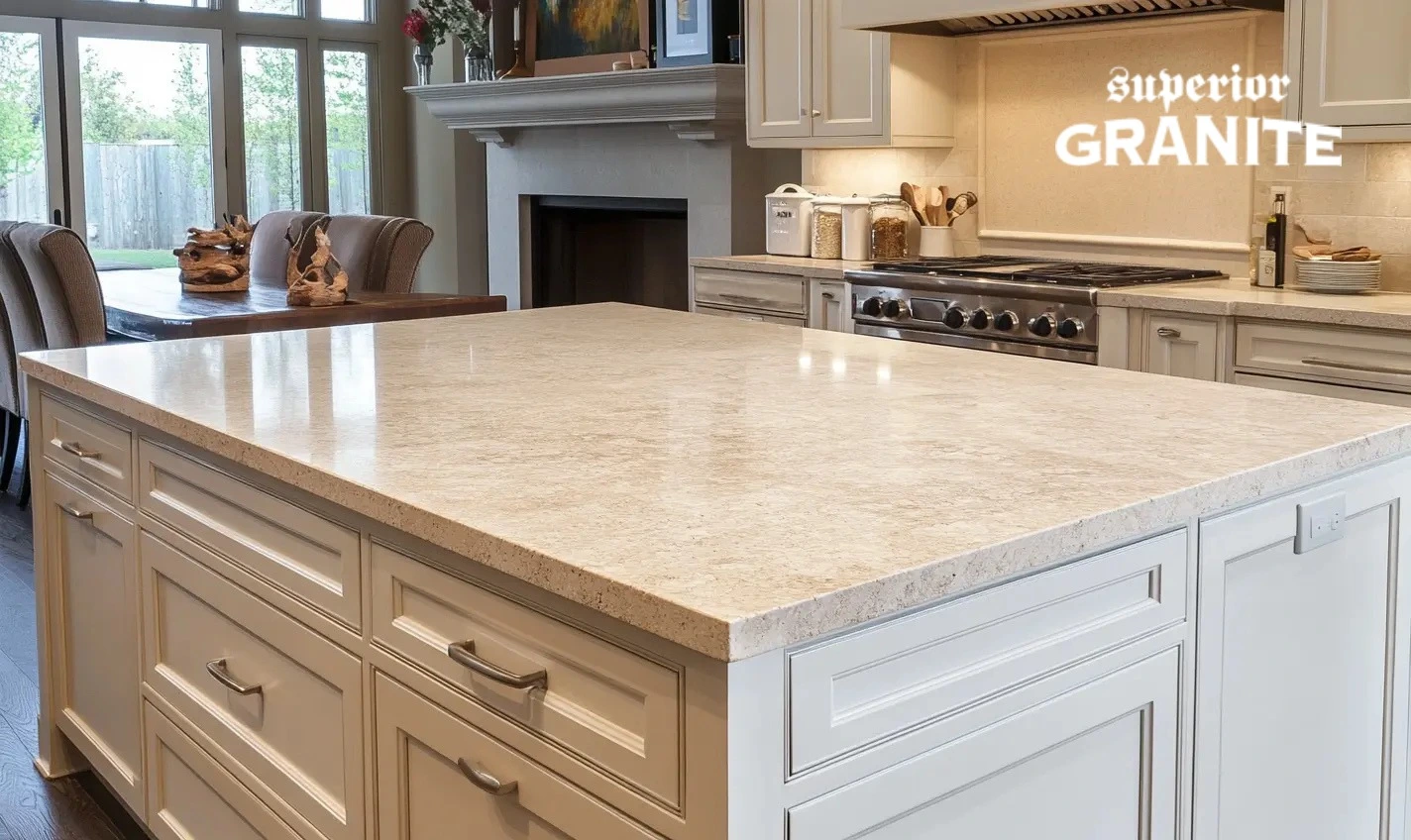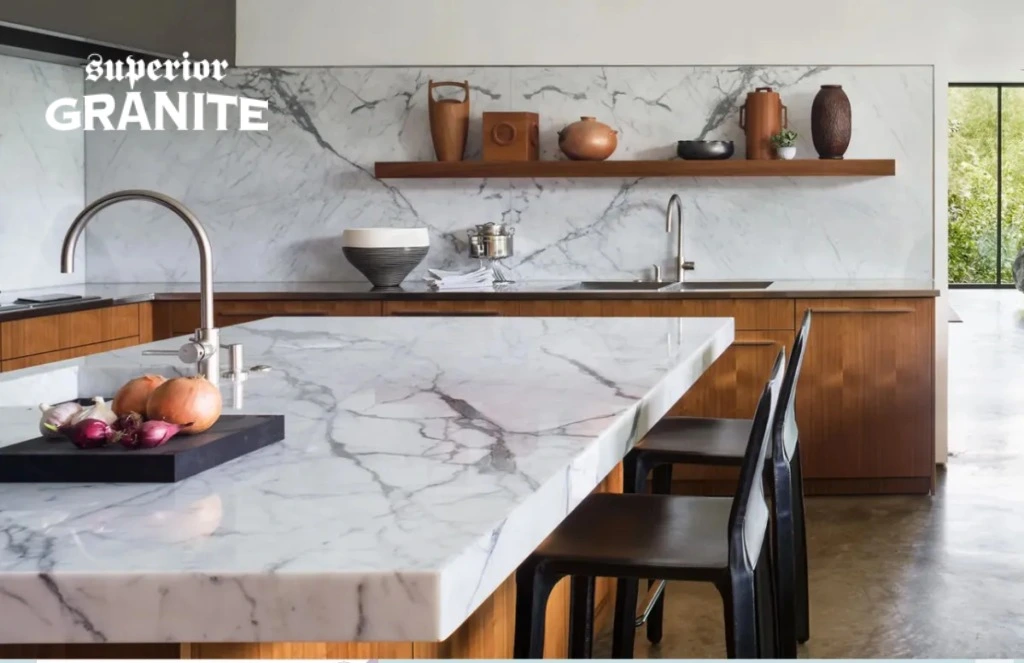

Proper granite care can keep your granite or marble countertop new-looking for years. Stone is one of the easiest surfaces to maintain. And granite, being 7 on the Mohs hardness scale of 1 to 10, is virtually unscratchable. (A stainless steel knife blade is a 6 on the scale.)

INSTRUCTIONS
STEP 1: Blot up spills immediately, before they penetrate the surface.
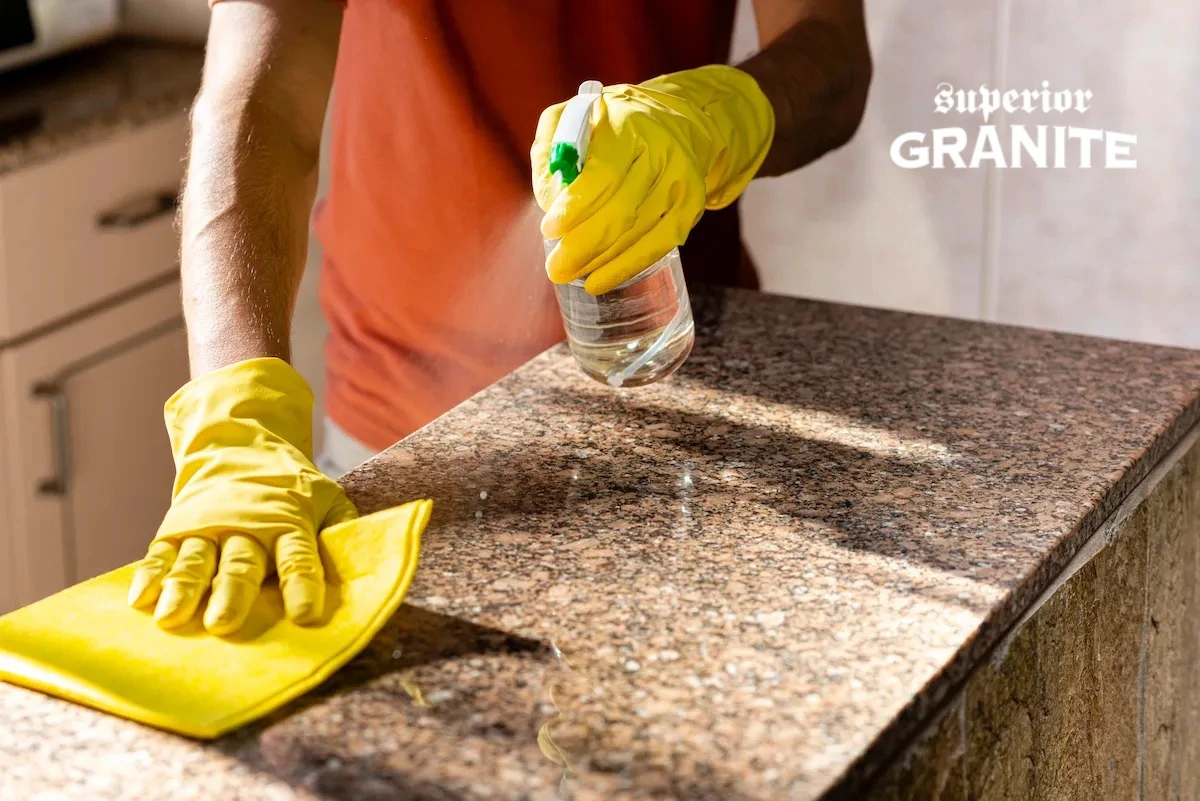
STEP 2: Clean stone surfaces with a few drops of neutral cleaner, stone soap (available in hardware stores or from a stone dealer), or mild dishwashing liquid and warm water.
STEP 3: Use a soft, clean cloth to clean the granite. Rinse after washing with the soap solution and dry with a soft, clean cloth.
STEP 4: Remove a stain on granite, basing the method on the type of stain. Mix a cup of flour, 1-2 tablespoons of dishwashing liquid with water to make a thick paste. Put it on the stain, cover with plastic wrap, and let it sit overnight.
STEP 5: Scrape away the mixture with a wooden utensil and rinse. If the stain is oil-based (e.g. grease, oil, milk), use hydrogen peroxide in the paste instead of dishwashing liquid – or try ammonia on it.
STEP 6: Try a mixture of 12 percent hydrogen peroxide mixed with a couple drops of ammonia for an organic stain (e.g. coffee, tea, fruit).
STEP 7: Use a lacquer thinner or acetone to remove ink or marker stains from darker stone. On light-colored granite, use hydrogen peroxide to these stains. This also works for wine stains.
STEP 8: Mix molding plaster and pure bleach into a paste and spread over a wine, ink or other non-oil stain. Leave on for 30 minutes, then remove and rinse.
STEP 9: Paste a mix of molding plaster and water over an oil-based or fat-based stain. Mold it into a bird’s-nest shape and allow to stand for 3 hours. Remove and rinse.
STEP 10: Reseal the countertop every year or two years. Check with the installer for recommendations. Use a non-toxic sealer on food preparation areas.
STEP 11: Consider using a new disinfectant cleaner made specifically for granite.
STEP 12: Call your professional stone supplier, installer, or restoration specialist for problems that appear too difficult to treat.
TIPS & WARNINGS
- Ask a professional to remove or repair a scratch in granite.
- Use coasters under all glasses, particularly those containing alcohol or citrus juices. Many common foods and drinks contain acids that will etch or dull the stone surface.
- Do not place hot items directly on the stone surface.
- Use trivets or mats under hot dishes and placemats under china, ceramics, silver or other objects that could scratch the surface.
- Do not use products that contain lemon, vinegar or other acids on marble or limestone.
- Strong detergents or corrosive liquids can dull the polished marble/granite surface and should not be used.
- Don’t use abrasive cleaners such as dry cleansers, scouring powders, or ‘soft’ cleansers.
- Do not mix cleaning products such as ammonia and bleach together – the result is toxic.