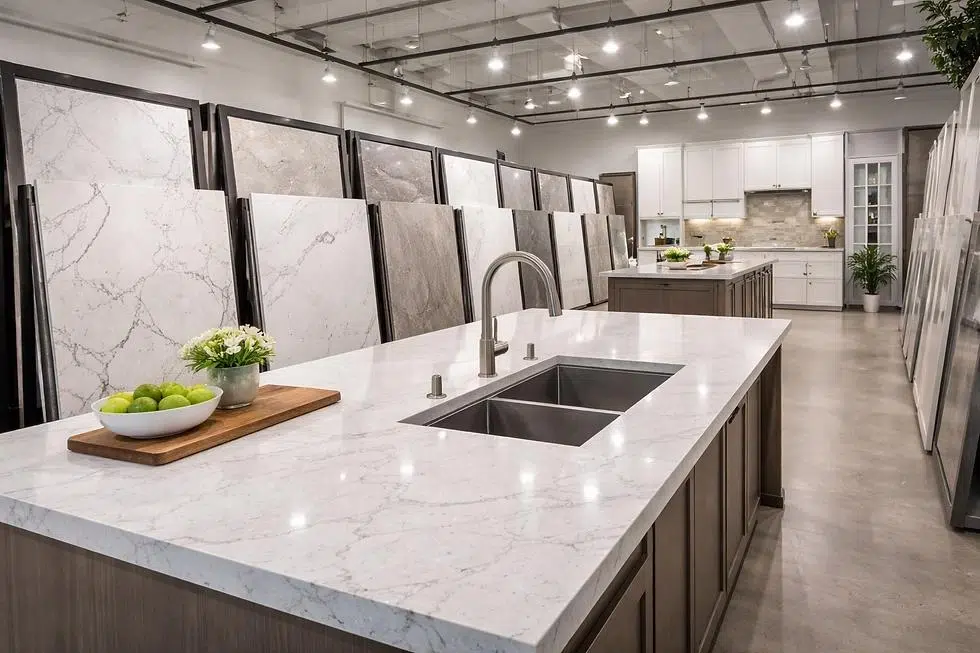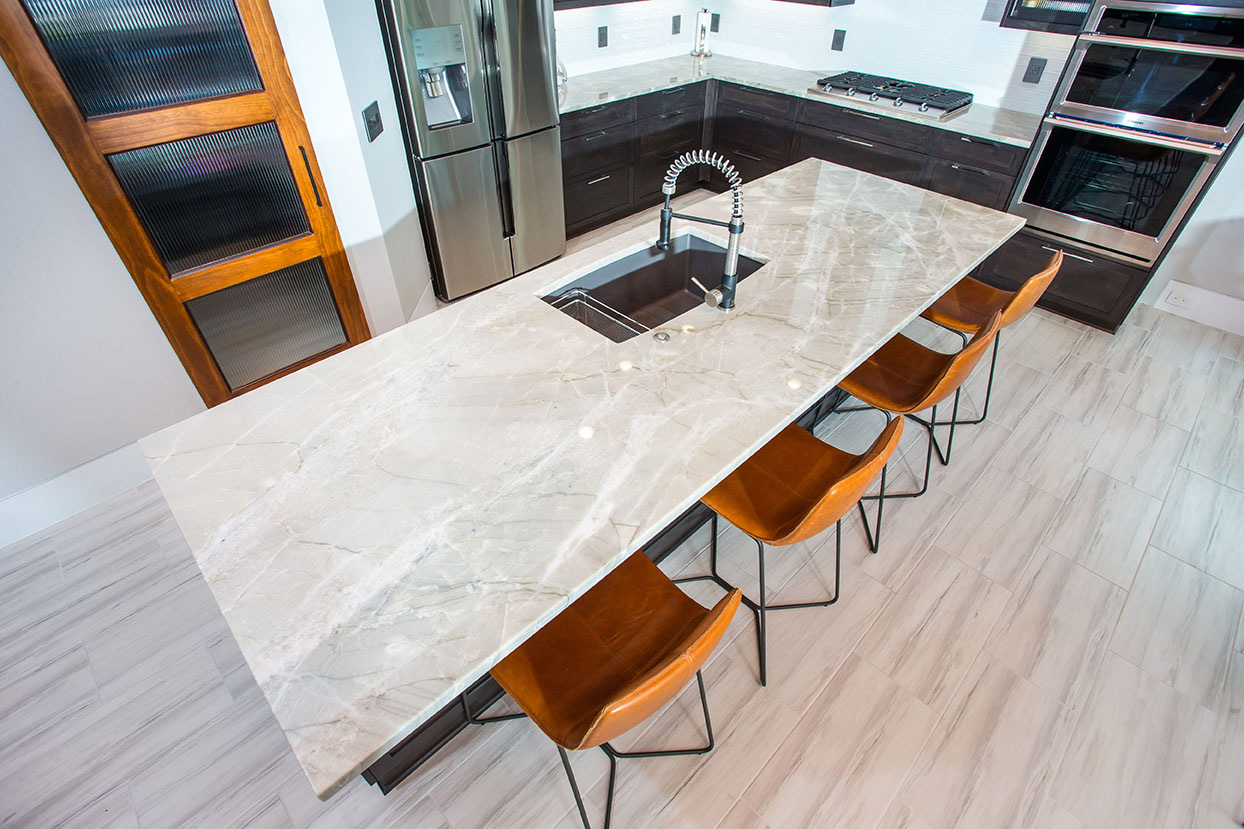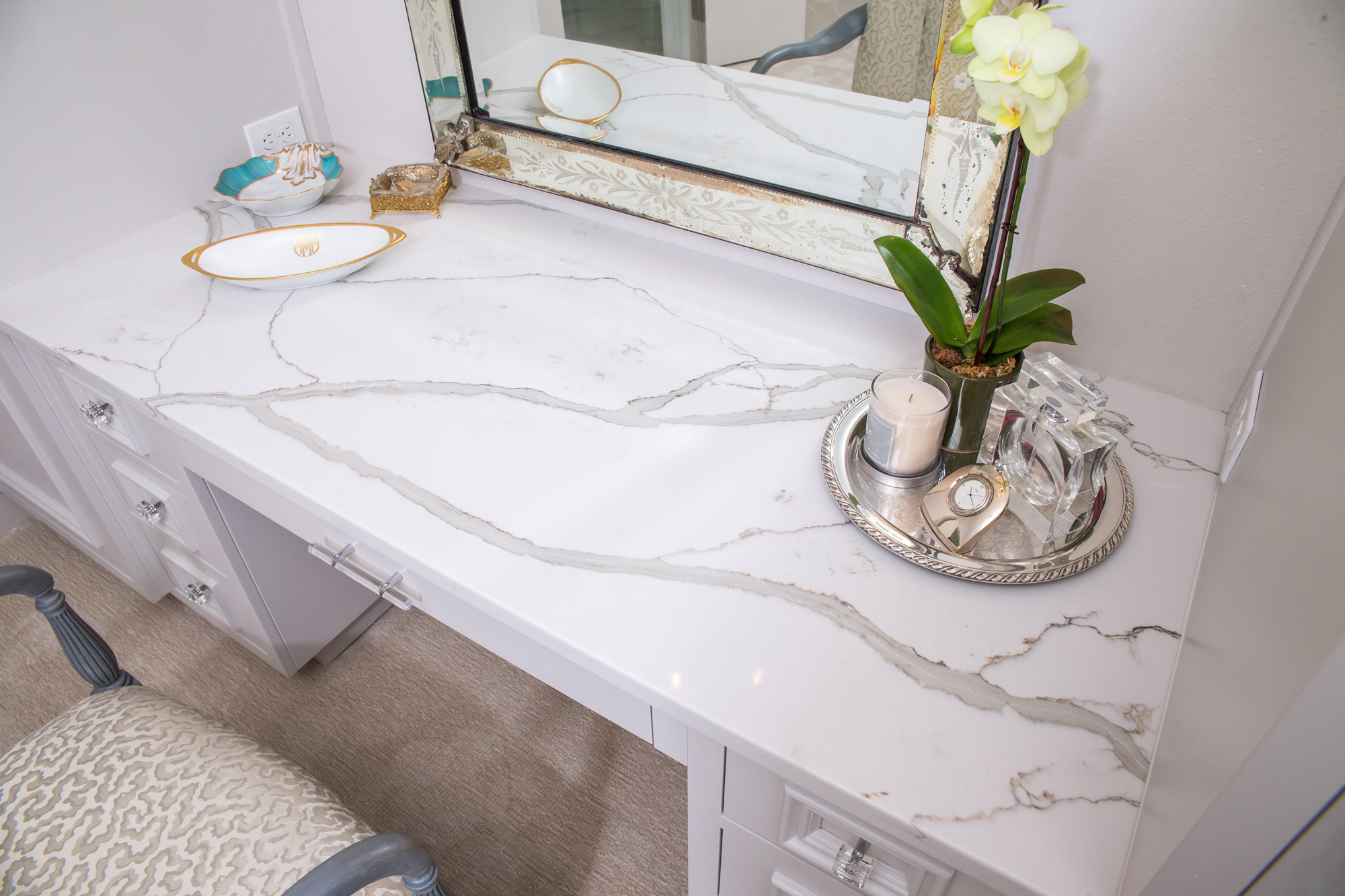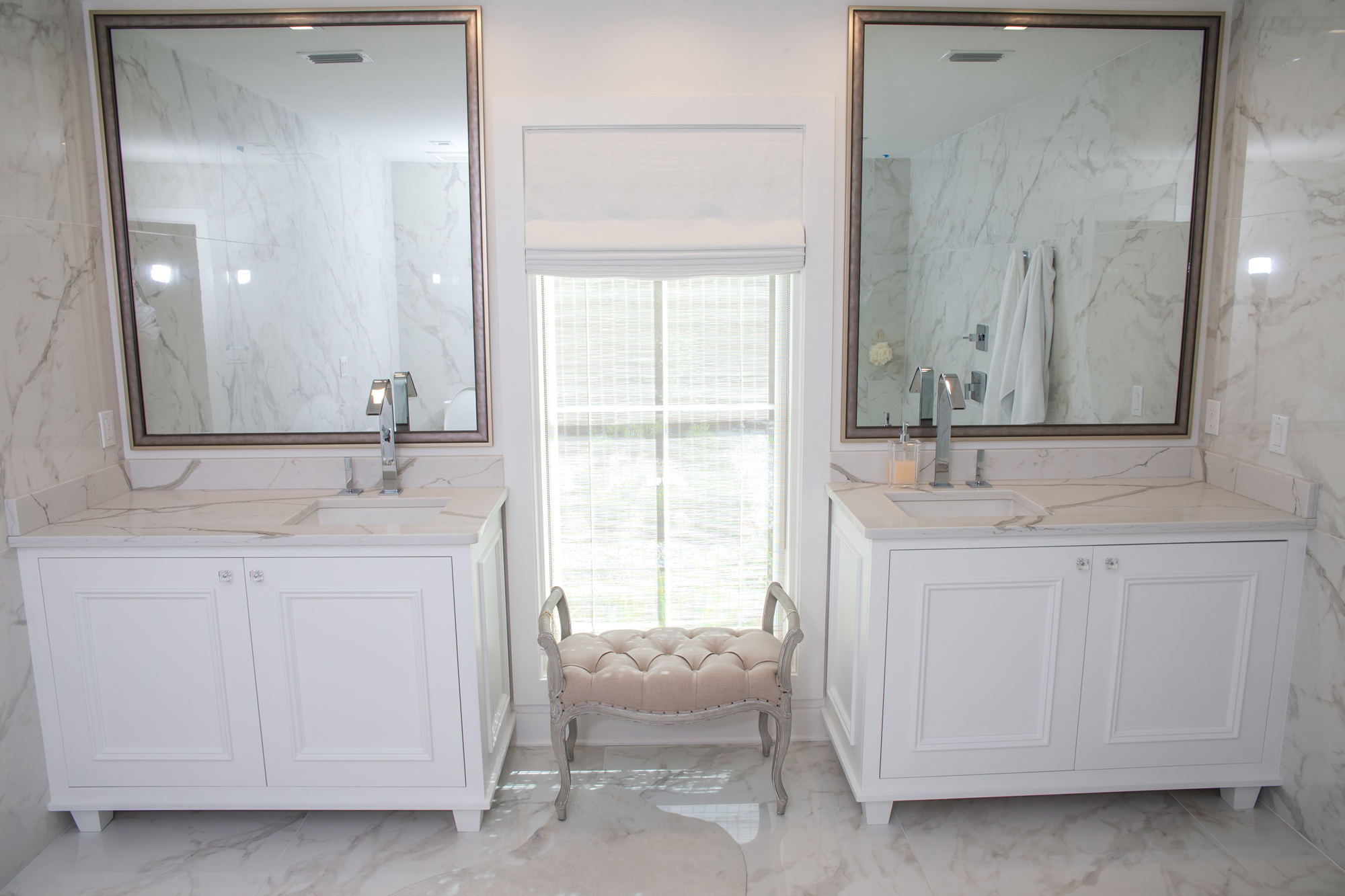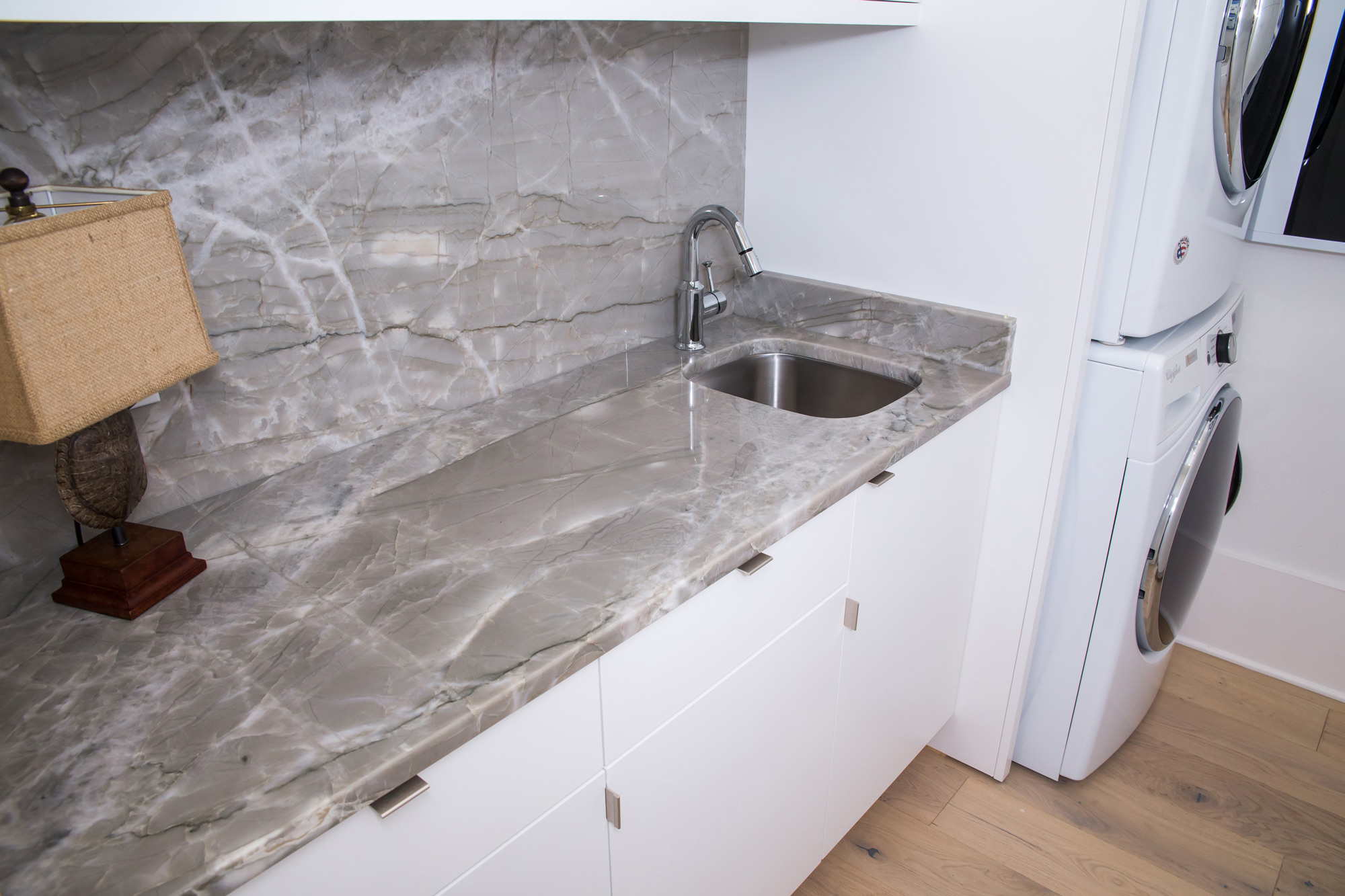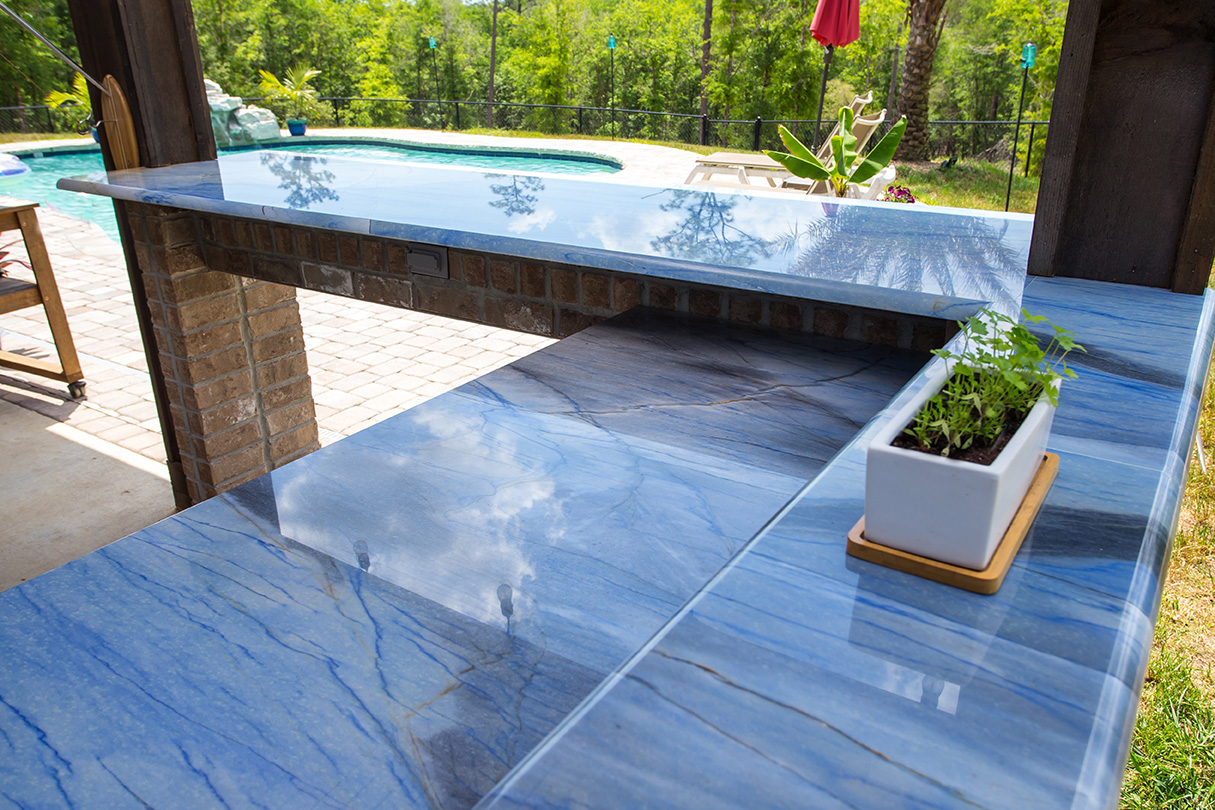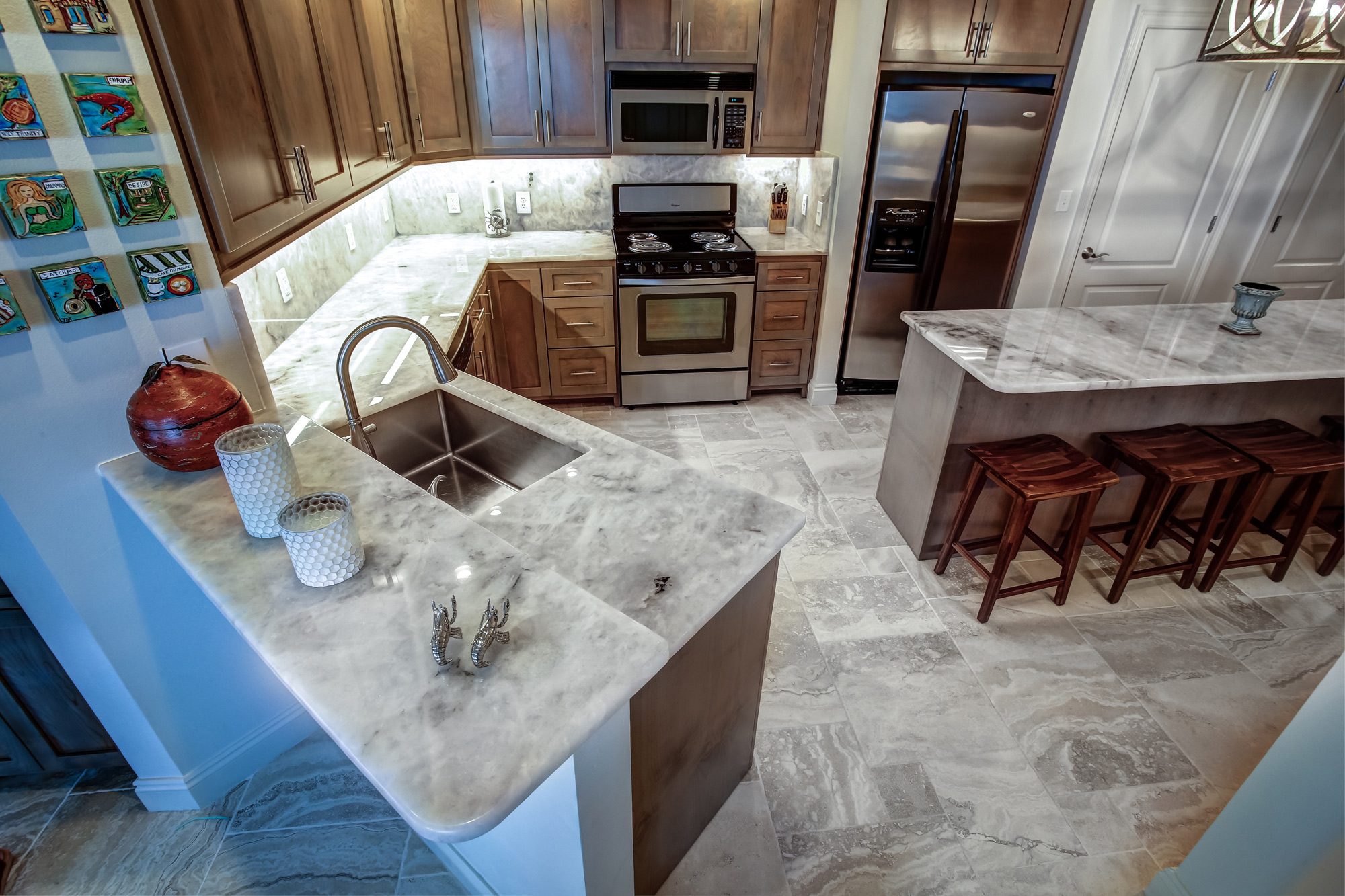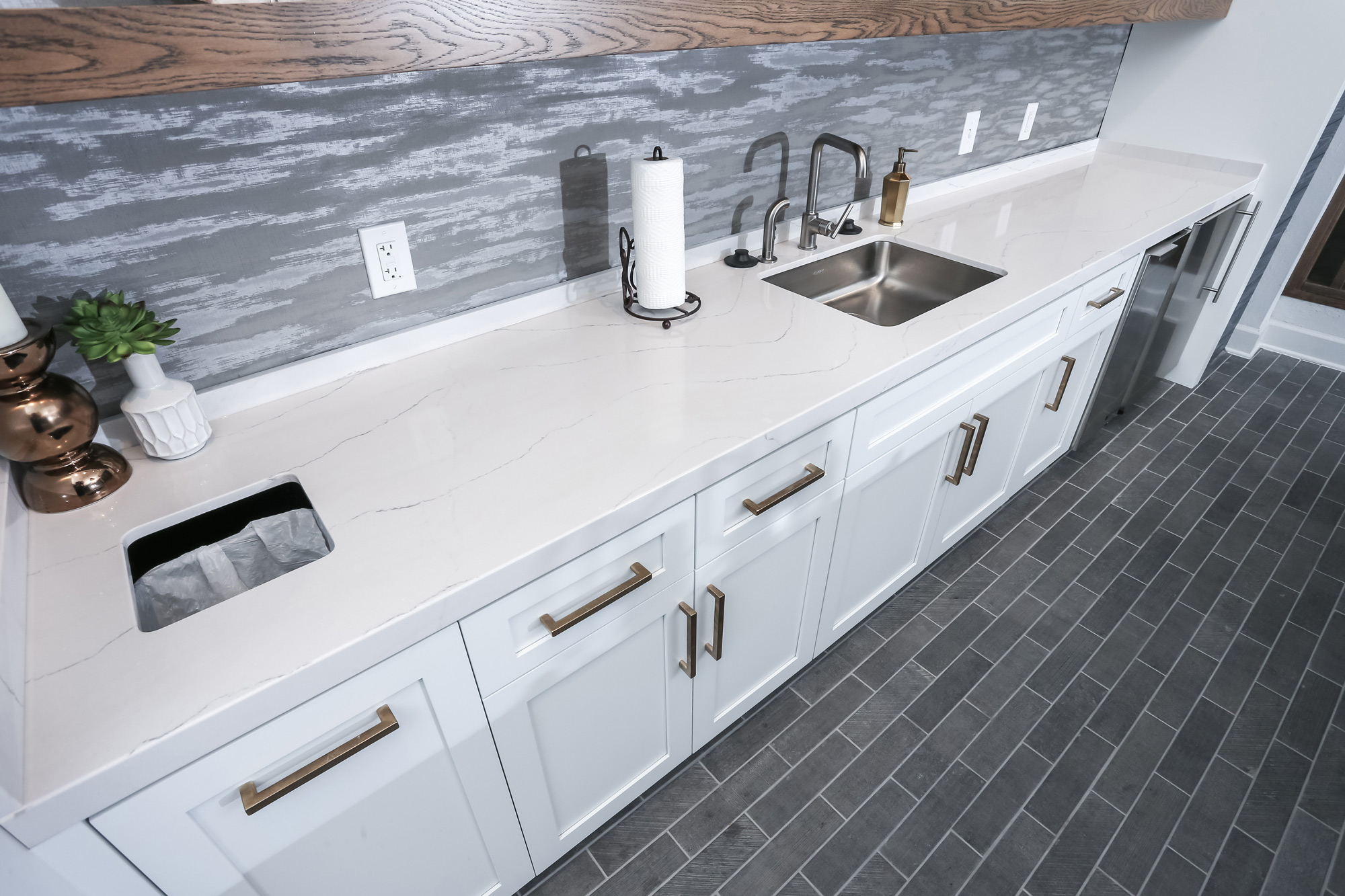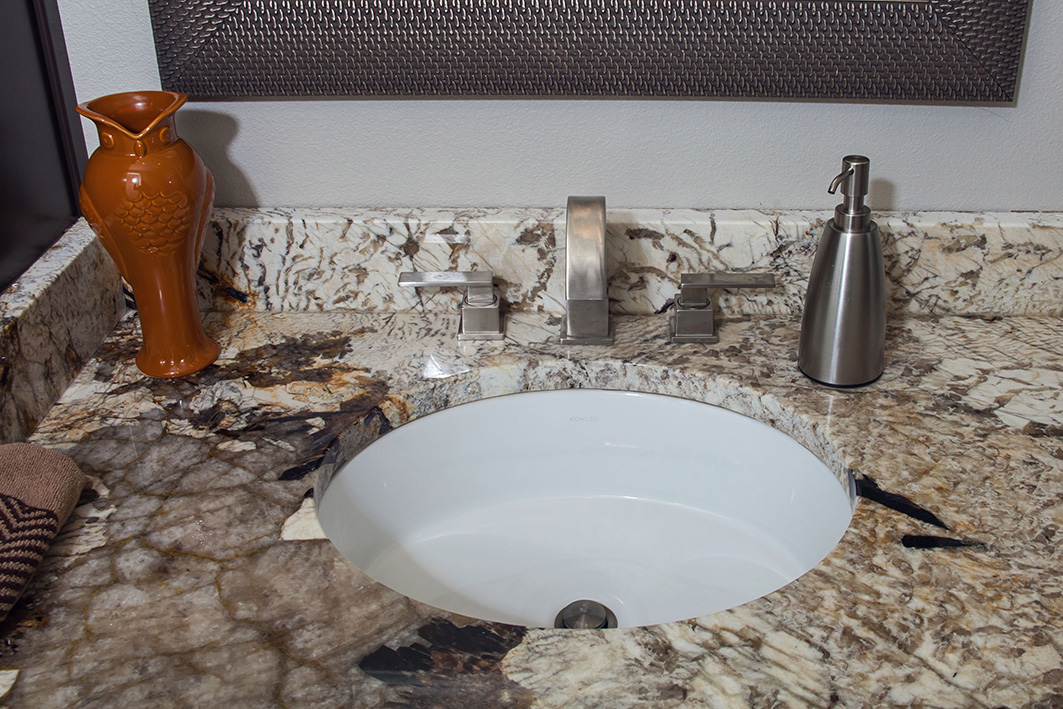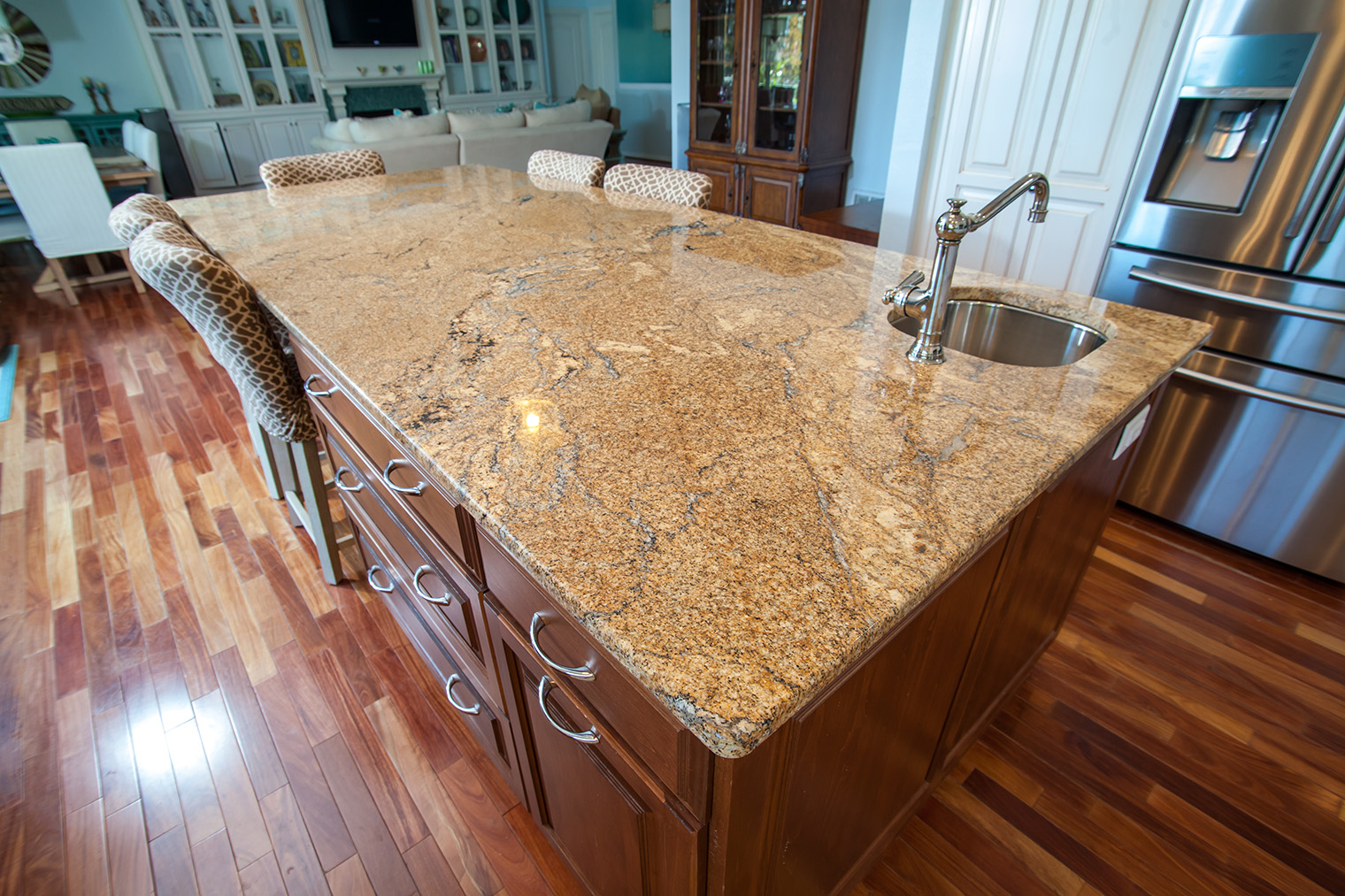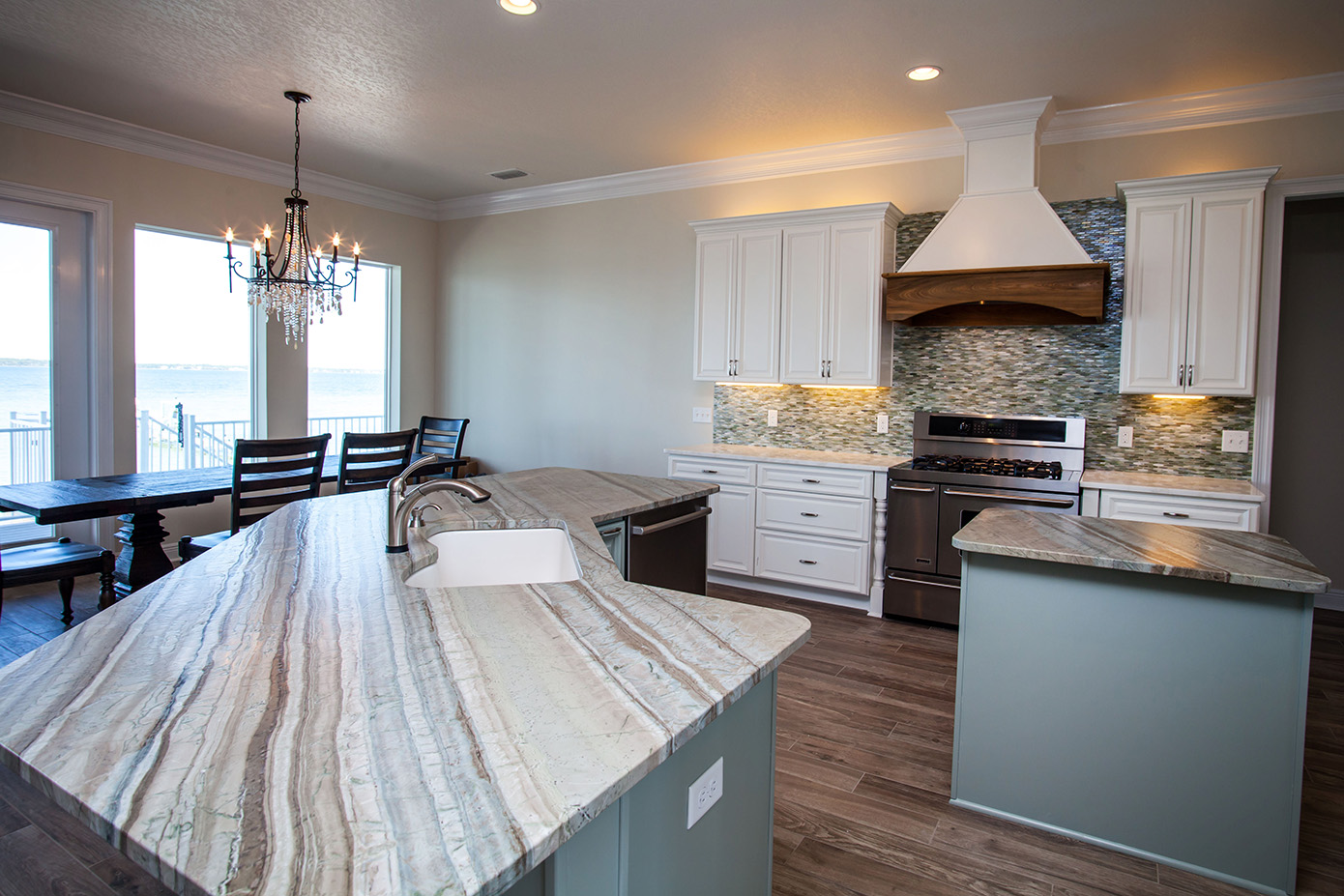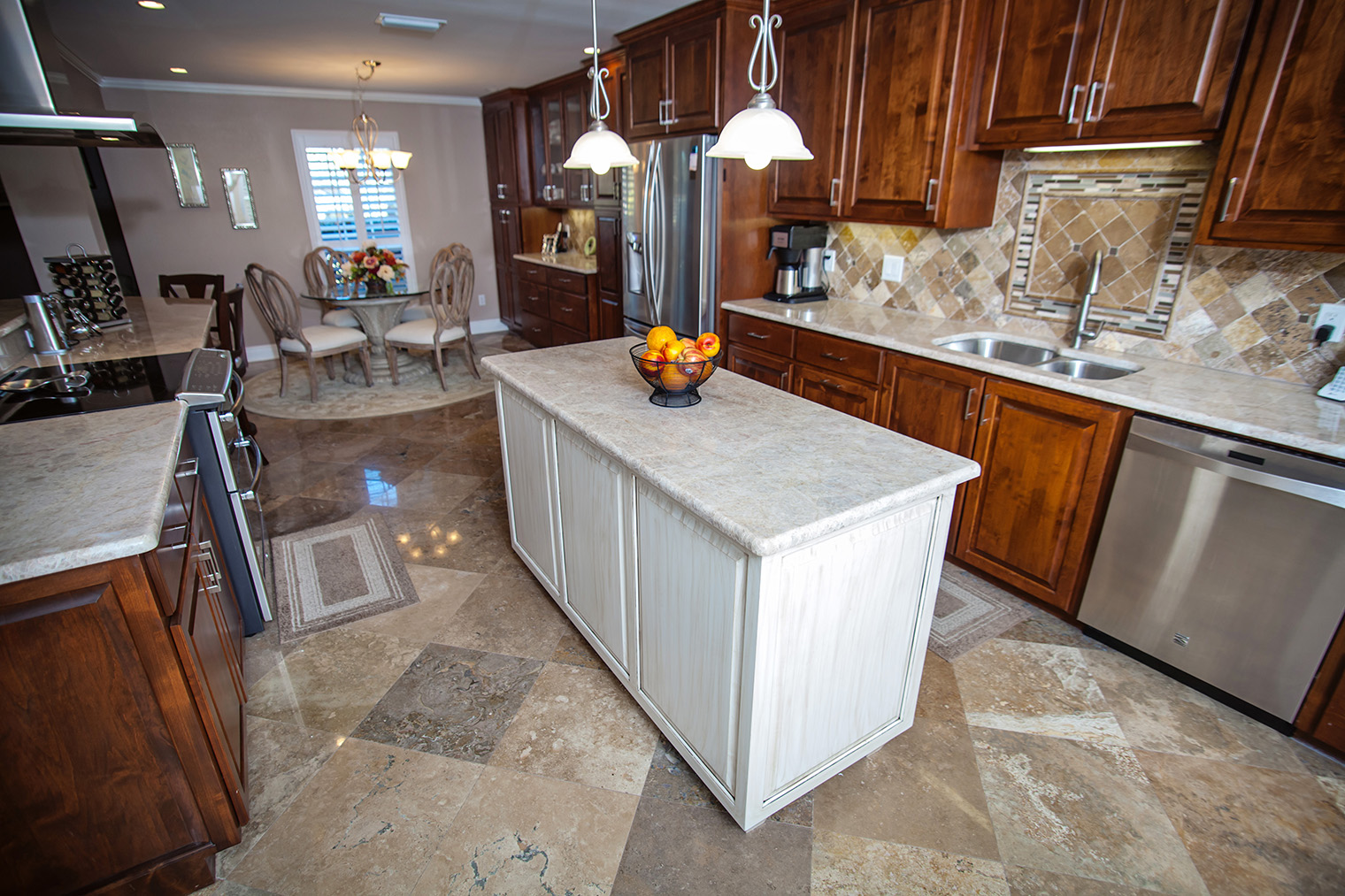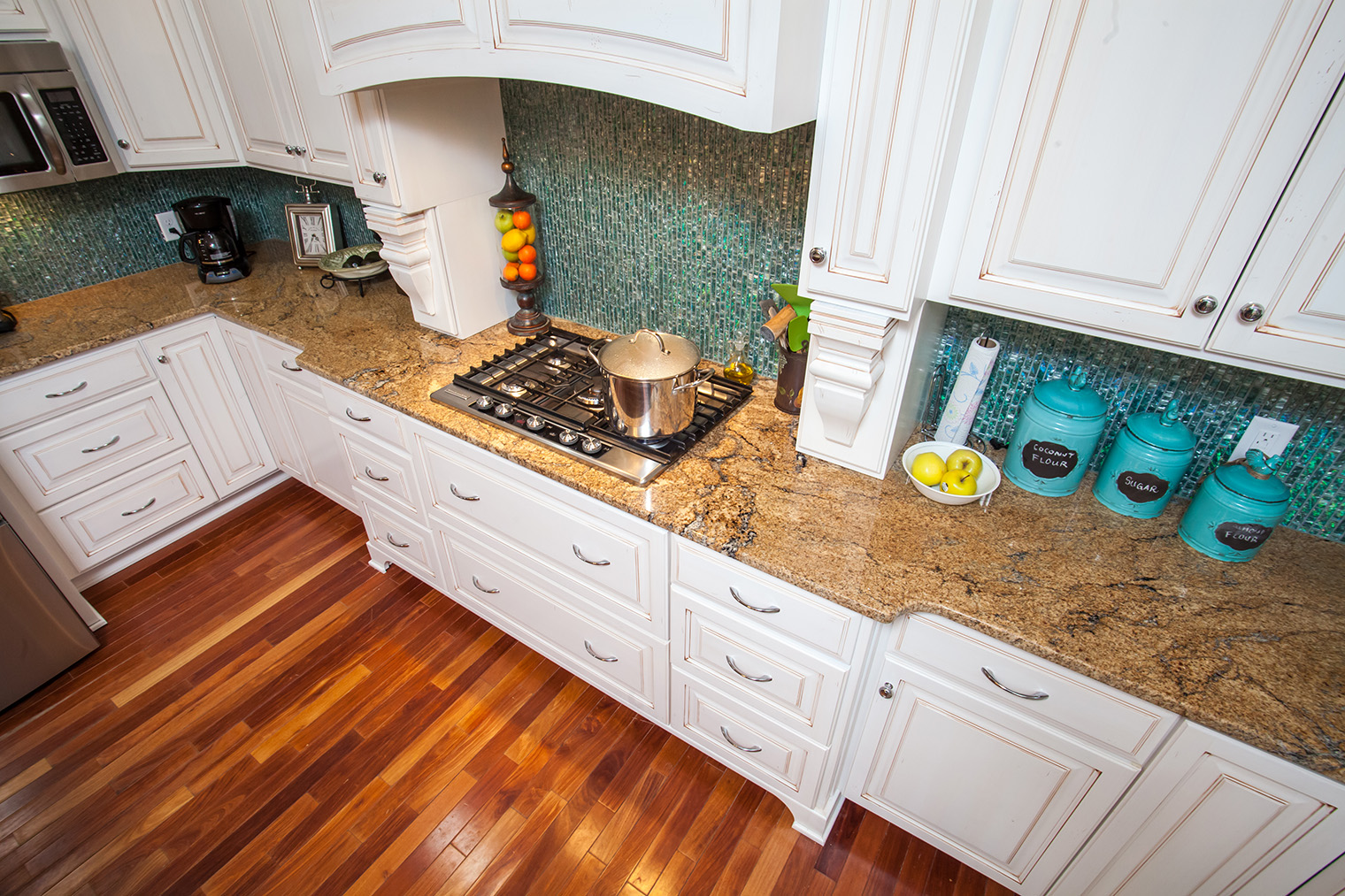
A marble’s value is determined by checking its age, condition, material, patterns, size, rarity, and demand. A stone slab in excellent condition, with a flawless professional polish and no structural fissures, will always be worth more than a damaged or poorly maintained one. Rare geological designs or unique veining colors can also significantly increase its market value. Professional care, such as Marble & Stone Restoration in Pensacola, FL, can keep these premium surfaces flawless and maximize their property value.
Why Marbles Have Value?
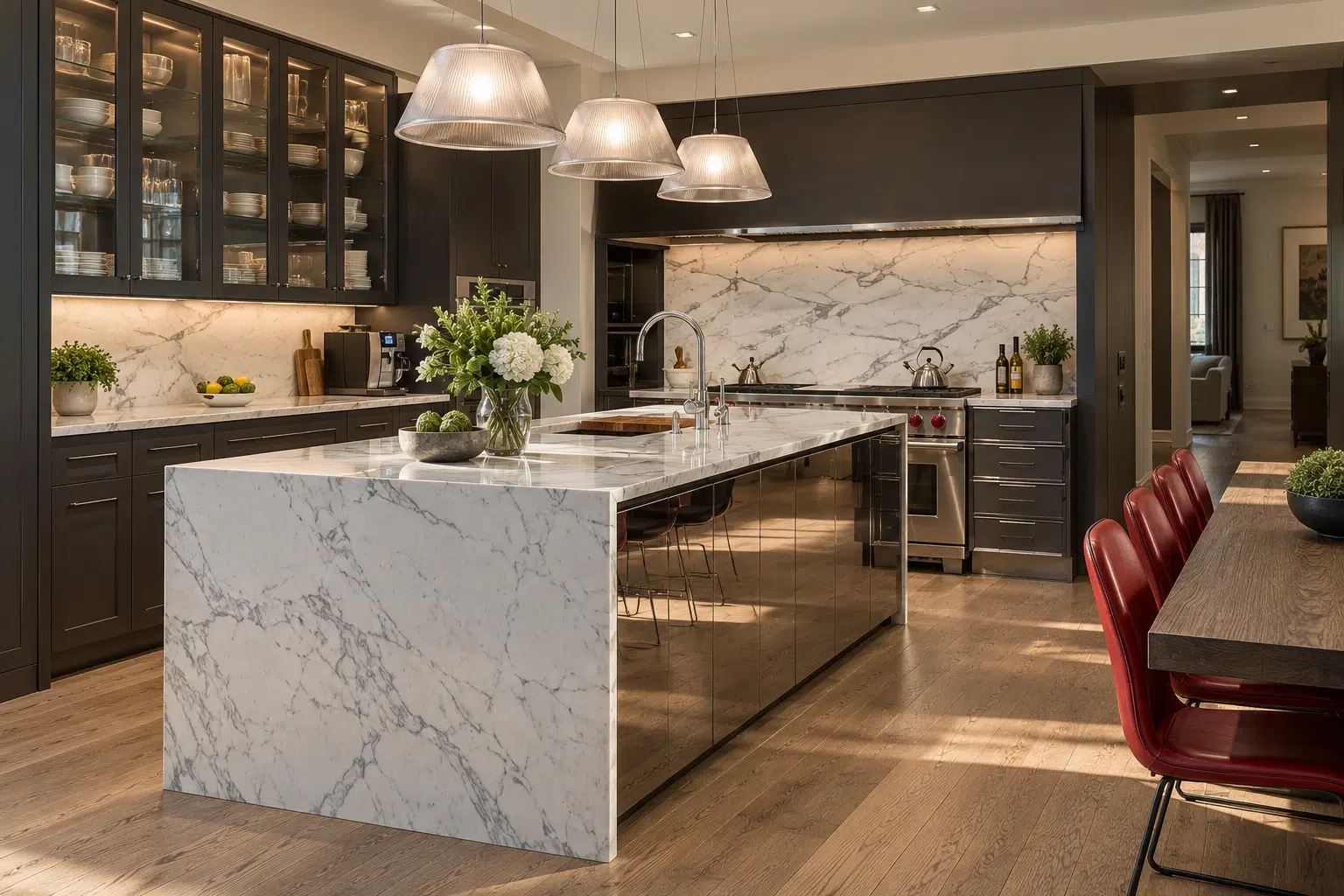
Marble is a premium natural stone quarried from mountains around the world. Far from being a common building material, high-quality marble is considered a luxury investment for residential and commercial spaces. High-end marble slabs sell for premium prices because of their unique geological history, exquisite aesthetics, and the complex process required to quarry, cut, and finish them.
Why Do Specific Slabs Command Higher Prices?
Marble selections go far beyond basic utility. They are treasured by architects, designers, and homeowners for several key reasons:
- Geological History: Every slab tells a story of millions of years of heat and pressure.
- Unmatched Aesthetics: No two blocks of marble share the same veining patterns.
- Rarity of Specific Quarries: Famous regions, like Carrara or Calacatta from Italy, produce exclusive variations that are highly sought after.
- Timeless Investment: It consistently elevates property value and remains a hallmark of luxury design.
Signs That a Marble is Worth Money
Not every marble is valuable. Some are common and worth very little. To find out if a marble is worth money, you should check the following things:
Origin and Quarry Availability
- Historical Quarries: Older, prestigious European quarries that are nearing depletion yield highly valuable slabs.
- Classic Slabs: Classic variations have historical relevance in luxury architecture, driving up demand compared to newly discovered, more abundant commercial grades.
Surface Condition and Finish
The overall integrity of the surface dictates its final value.
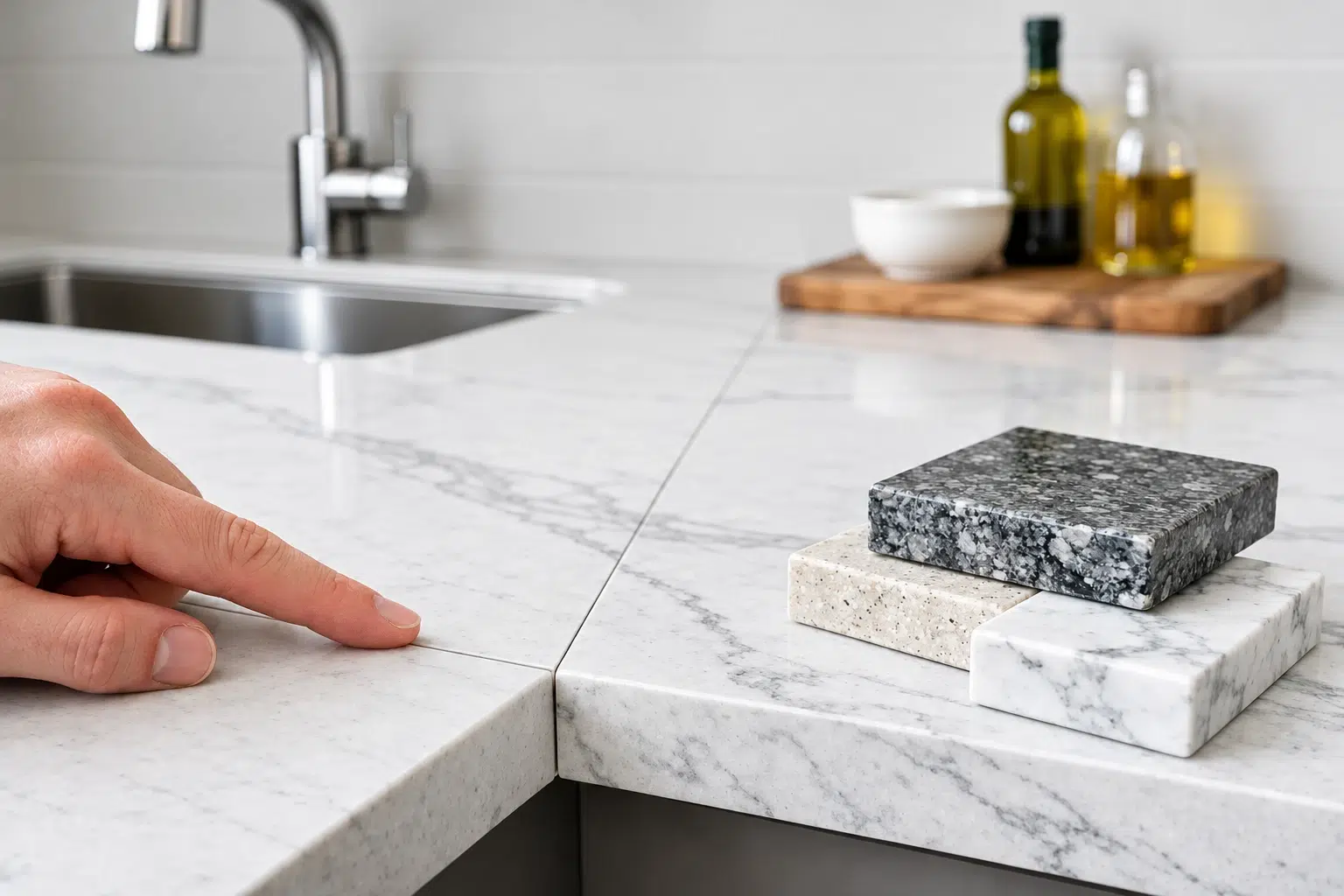
- Flawless Polishing: A smooth, factory- or professionally-honed surface commands top dollar.
- Fissures and Etching: Slabs with deep structural cracks, stains, or severe etching lose value quickly. This highlights why professional restoration, scratch removal, and sealing are vital to protecting the investment.
Material and Quality
The material of a marble affects its price.
Commercial Grade: Higher percentage of natural imperfections, less distinct colors, usually more affordable.
First Quality / Premium Grade: Impeccable structural soundness, vibrant background colors, and striking, balanced veining patterns.
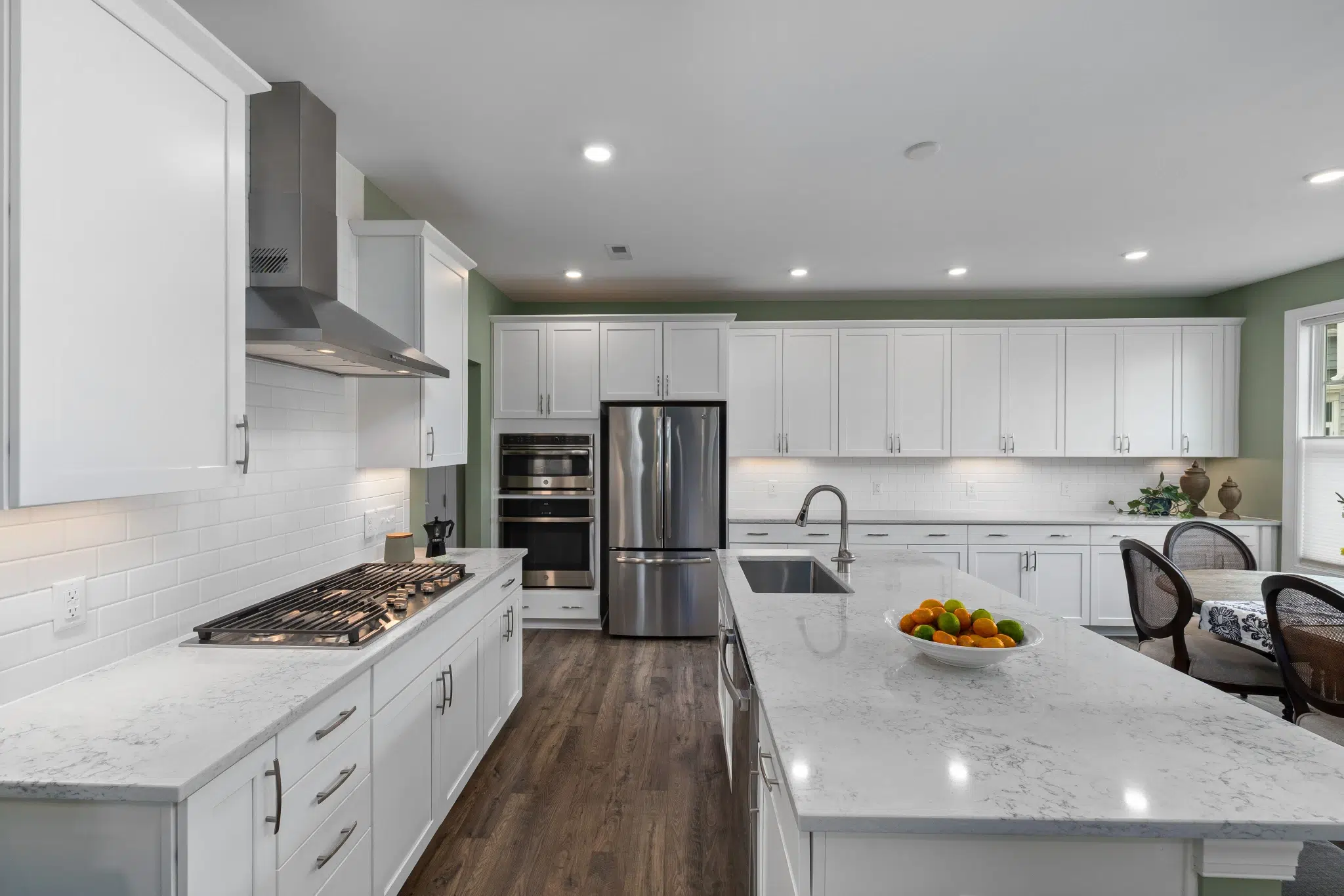
People who use custom marble and granite countertops know that natural stone marbles are not only beautiful but also long-lasting.
Patterns and Colors
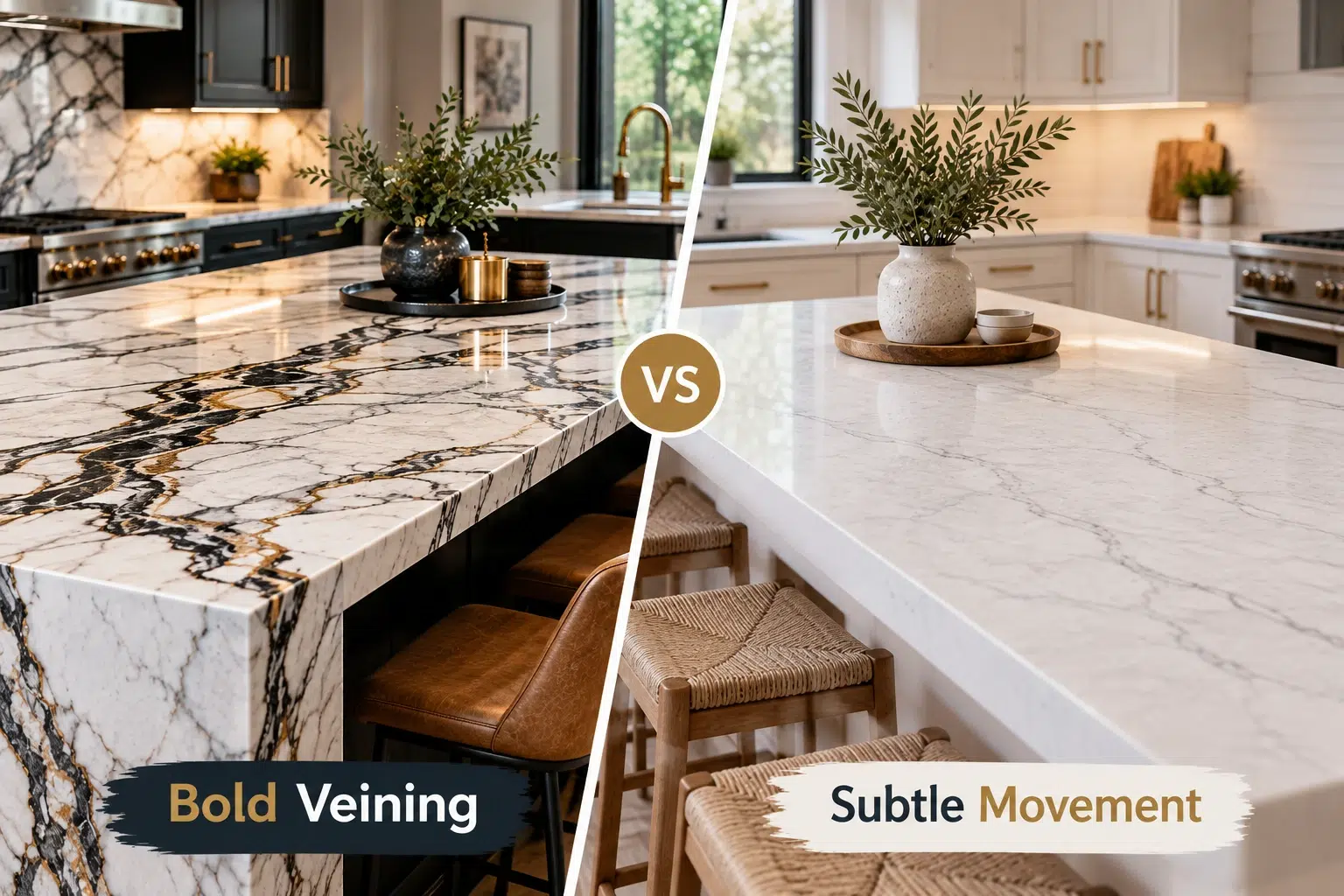
Patterns and colors are one of the most important factors that collectors look at, as unique and eye-catching designs can significantly increase a marble’s value. Unique designs are very valuable.
Some examples:
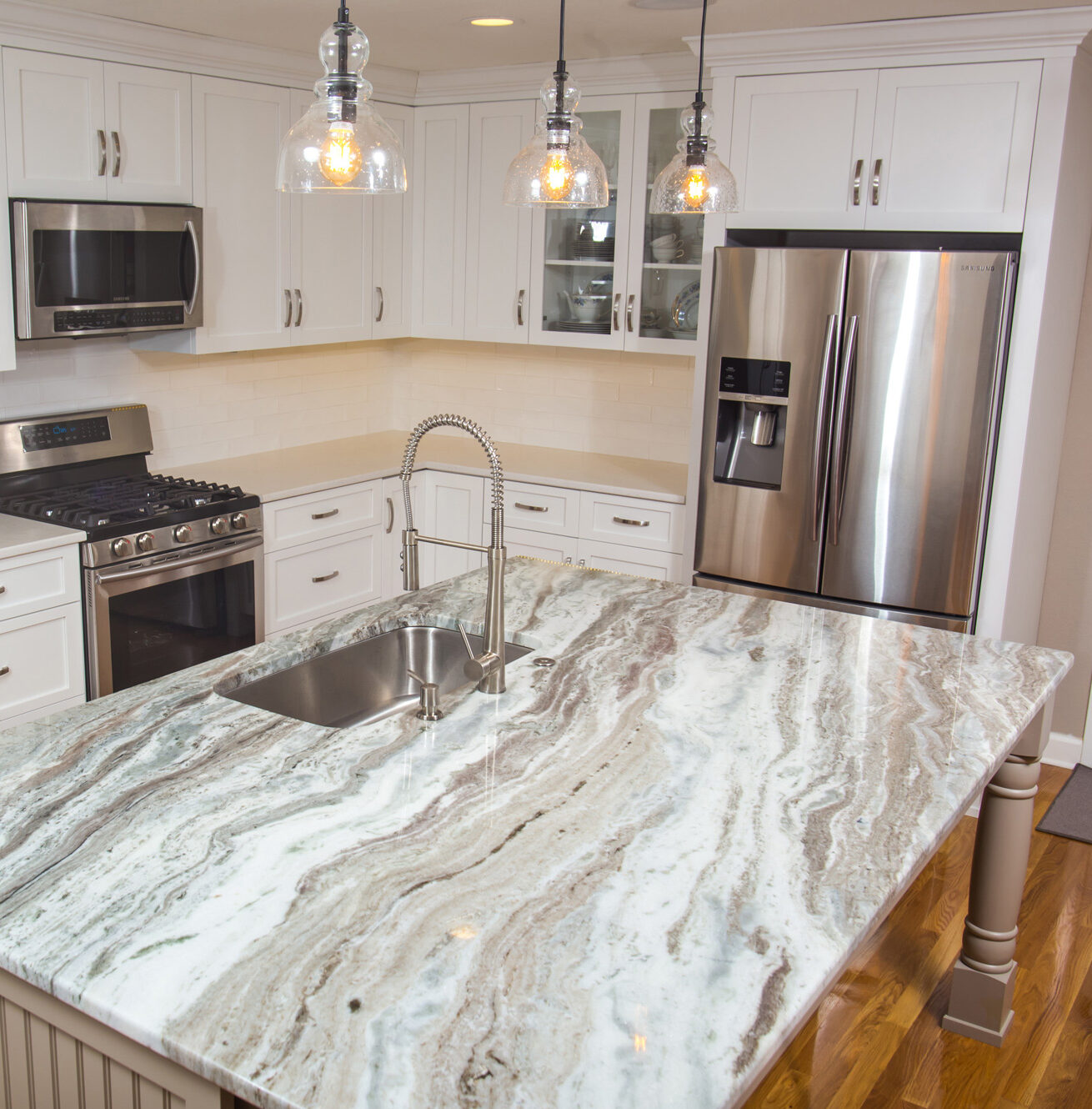
- Calacatta Bold Veining: Thick, dramatic grey and gold veins on a crisp white background are incredibly rare and expensive.
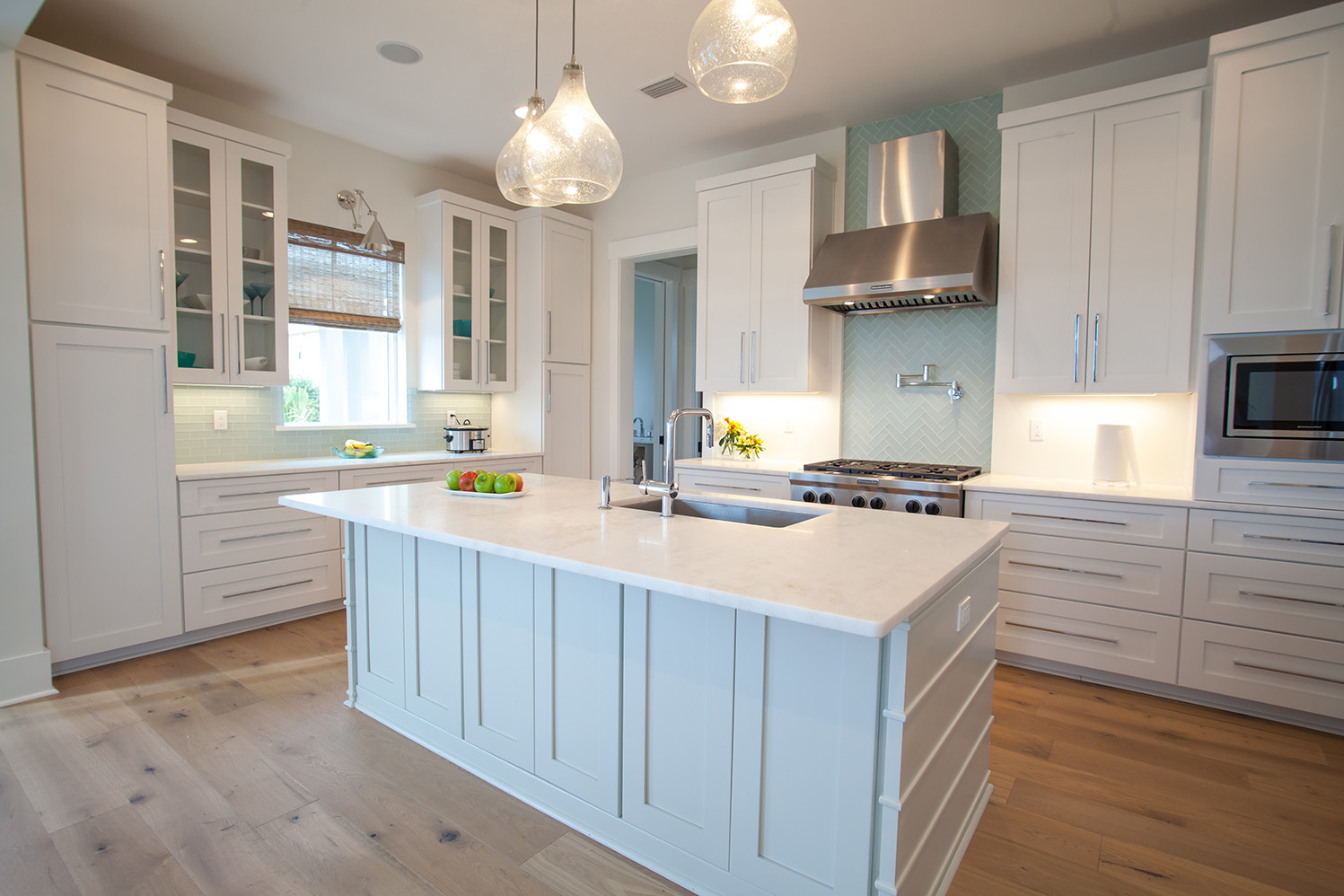
- Pure White Thassos: Virtually architecture-grade flawless white marble with minimal veining commands premium pricing due to its clean aesthetic.
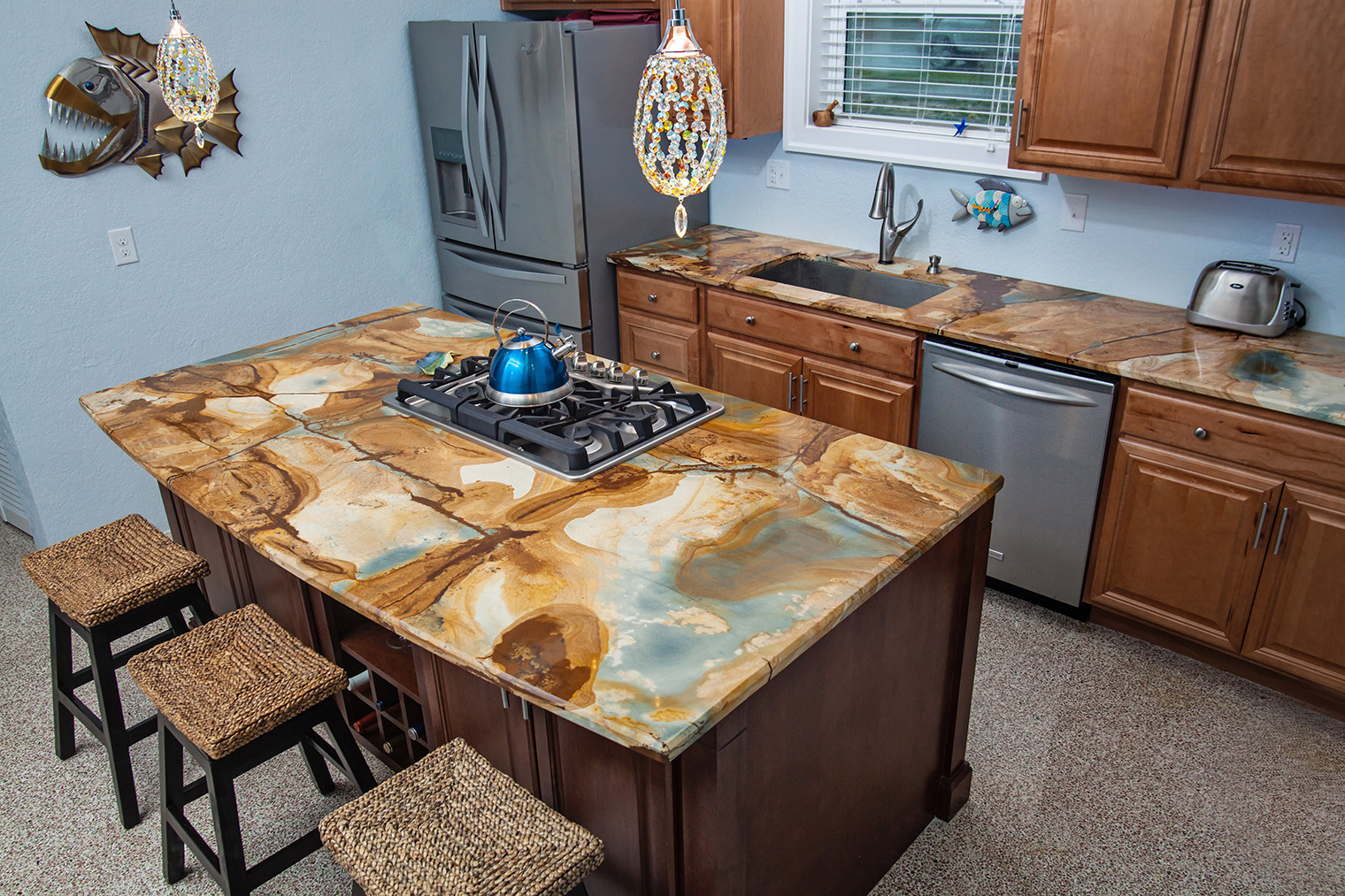
- Exotic Colorways: Rare blues, deep greens, and intense blacks with metallic inclusions are highly prized by custom fabricators.
Architects and designers always look for premium slabs with vibrant natural colors and rare veining patterns.
Size and Shape
The size and shape of a marble also play an important role in determining its value, especially for collectors who look for unique and standout pieces.
- Slab Thickness: Thicker slabs (such as 3cm vs. 2cm) are more durable, rarer to cut flawlessly, and command higher prices.
- Dimensions and Yield: Large, continuous, seamless slabs allow fabricators to execute beautiful bookmatching designs for large kitchen islands, making them highly valuable.
Rarity and Demand
The most important thing is rarity.
- If a specific quarry closes or has limited output, the remaining premium blocks skyrocket in market value.
- High demand from luxury architectural trends directly drives up the cost of signature white and exotic colored marbles.
Everyday Examples of Valuable Marbles
Here are some real examples of marbles that are valuable:
- Calacatta Gold: Highly exclusive Italian marble featuring dramatic grey veining with warm gold undertones.
- Statuary Marble: A bright white background with distinctive, contrasting charcoal veins, perfect for bookmatching.
- Nero Marquina: A deep, rich black marble accented by sharp, striking white veins quarried in Spain.
Role of Professional Services in Marble Value
Marble is used in homes for floors and countertops. With time, it can lose shine or get scratches. Experts help by cleaning, polishing, and protecting it so it looks new again and keeps its value.
- Polishing: Makes marble bright and shiny.
- Sealing: Protects it from water and stains.
- Special designs: Add extra beauty and worth.
Why Granite Countertops Are So Durable?
How to Value a Marble Slab?
Consult with local custom fabricators, review stone yard grading sheets, and compare structural purity indicators across premium distributors.
Common Mistakes People Make When Judging Value
Many people misjudge the value of marbles because they don’t understand what truly makes them rare or collectible. Avoiding these common mistakes can help you better identify valuable pieces and prevent costly errors.
- Thinking that all marbles are valuable.
- Ignoring condition (a damaged marble loses value fast).
- Confusing common commercial-grade options with rare, premium-grade architectural stone blocks.
- Overestimating marbles without checking market demand.
Conclusion
To summarize: You can tell if a marble is worth money by looking at its age, condition, material, design, size, and rarity. The older and rarer the marble, the more it will be worth. Shiny, well-kept marbles sell for higher prices, while damaged ones lose value. If you own marbles in your home, using professional stone care services, Pensacola marble polishing and sealing services, can help you maintain their beauty and protect their value.
Remember: Not all marbles are valuable, but if you know what to look for, you can easily tell which marbles are worth money.
Do you have marbles, granite, or stone in your home that you want to protect and maintain?
Contact Superior Granite for expert help with marble restoration, polishing, and custom countertops in Pensacola.
FAQs
1. How do I know if my marble slab is rare?
Check its veining patterns, background purity, and quarry origin. Slabs with highly distinct, balanced veining or exotic natural colors that come from limited supply lines are considered the rarest.
2. Do scratches and etching reduce marble value?
Yes. Surface damage like deep scratches, acidic etching, or chips significantly reduce the stone’s value and aesthetic appeal. Fortunately, professional marble polishing and restoration can completely repair the surface and restore its full market value.
3. Which marble patterns are the most valuable?
Calacatta, Statuary, and exotic colored quarried blocks are among the most valuable and highly sought-after designs by custom fabricators and designers.
4. Can a professional polish increase my stone’s worth?
Absolutely. A factory-grade or professional honed-and-polished finish enhances the natural depth of the stone, protects the surface from future damage, and maximizes your property’s overall stone asset value.
5. Where can I source or value high-end marble?
You should consult with reputable local custom stone fabricators and indoor slab distributors who can provide official grading sheets and structural purity inspections.