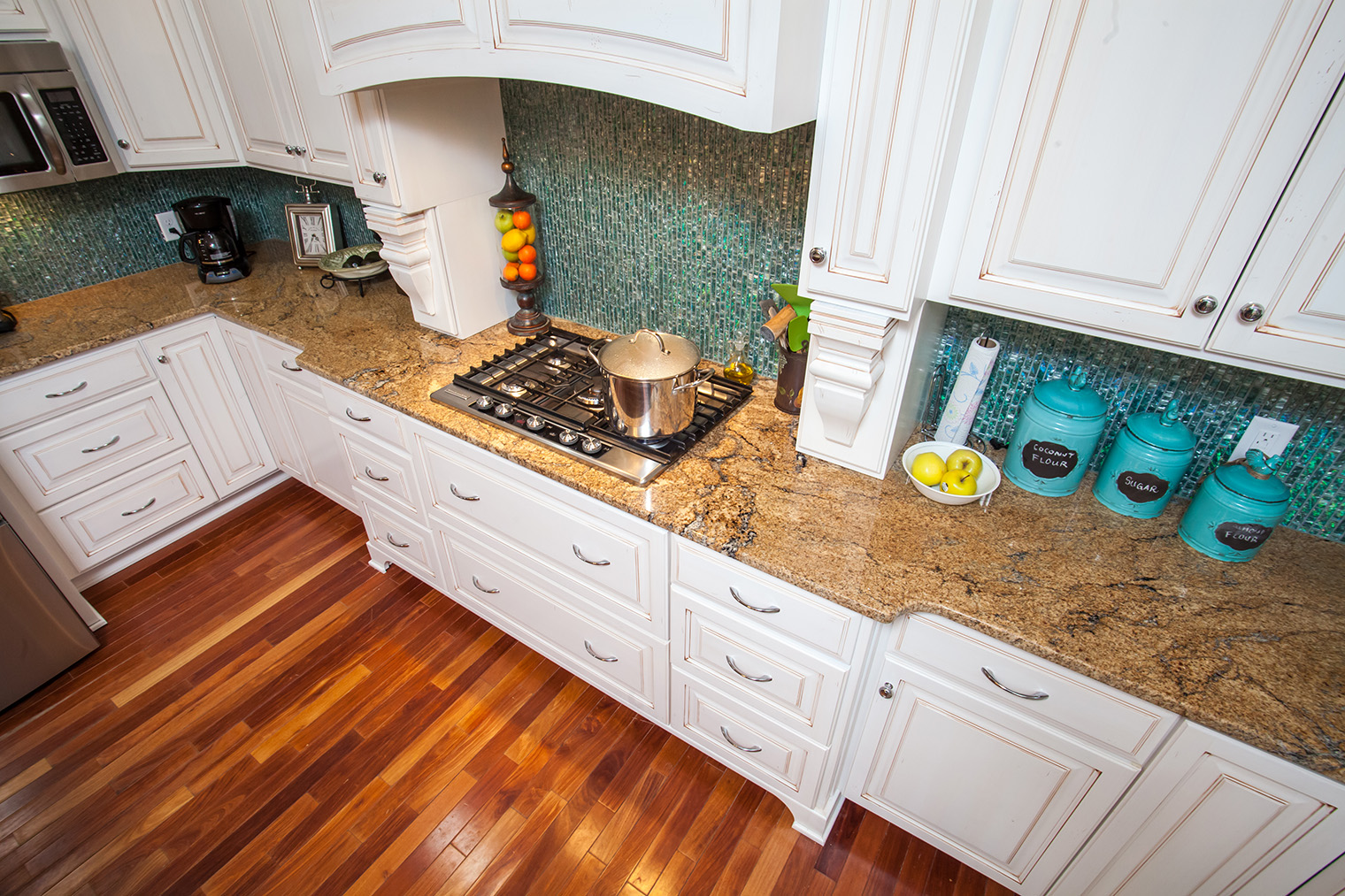
The Science Behind Granite: What Makes It So Durable?
Why Is Granite One of the Most Durable Countertop Materials?
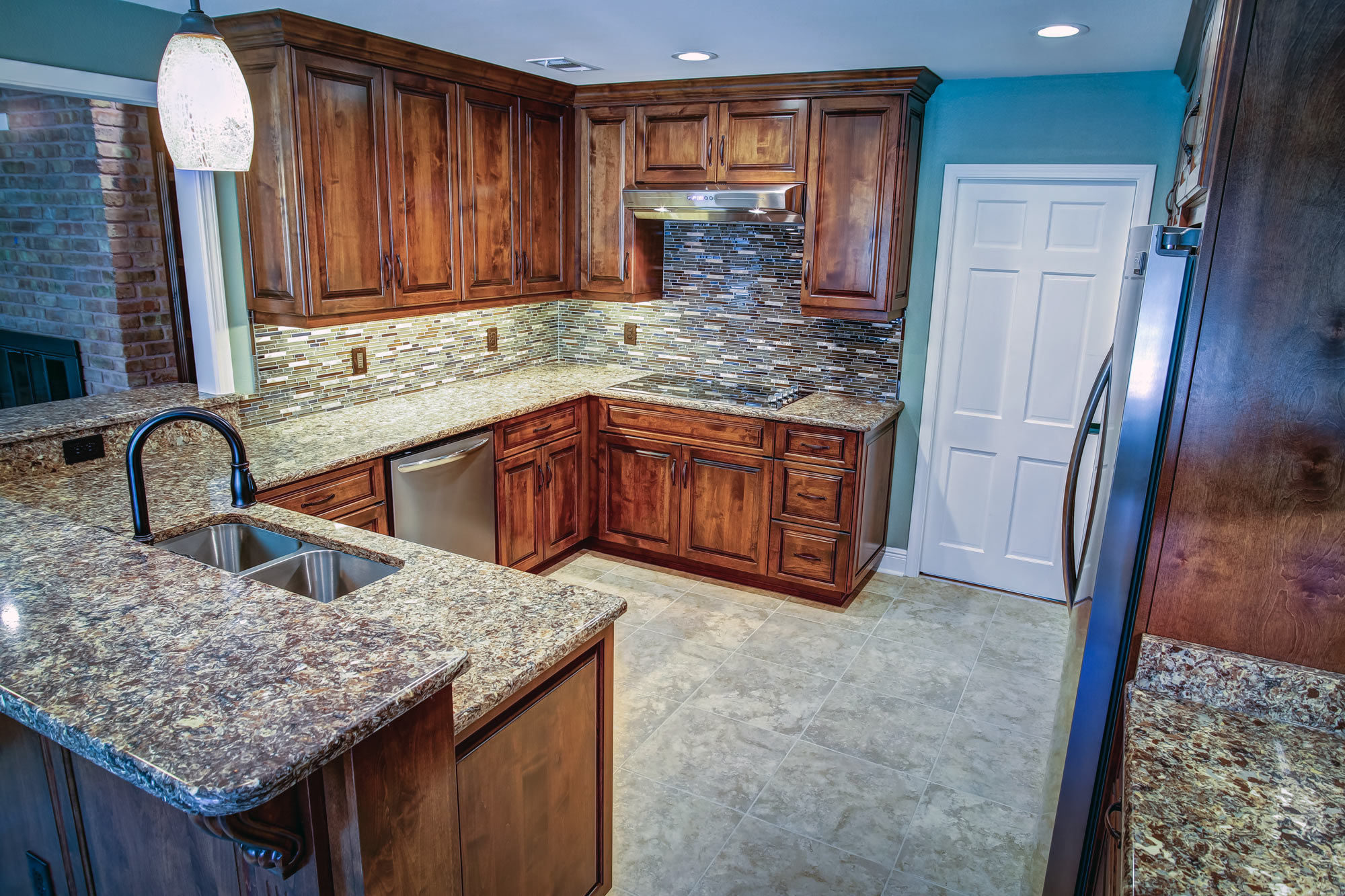
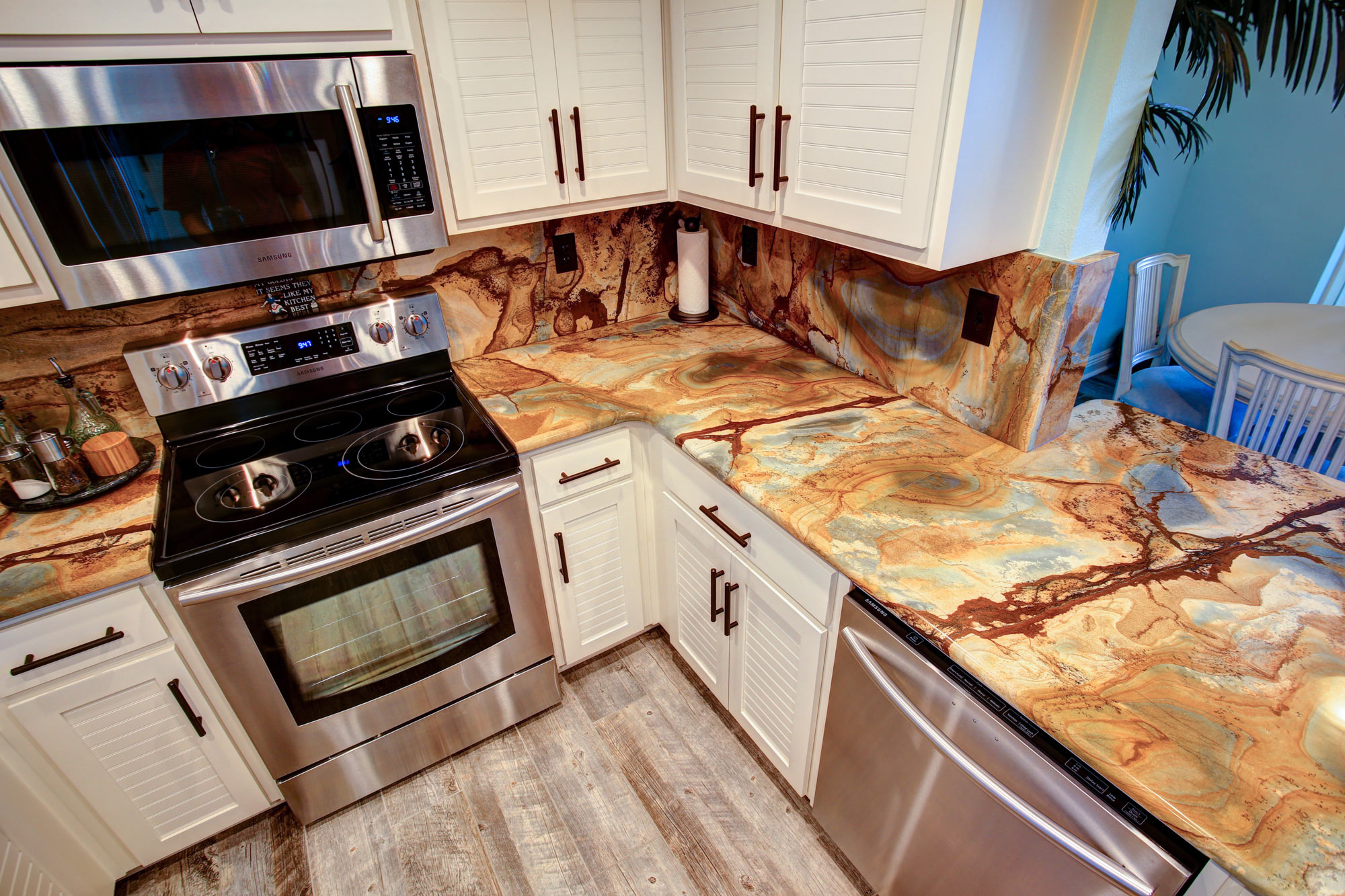
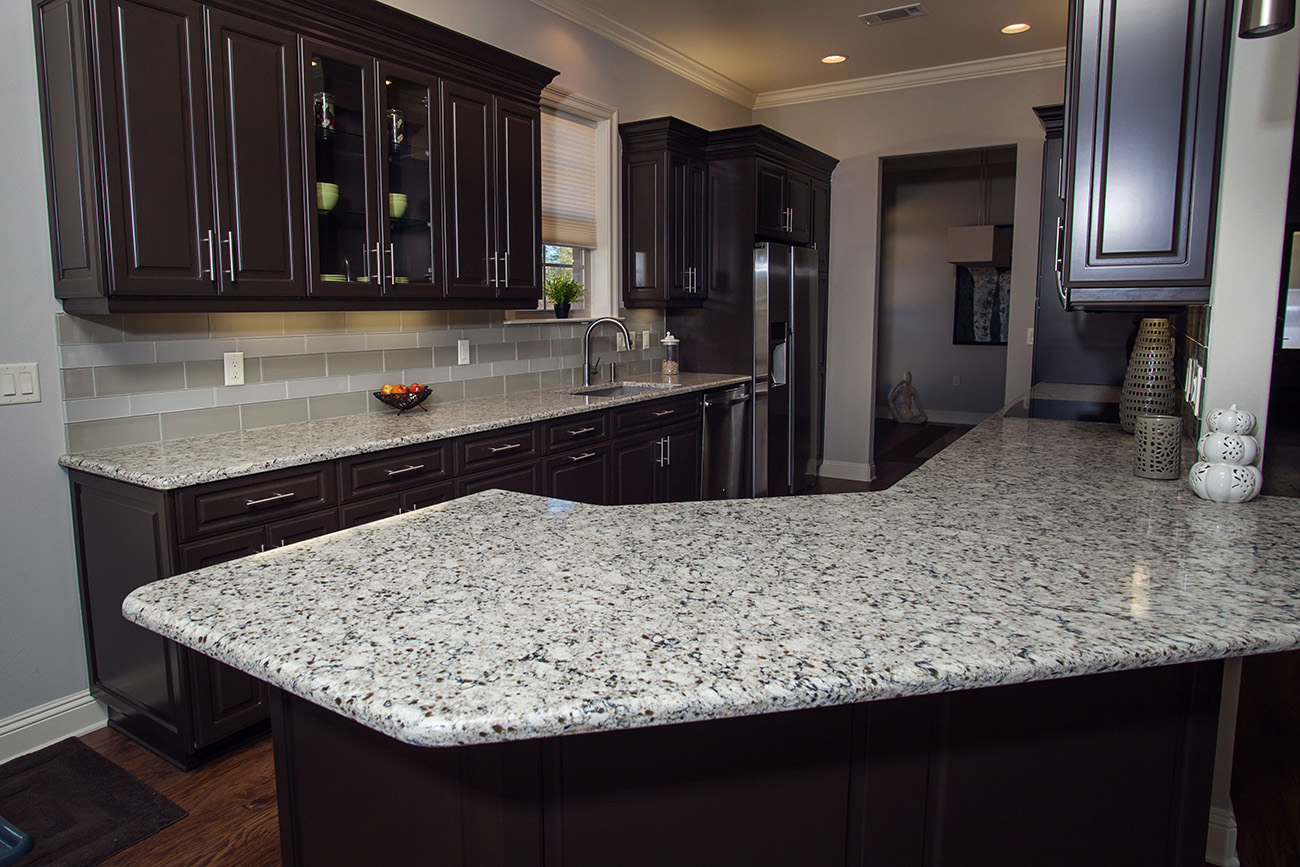
When it comes to choosing the perfect countertop material, granite stands out as a top contender. But what makes it so resilient? The answer lies in its geological composition and natural formation process, which result in a rock that is not only stunning but also incredibly strong, scratch-resistant, and heat-resistant. In this blog, we’ll break down the science behind granite, explaining why it’s a superior choice for kitchen countertops.
The Geological Formation of Granite
Granite is an igneous rock, meaning it forms from magma that cools and solidifies beneath the Earth’s surface. This slow cooling process allows large crystals to develop, giving granite its unique grainy texture and making it highly durable. The key minerals that make up granite include:
- Quartz – Provides hardness and scratch resistance.
- Feldspar – Enhances strength and color variety.
- Mica – Adds a shimmering effect and increases durability.
- Other Trace Minerals – Give each slab its distinctive pattern and hue.
The interlocking crystalline structure of these minerals makes granite extremely dense and tough, resistant to everyday kitchen wear and tear.
The Hardness Factor: Why Granite Resists Scratches
One of the main reasons homeowners choose granite countertops is their scratch resistance. Granite scores between 6 and 7 on the Mohs hardness scale, making it harder than stainless steel and most knives. This means that normal kitchen activities, like chopping vegetables or placing heavy cookware on the surface, won’t easily damage it.
Unlike softer materials like marble or laminate, which can scratch and dent over time, granite maintains its smooth and polished finish for decades with minimal maintenance.
Heat Resistance: A Natural Advantage
Granite’s formation under extreme heat and pressure means it can withstand high temperatures without damage. Unlike quartz countertops, which contain resins that can melt under extreme heat, granite can handle hot pots and pans directly on its surface without warping or discoloration.
However, while granite is heat-resistant, using trivets or hot pads is still recommended to maintain its polish and longevity.
Stain Resistance: How Porosity Plays a Role
Granite is a porous stone, meaning it has tiny openings that can absorb liquids if left unsealed. However, with a proper sealant, granite becomes highly resistant to:
- Water and moisture – Prevents mold and bacteria buildup.
- Oil and grease stains – Essential for high-traffic kitchens.
- Acidic substances like lemon juice and wine – Helps maintain color integrity.
Most high-quality granite countertops are sealed upon installation and need resealing only once a year to maintain their stain resistance.
Impact Resistance: Tough Against Cracks and Chips
Granite’s density and composition make it highly resistant to chipping and cracking. Unlike brittle materials like ceramic tile or engineered quartz, granite can handle heavy objects without breaking.
While excessive force (like dropping a cast iron pan from a height) can potentially chip the edges, these minor damages can be easily repaired using professional techniques.
Why Choose Granite Countertops Over Other Materials?
If you’re torn between granite, quartz, marble, or laminate, here’s why granite remains a superior option:
- More durable than marble – Granite is harder and less prone to scratching.
- Better heat resistance than quartz – Quartz countertops can discolor under extreme heat.
- More natural appeal than engineered stone – Every slab of granite is unique, giving your kitchen an exclusive aesthetic.
- Longevity and value – Properly maintained granite countertops can last a lifetime, increasing your home’s resale value.
The Bottom Line: Is Granite the Right Choice for You?
The science behind granite’s durability, hardness, and heat resistance makes it one of the best countertop materials available. Its unique geological properties allow it to stand up to everyday wear and tear, making it a perfect investment for homeowners looking for style, longevity, and practicality.
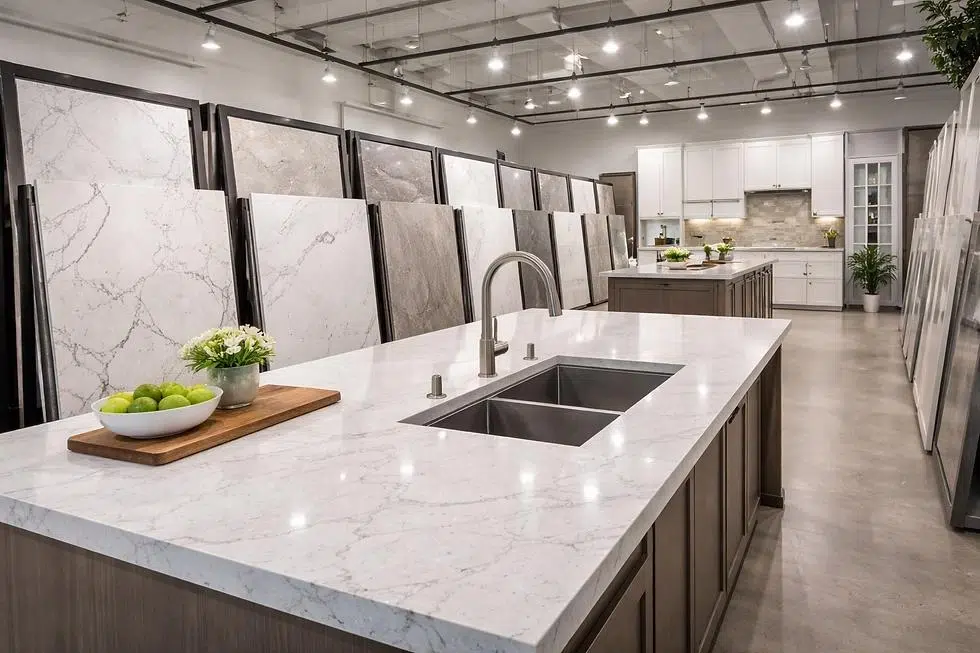
If you’re considering granite countertops, Superior Granite offers a stunning selection of premium slabs that will elevate your kitchen’s aesthetic while providing unmatched durability. Visit our showroom today to explore our range and find the perfect fit for your home!