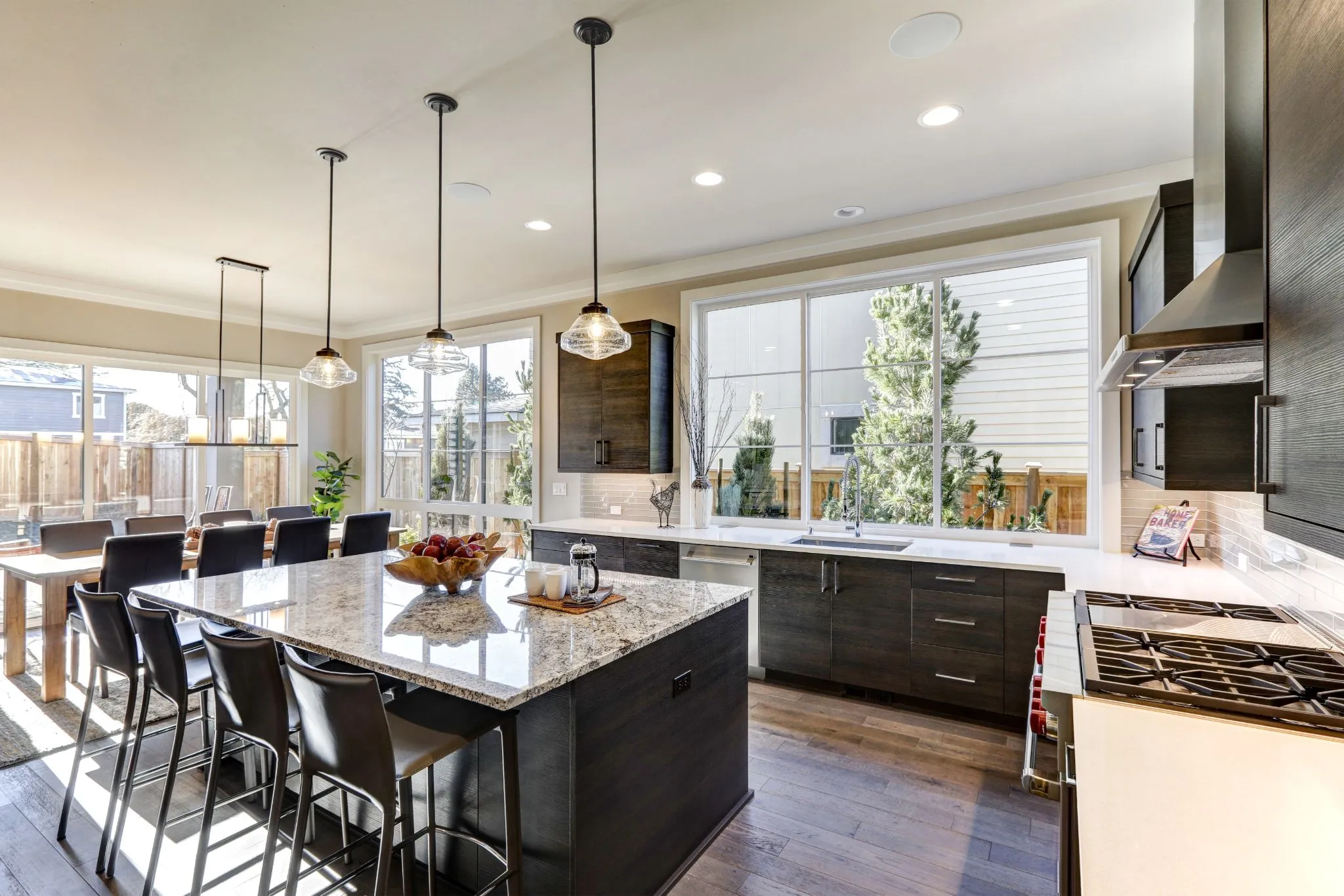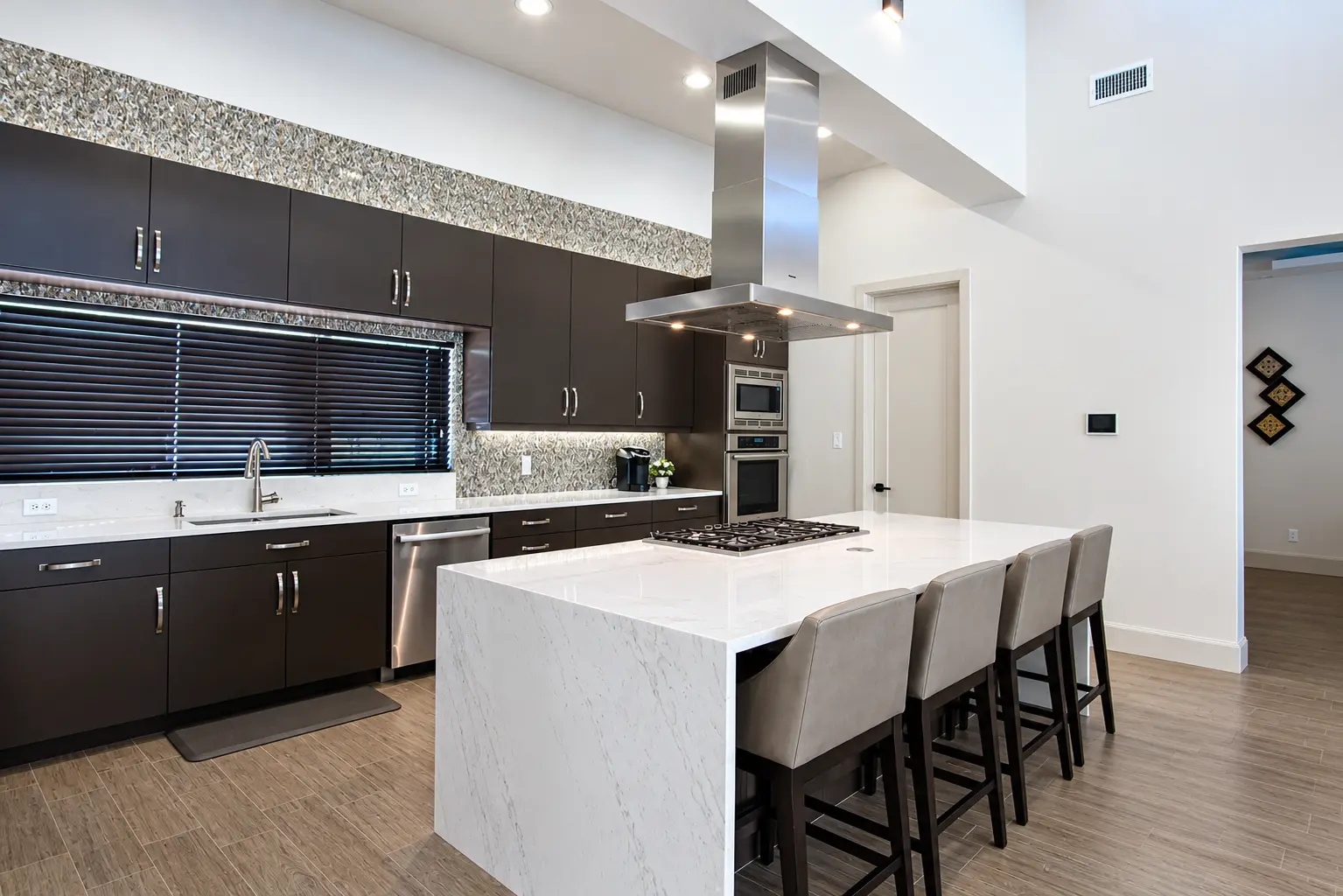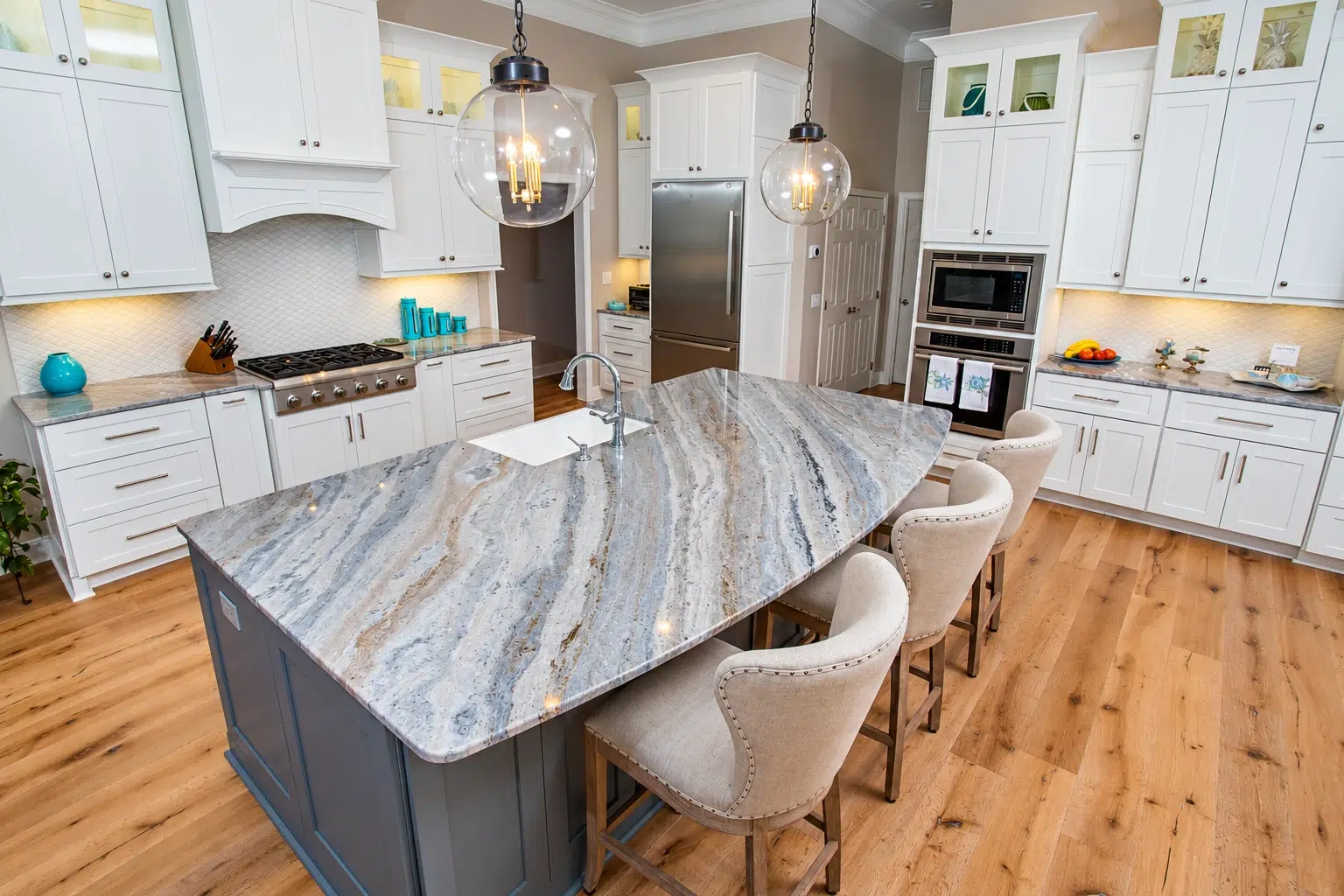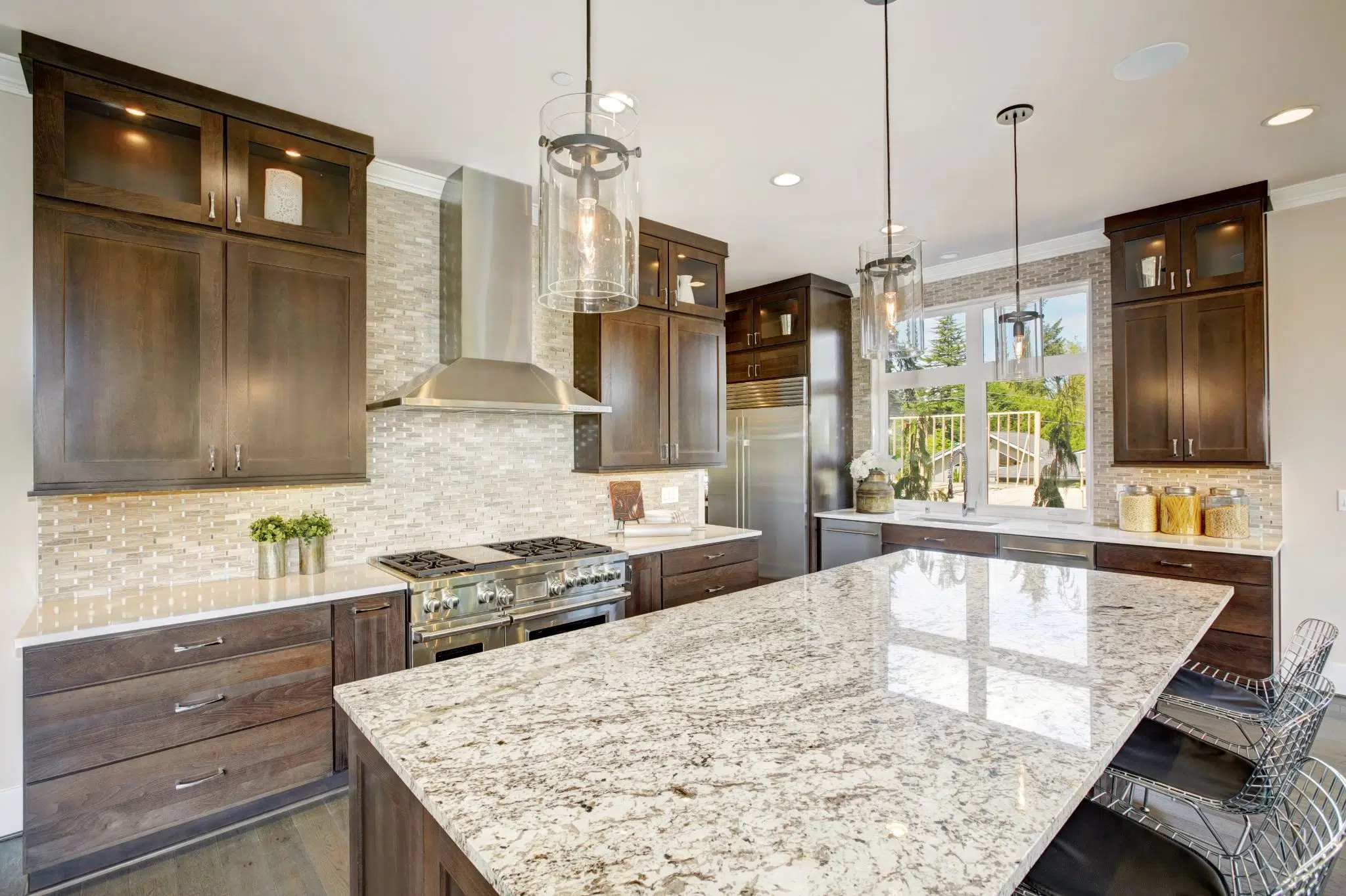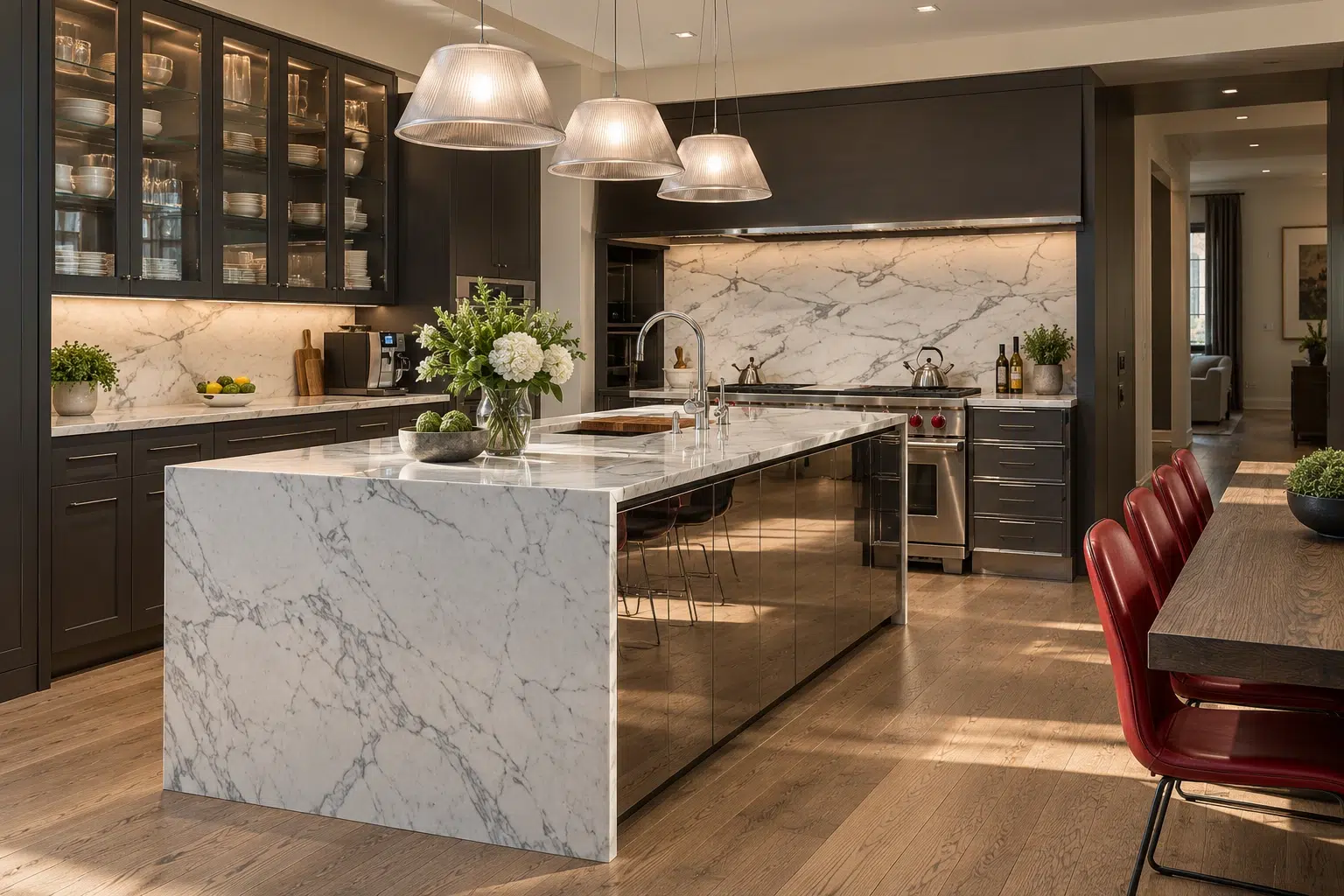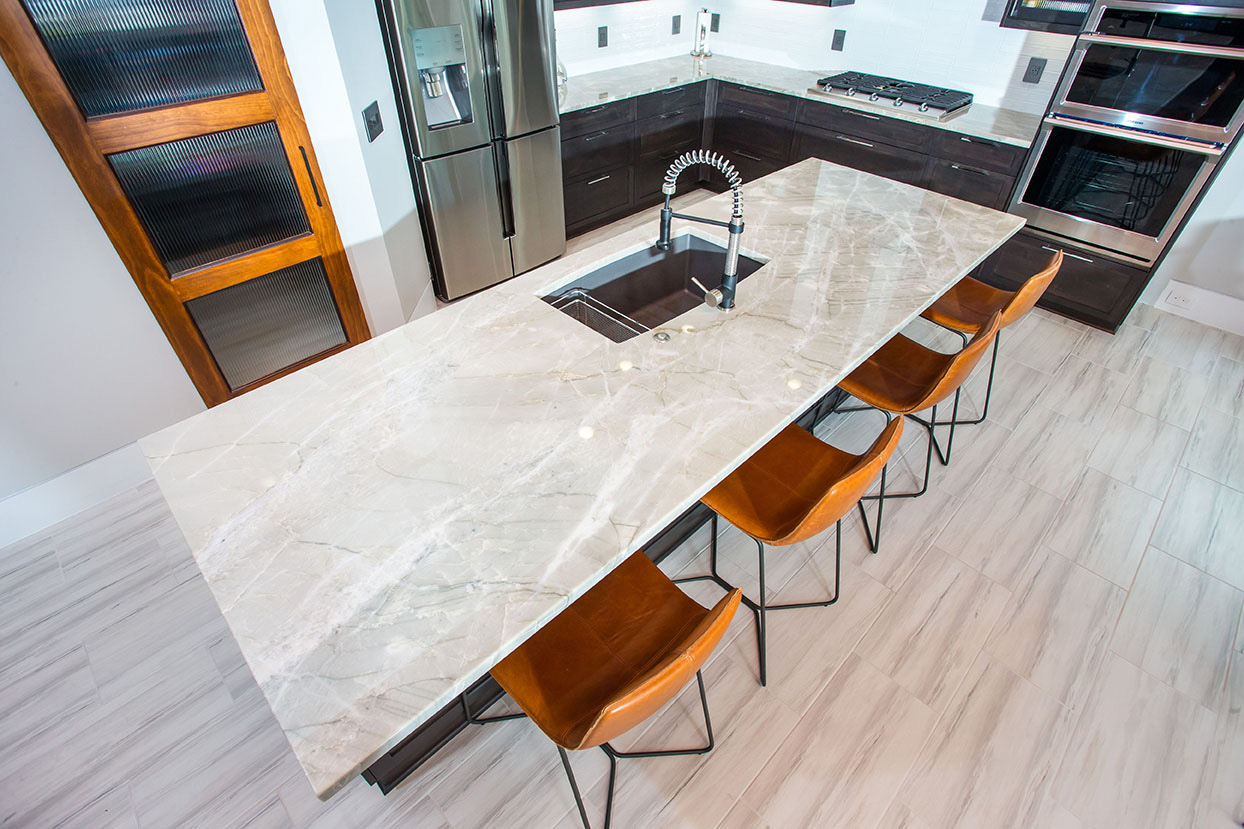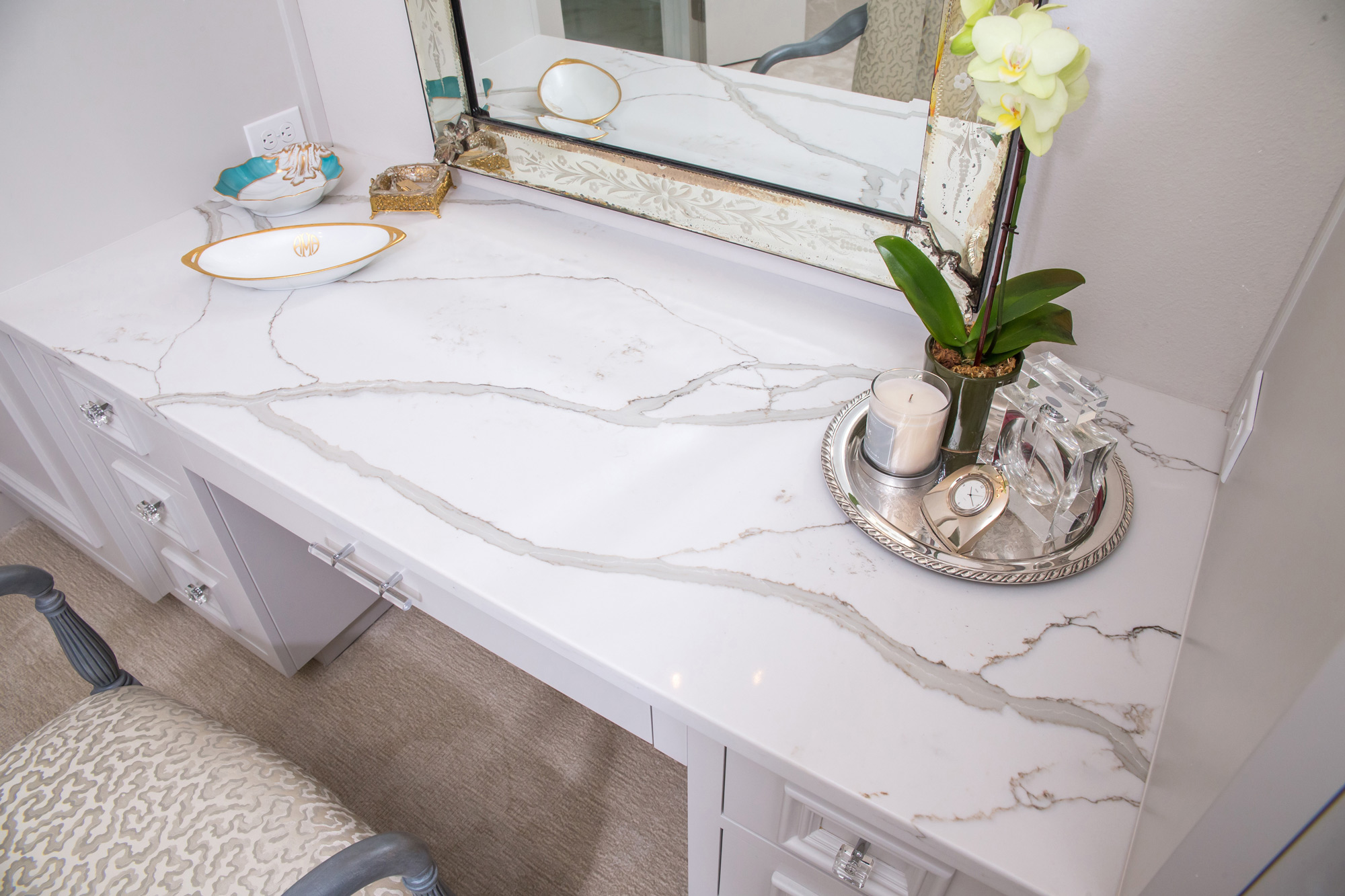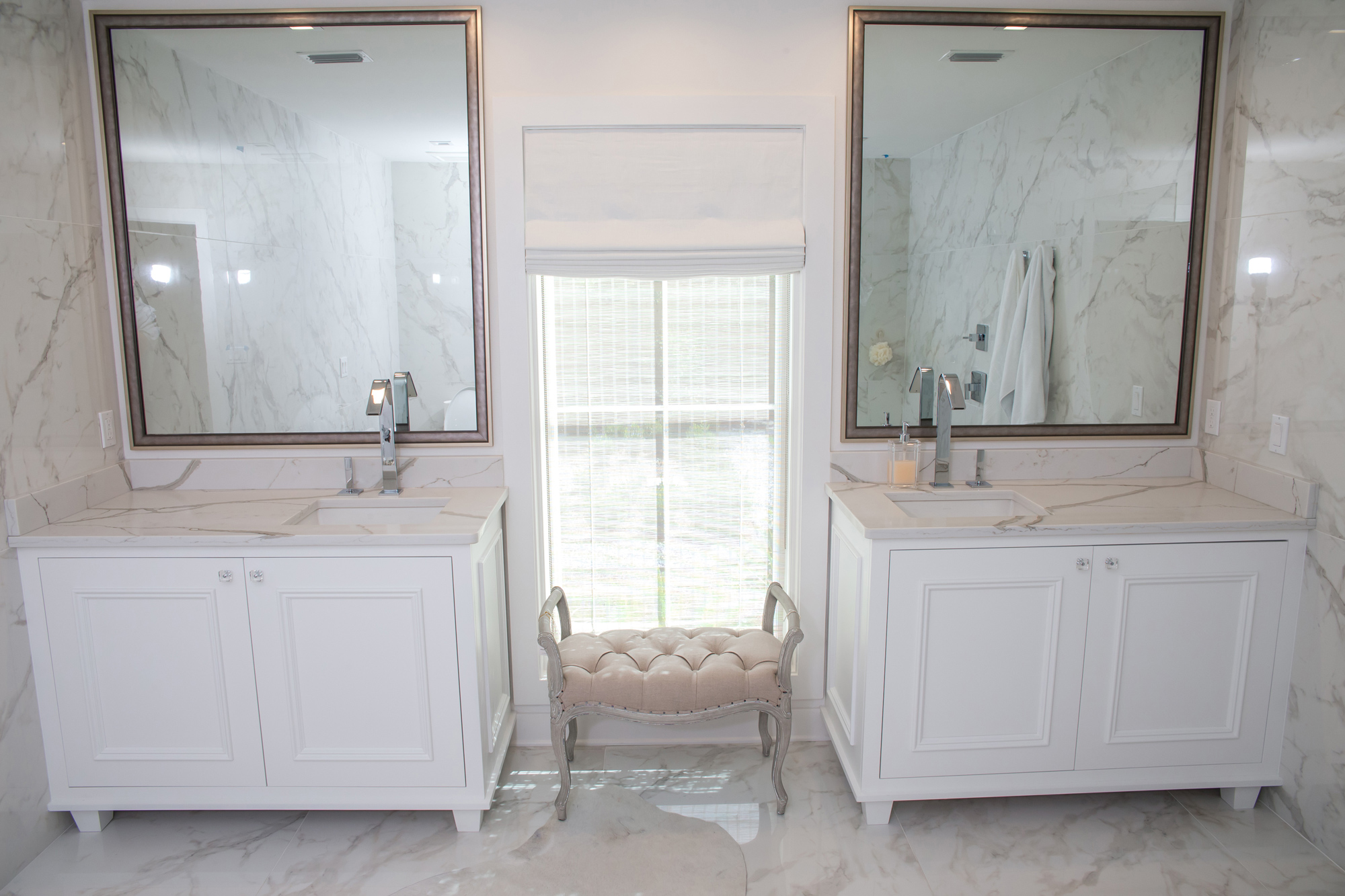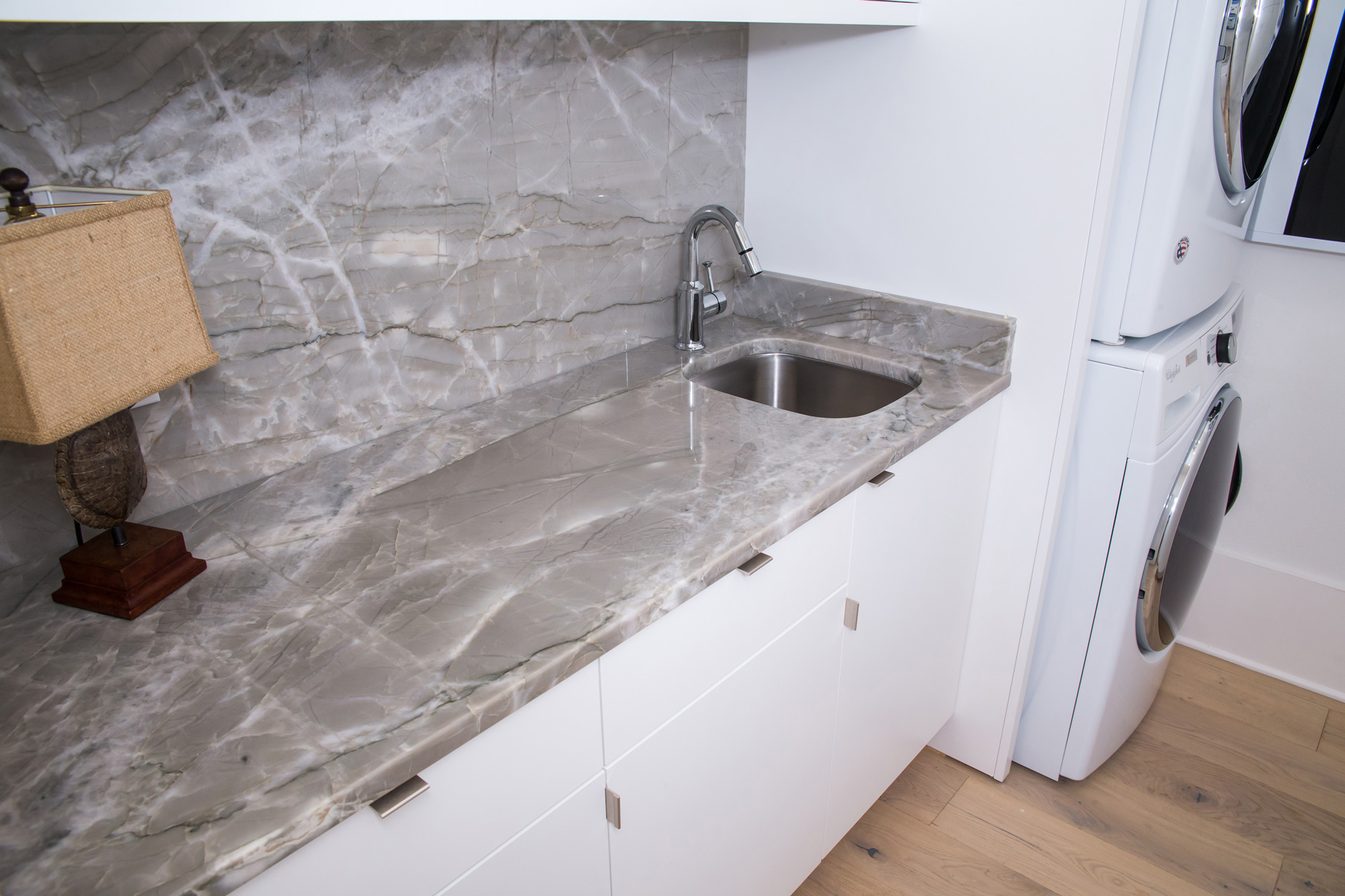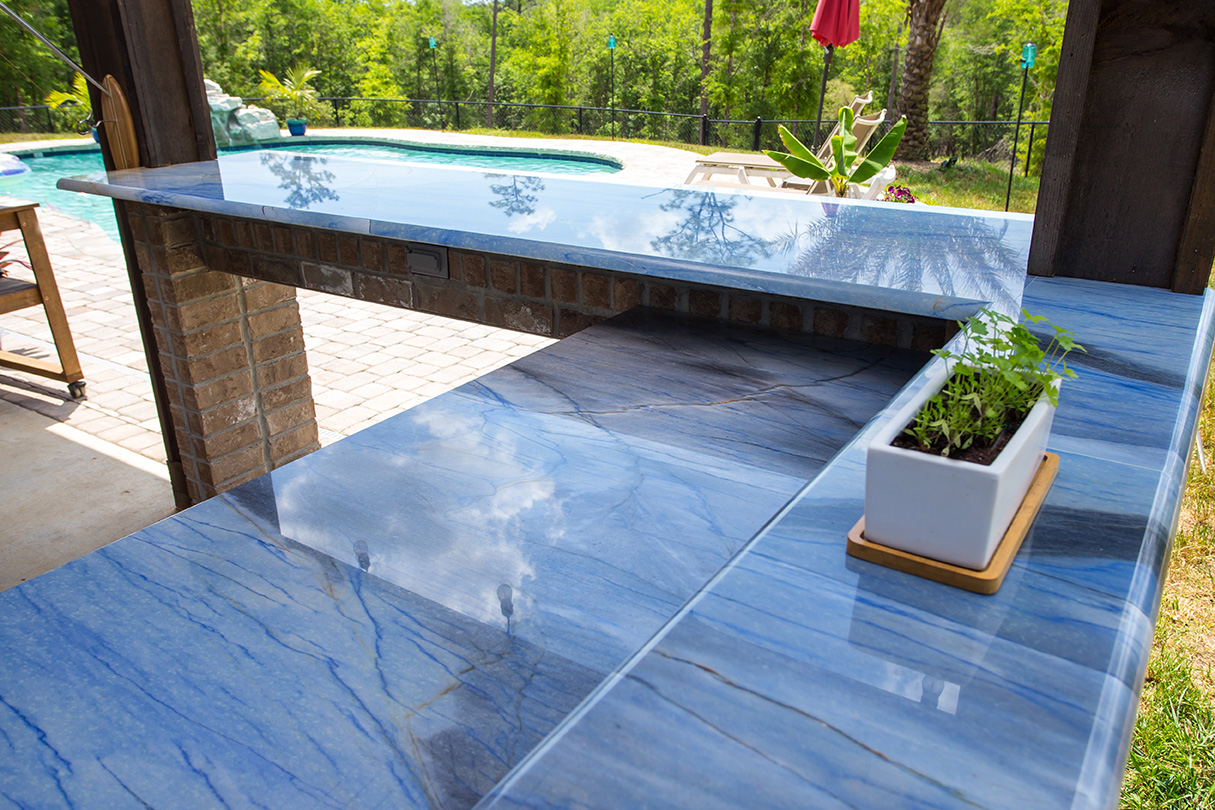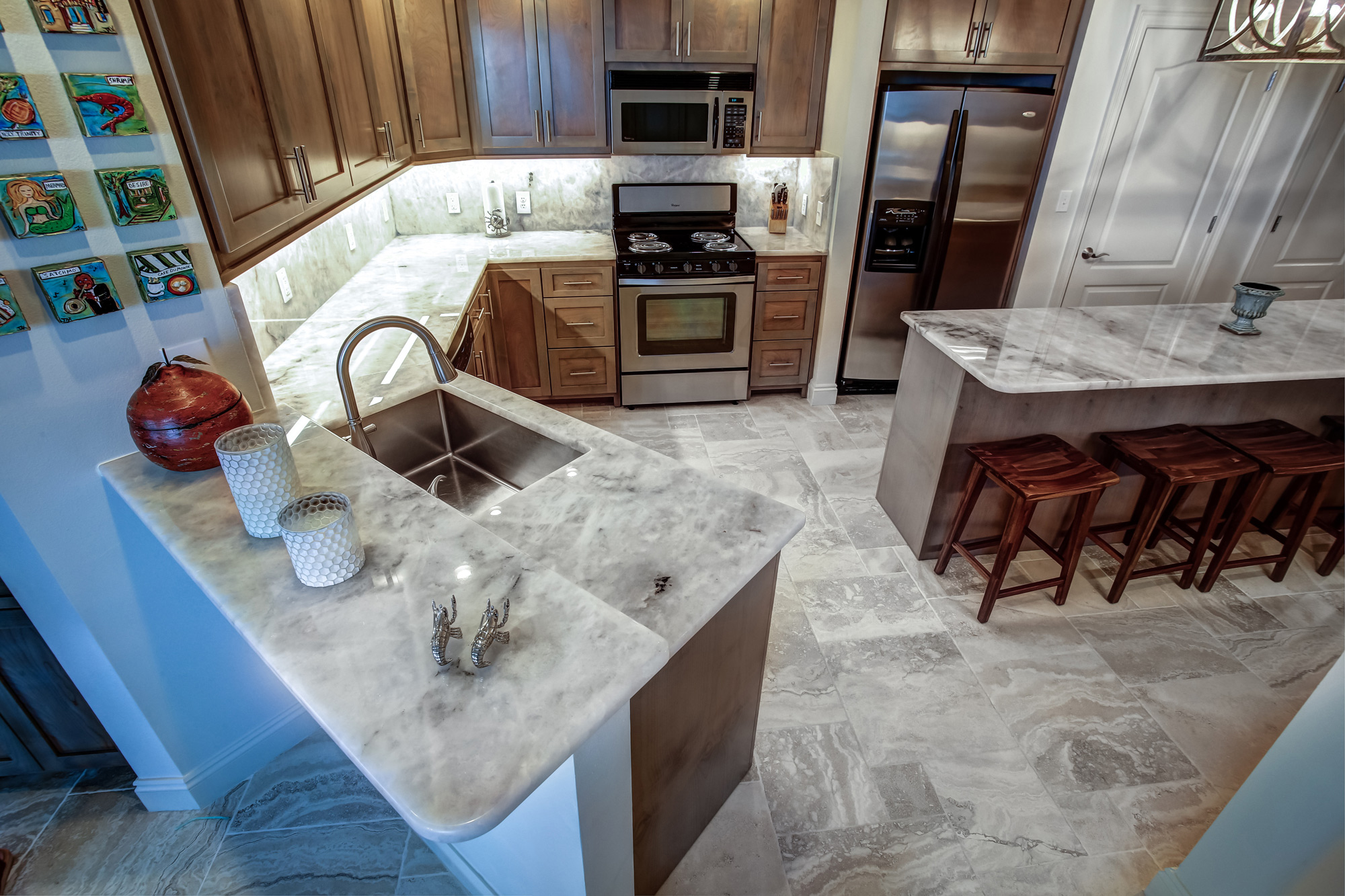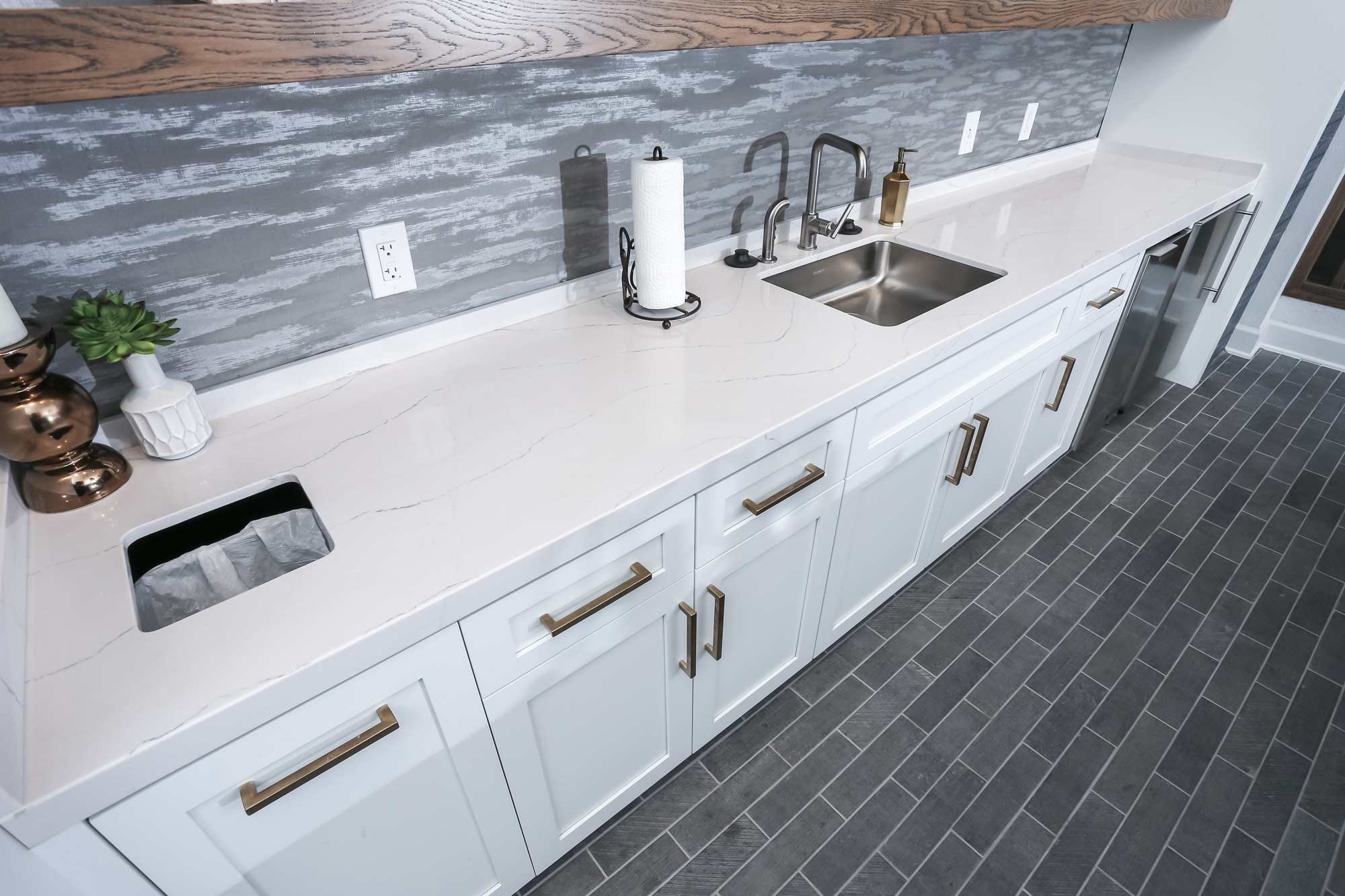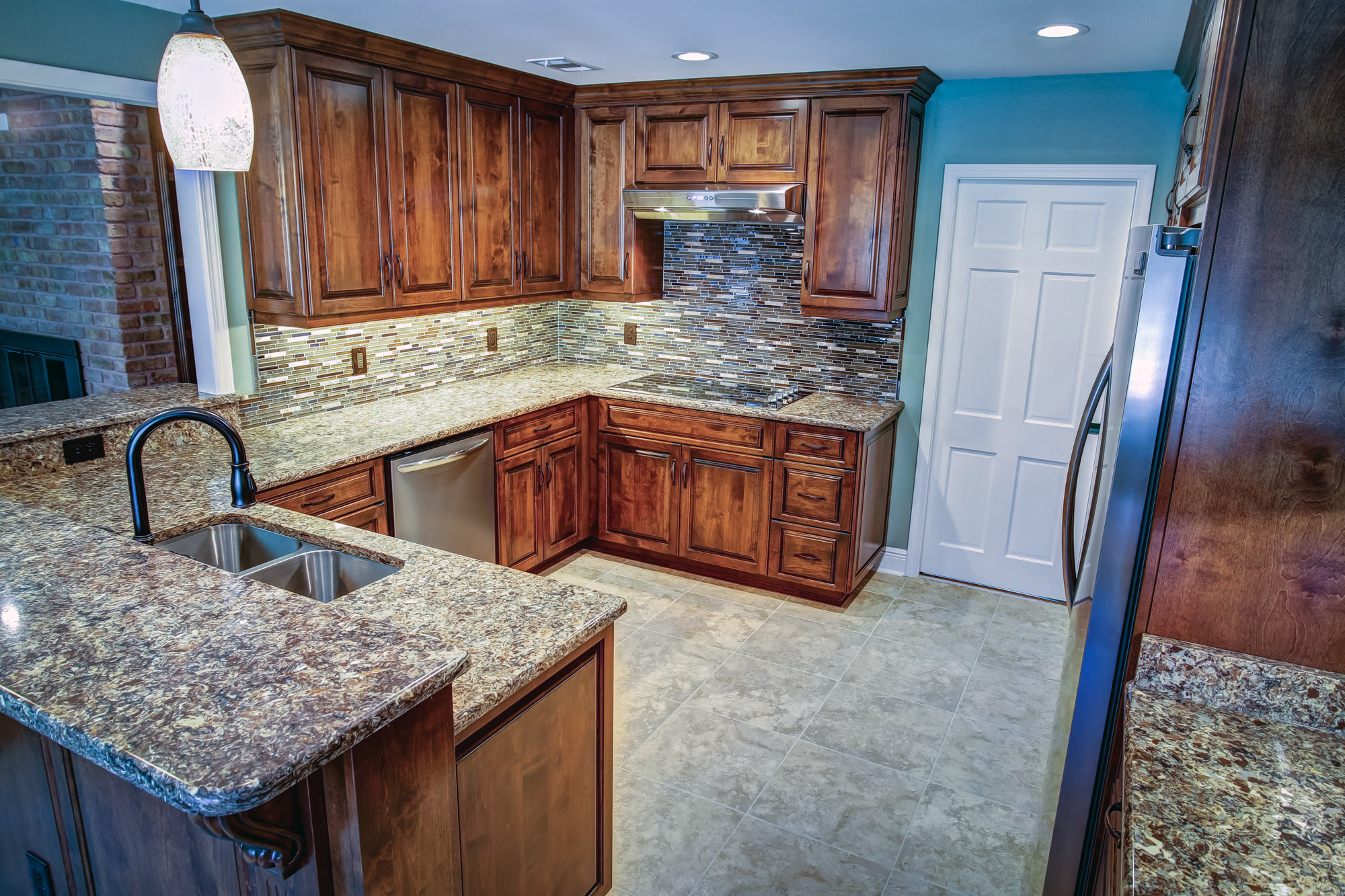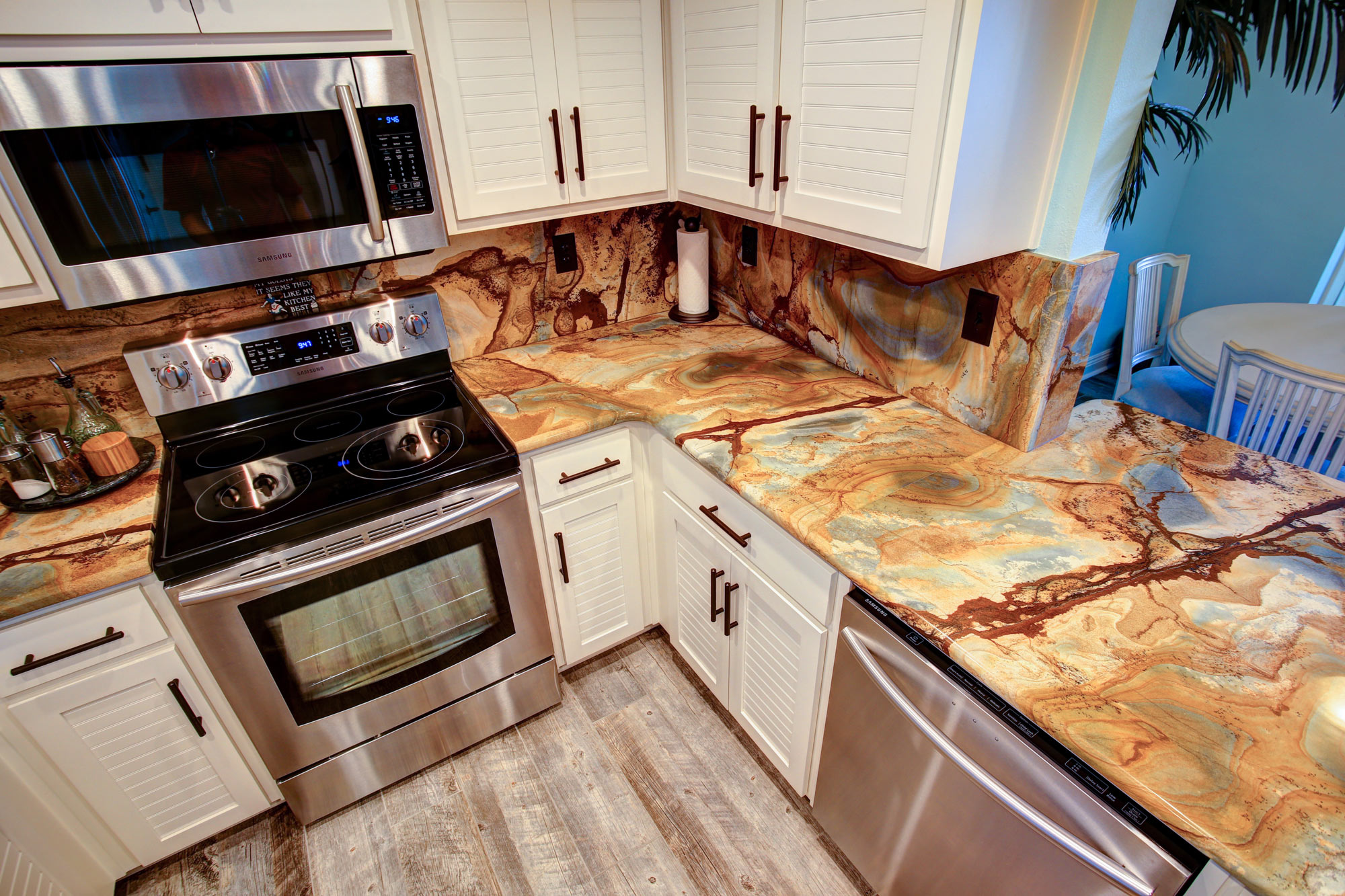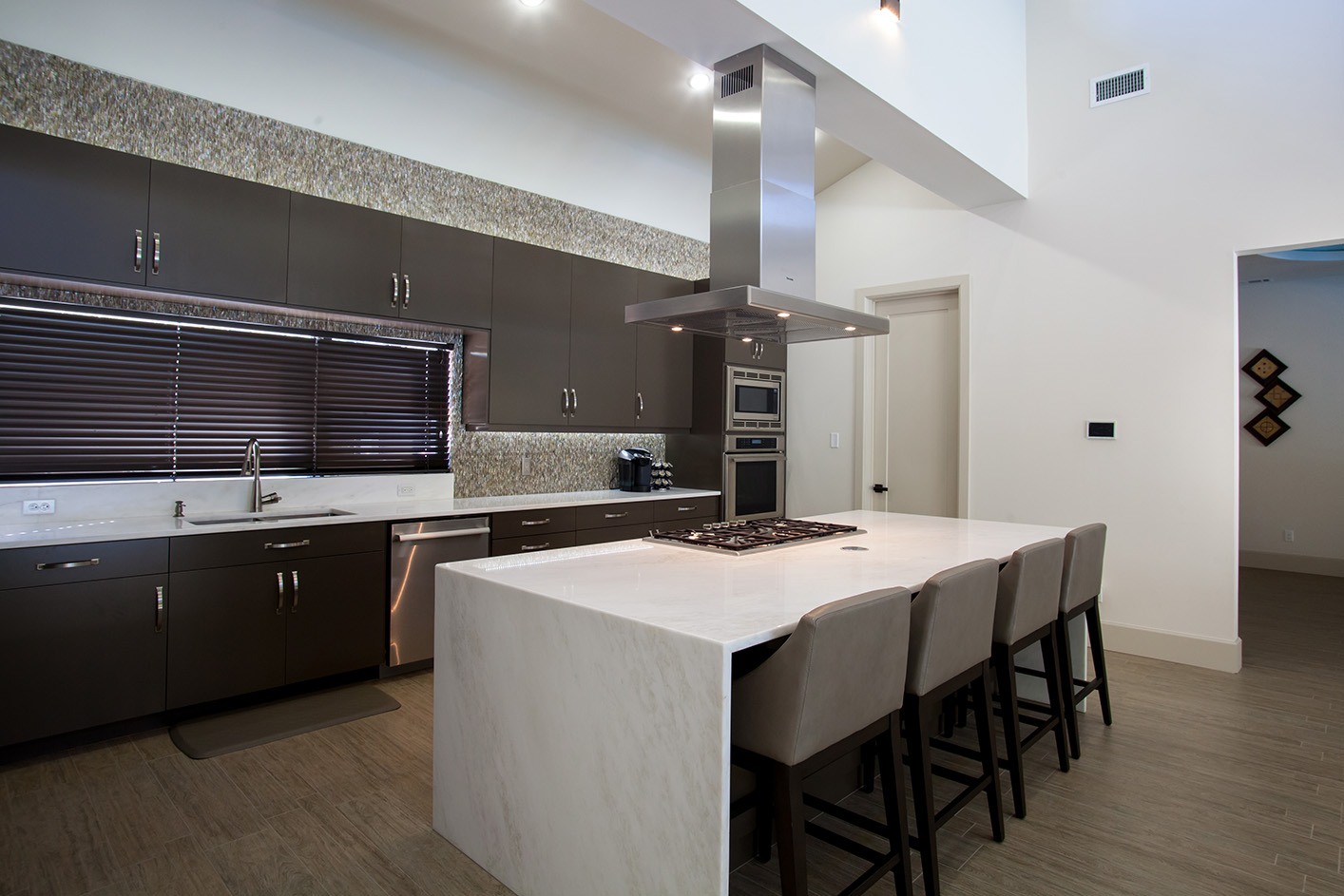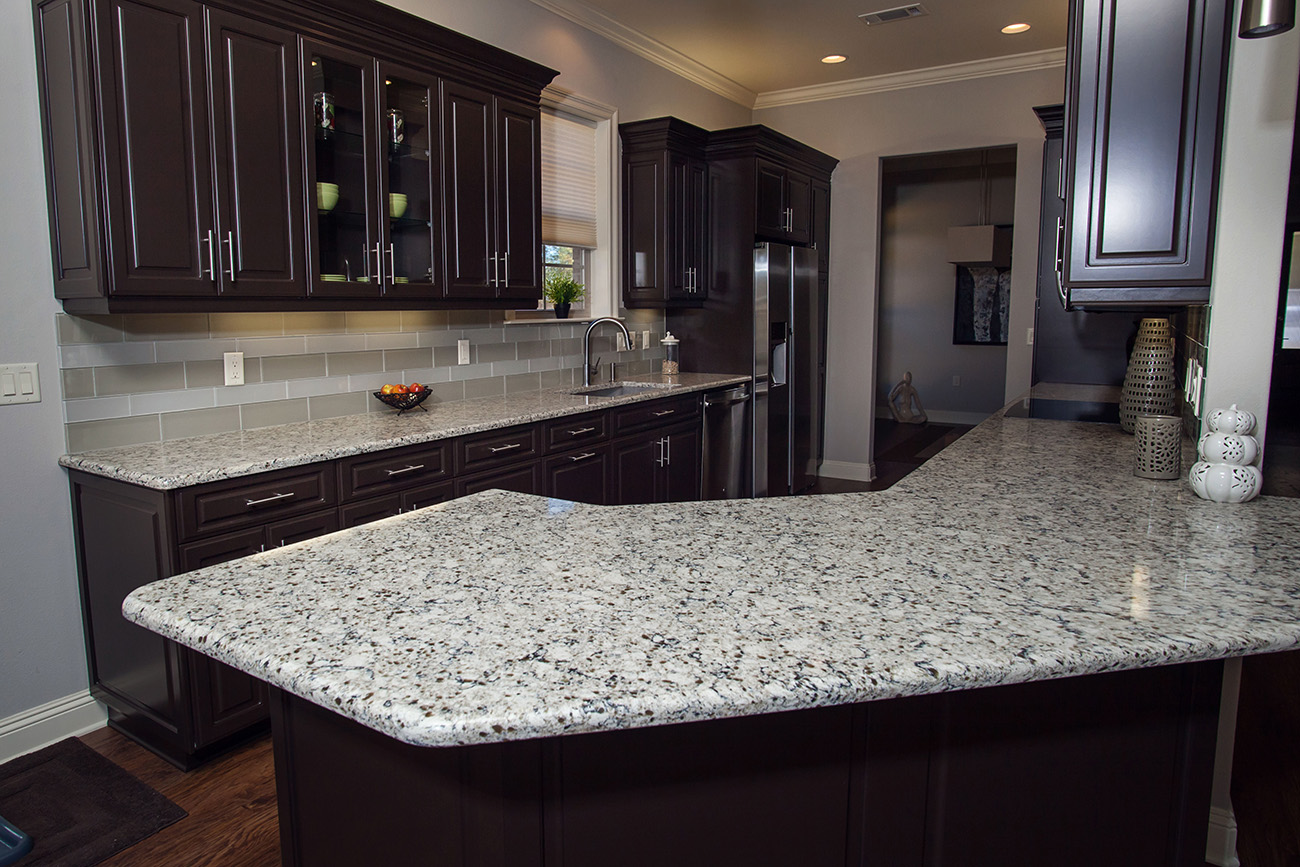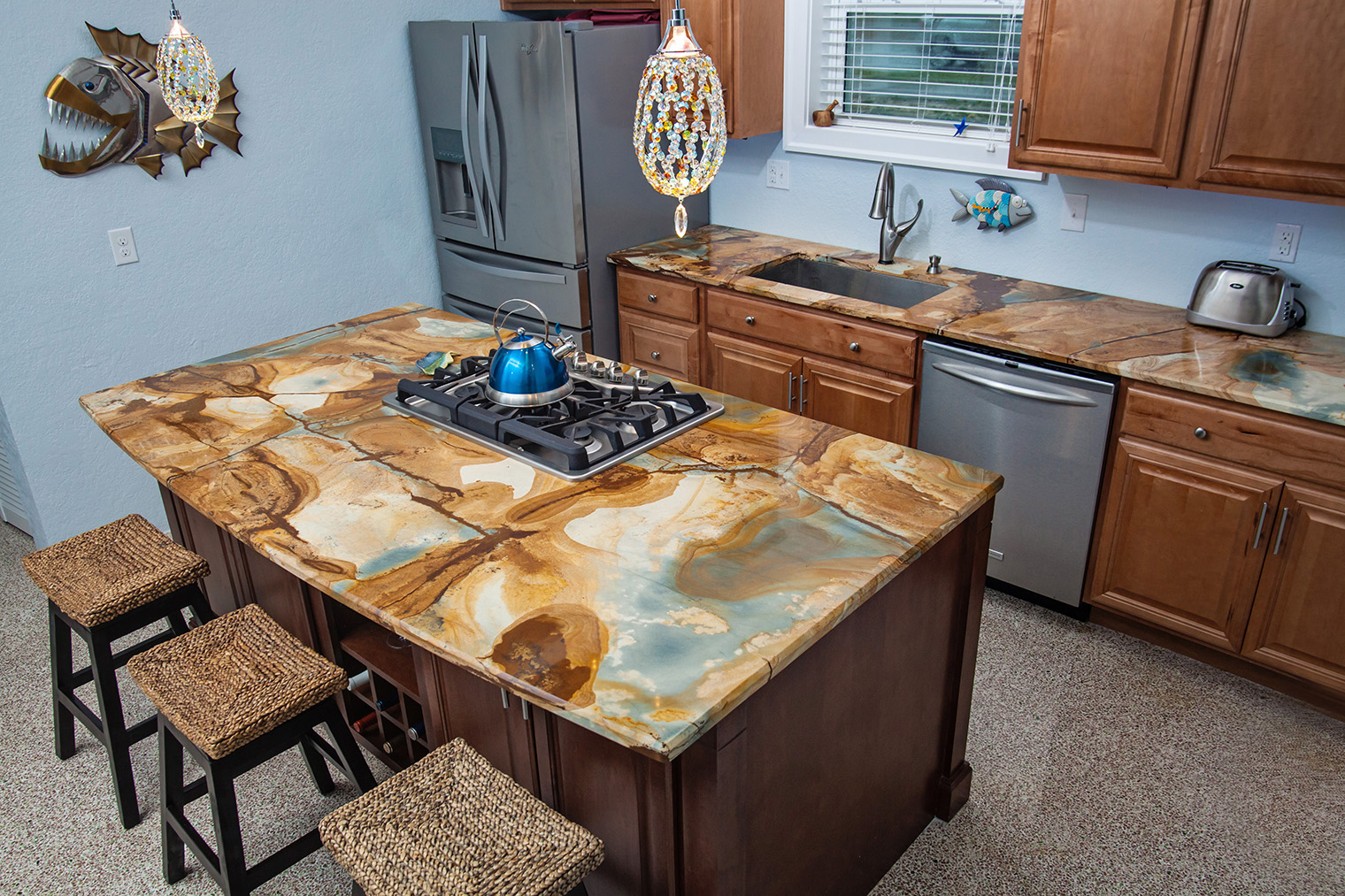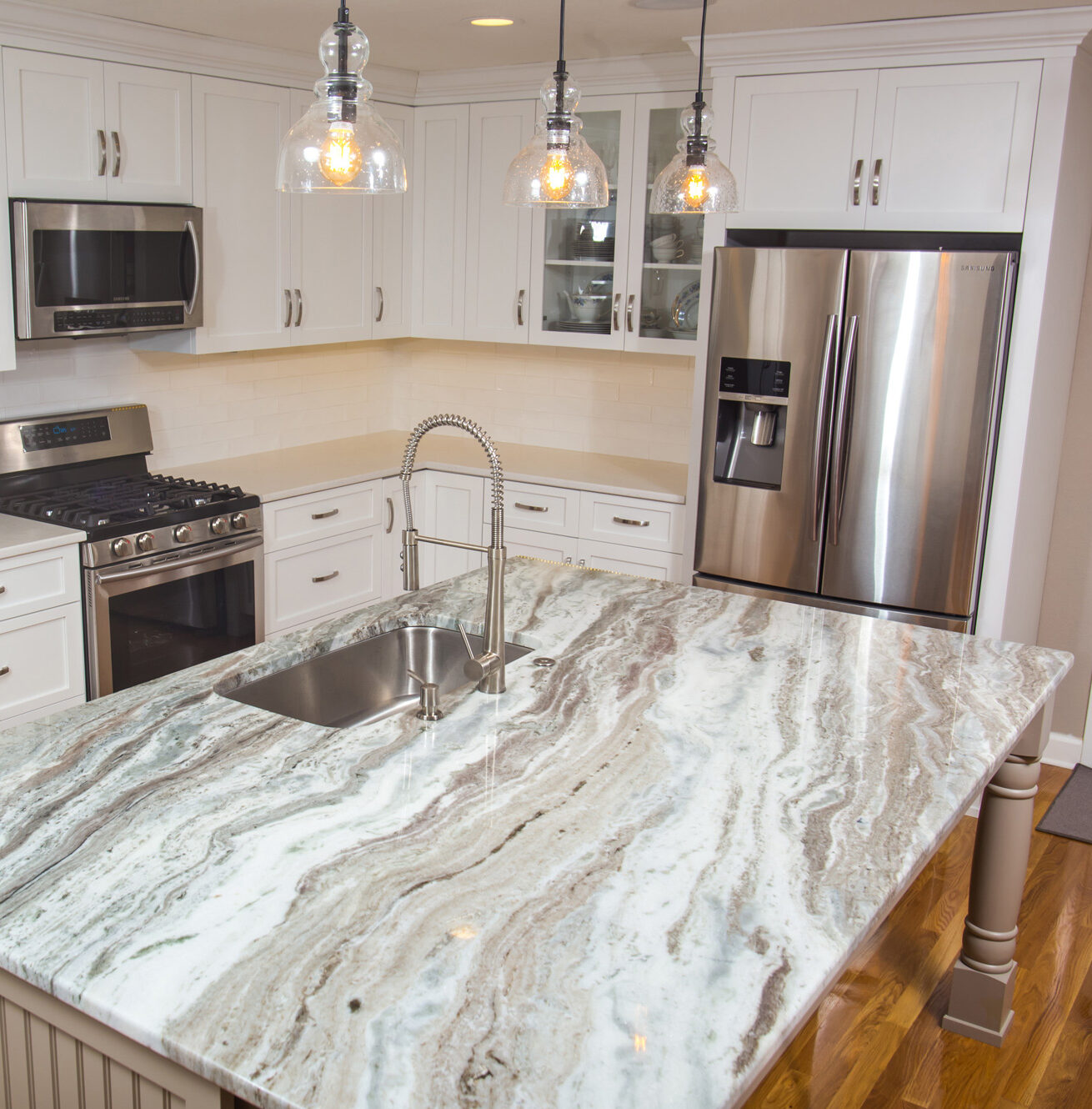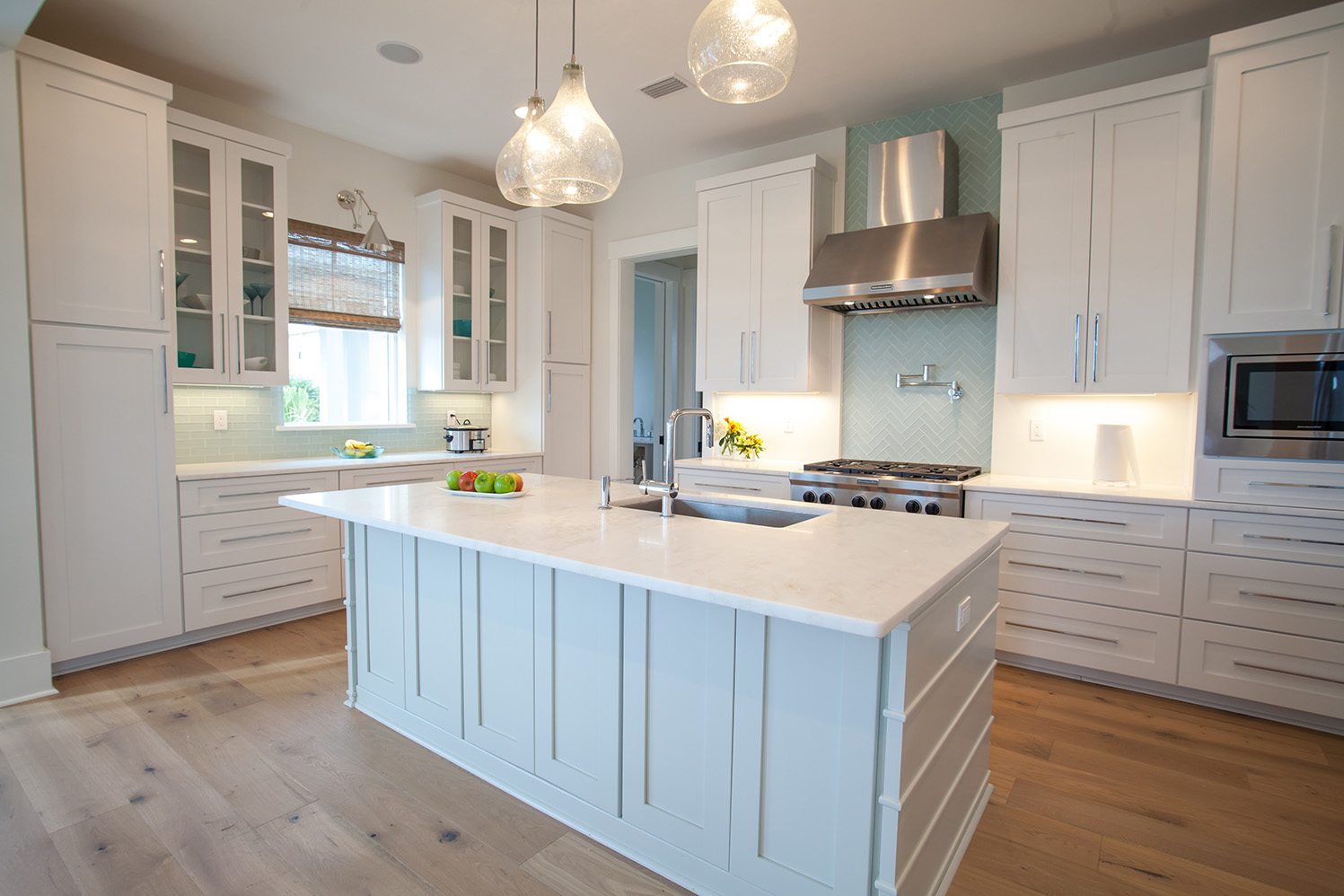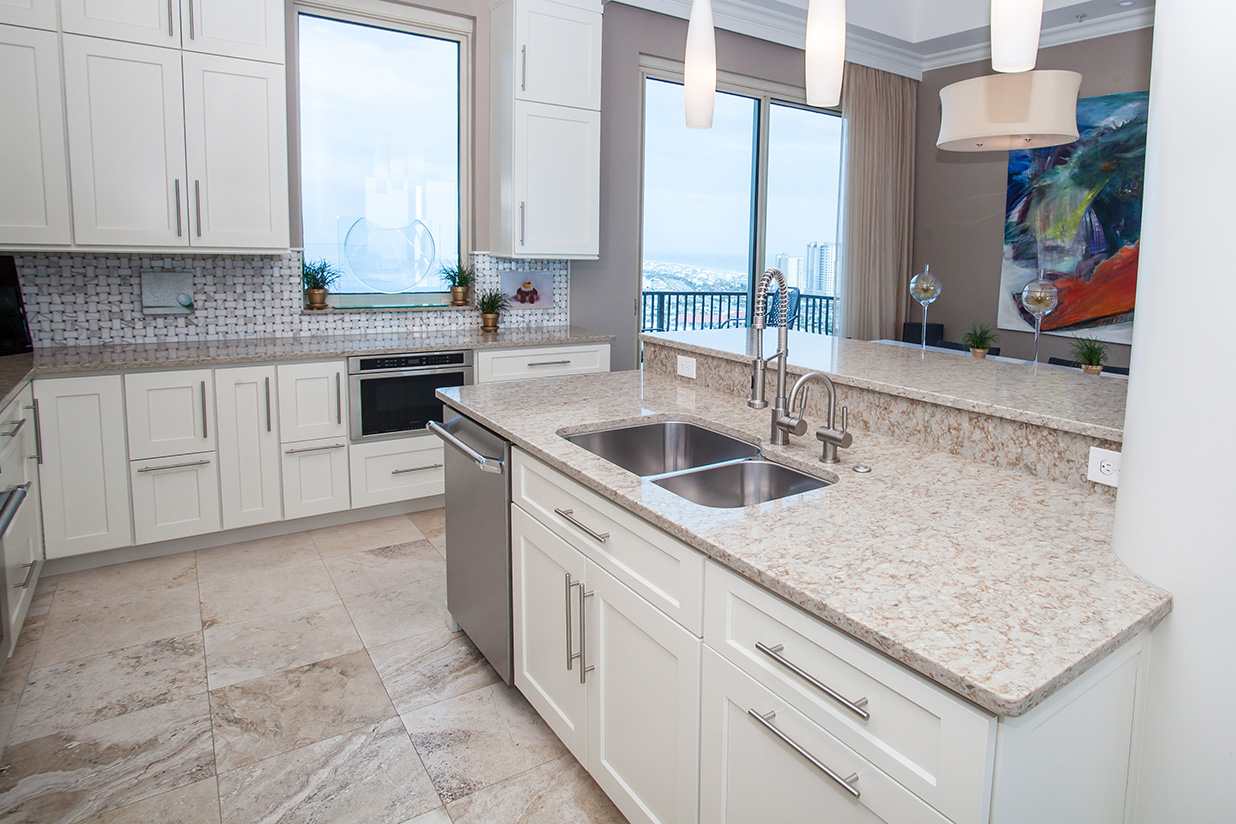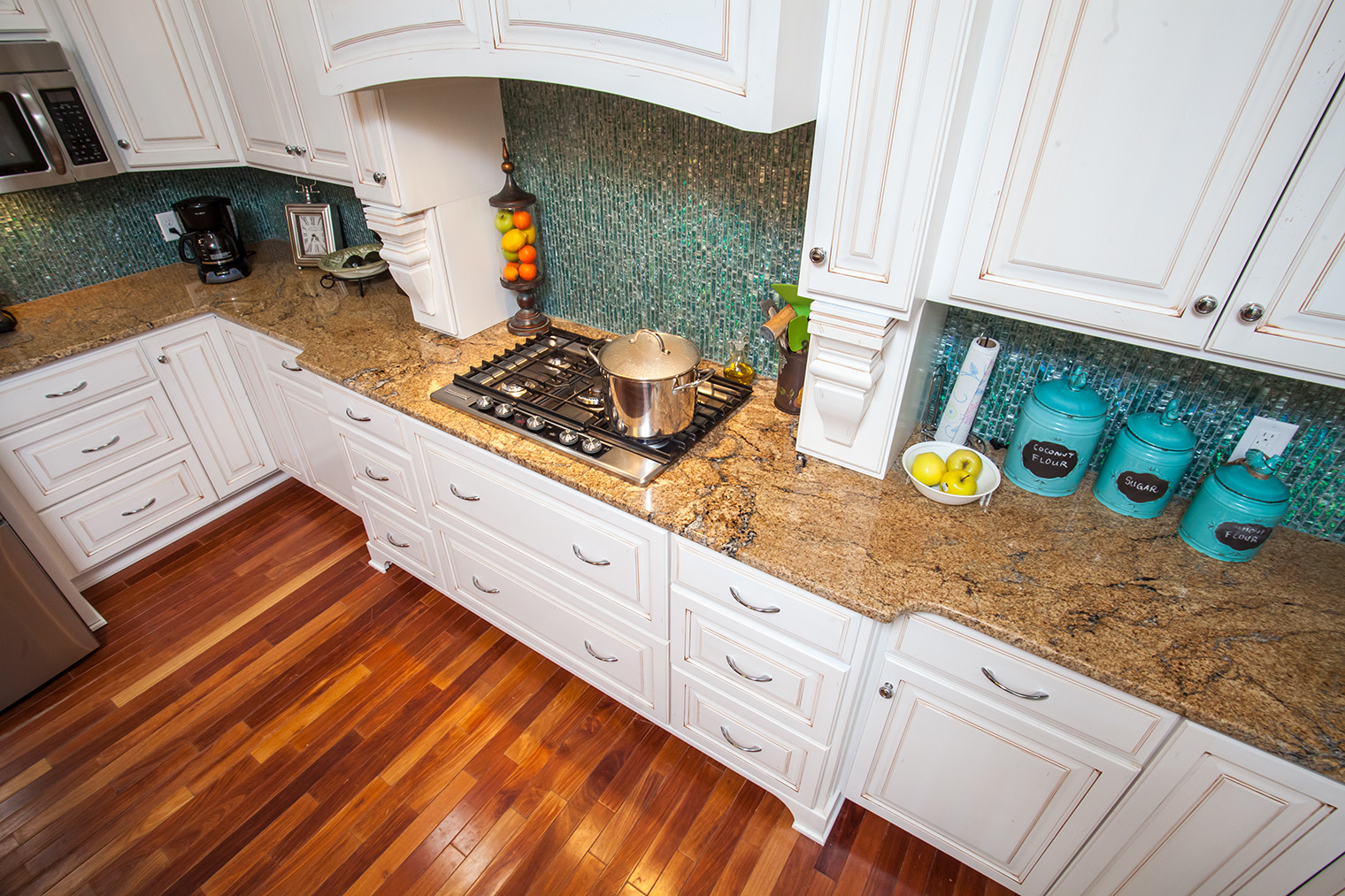
A countertop can look completely different in your kitchen than it did in the showroom. Morning sunlight may make white stone look cooler, while warm afternoon light can bring out beige and golden tones. Veining may appear more dramatic in direct sunlight, while a polished surface can reflect light and create noticeable glare.
Understanding how natural lighting affects countertops can help you choose a stone, color, and finish that looks beautiful throughout the day, not just under showroom lights. In this guide, we’ll explore how window direction, time of day, countertop color, and surface finish can change what you see, plus simple ways to test your options before installation.
Why the Same Countertop Can Look Different Through the Day
Natural light is never constant. Its brightness and warmth change from sunrise to sunset, and they shift again with the seasons and the weather. Learning how natural lighting affects countertops starts with the time of day. Light often moves through three broad stages, although the exact result depends on your room and your stone.
| Time of day | Typical light | What you may notice |
| Morning | Cooler and softer | Whites, blues, and gray veining can look crisper or slightly cooler |
| Midday | Bright and direct | Colors often look closest to their true tone, and fine mineral detail is easier to see |
| Late afternoon | Warmer and golden | Cream, beige, and golden tones can look richer and warmer |
Weather matters too. Direct sun shows sparkle and depth, while an overcast sky gives a flatter, more even look. The sun also sits lower in winter and higher in summer, so the angle of light across your counters changes through the year. Because one slab can look different at each stage, a single quick look rarely tells the whole story.
How Window Direction Changes What You See
The direction your kitchen windows face is one of the biggest influences on how a stone looks. Most phones have a built-in compass app so that you can check in seconds. The patterns below are general, and sources do not agree on every detail, so use them as a starting point and confirm them in your own kitchen. How natural lighting affects countertops also depends on window size, nearby trees, and neighboring buildings.
North-facing kitchens
A north-facing kitchen usually gets cooler, softer, more indirect light. In that light, cool-toned or white stone can look gray or a little flat. Warm tones such as cream, beige, and soft earth colors can help balance the cooler light. If the room is also dim, lighter colors can help it feel more open.
South-facing kitchens
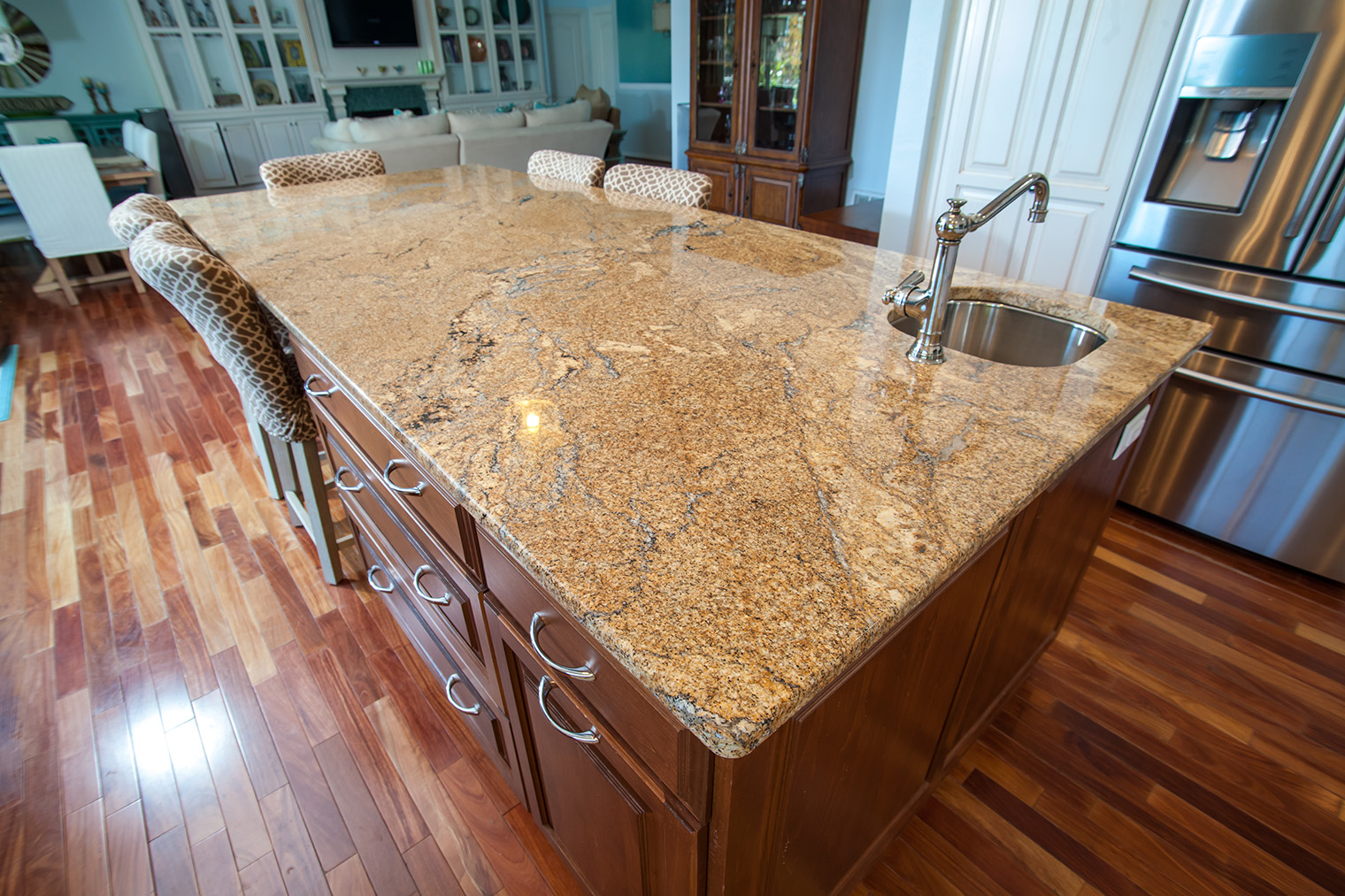
A south-facing kitchen often gets brighter, warmer light for much of the day. Golden, amber, and brown undertones can look richer here. Very light stones can look more cream or yellow than they did in the showroom, and strong sun on a polished surface can cause glare. If your kitchen gets a lot of sun, look at your slab at the brightest time of day.
East- and west-facing kitchens
Light changes the most in east- and west-facing rooms. An east-facing kitchen catches early sun, then loses it as the day goes on. A west-facing kitchen often receives low, warm light late in the day. A stone that looks great at breakfast may look different at dinner, so think about when you use the kitchen most.
Color Temperature and Perception
Light has its own color temperature. Morning light often reads cooler, while late-day light often reads warmer, and each one tints the stone. Our eyes also judge color by comparison, so the same slab can look warmer next to a cool wall and cooler next to warm flooring.
That is part of how natural light affects countertops in a real kitchen: you never see the stone by itself. It is always seen beside cabinets, walls, flooring, and a window. This is why a stone should be judged in the actual room, at more than one time of day.
Light and Dark Countertops in Natural Light
Dark and light countertops respond to natural light in opposite ways. Here is how natural lighting affects countertops at each end of the color range.
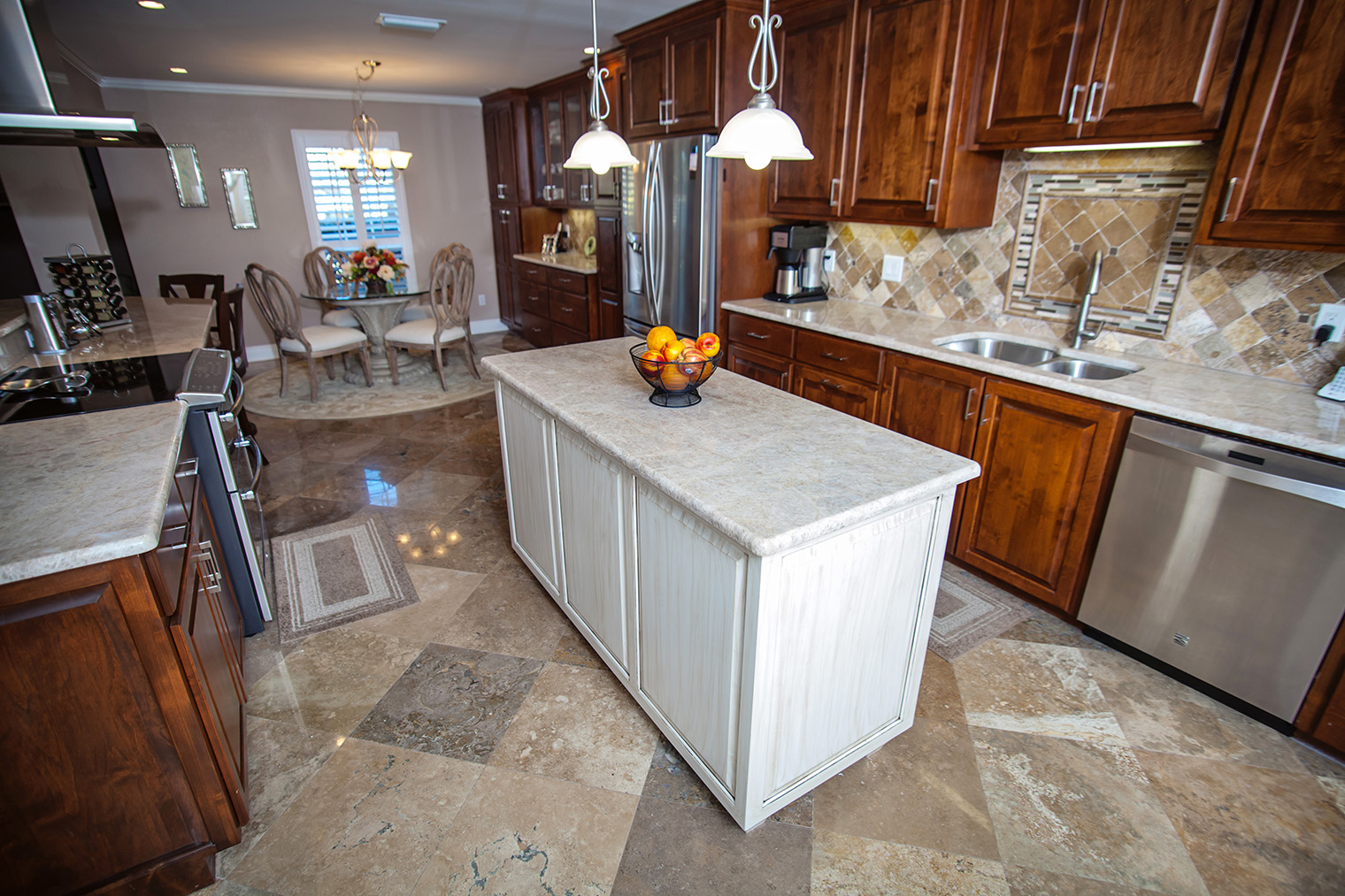
Light countertops reflect light and can make a small or dim kitchen feel more open. In strong sun, a very light surface can look extremely bright, and cream or white stone can shift warmer in late-day light.
Dark countertops absorb more light. In a bright kitchen, they can look rich and dramatic. In a room with little natural light, they can feel heavy. Dark surfaces also show more. In quartz, darker colors show dirt, dust, rubs, fingerprints, and watermarks more easily than lighter colors, and bright light can make those marks easier to spot. Plan to wipe a dark surface more often.
Material Properties and Reflectivity
Finish is another part of how natural lighting affects countertops, because the surface decides how much light bounces back at you.
- Polished: a glossy, mirror-like surface that reflects light and can make a room feel brighter, though it can cause glare near a bright window.
- Honed: a matte surface that reflects less light and looks softer and more muted, with less glare.
- Leathered: a textured surface that can catch light coming from the side and cast tiny shadows, which can emphasize depth.
Choosing between matte and polished countertops is partly a question of how bright your kitchen is.
The material matters too:
- Quartz: coarsely ground quartz has a flecked look, while finely ground quartz looks smoother and more even, and the two catch light differently.
- Soapstone: it has a matte finish that deepens over time, from light grey toward dark charcoal, so its look changes as it ages.
- Calcite: it has a luxurious, often translucent appearance and can be backlit.
- Granite and quartzite: granite comes in a wide range of colors and types, and quartzite can vary in color and movement from slab to slab.
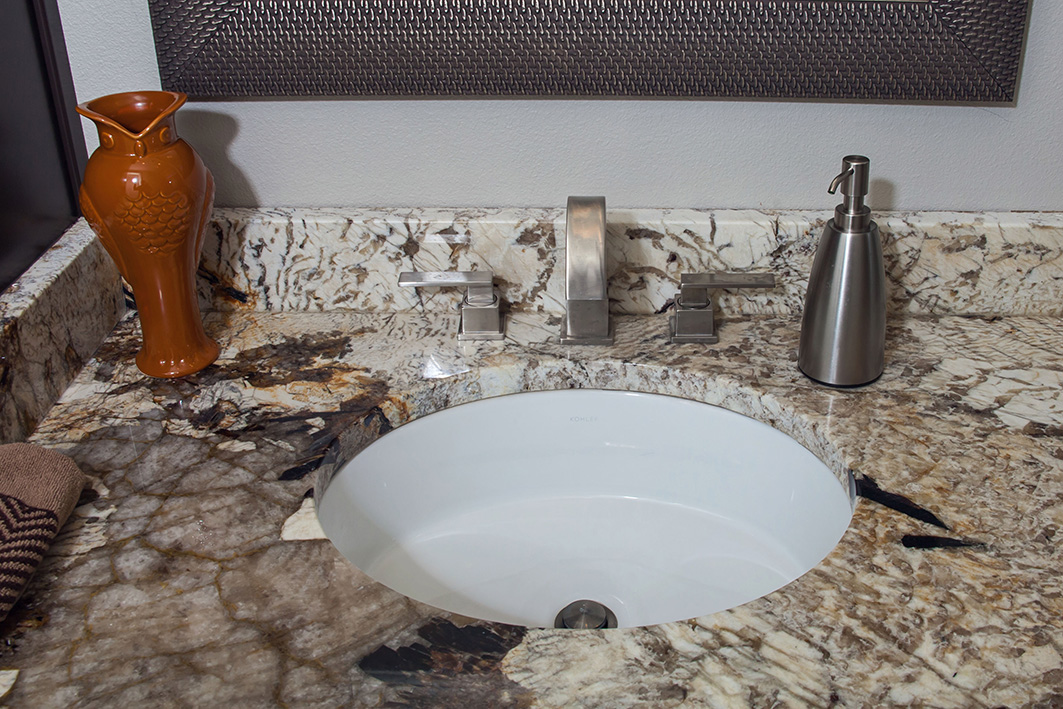
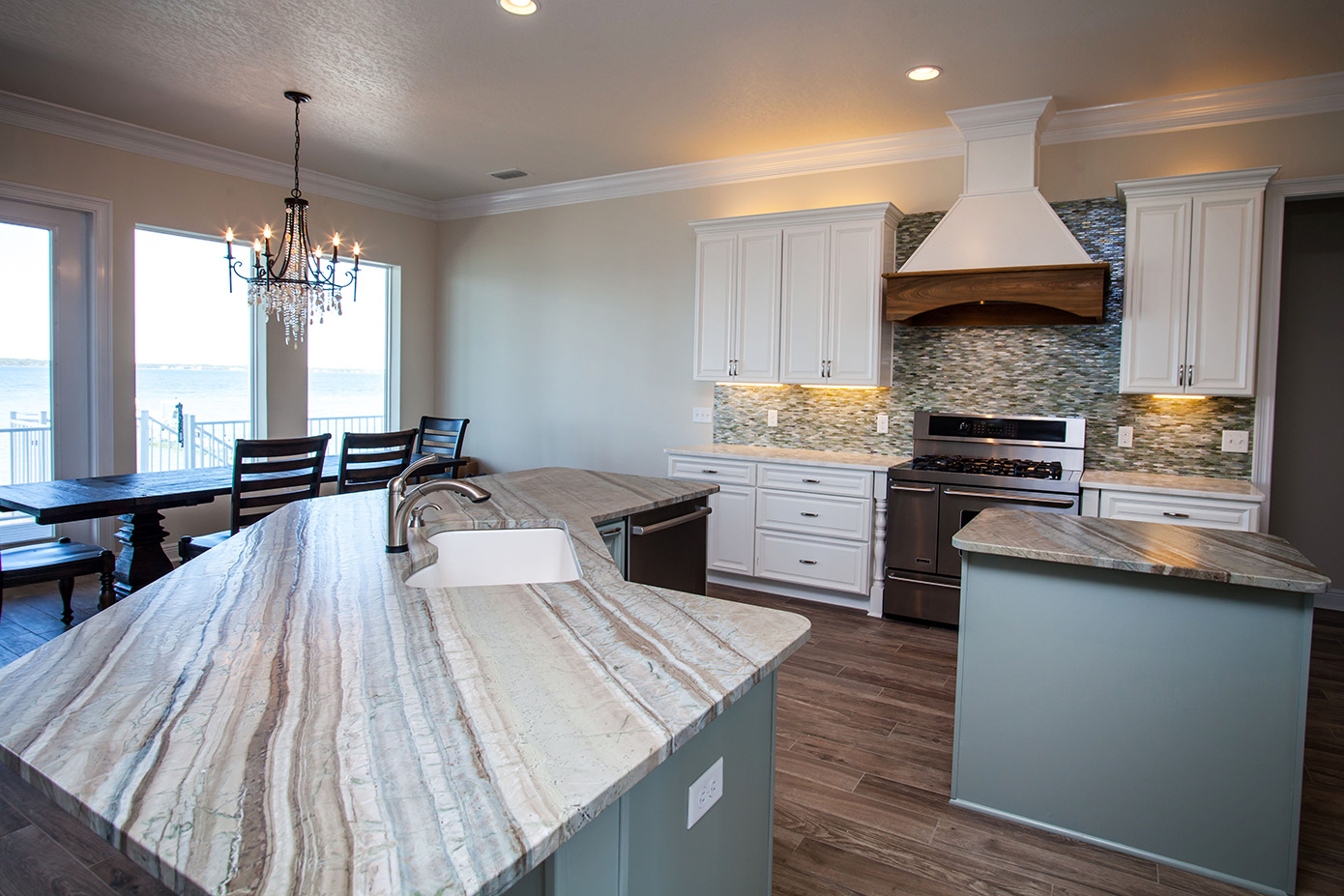
Veining responds to light as well. Direct sun can make veins stand out, while soft or diffused light can make them look gentler. Stone color in sunlight can look noticeably different from stone color under a cloudy sky, which is one more reason to look at the real slab.
How to Test Countertops in Your Own Natural Light
To see how natural lighting affects countertops in your own home, follow these steps:
- Find your window direction. Use your phone’s compass app.
- Check three times of day. Look in the morning, at midday, and in late afternoon.
- Compare weather. If you can, look on both a sunny day and a cloudy day.
- Look in different spots. Check near the window, in darker corners, and where the sink and cooktop will be.
- Hold it next to your finishes. Compare the stone with your cabinets, flooring, and wall color.
- Skip the photos. Camera settings and screens change how colors look.
- See the full slab in natural light. Ask your showroom team how best to view a slab in daylight.
Why Choosing in Person Matters
Screens and small samples cannot show how natural lighting affects countertops across a full slab. Natural stone also varies from slab to slab, and quartzite can show differences in color and movement, so what you see in one spot is not always what you get across the whole piece.
At Superior Granite, we keep hundreds of colors in stock, and a dedicated staff is there to help with your space. We have showrooms in Pensacola, Pace, and Fort Walton Beach. If you are shopping for granite countertops in Pensacola or a granite countertop in Pace, you can look at full slabs, take your time, and ask how each stone may look in your light. Our team at Superior Granite is happy to help you compare. You can also learn more about our natural stone and quartz options before you visit.
Choose With Your Light in Mind
Knowing how natural lighting affects countertops helps you choose a stone that looks the way you expect, not just in the showroom. Check your window direction, look at the stone at different times of day, think about finish and color, and see the real slab.
When you are ready, visit Superior Granite or contact us for a free estimate and to start comparing slabs.
Pensacola, FL
Visit Us: 7011 Pine Forest Road, Pensacola, FL 32526
Call Us: (850) 941-0270
Hours: Monday – Friday: 8 a.m. – 5 p.m., Saturday: 9 a.m. – 2 p.m.
Pace, FL
Visit Us: 4590 Jernigan Road, Pace, Florida 32571
Call Us: (850) 994-1872
Hours: Tuesday – Friday: 9 a.m. – 5 p.m., Saturday: 9 a.m. – 2 p.m.
Fort Walton Beach, FL
Visit Us: 35 Miracle Strip Pkwy SW, Fort Walton Beach, Florida 32548
Call Us: (850) 301-0716
Hours: Tuesday – Friday: 8 a.m. – 5 p.m., Saturday: 9 a.m. – 2 p.m.
Get quotes now and start your project!
FAQs
1. Should I look at countertops on a sunny day or a cloudy day?
Both, if you can. Direct sun shows sparkle, depth, and fine detail, while an overcast sky shows how the stone looks on an ordinary day. Seeing both gives you a more complete picture.
2. Will a white countertop look yellow in warm afternoon light?
It can. Warm light can make white and cream stone look warmer or more yellow, and a cool white can look creamier than it did in the showroom. Check your slab in late afternoon before you decide.
3. Does a dark countertop work in a north-facing kitchen?
It can, but the cooler, softer light of a north-facing room may make a dark surface feel heavier. Good lighting helps, and a warmer or lighter stone can balance the room. Look at the slab in your own kitchen before you decide.
4. Does a matte finish reduce glare?
Usually, yes. A matte or honed surface reflects less light than a polished one, so it tends to look softer and cause less glare near bright windows.
5. What if my kitchen gets very little natural light?
Lighter colors can help a dim kitchen feel more open. Artificial lighting matters more in this case, so test the stone under the bulbs you plan to use as well as in daylight.
6. Can natural light make dust and fingerprints more visible?
Yes, especially on darker surfaces. In quartz, darker colors show dirt, dust, fingerprints, and watermarks more easily than lighter ones, and bright light can make them stand out. Regular wiping keeps them under control.
7. Does the season change how my countertop looks?
It can. The sun sits higher and shines more strongly in summer and lower in winter, so the angle and intensity of light across your counters change through the year. If possible, think about how the stone will look in both seasons.
8. Can I get a free estimate before I choose?
Yes. We offer free estimates. Visit a showroom or contact us, and bring your layout and the stones you like so the quote reflects your exact choices.