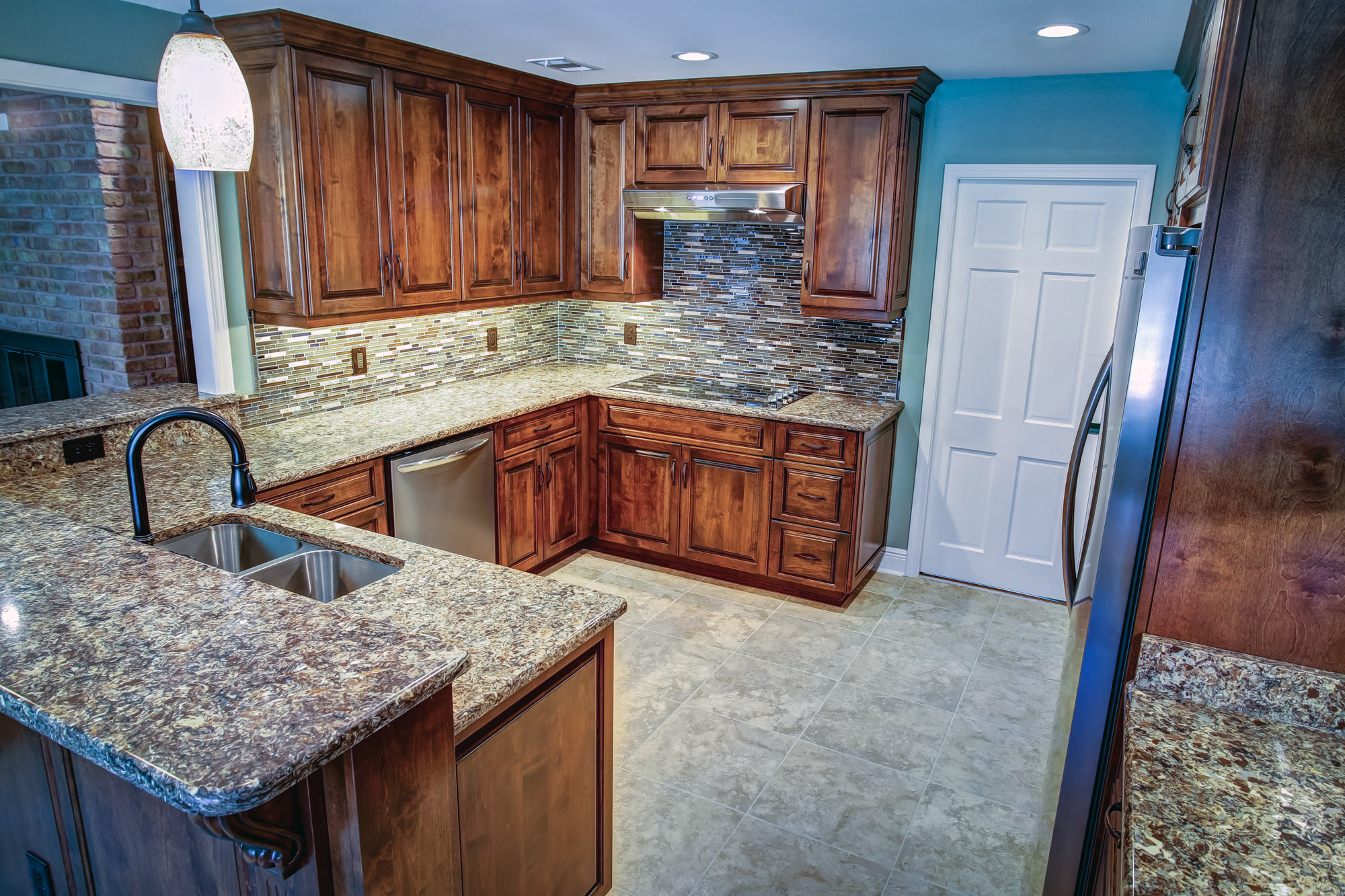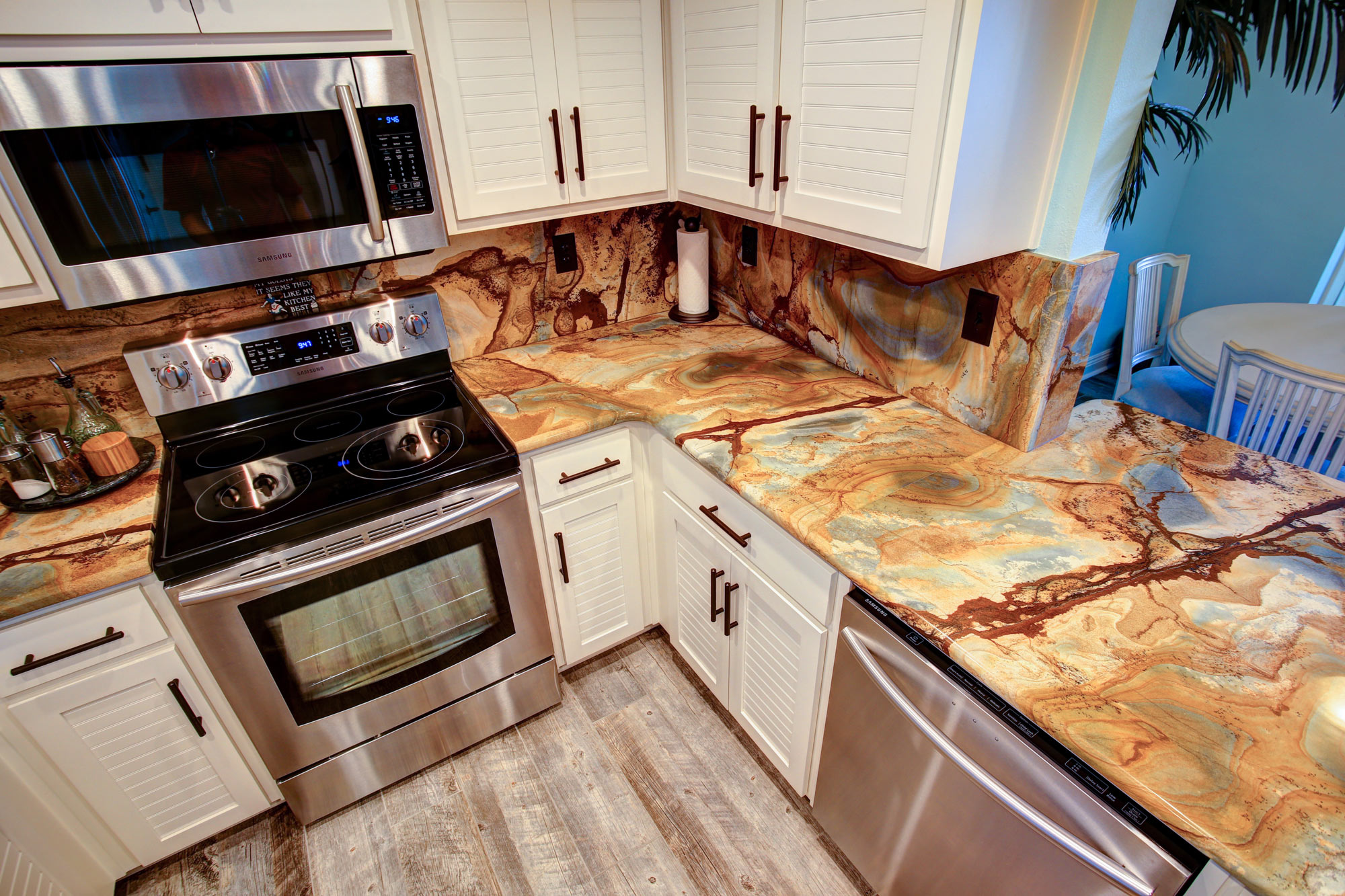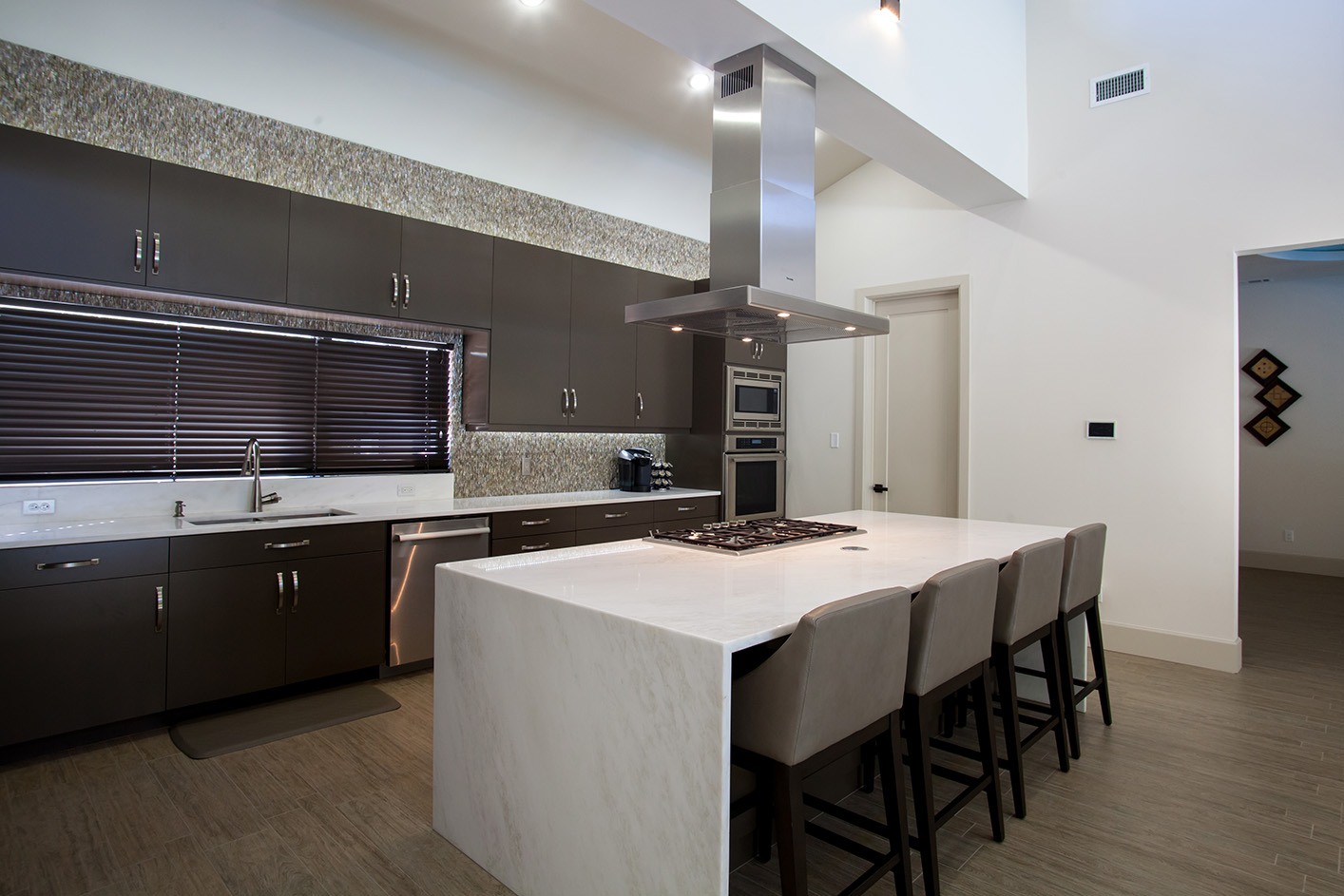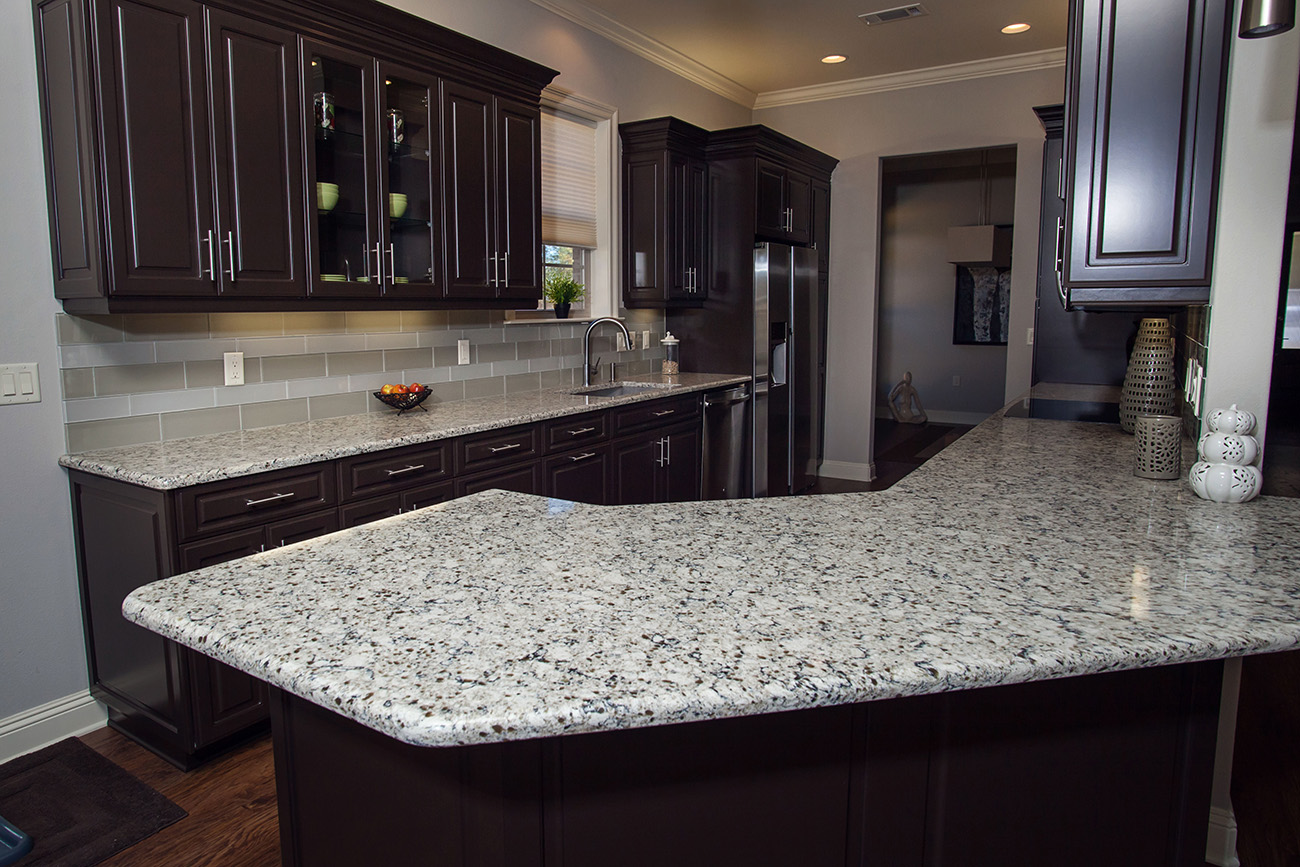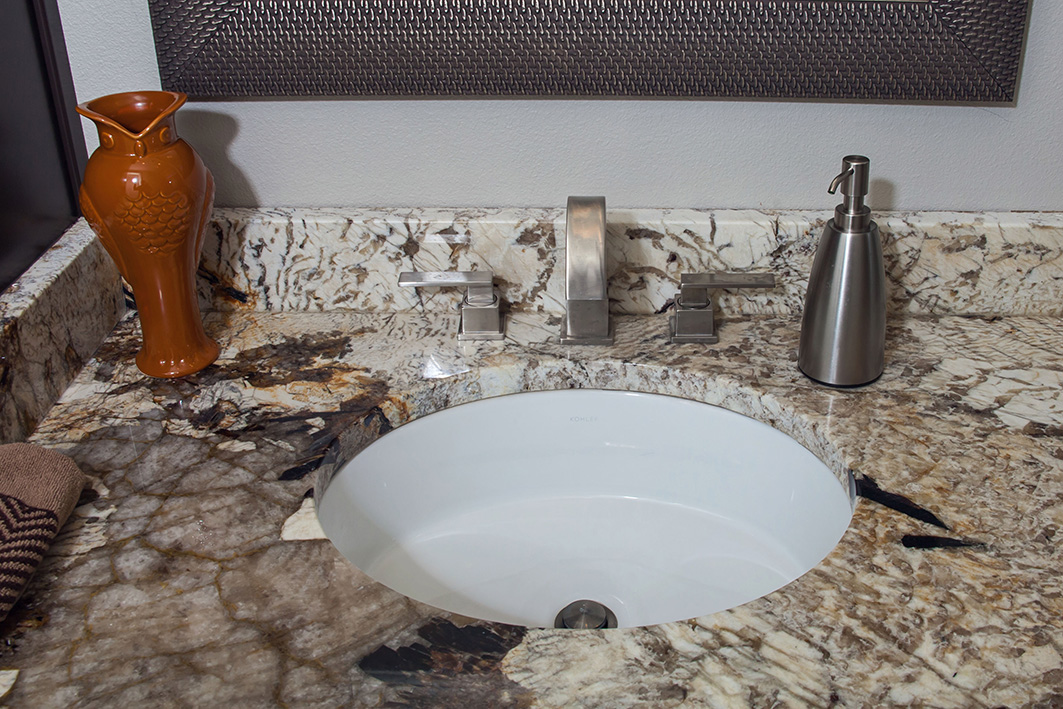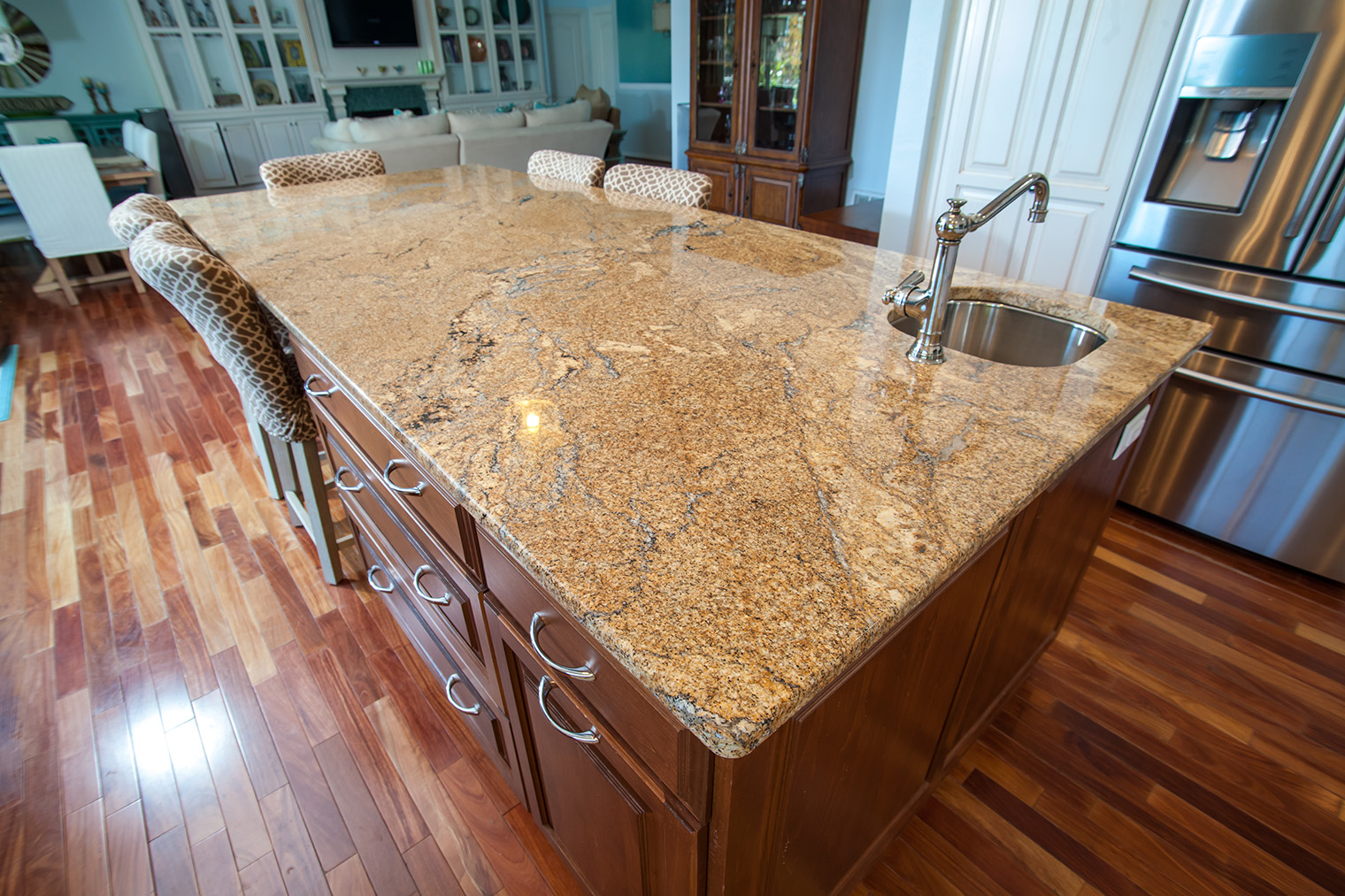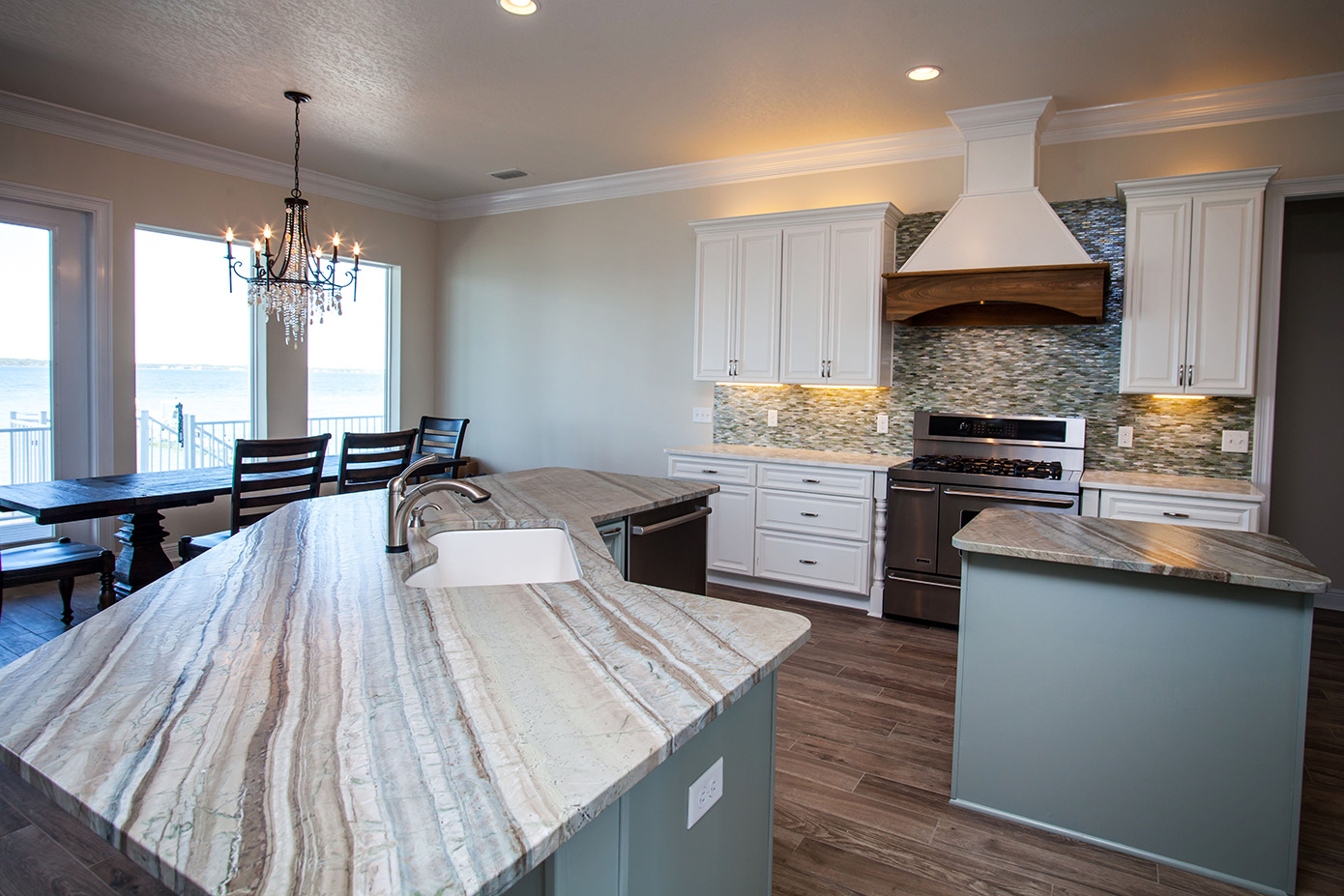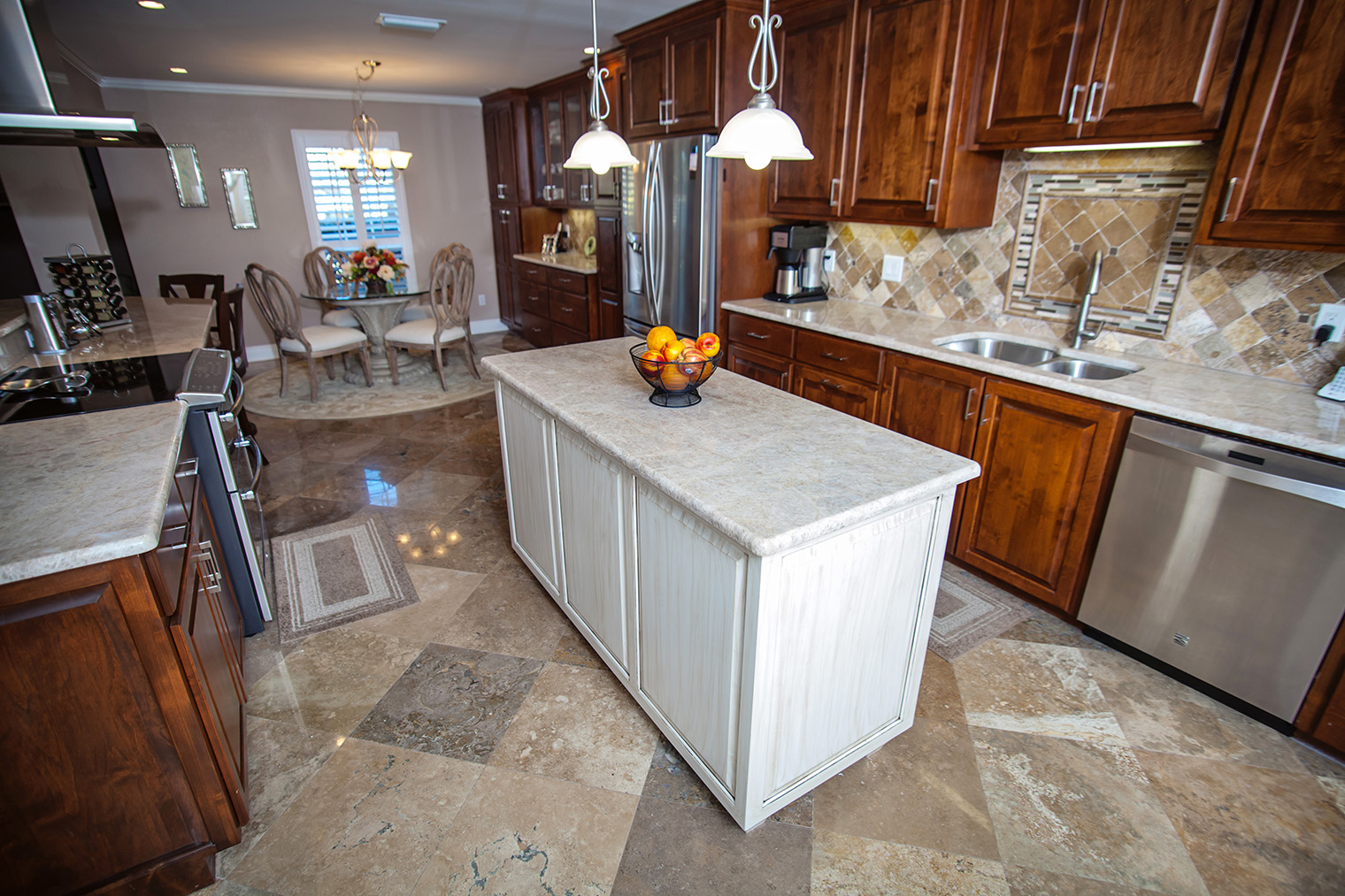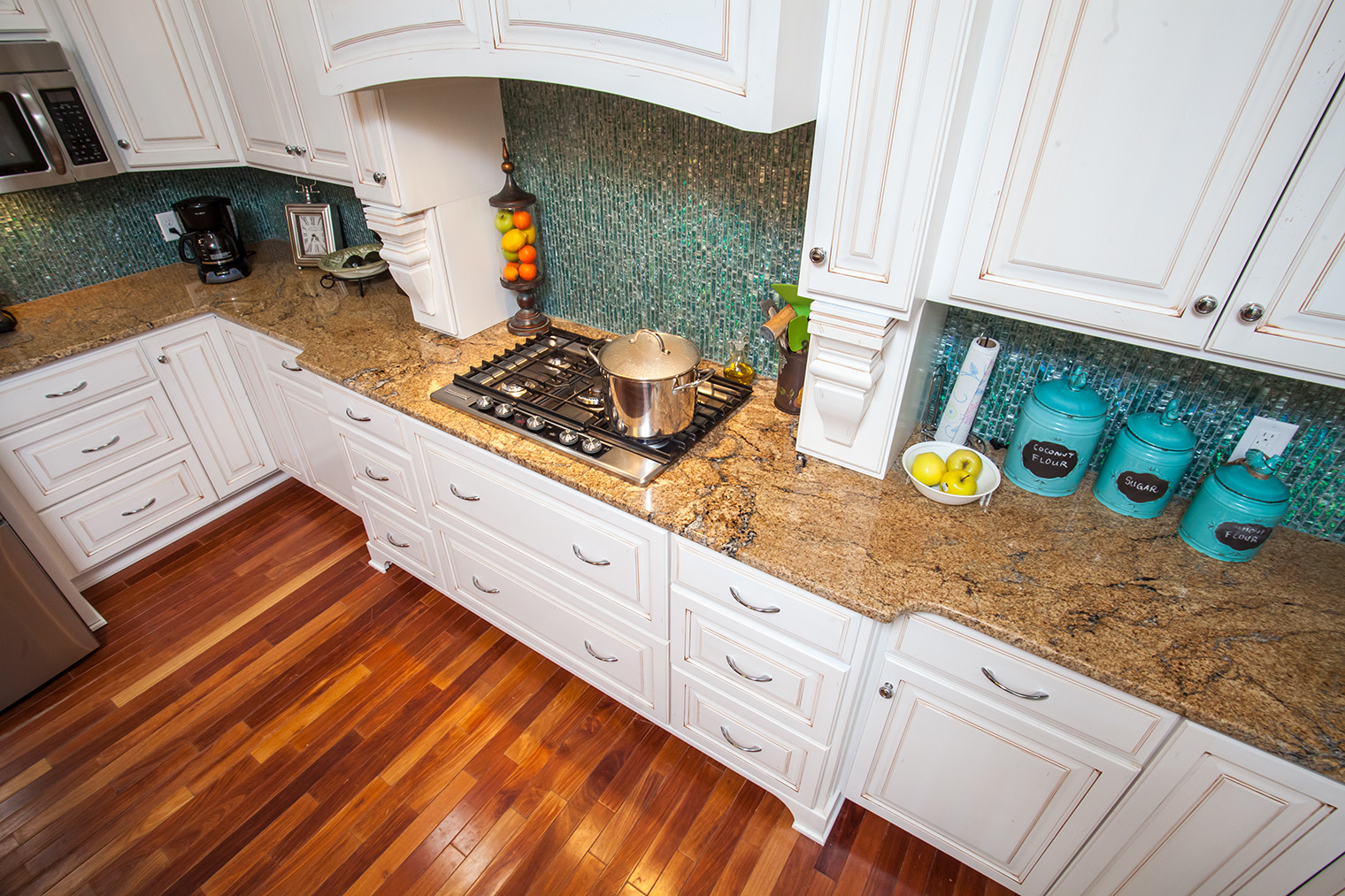
Choosing a countertop looks simple from the outside. You pick a color, and a few weeks later it is in your kitchen. In between, a natural stone slab goes through measuring, cutting, and careful installation, and each step depends on the one before it. Knowing what happens along the way takes a lot of the mystery out of the project.
Natural stone is not made to a pattern. Every slab has its own color, movement, and character, which is exactly why people choose it. It also means a few small details can change how smoothly your project goes, such as when your cabinets are set, who is home for the measuring, and which sink you have picked.
The path from showroom to kitchen has four stages: selection, templating, fabrication, and installation. Small things, like a sink that has not been chosen yet or cabinets that are not level, can hold a project up. Once you know what each stage needs from you, those problems are easy to avoid.
Where a Natural Stone Slab Begins
Every natural stone slab starts in the earth, and the way it forms explains a lot about how it behaves in your kitchen. Granite is mined in locations around the world and is one of the hardest natural stones available. Quartzite is formed when natural stone is exposed to very high heat and pressure. It is made up of 90 to 99 percent quartz crystals, which makes it harder than granite. Limestone is a soft rock formed from compressed marine shells and fossils.
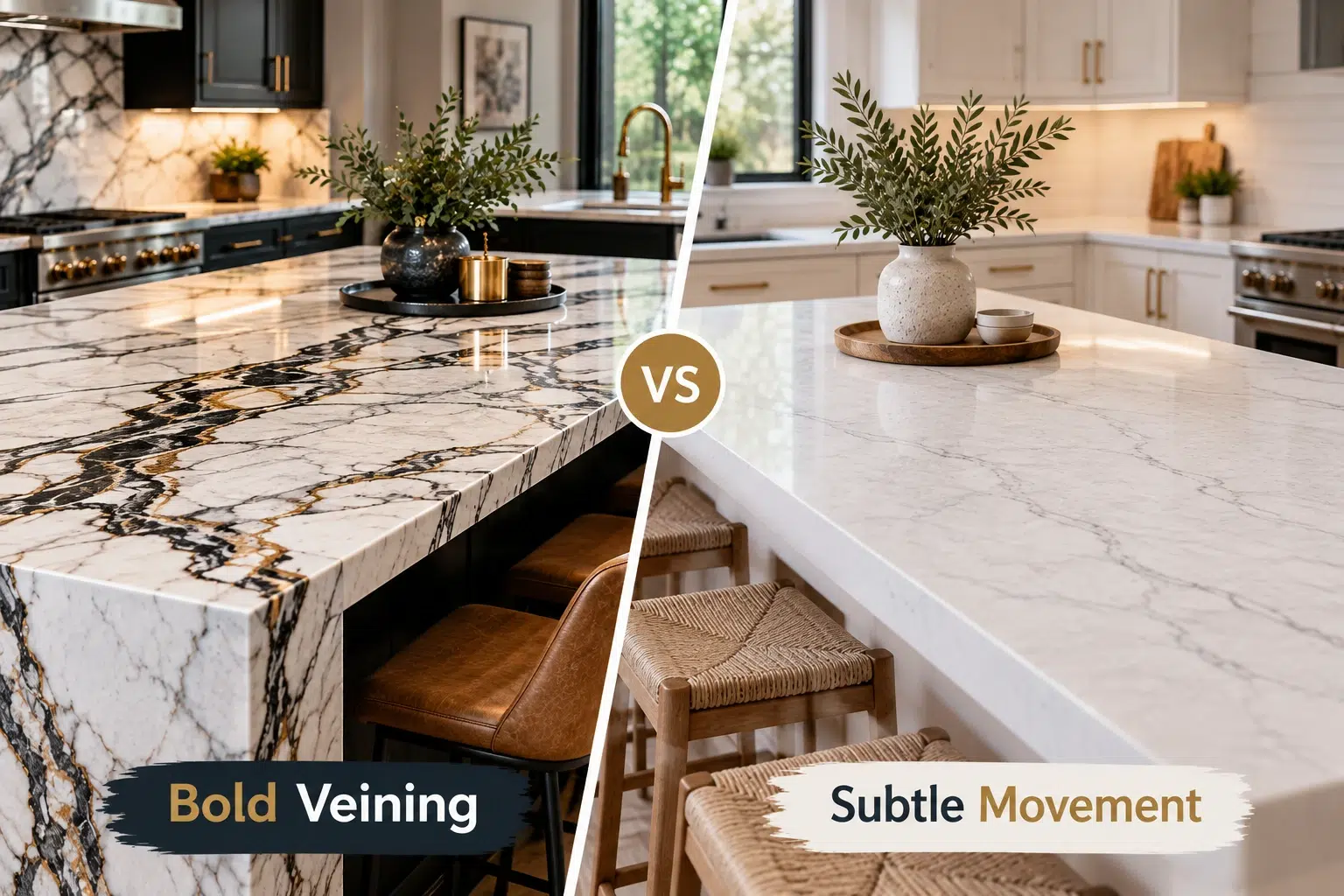
Because these stones form naturally, no two slabs are identical. With quartzite, color and movement can change from one slab to the next. Softer stones such as dolomite, calcite, travertine, limestone, and marble can vary in thickness by up to 0.635cm, and they are porous, so some slabs show natural pitting. These are traits to expect from natural stone countertops, and knowing about them in advance means no surprises later.
The Journey at a Glance
Here is how the path from showroom to kitchen breaks down for a natural stone slab, and where you come in.
| Stage | What happens | Your part |
| Selection | You choose your stone and see the full slab | Visit a showroom and ask questions |
| Templating | We measure your cabinets and walls | Prepare the space and have a decision-maker present |
| Fabrication | The slab is cut to your measurements | Confirm your options for edges, finishes, and add-ons |
| Installation | Our crew installs the countertop at your home | Clear the area and have your fixtures on site |
Stage 1: Choose Your Stone at the Showroom
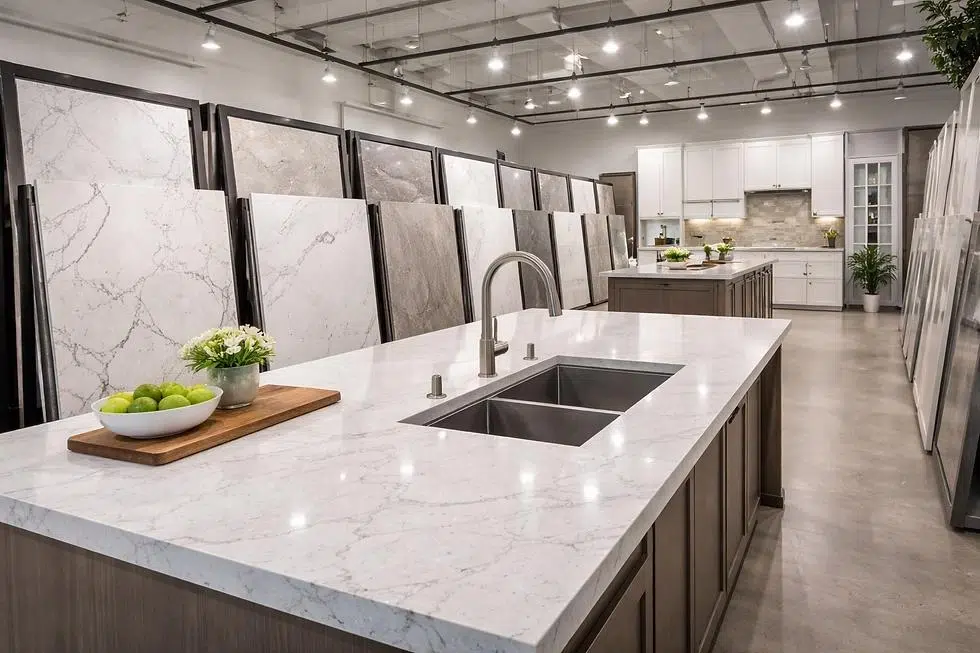
It starts with a visit to one of our three showrooms in Pensacola, Pace, or Fort Walton Beach. At Superior Granite, we only sell first-quality material, all of it 3cm thick, and we keep hundreds of colors in stock at a time. That range is the best reason to come in person, because a color on a screen or a small sample rarely shows how a stone really looks. A dedicated member of our staff is there to help with your space.
Ask About the Stone and Its Intended Use
Every stone we sell has different properties, so the first question to ask is how a stone behaves in the room you have in mind. Some stones suit a busy family kitchen, while others are better kept to low-traffic areas. Granite, for example, is one of the hardest natural stones and handles heavy use well. Marble and calcite are softer and more porous, so they need more care and are better suited to bathrooms and low-traffic spaces. Calcite is also for indoor use only.
Ask your salesperson how often the stone needs sealing, what it should not come into contact with, and what daily life with it will look like. A few minutes of questions here can save you from choosing a stone that does not match how you live.
Check Color and Undertones
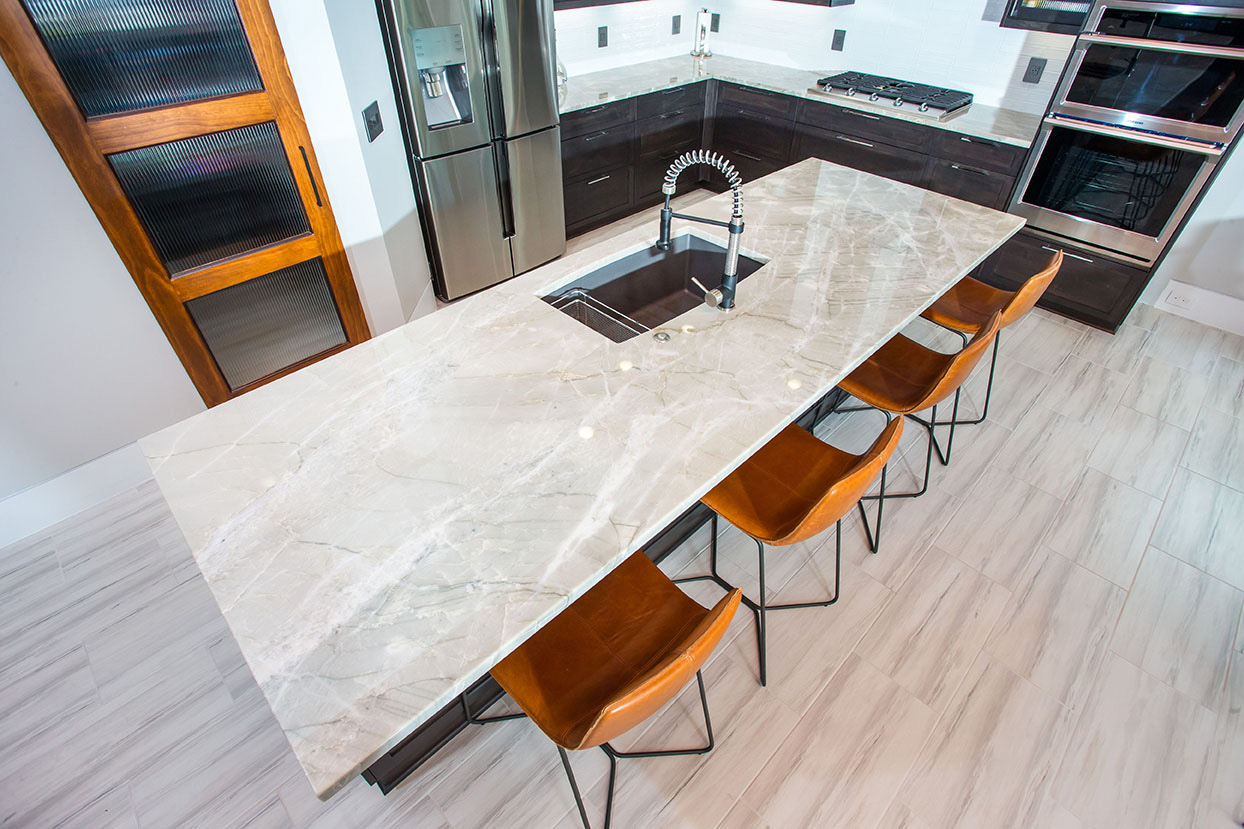
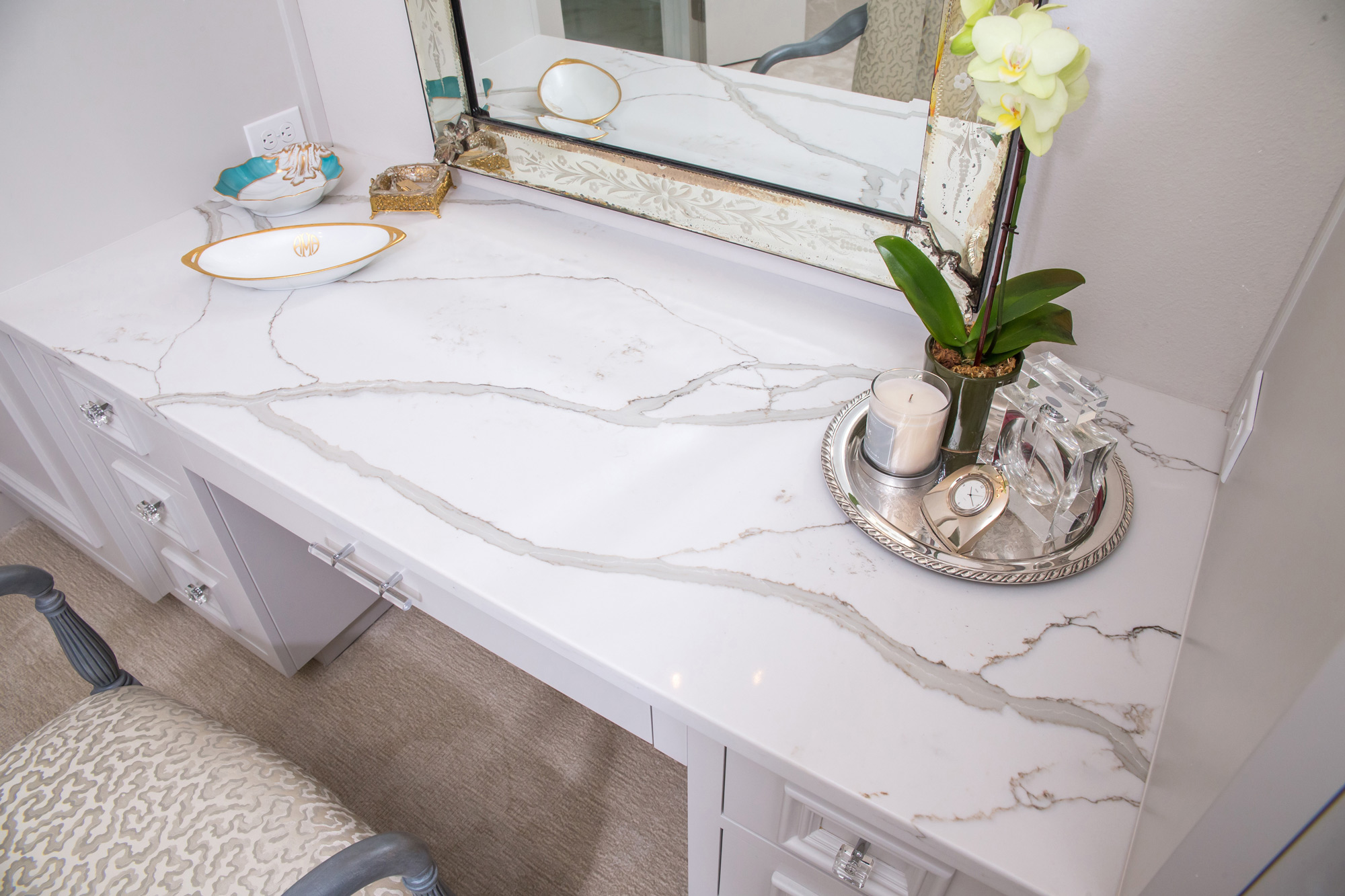
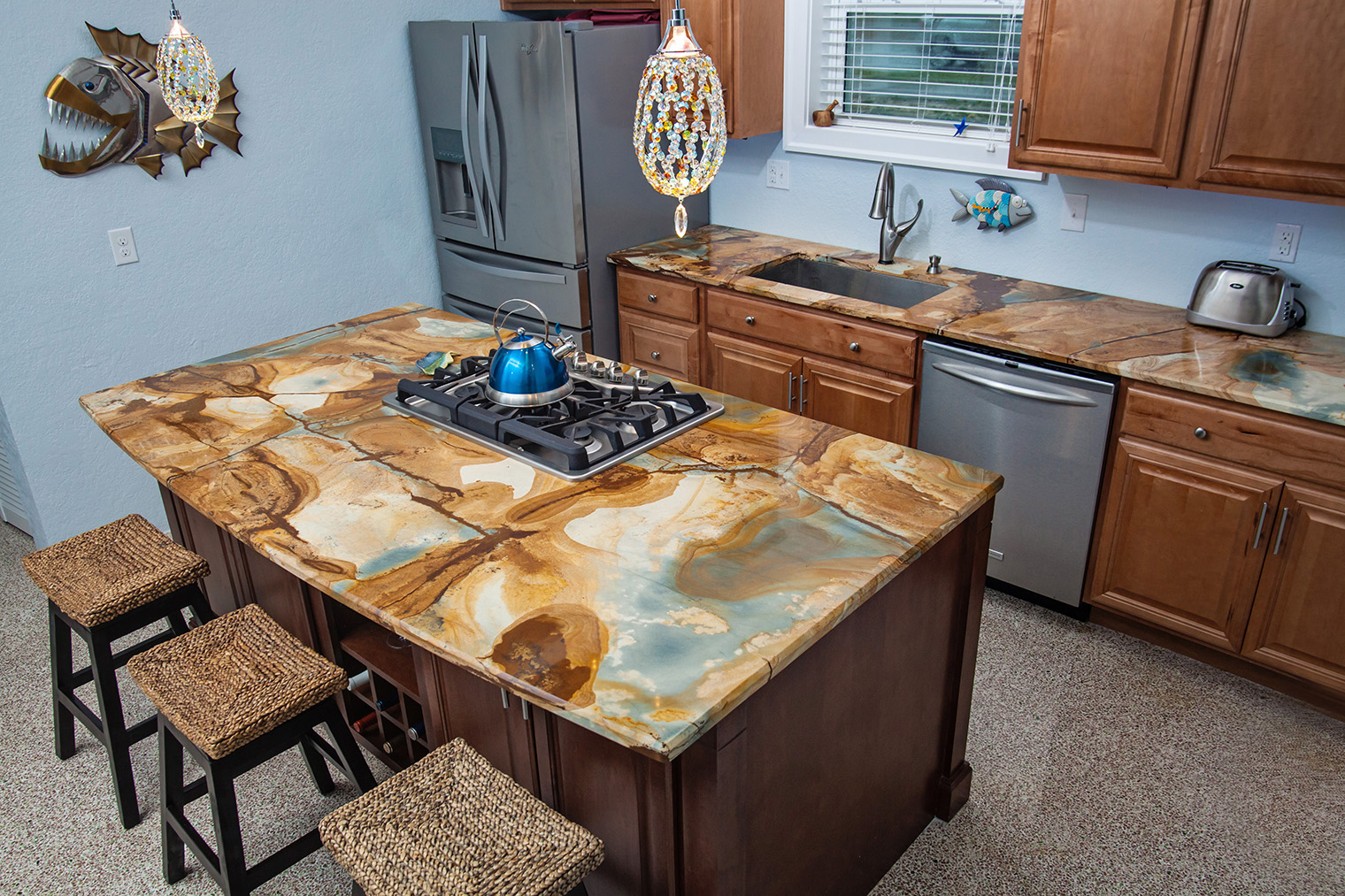
Color is more than the name on the label. Many stones carry a subtle undertone, such as warm cream, cool gray, or a hint of pink or green, that only shows beside your other finishes. In natural stone, minerals create these tones. Quartzite, for example, is usually white to gray, but iron oxide can add shades of pink and red, and other minerals can bring in green, yellow, blue, or orange.
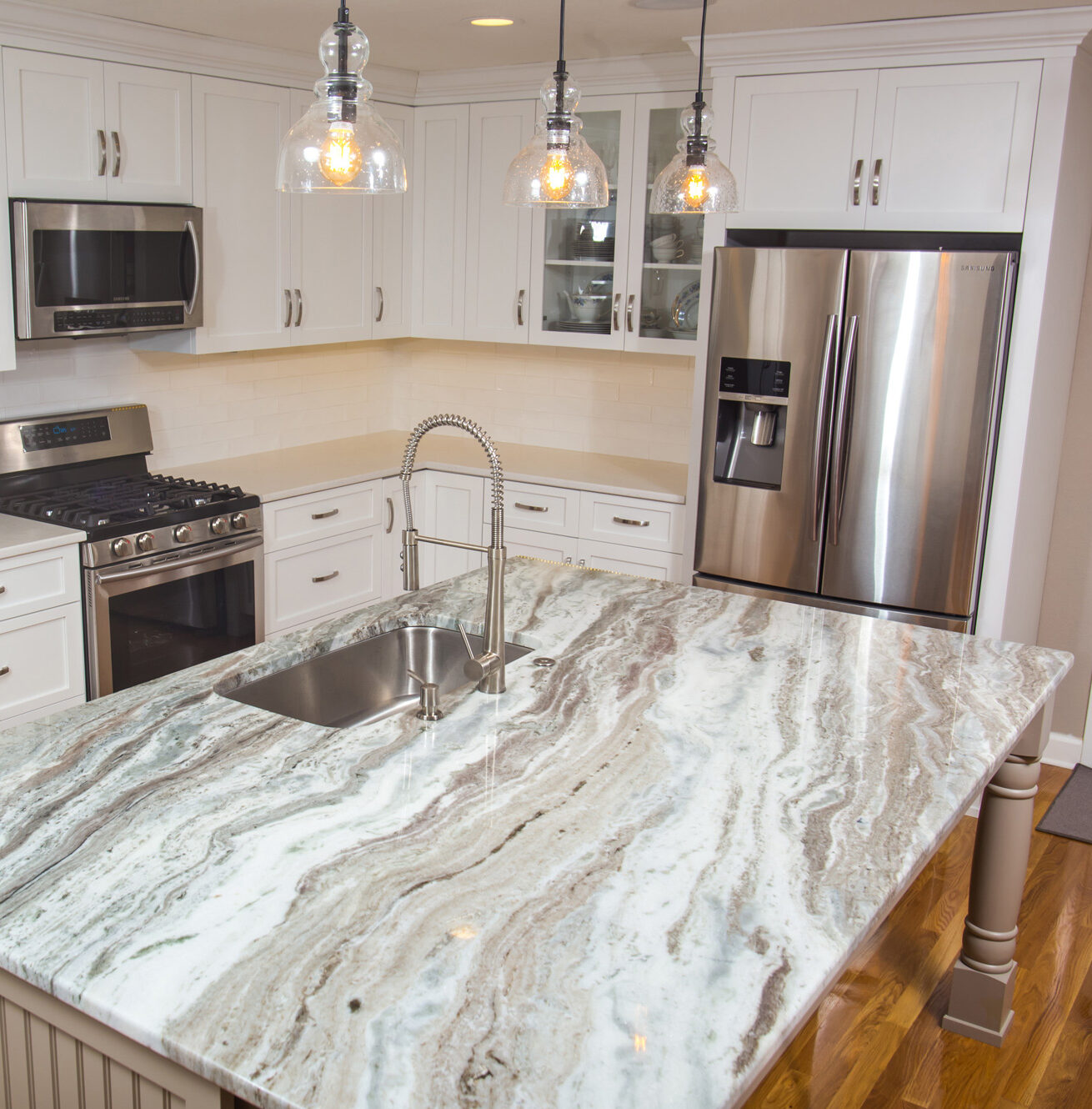
Look at the full slab, not just a small sample, and view it under light similar to your kitchen’s. Hold a cabinet door, a flooring sample, and your paint color next to it. A stone that looks neutral in the showroom can read warmer or cooler at home. Natural stone also shifts across a single slab, so look at the whole surface rather than one spot. If your project needs more than one piece, ask about book-matched slabs, which we use to give you a continuous look.
Take your time here. The natural stone slab you choose sets the direction for every stage that follows. For more guidance on choosing your slab, see our article on what stone samples don’t show you about the full slab.
Stage 2: Templating and How to Prepare
Once you have picked your stone, we move to templating. This is where we take precise measurements of your cabinets and walls so every piece fits properly. Accurate countertop templating depends on a space that is ready, and everything we cut from your natural stone slab is based on these measurements.
A few things need to be in place before our team arrives:
- Clear off your countertops if you have existing cabinets.
- Finish any changes involving plumbing, cabinetry, or walls.
- Make sure all cabinets are set and level.
- Install farm or apron sinks in advance.
- Provide entrance codes if your building requires them.
- Put pets away.
- Give your salesperson the model numbers for your sink, faucet, sink accessories, range, and cooktop.
Someone with job knowledge and decision authority also needs to be present to answer questions. If no one is there, we will reschedule the template, which may delay your job. You can read more about our templating service on our site.
Stage 3: Fabrication
With your measurements in hand, we begin countertop fabrication. We use state-of-the-art machinery to cut your slab to the template, so the piece that arrives at your home is made for your kitchen specifically.
Fabrication is also the stage for customization. There are plenty of options, so ask your sales associate about edges, finishes, and extra add-ons before cutting begins. Every project is unique, so the time from start to finish can vary. We aim to deliver high-quality results within a reasonable time frame.
Stage 4: Installation Day and How to Prepare
When your pieces are ready, our expert install crew brings them to your home. This is the part of the countertop installation process most people picture, and it is the moment a natural stone slab becomes your countertop. A little preparation helps the day go smoothly:
- Clear off your countertops if you have existing cabinets.
- Remove drawers and all items beneath sink bases and cooktop bases.
- Cover wood floors and any other areas you want protected.
- Have your faucets and your cooktop or range on the jobsite.
- Turn off the water valves inside sink bases and cooktop bases.
- Put pets away.
We also prefer to have someone with job knowledge and decision authority present to answer questions.
So, how long does countertop installation take? Our goal is to complete your installation in one day. Unforeseen circumstances can sometimes require additional trips, so we do not promise a fixed schedule. For a closer look at timing, see how long countertop installation really takes. One more timing note: if you are installing an undermount sink, wait 48 hours before scheduling your plumber. This does not apply to drop-in or farm sinks.
If you are replacing existing counters, we also handle countertop removal and disposal. Ask your salesperson how it fits into your project and how it works alongside our installation service.
After Installation: Your First Weeks
Natural stone needs a little attention once it is in place. Quartzite is the clearest example. We recommend sealing it once a month for the first three months, then every six months after that, with extra attention to the edges, faucet holes, and sink openings, which can be more porous than the polished surface. Other natural stones have their own sealing schedules, so ask your salesperson about the stone you chose.
For any natural stone, wipe up spills right away. Alcoholic drinks, essential oils, and citrus can etch porous stones such as marble and calcite. For everyday cleaning, warm soapy water works well, and bleach and ammonia are best avoided.
Final Thoughts: Support From Start to Finish
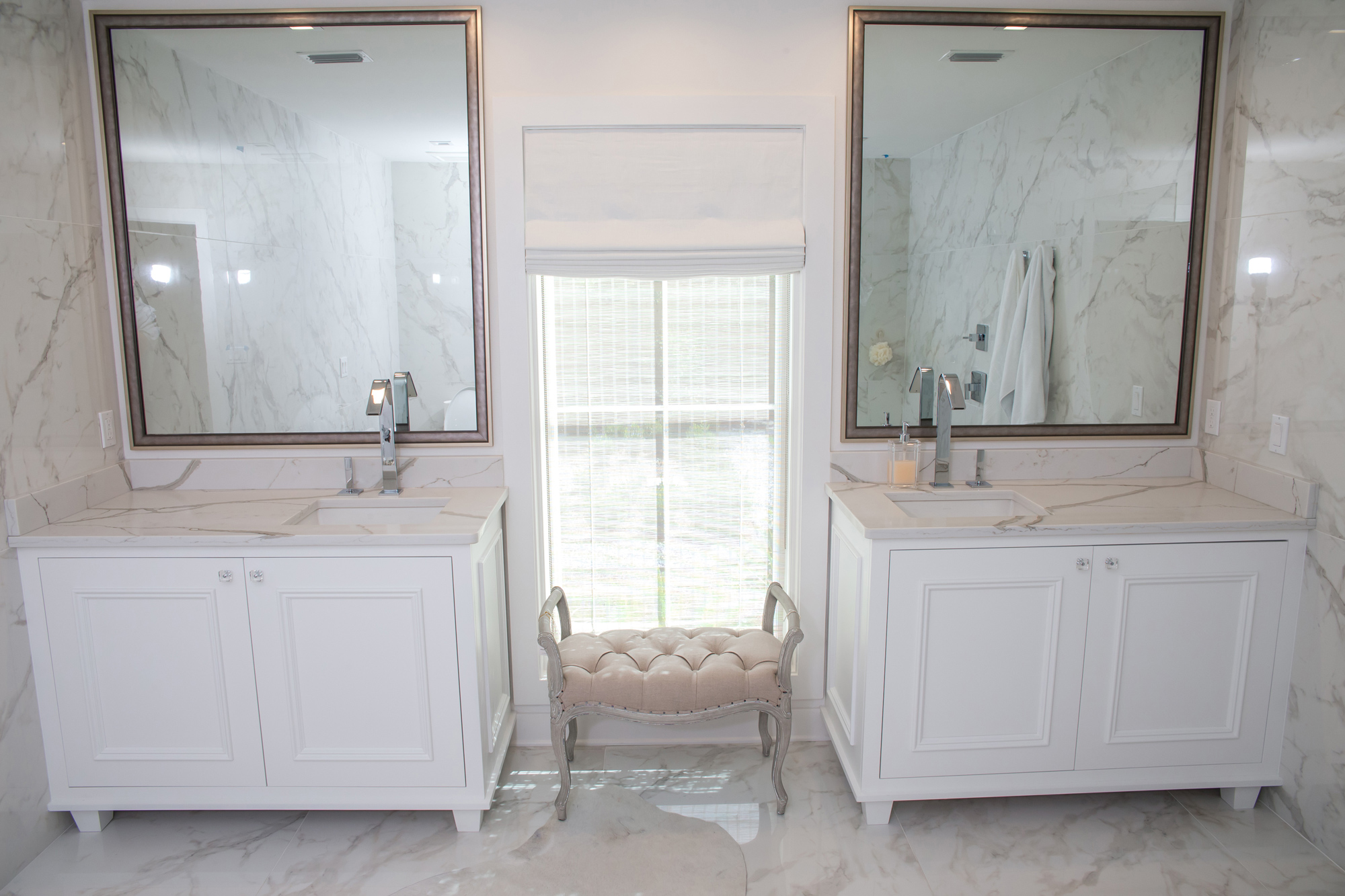
A natural stone slab goes through several stages before it becomes your countertop, and each stage goes better when you know what to expect. Choose your stone in person, prepare your space for templating, ask about your options during fabrication, and plan for installation day. A little preparation at each step makes the whole project easier.
Superior Granite is a family-owned company that opened in 2005. We have showrooms in Pensacola, Pace, and Fort Walton Beach; we serve the surrounding areas and can travel to you. Whether you need a countertop installation in Fort Walton Beach or in a nearby community, the same team guides you through each stage, from choosing your stone to the final installation.
When you are ready, visit Superior Granite or contact us to ask for a free estimate and start looking at slabs.
Pensacola, FL
Visit Us: 7011 Pine Forest Road, Pensacola, FL 32526
Call Us: (850) 941-0270
Hours: Monday – Friday: 8 a.m. – 5 p.m., Saturday: 9 a.m. – 2 p.m.
Pace, FL
Visit Us: 4590 Jernigan Road, Pace, Florida 32571
Call Us: (850) 994-1872
Hours: Tuesday – Friday: 9 a.m. – 5 p.m., Saturday: 9 a.m. – 2 p.m.
Fort Walton Beach, FL
Visit Us: 35 Miracle Strip Pkwy SW, Fort Walton Beach, Florida 32548
Call Us: (850) 301-0716
Hours: Tuesday – Friday: 8 a.m. – 5 p.m., Saturday: 9 a.m. – 2 p.m.
Get quotes now and start your project!
FAQs
1. Is quartz a natural stone?
No. Quartz is an engineered surface made from crushed natural quartz crystals, roughly 90 to 93 percent, bound together with resins and pigments. Quartzite, which sounds similar, is a natural stone formed under extreme heat and pressure.
2. Can I see the slabs in person before I decide?
Yes, and we encourage it. We keep hundreds of colors in stock, so you can stop by any of our showrooms and compare them side by side.
3. Why does thickness vary on some soft stones?
Dolomite, calcite, travertine, limestone, and marble are naturally soft stones, and their thickness may vary by up to 0.635cm. They are also porous. All of the material we sell is 3cm, and these natural differences are part of working with soft stone.
4. Does natural pitting mean a slab is defective?
Not necessarily. Some porous natural stones can have natural pitting. If a particular stone is on your shortlist, ask your salesperson to show you the slab and explain what to expect from it.
5. Are etching and staining covered after installation?
Alcoholic drinks, essential oils, and citrus extracts can etch naturally porous stones, and we are not responsible for surface etching after installation. If quartzite is not sealed properly, it may stain, and that is not covered under our warranty. Prompt cleanup and proper sealing are the best protection.