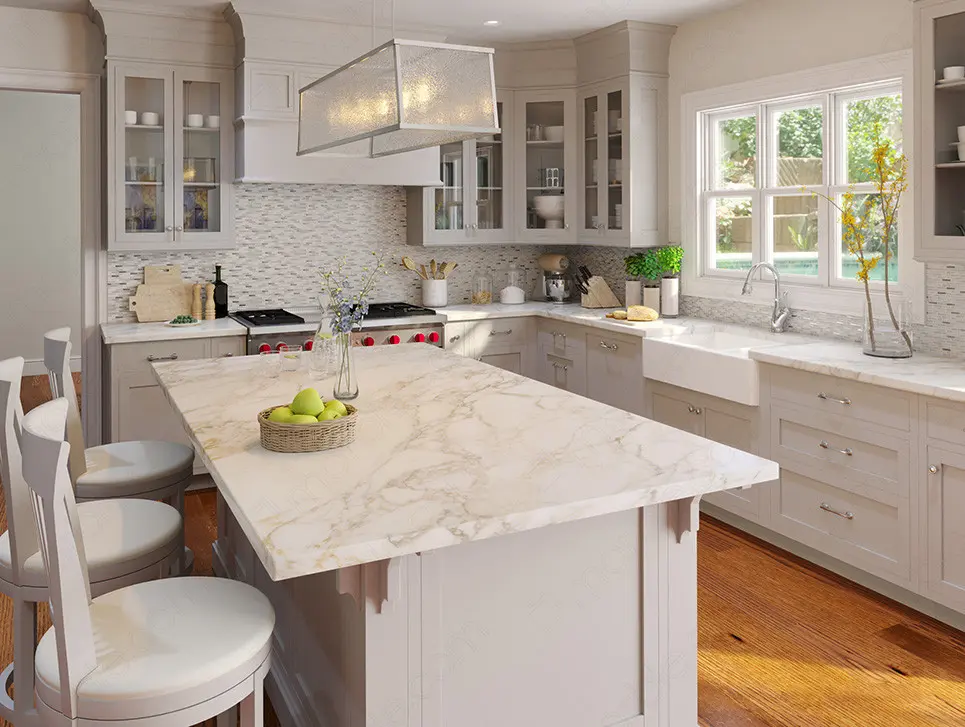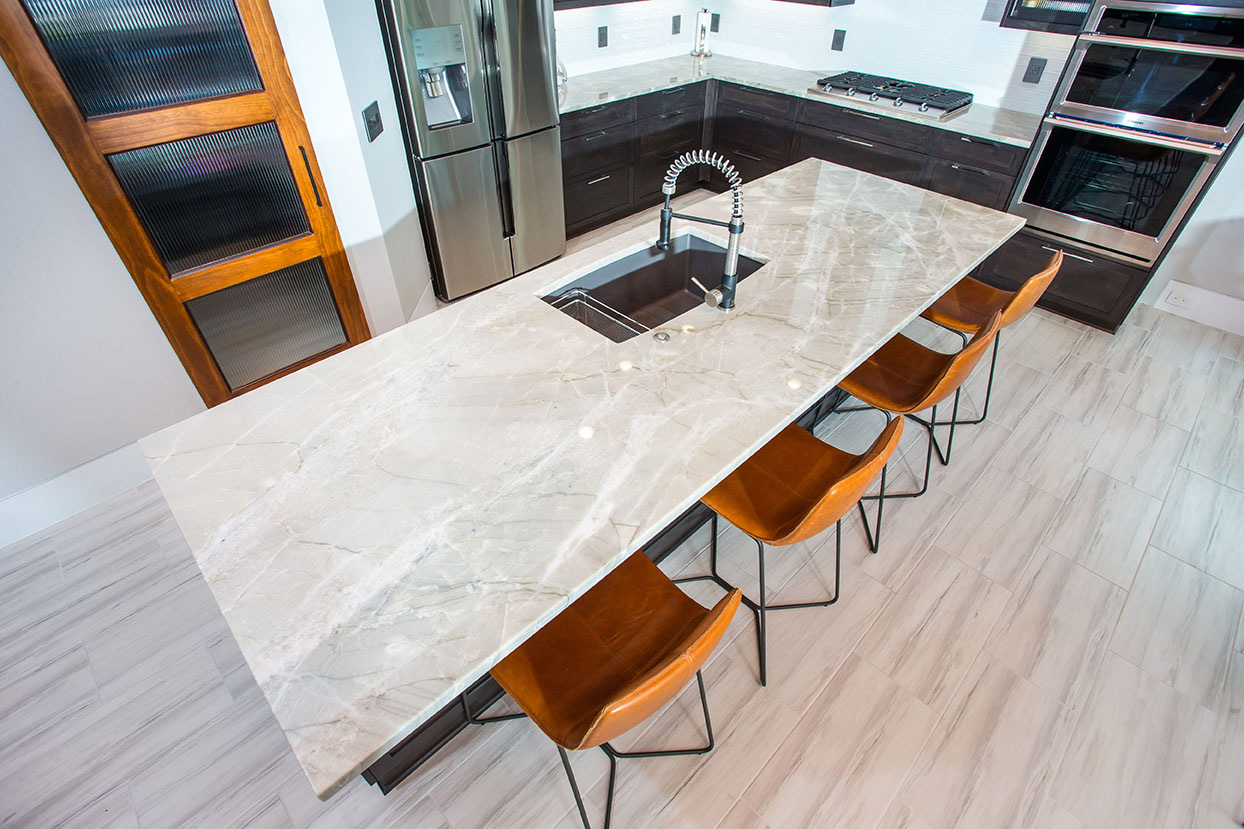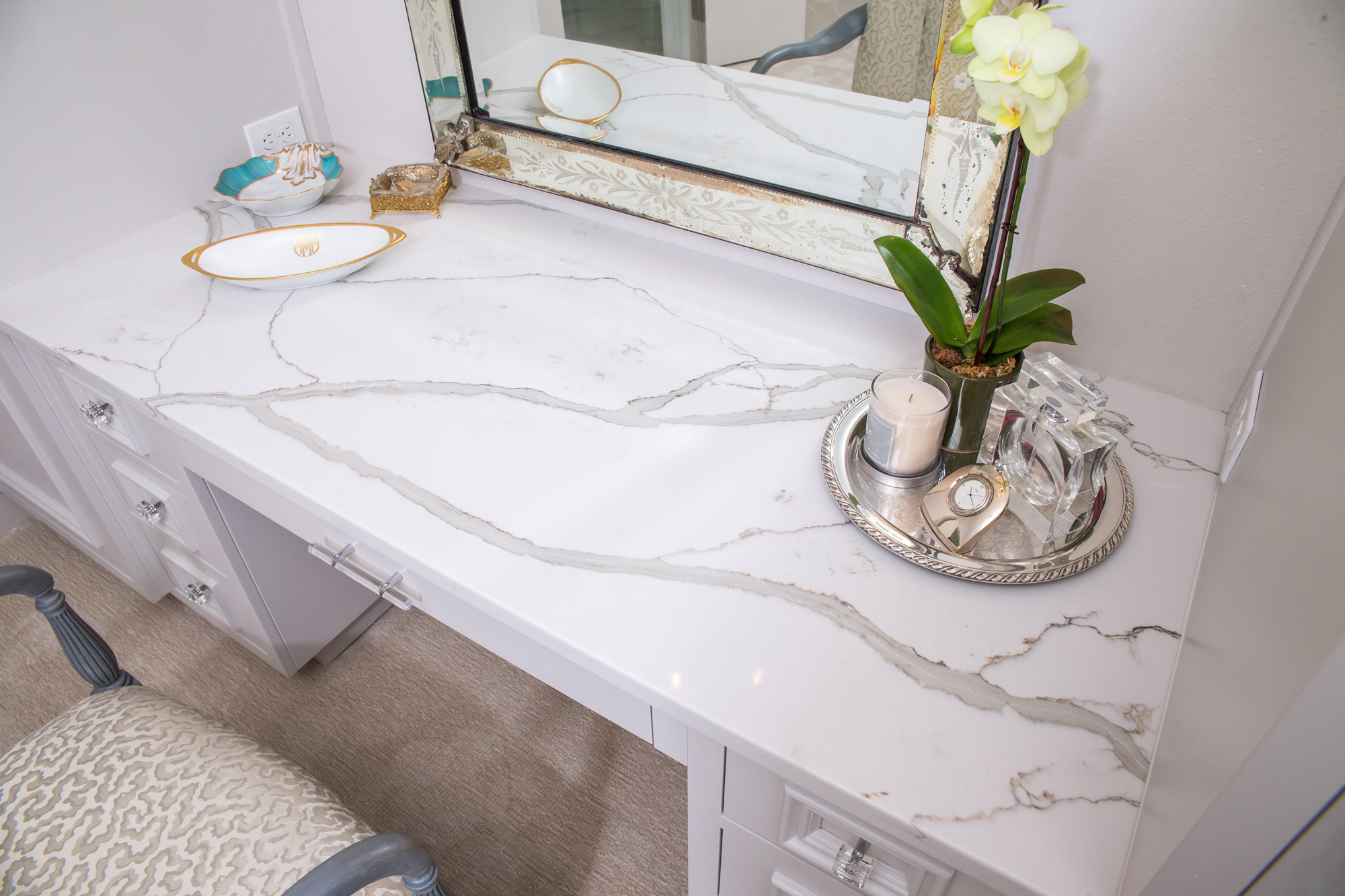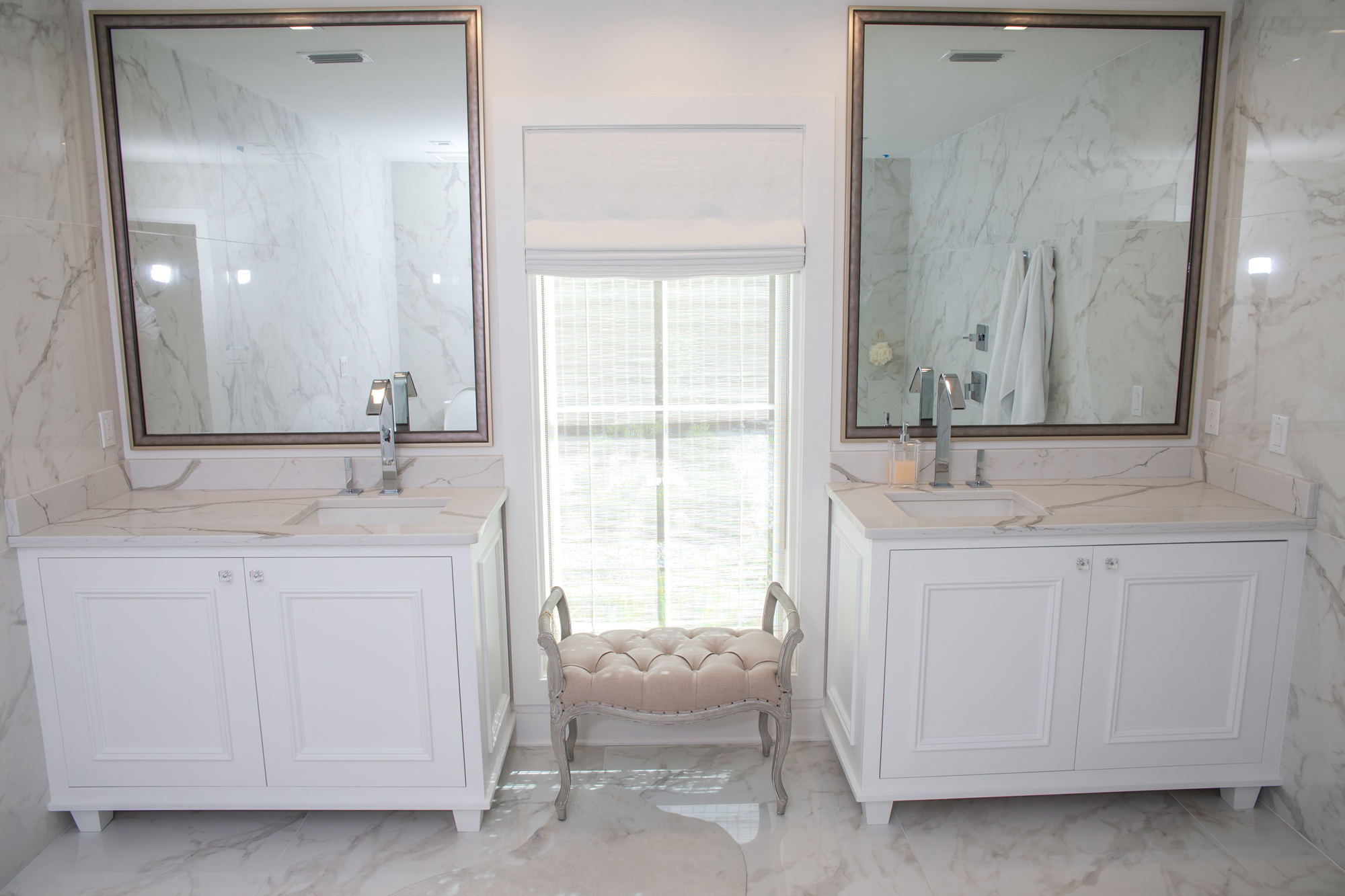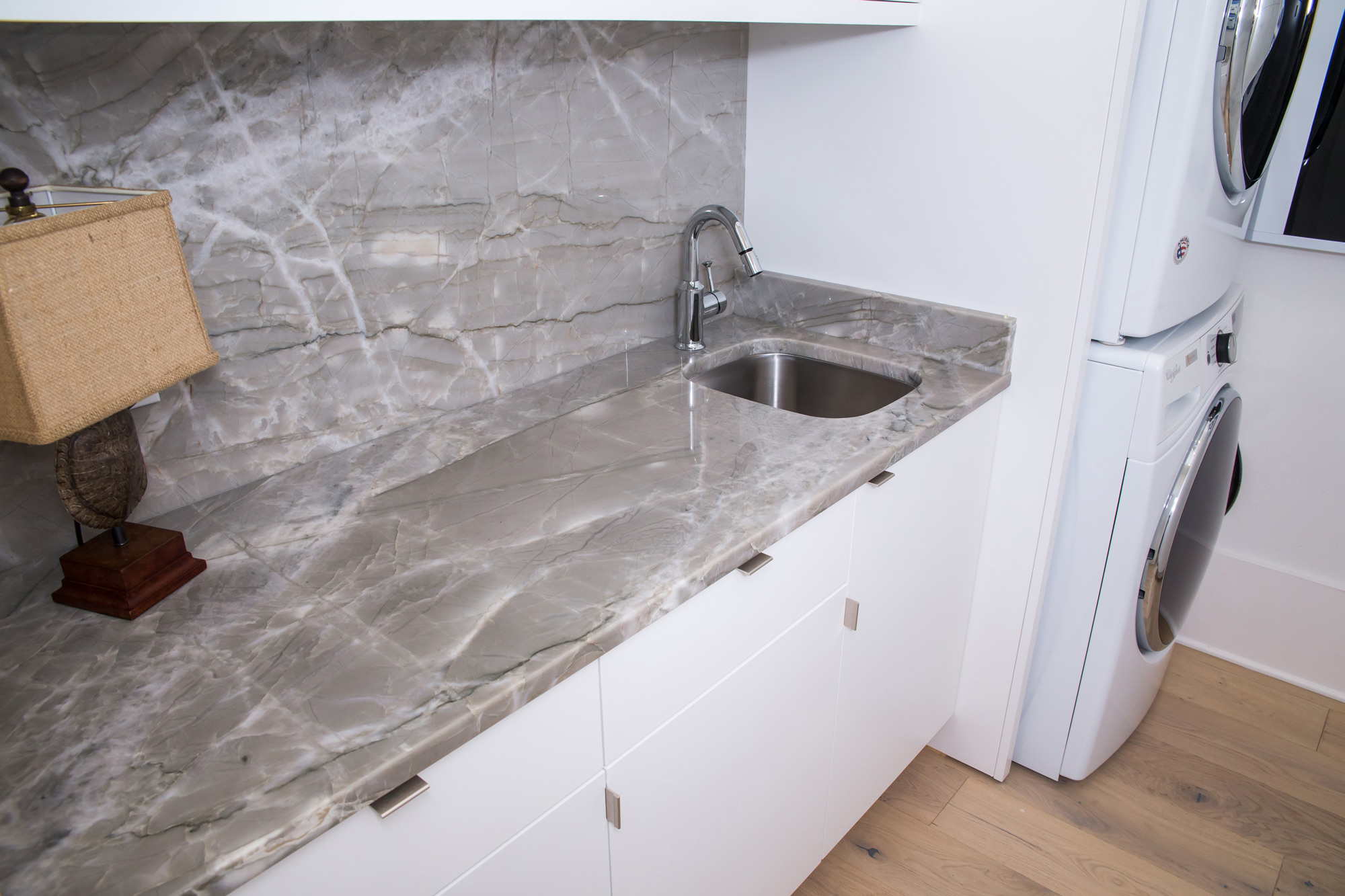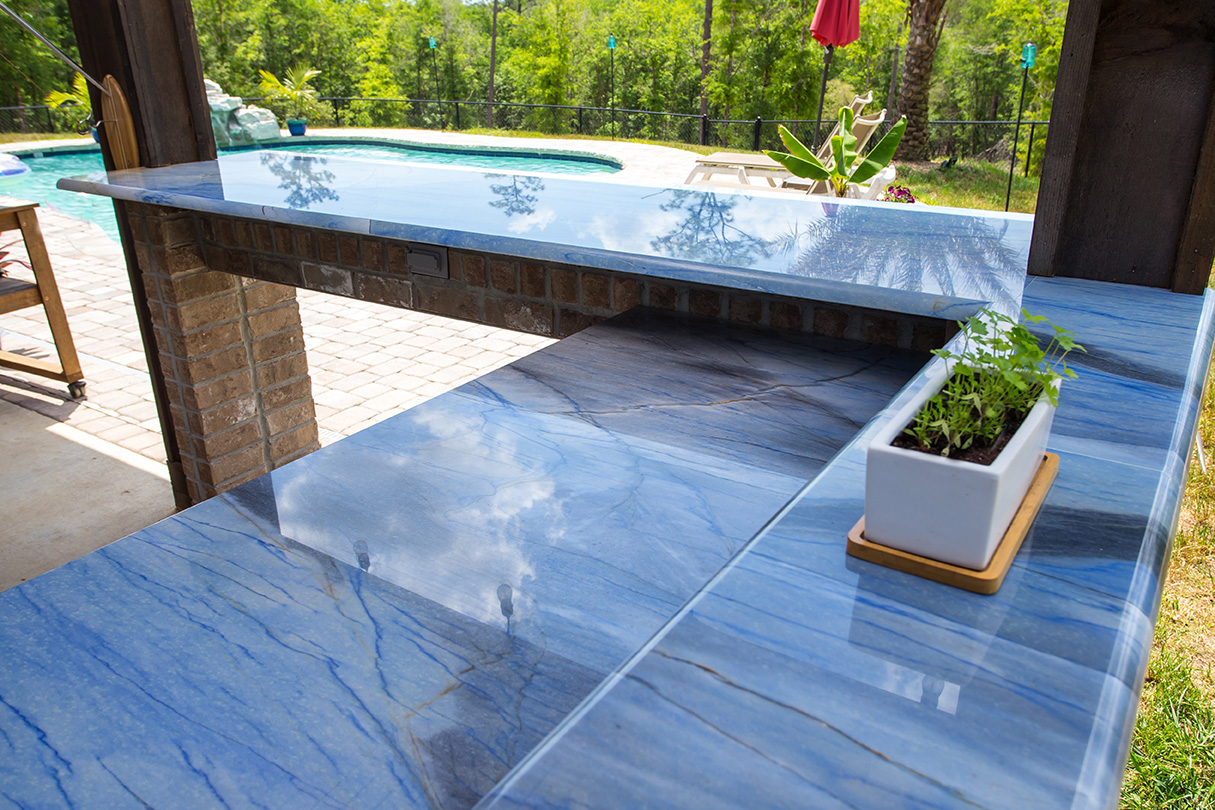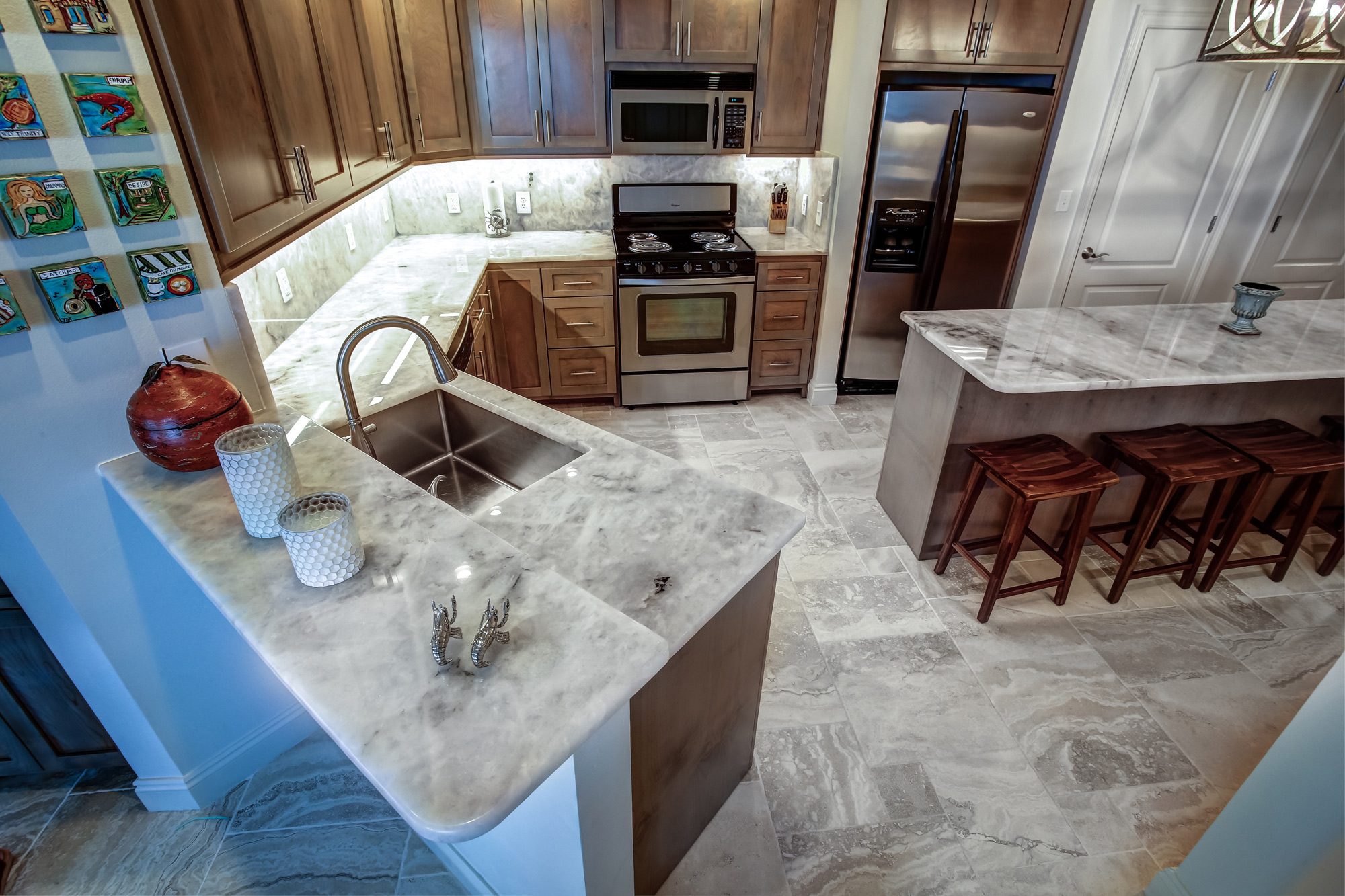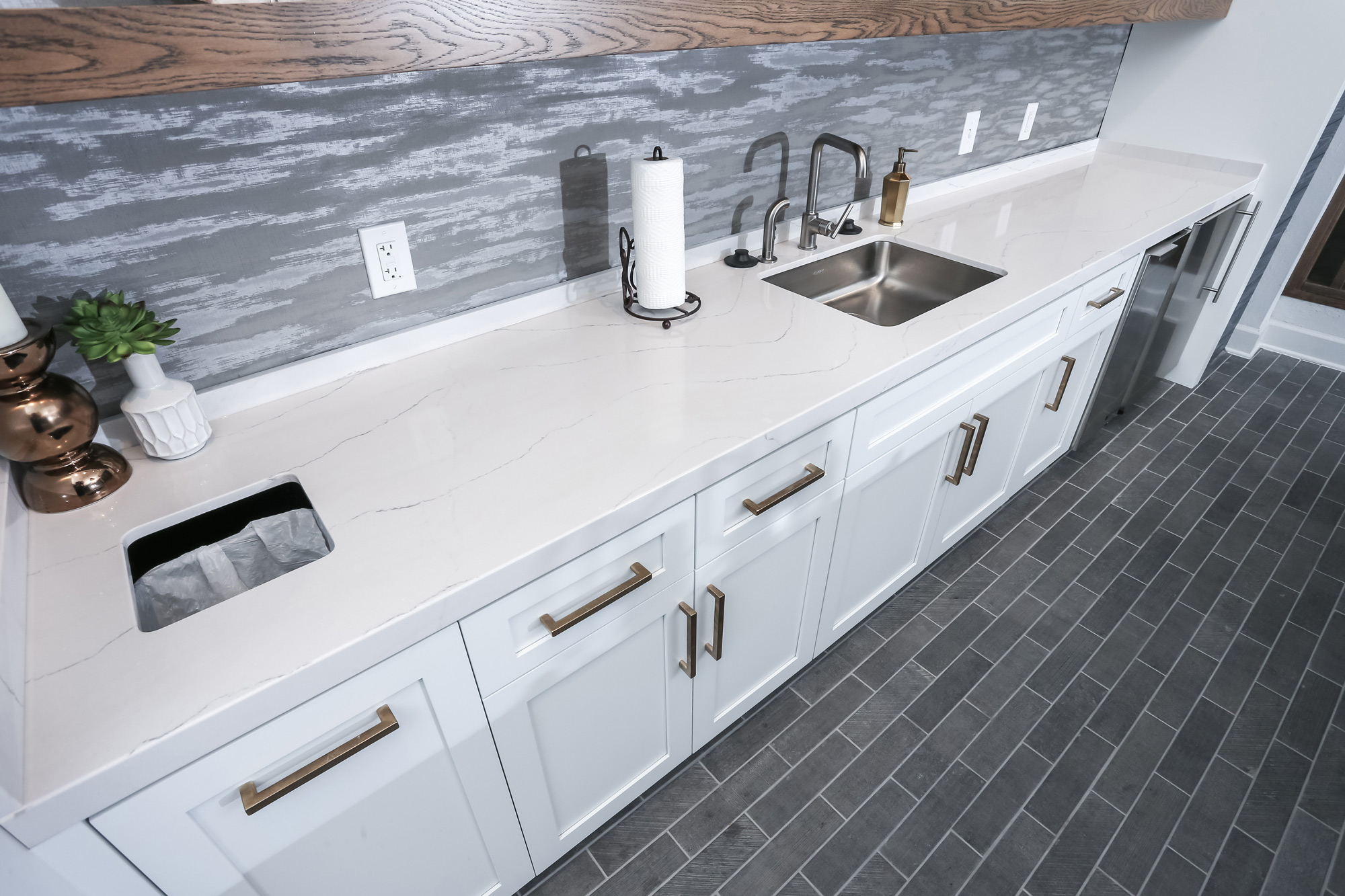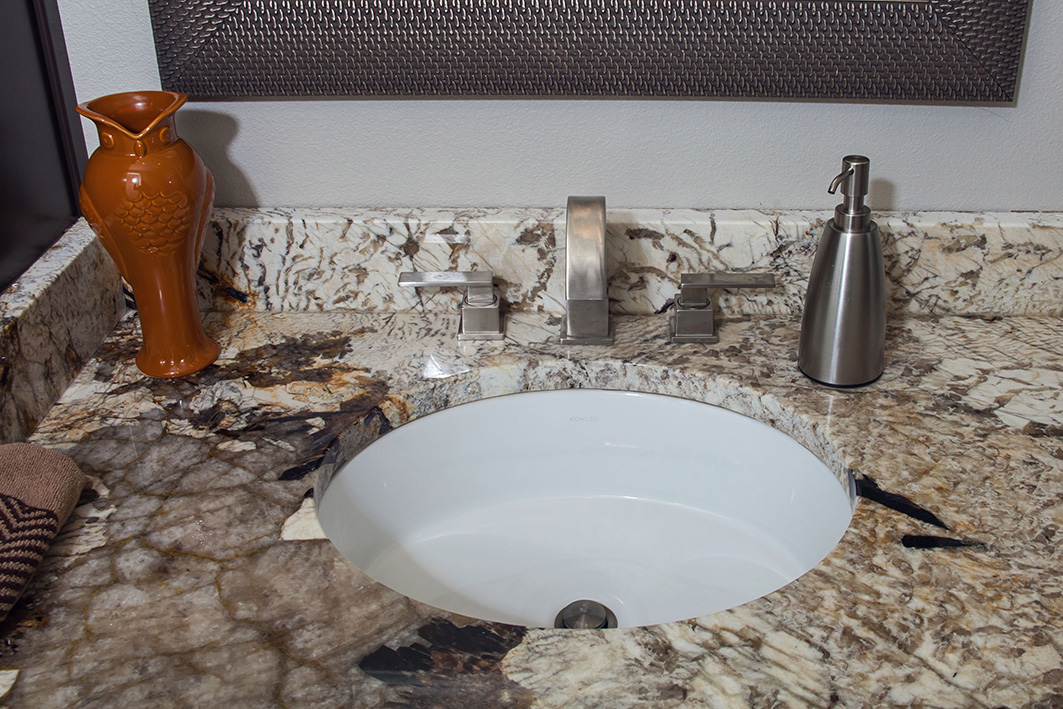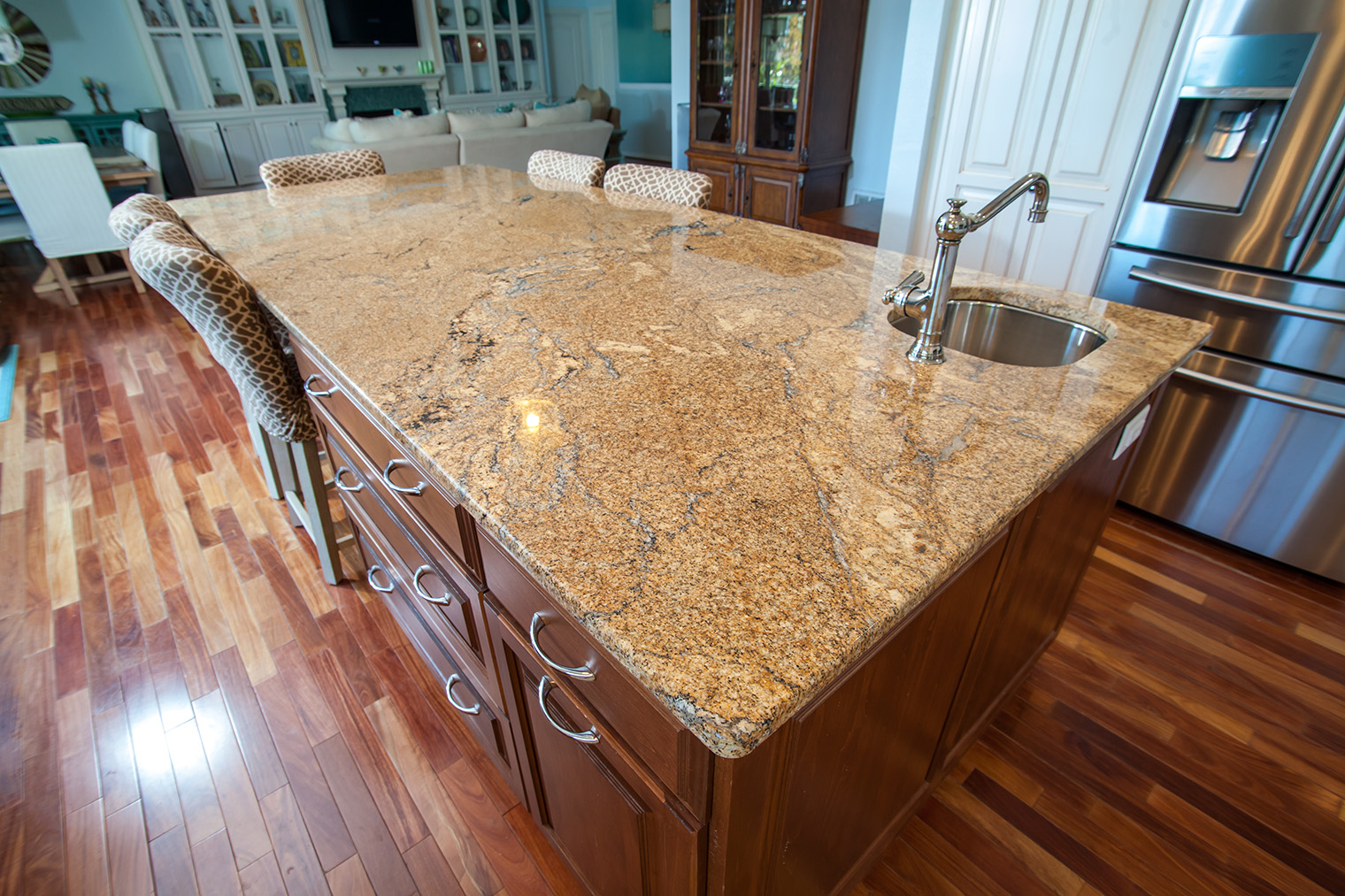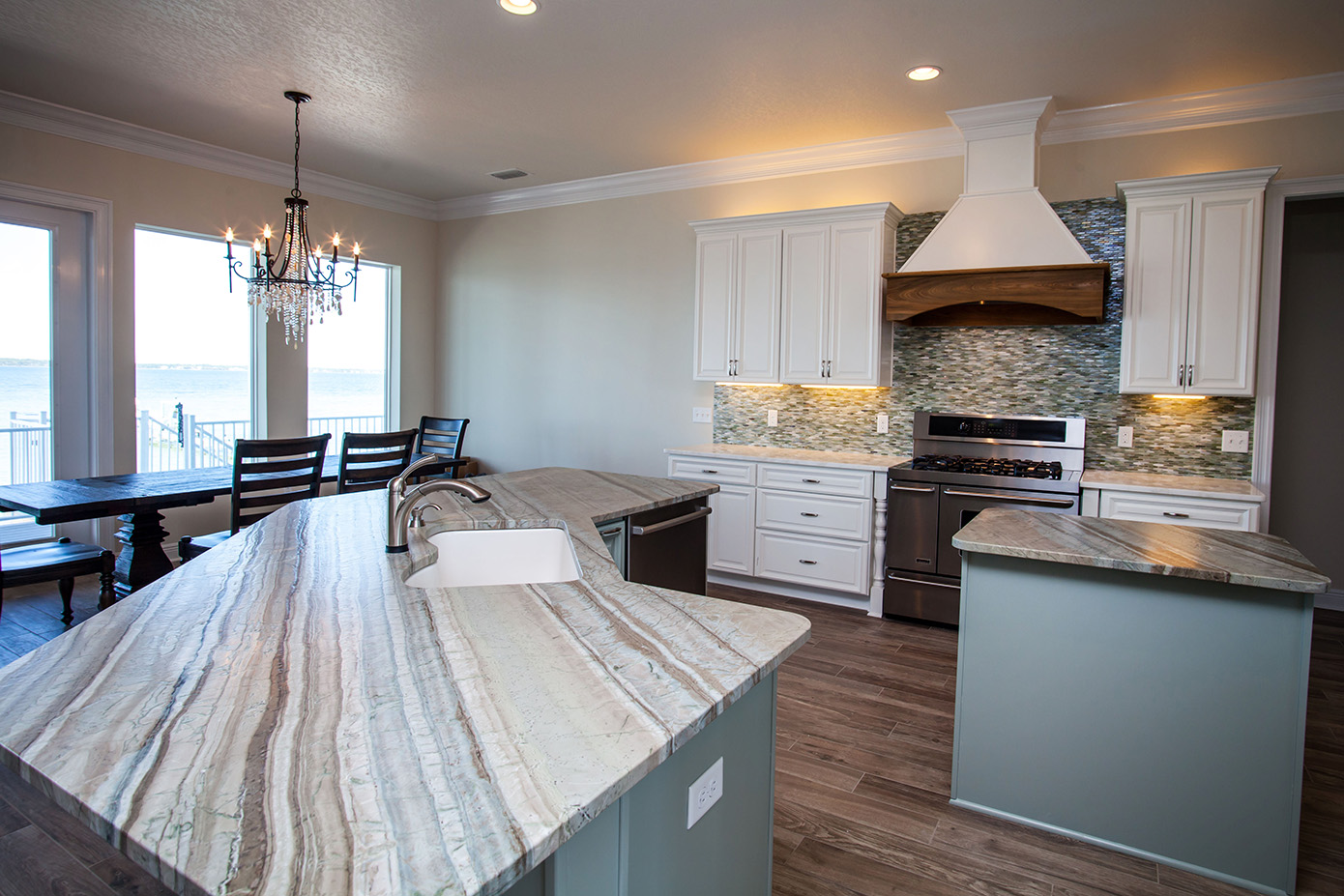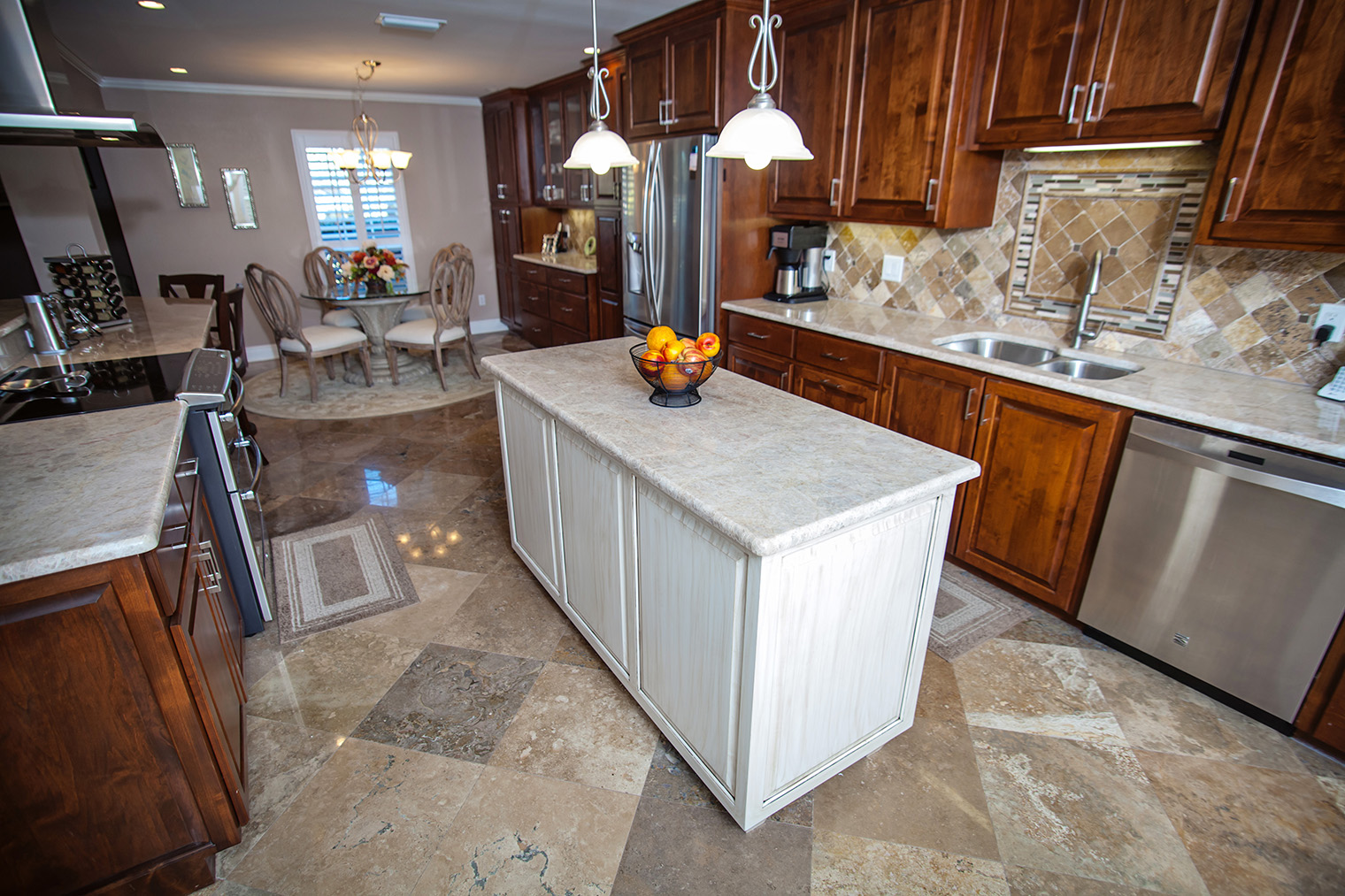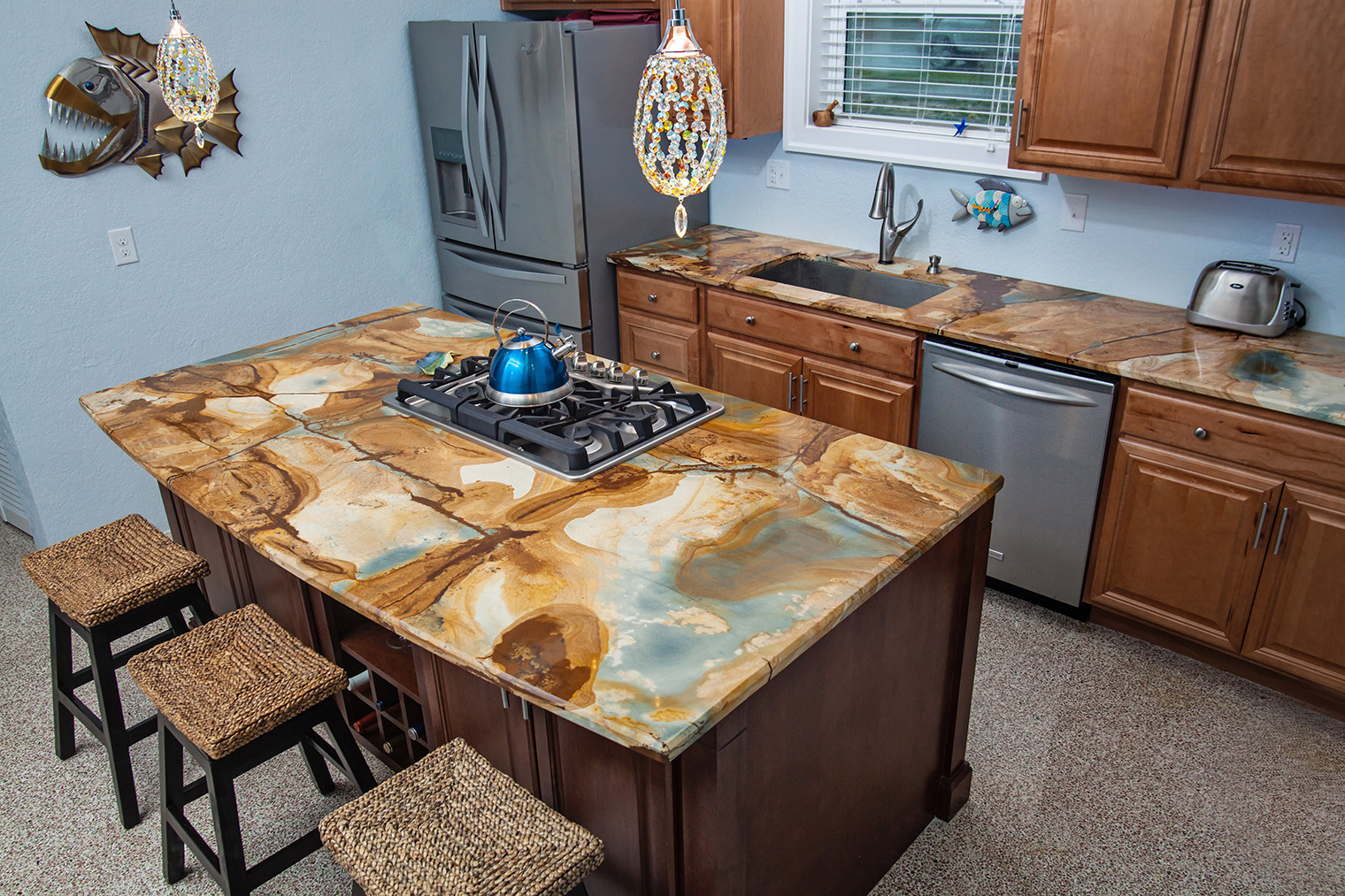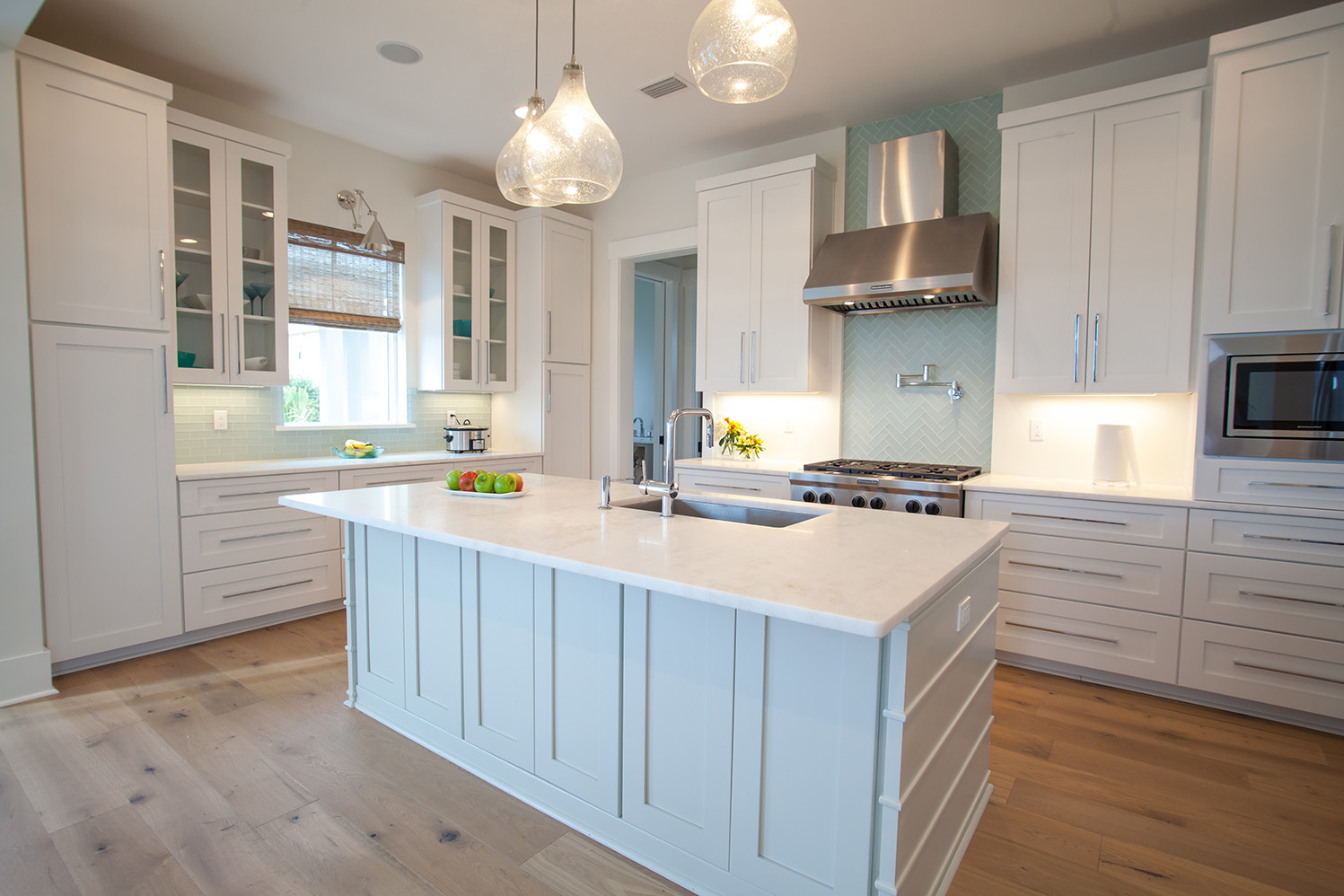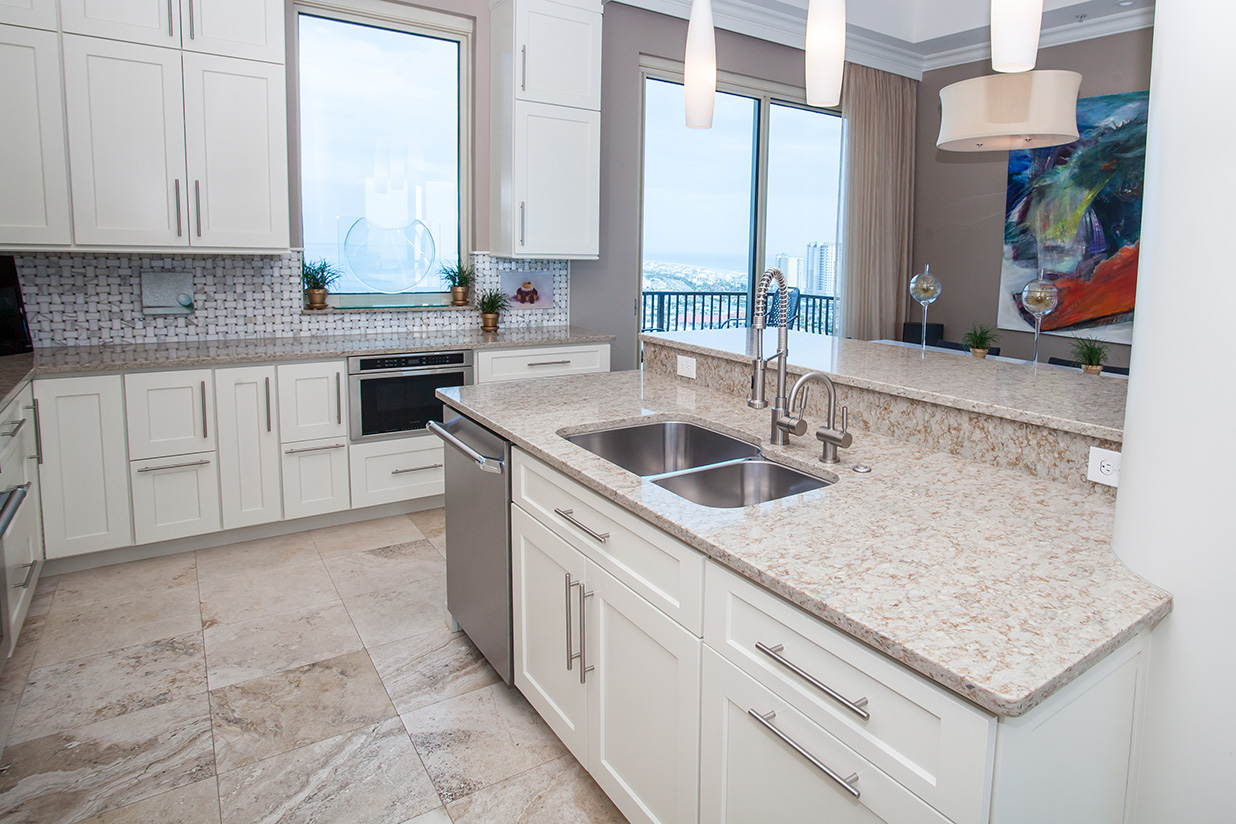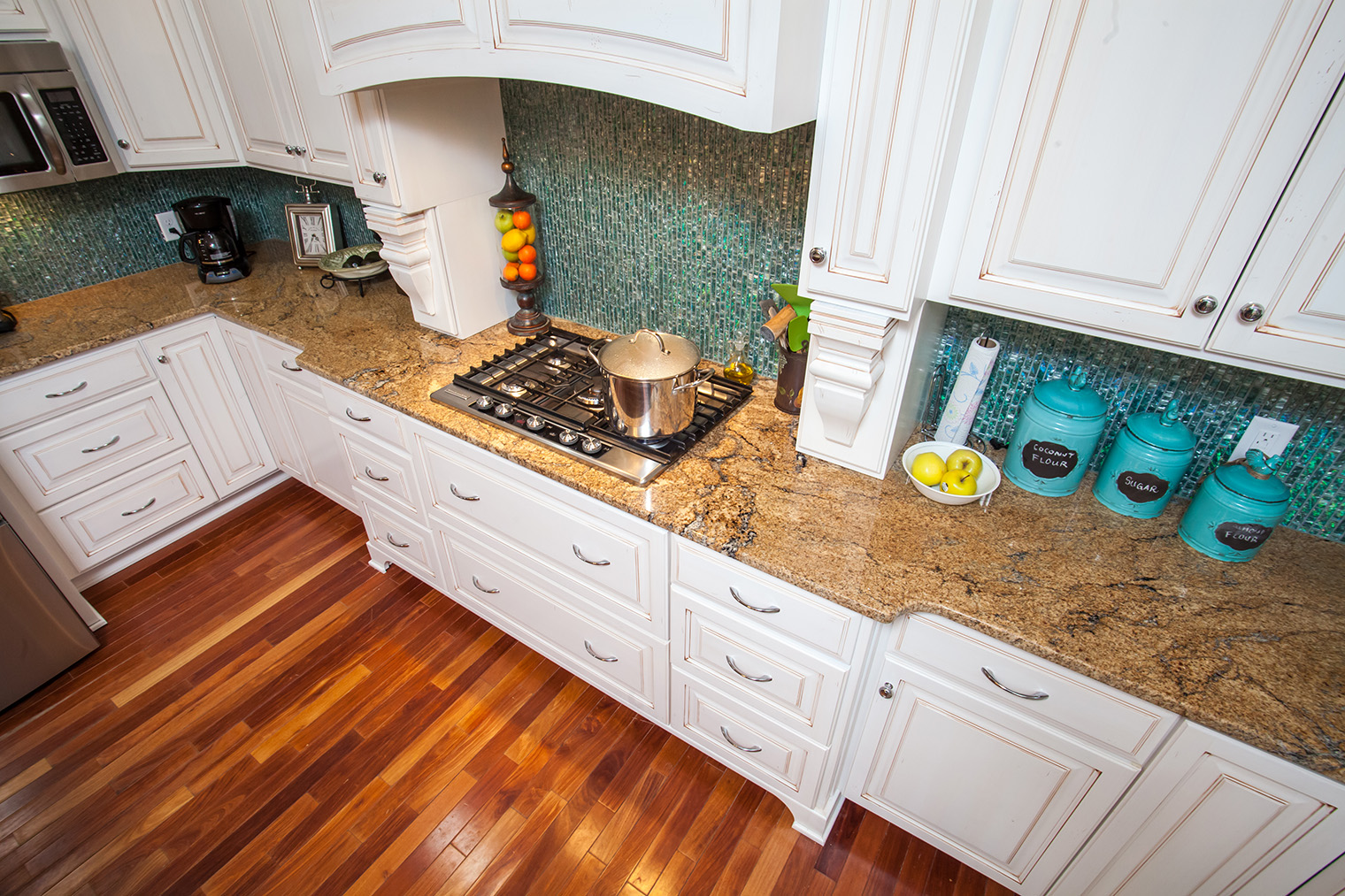
Pink and rose quartz countertops usually cost between $70 and $200 per square foot installed. Engineered quartz starts around $70–$120 per square foot, while natural rose quartz slabs can cost $100–$200 or more, depending on the quality, thickness, brand, and installation. If you want a budget option, builder-grade quartz starts at about $50–$60 per square foot.
These countertops are strong, low-maintenance, and look beautiful. Engineered quartz is more affordable and consistent, while natural rose quartz is rare and luxurious. The right choice depends on your budget and style. With proper care, these countertops can last for many years and keep your kitchen or bathroom looking elegant.
What Are Pink and Rose Quartz Countertops?
Pink and rose quartz countertops are made from quartz, a very hard and strong natural stone. Sometimes the quartz is natural, and sometimes it is mixed with resins to make engineered quartz. The pink and rose colors give a soft and elegant look to kitchens and bathrooms.
Pink quartz usually has a light, gentle pink shade, while rose quartz is a deeper, slightly translucent pink. Both look beautiful and can match many home styles. These countertops are not only chosen for their looks but also for their durability and strength. Quartz is non-porous, so it does not absorb water or stains easily, making it perfect for kitchens and bathrooms. With proper care, these countertops can stay beautiful for many years.
Types of Quartz Countertops
Quartz countertops come in different types, each with its own look, cost, and benefits. The two main types are engineered quartz and natural rose quartz.
Engineered Quartz
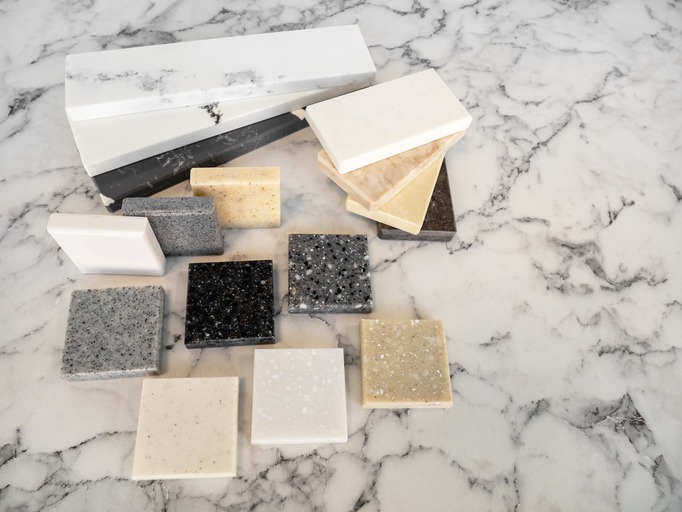
Engineered quartz is made by combining natural quartz with resins and pigments in a factory. This process allows manufacturers to create slabs with consistent color, patterns, and size. It is the most popular choice for homes because it is more affordable than natural quartz, easier to maintain, and comes in many color options.
The cost of engineered quartz usually ranges from $70 to $120 per square foot installed. It is strong, resistant to scratches, and does not need to be sealed like granite countertops. If you want a beautiful pink or rose-colored countertop without spending too much, engineered quartz is the best option.
Natural Rose Quartz
Natural rose quartz is much rarer. It is a gemstone that is cut into slabs and polished for countertops. Because it is natural and unique, the price is higher, often between $100 and $200 or more per square foot installed.
Natural rose quartz has a luxurious look and adds elegance to any kitchen or bathroom. Each slab is unique, so no two countertops are exactly alike. The investment is higher, but if you want a statement piece in your home, natural rose quartz is unmatched.
Benefits of Quartz Countertops: Are They Worth the Cost?
Quartz countertops, especially pink and rose varieties, are worth considering for many reasons:
- Durable and Strong: Quartz is very hard and resistant to scratches or chips. You can cook, cut, or place heavy items on it without worry.
- Non-Porous Surface: Water, juice, or other liquids won’t easily stain the surface. This also makes it more hygienic than some other materials.
- Low Maintenance: Unlike granite, quartz does not need sealing. You can clean it with mild soap and water.
- Beautiful and Elegant: The soft pink and rose colors brighten any space and look luxurious.
- Long-lasting: A well-maintained quartz countertop can last 20-30 years, making it a good long-term investment.
Even though the cost may be higher than laminate or some granite options, the long-term value, durability, and low maintenance make it worth the money.
Factors That Affect the Cost
The price of quartz countertops can vary based on several factors. Understanding these will help you plan your budget better.
Quality and Resin Content
Quartz countertops are made from natural quartz mixed with resin. High-quality quartz has more natural quartz and less resin, which makes it stronger and more natural-looking. Lower quality quartz contains more resin, making it cheaper but slightly less durable.
Brand and Design
Some brands are considered premium, and their products come with a higher price tag. For example, Caesarstone, Silestone, and Cambria are popular in Florida. The color and pattern of the slab also affect the price; rare pink or rose patterns cost more.
Thickness
The thickness of a quartz countertop affects both its strength and price. Thicker slabs are stronger and look more luxurious, but they usually cost more.
| Thickness | Typical Price Impact |
| 2 cm (~¾ inch) | Standard cost |
| 3 cm (~1¼ inch) | Slightly higher |
| 1.5″+ | Highest cost, premium slabs |
Thicker slabs use more material and are heavier, which increases both material and labor costs.
Edge Profile
The edge style of the countertop can also add to the price. A simple square edge is the cheapest, while bullnose, ogee, or waterfall edges cost more because they require extra labor and skill.
Installation Complexity
Quartz Countertops Installation in kitchens with multiple cutouts for sinks, stoves, or islands can increase the cost. Complicated layouts require more labor and time.
Why Prices Vary by City in Florida?
The cost of quartz countertops in Florida can change depending on the city. Labor and material prices are different in each area. For example, in Pensacola and Pace, installation costs might be a little higher than in smaller towns nearby. It’s always a good idea to check with local suppliers to get the best price.
Cost of Quartz Countertops Per Square Foot
To make it simple, here is a table showing the cost of rose quartz countertops in Florida:
| Type of Quartz | Cost per Square Foot (Installed) | Notes |
| Budget / Builder Quartz | $50 – $80 | Higher resin, basic patterns |
| Standard Engineered Quartz | $70 – $120 | Popular choice, good durability |
| Premium / Designer Quartz | $100 – $200+ | Special patterns, thicker slabs |
| Natural Rose Quartz | $100 – $200+ | Rare and luxurious, premium finish |
It is always a good idea to ask for itemized quotes from local fabricators like Form Superior Granite so you can see how much is for materials and how much is for installation. This helps you avoid surprises and plan your budget better.
Comparing Quartz to Other Countertop Materials
When choosing quartz countertops, it’s helpful to see different countertop images. Comparing quartz to granite, marble, laminate, and solid surfaces shows why quartz is strong, low-maintenance, and stylish.
Quartz vs Granite
Granite is a natural stone and has been popular for years. It is strong and heat-resistant. However, granite is porous, so it can stain if not sealed properly. Quartz, on the other hand, is non-porous, which makes it more resistant to spills and easier to clean. In terms of price, high-quality granite can sometimes cost as much as or more than quartz, especially for rare patterns. Quartz has the added advantage of consistent color and fewer maintenance worries.
Quartz vs Marble
Marble Countertops are elegant and classic, but they are softer and more porous than quartz. This makes it prone to scratches, stains, and etching from acidic substances. Quartz countertops are stronger and more practical for everyday use while still offering a luxurious look. Marble can also be more expensive than quartz, especially for premium grades.
Quartz vs Laminate
Laminate countertops are the cheapest option, usually $20-$40 per square foot. They can imitate stone but are less durable and scratch easily. They also cannot handle heat well. While quartz costs more, it is a long-term investment that lasts much longer and maintains its beauty.
Quartz vs Solid Surface
Solid surface countertops like Corian are non-porous and come in many colors. However, they are softer than quartz and can scratch or dent over time. Quartz offers better durability, scratch resistance, and a wider range of luxurious patterns and colors, including pink and rose tones.
In short, quartz countertops provide a perfect balance of beauty, durability, and low maintenance, making them an excellent choice compared to other materials.
Pros and Cons of Pink and Rose Quartz Countertops
Every material has advantages and disadvantages. Here’s a simple guide to help you decide:
Pros
- Beautiful and Stylish: Pink and rose colors brighten any room and add elegance.
- Durable and Hard: Resistant to scratches and chips.
- Non-Porous: Stain and water-resistant.
- Low Maintenance: No sealing needed, easy to clean.
- Long-lasting: Can last decades without losing color or shine.
Cons
- Higher Cost: Premium quartz, especially natural rose quartz, is expensive.
- Heavy Material: Needs professional installation.
- Limited Large Slabs: Some rare colors may have smaller slab sizes, causing seams.
- Not Heat-Proof: Always use trivets or pads; extreme heat can damage the resin.
Tips to Save Money on Quartz Countertops
Even though quartz is an investment, you can save money if you plan carefully:
- Choose Engineered Quartz: Natural rose quartz is more expensive. Engineered quartz is durable and cost-effective.
- Simple Edge Profiles: Avoid fancy edges like ogee or waterfall; choose square or beveled edges.
- Use Remnants for Small Areas: If you only need small countertops, remnant pieces can save a lot.
- Compare Local Fabricators: Get multiple quotes to find the best price in your Florida city.
- Install During Off-Season: Some suppliers offer discounts during slower months.
- Limit Custom Cutouts: Each extra sink or appliance countertop fabrication cut increases the cost.
Following these tips can help you get beautiful quartz countertops without overspending.
Conclusion
Pink and rose quartz countertops are an excellent choice for anyone looking to add beauty, durability, and elegance to their home. They may cost more than some other materials, but their long-lasting quality and low maintenance make them worth every penny. From engineered quartz to natural rose quartz, there are options for different budgets, styles, and kitchen layouts.
By understanding the factors that affect cost, you can plan your project and get the best value for your money. Investing in pink and rose quartz countertops is not just about the price; it’s about bringing style, functionality, and value to your home for many years.
Ready to transform your kitchen or Bathroom?
If you are ready to transform your kitchen or bathroom, contact a trusted local installer today. Ask for free quotes, compare options, and choose the style and type that fits your home and budget.
Pensacola, FL
Visit Us: 7011 Pine Forest Road, Pensacola, FL 32526
Call Us: (850) 941-0270
Hours: Monday – Friday: 8 a.m. – 5 p.m., Saturday: 9 a.m. – 2 p.m.
Pace, FL
Visit Us: 4590 Jernigan Road, Pace, Florida 32571
Call Us: (850) 994-1872
Hours: Tuesday – Friday: 9 a.m. – 5 p.m., Saturday: 9 a.m. – 2 p.m.
Fort Walton Beach, FL
Visit Us: 35 Miracle Strip Pkwy SW, Fort Walton Beach, Florida 32548
Call Us: (850) 301-0716
Hours: Tuesday – Friday: 8 a.m. – 5 p.m., Saturday: 9 a.m. – 2 p.m.
Contact us today to schedule a free consultation!
FAQs
Q1: Are pink and rose quartz countertops worth the price?
Yes. They are durable, non-porous, and low-maintenance. They last for decades and add value to your home.
Q2: How much do rose quartz countertops cost per square foot?
In Florida, prices typically range from $70 to $200+ per square foot installed, depending on type, thickness, and installation complexity.
Q3: What is the difference between engineered and natural rose quartz?
Engineered quartz is made from crushed quartz mixed with resin and pigments. Natural rose quartz is a rare gemstone cut into slabs. Engineered is more affordable; natural is more expensive and luxurious.
Q4: Can I put hot pots on quartz countertops?
Quartz is heat-resistant to some degree but not heat-proof. Always use a trivet or heat pad to avoid damage.
Q5: How do I clean quartz countertops?
Use warm water, mild soap, and a soft cloth. Avoid harsh chemicals or abrasive scrubs.