Introduction:
In recent years, porcelain countertops have gained widespread popularity among homeowners looking for both aesthetics and performance. Known for their sleek appearance and outstanding durability, these surfaces are redefining modern kitchens and bathrooms.
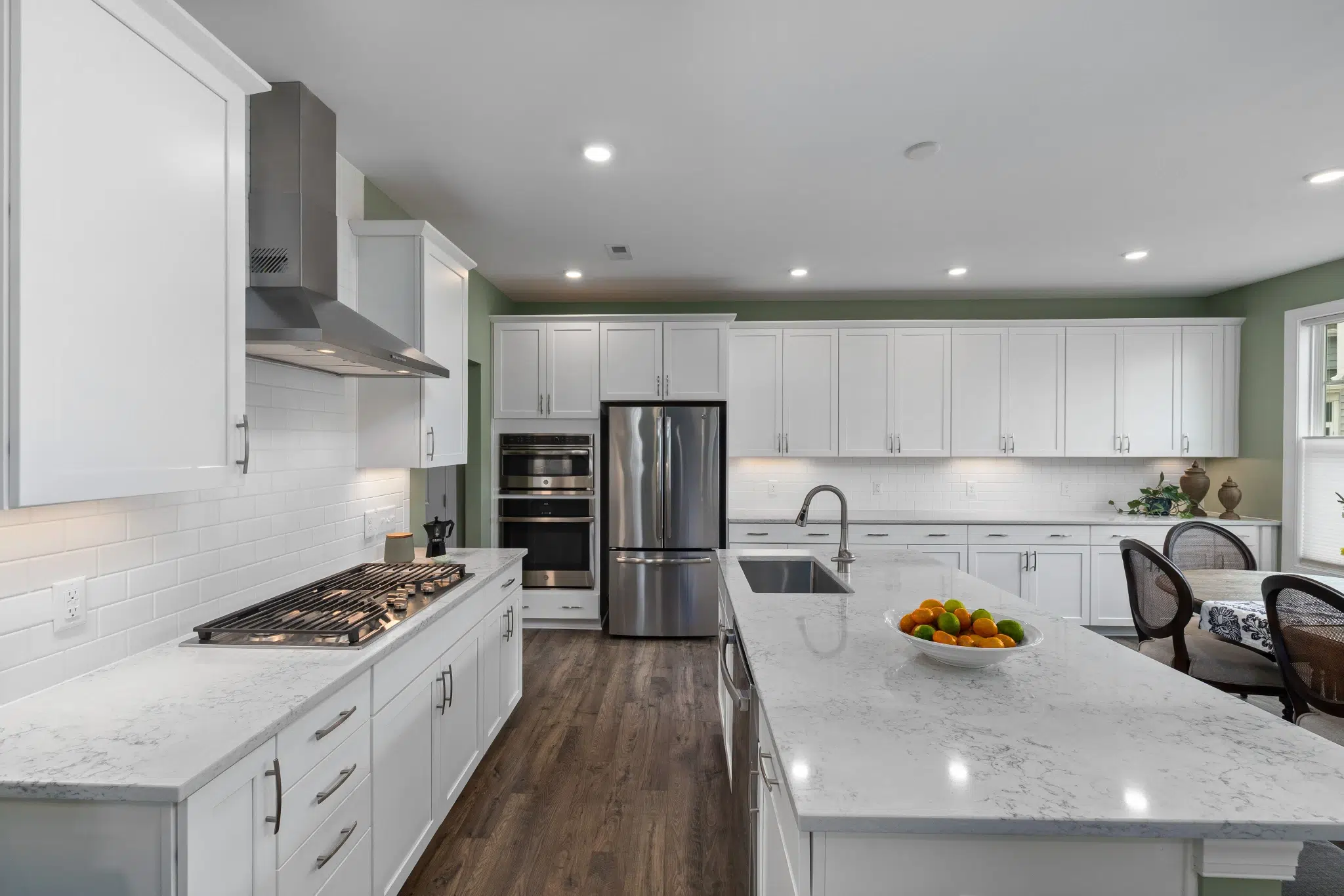
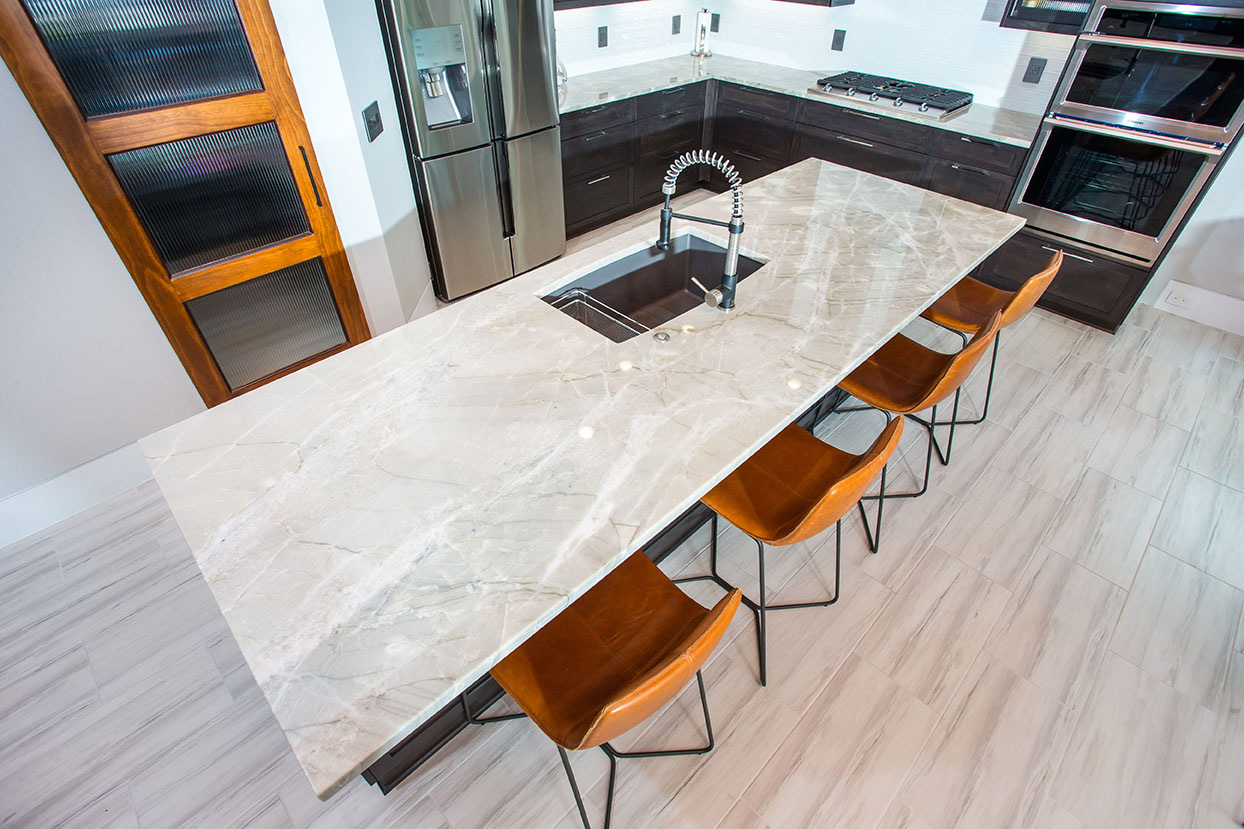
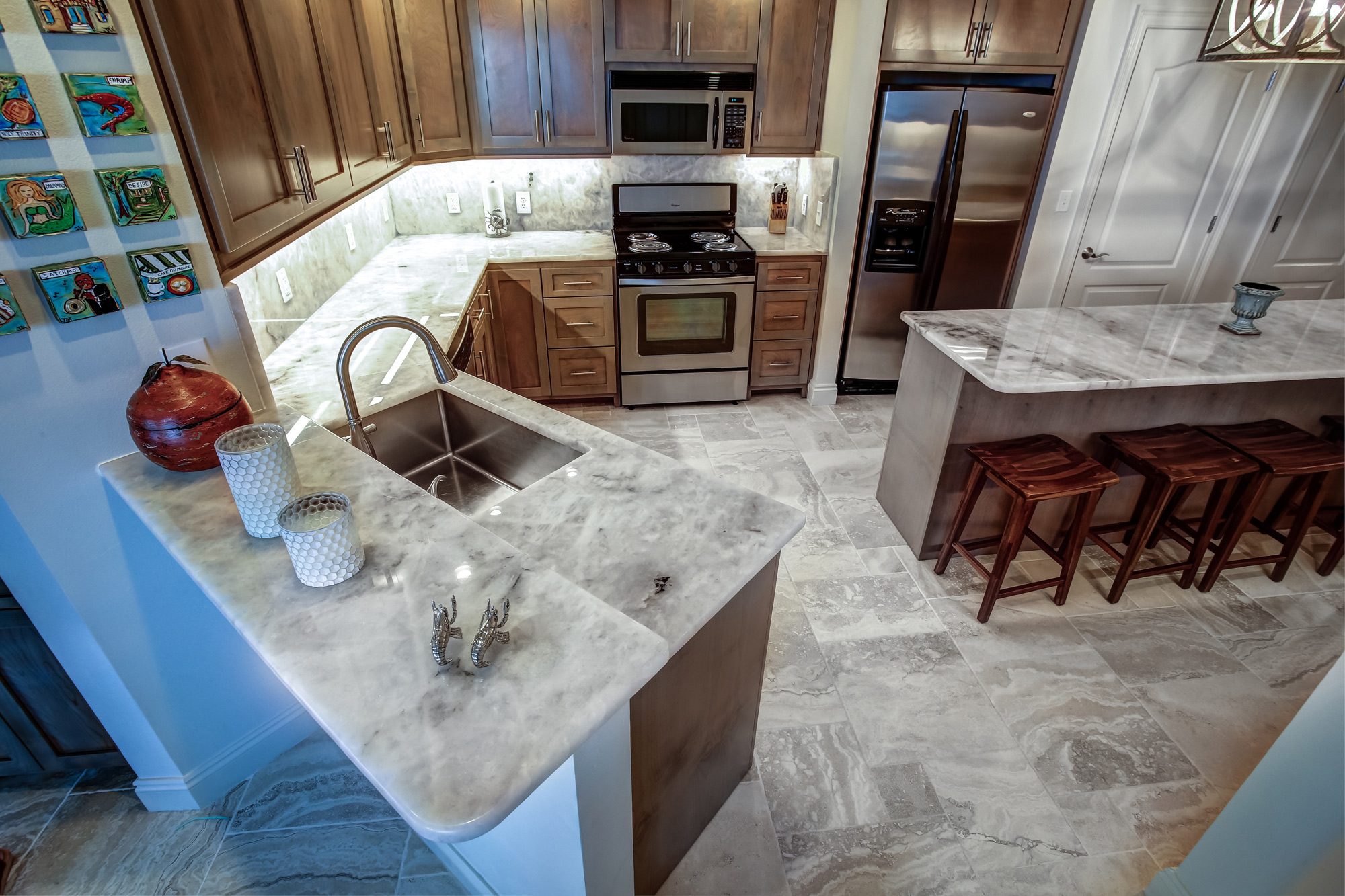
The growing preference for porcelain kitchen countertops is driven by several key factors: superior heat resistance, minimal maintenance, and the ability to mimic the look of natural stone countertops like marble or granite. It’s no surprise that designers and homeowners alike are turning to this innovative material for a sophisticated yet practical solution.
What Are Porcelain Countertops?
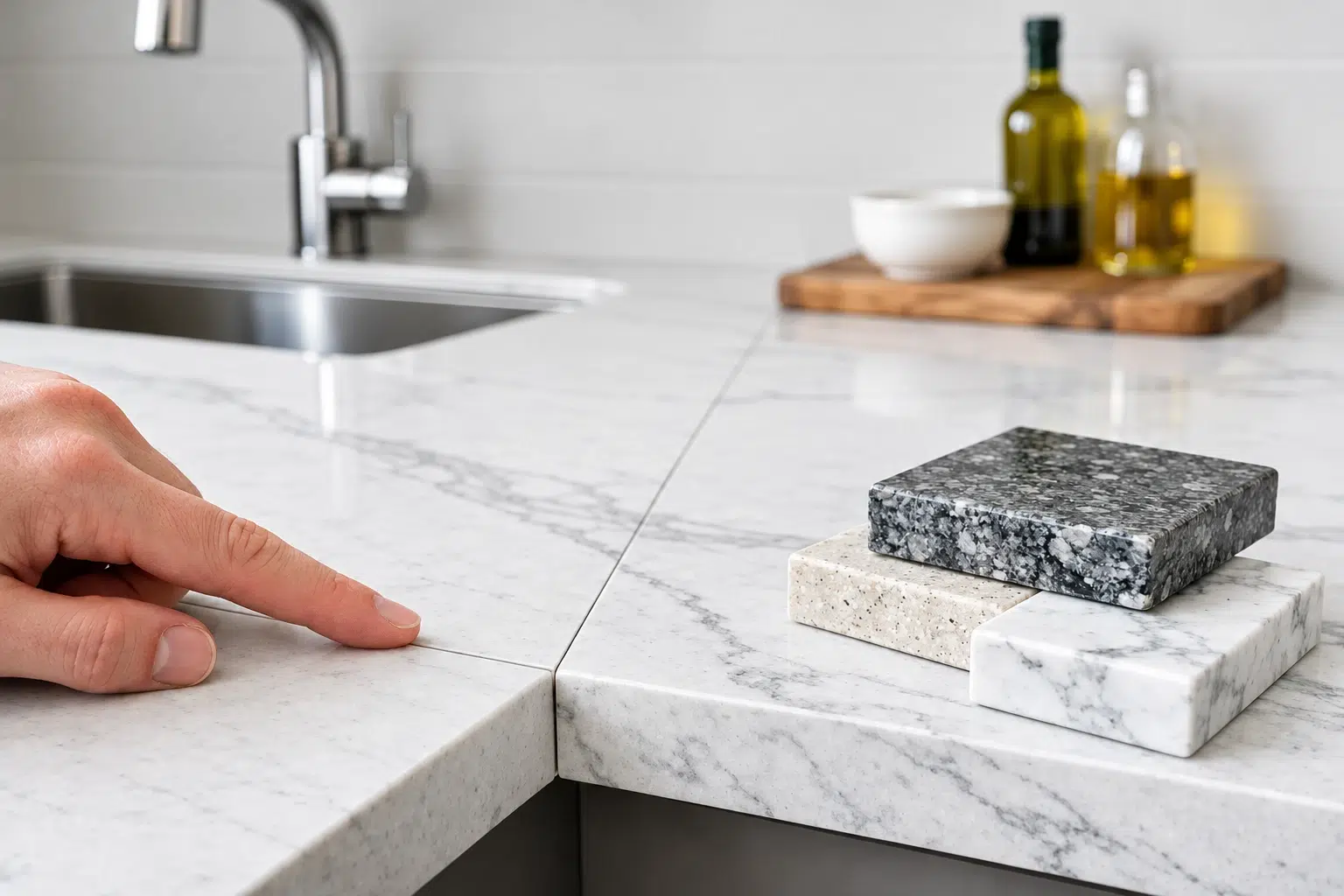
Porcelain slabs are crafted by blending refined clay with mineral oxides and firing them at extremely high temperatures. This process creates a dense, non-porous surface that is both beautiful and resilient. Unlike ceramic tiles, porcelain slabs are larger, thinner, and more uniform, offering a seamless appearance ideal for countertops.
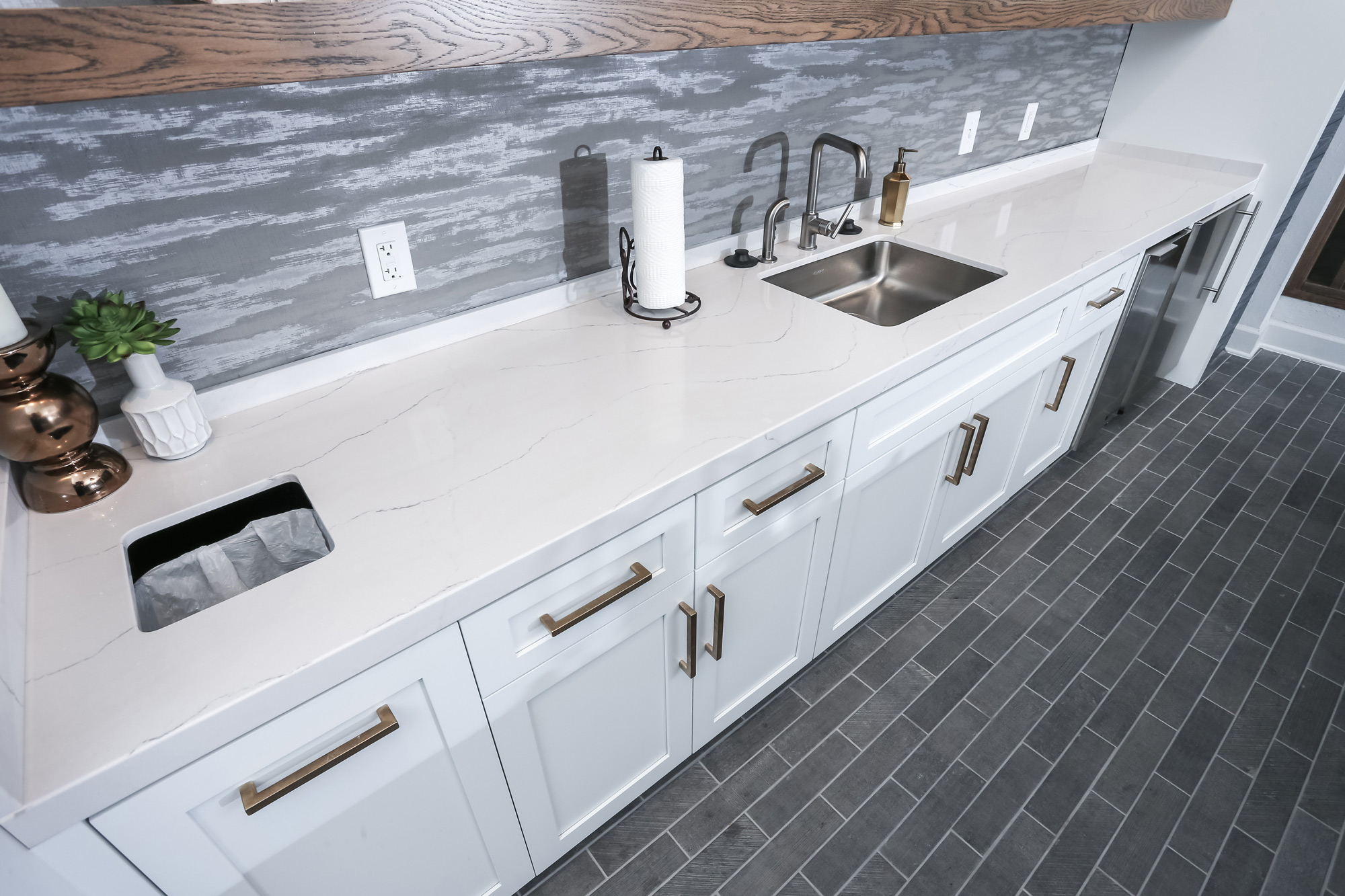
When compared to quartz countertops or granite countertops, porcelain stands out for its lightweight construction and UV stability. Whether you prefer a matte, polished, or textured finish, porcelain offers endless design flexibility.
Key Benefits of Porcelain Countertops
High Durability and Strength
One of the most attractive features of porcelain countertops is their remarkable strength. These surfaces are scratch-resistant, chip-resistant, and withstand extreme temperatures, making them ideal for heavy-use areas like kitchens and outdoor spaces.
Non-Porous and Hygienic Surface
Porcelain is completely non-porous, meaning it doesn’t absorb liquids or harbor bacteria. This makes it incredibly easy to clean and a safe, hygienic surface for food preparation. Plus, it resists stains, mold, and mildew naturally—no sealing required.
Versatile Design Options
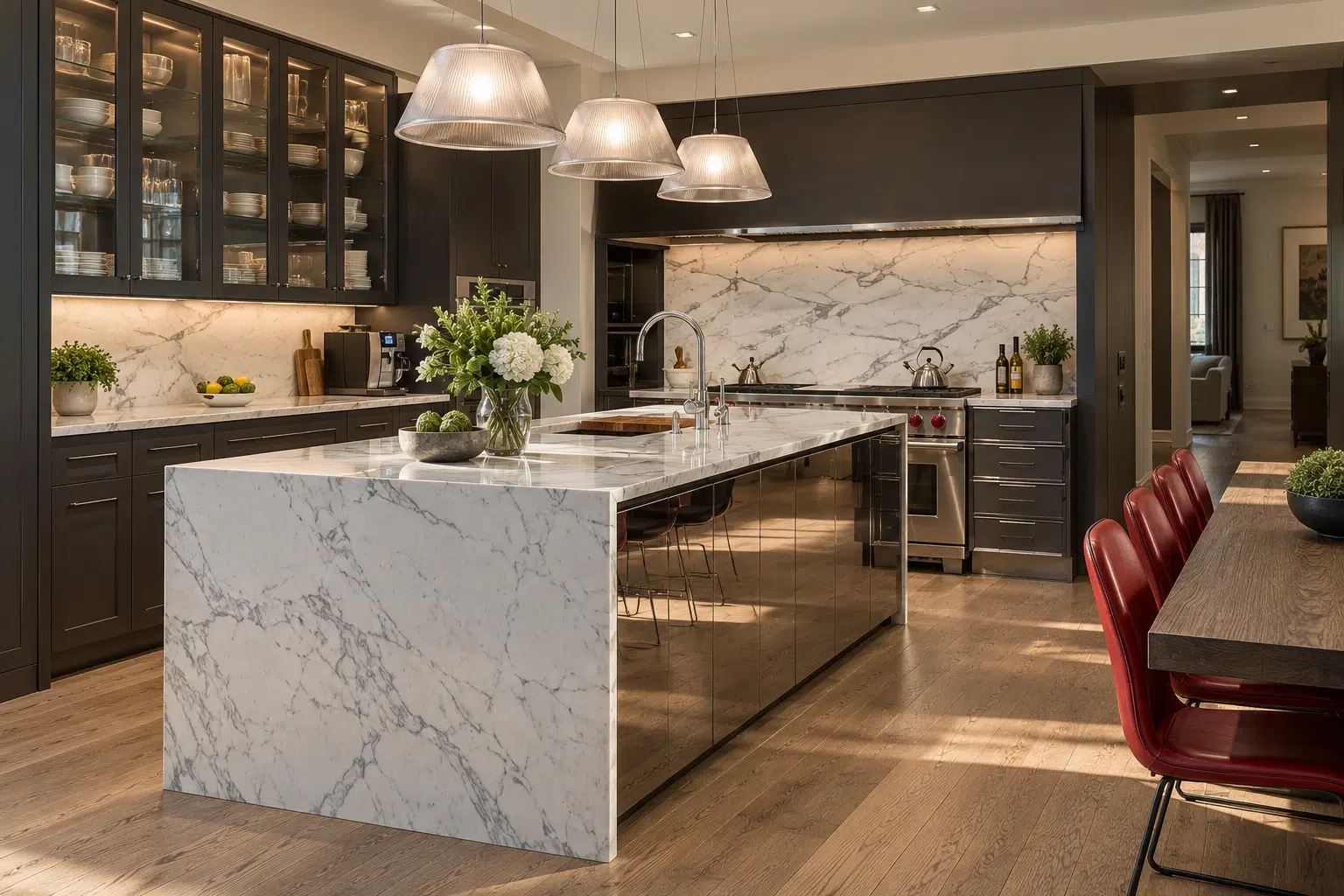
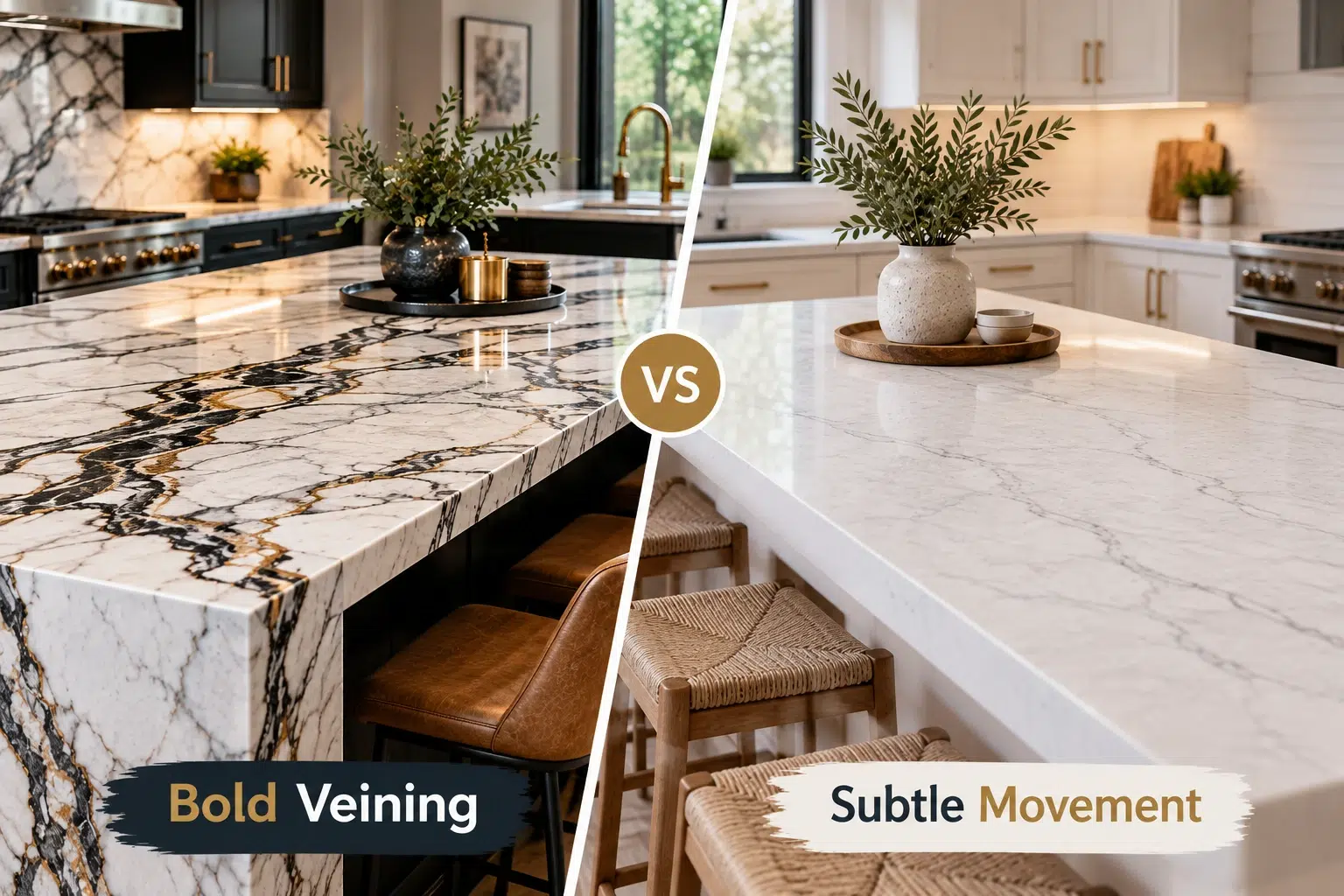
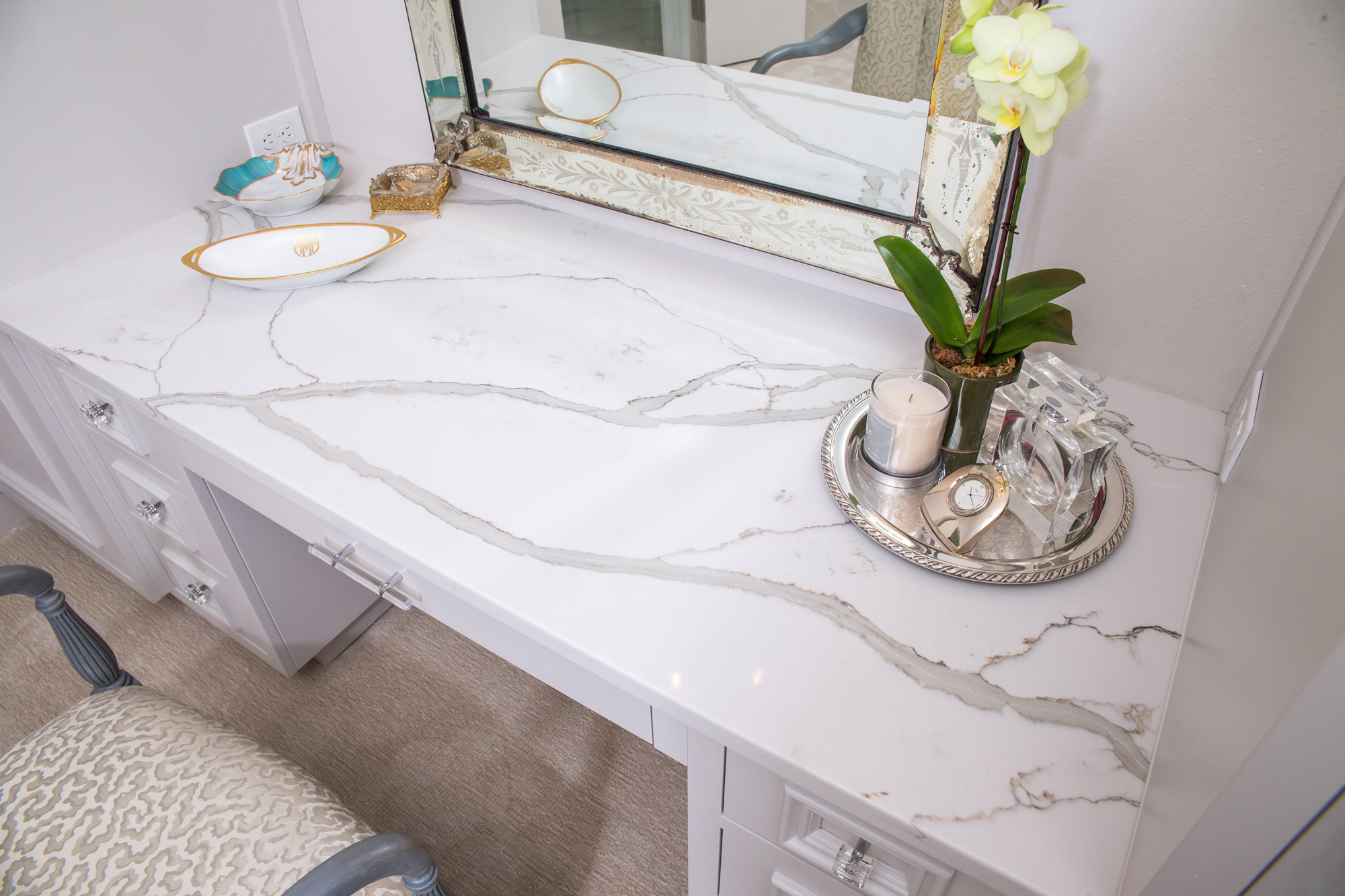
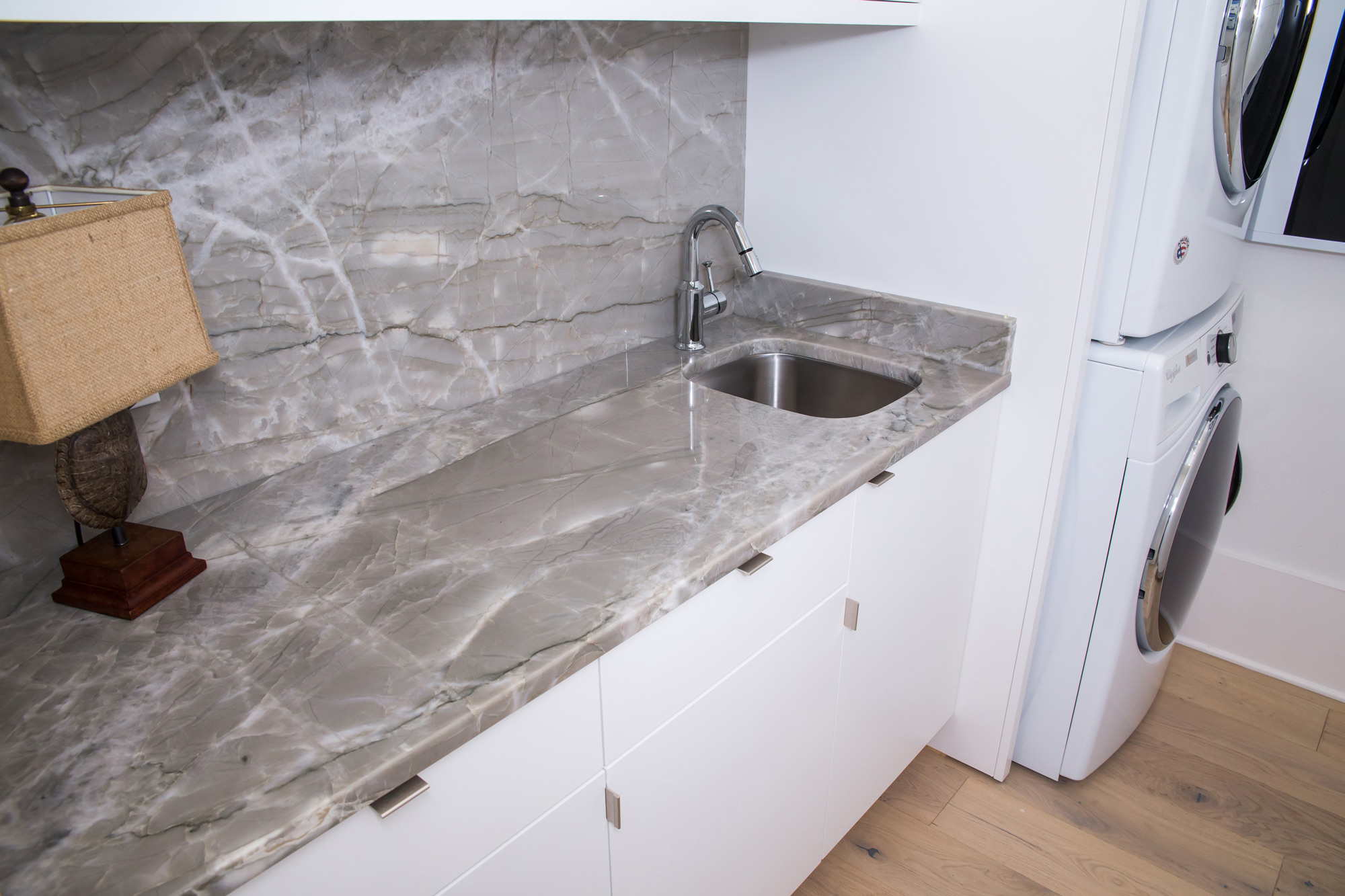
Available in a wide range of colors, patterns, and finishes, porcelain can mimic marble countertops and other luxurious materials without the associated upkeep. It’s a designer’s dream for creating a high-end look with low-maintenance requirements.
Lightweight and Thin Profile
Thanks to its thin yet durable construction, porcelain is ideal for wall cladding and vertical installations like waterfall edges. The reduced weight simplifies transportation and installation without compromising strength.
Eco-Friendly Manufacturing
Many porcelain slabs are made using recycled materials, making them a sustainable choice. The environmentally conscious manufacturing process adds to the appeal of porcelain for eco-minded homeowners.
Common Applications of Porcelain Countertops
Porcelain kitchen countertops are perfect for high-traffic cooking areas, but the versatility doesn’t stop there. They are also ideal for:
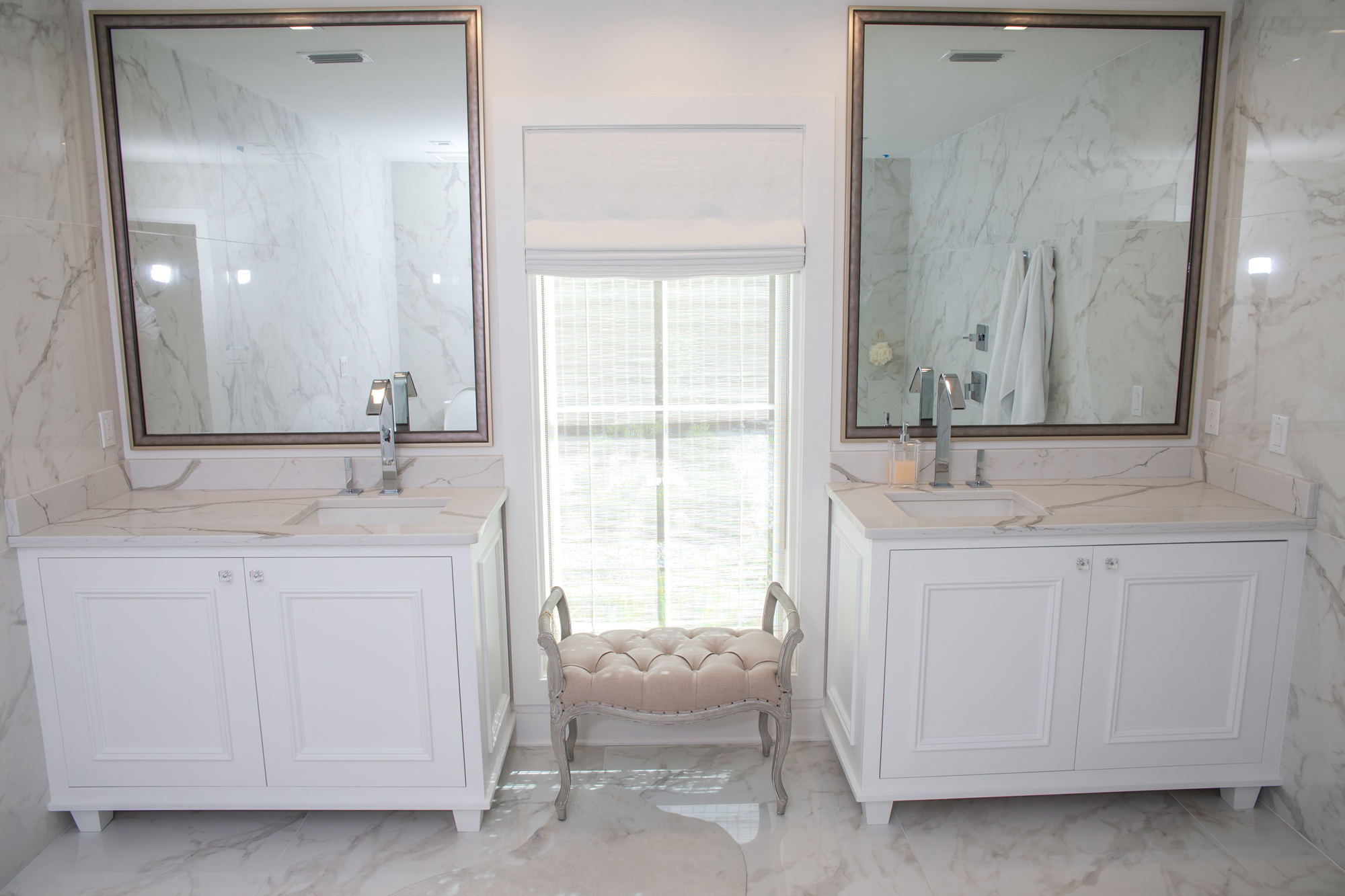
- Bathroom vanities
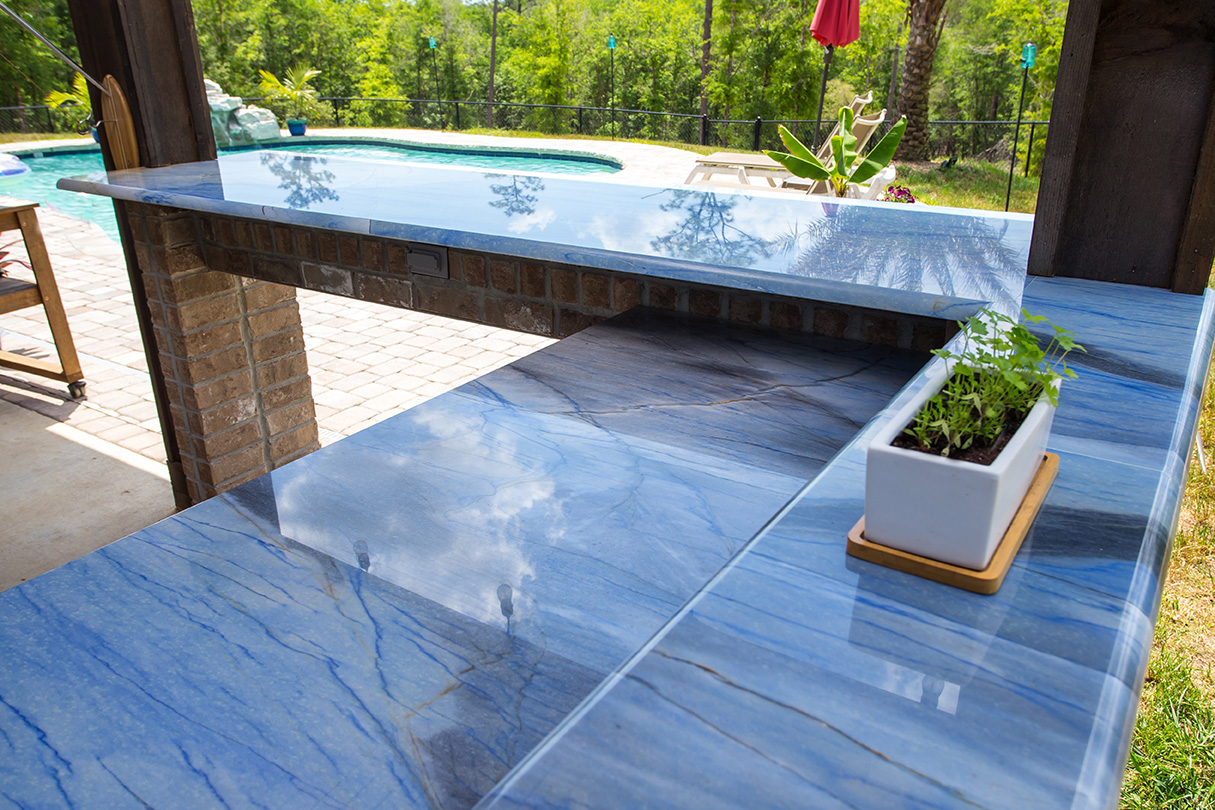
- Outdoor kitchens, thanks to their UV-resistant countertops quality
- Decorative wall cladding
- Stunning waterfall edges for modern aesthetics
What Is the Downside of Porcelain Countertops?
Prone to Chipping
While porcelain is highly chip-resistant, its edges can still chip if struck with a heavy object. Using rounded edge profiles can help mitigate this issue.
Difficult to Repair
Unfortunately, repairing damaged porcelain is not easy. In many cases, a full slab replacement is required, which adds to the inconvenience and cost.
Limited Edge Design Options
Compared to granite countertops or engineered stone, porcelain offers fewer custom edge profiles, which might limit creative design possibilities.
Cost Can Be Comparable to Premium Materials
Despite being lightweight and efficient, porcelain countertop installation can cost as much as some high-end materials like quartz or natural stone countertops. Still, its benefits often outweigh the price tag.
Porcelain Countertops vs. Quartz and Granite
Here’s a quick comparison to help you decide which surface suits your lifestyle:
| Feature | Porcelain | Quartz | Granite |
| Heat Resistance | Excellent | Moderate | Excellent |
| Scratch Resistance | High | High | Moderate |
| UV Resistance | Yes | No | Yes |
| Porosity | Non-porous | Non-porous | Porous |
| Maintenance | Low | Low | Requires sealing |
| Custom Edges | Limited | Customizable | Customizable |
For those seeking a low-maintenance, modern surface with superb heat resistance, porcelain stands out.
Maintenance and Care Tips for Porcelain Countertops
- Clean regularly using mild soap and a non-abrasive cloth to maintain the surface finish.
- Avoid dropping heavy items on the edges, as porcelain can chip upon strong impact.
- No sealing required – porcelain is non-porous, unlike natural stone countertops.
- Wipe up spills quickly to keep surfaces looking pristine with minimal effort.
Installation Considerations
- Professional installation is highly recommended due to porcelain’s thin and brittle nature.
- Requires precision handling to prevent cracking or damage during installation.
- A stable and even substrate is essential to ensure long-term durability.
At Superior Granite, your trusted Florida countertop installer, our experienced team handles everything from measurement to final placement.
Is Porcelain Right for Your Home?
Porcelain suits a variety of home styles, from minimalist to industrial to luxury. It’s especially beneficial for:
- Busy families seeking easy maintenance
- Outdoor kitchens need UV-resistant countertops
- Contemporary interiors that require a sleek look
Consider your design preferences, lifestyle needs, and budget when deciding between porcelain, granite, or quartz countertops.
Where to Buy Porcelain Countertops
If you’re located in Pensacola, FL, Pace, FL, or Ft. Walton Beach, FL, visit Superior Granite for a wide selection of porcelain slabs. We offer:
- Custom fabrication
- Free consultations
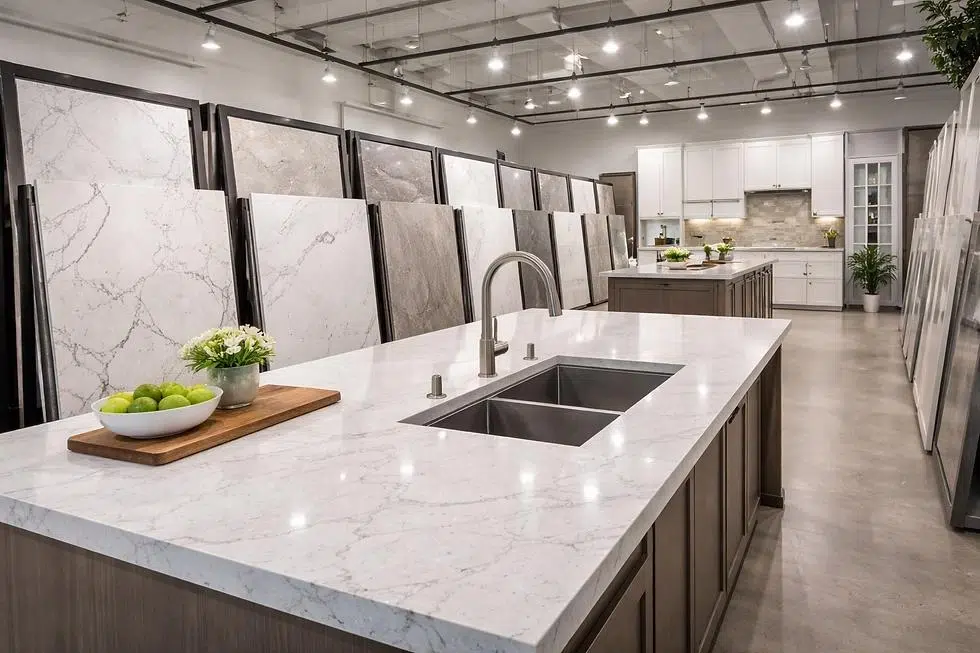
- On-site slab viewing
- Complete porcelain countertop installation services
Looking to buy porcelain countertops? Our team will guide you every step of the way.
Final Thoughts & Call to Action
Porcelain countertops offer a beautiful blend of strength, style, and simplicity. Though they have a few limitations like edge design and chip repair—their numerous benefits make them a smart, modern choice for homeowners.
Ready to transform your kitchen or bath with stunning porcelain slabs? Contact Superior Granite, your local Florida countertop installer, today to schedule your free consultation and explore our premium surfaces.