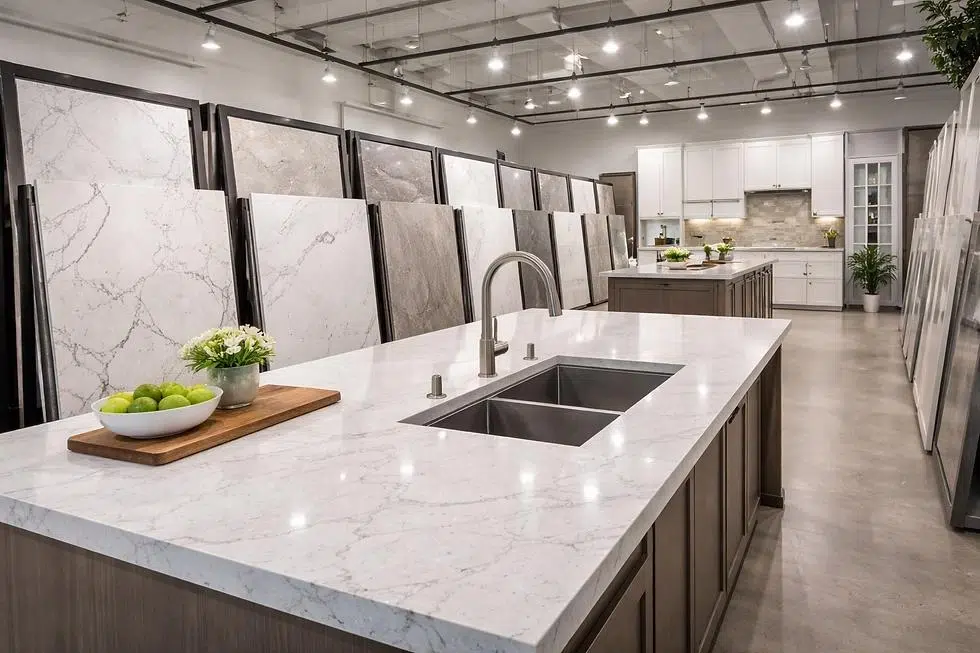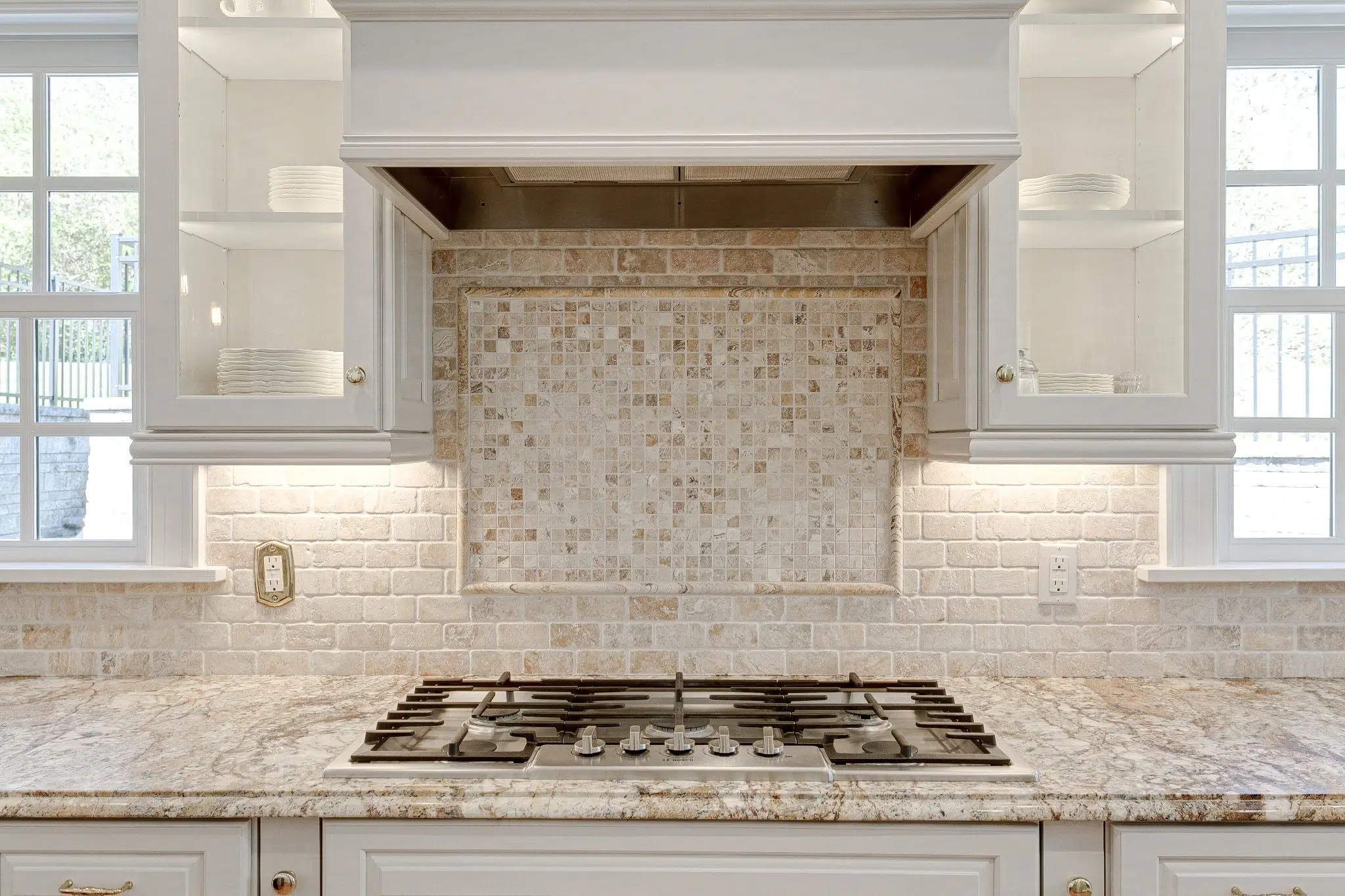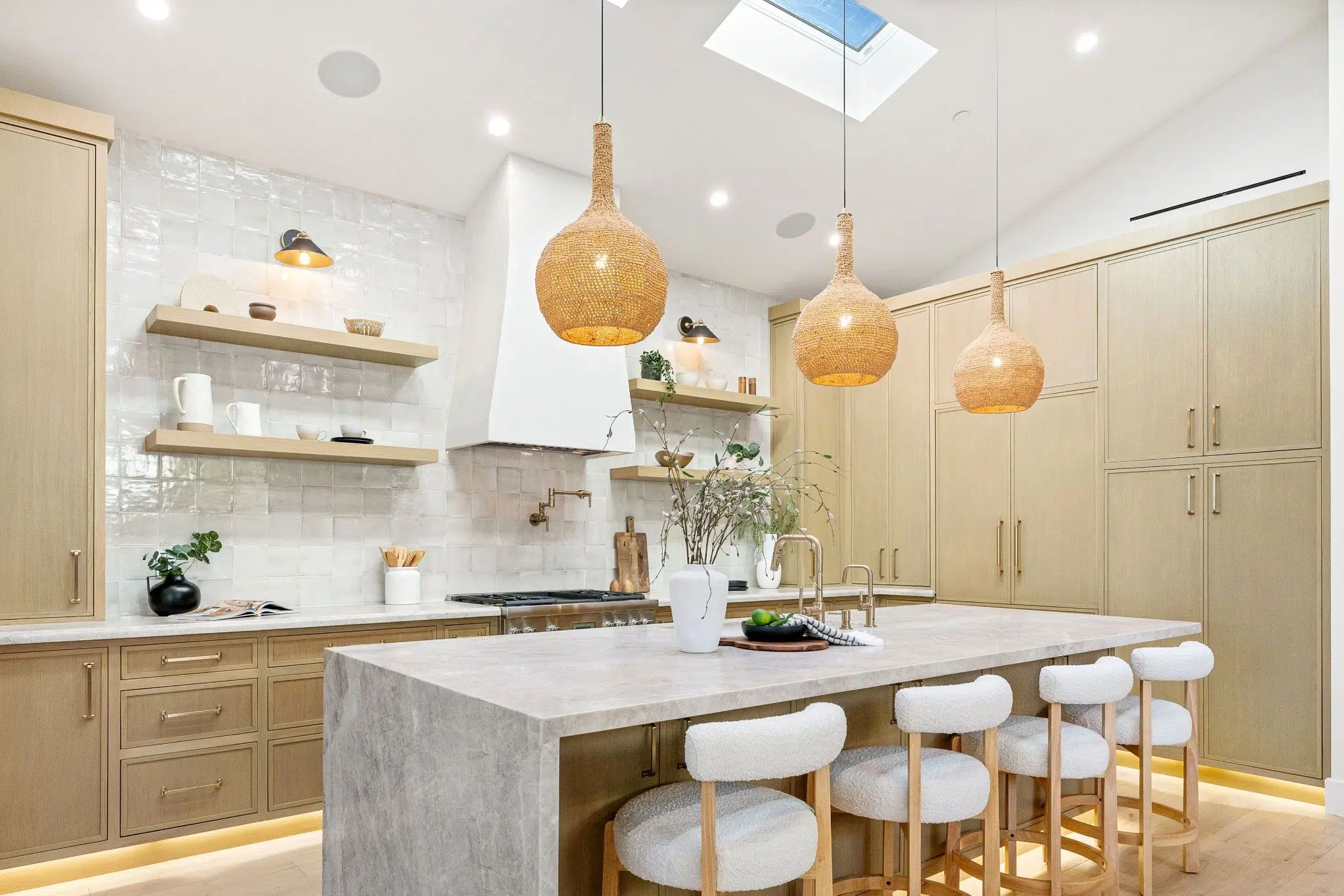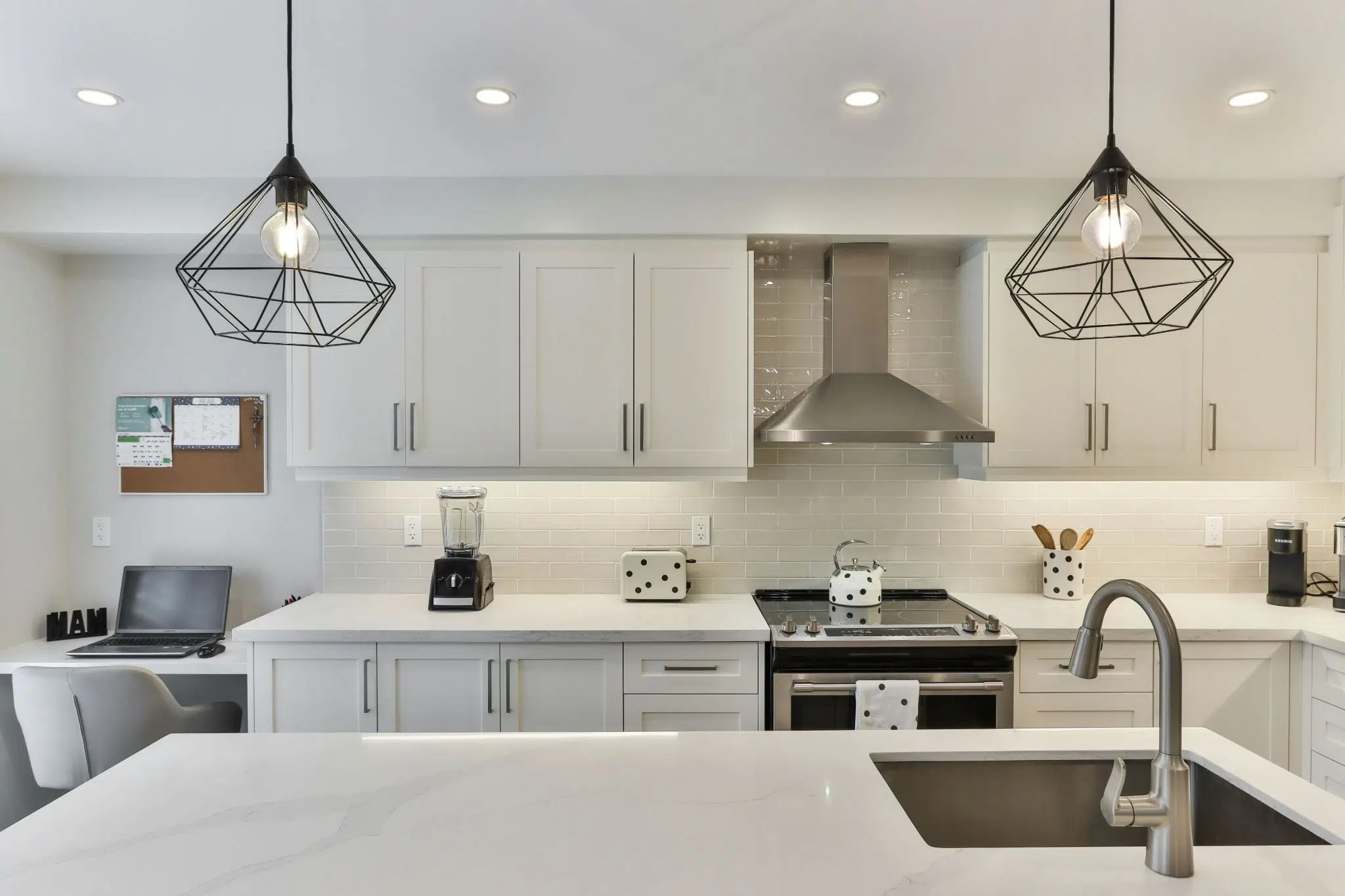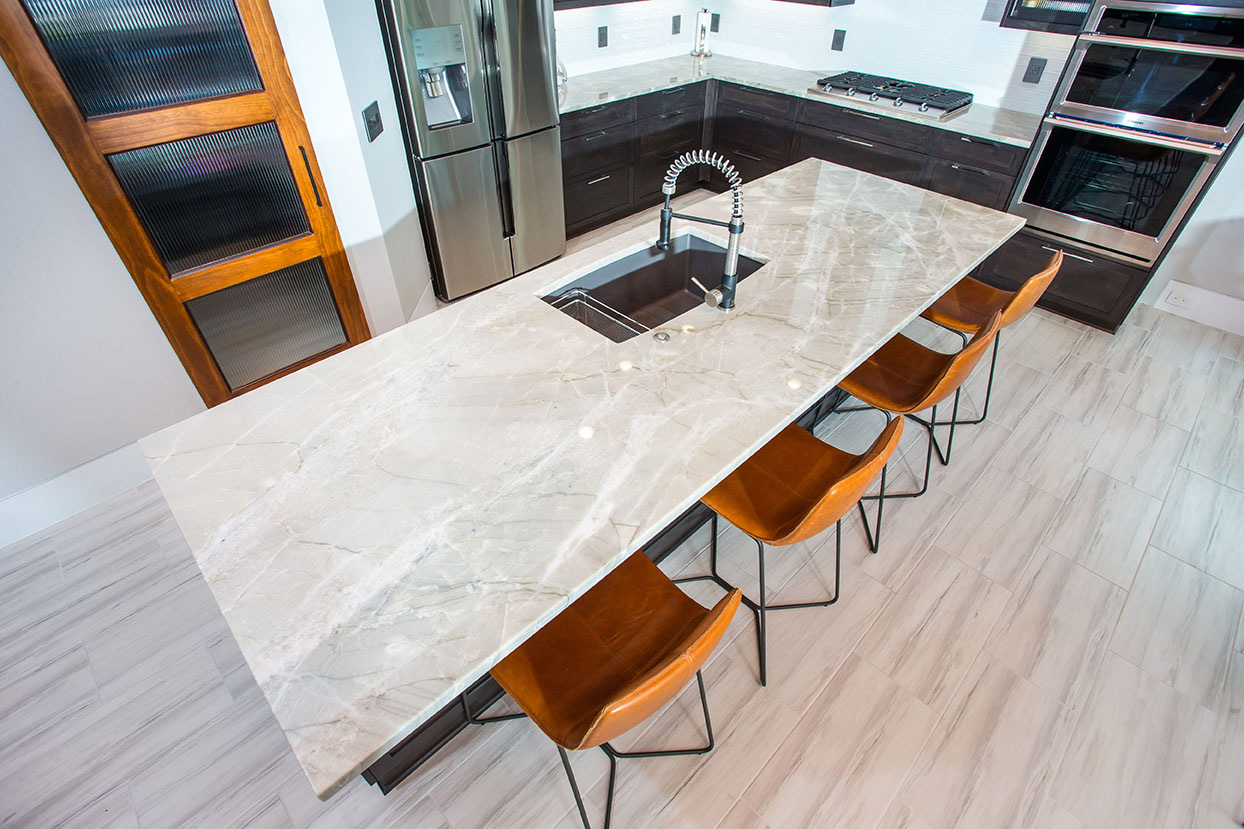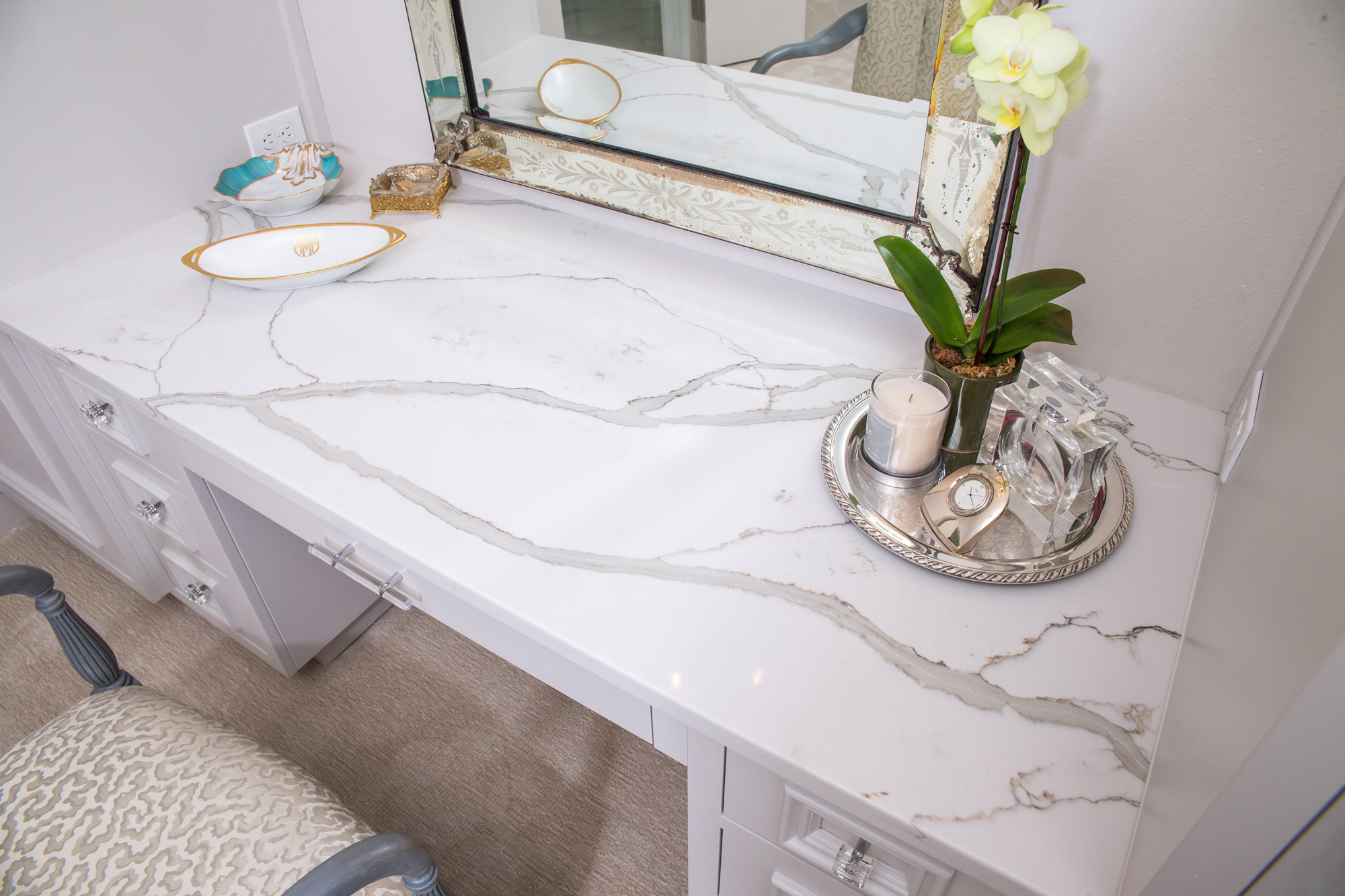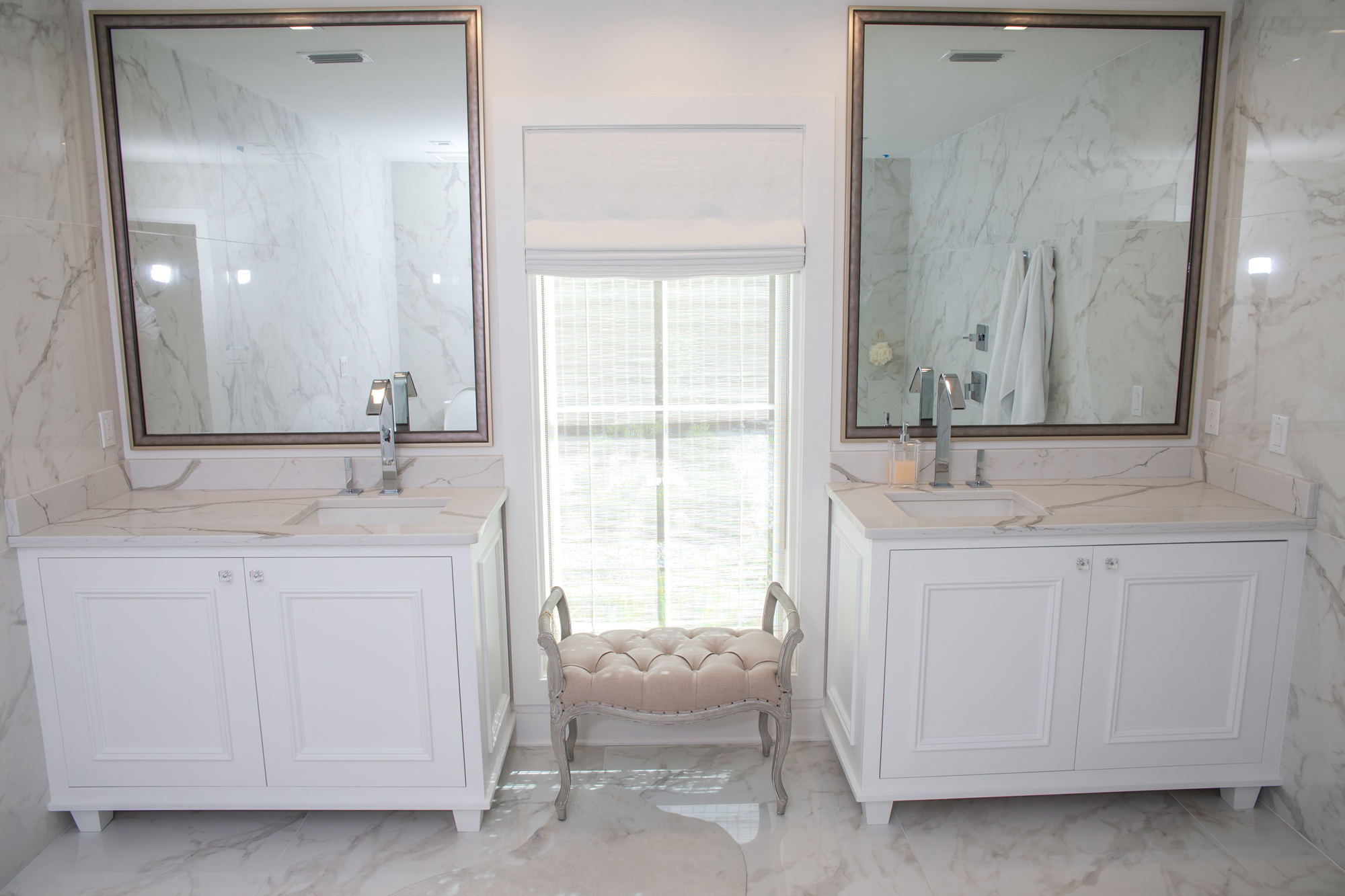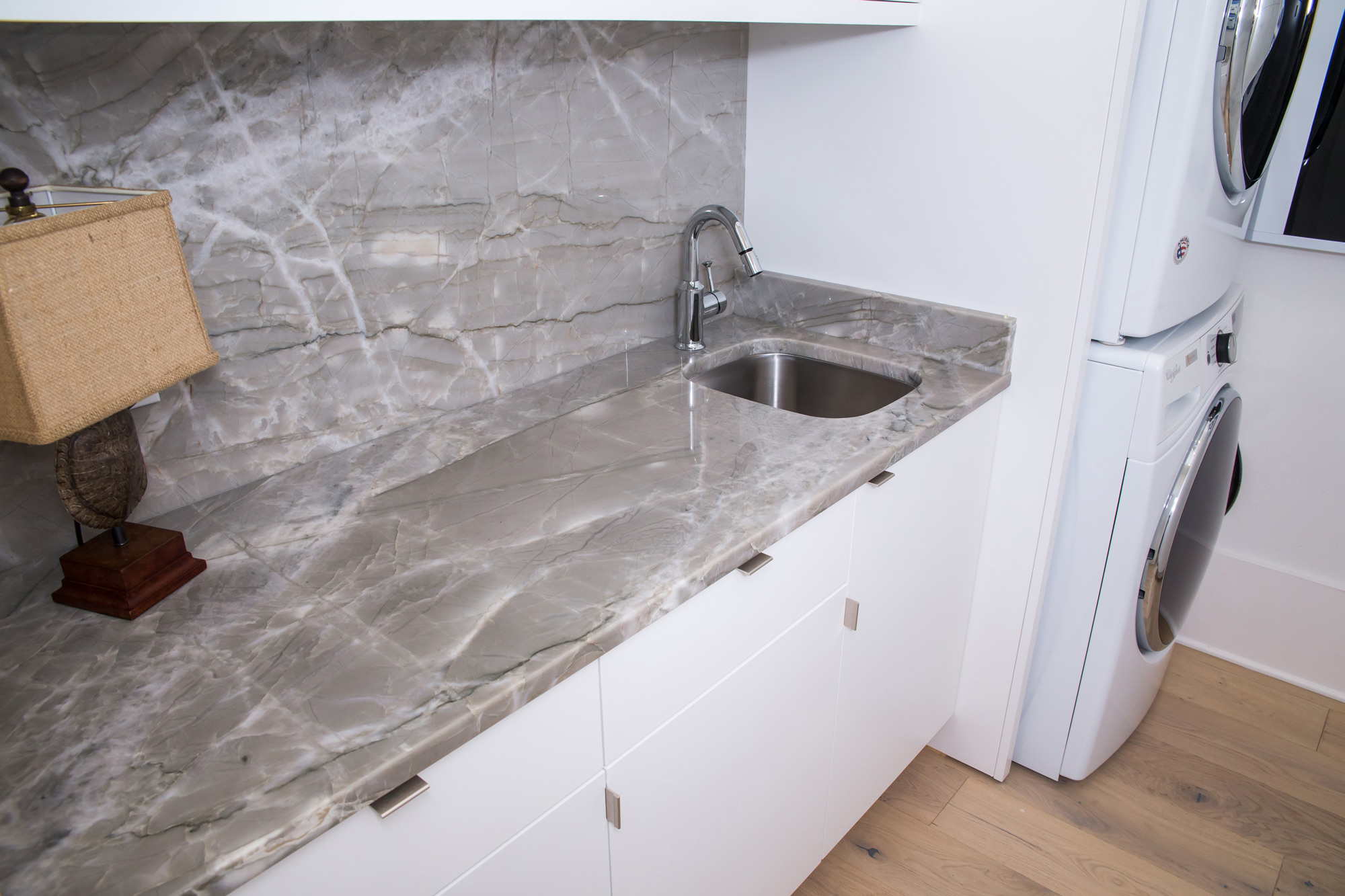
When choosing the perfect kitchen countertops, durability is a top concern. Homeowners want surfaces that resist heat, stains, and scratches while maintaining their beauty for years. But how do different materials compare? In this guide, we’ll break down the strengths and weaknesses of popular countertop materials, helping you make the best choice for your home.
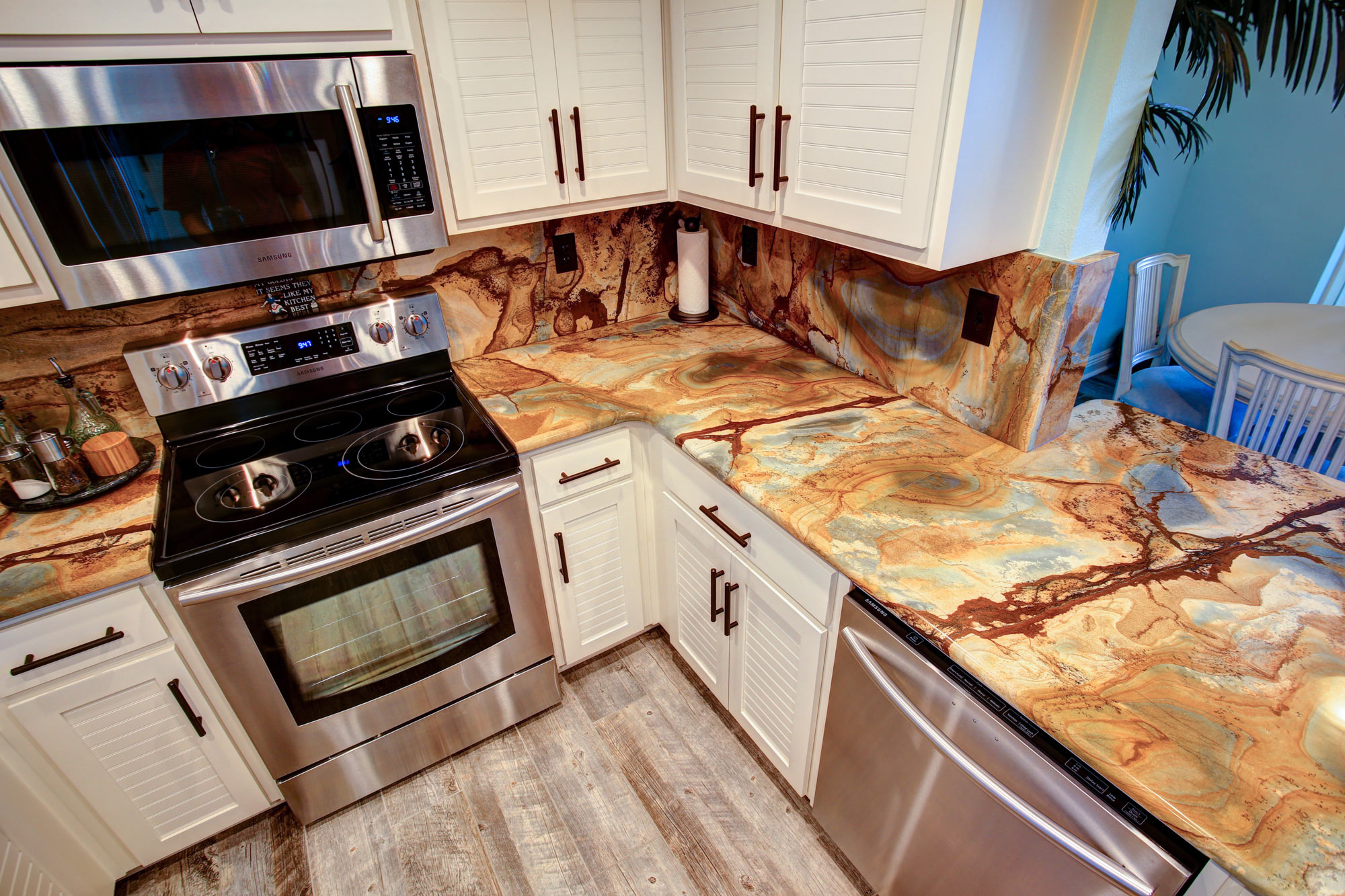
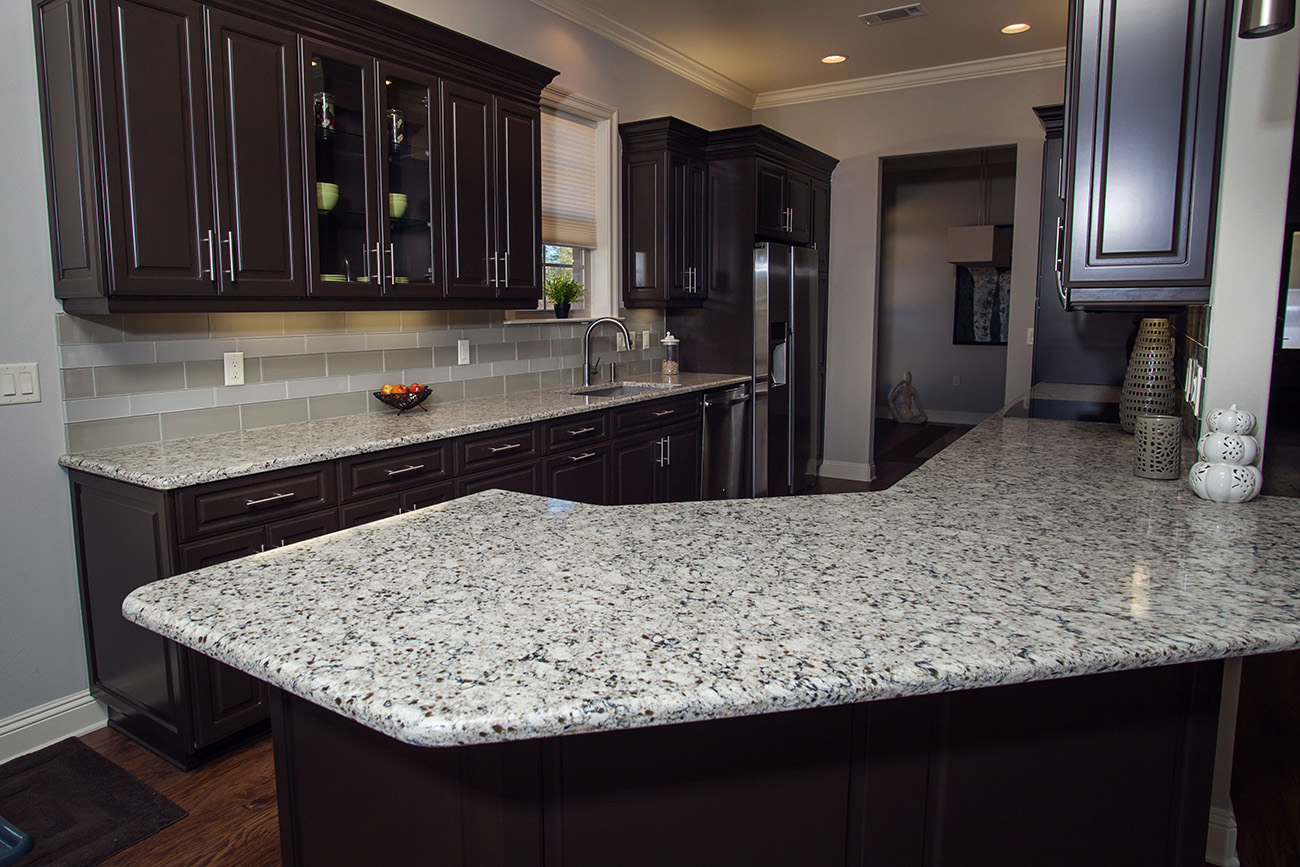
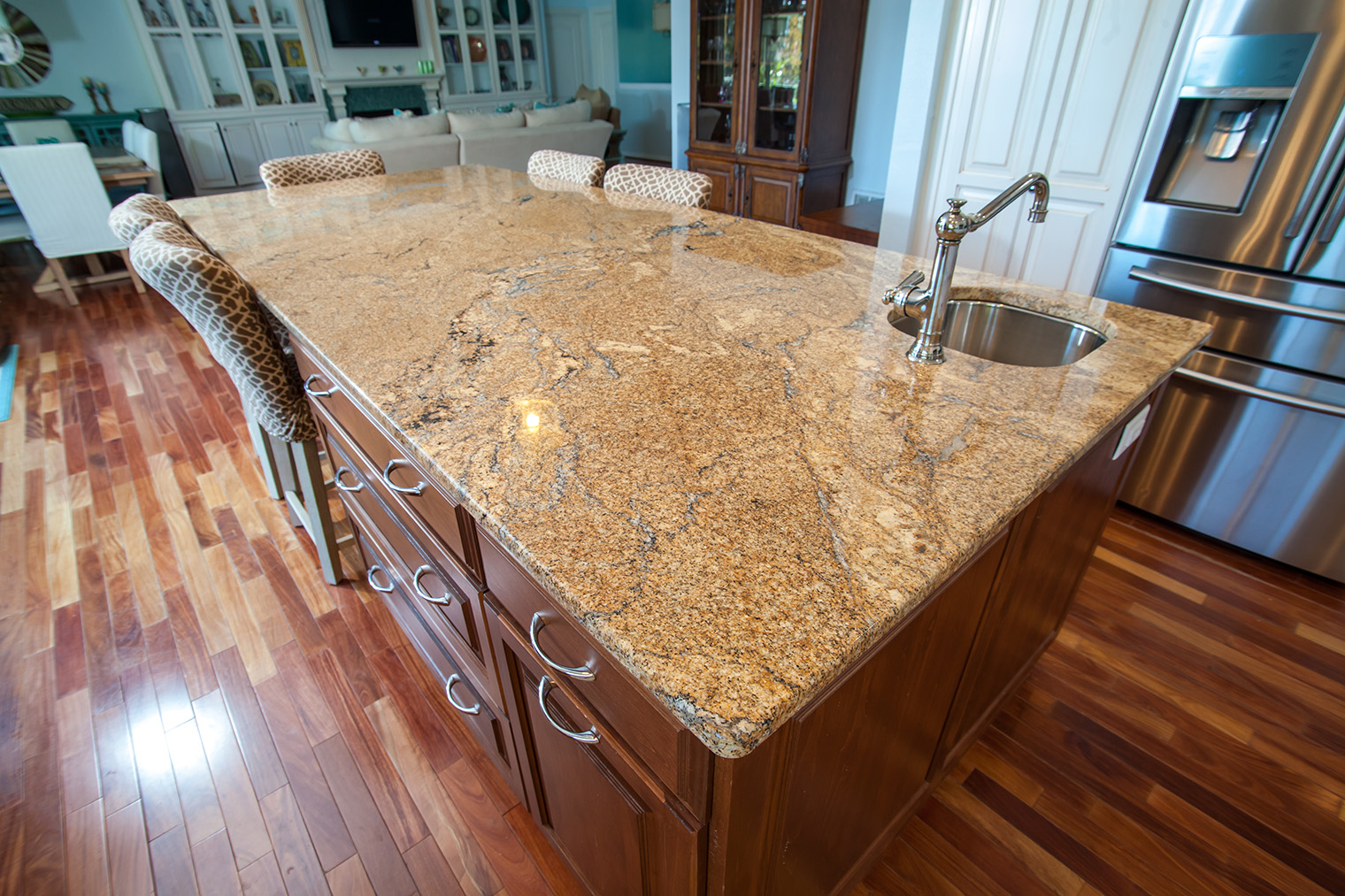
1. Granite Countertops: Natural Beauty with High Durability
Heat Resistance: ★★★★★
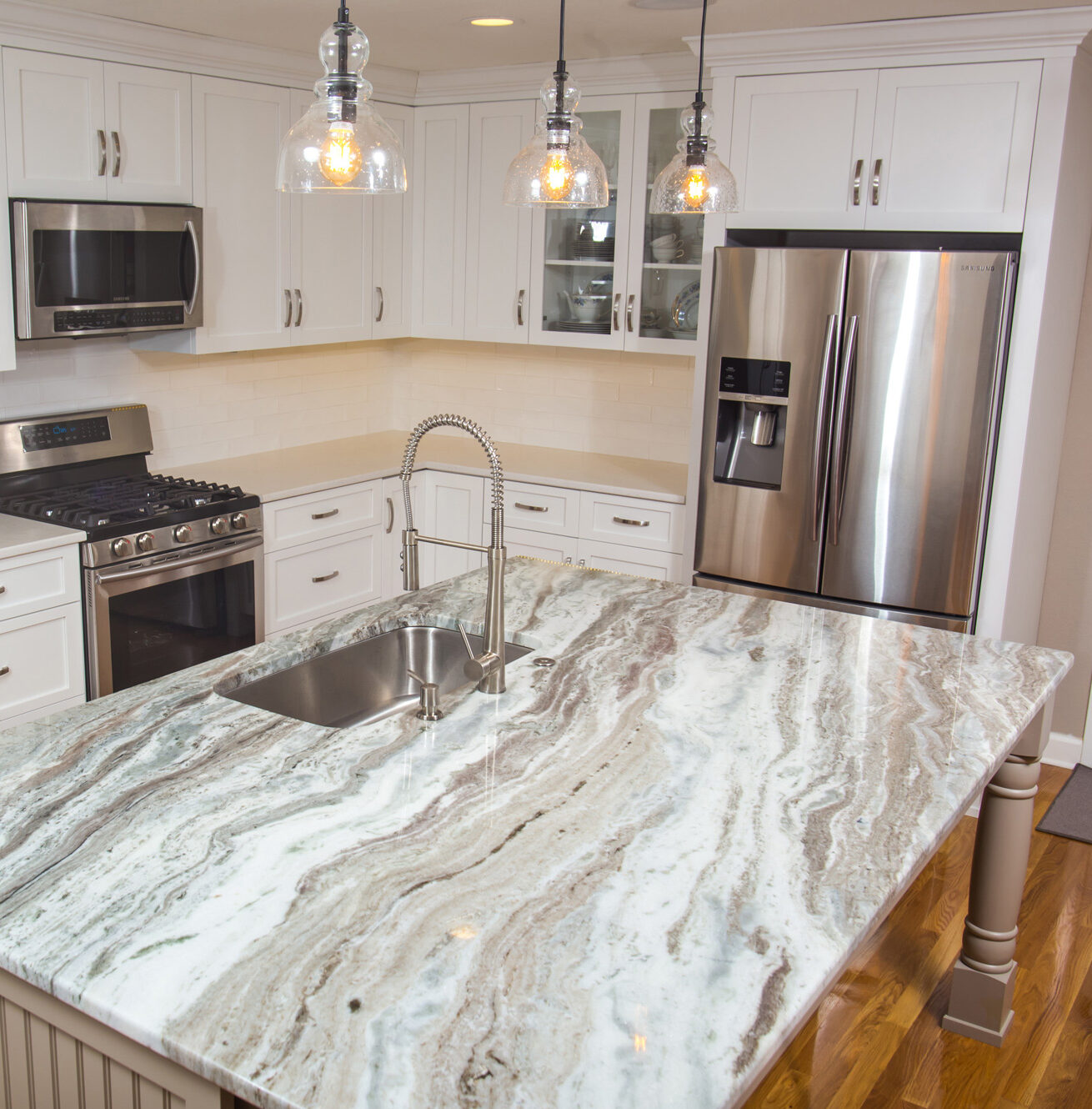
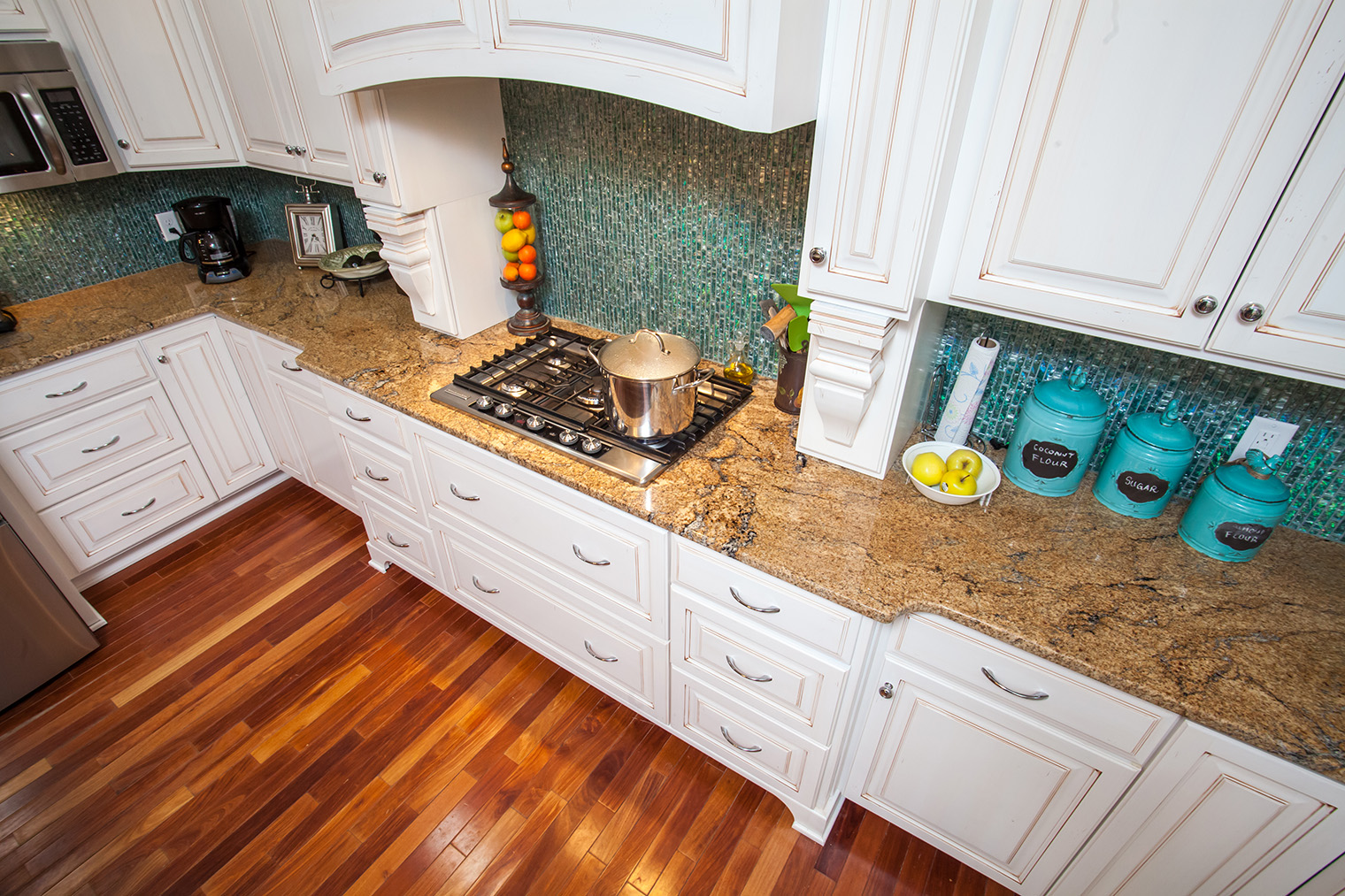
Granite countertops are among the most heat-resistant surfaces available. Since granite is a natural stone formed under extreme heat and pressure, it can withstand hot pans and pots without damage. However, prolonged exposure to high heat can weaken the sealant, leading to potential staining.
Stain Resistance: ★★★★☆
Granite is naturally porous, meaning it can absorb liquids if not properly sealed. A high-quality sealant prevents oils, wine, and acidic substances from leaving permanent stains. Regular resealing (about once a year) ensures long-term protection.
Scratch Resistance: ★★★★☆
Granite is a hard stone and highly scratch-resistant, but using a cutting board is recommended to avoid dulling your knives. Extremely hard impacts can cause chips, so handle heavy objects with care.
2. Quartz Countertops: Engineered for Strength
Heat Resistance: ★★★☆☆
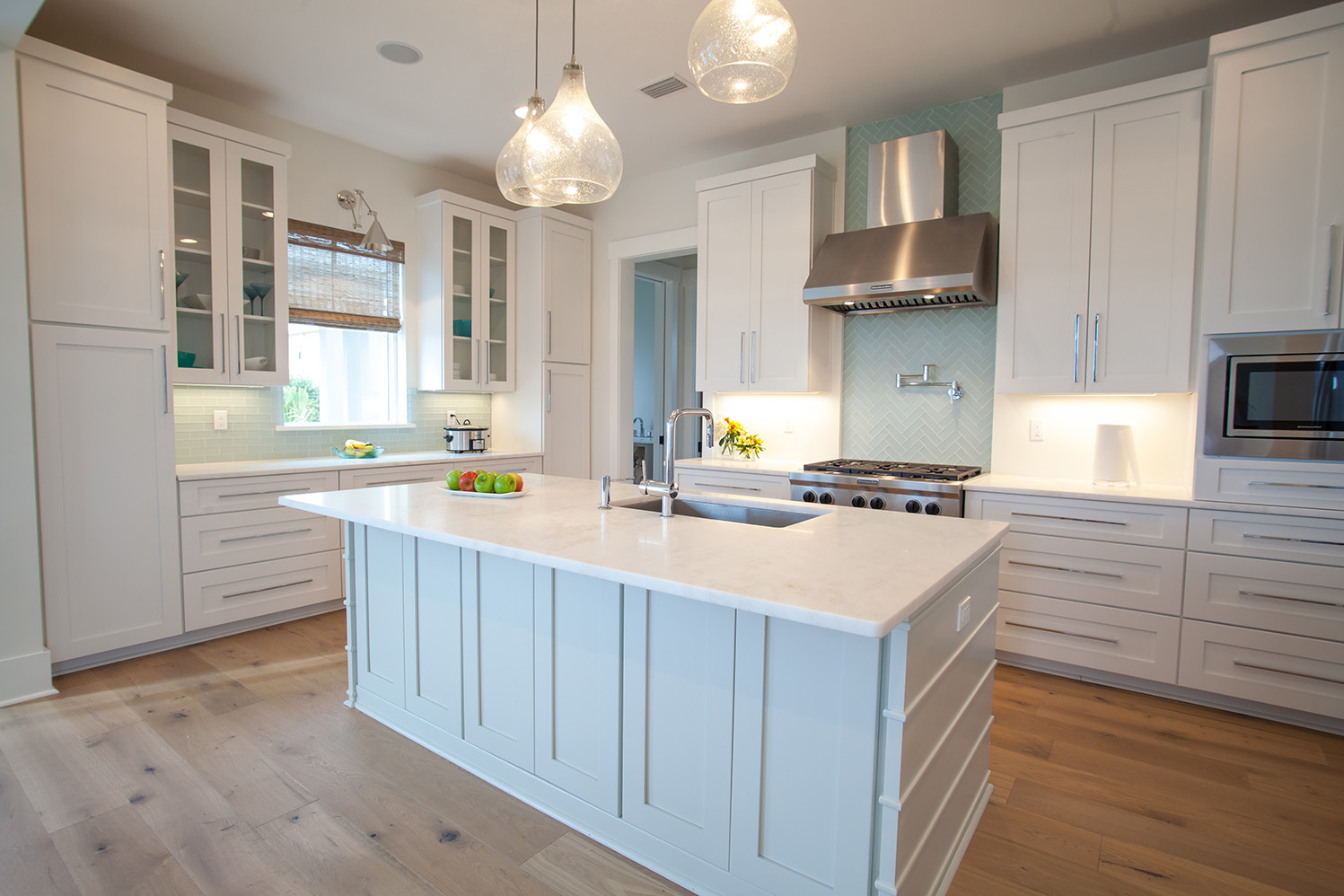
While quartz countertop material is durable, they are not as heat-resistant as granite. Since quartz is engineered with resin binders, excessive heat can cause discoloration or surface damage. Always use trivets or hot pads.
Stain Resistance: ★★★★★
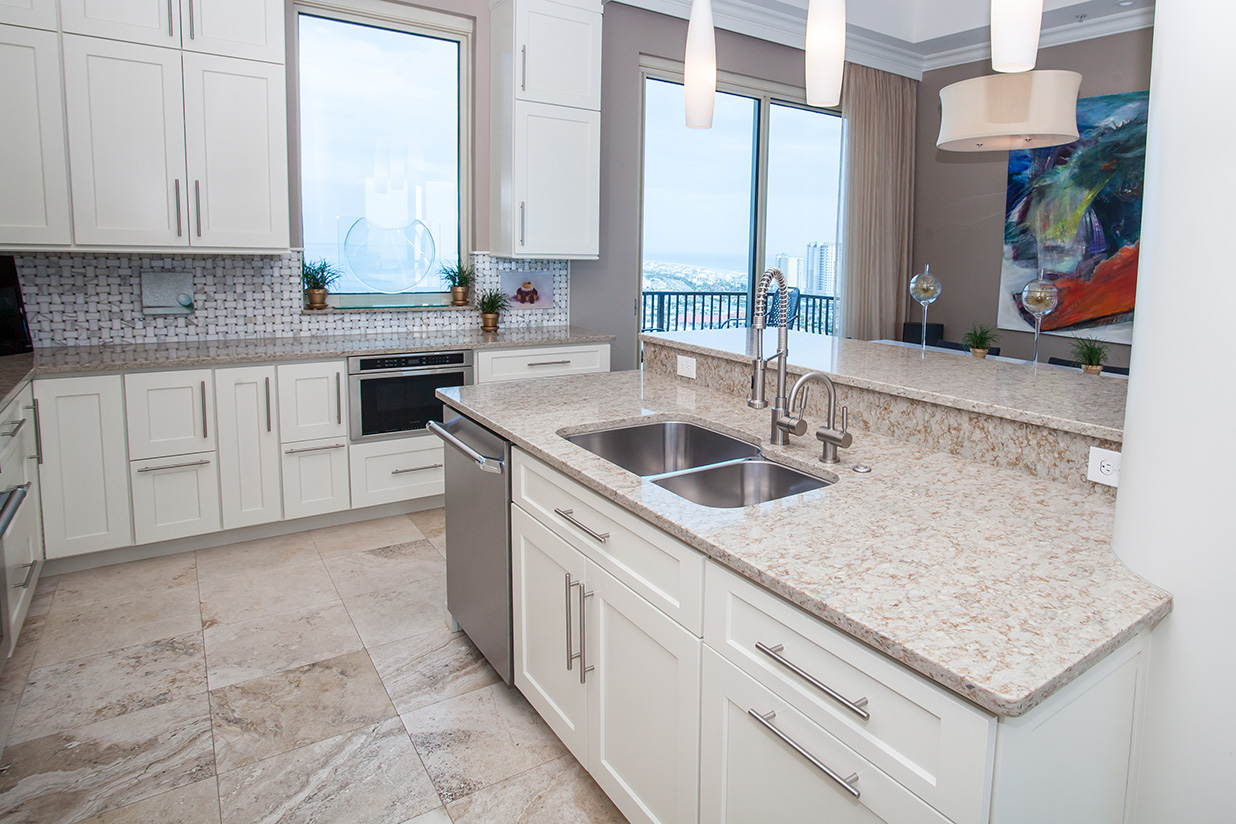
Quartz is non-porous, making it one of the best options for resisting stains. Spills from coffee, wine, and cooking oils won’t penetrate the surface, making cleaning a breeze with just mild soap and water.
Scratch Resistance: ★★★★★
Quartz is extremely scratch-resistant due to its engineered composition. Unlike granite, it does not require sealing, and everyday use won’t leave noticeable scratches. However, avoid dragging sharp metal objects across the surface.
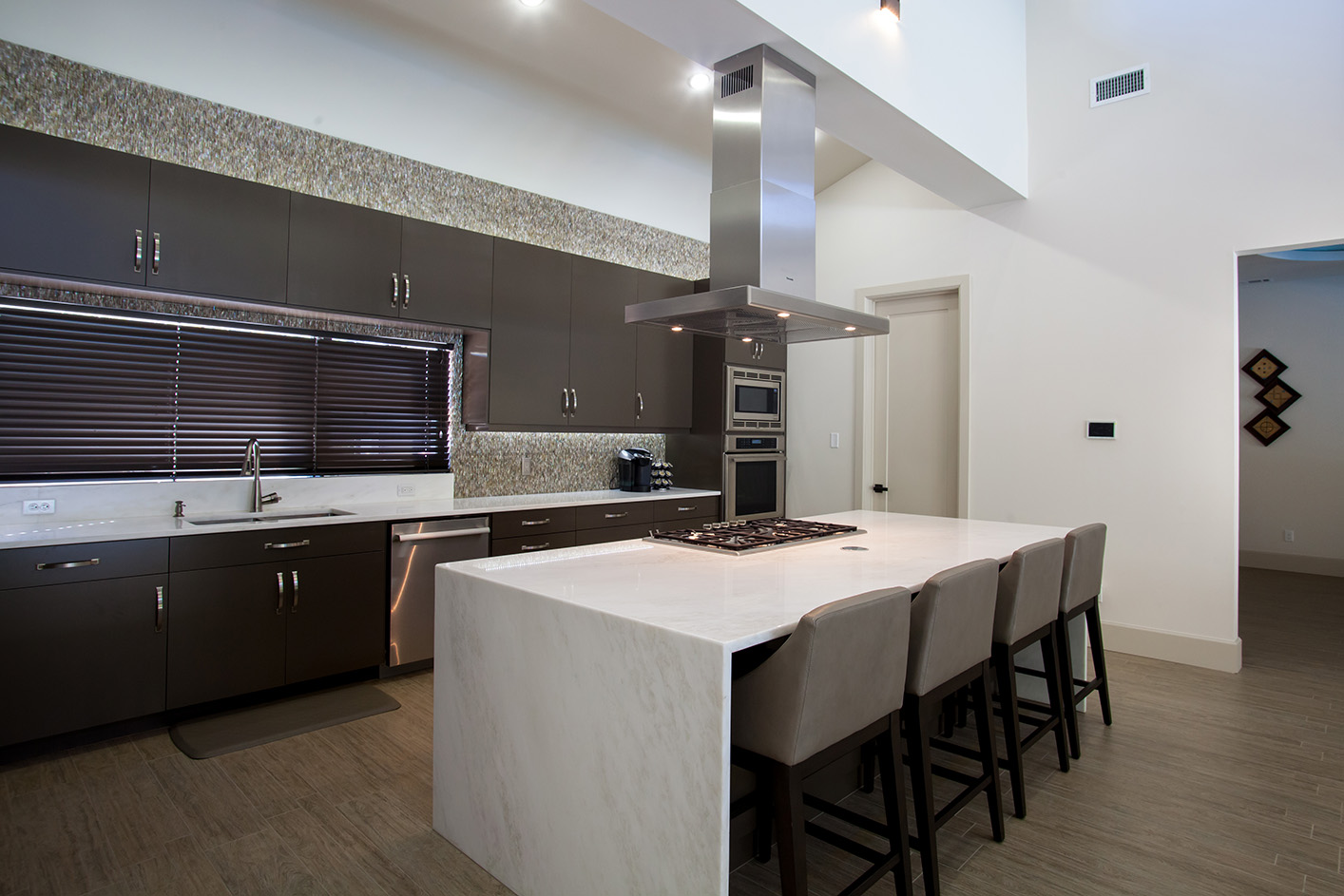
3. Marble Countertops: Timeless Elegance with Extra Care
Heat Resistance: ★★★★☆
Marble countertops have good heat resistance, but they are softer than granite and quartz. While it can withstand hot cookware, excessive heat may cause minor damage over time.
Stain Resistance: ★★★☆☆
Marble is highly porous and prone to staining from acidic foods, such as lemon juice and red wine. Frequent sealing is necessary to maintain its pristine look.
Scratch Resistance: ★★★☆☆
Due to its softer composition, marble scratches more easily than granite or quartz. It is best to avoid direct contact with knives and heavy objects to prevent etching and surface damage.
4. Solid Surface Countertops: Seamless and Affordable
Heat Resistance: ★★★☆☆
Solid surface countertops, such as Corian, can handle moderate heat but are not as resistant as stone options. Excessive heat can cause burns or warping.
Stain Resistance: ★★★★★
Since solid surfaces are non-porous, they are highly stain-resistant. Simple household cleaners can remove most spills without issues.
Scratch Resistance: ★★★☆☆
These surfaces are prone to scratches, but the good news is they can be easily buffed out with light sanding, restoring their appearance.
Read Grantie vs. Marble and Grantie vs. Quartz for more understanding.
5. Butcher Block Countertops: Warm and Natural but High Maintenance
Heat Resistance: ★★★☆☆
Wood can tolerate low to moderate heat, but direct contact with hot pots and pans can cause burns and discoloration.
Stain Resistance: ★★★☆☆
Since wood is highly absorbent, spills can seep into the material and cause staining. Regular oil treatments help prevent permanent damage.
Scratch Resistance: ★★★☆☆
Butcher block countertops scratch easily, but they can be sanded and refinished, making them a repairable option.
6. Stainless Steel Countertops: The Choice for Professional Kitchens
Heat Resistance: ★★★★★
Stainless steel countertops can withstand extreme heat without damage, making them the preferred choice for restaurant kitchens.
Stain Resistance: ★★★★★
These surfaces are non-porous, meaning they resist stains from all types of food and liquids.
Scratch Resistance: ★★★☆☆
While resistant to heat and stains, stainless steel is prone to scratches. However, scratches tend to blend over time, creating a unique patina.
Final Verdict: Which Countertop is Best for You?
- For best overall durability: Choose quartz countertop materils.
- For heat resistance and natural beauty: Opt for granite countertops.
- For classic elegance: Consider marble countertops, but be prepared for maintenance.
- For a budget-friendly option: Solid surface countertops are a great alternative.
- For a warm, rustic look: Butcher block is a good choice, though it requires care.
- For professional-grade toughness: Stainless steel countertops are unbeatable.
When selecting your kitchen or bathroom countertops, balancing heat resistance, stain resistance, and scratch resistance is key. Whether you prioritize low maintenance, natural aesthetics, or high durability, there’s a perfect material for your needs.
Looking for premium granite, quartz, or marble countertops? Superior Granite offers top-quality materials and expert installation to help you create a stunning space that lasts a lifetime!