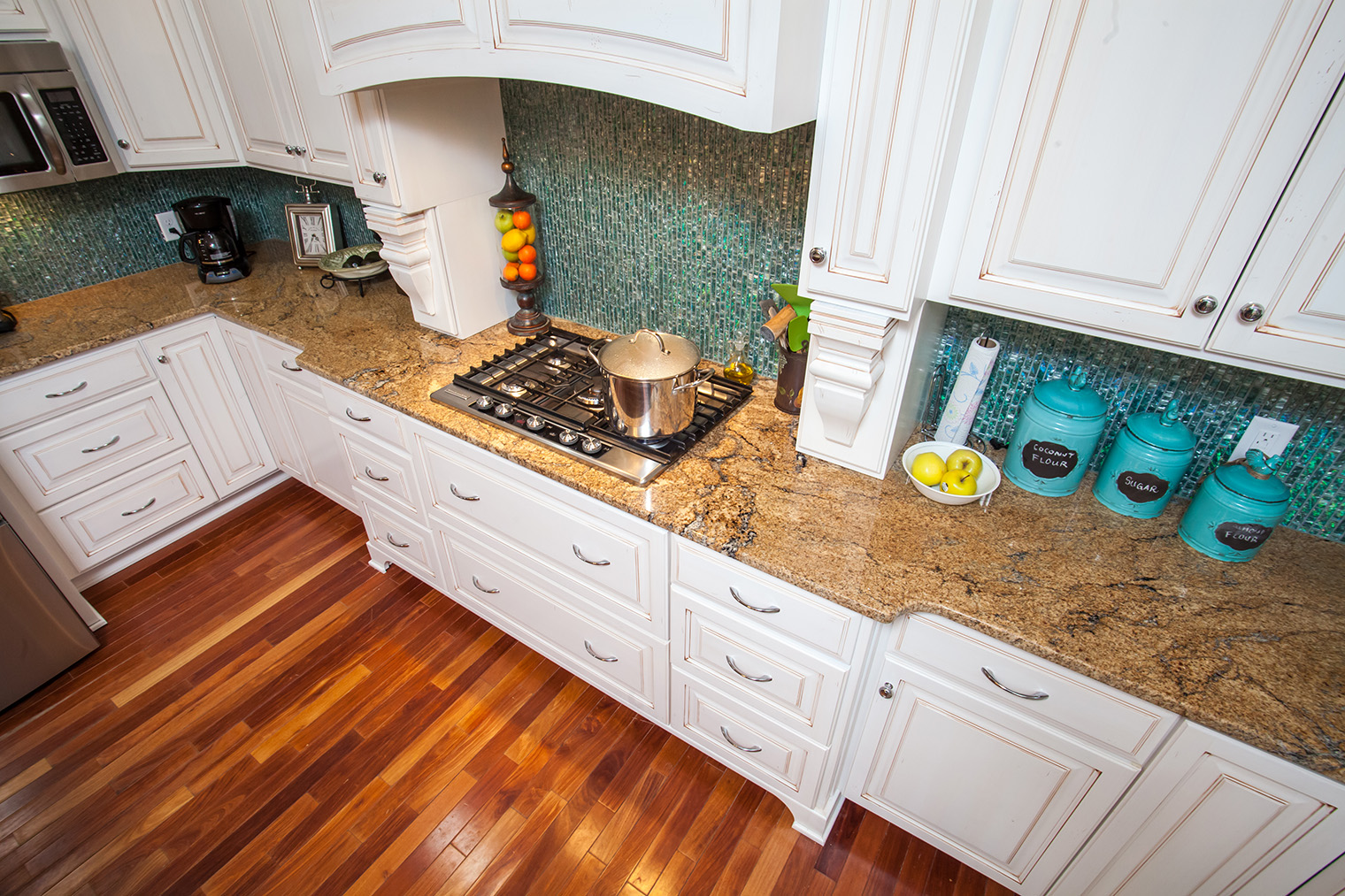
Your outdoor kitchen deserves better than a countertop that gives up after one Florida summer. And yet, that’s exactly what happens when homeowners pick the wrong stone. Quartz warps under ultraviolet rays. Marble etches from rainwater. Soapstone can’t handle prolonged humidity. Wrong stone choice means cracked surfaces, ugly stains, and money wasted sometimes within the first year. Granite is a different story. It’s natural, tough, ultraviolet-stable, heat-ready, and built to handle everything Florida throws at it. And it looks incredible doing it.
At Superior Granite, homeowners throughout Pensacola, Pace, and Fort Walton Beach have been building stunning outdoor kitchens with granite for years, and the results speak for themselves. This guide covers everything you need to know before picking your outdoor kitchen countertops.
Why Outdoor Kitchens Need a Different Stone Entirely
Florida’s Gulf Coast is particularly brutal on materials. You’re dealing with intense ultraviolet exposure, high humidity, salt air from the Gulf, heavy rain, and scorching heat sometimes all in the same afternoon. That’s not an exaggeration. Professional installers in Pensacola, FL see it every single day.
Indoor countertops are designed for controlled environments. They’re built for spills, light heat, and daily cleaning. They’re not built for full sun, standing rainwater, salt air corrosion, or temperature swings that happen outside all year long. So when someone installs the wrong stone in their outdoor kitchen, it shows fast.
What Florida’s Climate Does to the Wrong Stone
Ultraviolet rays break down the resin in engineered stones like quartz, causing warping, discoloration, and surface damage. Rainwater is slightly acidic too. It etches soft stones like marble and calcite fast. Add Florida’s near-daily storms, and your outdoor kitchen countertops will look aged within a season or two.
High humidity and Gulf salt air do the rest. Porous stones absorb moisture constantly, weakening the surface and feeding algae growth. Finding the best outdoor countertops in Pace means picking a stone that handles all of this, not just one or two problems.
Why Granite Is the Best Outdoor Kitchen Countertop
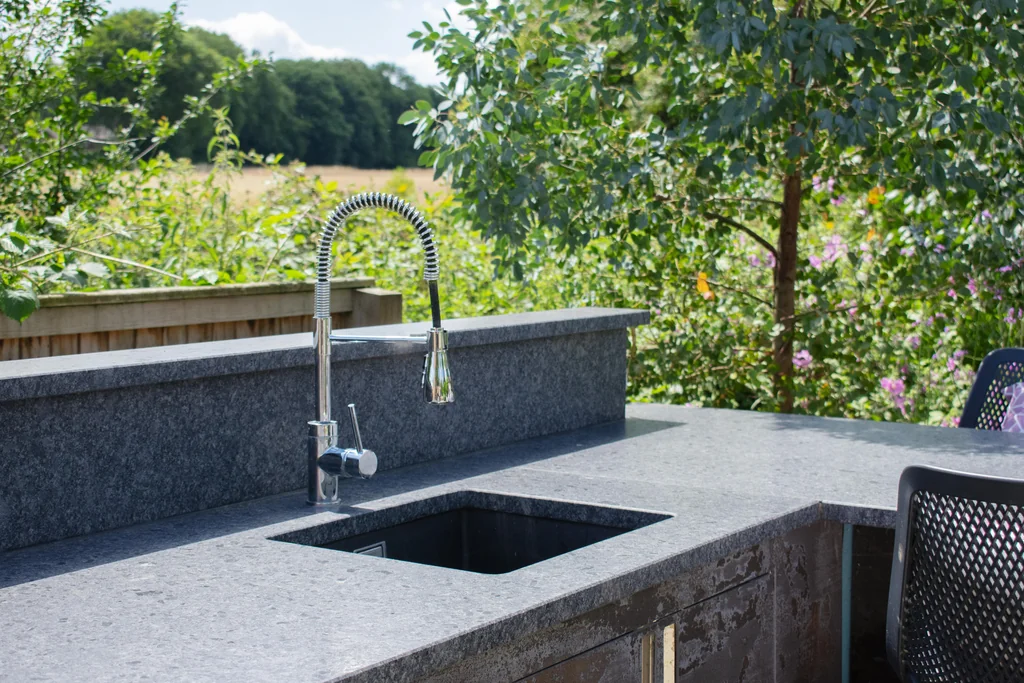
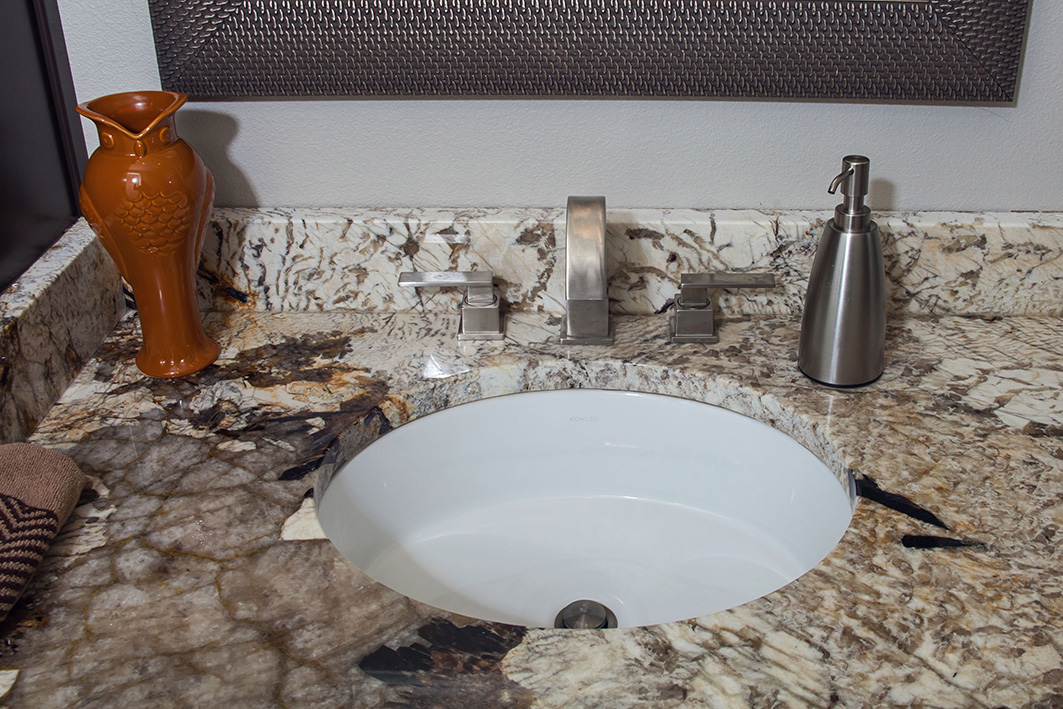
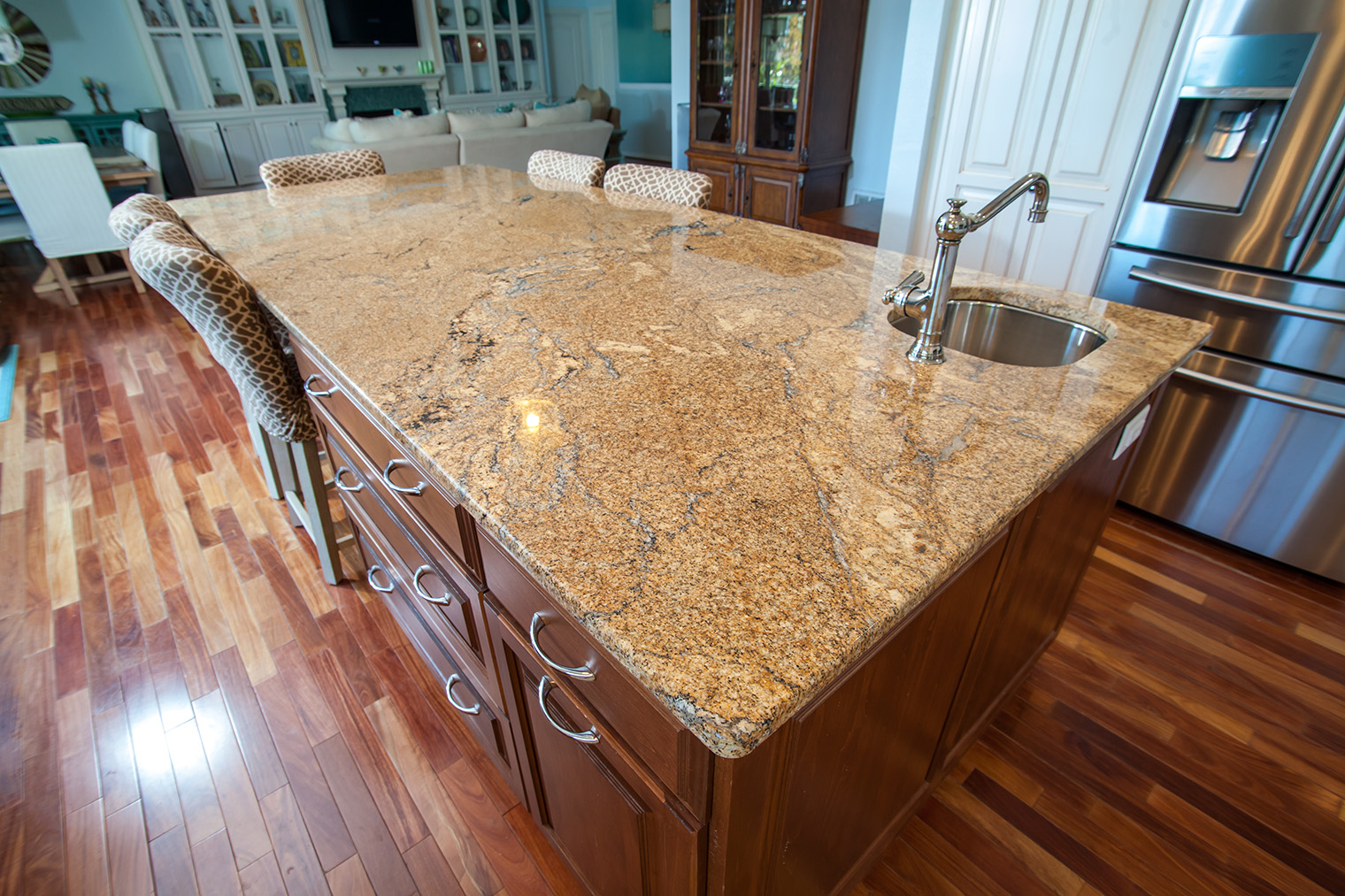
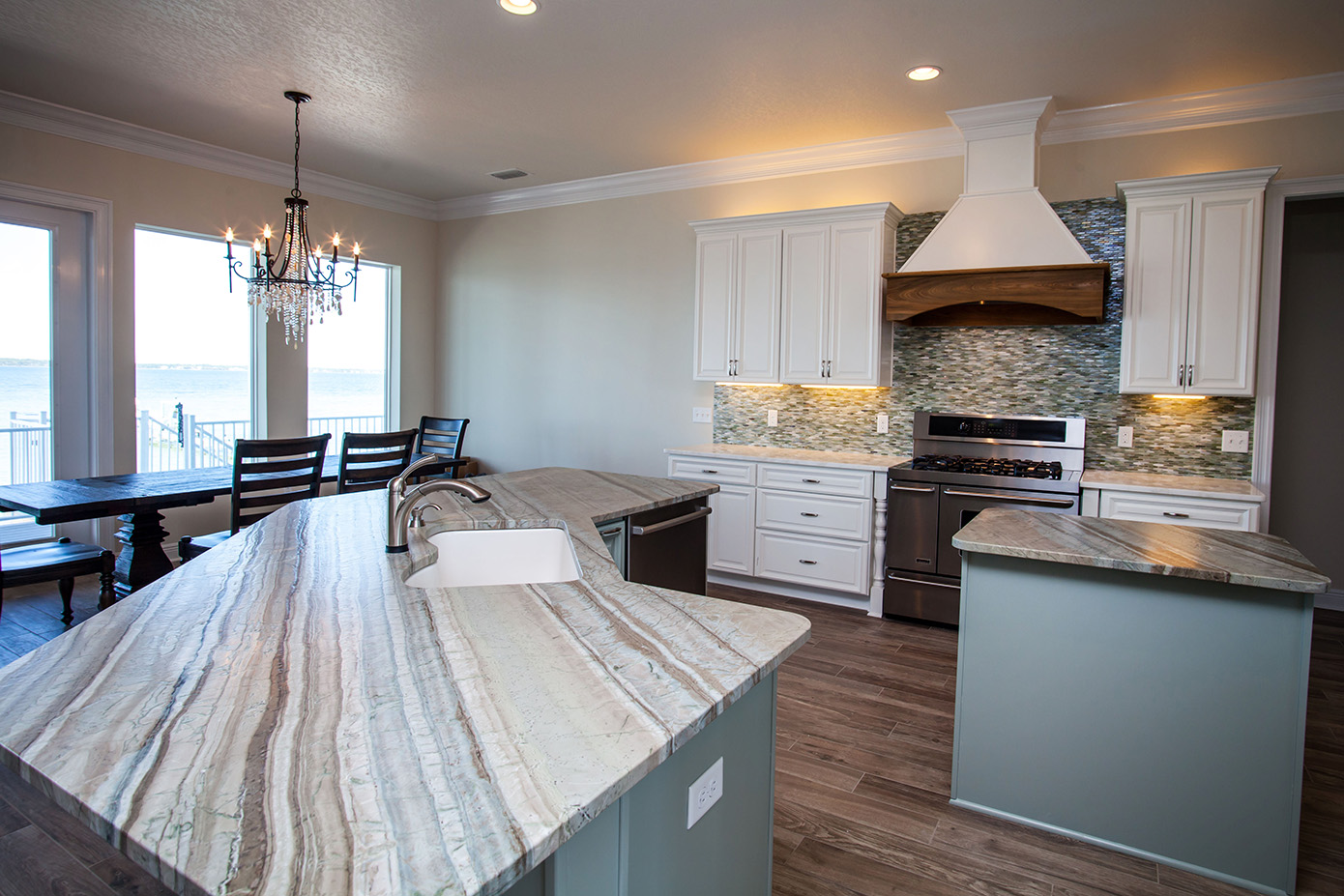
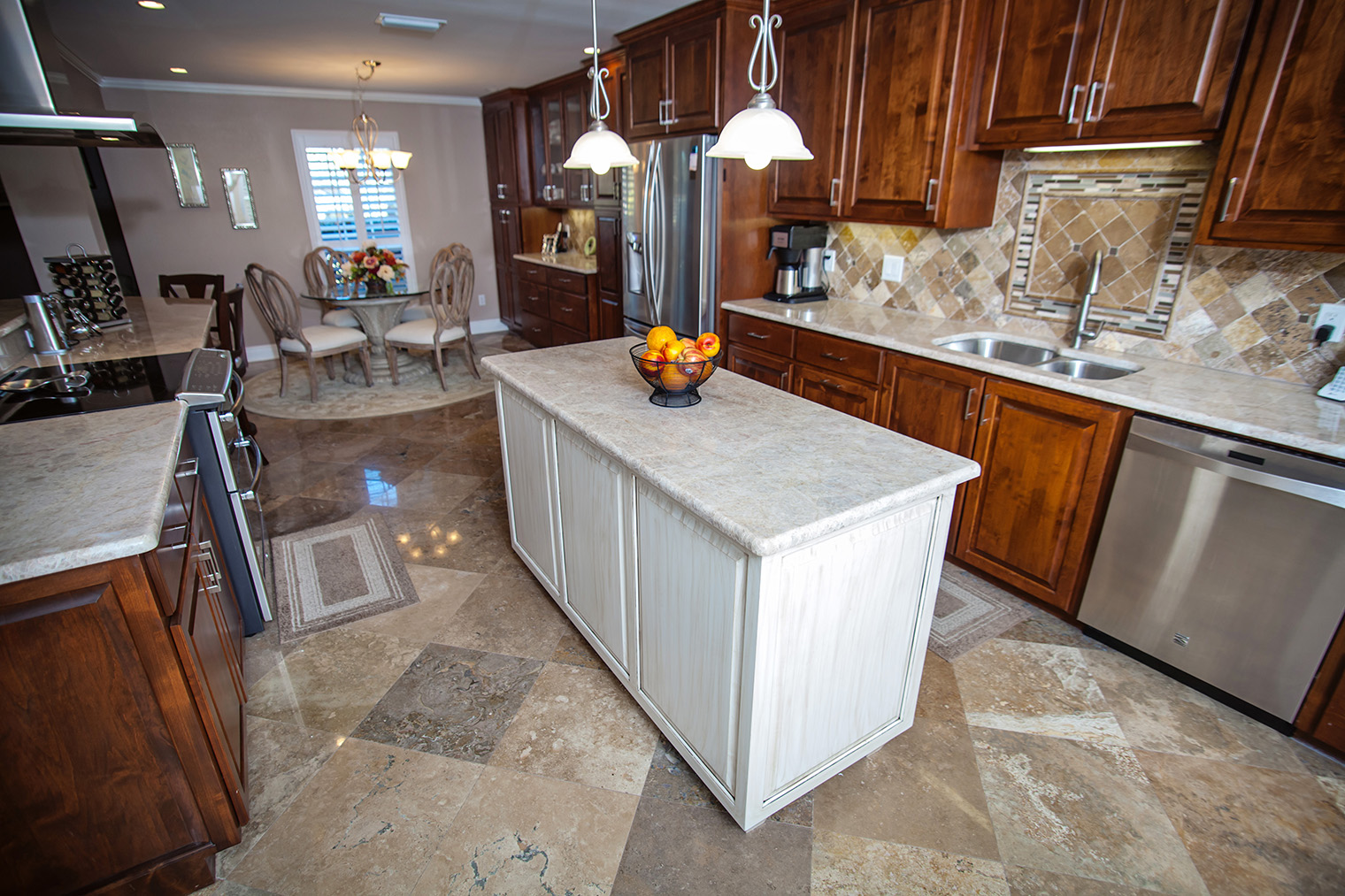
Granite wins outdoors because it’s a 100% natural stone countertop. No resin. No binders. No engineered components that break down under UV or heat. What you’re getting is a material formed under extreme pressure inside the Earth. It was built tough long before it ever became a countertop.
On the Mohs hardness scale, granite sits at 6 to 6.5. That’s high enough to handle heavy outdoor use tools, cookware, cutting boards, grills, all of it. You can place hot pans directly on granite without a trivet. No scorching. No damage. That matters a lot when you’re cooking outside on a grill or smoker.
Salt air and Gulf Coast humidity? Granite handles both without complaint. It’s been doing it in outdoor applications for decades. And unlike engineered stone, there’s no resin matrix to deteriorate when the Florida sun beats down on it all summer.
Granite’s Key Properties for Outdoor Use
- Ultraviolet stable: won’t fade, yellow, or discolor in direct sunlight
- Heat-resistant: grill and smoker safe, handles high temps without damage
- Scratch-resistant: knives, tools, and heavy cookware leave it unscathed
- Weather-resistant: handles rain, humidity, and temperature swings
- Salt air resistant: perfect fit for Gulf Coast homes near the water
- Easy to clean: warm, soapy water and a microfiber cloth get the job done
Top Outdoor Kitchen Countertops in 2026| Superior Granite
Why Textured Granite Is Even Better for Outdoor Use
Finish matters as much as stone type when you’re going outside. Polished granite looks stunning indoors, but outside, it’s slippery when wet and shows every water spot and smudge. Leathered granite is the best finish for outdoor kitchens. The textured surface gives you real grip when the surface is wet, which matters when you’re cooking in the rain or near a pool.
It also hides water spots, outdoor grime, and everyday wear far better than a polished finish. And honestly? Leathered granite develops real character over time; it looks better with age, not worse. A honed finish is a solid second option. It’s matte, easy to maintain, and more forgiving than polished outdoors. But if you’re building a serious outdoor kitchen, leathered is the call.
Stones You Should Never Use in an Outdoor Kitchen
This section could save you thousands. People get attached to a stone they loved indoors and try to use it outside. Sometimes it works. Most of the time, it doesn’t.
Why Quartz Fails Outdoors
Quartz countertops are one of the most popular choices on the market, and for good reason. Indoors, they’re durable, low-maintenance, and beautiful. But take them outside, and the story changes completely.
Quartz is an engineered stone. It’s made from about 90 to 93% crushed quartz crystals bound together with resin and pigments. That resin is the problem. Direct UV exposure breaks it down over time. The surface warps, discolors, and, in some cases, delaminates. The damage isn’t always immediate, but it’s inevitable with prolonged outdoor exposure.
High heat from outdoor grills and smokers can also scorch quartz surfaces. Indoors, that’s manageable with trivets. Outside, where you’re cooking in full sun on a hot grill, it becomes a real issue.
Why Marble Is a Bad Outdoor Choice
Marble is gorgeous. Nobody debates that. But put it outside, and Florida’s climate will destroy it.
Marble sits at Mohs hardness 3, relatively soft compared to granite. More importantly, it etches. Acidic substances react with the calcium carbonate in marble and leave dull marks on the surface. Rainwater is acidic. So is morning dew. So is basically everything that touches an outdoor surface in Florida.
Marble can etch in under 20 minutes with acid contact. Outside, that contact is constant and unavoidable. Add in the humidity, and you’ll also get algae growing in the veining over time. It’s a beautiful stone; keep it in the bathroom or a low-traffic indoor area where it belongs.
Why Soapstone Doesn’t Belong Outside
Soapstone is composed primarily of talc. That gives it a beautiful, soft, milky feel indoors, but talc is a soft mineral, and prolonged outdoor exposure is too much for it.
High humidity breaks down soapstone over time. It’s not designed for the kind of sustained heat and UV exposure you get in an outdoor setup. Keep soapstone in the kitchen or bath where it performs beautifully and lasts for years.
Why Limestone and Calcite Fail Outside
Both sit at Mohs hardness 3 among the softest stones available. Limestone is too porous for outdoor humidity and salt air. Calcite etches in under 20 minutes with acid exposure, and again, rain qualifies.
Florida’s climate will eat through either of these stones faster than you’d expect. They’re not outdoor materials. Full stop.
Full Stone Comparison: Outdoor Kitchen Use
| Stone | Outdoor Safe? | UV Resistant | Heat Resistant | Notes |
| Granite | Yes | Yes | Yes | Best overall outdoor stone |
| Quartzite | Yes | Partial | Yes | Cover if outdoors to prevent fading |
| Porcelain | Yes | Yes | Yes | Non-porous, excellent UV resistance |
| Quartz | No | No | No | Resin degrades in UV, scorches under heat |
| Marble | No | No | Partial | Etches from rainwater, algae in veining |
| Soapstone | No | No | Partial | Warps in humidity, not built for outdoors |
| Limestone | No | No | No | Too soft, too porous for Florida climate |
| Calcite | No | No | No | Etches fast, fails quickly outside |
Best Granite Colors and Finishes for Outdoor Kitchens
Which Colors Work Best Outside
Medium and earthy tones are your best bet for outdoor granite countertops. They blend naturally with outdoor furniture, pavers, pergolas, and landscaping. They also handle weathering and everyday outdoor wear without looking tired. Very dark granite absorbs more heat in direct Florida sun, something worth thinking about if your outdoor kitchen isn’t covered. The surface can get uncomfortably hot to the touch on a peak summer afternoon.
Speckled or multi-toned granite hides wear, water spots, and outdoor grime the best. Solid or lighter tones are beautiful, but they show marks more easily outside. It comes down to how much maintenance you want to deal with.
Best Finish for Outdoor Granite
- Leathered: Best finish for outdoor granite. Gives you real grip when wet, hides dirt and marks, and develops great character over time.
- Honed: solid second choice. Matte look, less slippery than polished, easy to maintain
- Polished: avoid outside. Stunning indoors, slippery and high maintenance outdoors
Covered Patio Setup: Tips That Actually Make a Difference
Always Cover Your Outdoor Kitchen
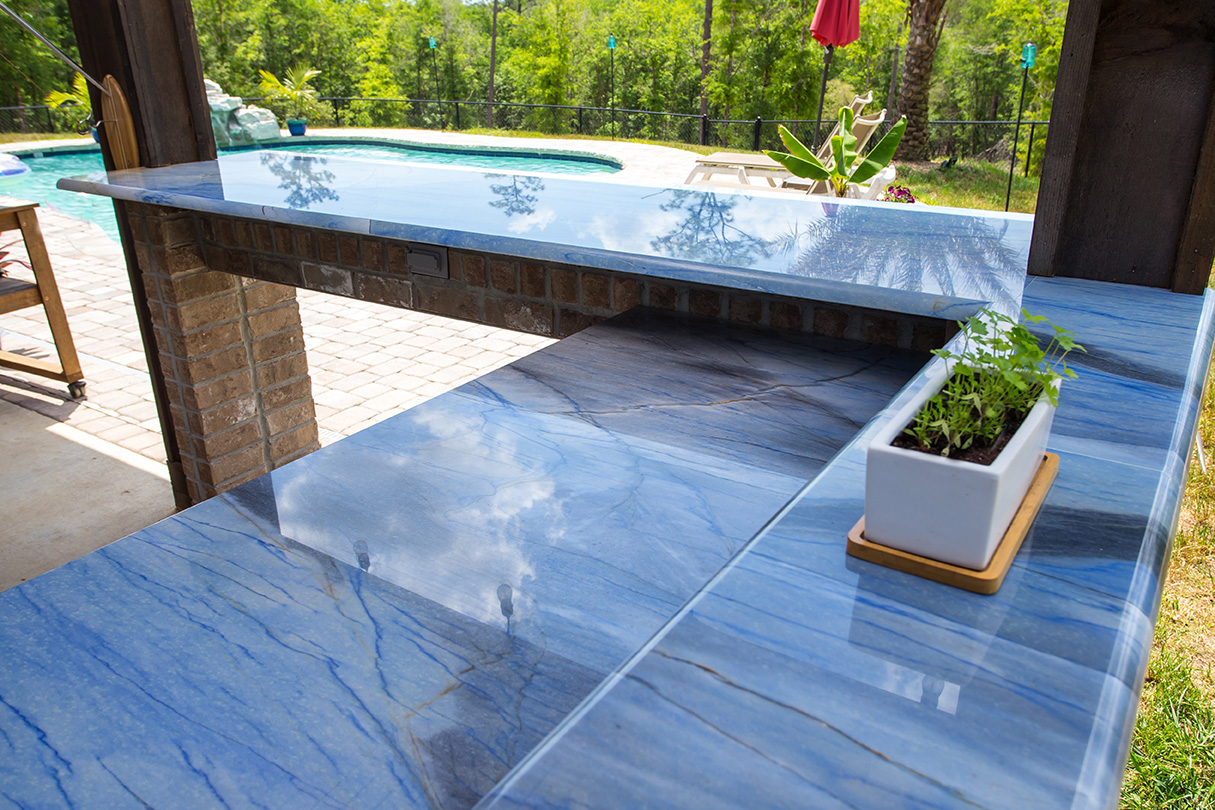
A covered patio changes everything. It extends the life of your outdoor kitchen countertops dramatically for any stone, not just granite.
Less direct UV means less fading, especially for quartzite, which benefits significantly from cover. Less rain contact means less etching risk on any surface. And your outdoor kitchen just looks and functions better with overhead protection from Florida’s afternoon storms. If you’re building an outdoor kitchen without a cover, add it to your plan. The investment is worth it.
Seal Your Granite Before It Goes Outside
Outdoor granite needs sealing every six months. That’s twice as often as indoor granite and for good reason. Rain, humidity, and sun exposure all work against an unsealed surface. Not sure if it’s time? Do the water test. Pour a small amount of water on the surface. If it absorbs within one to two minutes, it’s time to reseal.
Use a silicone impregnator sealer. Apply it to a soft, dry cloth, wipe it on, wait 10 minutes, then wipe off the excess. Edges and sink openings need extra attention; they’re more porous than the rest of the surface.
Cleaning Your Outdoor Granite Countertop
Warm, soapy water and a microfiber cloth are the best method. Dawn dish soap works perfectly. Just avoid citrus-scented or essential oil-based soaps, which can damage natural stone surfaces over time.
Never use bleach, ammonia, vinegar, or citrus extract cleaners on granite. No abrasive sponges or scrub pads, ever. Wipe up spills immediately, especially anything acidic. Outside, that means bird droppings, tree sap, and food spills from cooking.
Outdoor Kitchen Design Tips
- Match your granite tone to outdoor pavers, pergola color, or furniture for a cohesive look.
- Standard outdoor counter depth: 30 to 36 inches
- Bar height section for entertaining: 42 inches
- Eased or leathered edge profiles work best outdoors; practical, durable, chip-resistant
- Plan grill placement before templating; model number needed before the template visit
How Much Do Outdoor Granite Countertops Cost?
Outdoor granite countertops generally run $40 to $100 or more per square foot installed. Outdoor projects sometimes cost slightly more than indoor ones due to additional sealing requirements, site conditions, and edge work. But here’s the real math: replacing the wrong stone every three to five years costs far more than doing it right the first time. Cheap materials and wrong choices add up fast.
Got a smaller outdoor bar or prep area? Remnants are worth looking into. They’re a smart way to save money on smaller outdoor projects. You still get the same quality granite, just leftover pieces from larger slabs. Ask about availability when you visit any of the Superior Granite showrooms.
Why Homeowners on the Gulf Coast Trust Superior Granite
Superior Granite has been serving Gulf Coast Florida families for over 20 years. Family-owned since 2005, with showrooms in Pensacola, Pace, and Fort Walton Beach, they know what Florida homes need, inside and out. Every slab is first quality, 3cm material. No second-grade stone. No shortcuts. The fabrication team uses state-of-the-art machinery for precision cuts, and book-matched slabs give outdoor kitchens a seamless, polished look that stands out.
Hundreds of granite colors are in stock at any time. Come see them in person; samples only tell part of the story. A slab is a big piece of stone, and nothing beats standing in front of it to know if it’s the right fit. The team from sales to fabrication to professional installation works together to make the process smooth from start to finish. They’ll walk you through stone selection, finish options, edge profiles, sealing, and everything in between.
The Bottom Line
Outdoor kitchens deserve stone that was built for the job. Florida’s Gulf Coast climate is hard on materials; UV, humidity, salt air, heat, and rain don’t take days off. Granite handles all of it. It’s the clear winner for outdoor kitchen countertops: durable, UV-stable, heat-ready, and low-maintenance when properly sealed. Don’t waste money on quartz, marble, or soapstone outside. Those stones have their place, and it’s not in your backyard.
When you’re ready to build the outdoor kitchen you’ve been planning, the team at Superior Granite is ready to help. Visit any of the showrooms in Pensacola, Pace, or Fort Walton Beach to see the slabs in person and get it right the first time. Head to superiorgranite.com to get started today.
Pensacola, FL
Visit Us: 7011 Pine Forest Road, Pensacola, FL 32526
Call Us: (850) 941-0270
Hours: Monday – Friday: 8 a.m. – 5 p.m., Saturday: 9 a.m. – 2 p.m.
Pace, FL
Visit Us: 4590 Jernigan Road, Pace, Florida 32571
Call Us: (850) 994-1872
Hours: Tuesday – Friday: 9 a.m. – 5 p.m., Saturday: 9 a.m. – 2 p.m.
Fort Walton Beach, FL
Visit Us: 35 Miracle Strip Pkwy SW, Fort Walton Beach, Florida 32548
Call Us: (850) 301-0716
Hours: Tuesday – Friday: 8 a.m. – 5 p.m., Saturday: 9 a.m. – 2 p.m.
Get quotes now and start your project!
FAQs
1. Can you use granite countertops in an outdoor kitchen?
Yes, and it’s one of the best stones for the job. Granite is naturally ultraviolet-stable, heat-resistant, and built to handle rain, humidity, and salt air. Seal it every six months, and it’ll look great for decades outside.
2. What is the best countertop material for an outdoor kitchen?
Granite is the top choice. It’s a 100% natural stone, no resin, no binders, so ultraviolet rays, heat, and Florida weather can’t break it down. Porcelain is a solid second option if you want something non-porous and low maintenance.
3. Does quartz hold up in an outdoor kitchen?
No. Quartz is made with resin binders that break down under direct ultraviolet exposure. The surface warps, discolors, and delaminates over time. It’s a great indoor material, the wrong choice for outside.
4. What finish works best for outdoor granite?
Leathered, without question. It gives you grip when the surface is wet, hides dirt and water spots, and gets better looking with age. Honed is a decent second option. Avoid polished; it’s slippery when wet and shows every mark outside.
5. How long do outdoor granite countertops last in Florida?
Decades if properly sealed. Reseal every six months, minimum. Do the water test first: pour a small amount of water on the surface. If it absorbs within one to two minutes, it’s time. Granite, handled right, outlasts every other outdoor countertop material on the market.