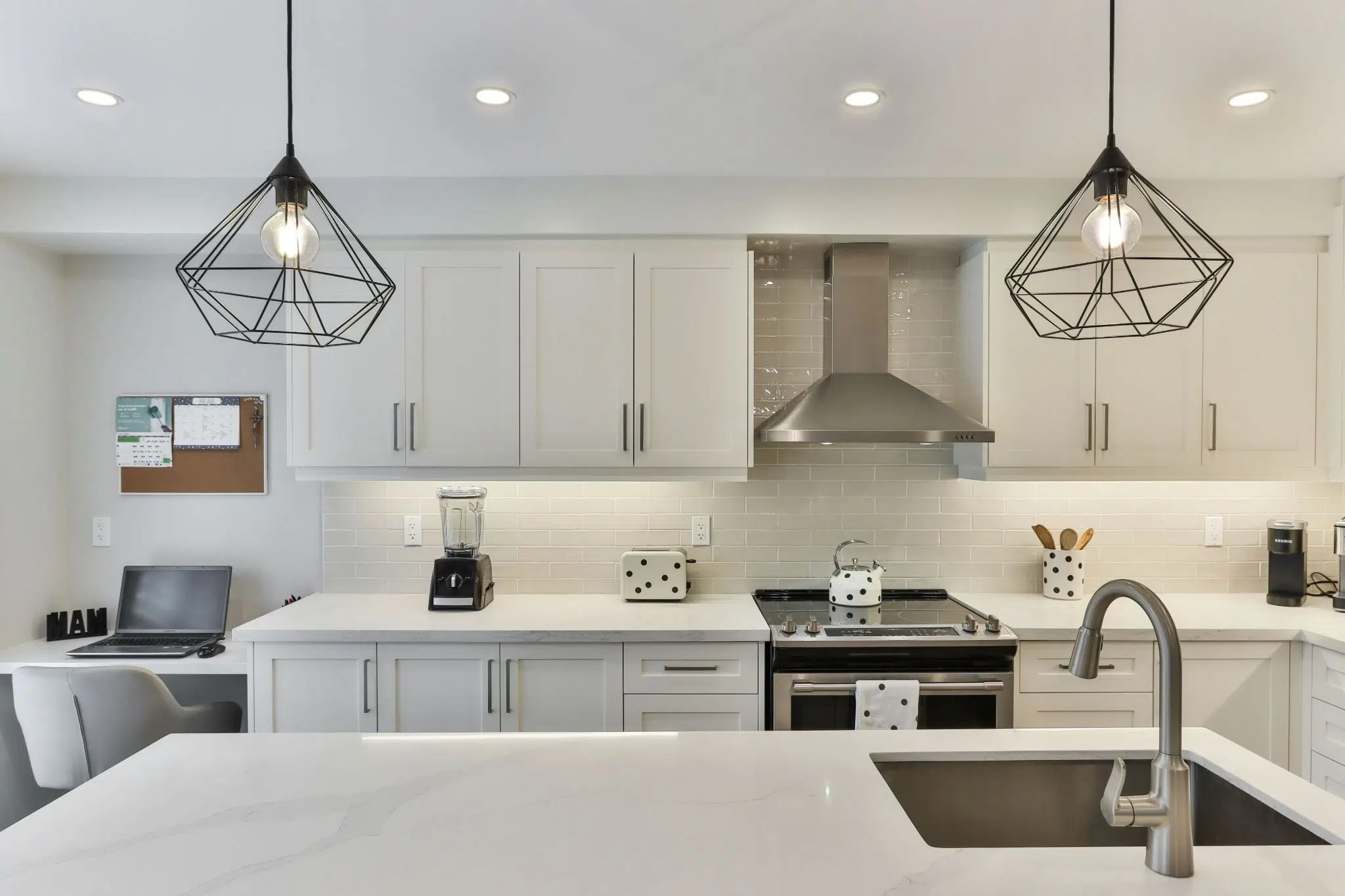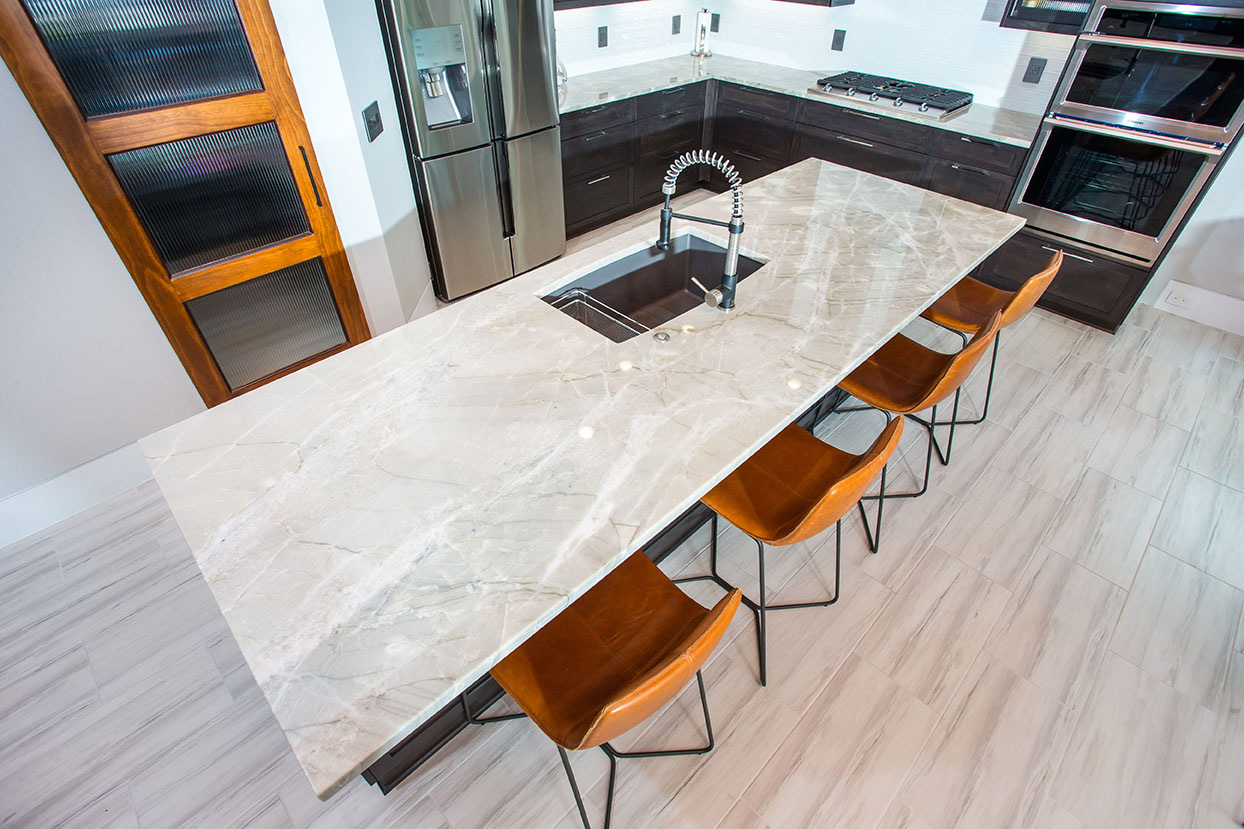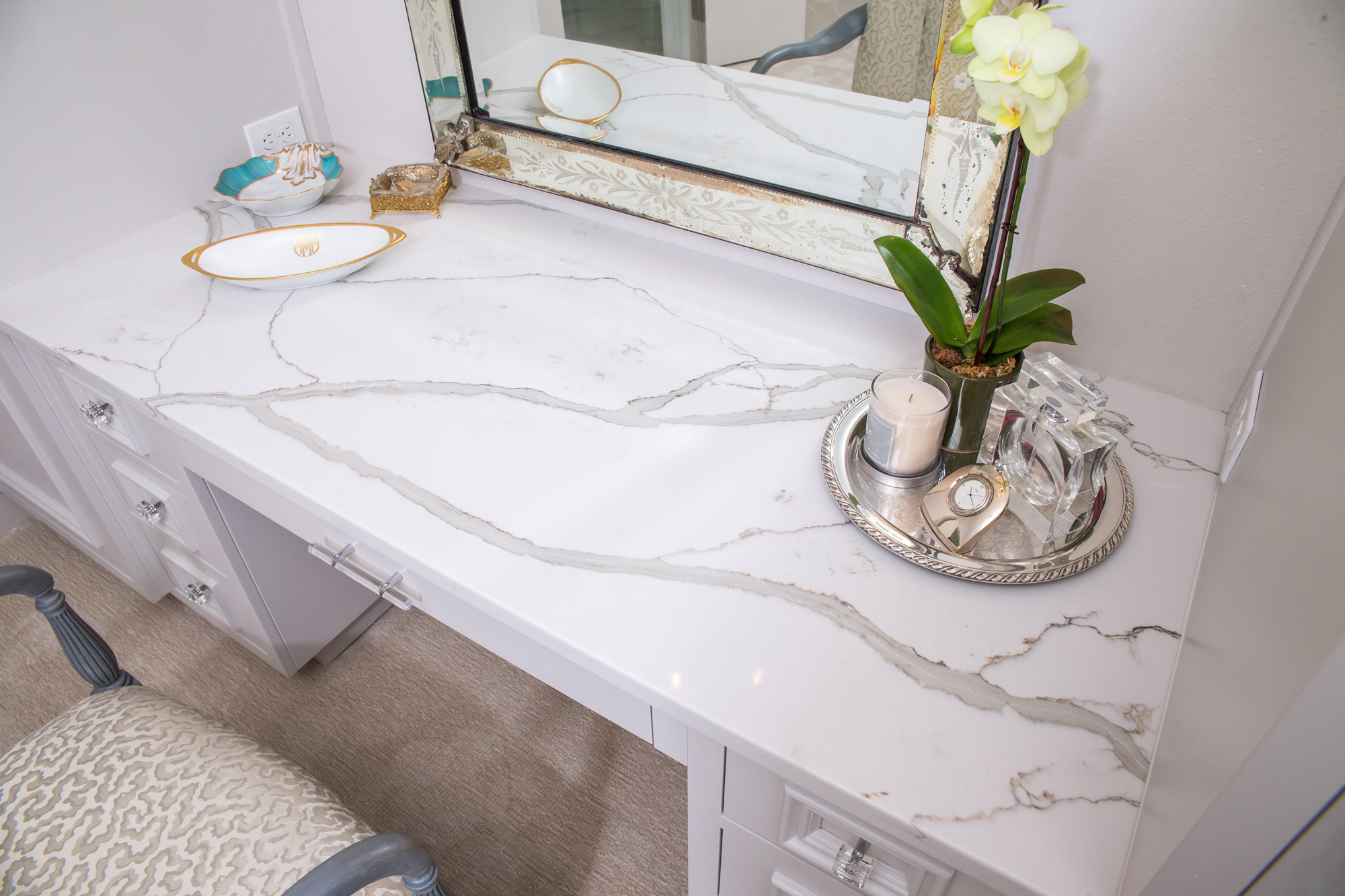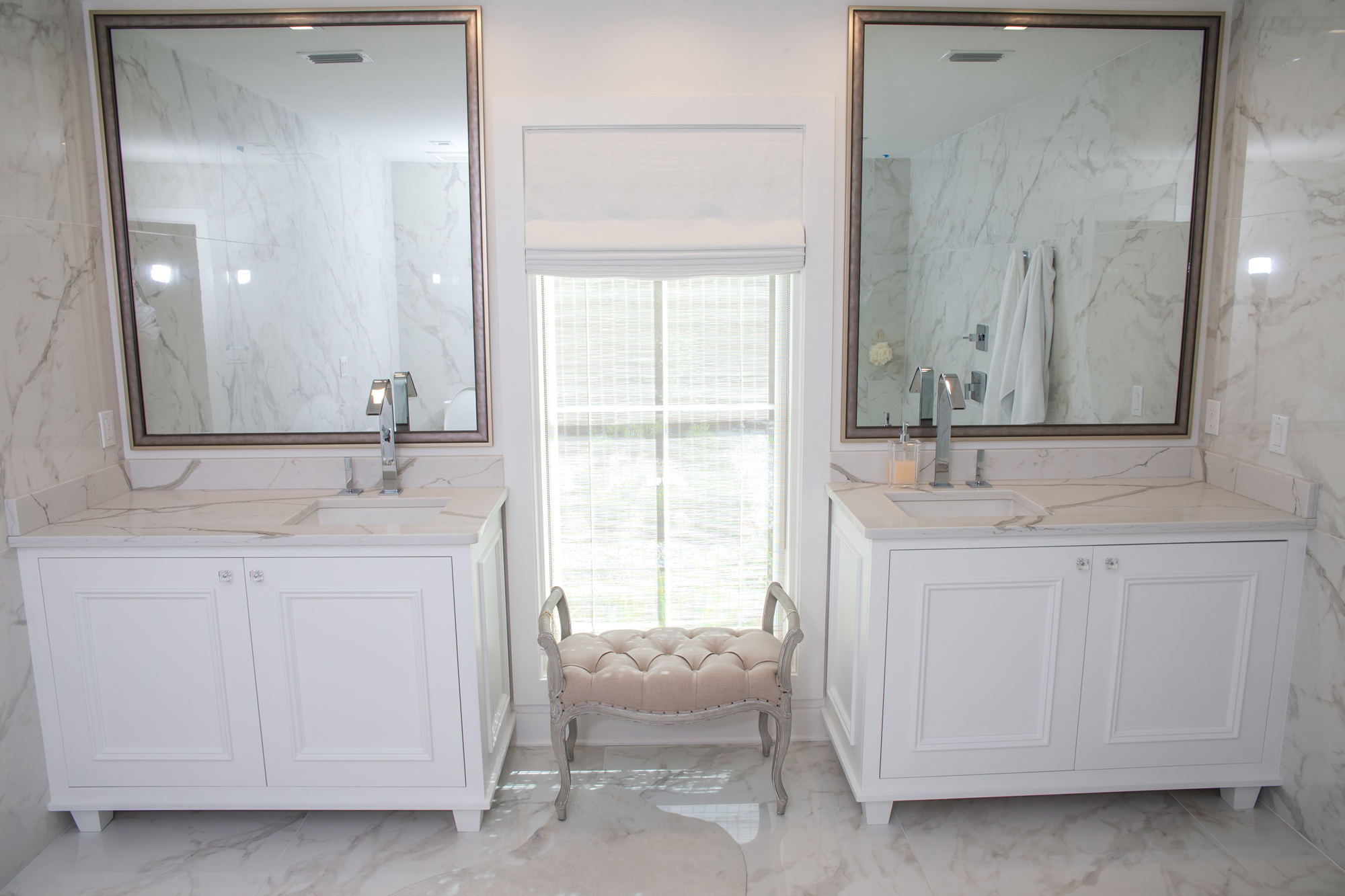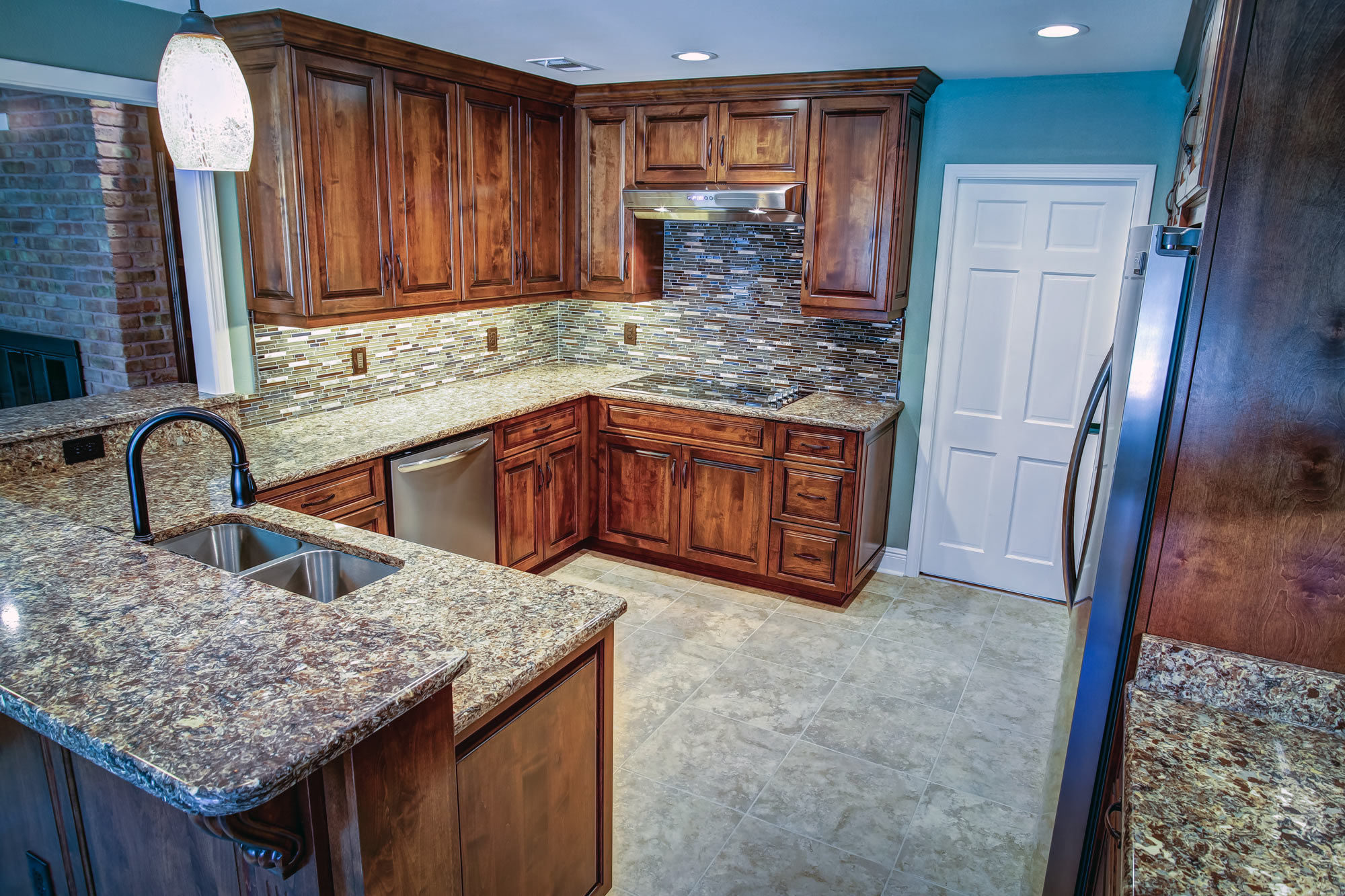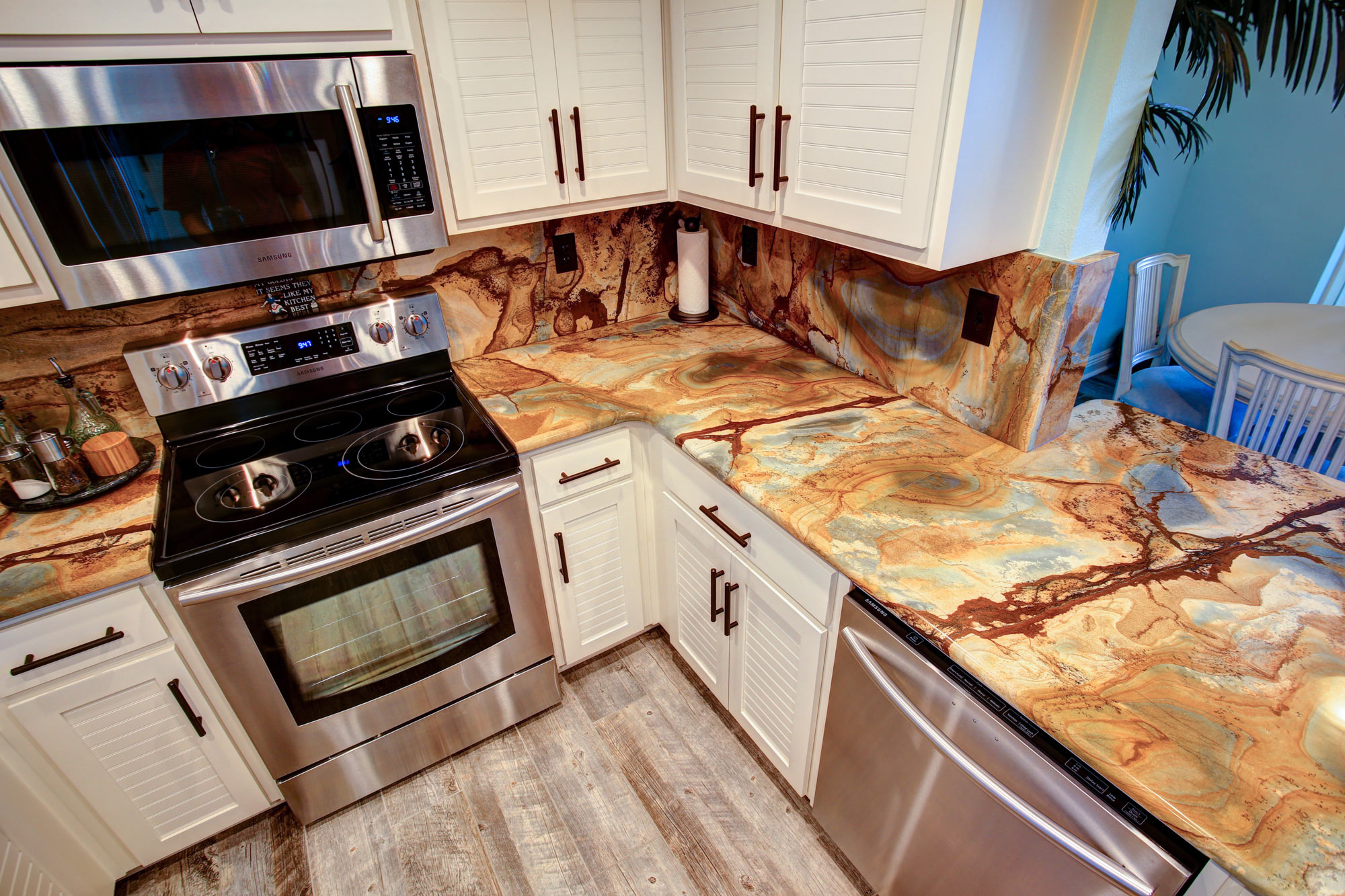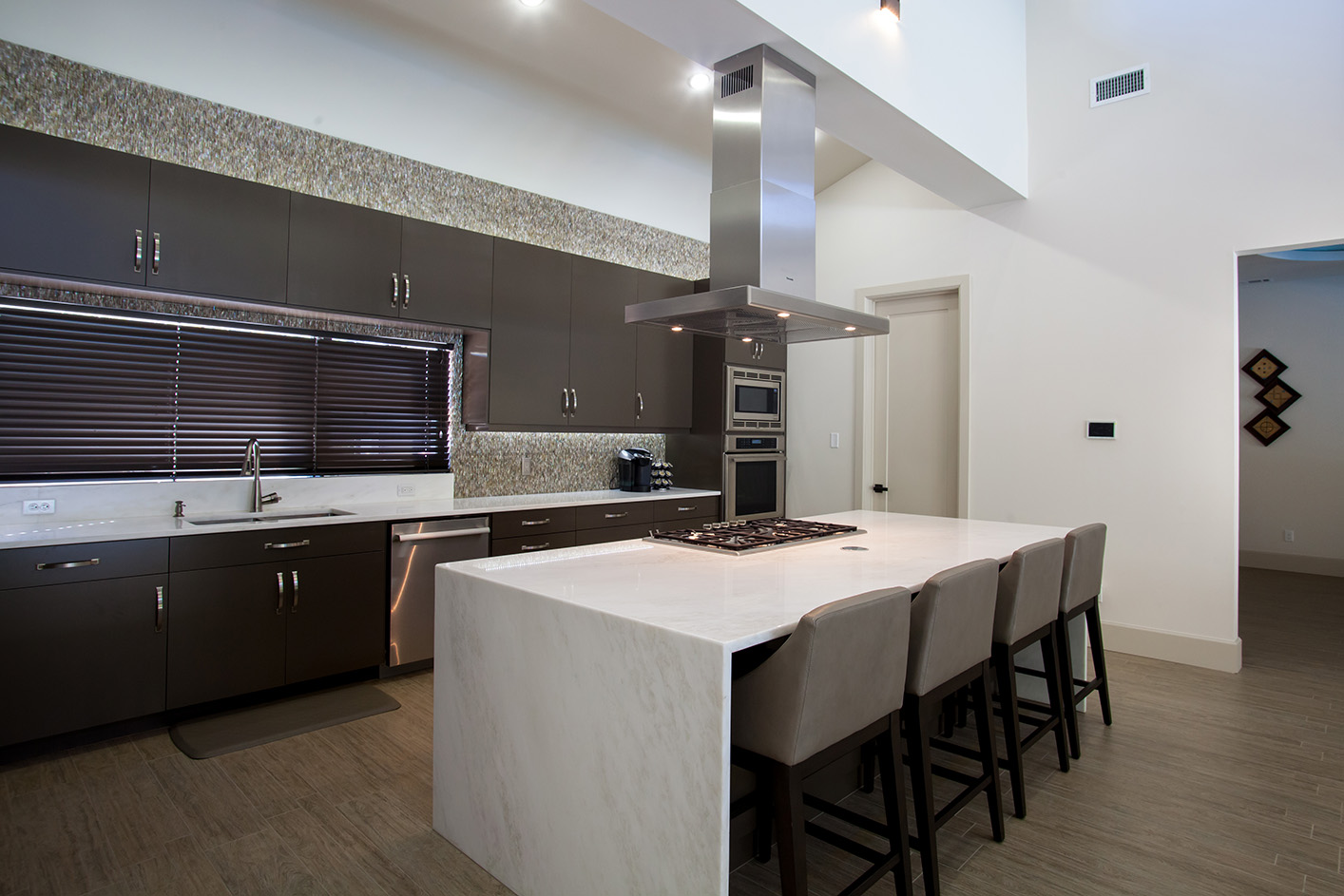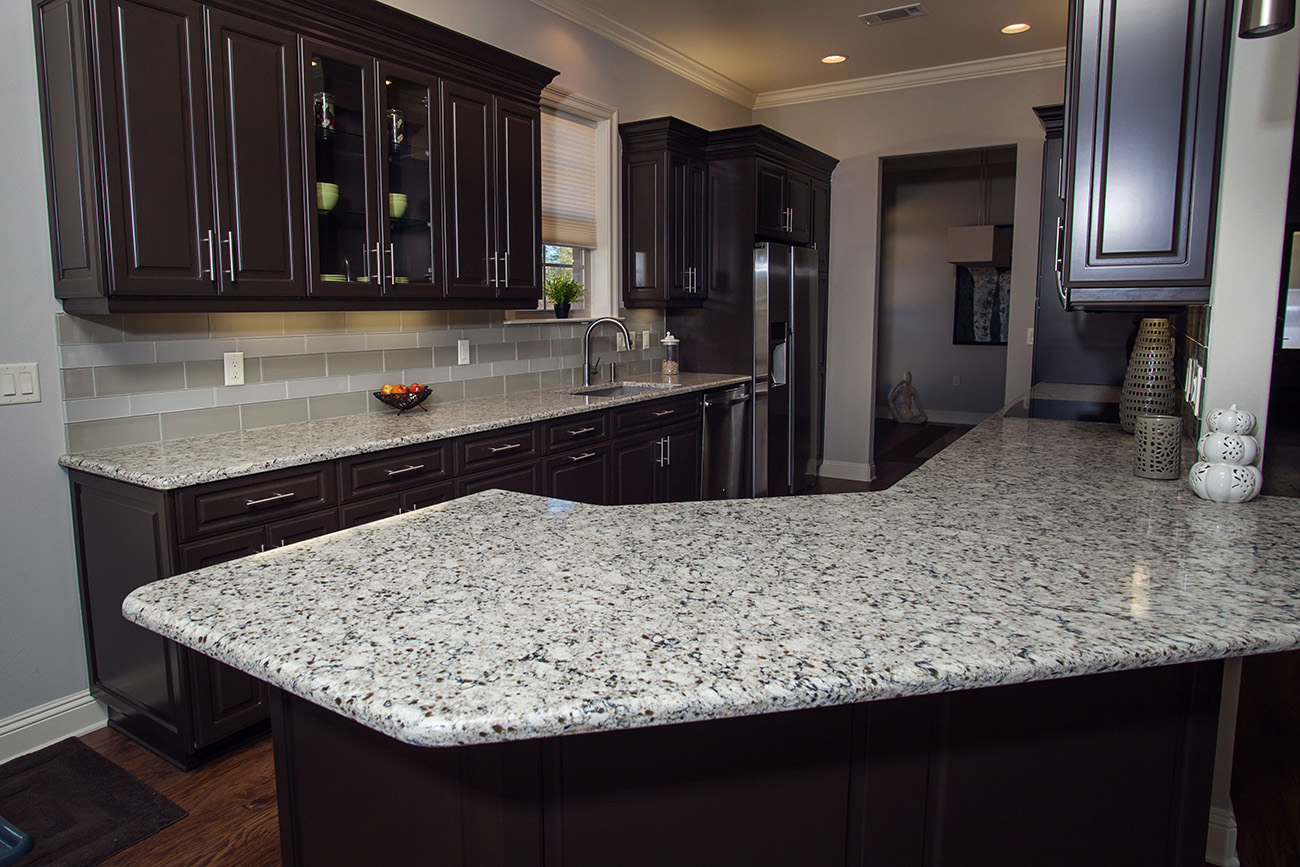
Dolomite countertops offer the marble look most homeowners want, with slightly better durability and a more forgiving surface for daily use. That’s the short answer to why designers keep recommending it. But dolomite is not a low-maintenance stone. It etches from acidic spills, needs sealing twice a year, and requires consistent care to look its best. If you’re considering dolomite for your next project, here’s everything you need to know: from what it is to how much it costs.
Superior Granite serves homeowners across Pensacola, Pace, and Fort Walton Beach with first-quality natural stone countertops and one of the Gulf Coast’s largest slab selections.
What Are Dolomite Countertops?
Dolomite is a natural sedimentary stone composed of calcium magnesium carbonate. It forms when magnesium-rich groundwater alters existing limestone, producing a stone that sits between marble and granite in terms of hardness and durability.
On the Mohs hardness scale, dolomite rates 3.5 to 4; harder than marble, which sits at 3, but softer than granite at 6 to 6.5 and quartzite at 7. It is slightly less durable than quartzite, quartz, and granite, but more forgiving than marble for everyday use. That middle-ground performance is exactly what makes dolomite stone countertops an interesting option for homeowners who want natural stone character without committing to full marble maintenance.
Why Do Designers Love Dolomite Countertops?
The honest answer is the aesthetic. Dolomite is often mistaken for marble, and that’s not by accident.
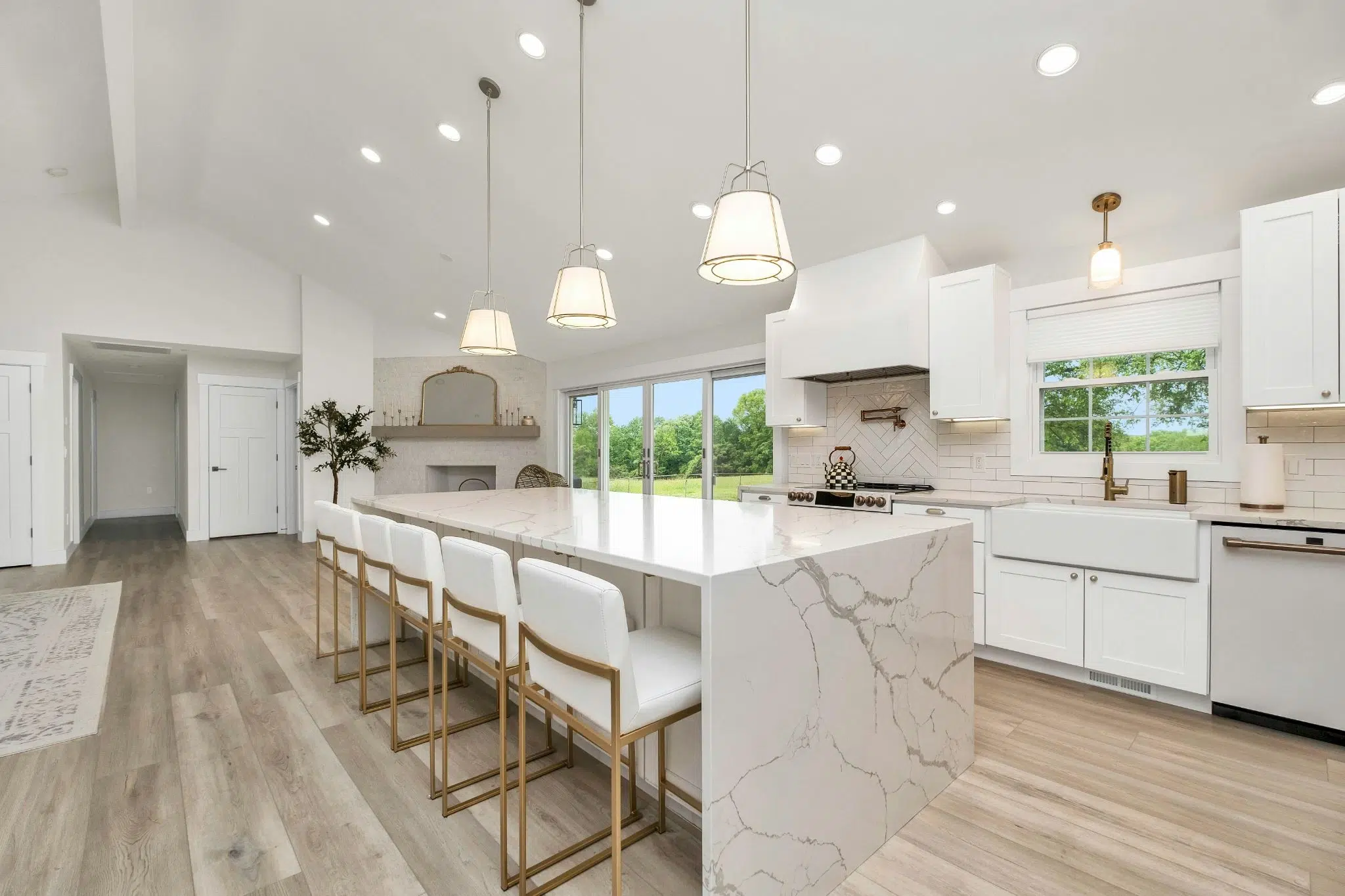
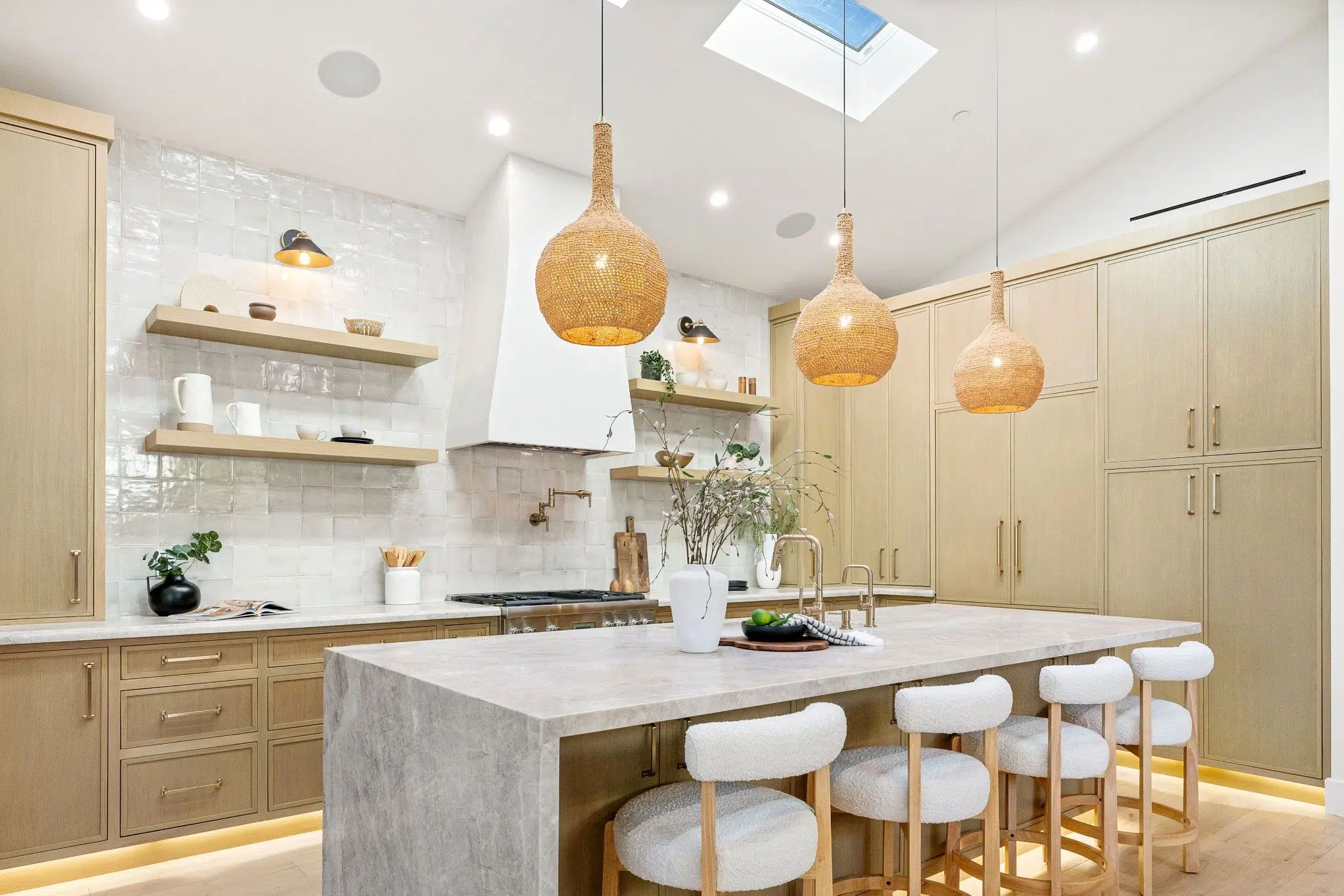
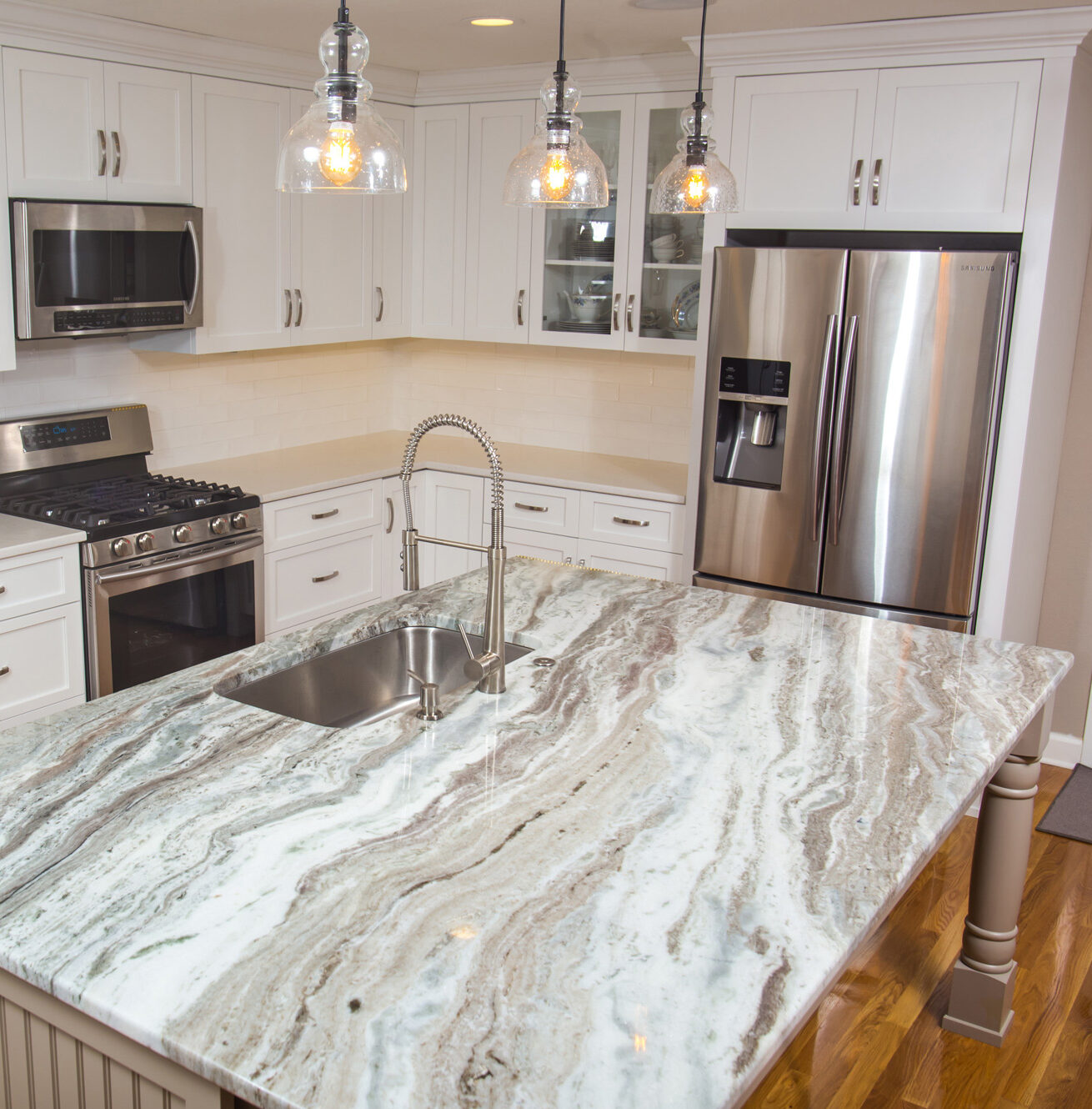
The soft veining, the cool neutral tones, the natural movement in each slab; it all reads as high-end marble at first glance. Designers specify dolomite when they want the elegance of marble without quite as much of the maintenance anxiety that comes with it. It offers a luxury appearance that works across traditional, transitional, and contemporary kitchens alike.
What makes dolomite genuinely distinctive is its natural uniqueness. Every slab looks different. The veining moves differently, the color shifts from piece to piece, and no two installations ever look exactly alike. That individuality is something engineered materials simply can’t replicate.
What Do Dolomite Countertops Look Like?
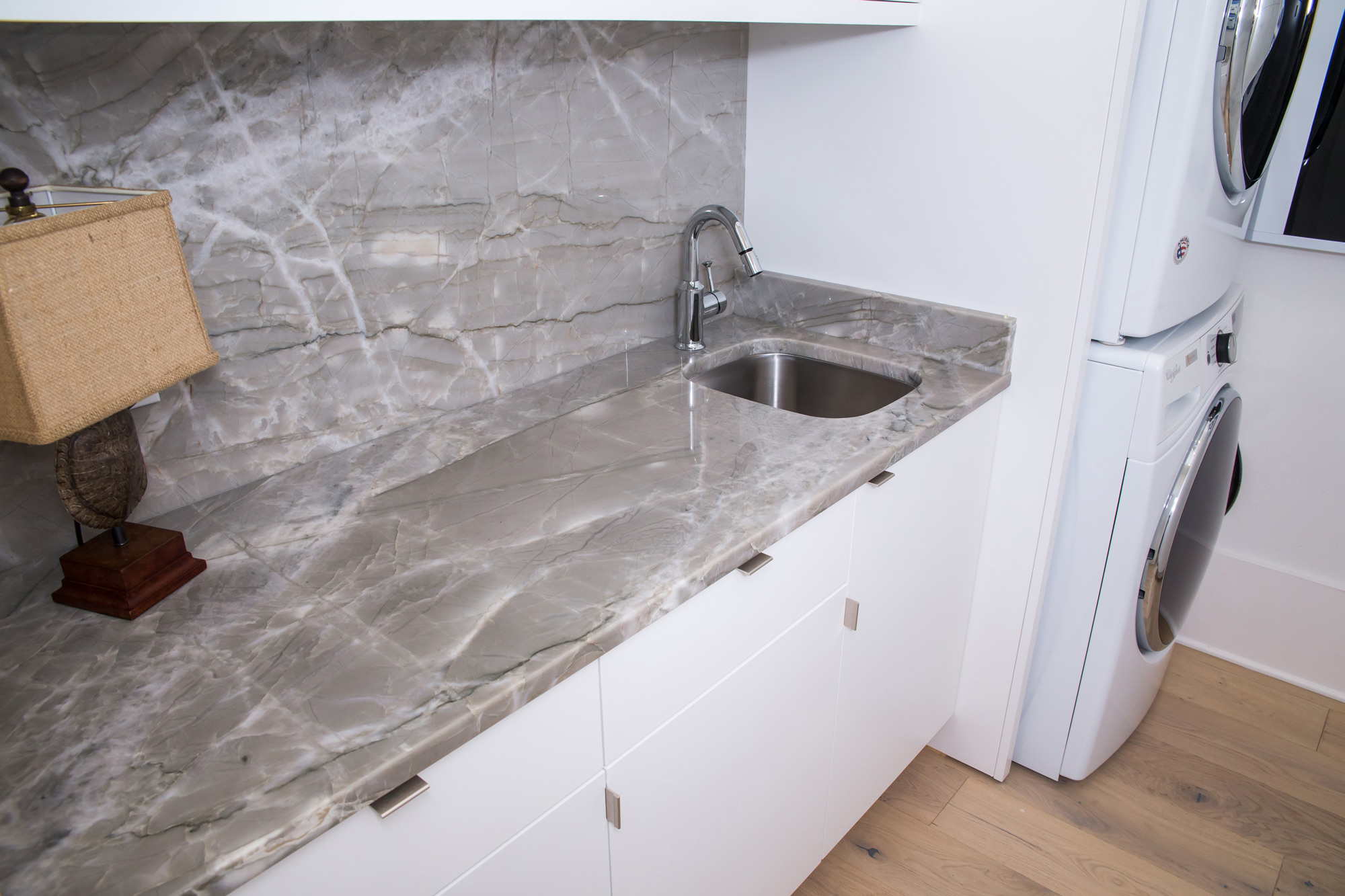
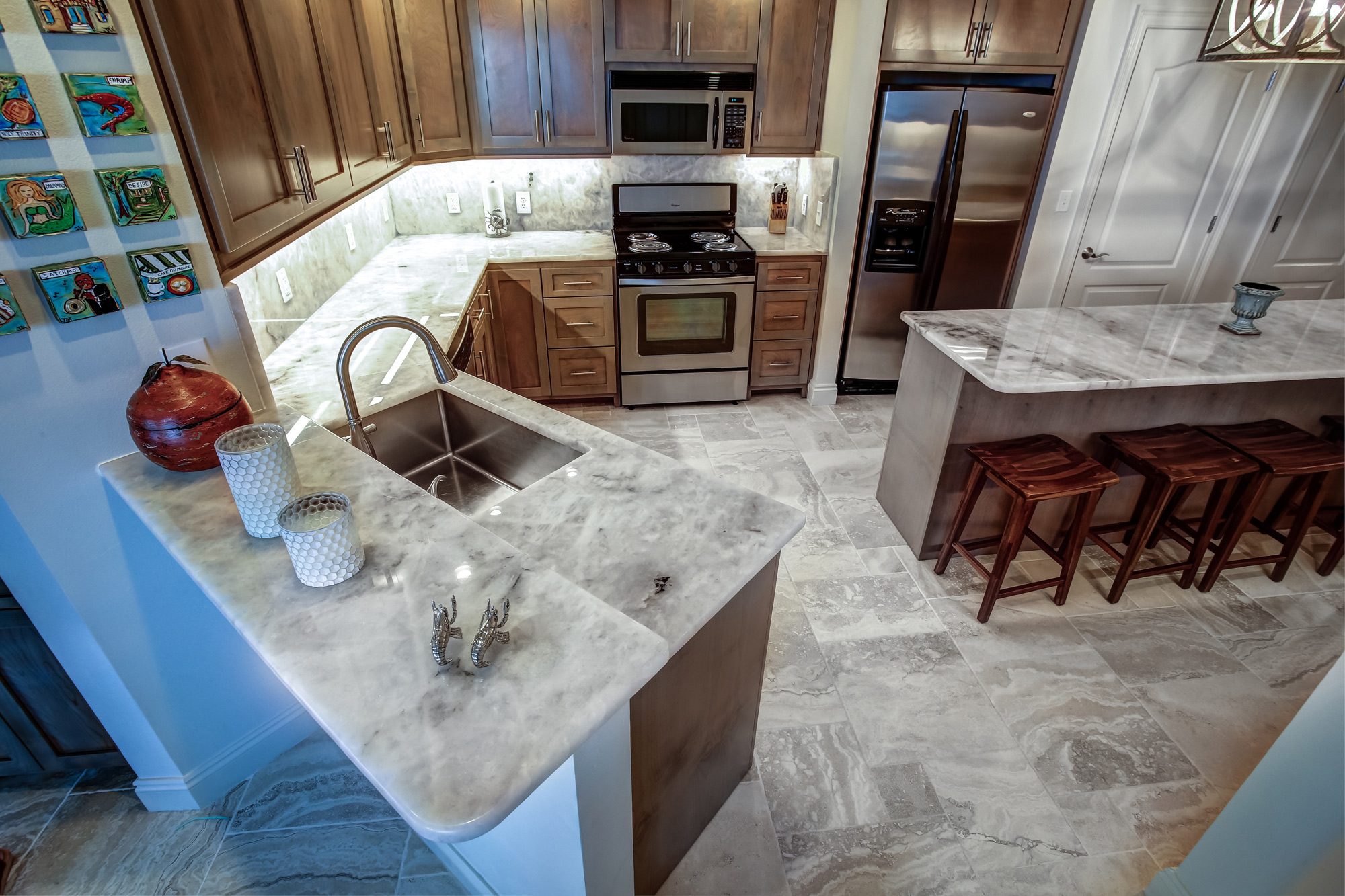
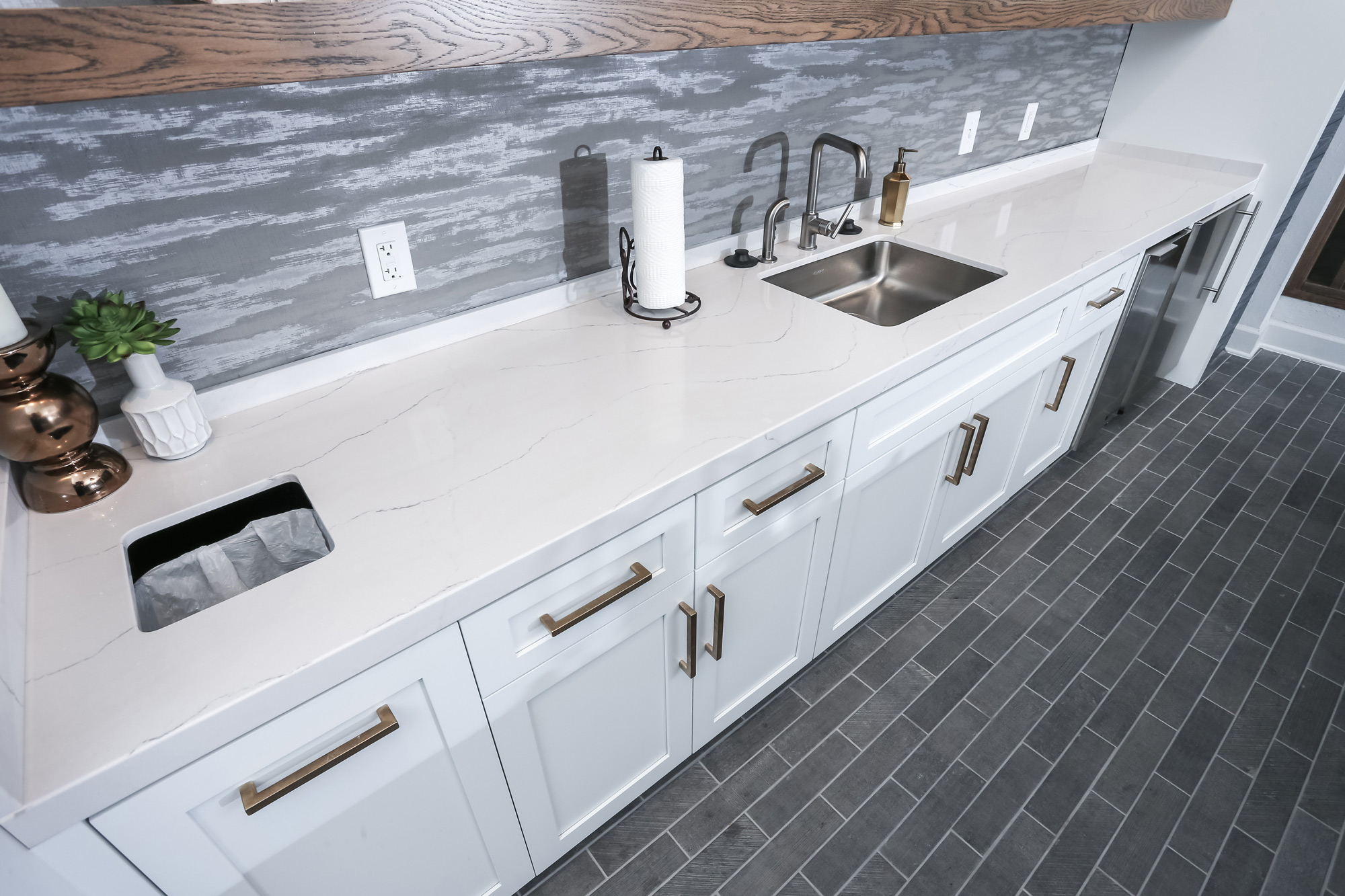
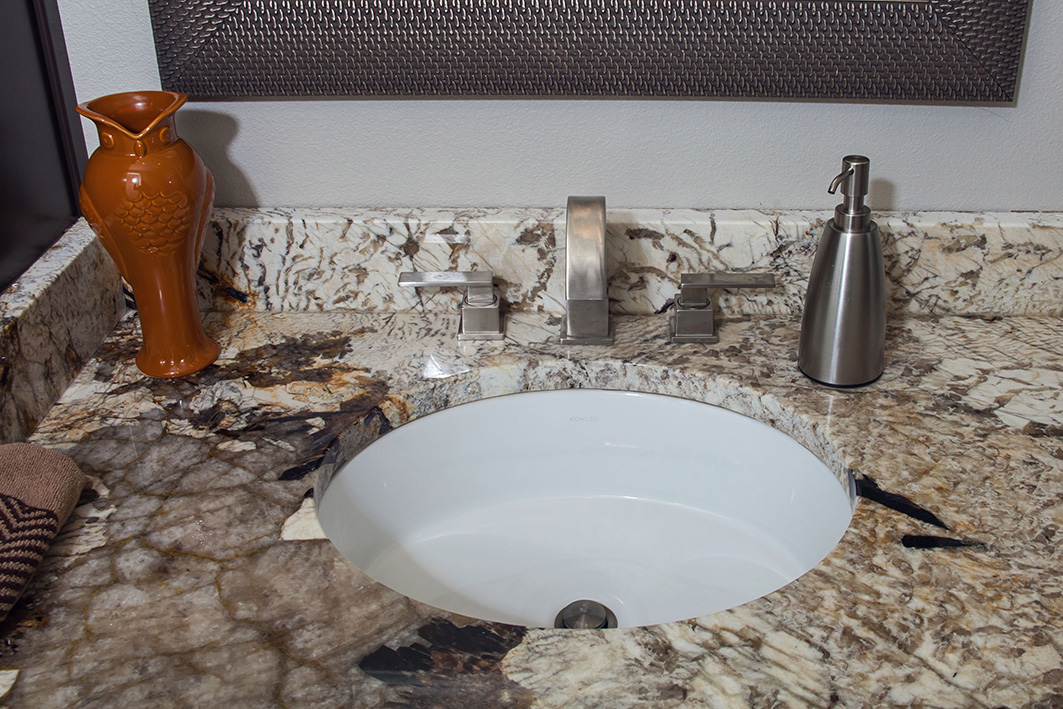
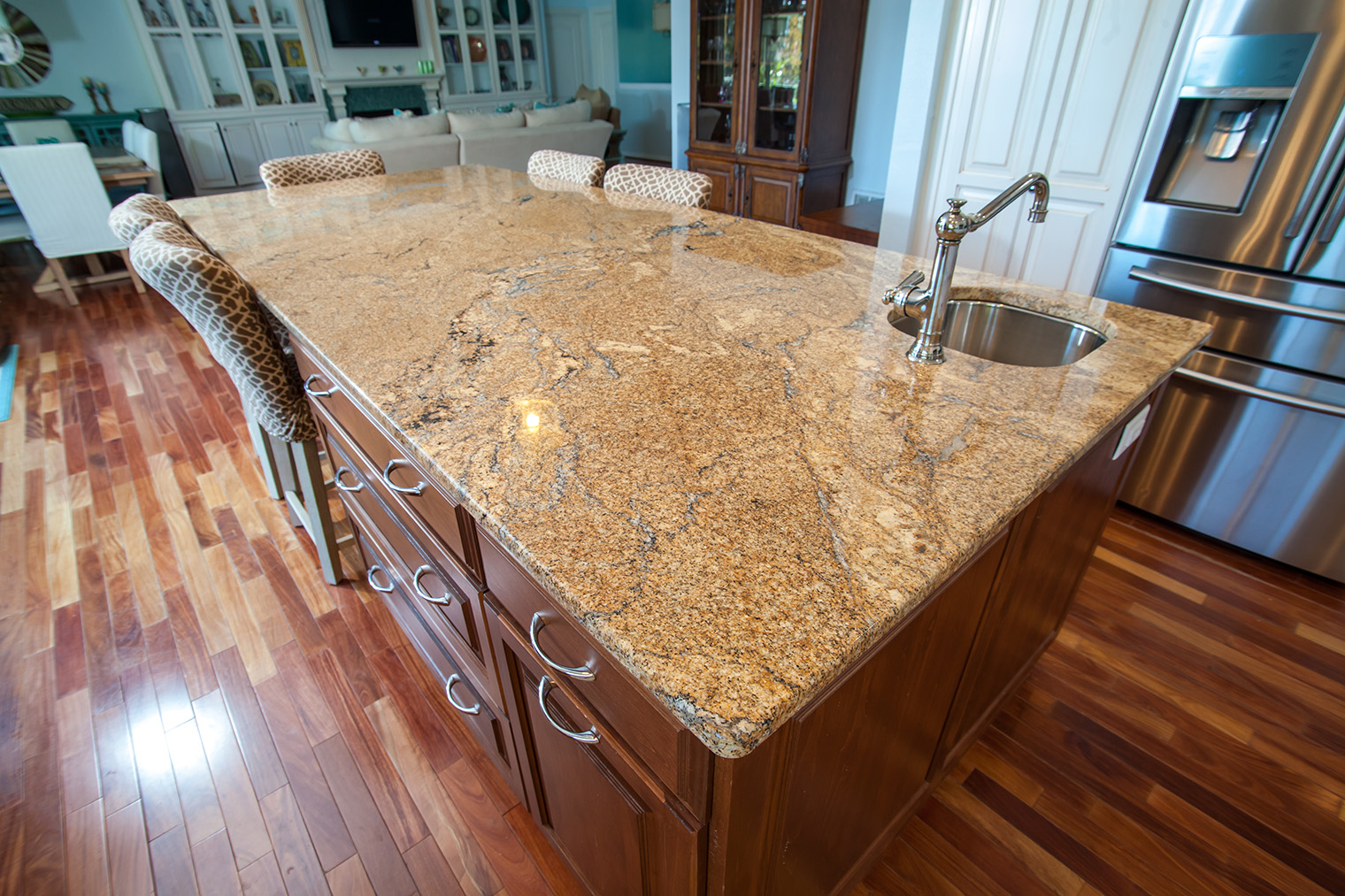
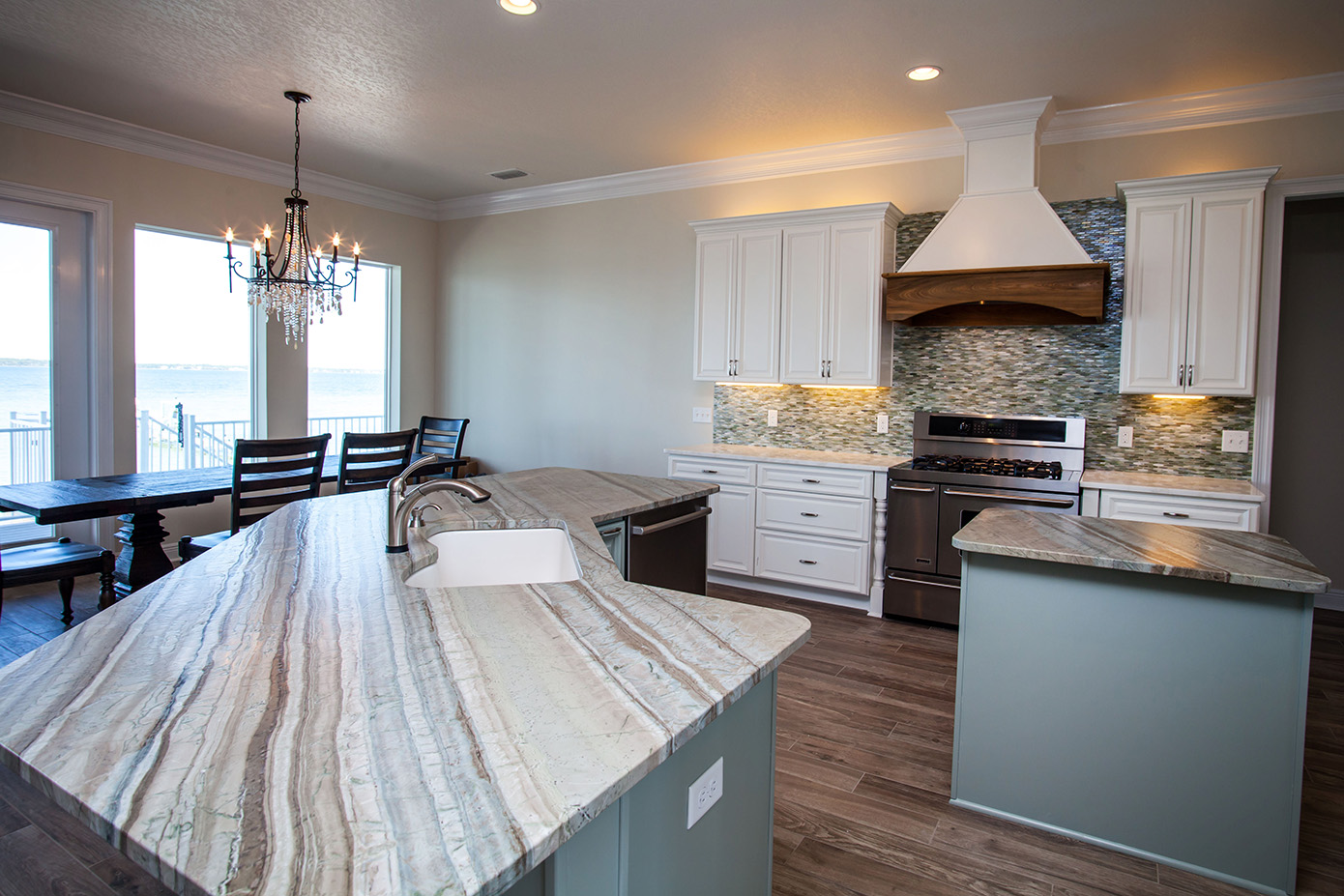
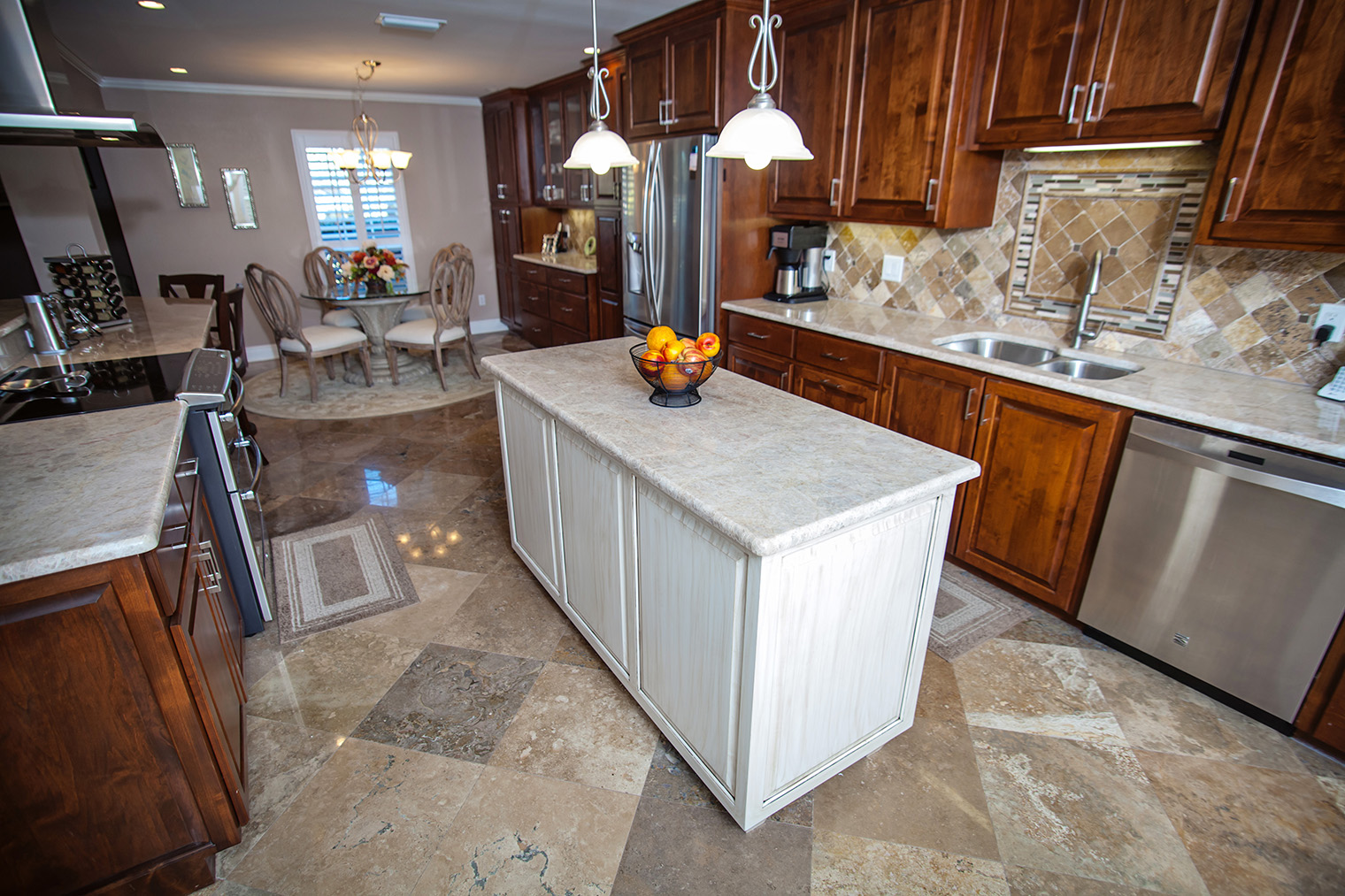
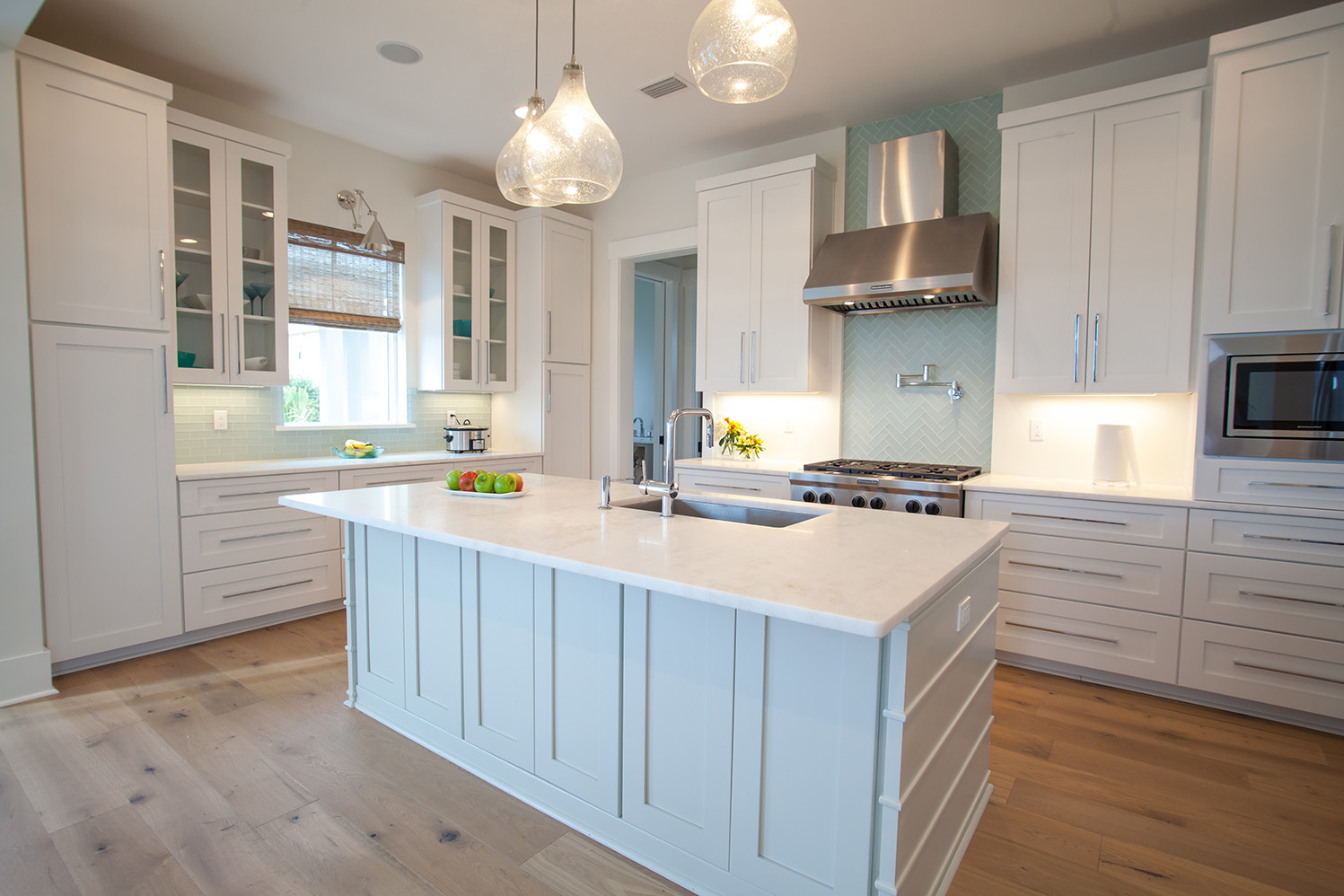
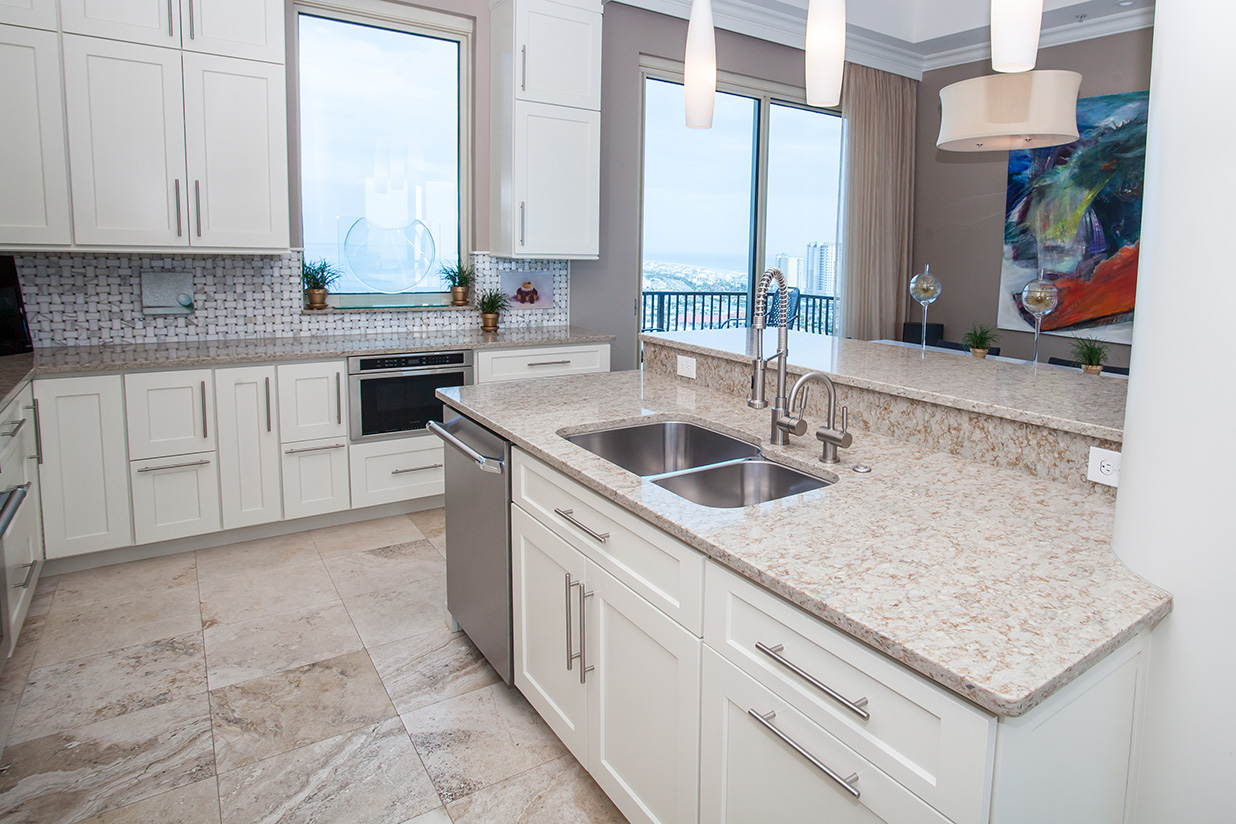
Most dolomite slabs feature white, grey, and cream tones with soft, flowing veining. The palette is soft and neutral, easy to pair with painted cabinetry, natural wood, or darker tones.
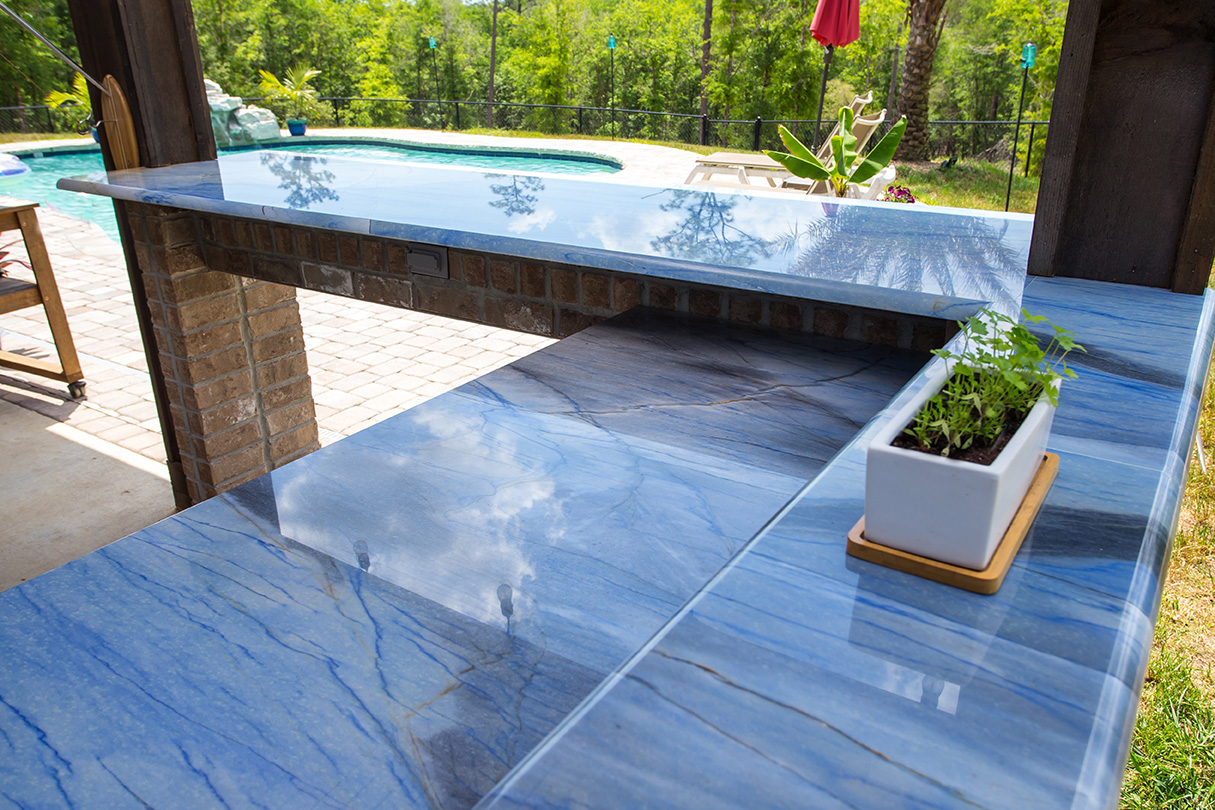
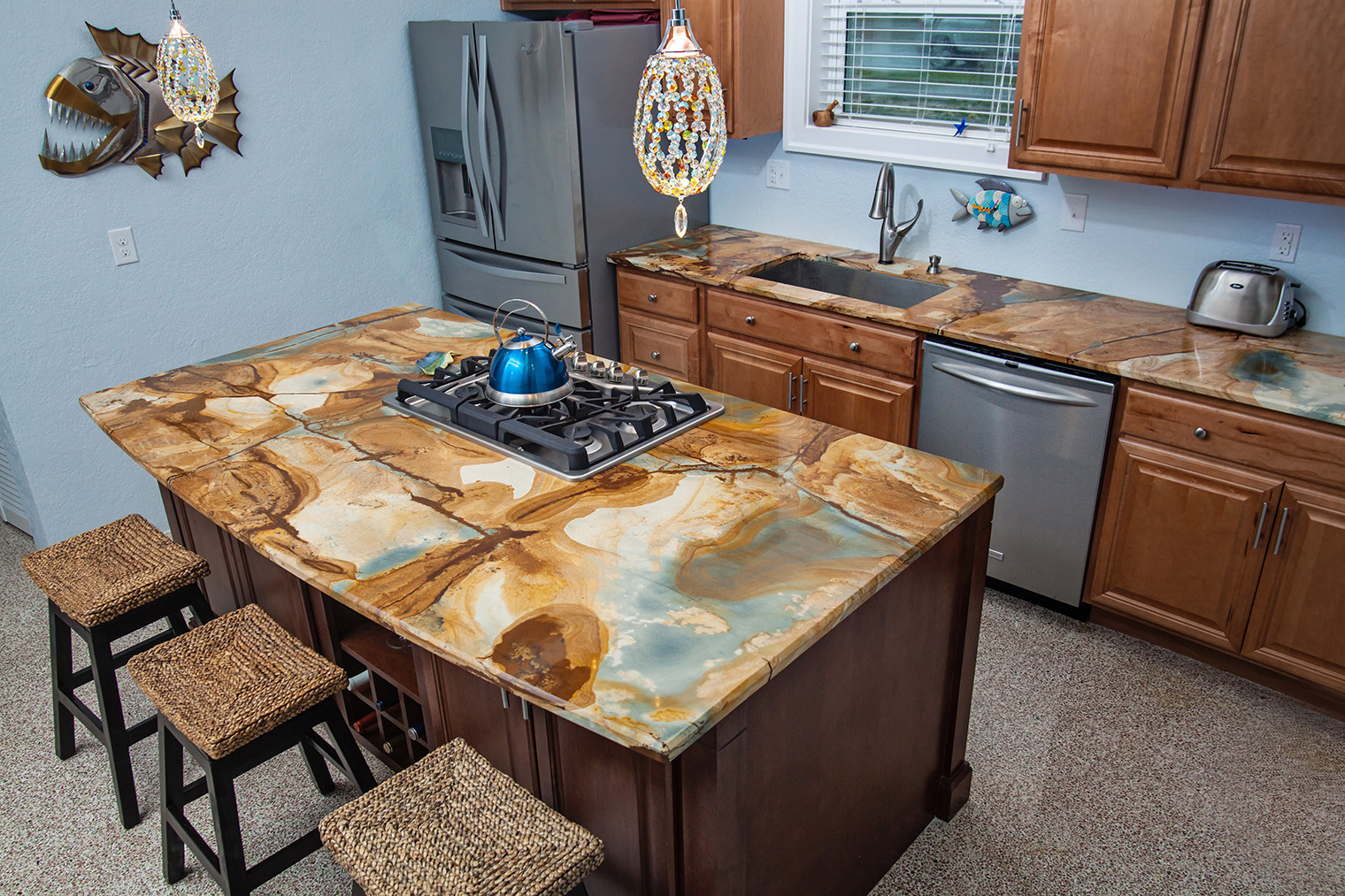
Some varieties show a wide range of colors and patterns, and rare dolomite varieties can have unusual or unexpected colors beyond the typical white and grey range. The natural variation from slab to slab is part of what makes dolomite kitchen countertops popular for homeowners who want a space that feels one-of-a-kind.
What Are the Benefits of Dolomite Countertops?
Dolomite brings a lot to the table; here’s what makes it worth serious consideration.
- Almost impervious to heat: handles heat well, making it suitable for kitchen use without constant worry about hot pans
- Strong and durable: resistant to scratches and daily wear when properly cared for
- Resistant to stains when sealed: proper sealing keeps the porous surface protected from everyday spills
- More forgiving than marble: slightly harder and more resistant to daily wear than marble
- Suitable for kitchens and bathrooms: works well in both applications
- Versatile placement: can be used almost anywhere indoors, including fireplace surrounds
- Outdoor use: dolomite can be used outdoors; covering it is recommended to help prevent fading over time
- Wide variety of colors and patterns: something for almost every design style
If those qualities fit your space and your habits, dolomite is genuinely worth considering.
What Are the Drawbacks of Dolomite Countertops?
Dolomite is beautiful, but it comes with real limitations that matter before you commit to it for any space.
It is less durable than granite, quartzite, and quartz, more porous than granite, and etches quickly from common kitchen acids like tomato sauce, lemon juice, and wine. Semi-annual sealing is non-negotiable, and spills need to be wiped up immediately. The most important thing to understand: sealing protects against staining but does not prevent etching. That distinction matters more with dolomite than with almost any other natural stone.
Dolomite vs Marble Countertops
This is the comparison most homeowners make, and it’s a useful one.
| Feature | Dolomite | Marble |
|---|---|---|
| Mohs Hardness | 3.5–4 | 3 |
| Heat Resistance | Almost impervious | Use trivet |
| Etching | Yes; from acids | Yes; faster |
| Sealing | Twice per year | Twice per year |
| Durability | More forgiving | Softer |
The honest verdict on dolomite vs marble countertops: dolomite is slightly harder, more heat resistant, and more forgiving in daily use. Both etch from acidic spills, and both require semi-annual sealing. Neither is low-maintenance. If you’re choosing between the two, dolomite gives you marginally better performance while delivering nearly the same luxury aesthetic.
How to Care for Dolomite Countertops
Dolomite countertop care is simple when you follow a few consistent habits. Regular cleaning, proper sealing, and quick attention to spills can help keep the stone looking its best.
- Clean regularly: Use warm water, a non-citrus dish soap, and a soft microfiber cloth for everyday cleaning. Method Granite and Marble Cleaner, Pledge Multi-Surface (non-citrus), and ammonia-free glass cleaner are also safe options. Avoid bleach, ammonia, vinegar, citrus-based cleaners, and abrasive products.
- Reseal twice a year: Clean the surface thoroughly and let it dry completely before sealing. Apply a silicone impregnator with a soft, dry cloth, allow it to sit for 10 minutes, and then wipe away the excess. Sealing helps protect dolomite from stains, but it does not prevent etching.
- Build good daily habits: Wipe up spills as soon as possible, especially acidic foods and drinks. Use cutting boards for food preparation and trivets under hot cookware. Avoid abrasive sponges that can damage the surface.
Where Can Dolomite Be Used?
Dolomite is versatile enough for several areas of the home, both indoors and outdoors. Its natural appearance works especially well where you want the look of stone with a little more durability than marble.
- Kitchen countertops: A good option for homeowners who appreciate natural stone and are comfortable with regular care.
- Bathroom vanities: Dolomite can be a suitable choice for bathroom surfaces, where it can add a natural, refined look.
- Fireplace surrounds: Dolomite can be used around fireplaces as an attractive natural stone application.
- Outdoor surfaces: Dolomite can be used outdoors, but Superior Granite recommends keeping it covered to help prevent fading over time.
How Much Do Dolomite Countertops Cost?
According to Superior Granite’s website, dolomite countertops typically start at $49 per square foot, with pricing varying based on stone class, slab selection, and project requirements. More complex slabs with significant veining and movement generally cost more than simpler options.
The total project cost includes material, fabrication, edge profiling, cutouts for sinks and appliances, and installation. Getting a complete project estimate, not just a per-square-foot material price, gives a much more accurate picture of what your specific kitchen or bathroom will actually cost. The best way to get an accurate number is to visit a Superior Granite showroom, view full slabs in person, and discuss your project requirements with a sales associate.
Is Dolomite Right for Your Home?
Dolomite may be right for you if you love the marble look and want a slightly more durable natural stone alternative, you’re designing a bathroom vanity or a lower-traffic kitchen surface, and you’re committed to sealing twice per year and wiping up acidic spills immediately.
Consider other stones if you need maximum durability for a high-traffic family kitchen; granite countertops in Pace, FL, and across our Gulf Coast locations are the stronger choice for heavy daily use. If zero maintenance is the priority, quartz is the more practical option. And if outdoor use matters, dolomite works; just keep it covered.
See Dolomite Countertops at Superior Granite
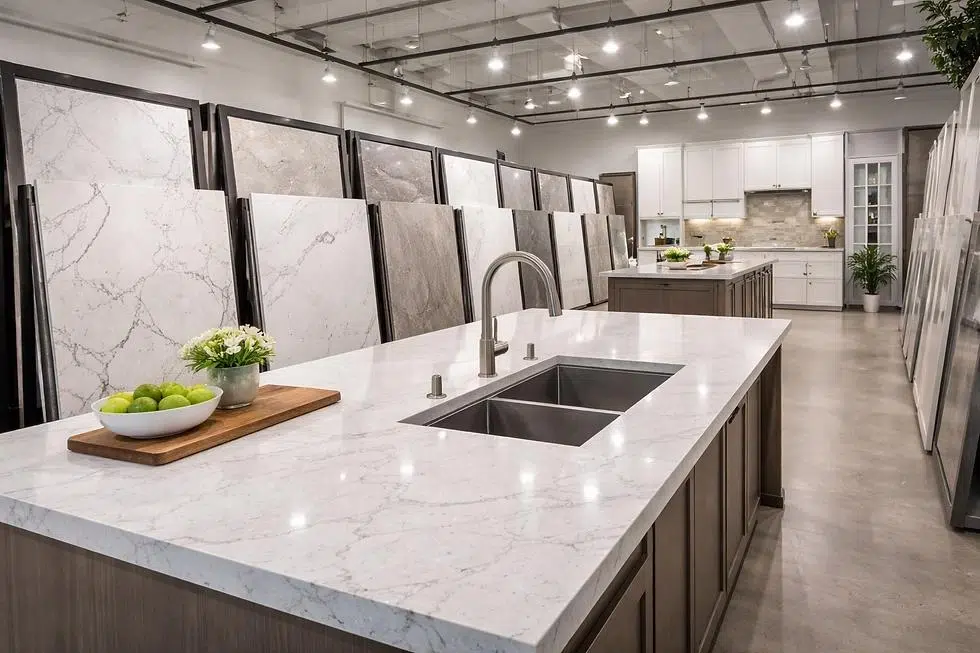
Seeing dolomite in person, as a full slab, not a small sample, is the only way to understand what this stone actually looks like at scale.
Superior Granite has been serving Gulf Coast homeowners since 2005. With showrooms in Pensacola, Pace, and Fort Walton Beach, the team carries one of the largest natural stone countertop selections in Pensacola and regional selections available. Dolomite slabs are available to view in person at all three locations.
Bring your cabinet door and flooring sample when you visit. The sales team can walk you through what to expect from dolomite in your specific space and help you decide whether it’s the right fit or whether a different stone would serve you better. From slab selection through templating, fabrication, and installation, every stage is handled in-house.
Pensacola, FL
Visit Us: 7011 Pine Forest Road, Pensacola, FL 32526
Call Us: (850) 941-0270
Hours: Monday – Friday: 8 a.m. – 5 p.m., Saturday: 9 a.m. – 2 p.m.
Pace, FL
Visit Us: 4590 Jernigan Road, Pace, Florida 32571
Call Us: (850) 994-1872
Hours: Tuesday – Friday: 9 a.m. – 5 p.m., Saturday: 9 a.m. – 2 p.m.
Fort Walton Beach, FL
Visit Us: 35 Miracle Strip Pkwy SW, Fort Walton Beach, Florida 32548
Call Us: (850) 301-0716
Hours: Tuesday – Friday: 8 a.m. – 5 p.m., Saturday: 9 a.m. – 2 p.m.
Get quotes now and start your project!
FAQs
1. What are dolomite countertops?
Dolomite countertops are natural stone surfaces made from calcium magnesium carbonate. They feature marble-like veining in white, grey, and cream tones and are valued for their elegance and slightly better durability compared to marble.
2. Is dolomite better than marble?
Dolomite is slightly harder and more forgiving than marble; Mohs 3.5 to 4 versus marble’s Mohs 3. Both etch from acidic spills and require semi-annual sealing. Neither is a low-maintenance choice.
3. Do dolomite countertops etch?
Yes. Common kitchen acids, tomato sauce, lemon juice, and wine, can etch dolomite. Sealing protects against staining but does not prevent etching. Spills should be wiped up immediately.
4. How often should dolomite countertops be sealed?
Twice per year. Clean the surface, apply a silicone impregnator, wait 10 minutes, and wipe off. Consistent sealing protects against staining.
5. Are dolomite countertops good for kitchens?
Yes, for homeowners comfortable with natural stone care. For high-traffic family kitchens where durability is the priority, granite or quartzite are more practical choices.
6. What colors does dolomite come in?
Most dolomite slabs feature white, grey, and cream tones with soft natural veining. A wide variety exists across different slabs, and rare varieties can show unusual colors beyond the typical range.
7. How much do dolomite countertops cost?
Pricing starts at $49 per square foot at Superior Granite, varying by stone class, slab complexity, fabrication requirements, and installation. A complete project estimate is the most accurate way to understand total cost.