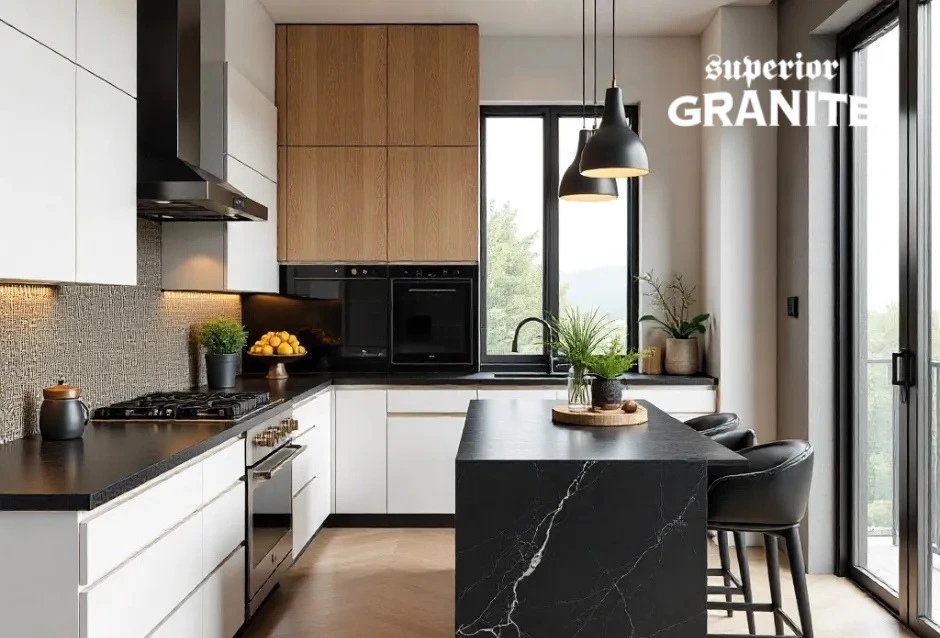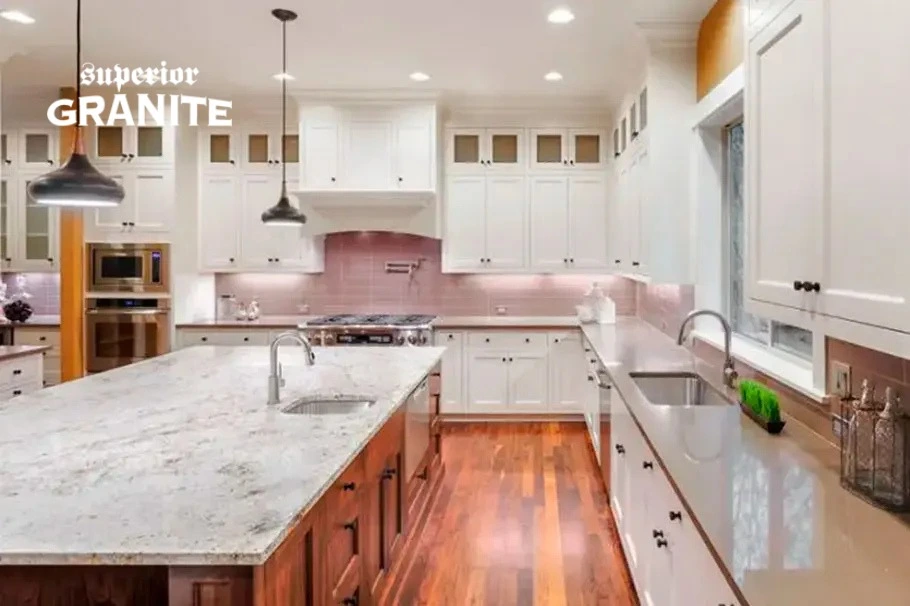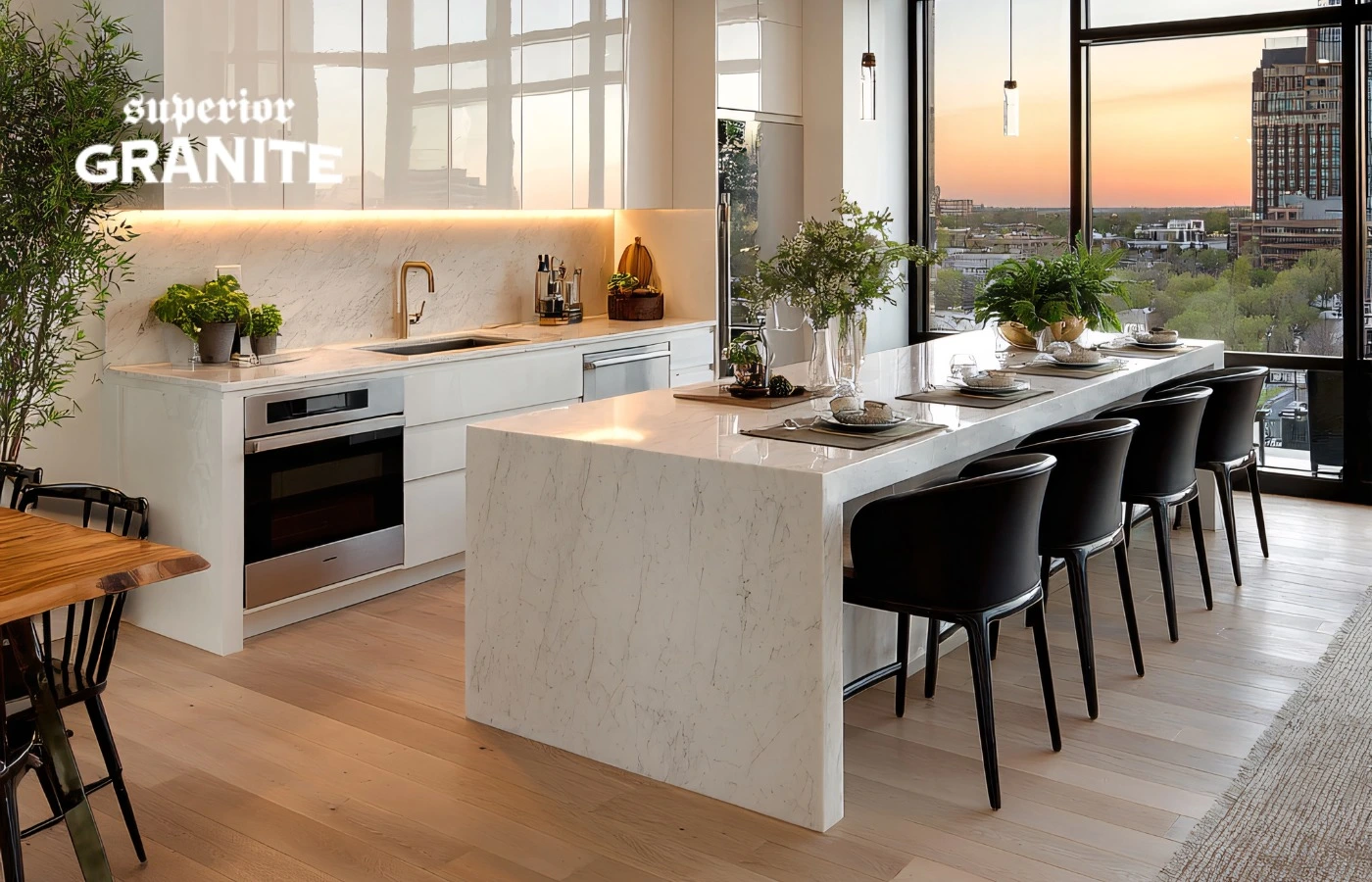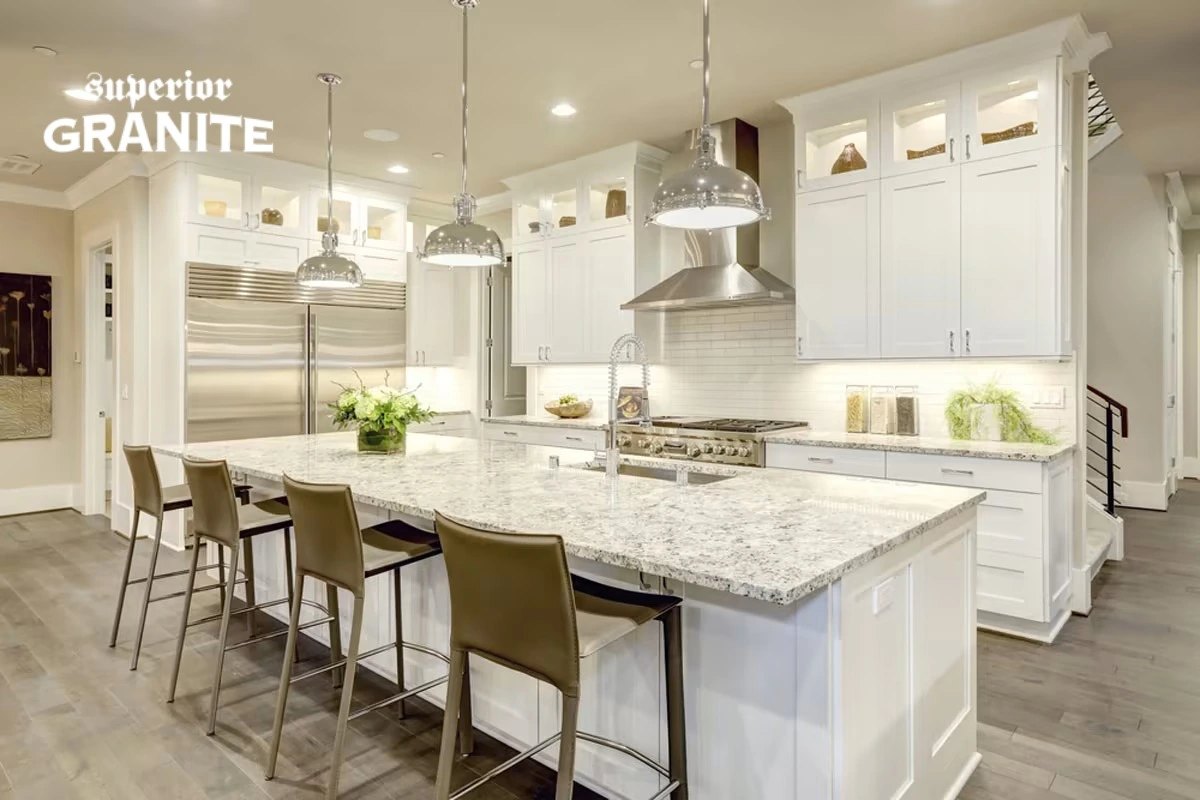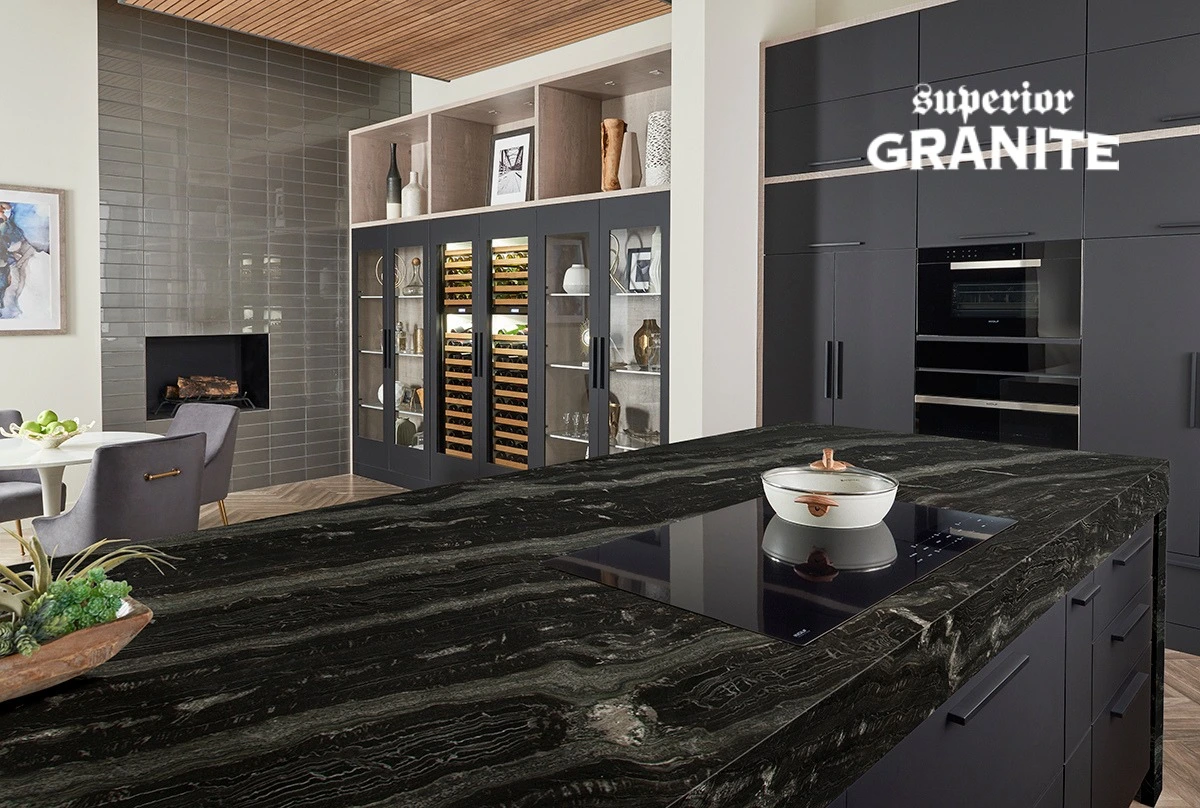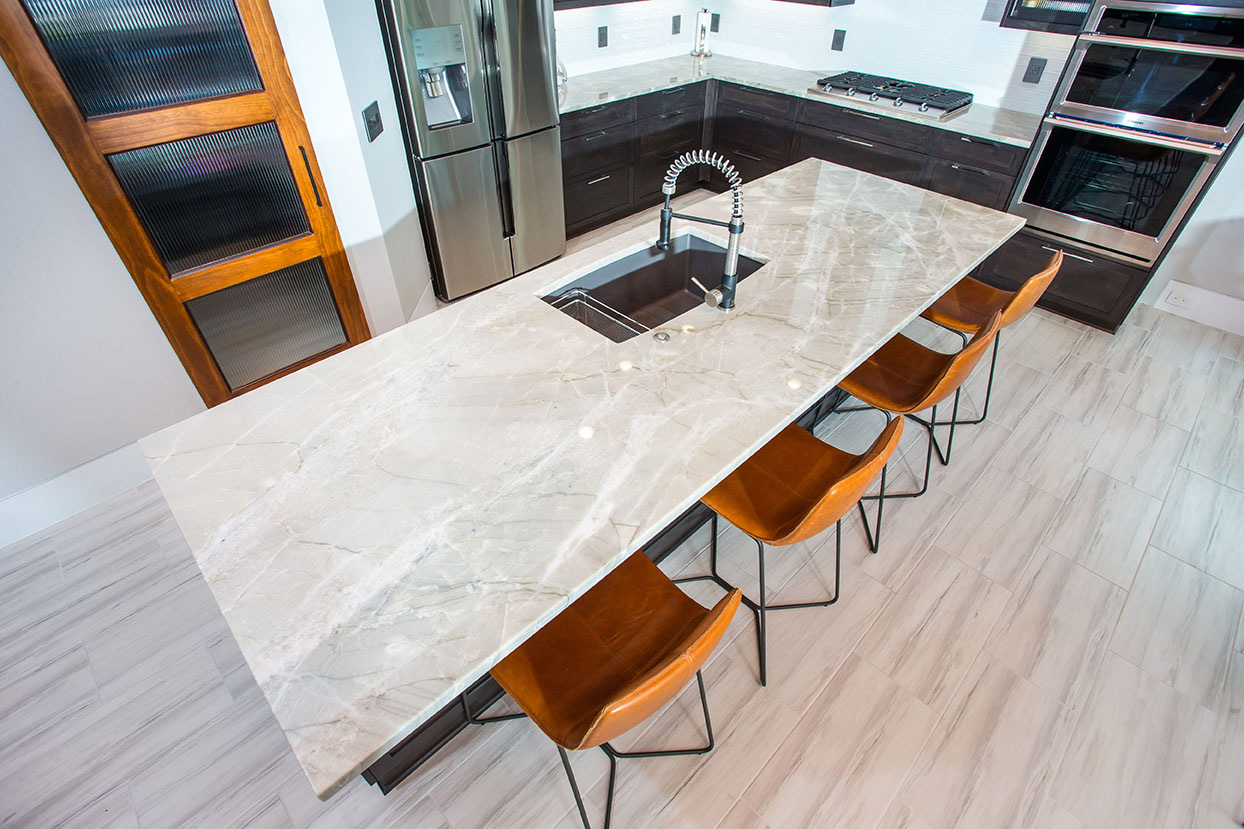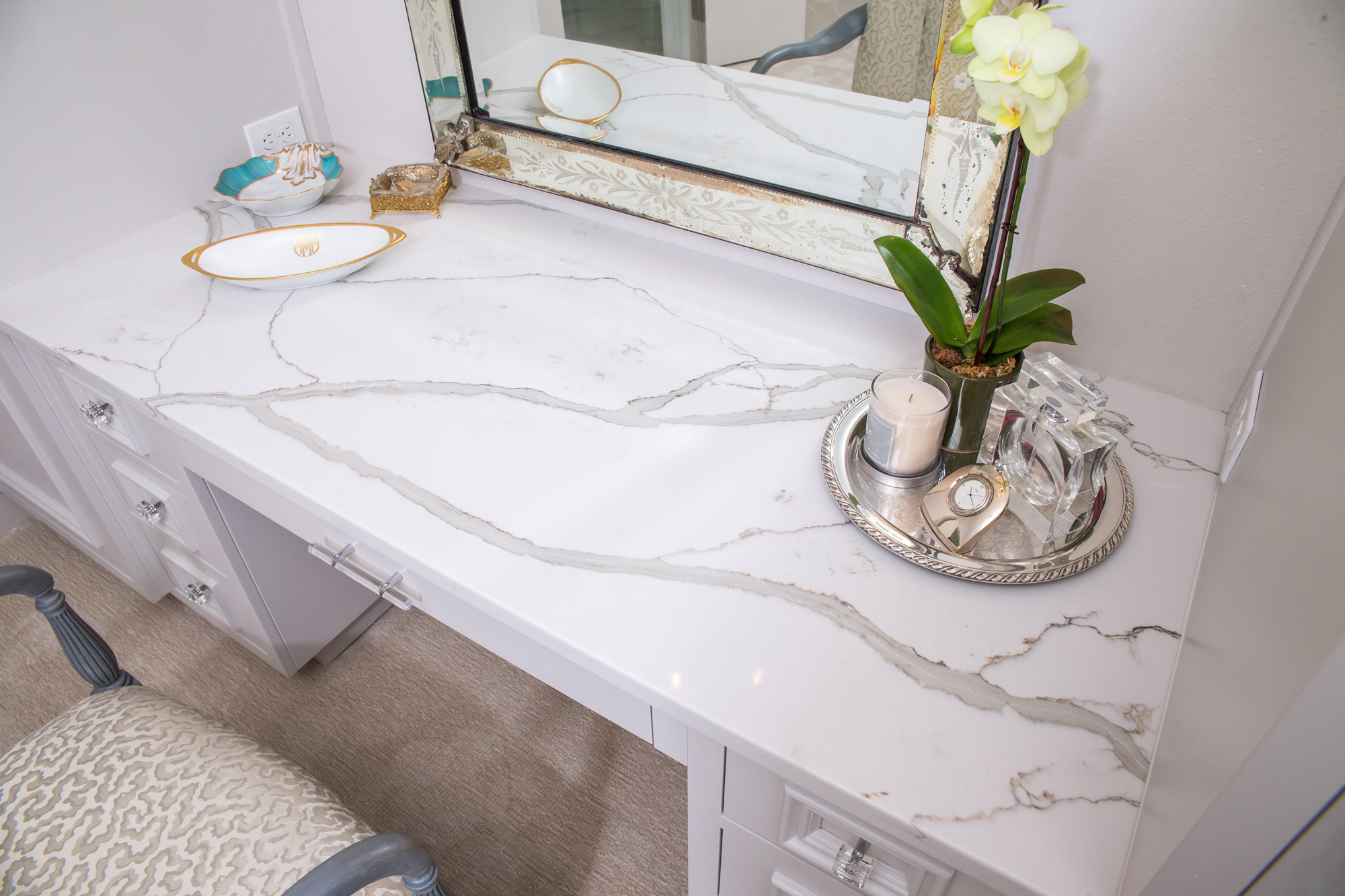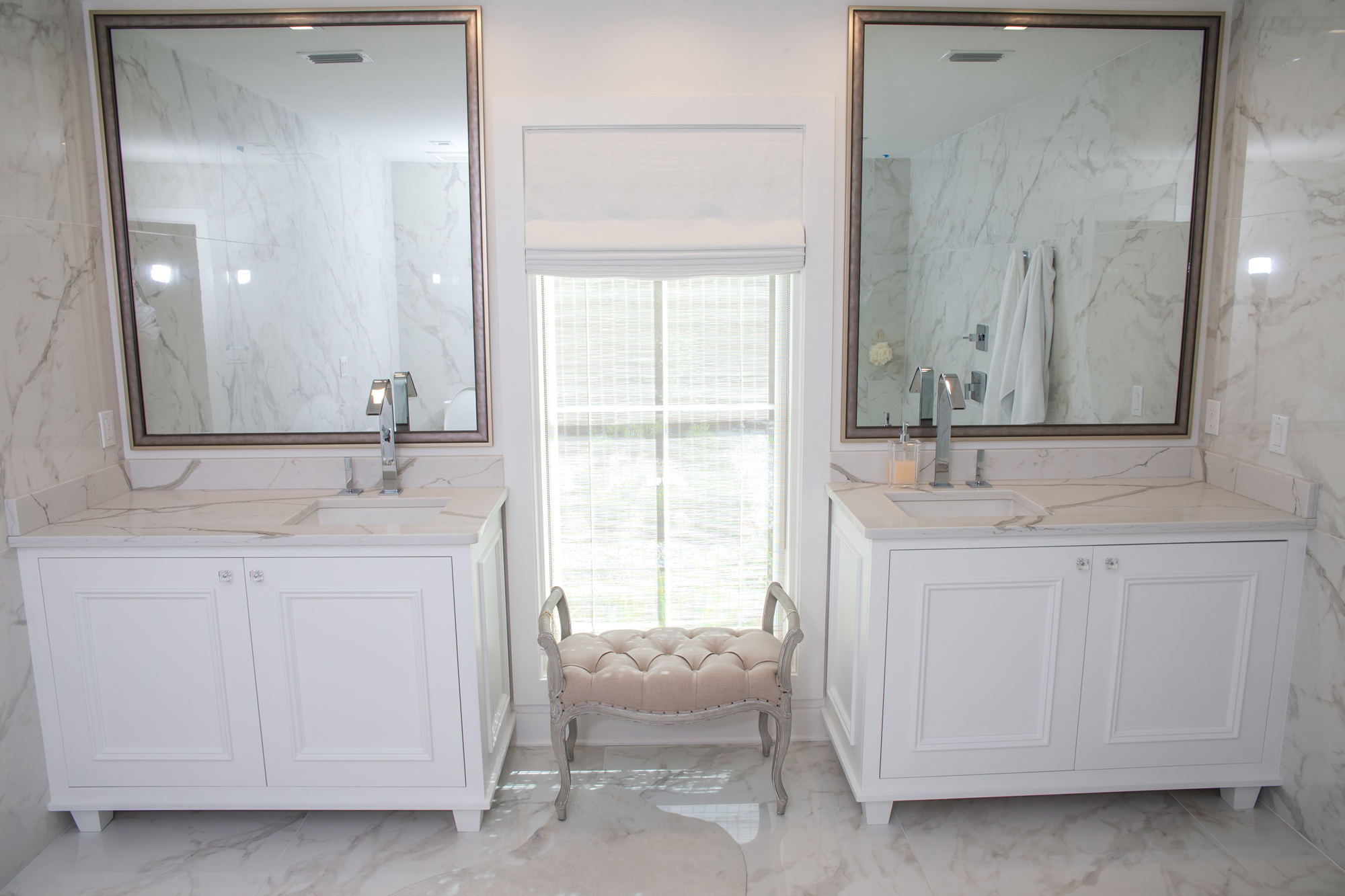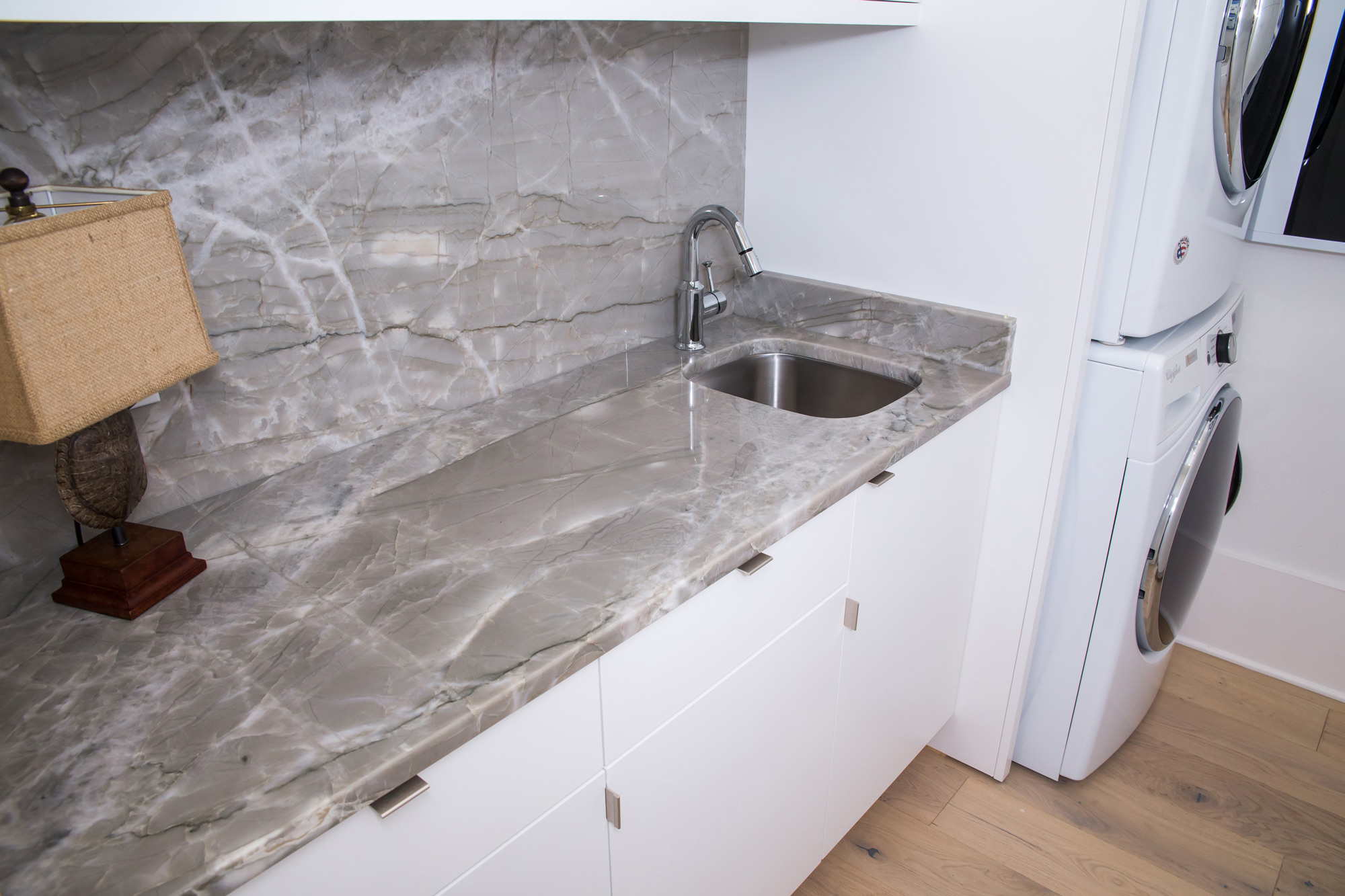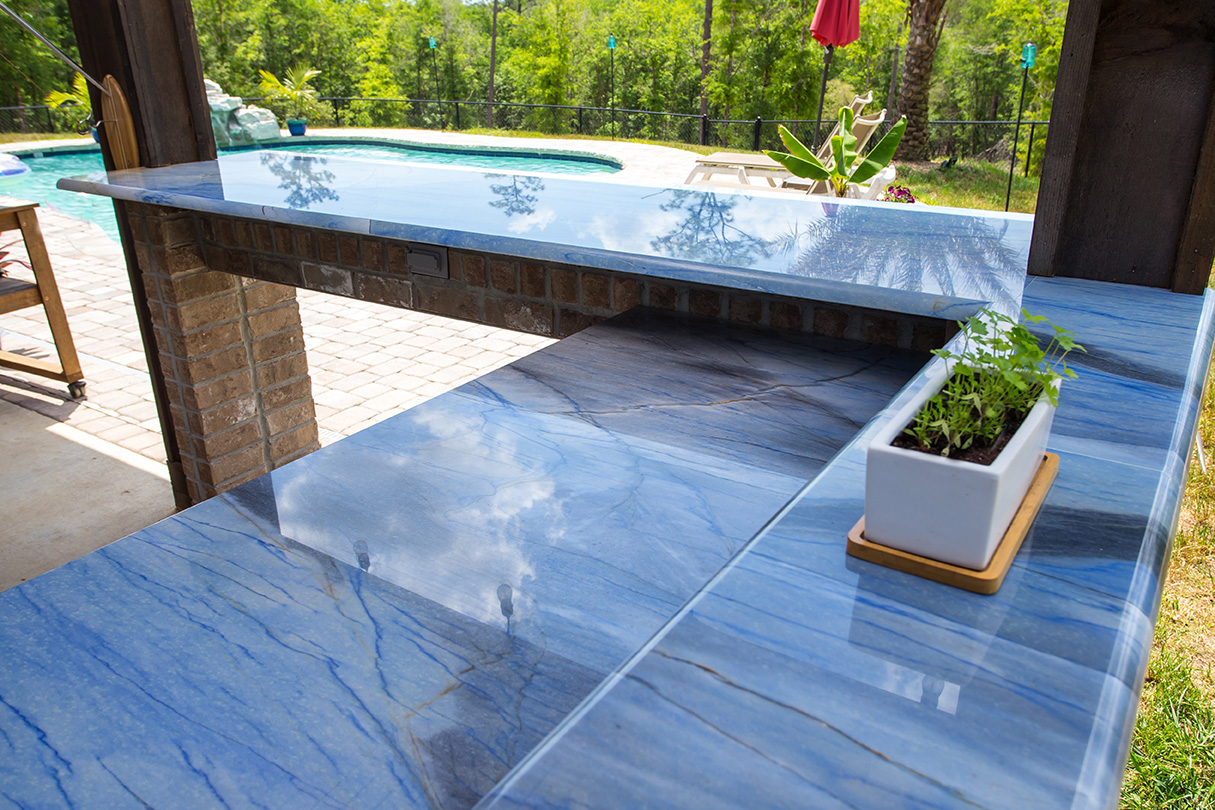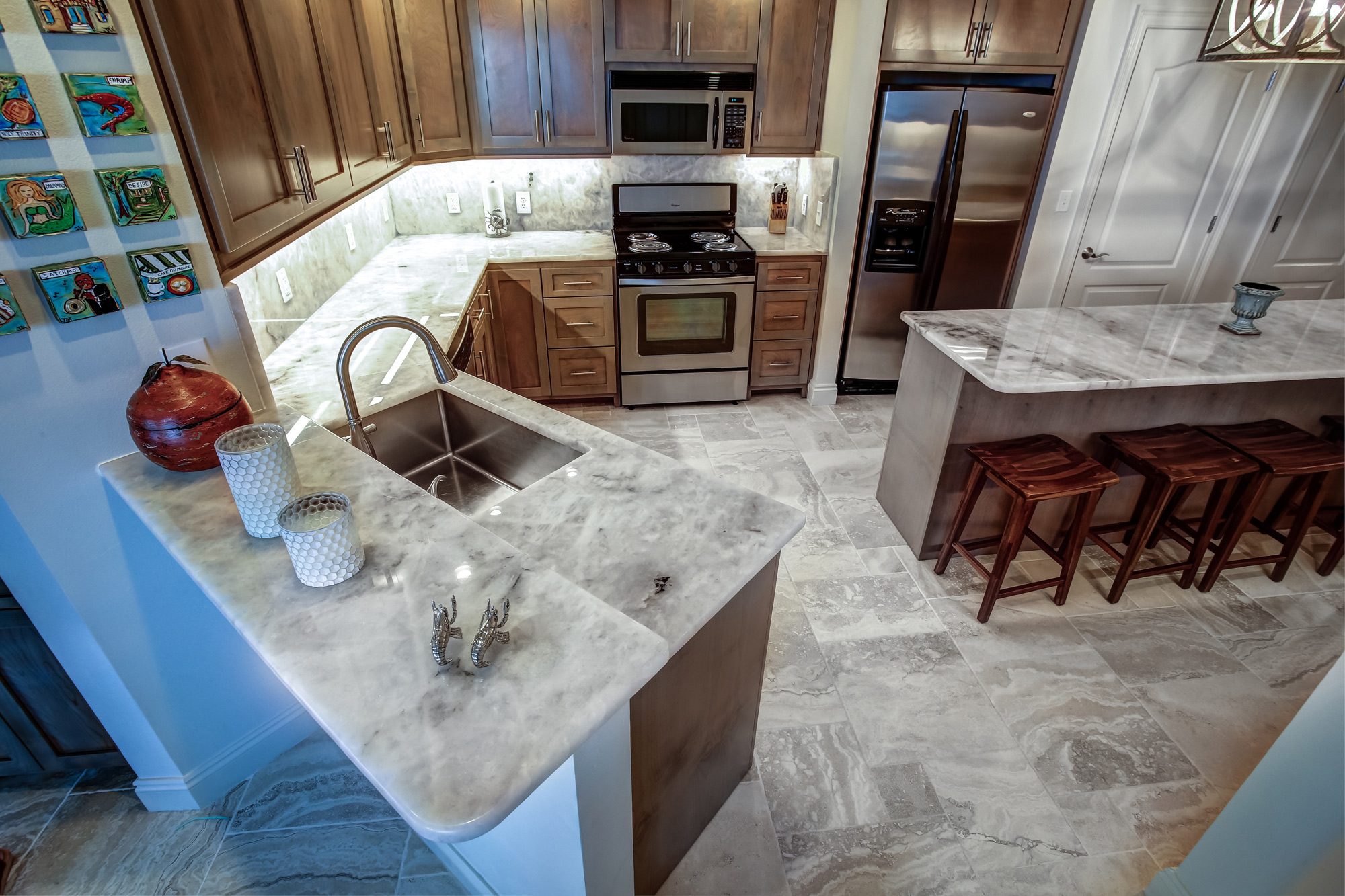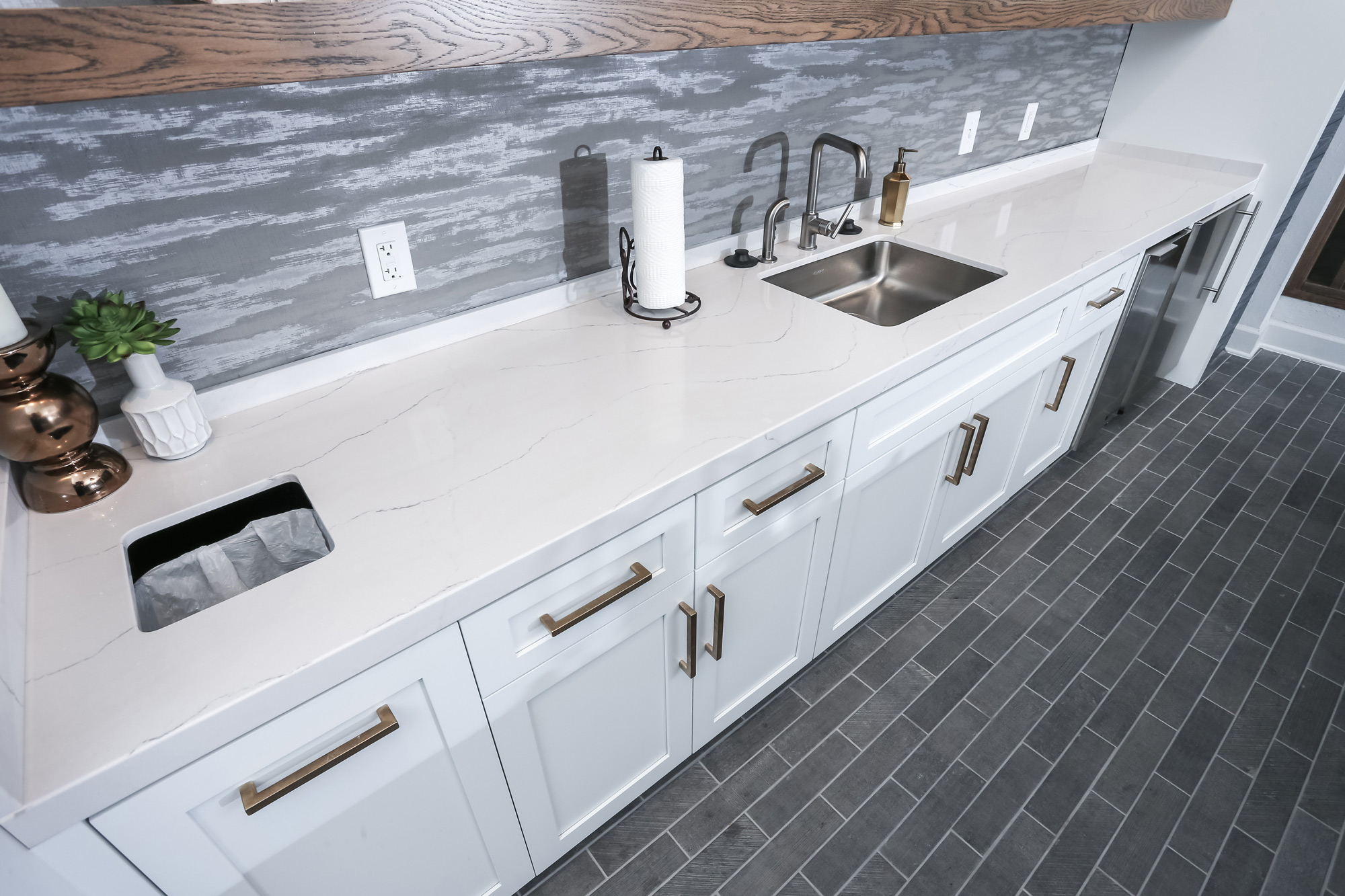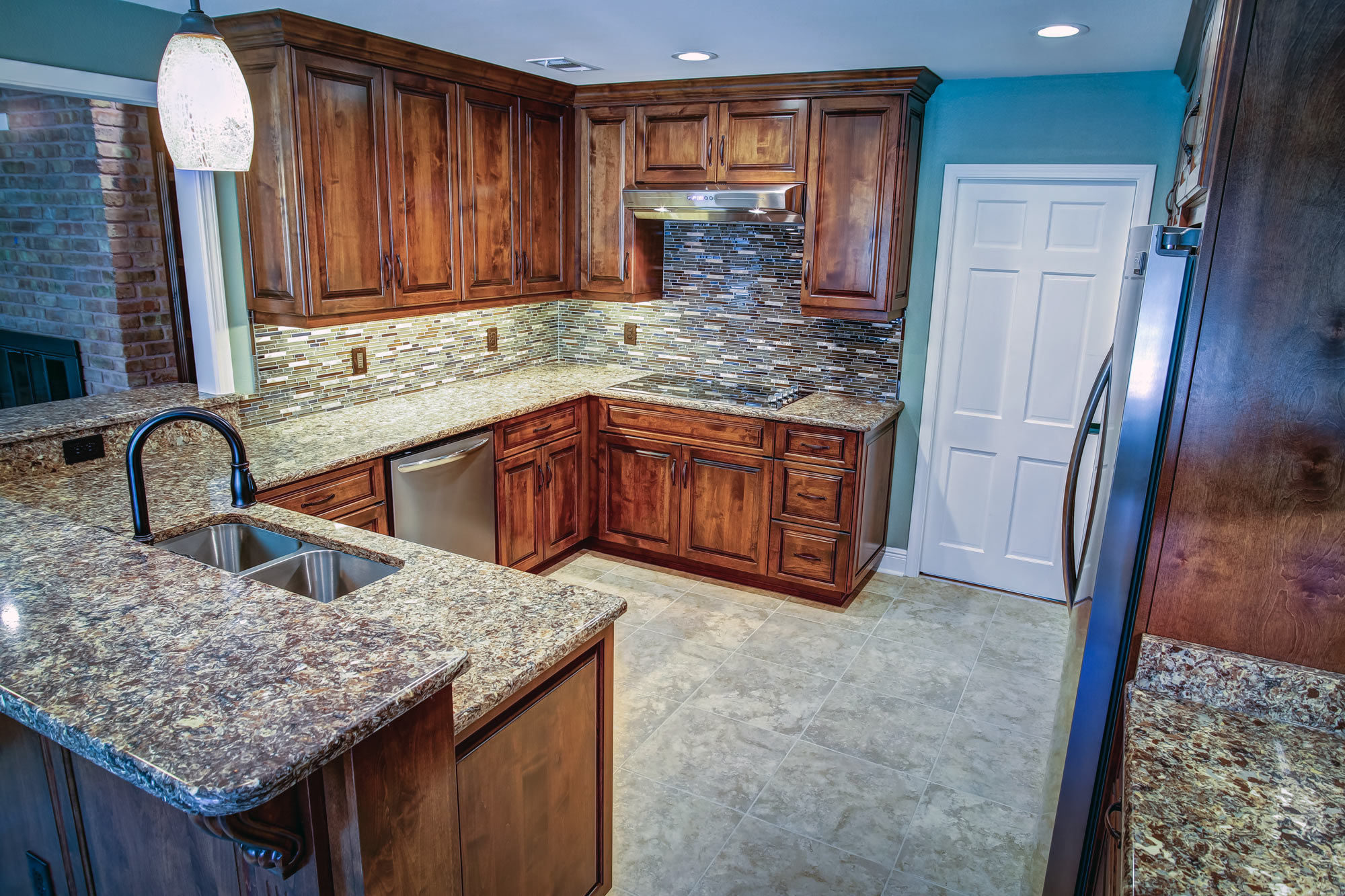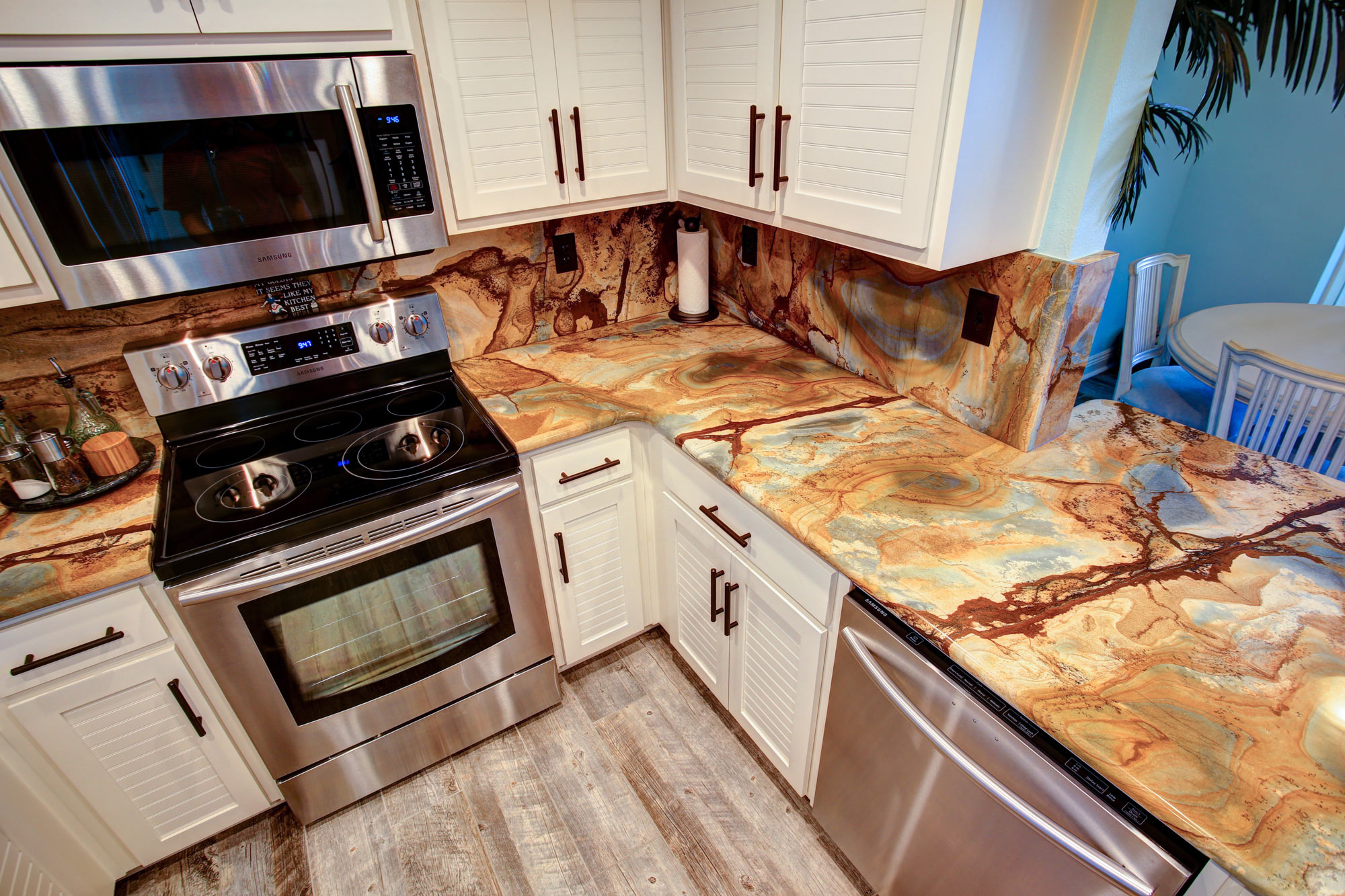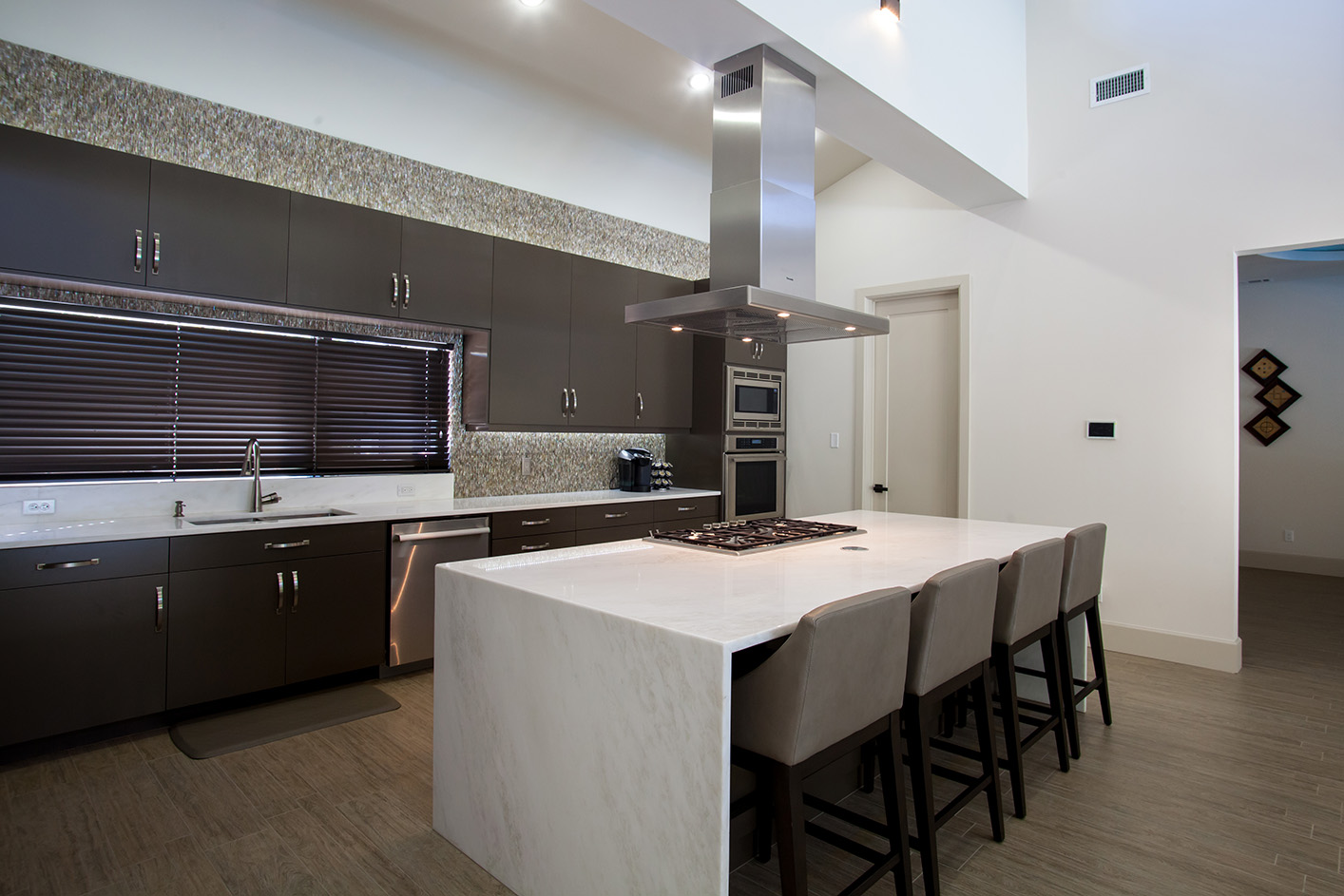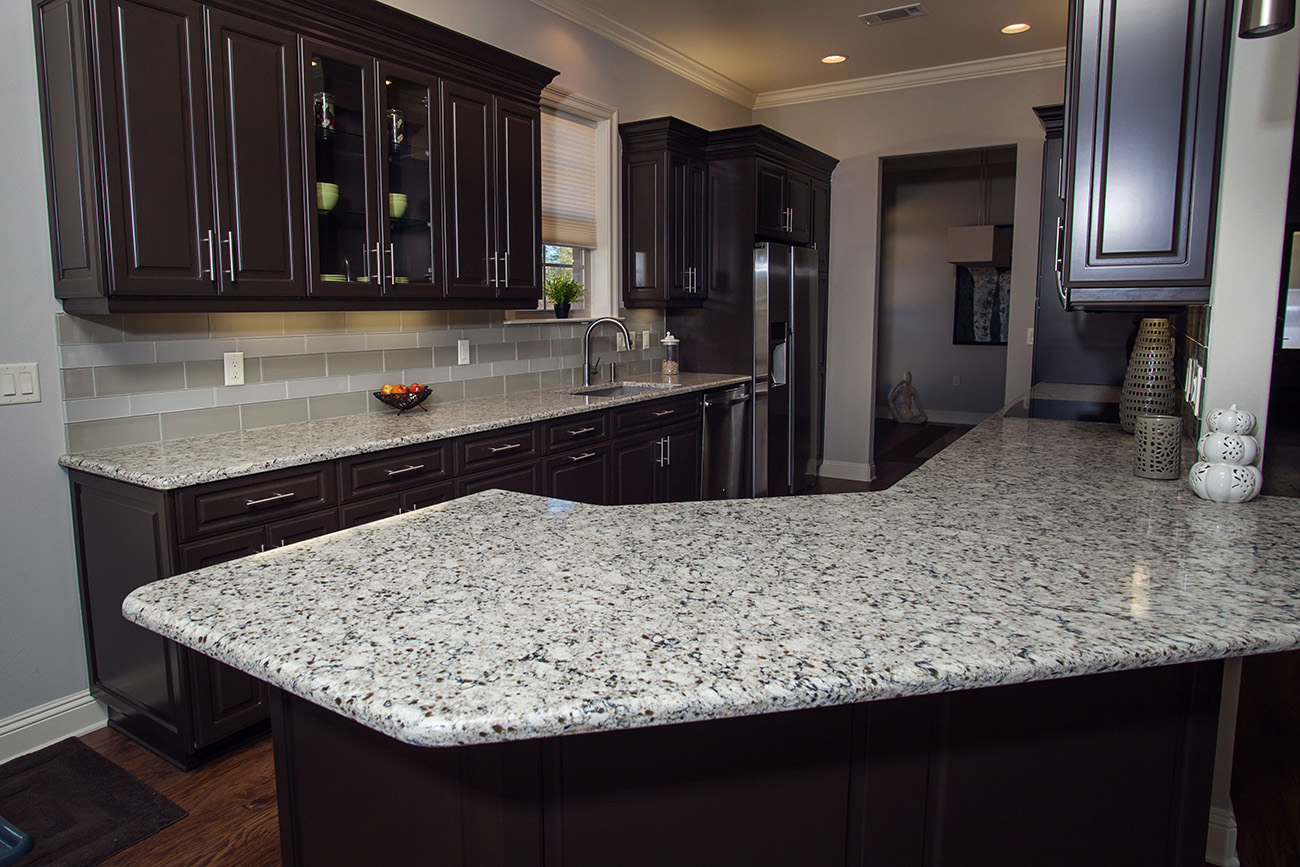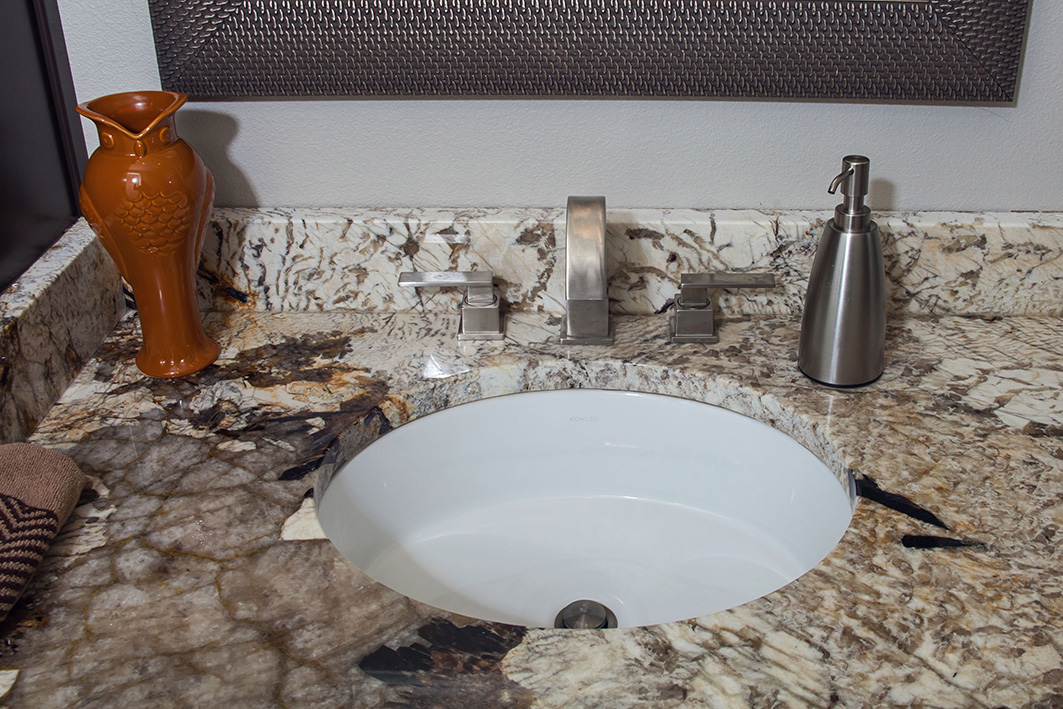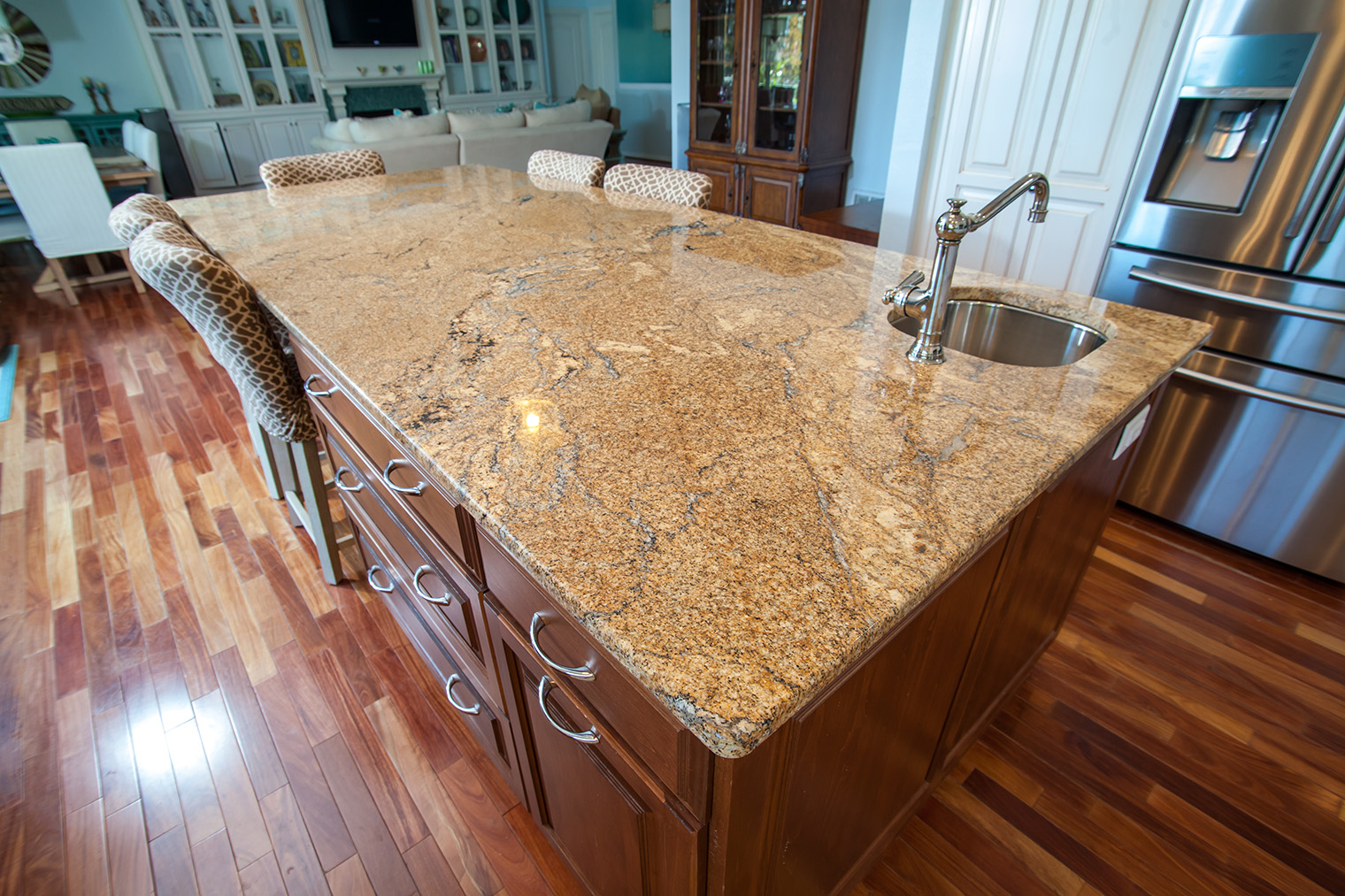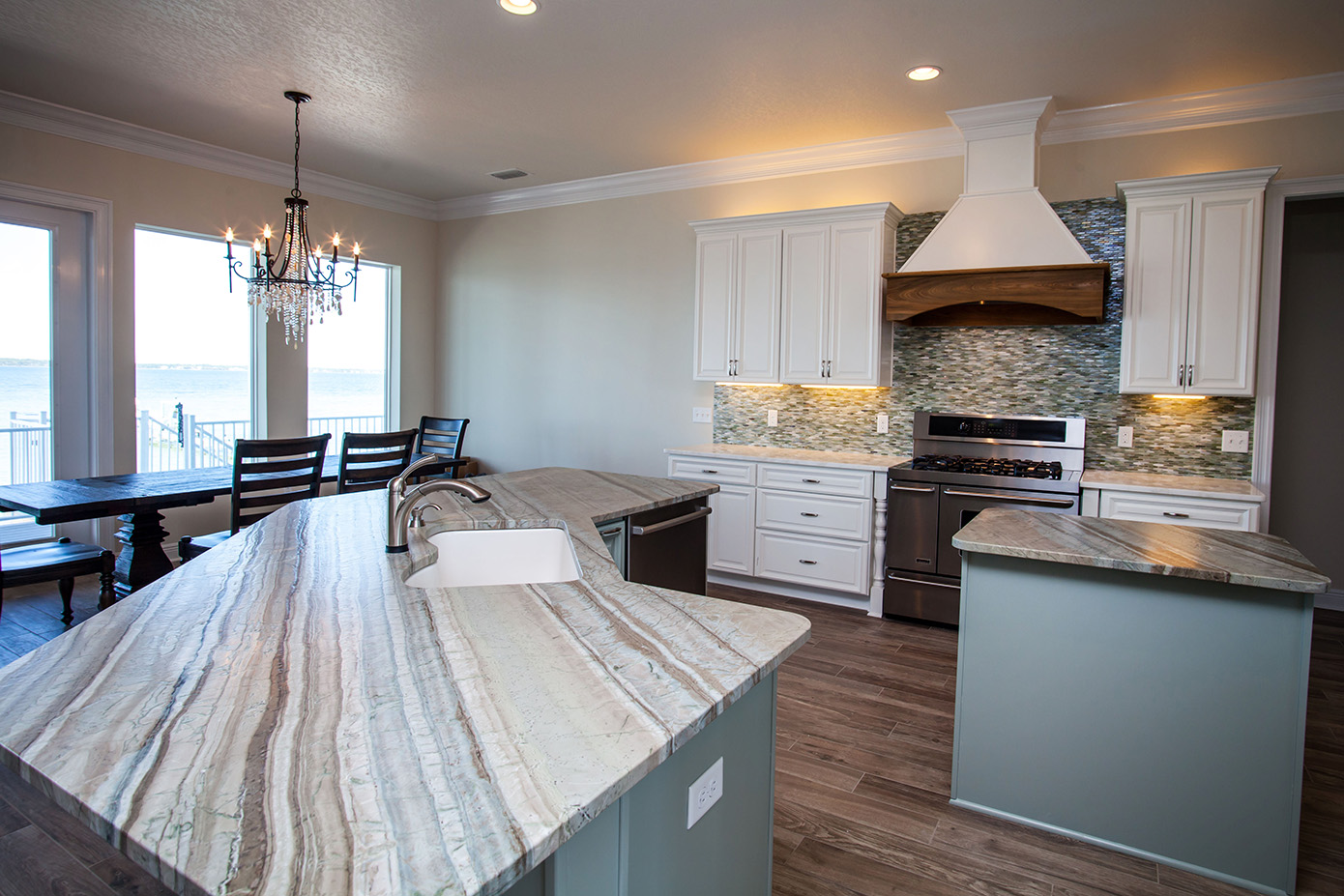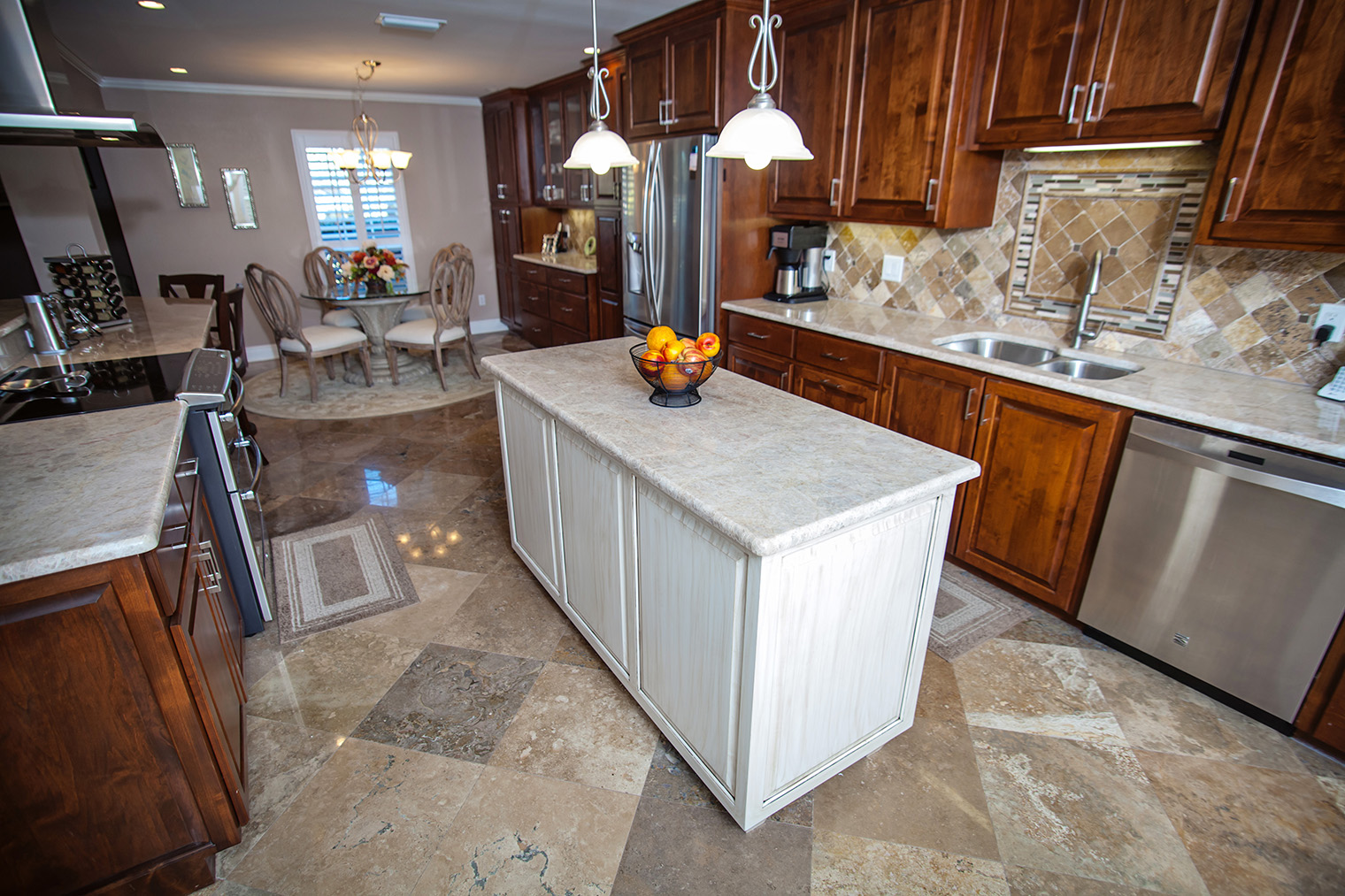
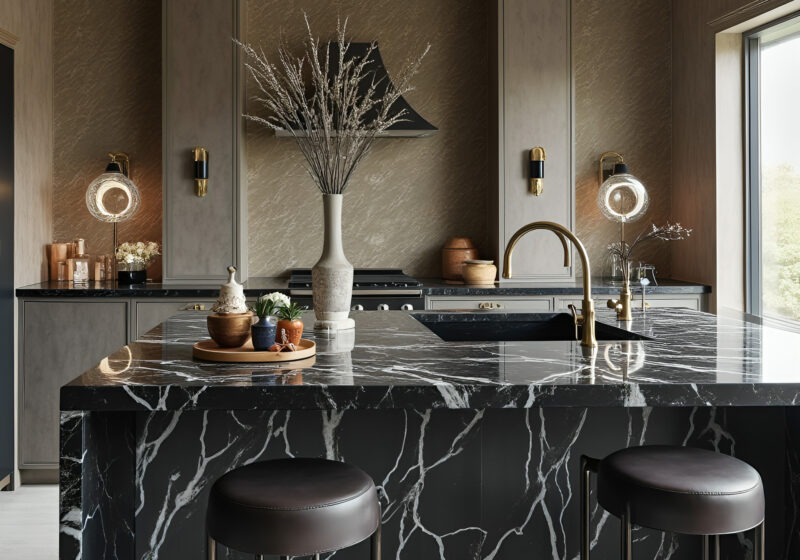
Black marble countertops offer a luxurious, high-contrast look that has become increasingly popular in modern Florida homes. Their deep black color with natural veining creates a dramatic, elegant style that instantly enhances kitchens, bathrooms, or islands. Beyond beauty, black marble stays naturally cool, making it ideal for Florida’s warm climate and perfect for baking or food preparation.
While stunning, black marble is porous and high-maintenance. It is prone to etching from acidic substances like lemon juice or vinegar and can scratch more easily than granite. Prices vary widely, from $15 to $190+ per square foot, depending on quality and finish, and countertop installtion Pensacola. To keep its rich color and glossy appearance, black marble requires regular sealing and careful maintenance, but the timeless elegance it adds to your home makes it a worthwhile investment.
Why Choose Black Marble Countertops? (Pros & Benefits)
There are several reasons homeowners choose black marble for their spaces:
- Aesthetic Appeal: The deep black color with white or gold veins creates a timeless, luxurious look.
- Natural Coolness: Ideal for baking or preparing food, black marble stays cool to the touch, even in Florida’s warm weather.
- Versatility: Works with modern, traditional, and industrial designs.
- Longevity: With proper care, black marble can last for decades.
Extra Benefits:
- Black marble makes a kitchen island or bathroom vanity the center of attention.
- Its dramatic appearance pairs beautifully with metallic accents like gold or brass hardware.
- Suitable for waterfall edges and unique kitchen designs that impress guests instantly.
Choosing black marble means you get a surface that is both beautiful and functional. Its elegance adds value and style to any kitchen or bathroom space.
Drawbacks of Black Marble Countertops (Cons)
While beautiful, black marble is high-maintenance and has some limitations:
- Etching & Staining: Sensitive to acids like lemon, vinegar, and wine, which can cause dull spots.
- Scratching: Softer than granite, making it prone to scratches and micro-chips.
- High Maintenance: Needs regular sealing (1-2 times per year) to maintain its color.
- Cost: Black marble can be expensive, depending on the slab’s origin and finish.
It’s essential to understand these drawbacks before choosing black marble, but with proper care, the beauty far outweighs the challenges.
Black Marble Countertops Installation in Florida
Professional black marble installation Pace is critical to ensure durability and a perfect finish. Here’s what you need to know about installing black marble in Pensacola, Pace, or Fort Walton Beach:
Measuring
Accurate measurement of your space ensures the slab fits perfectly. This step prevents gaps, uneven edges, or the need for extra cutting later. Always double-check dimensions before ordering your marble slab.
Cutting & Fabrication
Marble is cut to your countertop shape, including sink or stove cutouts. Skilled fabricators make precise cuts to match your kitchen layout. Mistakes here can be costly, so professional expertise is important.
Sealing
Before use, countertops are sealed to protect against stains. Sealing prevents oil, juice, and other liquids from soaking into the porous marble. A good sealer also helps maintain the marble’s rich black color over time.
Installation
Slabs are placed on cabinets or supports, leveled, and secured with adhesives. Proper installation ensures durability and avoids cracks or shifts. It also guarantees your countertop will stay level and safe for daily use.
Finishing
Polished, honed, or leathered finishes enhance appearance and protect the surface. The finish you choose affects shine, scratch visibility, and how the countertop feels to the touch. A professional can advise which finish suits your lifestyle best.
Tip: Always hire a professional installer in Pensacola, such as Superior Granite, familiar with the Pensacola climate and marble handling, to avoid cracks or improper fitting.
Replacement of Black Marble: When & Why?
Black marble looks beautiful, but over time, it may need replacement. Cracks, deep stains, or an outdated design are signs it’s time to upgrade. Replacing your countertops refreshes your space and can also increase your home’s value.
Common reasons to replace marble countertops:
- Cracks or chips in the surface
- Stubborn stains that won’t clean
- Outdated or worn-out design
A countertop replacement in Fort Walton Beach lets you improve both style and function. Professional installation ensures a perfect fit, long-lasting finish, and a modern, luxurious look for your kitchen or bathroom.
Cost of Black Marble Countertops in Florida
Black marble countertops can vary in price depending on slab quality, finish, and installation. Here’s a cost overview:
| Type | Material Cost (per sq. ft.) | Installation Cost (per sq. ft.) | Total Cost (per sq. ft.) |
| Standard Black Marble | $15 – $50 | $10 – $20 | $25 – $70 |
| Premium Slabs | $70 – $190+ | $15 – $25 | $85 – $215+ |
Note: Prices in Pensacola, Pace, and Fort Walton Beach may vary slightly due to supplier availability and labor rates.
Design Ideas & Inspiration for Your Kitchen or Bathroom
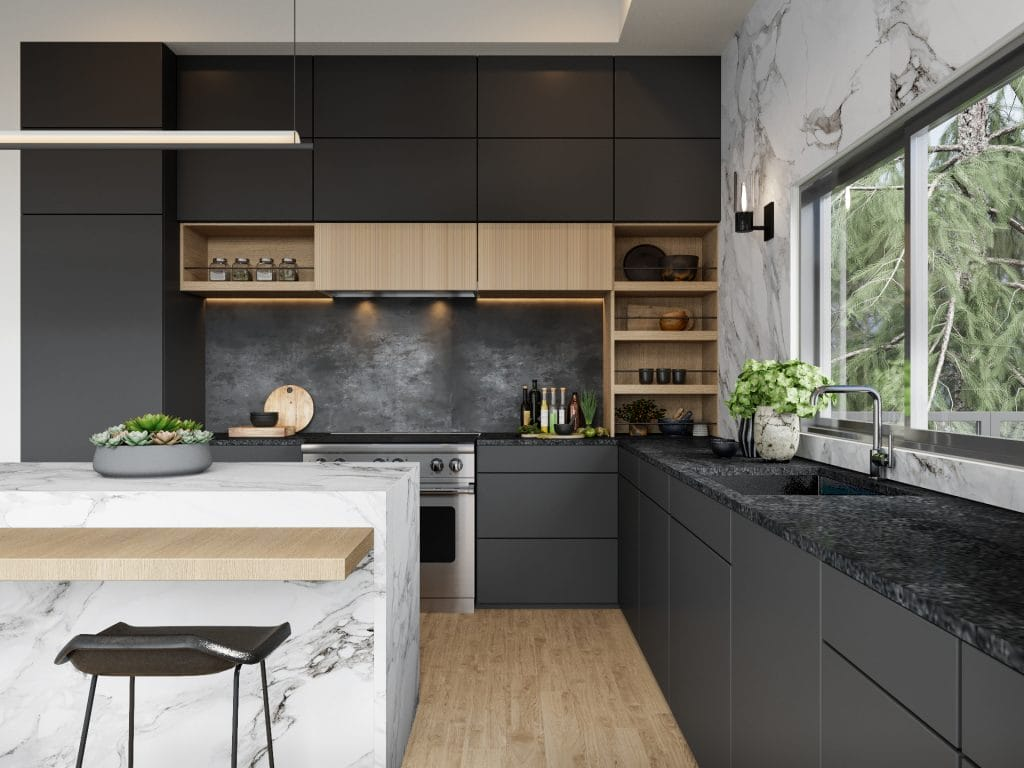
Black marble brings elegance and a bold statement to any kitchen or bathroom. With the right design ideas, you can highlight their beauty while keeping the space functional and stylish.
Kitchen Ideas
Black marble works beautifully in kitchens, whether as a centerpiece or accent. Consider these design approaches:
- Waterfall Islands: Black marble with dramatic veins makes the island a stunning focal point.
- Contrasting Cabinets: Pair matte black cabinets with gold or brass handles for a luxurious feel.
- Backsplashes: Use marble offcuts for matching backsplashes to create a cohesive look.
Bathroom Ideas
Bathrooms benefit from the elegance and durability of black marble. Here’s how to use it:
- Vanities: Polished black marble vanity tops bring luxury and sophistication.
- Shower Walls: Honed black marble walls resist minor scratches and add texture.
- Flooring: Adds a refined and timeless look, pairing well with lighter accents.
Tip: Pair black marble with warm wood tones or light-colored cabinets to balance the darkness and create a welcoming atmosphere.
White vs Black Countertops: Which Should You Choose?
Choosing between white and black countertops depends on style, maintenance, and durability.
| Feature | Black Countertops | White Countertops |
| Look | Bold, luxurious, modern | Bright, classic, timeless |
| Maintenance | High maintenance, shows scratches | Medium maintenance, stains more visible |
| Heat | Naturally cool, great for baking | Neutral, slightly warmer feel |
| Durability | Softer → scratches more | Durable, easier to repair |
Best Choice for Florida Homes:
- Black → If you want a statement kitchen in Pensacola or Fort Walton Beach.
- White → If you prefer a classic, bright kitchen with lower visual maintenance.
How Can You Tell if a Marble is Worth Money?
Alternatives to Black Marble
If high maintenance is a concern:
- Soapstone: Patina develops over time, and it is very low maintenance.
- Honed Black Granite: Strong, fewer visible scratches.
- Porcelain Slabs: Resistant to heat, acids, and UV, great for outdoor kitchens.
These options offer similar elegance with less upkeep, especially suitable for busy Florida homes.
Care & Maintenance Tips for Black Marble
Marble countertops are stunning, but they require regular care to keep their deep color and shine. With simple habits and proper maintenance, your marble can stay beautiful for decades.
- Sealing: Seal once or twice a year to protect from stains.
- Cleaning: Use pH-neutral cleaners; avoid acids or harsh chemicals.
- Immediate Spill Cleanup: Prevent etching from wine, lemon juice, or vinegar.
- Cutting Boards & Trivets: Protect the surface from scratches and heat.
- Polishing: Occasional professional countertop polishing keeps the surface looking new.
Pro Tip: Regular cleaning and good habits make black marble look better with age.
Conclusion
Black marble countertops are a stunning, timeless choice for Florida homes. They offer luxury, style, and natural cooling benefits, perfect for Pensacola, Pace, and Fort Walton Beach. While they require care and maintenance, the elegance and value they bring are unmatched.
By understanding installation, replacement, costs, and upkeep, homeowners can make informed decisions and enjoy their black marble for decades.
Black Marble Countertop Installation: Customer Experience
Hi, I’m Sarah Thompson from Pensacola, FL. When we started planning our kitchen renovation, we wanted a countertop that felt luxurious and unique. I had heard about black marble countertops, but wasn’t sure if they were the right choice for our home. The team at Superior Granite explained the benefits, including its dramatic appearance, natural coolness for baking, and how it can become the centerpiece of any kitchen or bathroom.
Ready to transform your kitchen or bathroom with luxurious marble countertops? Contact Superior Granite today for a free quote, professional installation, and expert advice in Pensacola, Pace, or Fort Walton Beach, Florida. Your dream countertop is just a call or click away!
Pensacola, FL
Visit Us: 7011 Pine Forest Road, Pensacola, FL 32526
Call Us: (850) 941-0270
Hours: Monday – Friday: 8 a.m. – 5 p.m., Saturday: 9 a.m. – 2 p.m.
Pace, FL
Visit Us: 4590 Jernigan Road, Pace, Florida 32571
Call Us: (850) 994-1872
Hours: Tuesday – Friday: 9 a.m. – 5 p.m., Saturday: 9 a.m. – 2 p.m.
Fort Walton Beach, FL
Visit Us: 35 Miracle Strip Pkwy SW, Fort Walton Beach, Florida 32548
Call Us: (850) 301-0716
Hours: Tuesday – Friday: 8 a.m. – 5 p.m., Saturday: 9 a.m. – 2 p.m.
Get quotes now and start your project!
FAQs
1. How much do black marble countertops cost in Florida?
Black marble countertop prices in Florida typically range from $15 to $190+ per square foot, depending on slab quality, finish, and installation. Premium slabs and complicated installs tend to cost more. Always get quotes from local fabricators to compare.
2. Are black marbles durable?
Black marble is durable but softer than granite, so it can scratch or chip more easily. With proper sealing and careful use, it can still last for decades without major issues in kitchens or bathrooms. Regular maintenance extends its life and beauty.
3. How often should black marble be sealed?
Black marble should generally be sealed once or twice a year to protect against stains and moisture. Sealing fills the tiny pores in the stone so spills don’t soak in quickly. High‑use kitchens may need sealing more often.
4. Can marble countertops stain easily?
Yes. Because marble is porous, liquids like red wine, coffee, or oil may stain if left too long. Immediate spill cleanup and frequent sealing help reduce staining and keep surfaces looking fresh.
5. How do I clean marble countertops safely?
Use a pH‑neutral stone cleaner or mild dish soap with warm water. Avoid acidic or abrasive cleaners like vinegar, lemon juice, or bleach because they can etch or dull the marble surface.
6. Are black marble heat-resistant?
Black marble can handle brief heat exposure, but placing hot pots or pans directly on it can cause discoloration or micro‑cracks. Always use trivets or heat pads to protect the stone.
7. Should I cut directly on black marble countertops?
No. Marble can scratch easily, so always use cutting boards. Protecting the surface keeps it smooth and prevents small marks that become more visible on dark stone.
8. Black marble vs. white marble: which is better for kitchens?
Black marble brings a bold, modern look and hides some stains better, while white marble feels classic and bright. Both need sealing and care, but black tends to show scratches more, and white shows stains more. Choice depends on style and maintenance preference.
9. Can black marble be used outdoors in Florida?
Yes, but black marble outdoors can fade or etch from the sun and rain over time. For outdoor kitchens in warm climates like Pensacola or Fort Walton Beach, consider porcelain slabs or granite for better long‑term weather resistance.
10. How long do black marble countertops last?
With proper care, black marble can last 20–50+ years or more. Regular sealing, careful cleaning, and avoiding harsh chemicals help the stone age beautifully while preserving its rich, dramatic look.