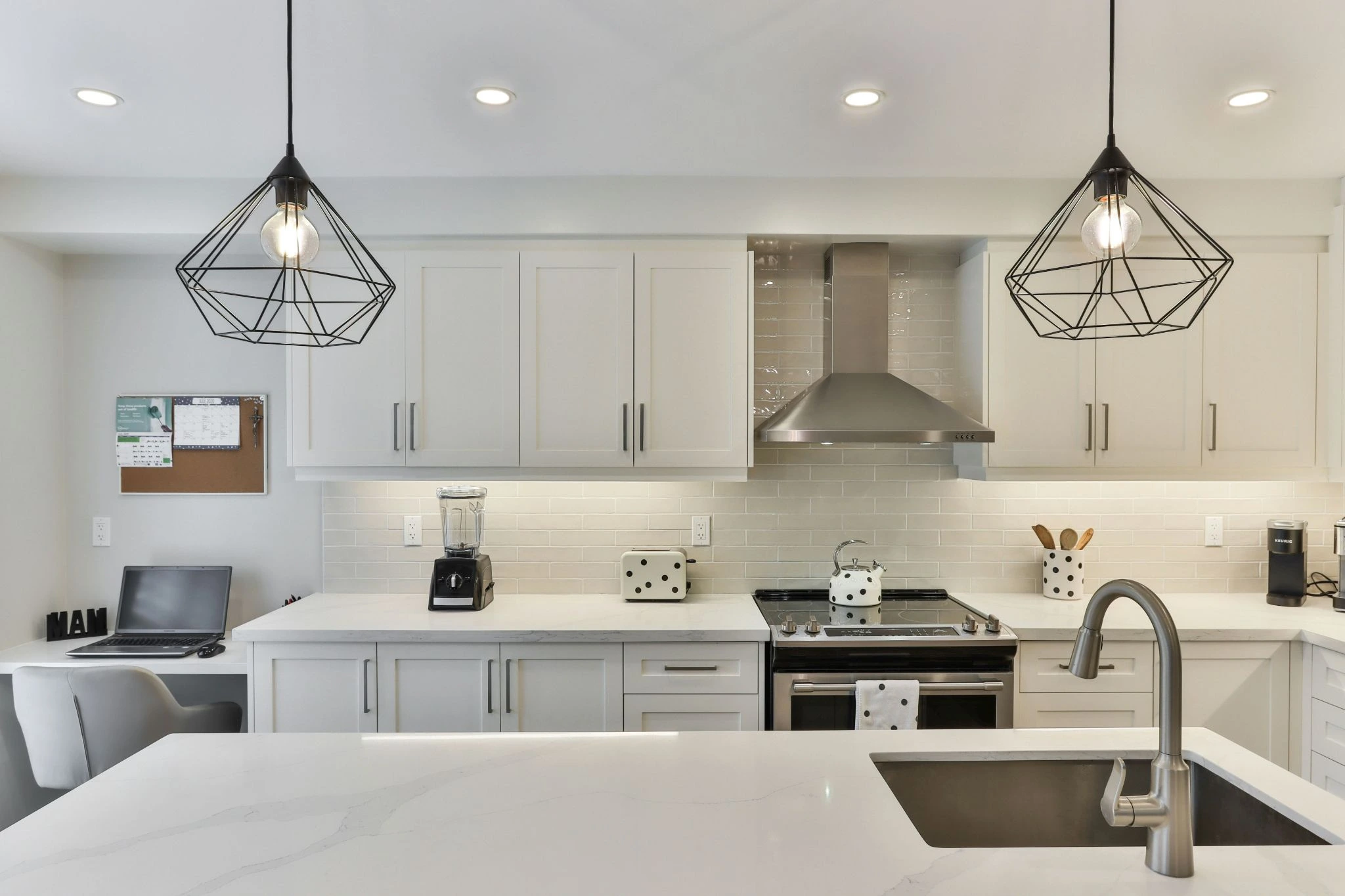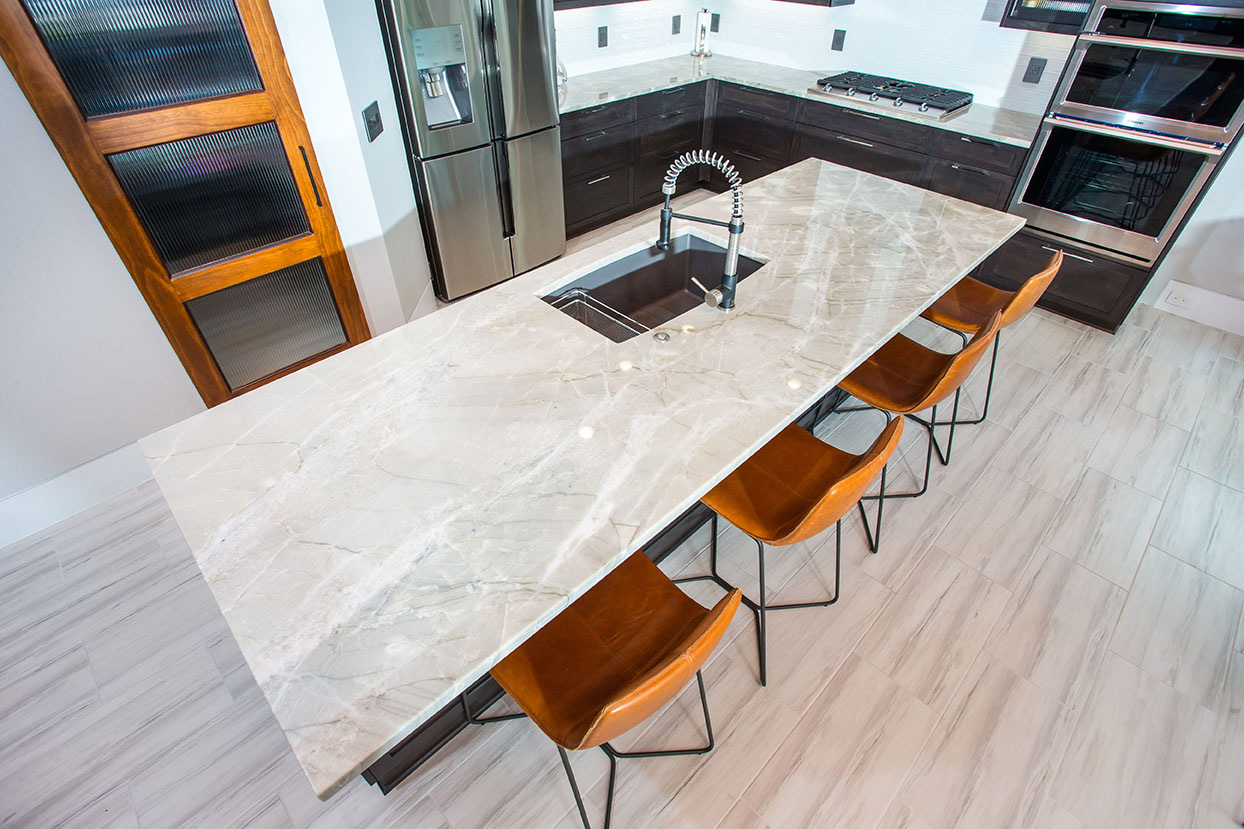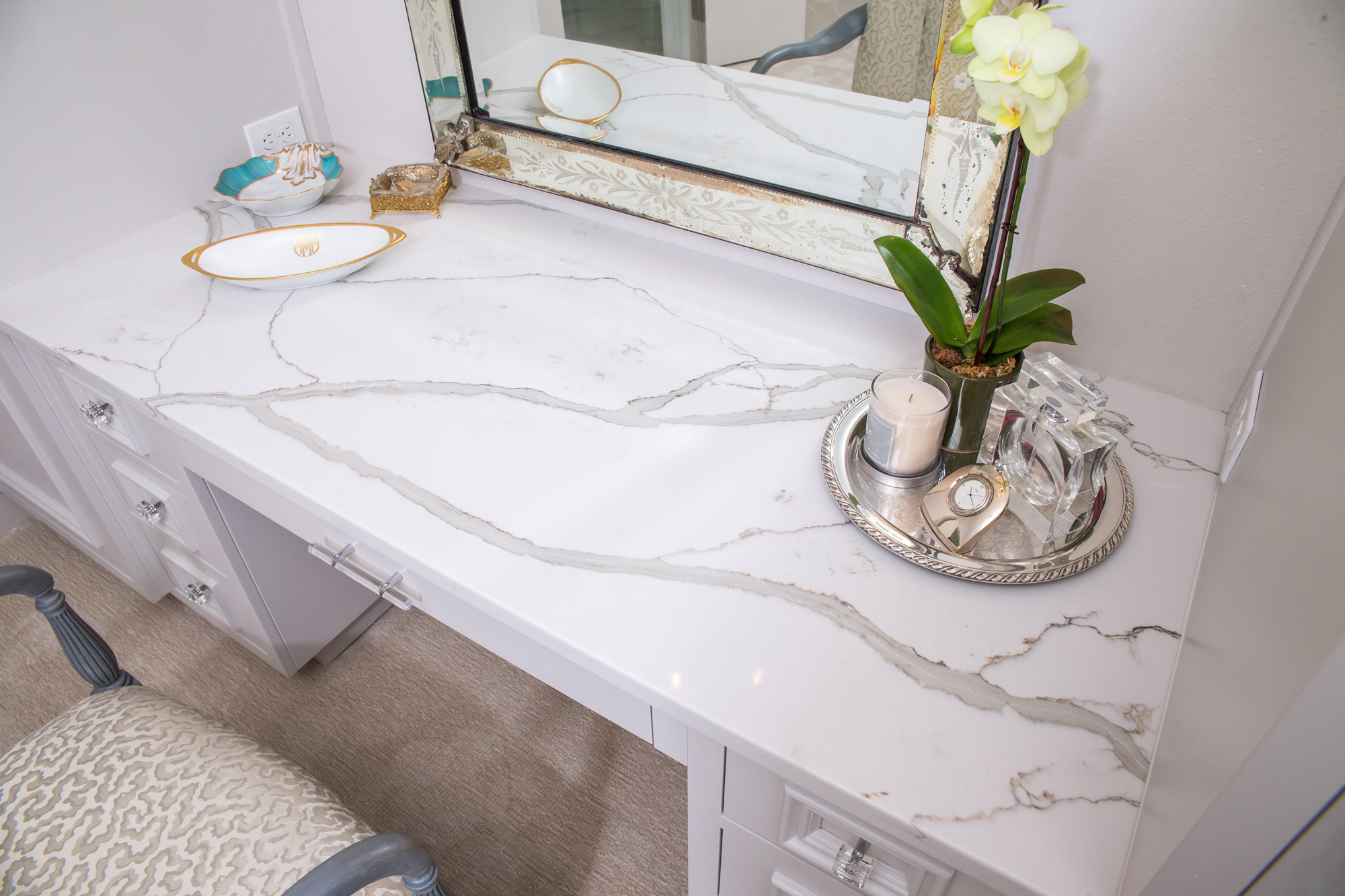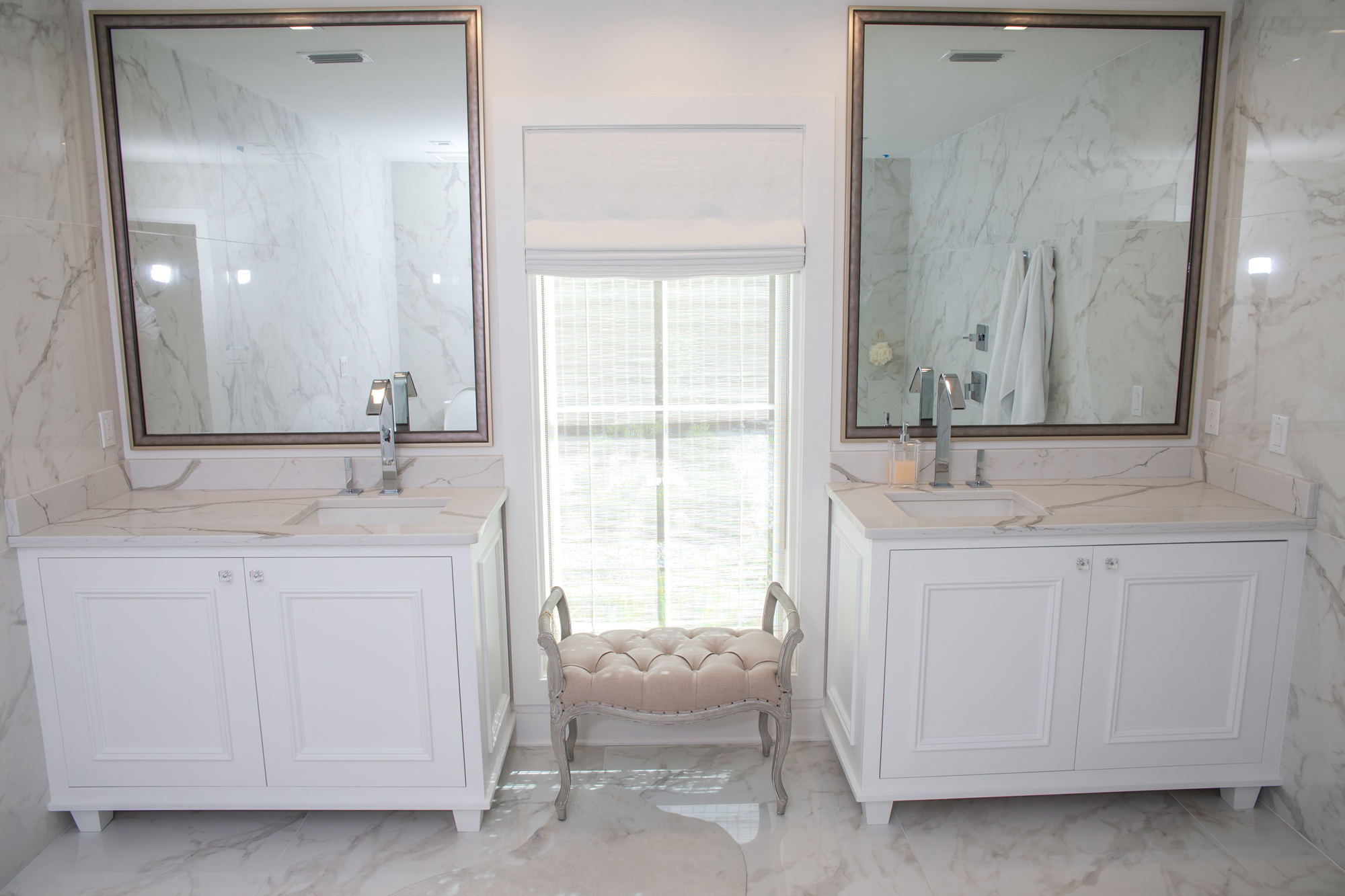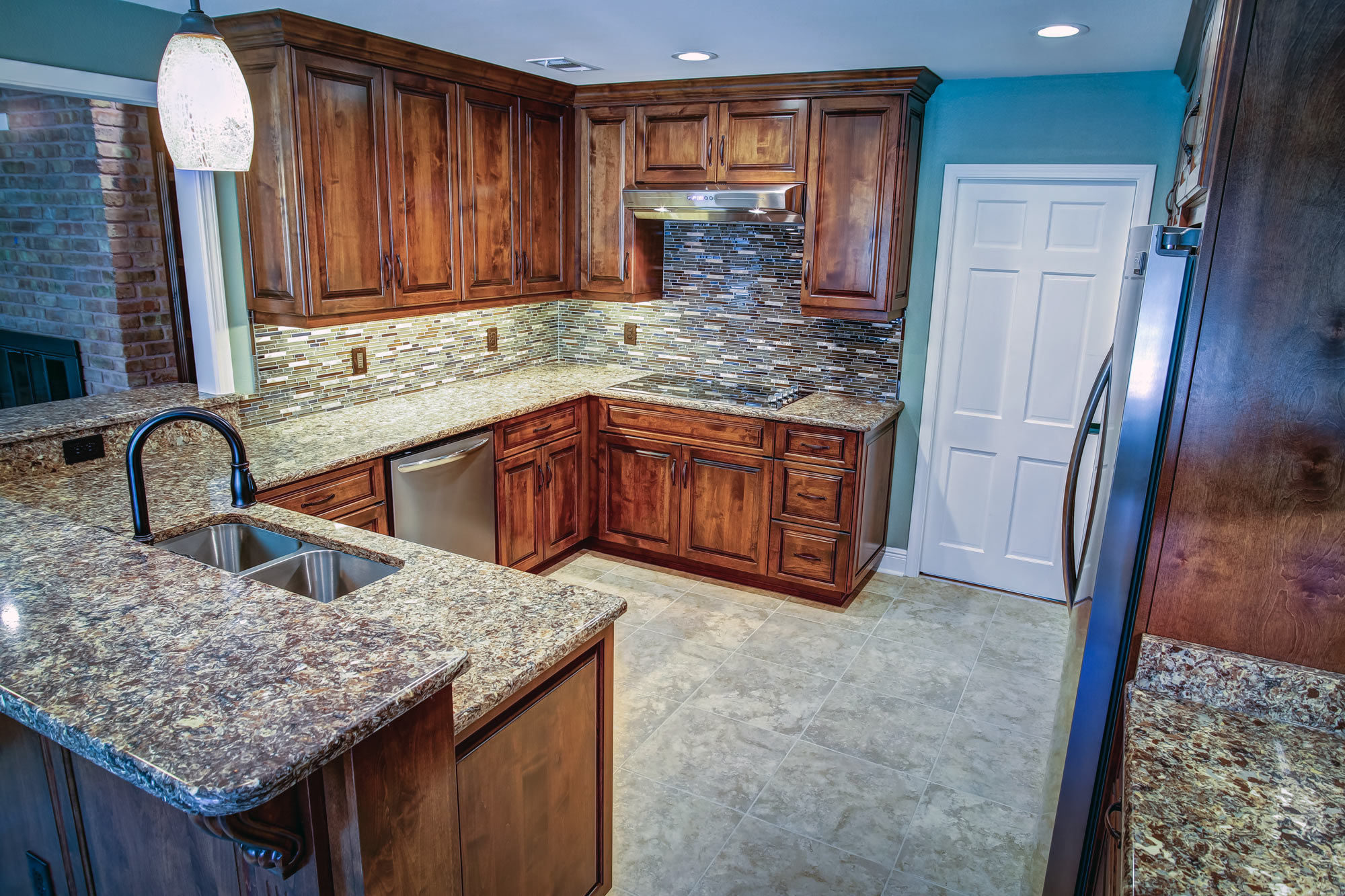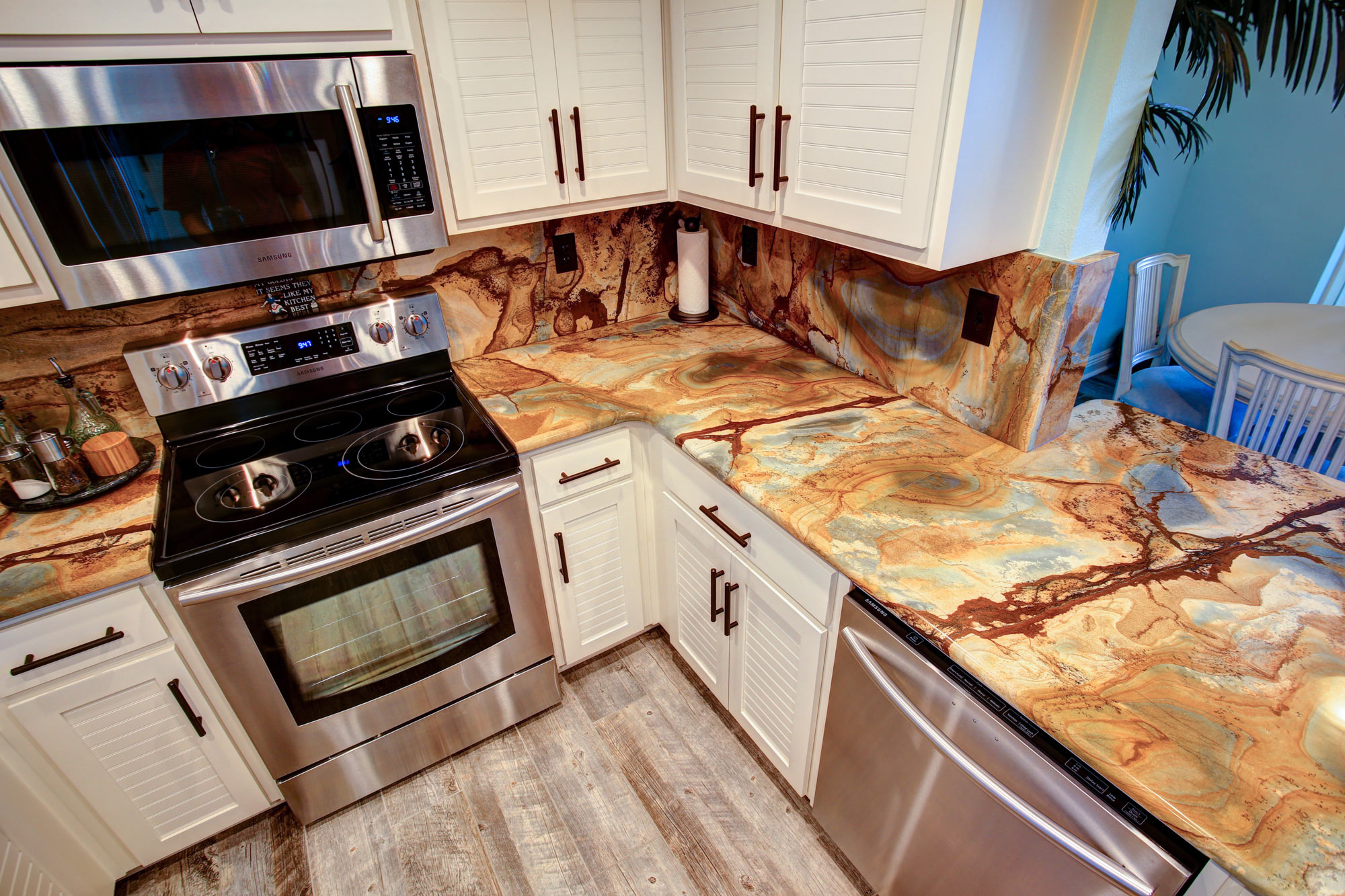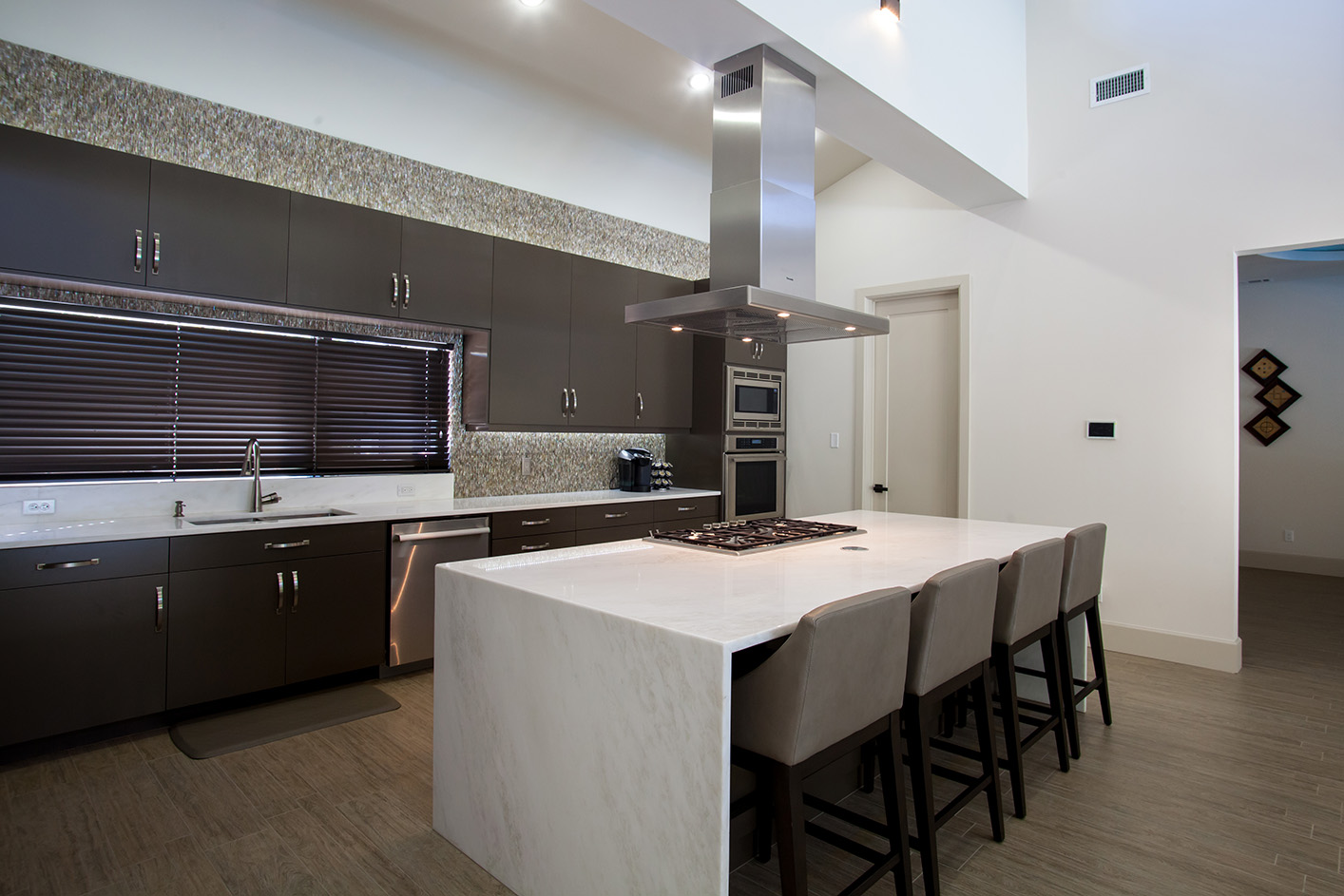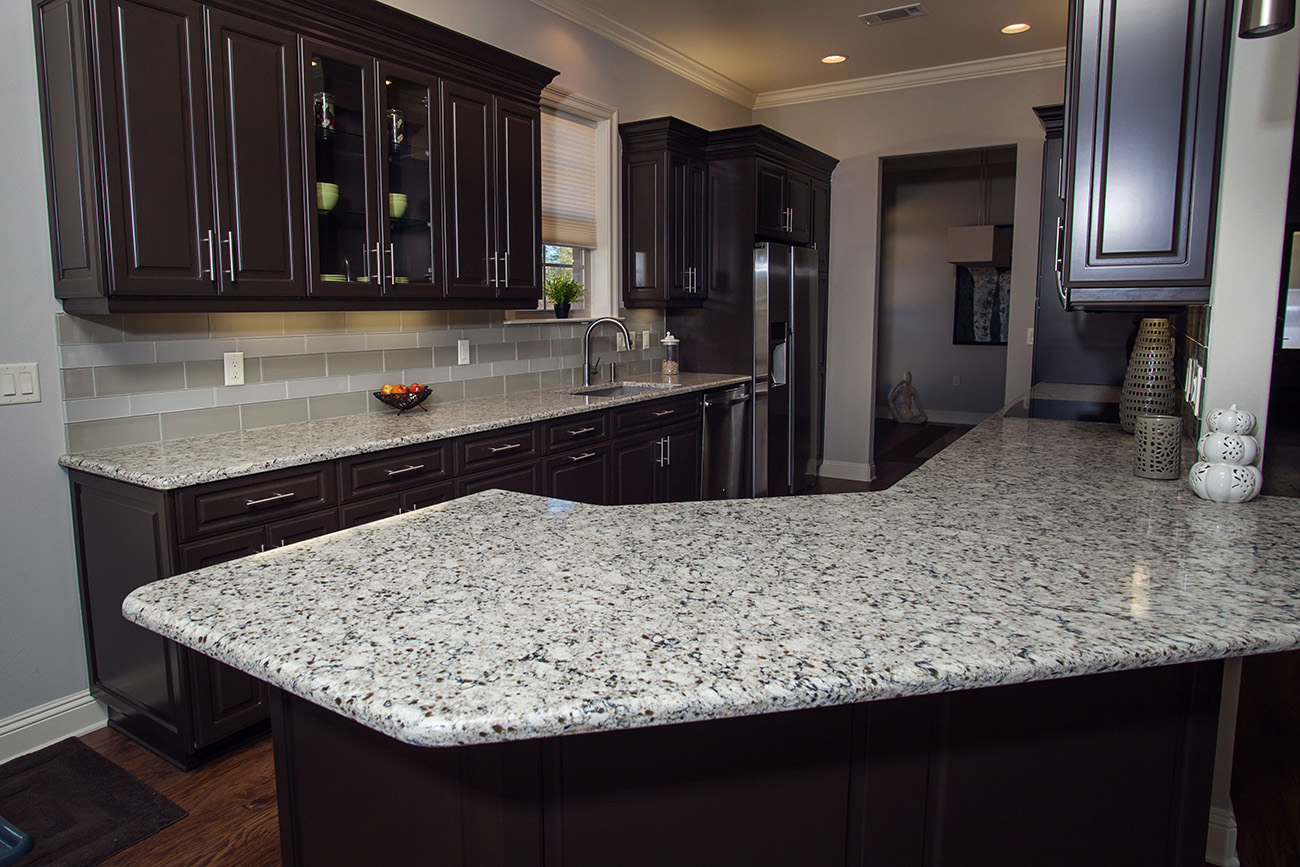
When it comes to choosing the perfect surface for your countertops, bathrooms, or even flooring, two materials often stand out: natural stone and quartz. But how do you choose between these two? What sets them apart in terms of appearance, maintenance, durability, and, of course, cost? Let’s break it down so you can make an informed decision!
What is Natural Stone?
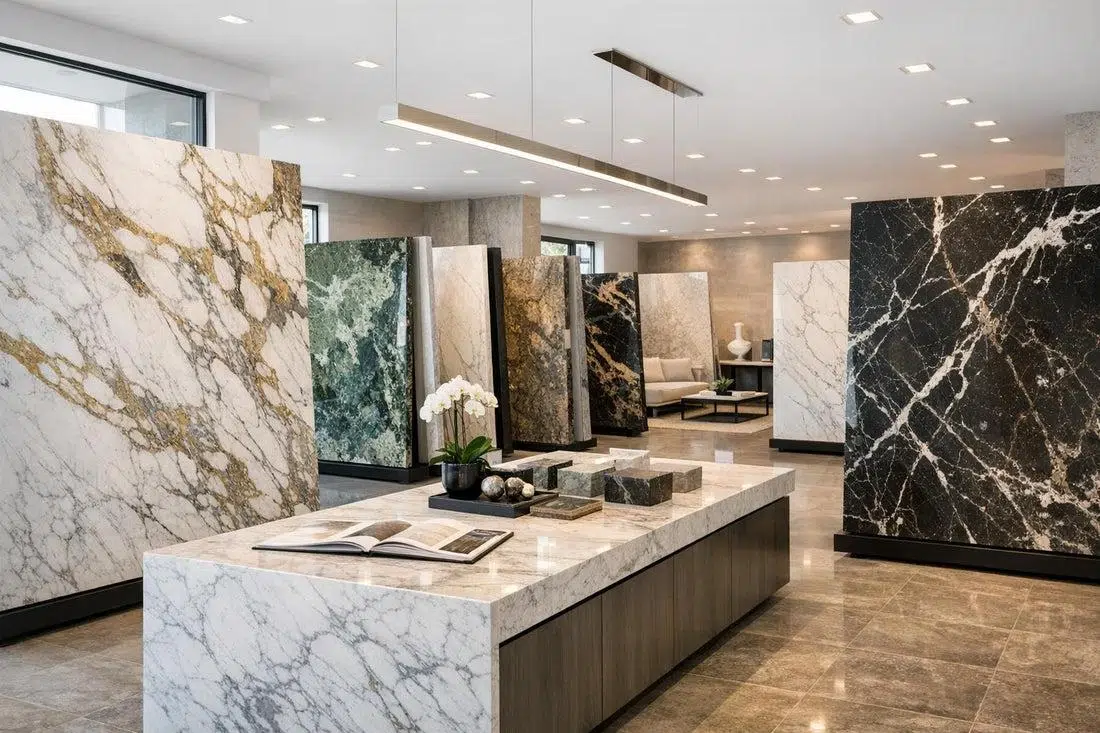
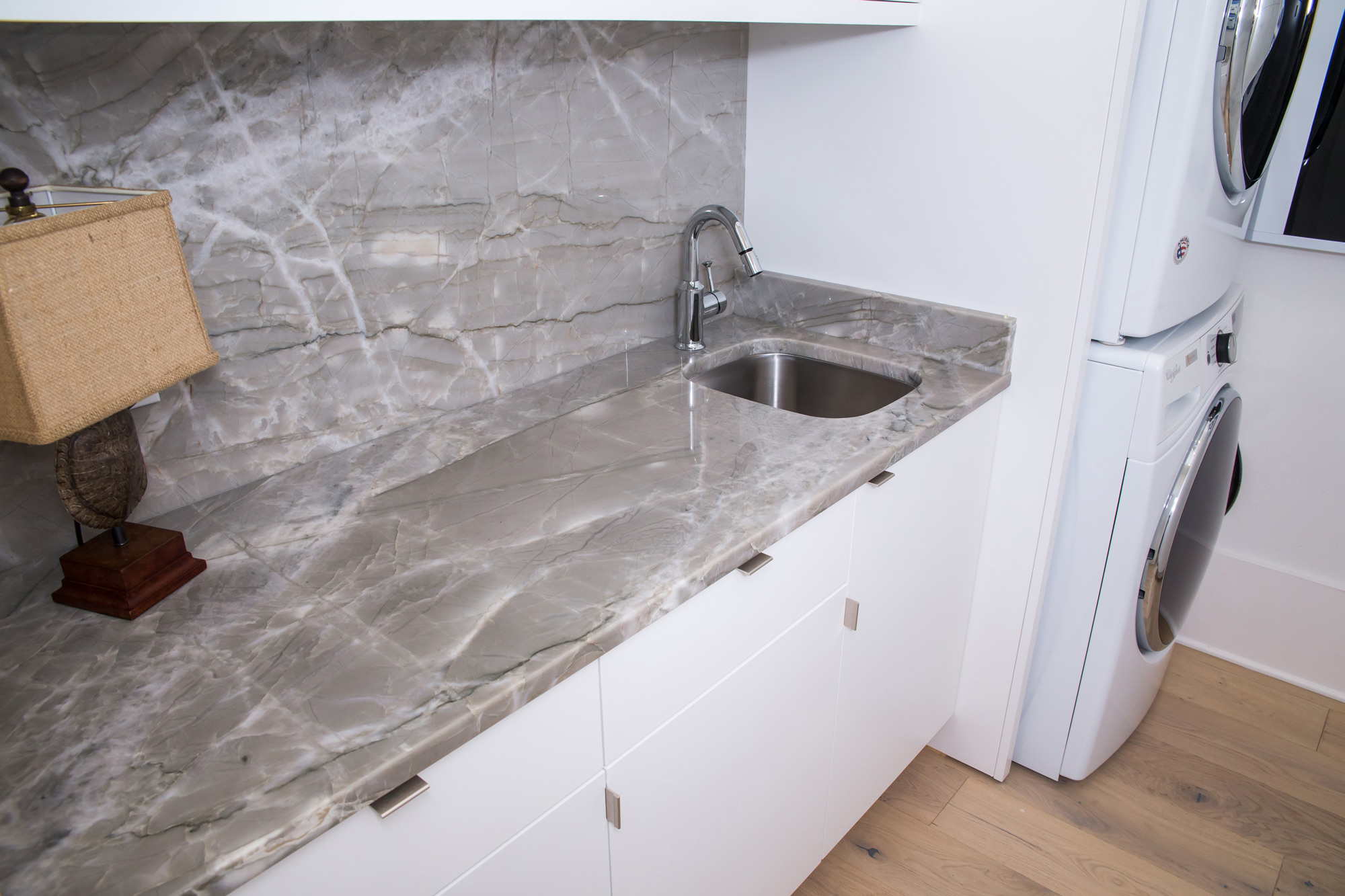
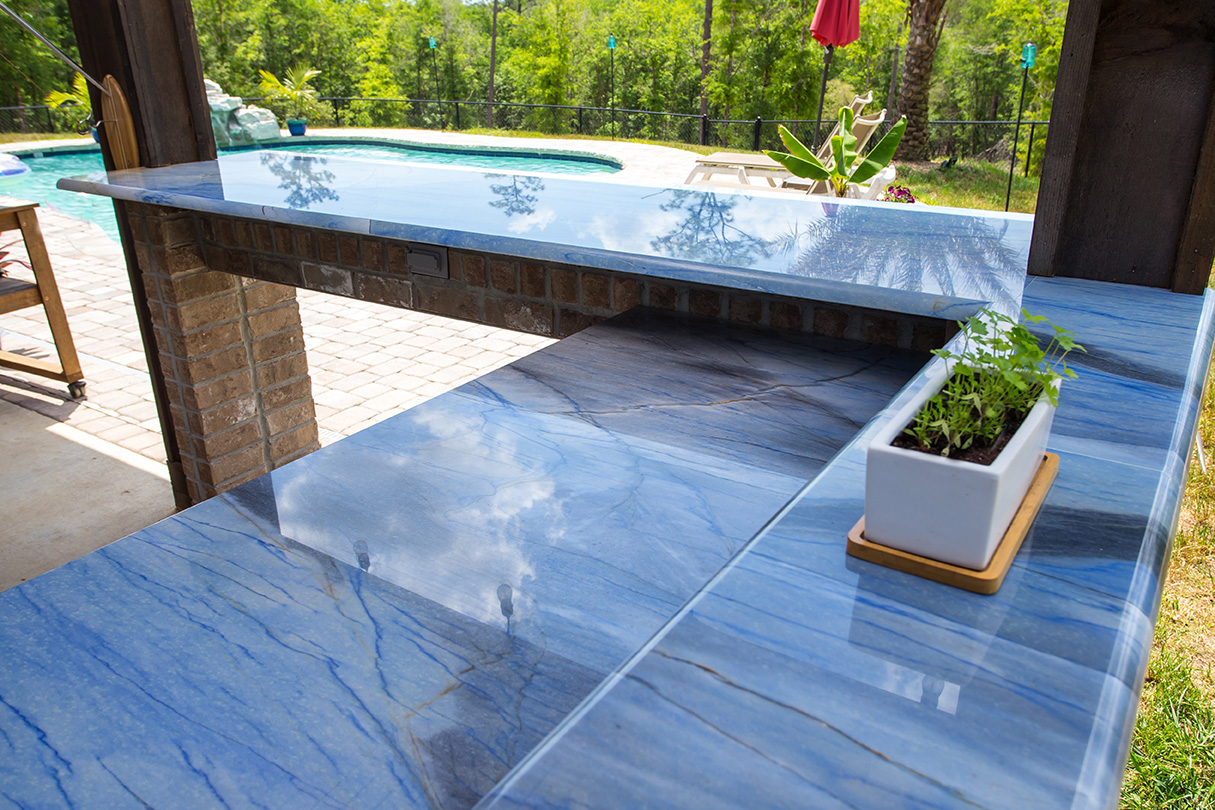
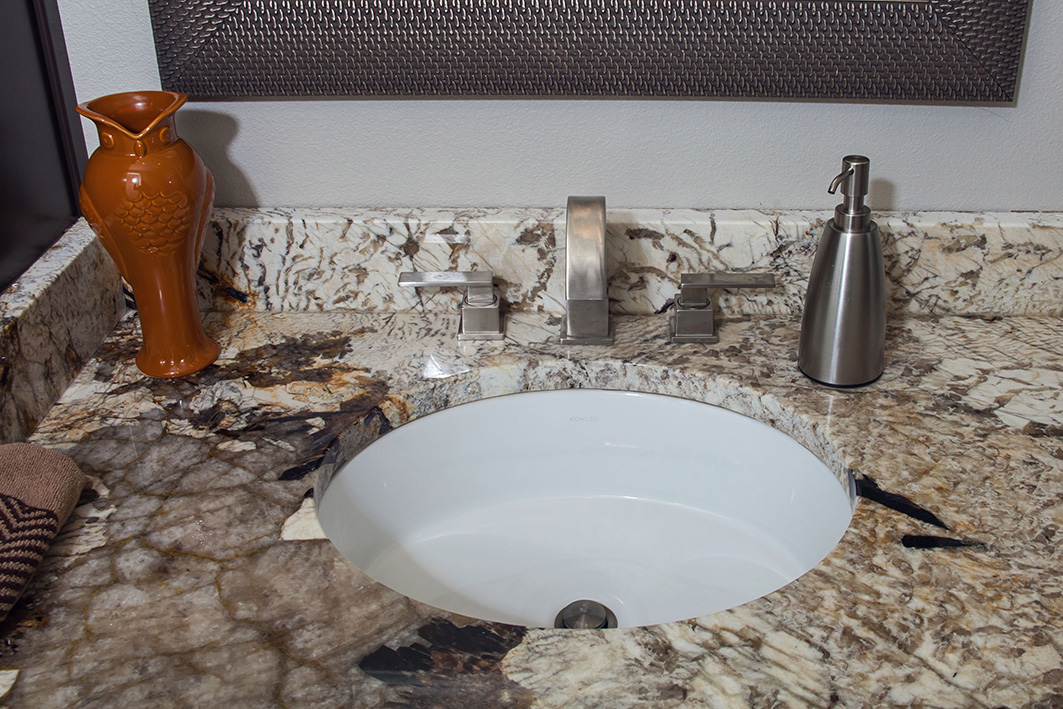
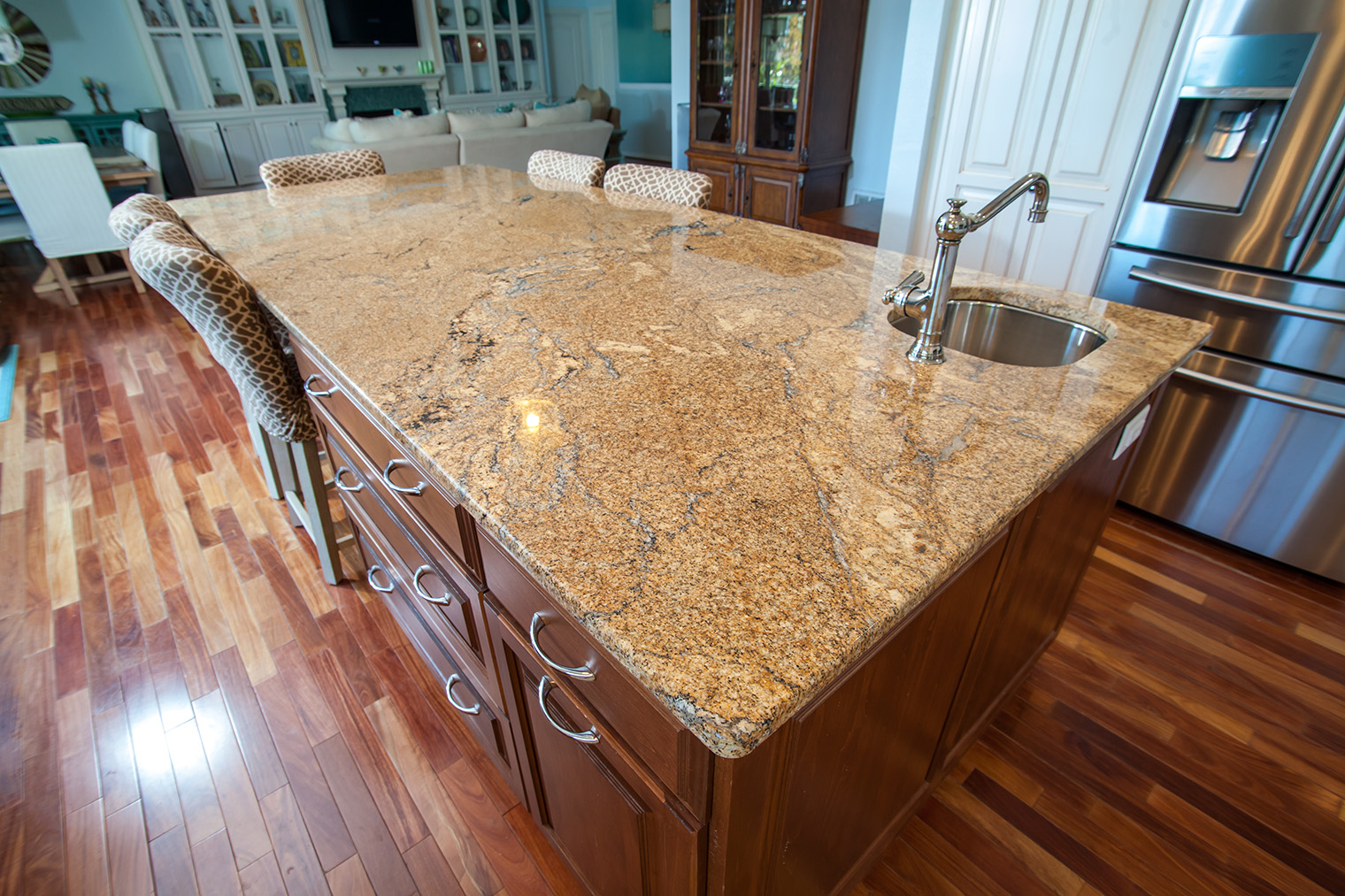
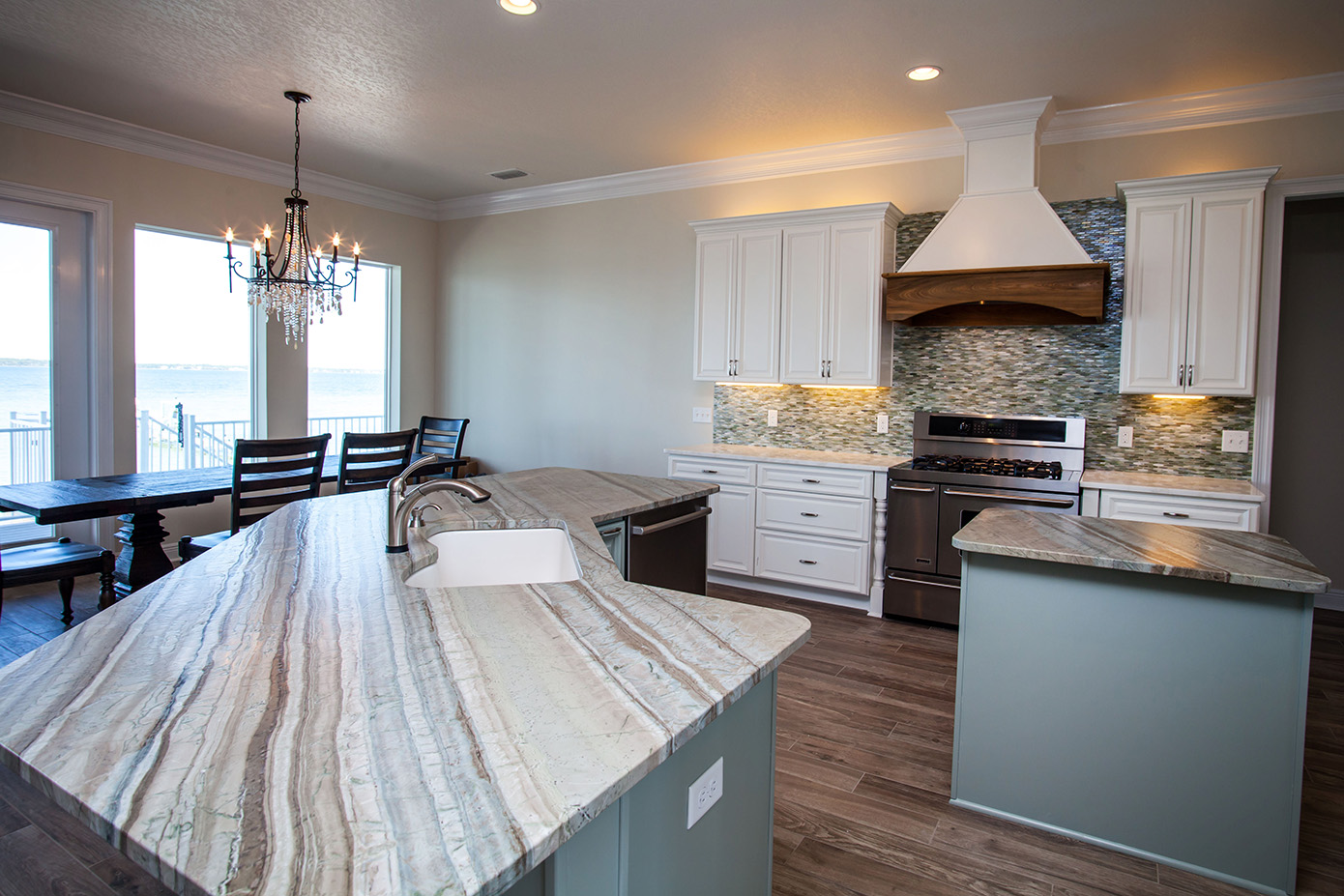
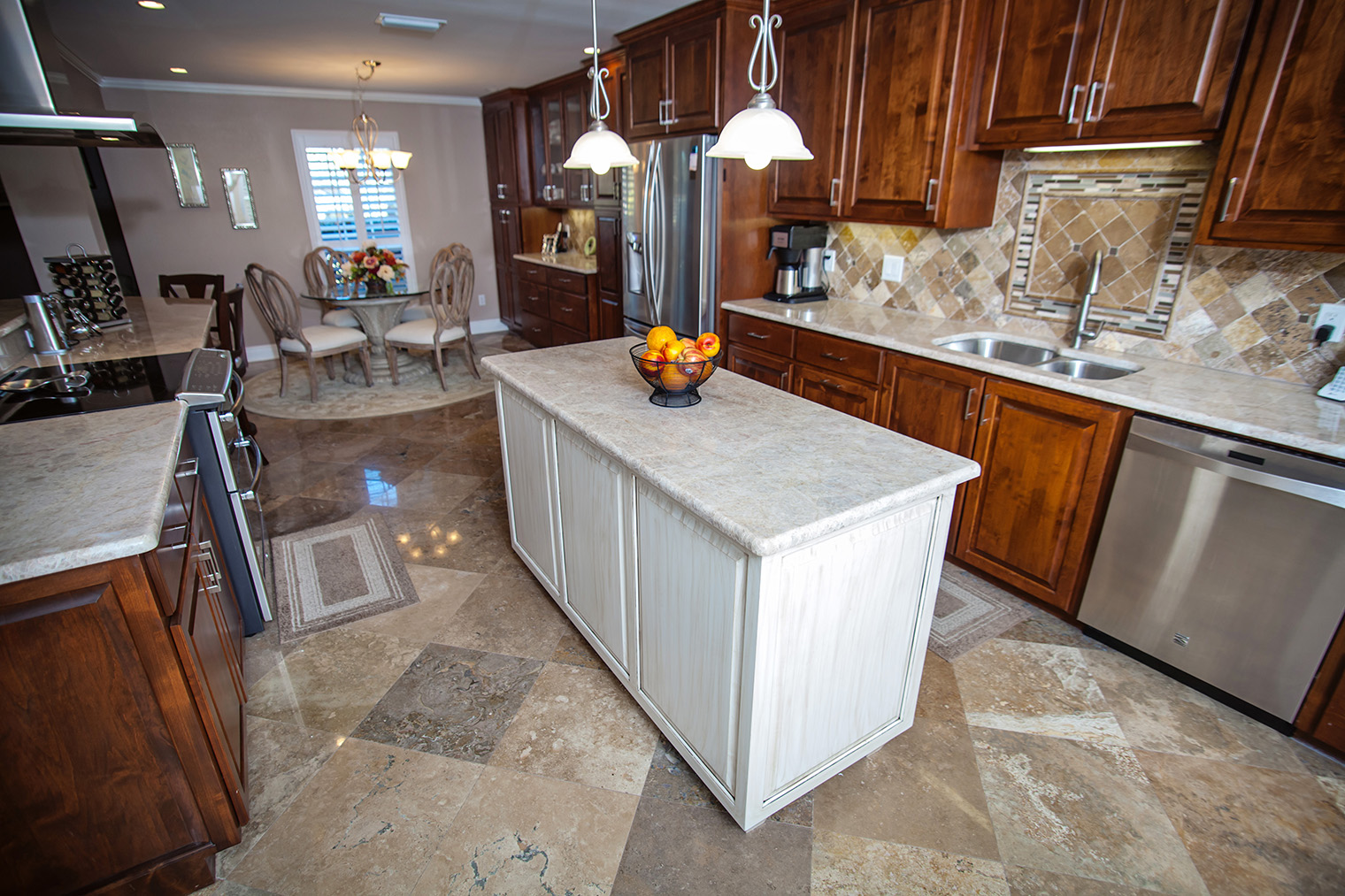
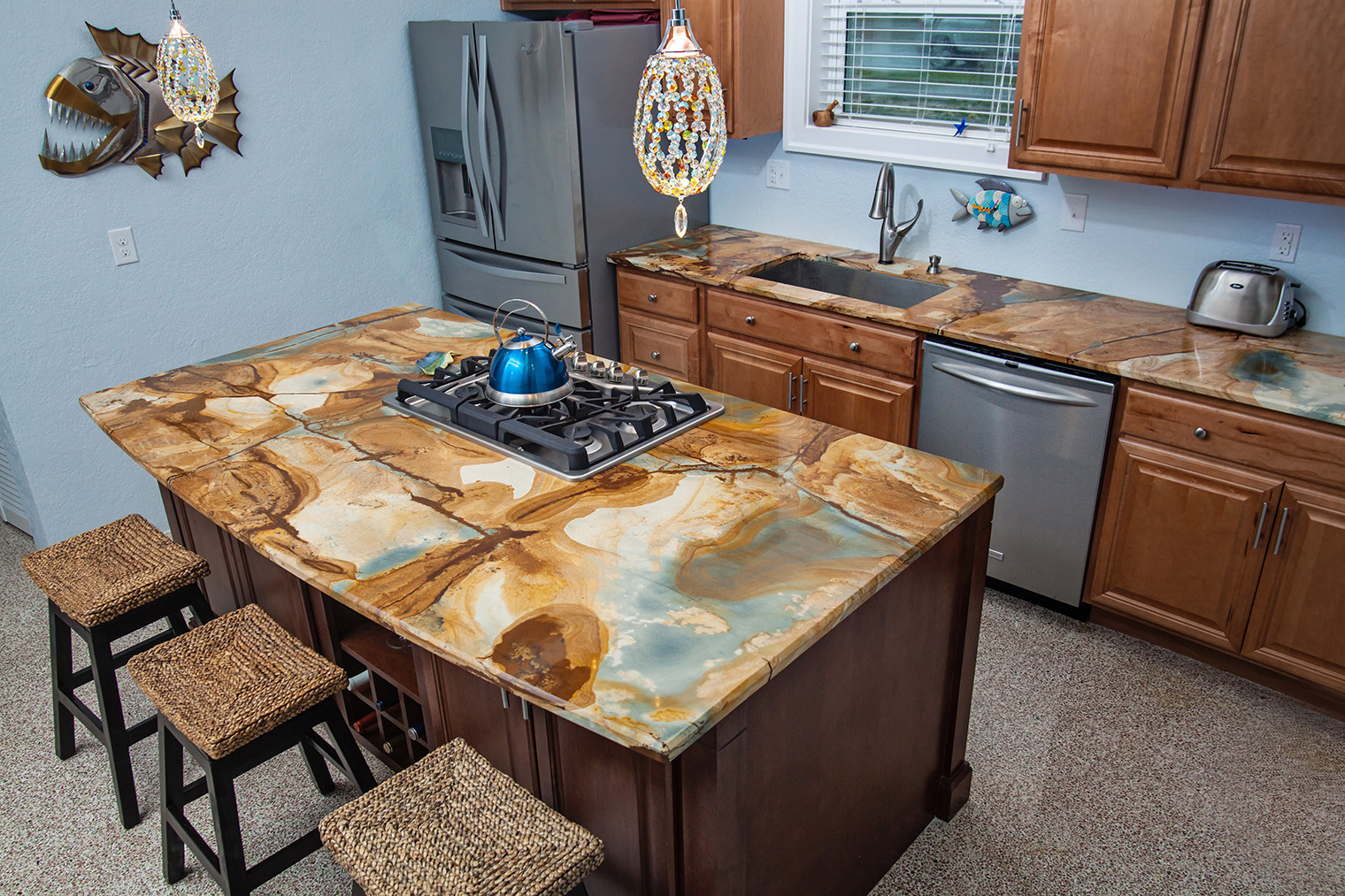
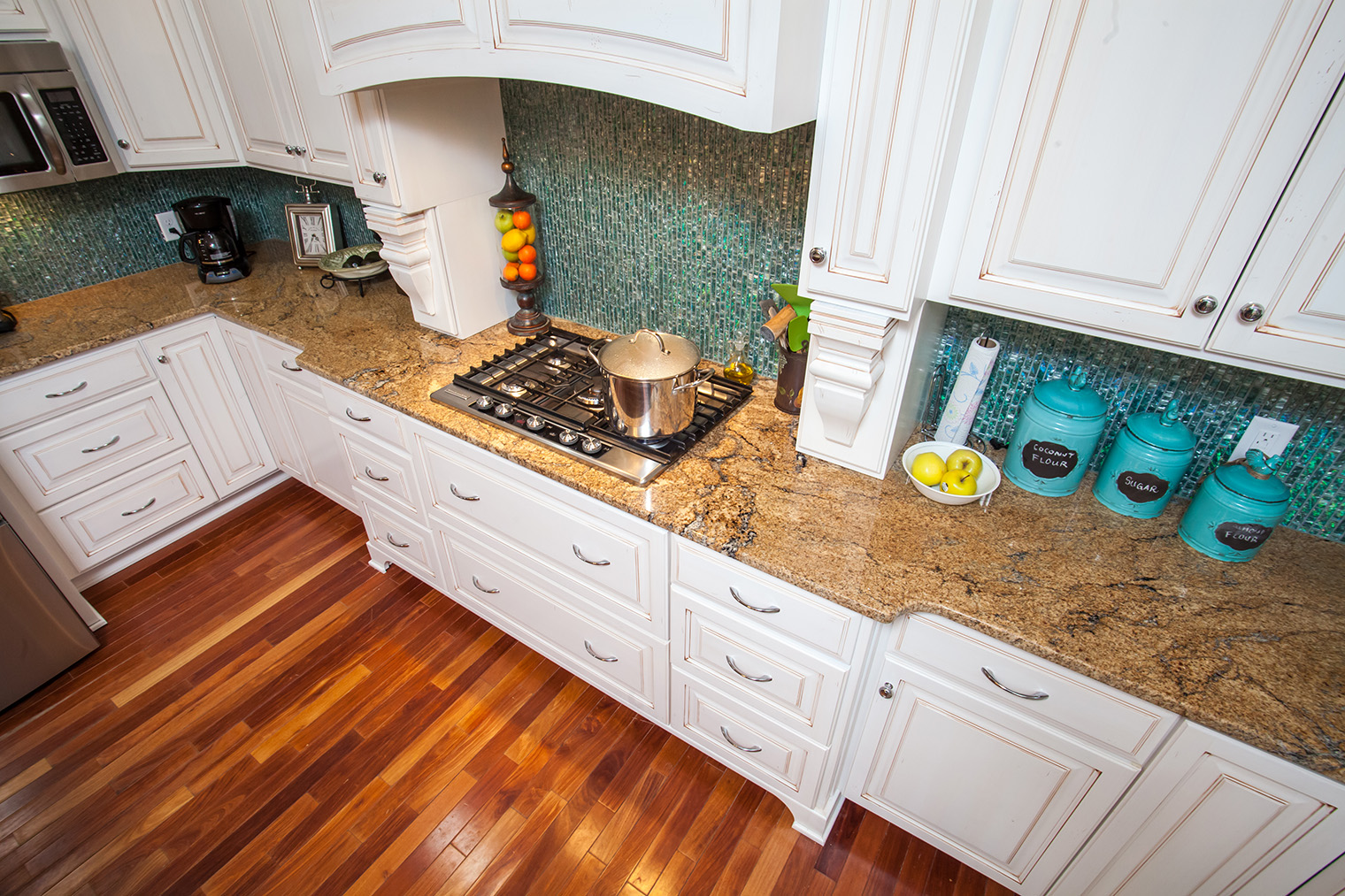
First things first: what exactly is natural stone? It’s a broad term that encompasses materials like granite, marble, limestone, and slate. These stones are sourced directly from the earth, giving each piece a unique, organic look. Imagine that! Every time you choose a piece of natural stone, you’re getting a one-of-a-kind pattern created by nature itself.
Characteristics of Natural Stone:
- Unique Patterns: No two slabs are the same. The veins, textures, and colors are all a result of the natural processes of the earth.
- Durability: Though durable, natural stone requires more care and attention compared to other materials. You’ll need to reseal it regularly to maintain its beauty.
- Eco-Friendly: When sourced sustainably, natural stone is considered an eco-friendly option. After all, it’s just a rock!
What is Quartz?
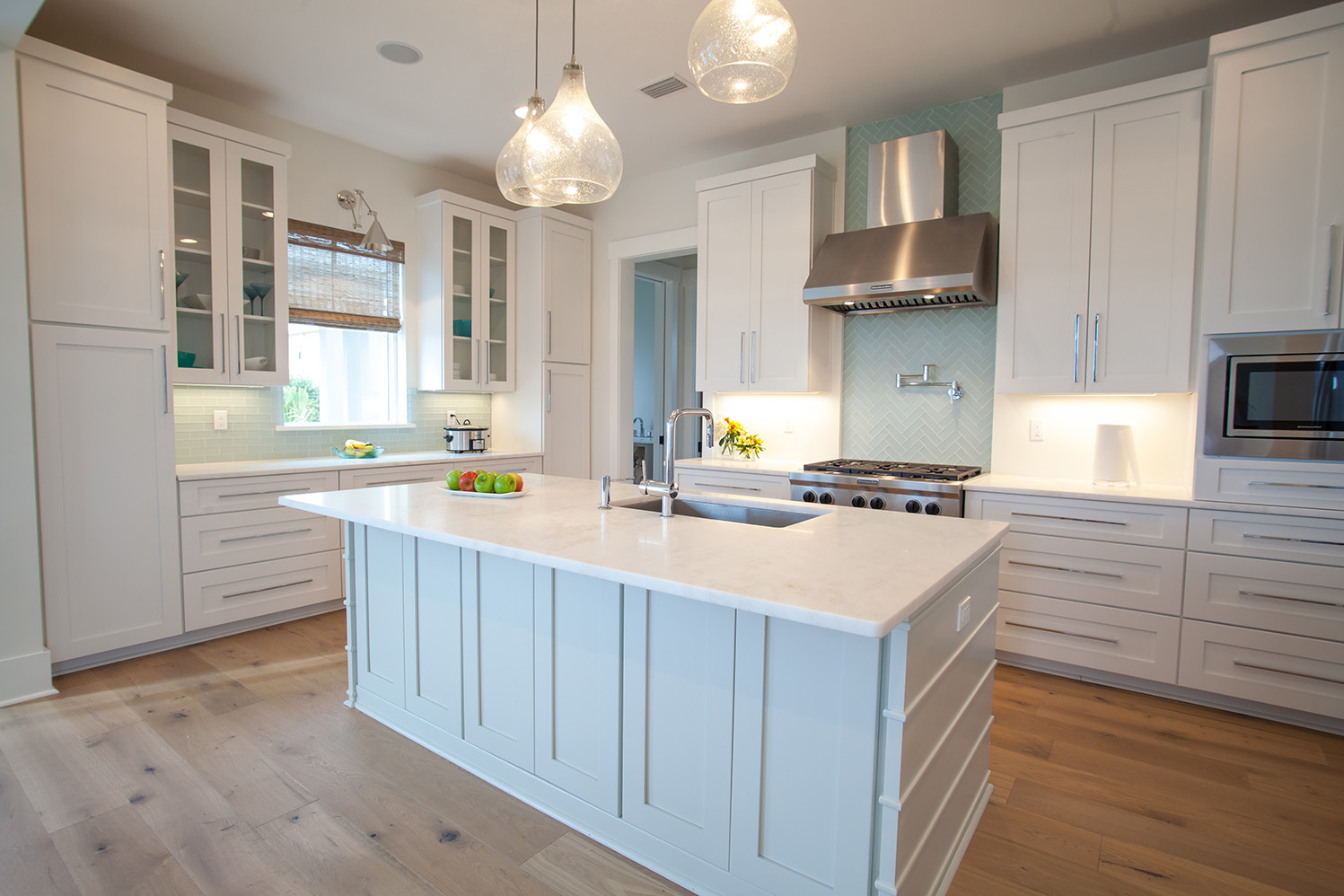
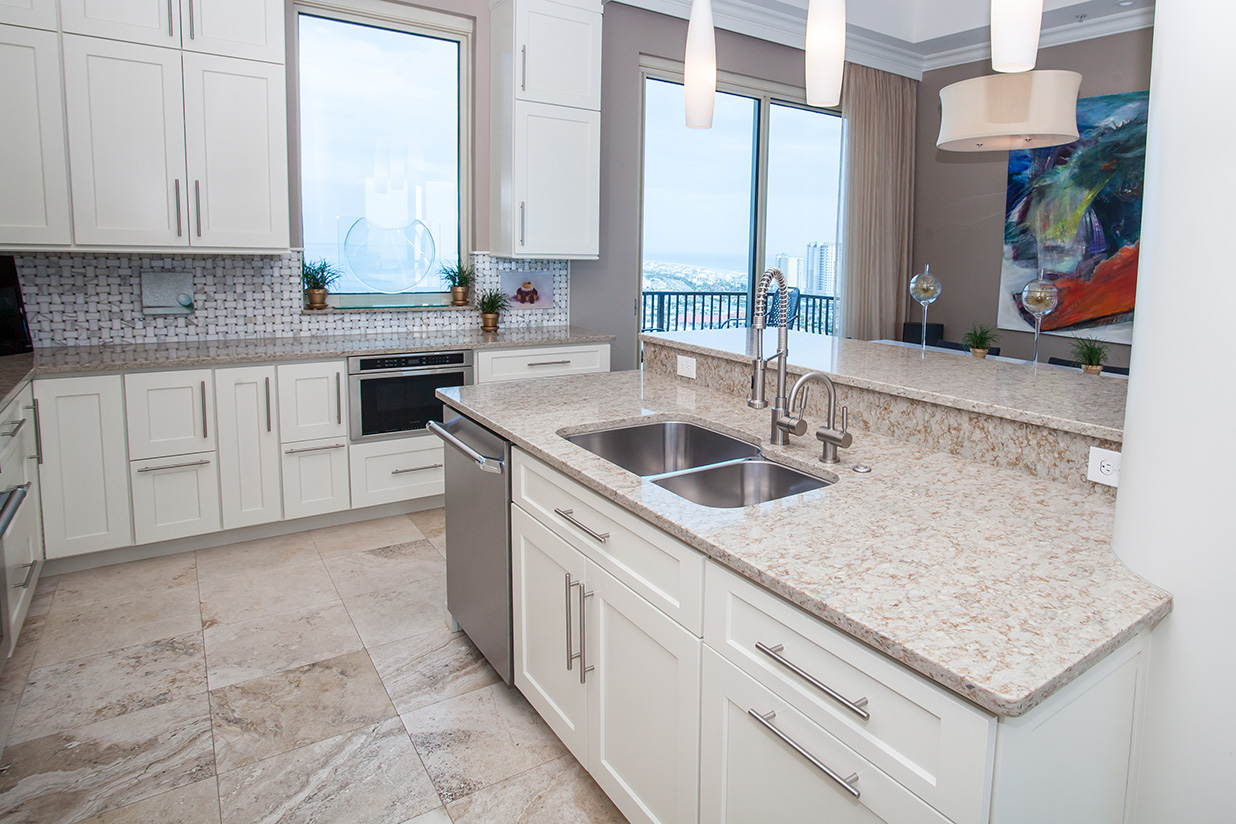
Now let’s talk about quartz. Unlike natural stone, quartz isn’t exactly “natural.” It’s what’s known as an engineered stone. Quartz countertops are made by mixing about 90-95% crushed natural quartz with resins and pigments to create a solid, uniform slab.
Composition of Quartz:
- Quartz Crystals & Resin: The material is primarily made up of quartz crystals, with added resin for flexibility and durability.
- Customization: One of the main selling points of quartz is its ability to be customized. Want a slab with a specific pattern or color? No problem.
Common Uses of Quartz Surfaces:
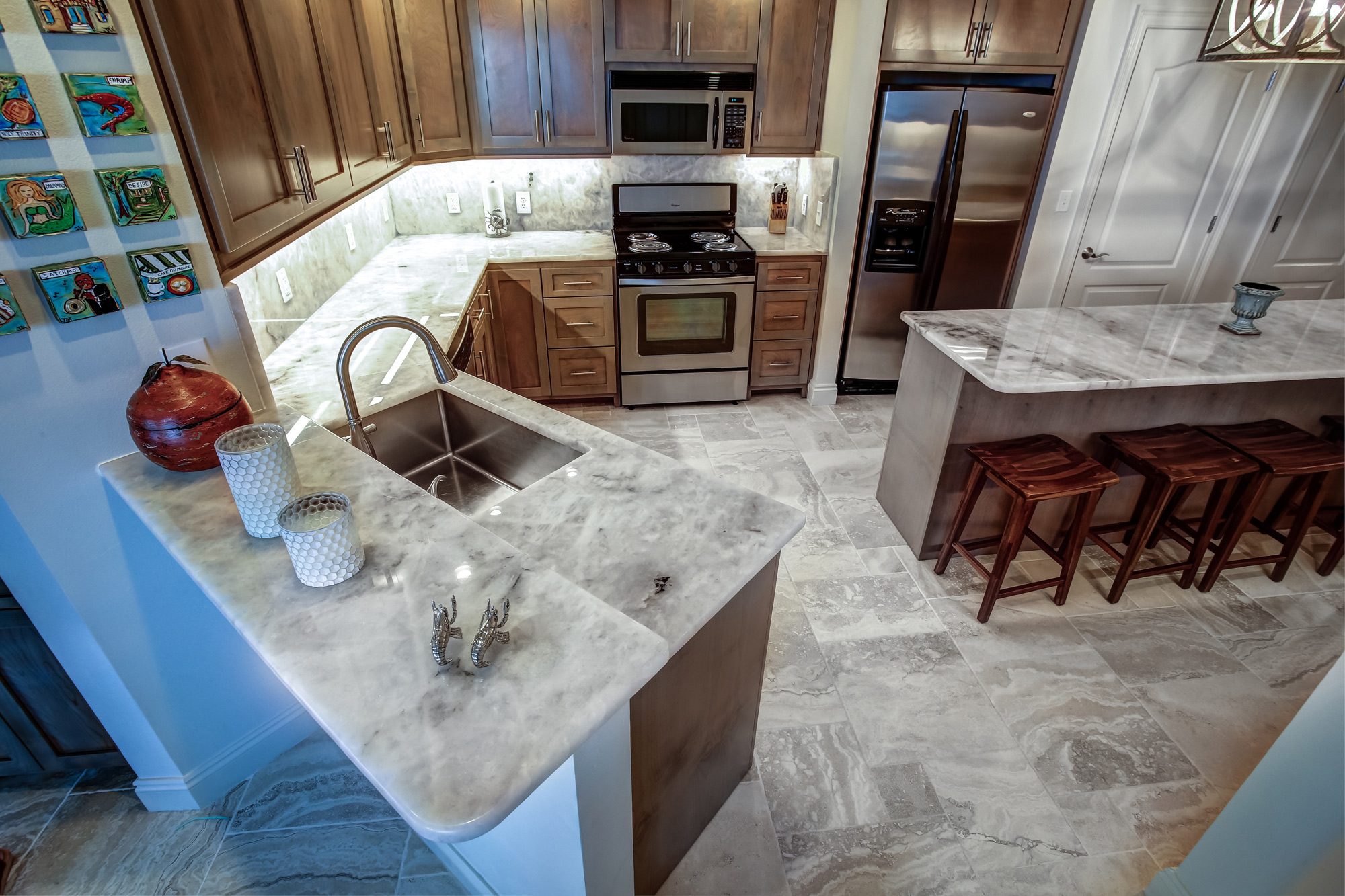
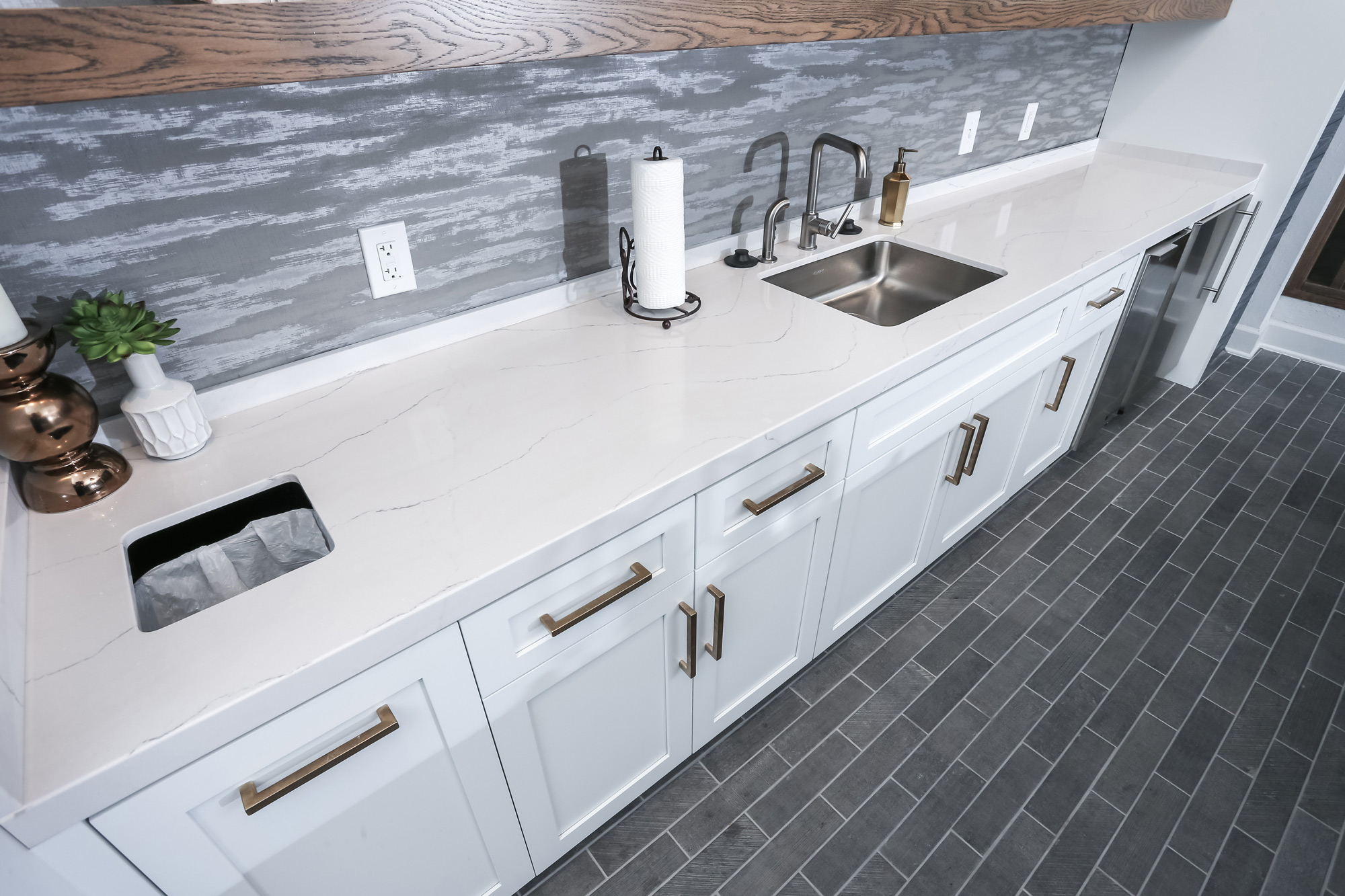
- Kitchen Countertops: Popular in homes and commercial spaces alike, quartz countertops are an affordable and low-maintenance option for those who want something sleek and modern.
Key Differences Between Natural Stone and Quartz
When choosing between natural stone and quartz for your countertops, it’s essential to understand their differences. Here’s a breakdown of their composition, appearance, durability, maintenance, cost, and environmental impact.
Composition:
- Natural Stone: Made from 100% natural minerals like granite or marble, each slab is unique.
- Quartz: A blend of 90-95% natural quartz mixed with resins and pigments to create engineered surfaces.
Appearance:
- Natural Stone: Offers unique veining and patterns, giving each piece a one-of-a-kind look.
- Quartz: More uniform in appearance, but can be customized with various colors and patterns.
Durability:
- Natural Stone: Durable but can be prone to scratching and staining. Requires sealing to maintain its integrity.
- Quartz: More durable, scratch and stain-resistant, and does not require sealing.
Maintenance:
- Natural Stone: Needs regular sealing and more careful cleaning to avoid damage.
- Quartz: Low maintenance; just clean with soap and water, no sealing needed.
Cost:
- Natural Stone: Generally more expensive, especially premium materials like marble or granite.
- Quartz: More affordable but can vary depending on customization and brand.
Read this in detail: What’s the Best Value Countertop Stone for Your Money?
Environmental Impact:
- Natural Stone: Eco-friendly when sourced responsibly.
- Quartz: Less eco-friendly due to the resins and manufacturing process, though some brands are improving sustainability.
Natural Stone vs. Quartz
| Category | Natural Stone | Quartz |
| Composition | 100% natural minerals | 90-95% quartz, resins, pigments |
| Appearance | Unique veining and patterns | More uniform, customizable |
| Durability | Scratch-prone, needs sealing | Scratch-resistant, no sealing needed |
| Maintenance | Regular sealing, cautious cleaning | Low maintenance, easy to clean |
| Cost | Higher cost | More affordable |
| Environmental Impact | Eco-friendly if sourced responsibly | Less eco-friendly |
| Ideal Applications | Custom, high-end projects | Budget-friendly, modern designs |
Natural stone offers a luxurious, unique look with more upkeep, while quartz provides durability and low maintenance at a more affordable price. Consider your style, budget, and maintenance preferences when making your choice.
Pros and Cons of Natural Stone
Like everything, natural stone comes with its pros and cons. Here’s a quick rundown:
Pros of Natural Stone:
- Unique Beauty: Each piece of natural stone is different, giving your countertops an individualized touch.
- Long-Lasting: With proper care, natural stone can last a lifetime.
- ncreases Property Value: Homes with granite countertops or other high-end stones tend to have higher market value.
Cons of Natural Stone:
- High Maintenance: You’ll need to reseal your natural stone surfaces regularly to keep them in top shape.
- Expensive: High-quality natural stone like marble and granite can be quite costly.
- Vulnerable to Damage: Natural stone can be scratched or stained if not properly maintained.
Pros and Cons of Quartz
Now let’s weigh the pros and cons of quartz surfaces.
Pros of Quartz:
- Durable: Quartz countertops are highly resistant to scratches, stains, and heat (but not completely heatproof!).
- Low Maintenance: Unlike natural stone, quartz doesn’t need sealing. Just wipe it down and you’re good to go.
- Customization: You can get quartz in nearly any color or pattern, making it ideal for modern homes.
Cons of Quartz:
- Less Natural Look: Although beautiful, quartz lacks the organic patterns of natural stone.
- Not as Heat-Resistant: While quartz is durable, it doesn’t have the same heat resistance as granite or marble. Hot pots or pans may cause damage.
Ideal Applications
So, where should you use natural stone versus quartz? Let’s break it down:
Natural Stone:
- Best for High-End Projects: If you’re looking for something luxurious or unique, natural stone like granite or marble is perfect.
- Unique Design Preferences: If you want a one-of-a-kind countertop, natural stone is the way to go.
Quartz:
- Best for Modern Homes: Sleek, durable, and customizable, quartz is perfect for contemporary kitchens and bathrooms.
- Commercial Spaces: Its low-maintenance and durable nature make quartz countertops ideal for high-traffic areas.
- Budget-Friendly Projects: If you’re on a budget but still want a stylish surface, quartz is a great choice.
Conclusion
Choosing between natural stone and quartz depends on your priorities. If you’re looking for a timeless, unique appearance and don’t mind a little extra maintenance, natural stone like granite or marble is an excellent choice. However, if you prefer durability, low-maintenance care, and a more affordable option, quartz countertops could be just what you need.
Ultimately, it comes down to personal preference and your specific needs. Are you looking to make a statement with your countertops, or do you need something that’s both stylish and easy to care for?
Have you decided which material is best for your next project?
FAQs
Q1: Is quartz better than granite?
It depends on your priorities. Quartz is more durable and easier to maintain, but granite offers a unique, natural aesthetic.
Q2: Can quartz countertops withstand heat?
Not as well as natural stone. While quartz countertops are heat-resistant, placing hot pots and pans directly on them is not recommended.
Q3: Do I need to seal quartz countertops?
No! Unlike natural stone, quartz doesn’t need to be sealed