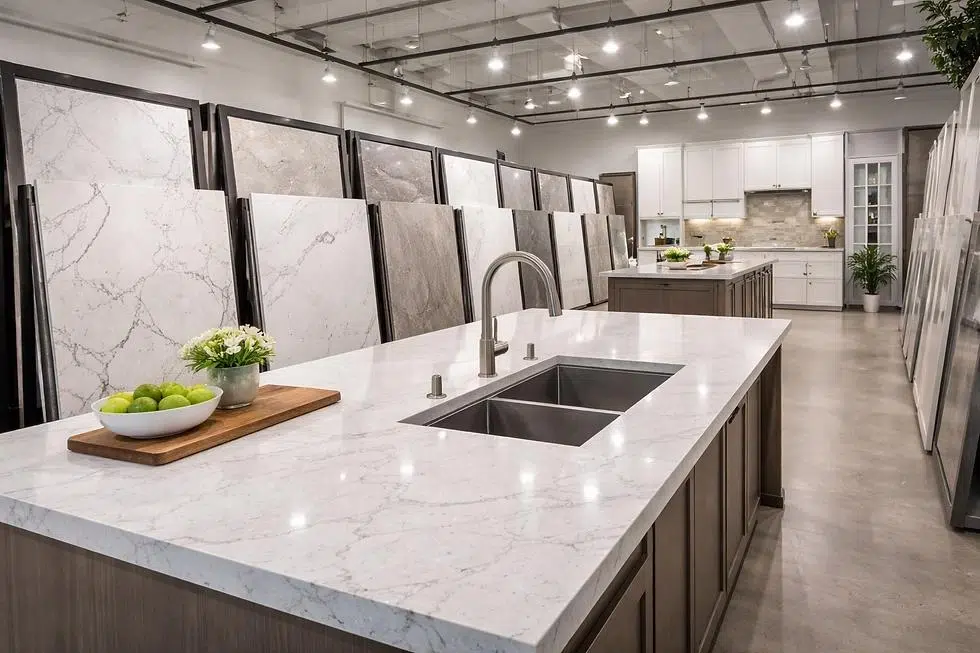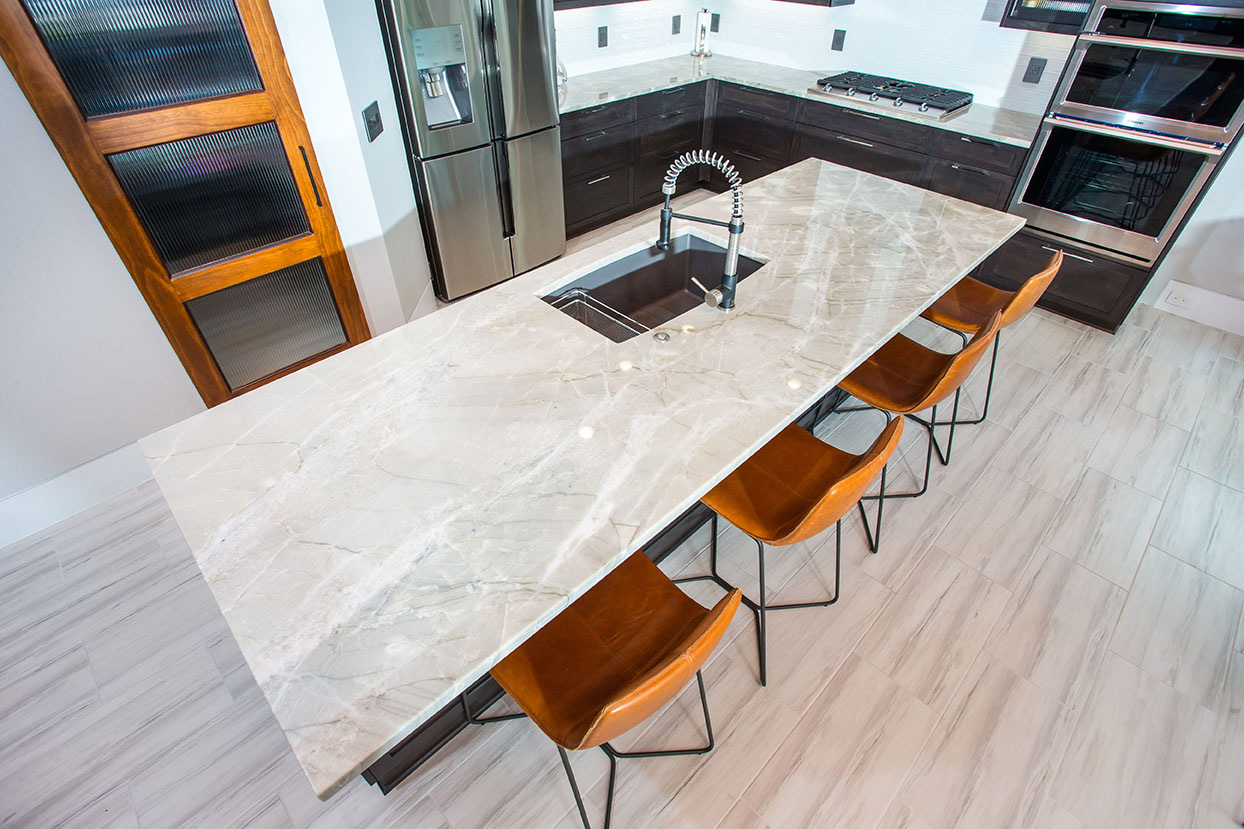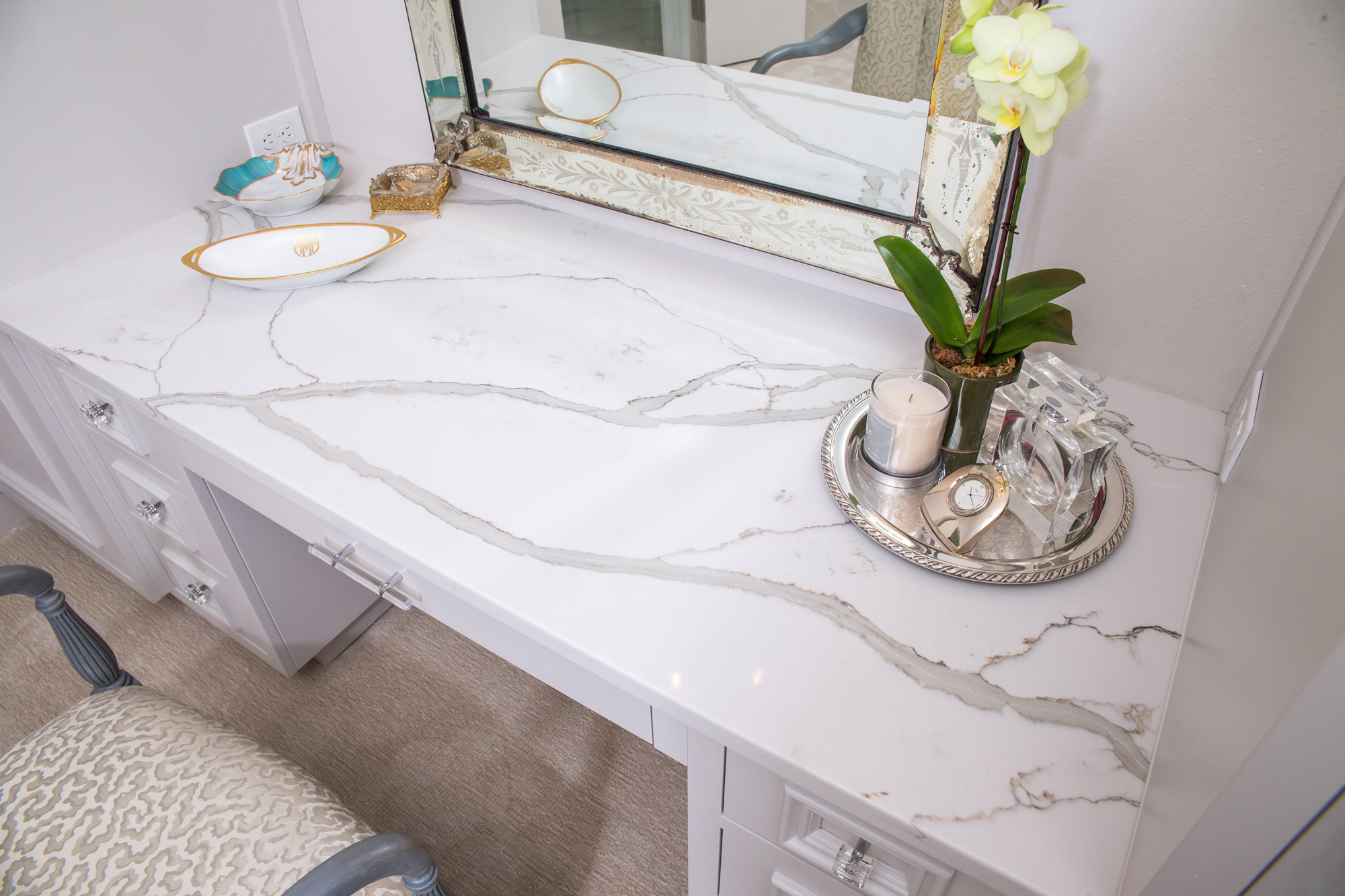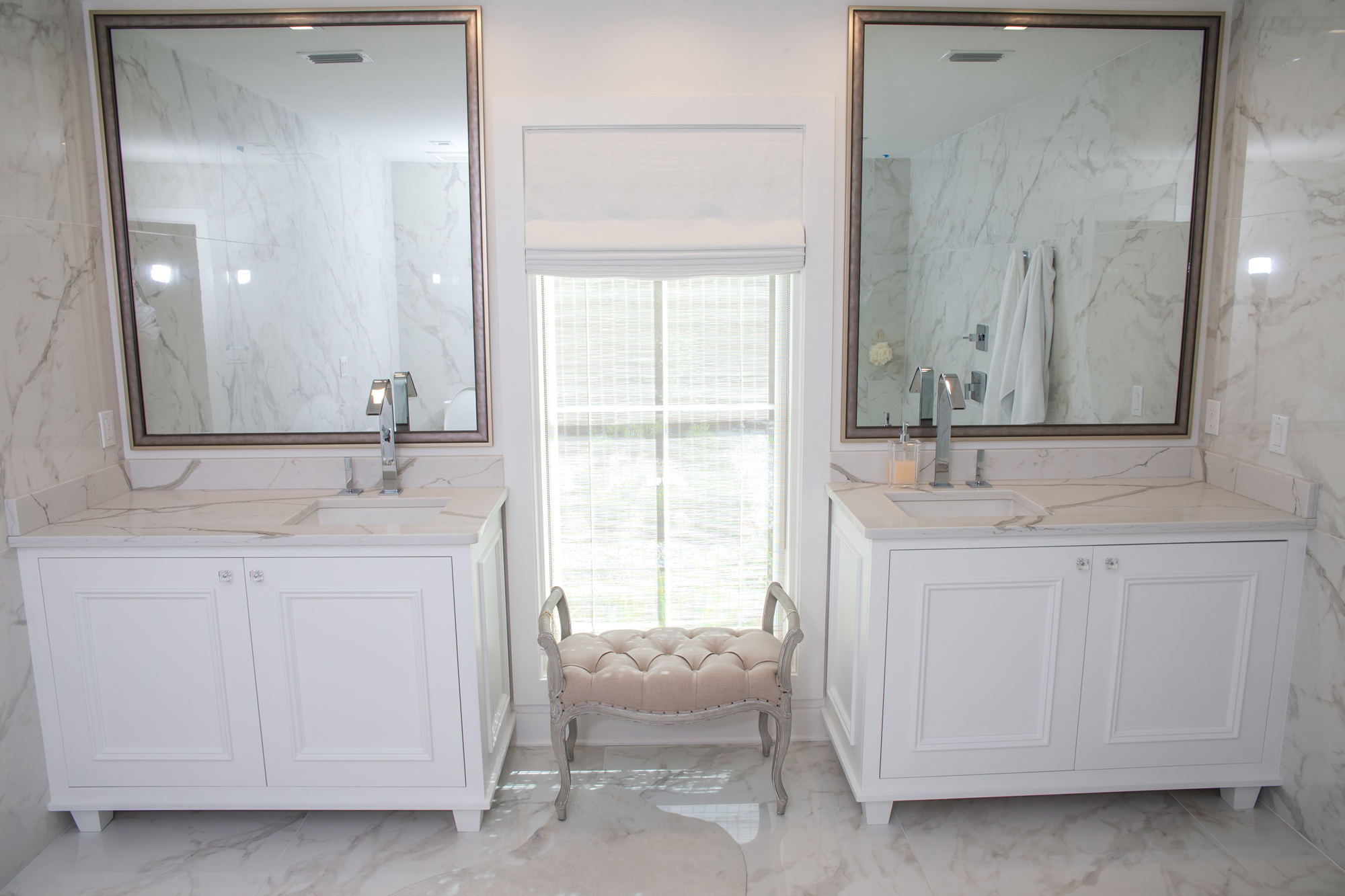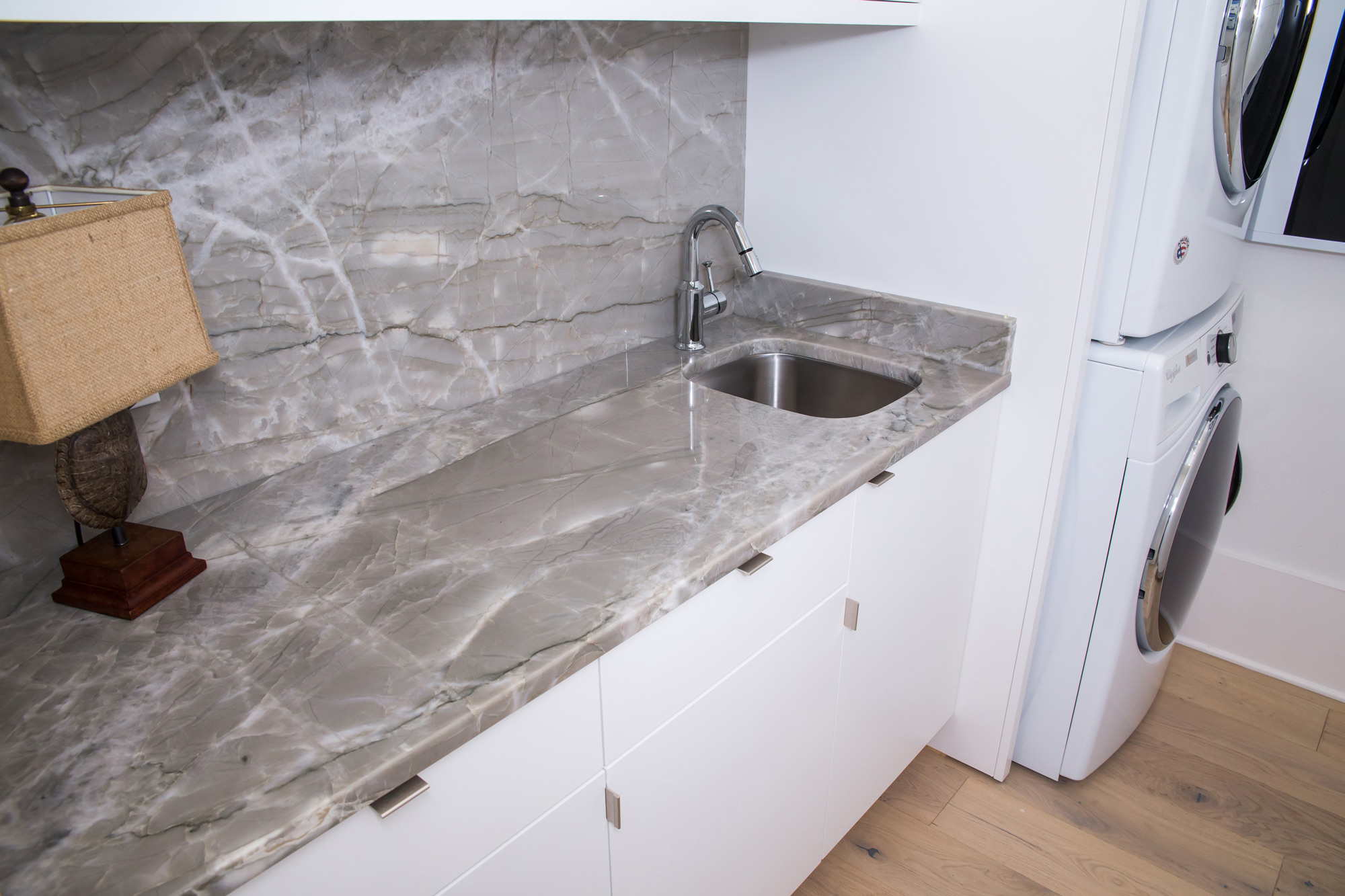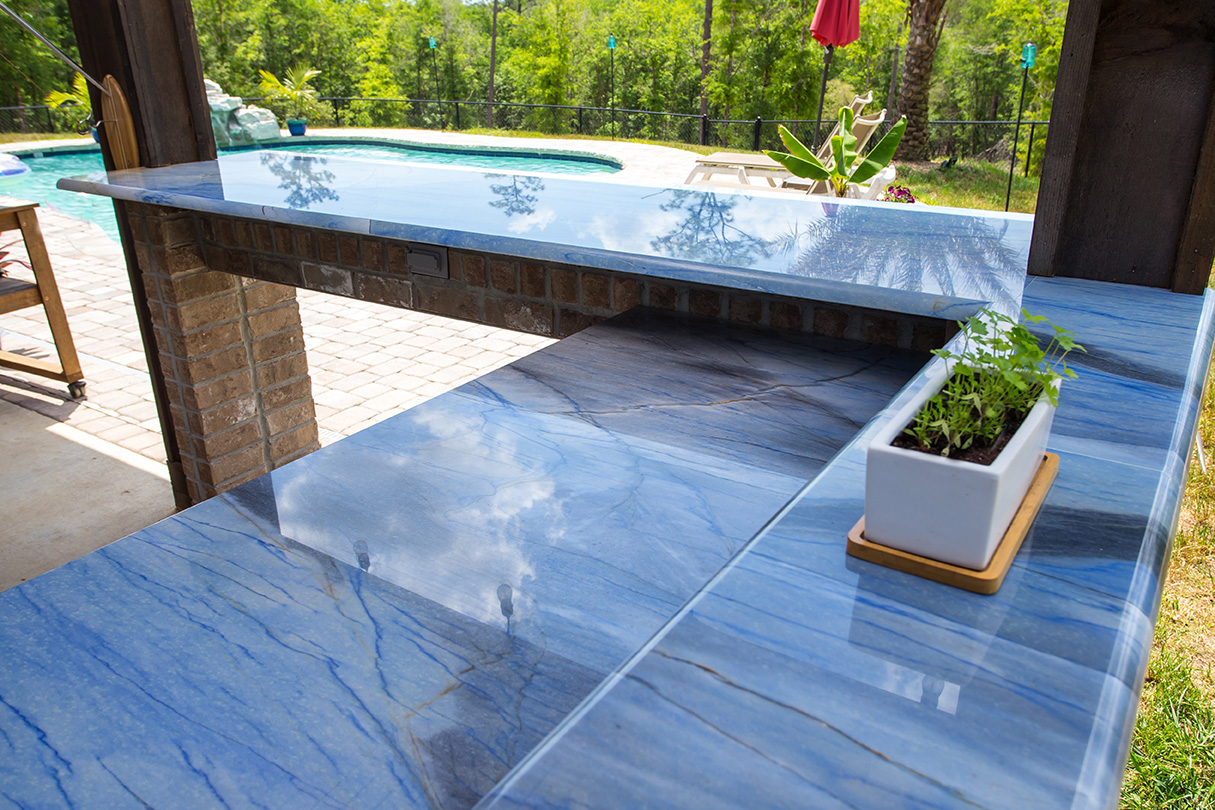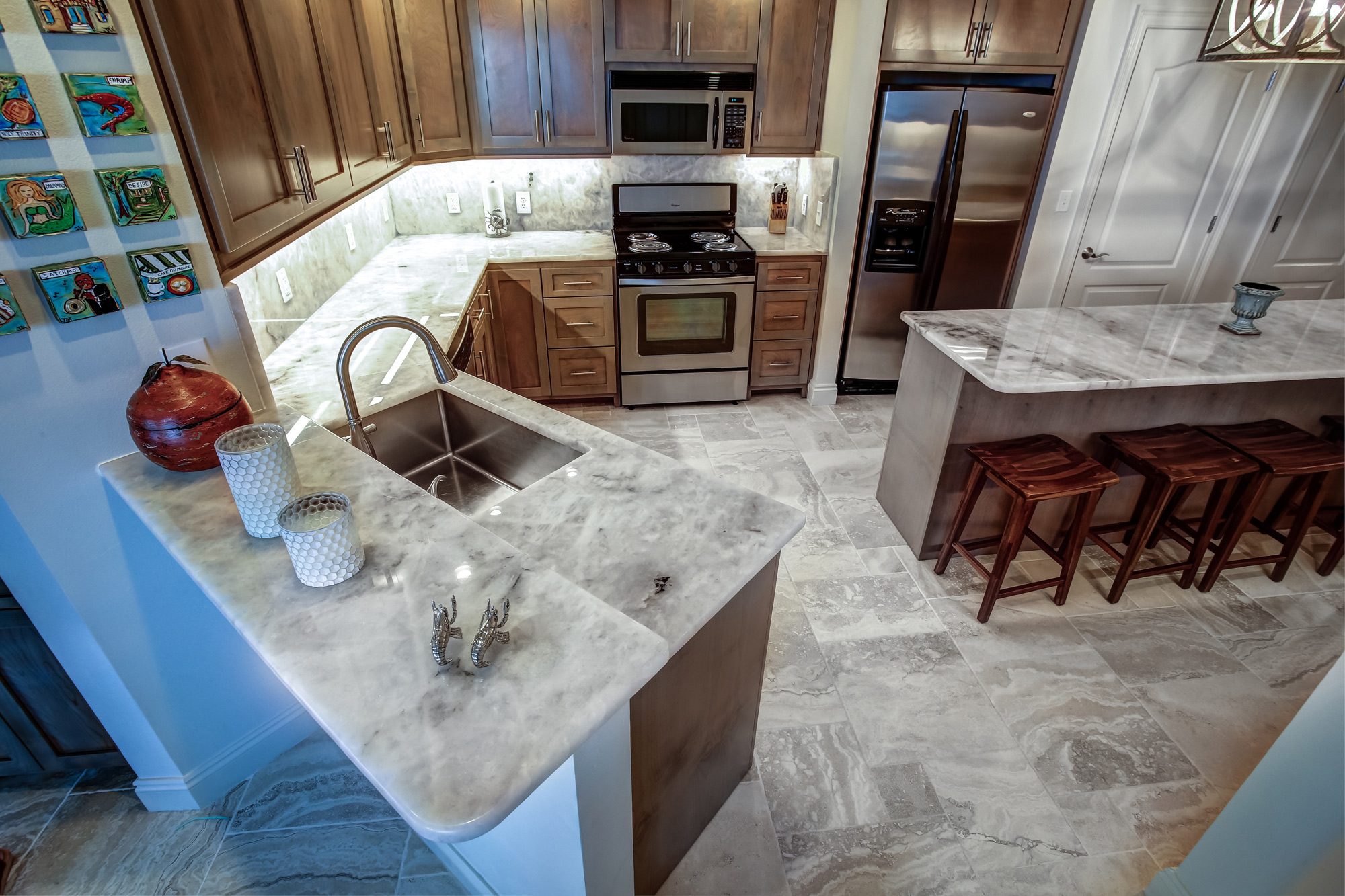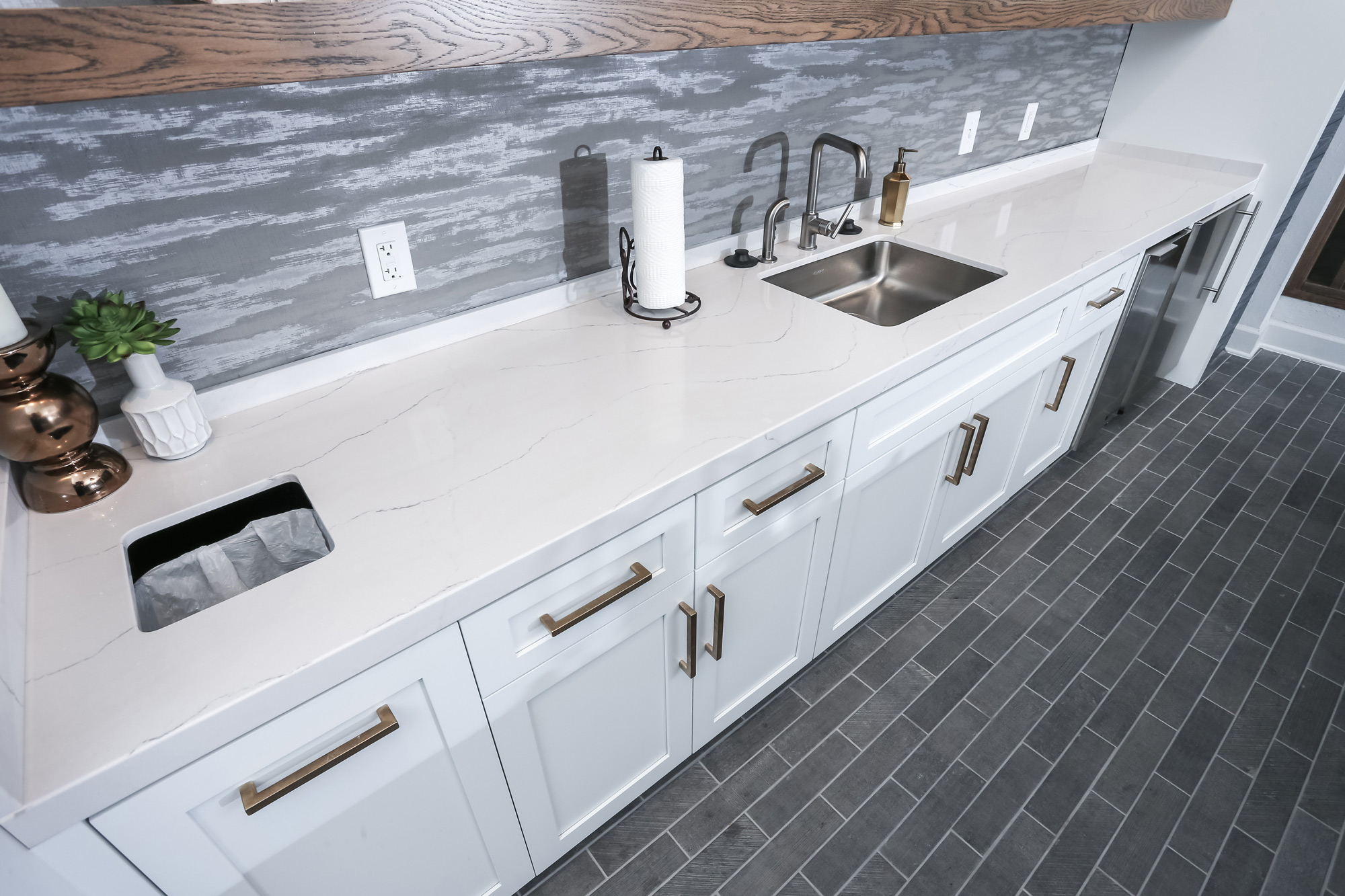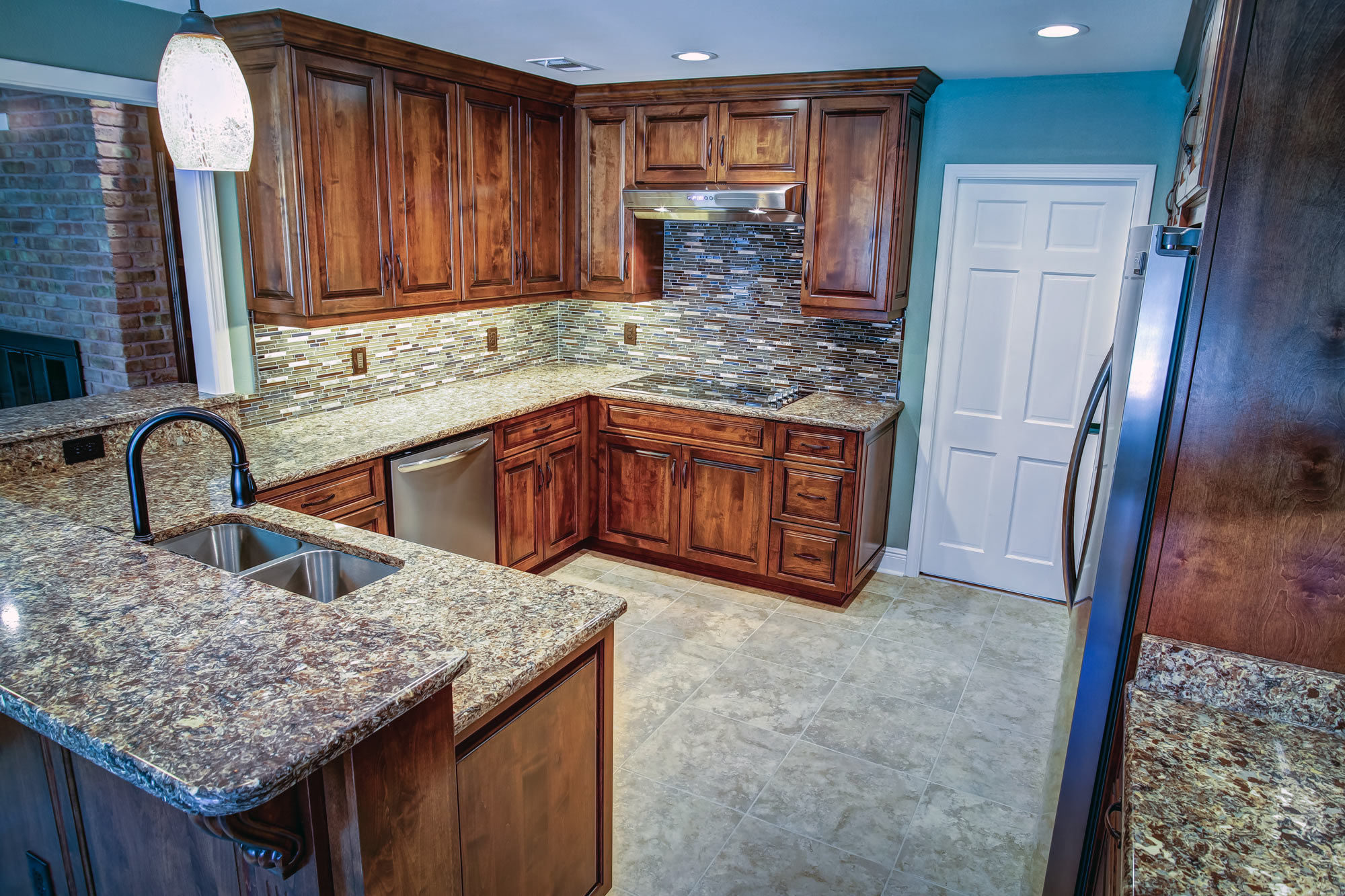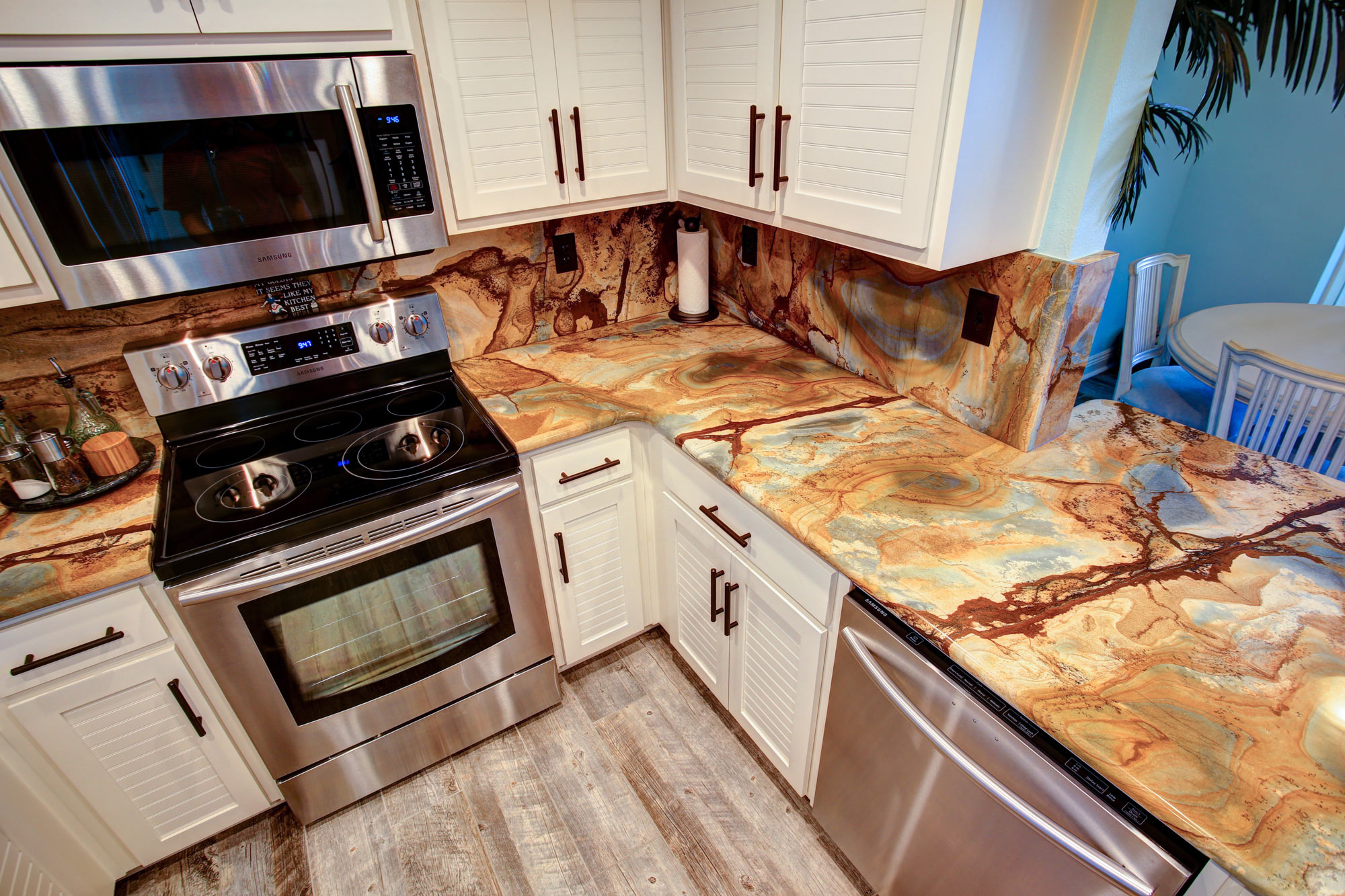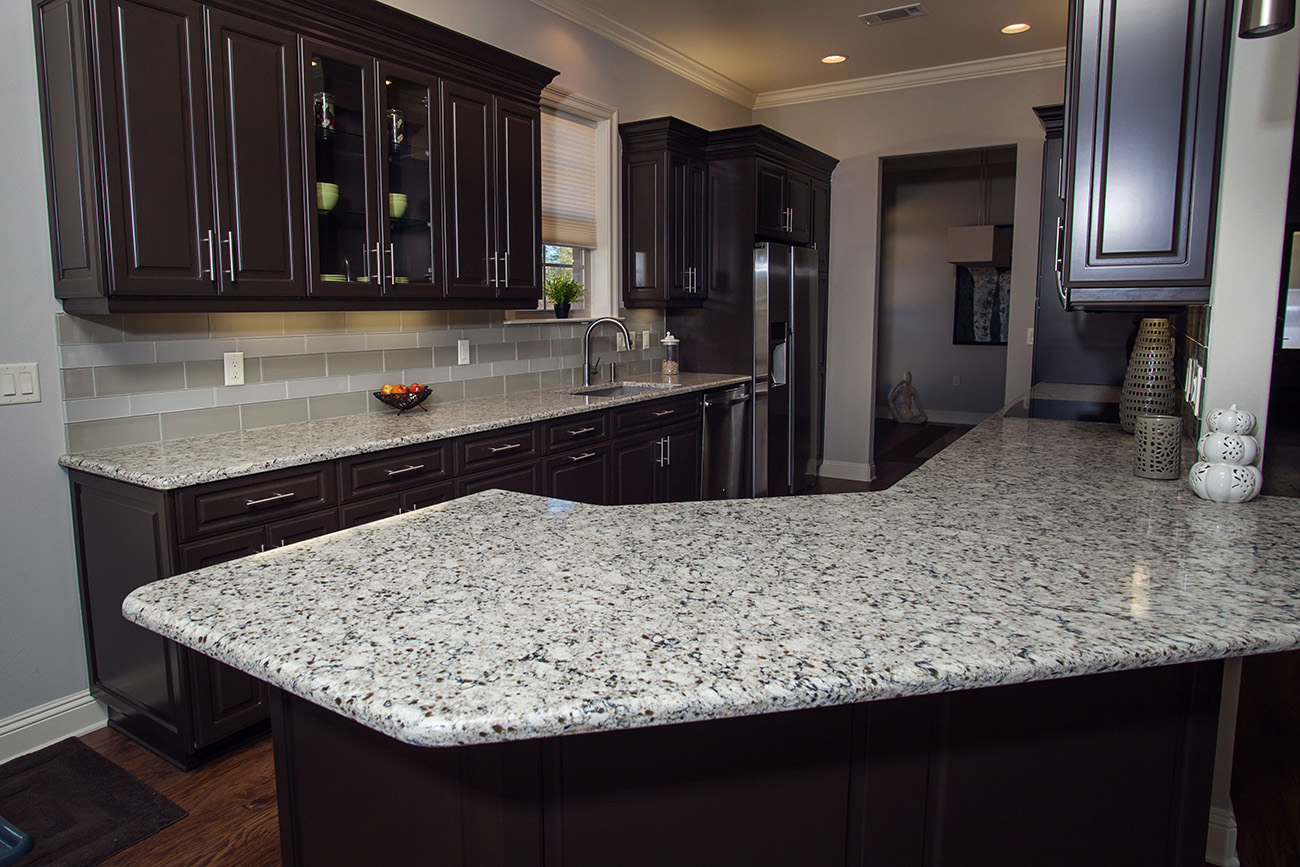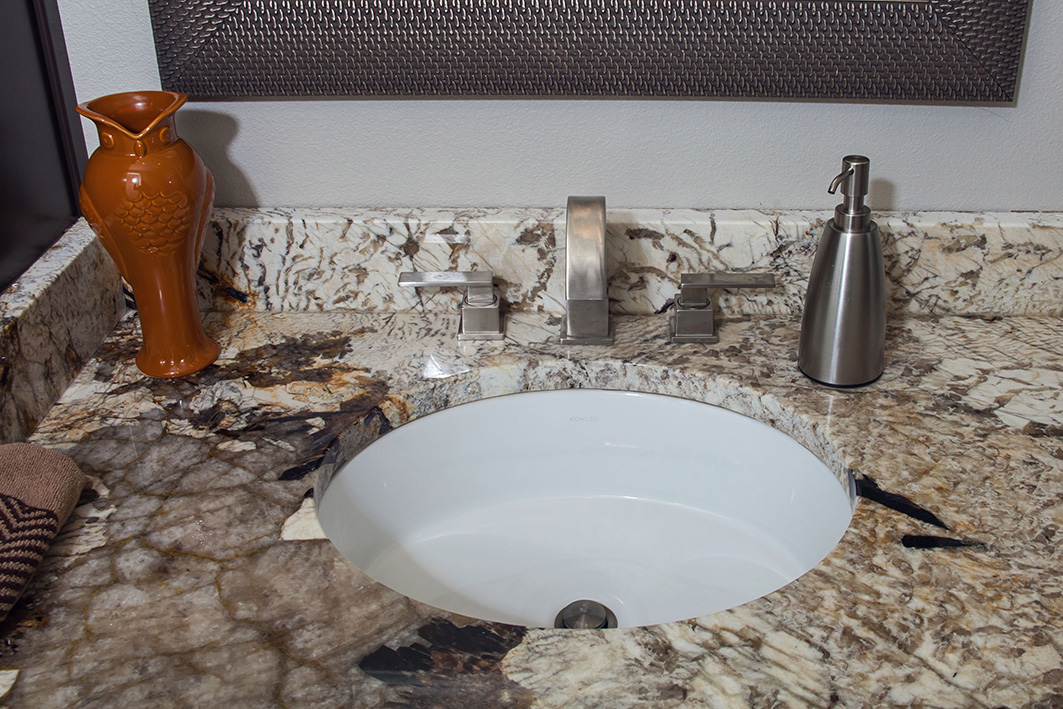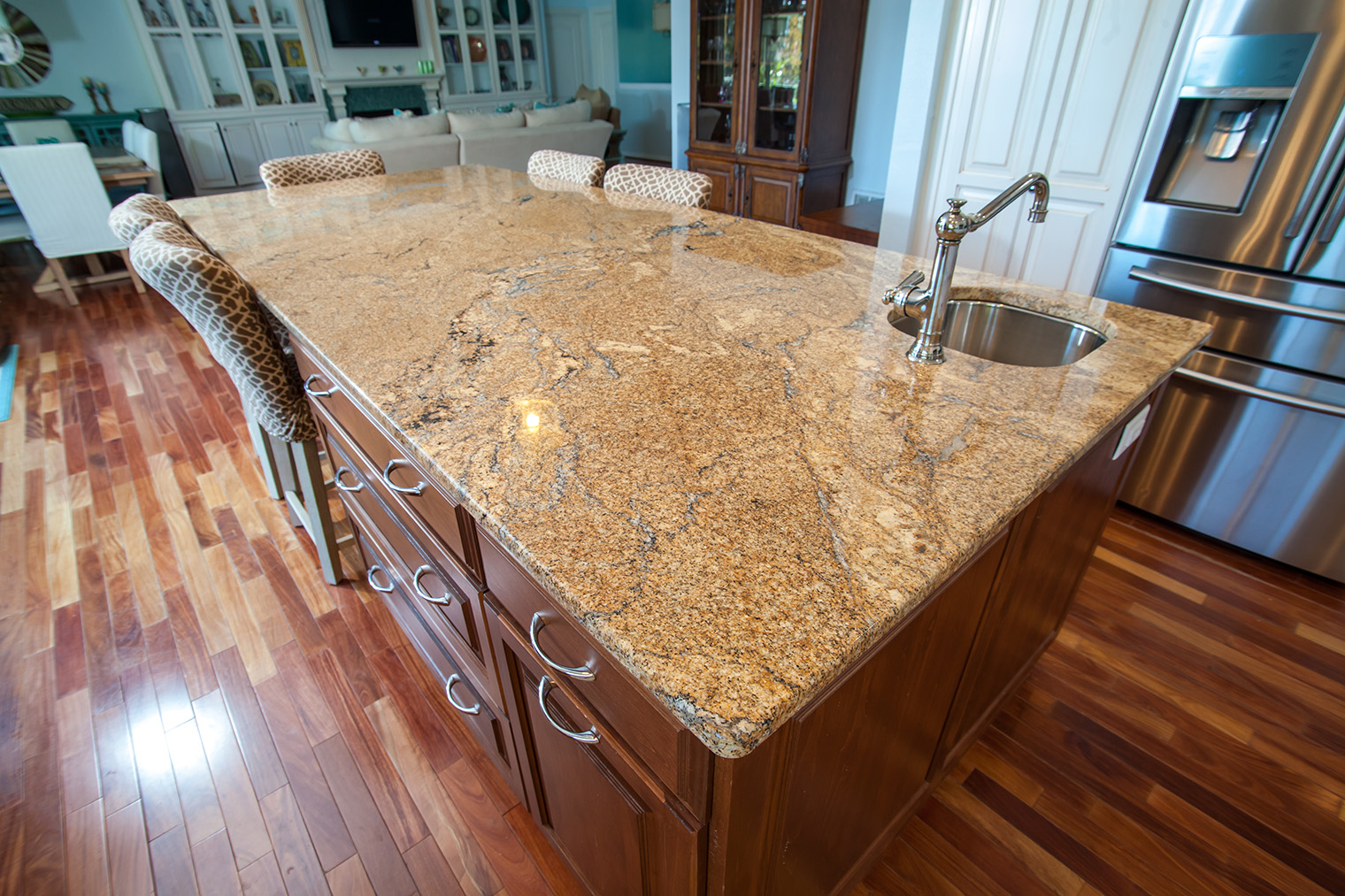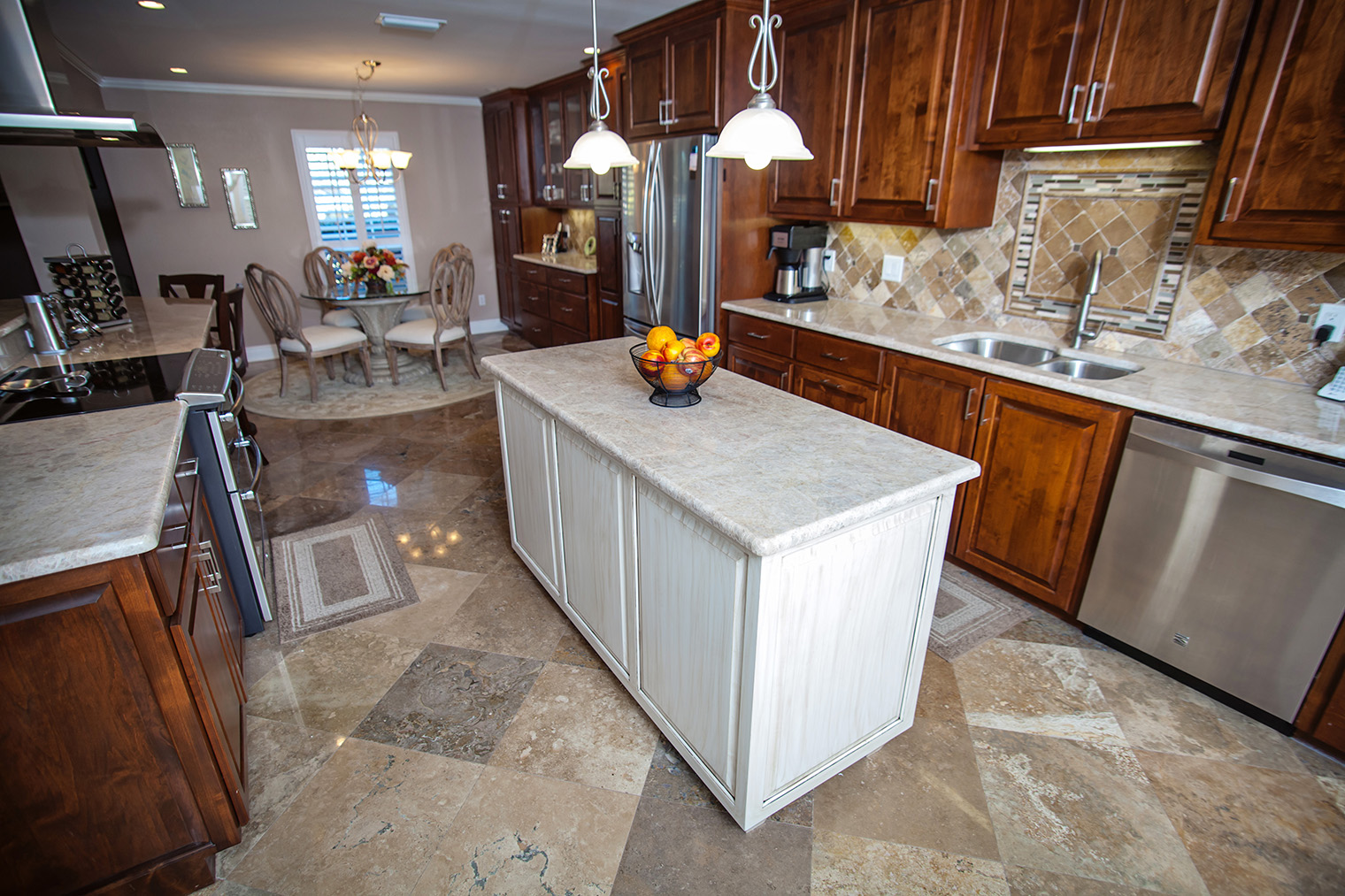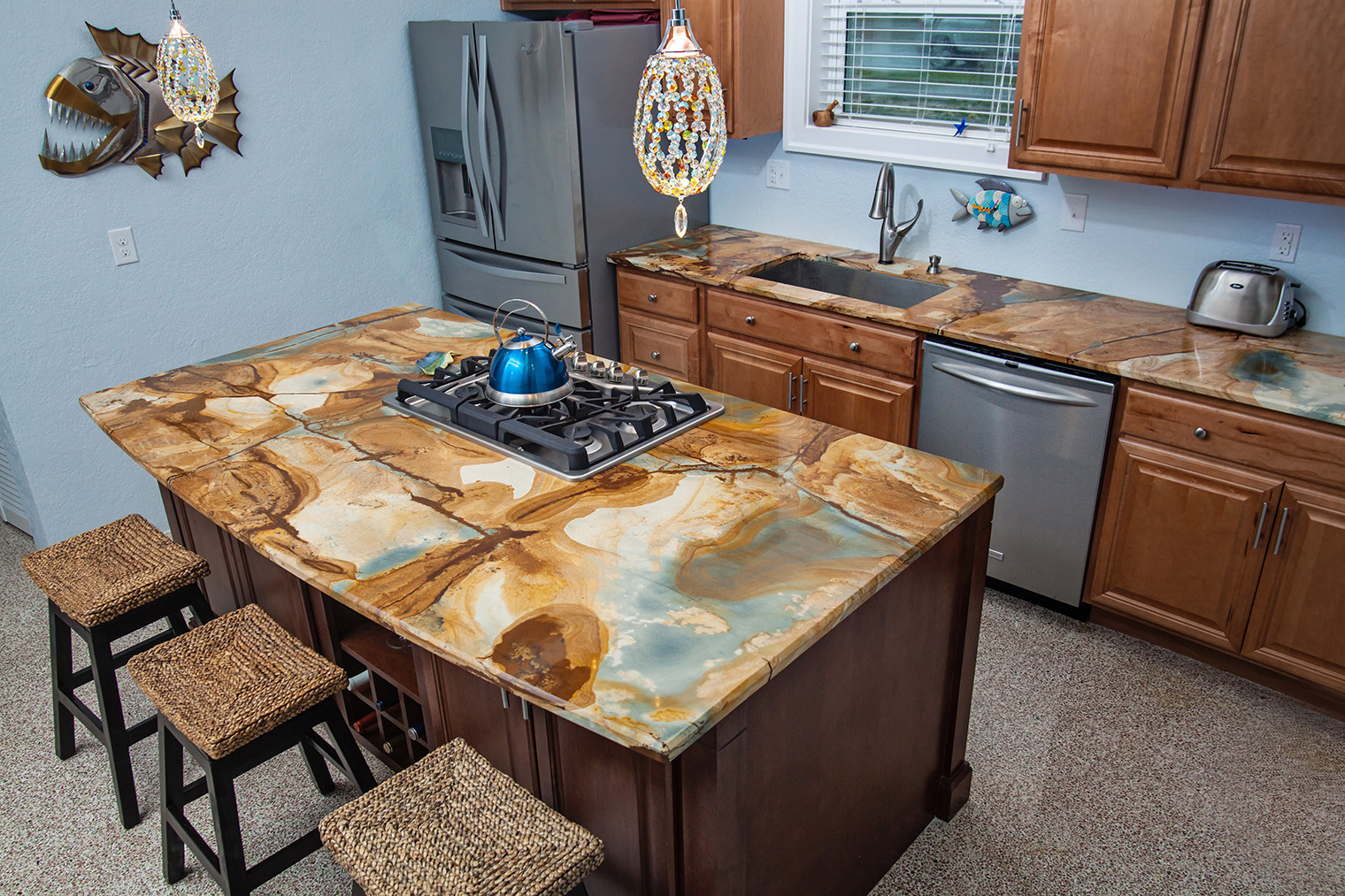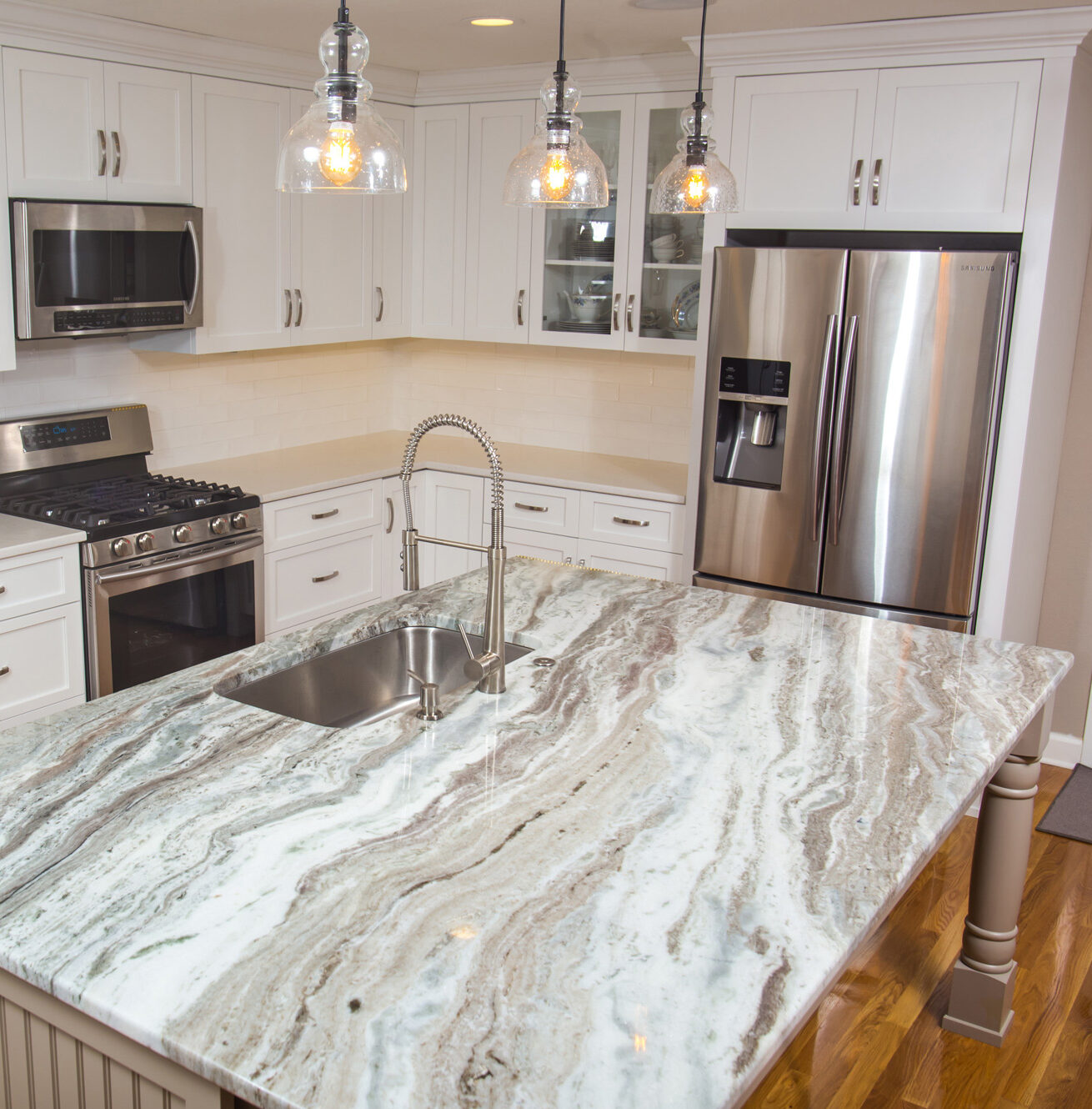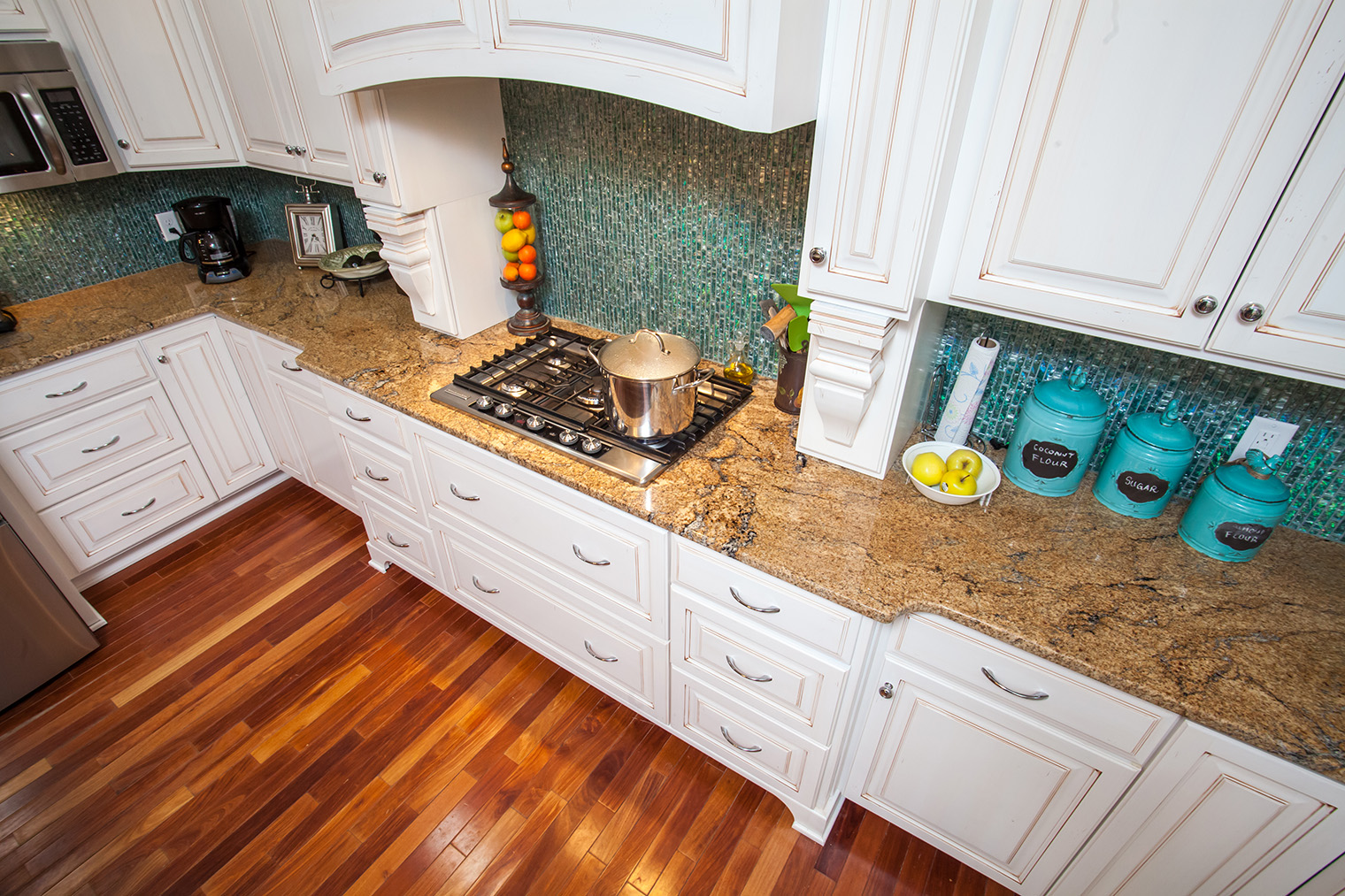
When it comes to designing an eco-friendly kitchen or bathroom, choosing sustainable stone countertops is one of the best decisions you can make. Whether you opt for natural stone countertops like granite, marble, and soapstone, or engineered options like quartz countertops, these materials offer durability, longevity, and a lower environmental impact than synthetic alternatives. Family-owned since 2005, Superior Granite operates three showrooms in Pensacola, Pace, and Fort Walton Beach, offering one of the largest selections of first-quality, 3cm materials in the Gulf Coast region.
Why Choose Sustainable Stone Countertops?
Sustainability in home design is more important than ever. As consumers become more environmentally conscious, the demand for green building materials continues to rise. Sustainable stone countertops contribute to a healthier planet by offering:
- Longevity and Durability: Reducing the need for frequent replacements, provided natural stones are routinely resealed according to their specific requirements.
- Natural Composition: Lowering the carbon footprint compared to synthetic materials.
- Recyclability: Many stones can be repurposed or reused.
- Minimal Chemical Processing: Reducing harmful emissions and waste.
1. Natural Stone Countertops Are a Renewable Resource
Granite, marble, and soapstone countertops are formed by natural geological processes over millions of years. Unlike synthetic materials, they don’t require extensive industrial processing, reducing their carbon footprint. While stone is not an infinitely renewable resource, responsible quarrying practices ensure that natural stone extraction is environmentally sustainable. Superior Granite strictly sources first-quality, 3cm materials to ensure maximum lifespan.

Many quarries today follow ethical sourcing and sustainable extraction methods, minimizing damage to ecosystems and ensuring that stone is responsibly harvested. Additionally, some manufacturers use reclaimed stone slabs, giving previously used materials a second life instead of extracting new ones.
2. Energy Efficiency in Manufacturing and Processing
Compared to engineered materials, natural stone countertops require minimal processing. Granite and marble countertops are cut from large slabs using state-of-the-art machinery and polished with minimal chemical treatments. To provide a completely seamless look, book-matched slabs are utilized. This makes them a healthier choice for indoor air quality, particularly for homes focusing on sustainable home design.
3. Quartz Countertops: A Low-Waste, Sustainable Choice
Quartz countertops are an excellent alternative for those seeking both durability and sustainability. These countertops are made using recycled quartz particles, which means less waste compared to quarried stone. Additionally, many quartz manufacturers implement low-emission production processes, reducing their overall environmental impact.
Key sustainability benefits of quartz countertops include:
- Use of recycled material reduces the need for new resource extraction.
- Energy-efficient manufacturing, using renewable energy sources.
- Non-porous surface, eliminating the need for harsh chemical sealants.
4. Durability Means Less Waste
One of the most significant environmental benefits of stone countertops is their longevity. Unlike laminate or wood surfaces, which require replacement every few years, high-quality stone countertops can last a lifetime with proper care. The longer a product lasts, the fewer resources are needed to manufacture, transport, and install replacements.
At Superior Granite, we offer premium countertops built for longevity. However, to maintain their sustainable beauty, proper care is required: while you can cut directly on granite (which will dull your knives but leave the stone unscathed), you should never cut directly on quartz, quartzite, porcelain, or softer natural stones like marble, calcite, and dolomite, as this can scratch or damage the surface. Additionally, while granite is almost impervious to heat, other choices require trivets or hot pads to prevent thermal damage.
5. Eco-Friendly Sealing and Maintenance
Unlike synthetic countertops that often require chemical sealants, natural stone countertops must be routinely resealed using safe methods depending on their specific material requirements to prevent staining and etching. However, they can be easily maintained with non-toxic, biodegradable cleaners like warm, soapy water (except for citrus scents or essential oil-based soaps).

For natural stone countertops, you can choose low-VOC sealants or silicone impregnators that are environmentally friendly. Note that granite should be sealed annually, while quartzite, dolomite, calcite, and marble require semi-annual sealing. Quartzite specifically benefits from a water-based sealer once a month for the first three months, followed by a silicone-based sealer semi-annually.
6. Locally Sourced Stone Reduces Carbon Footprint
Choosing locally sourced stone from Superior Granite helps reduce the environmental impact associated with transportation. Imported stones require extensive shipping, often leading to higher carbon emissions. By selecting domestic or regionally sourced granite, quartz, or marble countertops from one of our three Gulf Coast showrooms, you contribute to a more sustainable supply chain while supporting local businesses.
7. Recycling and Reusing Stone Countertops
Unlike many other countertop materials, stone countertops can be repurposed and recycled in various ways. Old slabs can be cut and reshaped for use in fireplace surrounds, outdoor kitchens, or flooring tiles. Some manufacturers even incorporate recycled stone remnants into new designs, reducing overall waste.
8. Health Benefits of Natural Stone Countertops
In addition to their environmental benefits, natural stone and quartz countertops contribute to a healthier home environment. Many synthetic materials contain formaldehyde, resins, and other harmful chemicals that can off-gas over time. In contrast, stone surfaces are free from these toxic substances, ensuring a safer space for you and your family. Furthermore, non-porous options like quartz and porcelain do not harbor bacteria, making them exceptionally hygienic.
Make the Sustainable Choice with Superior Granite
At Superior Granite, we are committed to offering sustainable stone countertops that enhance your home’s beauty while prioritizing environmental responsibility. Whether you choose granite, marble, soapstone, quartz, quartzite, dolomite, porcelain, calcite, or limestone countertops, you can trust that our products are sourced and crafted with sustainability in mind.
By investing in eco-friendly countertops, you’re making a conscious decision to protect the environment while adding timeless elegance to your space. Explore our collection today and find the perfect sustainable countertop for your kitchen or bathroom.
Ready to Go Green?
If you’re interested in natural stone countertops that are as eco-friendly as they are stunning, visit Superior Granite and discover a range of sustainable, high-quality options. Contact us today to learn more about how our countertops can elevate your home while reducing your environmental footprint.