Granite – the Earth’s Oldest Building Material

Granite is formed from liquid magma, molten rock which originates from the core of our planet. It is molten rock which has cooled down slowly to form a substance approaching the hardness and durability of a diamond. Granite is an igneous rock, the name reflecting its fiery beginnings. The chemical composition of granite is similar to that of lava. However, granite owes its hardness and density to the fact that it has been solidified deep within the earth, under extreme pressure. Over the eons, seismic activity has changed the crust of the planet, forcing veins of granite to the surface. Glaciers scrape off layers of dirt, sand and rock to expose granite formations. Typically revealed by outcrops, the deposits have been discovered on all the continents.
Composition
Many varieties of the stone exist. While they differ in color, texture and crystalline structure, the granites have three essential minerals in common:
- Feldspar (50% or greater)
- Quartz (25-40%)
- Mica (3-10%)
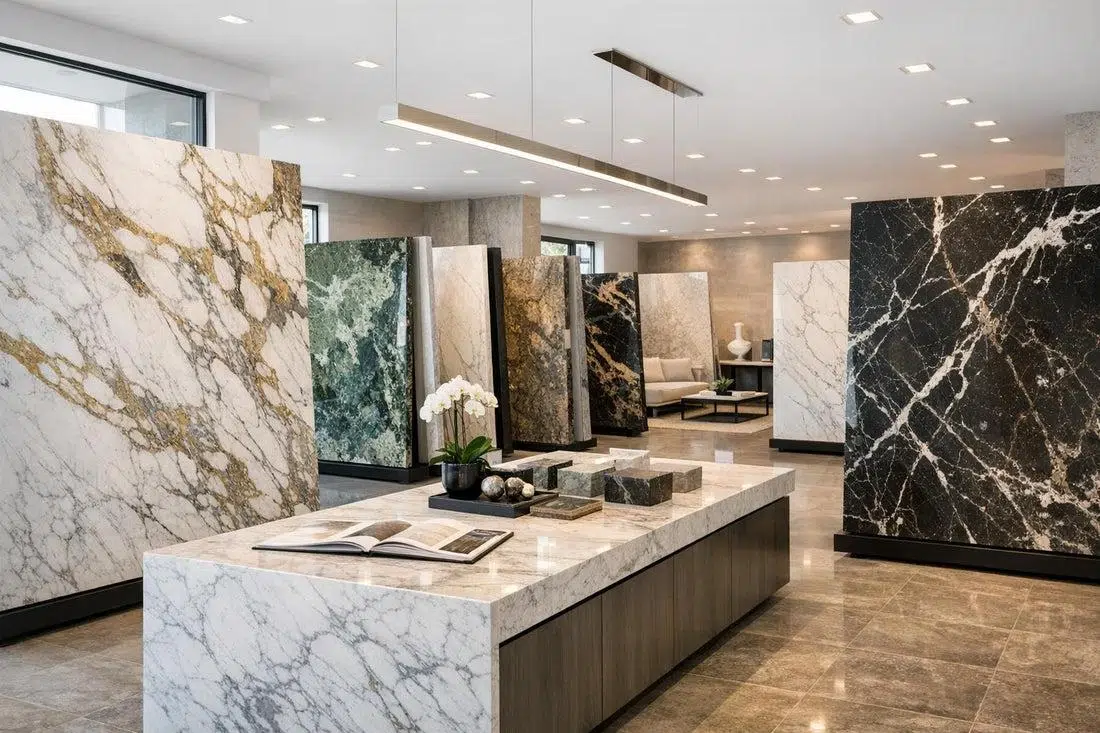
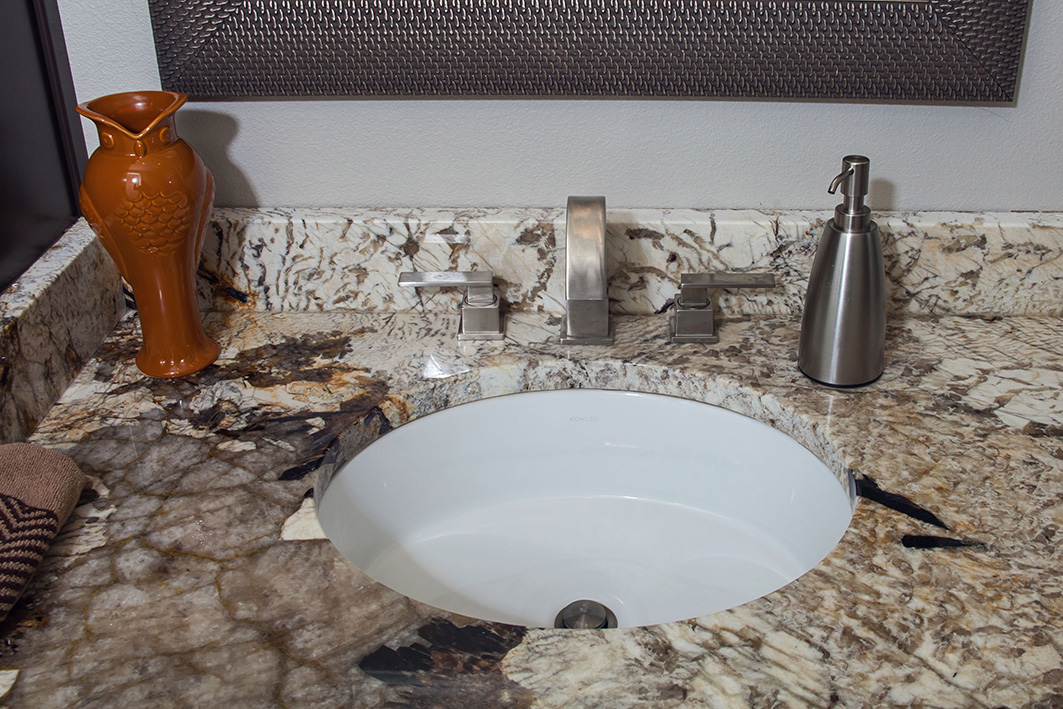
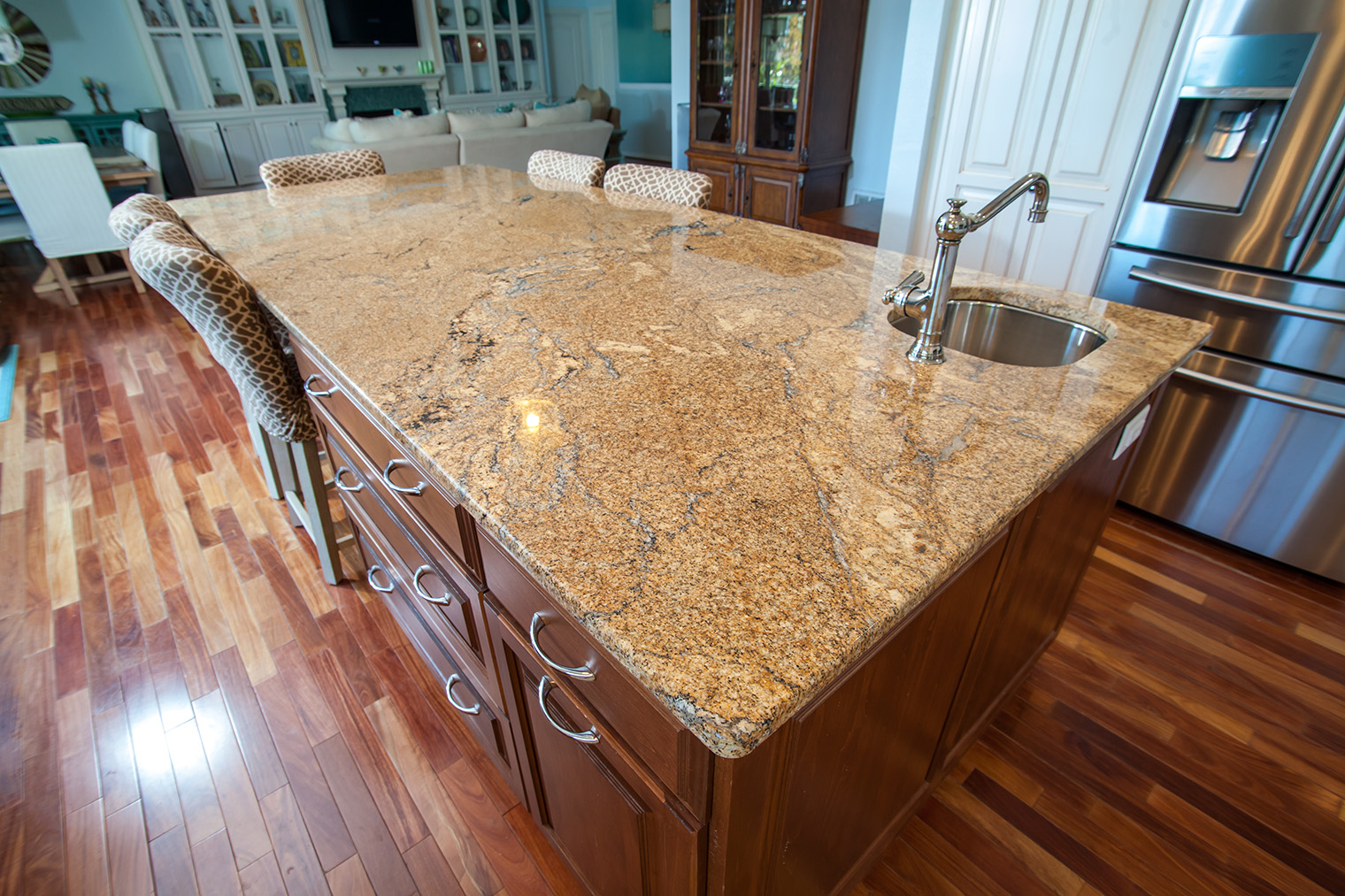
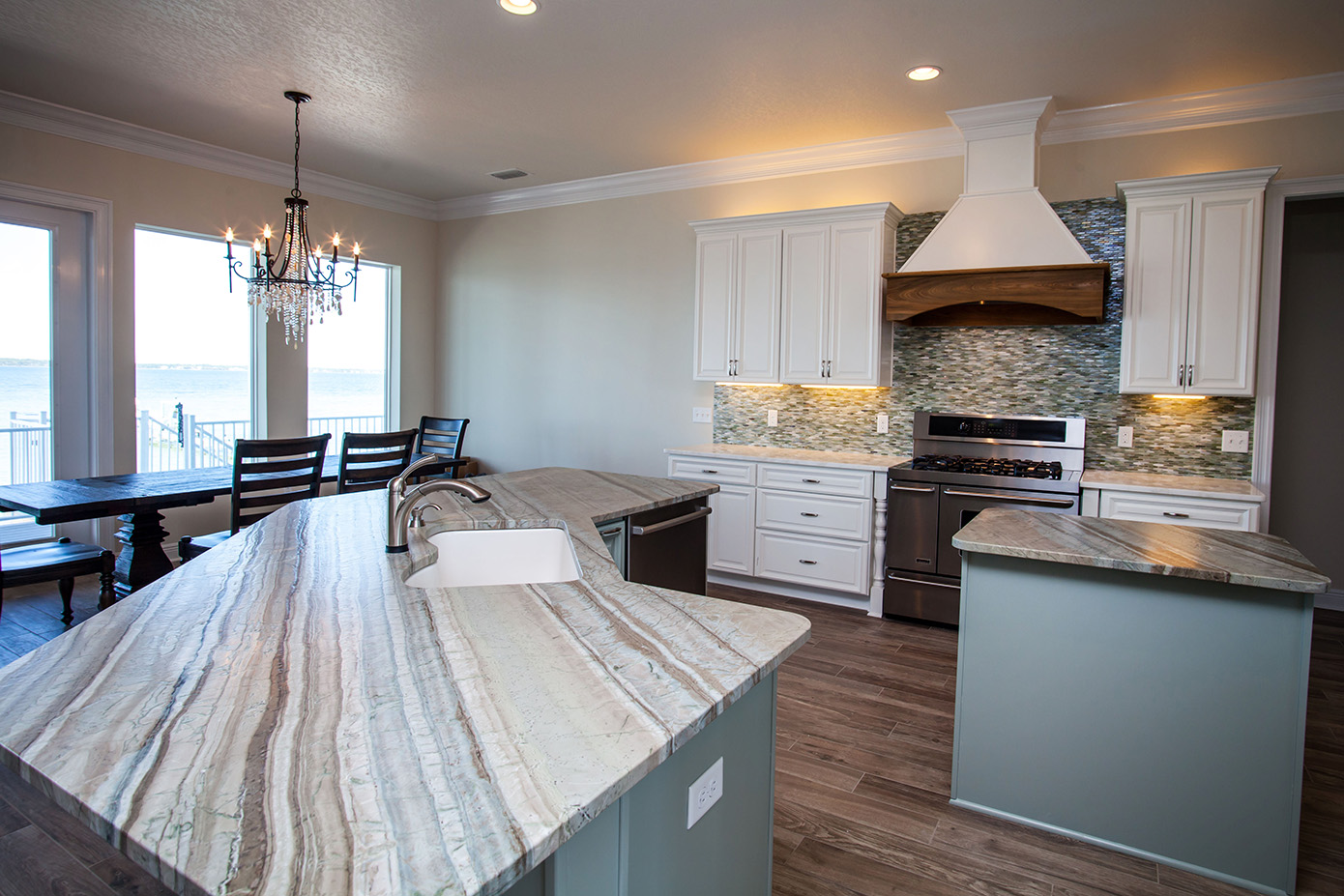
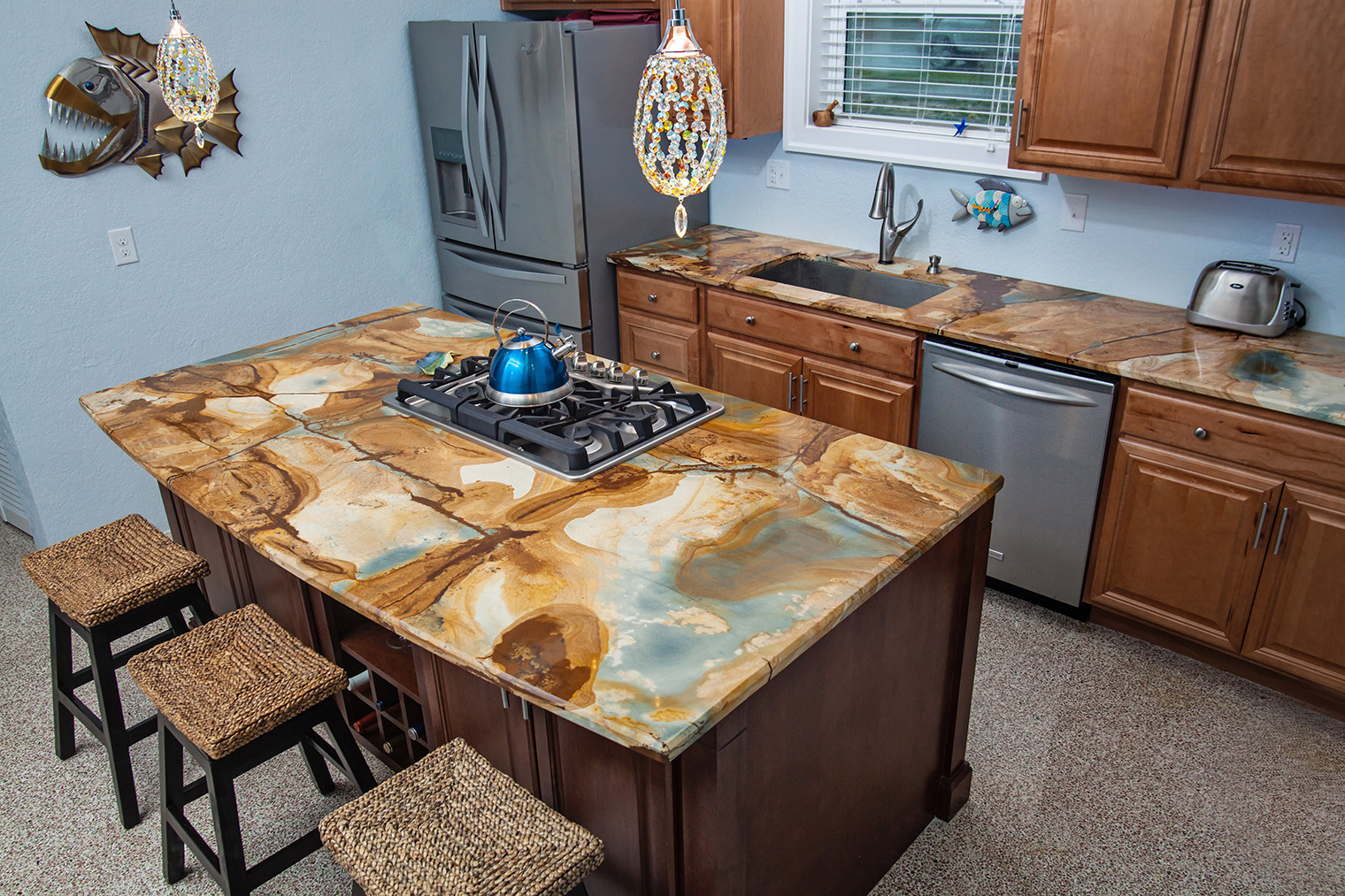
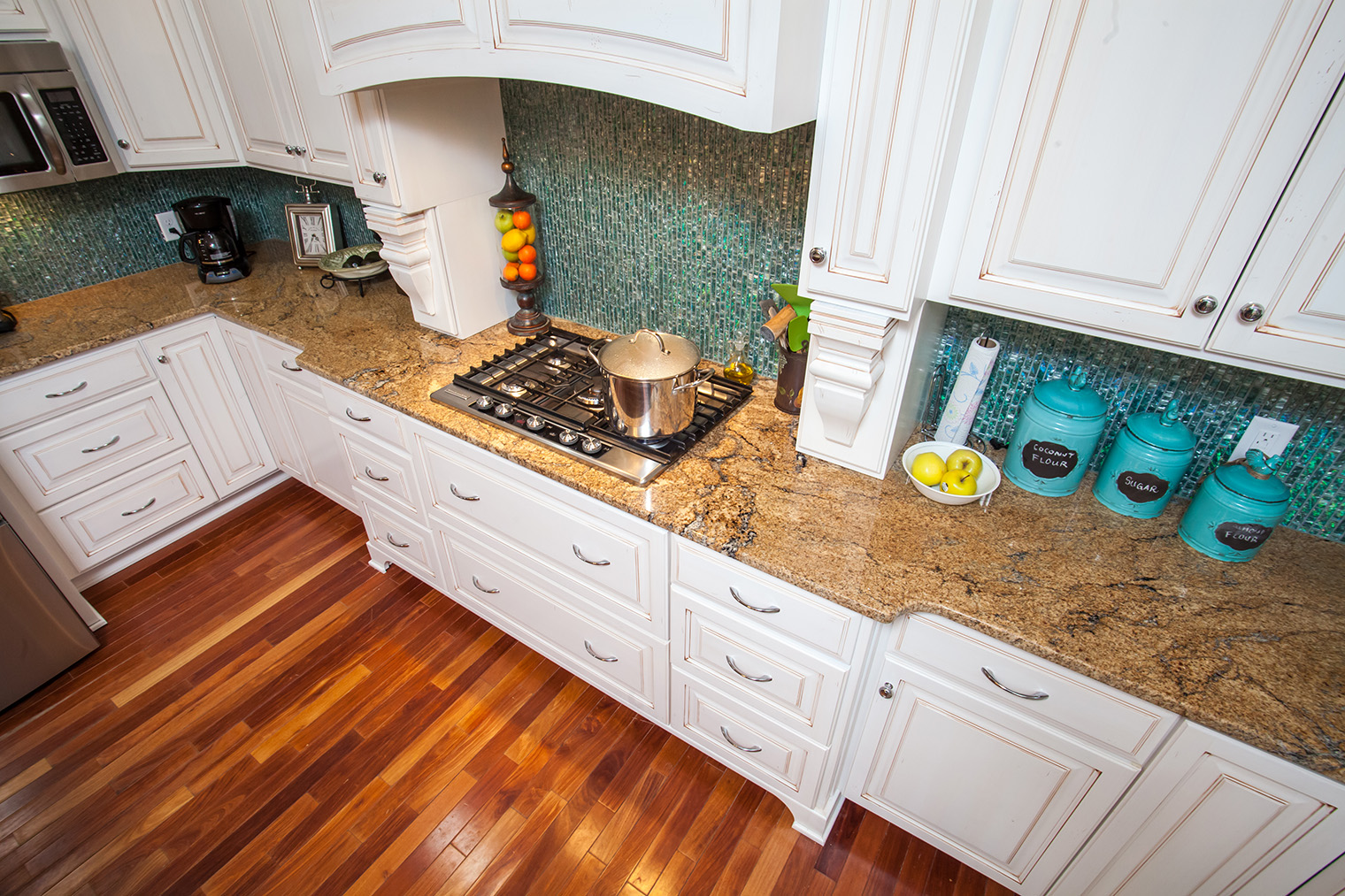
These minerals occur in different proportions, giving each granite its own color, texture and structural characteristics. In addition, hornblende, magnetite, hematite, pyrite, zircon, garnet, corundum and other minerals may be present in smaller amounts, adding to the unique coloration and texture of each granite deposit. In supplying granite for a large building or a complex of buildings, it is essential that the stone be consistent in color and texture. To assure this, each granite color must be quarried from the same deposit. With natural material like granite, a certain amount of “movement” or grain in the stone must be expected. Many people find this flow and blending of colors to be the most compelling reason for using granite.
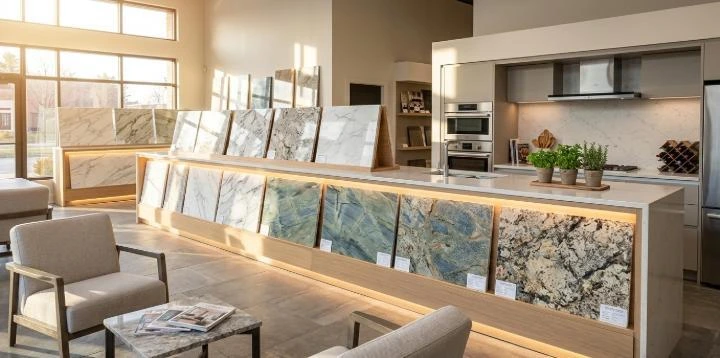
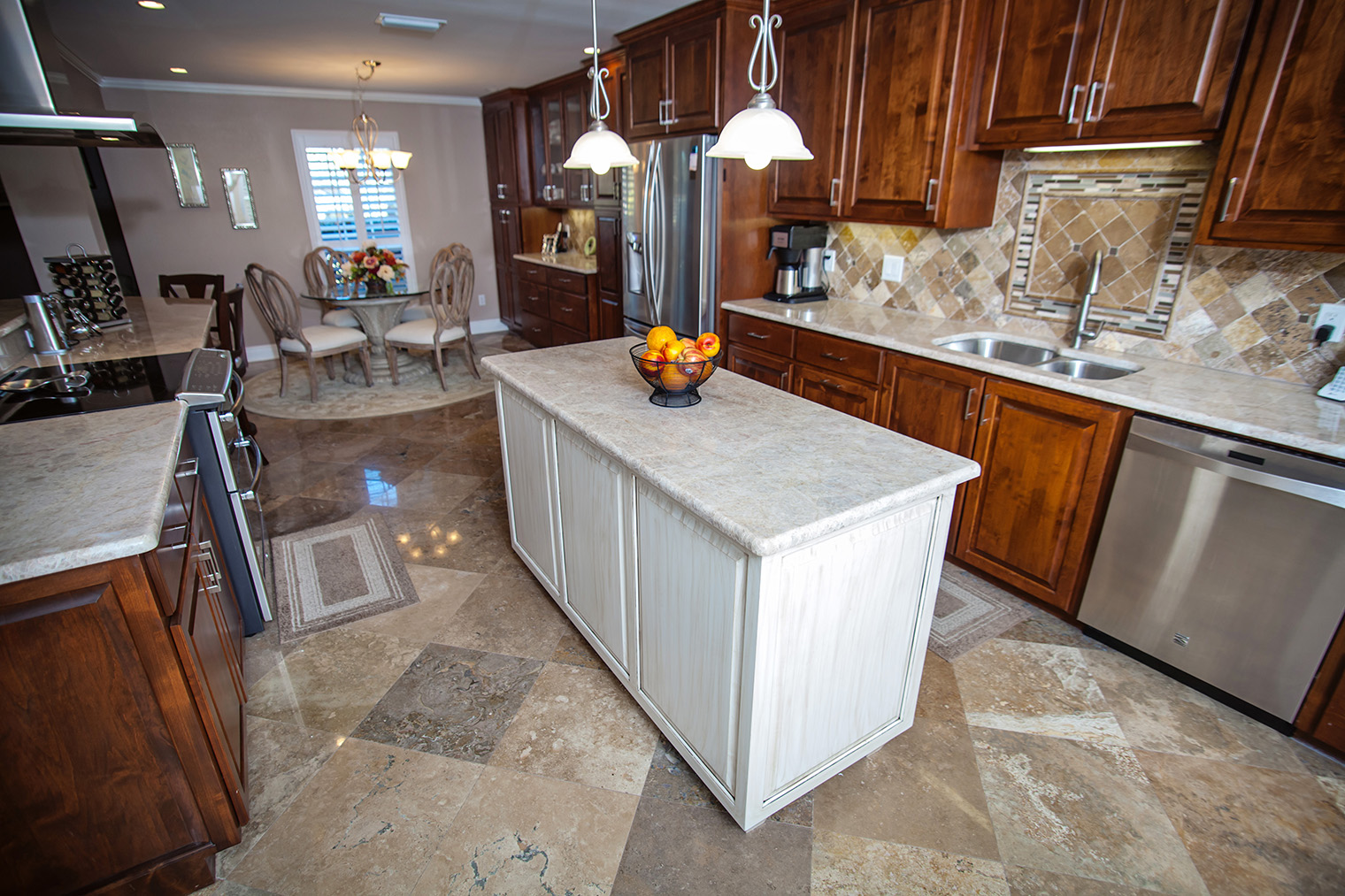
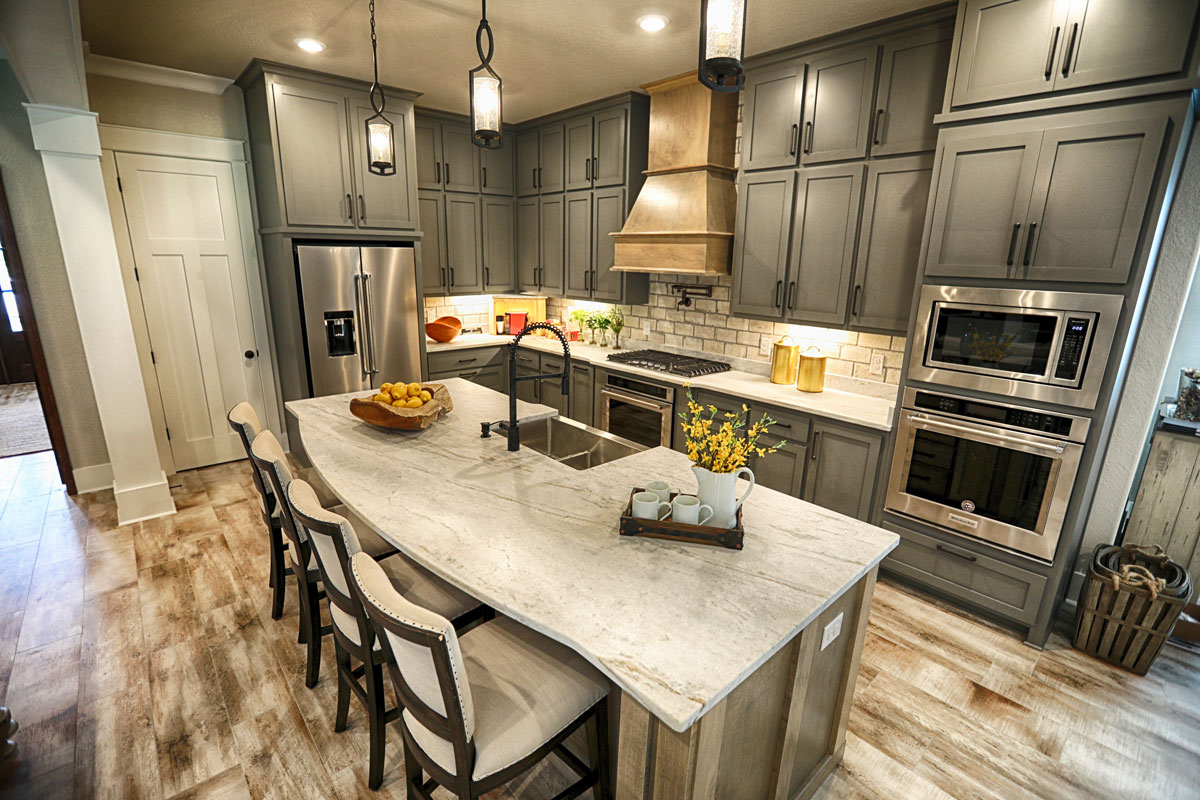
One of the earth’s oldest building materials, granite is a type of igneous rock composed mostly of natural quartz, feldspar, and mica as well as a plethora of other minerals and crystals. It forms from magma underground and slowly cools to solidify into the material quarried. Granite primarily consists of very dense rock which lends to its incredible durability and strength. Granite slabs tend to have both speckles and chunks of beautiful iridescent minerals with a myriad of patterns and movement. Rating a 6 or 7 on the Mohs hardness scale, granite is far less porous than its softer counterparts and can be used in both indoor and outdoor applications. Superior Granite has the largest inventory on the Panhandle with colors and patterns at every price point.