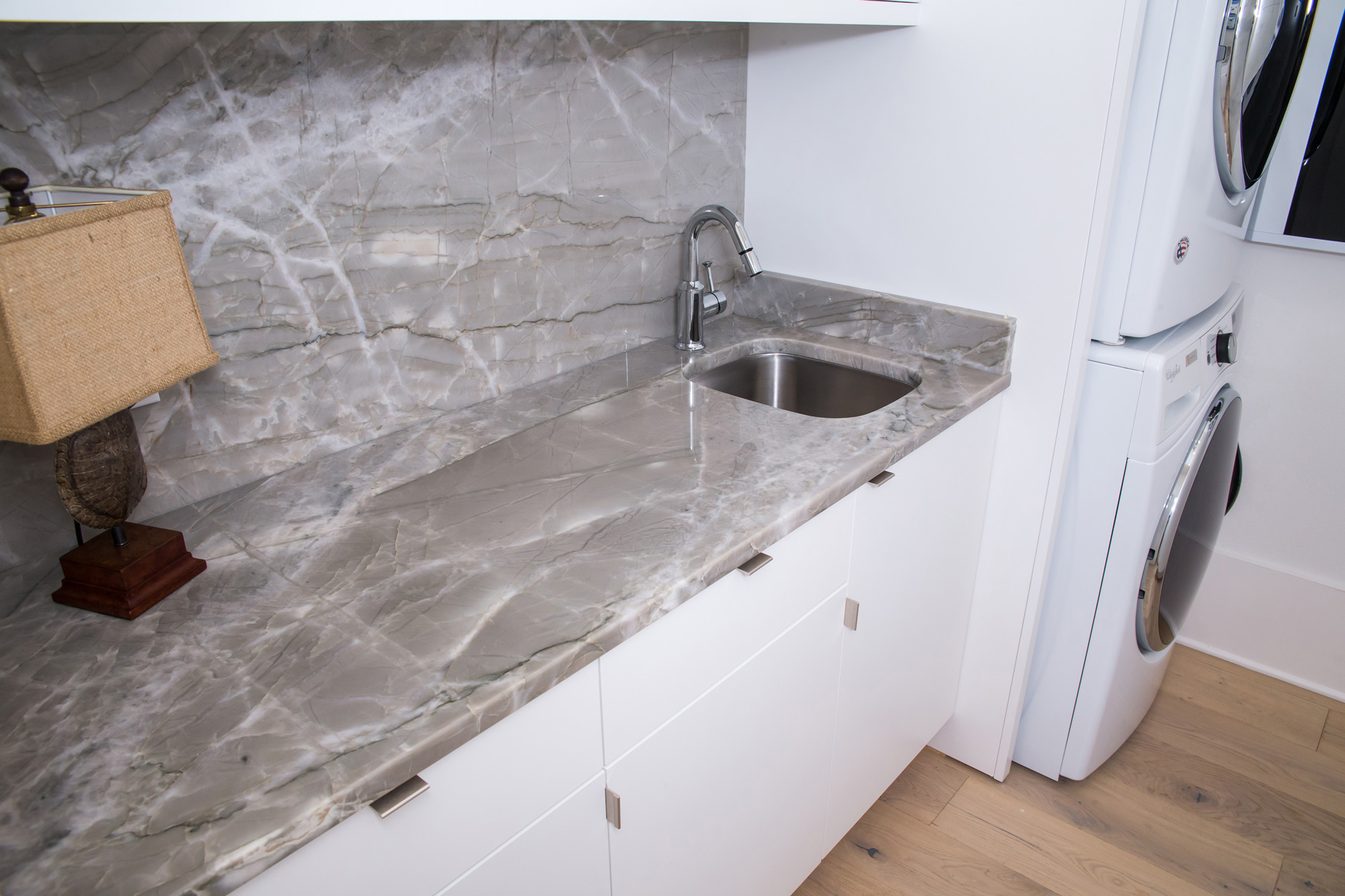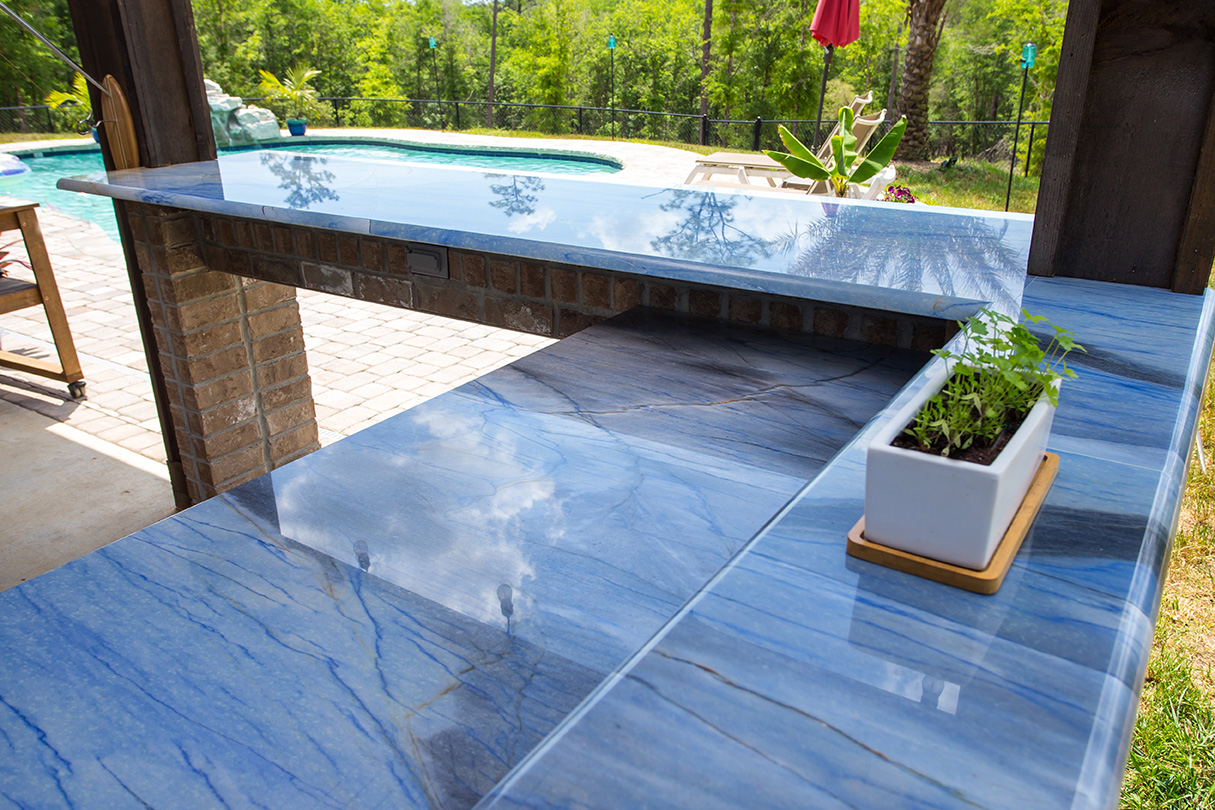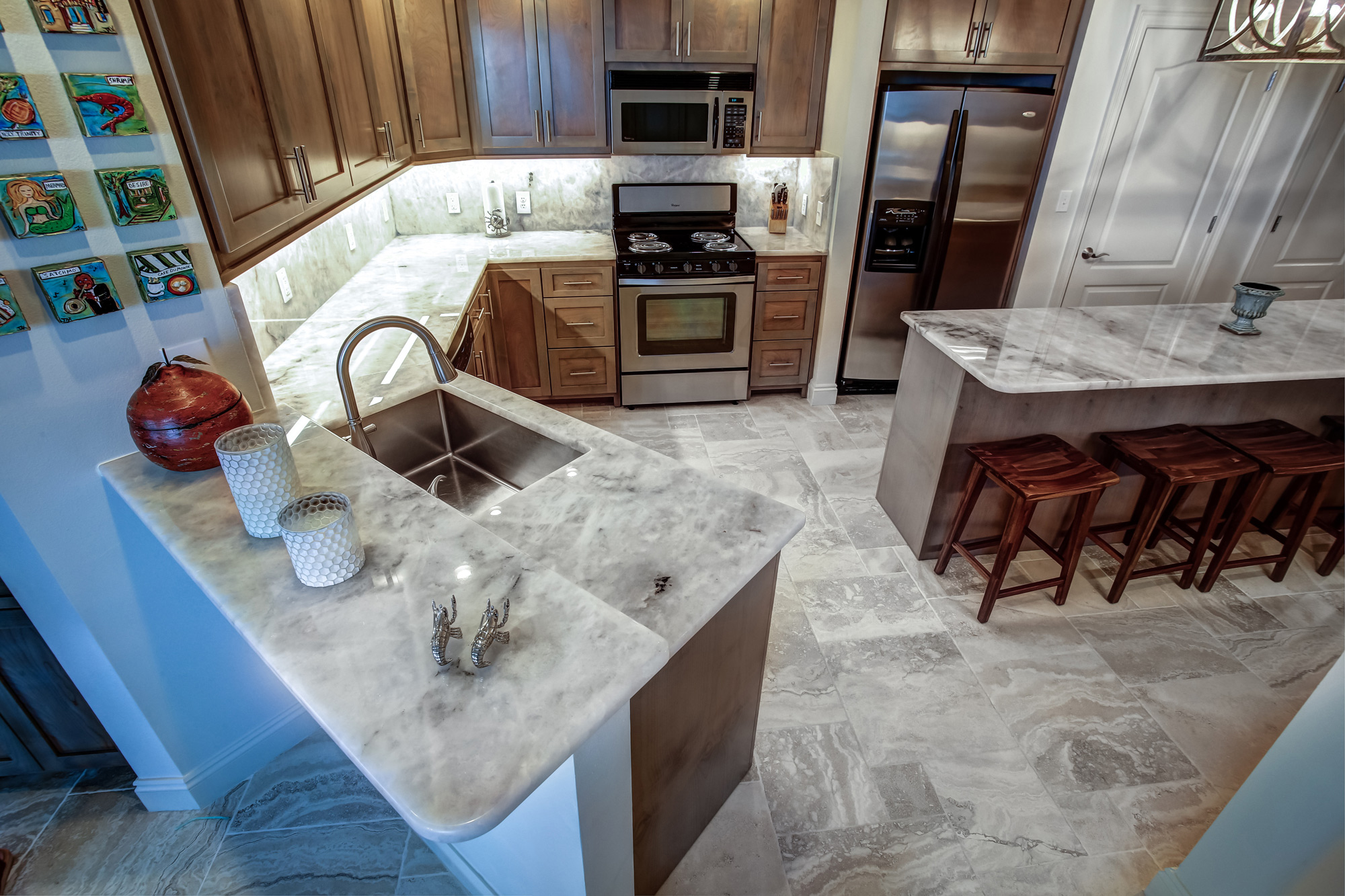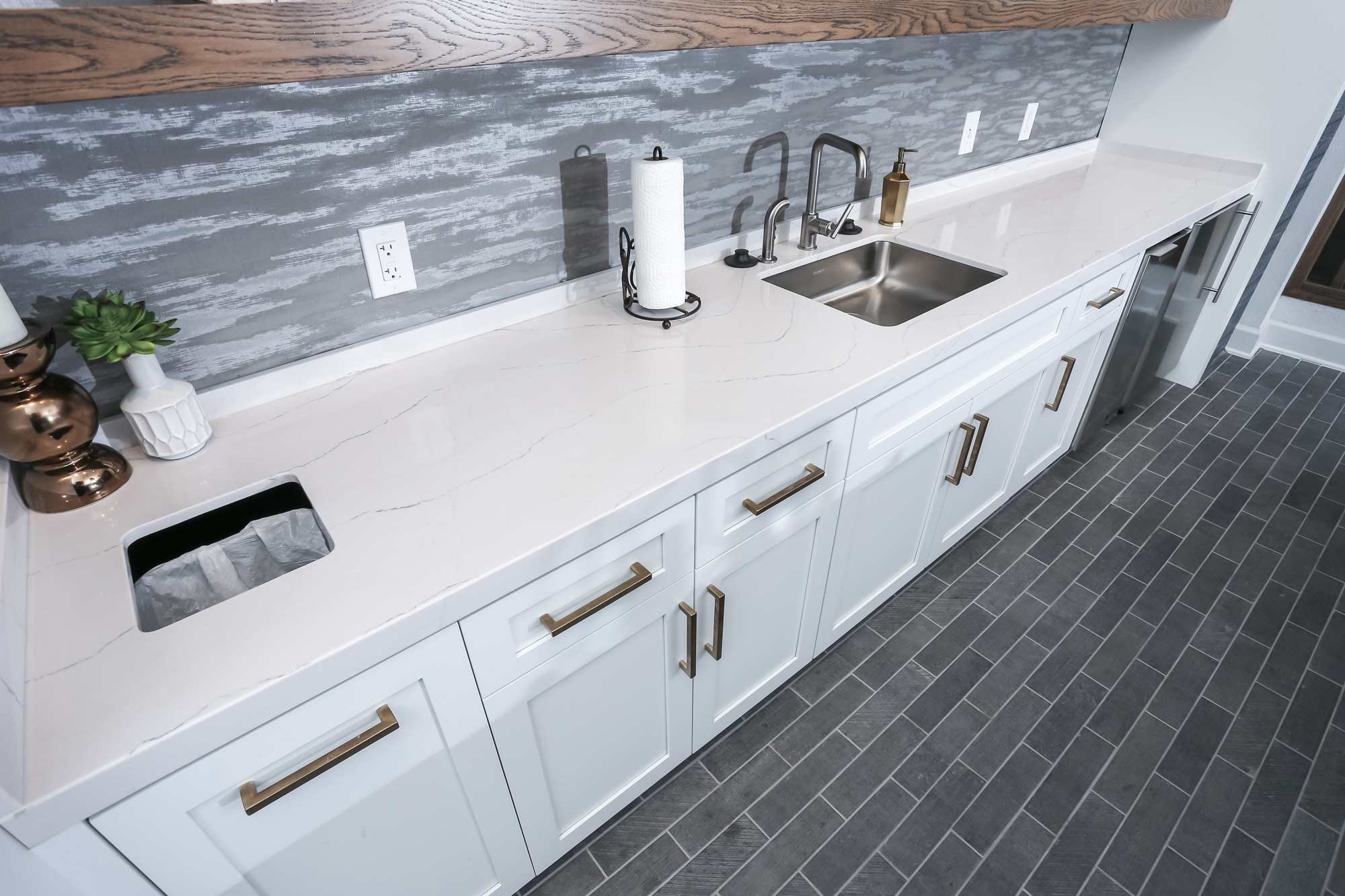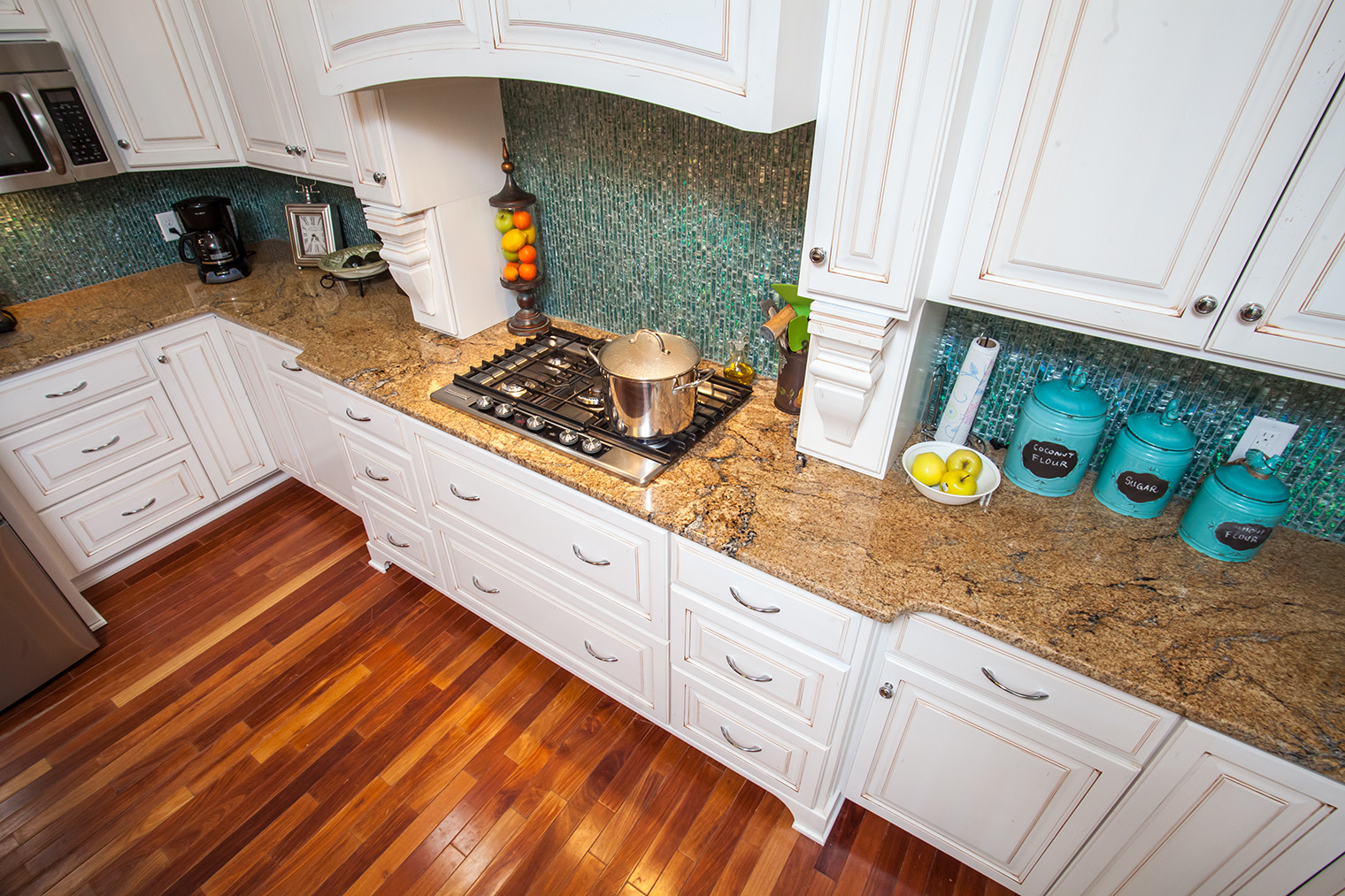
If you want your countertop to be the star of the kitchen, bold veining is usually the better match. If you want a calm surface that lets the cabinets and backsplash take the lead, subtle movement is the safer pick. The right choice depends on your kitchen, the stone, and how much attention you want the surface to draw. This guide explains the difference, shows how each look works in granite, quartz, quartzite, and marble, covers cost and care, and ends with a simple checklist to help you decide.
What Do Bold Veining and Subtle Movement Mean?
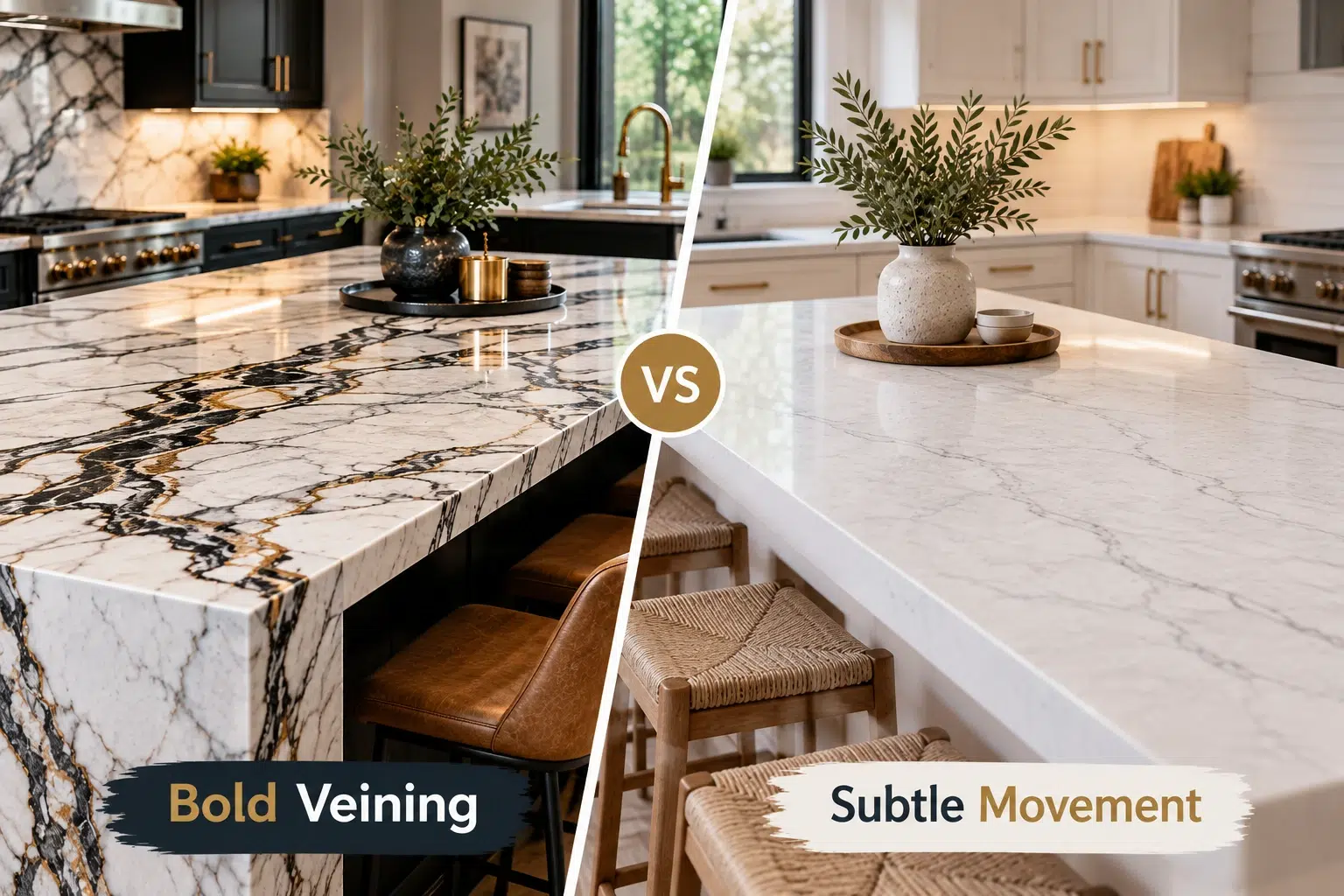
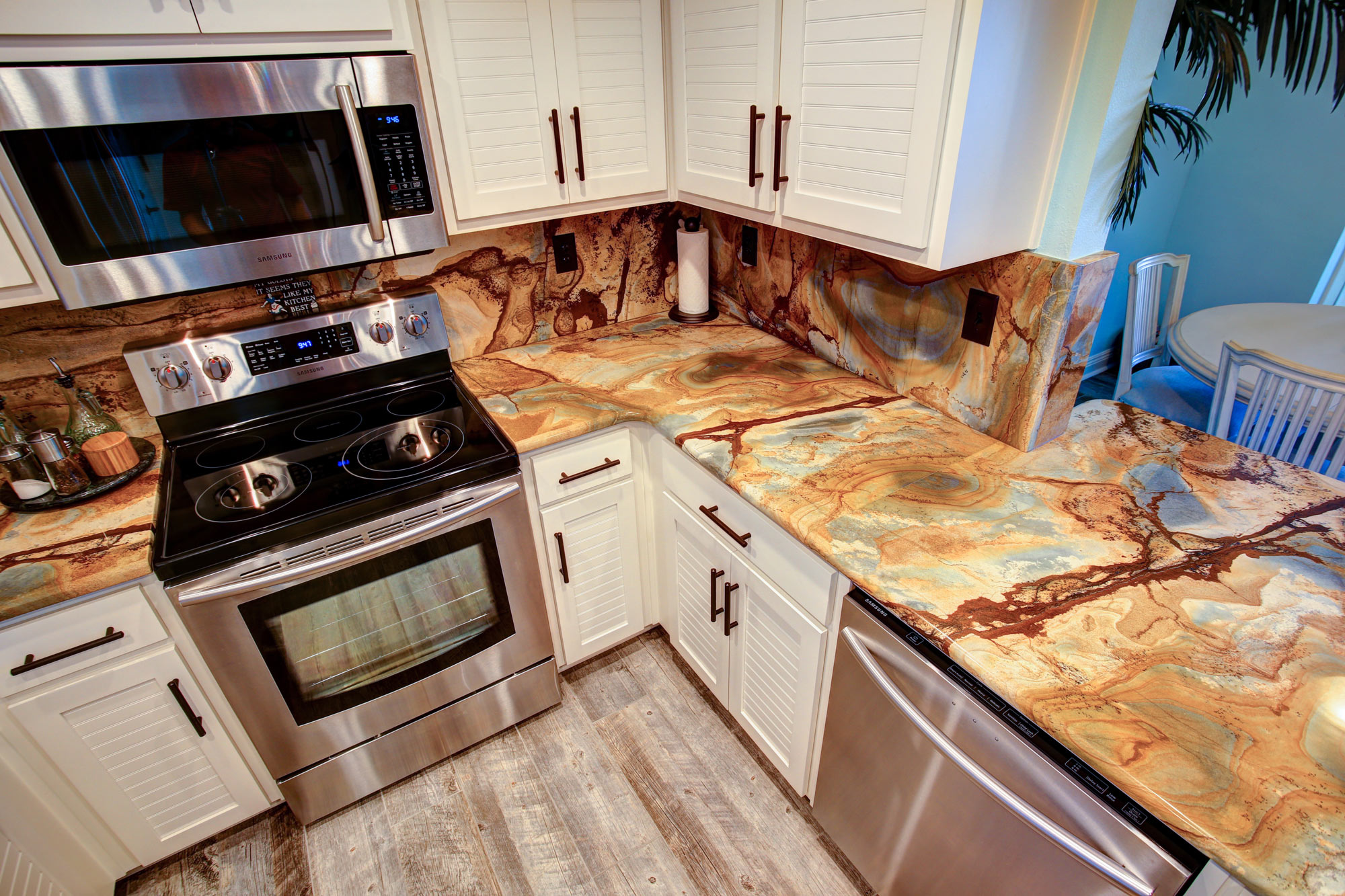
Countertop veining refers to the lines that run through a stone. In natural stone, those lines come from minerals that formed in the rock over time, so no two slabs match exactly. Movement describes how the whole pattern flows across the slab. Some stones look almost even from edge to edge, while others shift in color and direction all the way across.
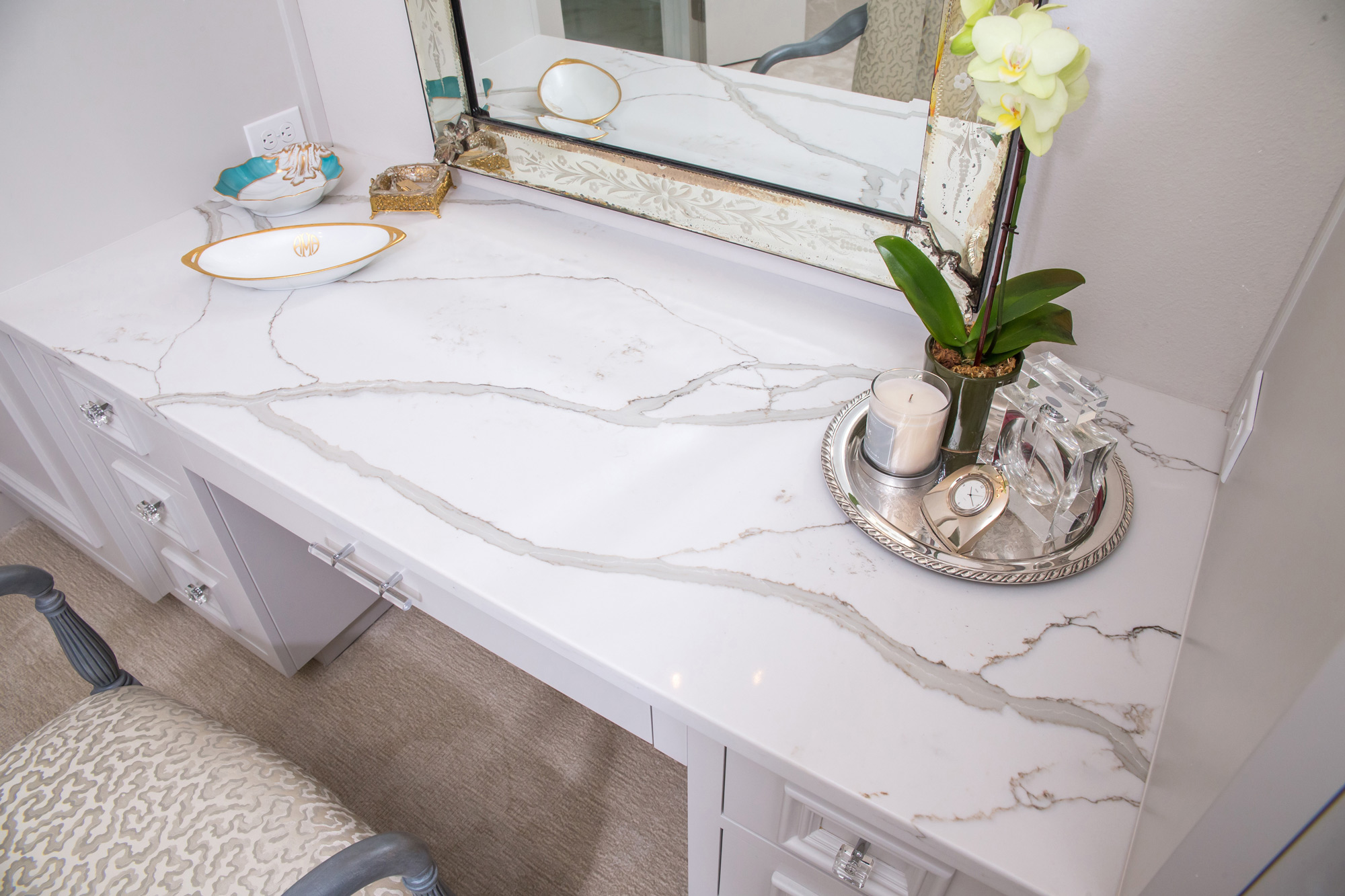
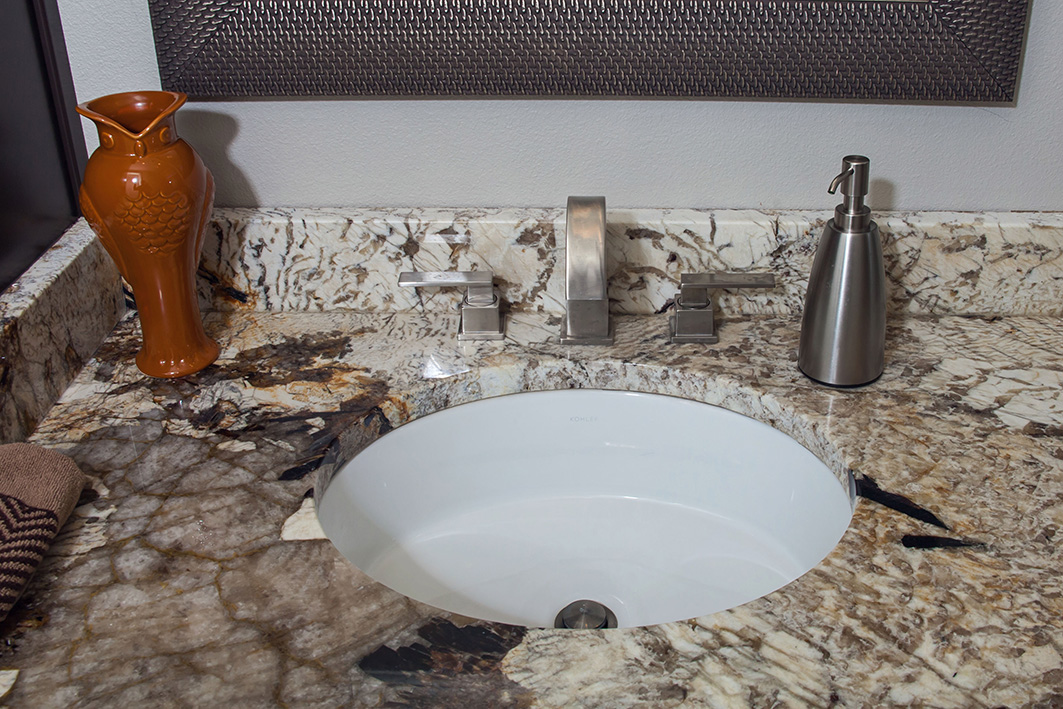
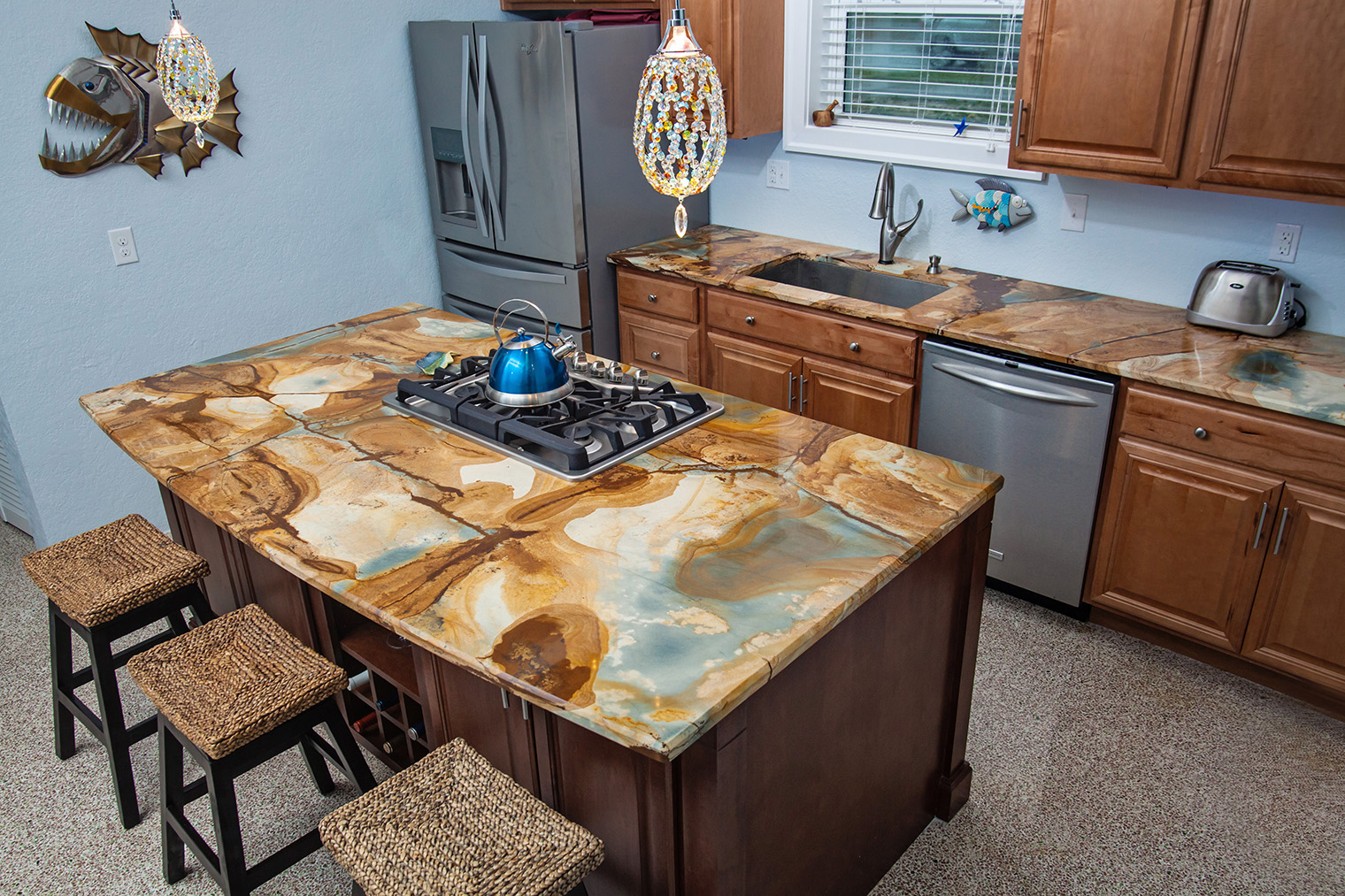
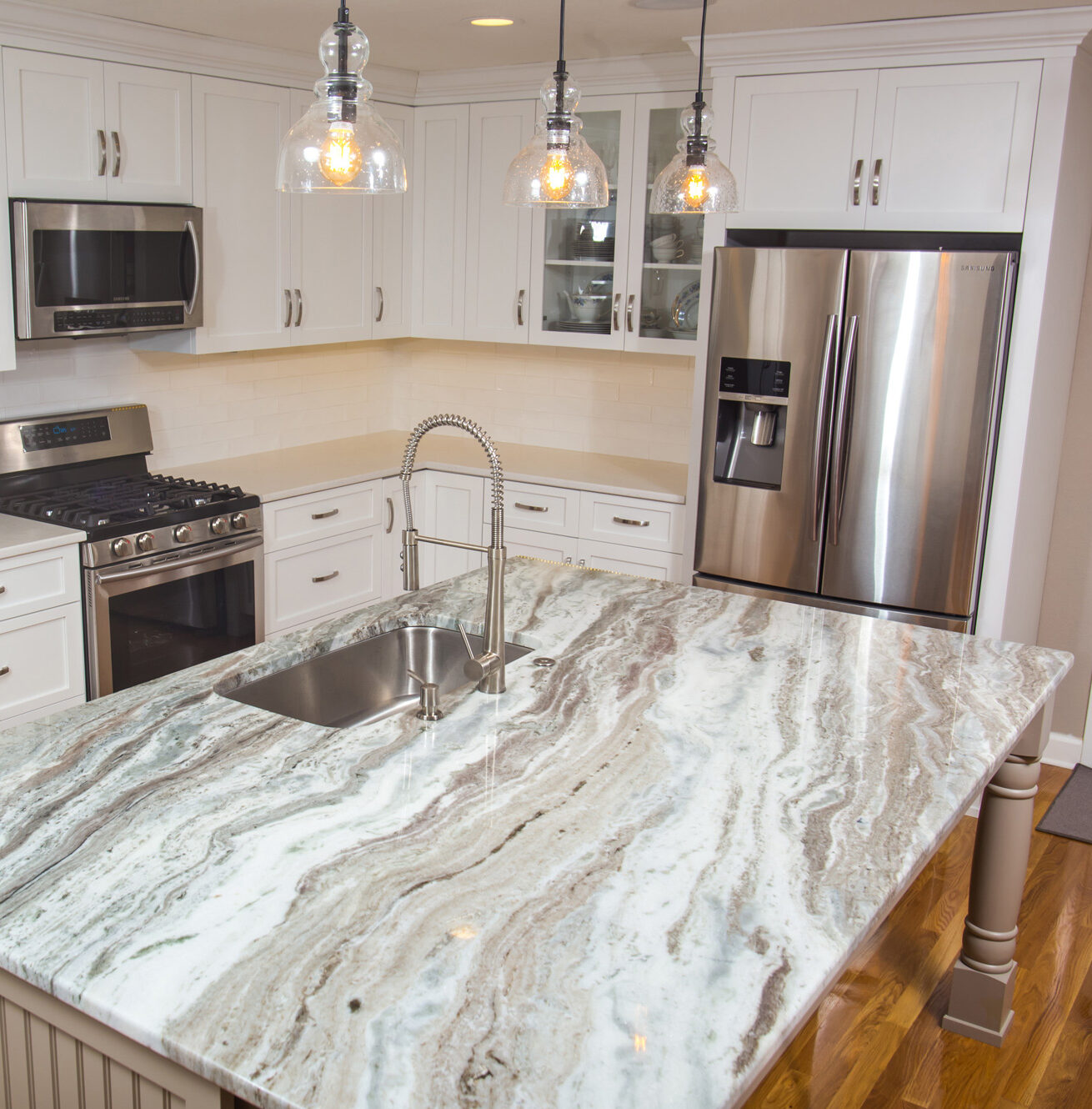
Bold veining means strong, high-contrast lines you notice right away, such as dark veins on a light background. Subtle movement means soft, low-contrast patterns that add depth without pulling the eye. Neither one is better. They simply suit different kitchens and different tastes.
When Bold Veining Is the Right Choice
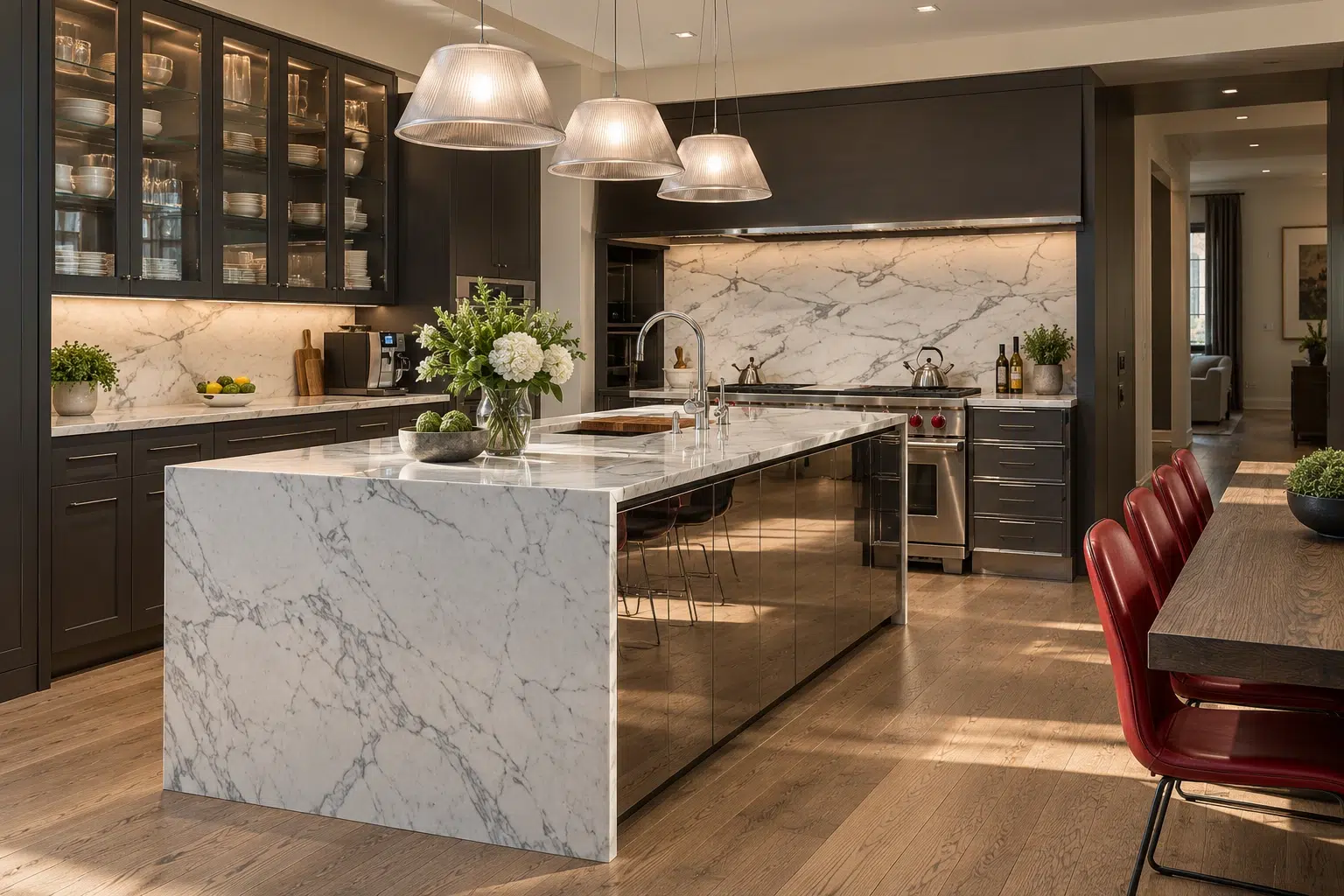
Choose a strong pattern when you want the countertop to be the focal point of the room. Bold veining works best when the rest of the space stays quiet. Simple cabinets and a plain backsplash let the stone stand out, while a busy backsplash can compete with it. Larger kitchens and big islands also give a dramatic slab room to show off.
There are trade-offs. Granite with more movement is often priced higher. A strongly veined slab can also be harder to match where two pieces meet, and natural stone varies from slab to slab, so the exact slab you pick matters a great deal.
When Subtle Movement Works Better
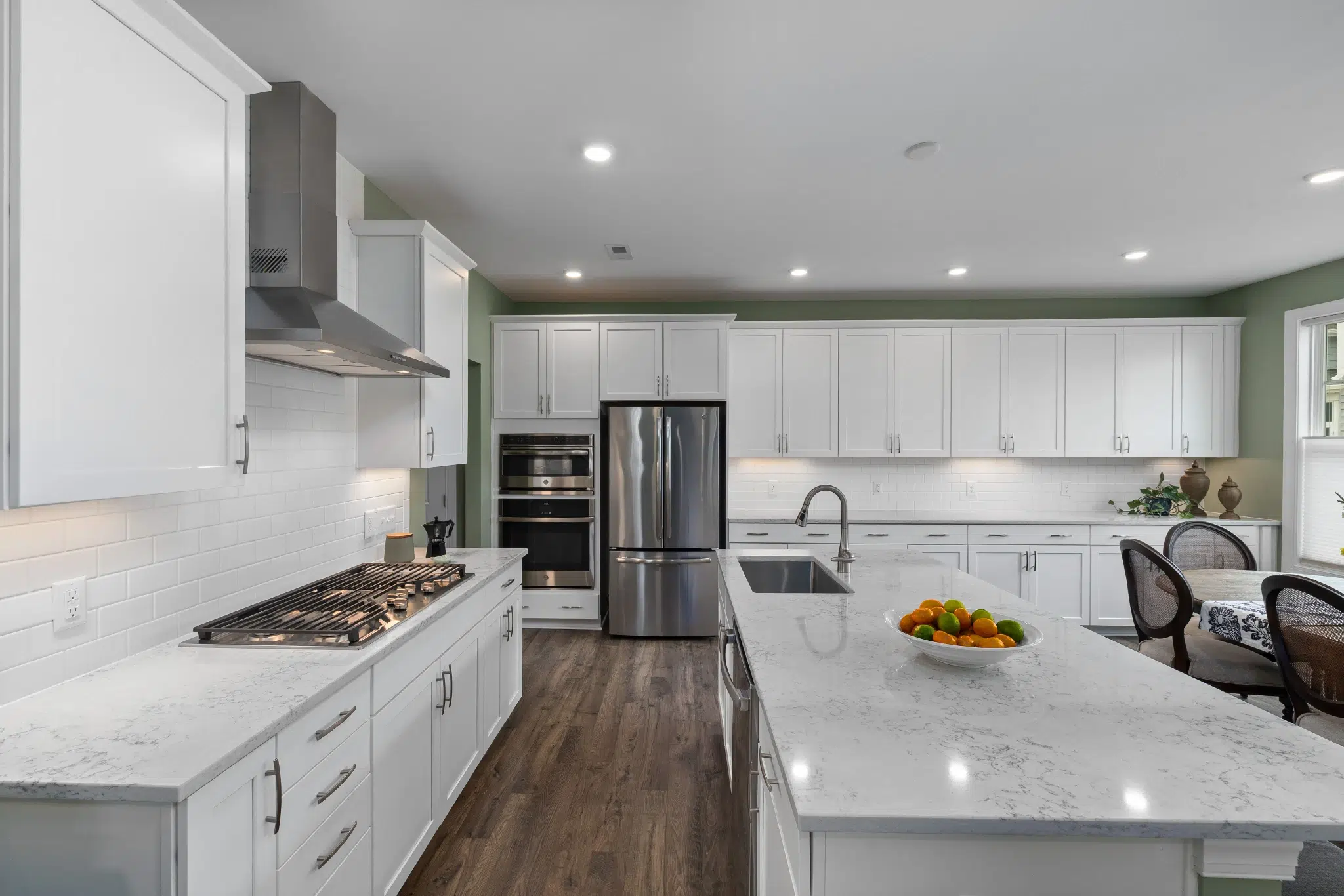
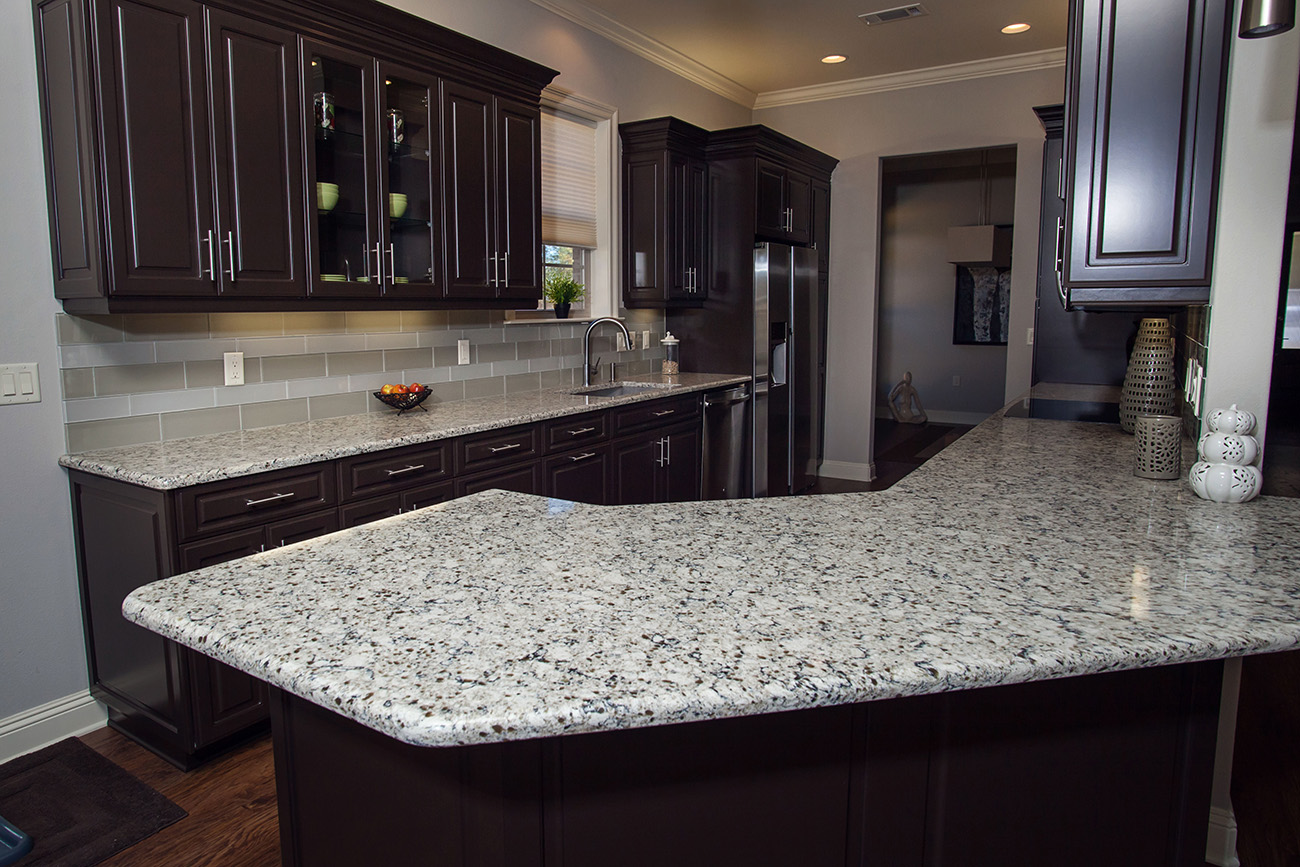
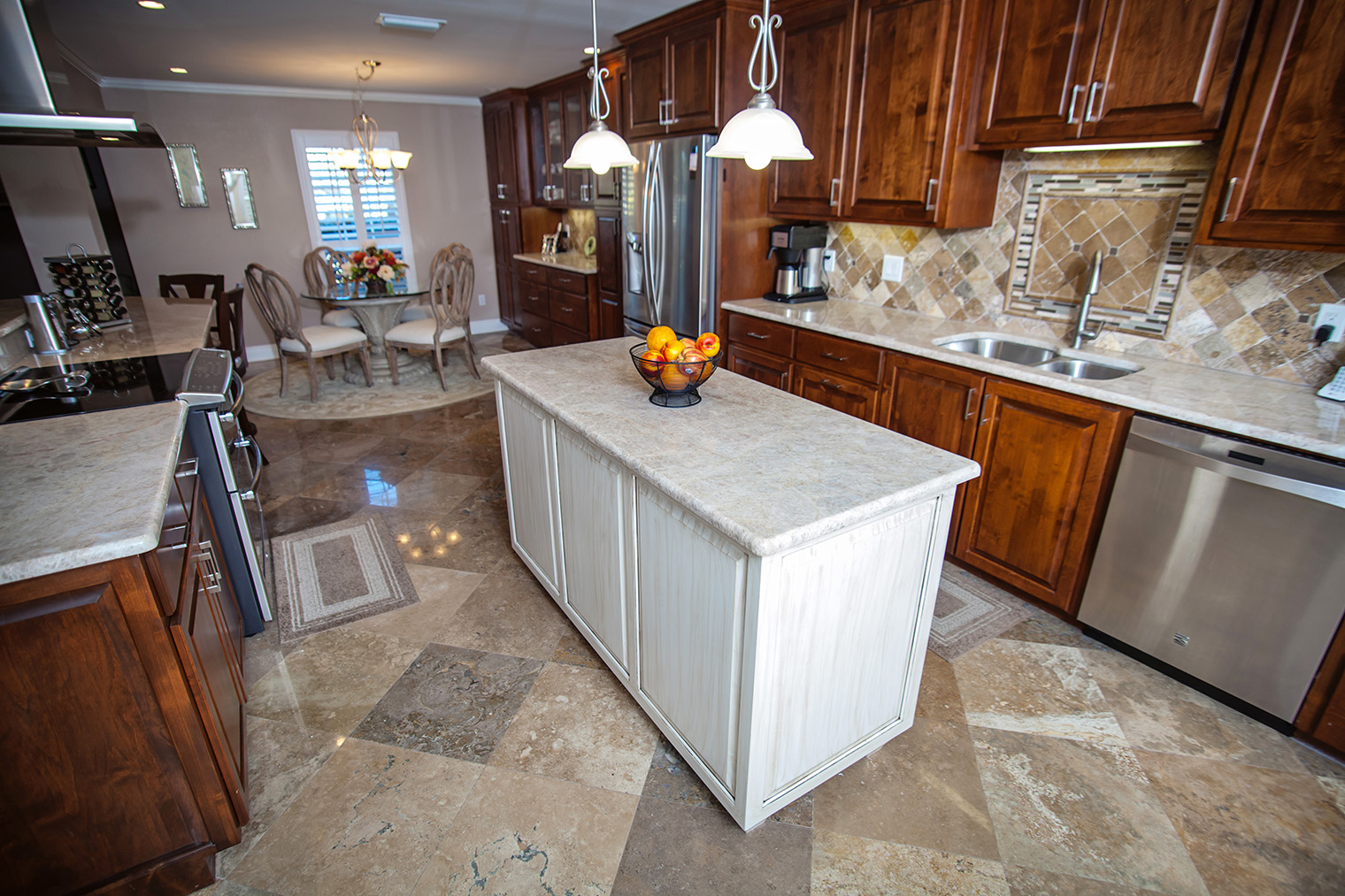
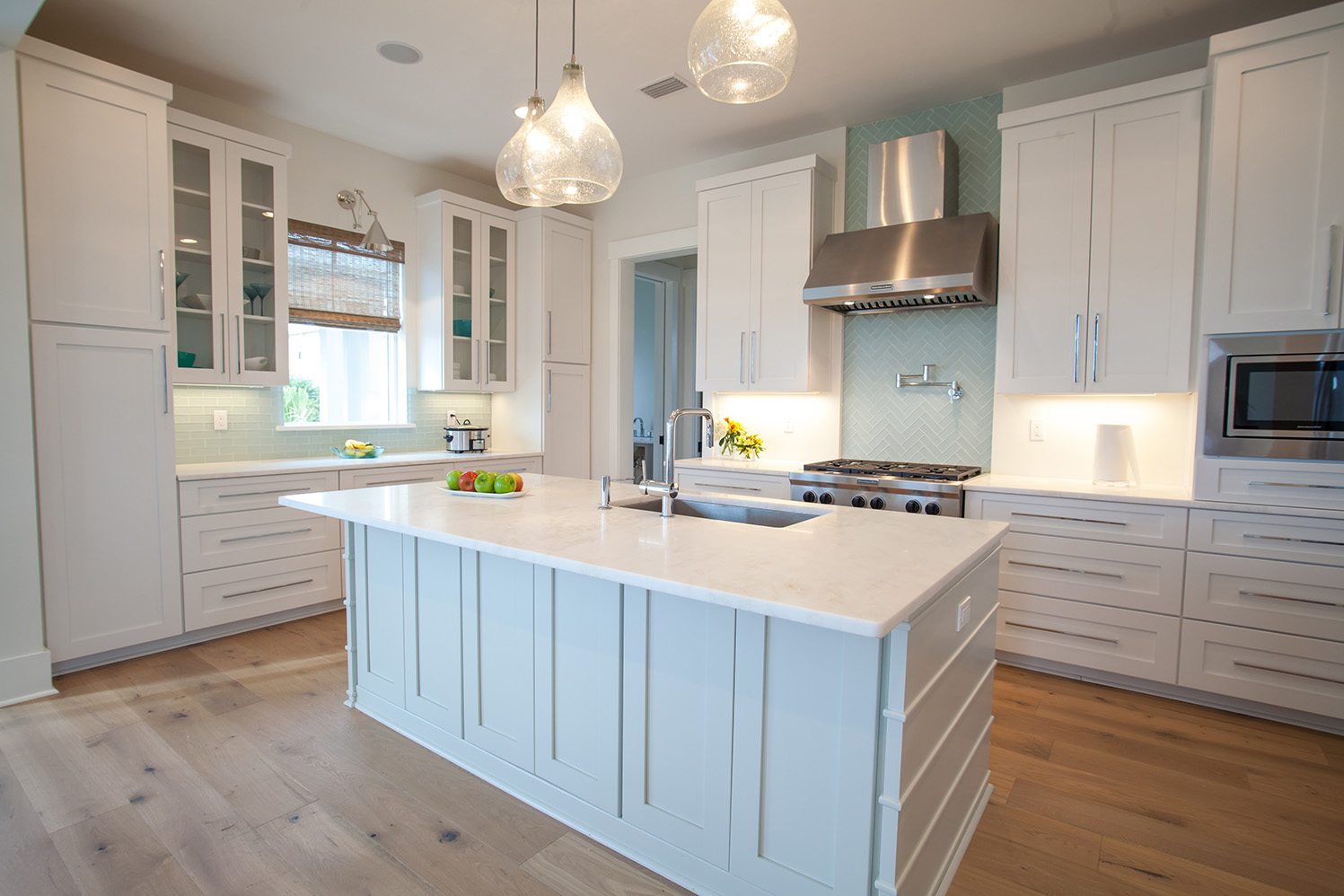
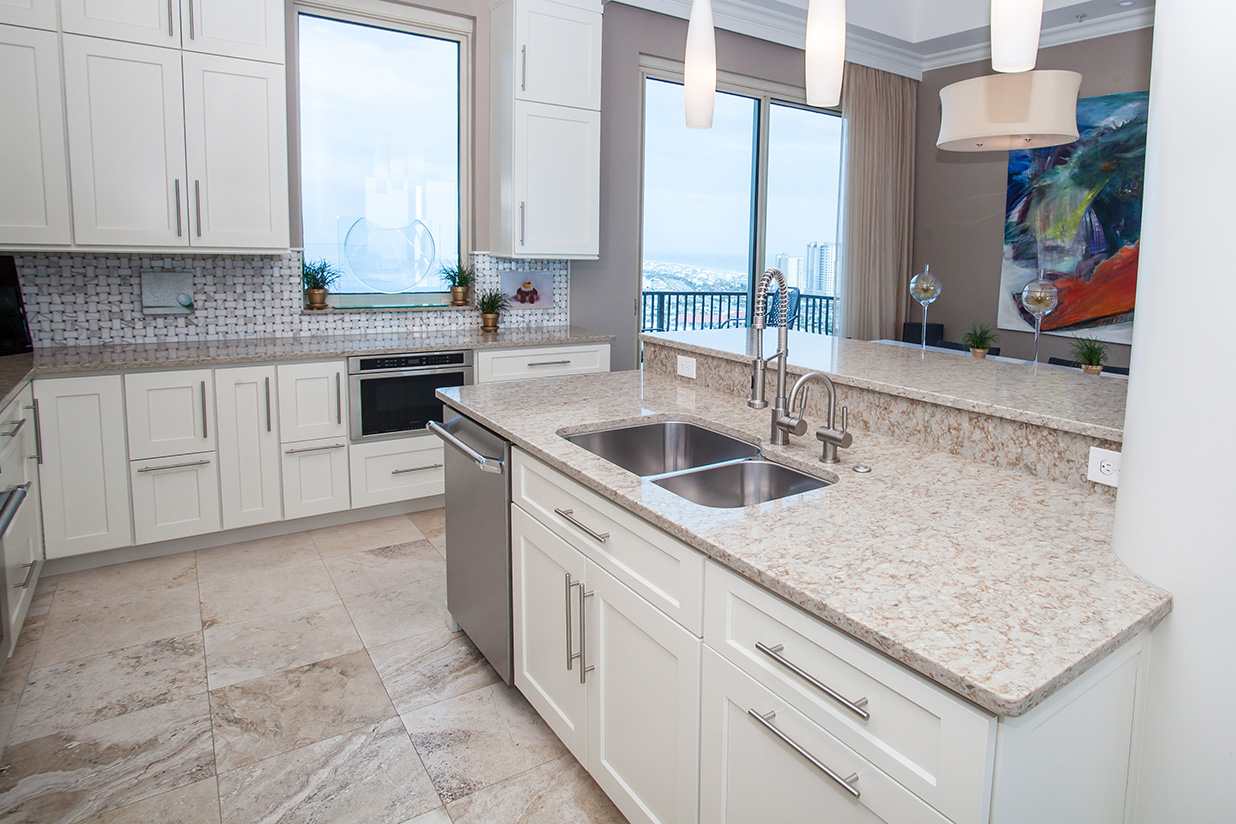
Subtle movement is a good fit when you want a calm surface that blends in. It suits smaller kitchens, busy rooms, and homes where the floors, cabinets, or backsplash already have a lot going on. A quieter countertop also gives you more freedom to add color or texture elsewhere.
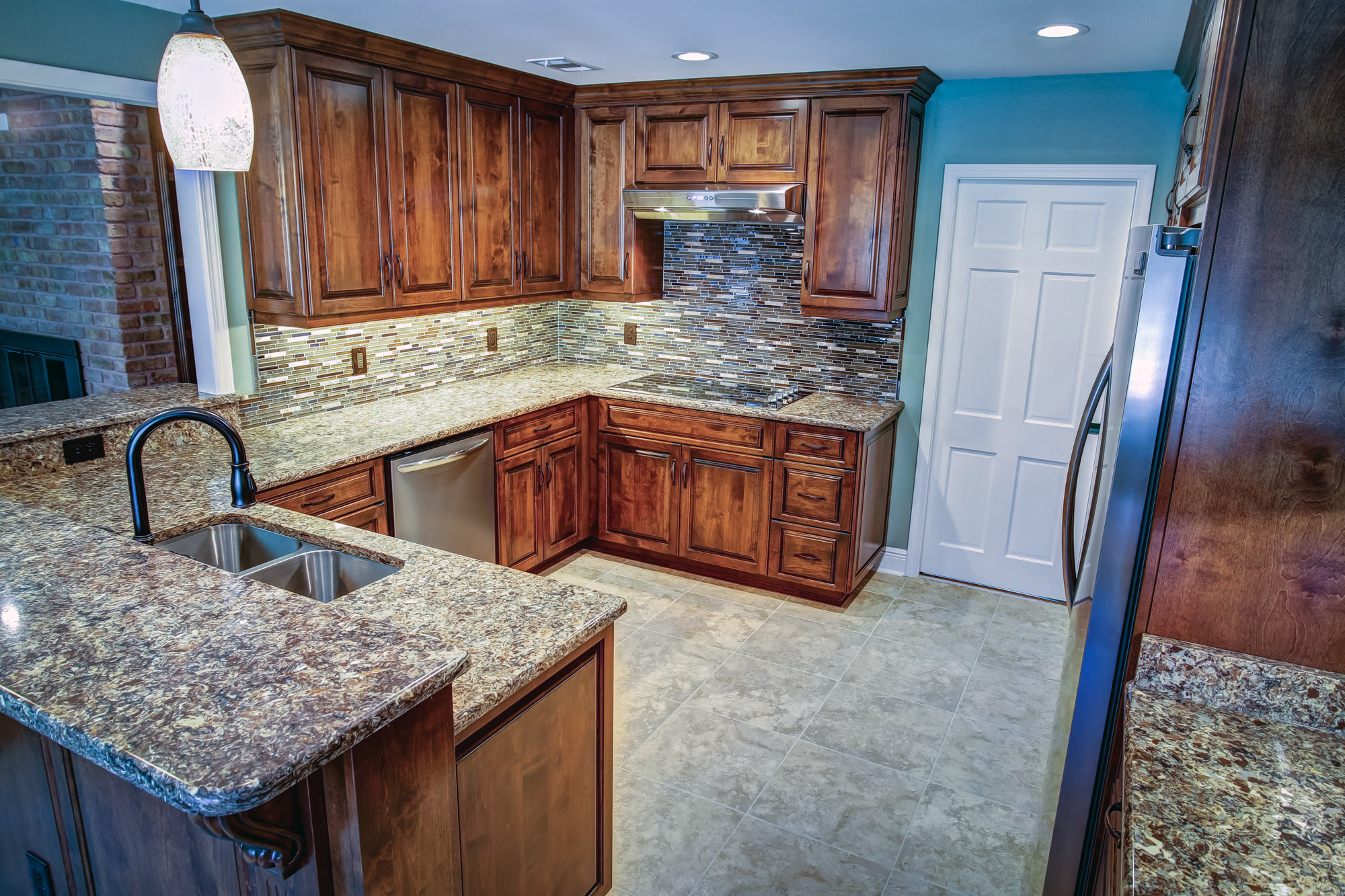
Quartz is the easiest way to get this look, because its slabs are uniform with no natural imperfections. Granite also comes in a wide range of colors and patterns, including calmer ones.
How Your Kitchen Changes the Choice
The same stone can look different from one kitchen to the next. A few things are worth thinking through before you fall for a slab.
- Cabinets and backsplash. Countertop patterns and backsplash patterns can compete. A strongly patterned stone usually looks best next to a simple backsplash, and a calmer stone leaves room for more color or texture on the wall.
- Size of the space. A strong pattern covers a lot of ground across a long run of counters. In a small kitchen, it can feel heavy. On an island, it can feel exciting.
- Lighting. Bright light tends to show more detail in the stone, so look at your slab under light similar to what your kitchen will have.
How Different Stones Show Veining and Movement
Granite
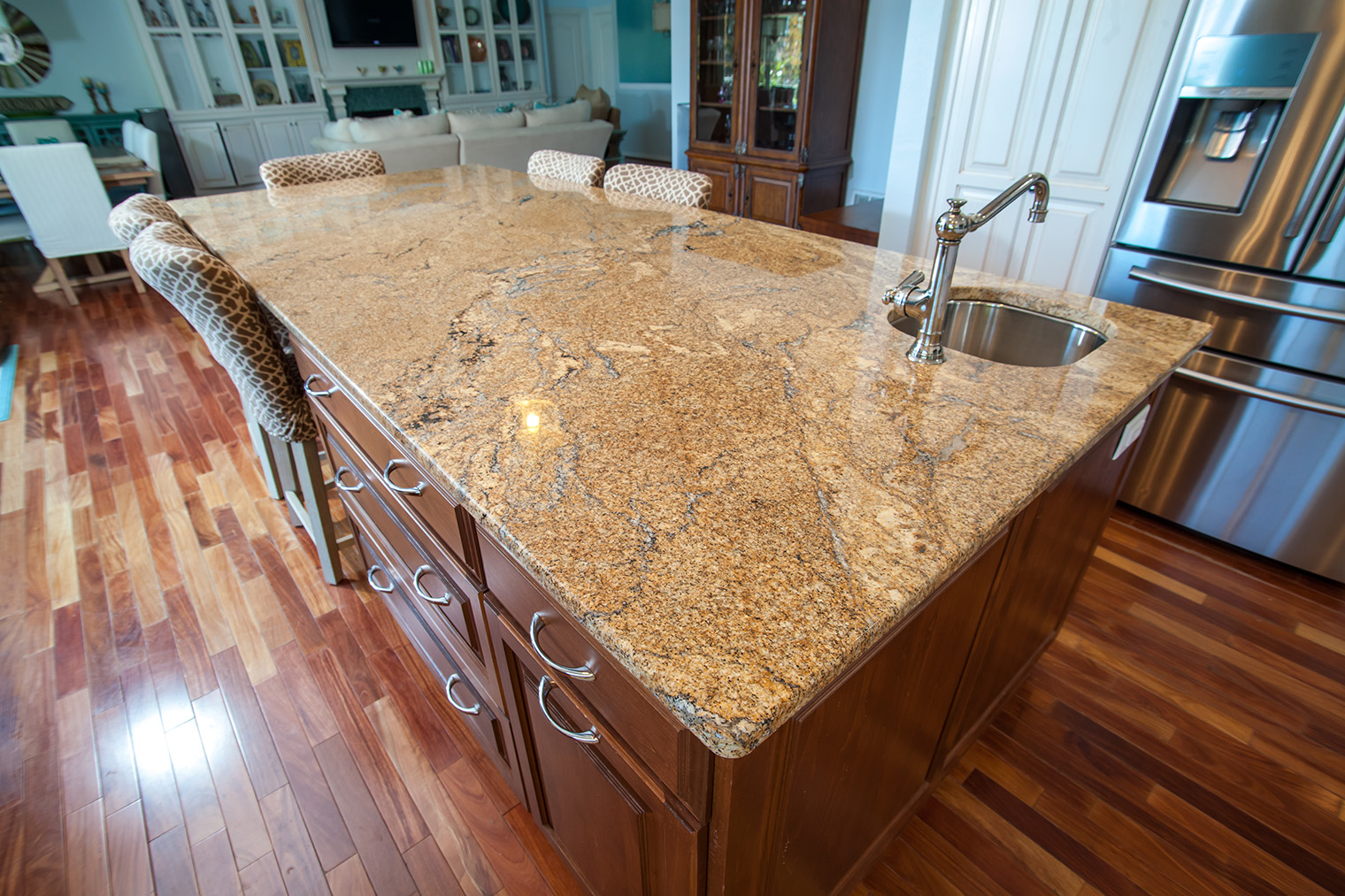
Granite is a natural stone countertop that comes in a wide range of colors and types. Granite countertop veining can be soft and even or dramatic, and the amount of movement changes from one granite to the next. It is also one of the hardest natural stones, which makes it a strong choice for busy family kitchens. If you love bold veining, granite can deliver it with less upkeep than softer stones like marble.
Quartz
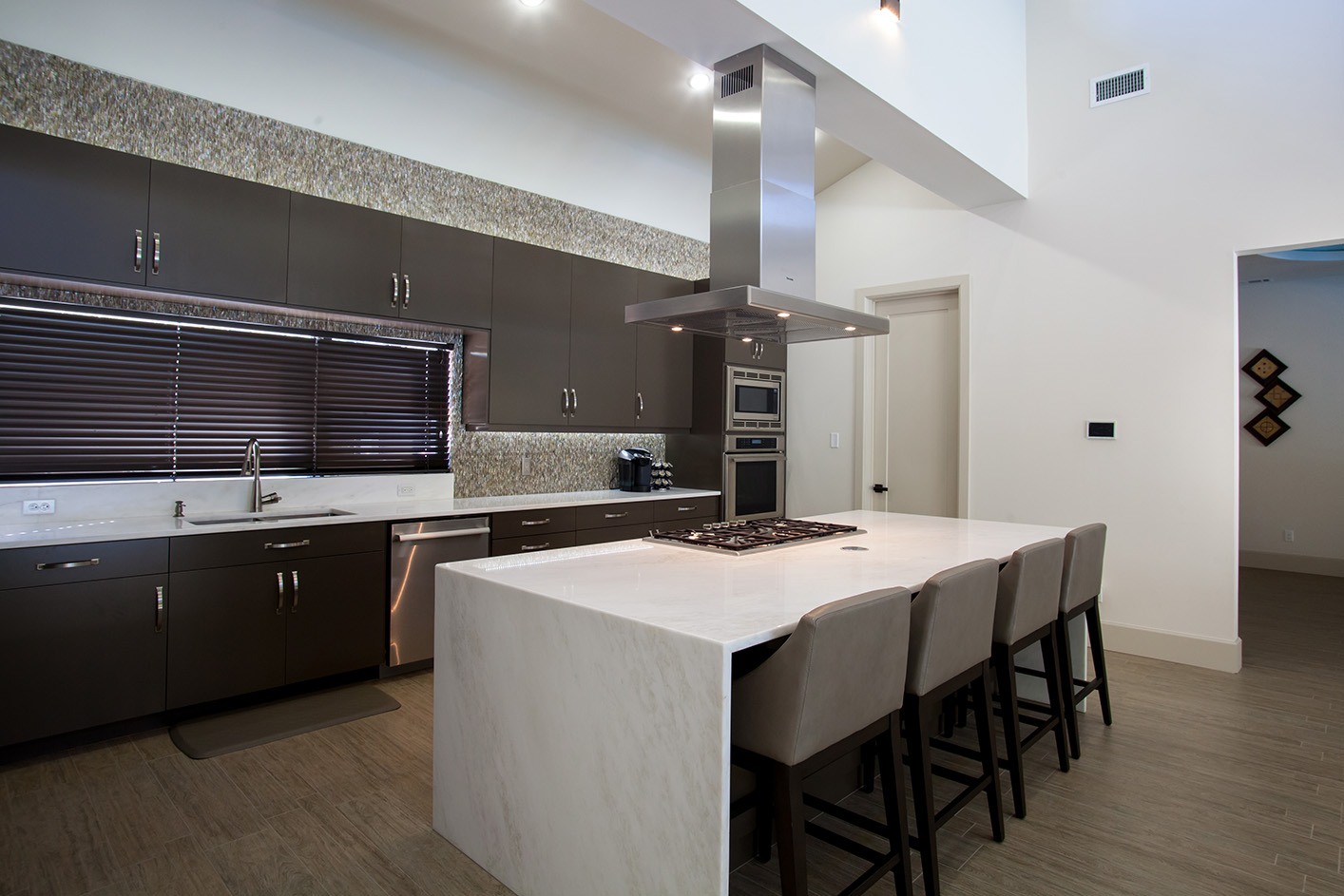
Quartz is engineered from crushed natural quartz, resins, and pigments, so its colors and patterns are consistent, and it does not need regular sealing. Some designs copy the veining of marble, which makes quartz a popular route to marble-look countertops. The grind matters too: coarser quartz looks flecked, while finely ground quartz looks smoother and more even.
Two cautions are worth knowing. Seams are more noticeable in white quartz, and darker colors show dirt, dust, fingerprints, and watermarks more easily.
Quartzite
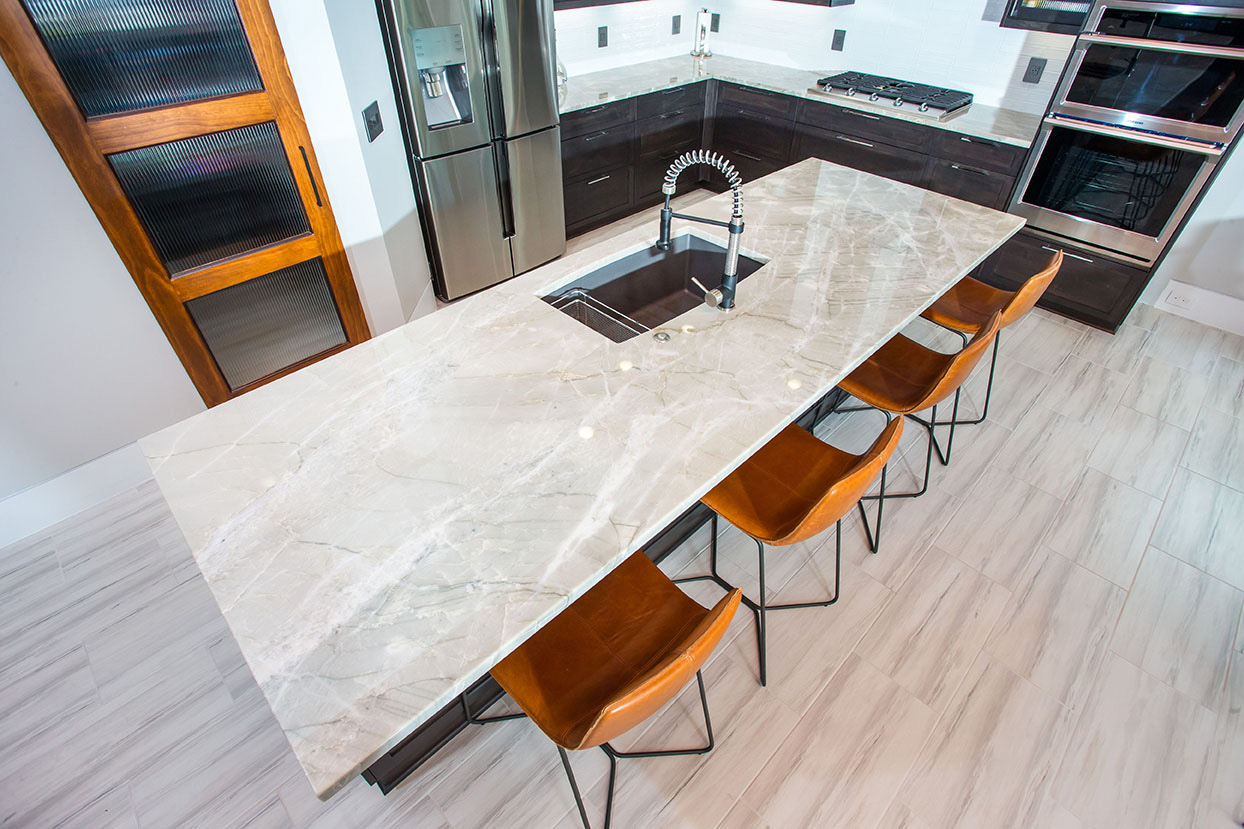
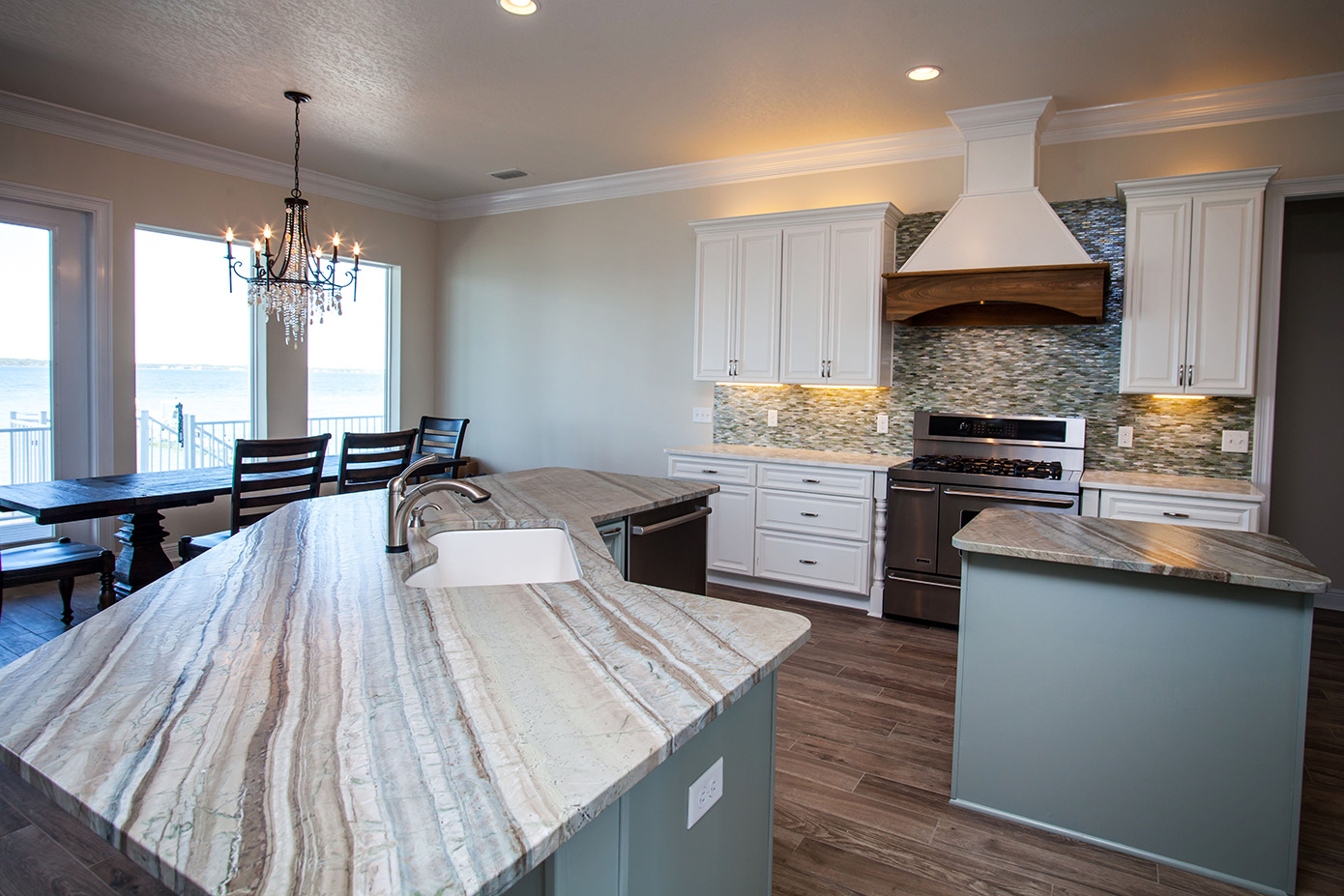
Quartzite is a natural stone with a marble-like look. Quartzite veining is usually more varied than quartz, with more movement in color and pattern, which is why many people choose it for a dramatic surface. Because it is natural, color and movement can change from slab to slab, so you may see slight variation where two pieces meet. It also generally costs more than quartz and is less stain-resistant, so it needs regular sealing.
Marble, calcite, and dolomite
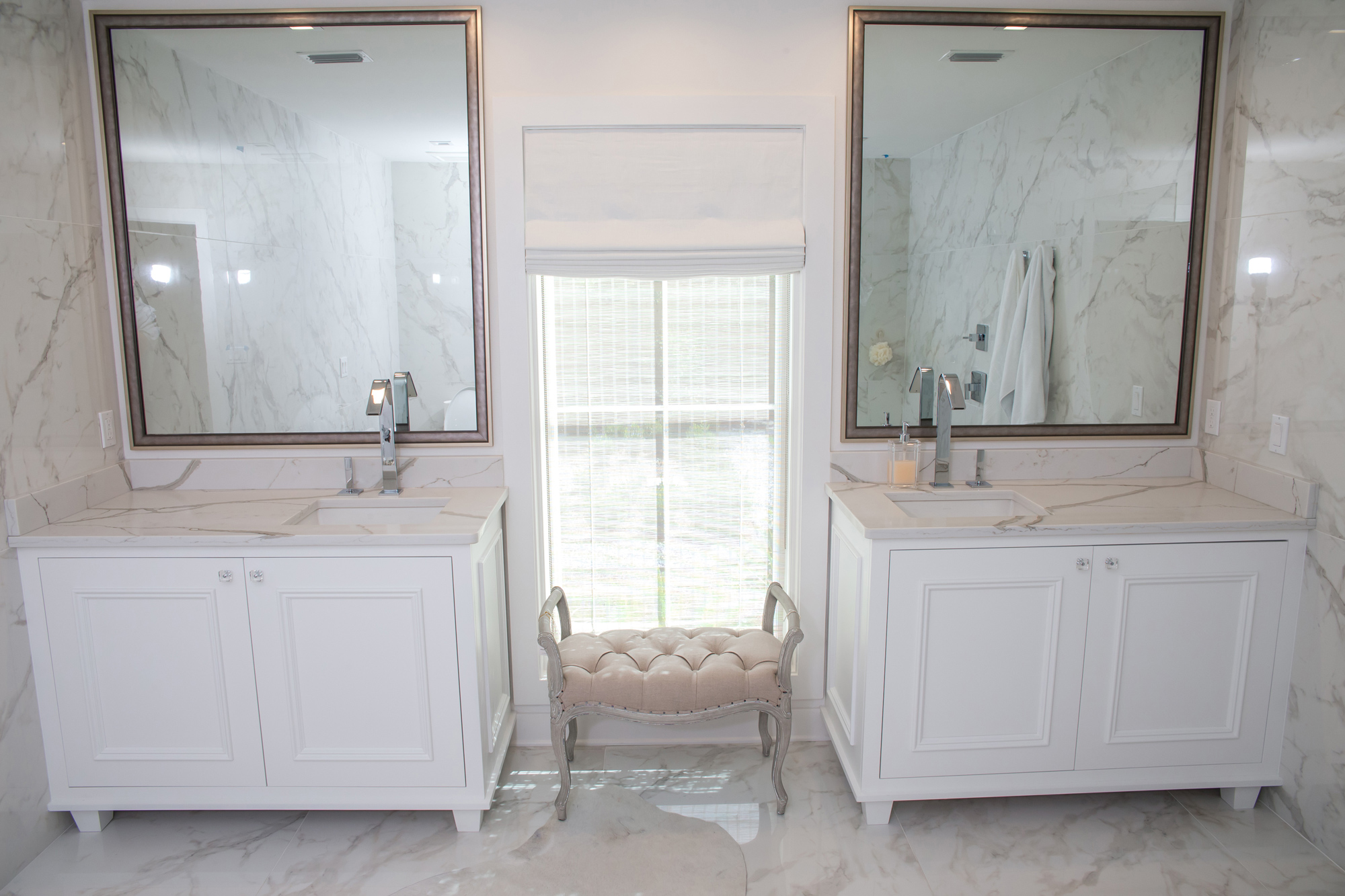
Marble is known for unique veining and a classic, high-end look. It is also softer and more porous than granite, needs sealing twice a year, and can etch from acidic spills such as lemon juice or wine. For that reason, marble and calcite are better suited to bathrooms and low-traffic areas than to hard-working kitchens. Calcite offers delicate veining and soft, creamy white tones, but it is relatively soft and prone to scratching and staining. Dolomite gives you the veined look of marble with more resistance to scratching and etching, though it still needs regular sealing.
What Do Bold and Subtle Looks Cost?
Cost depends more on the slab than on the style name. At Superior Granite, granite countertops start at $49 per square foot installed for A Class stone and go up to $119 or more per square foot for G Class. The final number depends on the slab and edge style, and pricing also varies by material grade and project size.
Movement can push a slab toward the higher end. Granite with more movement is often priced higher, so a slab with bold veining and plenty of variation may cost more than a calmer stone in the same range. Quartzite generally costs more than quartz as well. Because prices differ by slab, ask for a quote on the exact stone you like. We offer free estimates, so you can compare options before you commit.
Care and Upkeep to Weigh Before You Decide
A beautiful pattern is only half the decision. Sealing and daily care differ by stone, and it helps to know what you are signing up for.
| Stone | How often to seal |
| Quartz | No regular sealing needed |
| Granite | About once a year |
| Quartzite | Monthly for the first three months, then every six months |
| Marble, calcite, dolomite | Twice a year |
On any natural stone, wipe up spills right away, and use a trivet under hot pans on marble and calcite. Avoid harsh cleaners such as bleach and ammonia, and skip abrasive pads. Warm, soapy water is the safest everyday cleaner.
Why You Should See the Full Slab, Not Just a Sample
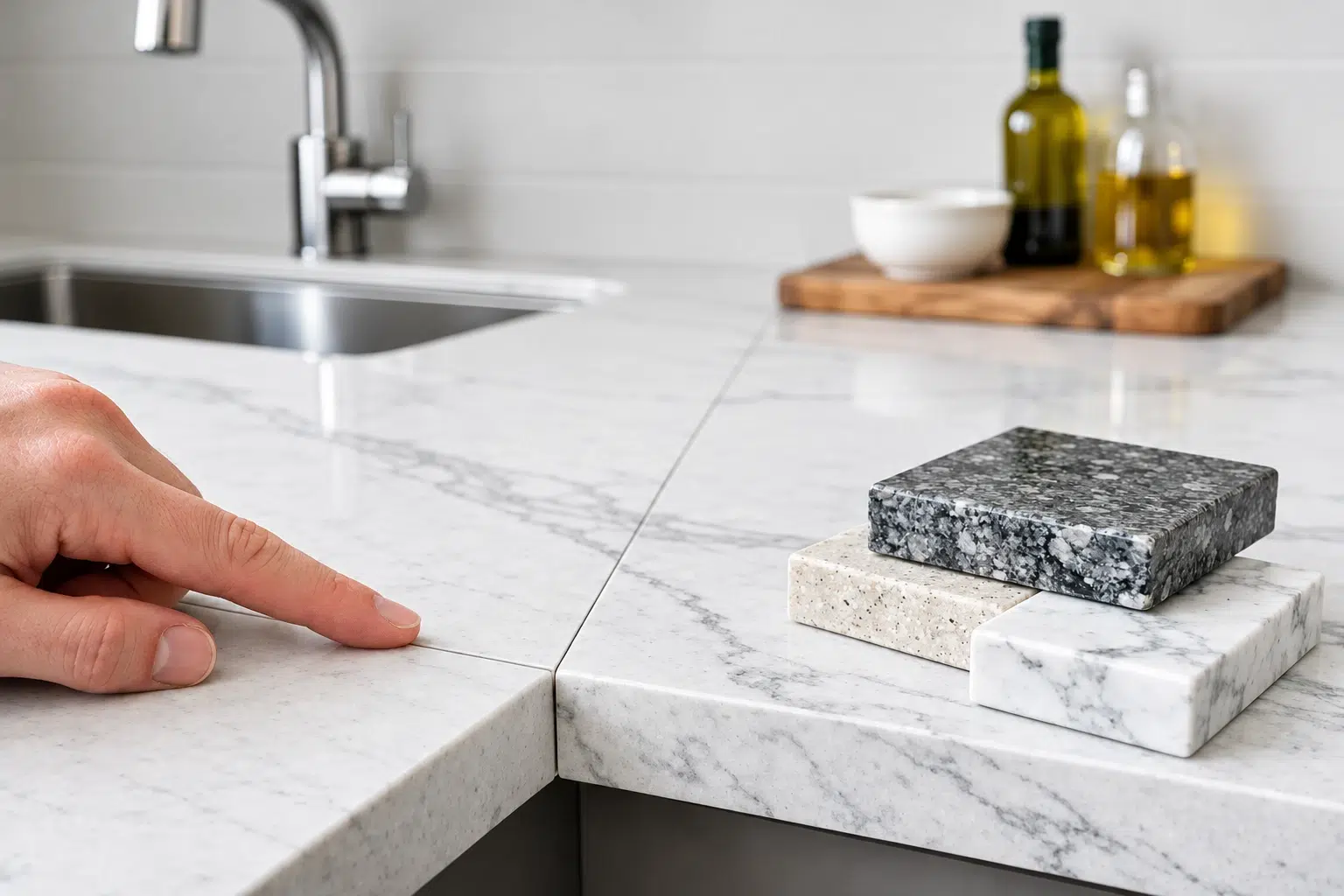
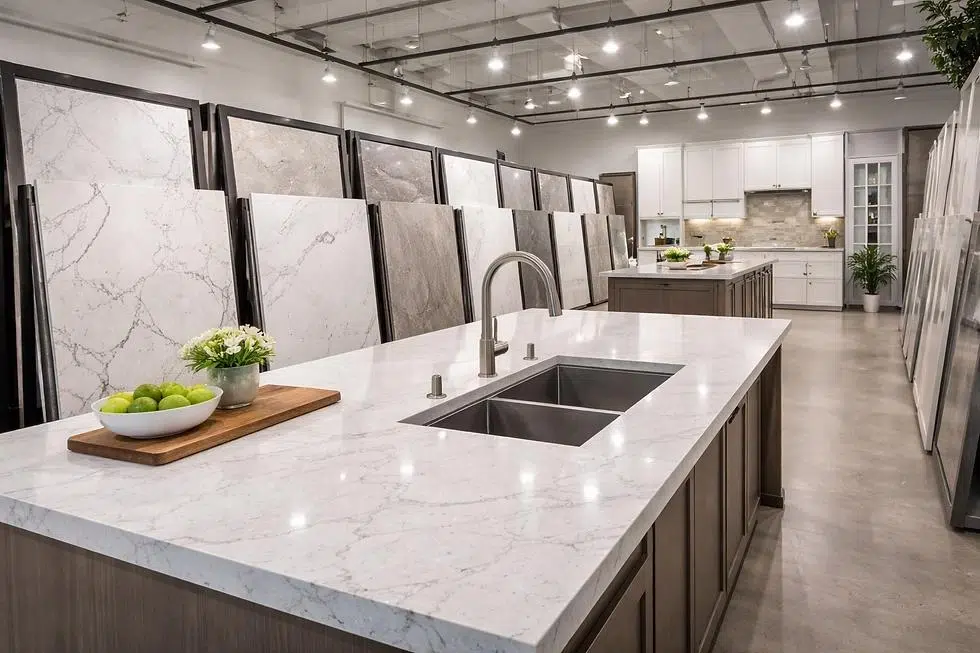
If you are wondering how to choose a countertop slab, start by seeing the full slab in person. A small sample shows only one patch of the stone. A full slab shows where the veins run, how much the color changes, and whether the pattern is as dramatic or as calm as you imagined. This matters most with natural stone, since every slab is different, and especially with quartzite, where color and movement can vary from slab to slab.
We keep hundreds of colors in stock, so you can compare many options in our showrooms in one visit. If your countertop needs more than one piece, we use book-matched slabs to give you a continuous look, so the pattern flows from one piece to the next. You can also browse finished kitchens in our project gallery before you visit.
A Quick Checklist: Bold or Subtle?
Ask yourself these five questions:
- Do I want the countertop to be the focal point of the room?
- Are my cabinets and backsplash simple enough to let the stone stand out?
- Does my kitchen have the space and light for a strong pattern?
- Am I comfortable with the price and upkeep of the stone I like?
- Have I seen the actual slab, not just a sample?
Mostly yes answers point toward a stronger pattern. Mostly no answers point toward a calmer one. If you are split, bring photos of your kitchen to a showroom and compare a few slabs side by side.
How We Help You Choose
Superior Granite is a family-owned company that opened in 2005, with showrooms in Pensacola, Pace, and Fort Walton Beach. If you are looking at granite countertops in Pensacola, you can see the stone in person, talk through your layout, and get guidance from a dedicated team that helps with your space.
Once you have picked your stone, we move to templating, then fabrication and installation. Templating is where precise measurements of your cabinets and walls are taken, so every piece fits properly. Choosing the pattern first makes every step after it easier.
Final Thoughts
Neither look is the right answer for every kitchen. If bold veining feels right, pick your slab in person and keep the rest of the room simple so the stone can shine. If subtle movement suits you better, choose a calm slab and use the backsplash or cabinets to add character. Either way, let the full slab, your layout, and your budget guide the final call.
When you are ready, visit Superior Granite or contact us to ask for a free estimate and start comparing slabs.
Pensacola, FL
Visit Us: 7011 Pine Forest Road, Pensacola, FL 32526
Call Us: (850) 941-0270
Hours: Monday – Friday: 8 a.m. – 5 p.m., Saturday: 9 a.m. – 2 p.m.
Pace, FL
Visit Us: 4590 Jernigan Road, Pace, Florida 32571
Call Us: (850) 994-1872
Hours: Tuesday – Friday: 9 a.m. – 5 p.m., Saturday: 9 a.m. – 2 p.m.
Fort Walton Beach, FL
Visit Us: 35 Miracle Strip Pkwy SW, Fort Walton Beach, Florida 32548
Call Us: (850) 301-0716
Hours: Tuesday – Friday: 8 a.m. – 5 p.m., Saturday: 9 a.m. – 2 p.m.
Get quotes now and start your project!
FAQs
1. Can a bold pattern overwhelm a small kitchen?
It can, especially if the rest of the room is also busy. A quieter stone often feels calmer in a small space, but a strong pattern on a short run or a small island can add character without taking over. Hold a sample against your cabinet and backsplash choices before you decide.
2. Is a strongly veined stone harder to match at seams?
It can be. When veins are strong, a mismatch at the joint is easier to spot, and natural stone varies from slab to slab. Quartzite may show slight variation in color and movement at seam joints, and seams are more noticeable in white quartz. Ask where the seams will go before fabrication begins.
3. Does more movement in the stone cost more?
Often, yes. Granite with more movement is usually priced higher. The final price also depends on the slab’s grade, your edge style, and the size of the project, so the best way to know is to request a quote on the exact slab.
4. Which stone looks the most uniform?
Quartz. Its slabs are uniform with no natural imperfections, and finely ground quartz looks smooth and consistent. Natural stones such as granite and quartzite vary more, which is part of their appeal. If you want an even, solid-color look, quartz usually gets you there more easily than quartzite.
5. Can quartz give me a marble-like look with less upkeep?
Yes. Some quartz designs closely copy the veining of marble, and quartz does not need regular sealing, while marble needs sealing twice a year and can etch from acidic spills. Quartz can still scorch from heat, so use a trivet or pot holder under hot pans.
6. Do darker quartz countertops show more dirt?
Yes. Darker colors show dirt, dust, fingerprints, and watermarks more easily than lighter ones, so they need a bit more upkeep. Mild soap and water work well for routine cleaning. Avoid harsh chemicals, bleach, and abrasive pads.
7. Should my backsplash be simpler if the countertop has strong veining?
Often, yes. A simpler backsplash lets a strongly patterned stone stand out, while a calmer countertop leaves more room for a backsplash with color or texture. The best test is to see both together, so bring your backsplash sample when you look at slabs.
8. Can I get a free estimate before I choose?
Yes. We offer free estimates for countertop projects. Visit a showroom or contact us, and bring your layout and the stones you like so the quote reflects your exact slab and edge style.