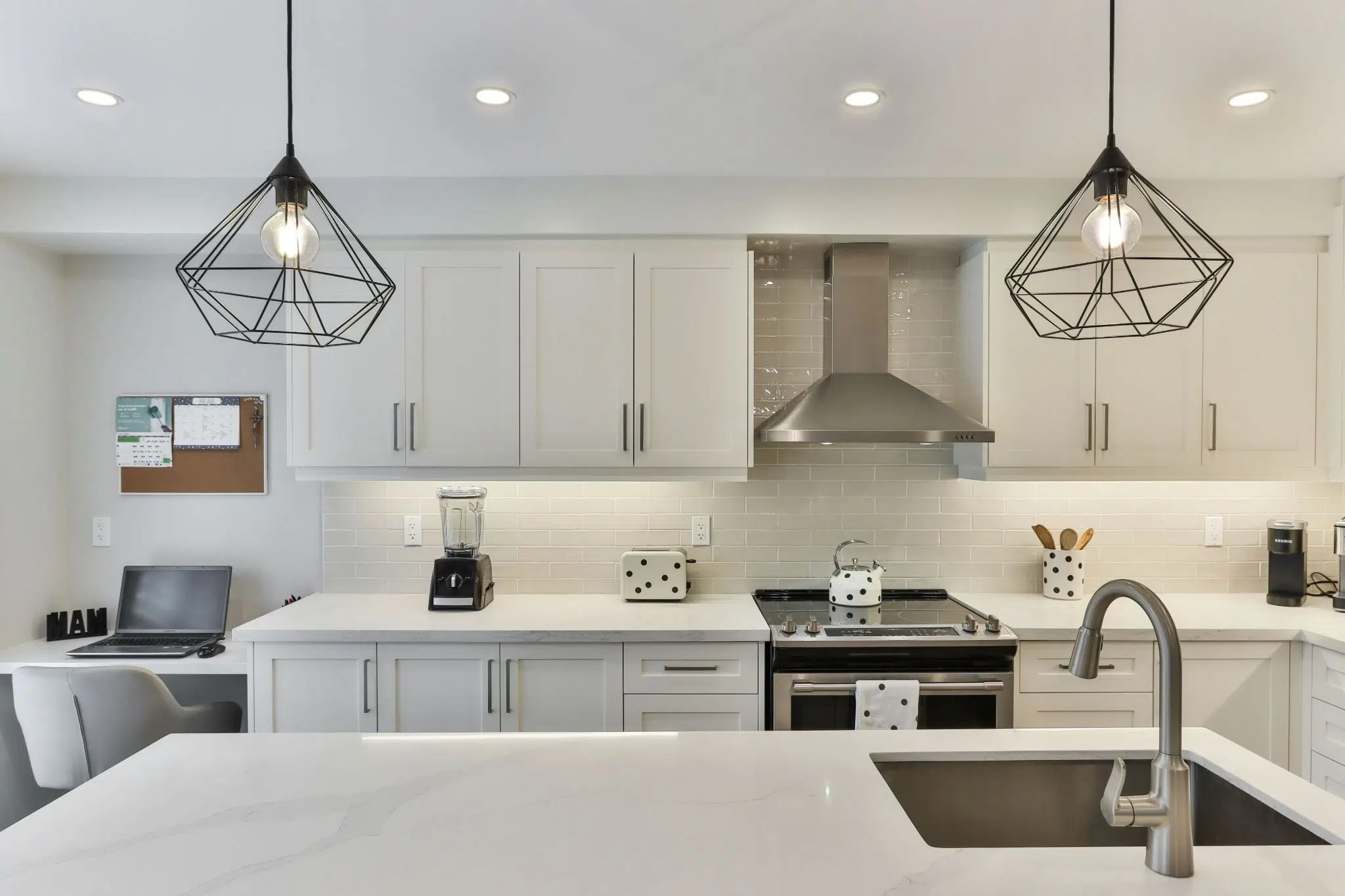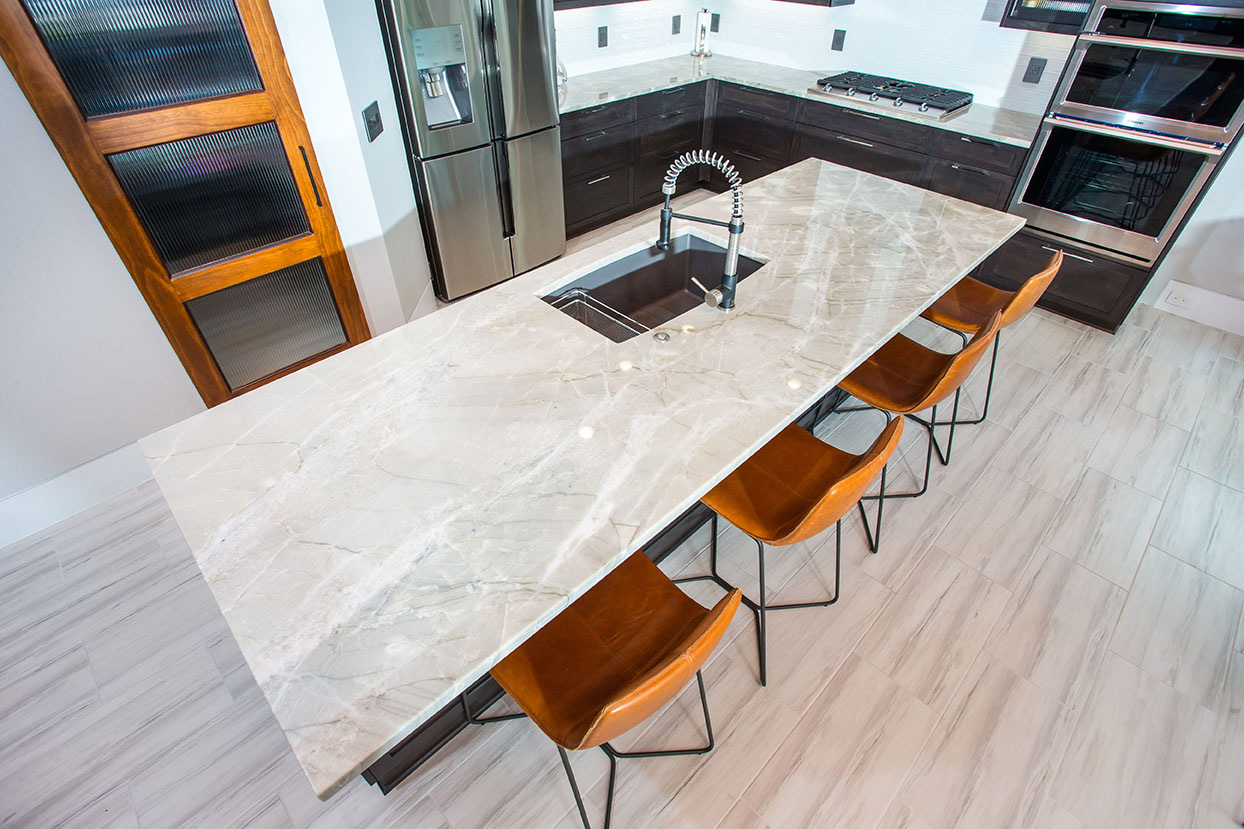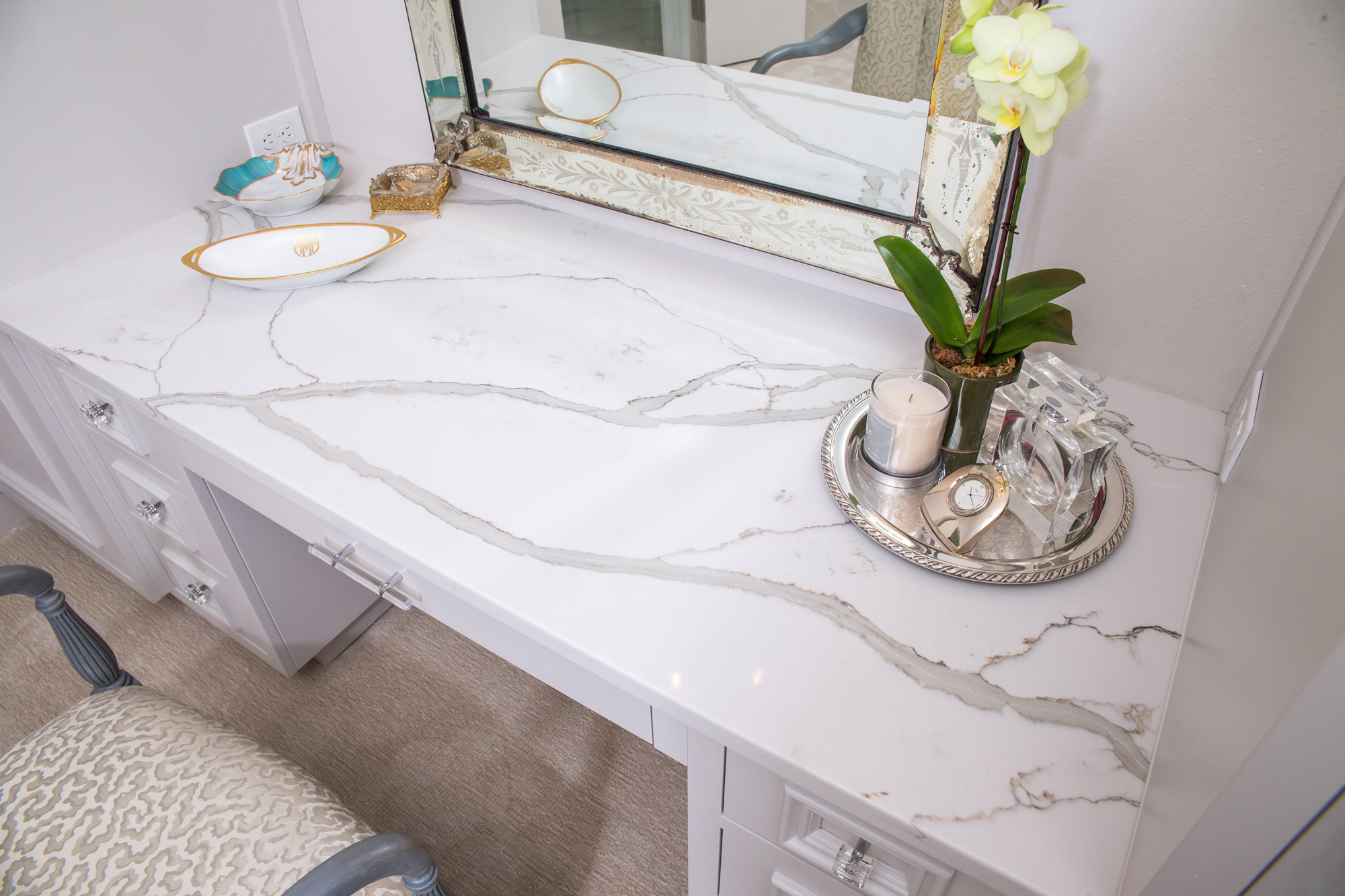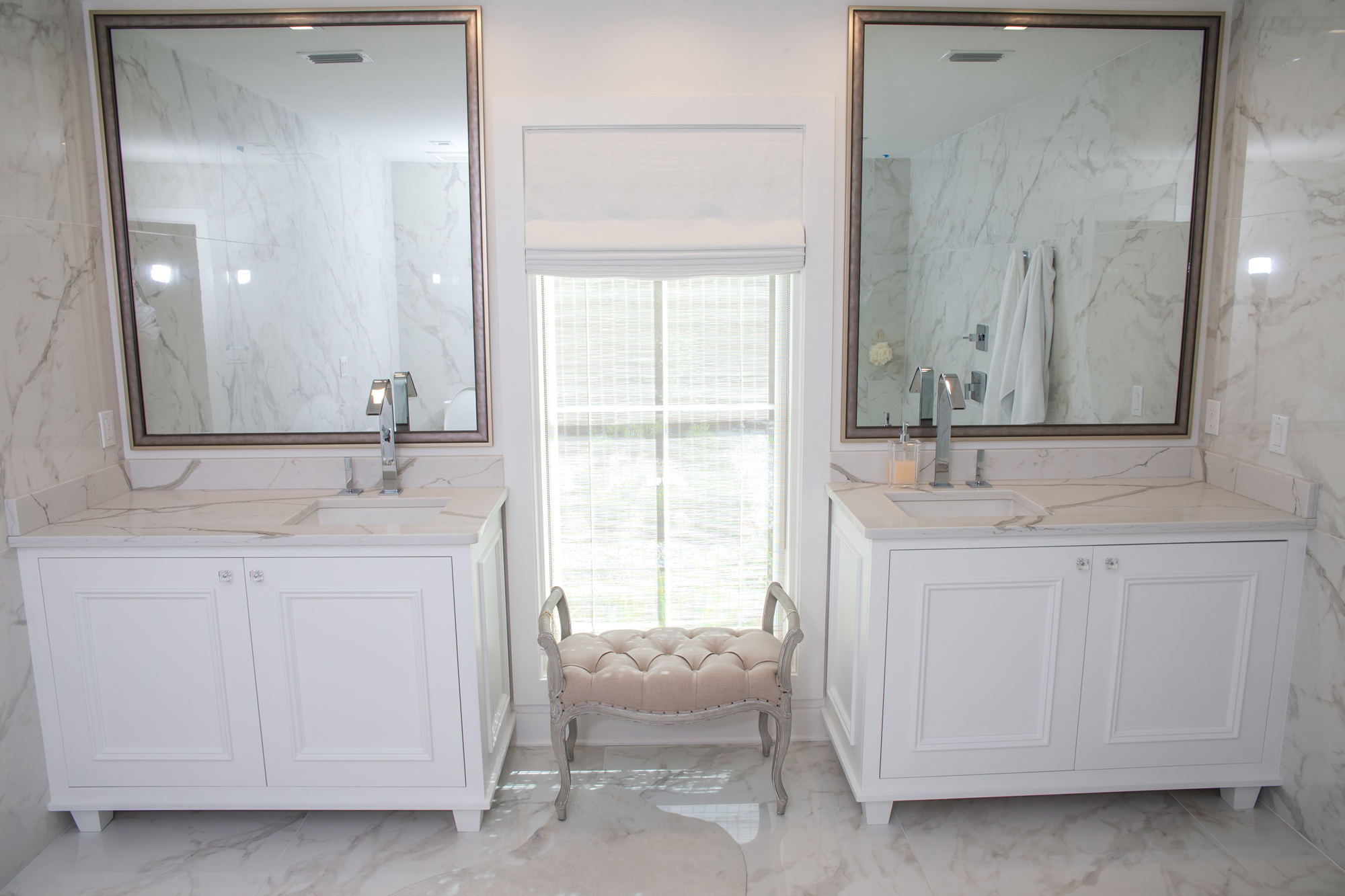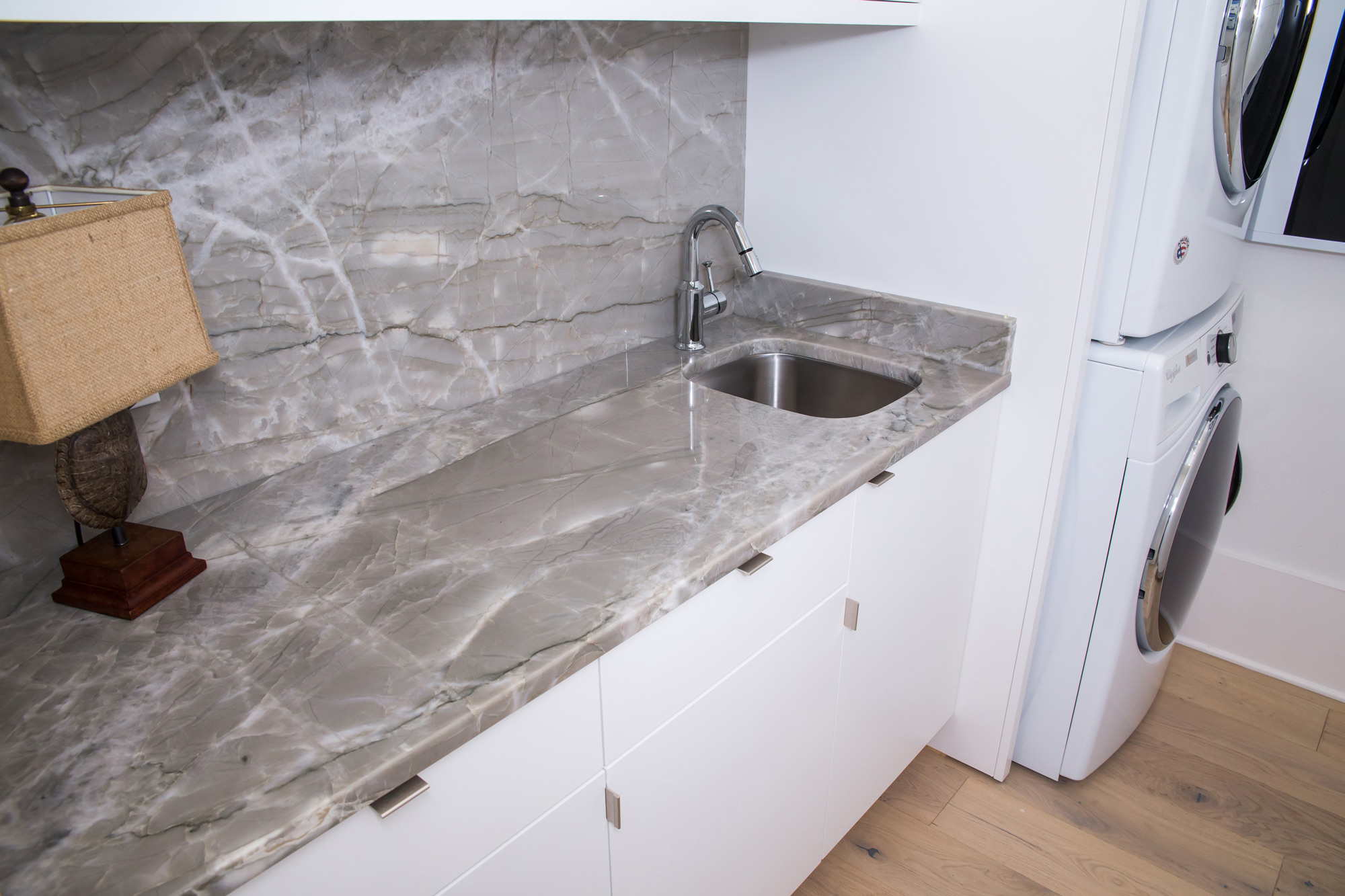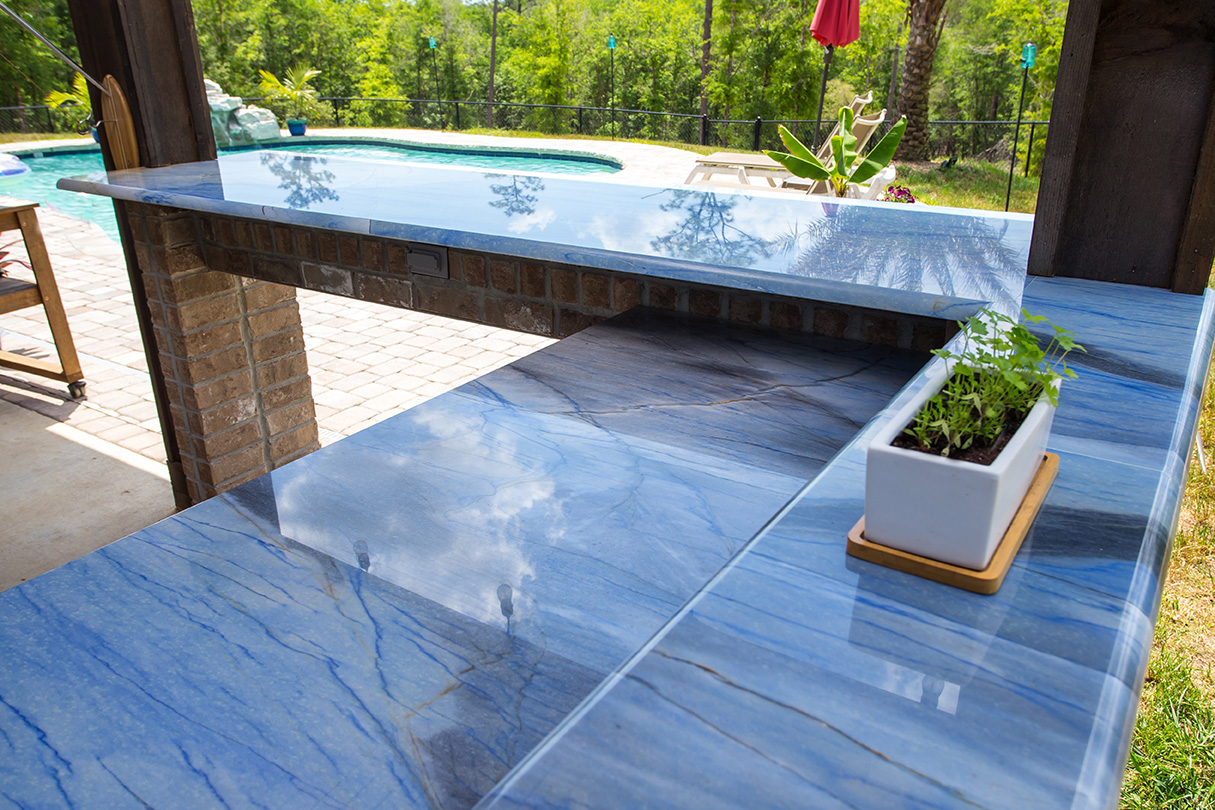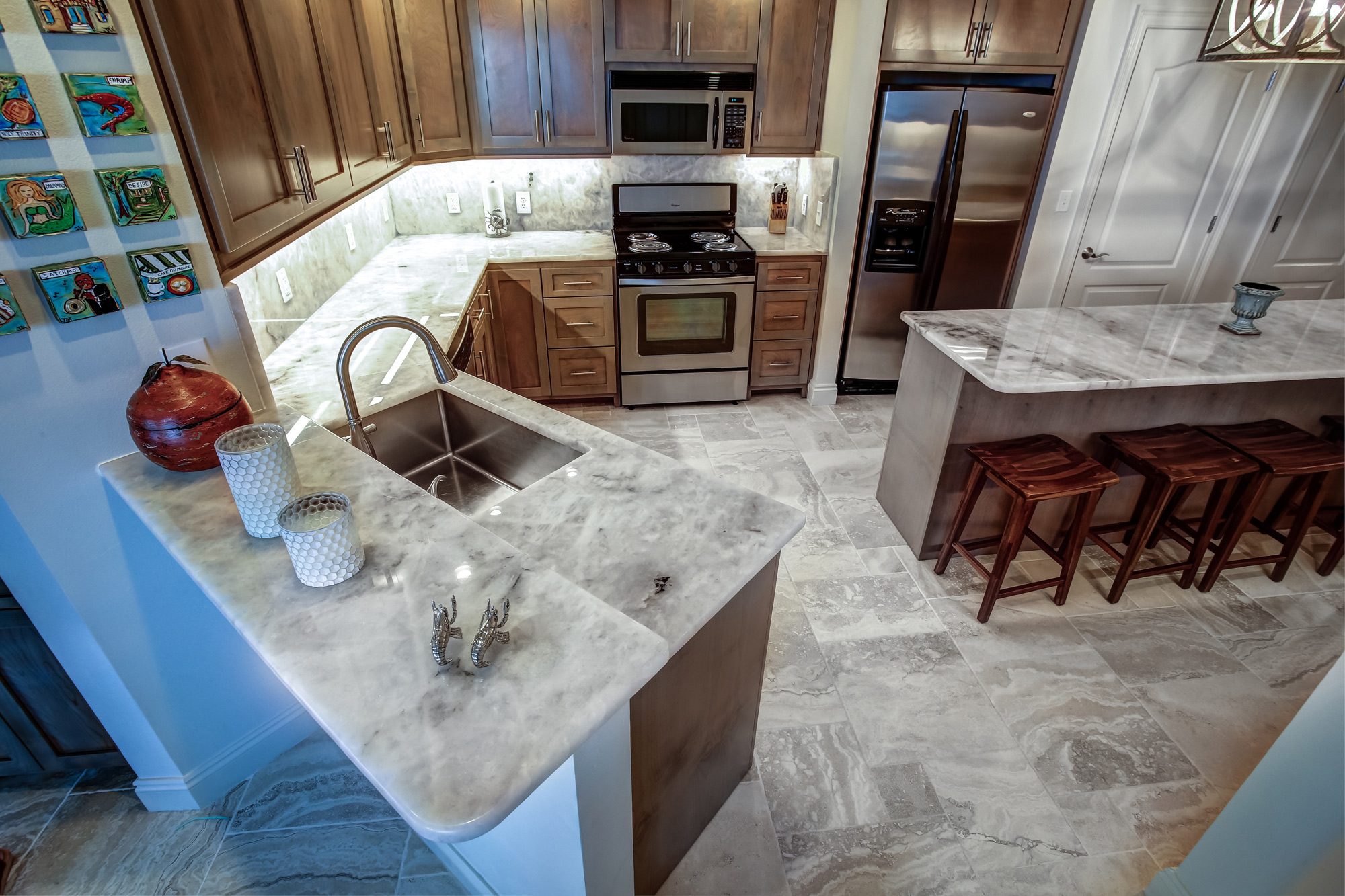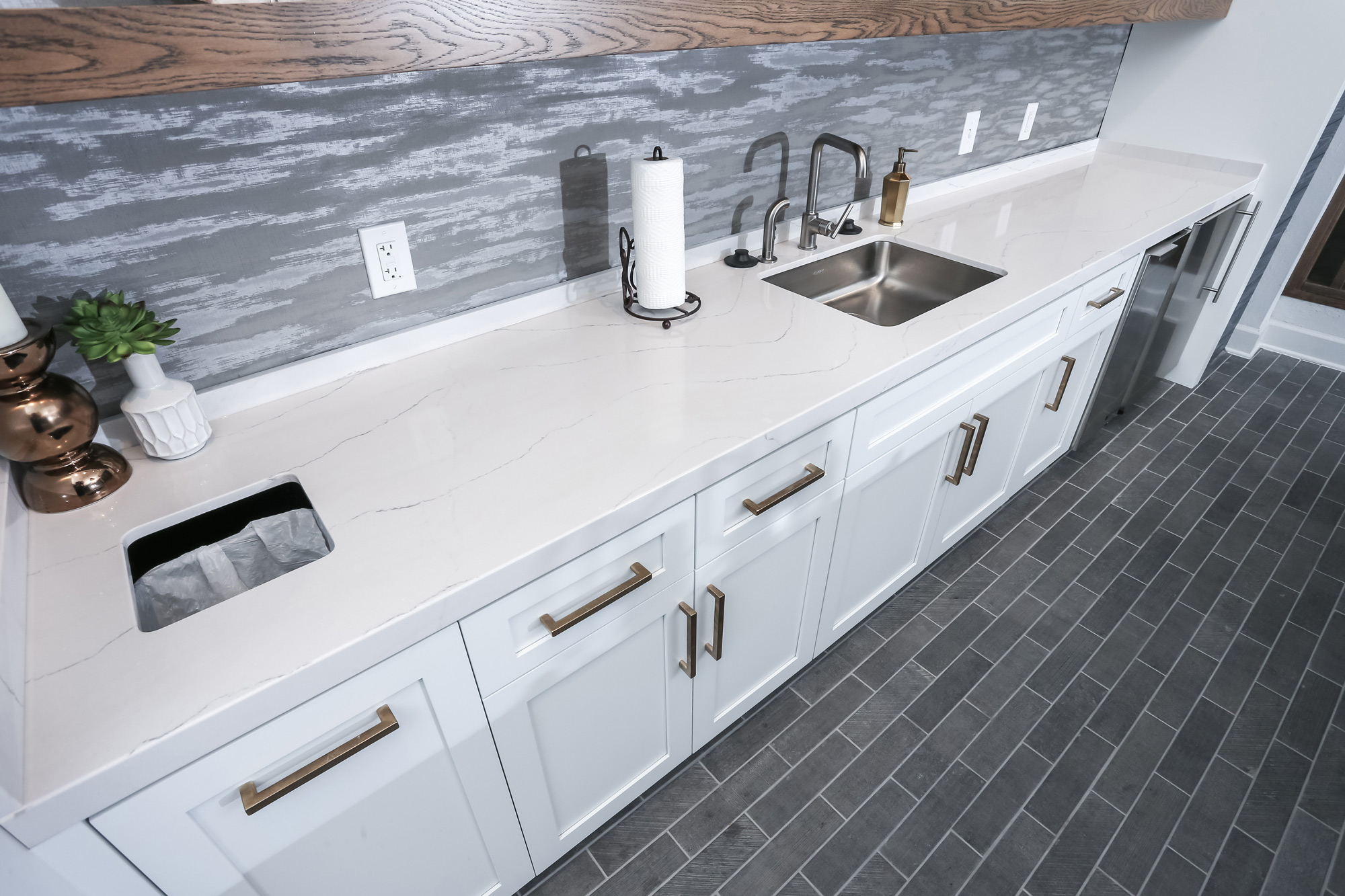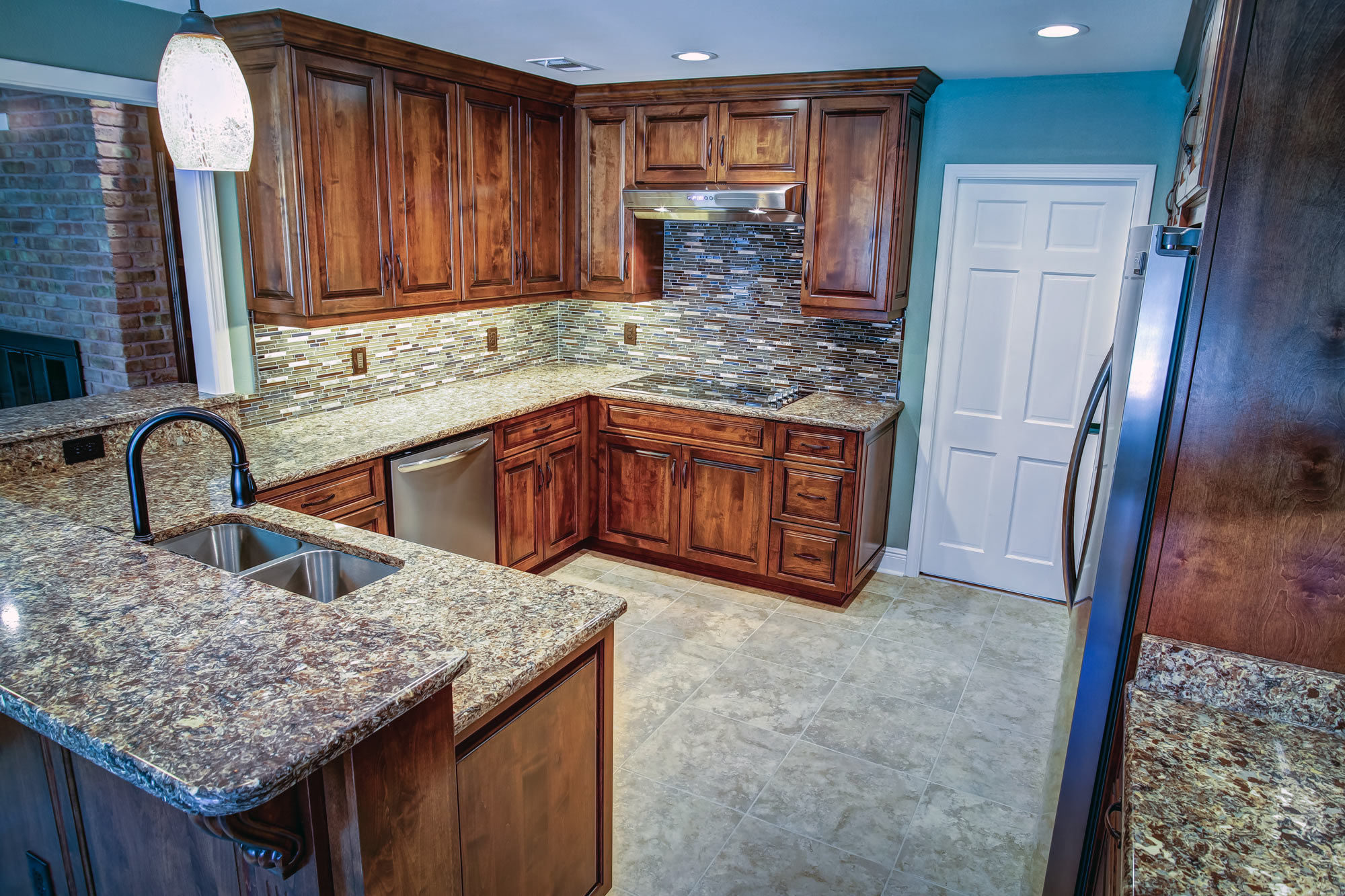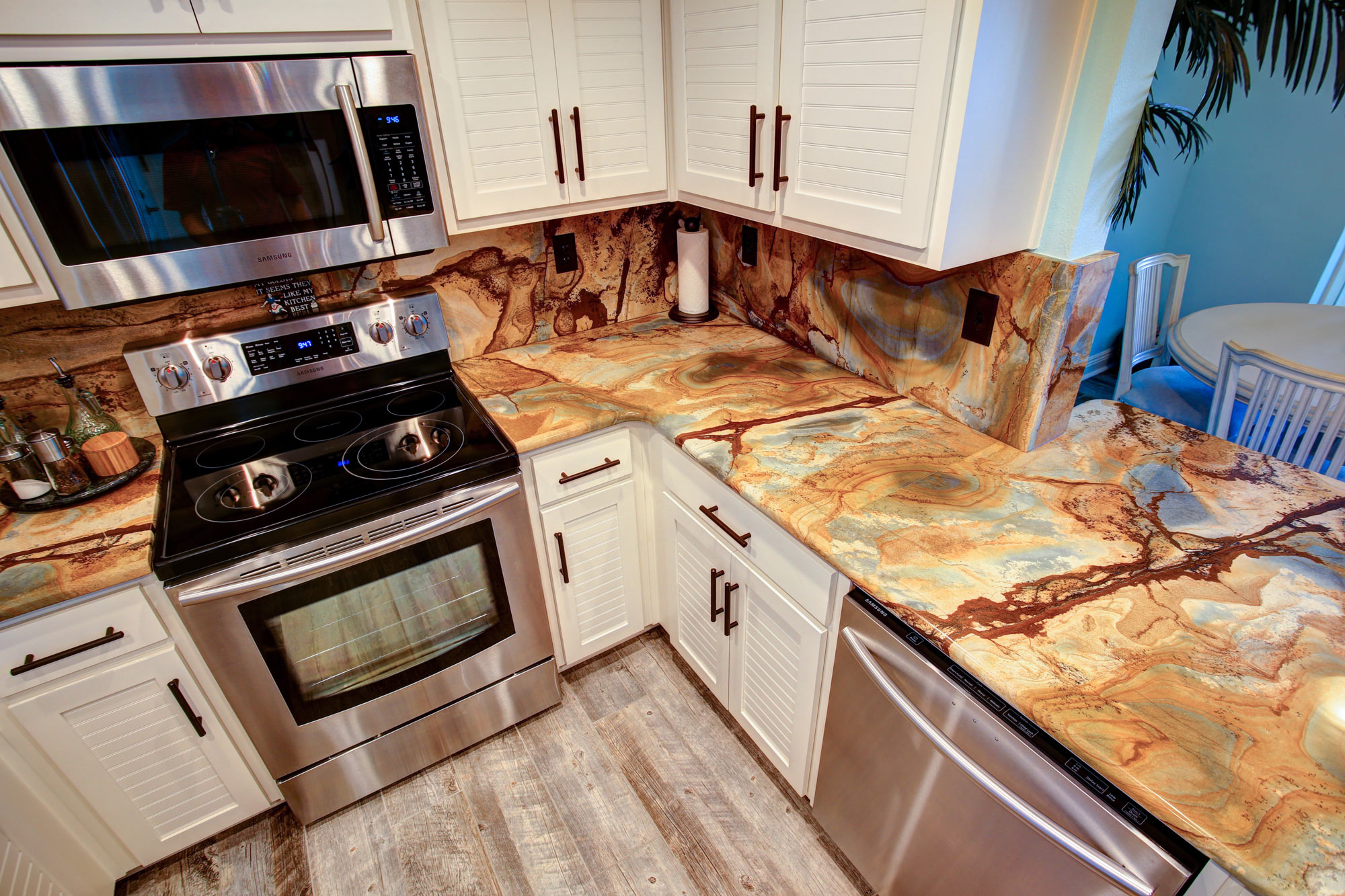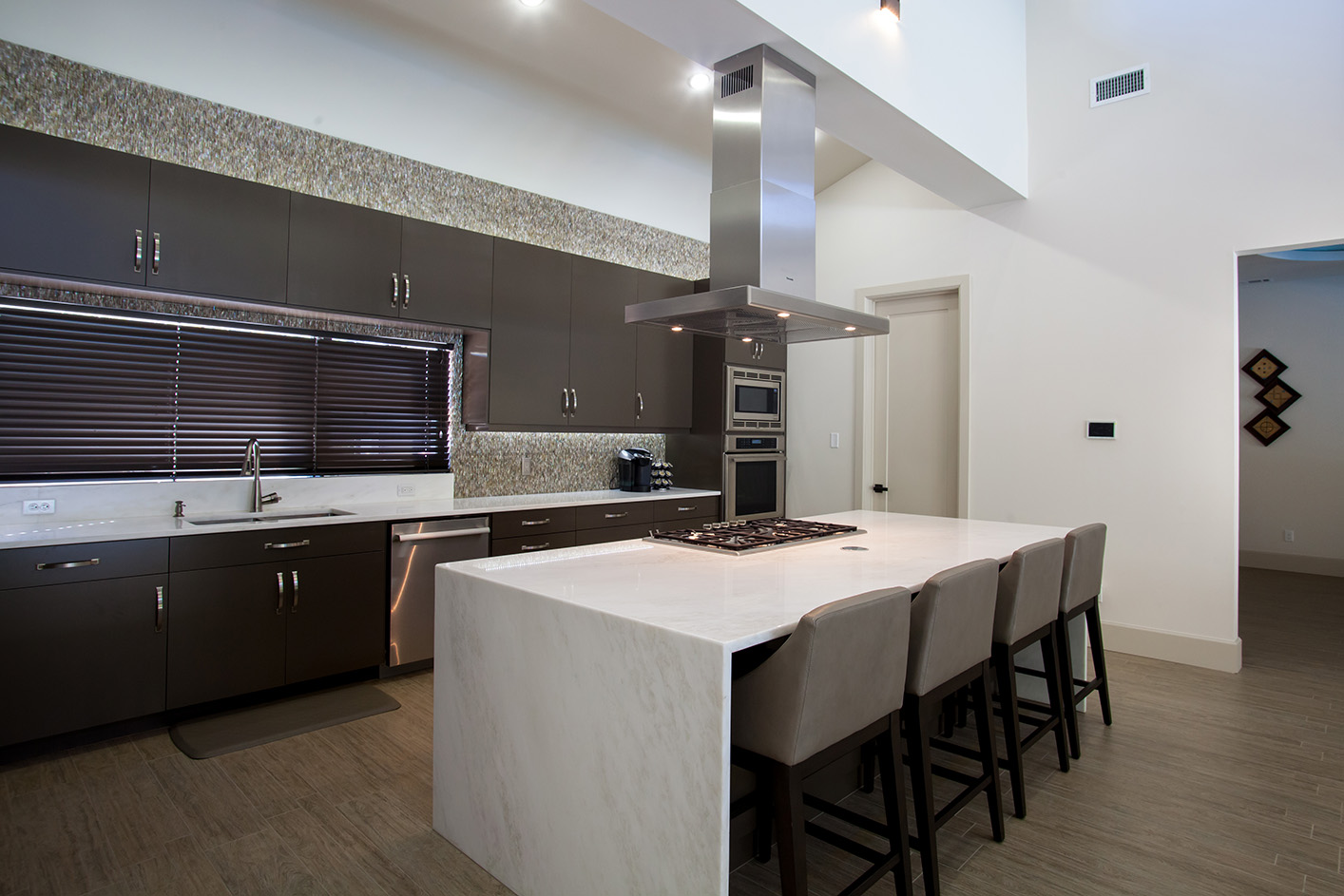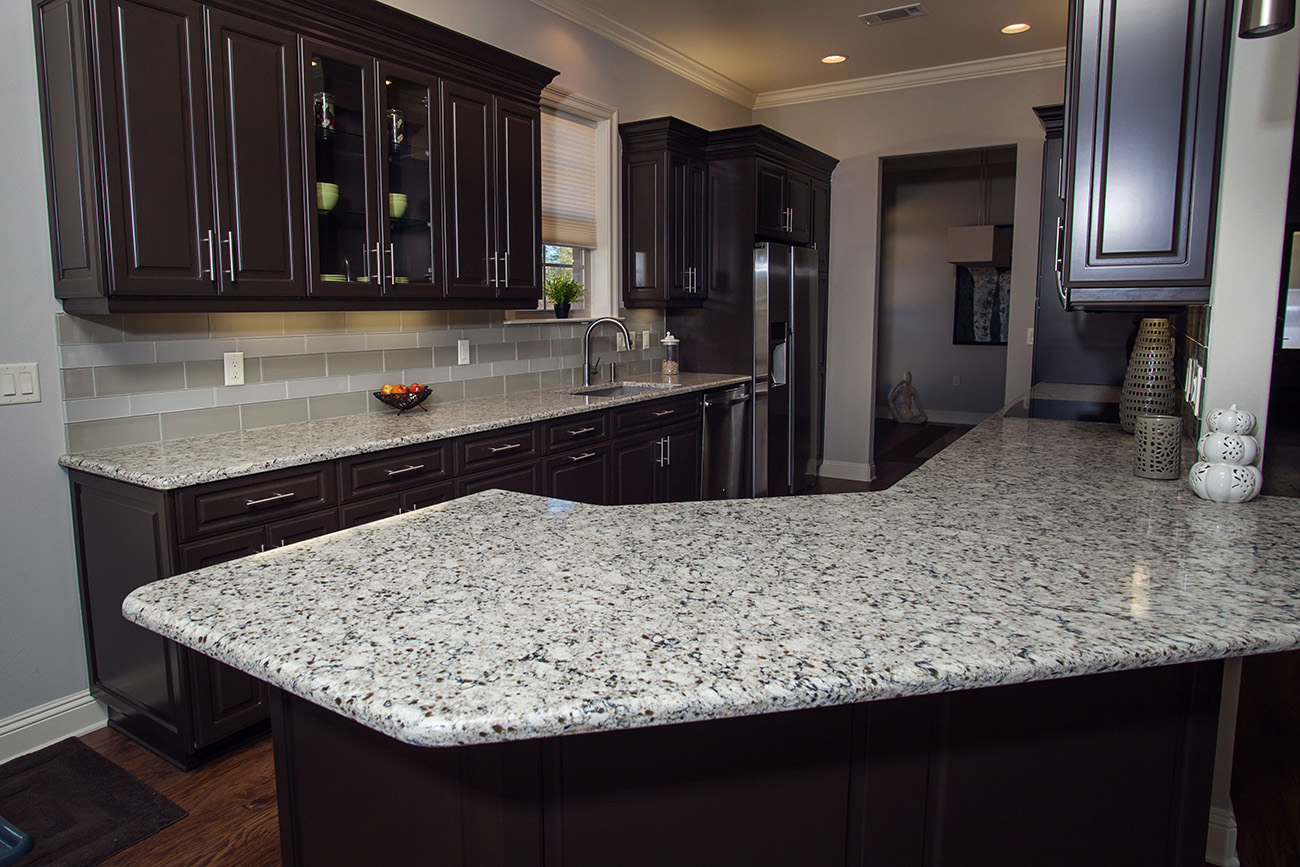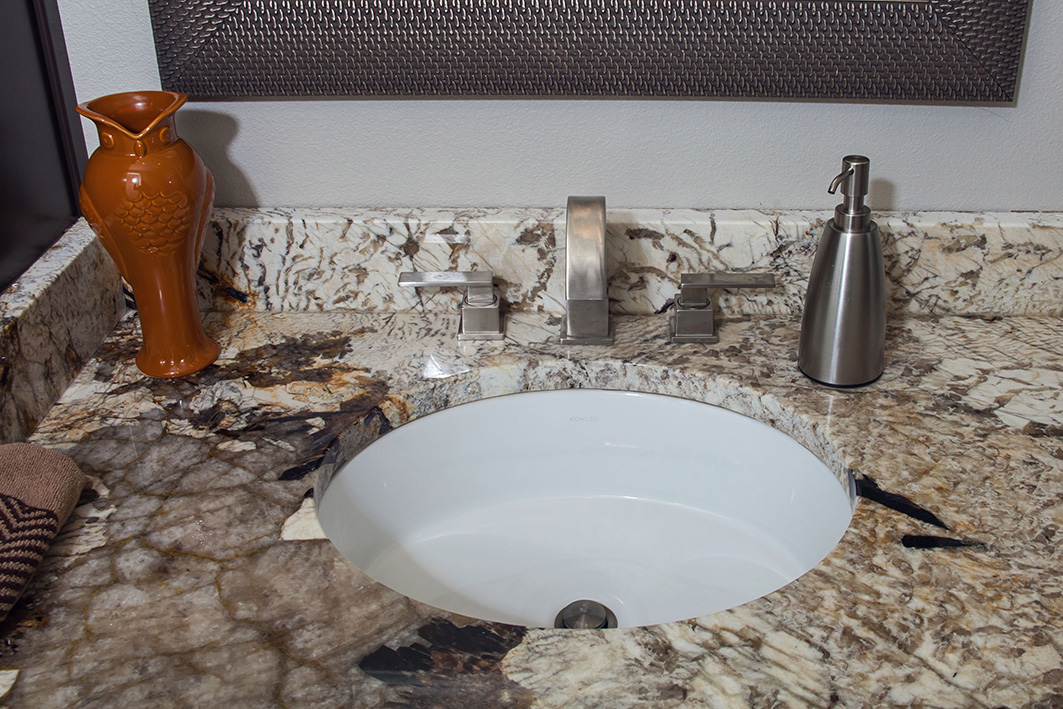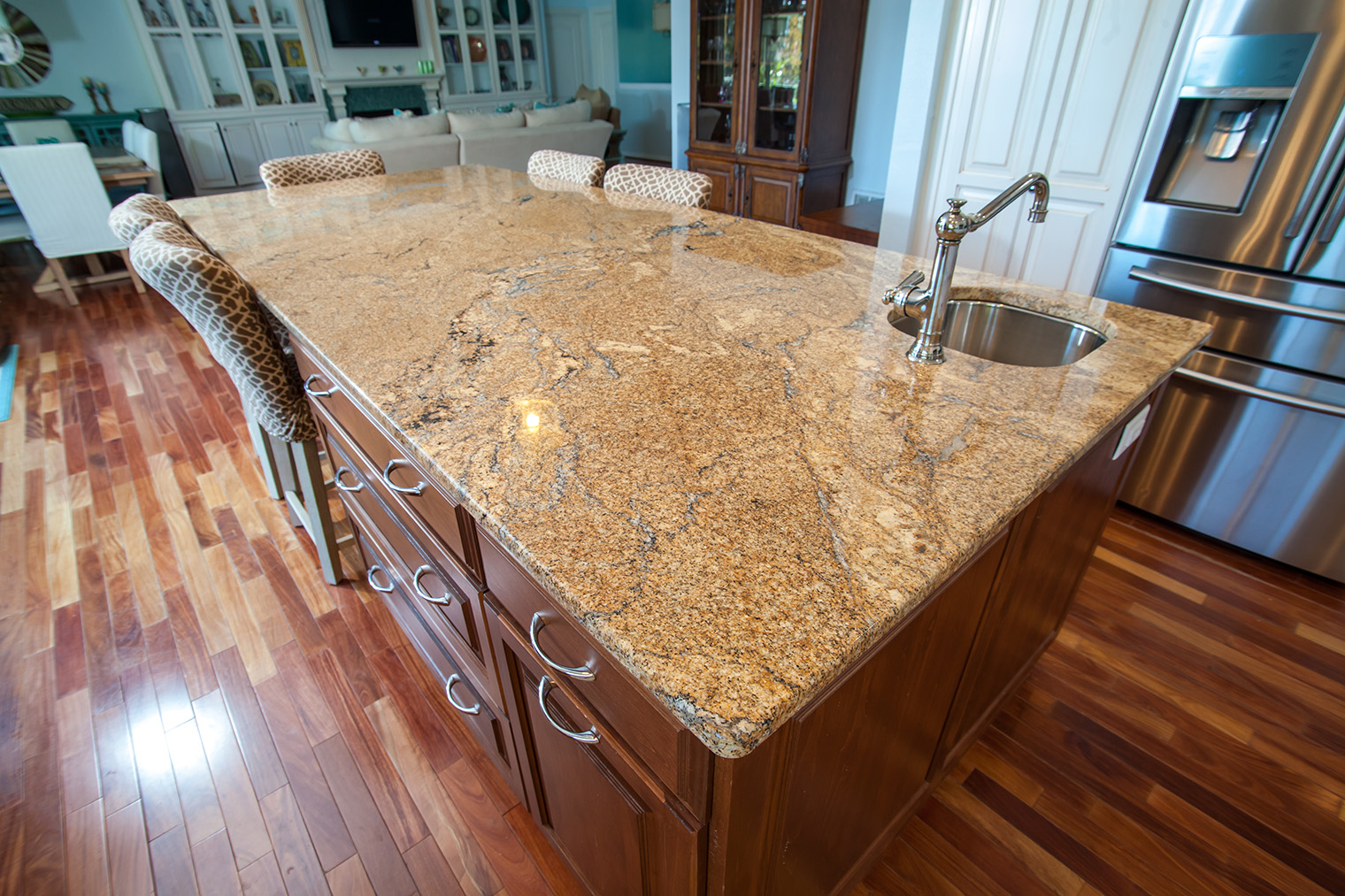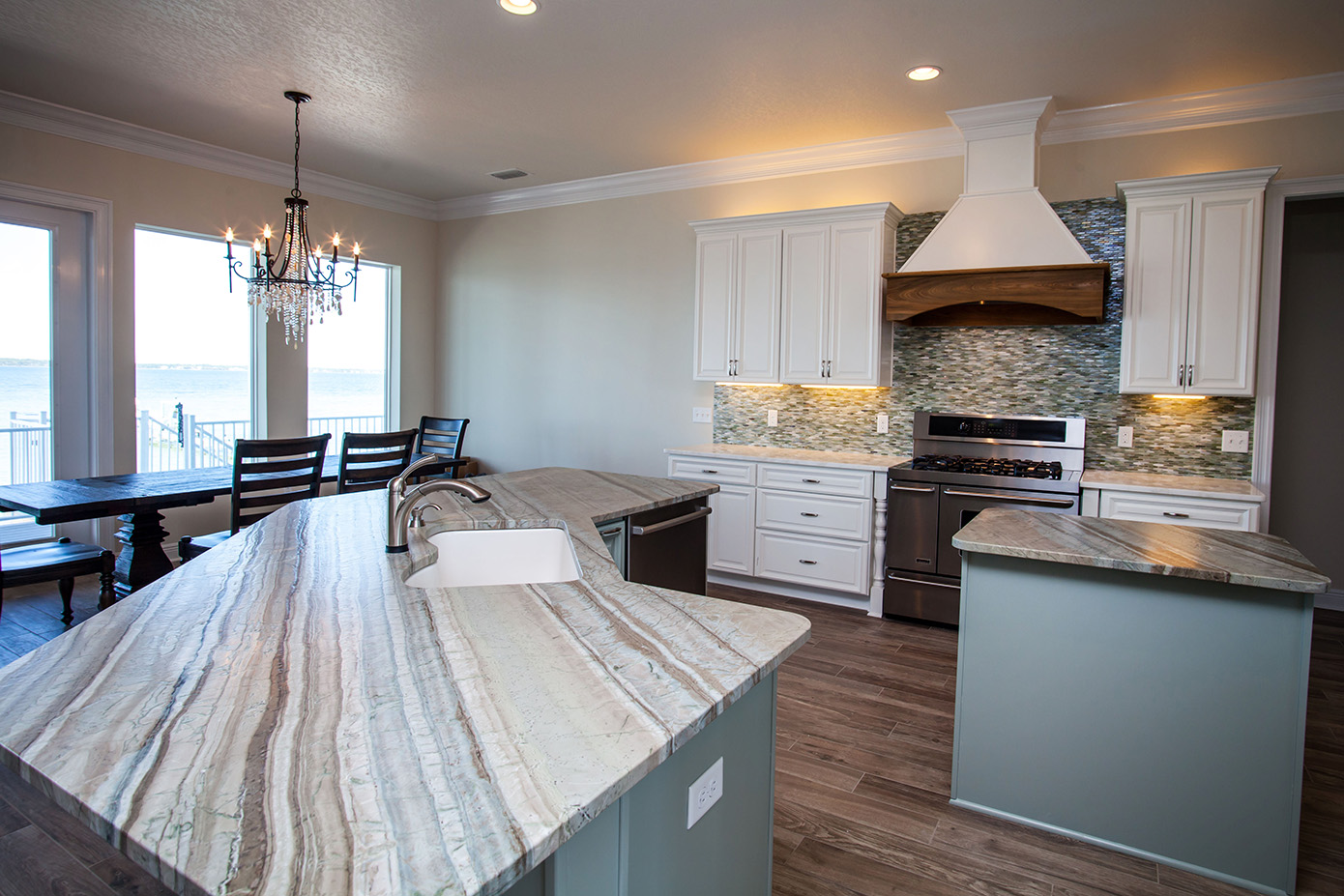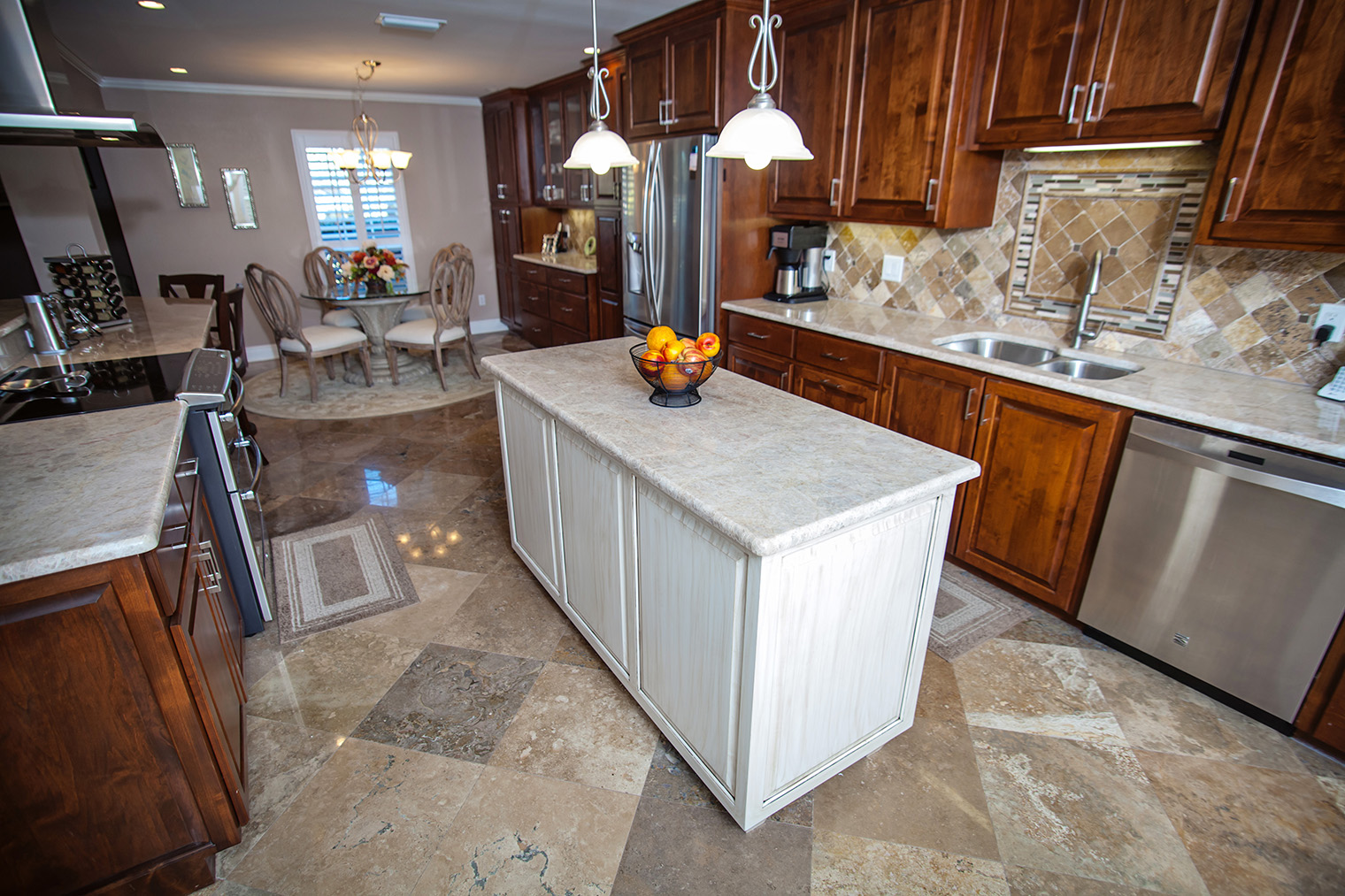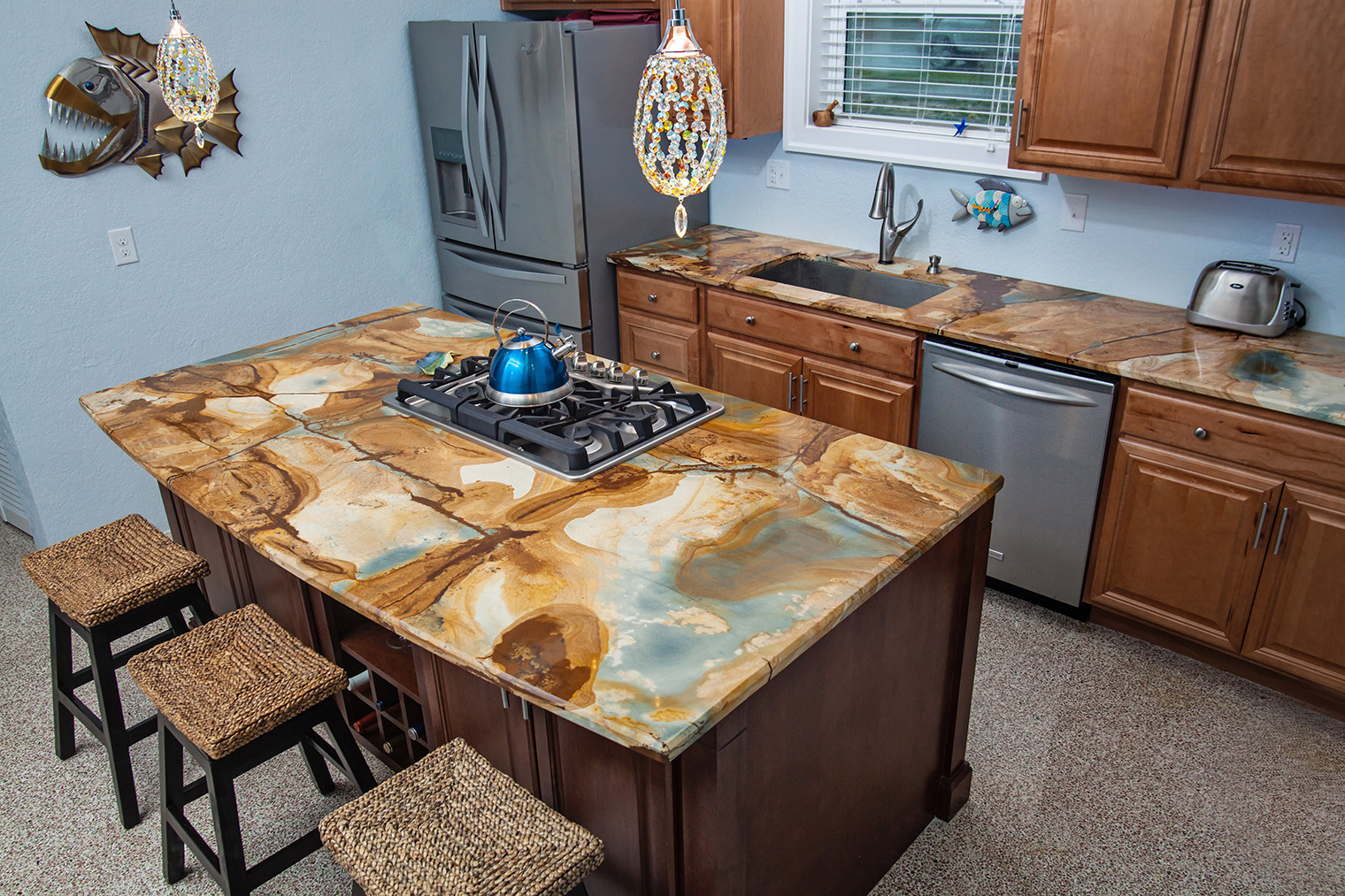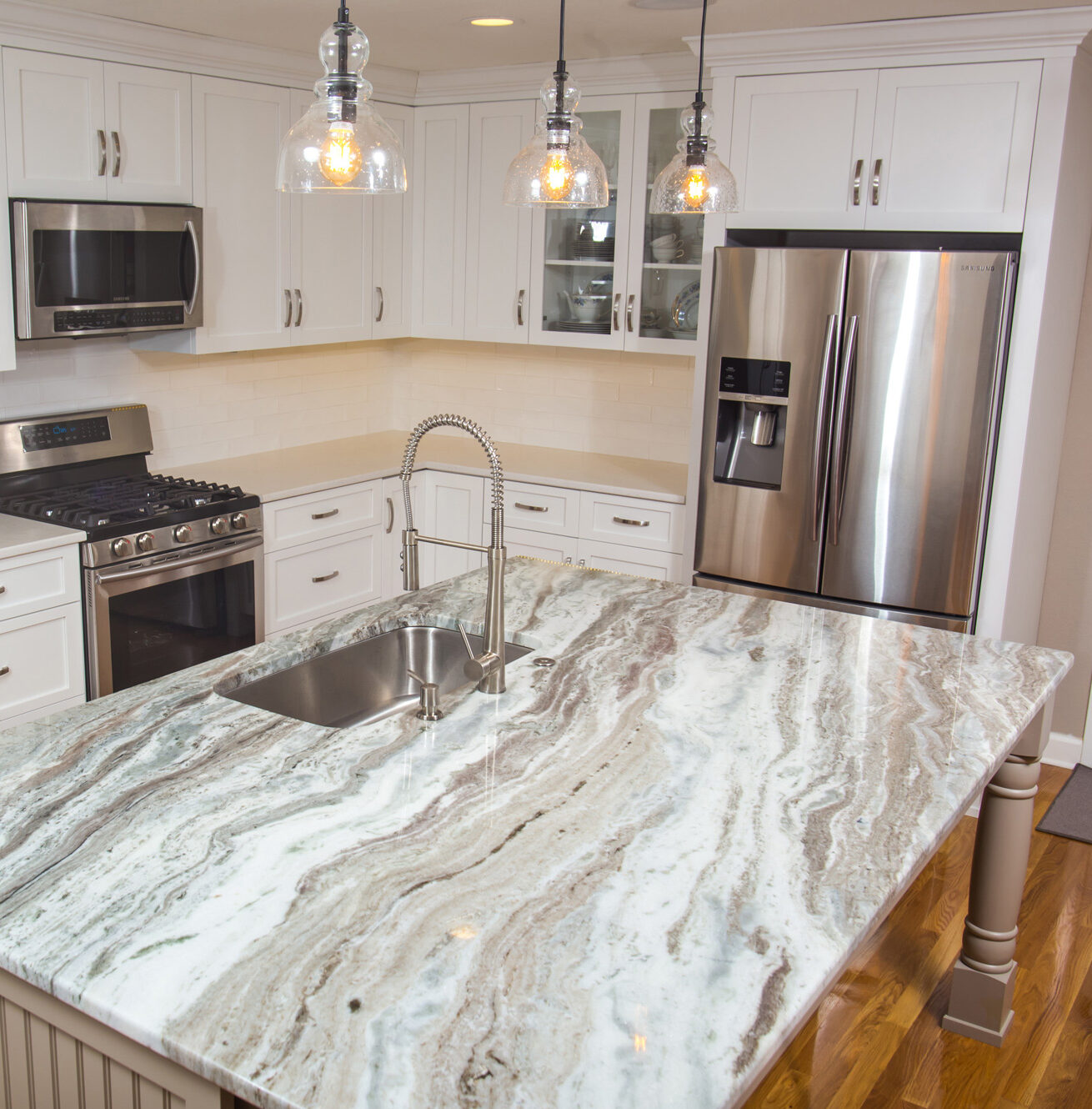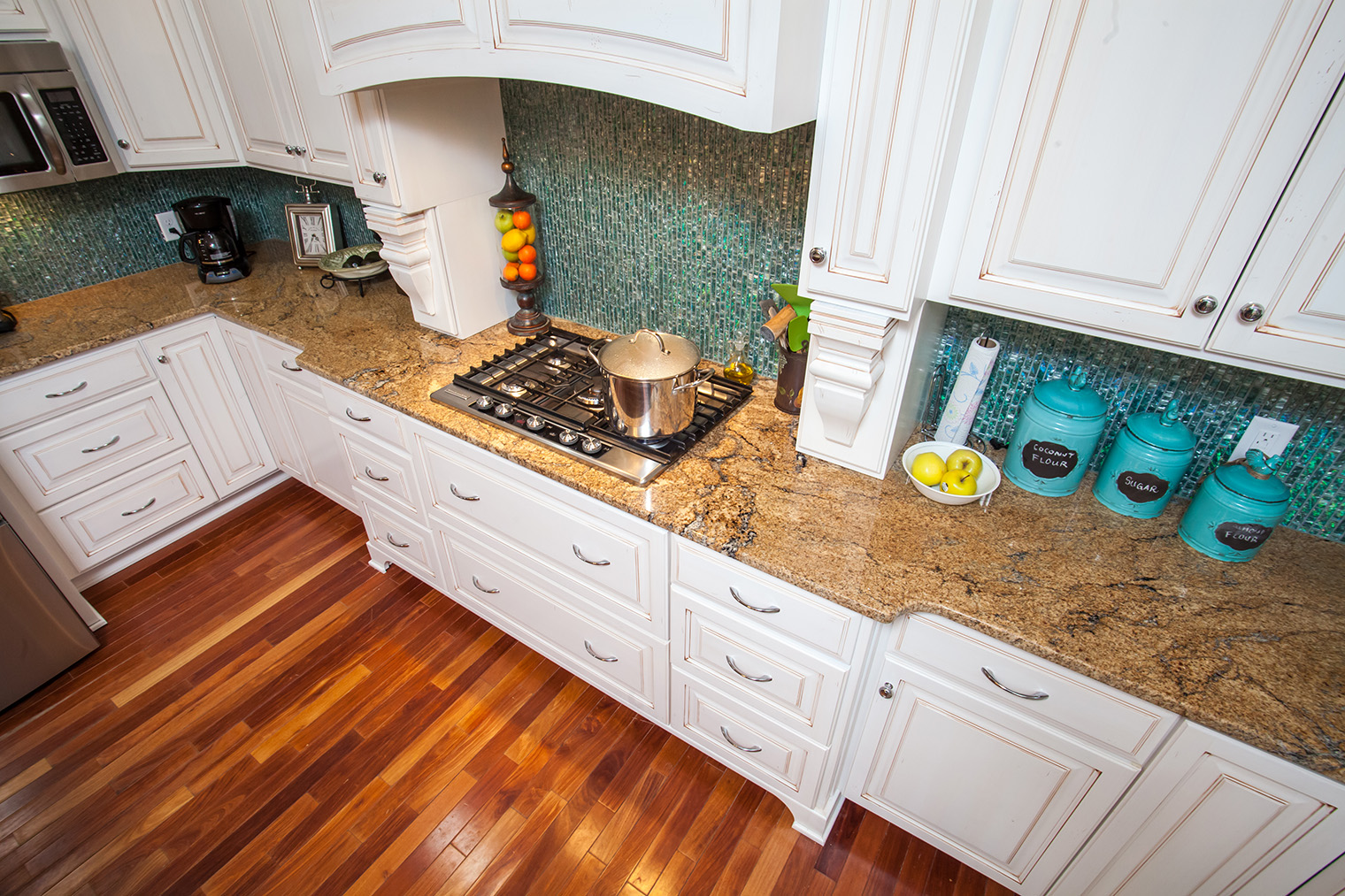
Calcite countertops stop people in their tracks. The soft creamy whites, the translucent depth, the delicate veining; it’s one of the most visually striking natural stones available. And it’s one of the most misunderstood.
Here’s what most homeowners don’t know before they buy: calcite is soft. It etches fast. It scratches. And it’s often mistaken for quartzite, a stone that performs completely differently. That mix-up has led to a lot of expensive regret in kitchens that weren’t right for this material.
What Is Calcite Stone?
Calcite is a natural stone countertop material composed primarily of calcium carbonate. It forms from compressed marine fossils and shells over millions of years, producing a stone that is typically translucent, soft, and luminous in a way few other materials can replicate.
Most calcite slabs feature soft creamy whites and light neutrals with delicate, flowing veining. Some varieties are translucent enough to be backlit; a dramatic design choice that creates a warm, glowing effect across the entire surface. No two slabs look the same, which makes every installation genuinely one of a kind.
On the Mohs hardness scale, calcite sits at 3. That makes it the softest natural stone option commonly used for countertops; softer than marble, significantly softer than granite, and nowhere near quartzite. Understanding that number matters before you commit to this stone in any high-use space.
Why Calcite Countertops Appeal to Homeowners
Calcite countertops appeal to homeowners because they offer the look of luxury marble: the luminous quality, the soft veining, the elegant whites, at a more accessible price point.
It’s a natural stone countertop composed of calcium carbonate. While it looks remarkably similar to high-end marble, its unique visual depth and soft color palette make it a popular choice for kitchen and bathroom renovations. Here’s what draws homeowners to it:
- Stunning marble-like aesthetic: soft veining and luminous quality typically associated with expensive marble
- Luminous glow: calcite crystals reflect light, giving the surface a bright, airy appearance that makes spaces feel larger
- Luxury look without the marble price: similar elegance at a more accessible price point
- Unique color variations: classic whites and soft greys are most common, with rare varieties in blue, green, and pink
- Backlit capability: translucent varieties can be backlit for a dramatic glowing effect
- Not scarce: widely available in a range of slab options worldwide
Types of Calcite Kitchen Countertops
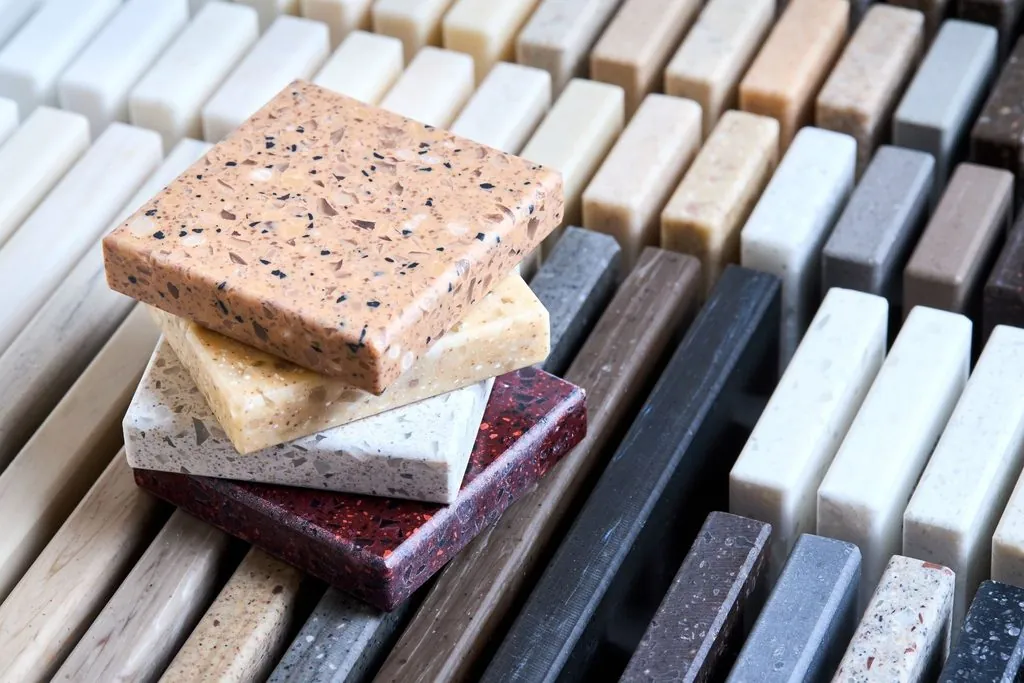
Not all calcite looks the same. Here’s a breakdown of the main varieties:
White Calcite
The most common and most popular option. Creamy white background with soft, flowing veining; this is the look most homeowners picture when they think of calcite. White calcite countertops work beautifully in bathrooms and lower-traffic kitchen surfaces.
Backlit Calcite
Translucent calcite slabs installed with LED lighting behind them. The result is a glowing, luminous surface that works as a dramatic design statement in bars, feature walls, bathroom vanities, and accent countertops. The stone itself is the same; the installation method creates the effect.
Colored Calcite
In nature, calcite can occur in a range of colors beyond white and cream. Rare varieties including blue, green, and pink calcite have been found in different regions of the world. These are less common as countertop materials but exist for homeowners looking for something truly distinctive.
All calcite varieties share the same care requirements; sealing, acid protection, and careful daily maintenance apply across every type.
Calcite Countertops Pros and Cons
Pros:
- Stunning translucent appearance; unique to calcite and few other stones
- Soft, creamy white colors; pairs well with most design styles
- Can be backlit for a dramatic, luminous effect
- Similar luxury look to marble; at a more accessible price
- Not scarce; widely available in a range of slab options
- Every slab is unique; natural variation throughout
Cons:
- Mohs 3; softest natural stone option for countertops
- Etches quickly from acidic spills; damage can happen in less than 20 minutes
- Less heat-resistant than granite; always use a trivet
- Prone to scratching and staining without proper care
- Requires sealing twice per year
Not well suited to high-traffic kitchens; works but demands consistent attention
The Biggest Risk With Calcite: Etching
Calcite etches from acidic spills, and it can happen in less than 20 minutes. That’s the most important thing to know before choosing this stone for any kitchen surface.
Etching and staining are two different problems. Staining occurs when liquid soaks into a porous surface and leaves a mark; proper sealing significantly reduces this risk. Calcite etching is different. It’s a chemical reaction that occurs when an acidic substance dissolves the calcium carbonate in the stone. Sealing does not prevent it.
Common kitchen acids that cause etching:
- Lemon juice
- Wine
- Tomato sauce
- Vinegar
- Citrus extracts
- Essential oils
- Alcoholic drinks
The damage can happen in less than 20 minutes if a spill is left sitting. The result is a dull mark on the surface; not from staining, but from the acid literally reacting with the stone. The risk can be managed with prompt spill cleanup and careful habits, but it cannot be eliminated with sealing alone.
Calcite vs Marble Countertops
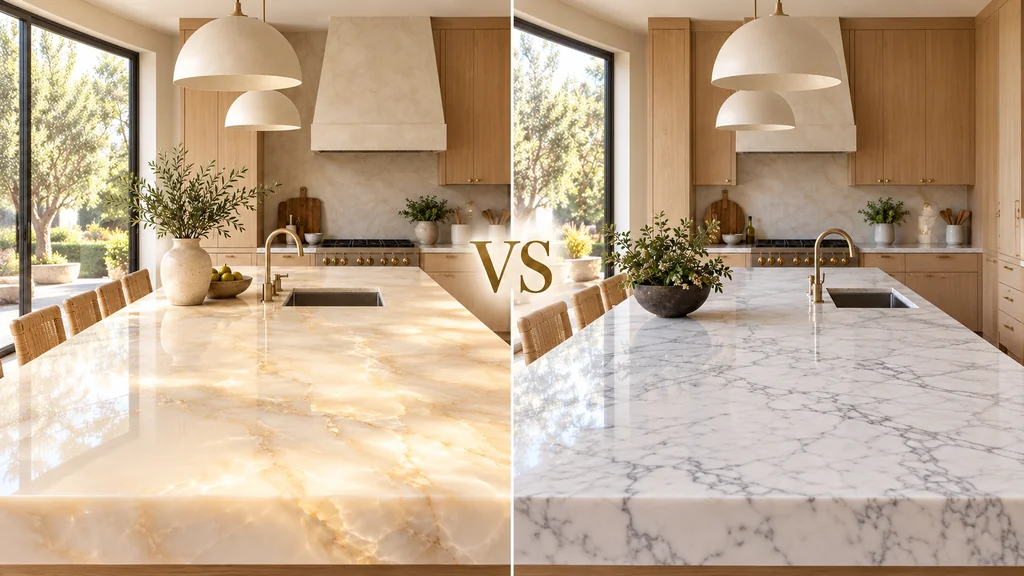
Calcite vs marble countertops: both sit at Mohs 3, both etch from acidic spills, and both require semi-annual sealing. The honest answer is that they perform very similarly, with calcite offering a marginal durability edge and a more accessible price point.
The main differences worth knowing:
- Hardness: both are Mohs 3; calcite is slightly more acid-resistant than marble
- Etching: both etch from kitchen acids; marble etches slightly faster
- Sealing: both require sealing twice per year
- Heat: both require a trivet; neither handles direct heat well
- Price: calcite is generally more accessible than premium marble
- Appearance: calcite has that unique translucent, luminous quality marble doesn’t always have
Neither stone is low-maintenance. If you’re choosing between the two, calcite makes sense when you want that luminous backlit quality or a more affordable entry into natural stone luxury. If that marginal difference doesn’t matter, both require the same commitment to care.
Calcite vs Granite
This comparison tells a clearer story. Granite and calcite are very different stones in terms of performance.
| Feature | Calcite | Granite |
|---|---|---|
| Mohs Hardness | 3 | 6–6.5 |
| Heat Resistance | Use a trivet always | Hot items directly; no trivet needed |
| Scratch Resistance | Scratches easily | Very resistant |
| Etching | Etches fast with acids | Does not etch |
| Sealing | Semi-annually | Annually |
| Best Application | Bathroom, low-traffic surfaces | Kitchen, high-traffic areas |
Granite is significantly harder, more heat-resistant, and doesn’t etch at all. For busy family kitchens where durability is the priority, granite is the stronger choice by a wide margin. Calcite vs. granite isn’t really a competition; they serve different spaces and different homeowners.
Calcite wins on appearance for homeowners who specifically want that soft, luminous, translucent look. Granite wins on performance for almost everything else.
Where Should You Use Calcite Countertops?
Location matters more with calcite than with almost any other countertop material.
Bathroom vanities are where calcite countertops truly shine. Lower traffic, less exposure to kitchen acids, and a design context where the stone’s visual character can be appreciated without constant wear. Calcite bathroom countertops in a powder room or primary bathroom are a beautiful, practical choice.
Low-traffic kitchen surfaces, an island used primarily for display and serving rather than active food prep, for example, can work with calcite if the homeowner is committed to careful daily maintenance.
Calcite kitchen countertops will work in an active cooking kitchen, but it requires consistent attention. Every acidic spill needs to be wiped up immediately. No cutting directly on the surface. Always use trivets. If that level of care sounds manageable, calcite can absolutely be used in the kitchen. If it sounds exhausting, a harder stone will serve you better.
Calcite is an indoor-only material. It is not suitable for outdoor applications.
How to Care for Calcite Countertops
Calcite countertop care is straightforward when done consistently. The key is making good habits automatic; not waiting until there’s a problem.
Cleaning: Use warm soapy water and a soft microfiber cloth for daily cleaning. Safe cleaning products include Method Granite and Marble Cleaner, Pledge Multi-Surface (non-citrus), and ammonia-free glass cleaner. Never use bleach, ammonia, vinegar, citrus-based cleaners, or abrasive scrubs; these will damage both the stone and the sealant.
Sealing: Reseal calcite countertops twice per year. Clean the surface thoroughly and let it dry completely. Apply a silicone impregnator or appropriate stone sealer to a soft, dry cloth and wipe onto the surface. Wait 10 minutes, then wipe off with a dry cloth. The stone absorbs what it needs; the rest wipes away cleanly. Remember: sealing protects against staining but does not prevent etching.
Daily protection: Wipe up spills immediately, especially anything acidic. Use cutting boards for all food prep; never cut directly on calcite. Use trivets or hot pads under any heat source. Never use abrasive sponges or scrubbing pads on the surface.
Calcite Countertops Cost
Calcite countertop costs vary depending on several factors; there’s no single number that applies to every project.
The main factors that affect price are the slab itself: grade, rarity, and the amount of veining and movement in the stone; along with project size, edge profile selection, number of cutouts for sinks and appliances, and the complexity of the installation. More movement and more unusual color in a slab typically means a higher price.
What matters more than any per-square-foot figure is getting a complete project estimate. The material cost is only part of the total; fabrication, edge finishing, cutouts, and installation all contribute to the final number. First-quality, 3cm material is the standard for countertop applications and is what any reputable fabricator should be working with.
The best way to get an accurate cost for your specific project is to visit a showroom, look at full slabs in person, and discuss your space requirements with a sales associate. That conversation gives you a real number, not a range that may or may not apply to what you’re actually building.
Is Calcite the Right Choice for Your Home?
Calcite may be right for you if you want a translucent, luminous natural stone look that no other material replicates, you’re designing a bathroom vanity or low-traffic surface, you’re committed to sealing twice per year and wiping spills immediately, and you understand that etching is a real risk that careful habits can minimize but not eliminate.
Consider other stones if you want maximum durability for a high-traffic family kitchen; granite or quartzite will serve you much better. If you want zero maintenance, quartz is the more practical choice. If you’ve been looking at what you thought was quartzite, double-check; calcite and quartzite look similar but perform very differently. That’s one of the most common and costly mix-ups in natural stone selection.
Calcite is a beautiful stone for the right space and the right homeowner. It rewards careful ownership and looks stunning when it’s properly maintained.
Explore Calcite Countertops at Superior Granite
Superior Granite has been serving Gulf Coast homeowners since 2005 with first-quality, 3cm natural stone and one of the largest slab selections in the region. With showrooms in Pensacola, Pace, and Fort Walton Beach, the team works with homeowners through every stage: slab selection, templating, fabrication, and installation.
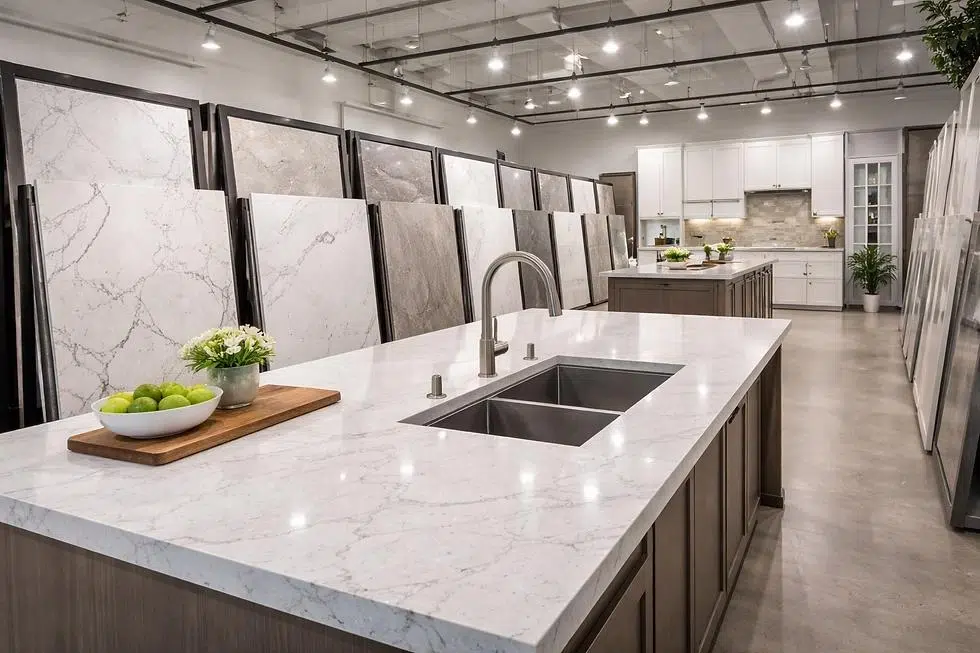
The best countertop installation process in Pensacola starts before anything is measured or cut. Visit the showroom, see full calcite slabs in person, and bring your cabinet door and flooring sample so you can compare how the stone reads against your actual materials. The sales team can walk you through what to expect from calcite in your specific space and help you decide whether it’s the right fit or whether a different stone would serve you better.
From there, precise templating ensures the pieces fit perfectly. State-of-the-art fabrication handles the edge profiles and cutouts. And a professional installation crew brings the finished countertop to your home and installs it with the goal of completing the job in a single day.
Pensacola, FL
Visit Us: 7011 Pine Forest Road, Pensacola, FL 32526
Call Us: (850) 941-0270
Hours: Monday – Friday: 8 a.m. – 5 p.m., Saturday: 9 a.m. – 2 p.m.
Pace, FL
Visit Us: 4590 Jernigan Road, Pace, Florida 32571
Call Us: (850) 994-1872
Hours: Tuesday – Friday: 9 a.m. – 5 p.m., Saturday: 9 a.m. – 2 p.m.
Fort Walton Beach, FL
Visit Us: 35 Miracle Strip Pkwy SW, Fort Walton Beach, Florida 32548
Call Us: (850) 301-0716
Hours: Tuesday – Friday: 8 a.m. – 5 p.m., Saturday: 9 a.m. – 2 p.m.
Get quotes now and start your project!
FAQs
1. What are calcite countertops?
Calcite countertops are natural stone surfaces made from calcium carbonate. They feature soft, creamy whites and delicate veining, and some varieties are translucent enough to be backlit. They are valued for their unique luminous appearance.
2. Are calcite countertops durable?
Calcite sits at Mohs 3; the softest natural stone option for countertops. It can scratch, etch, and stain more easily than granite or quartzite. With proper sealing and careful daily care, it holds up well in low-traffic spaces like bathrooms.
3. Is calcite better than marble for countertops?
They are very similar in performance; both sit at Mohs 3, both etch from acidic spills, and both require semi-annual sealing. Calcite is slightly more acid-resistant than marble and generally more affordable. Neither is a low-maintenance stone.
4. Do calcite countertops etch easily?
Yes. Calcite etches quickly from common kitchen acids including lemon juice, wine, tomato sauce, and vinegar. Damage can happen in less than 20 minutes if a spill is left sitting. Sealing reduces staining risk but does not prevent etching.
5. How often do calcite countertops need to be sealed?
Calcite countertops should be sealed twice per year. The process involves cleaning the surface thoroughly, applying a silicone impregnator to a dry cloth, wiping it on, waiting 10 minutes, then wiping off the excess.
6. Are calcite countertops good for kitchens?
Calcite works in kitchens but requires consistent attention. It’s better suited to bathroom vanities and low-traffic surfaces. For high-traffic family kitchens, granite or quartzite are more practical choices.
7. What is the difference between calcite and quartzite?
They look similar but perform very differently. Calcite is soft (Mohs 3) and etches easily with acids. Quartzite sits at Mohs 7; it is much harder, more heat-resistant, and far more durable for kitchen use. Confusing the two is one of the most common and costly mistakes in natural stone selection.