A fireplace is the most eye-catching element in any room. It draws attention the moment you walk in, anchors the entire space, and sets the mood for everything around it. But here’s what most homeowners get wrong: they choose the stone based purely on looks, without thinking about heat. And near a fireplace, heat changes everything.
The wrong stone near a flame doesn’t just look bad over time; it cracks, discolors, and deteriorates in ways that can’t be fixed. A stone fireplace done right, on the other hand, lasts the lifetime of the home and becomes the single most memorable feature in any room.
Why the Right Stone Matters for a Fireplace
A countertop gets used every day, but a stone fireplace faces something countertops never do: direct, sustained, and intense heat. The wrong stone doesn’t just look worn; it fails structurally. Softer stones crack under thermal stress, engineered materials warp and discolor, and the damage is often permanent and expensive to fix. The right stone, on the other hand, handles the heat without complaint and looks better with every passing year.
Natural stone fireplaces add genuine character that no tile, brick, or manufactured material can replicate, and that uniqueness is what makes them so valuable, both aesthetically and at resale. At Superior Granite, we’ve been helping Gulf Coast families in Pensacola, Pace, FL, and Fort Walton Beach make the right stone choices since 2005, using first-quality 3cm material only, and we know exactly which stones belong near a fireplace and which ones don’t.
Types of Fireplaces and Why It Matters
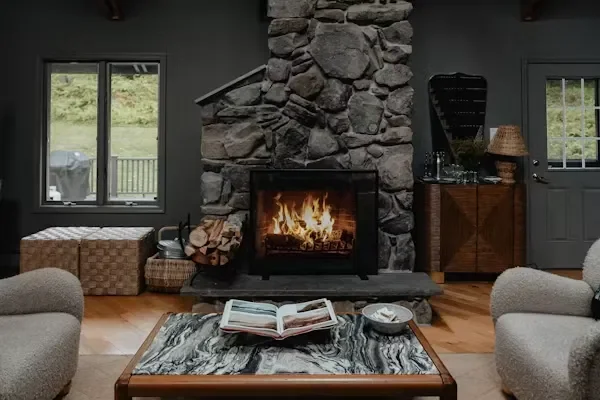
Not all fireplaces produce the same level of heat, and the type of fireplace you have should directly influence the stone you choose. Getting this wrong is one of the most common and costly mistakes homeowners make.
Wood-burning fireplaces
These produce the highest and most unpredictable heat. Temperatures near the firebox can spike dramatically, making this the most demanding environment for any stone. Only the hardest, most heat-resistant natural stones should be used here: granite, quartzite, soapstone, and porcelain.
Gas fireplaces
Gas fireplaces produce moderate, more controlled heat. This opens up more stone options; marble and limestone become viable choices as long as they’re installed with proper clearance from the heat source.
Electric fireplaces
Electric fireplaces produce the least heat of the three. Almost any stone works here, including softer options. This is the only fireplace type where engineered quartz can be considered, and even then, with caution.
Which Stones Work Best for a Stone Fireplace?
Heat resistance comes first. Aesthetics come second. Here’s an honest breakdown of every stone that belongs near a fireplace, and how each one performs.
Granite
Granite sits between 6 and 6.5 on the Mohs scale and is almost impervious to heat. You can place hot objects directly on it without damaging it; it handles wood-burning, gas, and electric fireplaces without complaint. Hundreds of colors, sealing just once a year, and nearly zero maintenance make it the clear top choice for any stone fireplace.
Quartzite: Premium & Heat Proof
Quartzite sits at a 7 on the Mohs scale, harder than granite and just as heat-resistant. Lighter varieties bring a marble-like look to any fireplace without marble’s vulnerability. It works for all fireplace types and brings incredible natural movement that makes every installation unique. Seal once a month for the first three months, then every six months.
Soapstone: Built for the Heat
Soapstone is naturally non-porous and genuinely heat-resistant, one of the few stones completely safe for even the most intense wood-burning fireplaces. It never needs sealing and develops a rich patina over time, maturing from soft light grey to deep charcoal. If you want something that gets better with age, soapstone is the answer.
Marble: Gas & Electric Only
Marble brings a level of elegance to a fireplace surround that’s hard to match: stunning veining, smooth surface, timeless luxury feel. It doesn’t handle wood-burning heat well, but for gas or electric fireplaces with proper clearance, it’s a beautiful and safe choice. Seal twice a year and handle with care.
Limestone: Coastal & Low Heat
Limestone brings warm, matte, earthy tones that feel relaxed and organic, perfect for the Gulf Coast aesthetic. Best suited for gas or electric fireplaces only. Wood-burning heat can stress limestone and cause cracking. Seal regularly and wipe spills immediately.
Porcelain: The Modern Option
Porcelain is fired at over 2,000°F during manufacturing, meaning it’s already survived temperatures far beyond any home fireplace. Non-porous, scratch-resistant, UV-resistant, no sealing required. It mimics marble beautifully without the maintenance and works indoors and outdoors.
Why Quartz Doesn’t Belong Near a Fireplace
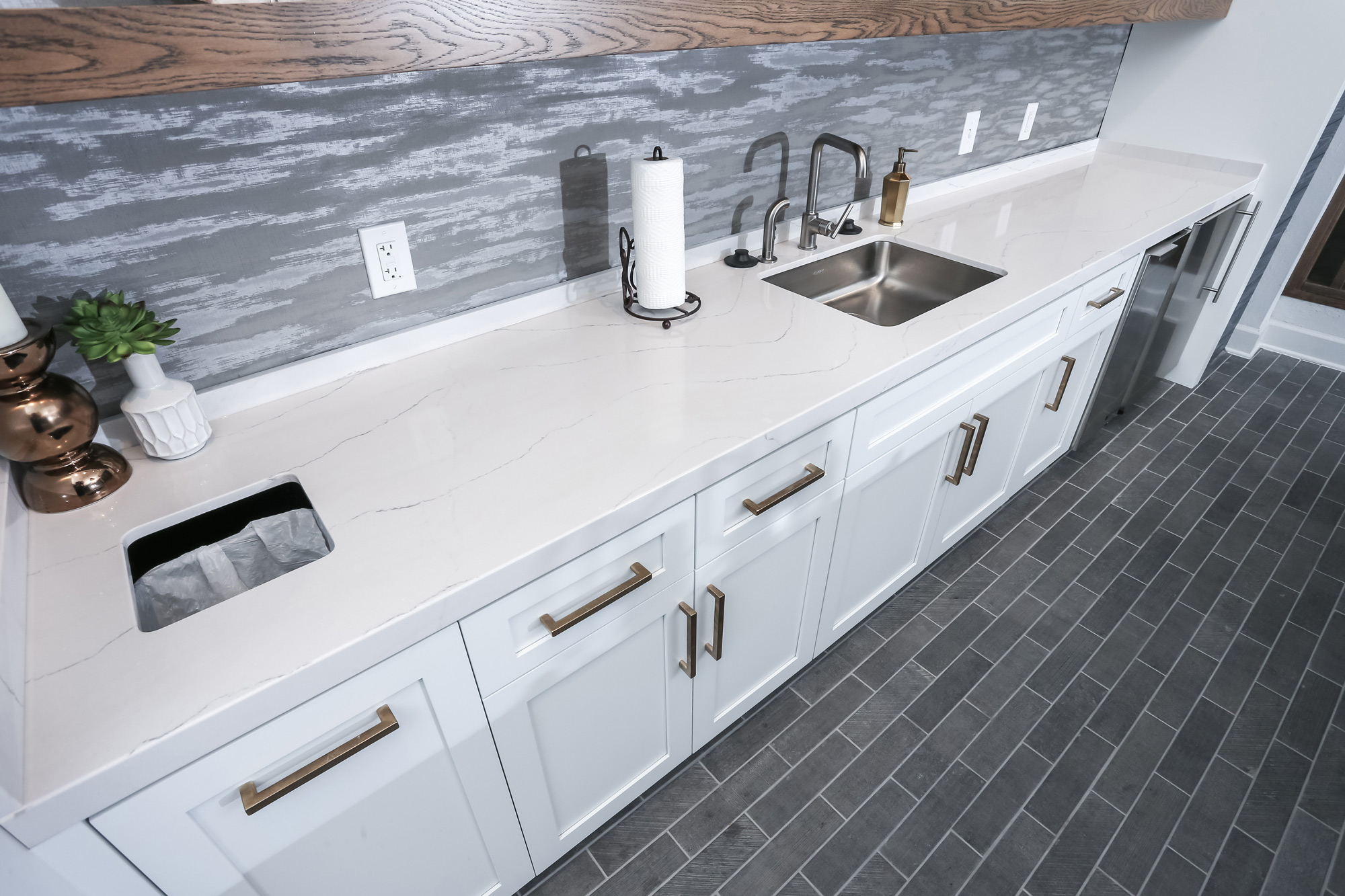
Quartz is one of the most popular countertop materials on the market, and for good reason. It’s beautiful, durable, and low maintenance. But near a fireplace, it’s a different story entirely.
Engineered quartz is made from roughly 90-93% crushed natural quartz crystals bound together with polymer resins. Those resins are what make quartz work so well on a countertop, but they’re also exactly what makes it dangerous near a fireplace. The resin binders begin to break down at around 150°C (300°F). When exposed to the sustained heat of a fireplace, quartz can experience:
- Permanent discoloration: yellowing, darkening, or cloudy patches that can’t be cleaned off
- Warping and structural instability: the slab physically changes shape under sustained heat
- Seam failure: heat causes expansion and contraction at different rates, pulling seams apart
- Surface cracking: the material becomes brittle and fractures
- Chemical release: the resins can burn, releasing harmful compounds into your home
For wood-burning fireplaces, quartz should never be used. For gas fireplaces, it’s only viable with very specific clearance requirements and professional planning. The only fireplace type where quartz is reasonably safe is electric, where heat output is low and controlled.
Why Granite Excels Above Every Other Stone
Every stone on this list has something to offer, but granite stands apart for one simple reason: it does everything well, in every fireplace type, with minimal maintenance. Granite is almost impervious to heat. You can place hot objects directly on its surface without damage, something very few natural stones can claim. It’s one of the hardest natural stones available, making it nearly immune to scratching, staining, and the thermal stress that damages softer materials near a fireplace.
Here’s why homeowners keep coming back to granite for their stone fireplace:
- Works with wood-burning, gas, and electric fireplaces, no restrictions
- Hundreds of colors available, something for every interior style
- Scratch-resistant, stain-resistant, heat-resistant, all-in-one stone
- Seal just once a year, nearly maintenance-free after that
- Every slab is unique; natural veining adds genuine character
- Increases home value; buyers notice and remember a granite fireplace
Superior Granite carries one of the largest selections of granite on the Gulf Coast. Homeowners across Fort Walton Beach and beyond consistently choose granite for fireplace renovations, and year after year, it holds up beautifully.
Design Tips for Your Stone Fireplace
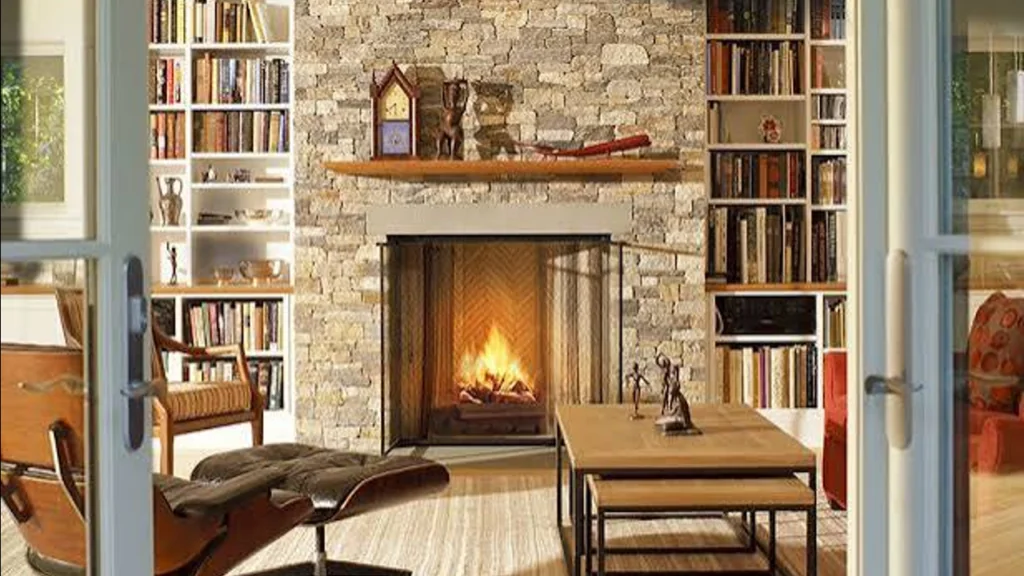
Choosing the right stone is step one. Making it look intentional and cohesive in your space is what takes it from good to genuinely stunning.
- Modern interiors with dark granite or sleek porcelain create a clean, dramatic focal point
- Rustic spaces, soapstone or warm limestone, bring an organic, lived-in feel
- Luxury rooms: quartzite or marble delivers the high-end elegance that stops people in their tracks
- Coastal Florida homes with lighter limestone or granite capture that relaxed Gulf Coast aesthetic perfectly
- Small rooms with lighter-colored stones open the space up and make it feel larger
- Large rooms with darker stones create a bold, dramatic anchor for the room
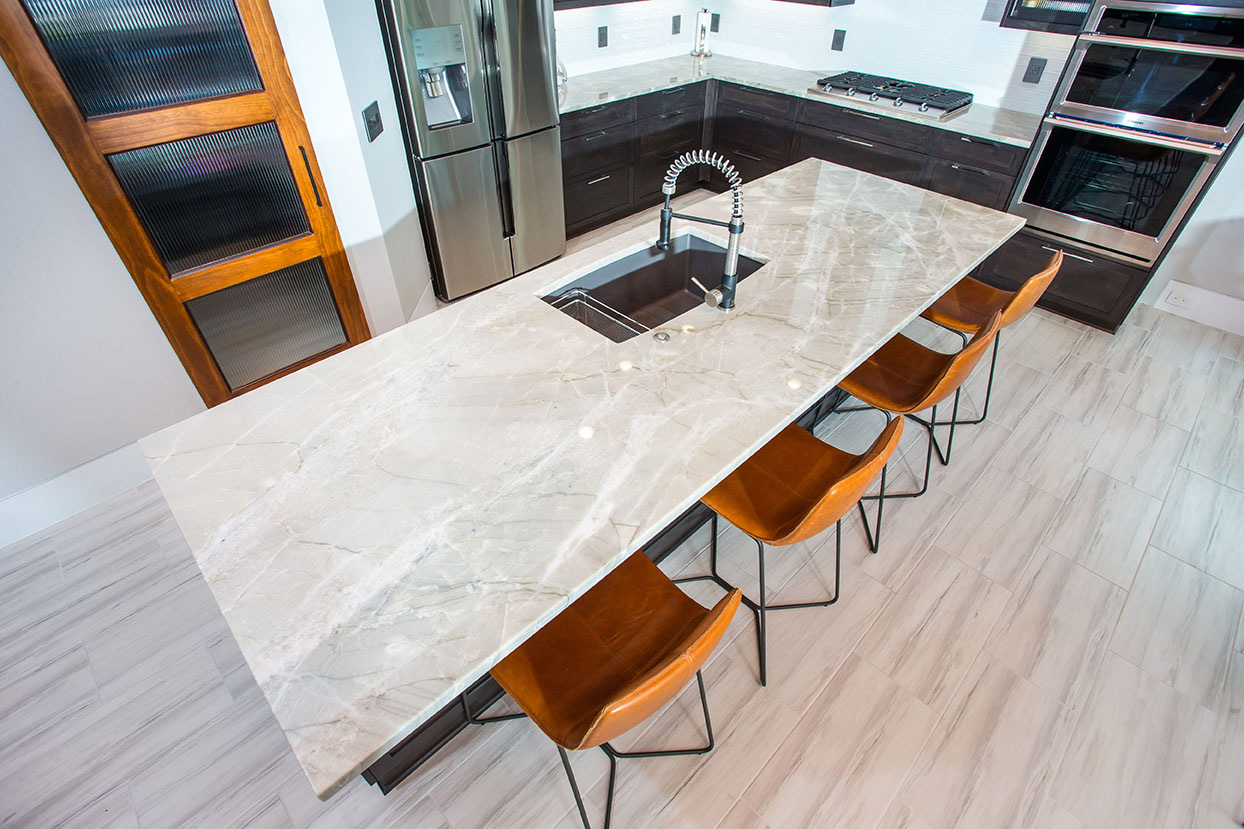
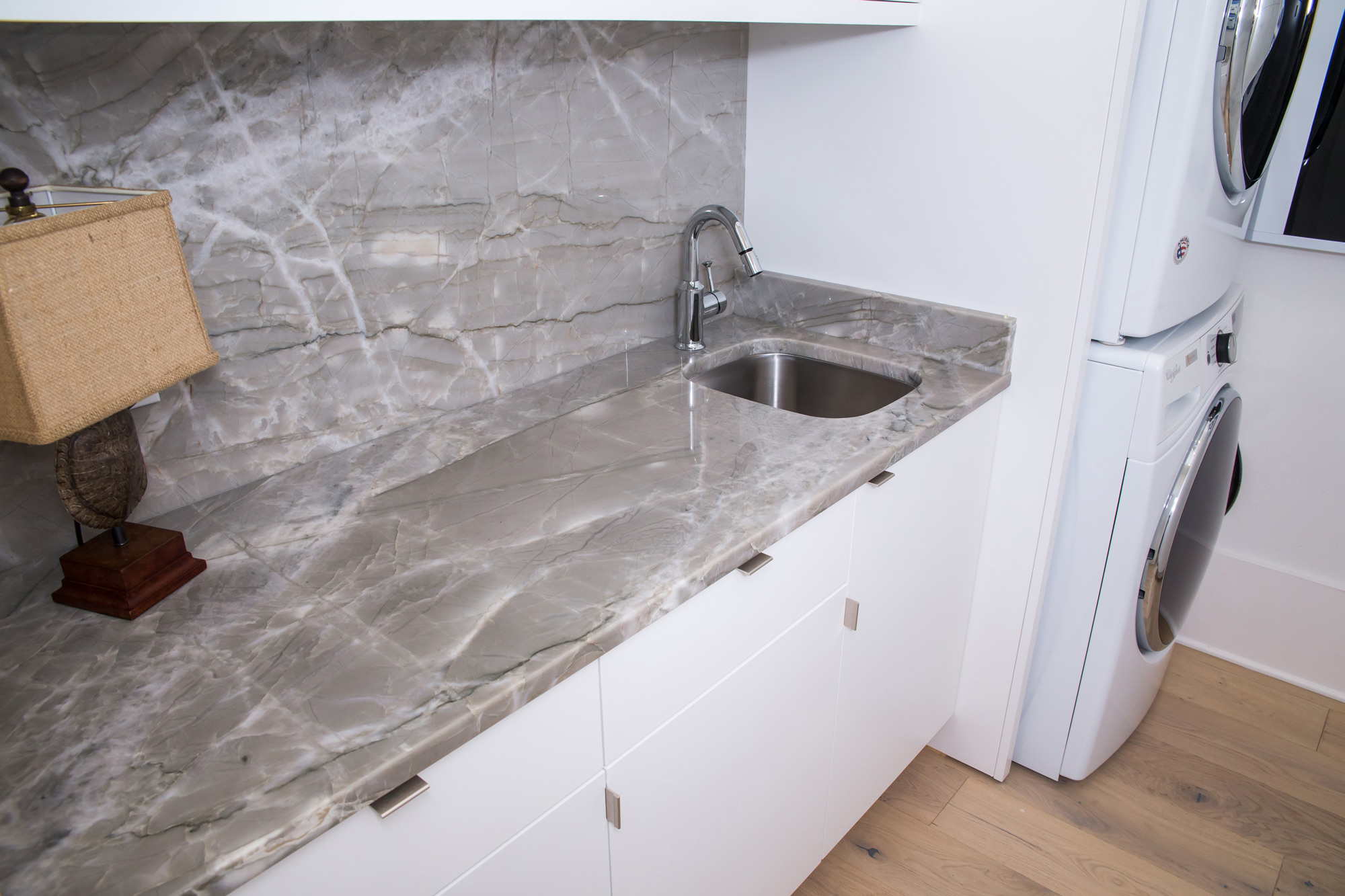
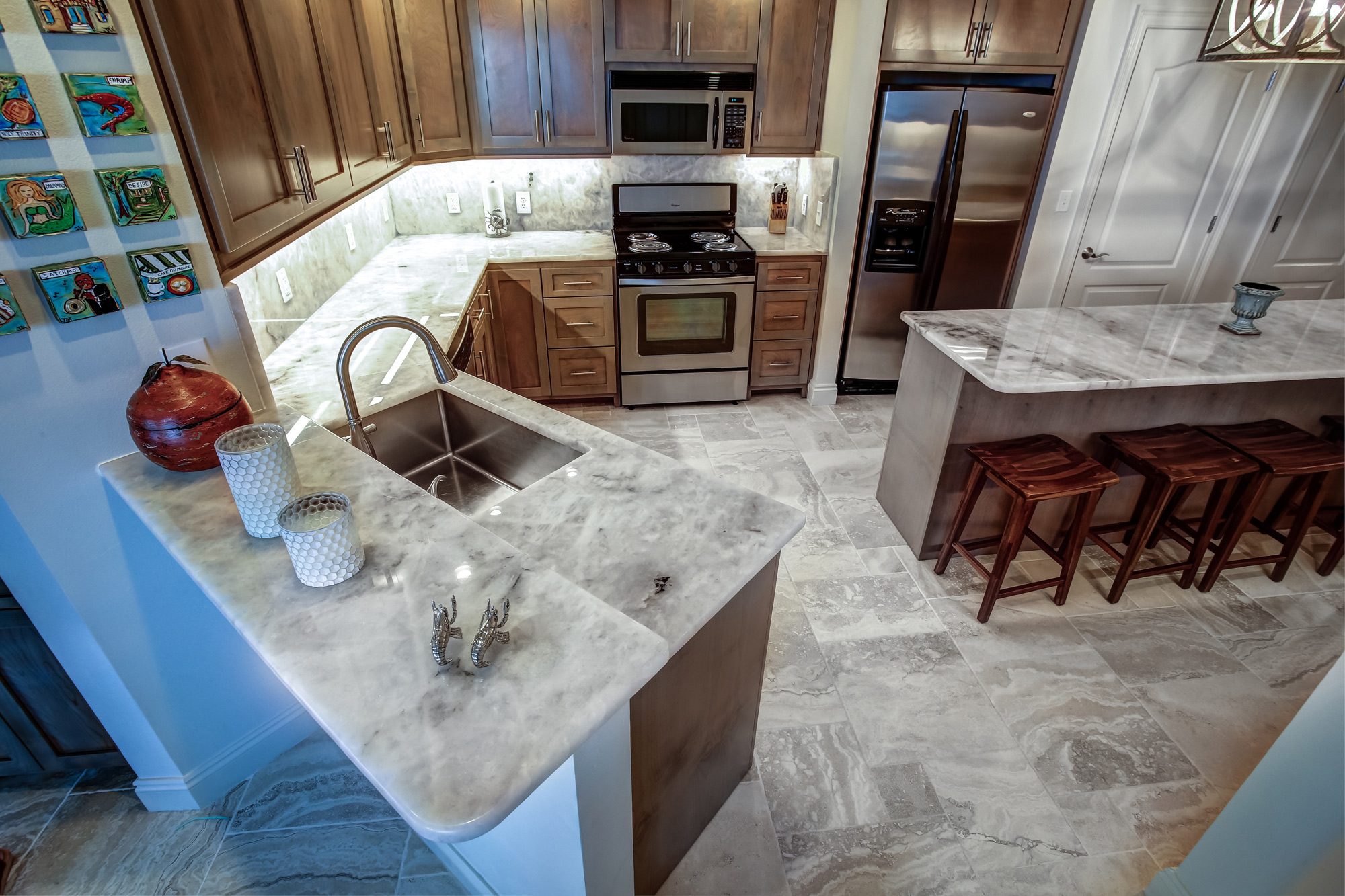
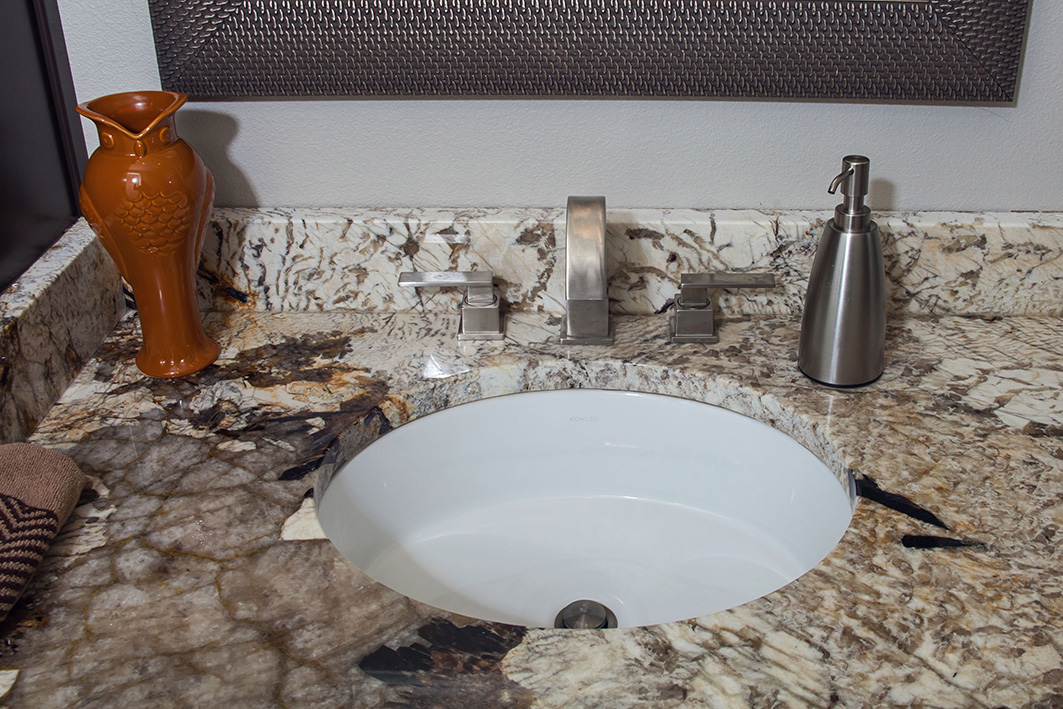
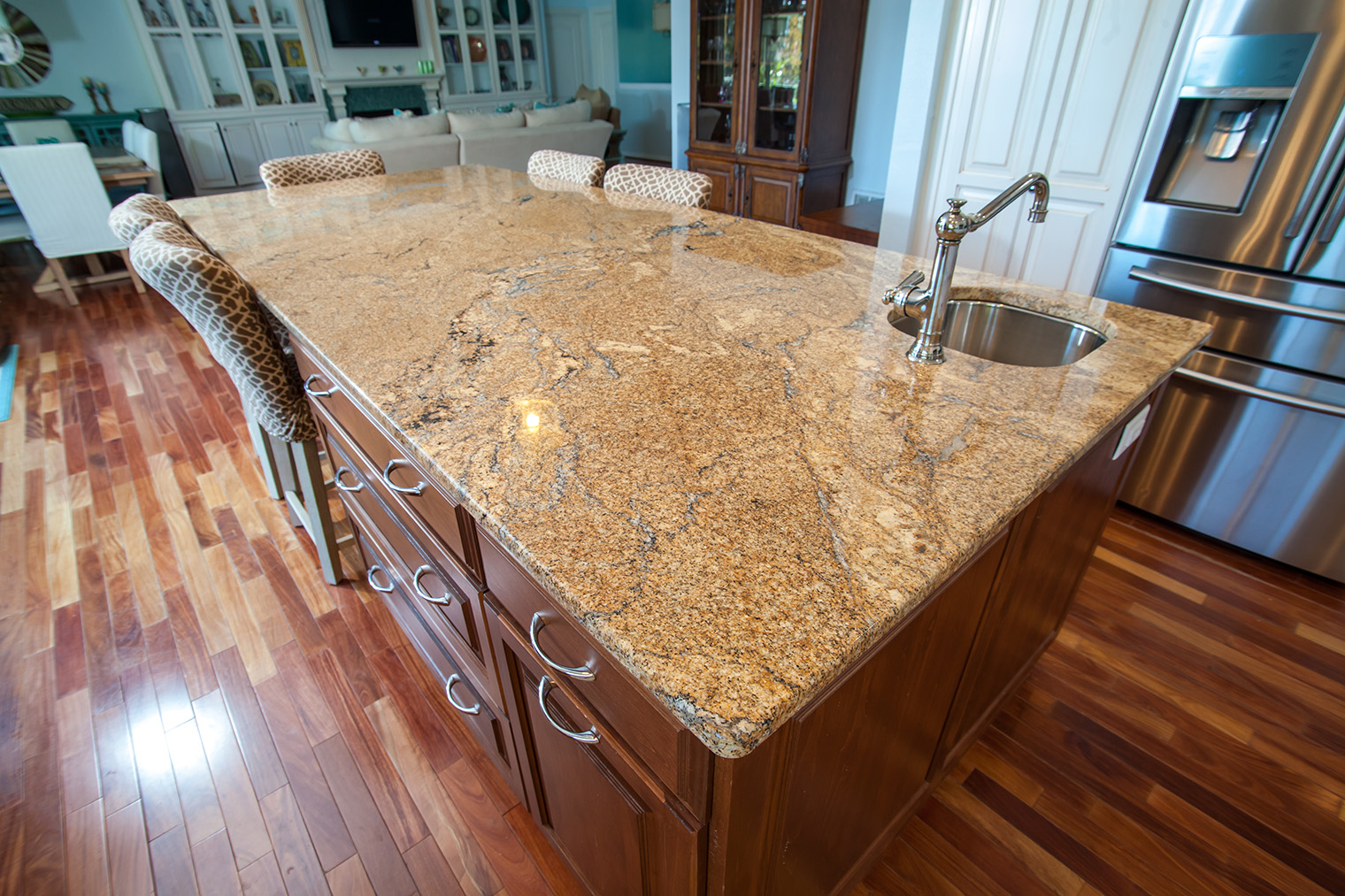
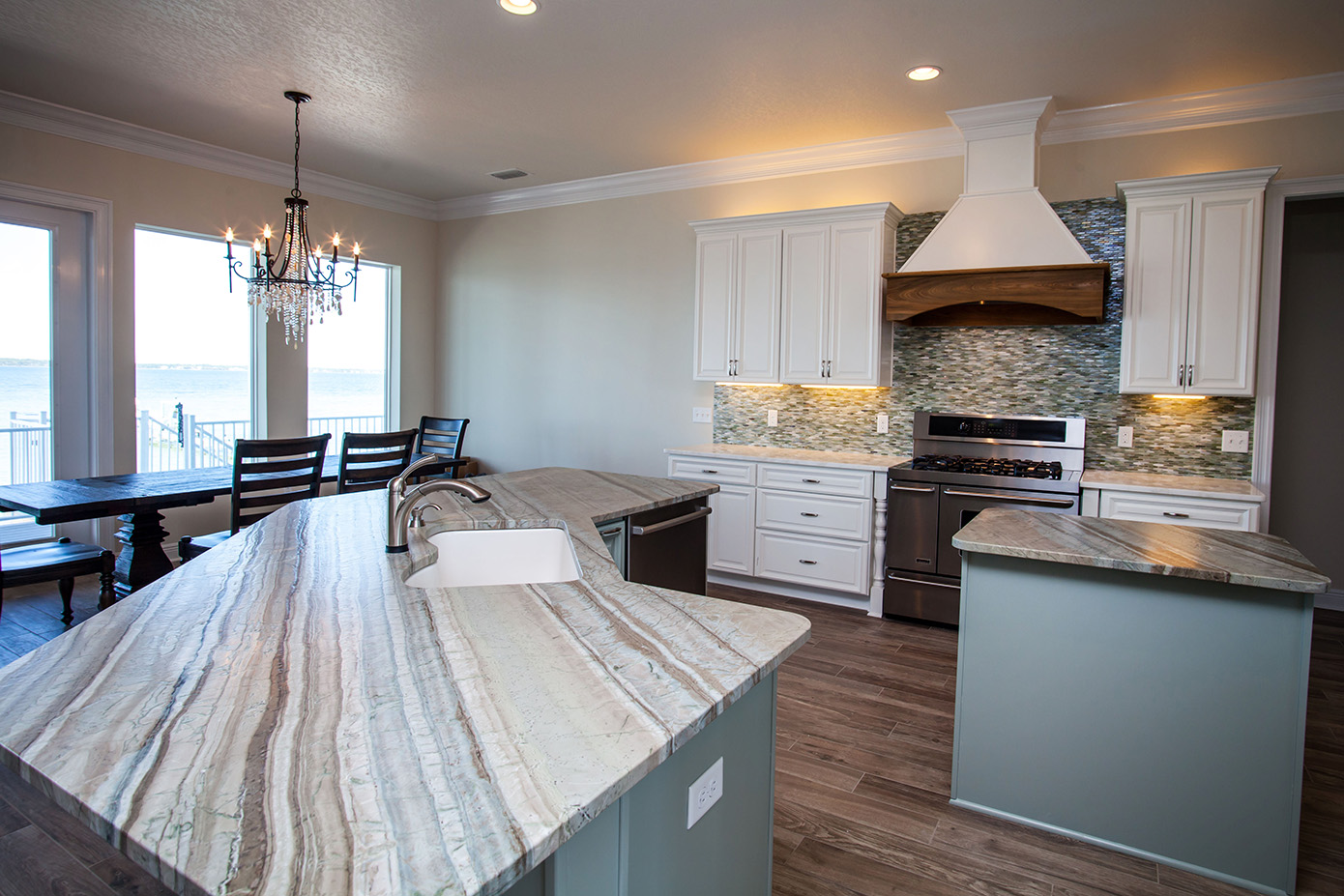
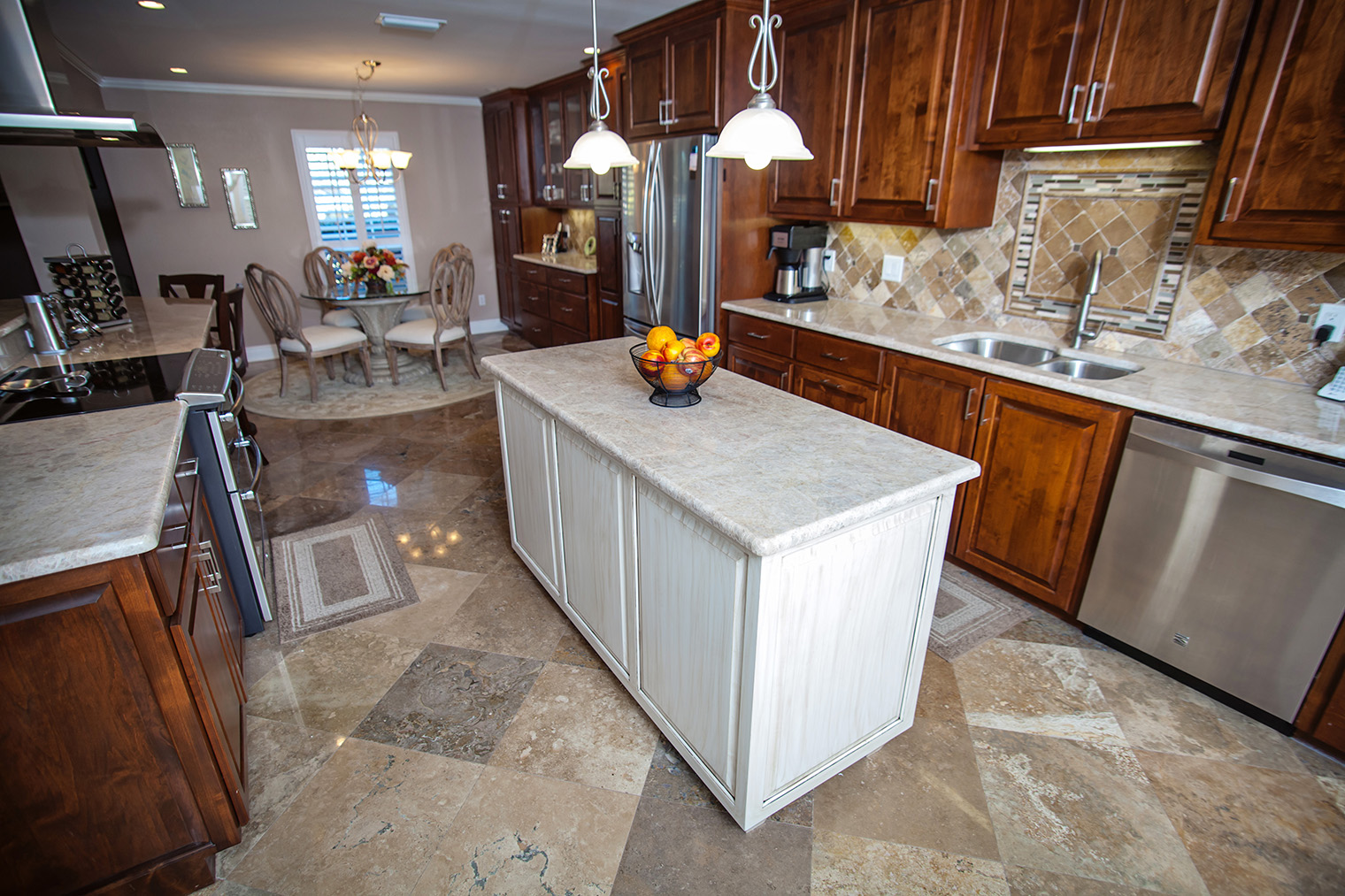
- Pair your fireplace stone with your countertop material for a cohesive, intentional look throughout the home
At Superior Granite, every slab is perfectly matched so the veining flows naturally from one piece to the next, creating a seamless, high-end finish that looks even more striking on a fireplace surround.
How a Stone Fireplace Adds Value to Your Home
A fireplace is already one of the most noticed features in any home. Add natural stone around it, and it becomes the feature people remember long after they’ve left the room. Natural stone fireplace surrounds add genuine resale value; buyers notice statement pieces, and a well-chosen stone fireplace is one of the hardest things to overlook. It signals quality, care, and attention to detail in a way that painted drywall or manufactured tile simply can’t.
Here’s what a natural stone fireplace brings to your home:
- Instant luxury feel: the texture, veining, and organic character of natural stone are irreplaceable
- Increased resale value: buyers are willing to pay more for homes with natural stone features
- Lifetime durability: with proper care, a granite or quartzite fireplace surround lasts the lifetime of the home
- No two ever look the same: your fireplace is genuinely one of a kind
- Year-round focal point: in Gulf Coast Florida, a fireplace is a design feature as much as a functional one
Homeowners across Pace and the Gulf Coast have been upgrading their fireplaces with natural stone, and the results consistently exceed expectations.
Conclusion
A stone fireplace adds warmth, character, and real value, but only when the right stone is chosen for the right application. Heat resistance isn’t optional, and the stone you pick needs to handle whatever your fireplace throws at it for decades.
Granite leads for a reason: it works with every fireplace type, needs minimal maintenance, and comes in more colors than any other natural stone. But whether you’re drawn to soapstone, limestone, or quartzite, the right choice is the one that fits your fireplace and your lifestyle.
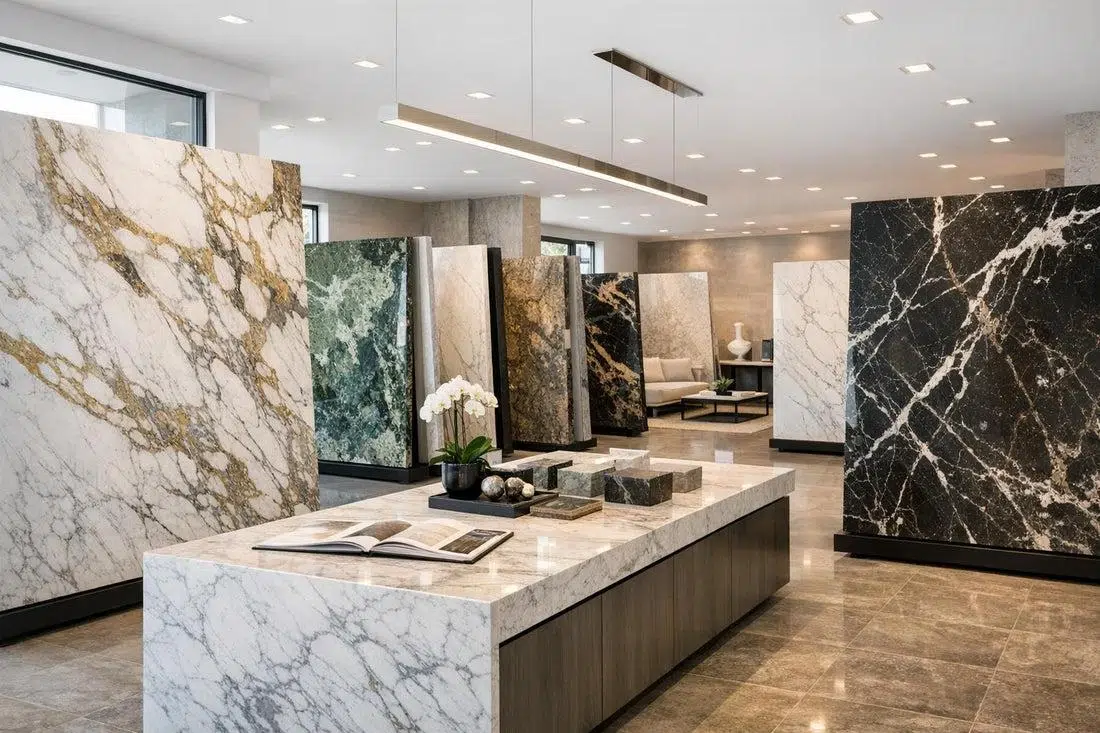
Stop by any of our Superior Granite showrooms in Pensacola, Pace, and Fort Walton Beach, see the stones in person, and make a choice you’ll be proud of for years to come.
Visit a Superior Granite showroom today and let our countertop specialists help you choose the perfect stone for your home.
Pensacola, FL
Visit Us: 7011 Pine Forest Road, Pensacola, FL 32526
Call Us: (850) 941-0270
Hours: Monday – Friday: 8 a.m. – 5 p.m., Saturday: 9 a.m. – 2 p.m.
Pace, FL
Visit Us: 4590 Jernigan Road, Pace, Florida 32571
Call Us: (850) 994-1872
Hours: Tuesday – Friday: 9 a.m. – 5 p.m., Saturday: 9 a.m. – 2 p.m.
Fort Walton Beach, FL
Visit Us: 35 Miracle Strip Pkwy SW, Fort Walton Beach, Florida 32548
Call Us: (850) 301-0716
Hours: Tuesday – Friday: 8 a.m. – 5 p.m., Saturday: 9 a.m. – 2 p.m.
Contact us today to schedule a free consultation!
FAQs
1. Can I use the same stone for my fireplace and countertops?
Absolutely, and it’s one of the smartest design moves you can make. Using the same stone across both creates a cohesive look that ties the whole home together. Granite is the most practical choice for both.
2. Which fireplace stone requires the least maintenance?
Soapstone and porcelain never need sealing. Granite needs just one seal per year. All three handle heat extremely well and are the easiest to live with long-term.
3. Is quartz ever safe near a fireplace?
Only for electric fireplaces where heat is low and controlled. For wood-burning fireplaces, never. The resin binders break down under high heat, causing permanent discoloration, warping, and chemical release.
4. Does a stone fireplace increase home value?
Without a doubt. Natural stone signals quality and craftsmanship that manufactured materials simply can’t match, and it pays off both while you’re living in the home and when it’s time to sell.
5. Can I use natural stone on an outdoor fireplace?
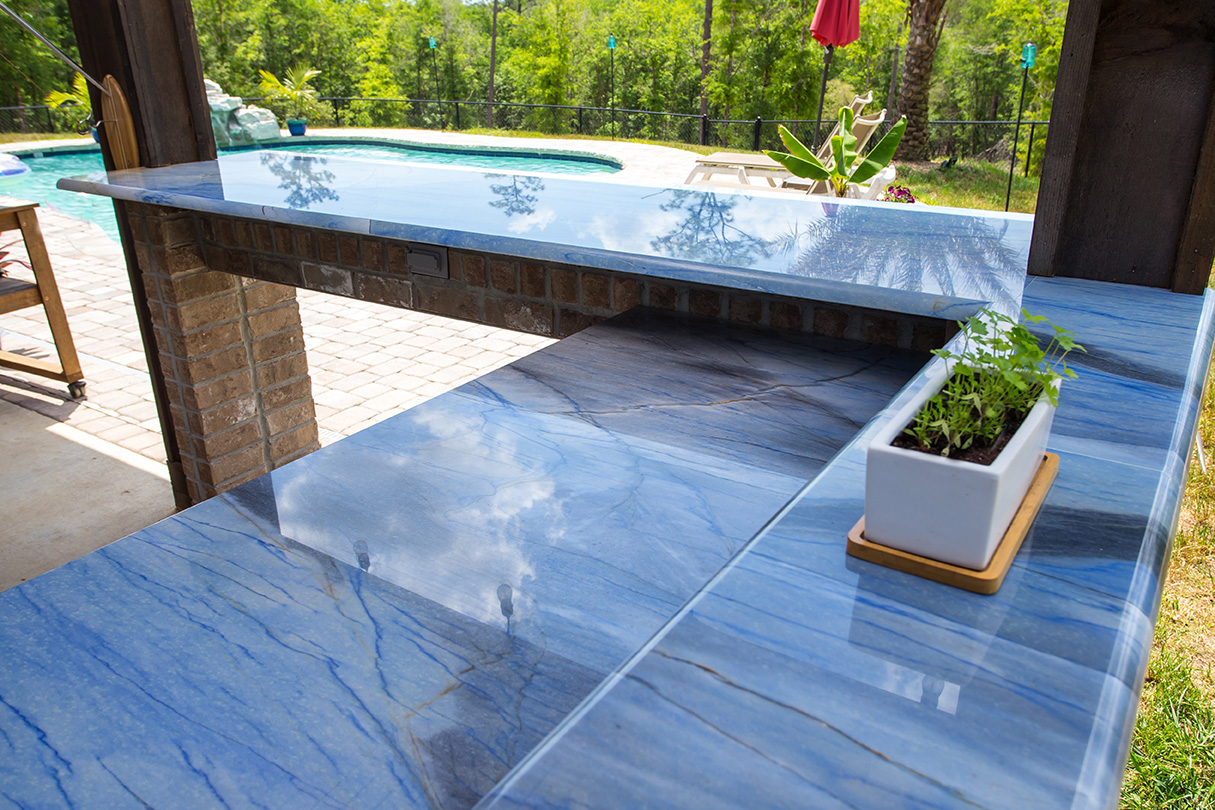
Granite, quartzite, soapstone, and porcelain all perform well outdoors. Marble and limestone are better kept inside; prolonged weather exposure accelerates deterioration. Cover outdoor installations when not in use.