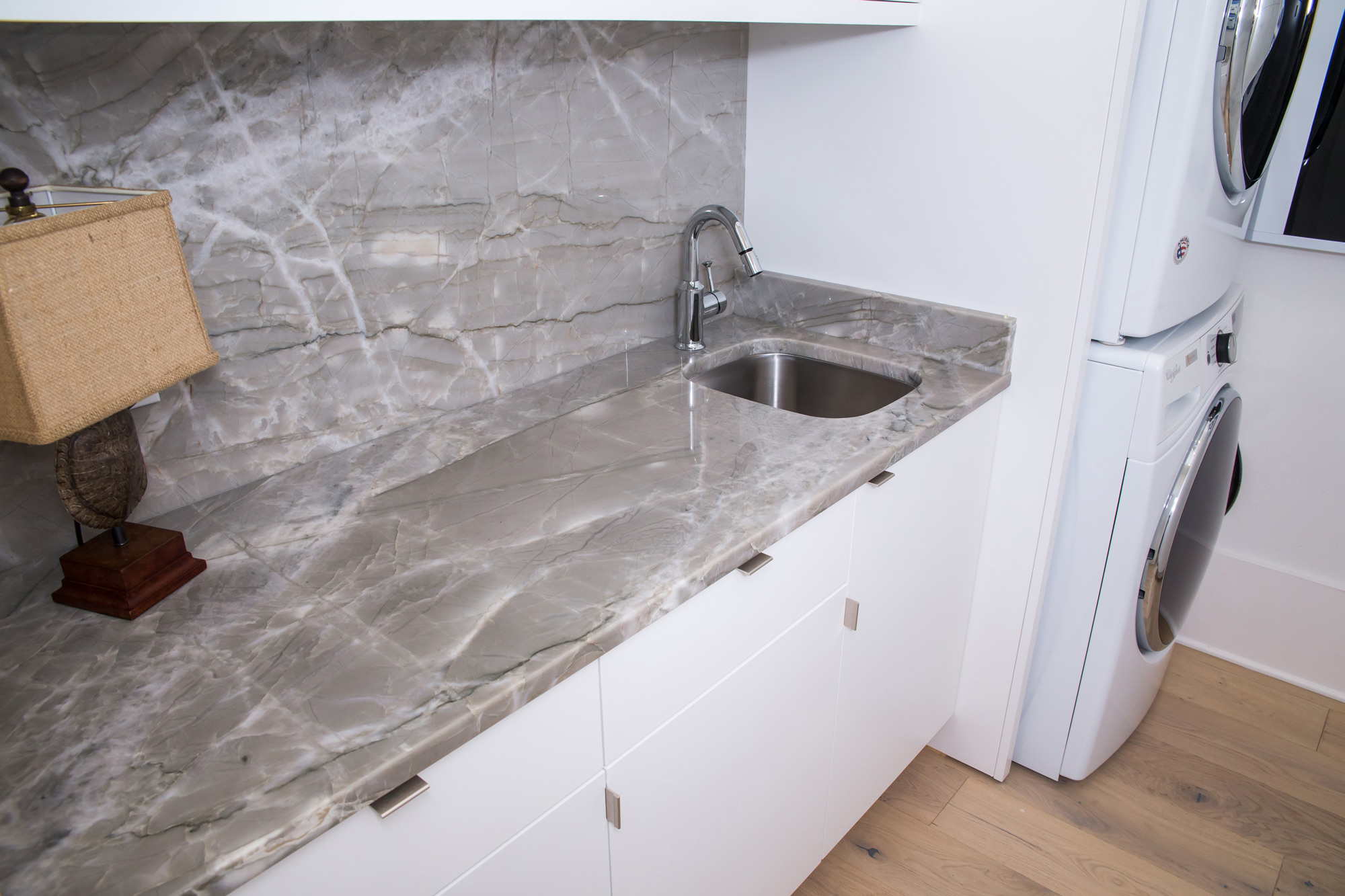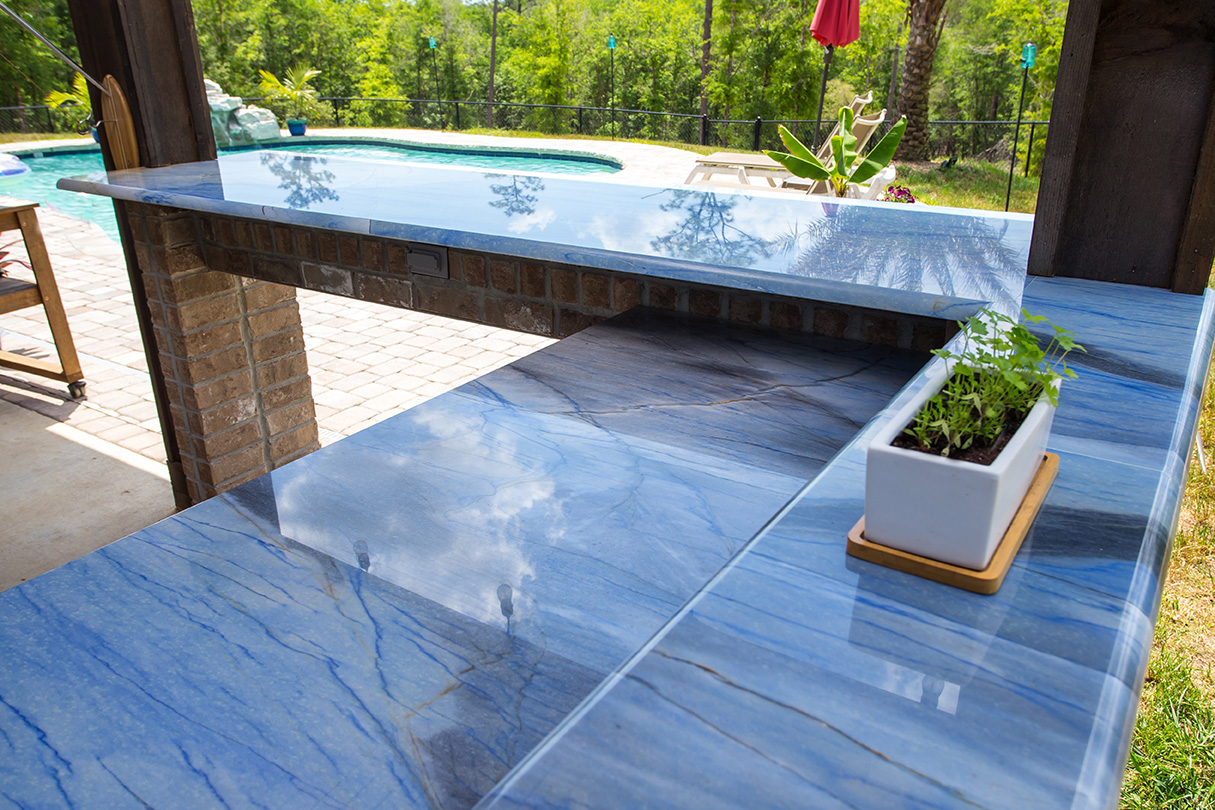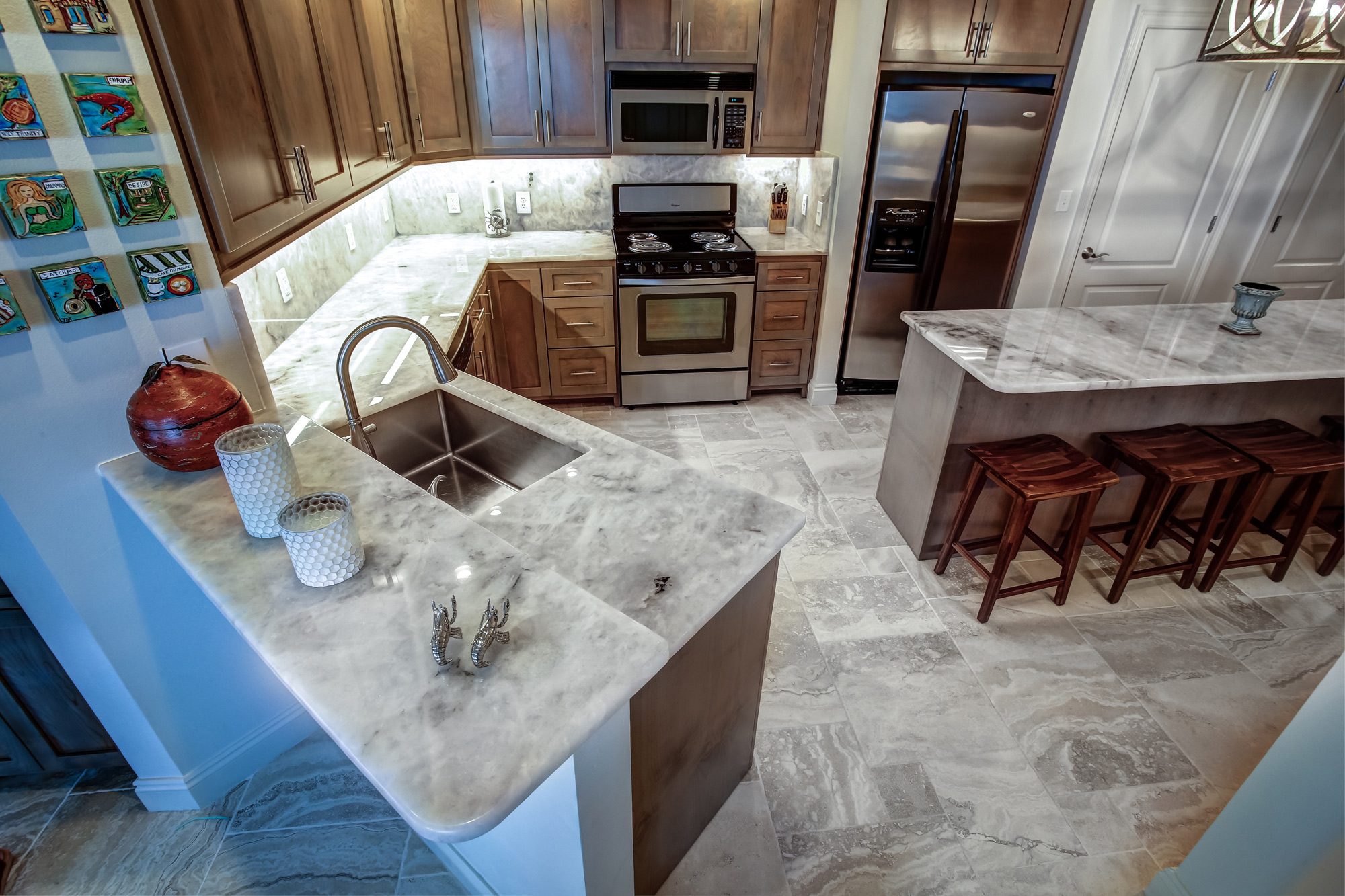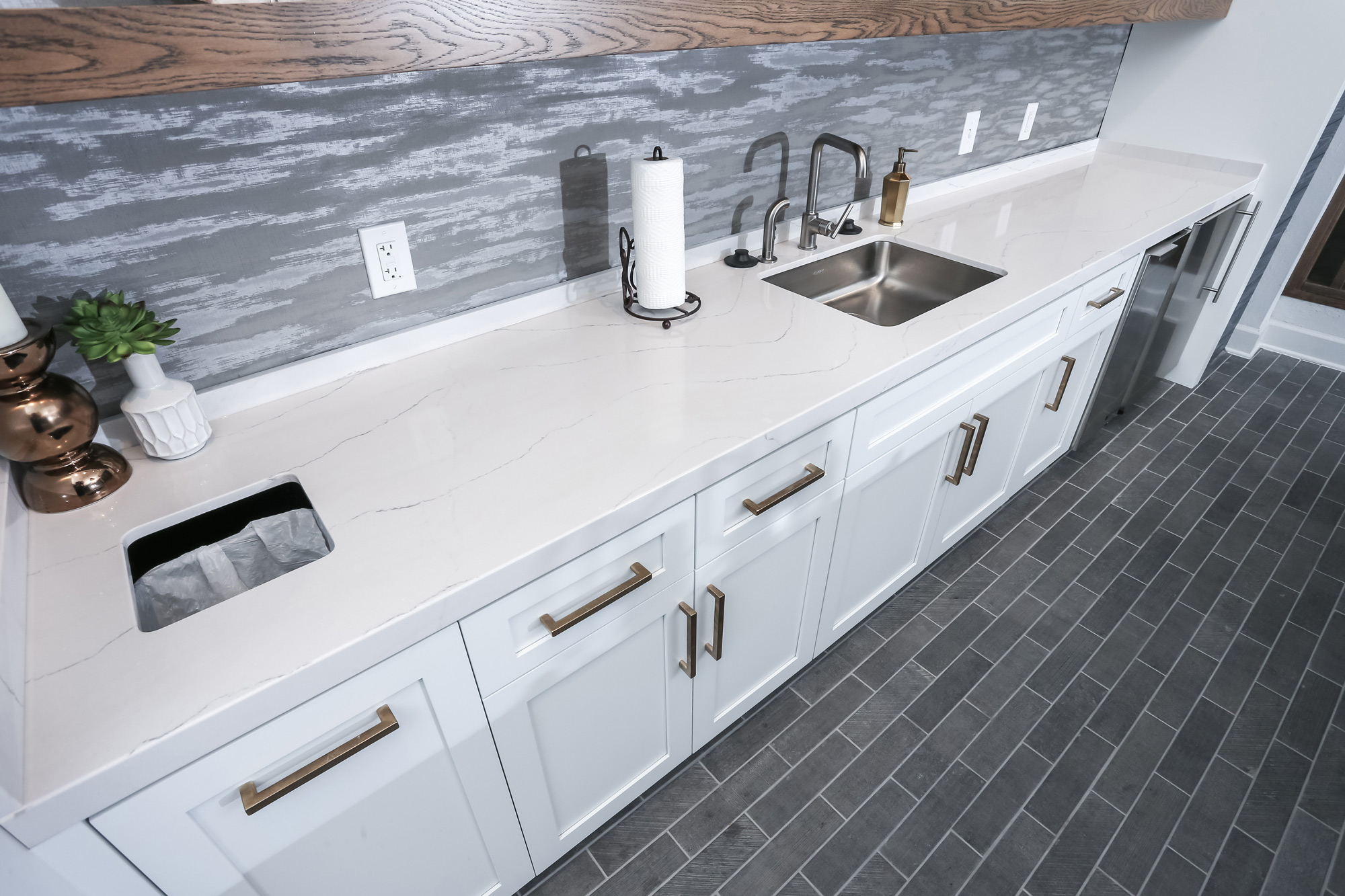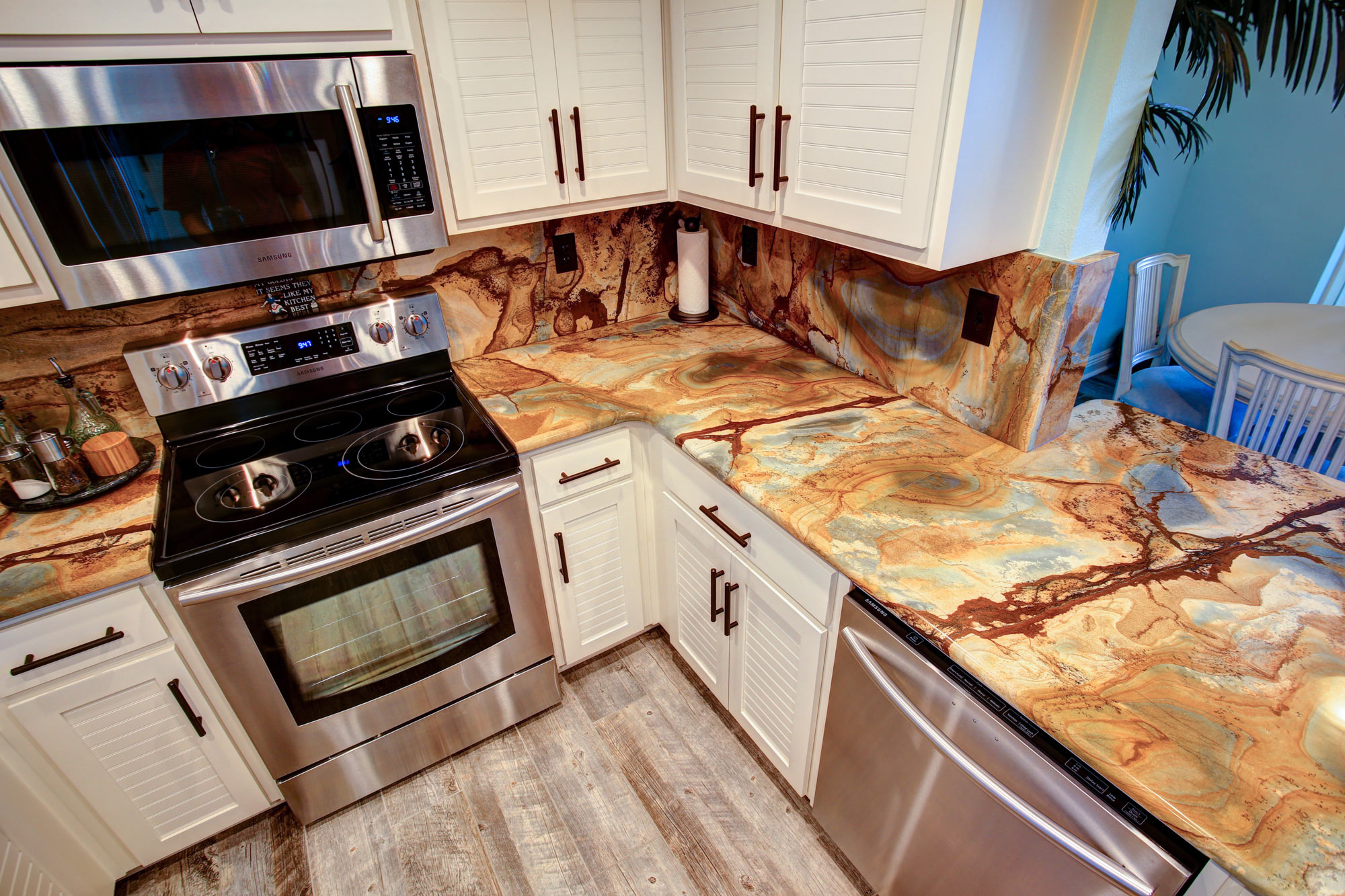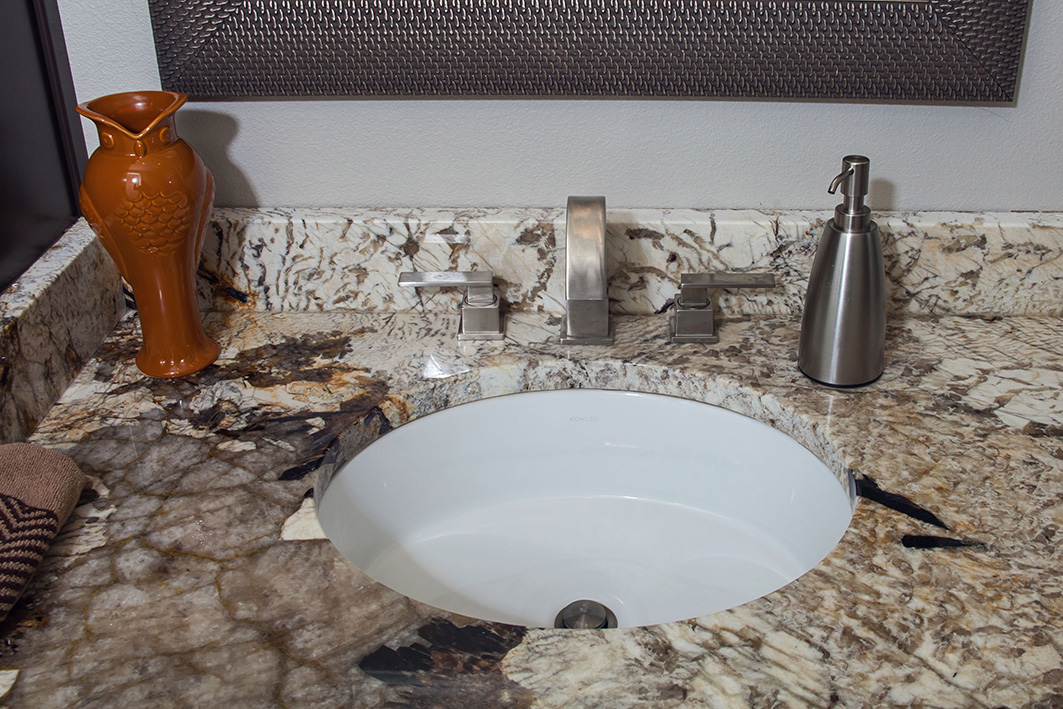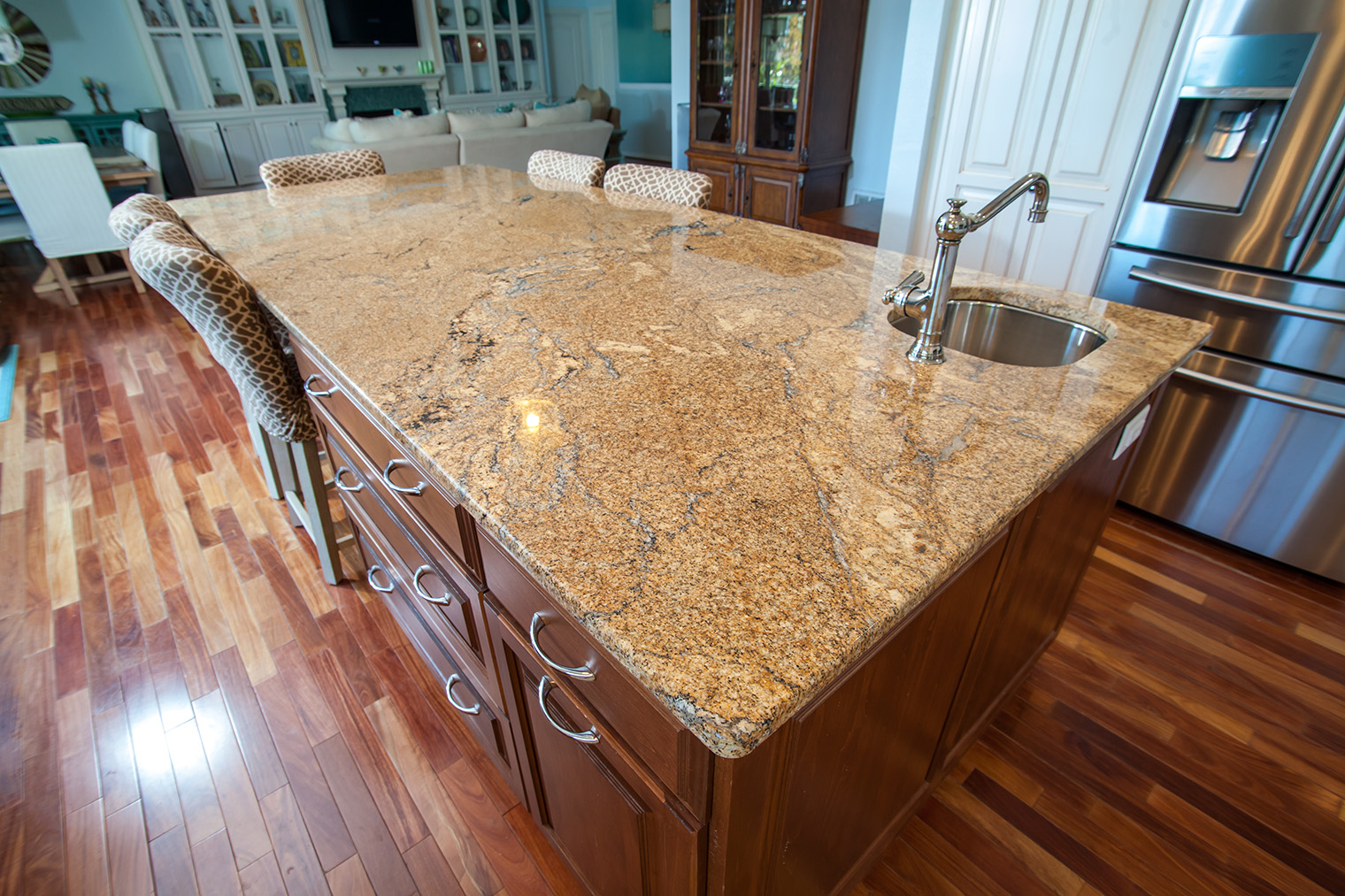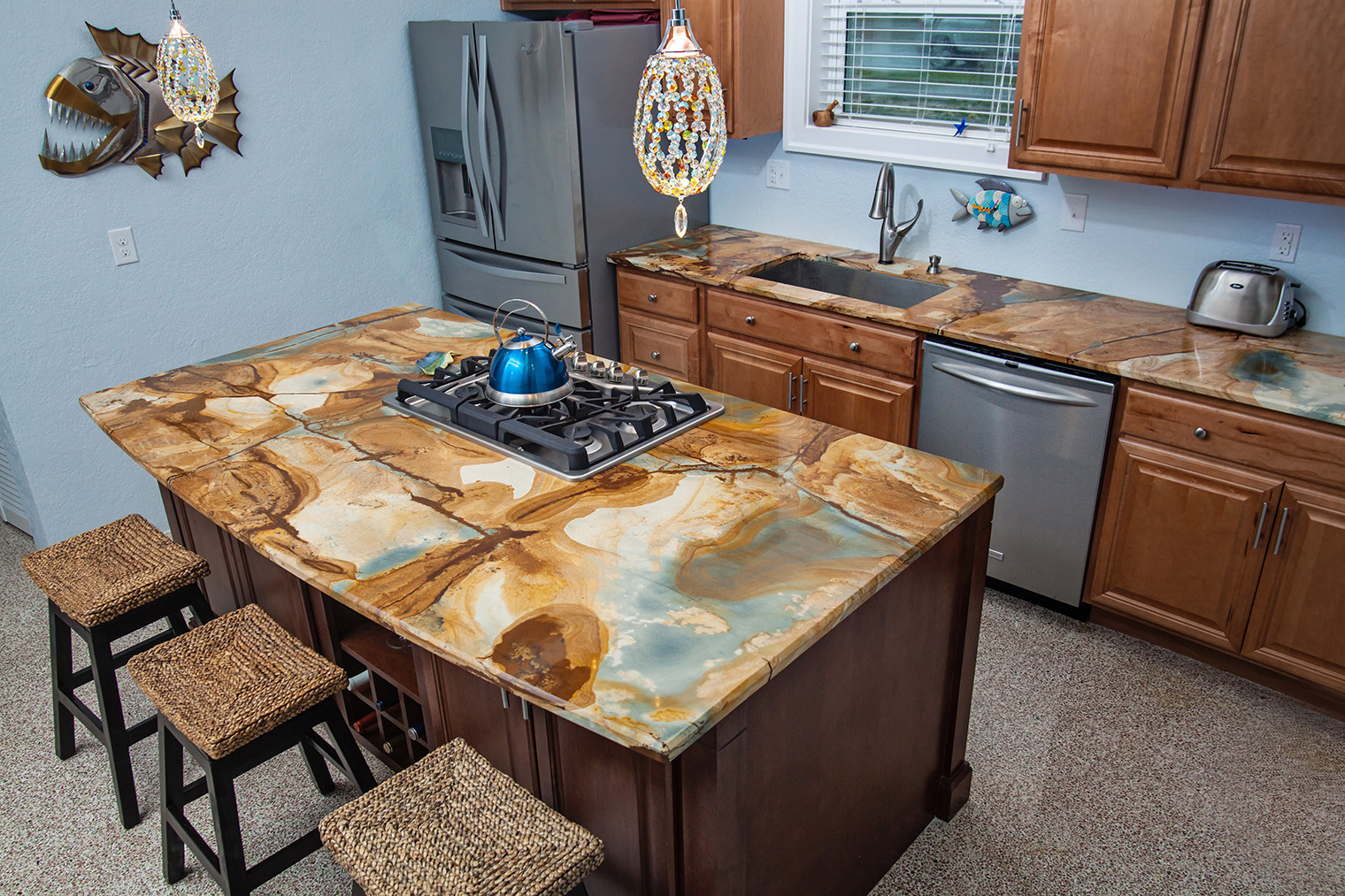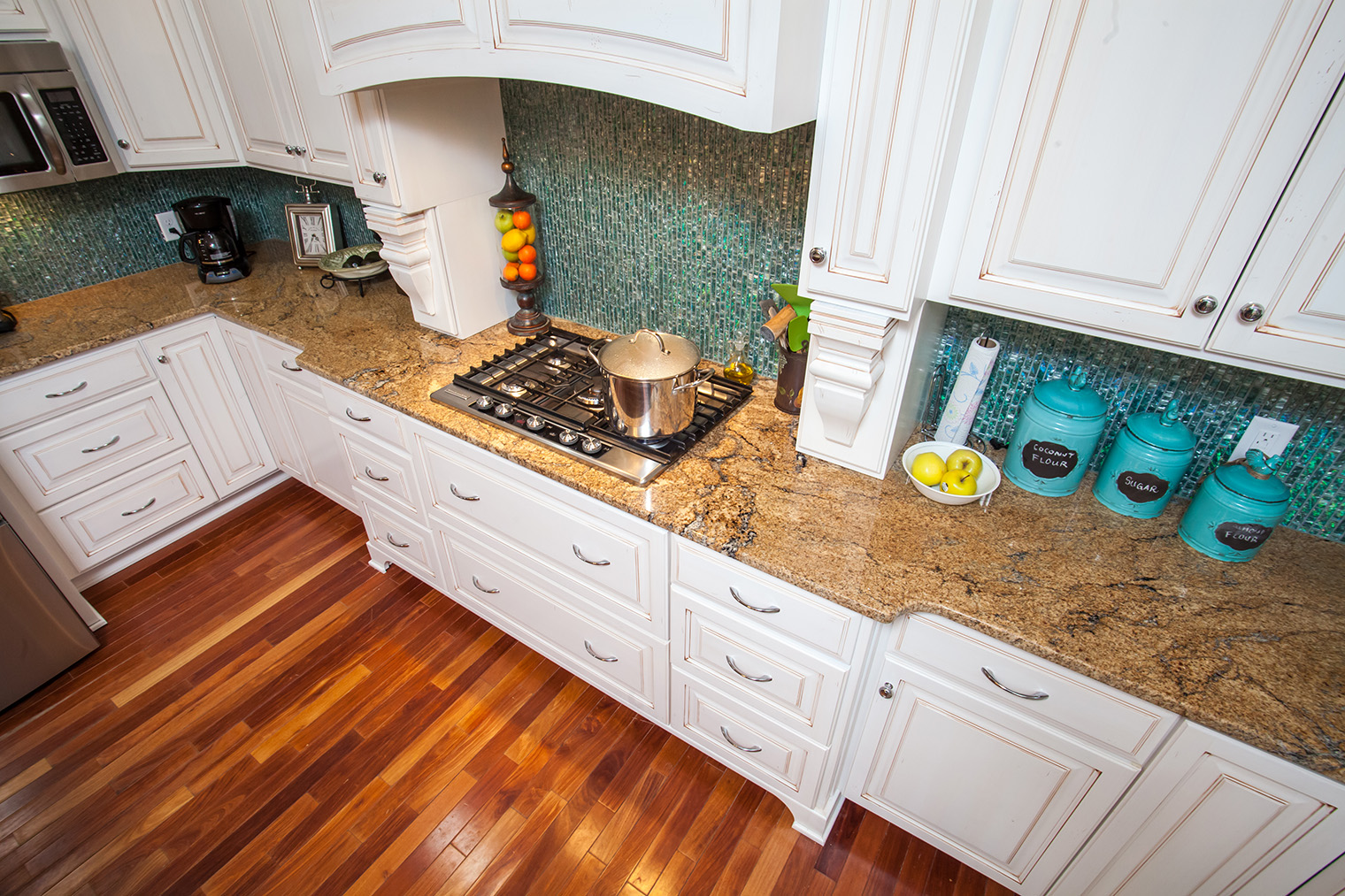
Keep your counters looking new, and you protect one of the biggest investments in your kitchen. It doesn’t take fancy products or hours of scrubbing. A handful of daily habits, done consistently, make the real difference between a countertop that ages well and one that looks tired after a few years. Want to keep your counters looking new for years, not just months? It’s more about consistency than effort.
Homeowners across Pensacola, Pace, and Fort Walton Beach ask us about this constantly. So at Superior Granite, a Gulf Coast’s Premier Provider of Natural Stone, we put together the countertop cleaning tips that actually matter, based on granite countertop care habits we see work in kitchens every week. This post covers why maintenance matters, ten tips to keep your counters looking new, the mistakes that undo good habits, the long-term payoff of staying consistent, and when it’s time to call in help.
Why Maintaining Your Countertops Is Important
Countertops take a beating. Knives, hot pans, spilled wine, dropped keys- it all adds up over time. Skip the basics, and here’s what you’re actually risking:
- Dulled surfaces and stubborn stains: that get harder to remove the longer they sit
- Bacteria buildup: in tiny cracks and pores you can’t even see, especially on unsealed natural stone
- Lower resale value: a dull, stained counter is one of the first things a buyer notices walking into a kitchen
- Bigger repair bills down the road: a stain that could’ve been wiped away in seconds sometimes turns into a professional cleaning job, and cracks from thermal shock can mean a full slab replacement instead of a quick fix.
That last point about bacteria matters more than people realize. Natural stone countertops are porous to different degrees. Left unsealed or poorly maintained, it can trap moisture and bacteria in ways a sealed, well-cared-for surface never will.
The good news: none of this takes much effort. It just takes consistency. Once these habits become routine, you’ll keep your counters looking new without it ever feeling like a chore.
10 Tips to Keep Your Counters Looking New
None of these tips require special skills or expensive tools. Most take less than a minute, and together they add up to a countertop that stays in great shape for years. Here’s exactly what to do.
1. Reseal When Needed
Sealing isn’t just about shine. It’s what keeps stains and bacteria from soaking into the stone in the first place. You’ll want to reseal your countertop about once a year for granite. Softer stones like marble, dolomite, and quartzite usually need it twice. Quartz is the exception; it’s engineered to never need sealing at all.
2. Clean With Gentle Cleansers
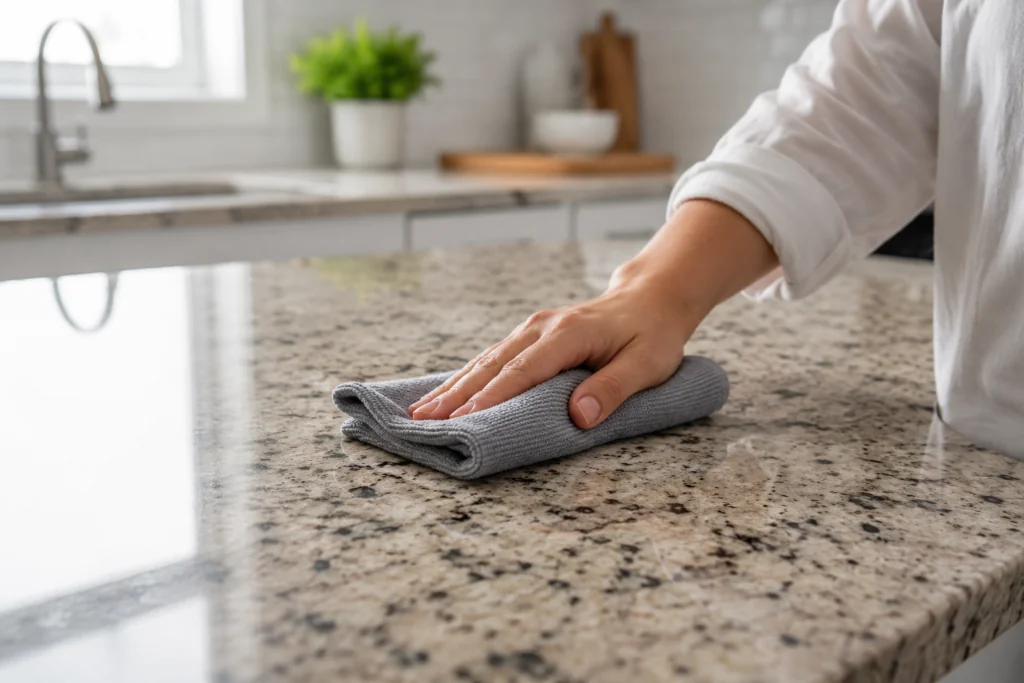
Warm soapy water handles most everyday messes just fine. For tougher spots, Bar Keeper’s Friend is a safe, effective option that won’t damage the surface. A soft microfiber cloth works better than paper towels too, since it won’t leave lint or streaks behind. Skip anything harsh. Gentle is genuinely enough here.
3. Wipe Up Spills Immediately
This is the single easiest habit that helps you avoid countertop stains. Wine, coffee, oil, and citrus juices can start etching or staining a surface within minutes, especially on more porous stones. Don’t let a spill sit while you finish cooking. Grab a cloth and deal with it right away.
4. Watch for Anything That Can Leak
Bottles, planters, and even reusable water bottles can leave behind water rings if they sit on the counter too long. Fridge water filters and small appliance reservoirs are common culprits too, since people tend to forget they’re even there. Move anything that sweats or leaks off the surface, or set it on a coaster or small tray instead.
5. Use Coasters for Drinks
Same idea, smaller scale. A cold glass condenses fast in Florida humidity, and that moisture can work its way into an unsealed or poorly sealed surface. It doesn’t take long, either. Ten or fifteen minutes is enough for a ring to start forming on a stone that’s due for resealing. Coasters are cheap. Water stains are not always reversible.
6. Avoid Abrasive Cleaners
Scouring pads, steel wool, and anything labeled “abrasive” will dull your countertop over time, even on the hardest stones. Bleach and ammonia-based cleaners cause similar long-term damage, breaking down sealant faster than normal wear ever would. If a product feels rough in your hand, it’s probably too rough for your counters. When in doubt, stick with soft cloths and gentle, stone-safe products instead.
7. Always Use a Cutting Board
Cutting directly on any countertop, natural or engineered, dulls your knives and can leave fine scratches over time. Even the hardest stones aren’t fully immune to repeated blade contact. A cutting board protects both your knife edge and your surface. It’s a small habit that pays off for years.
8. Use Hot Pads for Pans
Even heat-resistant stones like granite can suffer from thermal shock, especially with glass or Pyrex dishes straight out of the oven. The sudden temperature change stresses the surface in ways that aren’t always visible right away, sometimes showing up as hairline cracks weeks later. A hot pad or trivet takes two seconds and prevents damage you can’t undo.
9. Keep Keys and Sharp Objects Off the Counter
Tossing your keys down after a long day is a habit worth breaking. Sharp edges and points can scratch even durable surfaces with repeated contact, especially softer stones like marble or dolomite. Keep a small tray or bowl by the door instead, and let your counter stay scratch-free.
10. Run a Water Test
Not sure if your stone needs resealing? Pour a small amount of water onto the surface and watch what happens. Water beading up means your seal is still doing its job. If it soaks in and darkens the stone within a few minutes, it’s time to reseal.
Common Countertop Cleaning Mistakes to Avoid
Even homeowners with good intentions make a few common mistakes:
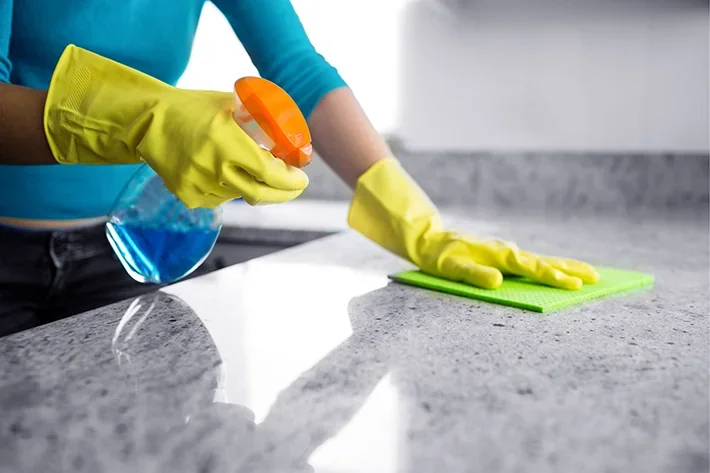
- Using an all-purpose kitchen spray instead of a stone-safe cleaner: Many contain citrus or ammonia that damage natural stone over time. A lot of people assume “kitchen cleaner” automatically means “safe for stone,” and that assumption causes more damage than almost anything else on this list.
- Letting spills sit “just for a few minutes.” That’s often all it takes for etching to start on softer stones.
- Scrubbing hard at a stain: with whatever’s under the sink, instead of a gentle stone-safe product. This tends to make things worse instead of better.
- Skipping your seal check for years: Sealant wears down gradually, and most people don’t notice until a stain shows up.
- Mixing cleaning products: Combining bleach with anything ammonia-based creates fumes that are genuinely dangerous, not just bad for your countertop.
Always read labels, and never combine cleaners you’re not fully sure about. Synced. For a deeper look at what damages natural stone specifically, check out our full guide on a
Long-Term Benefits of Consistent Care
A little consistency pays off in a big way. Countertops that get proper care hold their shine for decades instead of years. You avoid costly repairs, deep cleaning services, and premature replacement. If your goal is to keep your counters looking new for as long as possible, consistent care is what actually gets you there, not occasional deep cleans. Beyond the money, a well-maintained countertop simply makes a kitchen feel cared for, which matters whether you’re cooking dinner tonight or getting ready to sell your home down the road.
Homeowners who stick with these habits also tend to catch small issues early, before they turn into bigger, more expensive problems. A quick seal check twice a year takes thirty seconds and can save you from a stain that never comes out.
When to Call Experts for Help
Some issues go beyond home maintenance. Deep stains that don’t respond to gentle cleaning, chips, cracks, or a surface that’s gone dull despite regular care all point to a bigger problem than a quick clean can fix.
That’s when it’s worth calling in a professional. Superior Granite’s team across Pensacola, Pace, and Fort Walton Beach can take a look and advise on the right fix, whether that means a proper reseal or a conversation about repair options.
Trying to fix a deep stain or a crack yourself can sometimes make things worse, so it’s better to bring in someone who works with these surfaces every day. Sometimes the fastest way to keep your counters looking new is knowing when to hand the job to an expert.
Conclusion
Keeping your counters looking new isn’t complicated. Wipe up spills, use the right cleaners, protect the surface from heat and scratches, and reseal whenever a quick check tells you it’s due. Small habits, done consistently, are what actually keep your counters looking new for years instead of months.
Have questions about caring for your specific stone? Visit a Superior Granite showroom in Pensacola, Pace, or Fort Walton Beach, and our team will walk you through exactly what your countertop needs.
Pensacola, FL
Visit Us: 7011 Pine Forest Road, Pensacola, FL 32526
Call Us: (850) 941-0270
Hours: Monday – Friday: 8 a.m. – 5 p.m., Saturday: 9 a.m. – 2 p.m.
Pace, FL
Visit Us: 4590 Jernigan Road, Pace, Florida 32571
Call Us: (850) 994-1872
Hours: Tuesday – Friday: 9 a.m. – 5 p.m., Saturday: 9 a.m. – 2 p.m.
Fort Walton Beach, FL
Visit Us: 35 Miracle Strip Pkwy SW, Fort Walton Beach, Florida 32548
Call Us: (850) 301-0716
Hours: Tuesday – Friday: 8 a.m. – 5 p.m., Saturday: 9 a.m. – 2 p.m.
Contact us today to schedule a free consultation!
FAQs
1. How often should I reseal my countertop?
It depends on the stone. Granite typically needs resealing once a year, while quartzite and dolomite need it twice. Quartz never needs sealing at all. Staying on schedule is one of the easiest ways to keep your counters looking new.
2. What’s the best way to clean granite countertops?
Warm soapy water handles daily messes. For tougher stains, Bar Keeper’s Friend works well without damaging the surface. Avoid bleach, ammonia, and abrasive pads.
3. How do I know if my countertop needs resealing?
Try a simple seal check. Pour a small amount of water on the surface. Beading water means you’re fine. If it soaks in and darkens the stone, it’s time to reseal.
4. Can natural stone countertops harbor bacteria?
Yes, if they’re not properly sealed. Natural stone is porous to different degrees, and unsealed surfaces can trap moisture and bacteria in ways sealed stone won’t. This is one more reason resealing on schedule matters beyond just appearance.
5. When should I call a professional instead of cleaning it myself?
If you’re dealing with deep stains, chips, cracks, or a surface that stays dull despite regular cleaning, it’s time to call in an expert rather than risk making it worse. DIY fixes on serious damage often end up costing more to correct later.