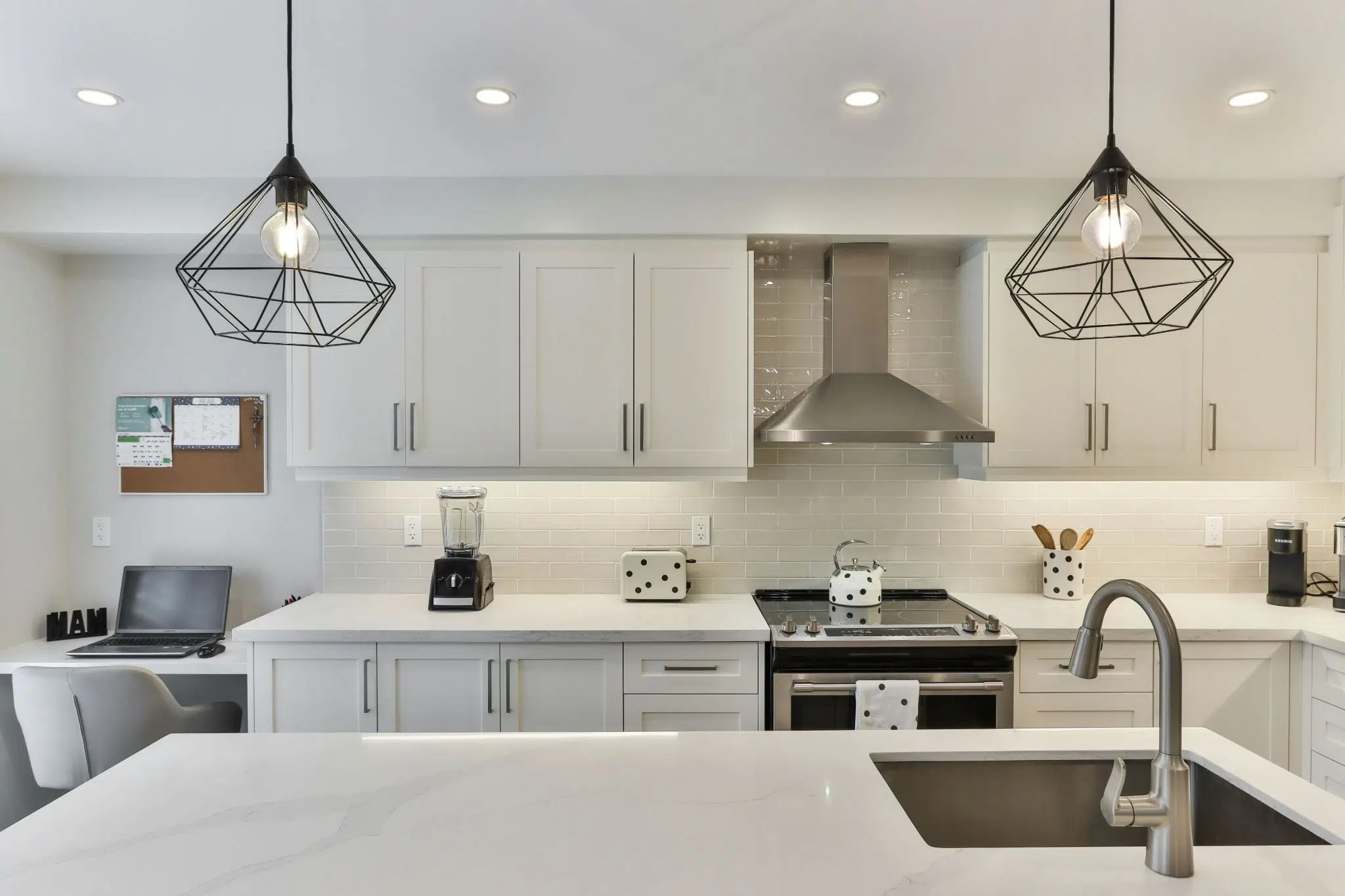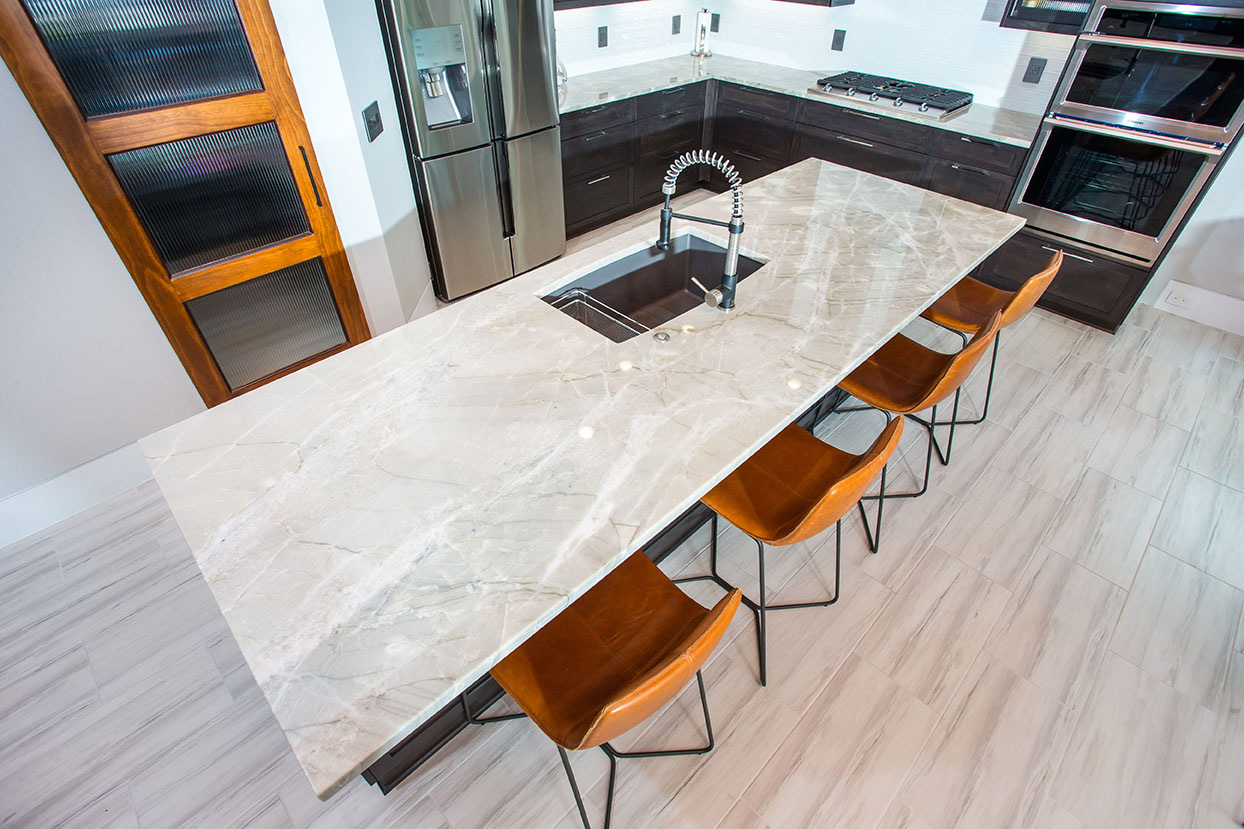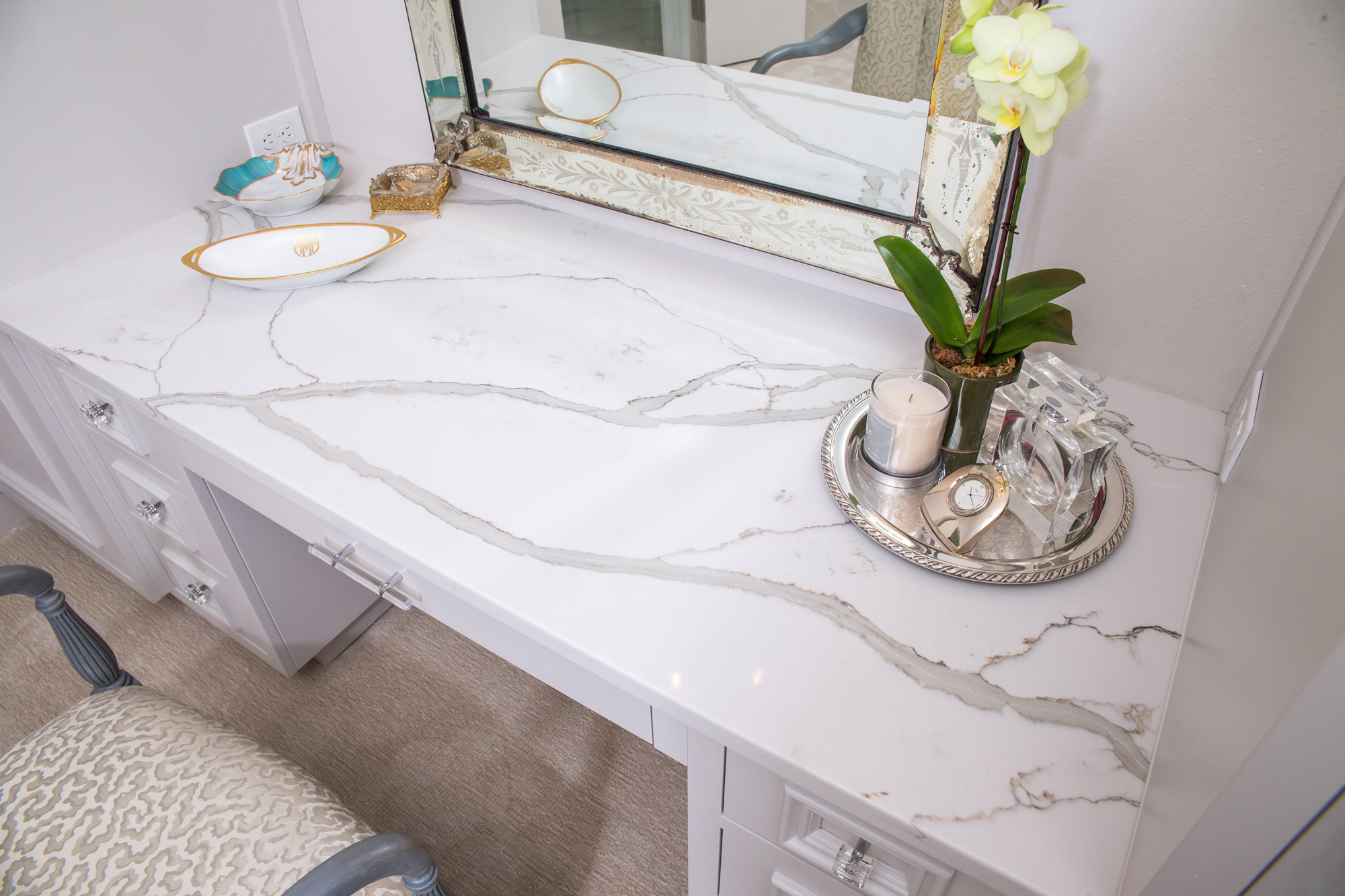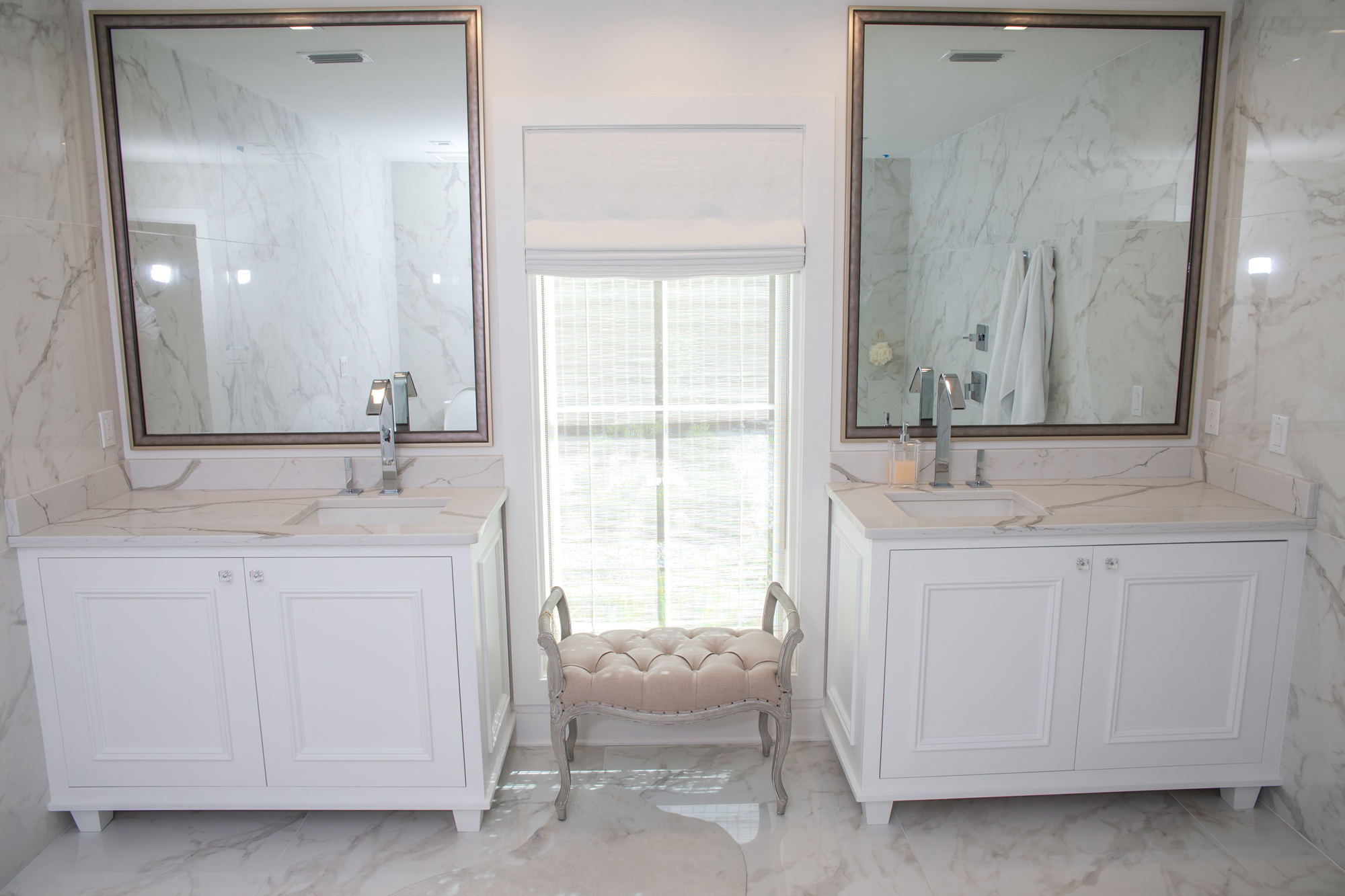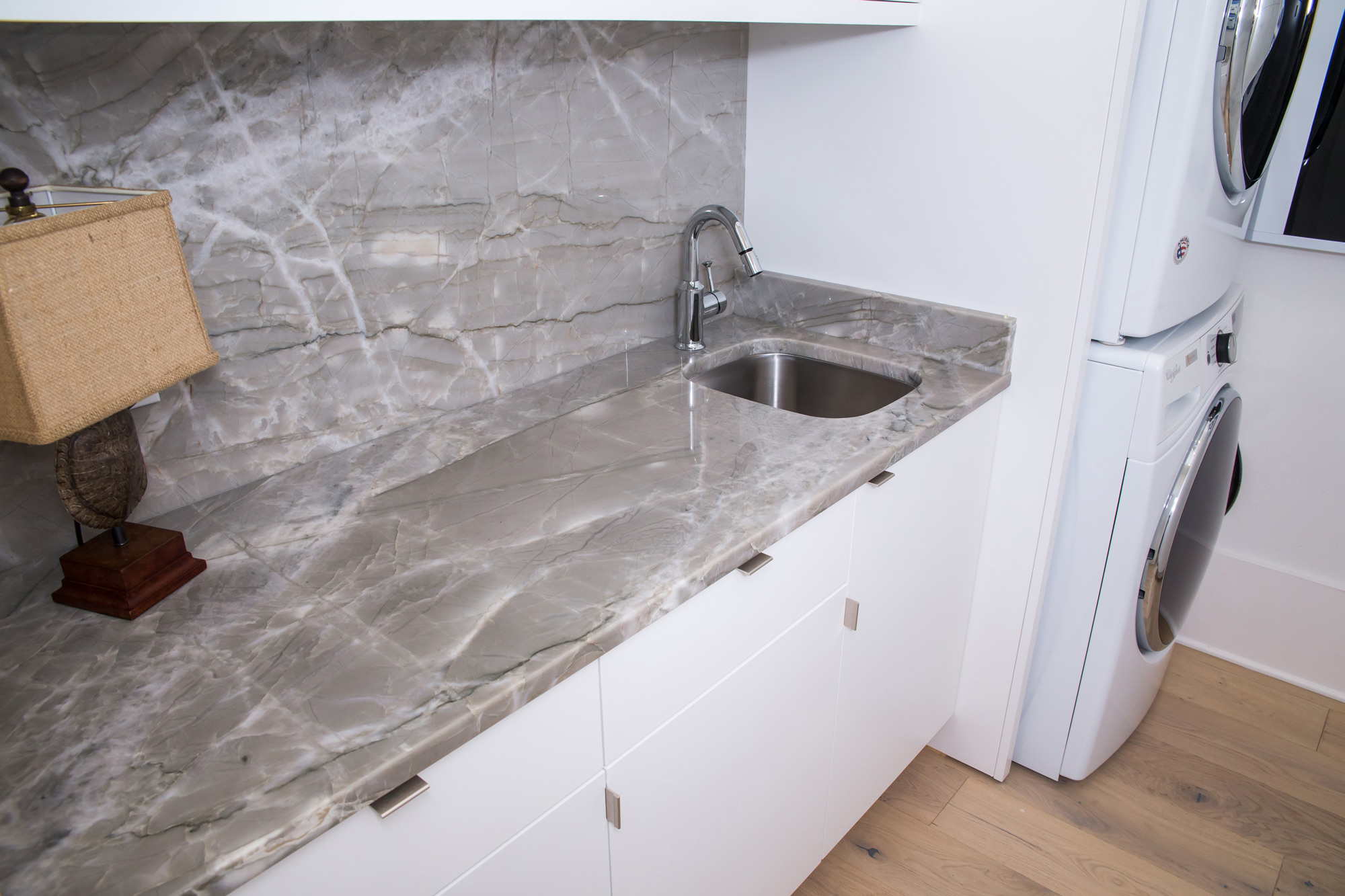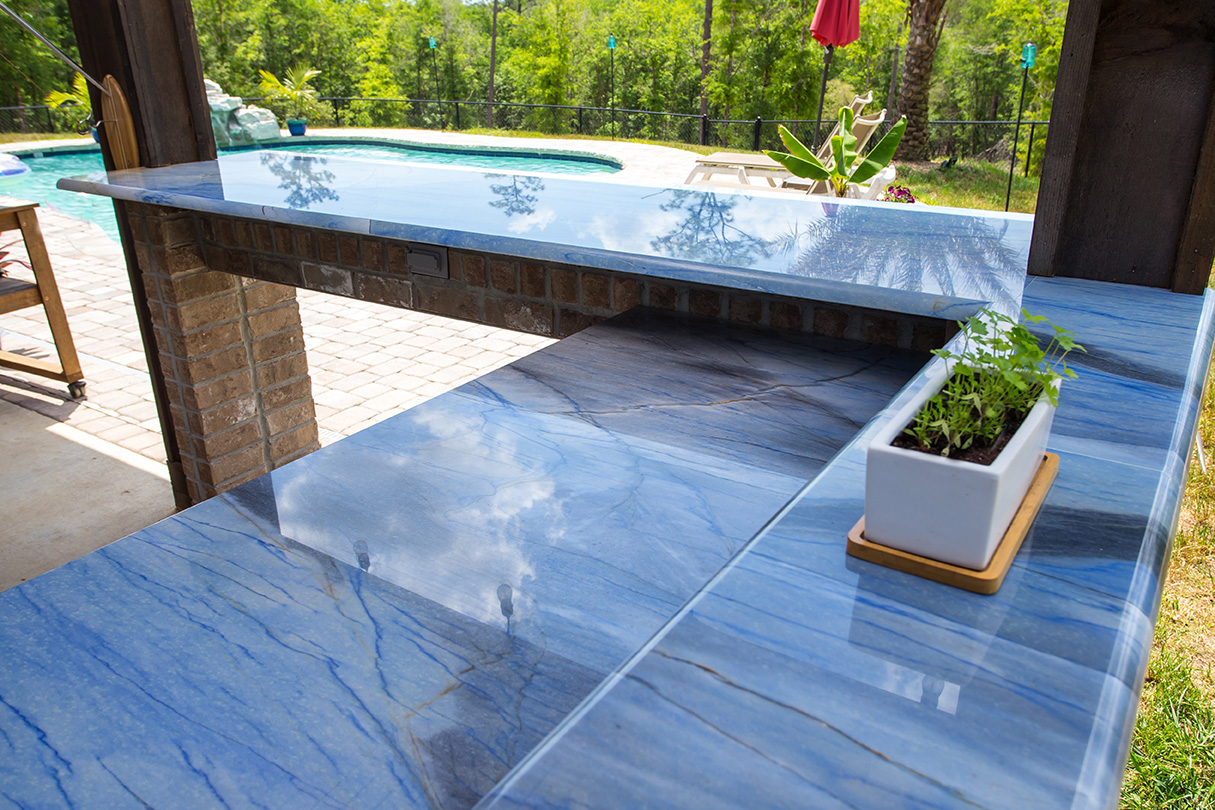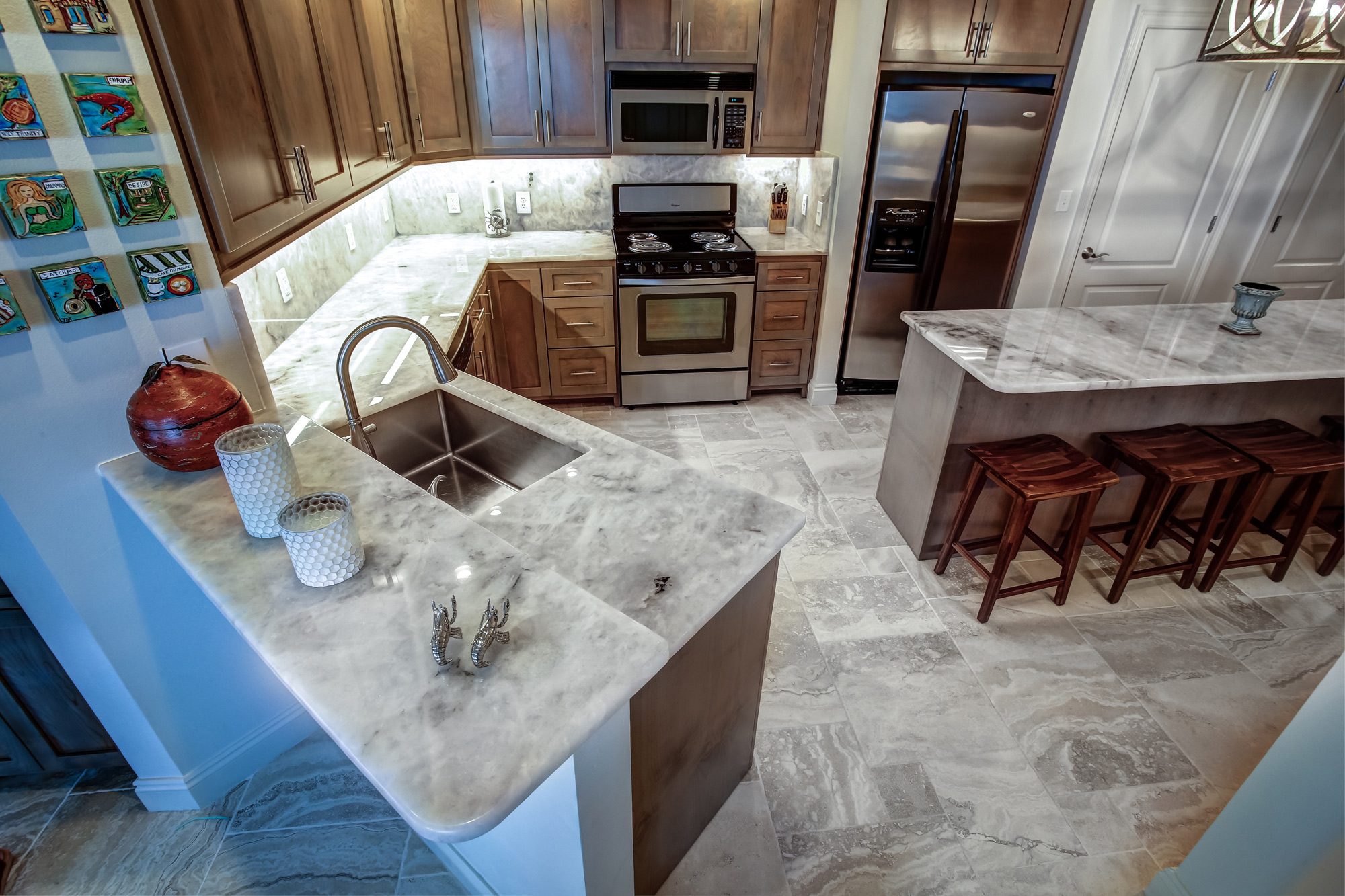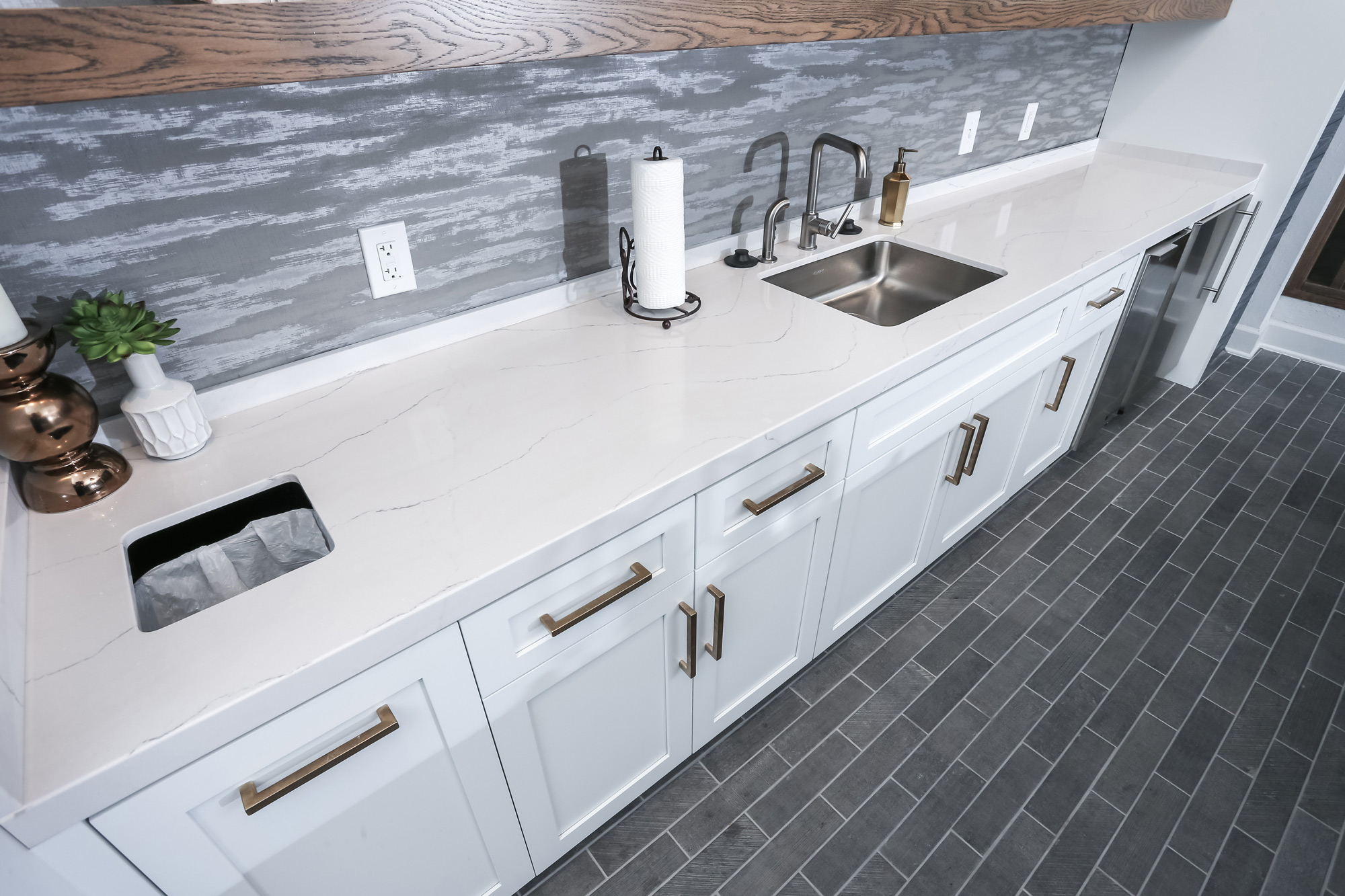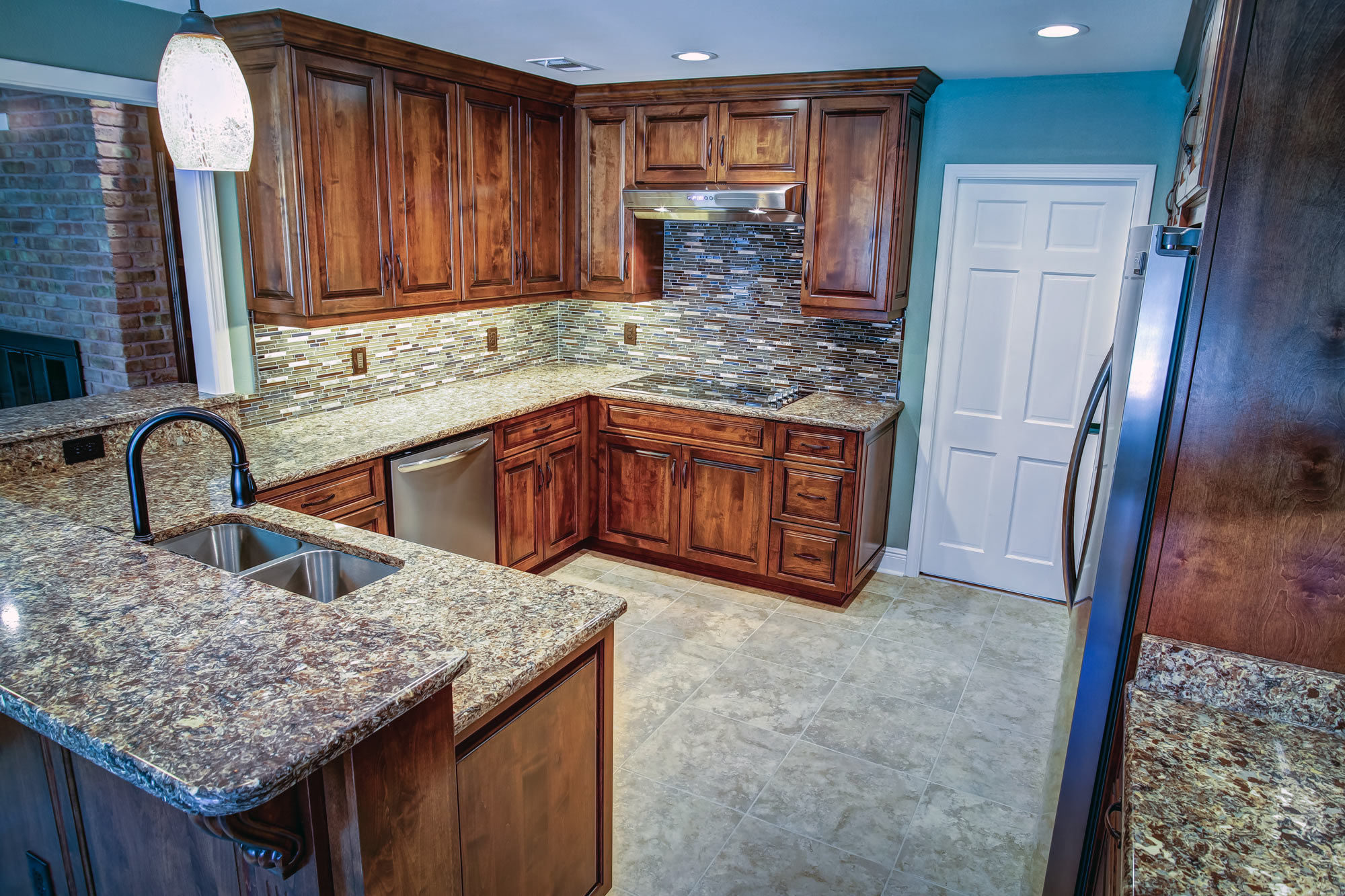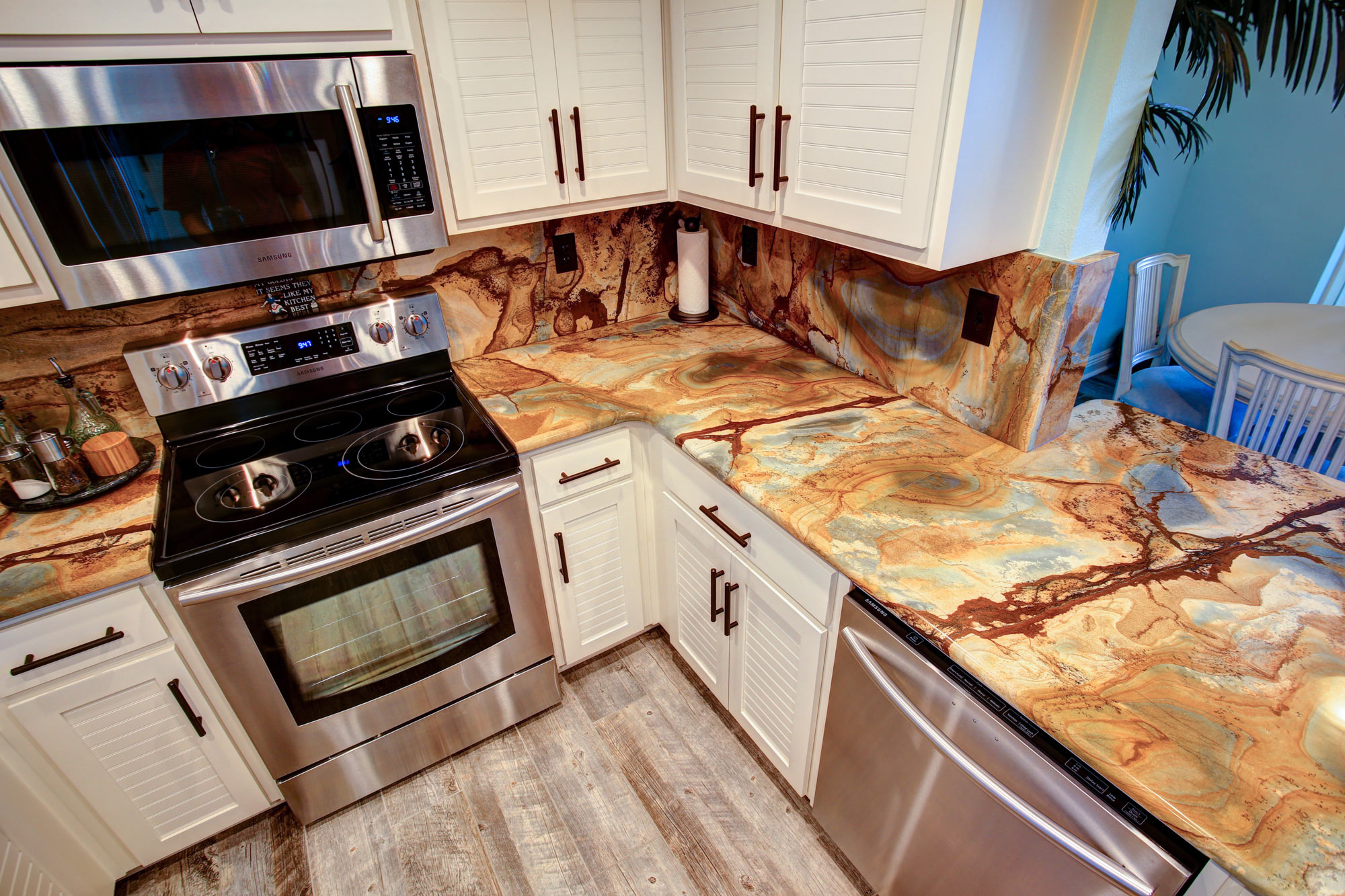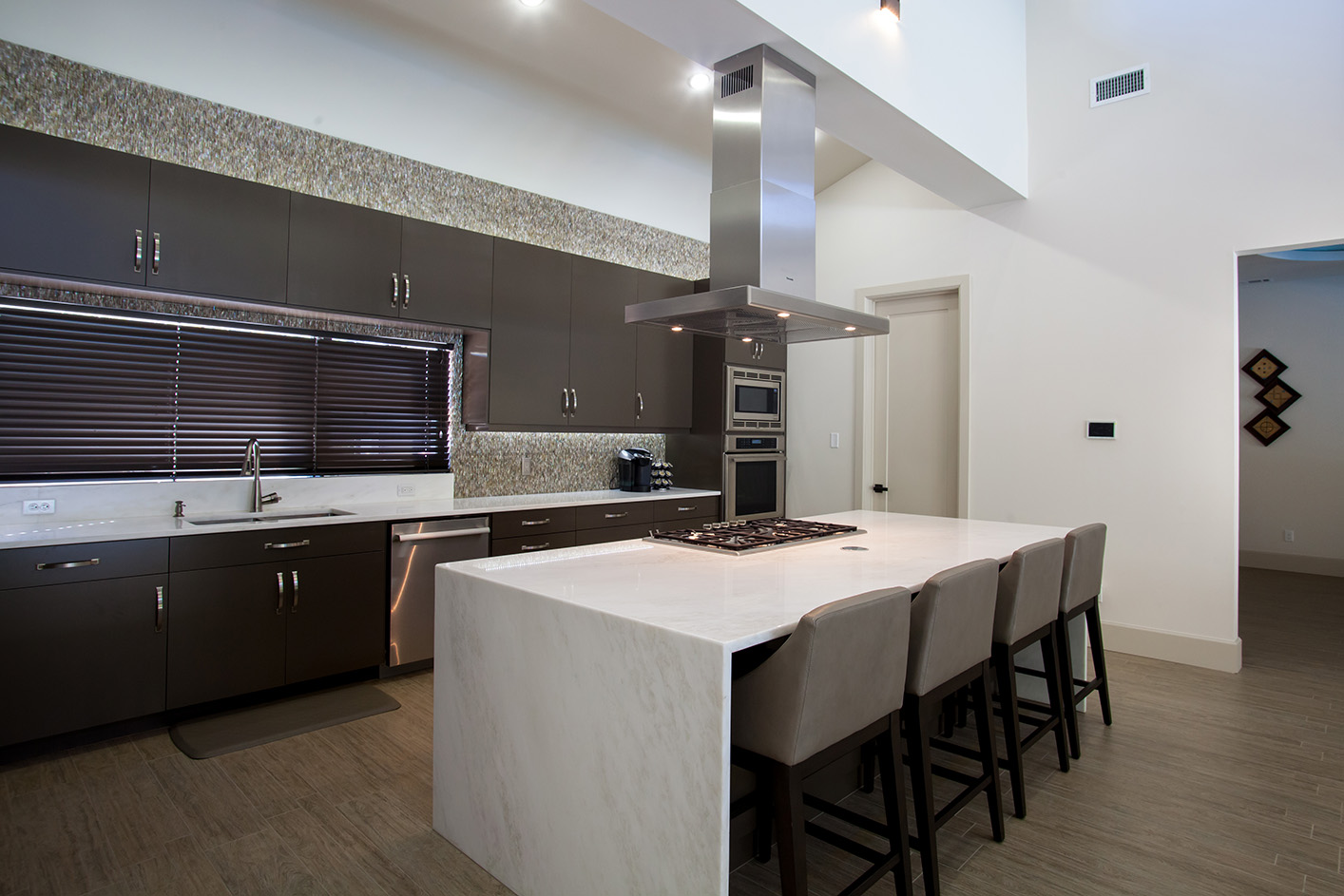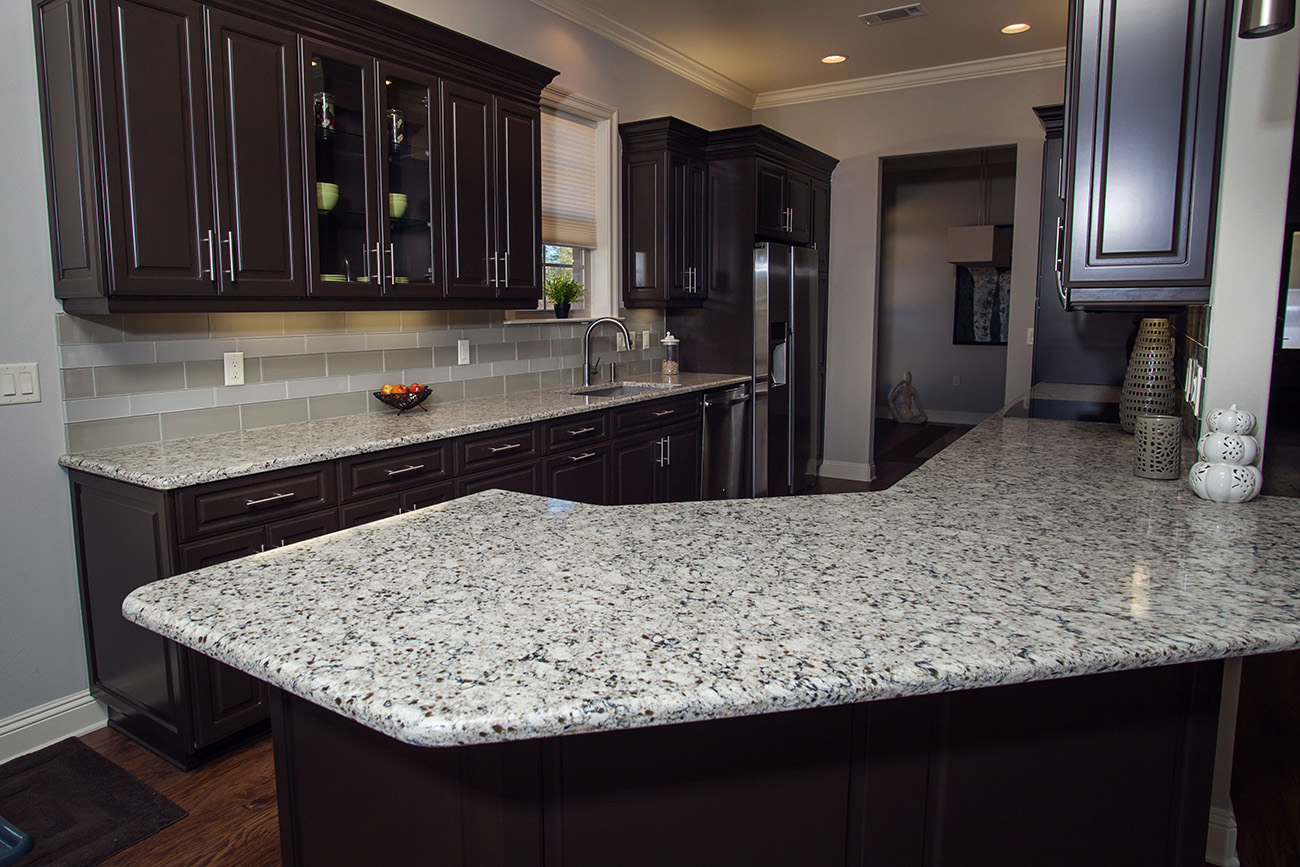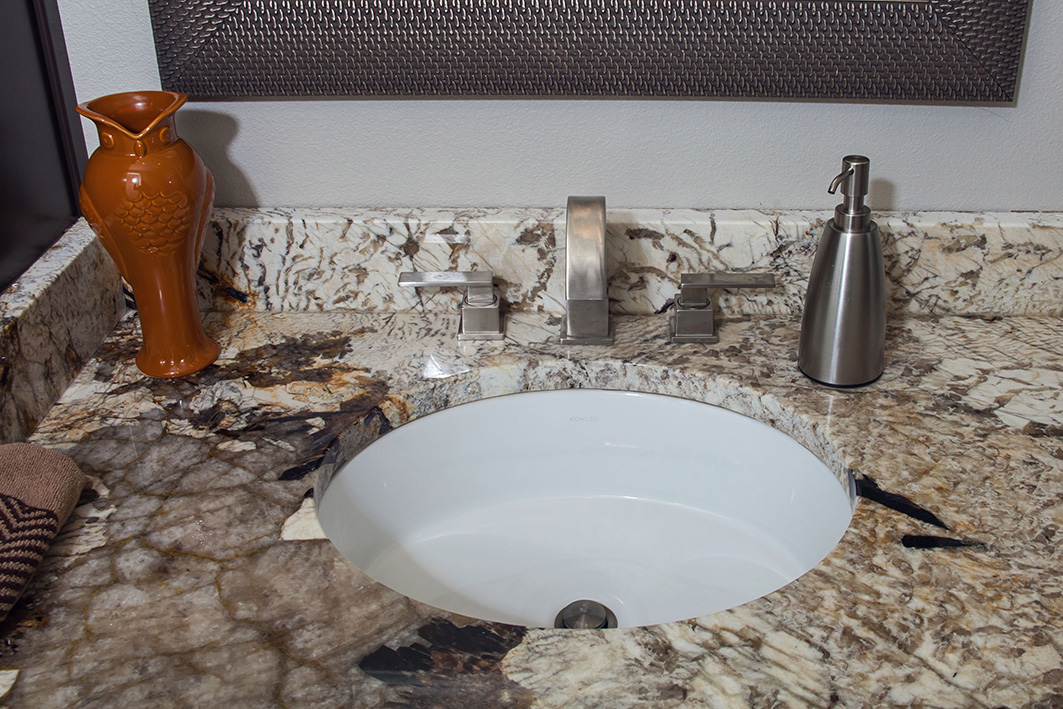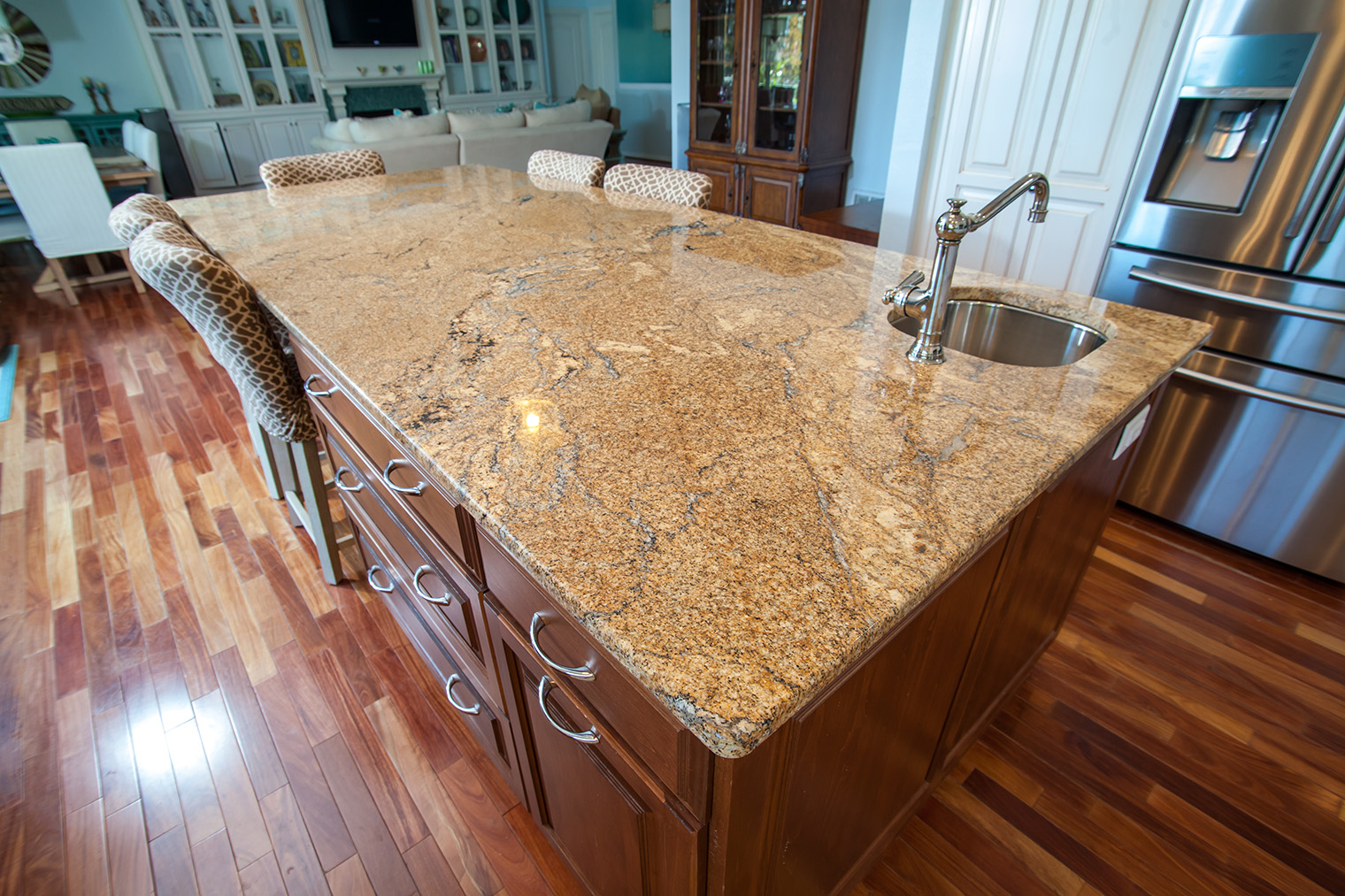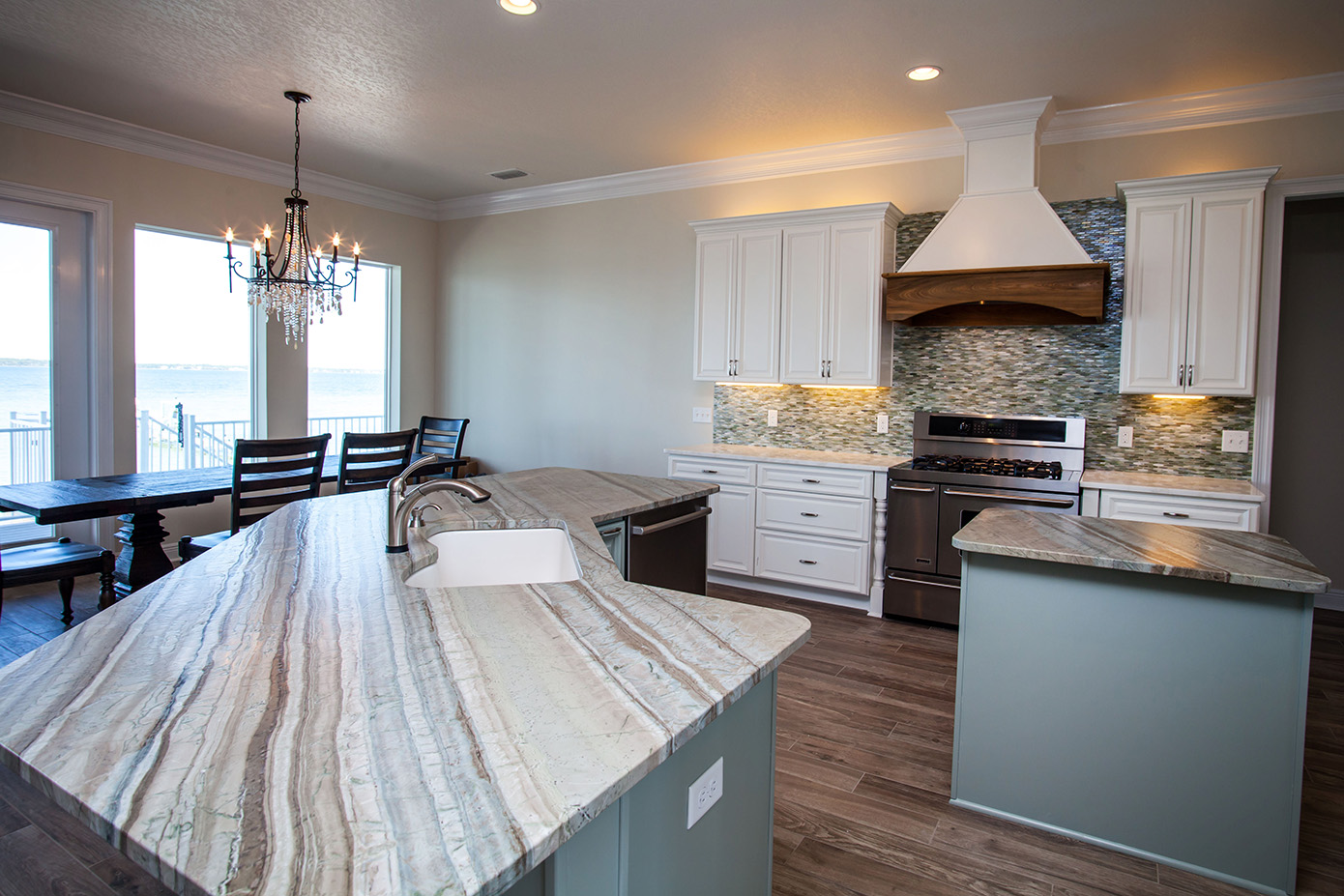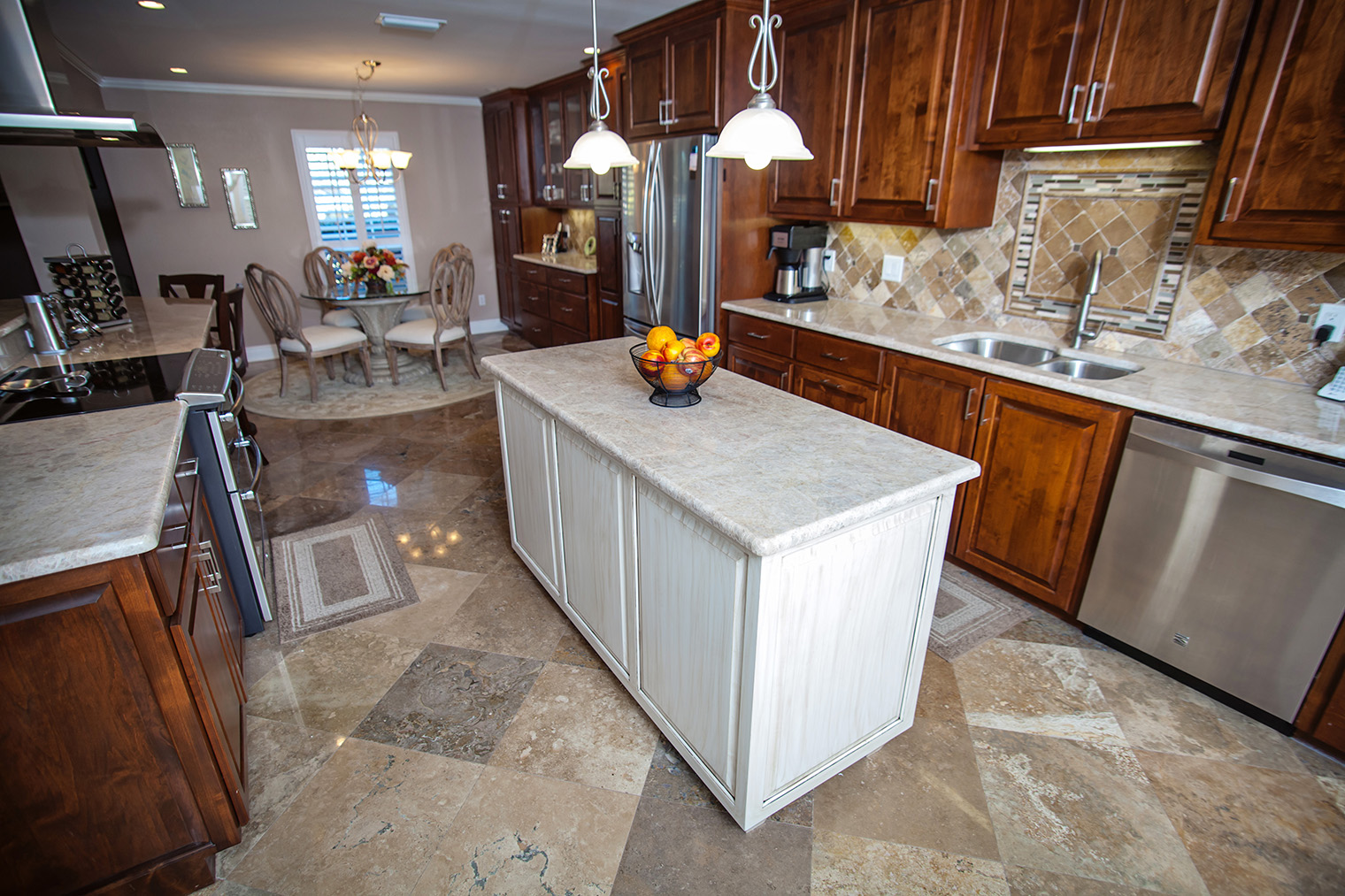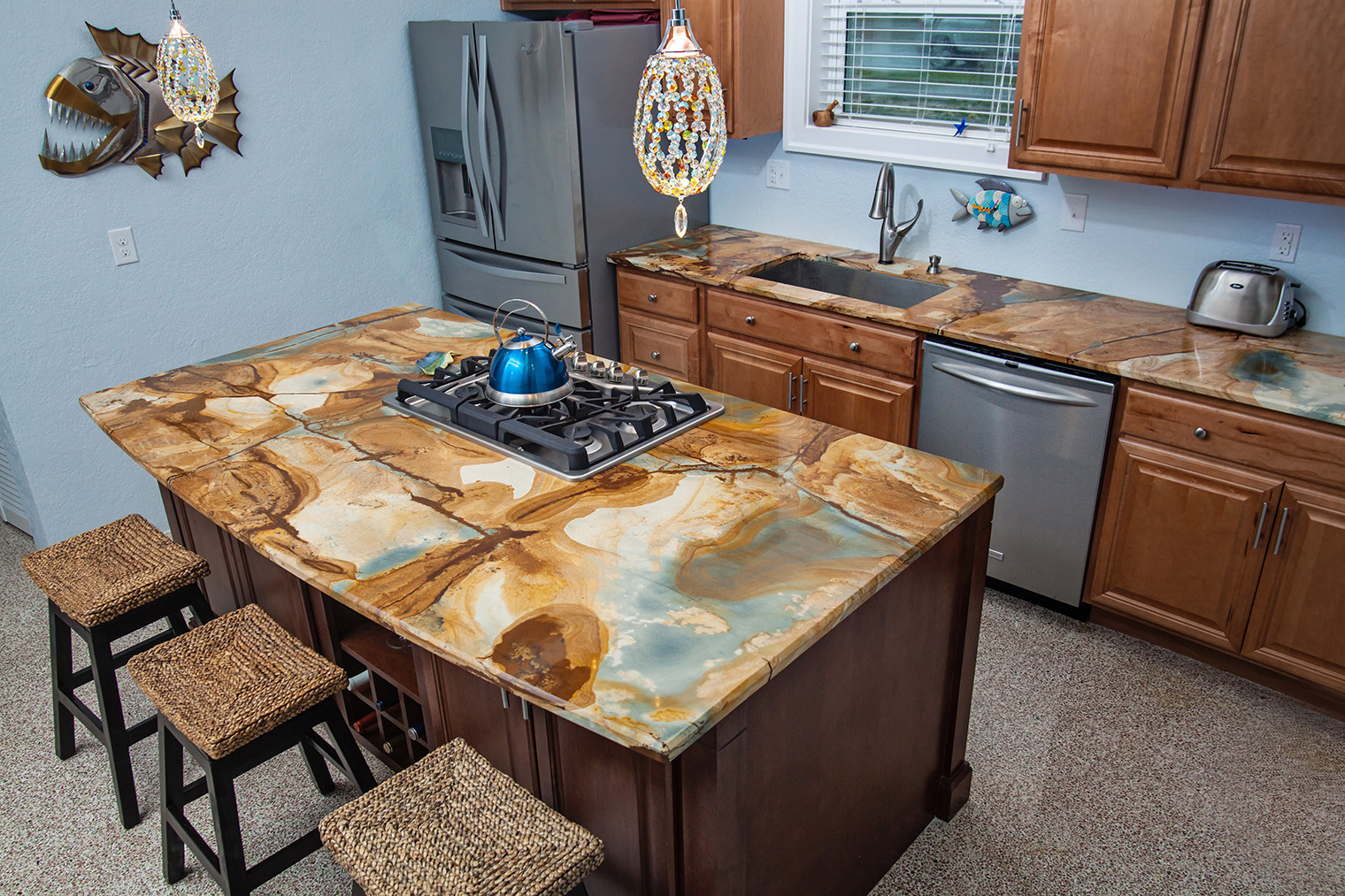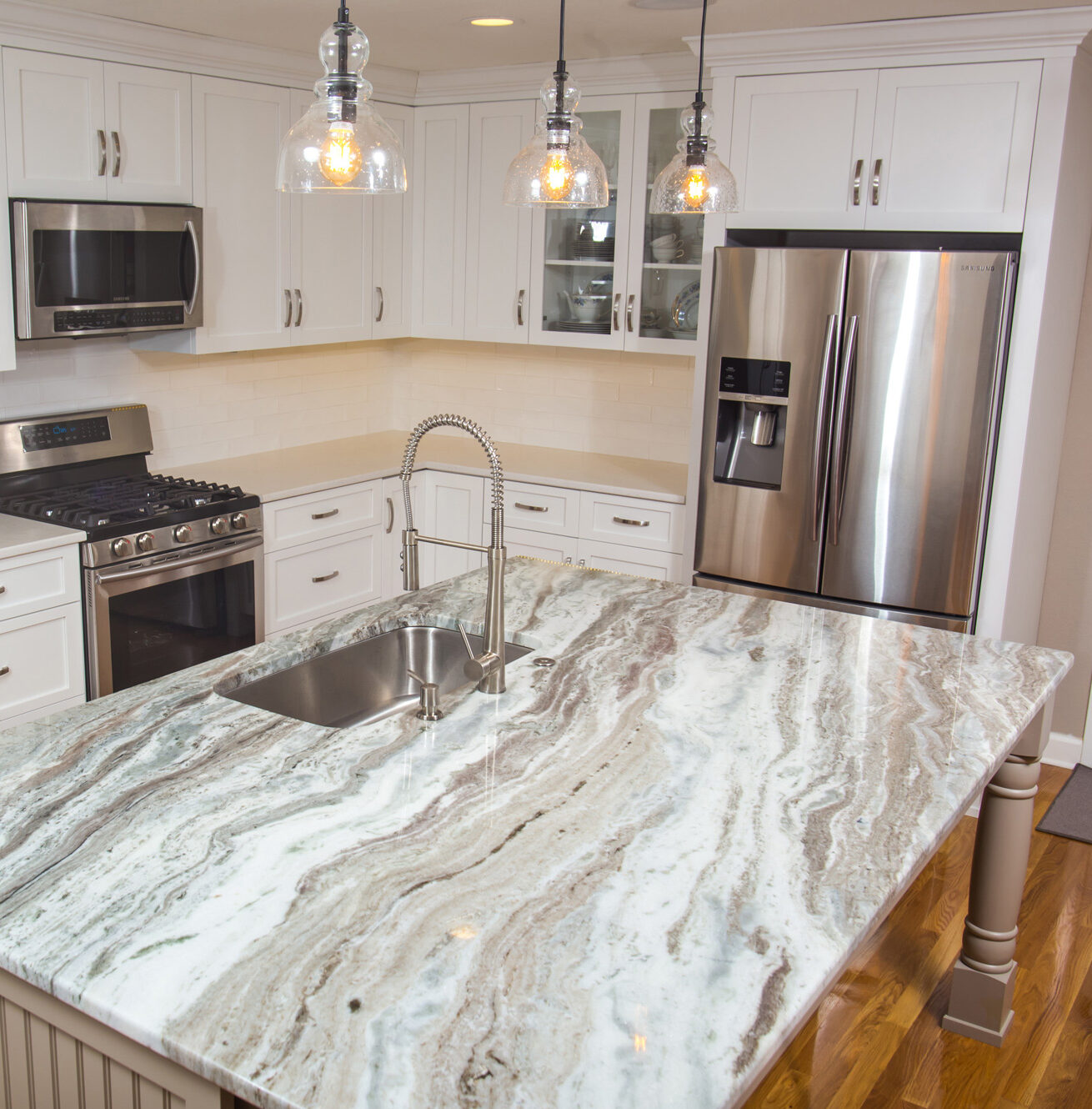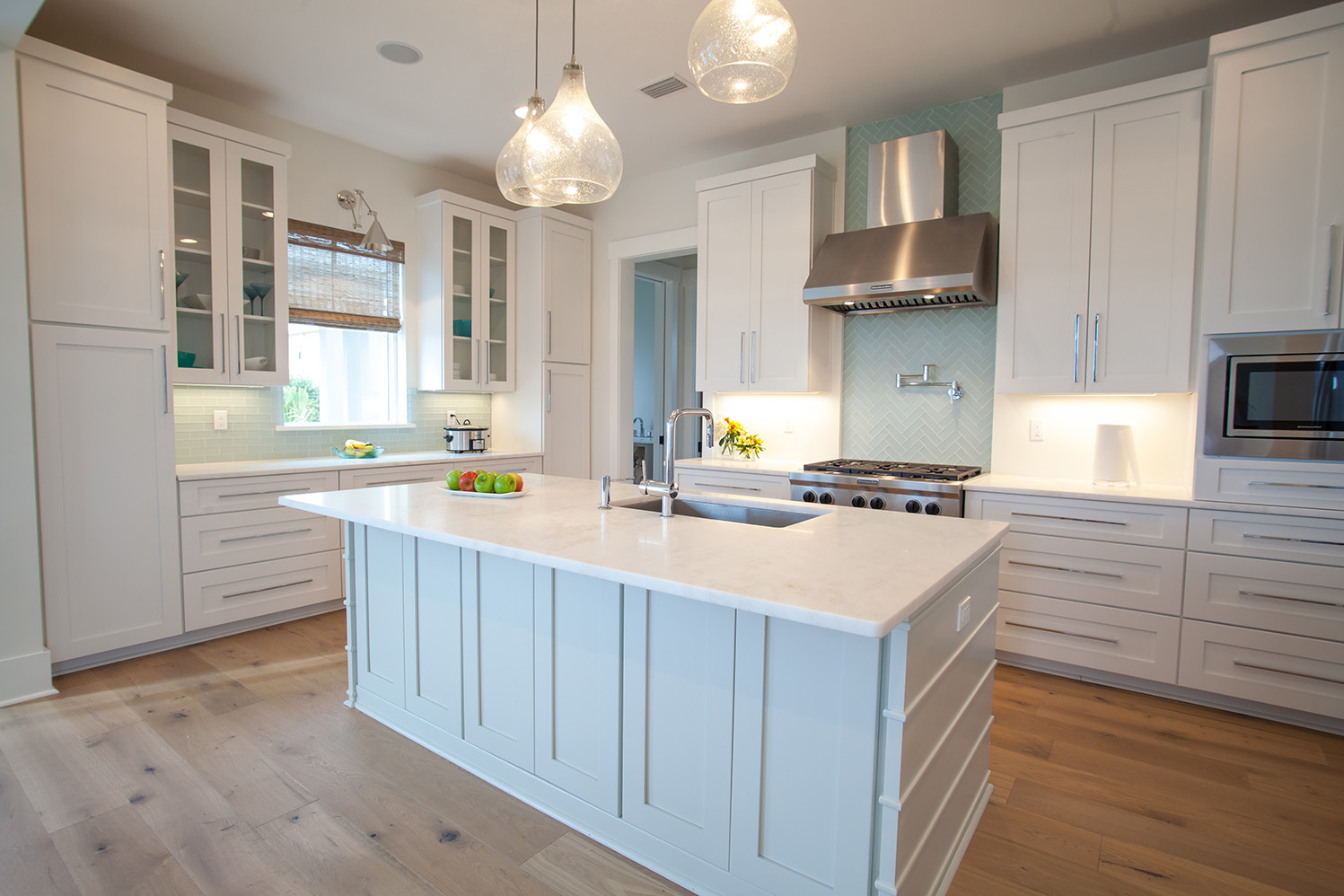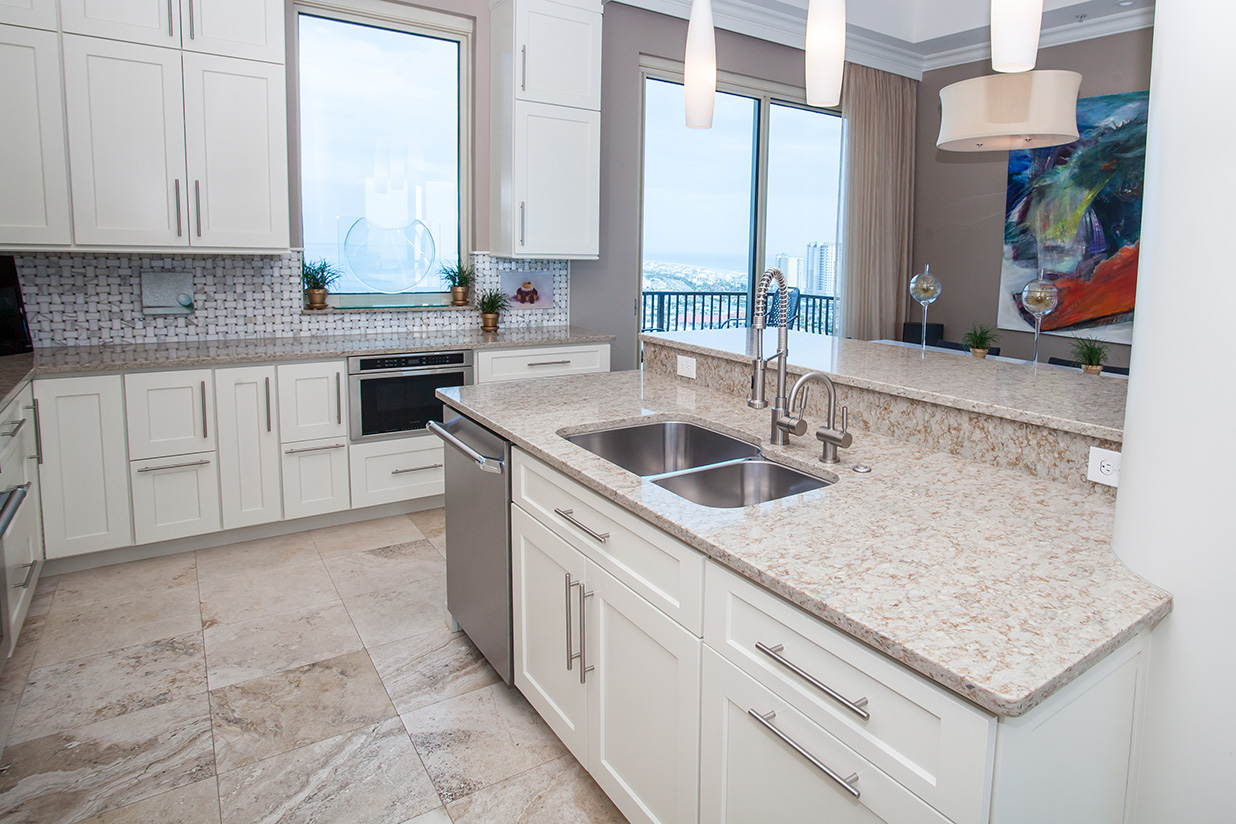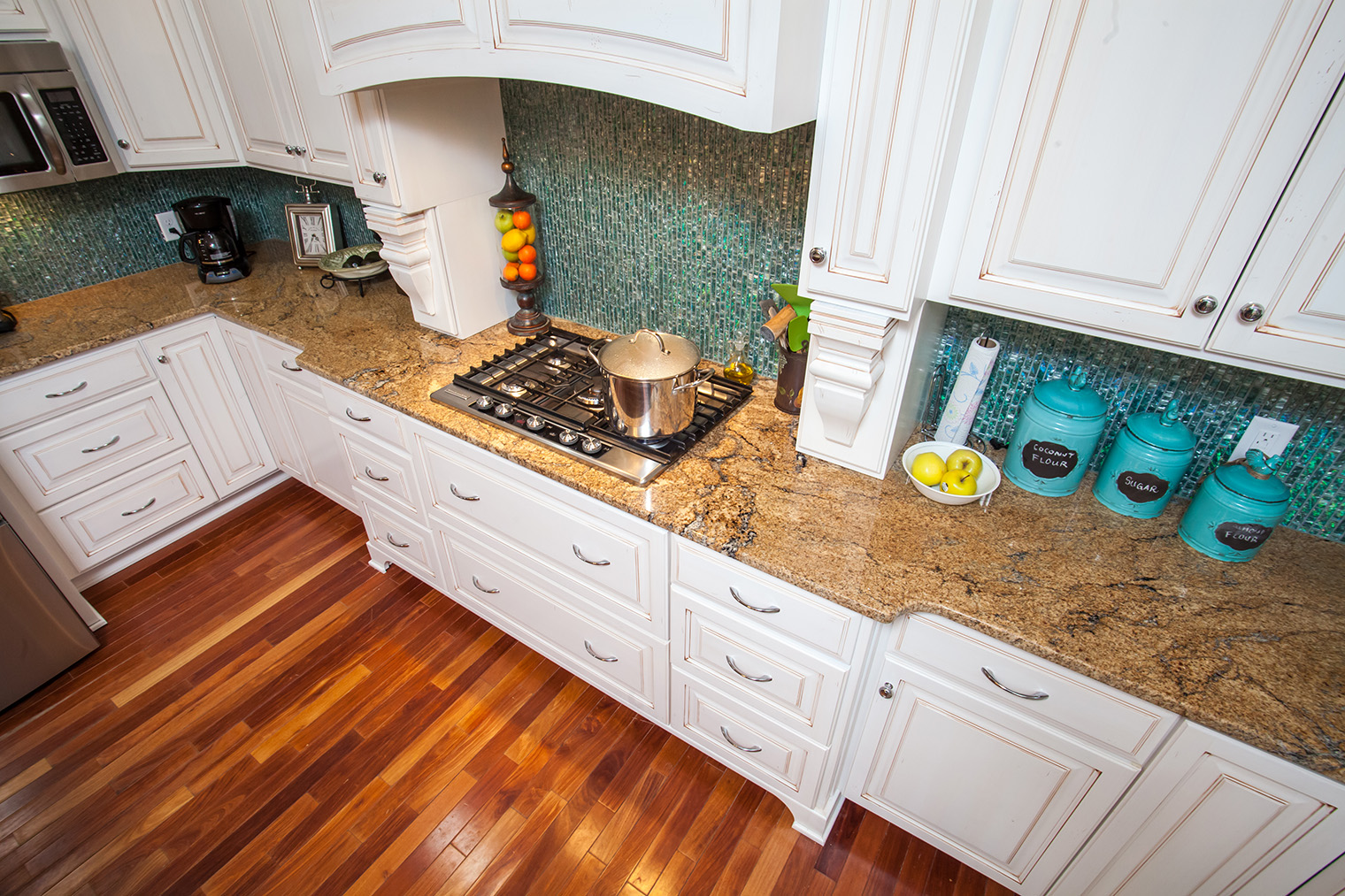
Soapstone countertops are a natural stone known for their durability, heat resistance, and non-porous surface. Soapstone countertop pricing is determined by our Stone Class pricing guide. Please call us directly for exact prices and a customized quote for your project. They develop a unique patina over time that gives kitchens a rich and timeless look.
Many homeowners choose soapstone countertops because they work well in both farmhouse and modern kitchens, thanks to their smooth matte finish and natural beauty. This natural stone also has antibacterial properties and is easy to maintain, although it may require occasional oiling to deepen its color. Small scratches can usually be repaired easily, helping the surface stay attractive for many years.
What Are Soapstone Countertops? A soapstone
Soapstone countertop is made from a natural stone called soapstone, which is primarily composed of talc and other minerals. This stone has been used for centuries in construction, cookware, and architectural design because of its durability and heat resistance.
The stone gets its name from its soft, smooth feel, which is similar to a bar of dry soap. Even though it feels smooth, it is still strong enough to be used in kitchens and bathrooms.
Soapstone typically comes in shades of gray, charcoal, or greenish tones. Over time, the stone develops a darker color known as a patina. This natural aging process is one of the reasons many homeowners love soapstone.
Where does soapstone come from?
Soapstone is mined from natural quarries around the world. In Florida, many soapstone quarries are located in states such as Vermont and Virginia. After the stone is removed from the quarry, it is cut into slabs and polished for countertop use.
Because soapstone is a natural material, each slab is unique. This means every countertop will have slightly different colors and patterns.
Why Many Homeowners in Florida Choose Soapstone?
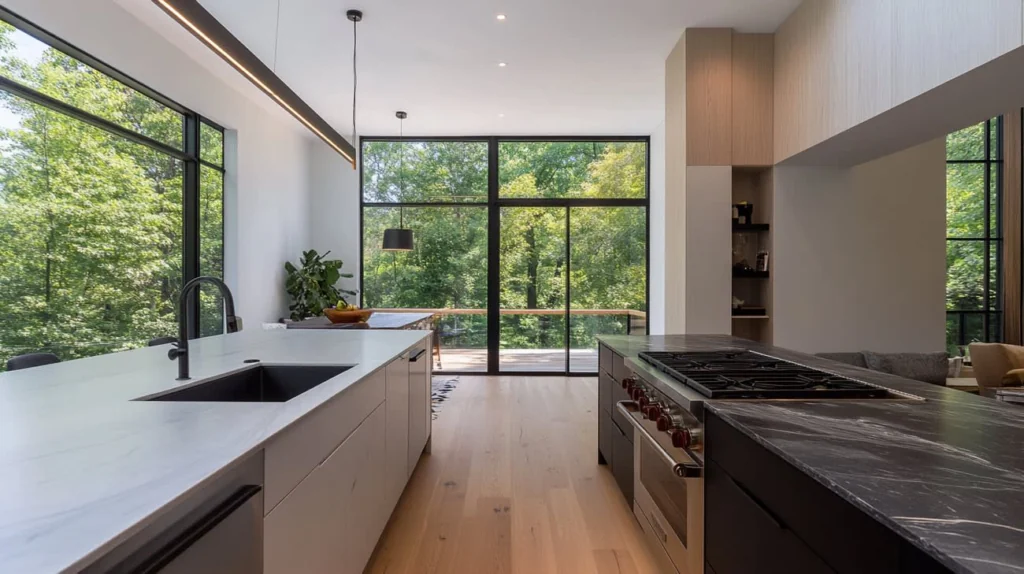
Many homeowners choose soapstone in Florida cities because it combines beauty, durability, and practicality. It has a natural look that works well in both traditional and modern kitchens.
Some of the reasons homeowners choose soapstone include:
- Timeless and Classic Appearance: Soapstone has a natural look that never goes out of style and works well with both traditional and modern kitchens.
- Natural Stone Material: It is a completely natural stone, giving countertops a unique texture and authentic character.
- Heat-Resistant Surface: Soapstone can handle high temperatures, allowing you to place hot pots and pans on the surface without damage.
- Antibacterial and Non-Porous Properties: Its non-porous structure naturally resists stains, bacteria, and moisture, making it hygienic for kitchen use.
- Long Lifespan: With proper care and maintenance, soapstone countertops can last for decades while maintaining their beauty.
Soapstone also pairs well with many kitchen styles. It complements white cabinets, dark wood cabinetry, stainless steel appliances, and farmhouse kitchens. For the best results, homeowners often choose Superior Granite to ensure a precise and durable finish.
Pros of Soapstone Countertops
Soapstone offers several advantages that make it attractive to homeowners and designers.
Heat-Resistant Surface
One of the biggest advantages of soapstone is its excellent heat resistance. Hot pots and pans can often be placed directly on the surface without causing damage. This makes it a practical choice for people who cook frequently.
Non-Porous and Hygienic
Soapstone is naturally non-porous. This means it does not absorb liquids, stains, or bacteria the way some other stones might. Because of this property, soapstone does not require sealing.
Unique Natural Appearance
Soapstone has a beautiful natural look that develops character over time. As the stone ages, it gradually darkens and develops a rich patina that many homeowners find attractive.
Easy Scratch Repair
While soapstone can scratch more easily than harder stones, the scratches are often easy to repair. Light sanding and mineral oil can help reduce the appearance of minor marks.
Eco-Friendly Natural Material
Soapstone is a natural stone that can last for many decades. Because it is durable and long-lasting, it can be considered an environmentally friendly countertop choice.
Cons of Soapstone Countertops
Even though soapstone has many benefits, it also has a few drawbacks that homeowners should consider.
Soft Surface
Soapstone contains talc, which makes it softer than materials like granite or quartz. This means it can scratch or dent more easily.
Limited Color Range
Soapstone usually comes in darker colors such as gray, charcoal, and greenish tones. Homeowners who want bright colors or dramatic patterns may prefer other materials.
Requires Oiling
Many homeowners apply mineral oil to soapstone surfaces to darken the color and maintain an even appearance. While this process is simple, it does require occasional maintenance.
Edge Chipping
The edges of the soapstone countertop can chip if they are hit with heavy objects. Using rounded-edge designs can help reduce this risk.
Higher Cost
Soapstone is considered a premium natural stone. To find where it falls within our Stone Class pricing guide and to get exact prices, please call our team.
Soapstone Countertops Cost Guide
The cost of soapstone countertops depends on several factors, including slab quality, kitchen size, and installation complexity.
The cost of soapstone countertops depends on several factors, including slab quality, kitchen size, and installation complexity. Soapstone pricing is categorized according to our Stone Class pricing guide. Because every project is unique, customers will need to call our office directly to get exact prices and a detailed estimate.
Factors That Affect Cost
Several factors can influence the total cost of these natural stone countertops:
- Kitchen Size: Larger kitchens require more stone material and labor, which increases the overall cost.
- Thickness of the Stone Slab: Thicker slabs are usually more durable but also more expensive than standard thickness options.
- Edge Design and Customization: Decorative edge styles and custom designs can add extra cost compared to simple edges.
- Installation Labor: Professional installation costs vary depending on the complexity of the project and the installer’s experience.
- Sink or Cooktop Cutouts: Additional cutouts for sinks, faucets, or cooktops may increase the total installation cost.
Higher-quality slabs with unique veining or thicker stone can increase the overall price.
Soapstone vs Other Countertop Materials
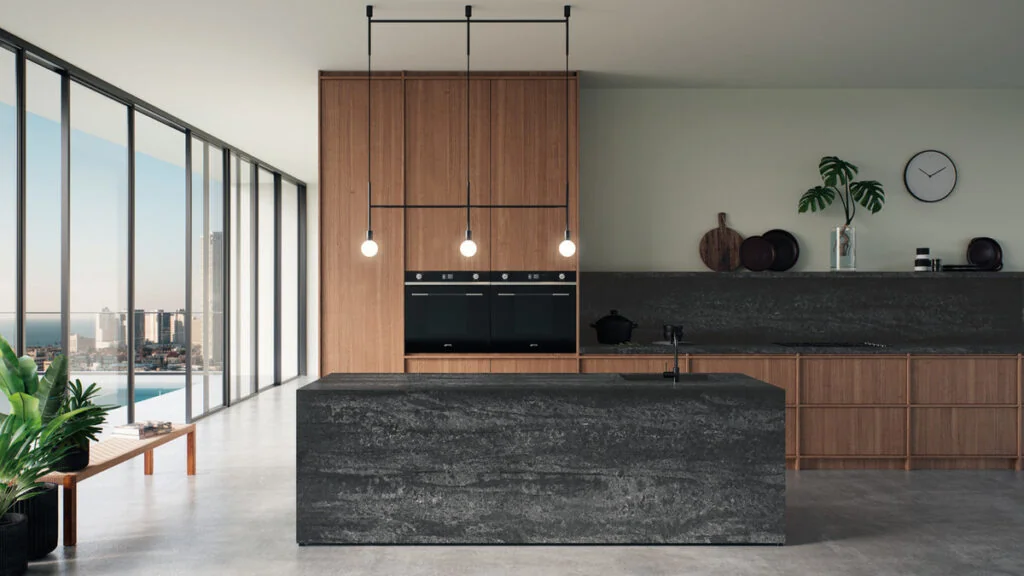
Many homeowners compare soapstone with other countertop materials before making a decision.
| Material | Durability | Maintenance | Cost Range |
| Soapstone | Medium | Oiling recommended | Stone Class Guide |
| Granite | Very durable | Low maintenance | Medium |
| Quartz | Very durable | Very low maintenance | Medium-High |
| Marble | Medium durability | High maintenance | Medium-High |
Soapstone offers excellent heat resistance and natural beauty, but it is softer than granite and quartz countertops.
Care and Maintenance Tips
Proper care can help keep soapstone kitchen countertops looking beautiful for many years.
- Oiling the surface: Applying food-grade mineral oil helps darken the stone and create an even color. Many homeowners oil their countertops regularly during the first year.
- Daily cleaning: Soapstone can be cleaned using mild soap and water or a gentle household cleaner. Because the surface is non-porous, harsh chemicals are usually not necessary.
- Fixing scratches: Small scratches can be repaired using fine sandpaper and mineral oil, making soapstone easier to maintain than many other countertop materials.
- Preventing damage: Using cutting boards and avoiding heavy impacts on the edges can help protect the countertop surface.
Natural Stone Countertop Cleaning Mistakes to Avoid
Professional Soapstone Countertop Installation
Installing a soapstone countertop is a careful process that usually requires professional fabricators and installers. First, the countertop area is measured and templated so the stone slab can be cut to the exact size. The soapstone slab is then shaped with the necessary cutouts for sinks, faucets, and cooktops before being transported to the home for installation.
During installation, the slab is placed on leveled cabinets and securely fitted into position. Installers check seams, edges, and alignment to make sure the countertop sits perfectly. Once installed, the surface may be cleaned and lightly oiled to enhance its natural color, leaving the countertop ready for everyday kitchen use.
How Long Do Soapstone Countertops Last?
These natural stone countertops are known for their impressive durability and long lifespan. With proper care and regular maintenance, they can last 20 to 50 years or even longer, making them a reliable choice for kitchens and bathrooms. Their dense, non-porous surface helps them resist moisture, bacteria, and stains, which contributes to their long-lasting performance.
Many historic homes and buildings still have original soapstone surfaces that have remained in excellent condition for generations. Because of this durability and timeless appearance, soapstone is often seen as a long-term investment that adds both beauty and value to a home.
Is Soapstone the Right Choice for Your Kitchen
Soapstone can be an excellent choice for many kitchens, but it is not the perfect material for everyone.
Soapstone may be a good option if you:
- appreciate natural materials
- like surfaces that develop character over time
- cook frequently and need heat resistance
- prefer a timeless kitchen design
However, homeowners who want a perfectly scratch-free surface or a wide range of colors may prefer other countertop materials.
Conclusion
Soapstone countertops offer a beautiful and durable natural stone option for modern kitchens. They are heat-resistant, non-porous, and capable of lasting for decades with proper care. However, they are softer than some other countertop materials and may require occasional oiling to maintain their appearance.
By understanding the advantages, disadvantages, and care requirements, homeowners can make a confident decision about whether soapstone countertops are the right choice for their kitchen.
Pensacola, FL
Visit Us: 7011 Pine Forest Road, Pensacola, FL 32526
Call Us: (850) 941-0270
Hours: Monday – Friday: 8 a.m. – 5 p.m., Saturday: 9 a.m. – 2 p.m.
Pace, FL
Visit Us: 4590 Jernigan Road, Pace, Florida 32571
Call Us: (850) 994-1872
Hours: Tuesday – Friday: 9 a.m. – 5 p.m., Saturday: 9 a.m. – 2 p.m.
Fort Walton Beach, FL
Visit Us: 35 Miracle Strip Pkwy SW, Fort Walton Beach, Florida 32548
Call Us: (850) 301-0716
Hours: Tuesday – Friday: 8 a.m. – 5 p.m., Saturday: 9 a.m. – 2 p.m.
Get quotes now and start your project!
FAQs
1. What are soapstone countertops made of?
They are made from a natural stone that mainly contains talc along with minerals such as chlorite and dolomite. These minerals give the stone its smooth texture and soft feel. Because it is a natural material, every slab has unique patterns and colors.
2. Does a soapstone countertop need sealing?
No, soapstone countertops do not require sealing because the stone is naturally non-porous. This means liquids and bacteria cannot easily penetrate the surface. As a result, soapstone is a hygienic and low-maintenance option for kitchens.
3. Does soapstone scratch easily?
Soapstone is softer than materials like granite or quartz, so light scratches may appear over time. However, most small scratches can be repaired with light sanding or mineral oil. Many homeowners appreciate the natural character that develops as the stone ages.
4. How often should a soapstone countertop be oiled?
Many homeowners apply mineral oil regularly during the first year to help the stone darken evenly. After that, oiling is usually done only occasionally, depending on personal preference. Some people also choose to let the stone age naturally without oiling.
5. How long does a soapstone countertop last?
They are known for their durability and long lifespan. With proper care and maintenance, they can last between 20 and 50 years or even longer. Many historic homes still have soapstone surfaces that have lasted for generations.
6. Are soapstone countertops heat-resistant?
Yes, soapstone is highly heat-resistant and can tolerate hot pots and pans placed directly on the surface. This makes it a practical choice for busy kitchens. Its natural density helps protect the stone from heat damage.
7. How much do soapstone countertops cost?
Soapstone countertop pricing is based on our custom Stone Class pricing guide. Because costs depend on factors such as slab selection, kitchen size, and installation layout, customers need to call us directly to receive exact prices and a precise quote.
8. Are soapstone kitchen countertops good for homes?
Soapstone countertops are a great option for kitchens because they are durable, heat-resistant, and easy to clean. Their non-porous surface helps resist stains and bacteria. In addition, the natural stone creates a timeless and elegant kitchen appearance.
9. What colors does soapstone come in?
It usually comes in shades of gray, charcoal, and sometimes greenish tones. Some slabs also have subtle white veining that adds visual interest. Over time, the stone naturally darkens and develops a richer color.
10. How do you clean a soapstone countertop?
Cleaning a soapstone countertop is simple and usually requires mild soap and water. Harsh chemicals are not necessary because the surface is naturally resistant to stains and bacteria. Regular cleaning helps maintain the stone’s natural beauty.