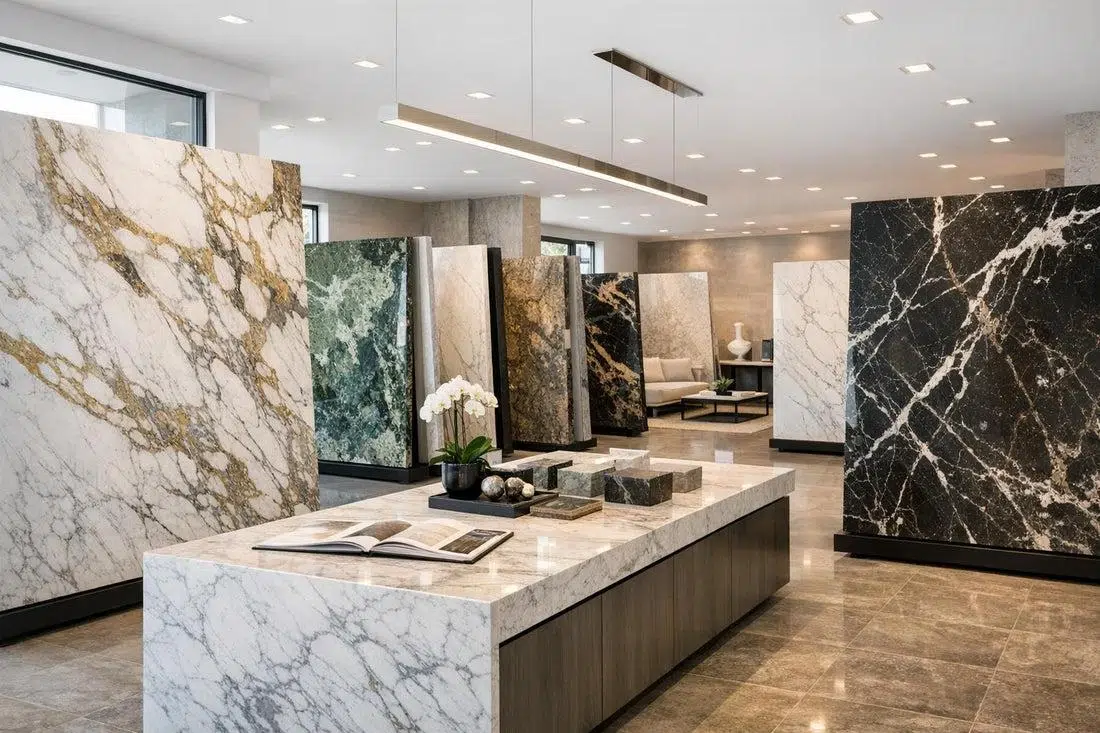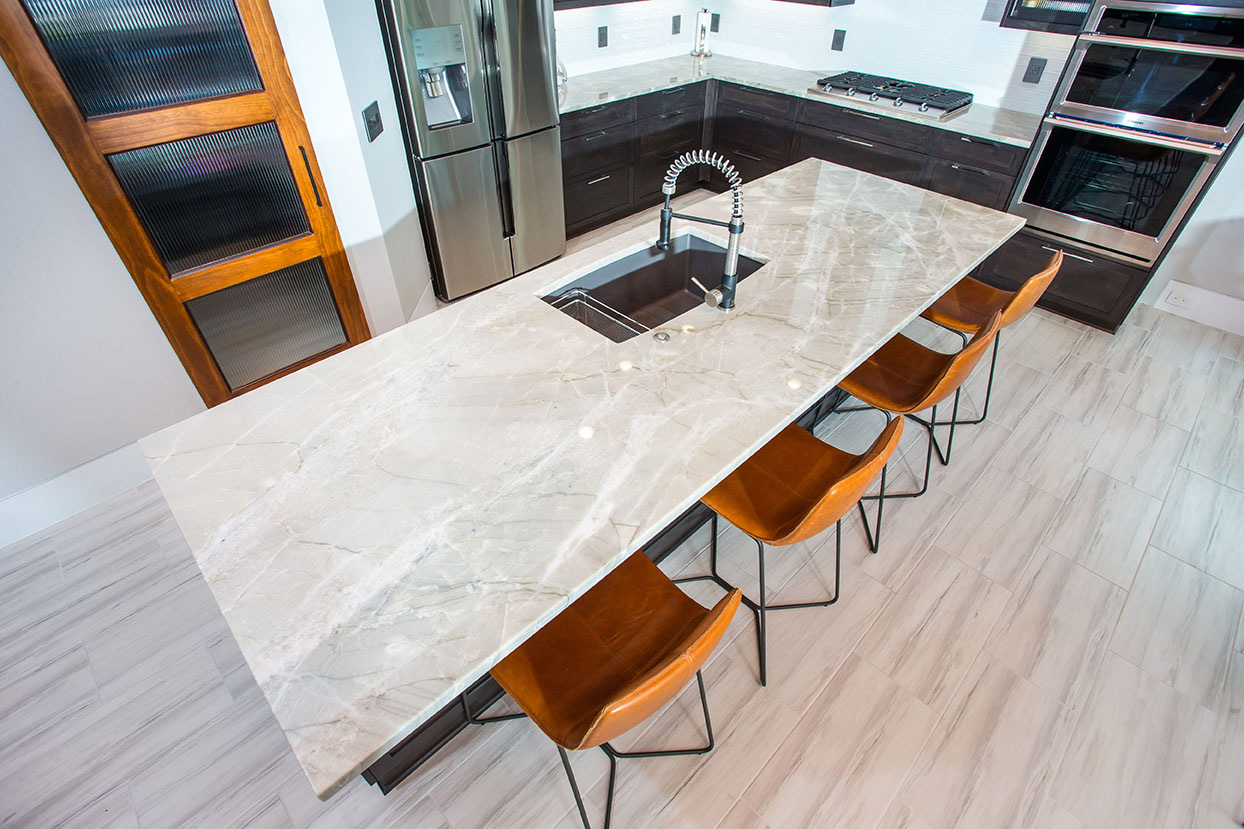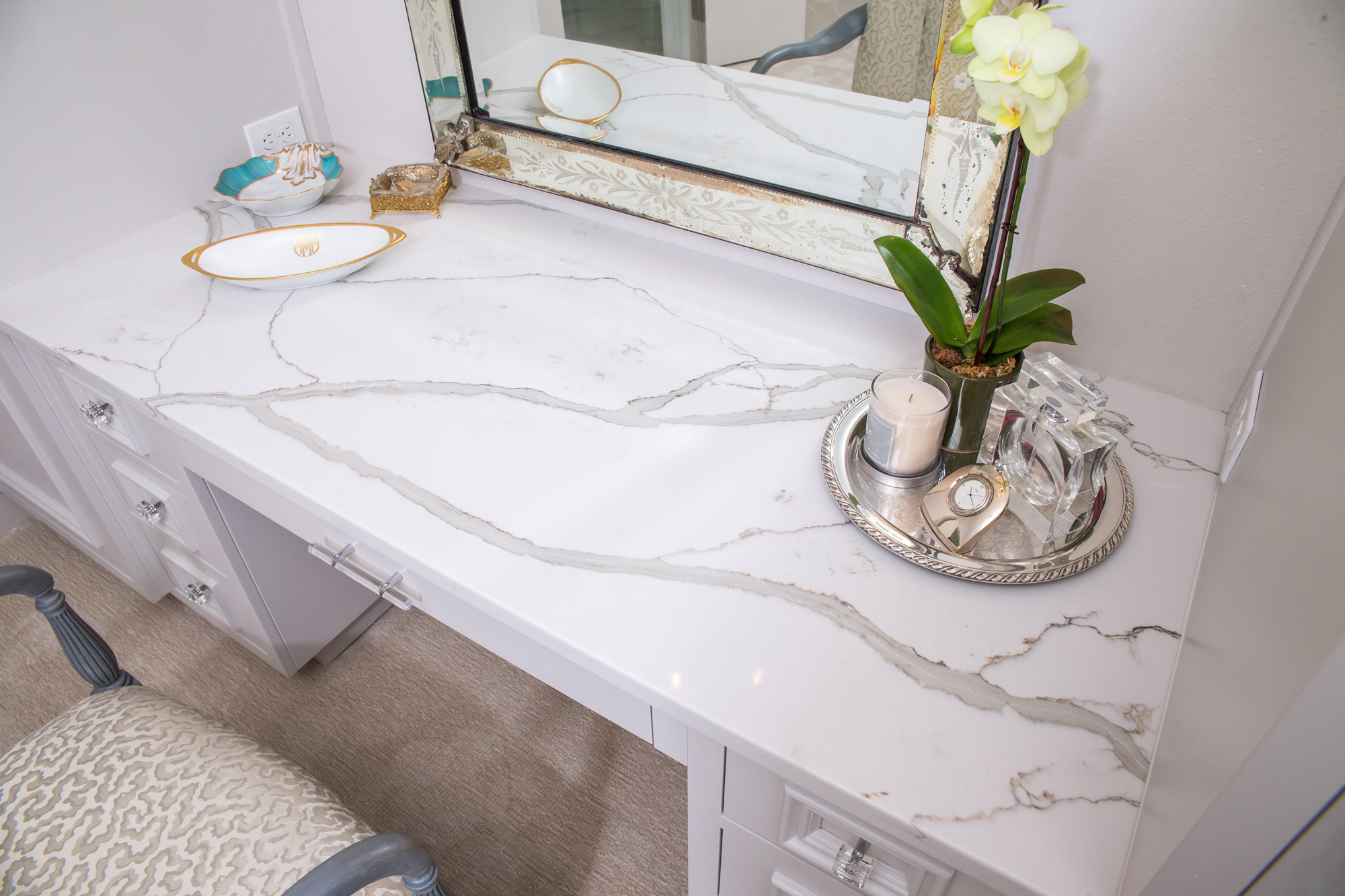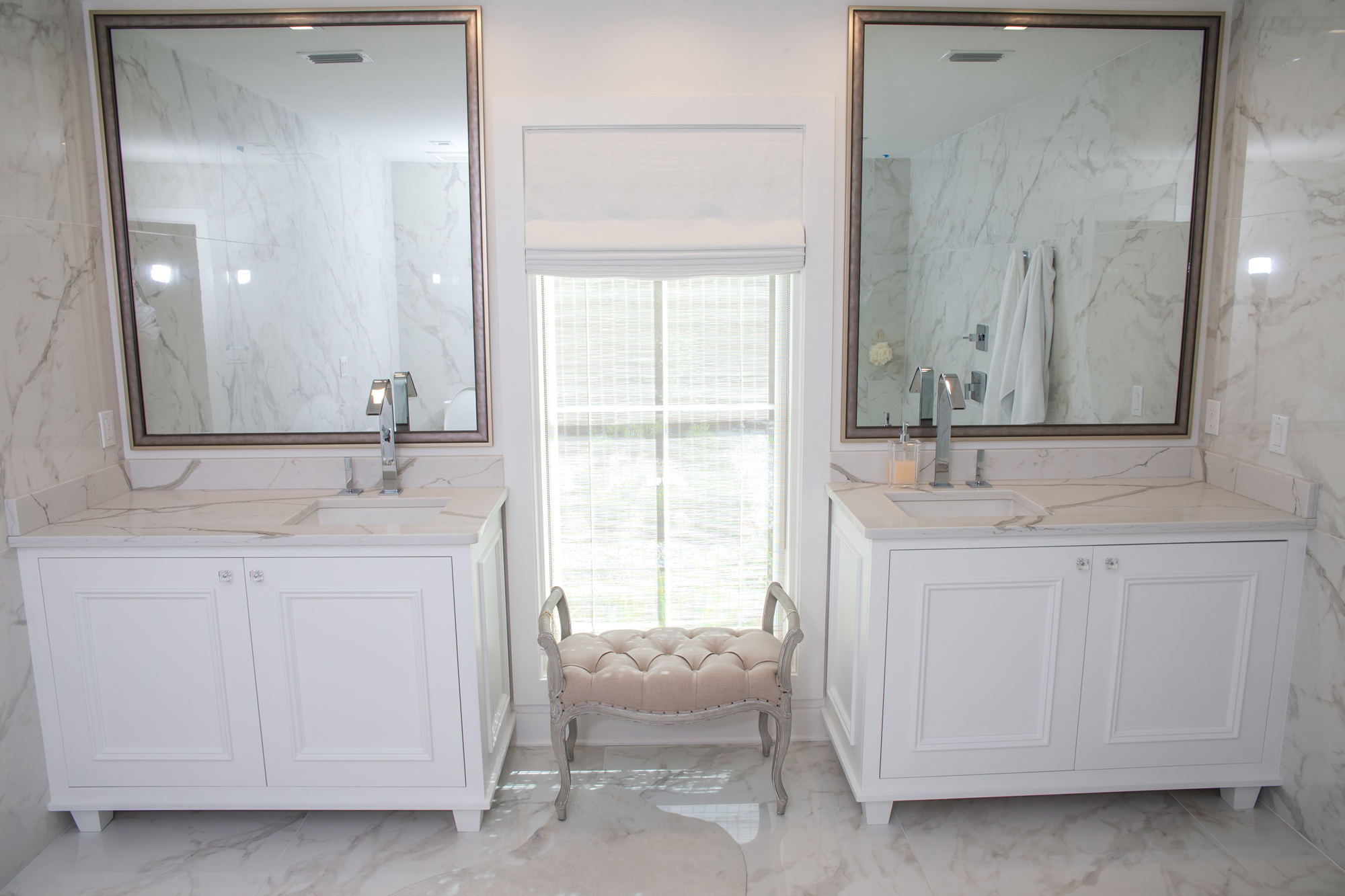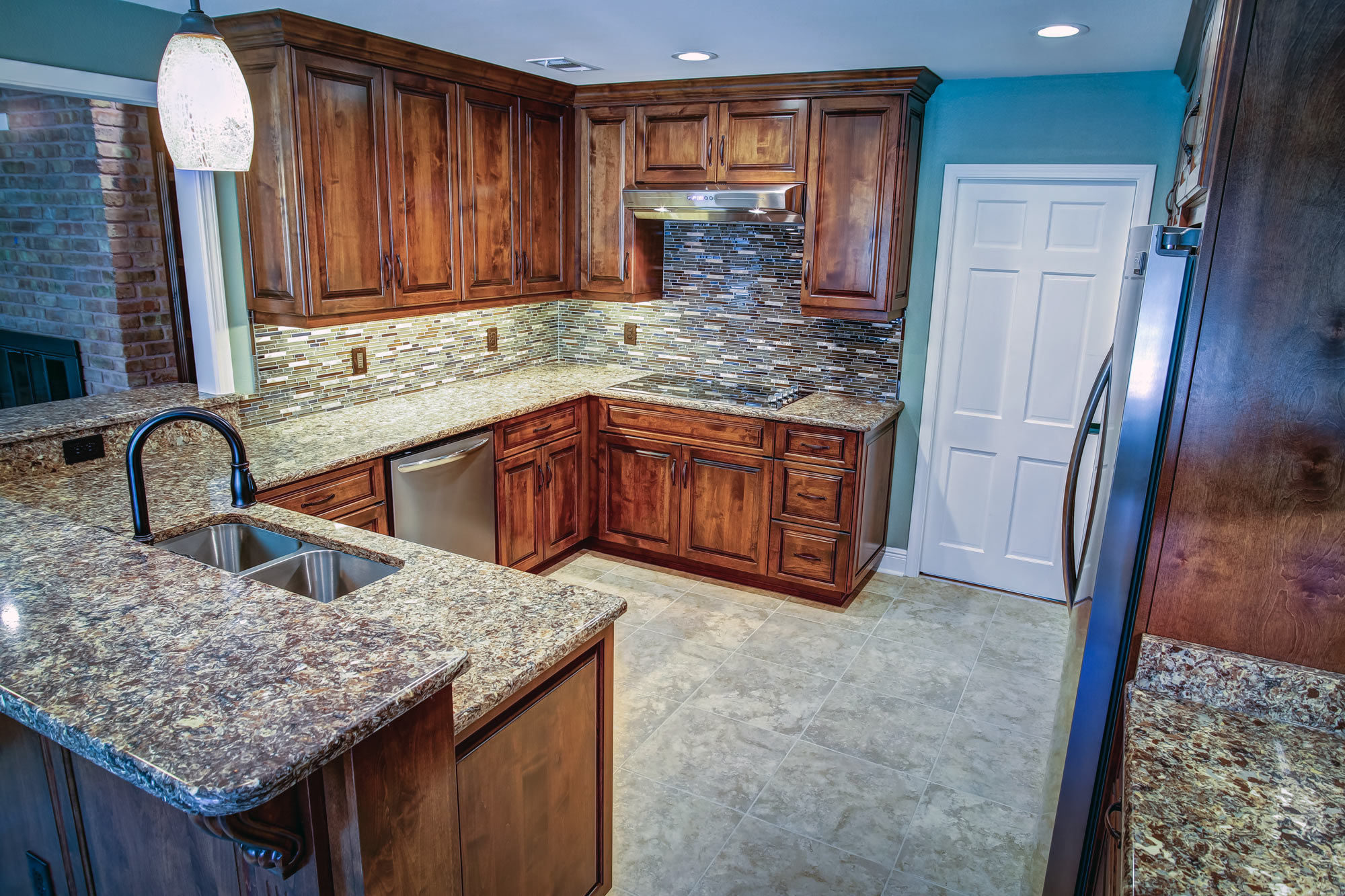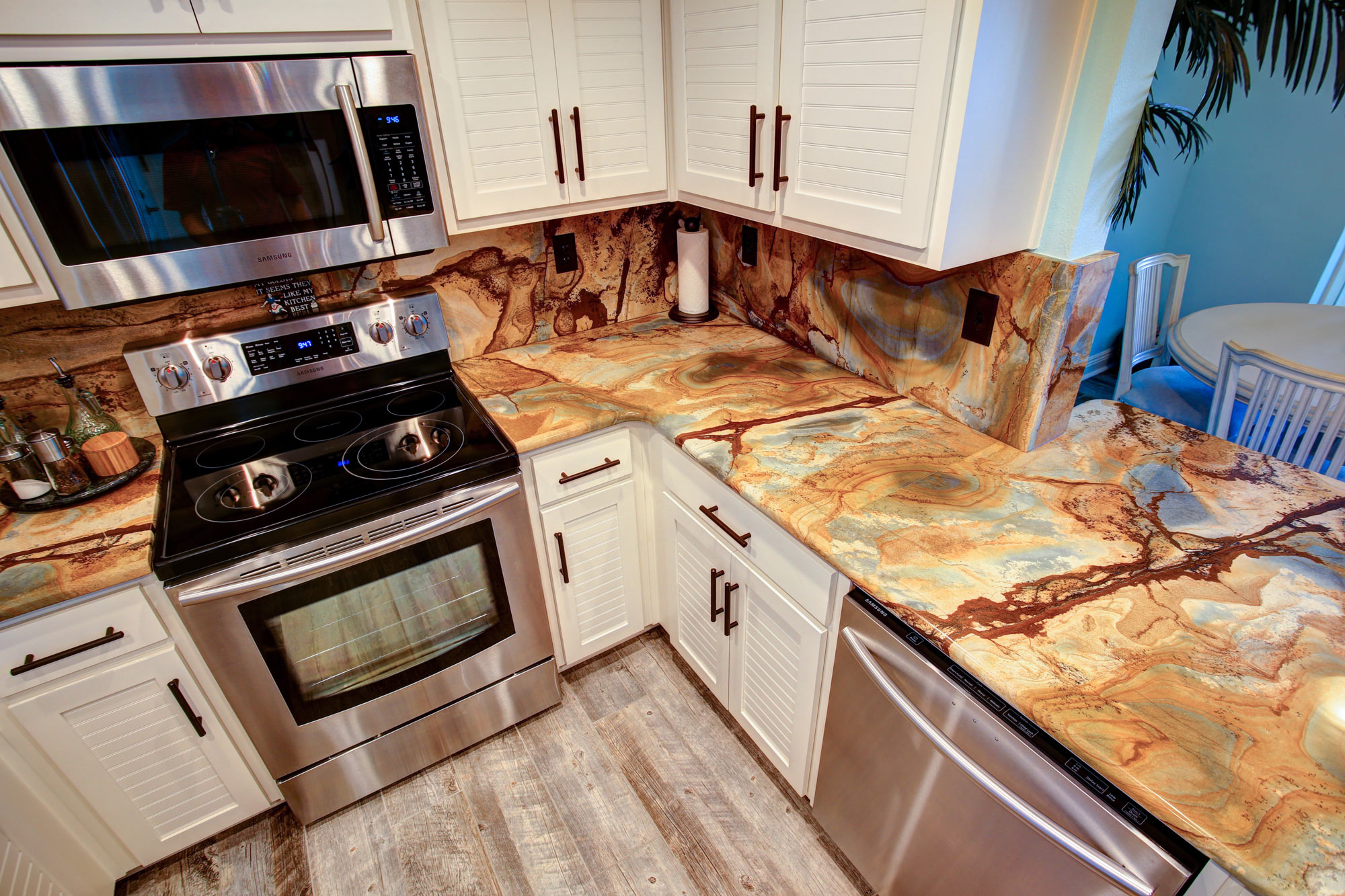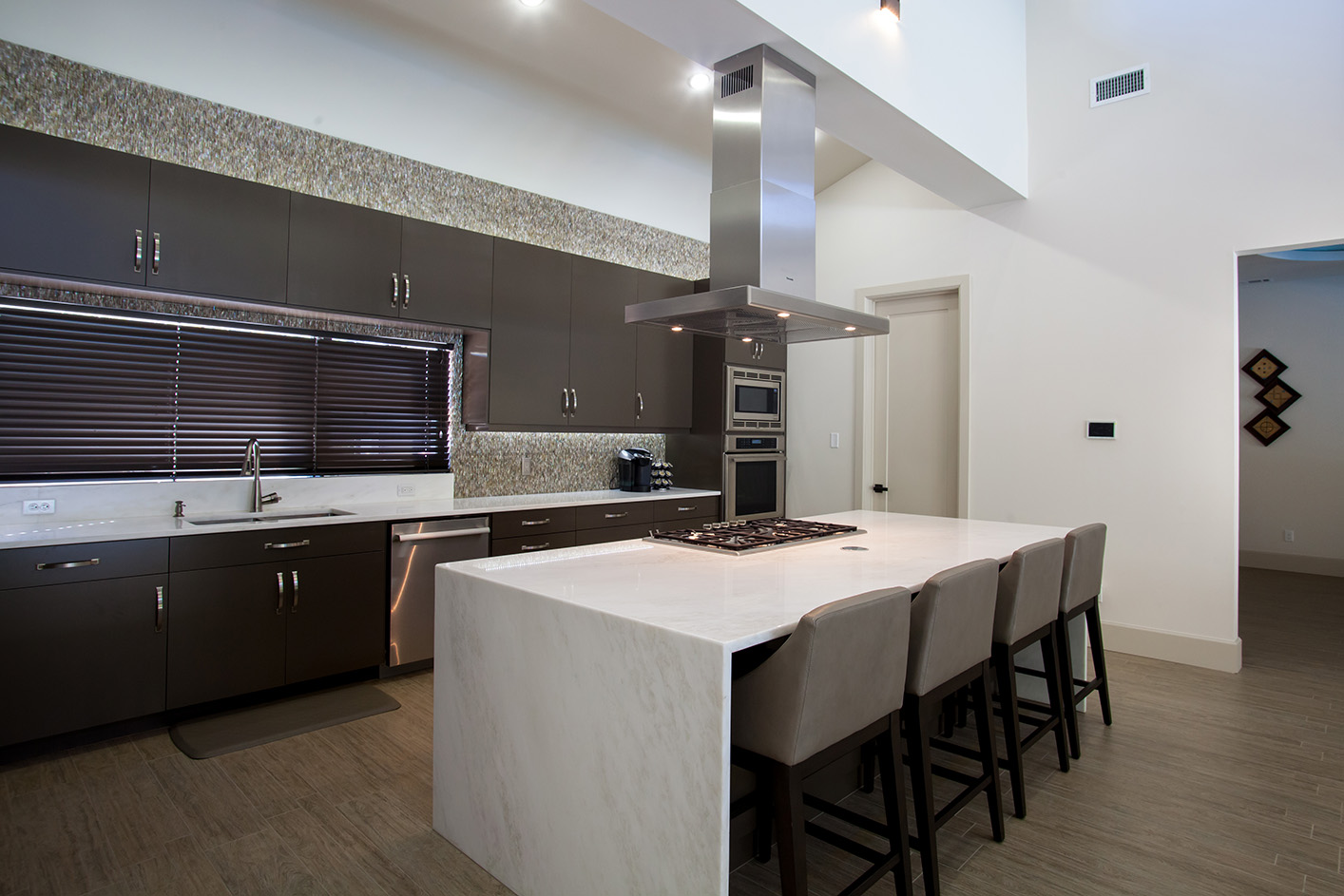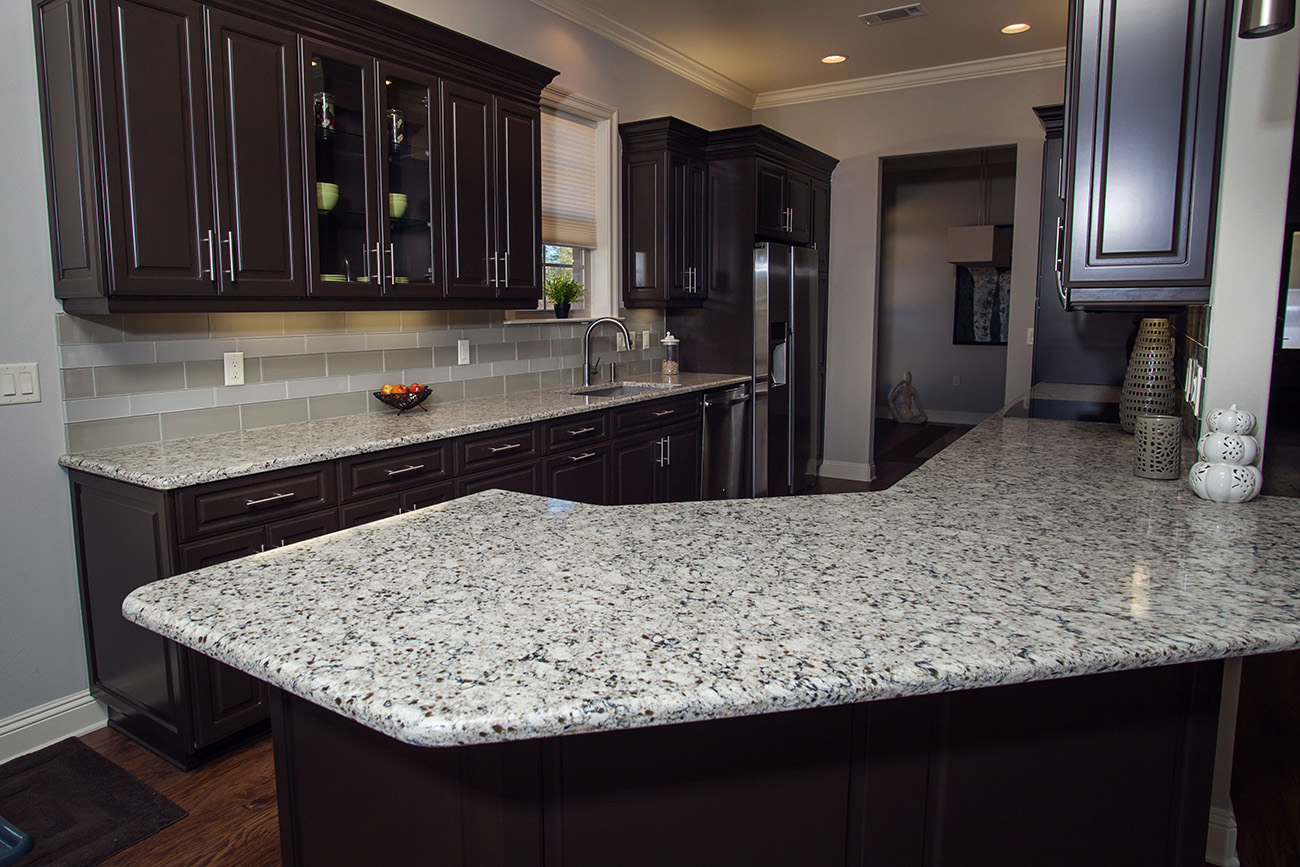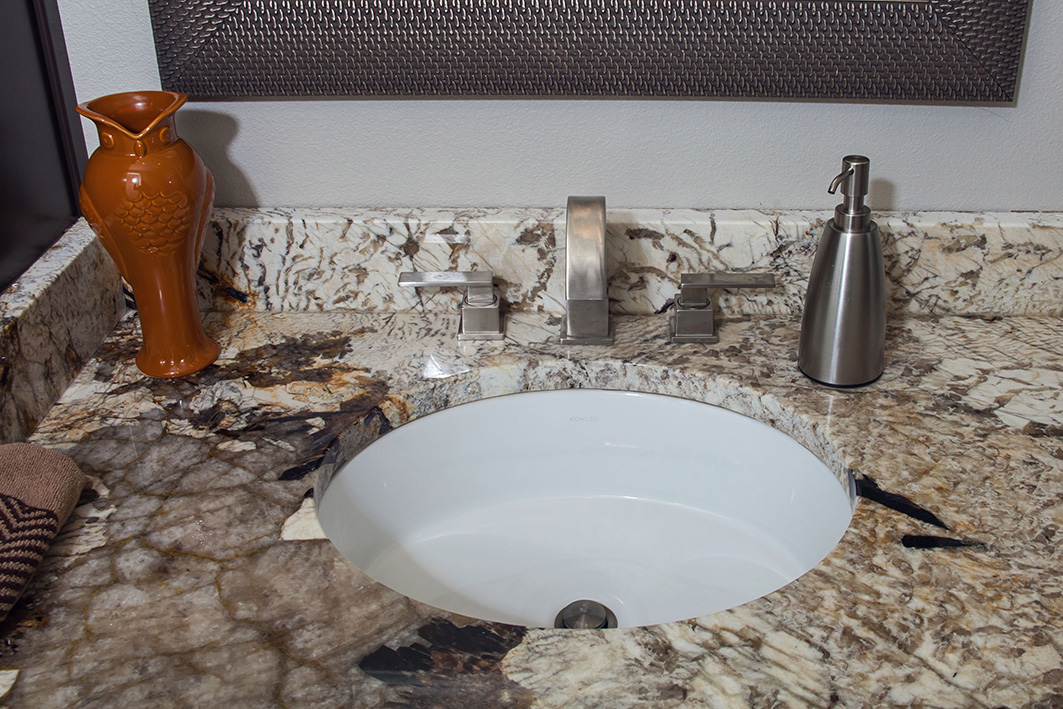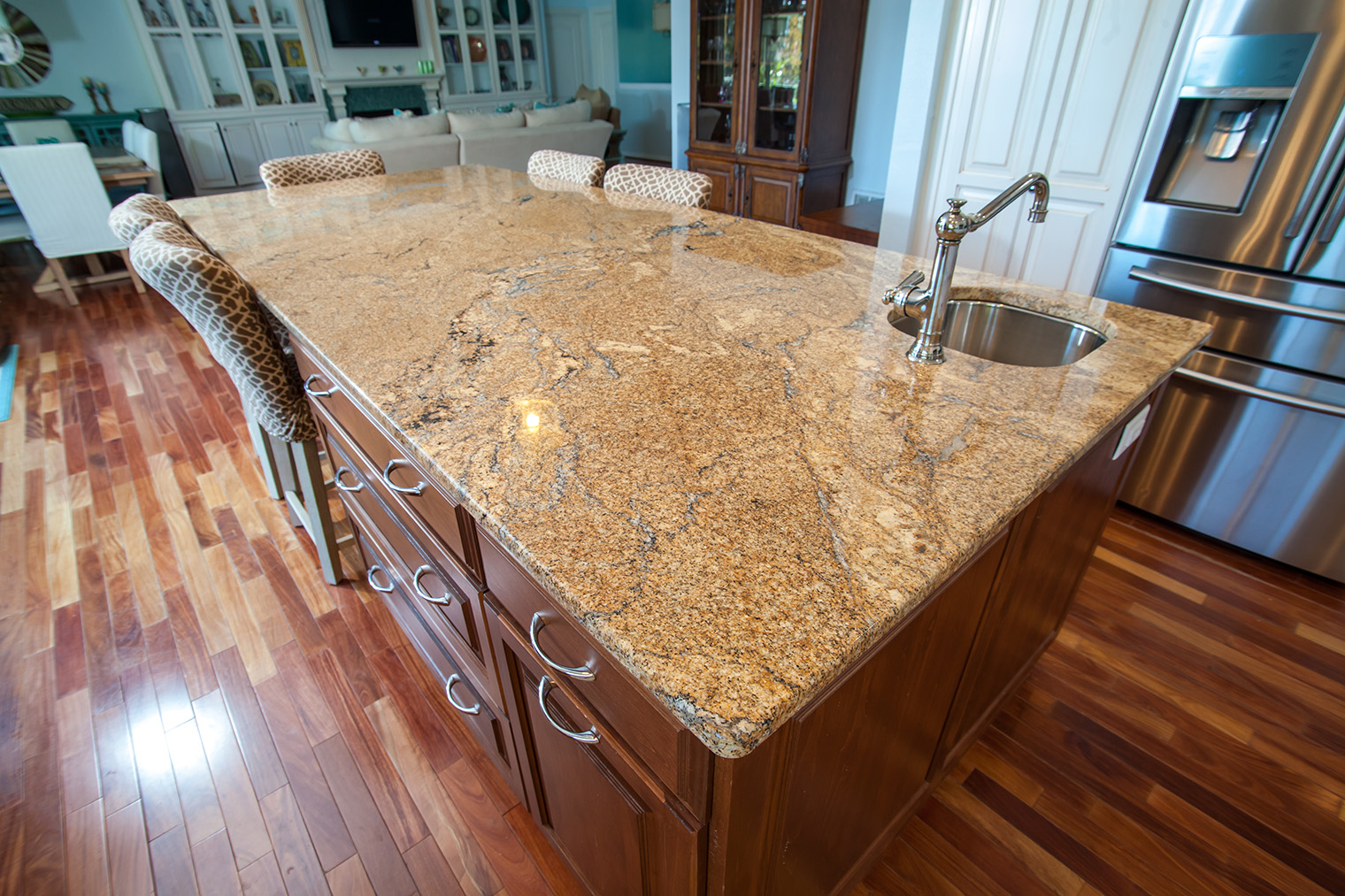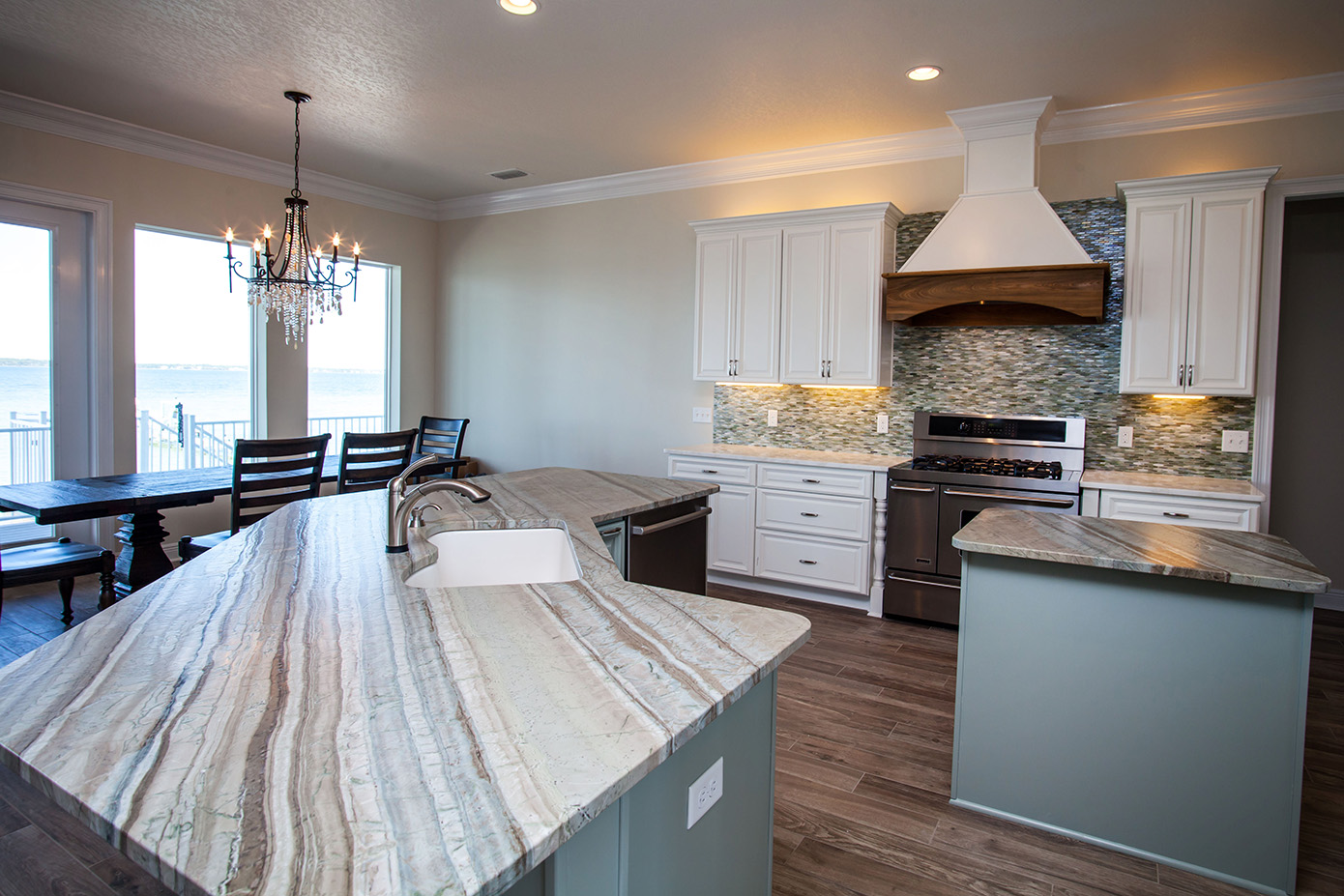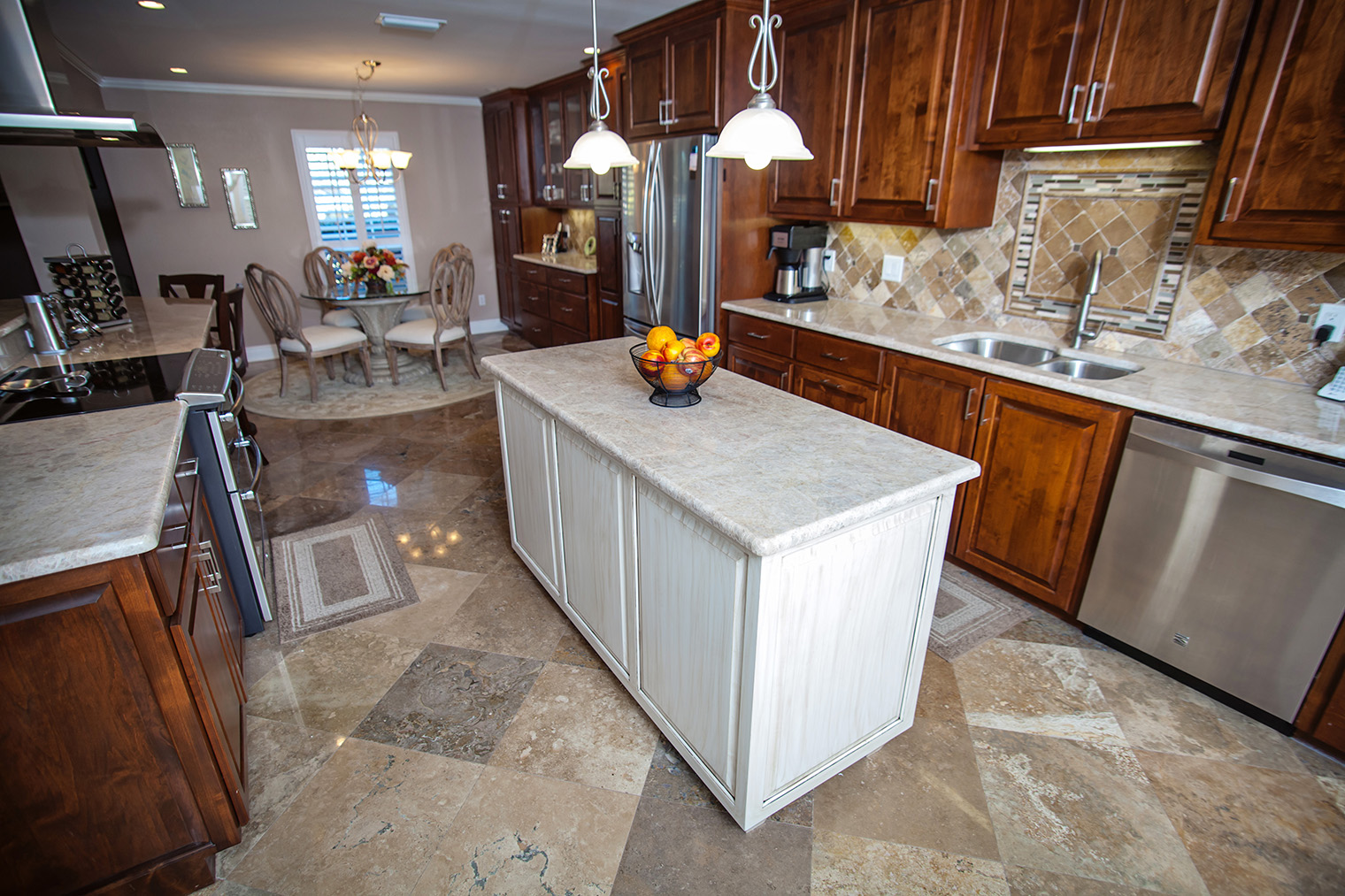
When deciding between 2 cm vs 3 cm countertops, 3 cm countertops are better for kitchens because they are stronger, more durable, and don’t require extra plywood support. 2 cm is lighter, more affordable, and ideal for modern, minimalist designs. 3 cm gives a thick, luxurious look, while 2 cm may need laminated edges to appear thicker.
For a long-lasting, premium kitchen countertop, 3 cm is the clear choice. 2 cm works well for smaller spaces, tighter budgets, or sleek, contemporary styles. The choice of 2 cm or 3 cm countertops might look minor, but it has a big impact on style, usability, and long-term strength. Professional countertop installers in Pensacola can help you choose the right thickness, guide you on materials, and ensure a flawless installation for lasting results.
What Does 2 cm vs 3 cm Mean?
The terms 2 cm and 3 cm refer to slab thickness. However, not all materials are available in 2 cm. At Superior Granite, only select quartz and porcelain options are offered in 2 cm, while most countertop materials are recommended in 3 cm for better strength and stability.
Key Differences Between 2 cm vs 3 cm Countertops
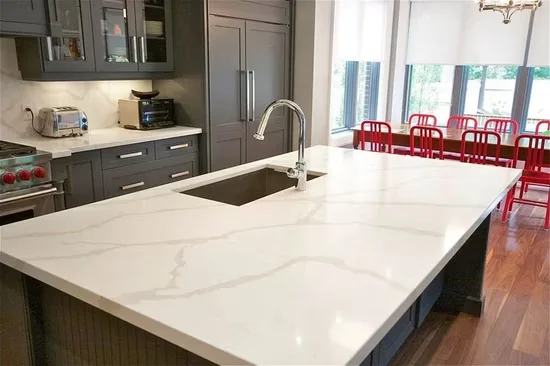
The main differences depend on availability and performance:
- 2 cm is only available in limited quartz and porcelain options
- 3 cm is standard for most granite, quartz, and natural stone materials
- 3 cm is more stable in Florida’s humidity
- 3 cm requires less structural support and lasts longer
- 2 cm is used mainly for light or decorative applications
How to Choose the Right Countertop Thickness for Your Space?
Pros & Cons: 2 cm Countertops
Choosing 2 cm thick countertops has its advantages and disadvantages, depending on your kitchen design, budget, and usage.
Advantages of 2 cm Countertops
- Available only in select quartz and porcelain materials
- Lightweight design
- Suitable for modern, light-use applications
Disadvantages of 2 cm Countertops
- Not available in most natural stones
- Less stable in humid climates like Florida
- Requires proper support and careful installation
Pros & Cons: 3 cm Countertops
3 cm countertops are recommended for Florida homes because they are more resistant to humidity-related movement, more durable, and provide better long-term stability.
Advantages of 3 cm Countertops
- Very Strong and Durable: 3 cm countertops can handle heavy use and last longer than thinner slabs.
- No Extra Support Needed: Their thickness makes them self-supporting, so additional reinforcement is usually unnecessary.
- Luxurious and Bold Appearance: The thick slab adds a premium, high-end look to your kitchen.
- Ideal for Large Kitchens and Islands: Perfect for spacious areas that need a solid, impactful countertop.
Disadvantages of 3 cm Countertops
- Higher Cost: More material and weight make 3 cm slabs more expensive than 2 cm options.
- Heavy and Harder to Handle: The increased weight can make installation more challenging.
- May Need Professional Installation: Due to size and weight, professional help is often recommended for safe handling.
2 cm vs 3 cm Countertops: Which to Choose?
The choice between 2 cm vs 3 cm countertops comes down to your kitchen size, style, and budget. Choose 2 cm if you want a modern, sleek look, have a smaller kitchen, or need a budget-friendly option. It’s also great if you plan on DIY installation or want detailed edge designs.
In most cases, 3 cm countertops are the better choice, especially for Florida homeowners. 2 cm is only suitable if you are choosing quartz or porcelain and prefer a lighter, more minimal design. For strength, durability, and humidity resistance, 3 cm is highly recommended.
Countertop Thickness by Material
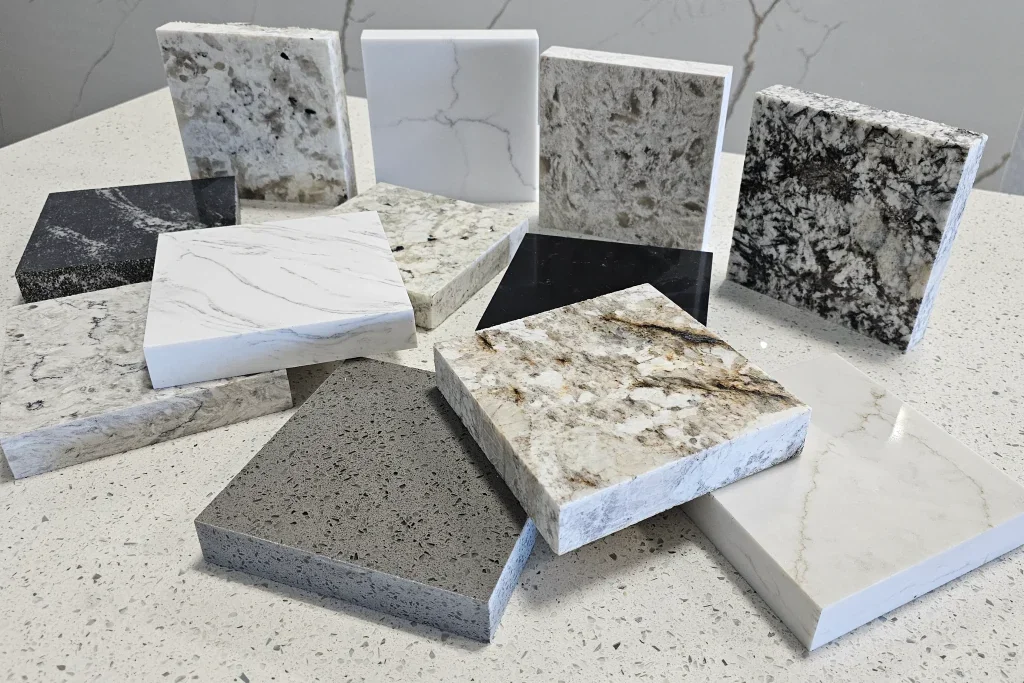
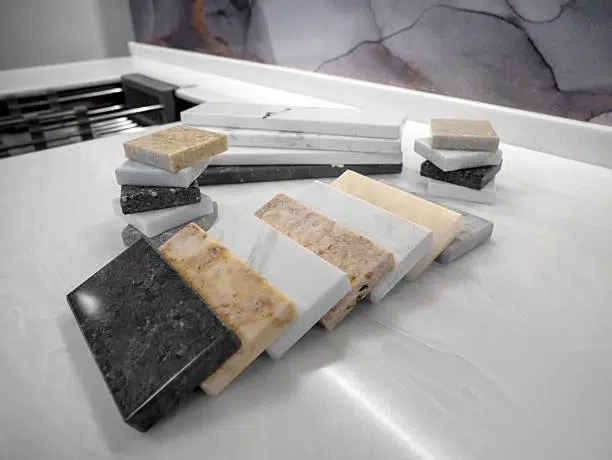
Only selected materials are available in 2 cm, including quartz and porcelain. Most other materials, including granite, marble, and quartzite, are typically installed in 3 cm thickness for better strength and durability.
Granite Countertops
3 cm granite slabs are ideal for durability, heavy use, and a luxurious kitchen look. They don’t require extra support, making them perfect for large kitchens and islands. 2 cm granite can be used in smaller spaces or bathrooms, but it often needs a plywood or sub-top for stability.
Quartz Countertops
Quartz countertops are versatile and come in both 2 cm and 3 cm slabs. 3 cm quartz is perfect for kitchen islands or high-use areas, giving a bold, premium feel. 2 cm quartz is lighter, more affordable, and suits modern, minimalist designs while maintaining elegance.
Marble Countertops
Marble is naturally elegant but softer than granite. 3 cm marble is better for heavy-use kitchens or large islands, while 2 cm works well for bathrooms, vanity tops, or areas with lighter use. Edge designs on thinner marble may need extra finishing for a thicker appearance.
Quartzite and Other Natural Stones
Quartzite, soapstone, and engineered stones also come in 2 cm and 3 cm thicknesses. 3 cm slabs provide a strong, bold, and luxurious look, ideal for large spaces, while 2 cm slabs are suitable for smaller areas or sleek, contemporary styles.
For any material, consulting professionals ensure the right slab thickness, proper support, and a flawless installation.
Best Use Cases for Each Thickness
Choosing the right countertop thickness depends on the size of your kitchen, style, and how you use the space. Here’s a quick guide to help you decide:
| Thickness | Best Use Cases |
| 2 cm | Limited quartz and porcelain applications, light-use areas, decorative surfaces |
| 3 cm | Large kitchens, kitchen islands, heavy-use kitchens, premium look. Adds weight and character to big kitchens or islands. |
Which Countertop Lasts Longer: 2 cm vs 3 cm
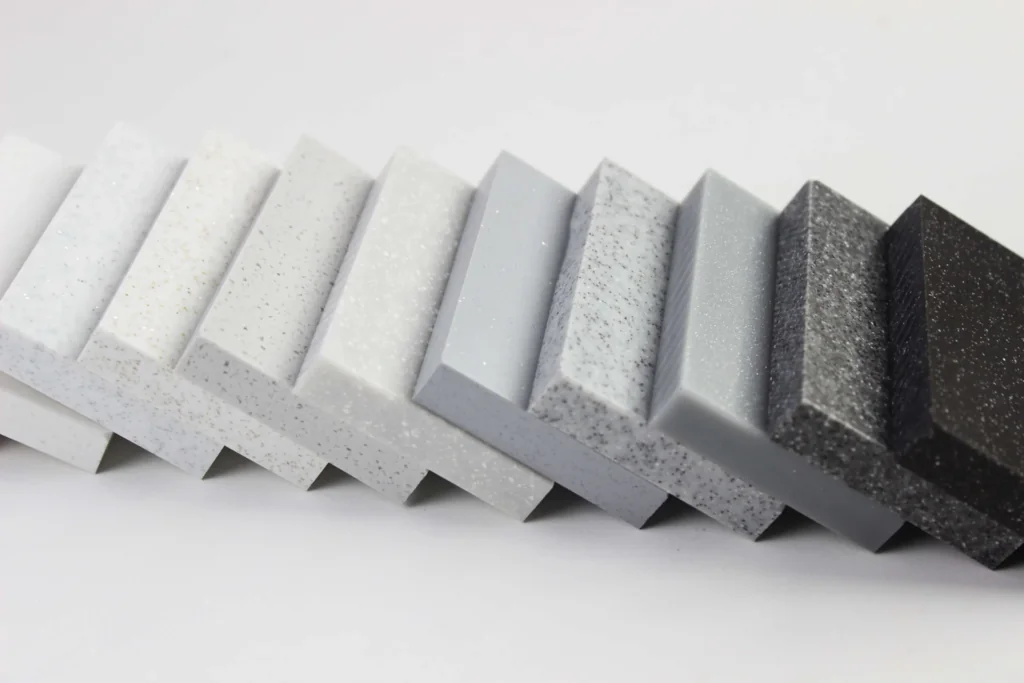
3 cm countertops last longer and are more durable than 2 cm options because their extra thickness makes them less likely to crack, chip, or break under daily use. They are strong enough to hold heavy items on their own, giving your kitchen a sturdy and premium feel. For best results, 3 cm slabs can be installed without extra support, but many homeowners still prefer professional installation in Pensacola to ensure a perfect fit.
2 cm countertops are lighter and more affordable, but they often require a plywood sub-top for support during installation. This makes them less sturdy for high-use areas, and they can be more prone to damage if not handled carefully. If you want long-lasting durability and a flawless installation, 3cm countertops with professional installation by Superior Granite is the best choice.
Side-by-Side Comparison: 2 cm vs 3 cm Countertops
| Feature | 2 cm Countertops | 3 cm Countertops |
| Thickness | 2 cm (¾ inch) | 3 cm (1¼ inch) |
| Weight | Light | Heavy |
| Durability | Moderate | High |
| Support Needed | Yes, plywood/sub-top | No |
| Cost | More affordable | More expensive |
| Appearance | Sleek, modern | Bold, premium |
| Best Use | Small kitchens, bathrooms | Large kitchens, islands |
Maintenance Tips for Long-Lasting Countertops
Keeping your countertops clean and durable is easy if you follow these simple tips:
- Wipe Regularly: Use a soft cloth and mild cleaner to keep surfaces clean.
- Handle Heavy Items Carefully: Avoid dropping heavy pots or objects, especially on 2 cm countertops.
- Use Cutting Boards: Protect your countertop from scratches when chopping or cutting.
- Clean Spills Immediately: Prevent stains by wiping spills as soon as they happen.
- Seal Natural Stone: Periodically seal granite or marble countertops to maintain durability and appearance.
Conclusion
For most homeowners, 3 cm countertops are the best choice due to their strength, durability, and resistance to Florida’s humidity. 2 cm options are limited to quartz and porcelain and are suitable for lighter applications. Choosing the right thickness ensures long-term performance and stability for your kitchen
Pensacola, FL
Visit Us: 7011 Pine Forest Road, Pensacola, FL 32526
Call Us: (850) 941-0270
Hours: Monday – Friday: 8 a.m. – 5 p.m., Saturday: 9 a.m. – 2 p.m.
Pace, FL
Visit Us: 4590 Jernigan Road, Pace, Florida 32571
Call Us: (850) 994-1872
Hours: Tuesday – Friday: 9 a.m. – 5 p.m., Saturday: 9 a.m. – 2 p.m.
Fort Walton Beach, FL
Visit Us: 35 Miracle Strip Pkwy SW, Fort Walton Beach, Florida 32548
Call Us: (850) 301-0716
Hours: Tuesday – Friday: 8 a.m. – 5 p.m., Saturday: 9 a.m. – 2 p.m.
Get quotes now and start your project!
FAQs
Which materials are available in 2 cm?
Only select quartz and porcelain are available in 2 cm thickness.
Q: Is 3 cm better for Florida homes?
Yes, 3 cm is recommended in Florida due to better stability in humid conditions.
Q: Can I use 2 cm granite?
No, granite is typically not available in 2 cm; it is installed in 3 cm.
Q5: Does thickness affect edge design?
Yes, 3 cm allows for more elaborate and bold edge styles, while 2 cm works best with simpler, delicate edges.
Q6: Which thickness is better for small kitchens?
2 cm is ideal for small kitchens because it creates a sleek, open, and modern look without overwhelming the space.
Q7: Which thickness is better for kitchen islands?
3 cm is recommended for kitchen islands as it is stronger, self-supporting, and adds a luxurious, premium feel.
Q8: Can 2 cm countertops chip easily?
They can be more prone to chipping or cracking, especially if heavy items are dropped or if extra support isn’t used.
Q9: How do I maintain 2 cm and 3 cm countertops?
Wipe regularly with a soft cloth, clean spills immediately, use cutting boards, and seal natural stone countertops periodically.
Q10: Do I need professional installation in Pensacola?
While 2 cm can sometimes be DIY, professional installation in Pensacola is recommended for 3 cm countertops to ensure proper handling, support, and a perfect fit.