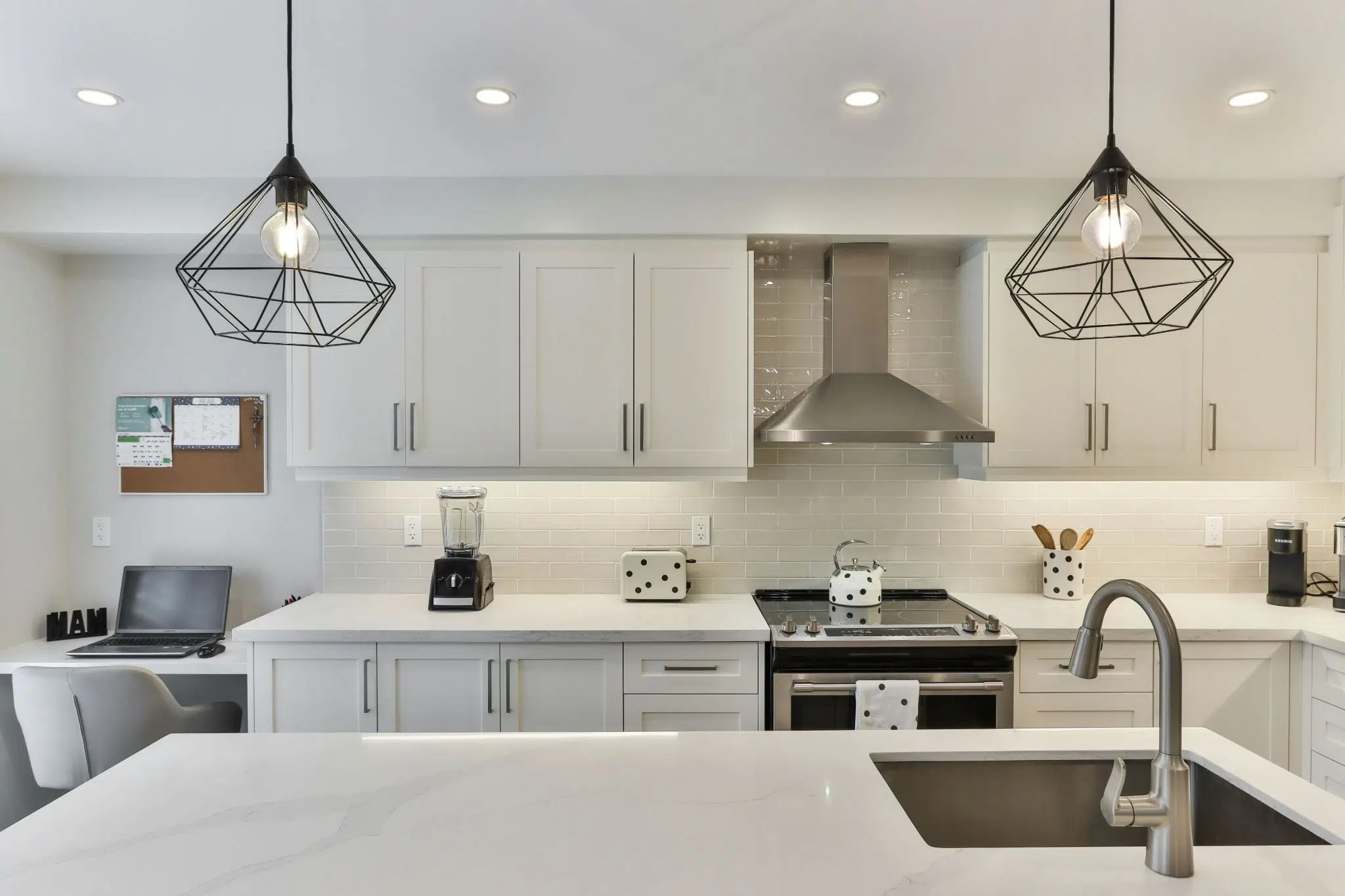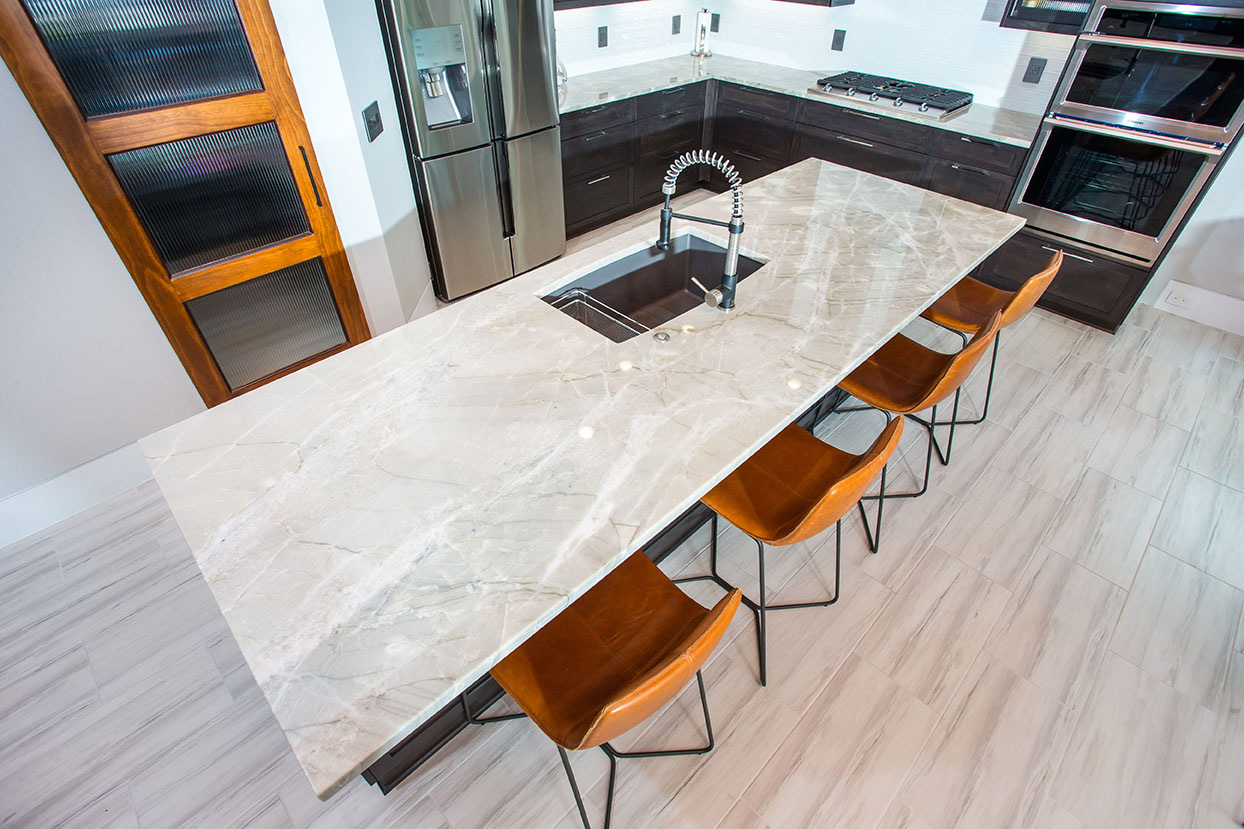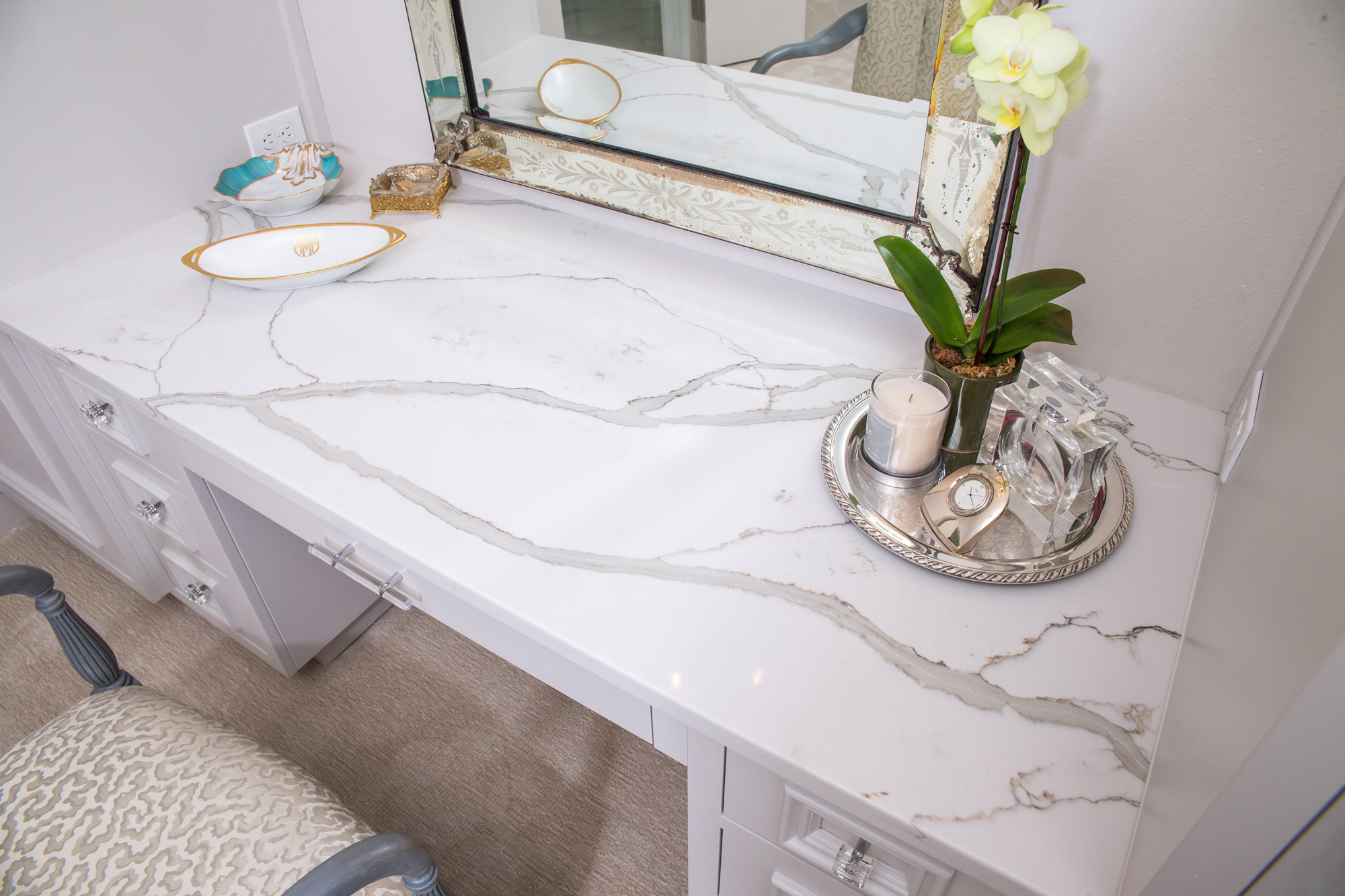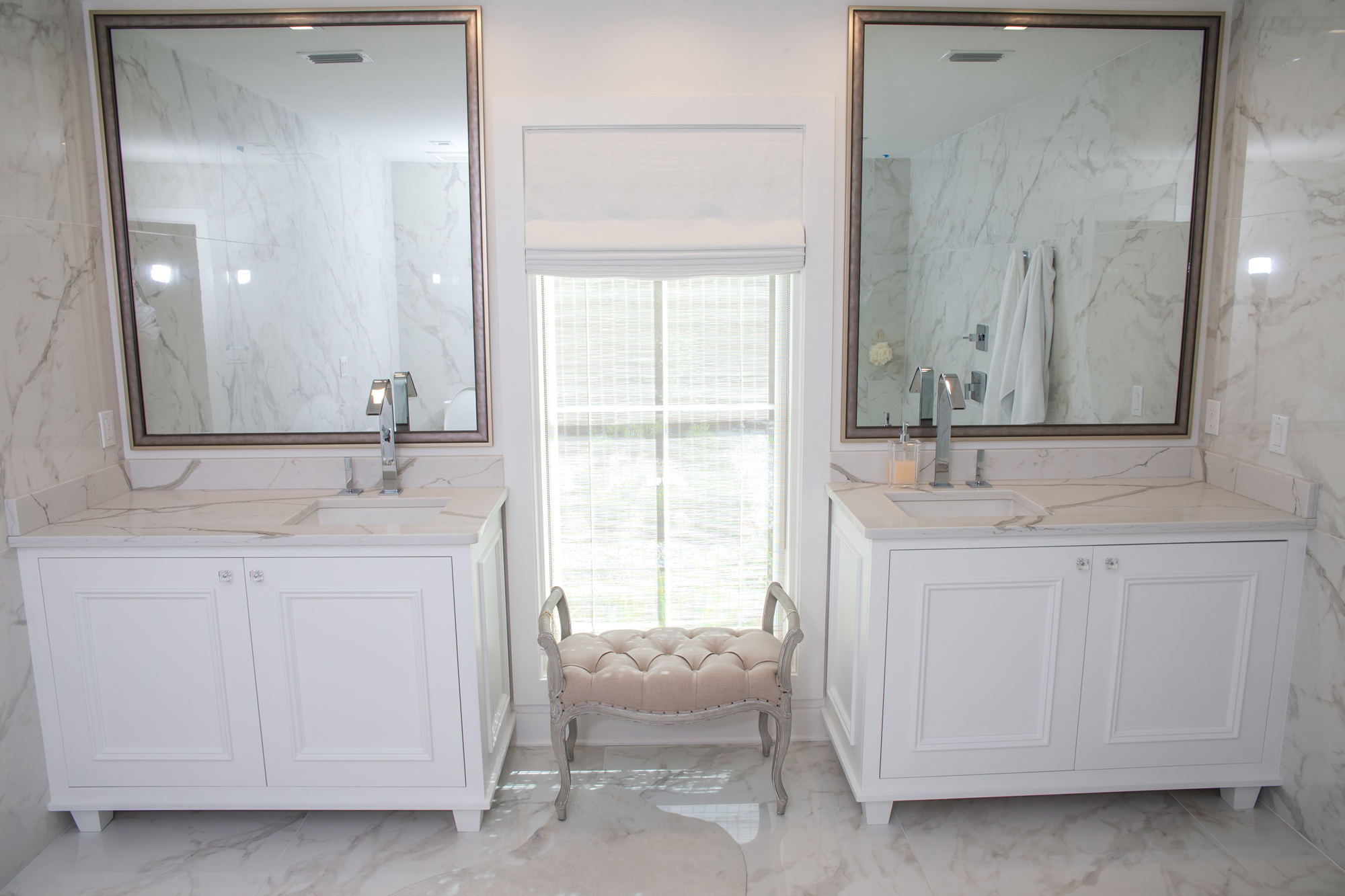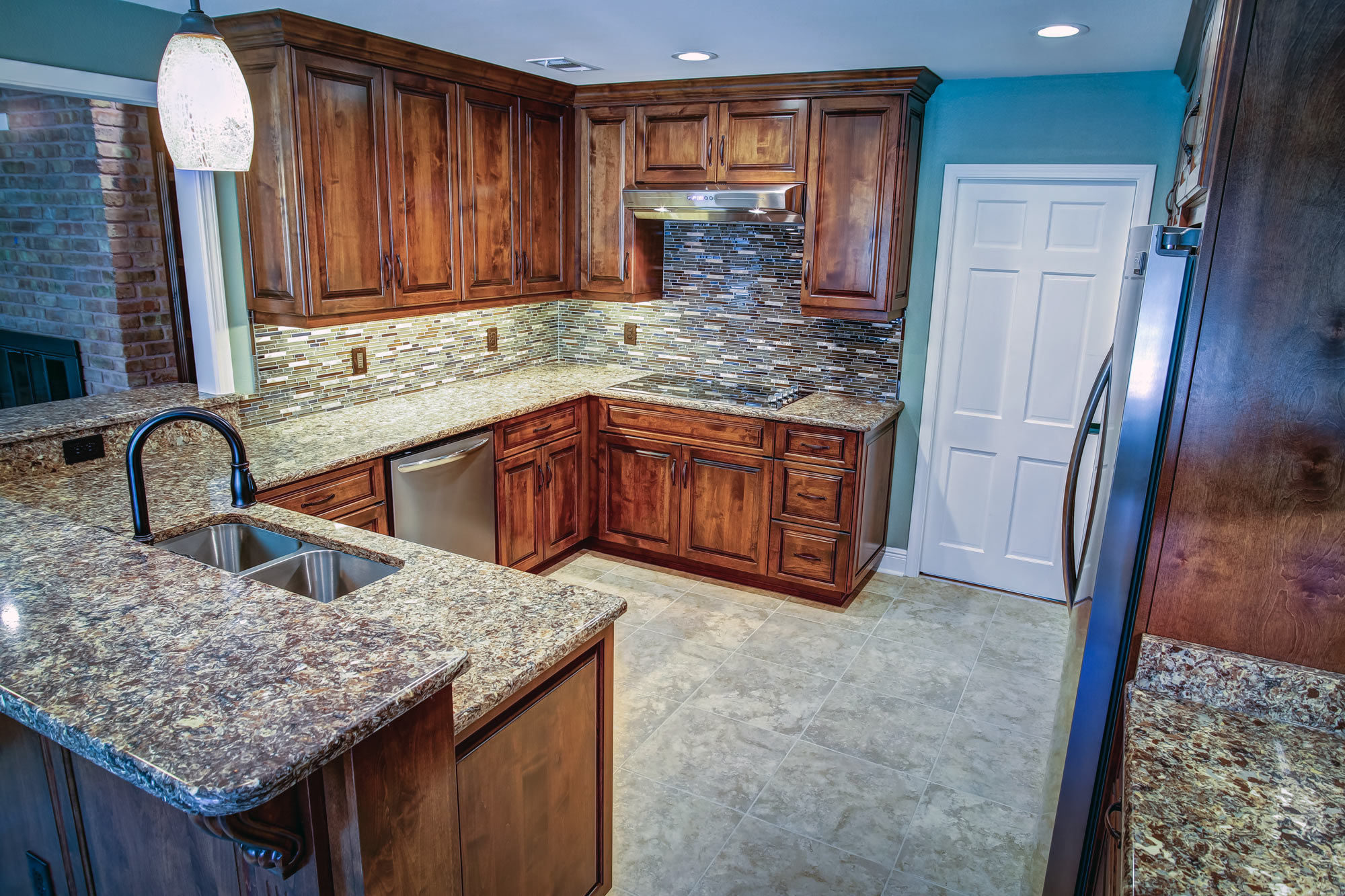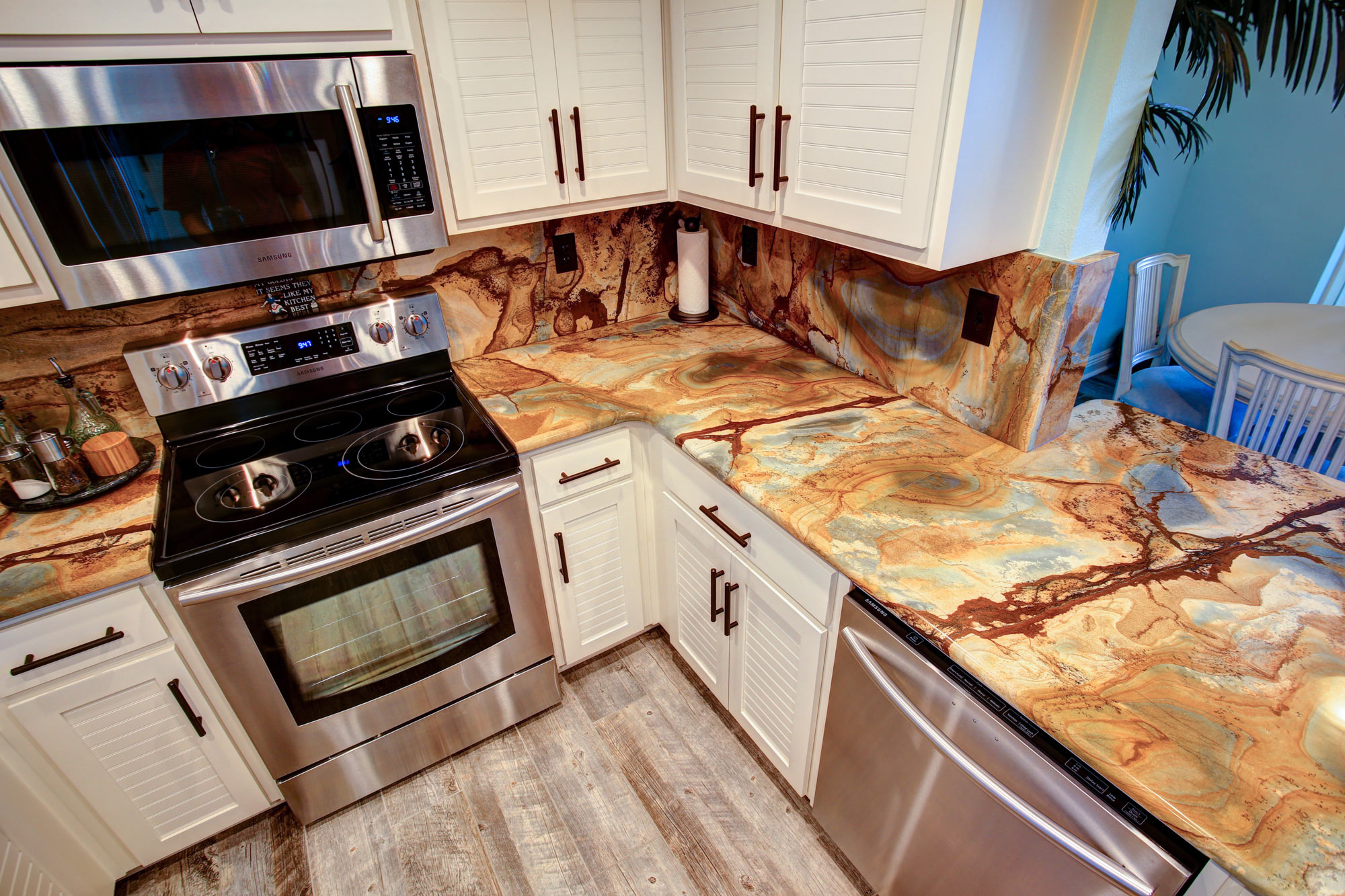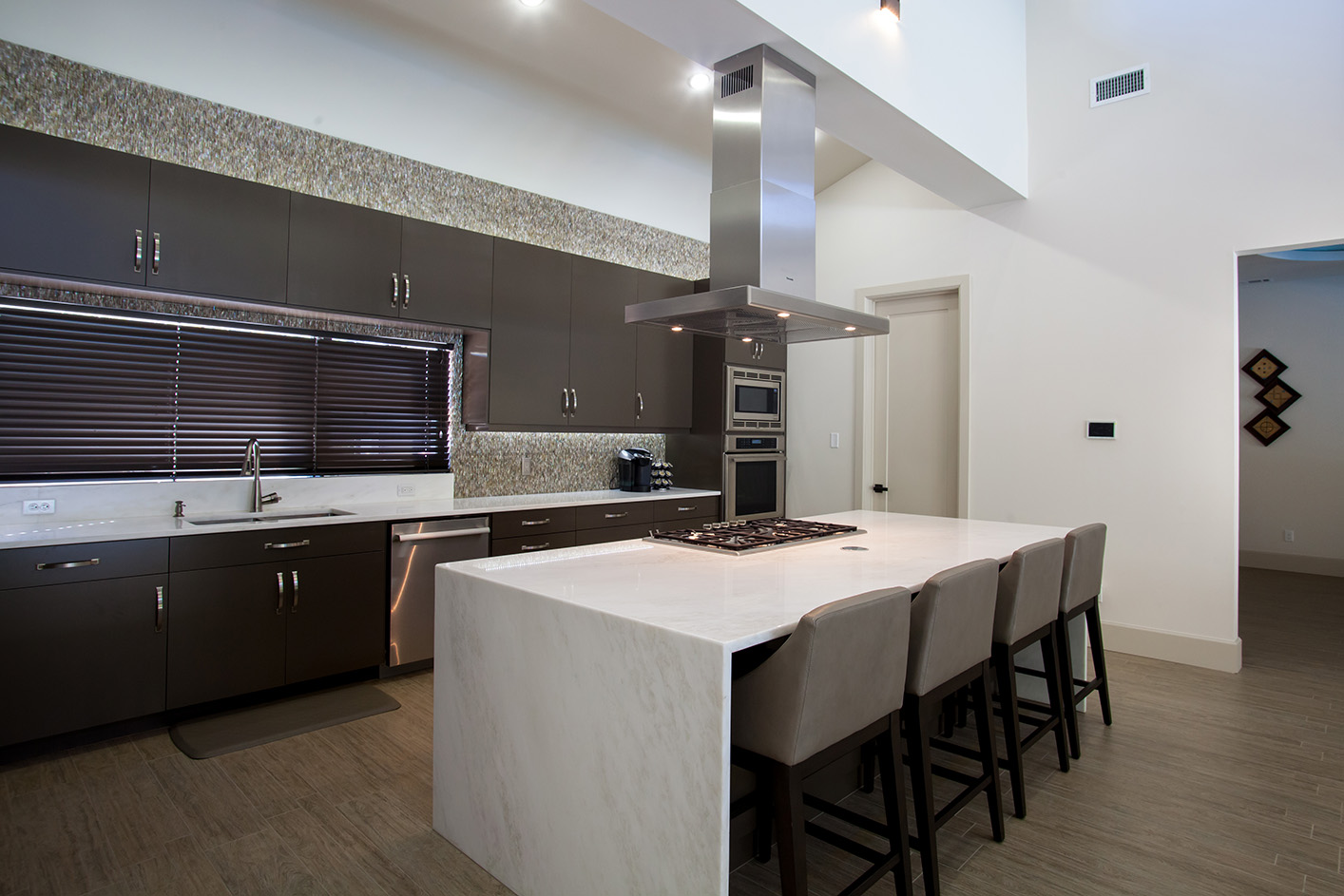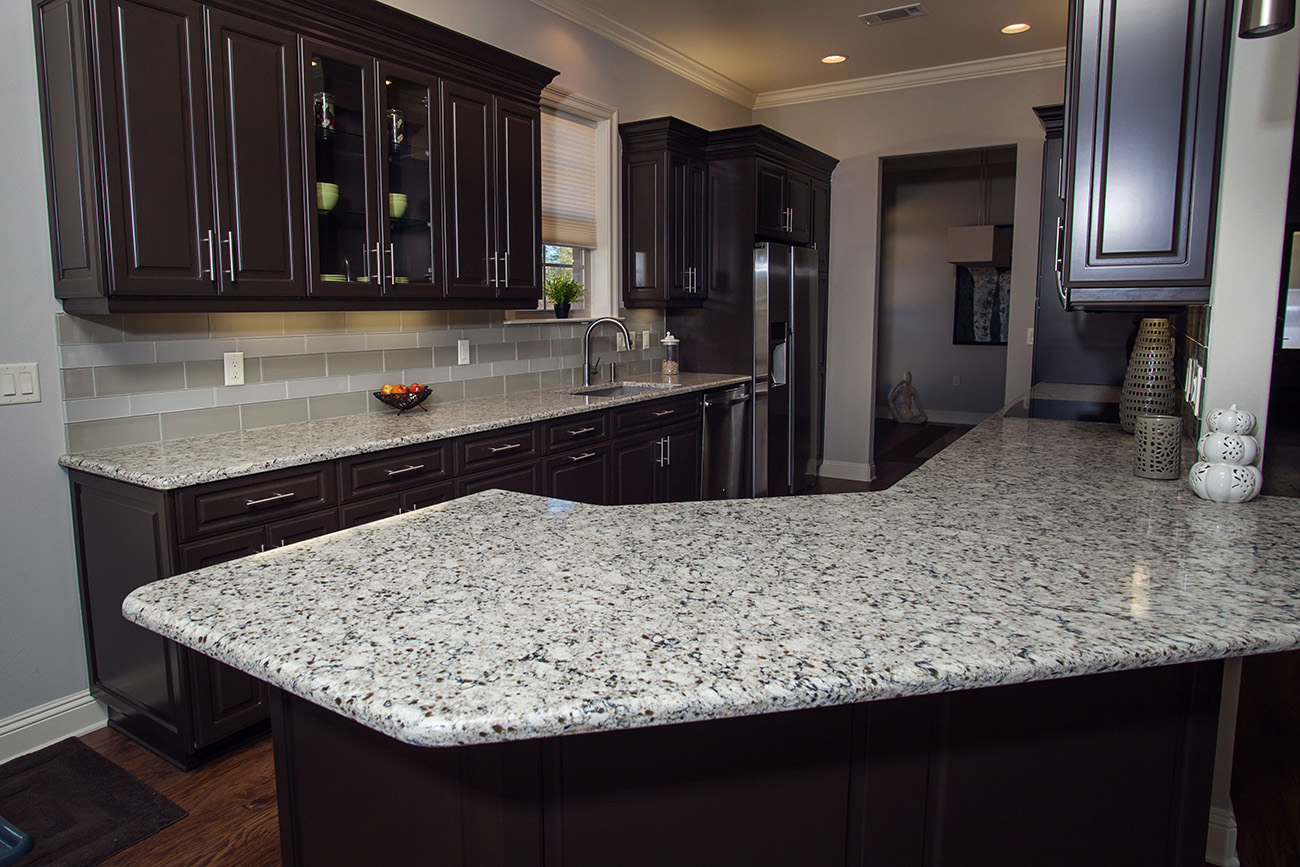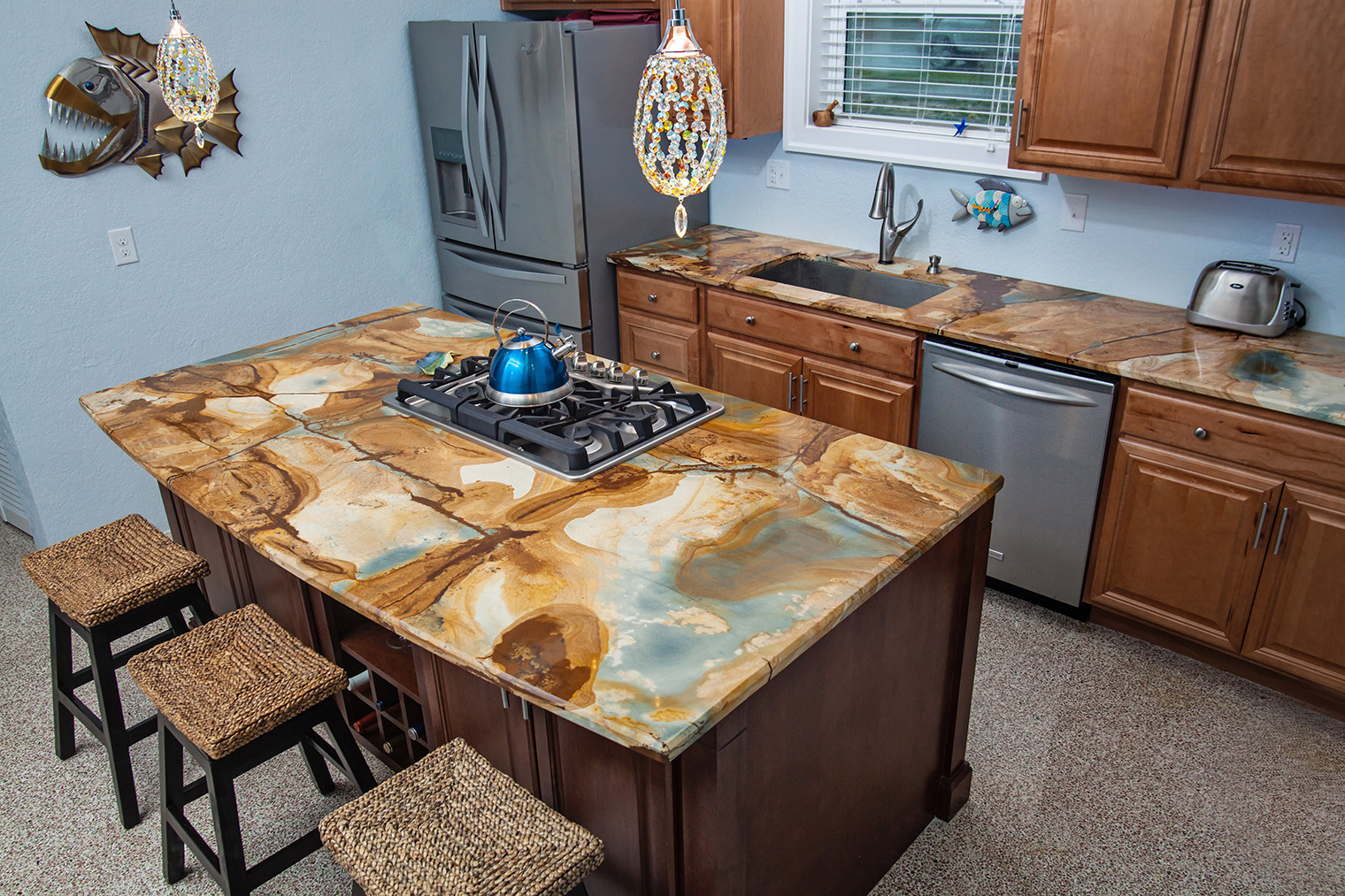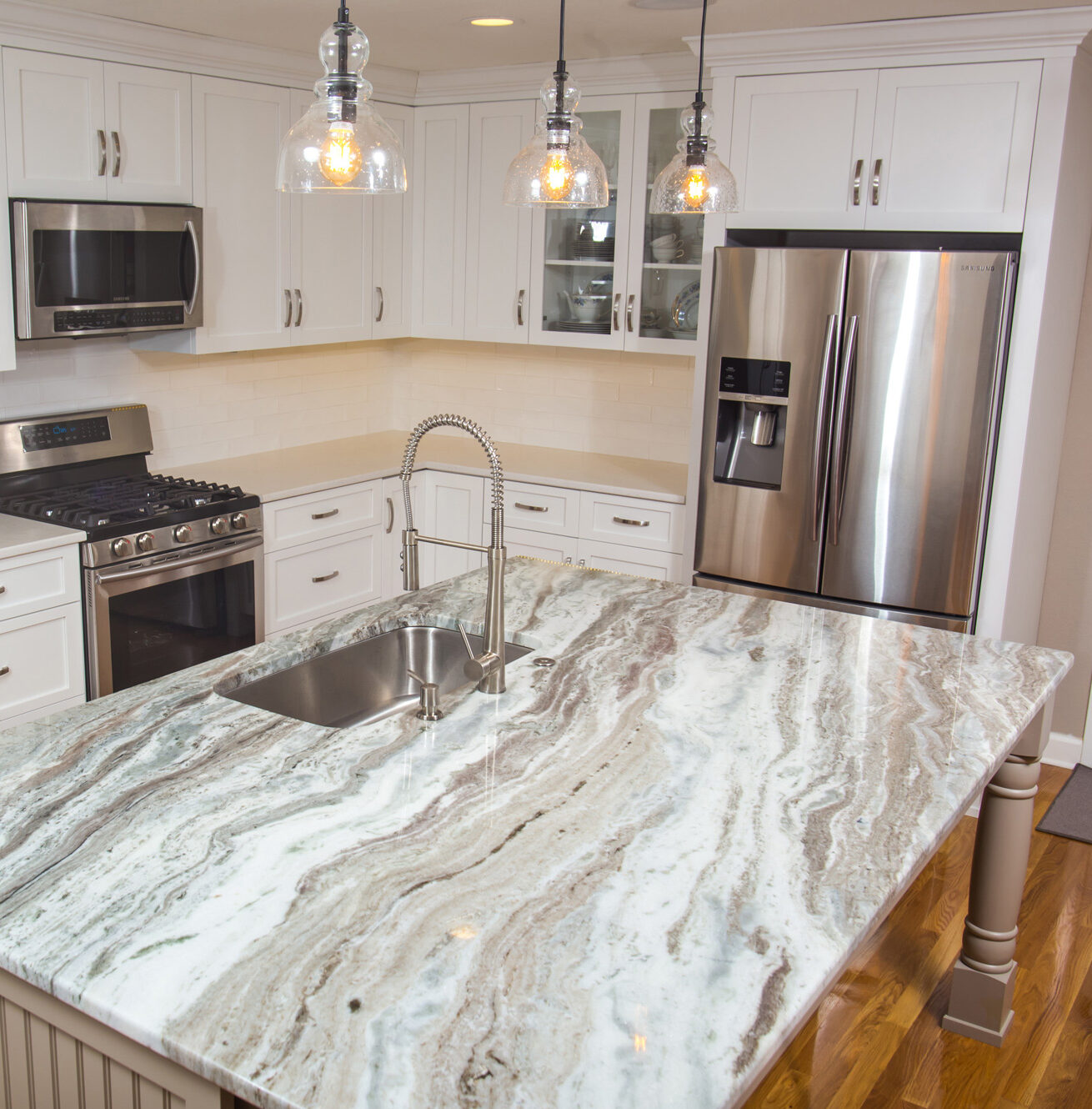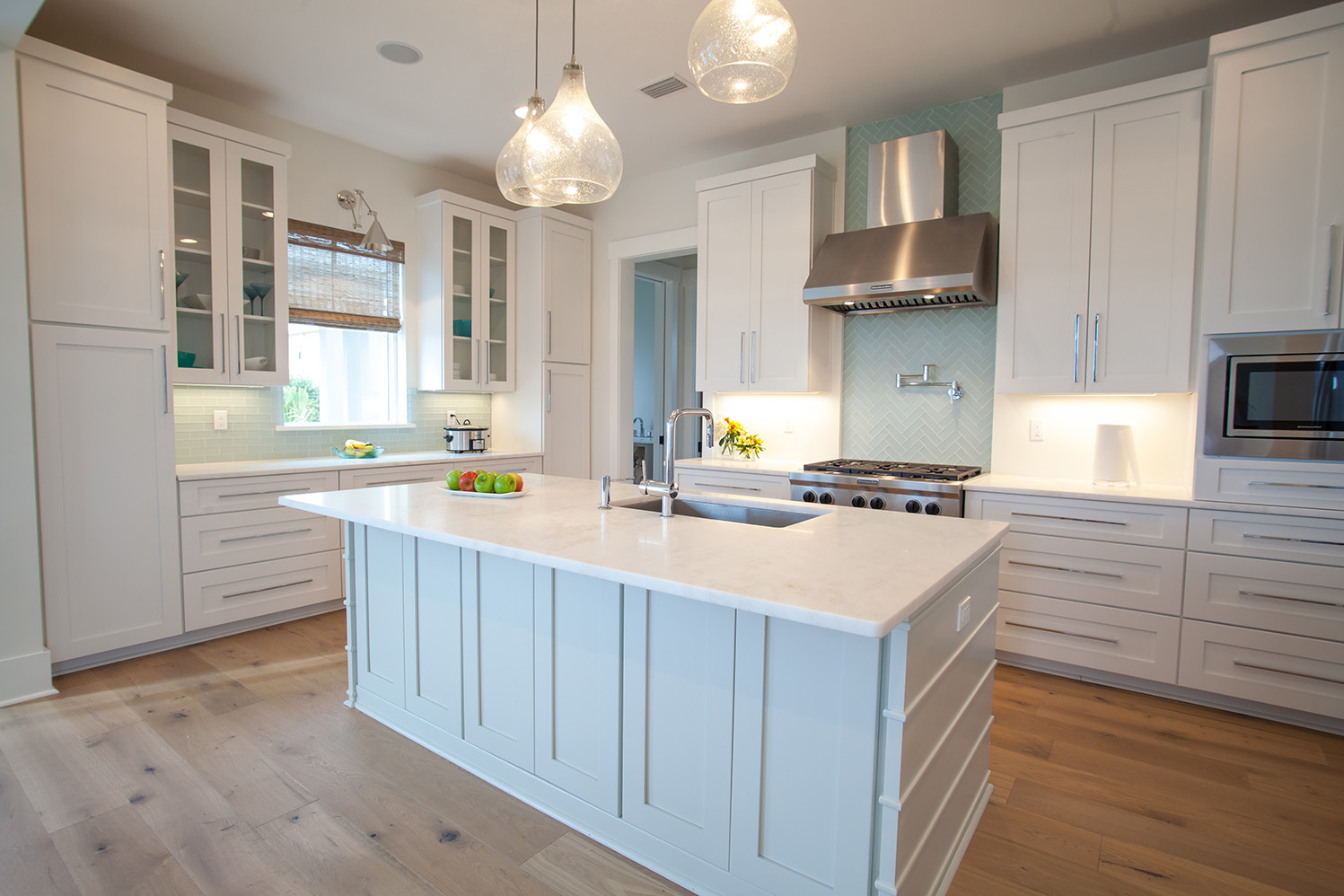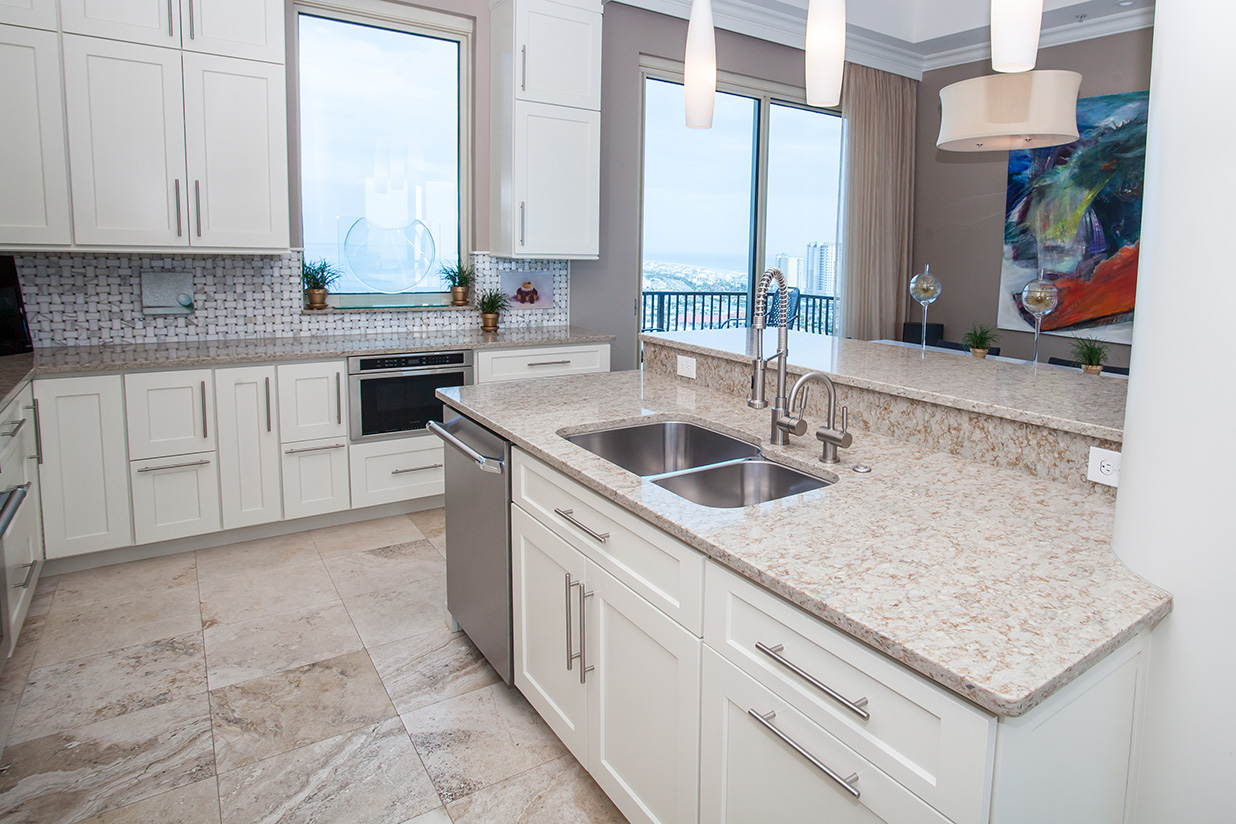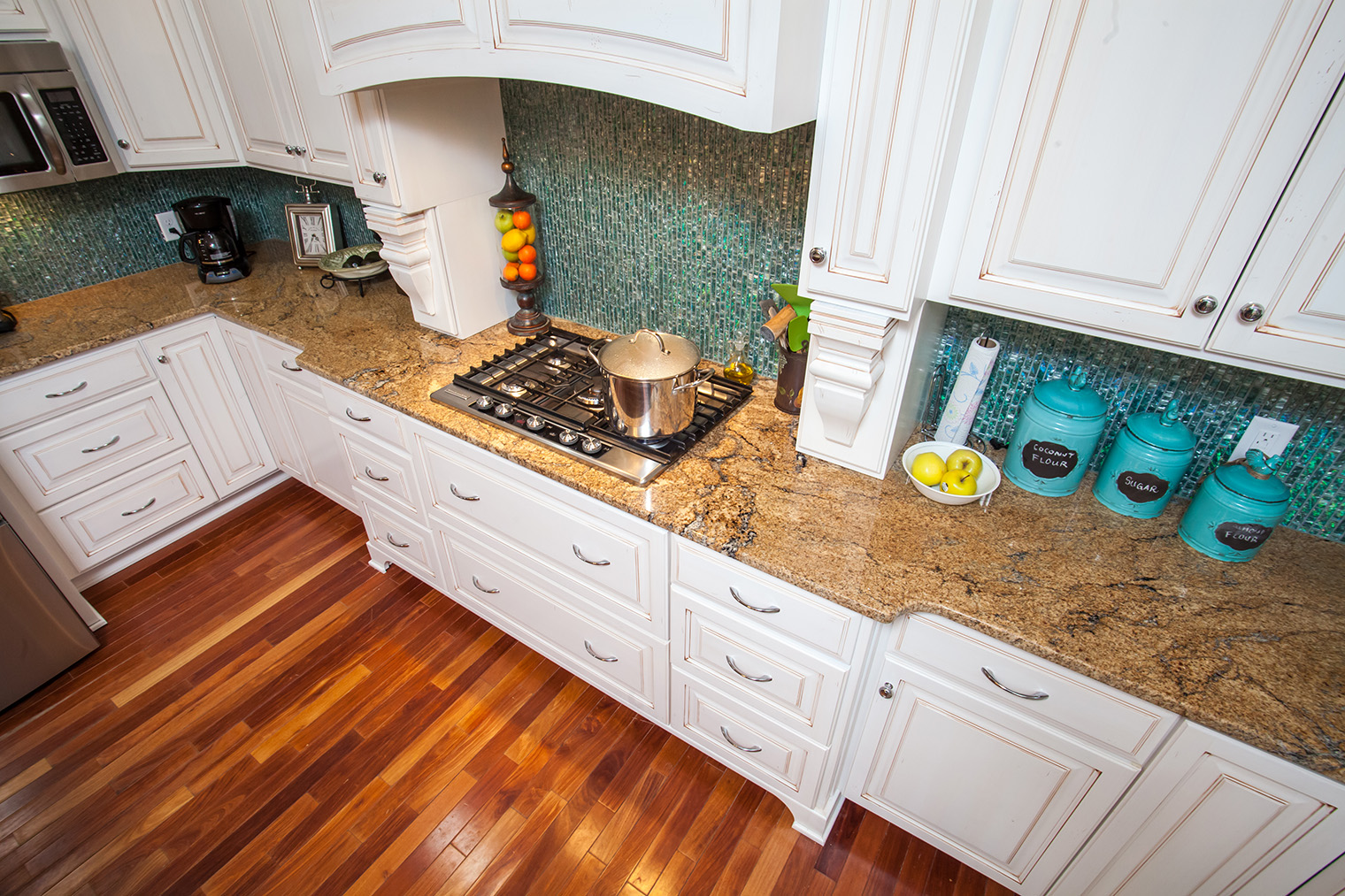
When selecting countertop surfaces for the coastal Gulf Coast region, environmental factors play a critical role in long-term performance. In humid climates, granite and quartzite stand out as premier natural stone options due to their exceptional structural strength and inherent resistance to moisture.
Granite provides an nearly impervious barrier to heat and scratching, making it an ideal choice for high-traffic culinary spaces. Quartzite surpasses granite in structural hardness, offering an elegant aesthetic reminiscent of marble alongside superior resistance to moisture and wear. To safeguard these natural investments against coastal humidity, executing a proper sealing regimen is essential.
For property owners prioritizing a low-maintenance schedule, engineered quartz provides a non-porous alternative that withstands humid conditions without requiring regular applications of sealer. Selecting a surface aligned with both your aesthetic goals and environmental demands ensures that your architectural surfaces remain beautiful, functional, and durable for decades.
Why Climate Matters When Choosing Countertops?
Why Climate Matters When Choosing Countertops
The warm, humid climate of the Gulf Coast presents distinct challenges for interior and exterior finish materials. Sustained humidity, frequent rainfall, and intense solar exposure directly influence the longevity and structural integrity of countertop surfaces.
- Humidity Mitigation: Highly porous, unsealed materials can absorb airborne moisture, potentially leading to deep-seated staining, structural swelling, or biological growth such as mold.
- Thermal Exposure: Direct, prolonged sunlight or the placement of high-temperature cookware can induce thermal shock, causing inferior materials to fade, scorch, or crack.
- Moisture Influx: Daily activities within residential kitchens and bathrooms continuously introduce localized moisture to surrounding surfaces.
Countertops engineered to resist water, heat, and structural abrasions deliver superior longevity and retain their aesthetic value over time. Utilizing materials unsuited to coastal environments frequently results in warping, irreversible staining, and premature, costly replacements. Consequently, specifying natural stones structurally capable of enduring high-humidity environments is paramount for regional properties.
Top Natural Stones for Pensacola Homes
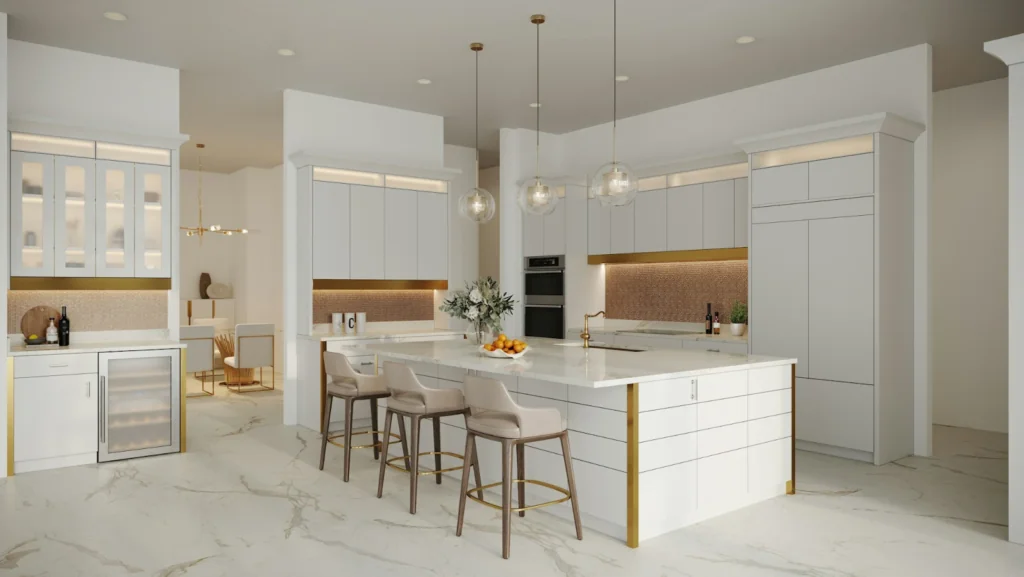
The following premium natural stone countertops are highly recommended by Superior Granite for exceptional performance in humid and coastal environments:
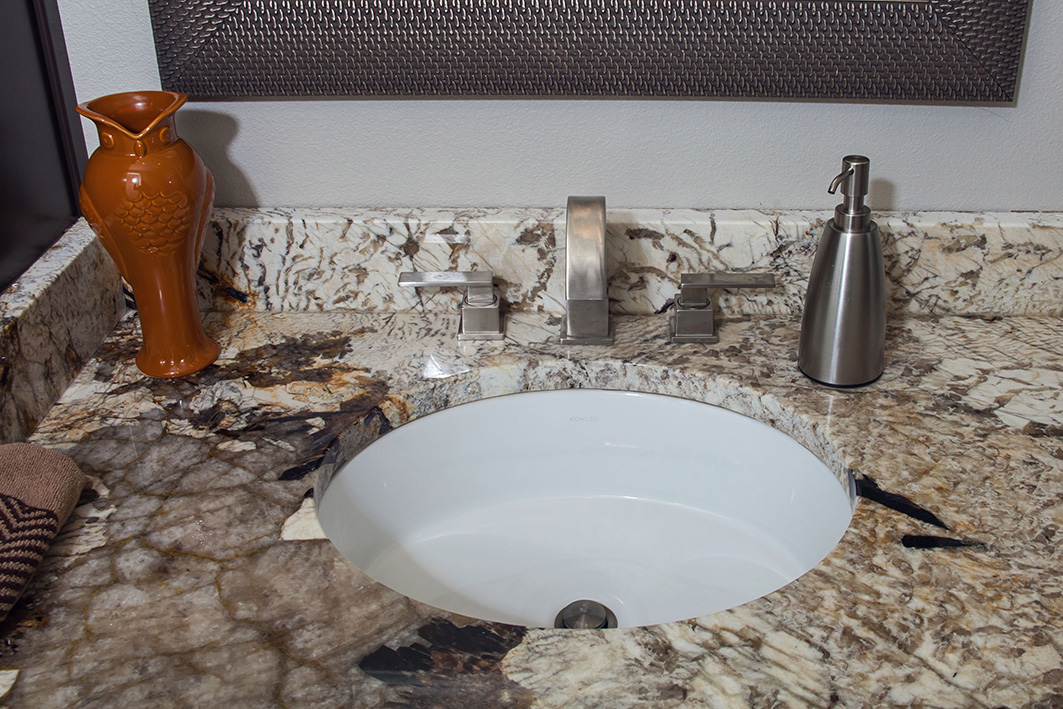
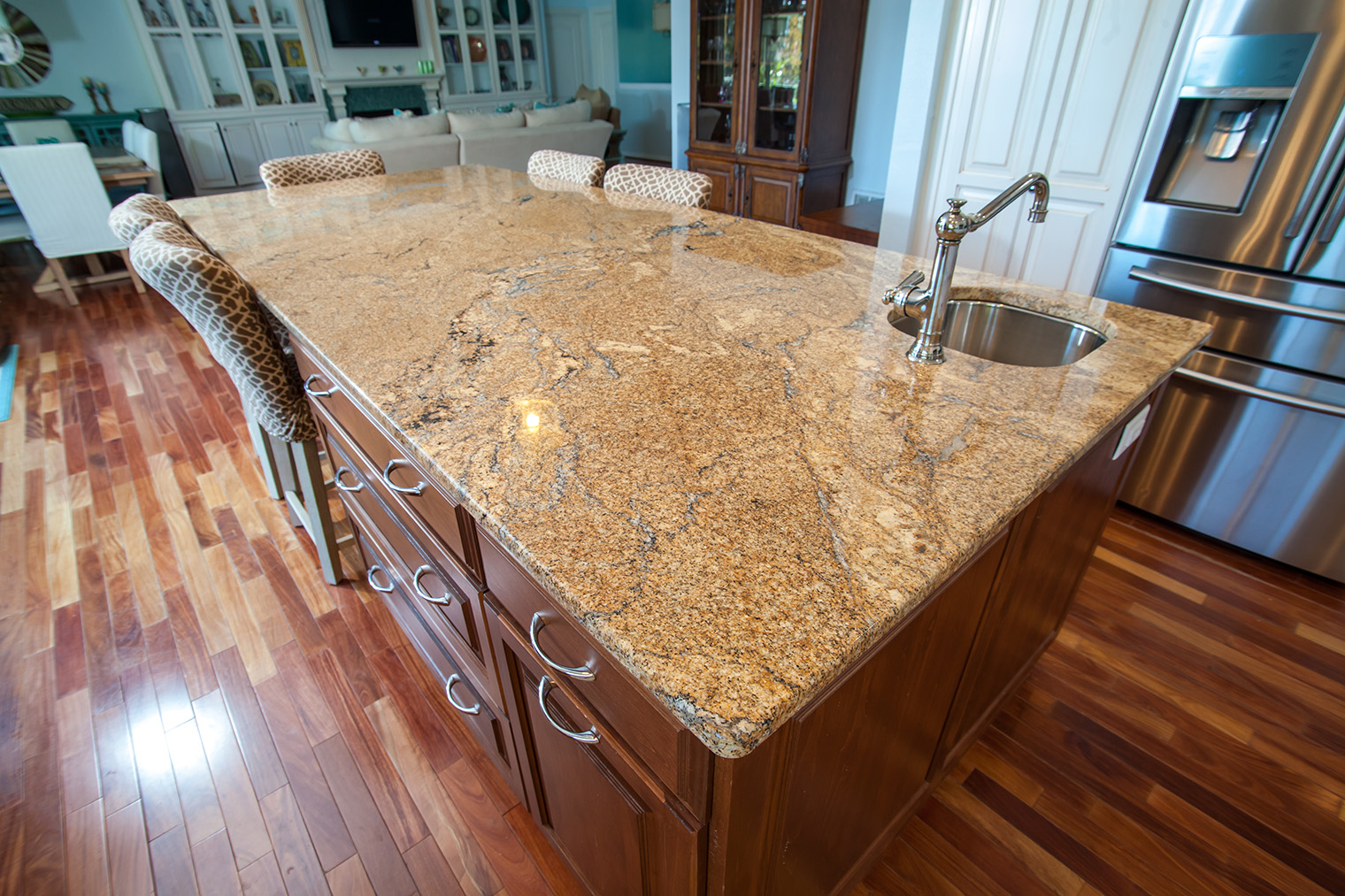
Granite: The Standard for High-Traffic Durability
Granite remains one of the most reliable and sought-after surfaces for the humid Gulf Coast climate.
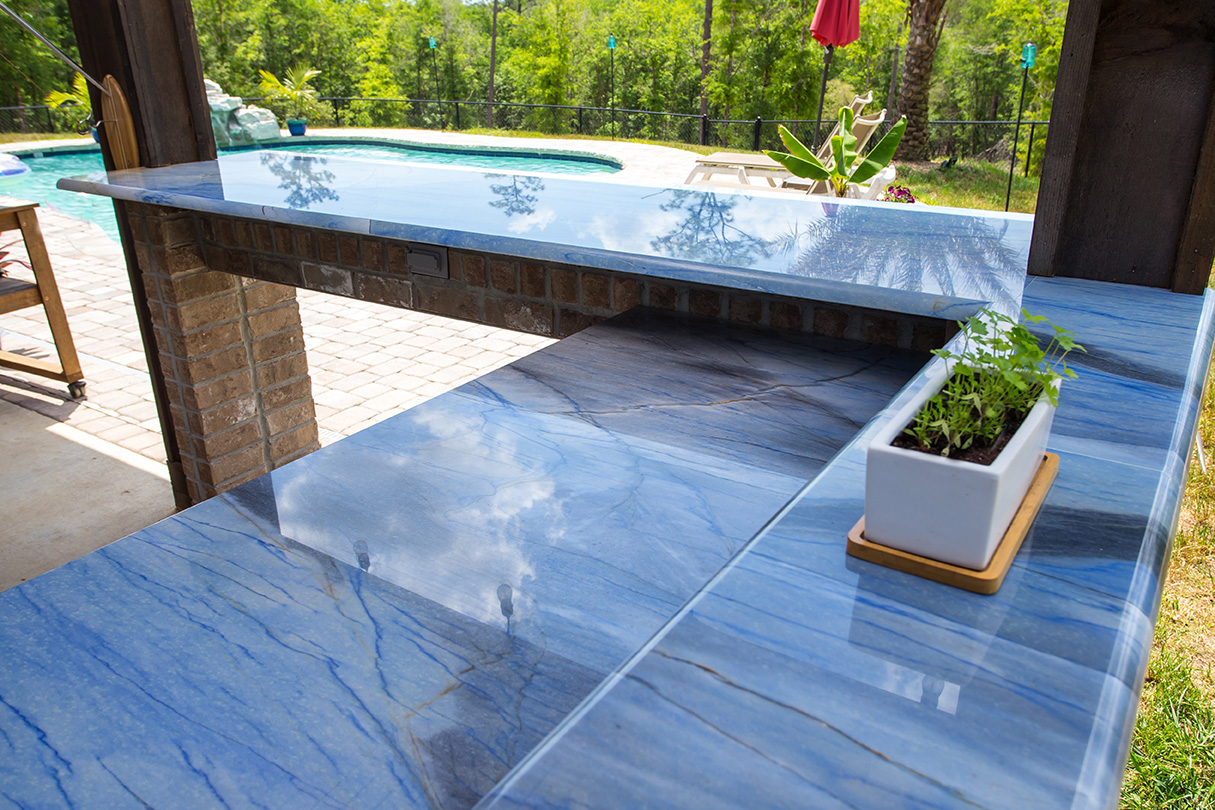
Applications: Highly versatile; suitable for interior kitchens, bathrooms, fireplaces, and outdoor living spaces (with recommended coverings to prevent long-term UV fading).
Structural Integrity: As one of the hardest natural stones available, granite offers exceptional resistance to scratching and daily wear, making it excellent for busy family kitchens.
Moisture Mitigation: When properly sealed, granite prevents liquid absorption, significantly minimizing the risk of localized staining and moisture-related damage.
Applications: Highly versatile; suitable for interior kitchens, bathrooms, fireplaces, and outdoor living spaces (with recommended coverings to prevent long-term UV fading).
Maintenance: Requires an annual application of a high-quality sealer to maintain its protective barrier.
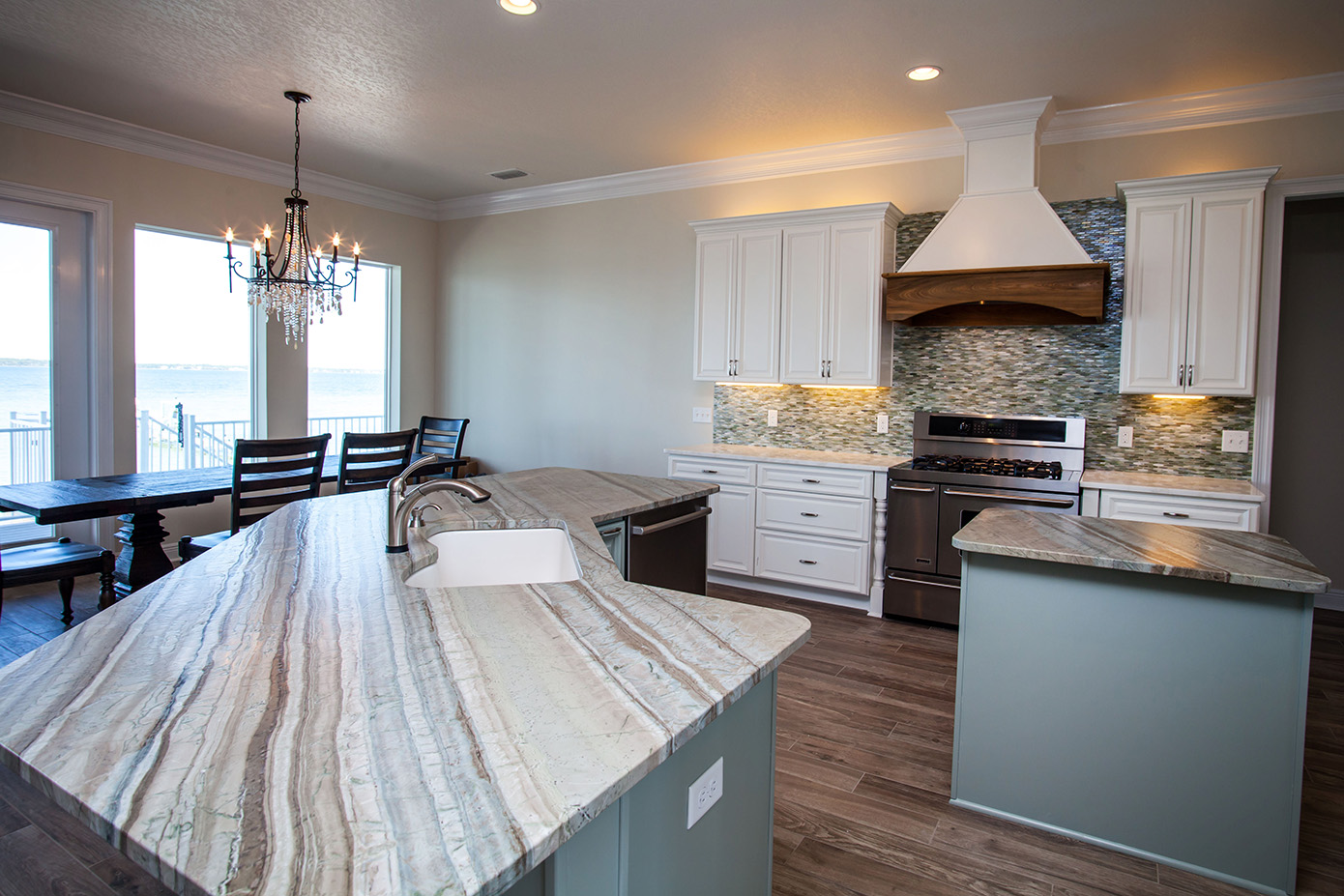
Quartzite: Premium Hardness with Marble-Like Elegance
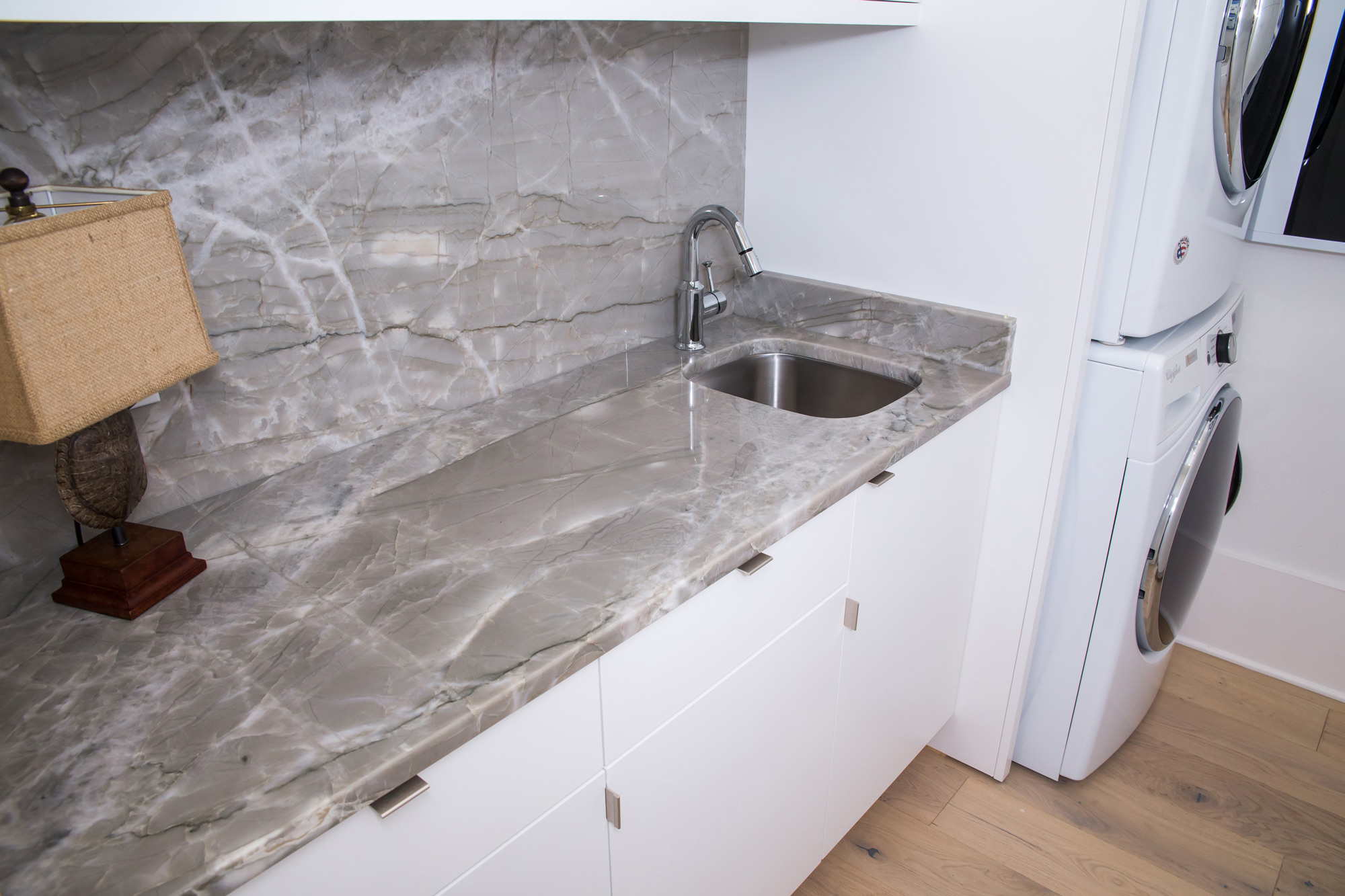
Quartzite is a premium, natural metamorphic stone that delivers a sophisticated, high-end aesthetic without compromising on structural strength.
- Aesthetic Profile: Offers a luxurious appearance with rich veining, movement, and lighter color palettes that closely mimic natural marble.
- Resilience: Registering a 7 on the Mohs Hardness Scale, quartzite is harder than granite and highly resistant to moisture absorption, scratching, and heat.
- Maintenance: Superior Granite recommends treating new quartzite surfaces with a water-based sealer once a month for the first three months, followed by a silicone-based sealer semi-annually (every six months) thereafter. Special care must be paid to porous edges, faucet holes, and sink openings.
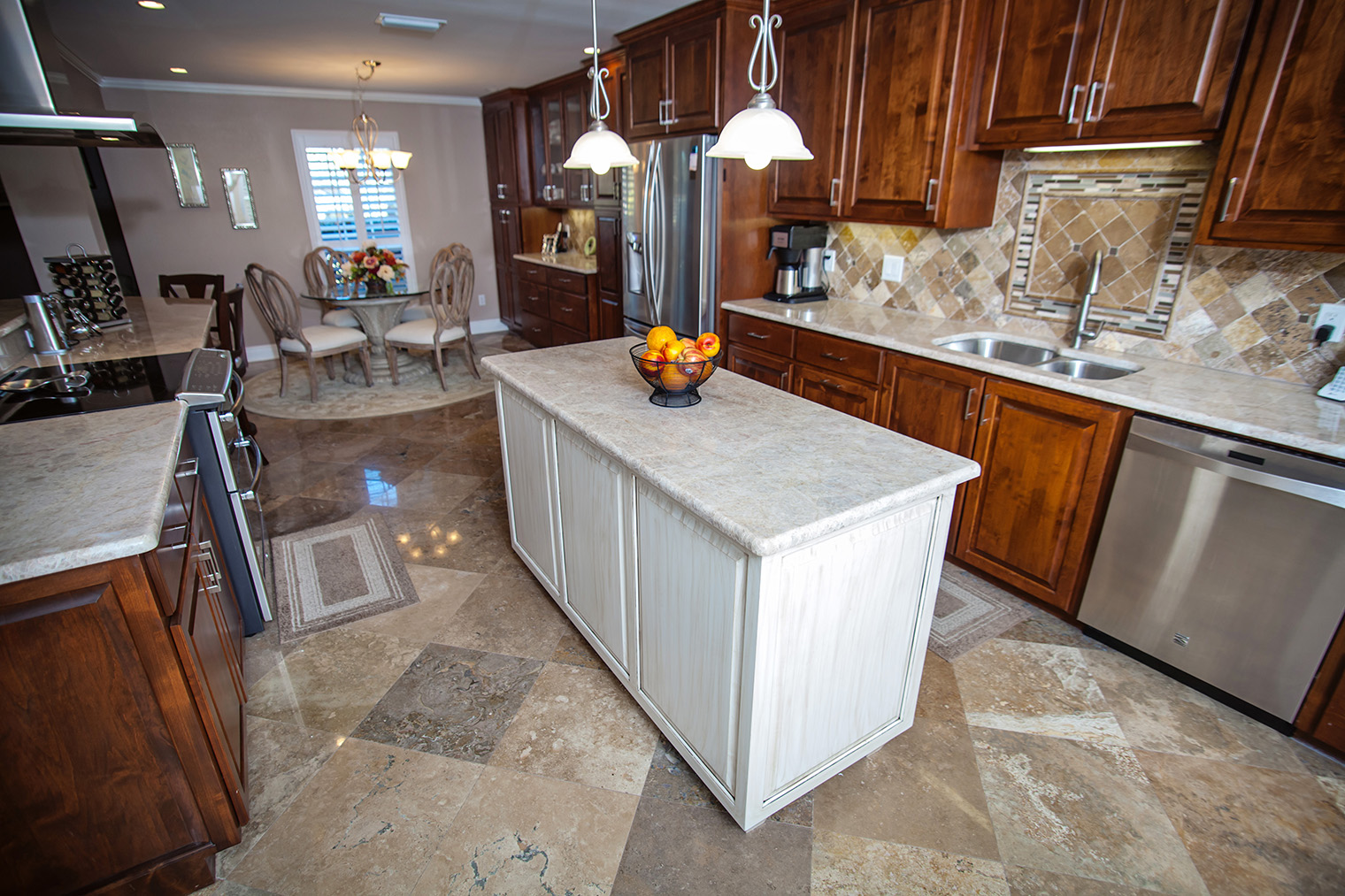
Travertine: Classic, Warm Aesthetics
Travertine introduces an organic warmth and timeless elegance to residential interiors. When managed with an appropriate sealing schedule, it offers a practical, classic option for specific spaces.
- Environmental Compatibility: Performs reliably in humid settings provided its porous structure is consistently protected.
- Applications: Recommended primarily for lower-traffic environments, including bathroom surfaces, wall cladding, and indoor flooring.
- Maintenance: Due to its naturally softer, porous composition, travertine requires rigorous sealing every six months to prevent acid etching and moisture penetration.
Sandstone: Textured Performance for Outdoor Living
Sandstone provides a distinct, rugged texture that complements coastal and outdoor structural designs.
Durability: Offers dependable resistance to wear and tear when preserved with a proper care regimen..
Applications: Ideally suited for landscape features, outdoor living areas, and covered patios, delivering a warm, “beachy” or rustic aesthetic.
Maintenance: Requires consistent, regular sealing to mitigate water damage and atmospheric moisture absorption inherent to coastal climates.
Non-Natural Alternative: Quartz Countertops
Non-Natural Alternative: Engineered Quartz
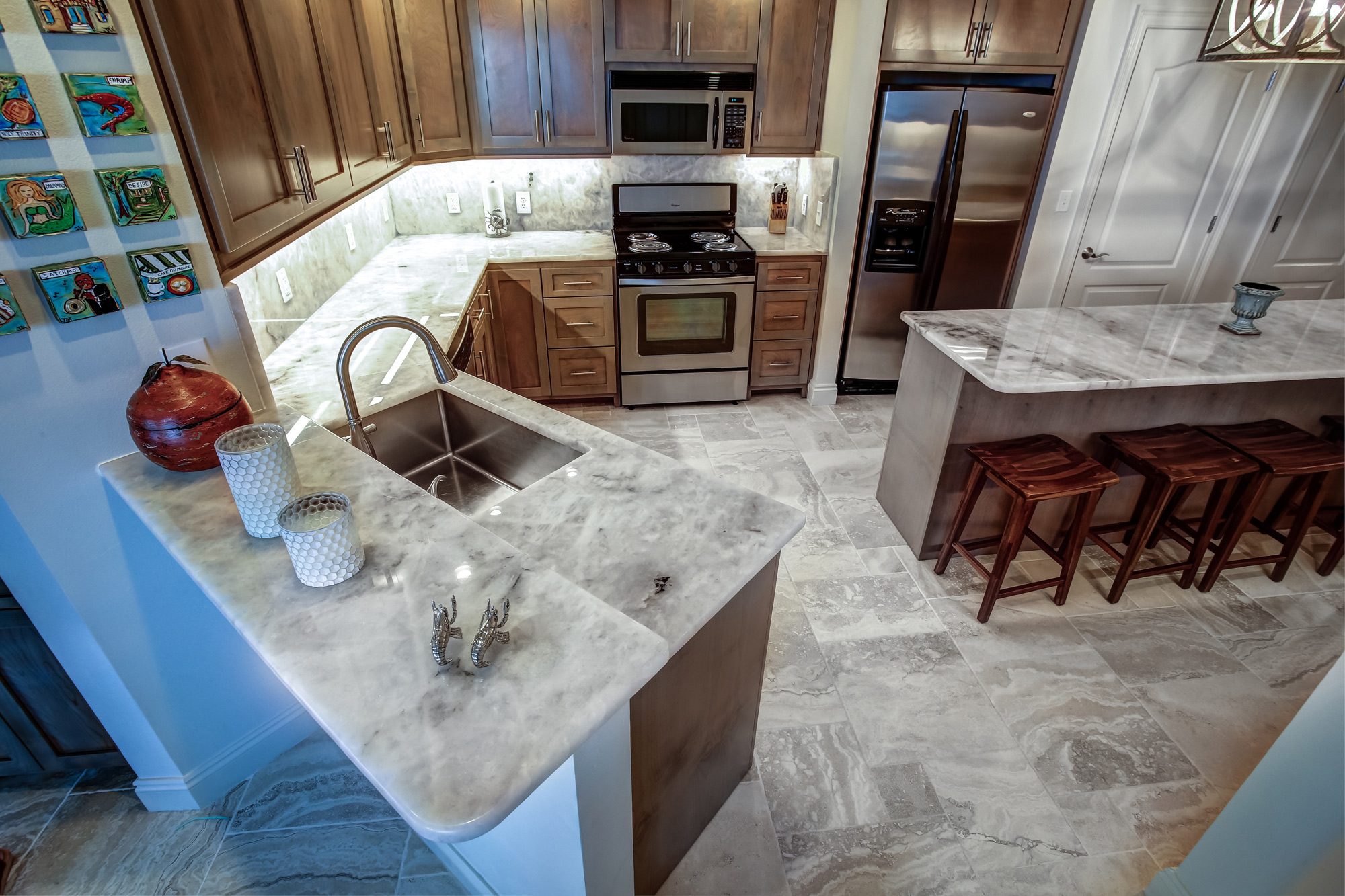
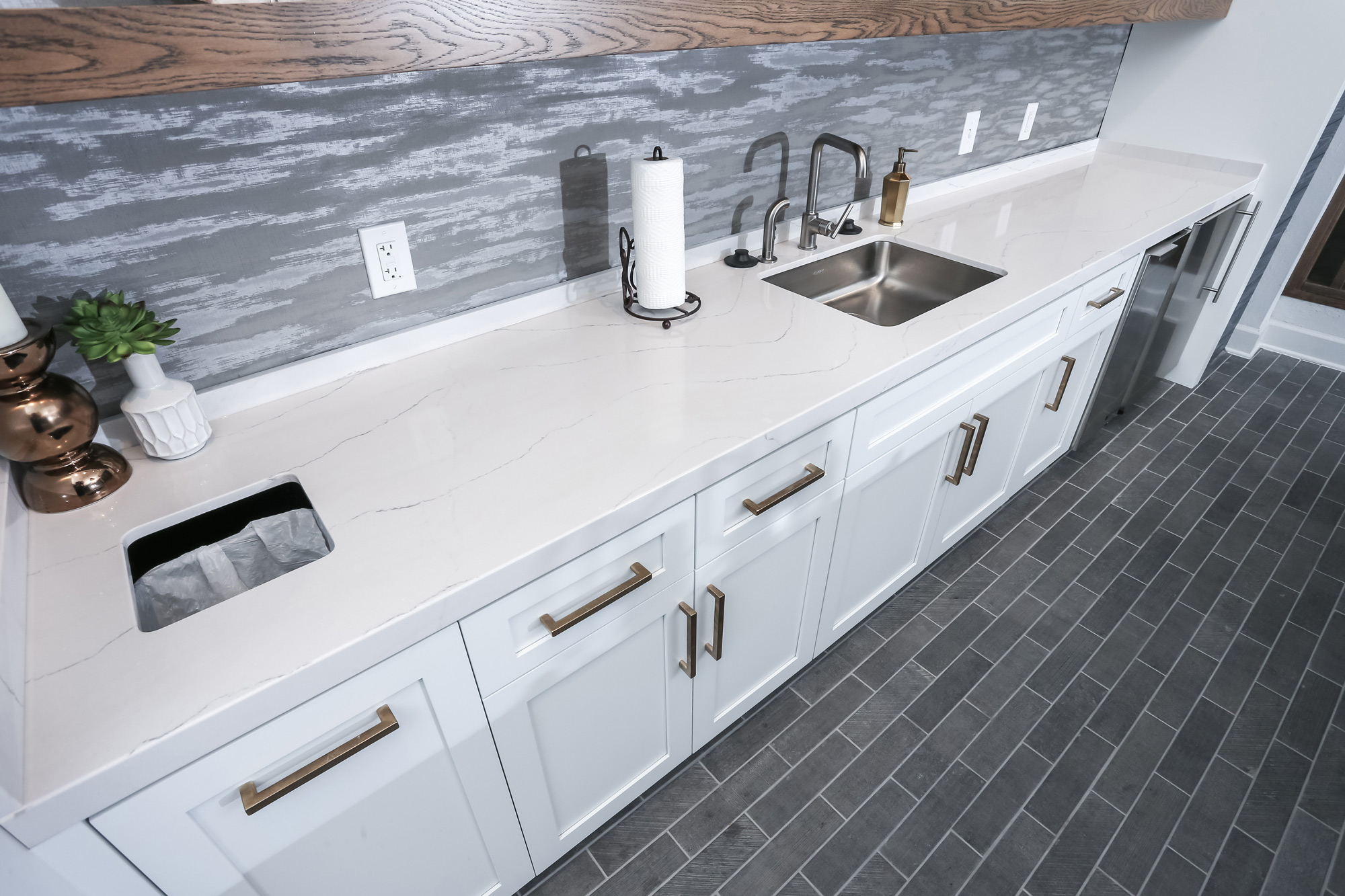
Quartz, or engineered stone, represents an exceptionally durable alternative for humid regional applications. Composed of roughly 90–93% crushed natural quartz crystals bound together with specialized resins and pigments, it delivers a completely uniform, non-porous surface.
Because it is non-porous, quartz is highly resistant to moisture, staining, and bacterial growth without ever requiring sealing. This makes it an efficient, low-maintenance option for modern kitchens and bathrooms.
For an extensive comparison of material options, review our guide on Engineered Stone vs Natural Stone: Pros & Cons.
Countertop Maintenance Protocols for Humid Climates
Preserving the pristine finish of premium stone surfaces in high-humidity zones requires adhering to specific maintenance protocols:
- Execute Regular Sealing: Natural stones must be resealed consistently to prevent moisture intake. Granite requires annual sealing, while quartzite, travertine, dolomite, calcite, and marble should be sealed every six months.
- Utilize Approved Cleansers: Clean surfaces daily using a gentle microfiber cloth and warm, soapy water (avoiding citrus-scented or essential oil-based soaps). Approved commercial alternatives include Simple Green, Bar Keeper’s Friend, and ammonia-free glass cleaners.
- Prohibit Aggressive Chemicals and Tools: Never utilize harsh cleaners containing bleach, ammonia, vinegar, or citrus extracts. Avoid abrasive cleaning tools, such as green 3M Scotch-Brite pads or steel wool, which can dull or scratch polished finishes.
- Employ Stain-Removal Best Practices: Address stubborn or dried spills using safe, targeted methods, such as a specialized powder compound or a baking soda and hydrogen peroxide paste.
- Mitigate Mechanical and Thermal Risks: Never cut directly on quartz or softer natural stones (calcite, marble, travertine, dolomite), as this can cause permanent scratching. Always use cutting boards. Additionally, protect quartz, marble, calcite, and travertine from thermal shock by avoiding direct contact with hot pots and pans.
Technical Comparison of Stones for Humid Climates
Selecting the optimal surface material involves evaluating its specific physical properties against the demands of your space. For clients considering granite countertops, the table below highlights how various options compare regarding moisture defense, thermal limits, and maintenance intervals.
| Surface Material | Moisture Resistance | Heat Resistance | Sealing Maintenance | Primary Applications |
| Granite | High (When properly sealed) | Excellent (Extremely high heat tolerance) | Annually (Every 12 months) | Indoor/Outdoor Kitchens, Bathrooms, Fireplaces |
| Quartzite | High (When properly sealed) | Excellent (Harder & more heat-resistant than quartz) | Every 6 months (Monthly for first 3 months) | High-Traffic Kitchens, Bathrooms, Fireplaces |
| Travertine | Medium (Naturally porous) | Medium | Semi-Annually (Every 6 months) | Bathrooms, Indoor Floors, Wall Cladding |
| Sandstone | Medium (Naturally porous) | Medium | Semi-Annually (Every 6 months) | Outdoor Living, Patios, Landscaping |
| Quartz | Exceptional (Non-porous compound) | Low | None Required | Indoor-Only Kitchens and Bathrooms |
Countertop Materials to Avoid in Coastal Environments
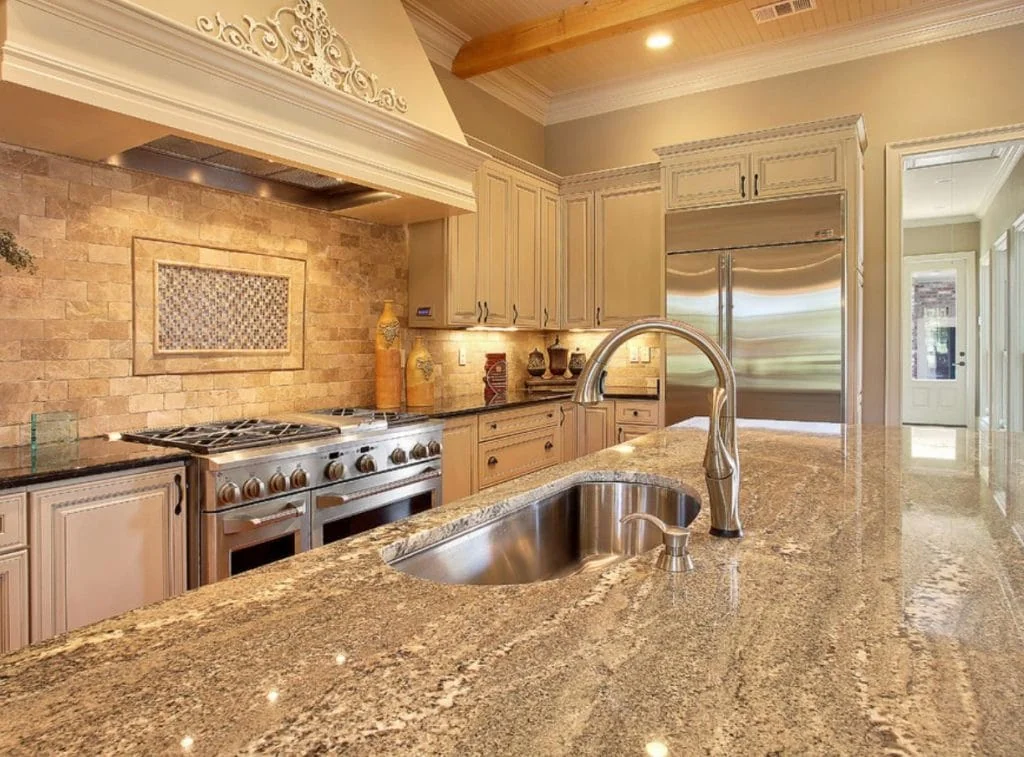
Not all countertop materials can handle Pensacola’s humid, coastal climCertain materials are structurally unsuited to withstand the rigorous humidity and salt-air exposure characteristic of the Gulf Coast. Selecting these options often results in accelerated degradation and premature replacement costs.
- Wood Surfaces: Timber countertops are highly hygroscopic, meaning they readily absorb ambient moisture. Over time, sustained humidity causes wood to warp, swell, split, and harbor deep-seated mold or bacterial growth.
- Laminate Surfaces: While initially cost-effective, laminate counters lack durability in humid zones. Moisture penetration routinely compromises the underlying adhesives, causing the surface layers to peel, delaminate, fade, or crack.
To protect your property investment, it is strongly advised to bypass these volatile materials in favor of premium stones engineered to endure coastal environmental pressures.
Precision Fabrication and Professional Installation
The ultimate performance of any natural stone or quartz surface depends heavily on the caliber of its fabrication and installation. Superior Granite utilizes state-of-the-art machinery and precise digital templating to ensure your slabs are accurately measured and cut, eliminating structural gaps, uneven surfaces, and joint vulnerabilities.
Our professional installation teams guarantee that your 3cm, book-matched slabs are securely anchored, leveled, and seamlessly fitted to protect your cabinetry and maximize moisture resistance. Entrusting your project to experienced fabrication specialists is the most effective method to secure your architectural investment and ensure flawless, long-lasting results.
Sustainability and Long-Term Performance
- Eco-Friendly: Natural stones are sustainable and reduce replacement needs.
- Long-Lasting: Properly maintained stones last for decades.
- Cost-Effective: Durability reduces future renovation costs.
- Export Opportunities: Humidity-resistant stones are in demand in tropical/coastal regions.
Choosing the right stone ensures a balance between beauty, durability, and environmental sustainability.
Conclusion
The premier natural stone countertops for a humid climate are granite and quartzite, followed by travertine and sandstone. Engineered quartz remains a reliable low-maintenance indoor alternative. Always ensure porous natural stones are sealed according to their recommended schedules and rely on professional fabrication to ensure long-term performance. Selecting the right surface ensures your home stays beautiful, durable, and functional, even in coastal conditions.
Regional Showroom Locations
To view our expansive inventory of first-quality materials in person, please visit one of our three regional showrooms:
Pensacola, FL
- Address: 7011 Pine Forest Road, Pensacola, FL 32526
- Contact: (850) 941-0270
- Hours: Monday – Friday: 8:00 a.m. – 5:00 p.m. | Saturday: 9:00 a.m. – 2:00 p.m.
Pace, FL
- Address: 4590 Jernigan Road, Pace, Florida 32571
- Contact: (850) 994-1872
- Hours: Tuesday – Friday: 9:00 a.m. – 5:00 p.m. | Saturday: 9:00 a.m. – 2:00 p.m.
Fort Walton Beach, FL
- Address: 35 Miracle Strip Pkwy SW, Fort Walton Beach, Florida 32548
- Contact: (850) 301-0716
- Hours: Tuesday – Friday: 8:00 a.m. – 5:00 p.m. | Saturday: 9:00 a.m. – 2:00 p.m.
Request an estimate and initiate your project today.
FAQs
Q1: Which natural stones are most resilient against high humidity?
Granite and quartzite are the premier natural choices. Their dense geological structures offer exceptional resistance to moisture penetration, scratching, and environmental wear when paired with a correct sealing routine.
Q2: What is the recommended sealing frequency for natural stone countertops?
According to the Superior Granite handbook, granite should be sealed annually (every 12 months). Premium quartzites require a water-based sealer once a month for the first three months, followed by a silicone-based sealer semi-annually (every six months). Softer stones like travertine, dolomite, and marble require sealing every six months.
Q3: Can engineered quartz withstand high thermal exposure?
No. Engineered quartz has low heat resistance because it contains binding resins and pigments that can scorch, discolor, or sustain permanent damage under high temperatures. Always utilize a trivet or hot pad; treat quartz similarly to Formica regarding thermal exposure.
Q4: Does engineered quartz require regular sealing to protect against coastal humidity?
No. Quartz is a man-made product engineered to be entirely non-porous. It is inherently resistant to moisture, staining, and acids without ever requiring annual sealing treatments. However, it must only be installed indoors to prevent UV damage.
Q5: Can I complete a natural stone countertop installation as a DIY project?
Professional fabrication and installation are strongly recommended. Professional installers use specialized digital tools to template, cut, level, and secure heavy 3cm slabs perfectly, preventing installation errors, visible seams, or structural cracks.
Q6: Why should materials like wood or laminate be avoided in coastal areas?
Wood readily absorbs environmental moisture, leading to warping, swelling, and biological growth. High humidity compromises the structural glues in laminate, causing the material to peel, crack, and degrade rapidly.
Q7: What cleaning products are safe for daily natural stone maintenance?
The optimal cleaning solution is warm, soapy water using non-citrus, non-essential-oil-based dish soaps. Approved commercial brands include Simple Green, Formula 409 Glass and Surface Cleaner, and Bar Keeper’s Friend. Never use bleach, vinegar, or ammonia, as they can etch the stone.