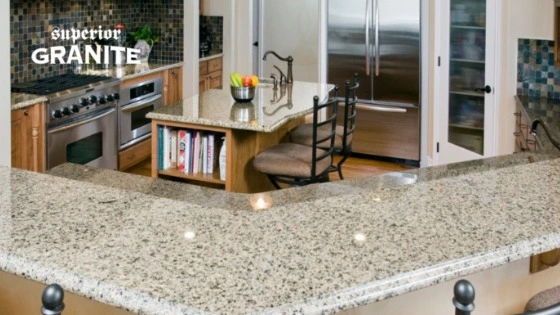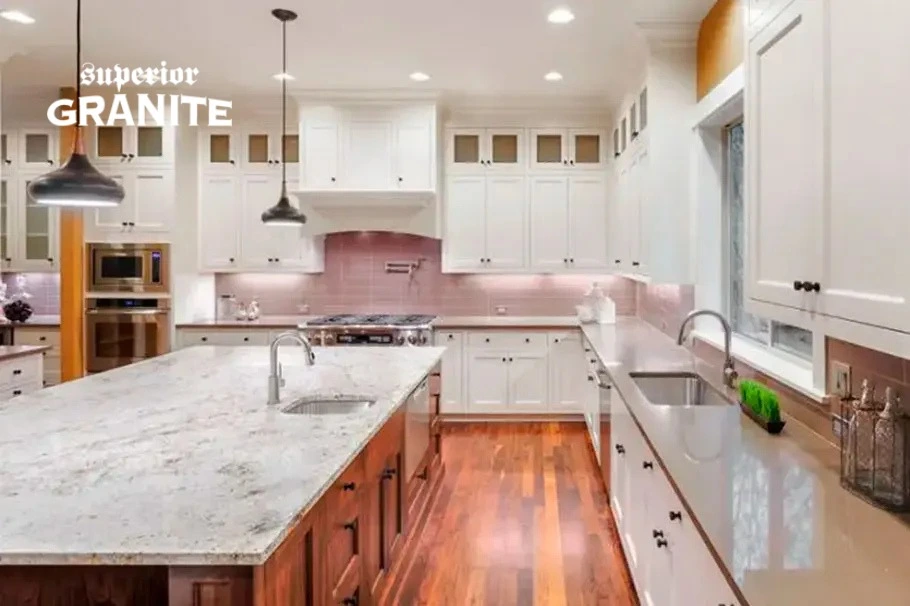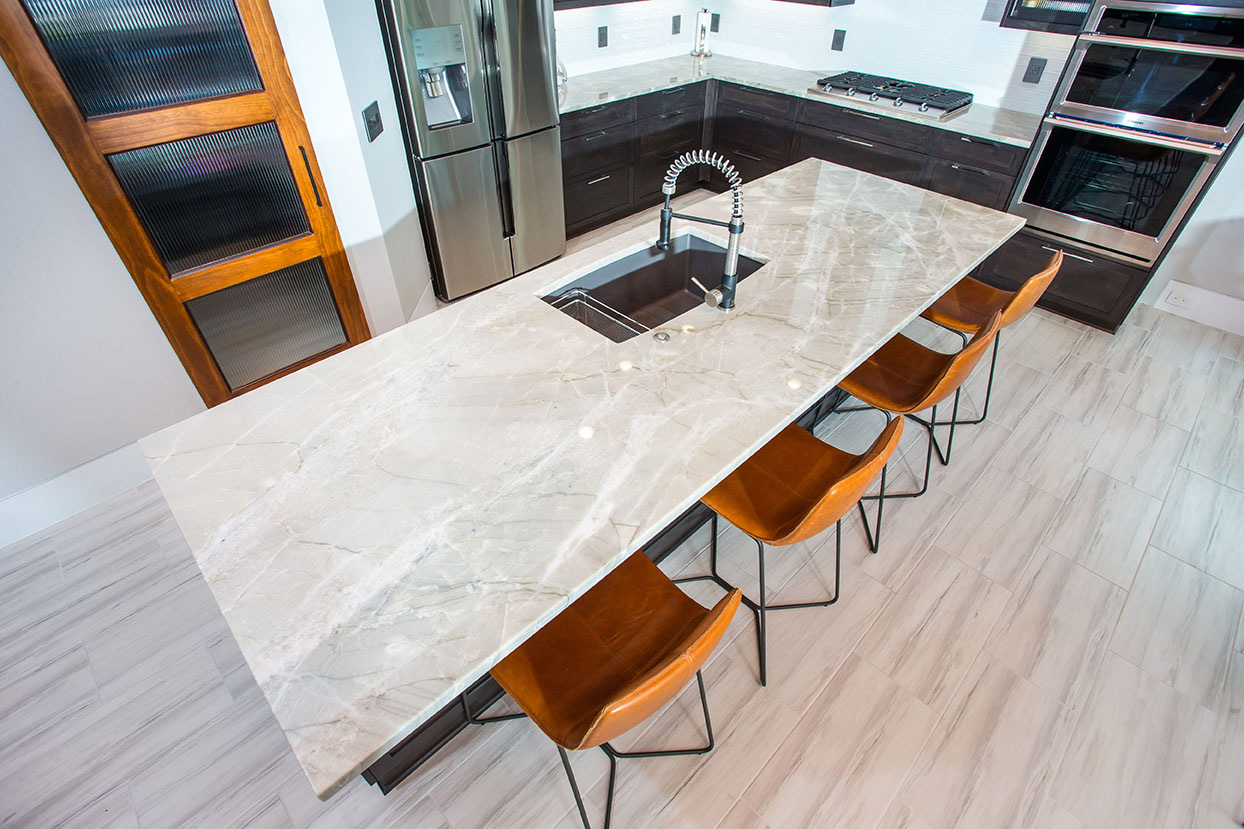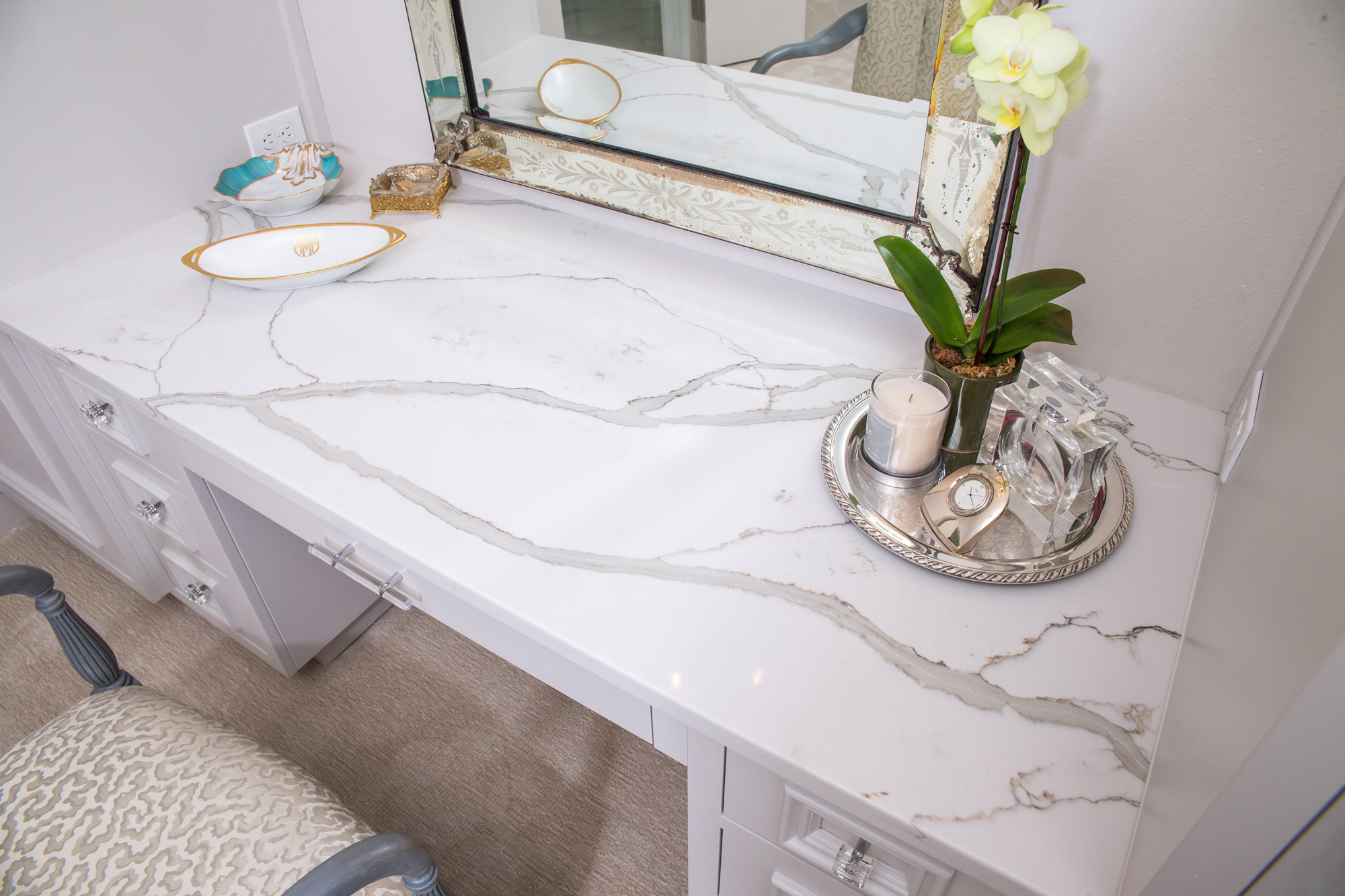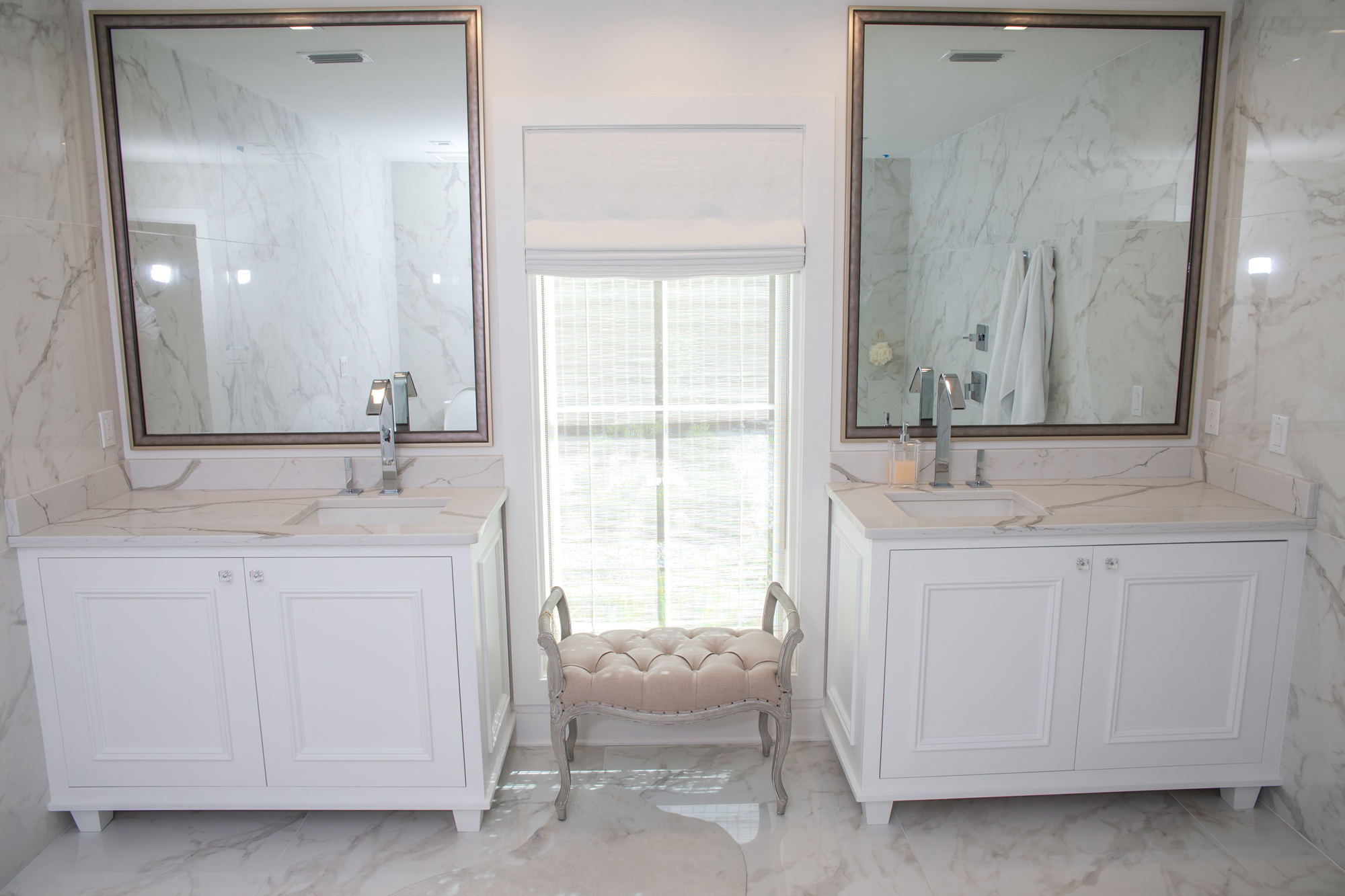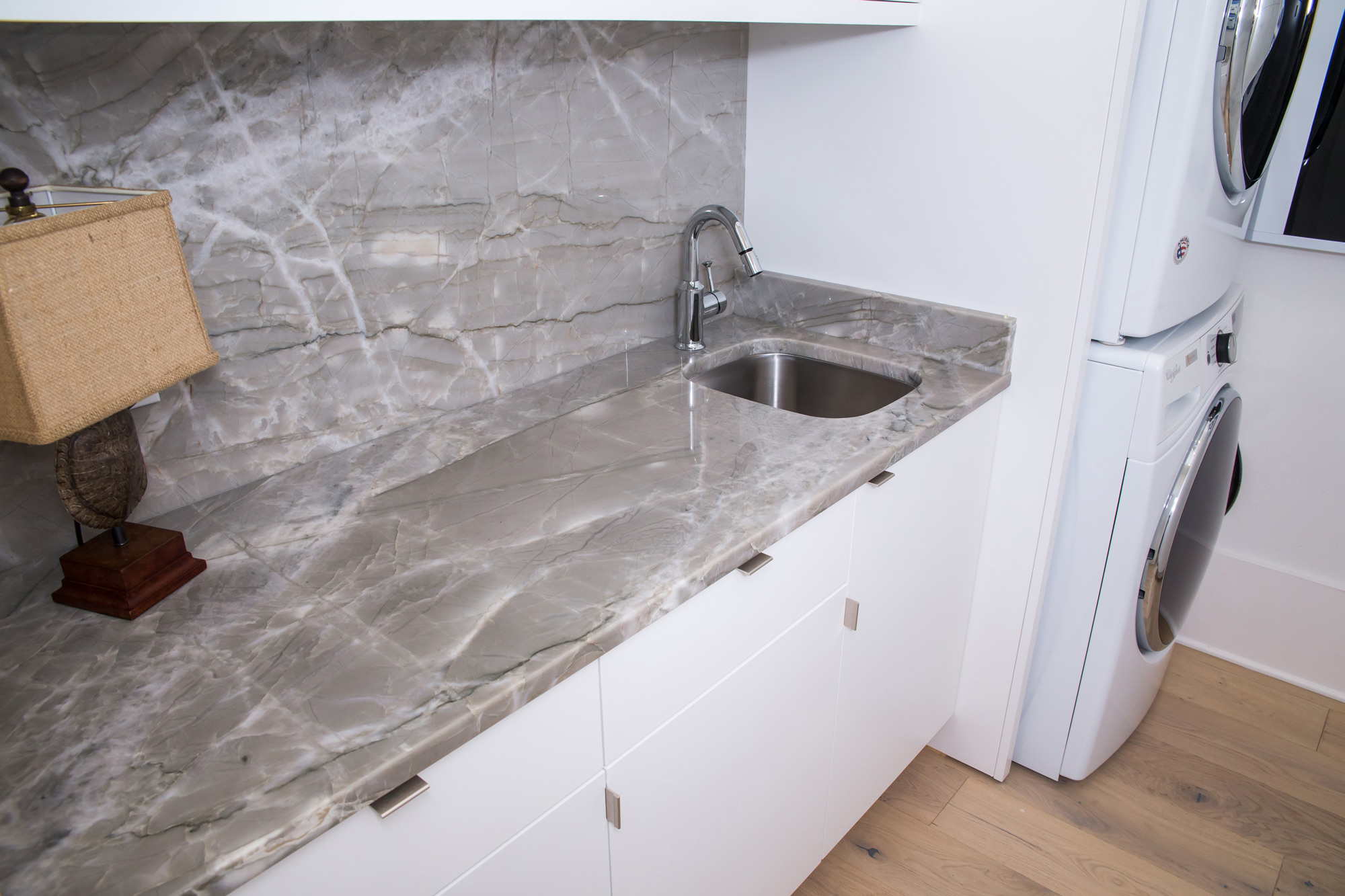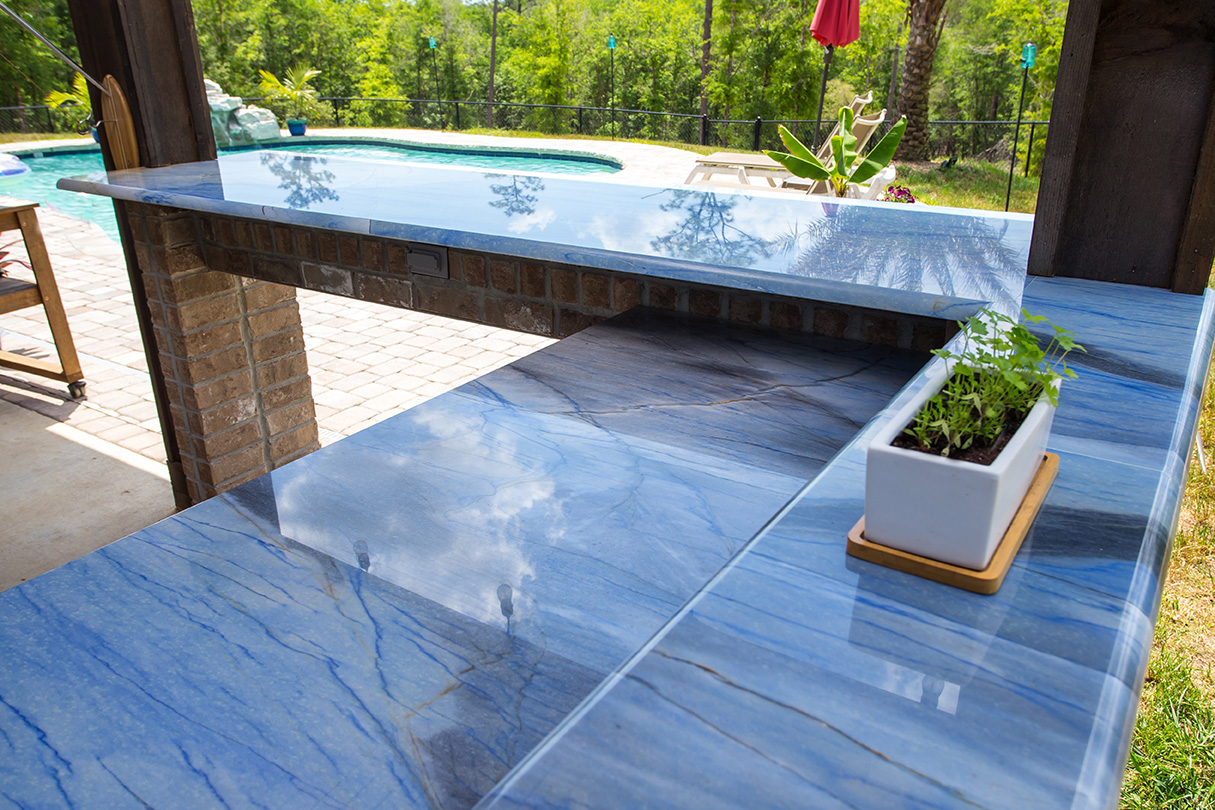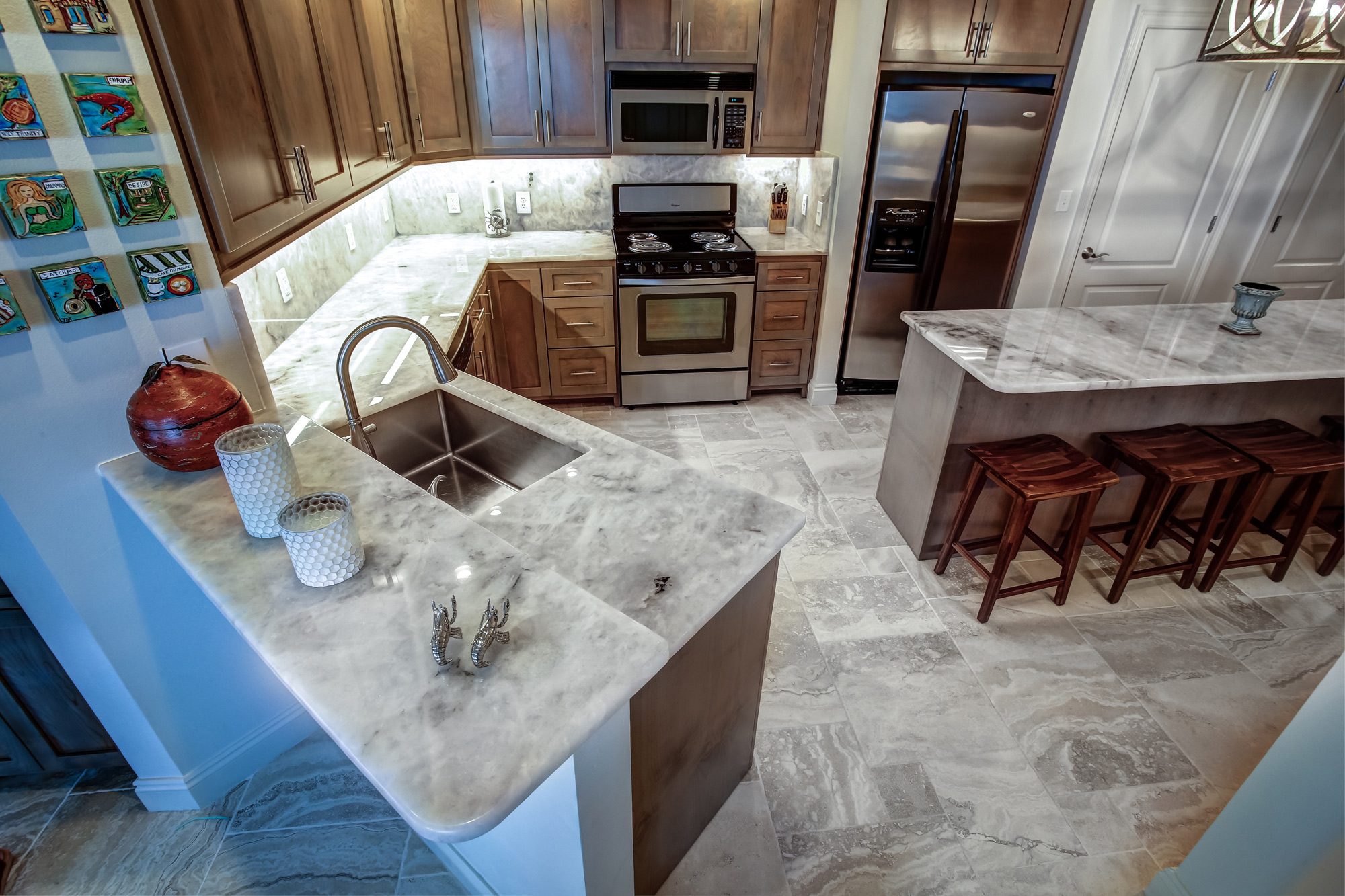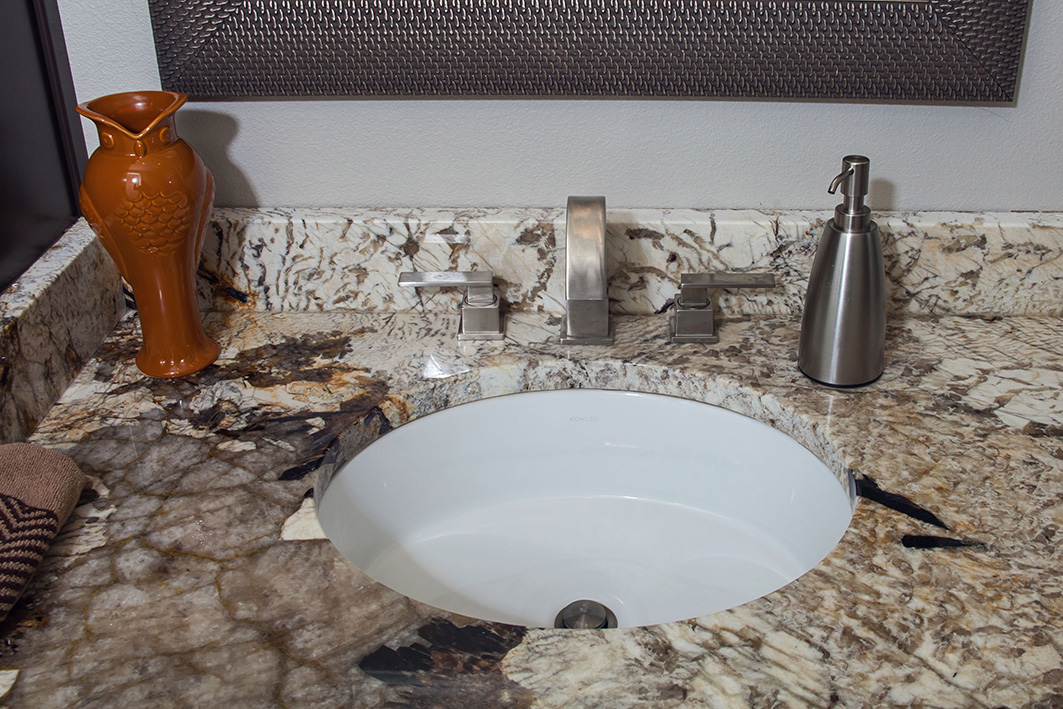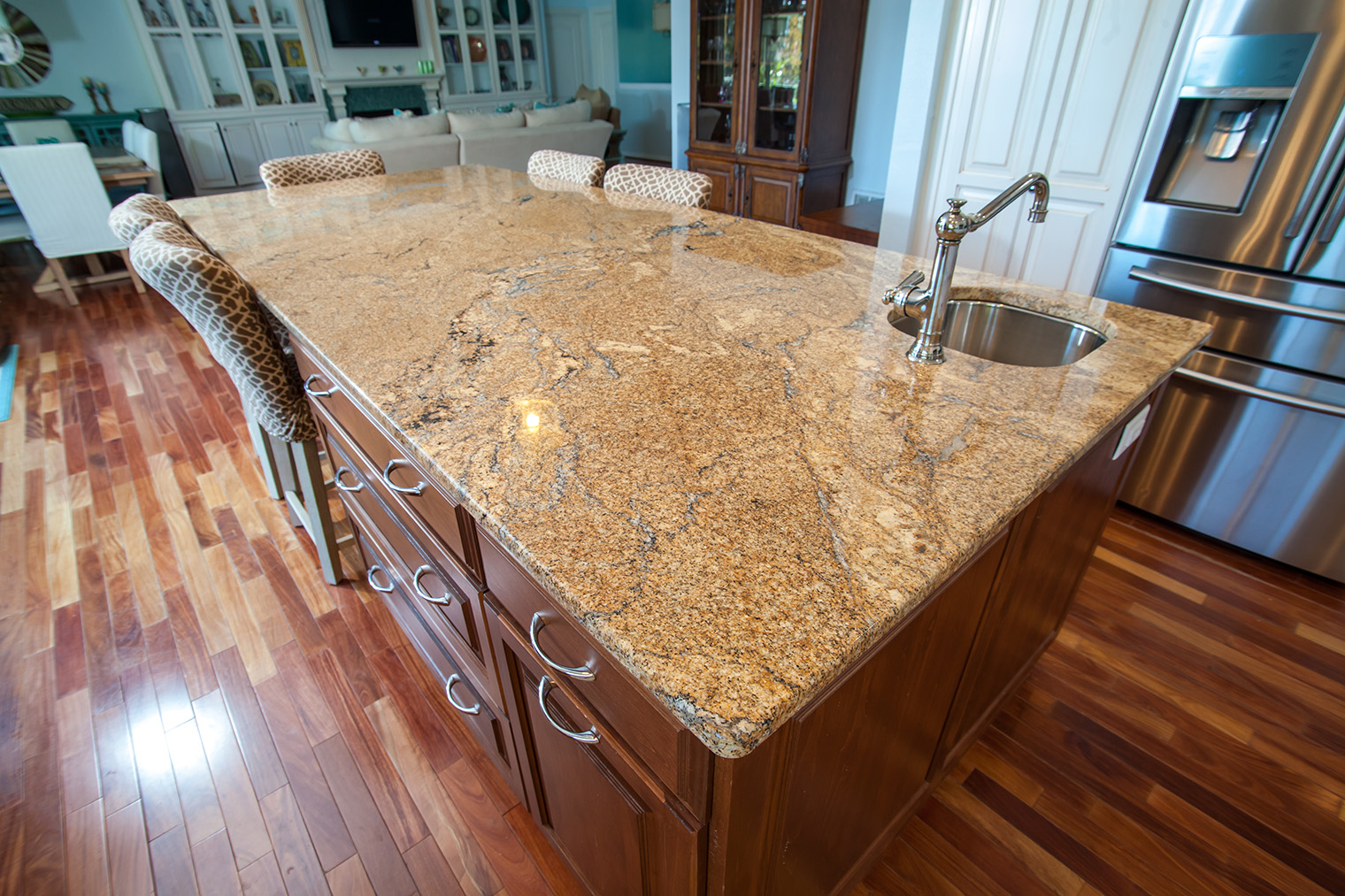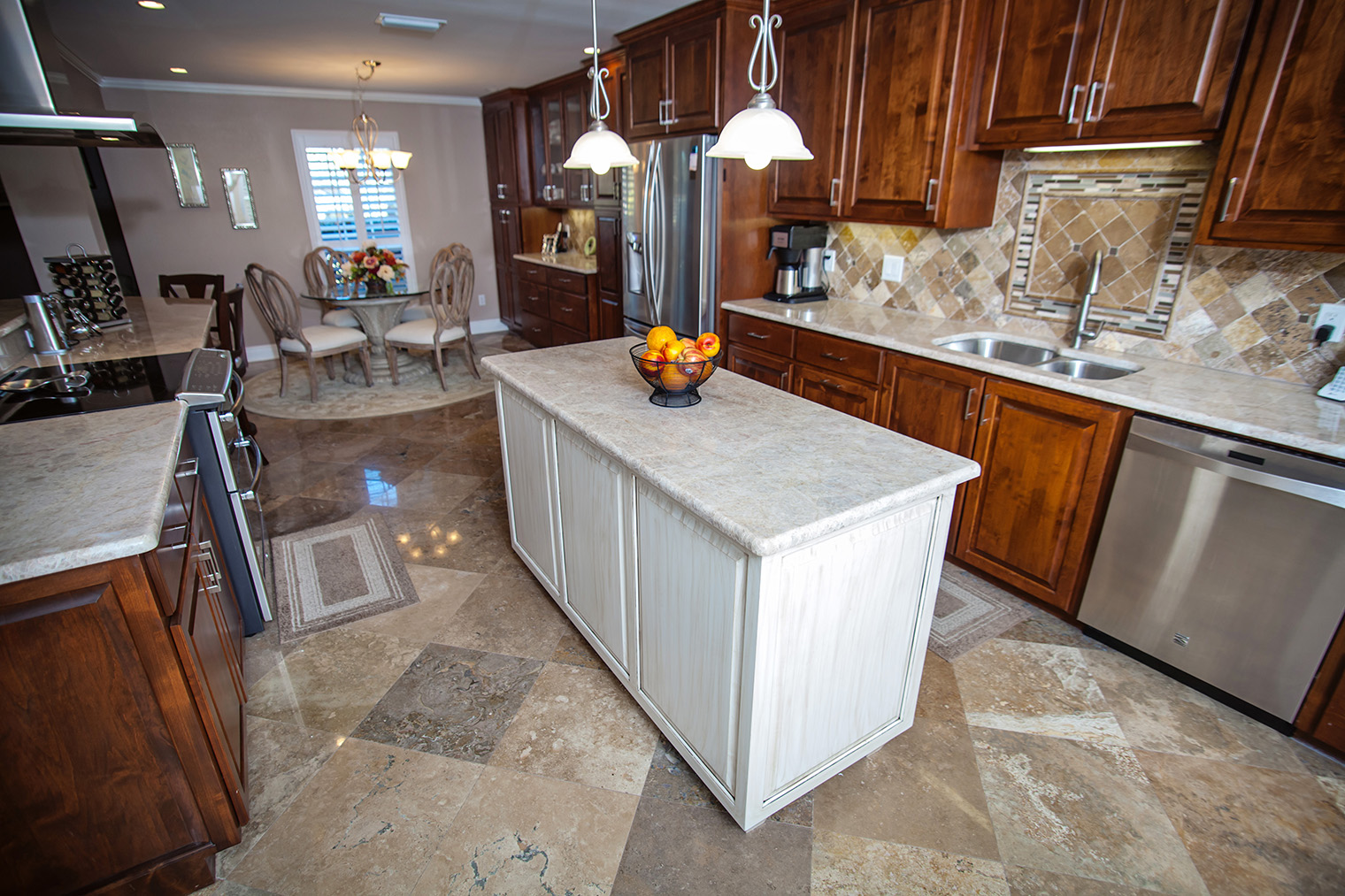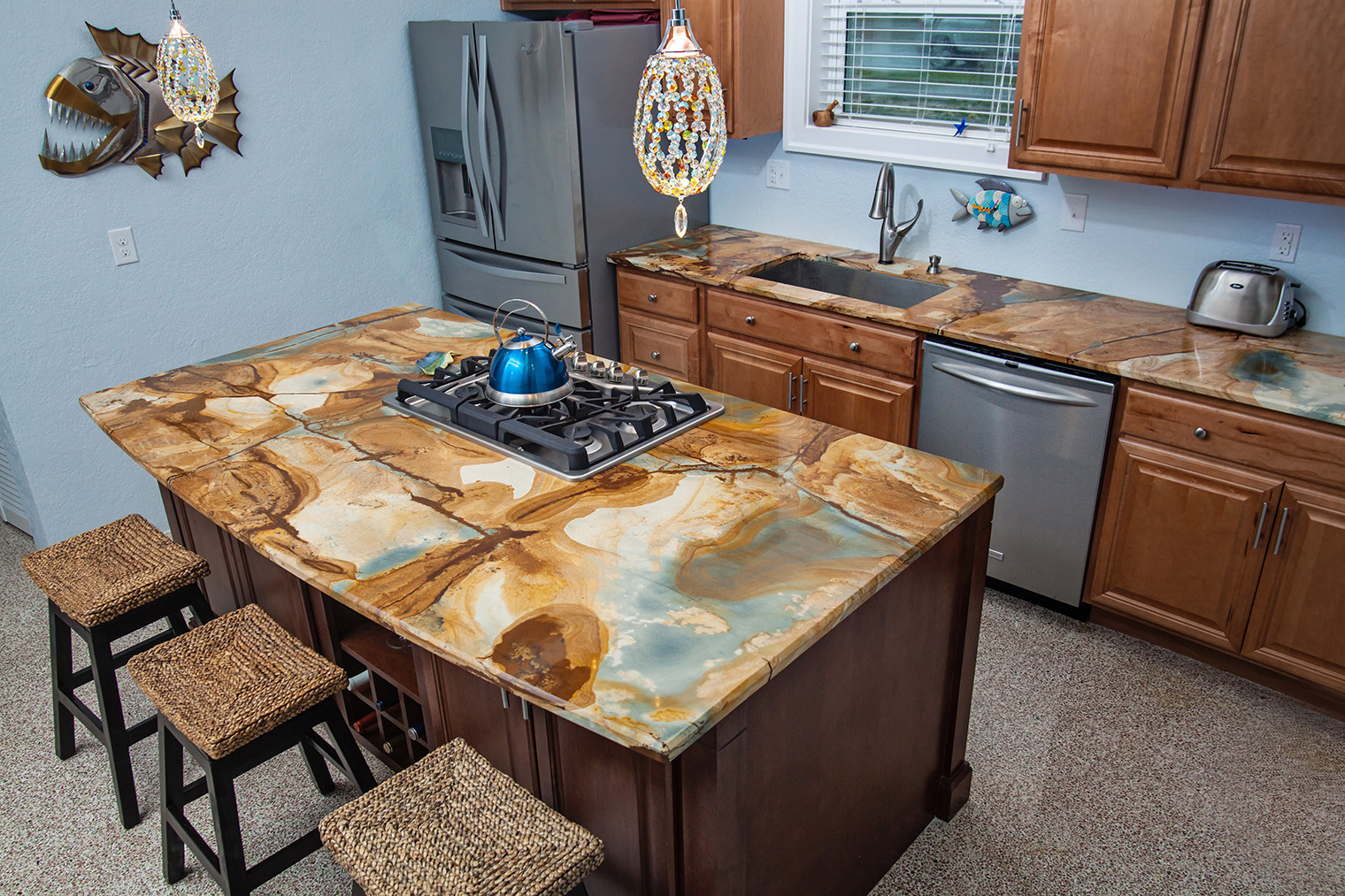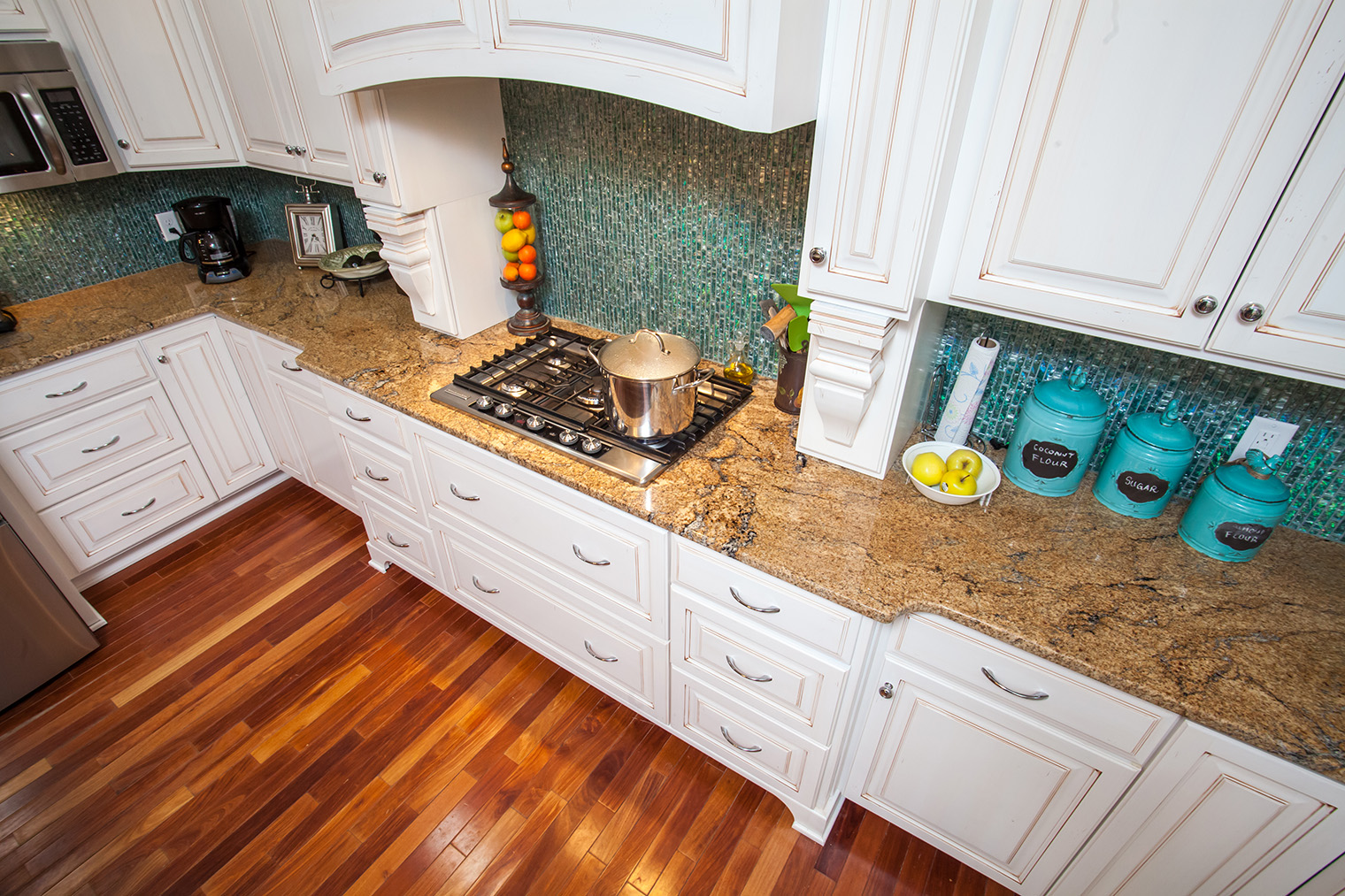
Sealing granite countertops is an important step to protect your investment and keep your surfaces looking brand-new. To seal granite countertops, start by cleaning the surface thoroughly with a stone-safe cleaner. Then apply a high-quality penetrating sealer in small, manageable sections, ensuring every edge and corner is covered. Allow the sealer to soak into the stone for 15–30 minutes, then carefully wipe off any excess before it dries. This prevents a hazy or sticky residue and ensures an even, polished finish.
After sealing, it’s crucial to let your granite cure for at least 24 hours before using it. Proper sealing not only protects against stains, spills, and water damage but also enhances the natural beauty of your granite, making it easier to clean and maintain. For residents in Pensacola, Pace, or Fort Walton Beach, choosing the best granite fabricators in Pensacola ensures professional installation, expert advice, and long-lasting results for your countertops.
Why Sealing Granite Countertops is Important?
Granite is a natural stone that is beautiful and strong. But even strong granite can absorb liquids if it is not sealed properly. Here’s why sealing is important:
- Prevents Stains: Coffee, wine, oil, and acidic foods can stain unsealed granite.
- Protects Against Water Damage: Moisture can seep into the stone, causing discoloration or mold in the long run.
- Maintains Shine: Sealing enhances the natural colors and patterns in granite, keeping it vibrant.
- Makes Cleaning Easy: Spills wipe away easily from a sealed surface.
- Increases Durability: Proper sealing prolongs the life of your countertops.
Without sealing, your granite may still look good at first, but over time, stains and water damage can ruin the surface.
Does Your Granite Actually Need Sealing?
Not all granite requires sealing. Some granite is naturally dense enough to resist liquids. It’s important to know whether your countertop truly needs sealing before spending time or money.
How to check:
- Dense granites like Absolute Black, Blue Pearl, and Ubatuba often do not require sealing.
- Porous granites like River White, Kashmir White, and Santa Cecilia Light do require sealing.
This ensures you don’t over-apply sealer or skip a necessary sealing step when you seal granite countertops, keeping your surfaces protected, smooth, and long-lasting.
Tools and Materials Needed
Before to seal granite countertops starting, gather these items:
- Granite sealer (penetrating type)
- Soft sponge or cloth for applying
- Mild, pH-neutral cleaner or stone soap
- Paper towels
- Protective gloves
- Optional: masking tape or plastic sheet to protect walls or cabinets
Having the right materials makes the process simple and effective.
Before You Start: The Water Test
Before you begin to seal granite countertops, it’s important to know whether your stone actually needs it. The simplest way to check is with the water test. Pour a small puddle of water on your countertop, about the size of a quarter, and let it sit for 15–30 minutes. This test shows how well your granite repels liquids and helps you determine if sealing is necessary.
After waiting, observe the results carefully. If the water beads up on the surface, your granite is still well-sealed and doesn’t need extra treatment. However, if the water soaks in or darkens the stone, it’s time to reseal. Performing this simple test prevents unnecessary sealing, ensures you don’t miss any spots, and keeps your countertops protected and looking their best.
Step-by-Step Guide to Seal Granite Countertops
Sealing your granite countertops may seem tricky, but it’s actually a simple process when done step by step. Following these steps ensures your best granite countertops in Pace stay protected, shiny, and long-lasting. Use a high-quality sealer and take your time to cover every edge, corner, and sink area for the best results.
Follow this easy 5-step process to get a perfect seal and keep your granite looking brand-new for years to come.
Step 1: Clean the Countertop
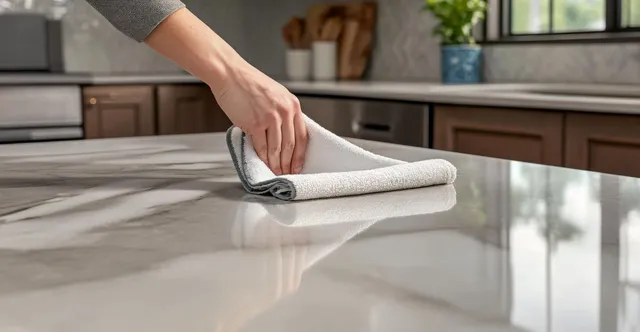
Before sealing, remove everything from your countertop. Wipe away dust and crumbs with a soft cloth so the surface is completely clean.
Next, use a mild soap or granite cleaner and rinse thoroughly. Let the countertop dry completely for at least 30 minutes. Cleaning properly ensures the sealer adheres to the stone evenly and prevents uneven patches. A fully dry surface also reduces the risk of trapped moisture, which can cause bubbling or streaks.
Step 2: Apply the Granite Sealer
Shake the sealer bottle well before starting. Pour a small amount of sealer onto the granite and use a soft sponge or cloth to spread it evenly.
Work in circular motions and make sure to cover edges, corners, and areas around sinks. Applying the sealer carefully ensures full protection without missing any spots. Take your time with tricky areas near edges or cutouts, as these are the most vulnerable to stains and water damage.
Step 3: Wipe Off Excess Sealer
After 10–15 minutes, check your surface and wipe off any extra sealer with a microfiber cloth. Removing excess prevents sticky residue or streaks and keeps the granite smooth and polished. Working in small sections helps avoid uneven drying and makes sure that every part of the countertop gets a clean, finished look.
Step 4: Apply a Second Coat (If Needed)
Some granite surfaces are very porous and may require a second coat. Wait a few minutes after the first coat and apply the second layer the same way.
Ensure the first coat has absorbed fully before adding more. Applying a second coat fills deep pores and strengthens protection, especially on lighter-colored or highly absorbent granite, giving you a longer-lasting seal.
Step 5: Let It Cure Properly
Once all coats are applied, let the granite cure for 24–48 hours. Avoid using the countertop during this time to let the sealer bond fully.
Proper curing prevents stains from penetrating and helps the stone resist spills, heat, and daily wear. Patience during this step ensures your granite remains shiny, smooth, and fully protected for years to come.
Granite Countertop Services in Pensacola
Superior Granite provides professional granite countertop services in Pensacola. This includes:
- Fabrication: Cutting, shaping, and polishing your granite to match your exact design and dimensions.
- Templating: Creating accurate patterns for edges, sink cutouts, and custom details for a perfect fit.
- Installation: Flawless countertop placement with polished edges and a durable finish for kitchens and bathrooms.
- Removal: Safe removal of old granite without damaging cabinets, flooring, or walls.
- Disposal: Eco-friendly disposal of old granite, saving you the hassle of hauling it away.
Hiring professionals ensures your granite stays protected and your home remains safe.
Expert Granite Countertop Services in Pensacola, FL
How to Maintain Sealed Granite Countertops?
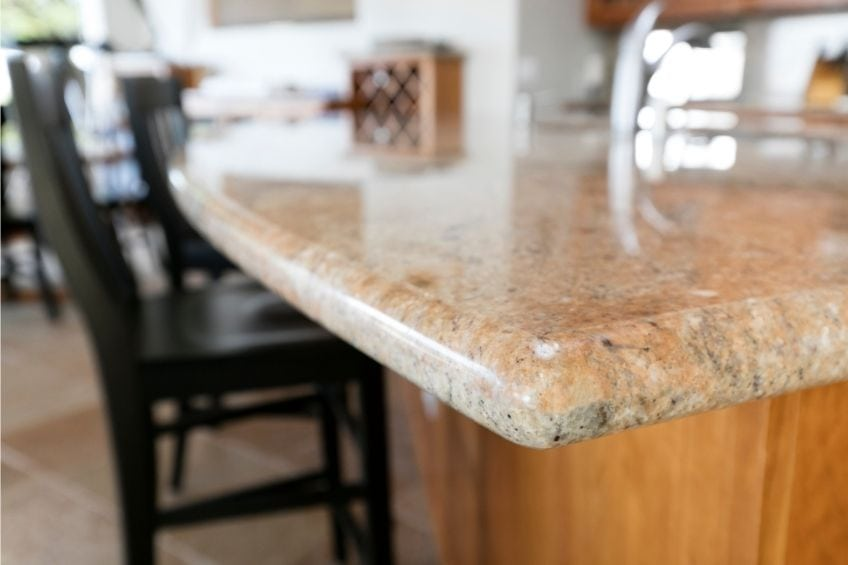
Once sealed, granite is easier to maintain. Simple habits keep it looking new:
- Wipe spills immediately, especially coffee, oil, or acidic substances.
- Use cutting boards and trivets to avoid scratches and heat damage.
- Clean with mild, pH-neutral soap or stone cleaner.
- Dry surfaces after cleaning.
- Test yearly with the water test to check seal strength.
Following these tips regularly helps you seal granite countertops effectively and keep them beautiful for years.
Quick Sealing Tips & Tools Summary
| Step | Tool/Material Needed | Tip |
| Clean | Cloth, mild cleaner | Let the surface dry completely |
| Apply Sealer | Sponge/Cloth, Granite Sealer | Cover corners & edges |
| Wipe Excess | Microfiber Cloth | Avoid sticky residue |
| Second Coat | Sealer, Cloth | Only for porous granite |
| Cure | None | 24–48 hours, avoid use |
Common Mistakes to Avoid When Sealing Your Countertops
Sealing granite countertops is simple, but small mistakes can ruin the protection and appearance of your stone. Be careful to follow proper steps to keep your countertops looking beautiful and lasting longer.
- Sealing a dirty countertop: Always clean the surface thoroughly before applying sealer.
- Using too much sealer: Excess sealer can create sticky residue or hazy streaks.
- Cleaning with acidic products after sealing: Avoid vinegar, lemon, or bleach, which can damage the seal.
- Skipping sealing for porous granite: Some granites absorb liquids quickly, so skipping sealing leads to stains.
Avoiding these mistakes ensures your granite stays beautiful, protected, and stain-free for years to come.
How Often to Reseal Granite Countertops?
The frequency of resealing granite countertops depends on the type of granite and how much the surface is used. Kitchens with heavy cooking or bathrooms that get frequent use may need more attention than guest spaces.
A simple way to know when to reseal is the water test. Usually, most granite surfaces need resealing 1–2 times per year, but checking regularly ensures your countertops stay protected and stain-free.
Conclusion
Sealing granite countertops is an essential step to protect your investment and keep your surfaces looking beautiful for years. By following the right steps, cleaning thoroughly, applying a quality sealer, wiping off excess, and allowing proper curing, you ensure your granite remains durable, stain-resistant, and easy to maintain. Performing the water test regularly helps you know exactly when resealing is needed and prevents unnecessary work or damage.
Hiring professional services in Pensacola for granite fabrication, templating, installation, removal, and disposal ensures a perfect fit and long-lasting finish. With proper care, regular sealing, and maintenance, your granite countertops will continue to enhance the beauty and value of your home while providing a safe and functional surface for daily use.
Granite Countertop Installation: Customer Experience
Hi, I’m Jason Miller from Pensacola, FL. When we were renovating our kitchen, we wanted granite countertops that fit perfectly and looked amazing. The team at Superior Granite handled the entire installation process professionally, from templating to polishing the edges. They made sure everything was precise, durable, and ready for daily use.
Ready to upgrade your kitchen or bathroom with perfectly installed granite countertops? Contact Superior Granite in Pensacola today for professional installation and expert advice. Your dream countertop is just a call or click away!
Pensacola, FL
Visit Us: 7011 Pine Forest Road, Pensacola, FL 32526
Call Us: (850) 941-0270
Hours: Monday – Friday: 8 a.m. – 5 p.m., Saturday: 9 a.m. – 2 p.m.
Pace, FL
Visit Us: 4590 Jernigan Road, Pace, Florida 32571
Call Us: (850) 994-1872
Hours: Tuesday – Friday: 9 a.m. – 5 p.m., Saturday: 9 a.m. – 2 p.m.
Fort Walton Beach, FL
Visit Us: 35 Miracle Strip Pkwy SW, Fort Walton Beach, Florida 32548
Call Us: (850) 301-0716
Hours: Tuesday – Friday: 8 a.m. – 5 p.m., Saturday: 9 a.m. – 2 p.m.
Get quotes now and start your project!
FAQs
1. How do I know if my granite needs sealing?
Perform the water test by placing a small puddle on your countertop. If the water beads up, the granite is still sealed. If it soaks in or darkens the stone, it’s time to reseal. This simple test prevents unnecessary sealing.
2. How often should I seal granite countertops?
Most granite surfaces need resealing 1–2 times per year, depending on usage and type. Heavy-use kitchens or bathrooms may require more frequent attention. Checking regularly keeps your countertops protected.
3. Can I use any sealer on my granite?
No. Always use a granite-specific penetrating sealer. Water-based sealers are safe for home use, while solvent-based sealers penetrate deeper for denser granite surfaces. Choosing the right sealer ensures proper protection.
4. How long does granite sealer take to cure?
After application, allow the sealer 24–48 hours to fully cure. Avoid using the countertop during this time to ensure it bonds properly. Proper curing keeps your granite protected and shiny.
5. Can I seal granite myself or hire a professional?
DIY sealing works for small areas, but professionals ensure even coverage, proper templating, and correct fabrication. Hiring experts guarantees a long-lasting, flawless countertop finish.
6. What happens if I apply too much sealer?
Applying too much sealer can create sticky residue or cloudy streaks. Always wipe off the excess before it dries. Proper application gives a smooth, polished, and even finish.
7. Will sealing change the color of my granite?
Enhancing sealers may slightly darken or enrich the granite’s natural patterns. Non-enhancing sealers maintain the original color. Choose the type of sealer based on your preferred look.
8. Does all granite need sealing?
Not all granite requires sealing. Dense, naturally resistant stones may repel water on their own. Performing the water test helps determine if sealing is necessary.
9. Can sealing prevent stains completely?
Sealing helps resist most stains but does not make granite completely stain-proof. Promptly clean spills, especially oil or acidic liquids, to maintain your countertop’s beauty.
10. How do I maintain sealed granite countertops?
Use pH-neutral cleaners and wipe spills immediately. Avoid abrasive scrubbing and test your countertop yearly with the water test. Regular care prolongs the life of your seal and keeps granite looking new.