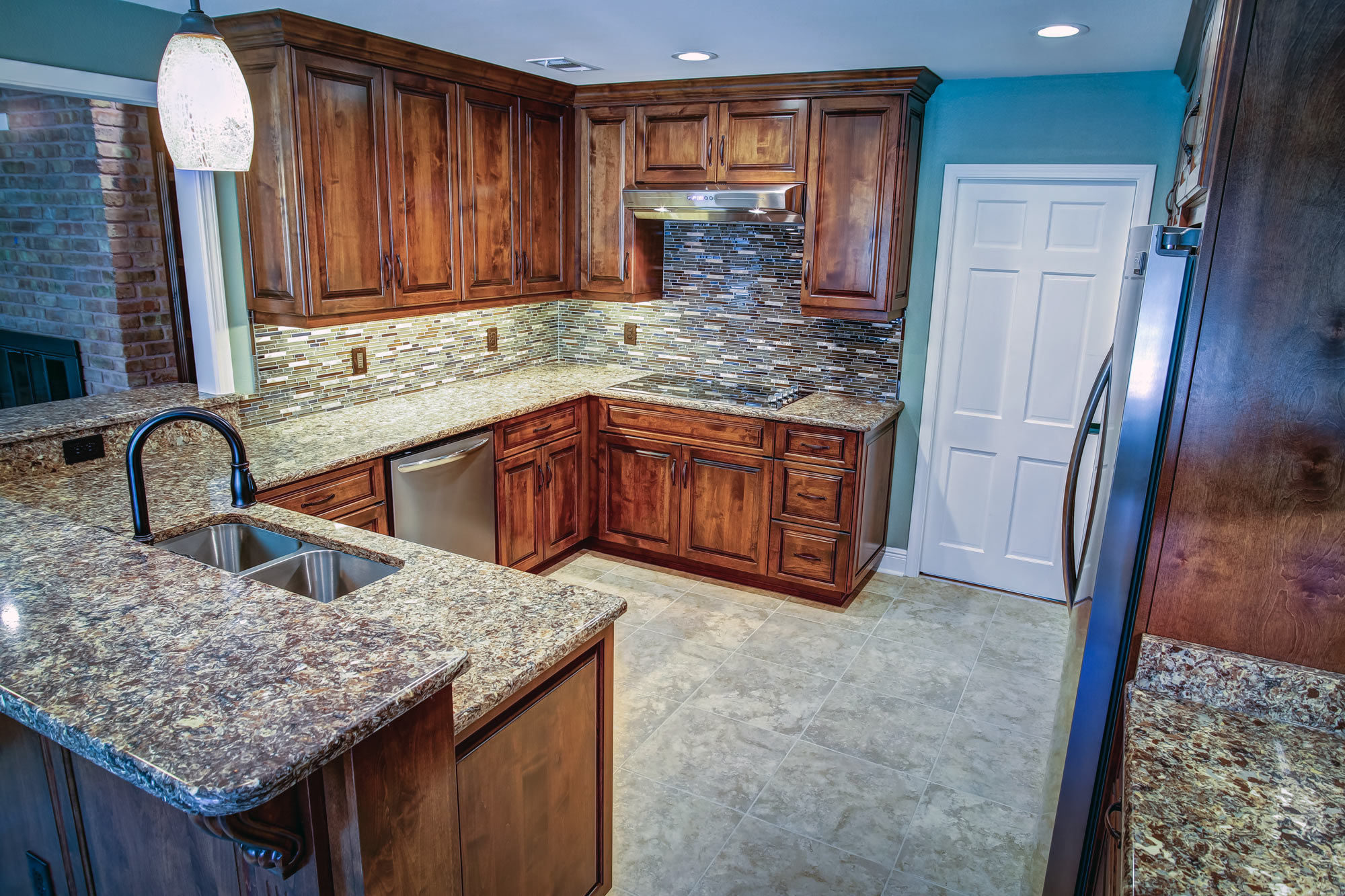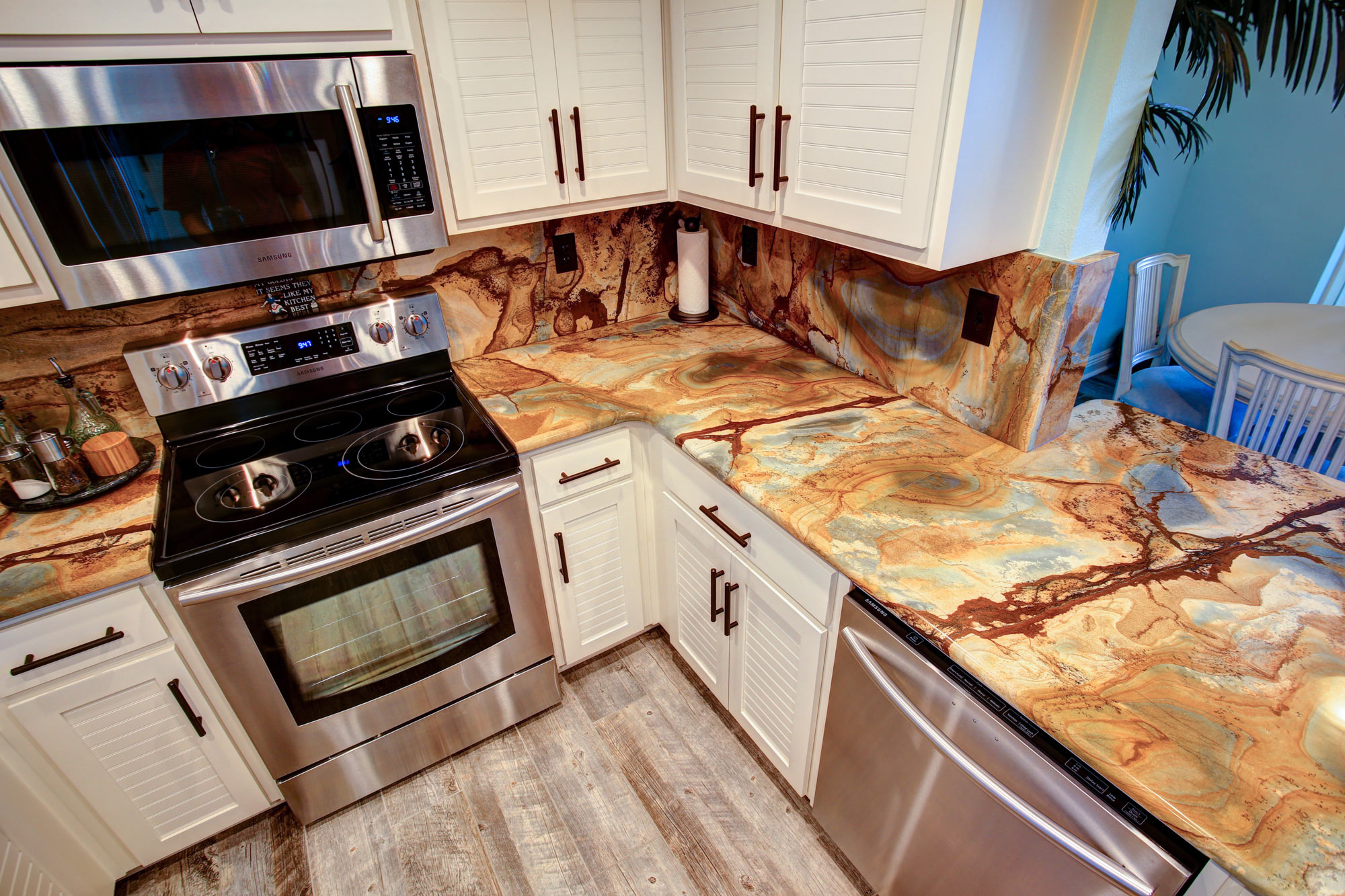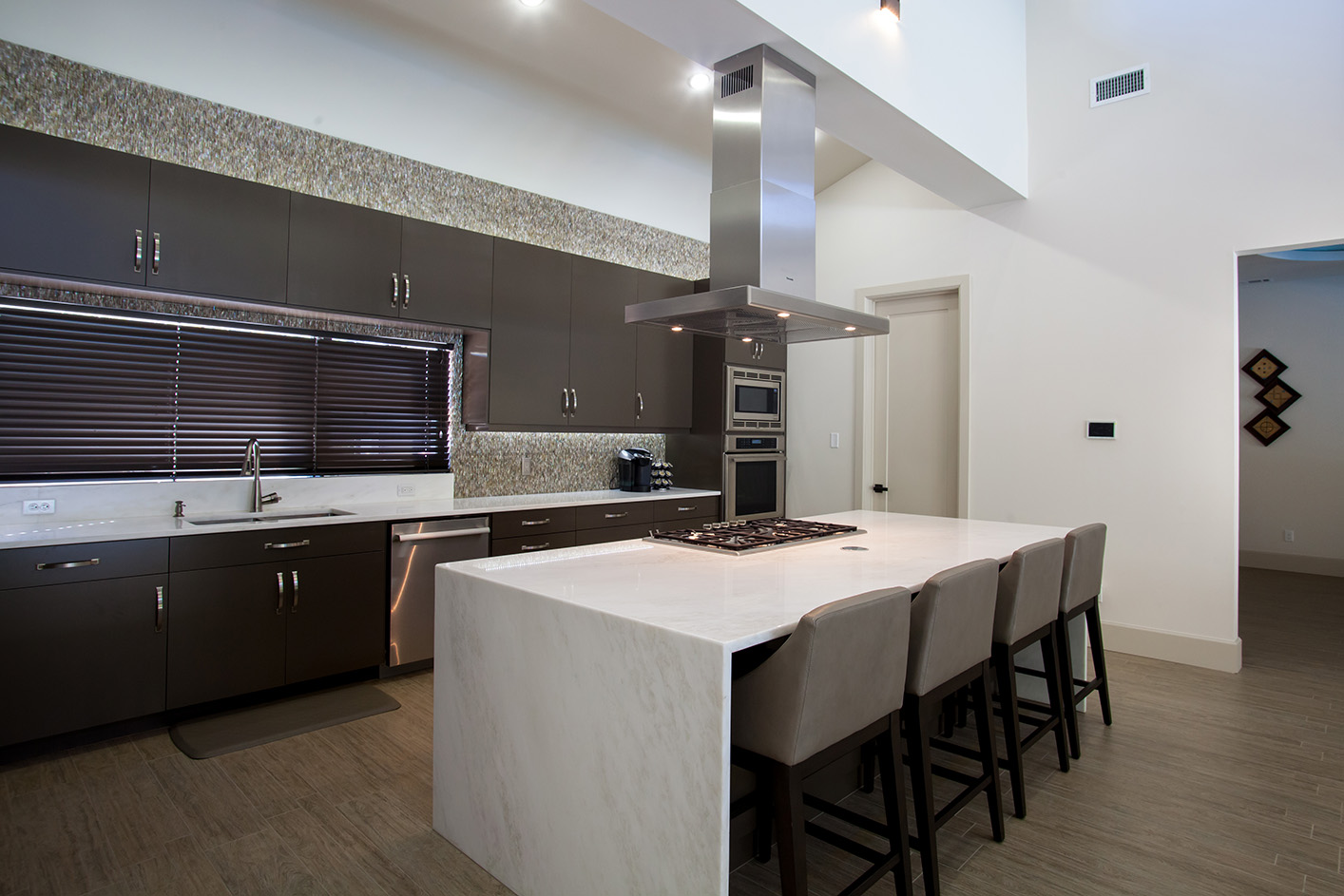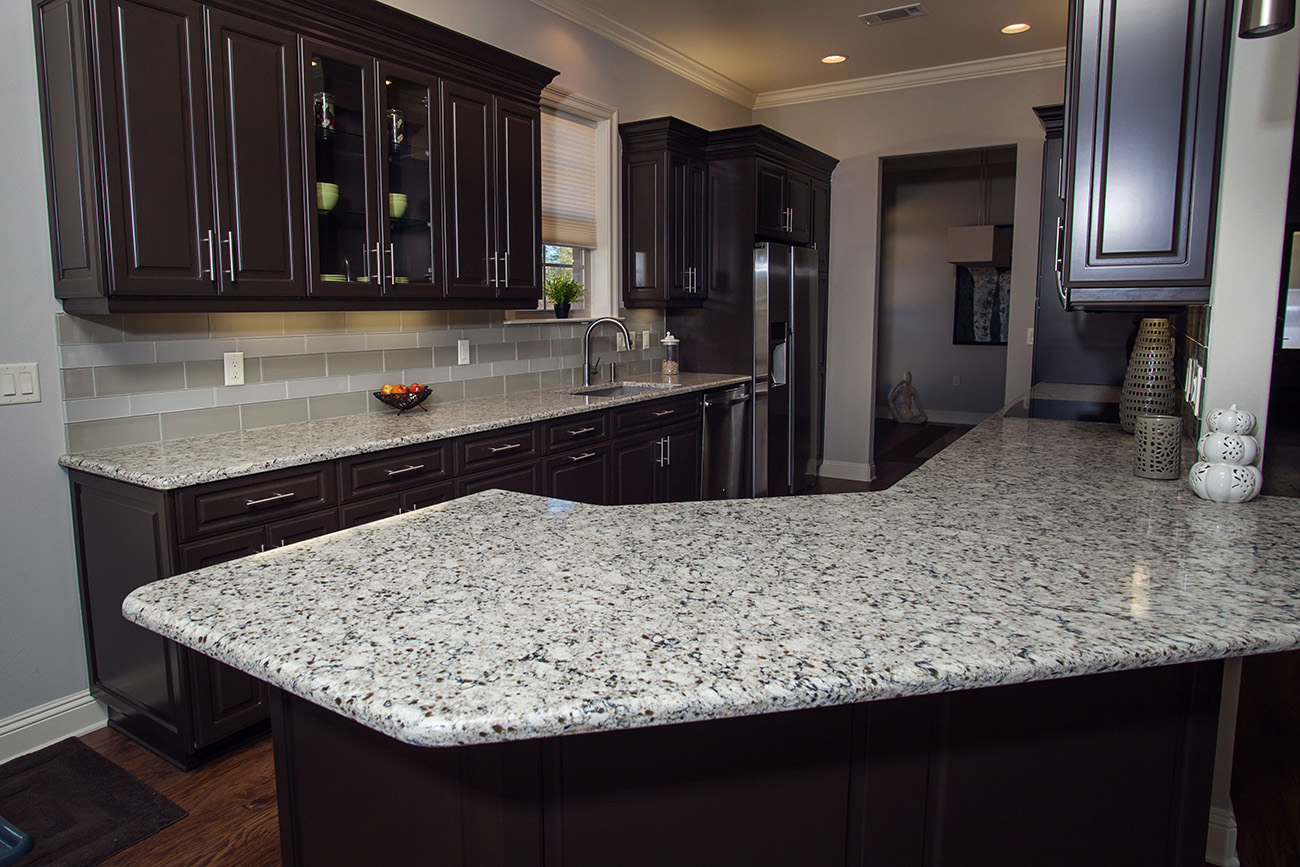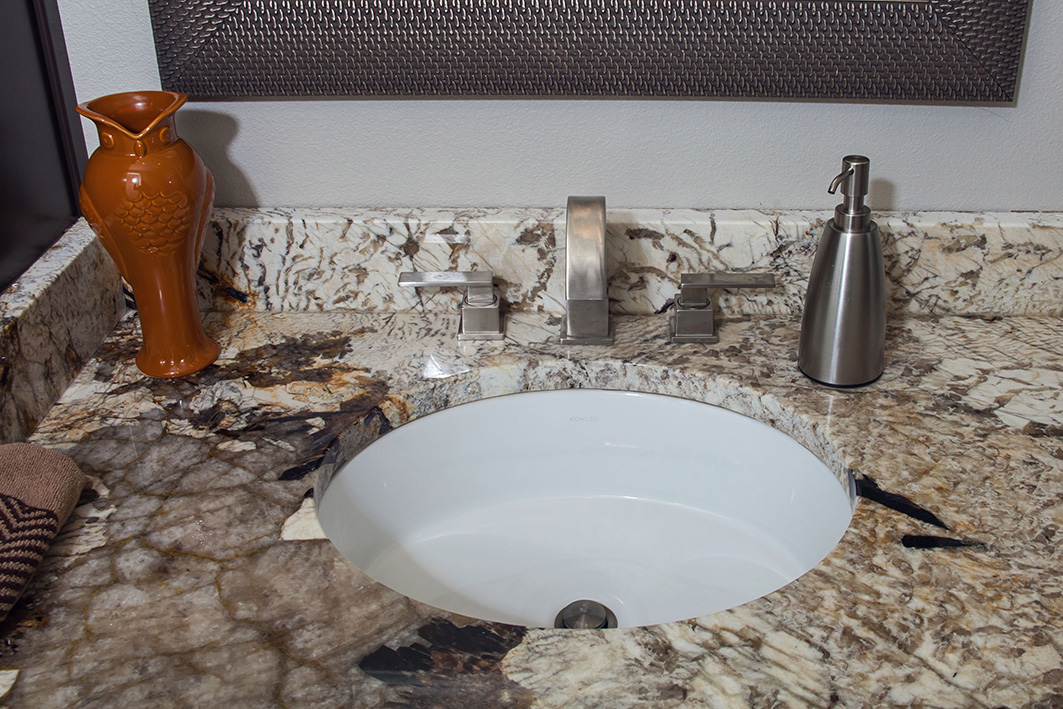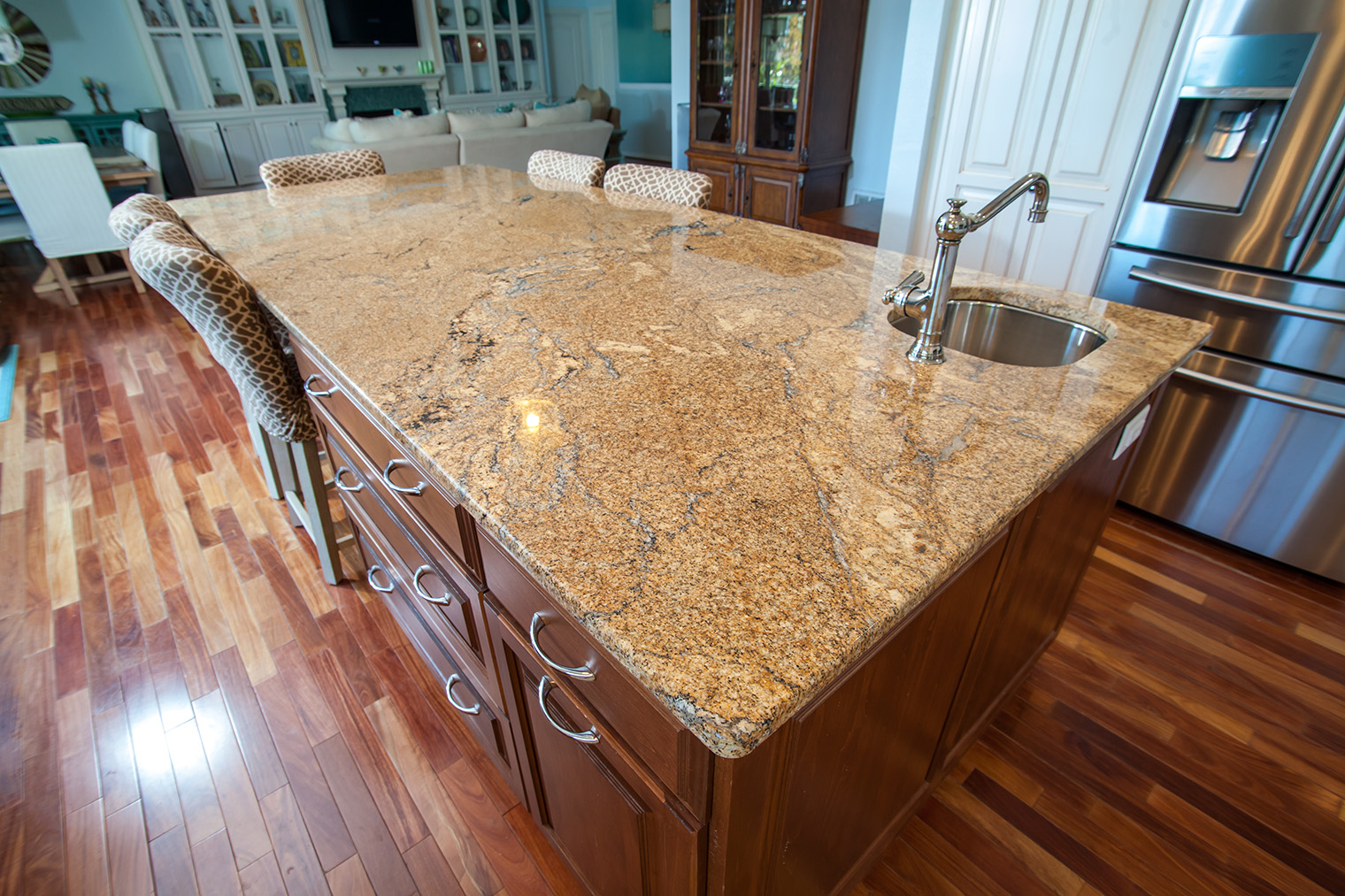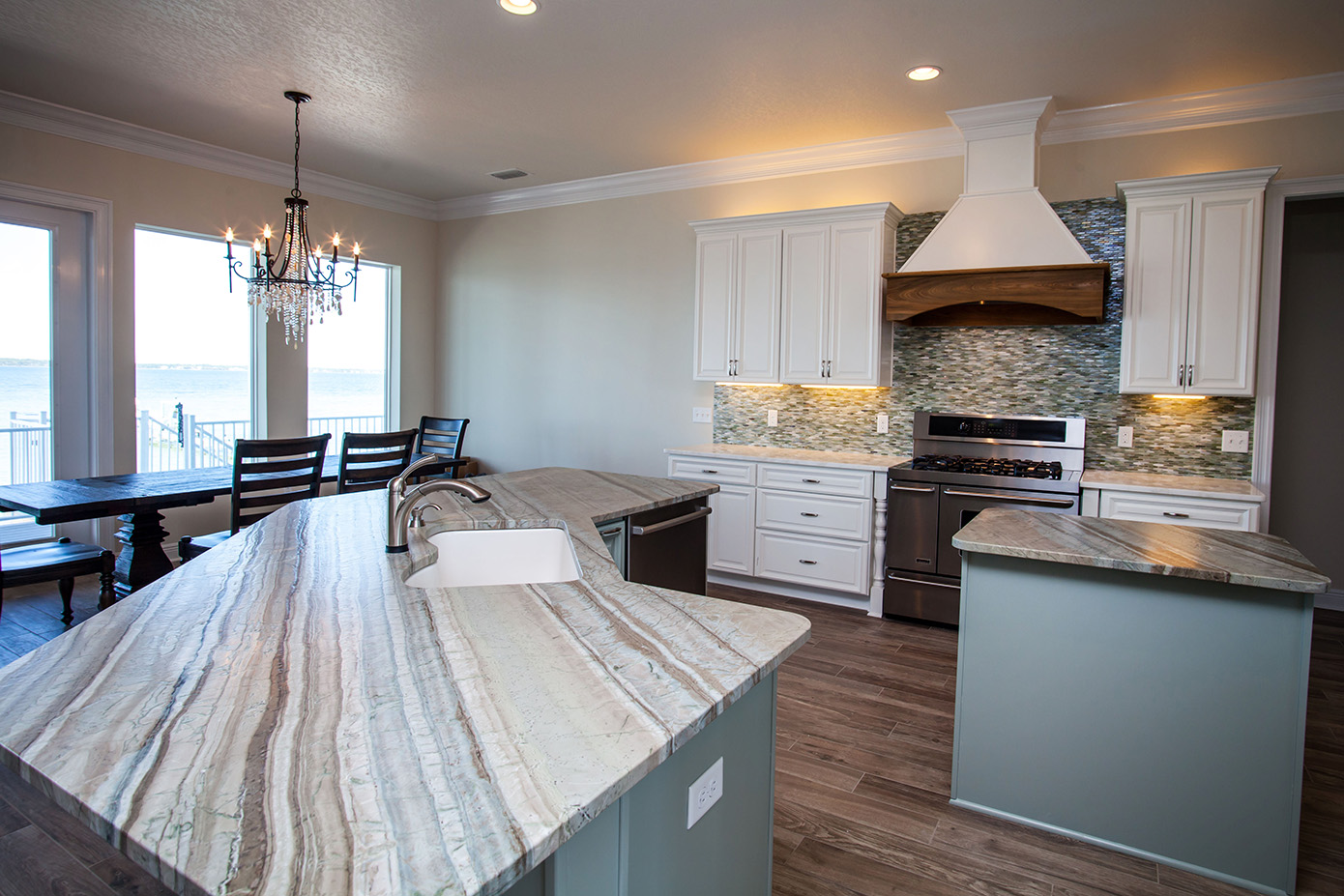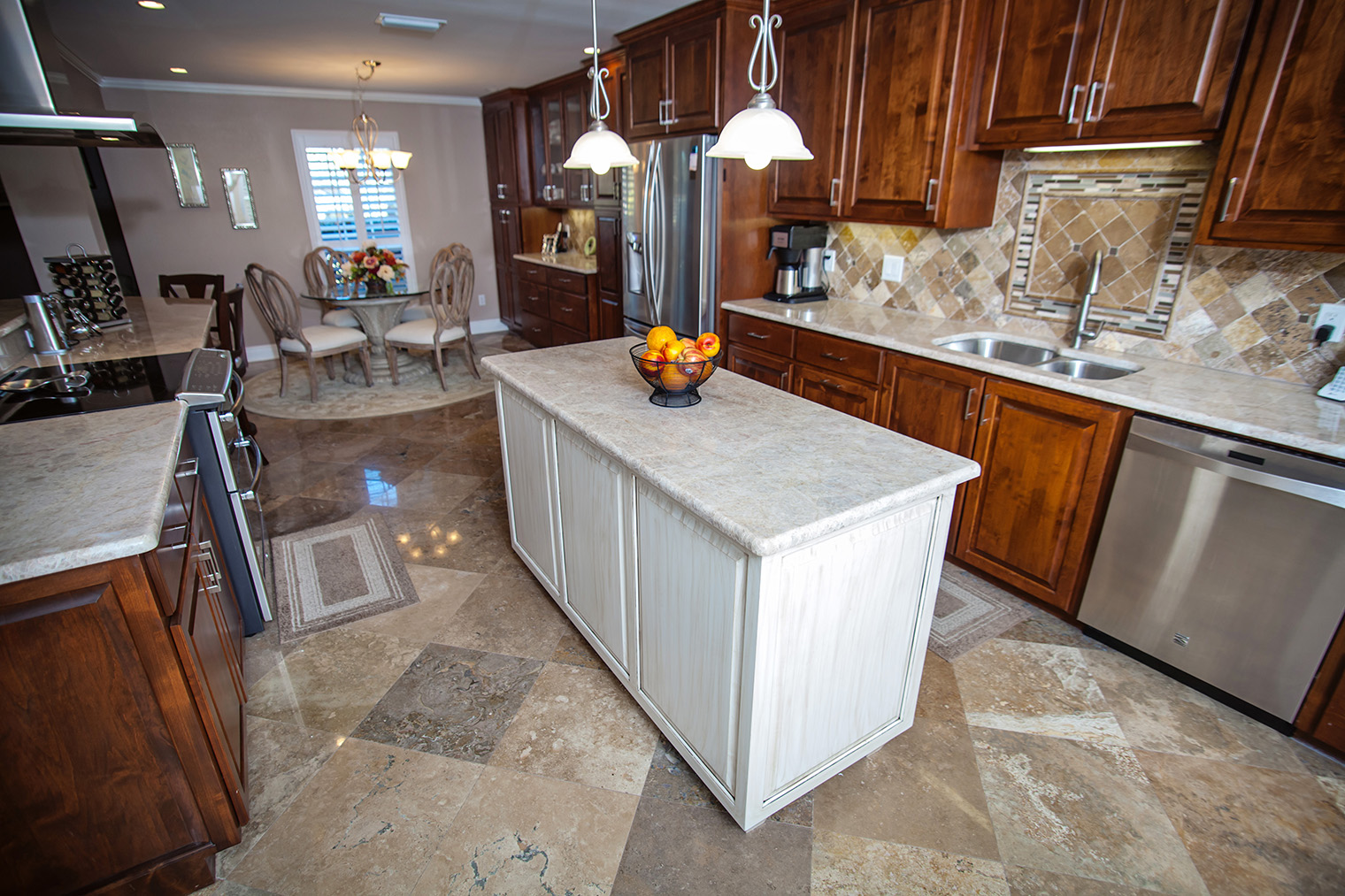
Choosing between quartz vs. granite countertops can be a daunting task for homeowners, especially in vibrant areas like Pensacola, FL. Both materials offer unique benefits and aesthetic appeal, but understanding their differences is crucial for making the right decision for your home. Here’s a comprehensive guide to help you weigh your options.
Composition and Appearance
Granite: Natural Elegance
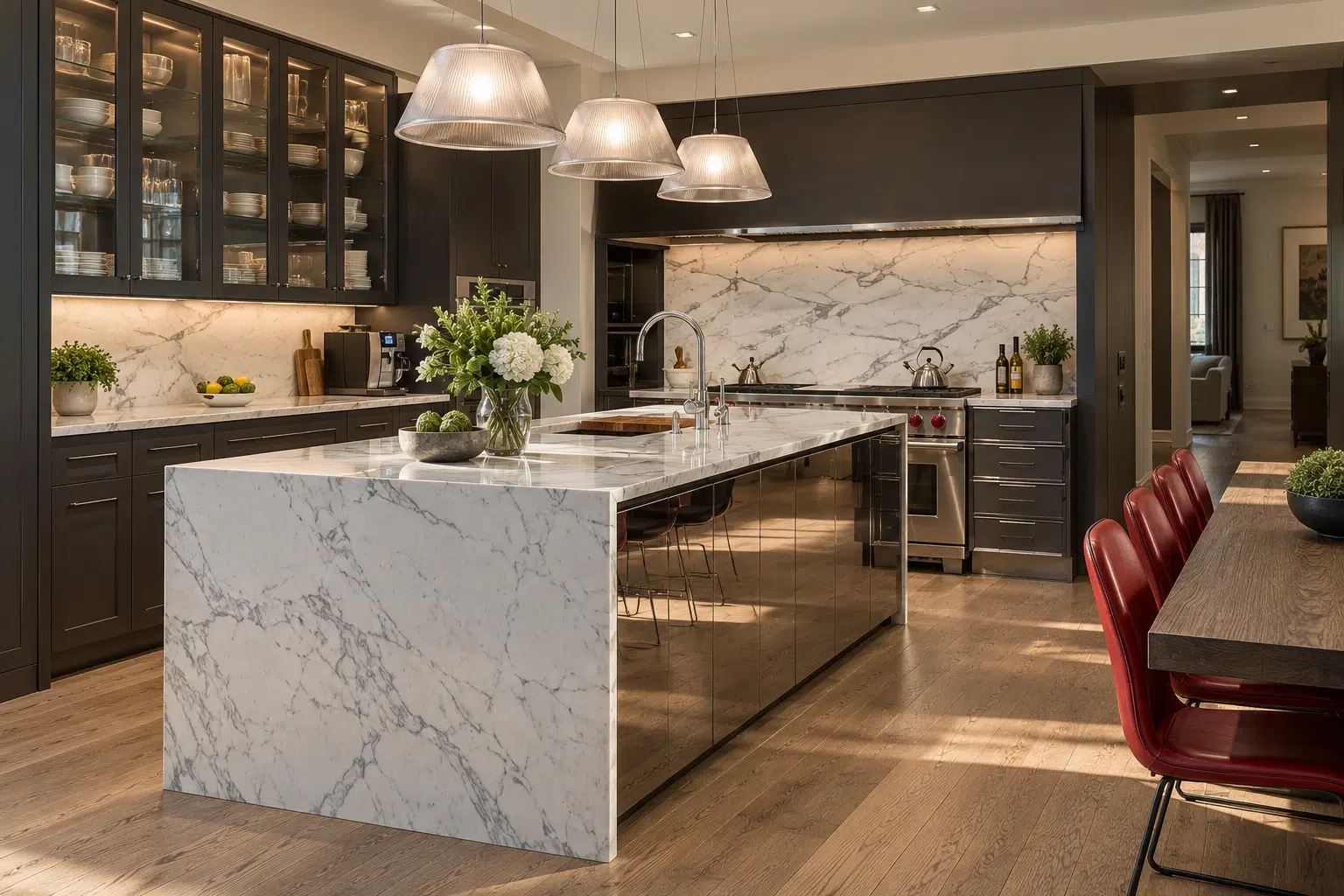
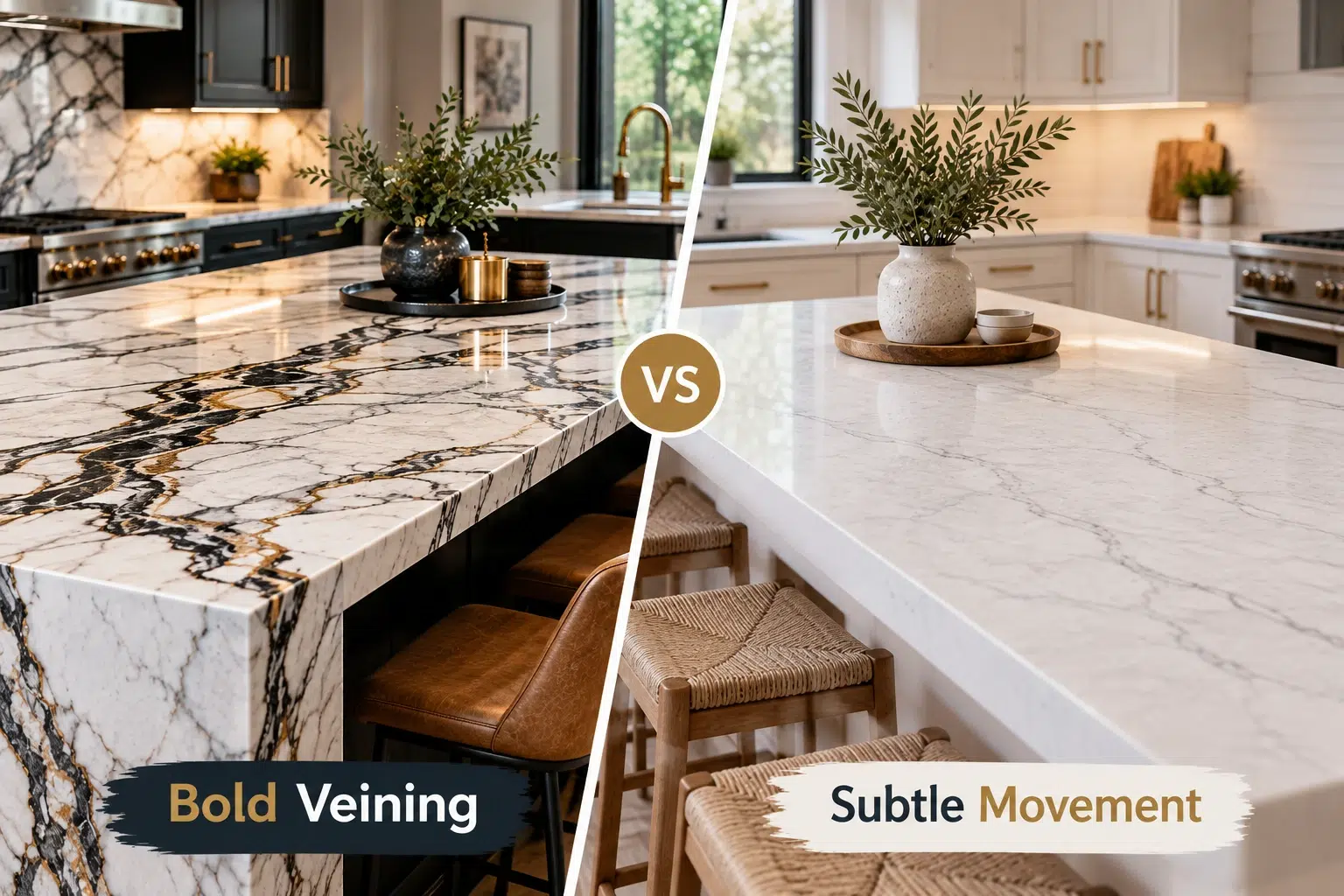
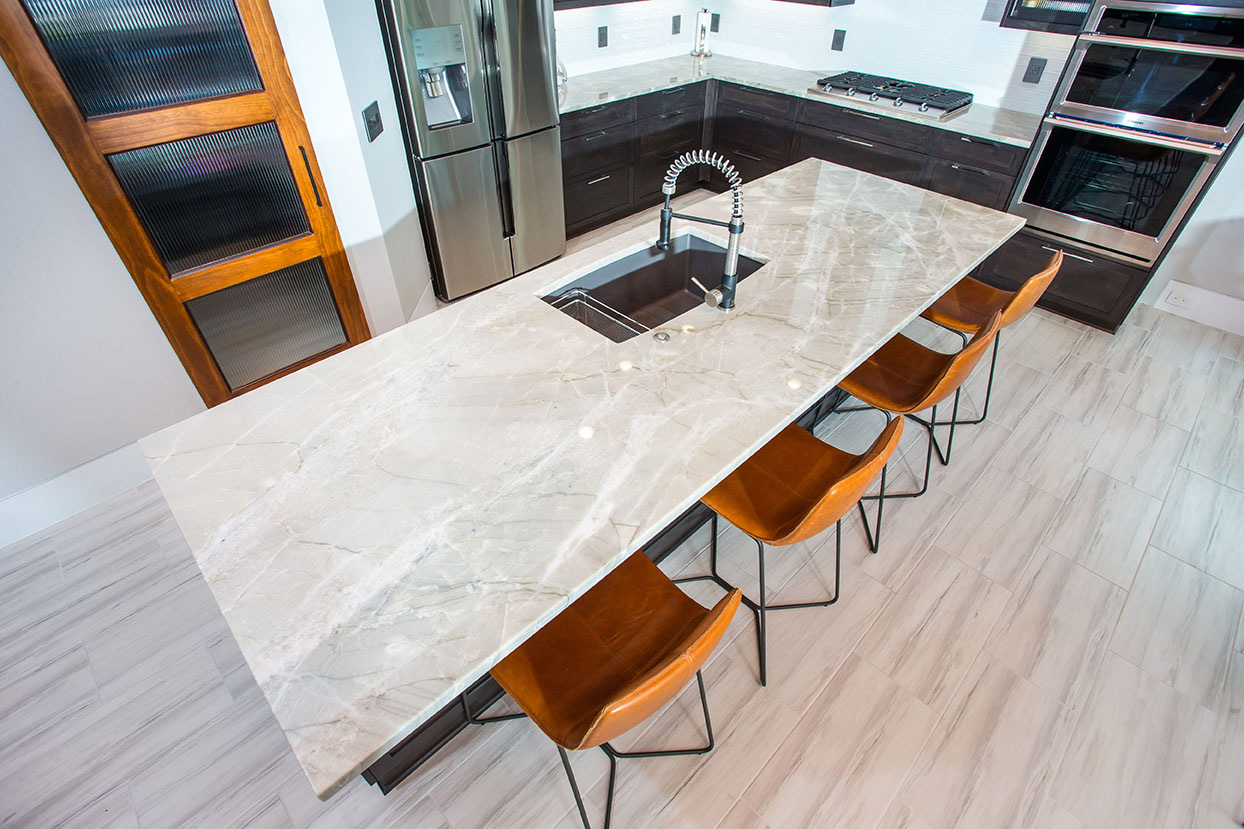
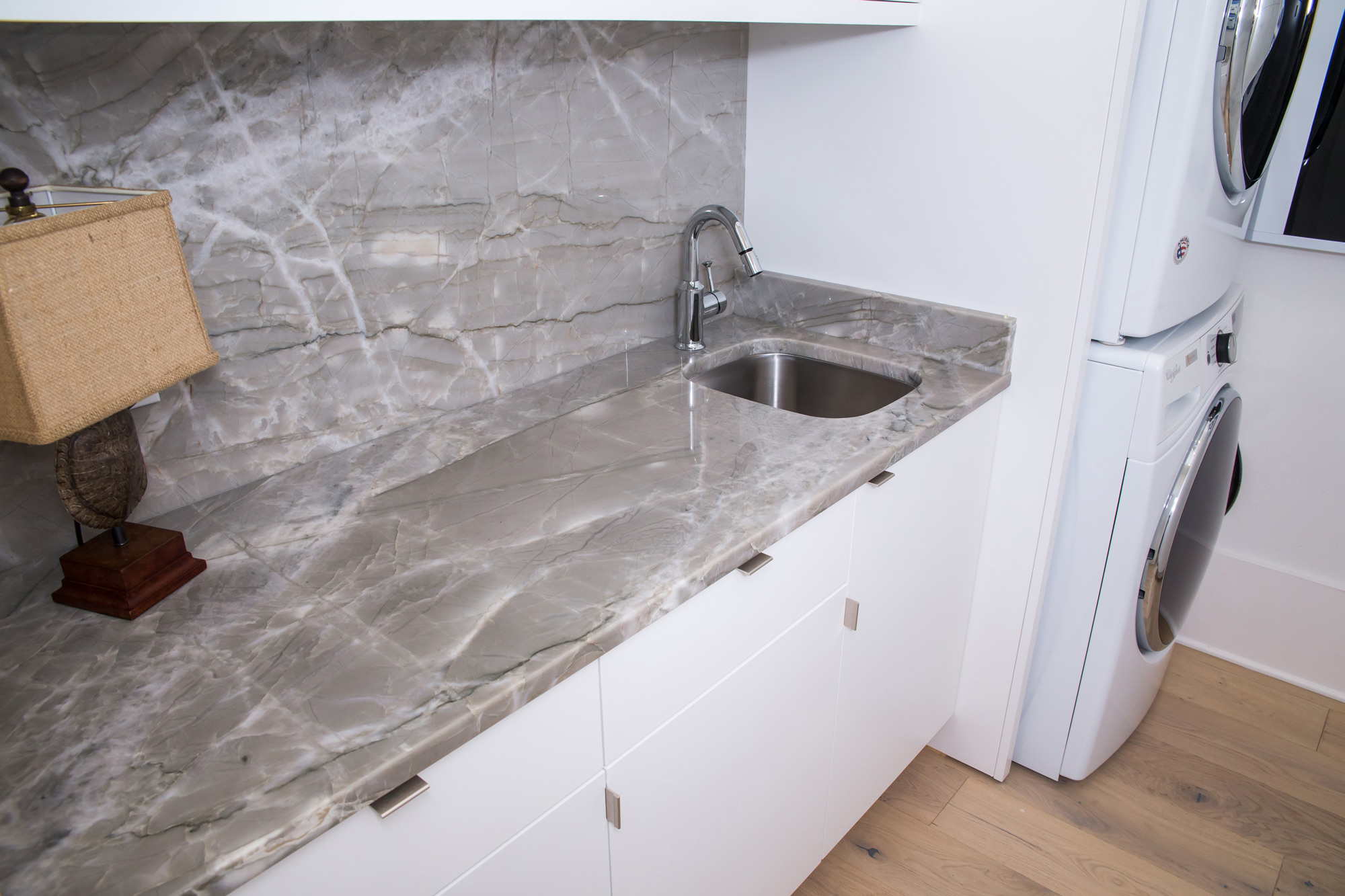
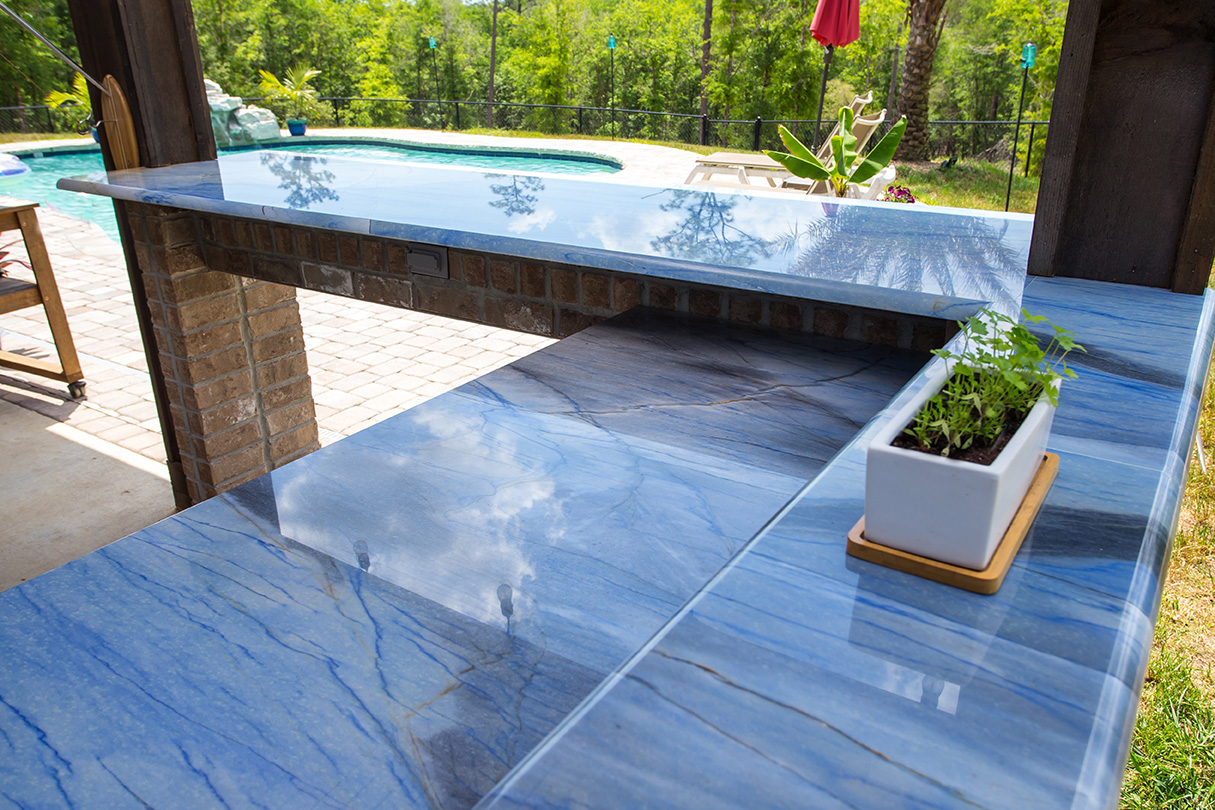
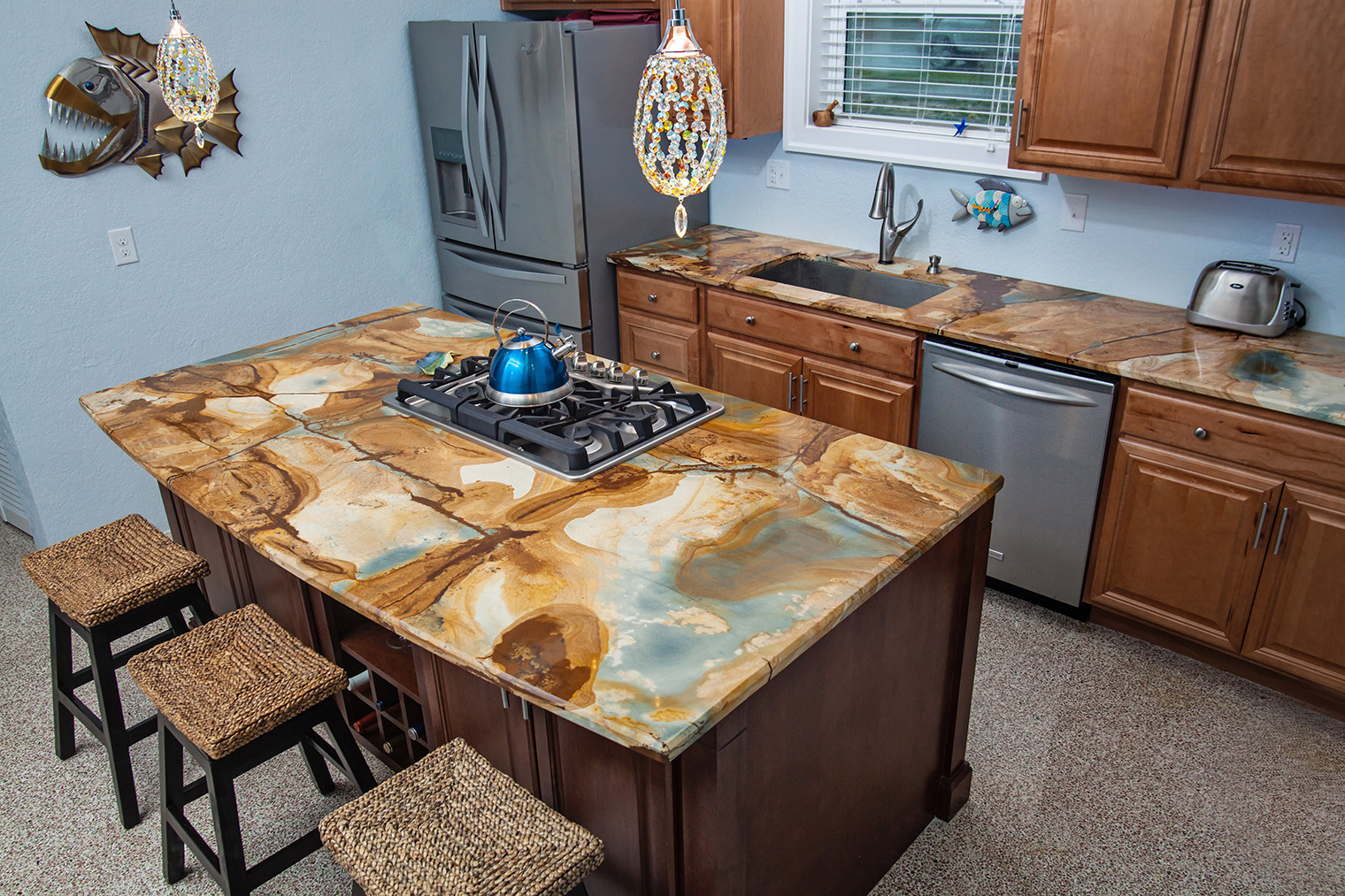
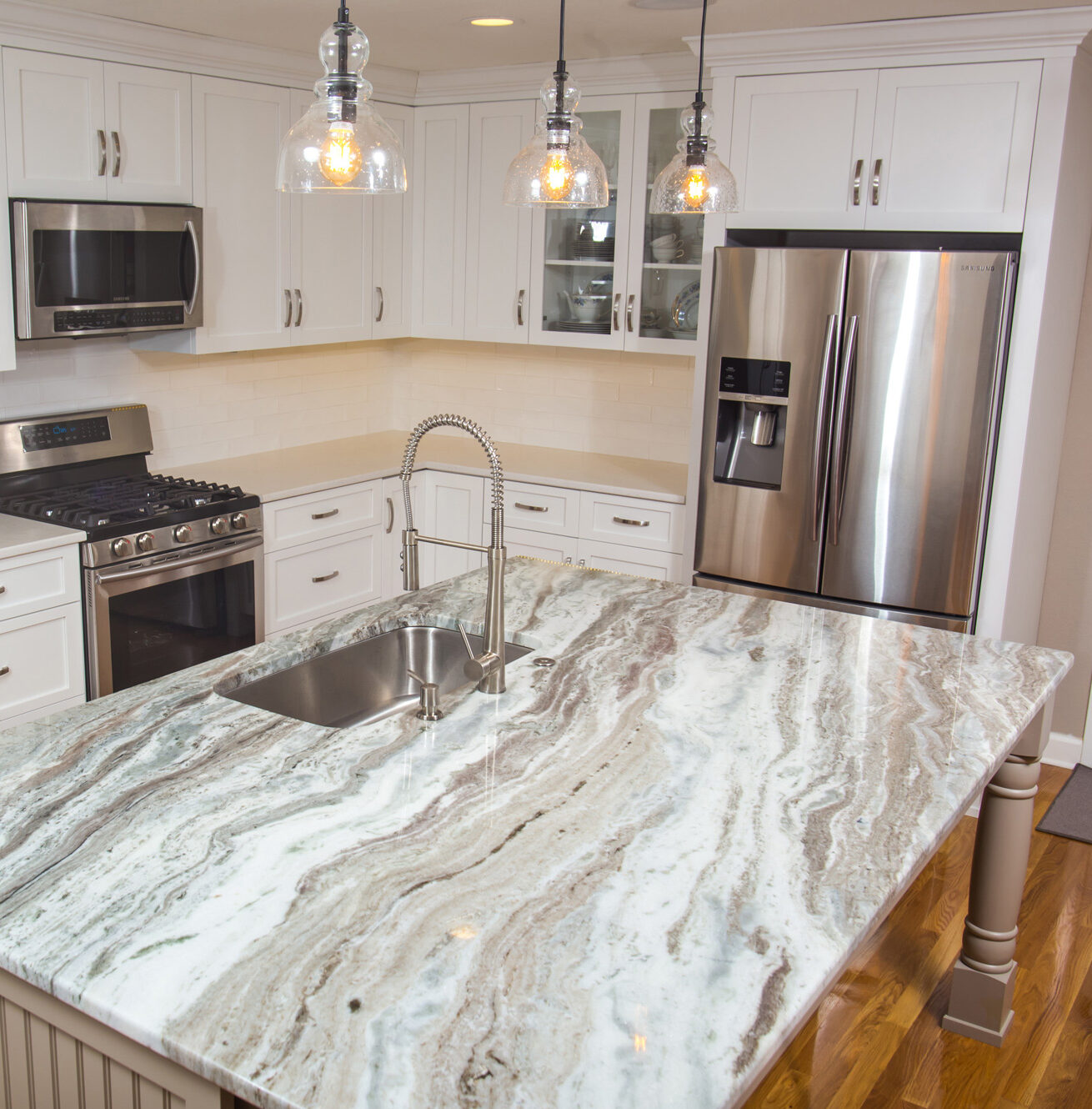
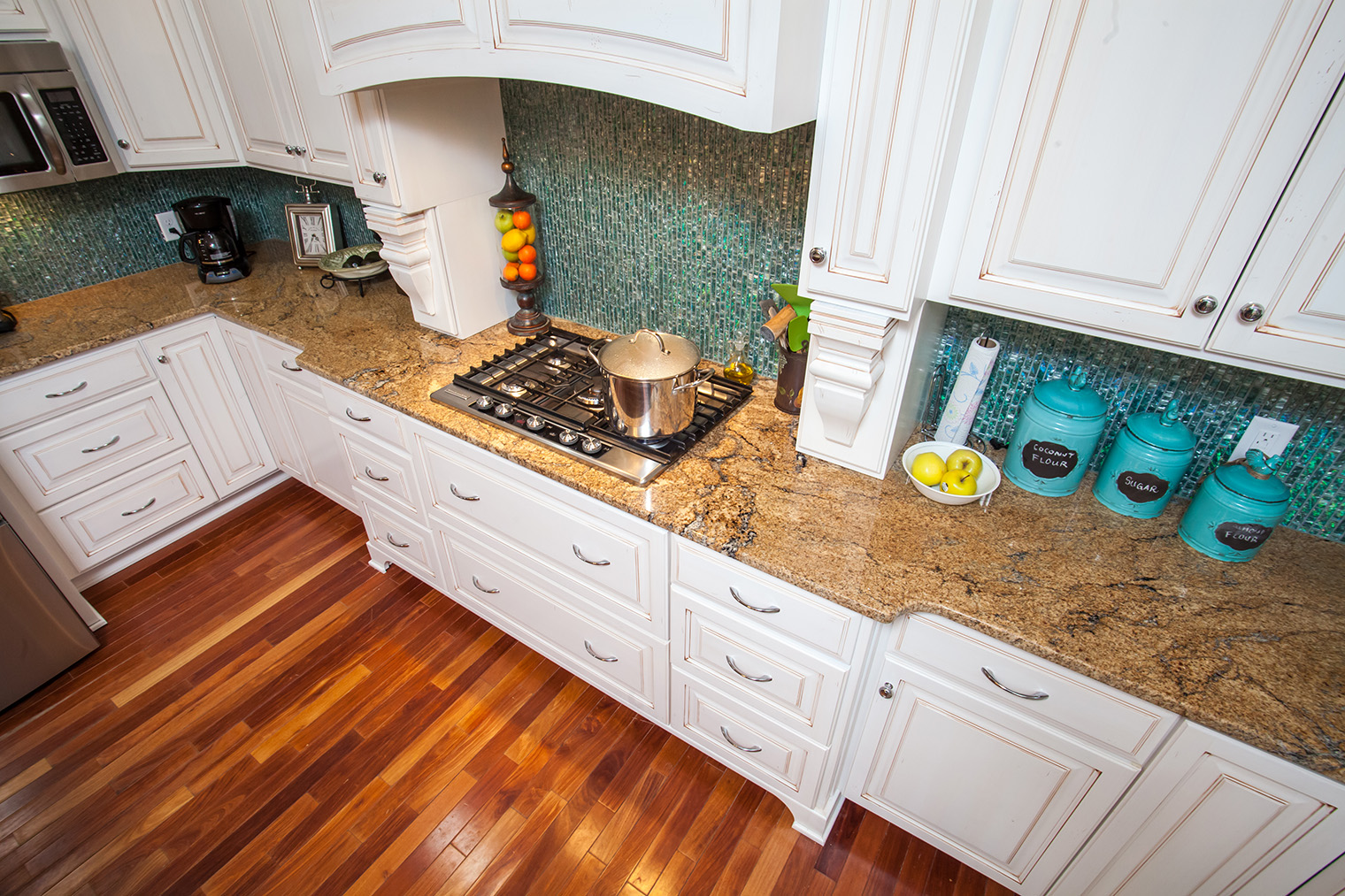
Granite is a natural stone formed from cooled molten rock, making each slab unique with its own patterns and colors. This igneous rock typically contains quartz, feldspar, and mica, giving it a rich texture and depth. Homeowners often appreciate the natural beauty of granite, which can add a sophisticated touch to kitchens and bathrooms.
Quartz: Engineered Versatility
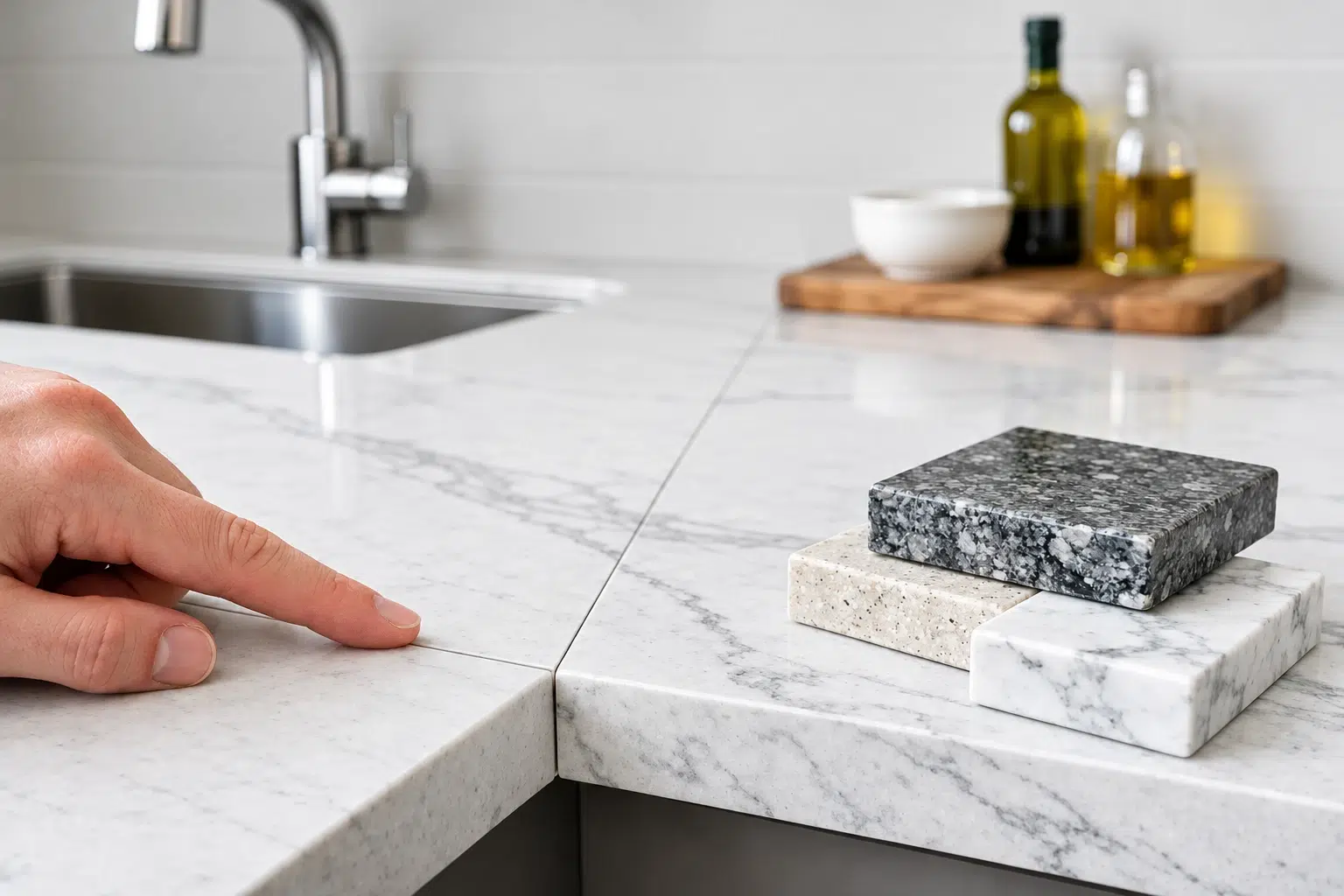
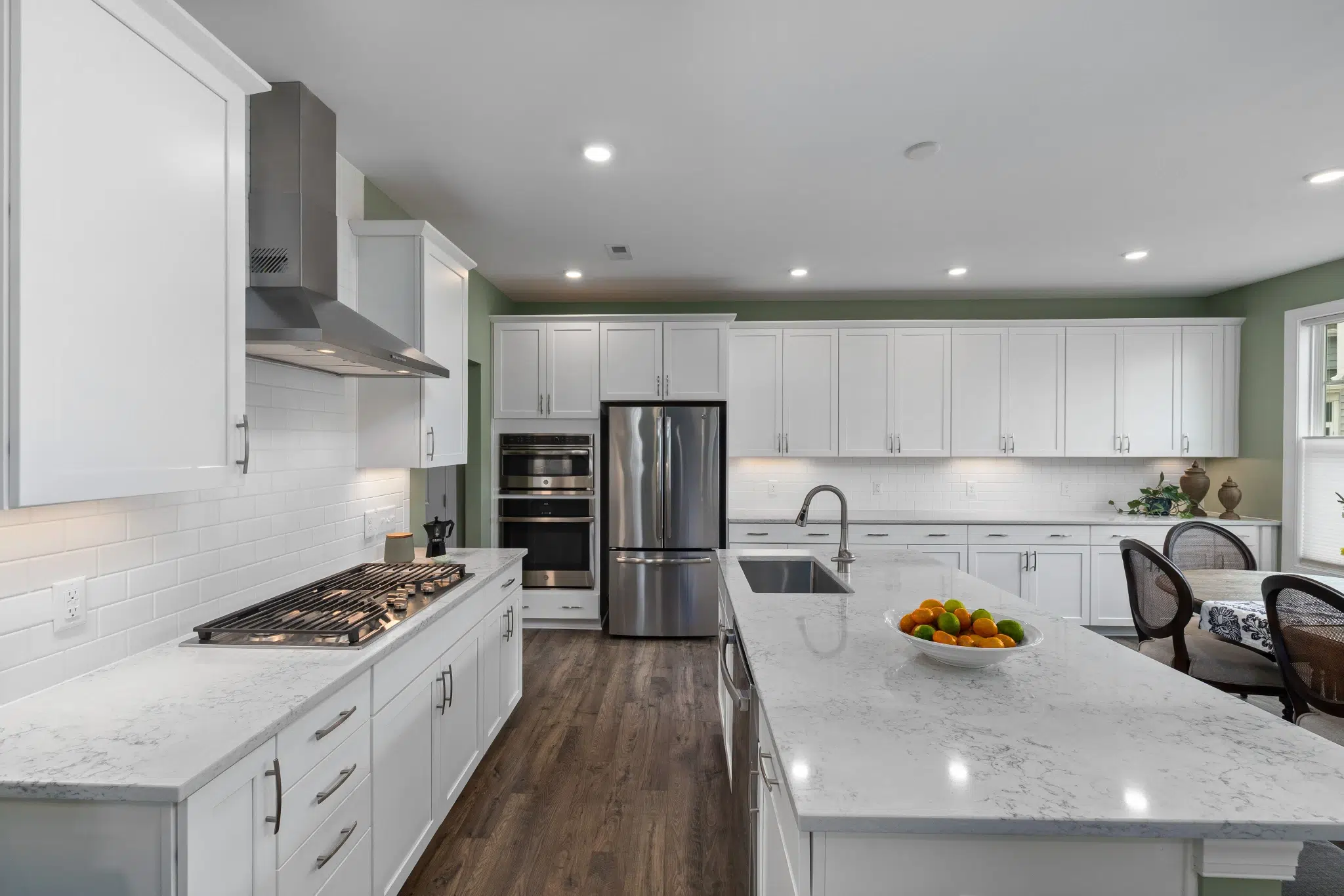
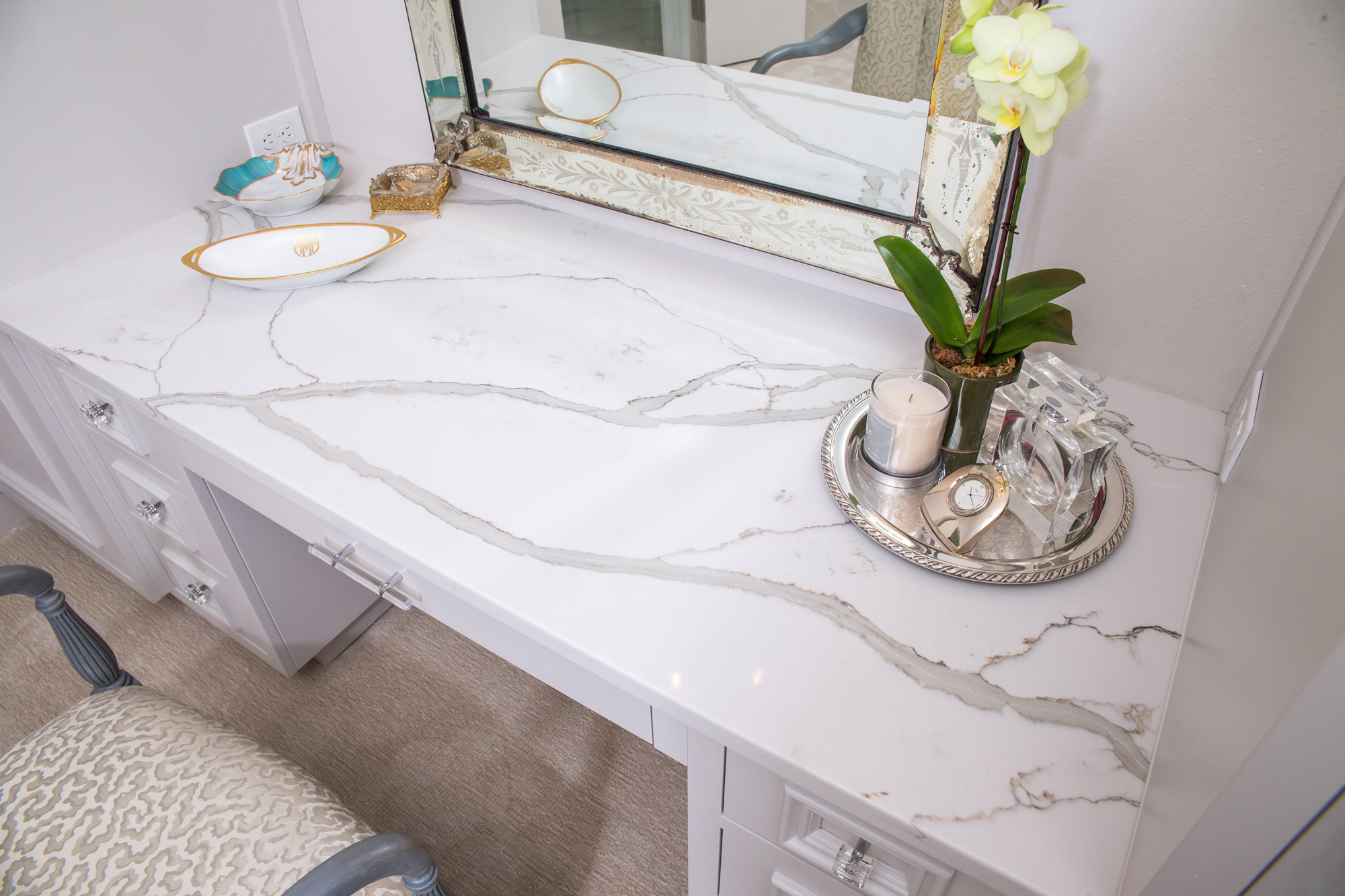
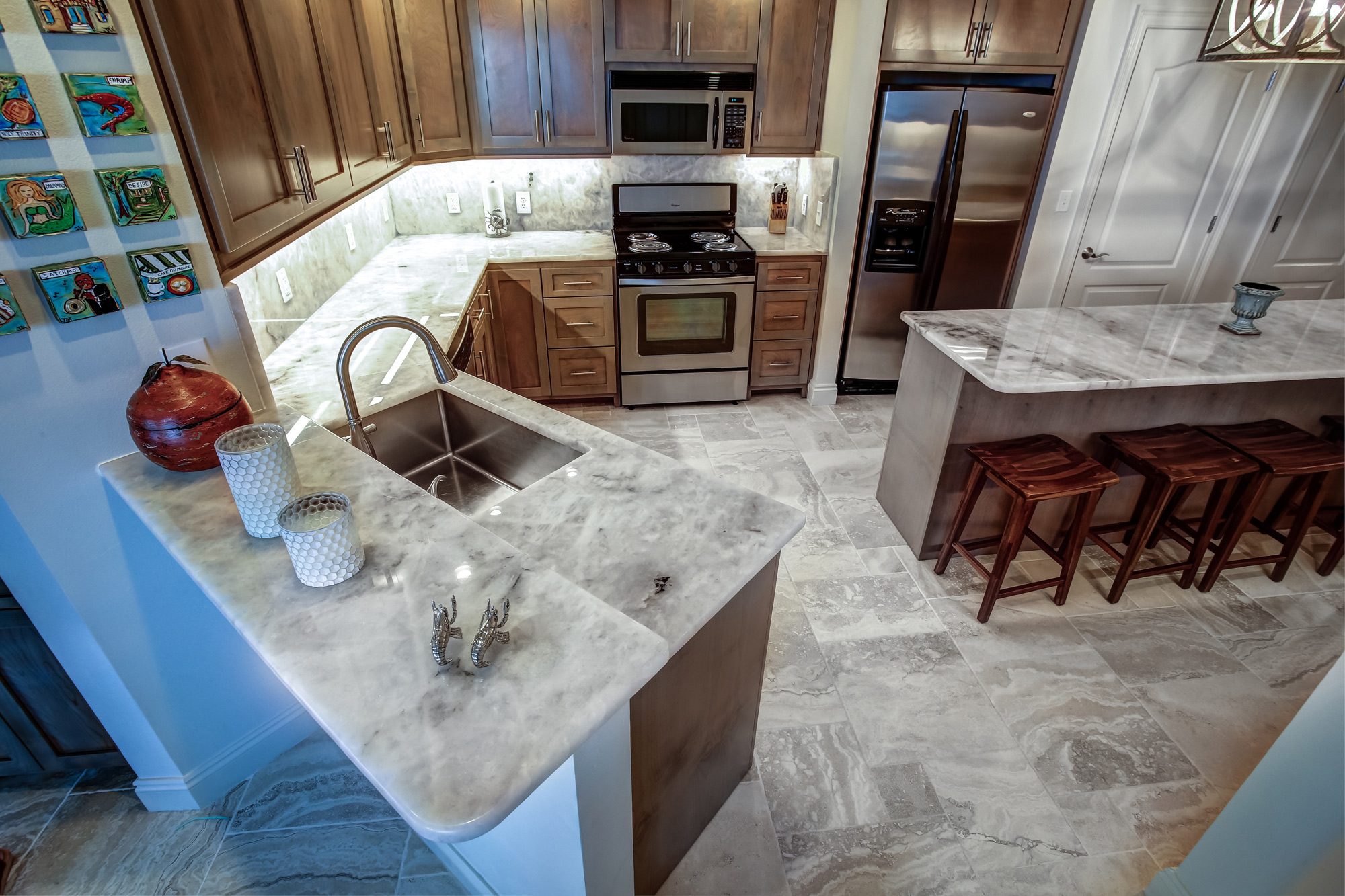
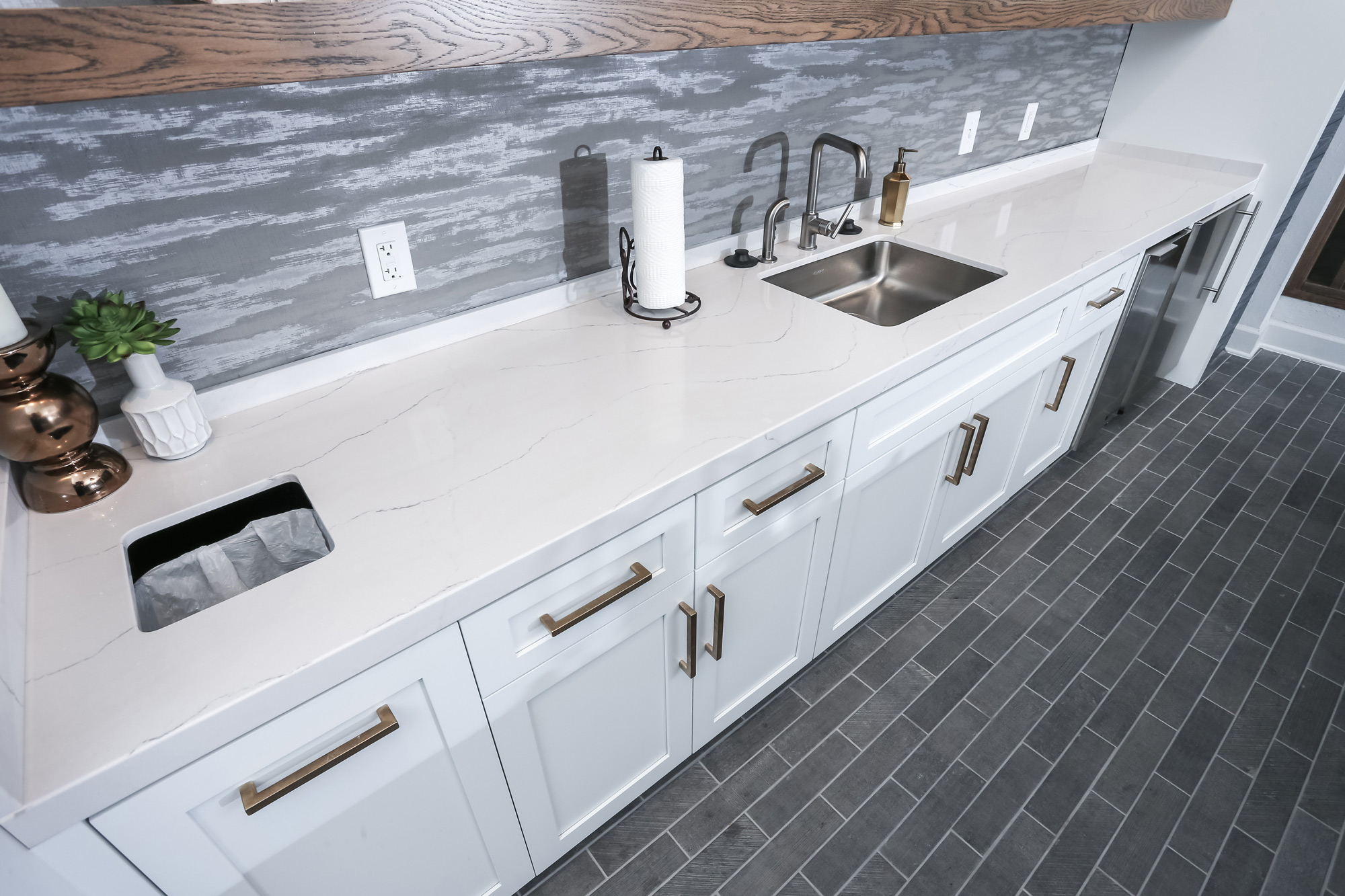
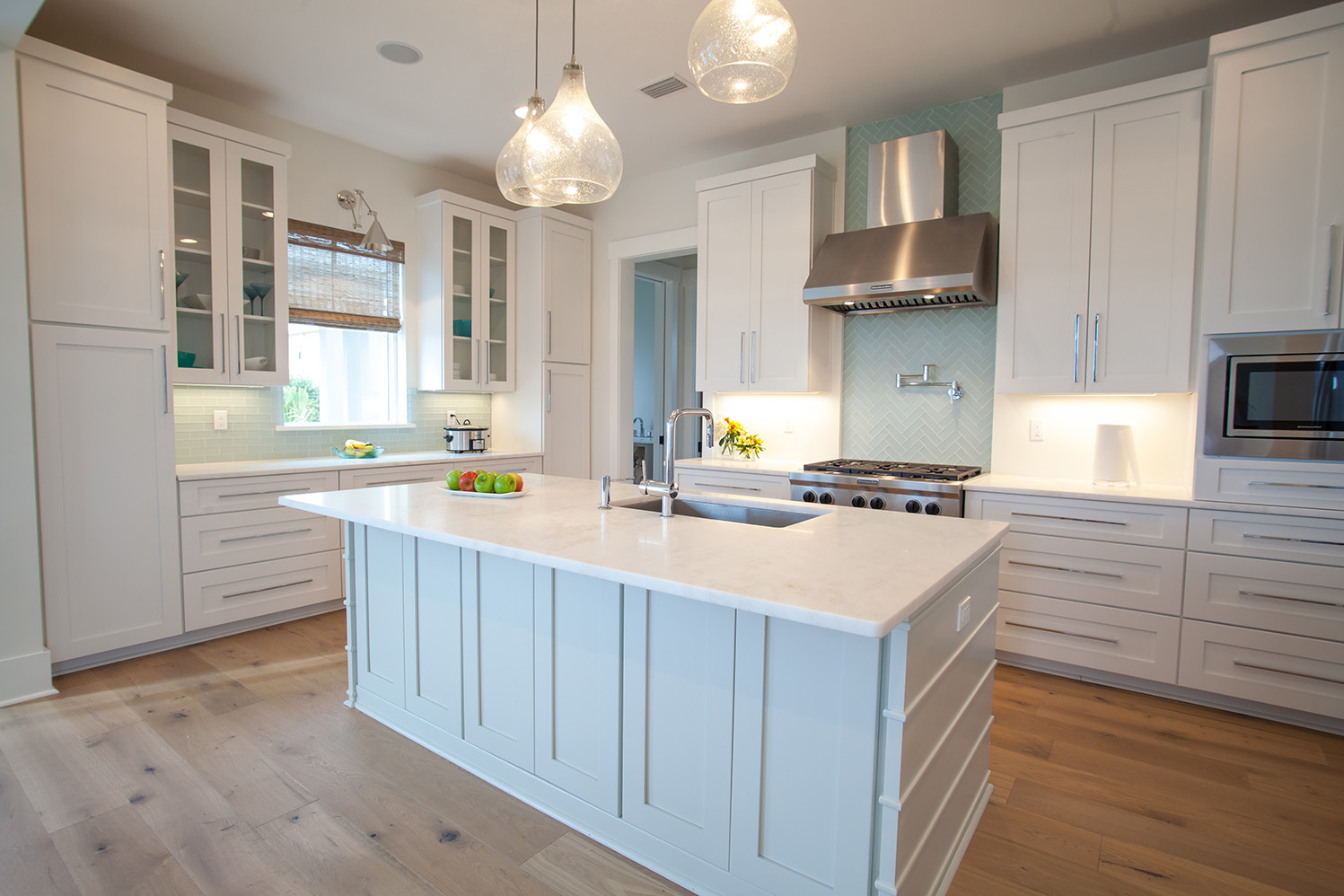
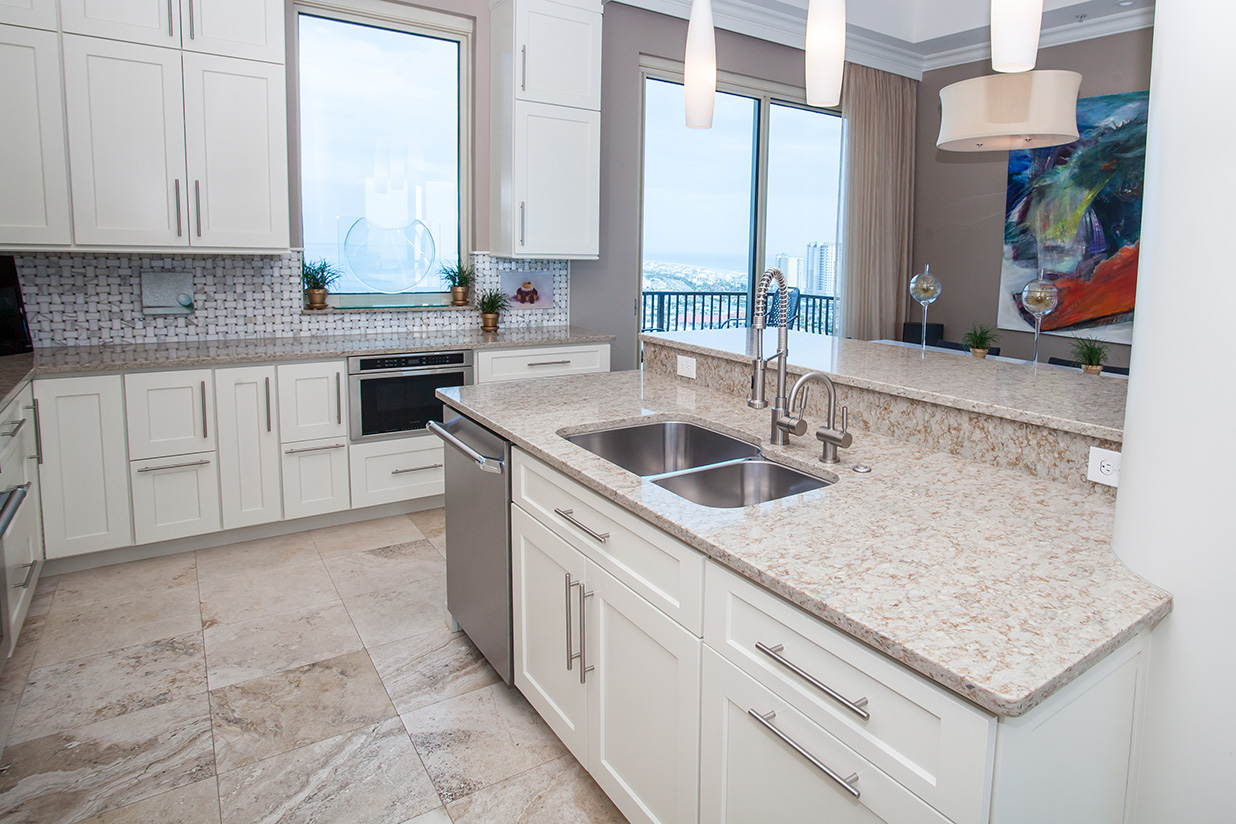
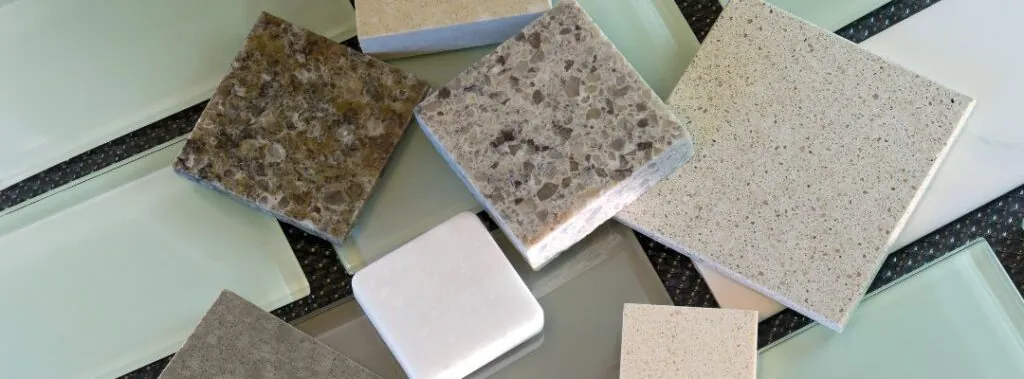
In contrast, quartz countertops are engineered from crushed stone mixed with resins and pigments. This process allows for a more uniform appearance and a wider range of colors and patterns than natural stone. Quartz can mimic the look of granite while offering additional design flexibility, making it an appealing choice for modern homes.
Durability and Maintenance
Granite: Requires Care
While granite is durable and heat-resistant, it is porous. This means it can absorb liquids if not sealed properly, leading to potential staining. Regular sealing every one to five years is necessary to maintain its resistance to spills and bacteria.
Quartz: Low Maintenance Champion
Quartz countertops are non-porous, which means they do not require sealing. They are highly resistant to stains, scratches, and bacteria, making them an excellent choice for busy households. With quartz, you can simply clean with soap and water or a mild disinfectant without worrying about damaging the surface.
Heat Resistance
Granite: Resilient but Cautious
Granite can withstand high temperatures, making it suitable for kitchen environments where hot pots may be placed directly on the surface. However, extreme heat can still cause damage over time, so using trivets is advisable.
Quartz: Handle with Care
While quartz is also heat-resistant, it is not entirely heat-proof. Direct exposure to high temperatures can cause discoloration or damage. It’s best to use trivets or hot pads when placing hot items on quartz surfaces.
Cost Considerations
Historically, granite was often less expensive than quartz; however, advancements in quartz manufacturing have narrowed the price gap significantly. Both materials now offer competitive pricing depending on the quality and style chosen.
Environmental Impact
For eco-conscious homeowners in Pensacola, it’s worth noting that granite is 100% natural stone and generally requires less energy to produce compared to quartz. However, both materials are durable options that can last for decades when properly maintained.
Conclusion
When deciding between quartz vs. granite countertops for your Pensacola home, consider your lifestyle needs:
- Choose Quartz if you:
- Prefer low maintenance with no sealing required.
- Want a wide variety of colors and patterns.
- Need a durable surface that resists stains and scratches.
- Choose Granite if you:
- Appreciate the unique beauty of natural stone.
- Are willing to perform regular maintenance.
- Desire excellent heat resistance for cooking.
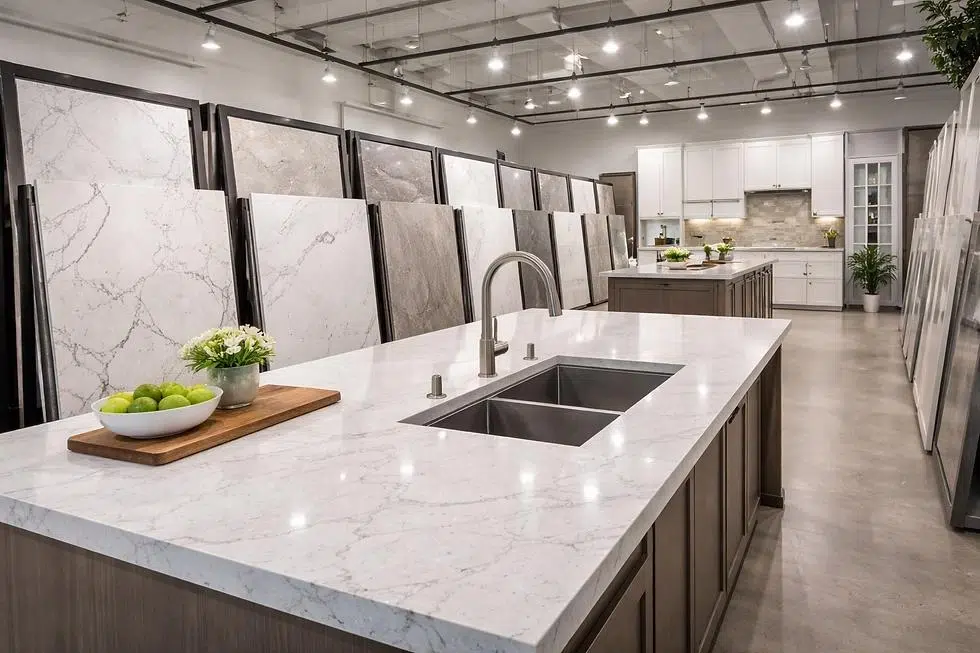
Ultimately, both quartz and granite countertops can enhance your kitchen or bathroom’s functionality and aesthetics. At Superior Granite, we are committed to providing exceptional quality and service to our customers. With years of experience and a dedicated team of professionals, we ensure that every project, whether big or small, is handled with the utmost care and precision. We invite you to visit our showrooms in Pensacola, Pace, or Ft. Walton Beach to explore our wide range of natural stone and quartz options. Let us help you bring your dream project to life!