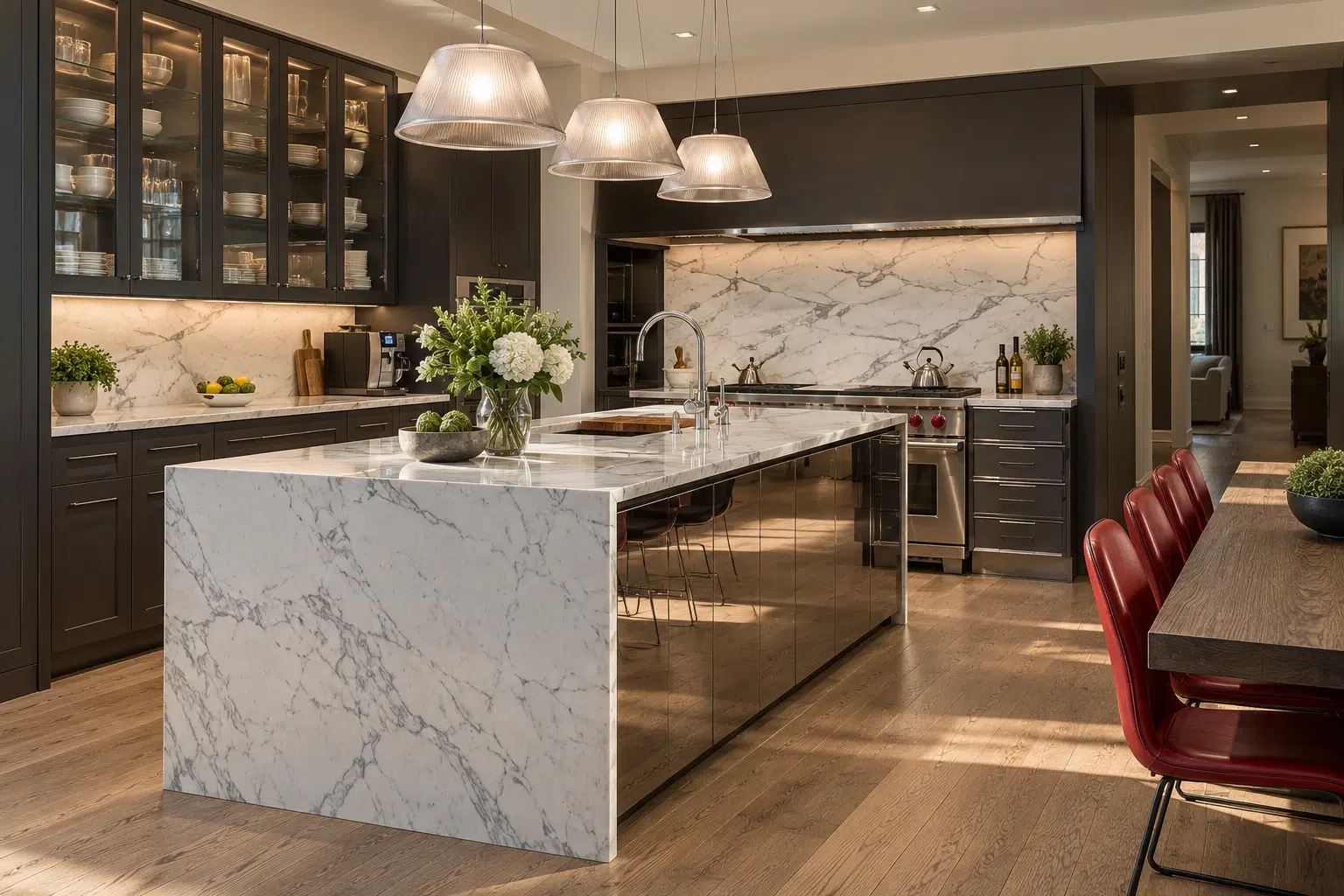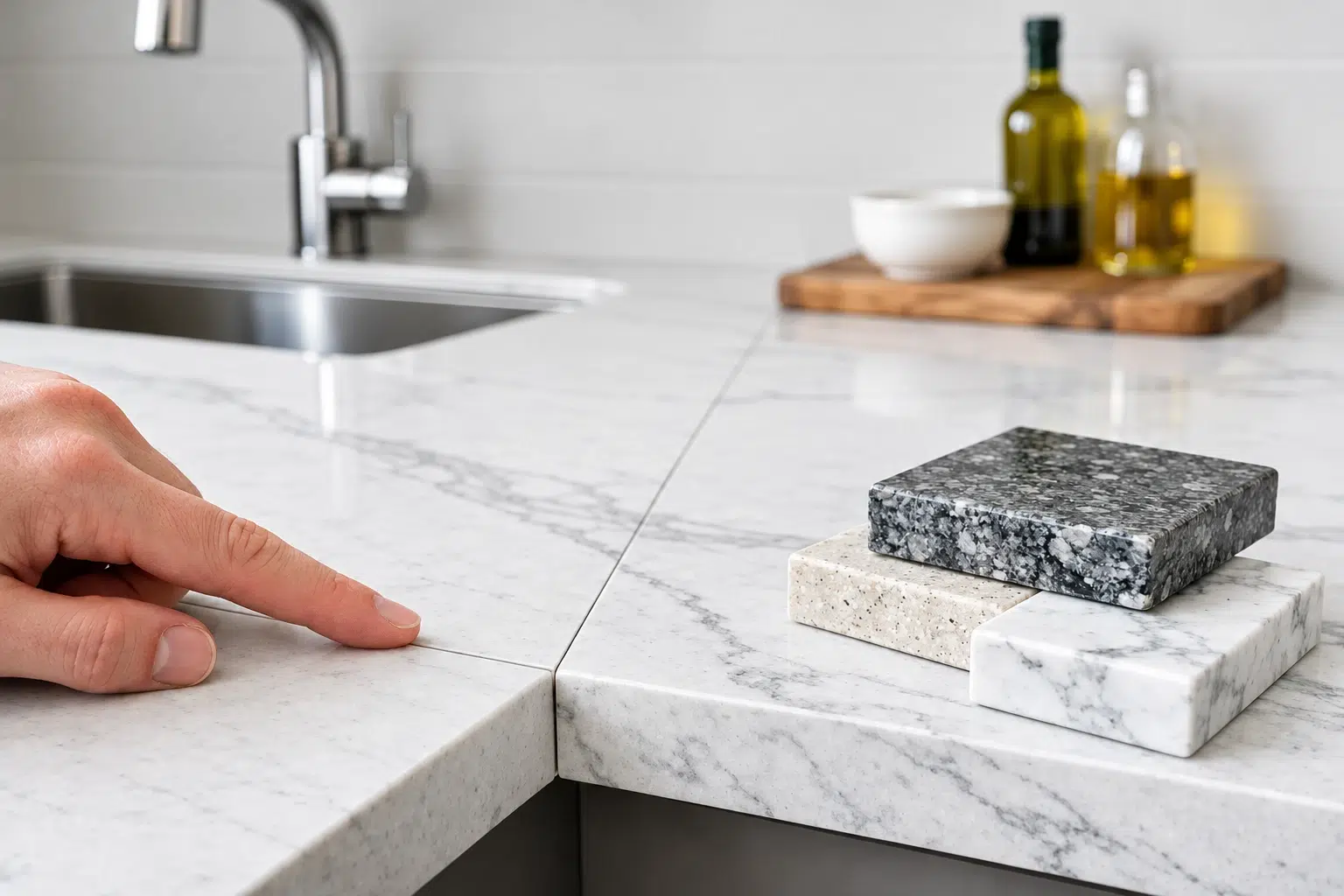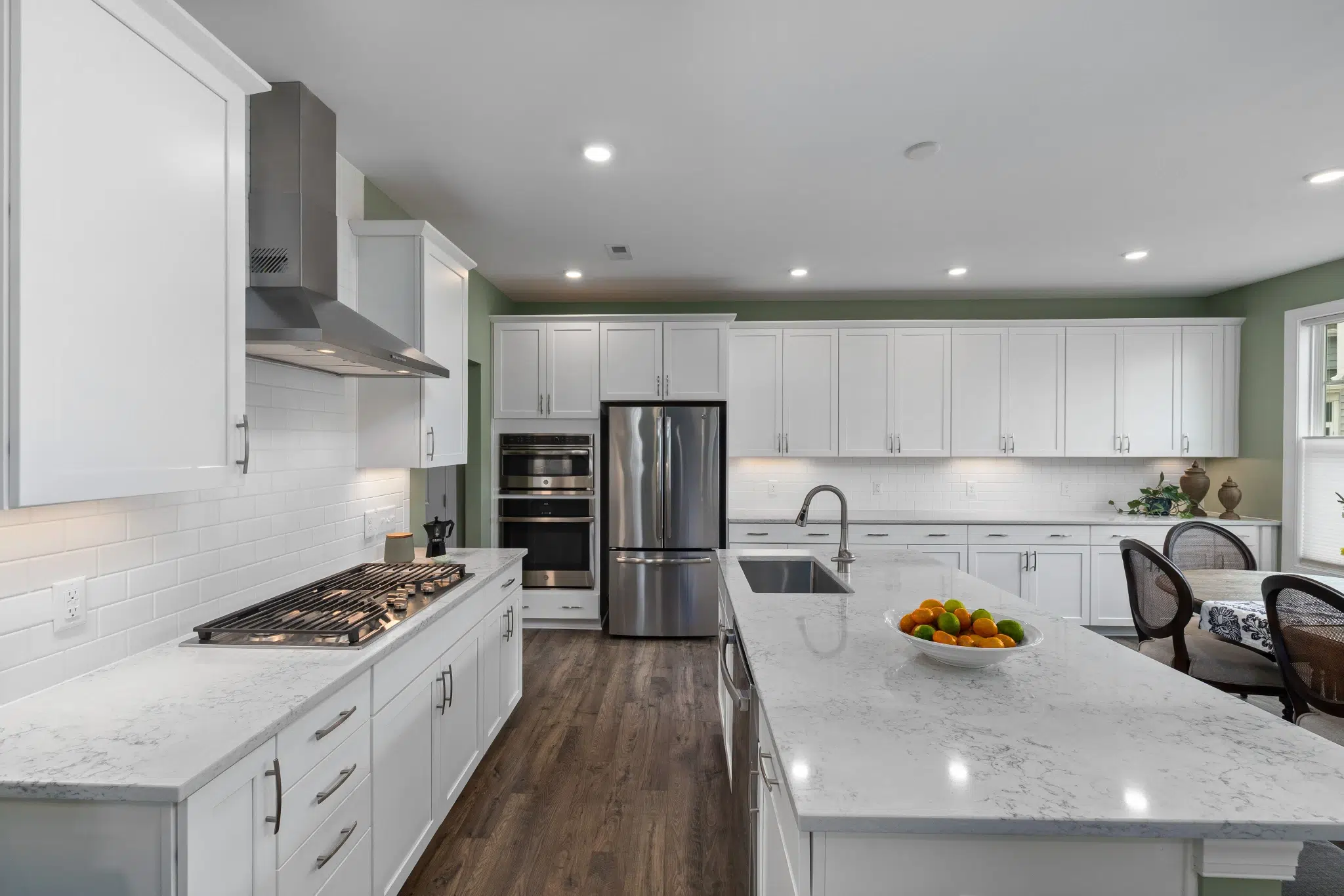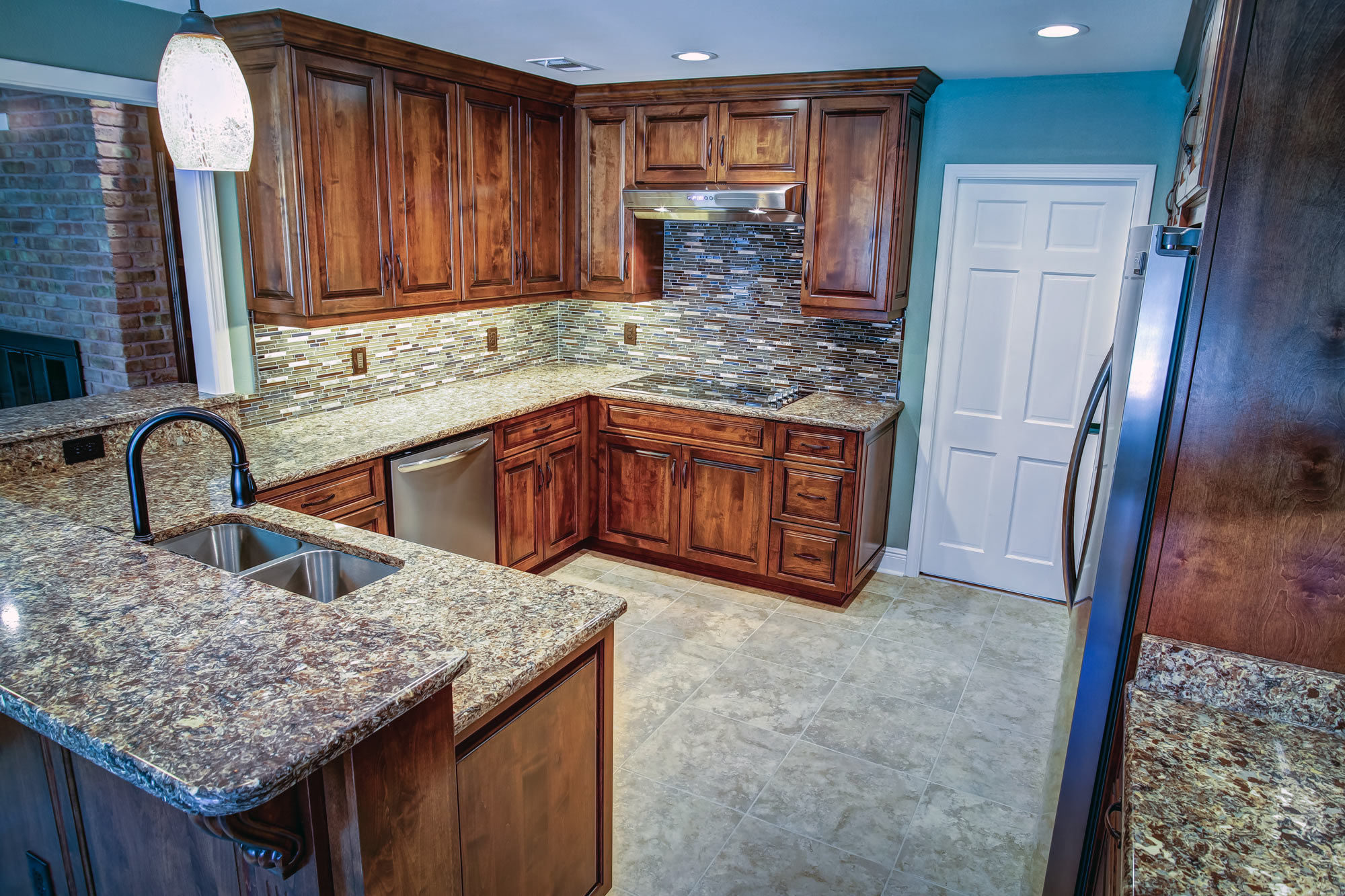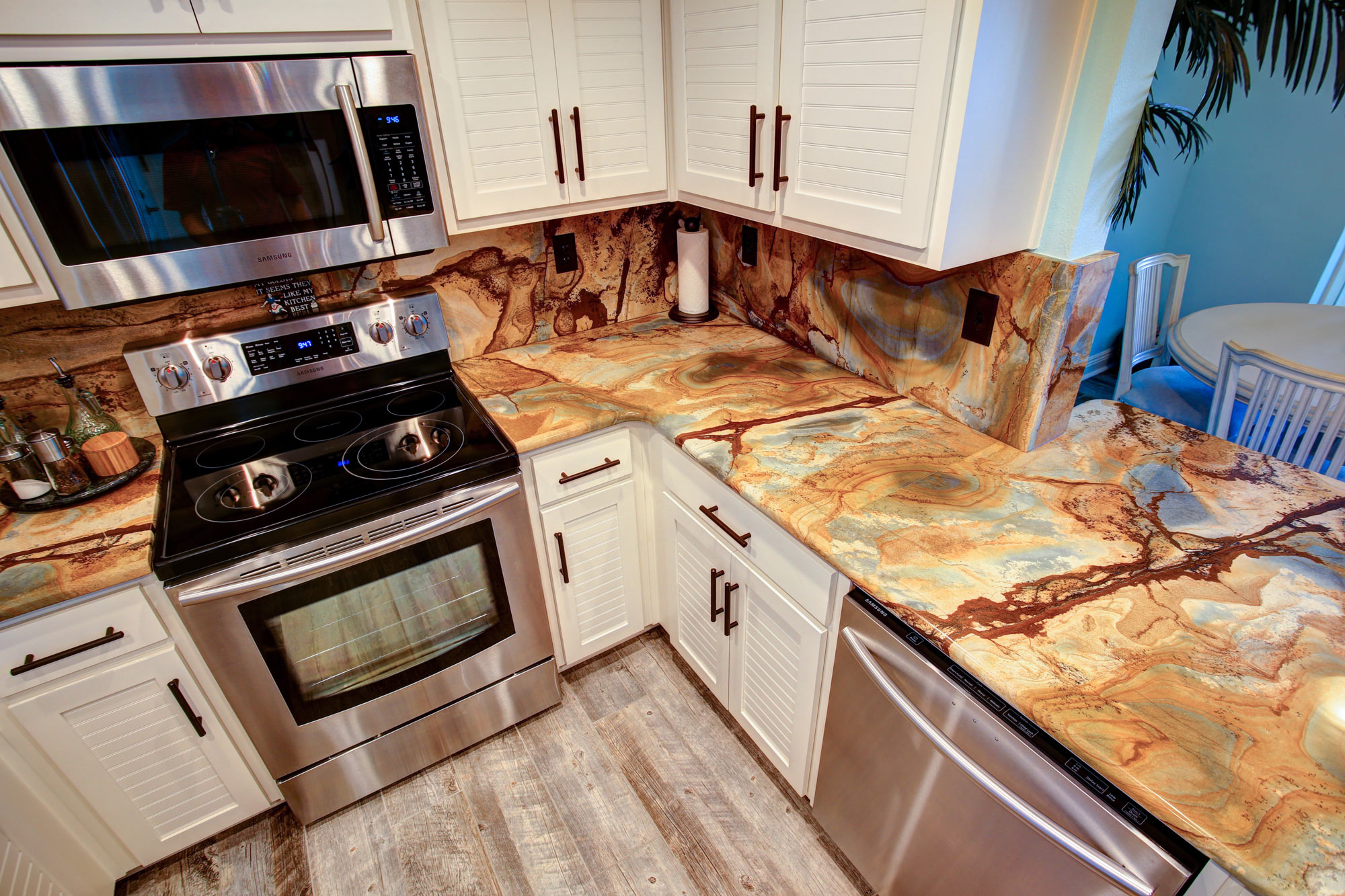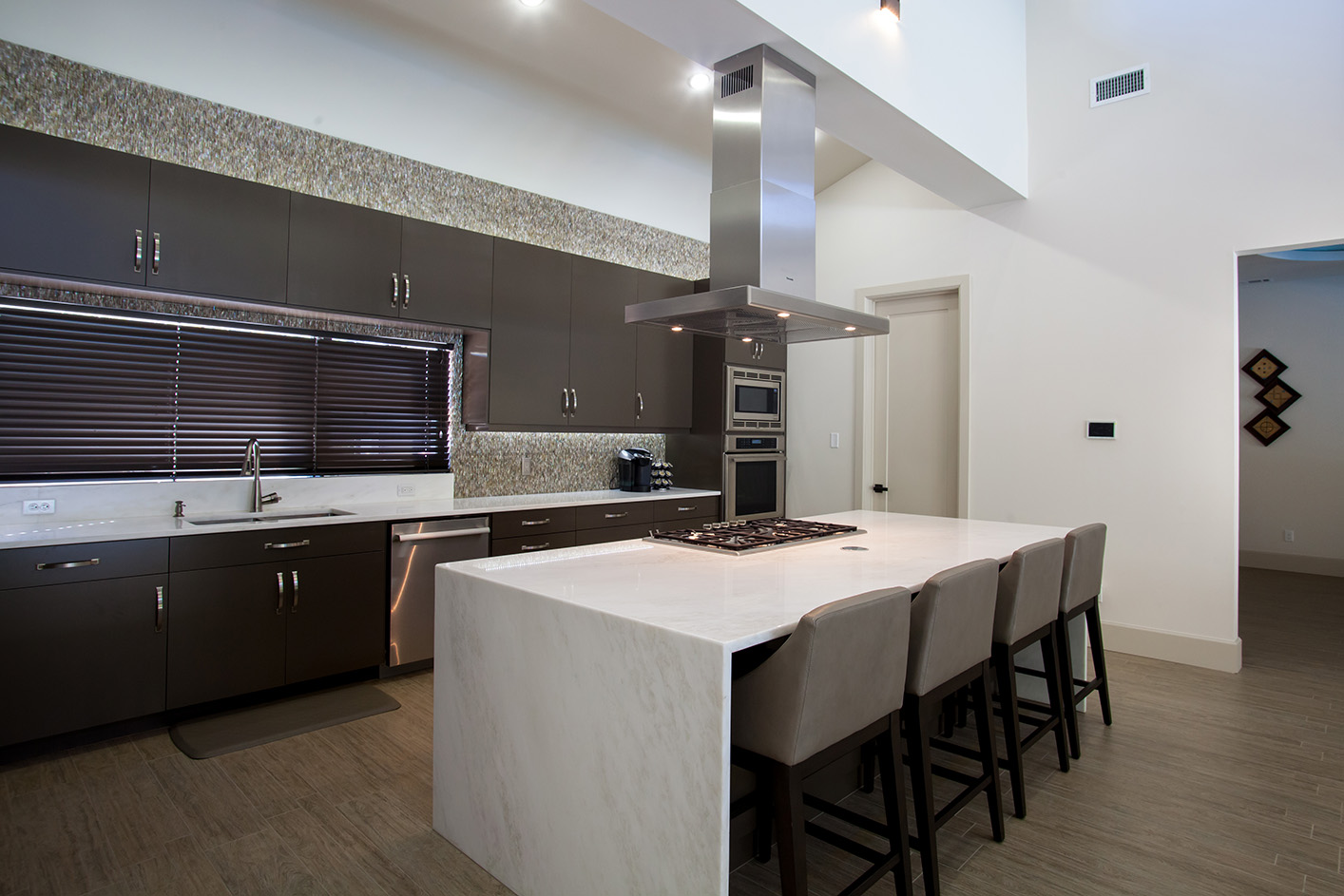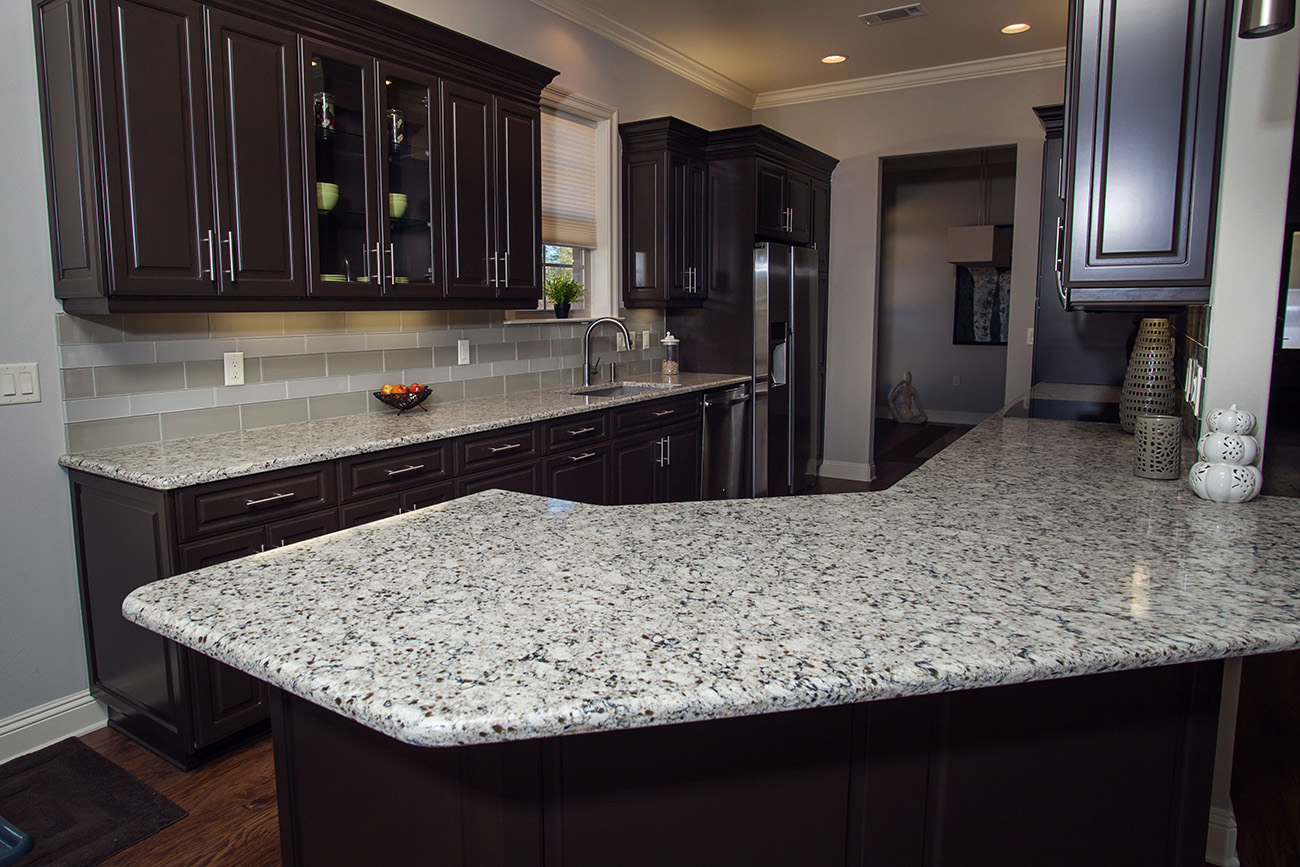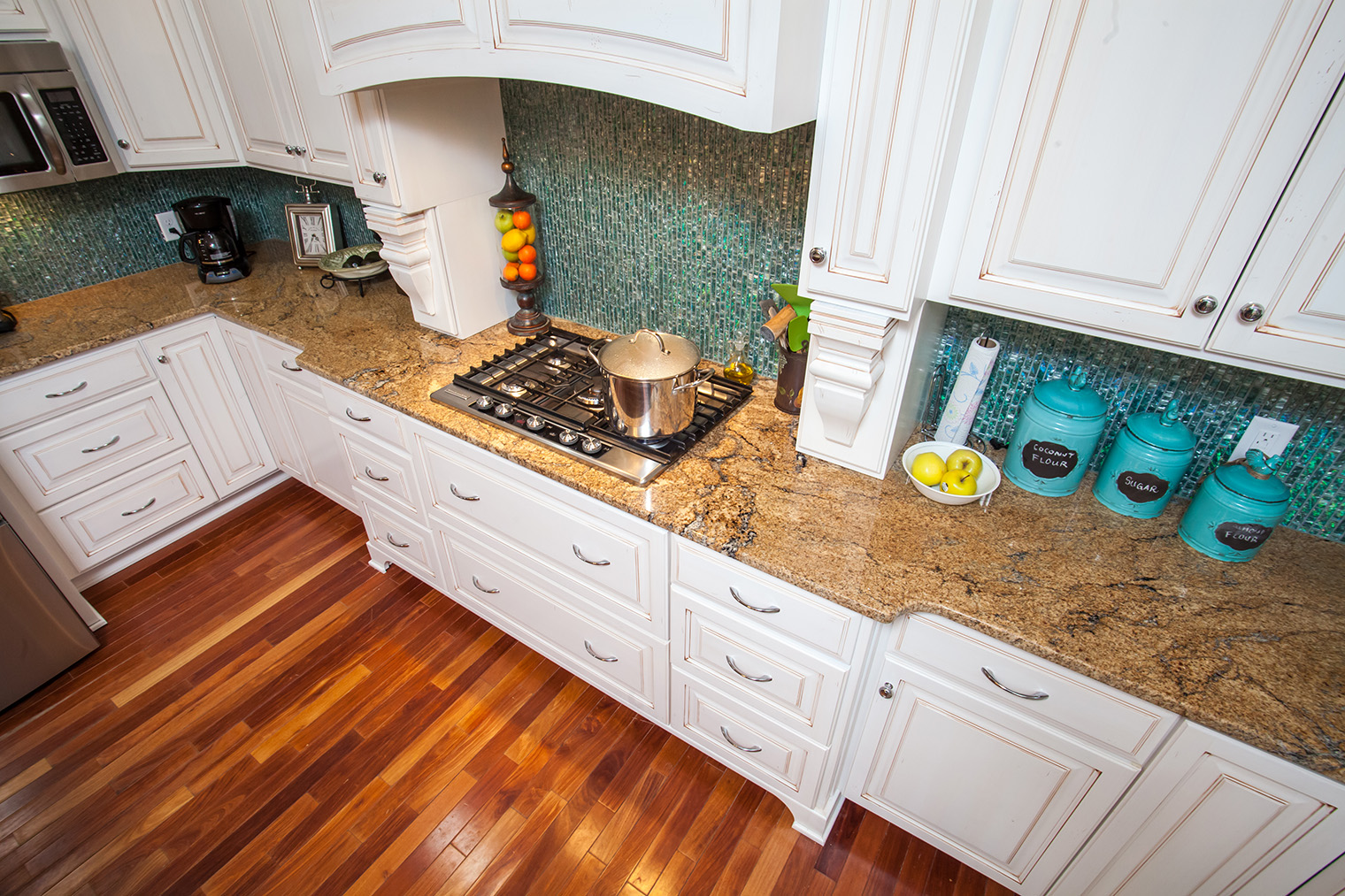
When comparing quartz vs quartzite, the biggest difference is that quartz is an engineered countertop material, while quartzite is a natural stone formed over millions of years. Both materials are durable and beautiful, but they differ in composition, maintenance, heat resistance, and where they are best used. Understanding these differences can help you choose the countertop that best fits your home, lifestyle, and design goals.
Choosing a new countertop is one of the most important decisions during a kitchen or bathroom renovation. While many homeowners compare colors and patterns, it’s equally important to understand how different materials perform over time. Quartz and quartzite are two of the most popular countertop options available today, but they are often confused because of their similar names.
At Superior Granite, homeowners throughout Pensacola, Pace, and Fort Walton Beach can explore both materials in person. Our experienced team helps customers compare their appearance, performance, and maintenance requirements before selecting the best countertop for their project.
Quartz vs Quartzite: A Quick Comparison
Although quartz and quartzite sound similar, they are completely different materials.
Quartz is manufactured using natural quartz minerals combined with resins and pigments to create an engineered surface. Quartzite, on the other hand, begins as sandstone that naturally transforms into an extremely hard stone through heat and pressure beneath the Earth’s surface.
Both materials offer outstanding durability, but each has unique characteristics that make it suitable for different applications.
What Is Quartz?
Quartz countertops are engineered surfaces made by combining crushed quartz minerals with resins and pigments under controlled manufacturing conditions.
This process creates a durable, non-porous countertop that offers consistent color and pattern throughout the slab.
Because quartz is manufactured rather than quarried as a solid slab, homeowners can choose from a wide variety of colors and designs that complement almost any interior style.
How Quartz Countertops Are Made
Quartz begins with one of the hardest natural minerals found on Earth.
Manufacturers combine natural quartz crystals with binding resins and color pigments before compressing the mixture into durable slabs.
The result is an engineered countertop that provides:
- Consistent color
- Uniform patterns
- Smooth surface
- Excellent durability
- Low maintenance
This manufacturing process allows homeowners to enjoy the appearance of stone while benefiting from a highly consistent product.
Benefits of Quartz Countertops
Quartz remains one of the most popular countertop materials because it offers several practical advantages.
Benefits include:
- Non-porous surface
- No routine sealing required
- Consistent appearance
- Easy day-to-day cleaning
- Wide variety of colors and styles
Many homeowners choose quartz for busy kitchens and bathrooms where low maintenance is an important priority.
What Is Quartzite?
Quartzite is a natural stone created when sandstone is exposed to intense heat and pressure over millions of years.
During this natural process, the sandstone recrystallizes into an exceptionally hard and durable material while developing beautiful colors, movement, and veining that make every slab unique.
Because no two slabs are identical, quartzite offers homeowners a truly one-of-a-kind countertop.
How Quartzite Forms Naturally
Unlike engineered materials, quartzite forms entirely within the earth.
Over time:
- Sandstone is buried deep underground.
- Heat and pressure transform it.
- Quartz crystals fuse together.
- The stone becomes harder and denser.
This geological process creates one of the most durable countertop materials available today.
Benefits of Quartzite Countertops
Quartzite combines natural beauty with impressive performance.
Homeowners often choose quartzite because it offers:
- Unique natural patterns
- Excellent durability
- Strong heat resistance
- Timeless appearance
- Suitable for many interior design styles
Its combination of beauty and strength makes quartzite a popular option for kitchens, bathrooms, and other living spaces.
Natural Stone vs Engineered Surface
One of the biggest differences between these materials is how they are created.
Quartzite is formed naturally over millions of years, meaning every slab features its own unique movement, veining, and color variation.
Quartz is manufactured using natural quartz minerals combined with resins and pigments to create a consistent appearance from slab to slab.
Neither material is universally “better.” The right choice depends on your design preferences, maintenance expectations, and how you plan to use your countertops.
Appearance: Unique vs Consistent
Appearance is often one of the first things homeowners notice when comparing countertop materials.
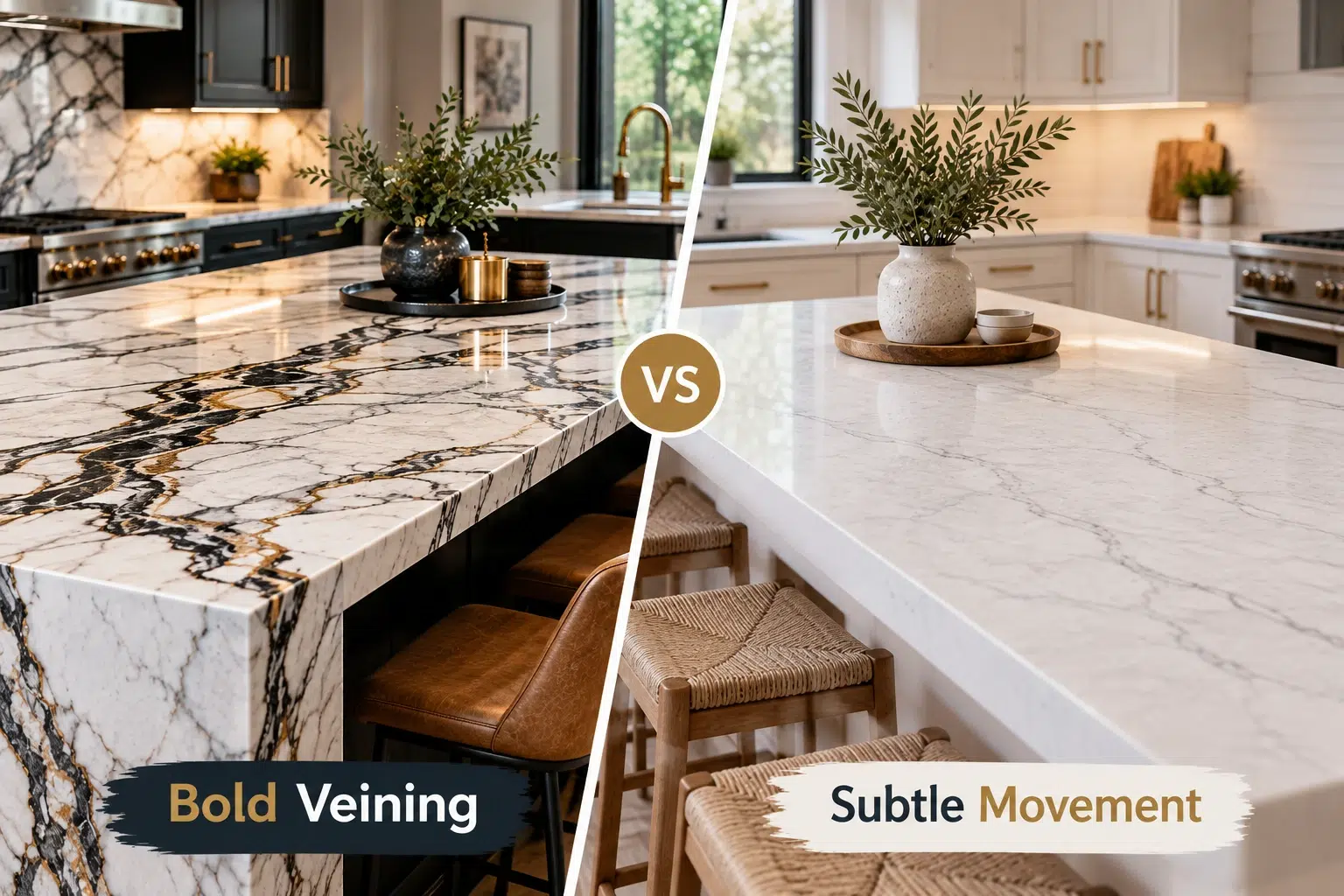
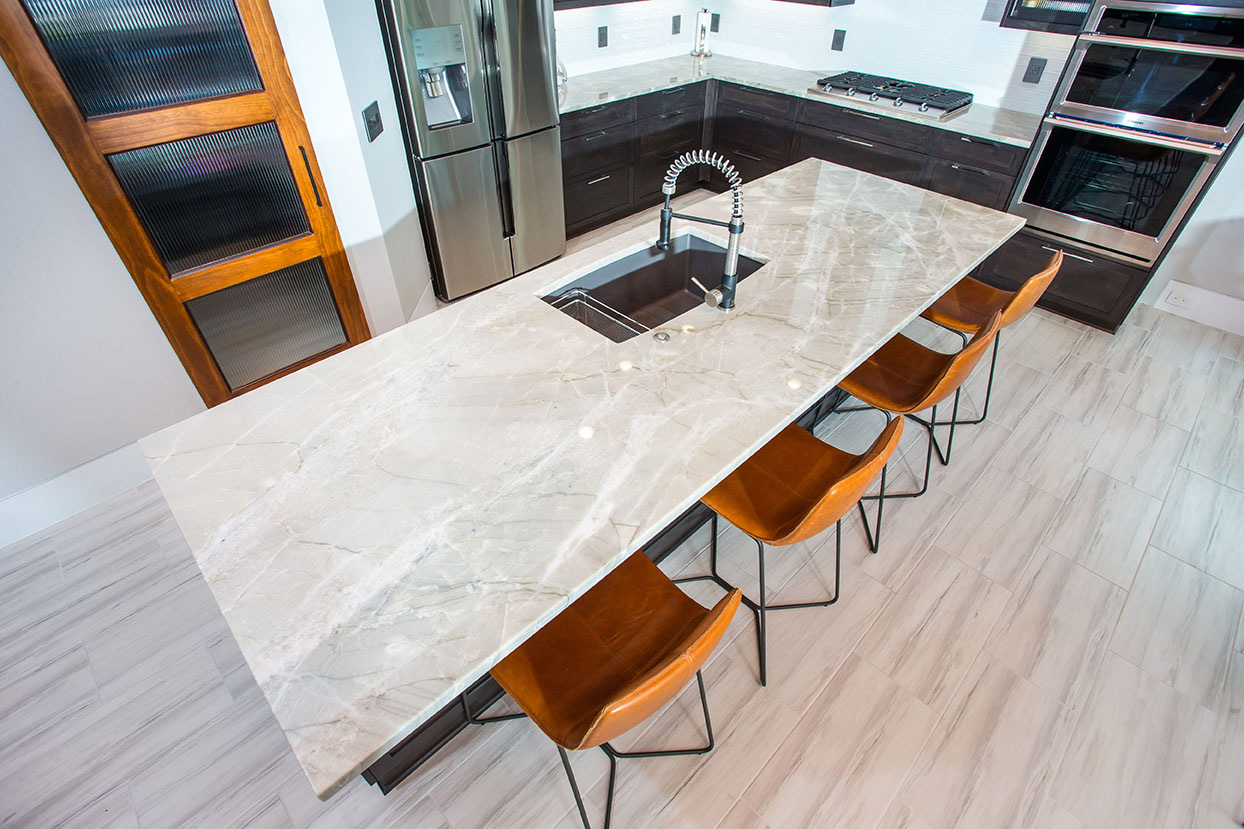
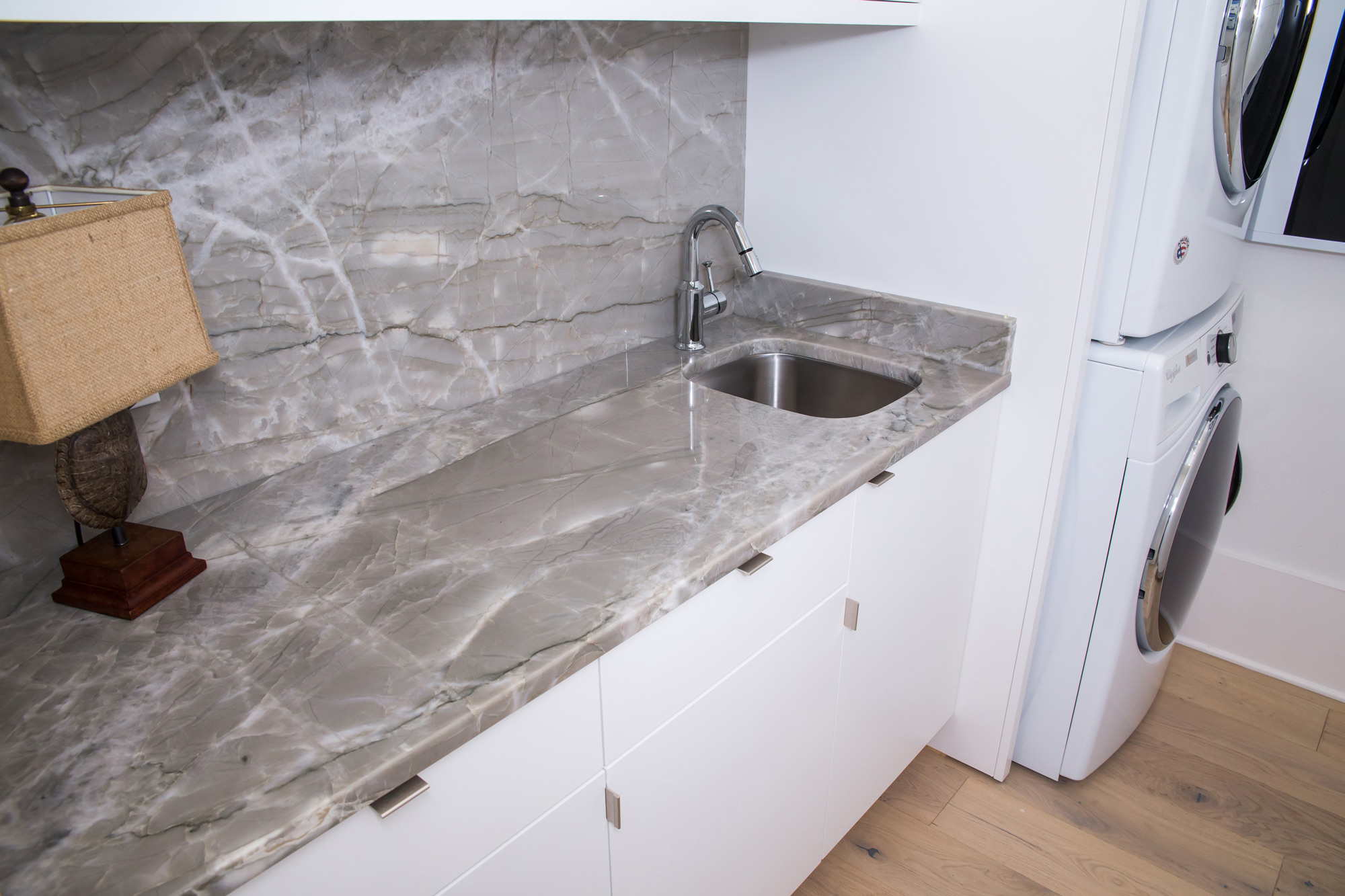
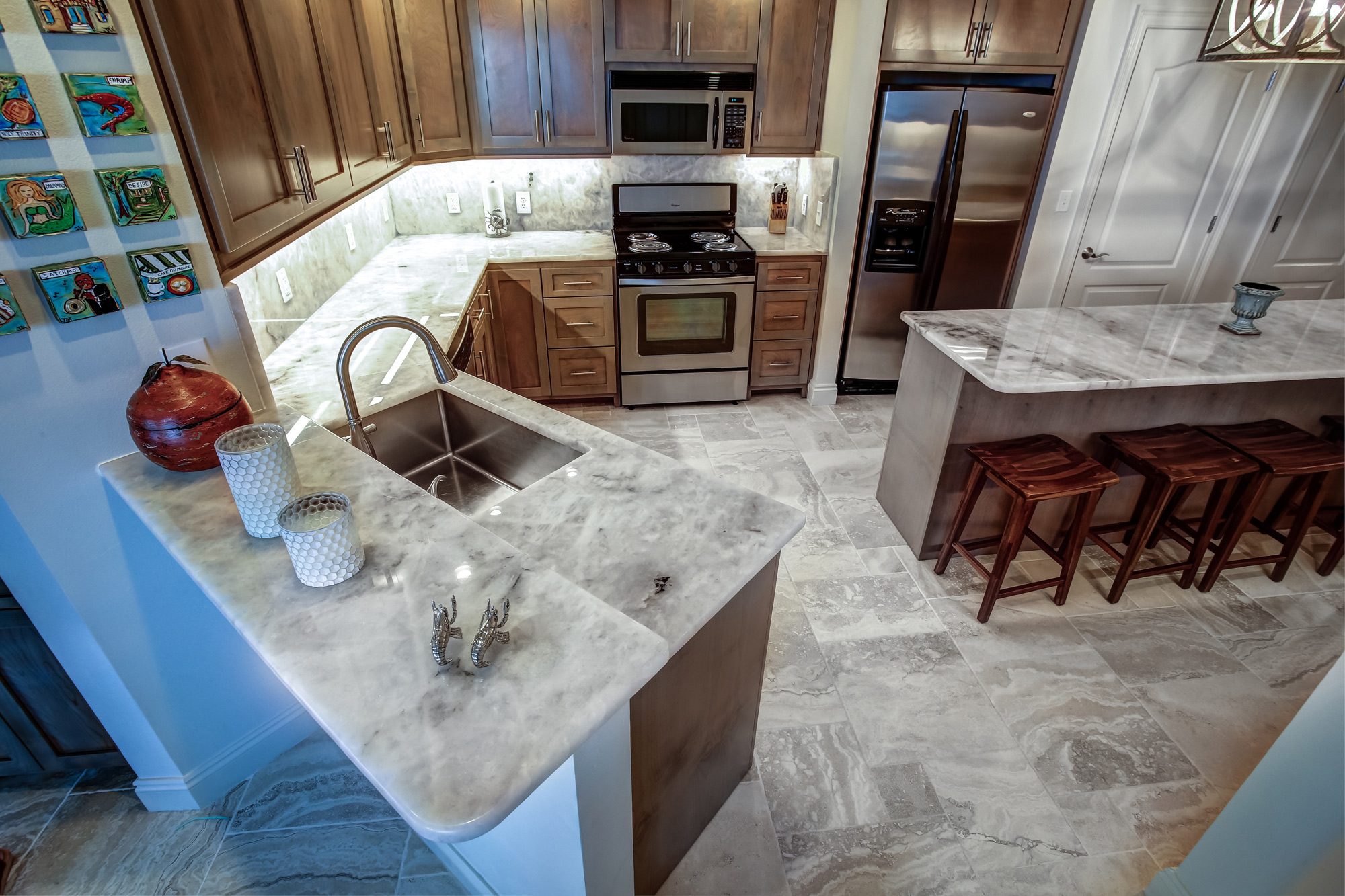
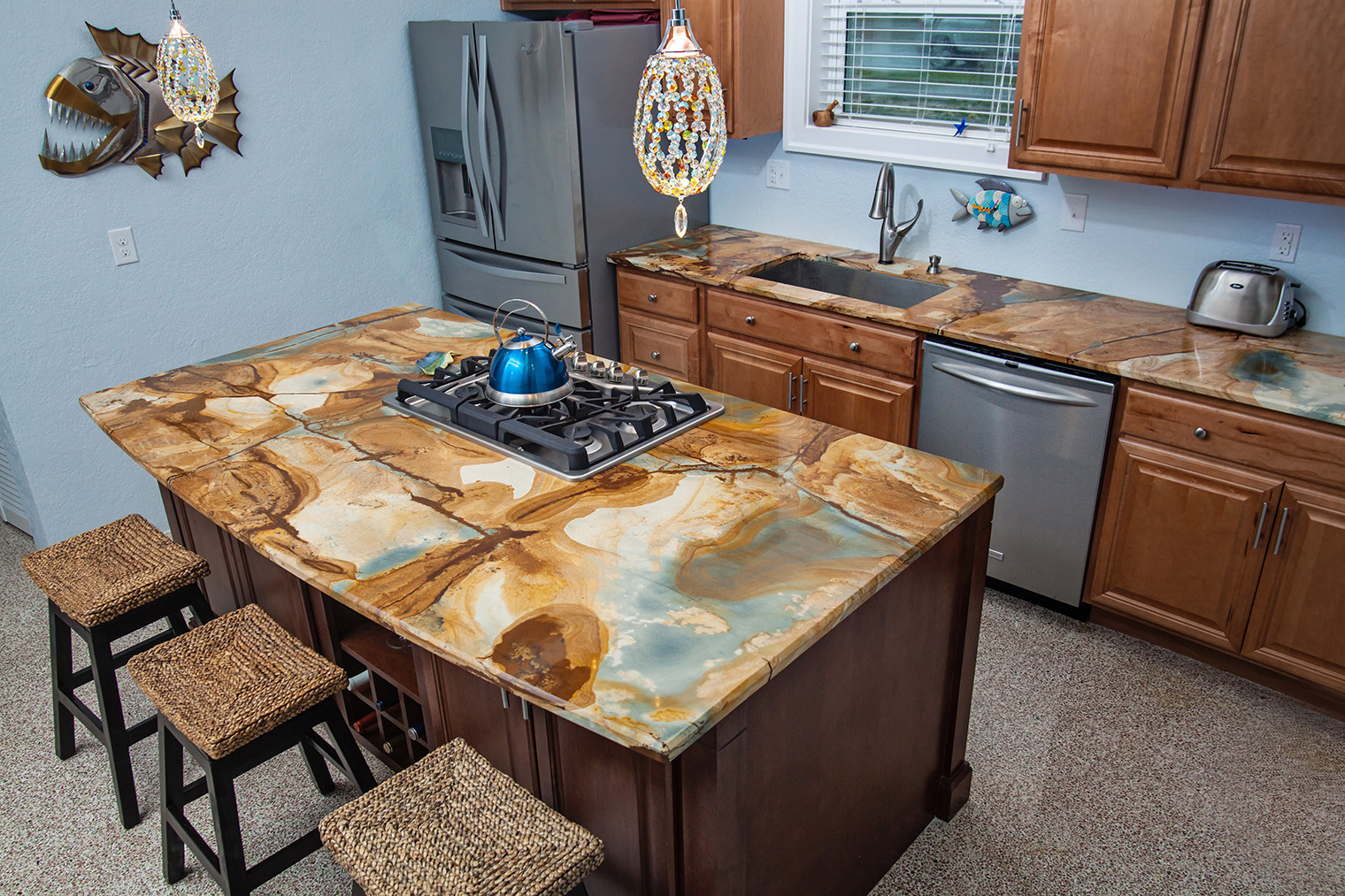
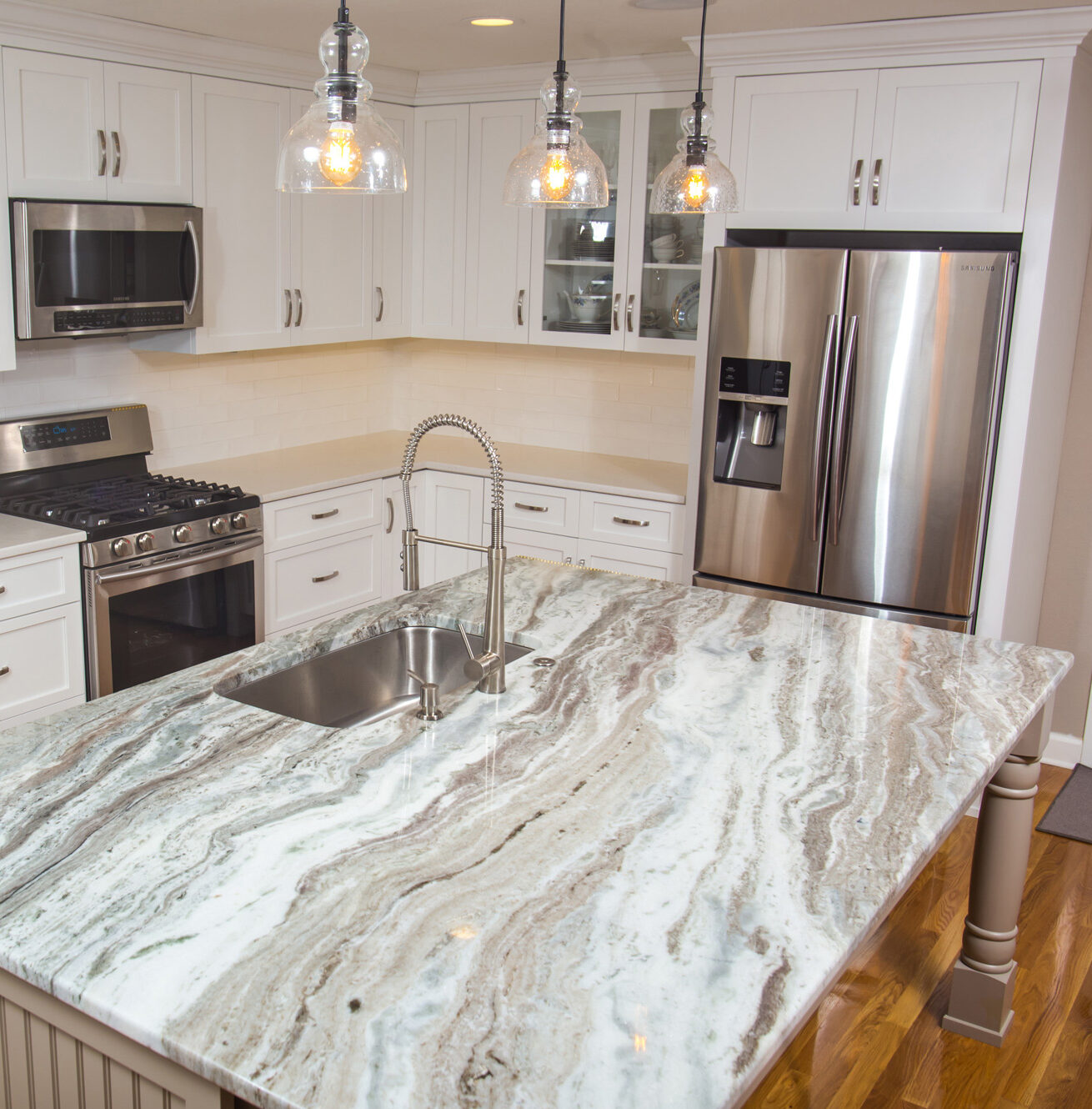
Quartzite showcases the beauty of nature with organic movement, flowing veining, and natural color variation. Each slab has its own character, making every countertop unique.
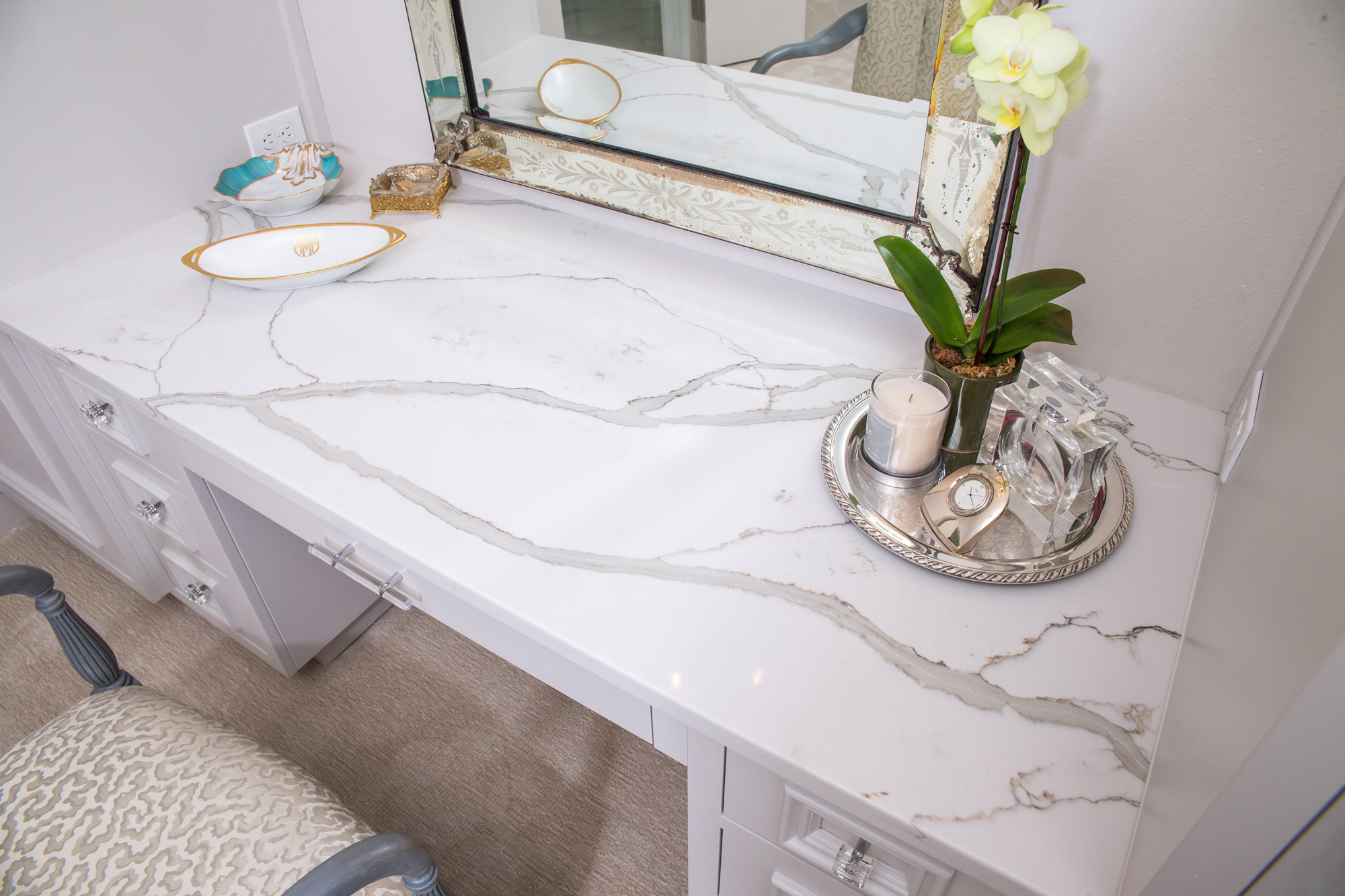
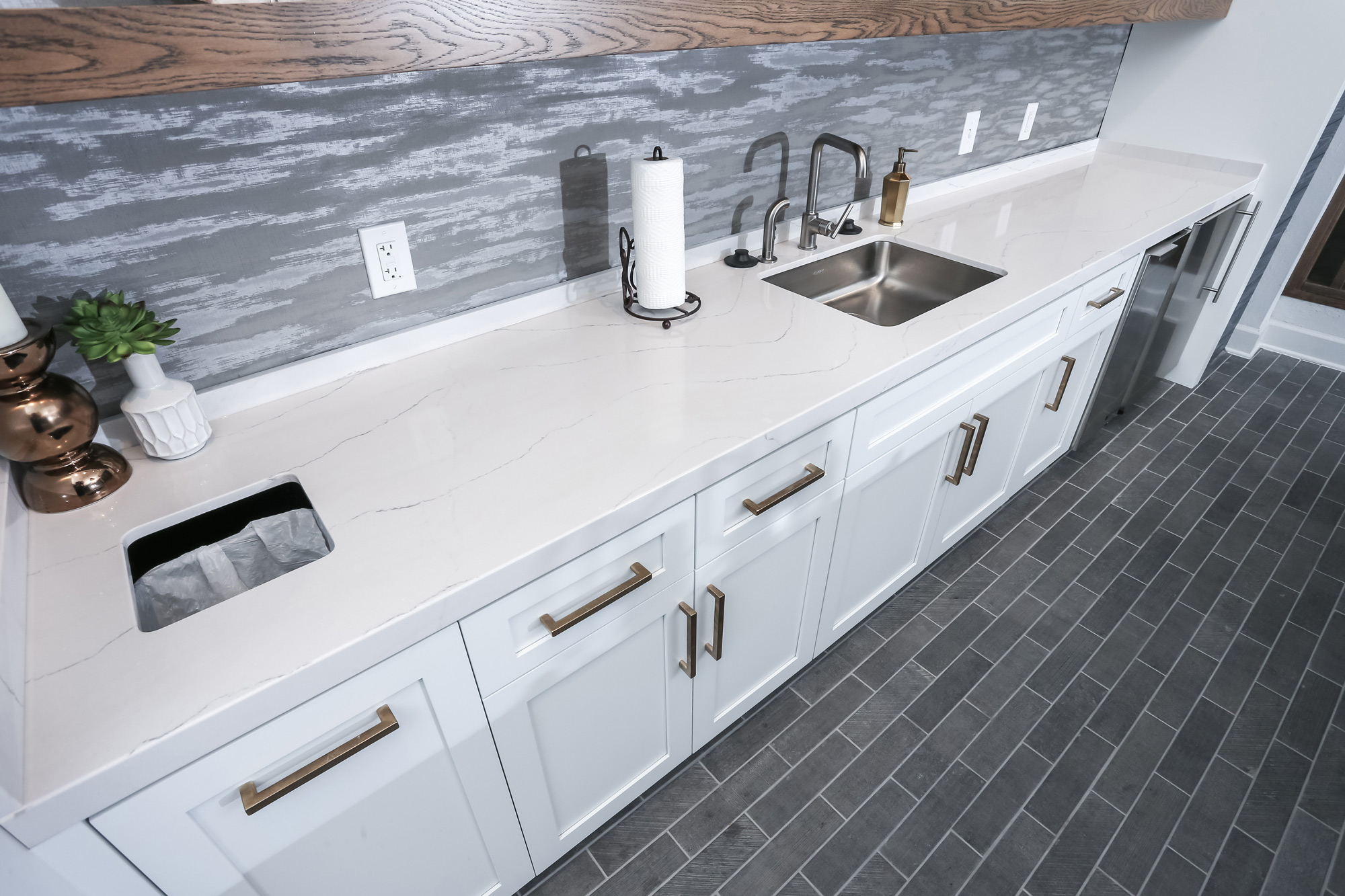
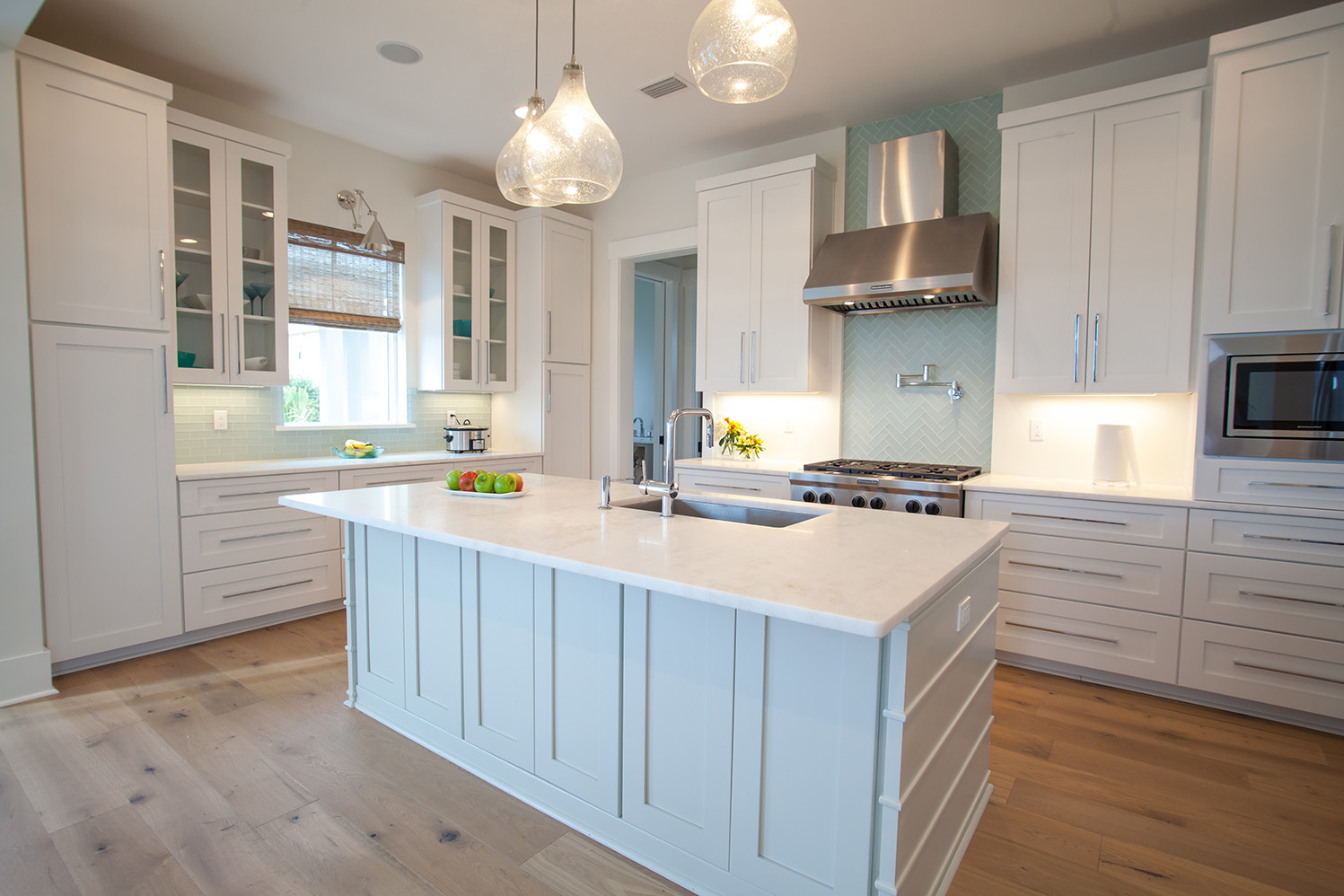
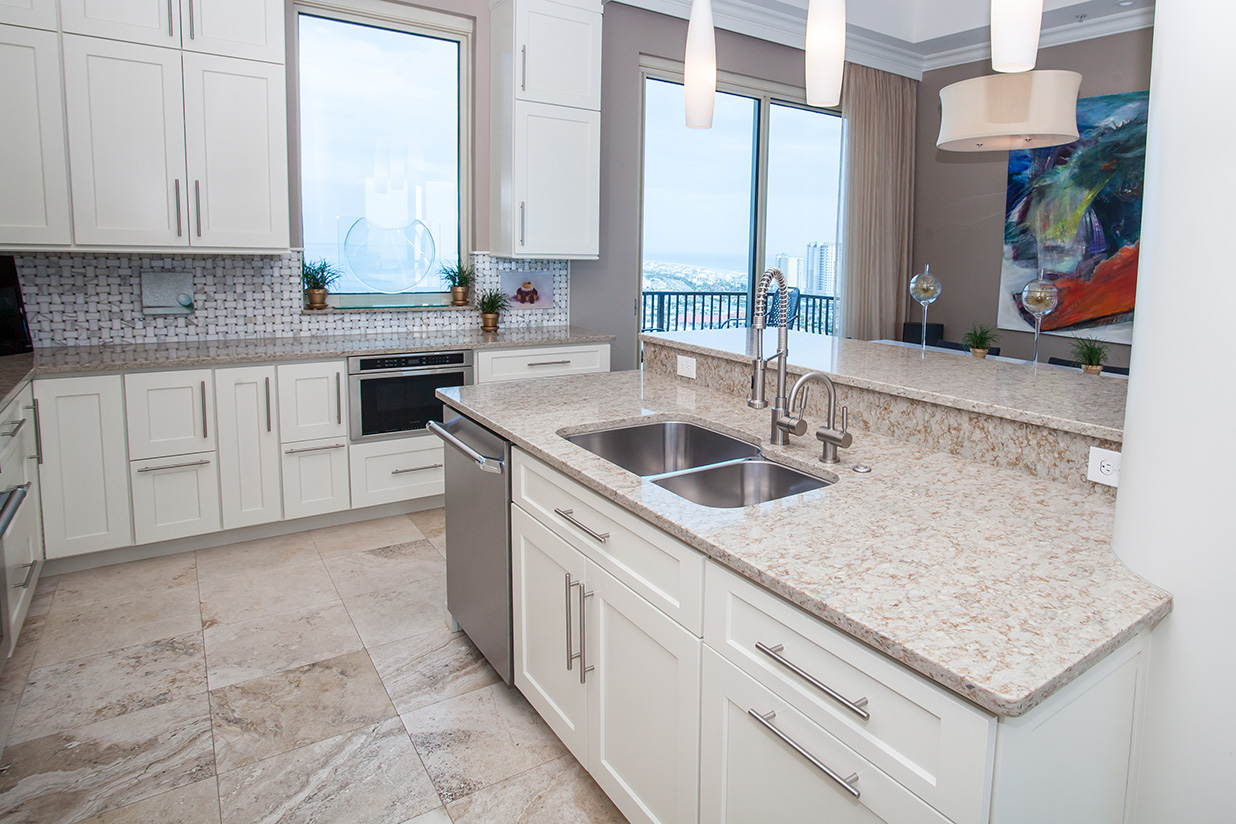
Quartz offers a more uniform appearance because it is engineered during manufacturing. This consistency can be beneficial for homeowners who want multiple countertop sections to match closely.
Quartz Appearance
Quartz is available in a wide range of colors and designs.
Homeowners can choose styles that resemble:
- Marble
- Concrete
- Soft natural stone
- Contemporary solid colors
- Modern patterns
Its consistent appearance makes it a popular choice for contemporary kitchens and bathrooms.
Quartzite Appearance
Quartzite offers naturally occurring beauty that cannot be replicated exactly.
Depending on the slab, homeowners may see:
- Dramatic veining
- Soft movement
- Natural mineral patterns
- Unique color variation
- Organic texture
Every slab tells its own geological story, making quartzite a distinctive design feature in any home.
Which Material Offers Better Durability?
Both quartz and quartzite are highly durable countertop materials designed for everyday living.
They resist normal household wear and can provide many years of performance when properly maintained.
However, because the materials are created differently, they have different maintenance needs and performance characteristics, which we’ll compare in the next section.
Heat Resistance
Heat resistance is another important factor when choosing a countertop, especially for busy kitchens where cooking happens every day.
Quartzite is naturally heat resistant because it is formed under extreme heat and pressure within the earth. This makes it well-suited for kitchens where hot cookware is frequently used.
Quartz also performs well in everyday kitchens, but because it contains binding resins, homeowners should avoid placing extremely hot pots or pans directly on the surface. Using trivets or hot pads helps protect the countertop and maintain its appearance.
Maintenance Requirements
Maintenance is another area where these materials differ.
Quartz is known for its simple day-to-day care. Because it has a non-porous surface, it does not typically require routine sealing. Regular cleaning with a soft cloth and a manufacturer-approved cleaner is usually all that is needed.
Quartzite requires periodic sealing to help protect the surface and maintain its long-term performance. Cleaning spills promptly and following proper care recommendations can help preserve its natural beauty for years.
Quartz Maintenance
Quartz countertops are popular because they are easy to maintain.
Routine care includes:
- Wiping spills promptly
- Cleaning with a soft cloth
- Using non-abrasive cleaners
- Avoiding excessive heat exposure
These simple habits help keep quartz looking beautiful for years.
Quartzite Maintenance
Quartzite is also relatively easy to maintain when properly cared for.
Homeowners should:
- Clean spills as they occur
- Use stone-safe cleaning products
- Reseal the surface when recommended
- Avoid harsh chemicals
Following these guidelines helps maintain both the appearance and durability of natural stone countertops.
Indoor and Outdoor Applications
Where you plan to install your countertop should also influence your material selection.
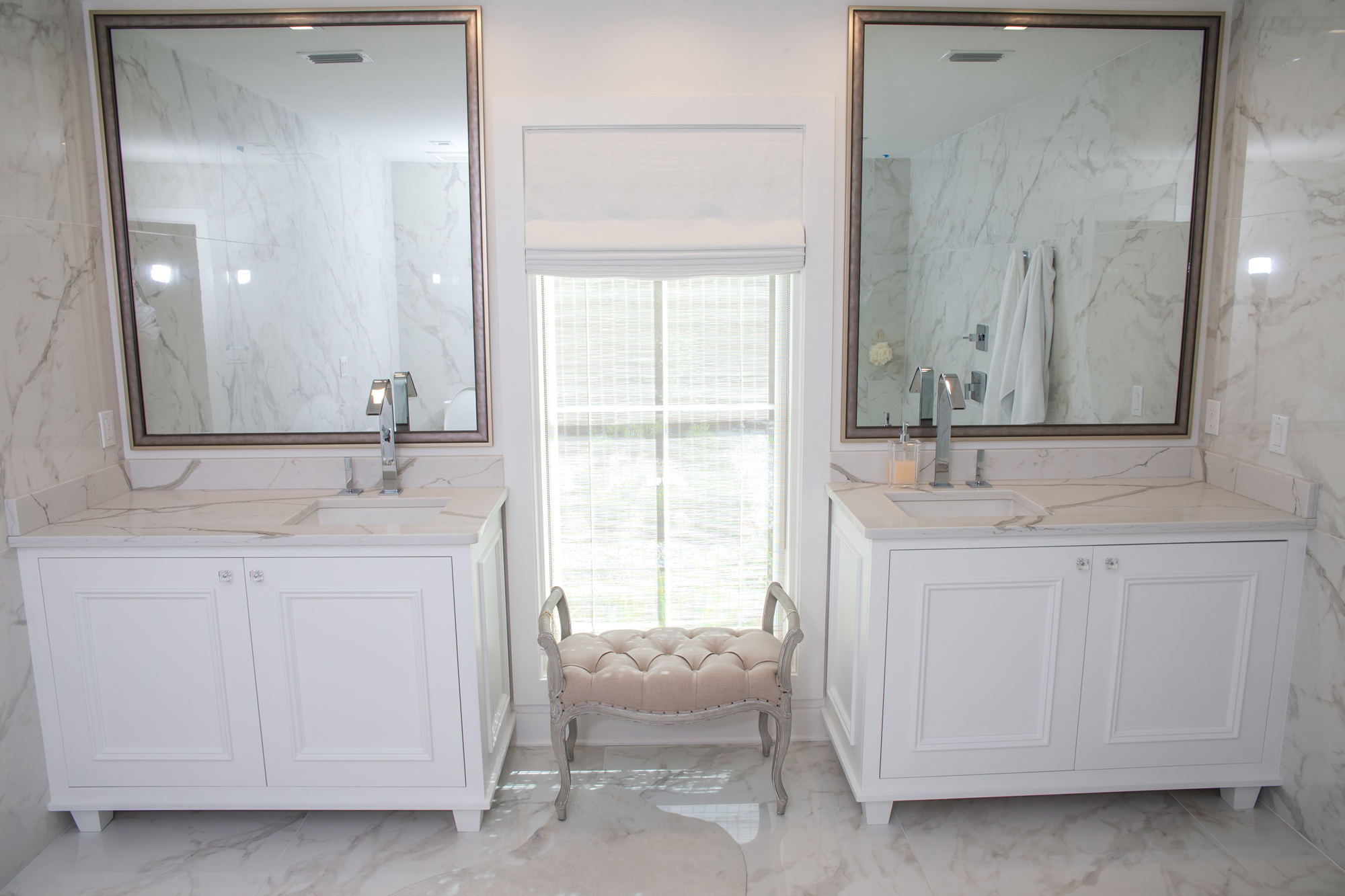
Quartz is generally recommended for indoor applications such as kitchens, bathrooms, laundry rooms, and bar areas.
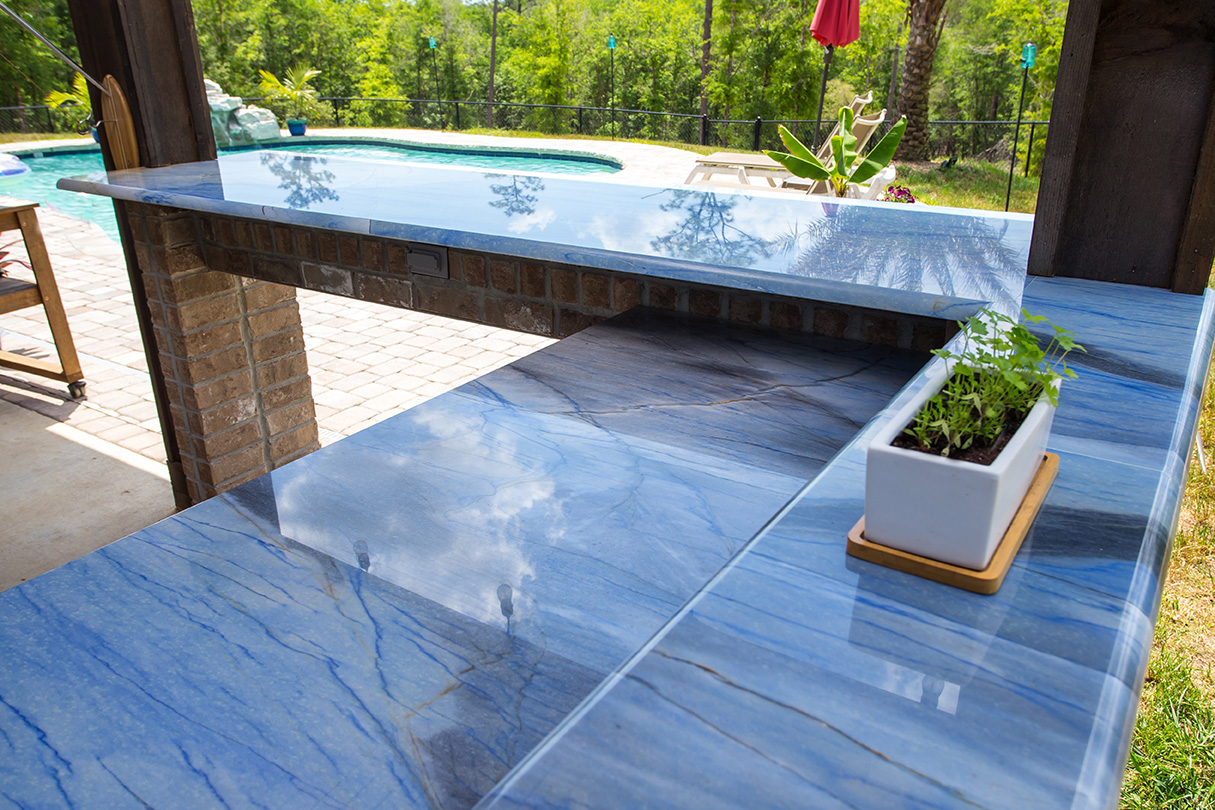
Quartzite is suitable for both indoor spaces and many outdoor kitchen projects because it is a natural stone that performs well in outdoor environments when properly maintained.
Choosing the right material for the intended location helps maximize long-term performance.
Quartz vs Quartzite Comparison Table
| Feature | Quartz | Quartzite |
| Material Type | Engineered surface | Natural stone |
| Formation | Manufactured using quartz minerals and resins | Formed naturally from sandstone through heat and pressure |
| Appearance | Consistent colors and patterns | Unique natural movement and veining |
| Heat Resistance | Good for everyday use; use trivets for hot cookware | Excellent natural heat resistance |
| Sealing | Typically not required | Periodic sealing recommended |
| Maintenance | Low maintenance | Low maintenance with proper sealing |
| Indoor Use | Excellent | Excellent |
| Outdoor Use | Primarily recommended for indoor applications | Suitable for many outdoor applications |
| Best For | Homeowners seeking consistency and easy maintenance | Homeowners wanting unique natural beauty |
Which Countertop Is Right for Your Home?
The best countertop depends on your personal preferences, design goals, and how you use your space.
Quartz may be an excellent choice if you want:
- Consistent colors
- Minimal maintenance
- A wide variety of design options
- A non-porous surface
Quartzite may be the better option if you prefer:
- Naturally unique slabs
- Organic movement and veining
- Excellent heat resistance
- The beauty of real stone
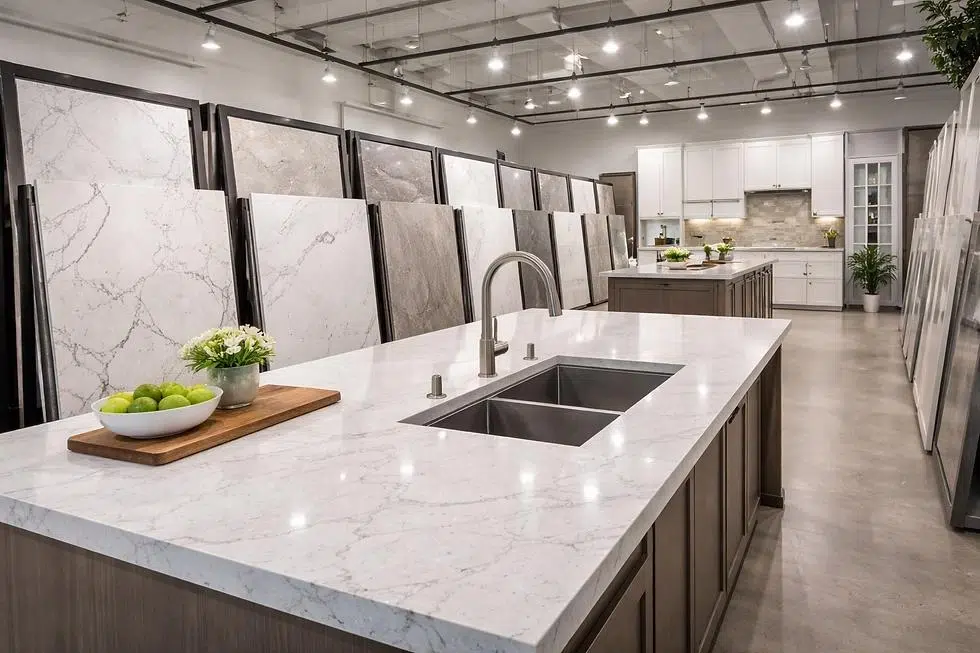
Viewing full slabs in person can make it easier to compare colors, patterns, and finishes before making your final decision.
Explore Quartz and Quartzite at Superior Granite
Superior Granite offers an extensive selection of Quartz vs Quartzite countertops for homeowners throughout Pensacola, Pace, and Fort Walton Beach.
Our knowledgeable sales team can explain the differences between materials, compare available colors and finishes, and help you choose the countertop that best fits your lifestyle and design goals.
In addition to helping you select the perfect countertop, we also provide:
- Professional templating
- Custom fabrication
- Expert countertop installation
- Countertop Removal and Disposal Services
From your initial showroom visit to the final installation, our team is committed to providing expert craftsmanship and exceptional customer service.
Conclusion
Choosing Quartz vs Quartzite becomes much easier once you understand how each material performs. Quartz offers a low-maintenance engineered surface with consistent colors and patterns, while quartzite provides the unmatched beauty and durability of natural stone.
Both materials can add lasting value and style to your home. The best choice depends on your lifestyle, maintenance preferences, and overall design vision.
If you’re planning a kitchen or bathroom renovation, visit one of Superior Granite’s showrooms in Pensacola, Pace, or Fort Walton Beach. Our experienced team will help you compare materials, explore available colors, and guide you through every step of your countertop project.
Visit Us: 7011 Pine Forest Road, Pensacola, FL 32526
Call Us: (850) 941-0270
Hours: Monday – Friday: 8 a.m. – 5 p.m., Saturday: 9 a.m. – 2 p.m.
Pace, FL
Visit Us: 4590 Jernigan Road, Pace, Florida 32571
Call Us: (850) 994-1872
Hours: Tuesday – Friday: 9 a.m. – 5 p.m., Saturday: 9 a.m. – 2 p.m.
Fort Walton Beach, FL
Visit Us: 35 Miracle Strip Pkwy SW, Fort Walton Beach, Florida 32548
Call Us: (850) 301-0716
Hours: Tuesday – Friday: 8 a.m. – 5 p.m., Saturday: 9 a.m. – 2 p.m
Get quotes now and start your project!
Frequently Asked Questions
- What is the biggest difference between quartz and quartzite?
The main difference is how the materials are made. Quartz is an engineered countertop created from natural quartz minerals and resins, while quartzite forms naturally over millions of years. This difference affects appearance, maintenance, and heat resistance.
- Which countertop is easier to maintain?
Quartz generally requires less maintenance because it does not usually need routine sealing. Quartzite should be sealed periodically to help protect the surface and maintain its long-term appearance.
- Is quartzite more heat resistant than quartz?
Yes. Quartzite naturally offers excellent heat resistance because it forms under intense heat and pressure. Quartz performs well in everyday use, but hot cookware should not be placed directly on the surface.
- Can quartz countertops be installed outdoors?
Quartz is generally recommended for indoor applications. For many outdoor kitchens and outdoor living spaces, quartzite is often the more suitable choice because it is a natural stone.
- Does quartzite require sealing?
Yes. Periodic sealing is recommended to help protect quartzite from moisture and everyday use while preserving its natural beauty.
- Which material offers more natural variation?
Quartzite features naturally occurring veining, movement, and color variation, making every slab unique. Quartz offers a more consistent appearance because it is manufactured.
- Which countertop material lasts longer?
Both materials are designed for long-term durability when properly maintained. The best choice depends on your lifestyle, maintenance preferences, and where the countertop will be installed.
- Can I compare both materials before making a decision?
Yes. Visiting a Superior Granite showroom allows you to view full slabs, compare colors, finishes, and patterns, and receive expert guidance before selecting your countertop.
- Does Superior Granite install both quartz and quartzite countertops?
Yes. Superior Granite provides professional templating, fabrication, and installation services for both quartz and quartzite countertops throughout Pensacola, Pace, and Fort Walton Beach.
- How do I choose the right countertop for my home?
Consider your design style, maintenance expectations, daily use, and where the countertop will be installed. Speaking with a Superior Granite countertop specialist can help you compare your options and make a confident decision.