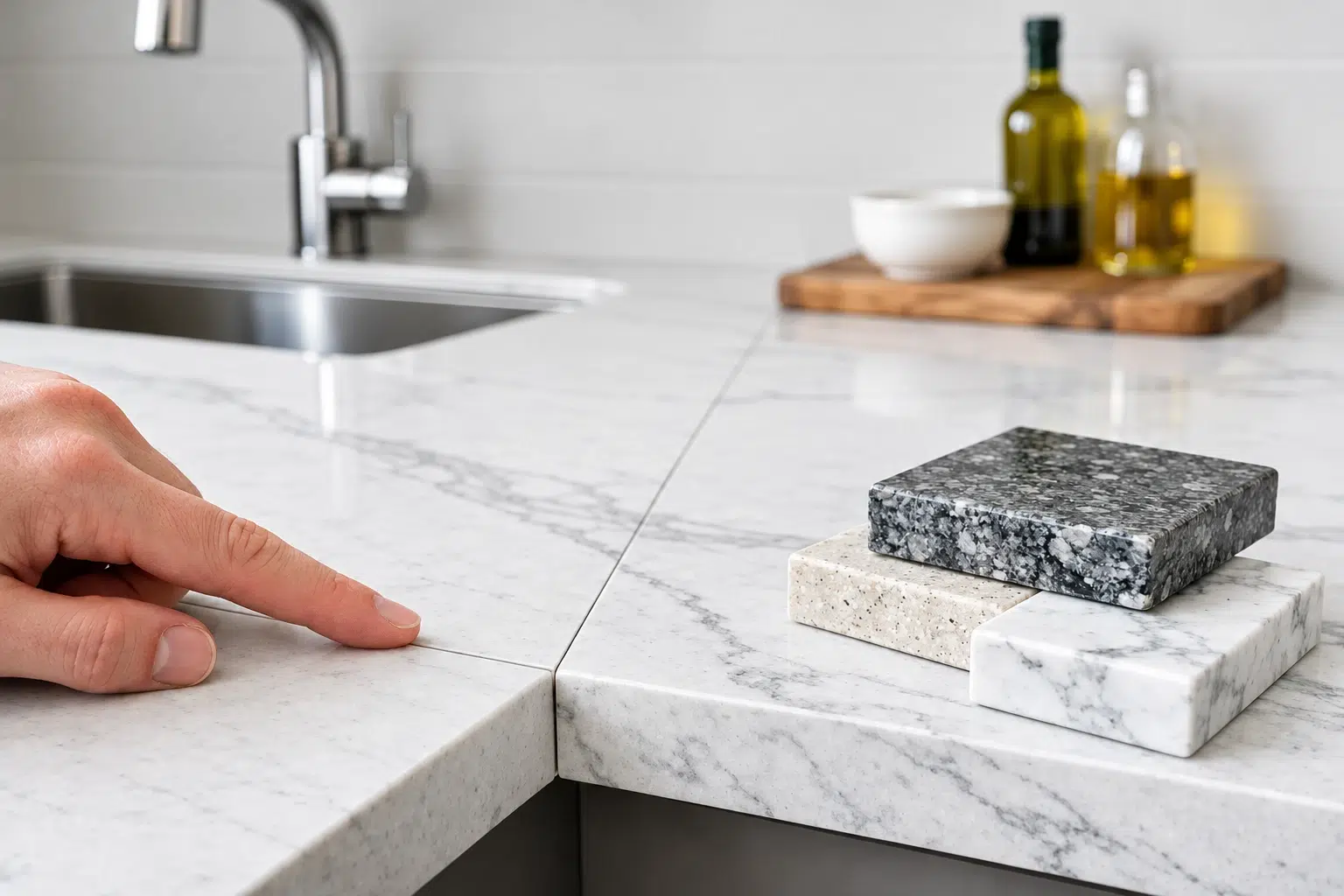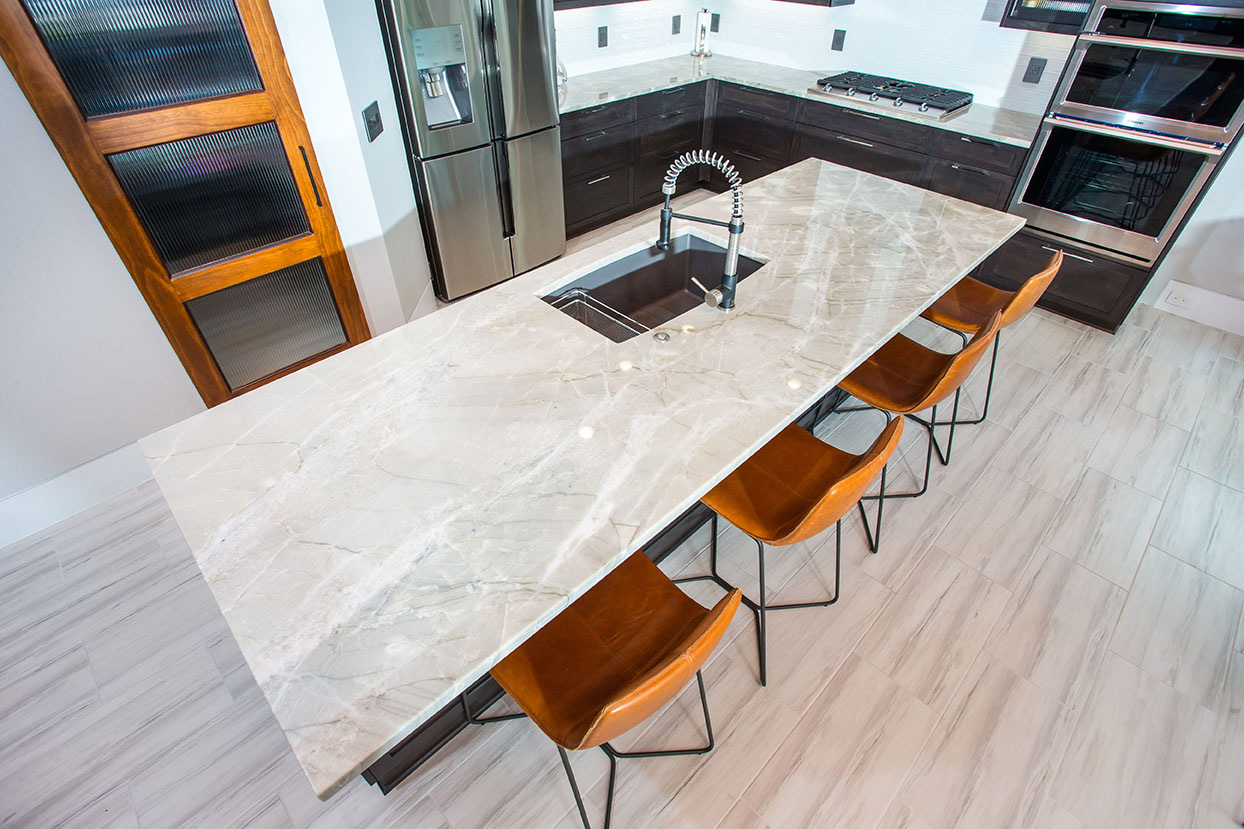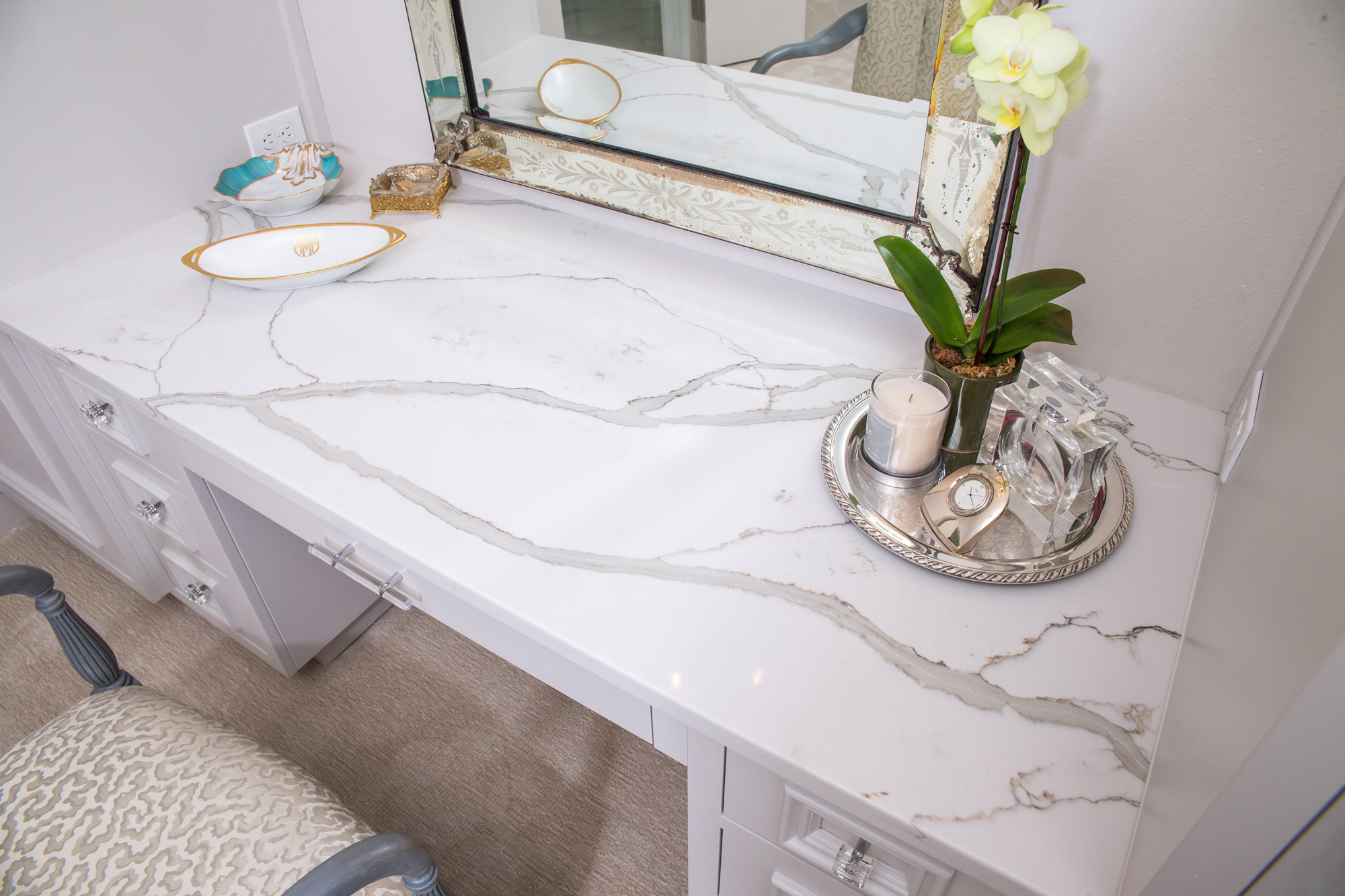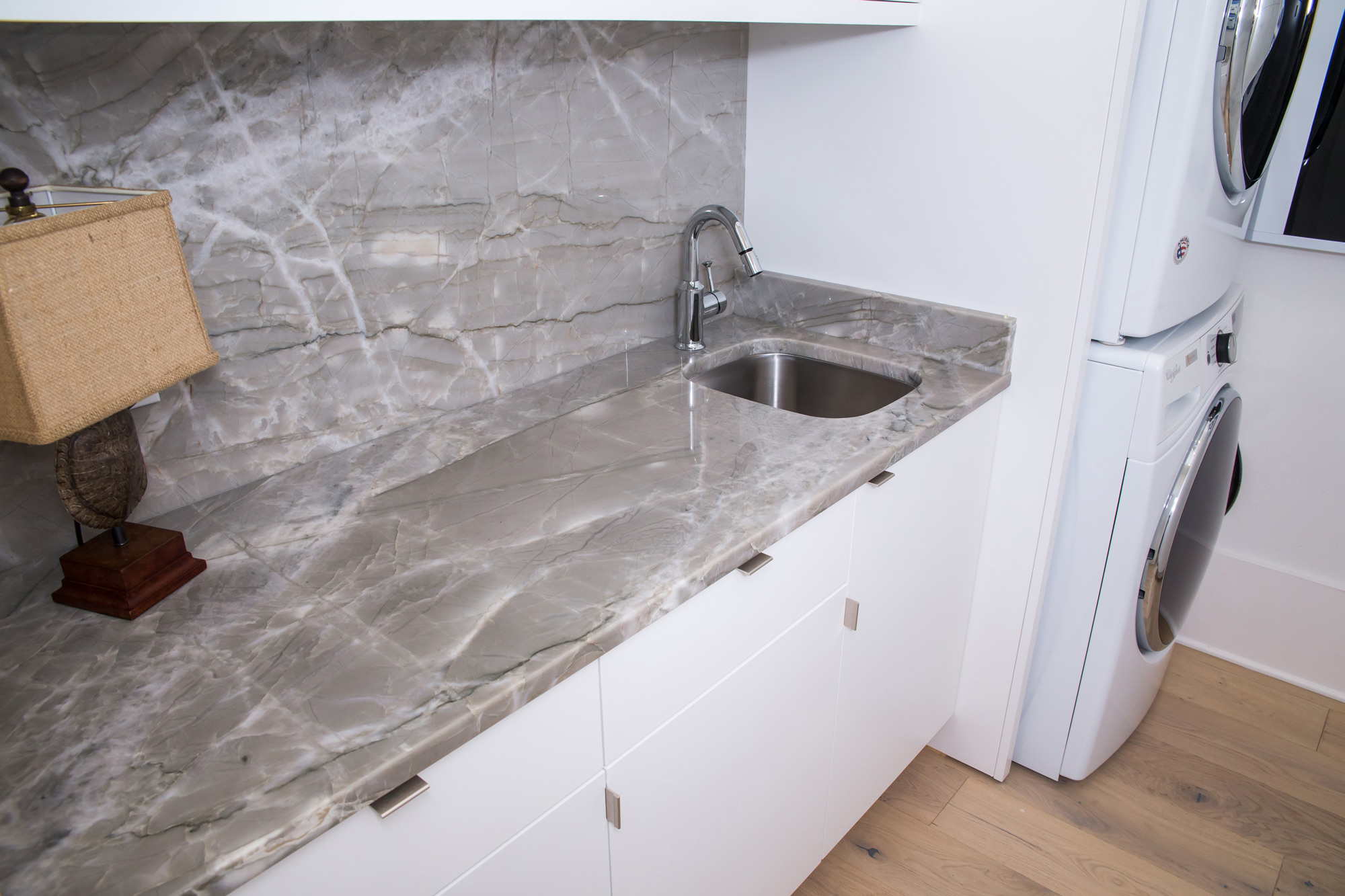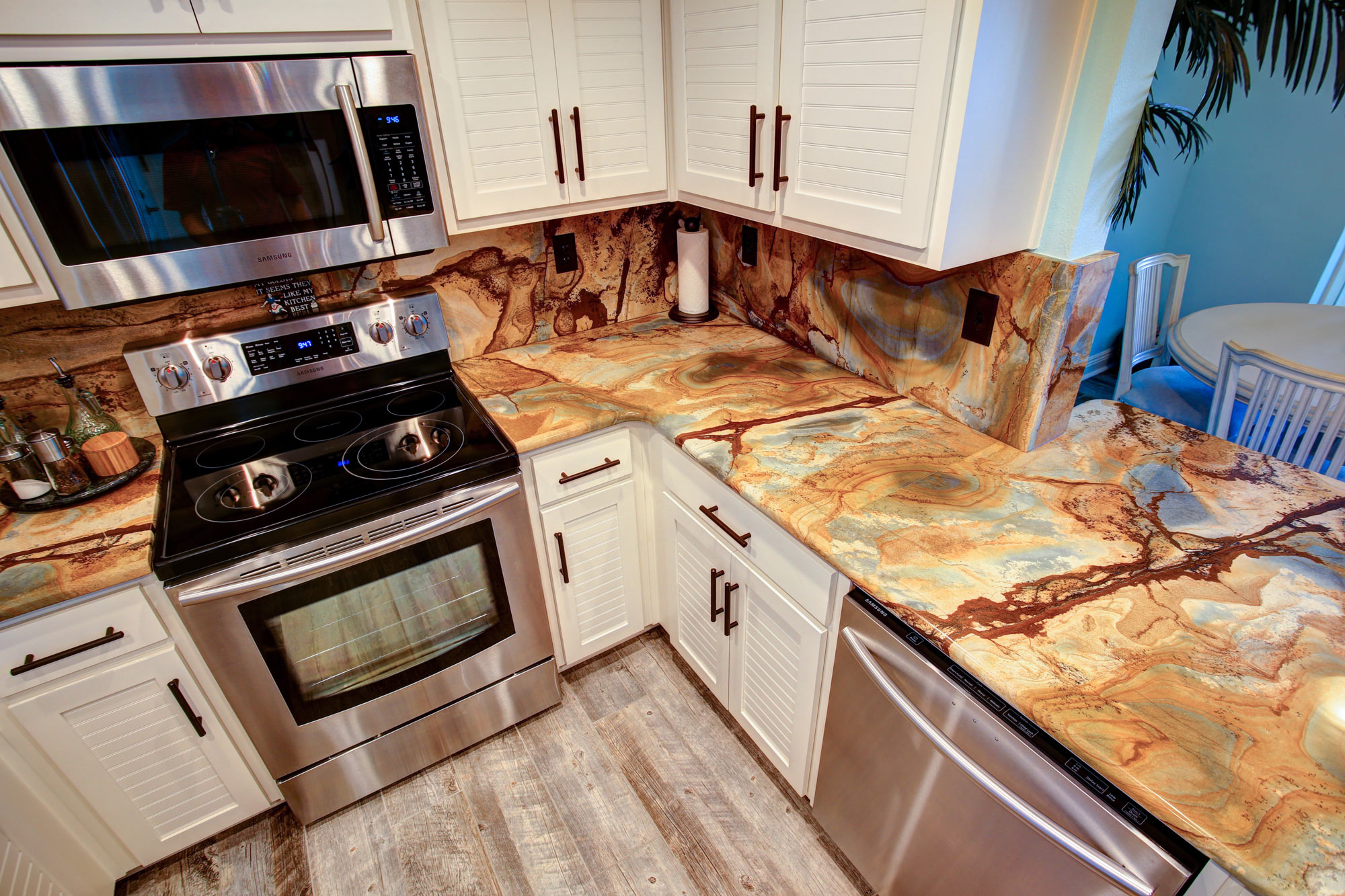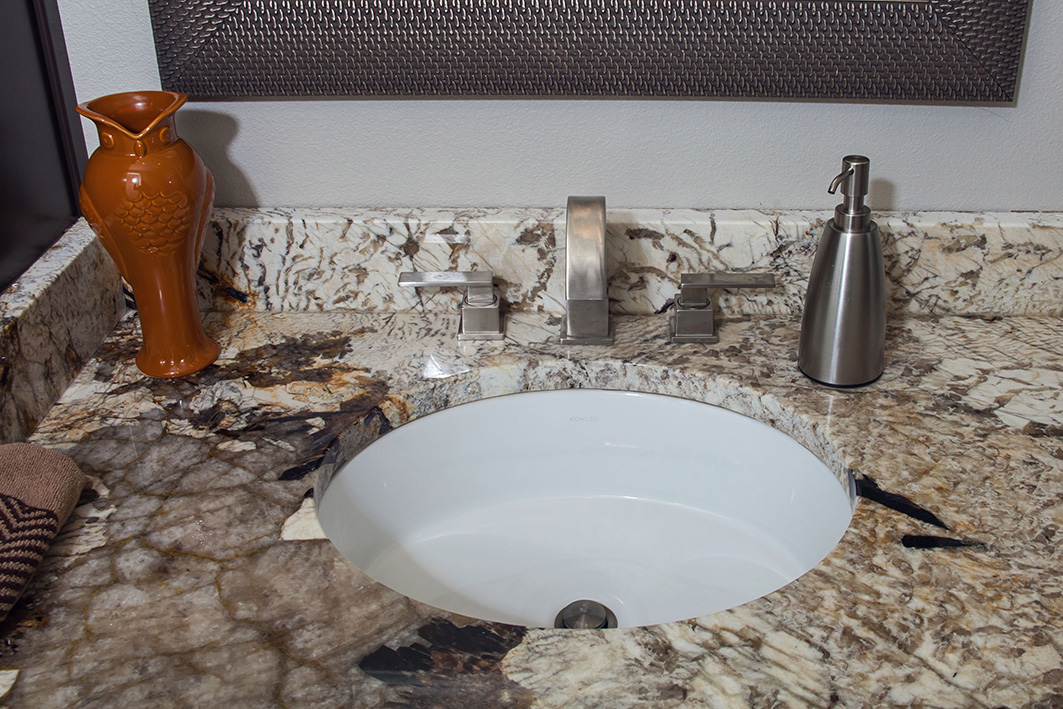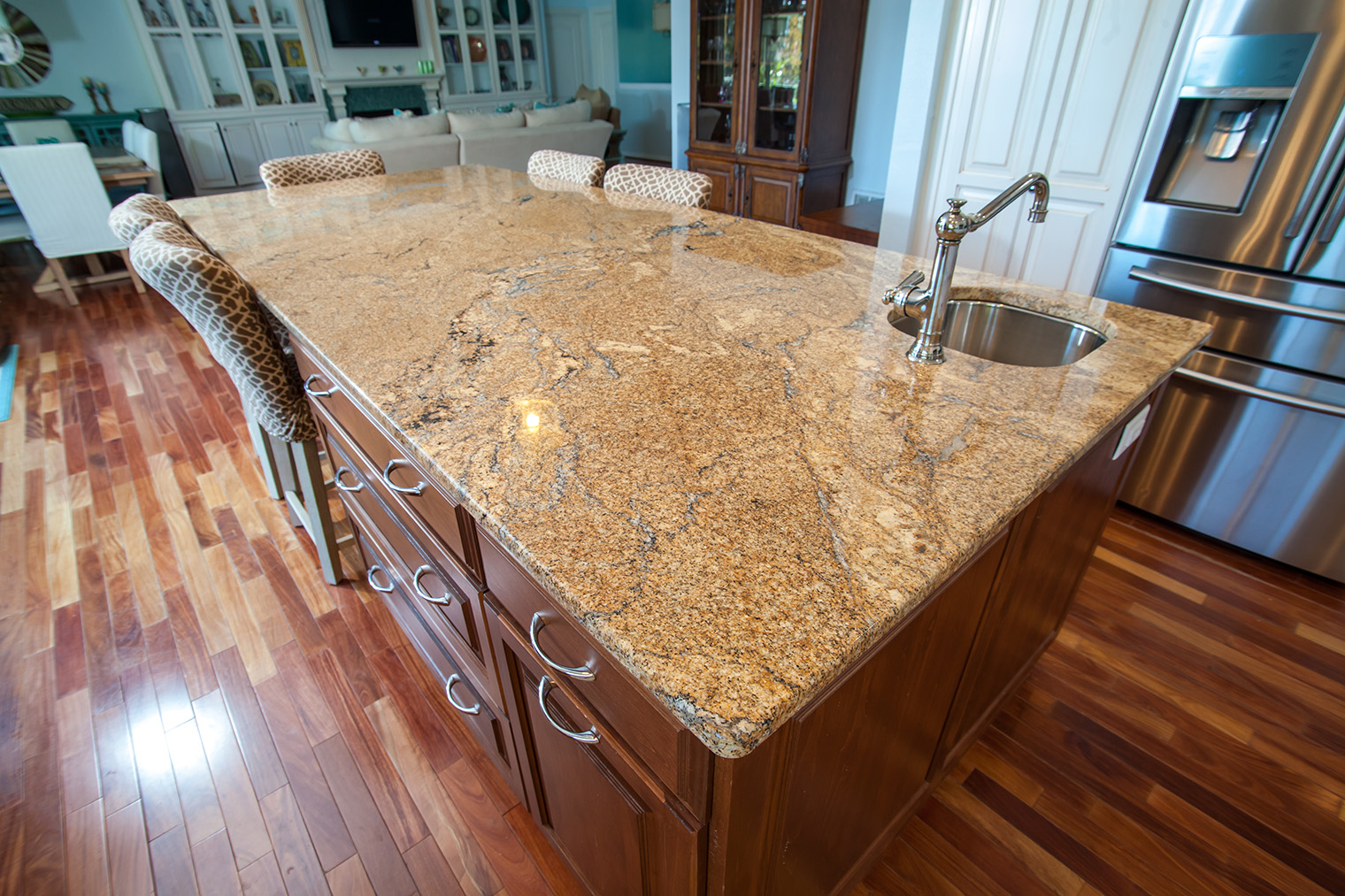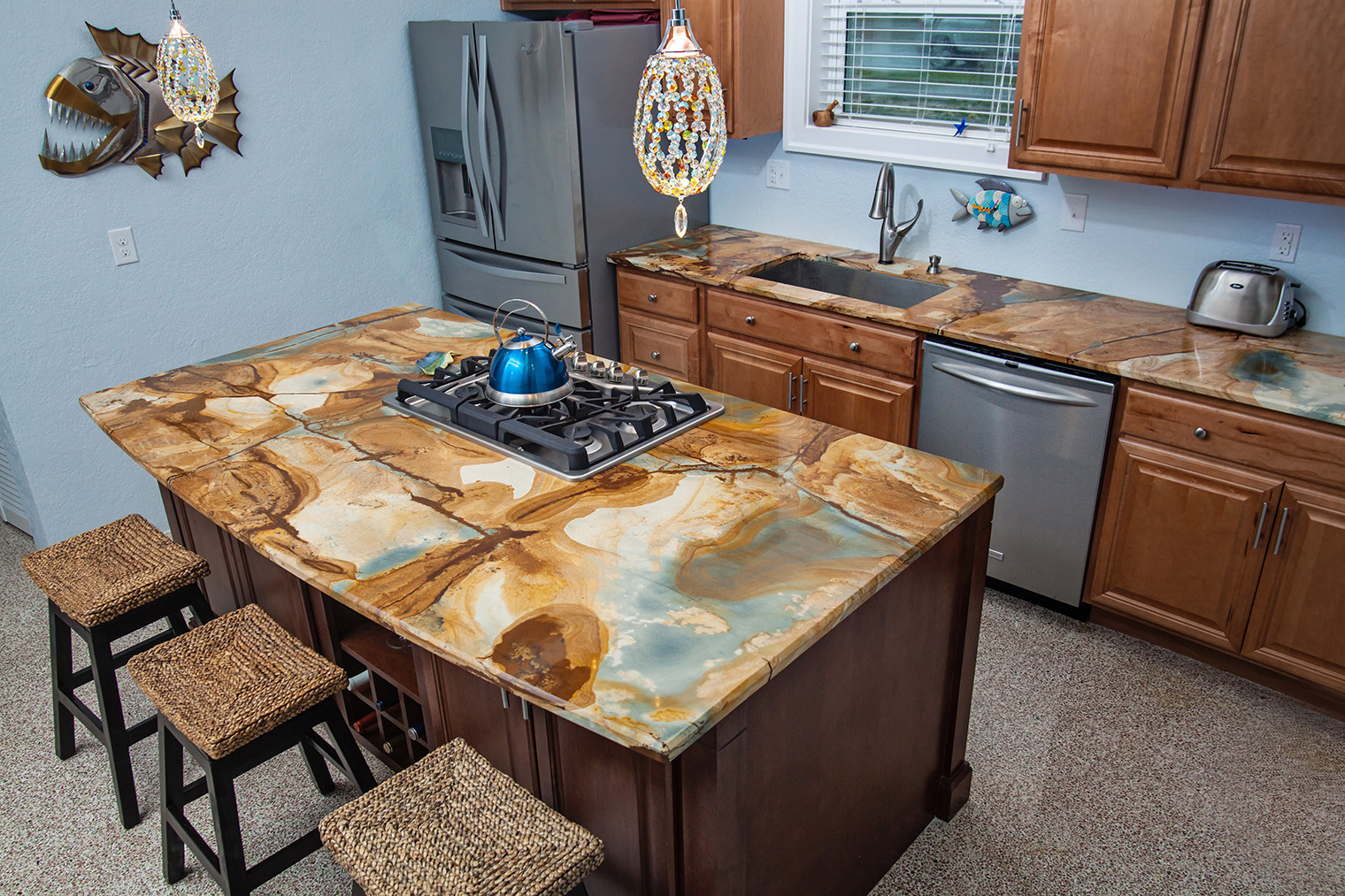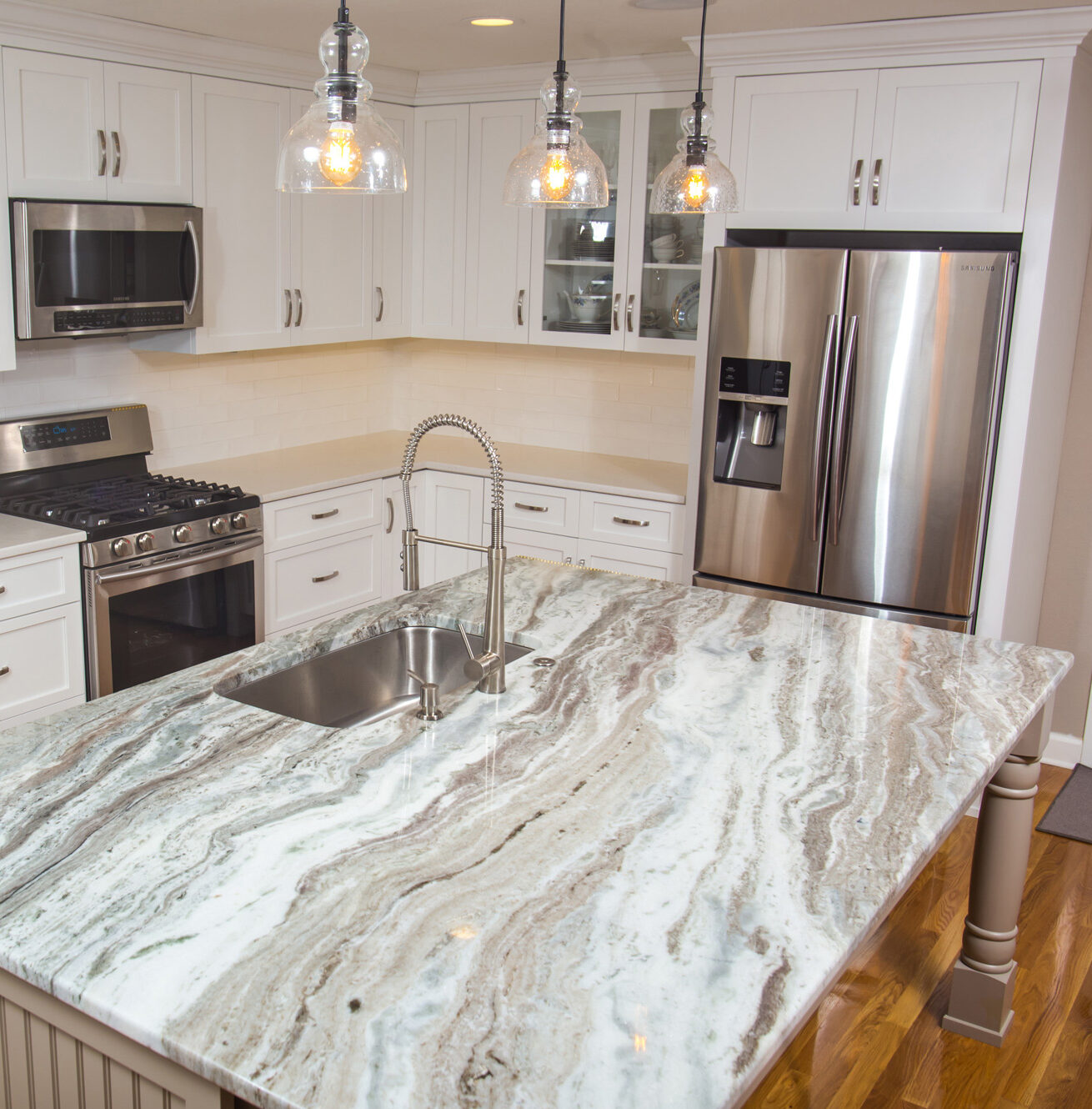
Granite countertops are known for their durability, beauty, and long lifespan. However, even natural stone can develop cracks over time. Heavy impacts, structural stress, improper support, or natural stone characteristics can all contribute to surface damage.
While a small crack may not seem serious at first, it can worsen if left untreated. Moisture, debris, and daily use may cause the damage to spread, affecting both the appearance and strength of the countertop.
For this reason, professional granite crack repair is the safest and most effective solution.
Why Do Cracks Appear in Granite Countertops?
Although granite is one of the strongest countertop materials available, several factors can contribute to cracking.
| Cause | Description |
|---|---|
| Heavy Impact | Dropping heavy cookware or appliances on the surface |
| Improper Support | Uneven cabinet installation or insufficient structural support |
| Natural Stone Characteristics | Veins and natural formations may create weaker areas |
| Stress Around Cutouts | Sink and cooktop openings experience additional pressure |
| Long-Term Wear | Years of use can contribute to minor stress fractures |
Because every crack is different, professional evaluation is important before determining the proper repair method.
Why Professional Granite Crack Repair Is Recommended
Granite repair requires specialized products, color-matching techniques, polishing equipment, and stone restoration experience.
Without proper tools and training, repairs may become more visible or fail to restore the stone correctly. In some situations, incorrect repairs can even cause additional damage.
Professional technicians carefully evaluate:
- The depth of the crack
- The location of the damage
- The condition of the surrounding stone
- Structural support beneath the countertop
- Color and pattern matching requirements
As a result, the repaired area blends more naturally with the rest of the countertop while maintaining the stone’s integrity.
The Professional Granite Repair Process
Professional granite repair typically involves several steps to restore both appearance and durability.
Inspection and Assessment
First, technicians inspect the crack to determine its severity and identify the underlying cause. This step helps prevent future problems after the repair is completed.
Surface Preparation
Next, the damaged area is cleaned thoroughly to remove contaminants that could interfere with the repair process.
Professional Crack Filling
Specialized stone repair materials are then applied to stabilize and repair the damaged area. Color-matching techniques help create a consistent appearance across the surface.
Polishing and Refinishing
Once the repair is complete, technicians polish the area to restore the countertop’s natural finish and shine.
Sealing and Protection
Finally, the surface may be resealed to help protect against moisture, staining, and everyday wear.
Cleaning and Maintaining Granite After Repairs
Proper maintenance plays an important role in preserving repaired granite surfaces.
Homeowners should:
- Use pH-neutral stone cleaners
- Wipe spills promptly
- Avoid abrasive cleaning products
- Use cutting boards during food preparation
- Place hot cookware on trivets or heat-resistant pads
Additionally, periodic professional inspections can help identify minor issues before they become larger problems.
Granite Sealing and Surface Protection
After a crack repair, sealing helps protect the stone from moisture and staining.
Because granite is a natural material, maintaining an effective seal can support the long-term performance of the countertop. Professional sealing services also help preserve the natural beauty of the stone while reducing the risk of future damage.
When Should You Contact a Professional?
Some cracks may appear minor but can indicate underlying structural concerns.
Professional evaluation is recommended if:
- A crack continues to grow
- The damage extends across a large section of the countertop
- The crack is located near a sink or cooktop cutout
- The countertop shows movement or instability
- Discoloration develops around the damaged area
Early professional intervention often helps prevent more extensive repairs in the future.
Why Homeowners Trust Professional Granite Repair
Professional granite repair provides benefits that are difficult to achieve without specialized equipment and experience.
Advantages include:
- Accurate color matching
- Proper structural stabilization
- Professional polishing and refinishing
- Long-lasting results
- Protection of the surrounding stone surface
Most importantly, professional repair helps preserve the appearance, value, and durability of the countertop.
Conclusion
Granite countertops offer exceptional durability, but cracks can still occur due to impact, stress, or natural stone characteristics.
Rather than attempting repairs on your own, professional granite repair helps ensure the damage is addressed correctly and safely. Experienced technicians can identify the cause of the crack, restore the appearance of the stone, and help prevent future issues.
If you’ve noticed a crack in your granite countertop, contact Superior Granite for a professional inspection and expert repair services.
FAQs
1. Can granite countertop cracks be repaired?
Yes. Many granite cracks can be repaired successfully by trained stone restoration professionals using specialize repair materials and techniques.
2. Should I repair a granite crack myself?
Professional repair is strongly recommend. Granite repairs require proper color matching, polishing equipment, and stone restoration expertise to achieve durable, natural-looking results.
3. Can a small crack become worse over time?
Yes. Even minor cracks can expand due to daily use, moisture exposure, or structural stress. Early professional assessment can help prevent further damage.
4. How can I tell if a granite crack is serious?
Cracks that continue to grow, extend across the slab, or appear near sink and cooktop cutouts should be inspects by a professional as soon as possible.
5. Will the repaired area be visible?
Professional repairs are designs to blend with the surrounding stone as closely as possible. The visibility of the repair depends on the size, location, and characteristics of the original crack.
6. Why do granite countertops crack?
Common causes include heavy impacts, improper support, natural stone characteristics, structural stress, and long-term wear.
7. Does granite need sealing after a repair?
In many cases, professional sealing is recommend after repairs to help protect the stone from moisture and staining.
8. How can I help prevent future cracks?
Proper countertop support, routine maintenance, prompt spill cleanup, and avoiding heavy impacts can help reduce the risk of future damage.