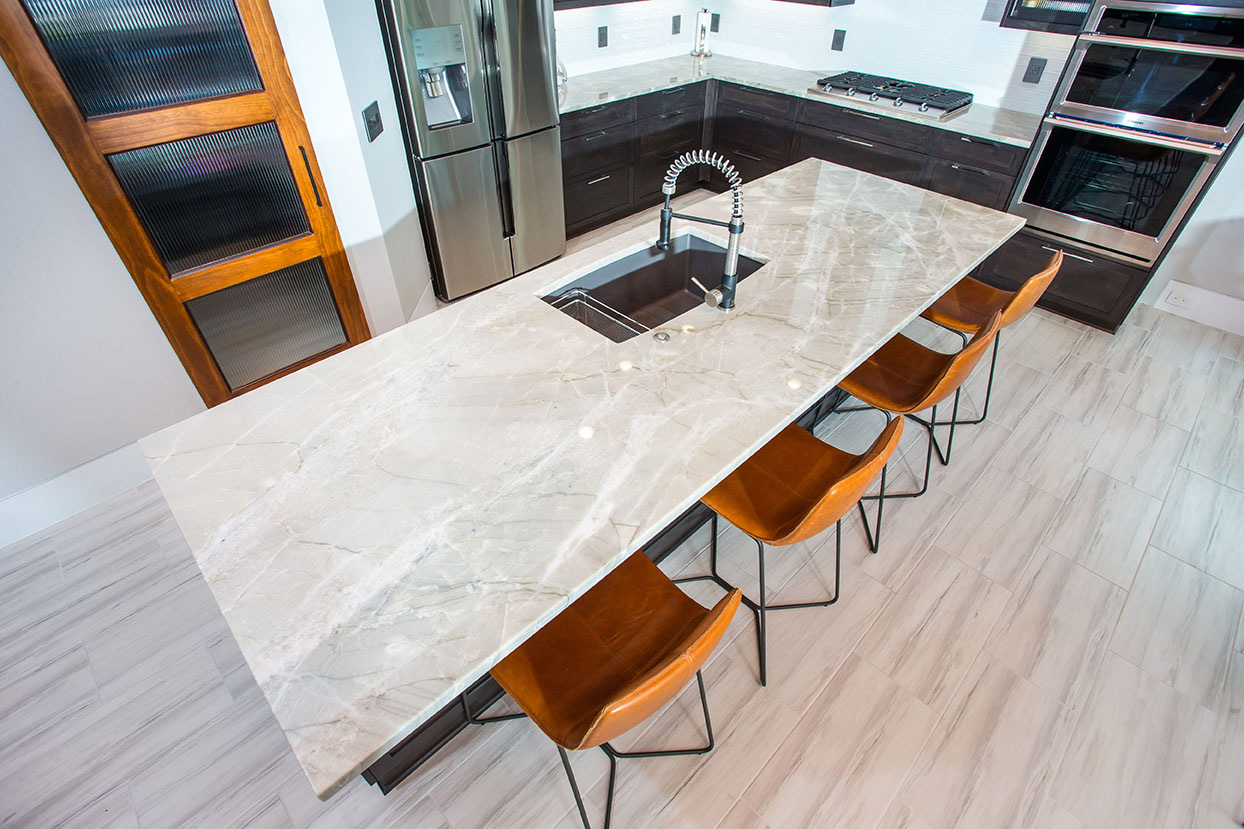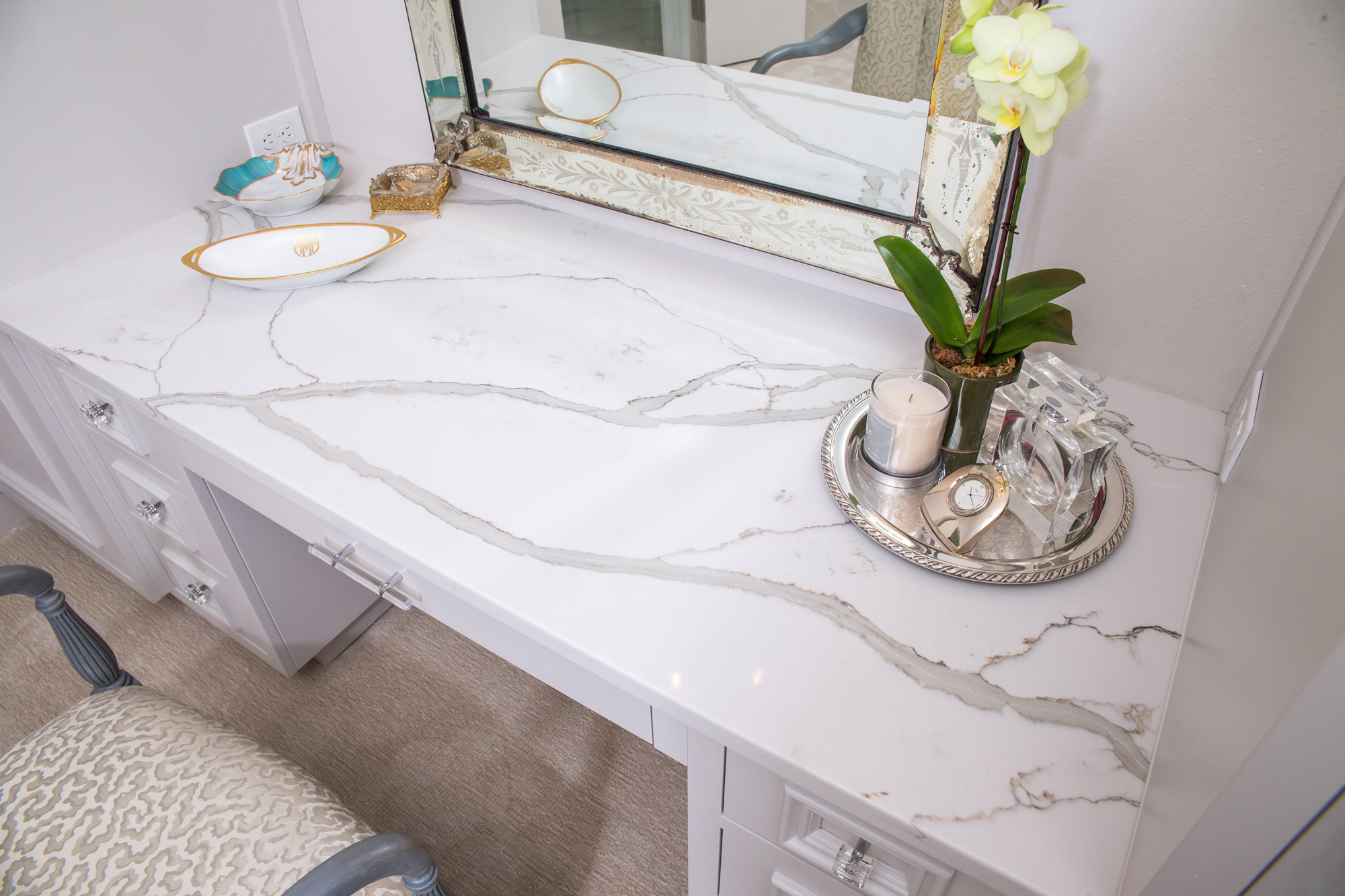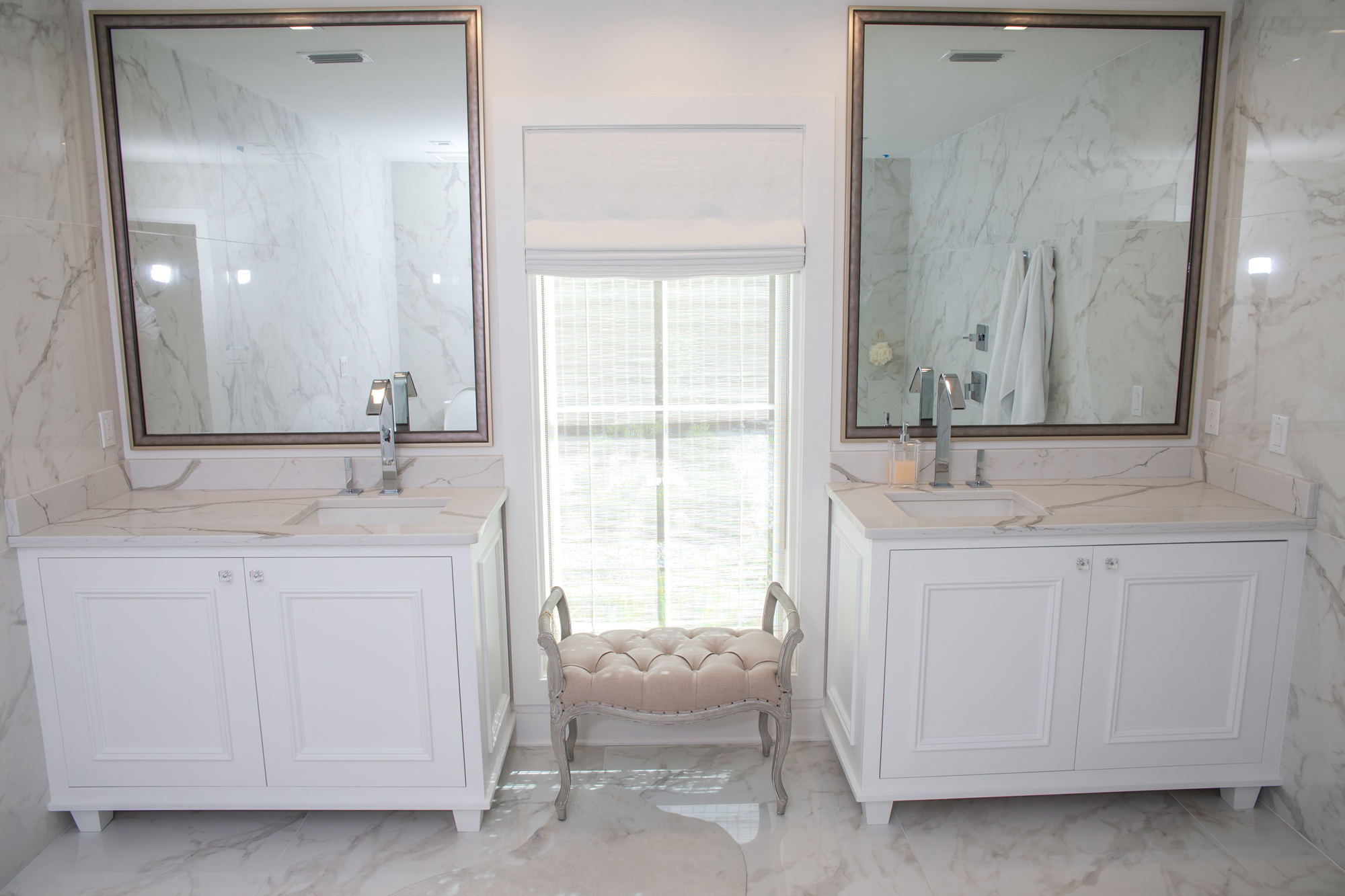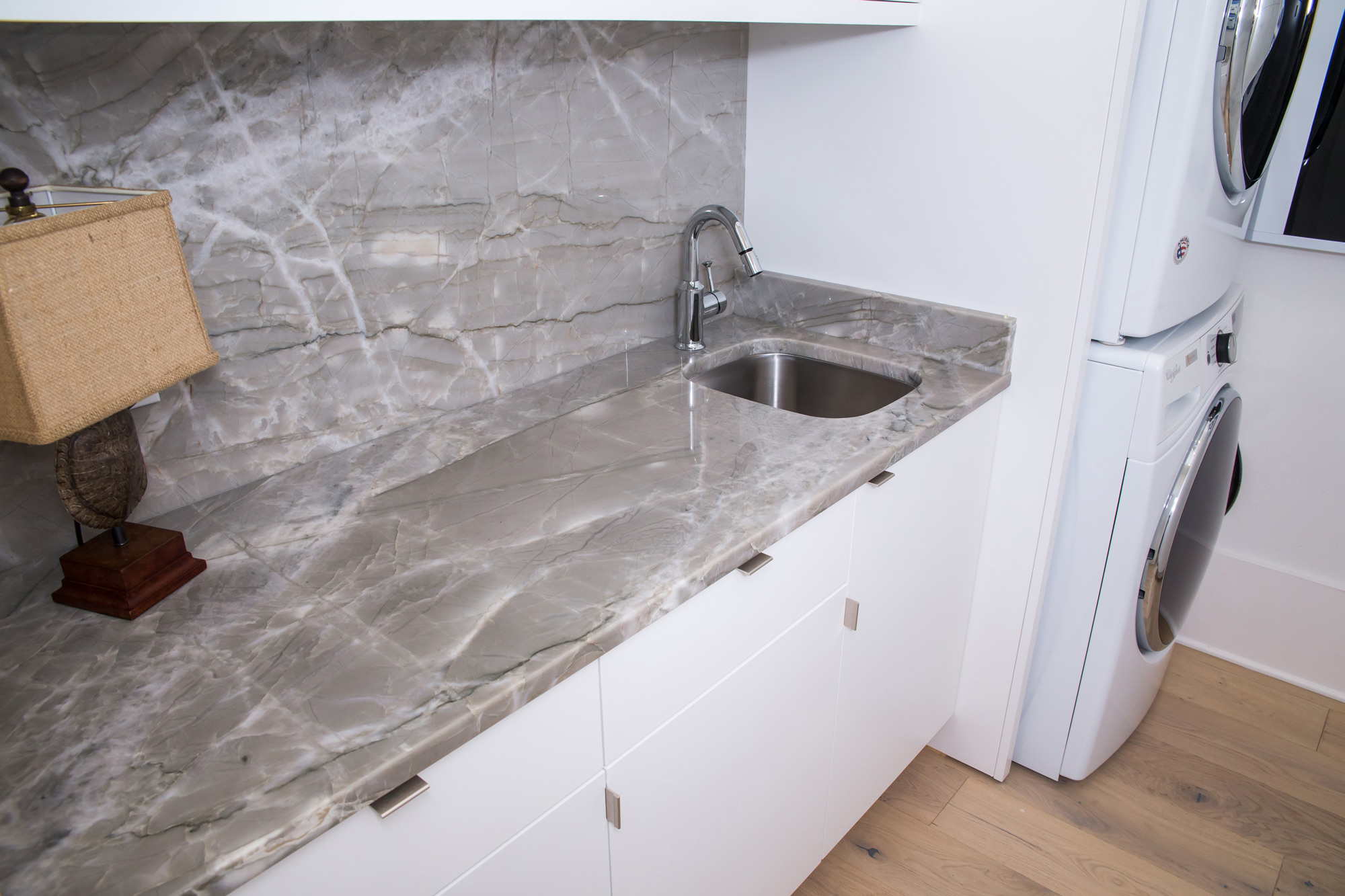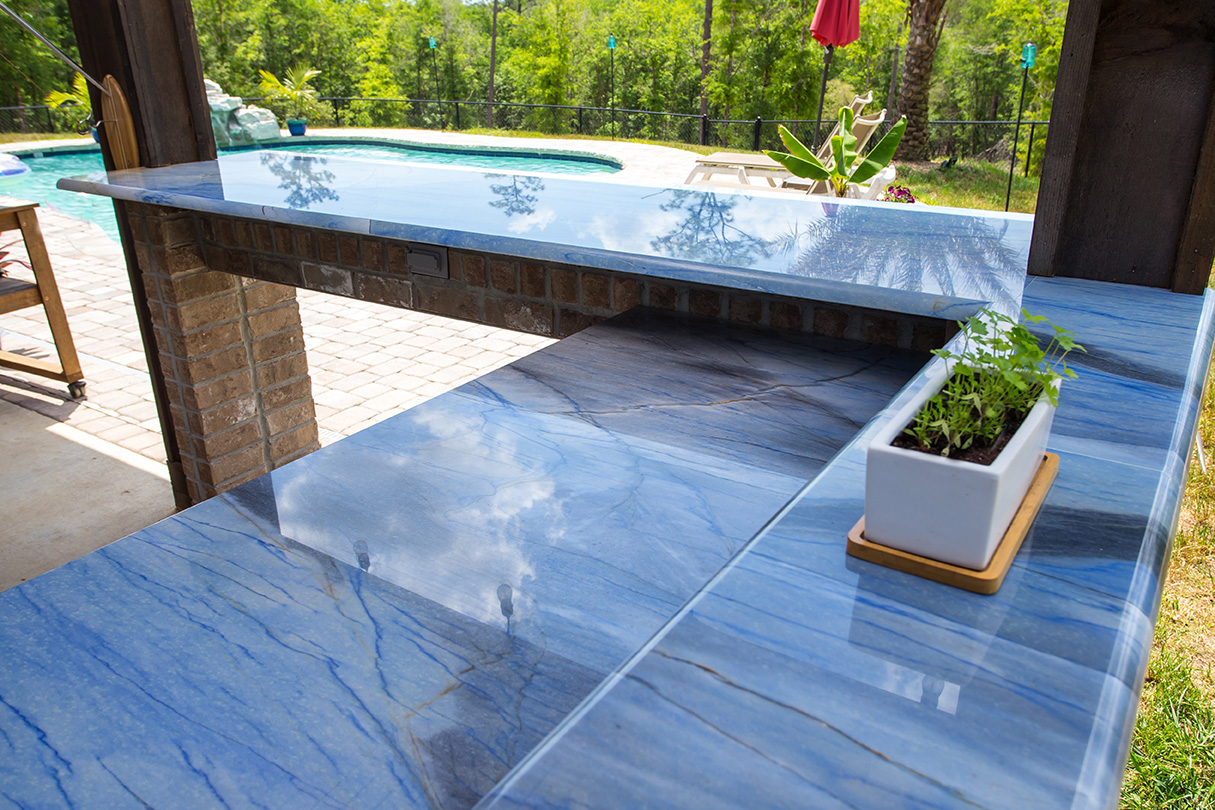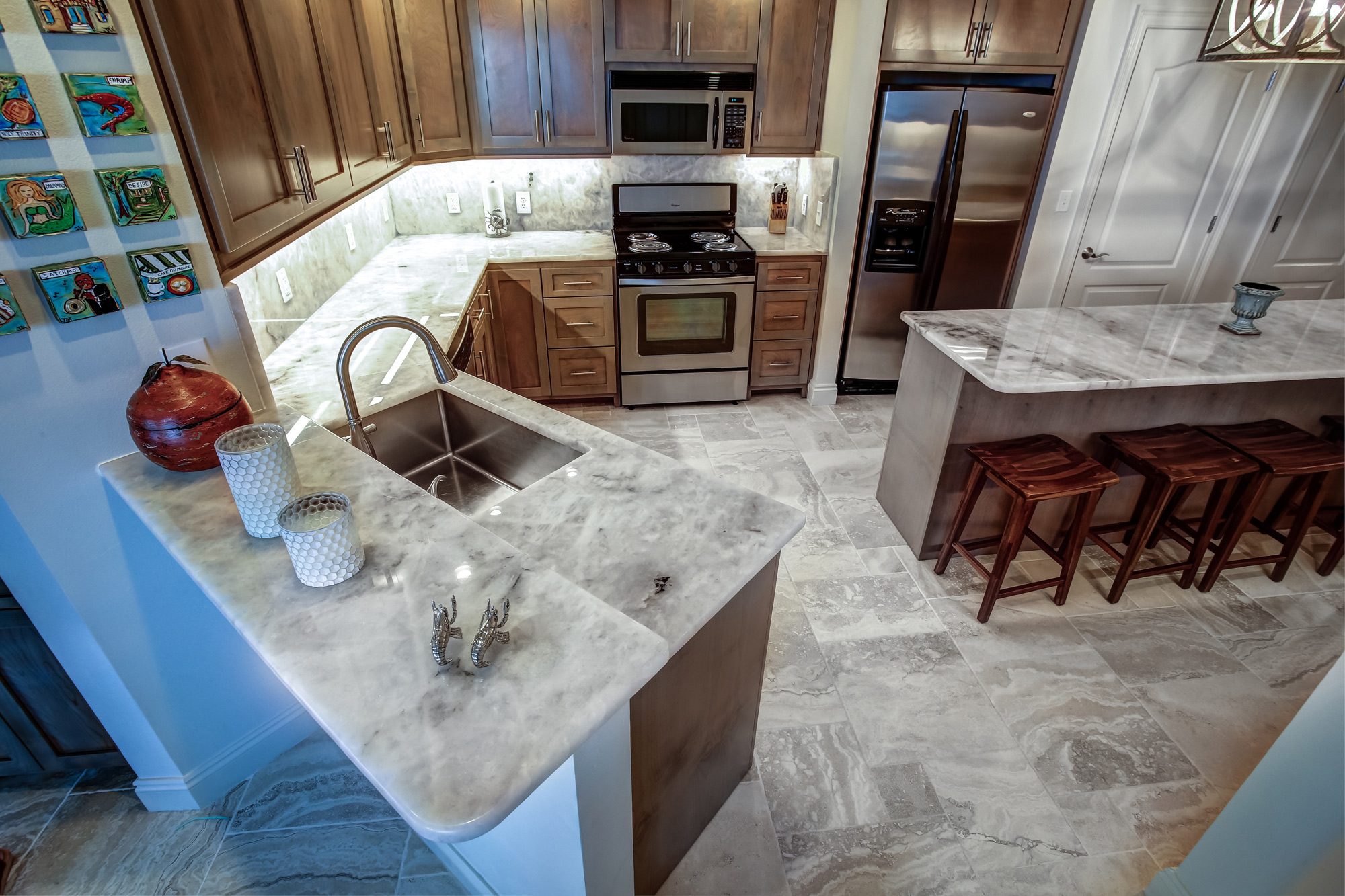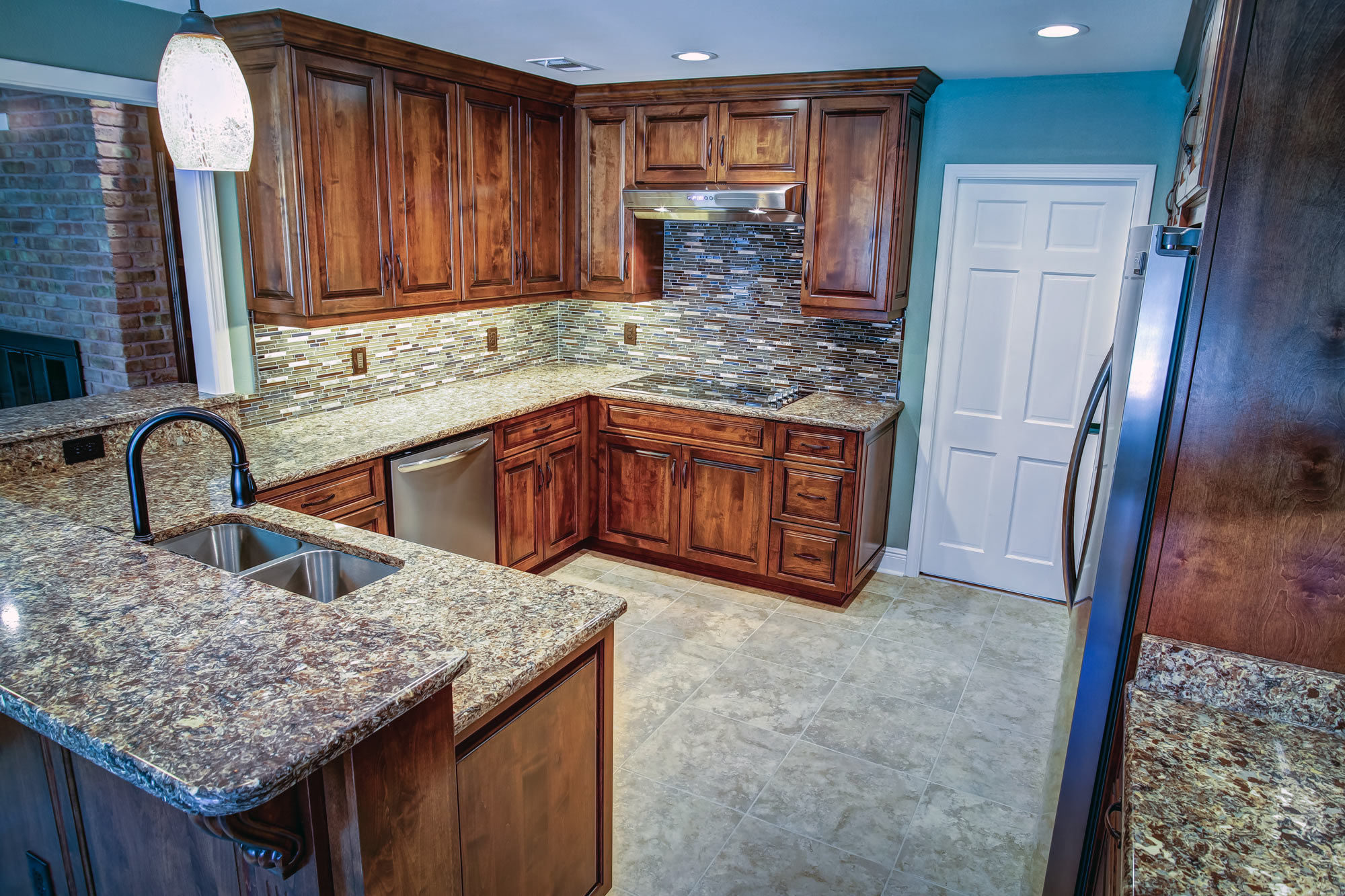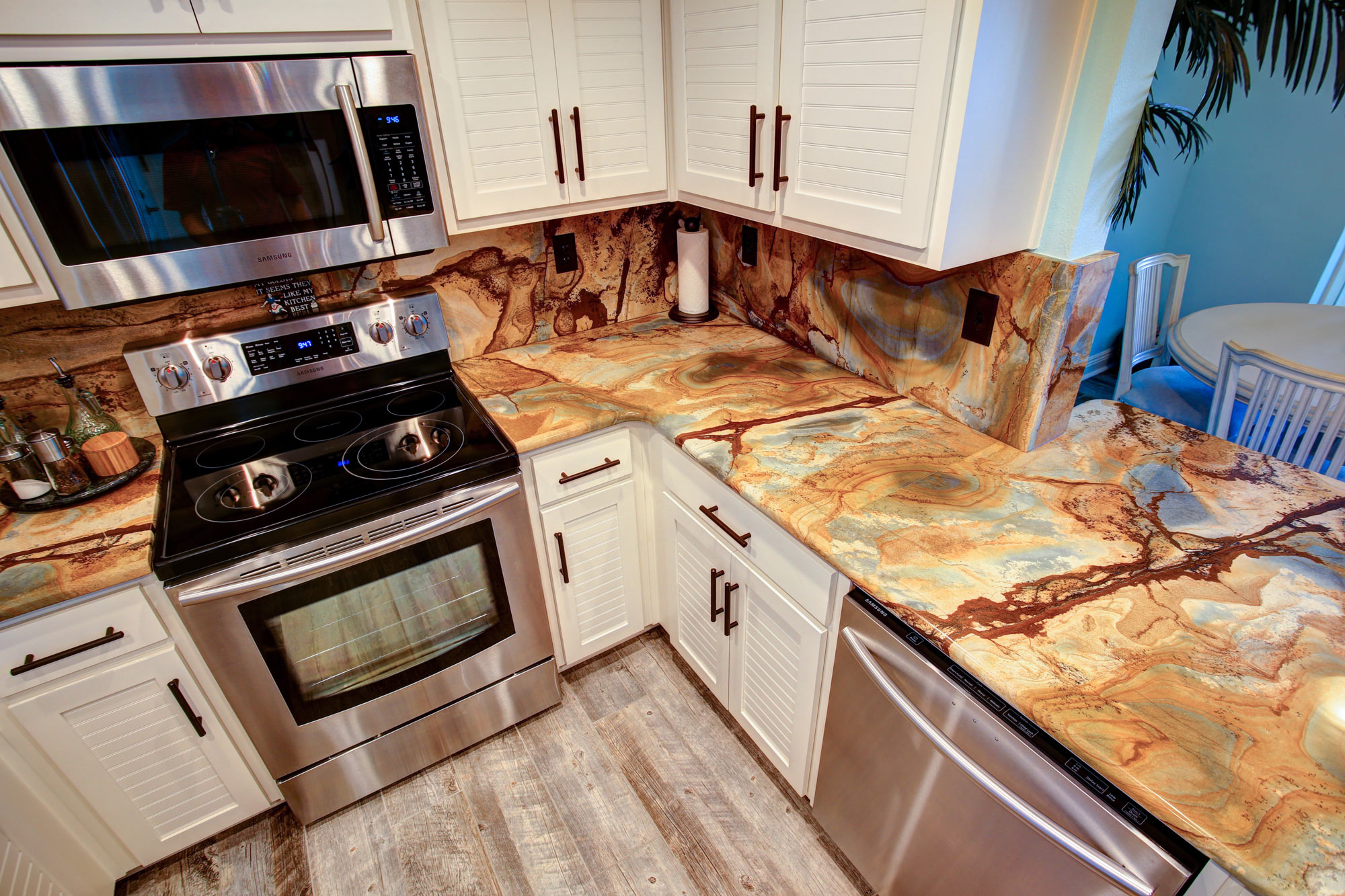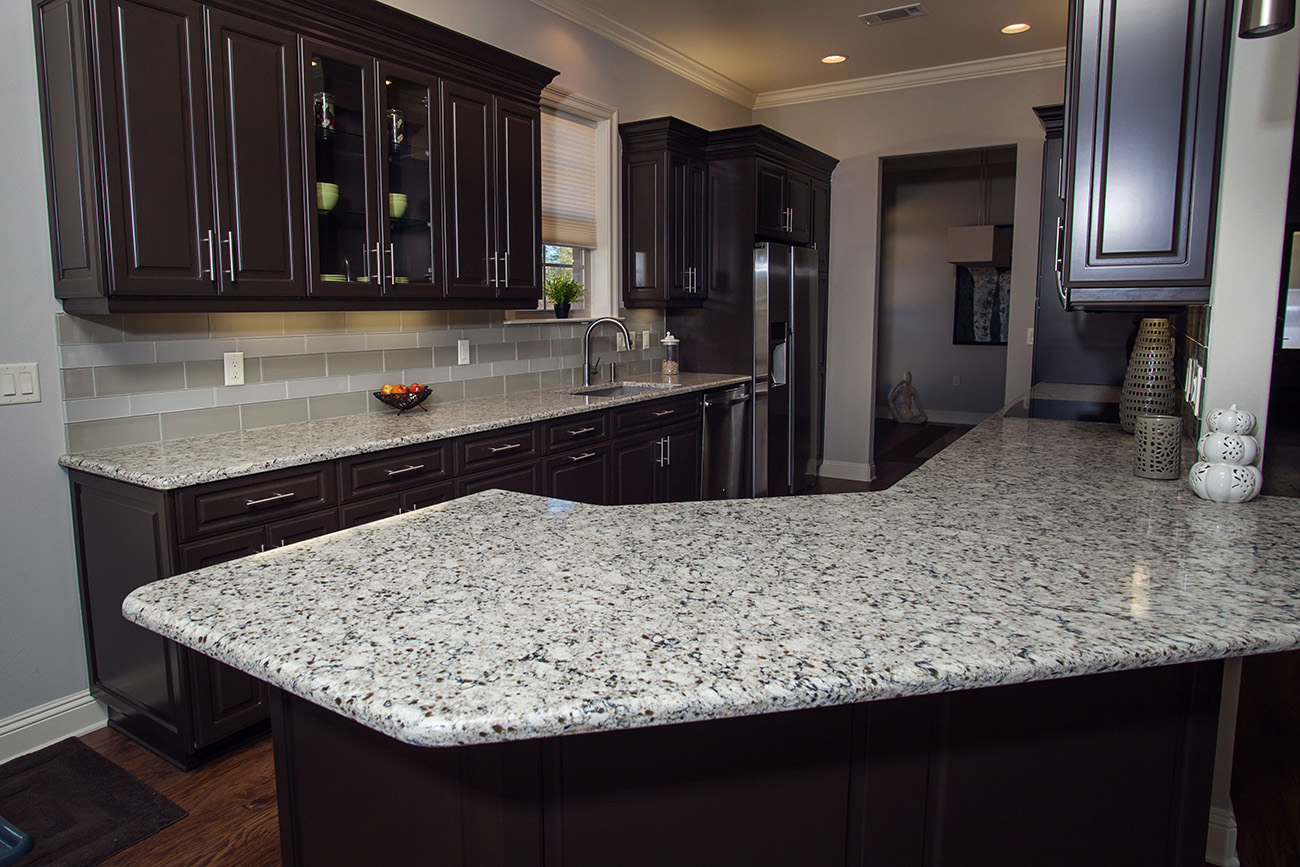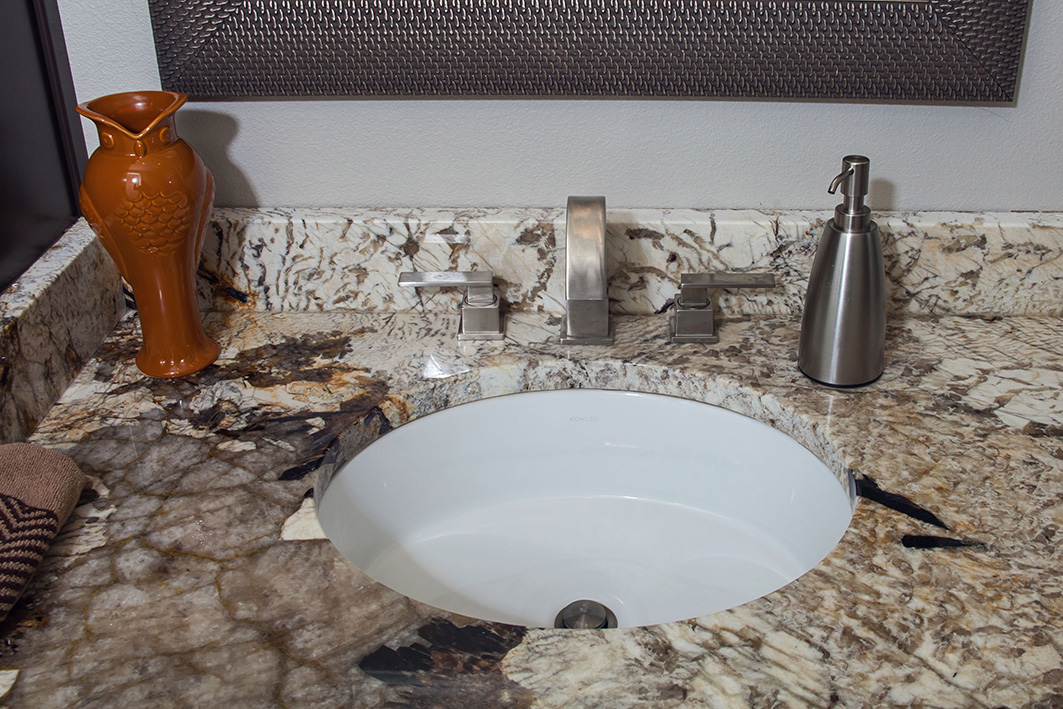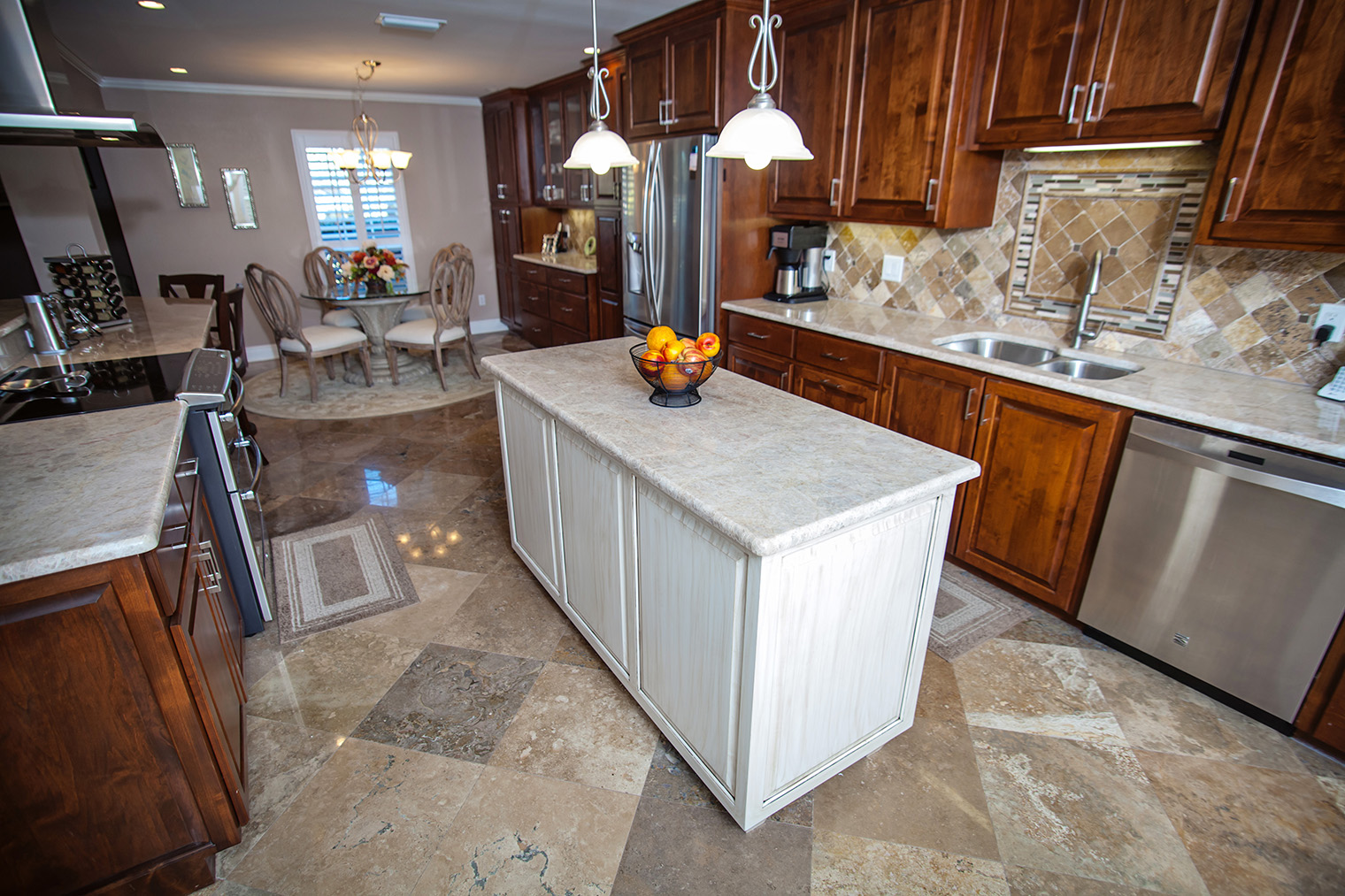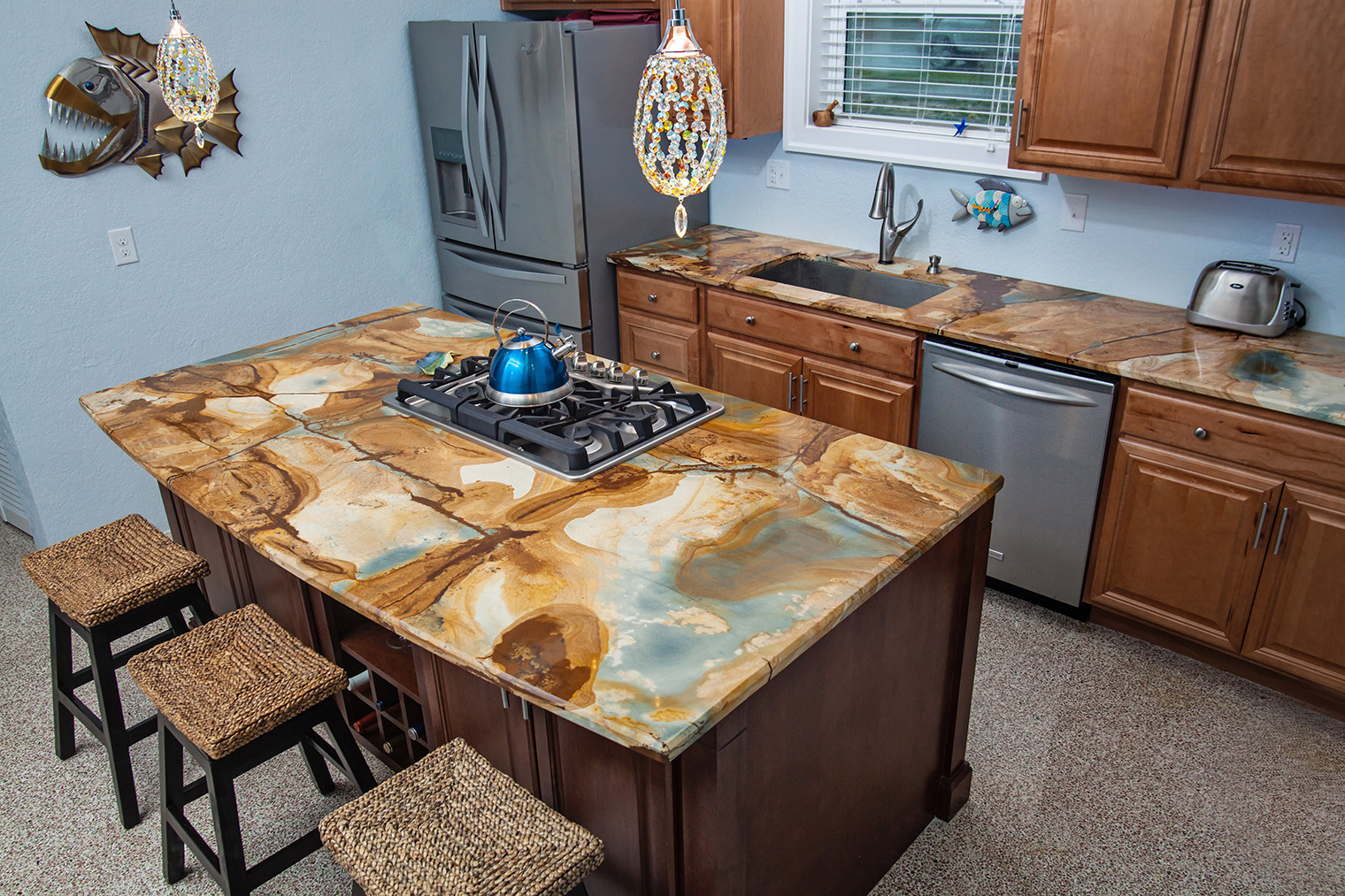
You can find kitchen countertops made of all sorts of different materials. These vary from granite to Formica. We will discuss stone countertops in this article. All stone, however, is not equal. Some are made by man and some, such as granite, are made by nature.
When discussing stone countertops, we see two distinct categories;natural stone and man-made stone. Granite is a natural stone. Furthermore, it is great for countertops. Natural stone is created by nature, most often far below the surface of the earth, with extreme heat, pressure, and time. Man-made stone, also known as engineered stone is made by mixing various components together.
Granite Countertops

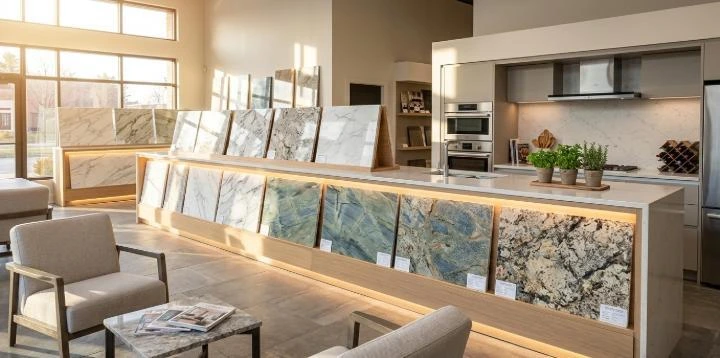
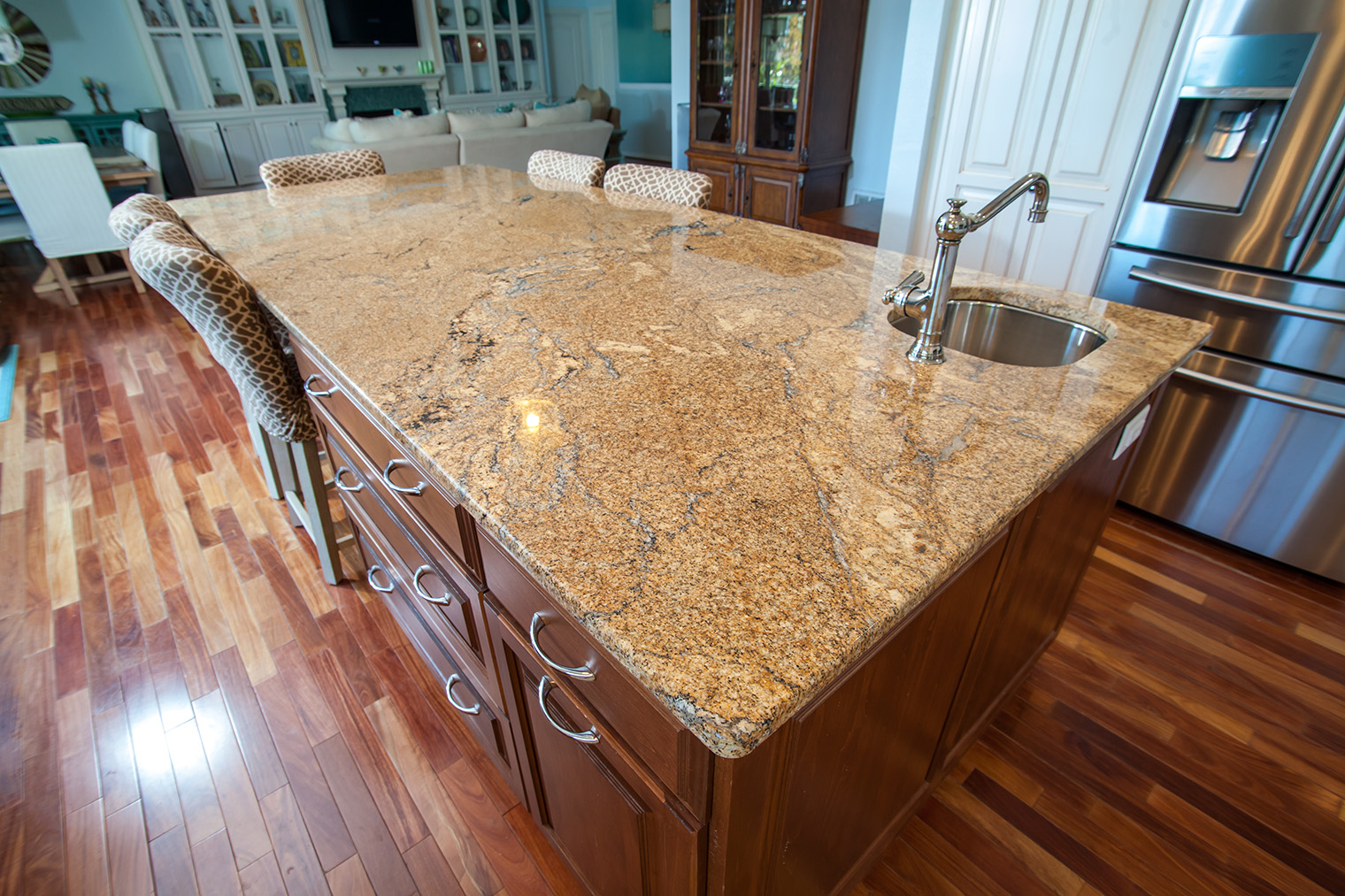
Many variables contribute to how a particular slab of granite develops. Granite comes is such a vast assortment of colors and patterns. Because of this, it fits a variety of tastes. Granite slabs come in varying thickness. While a thicker piece of granite is indeed heavier, it is also stronger. This makes granite suitable for large projects, such as kitchen islands.
Quartz
Quartz crystals are naturally occurring minerals. Natural quartz does not lend itself easily as a material for countertops. The crystals are far too small.
What is commonly and commercially known as quartz, is not typically a quartz slab. They are produced by mixing crushed quartz crystals and polymer resins. Specific colors and patterns can be created by altering the ratio of quartz to the resin and the size of the crystals. Quartz countertops very hard, strong, and durable. Due to the resin, quartz is not as porous as many natural stones. This makes them more bacteria resistant. Fabricated quartz material is more susceptible to heat damage.
Other Natural Stones
Other natural stones used for countertops include; marble, limestone, soapstone, and quartzite. Incidentally, don’t confuse quartzite with quartz, they are not the same stone. In summary, there are pros and cons attached to both natural stone and engineered stone. Cost, durability, selection, purpose, and taste. These all have bearing on which material to use. With this in mind, choosing can take time. In other words, choosing should take time.